
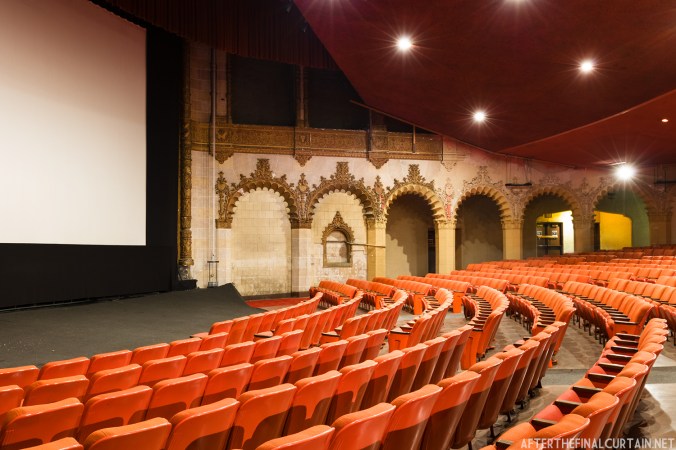
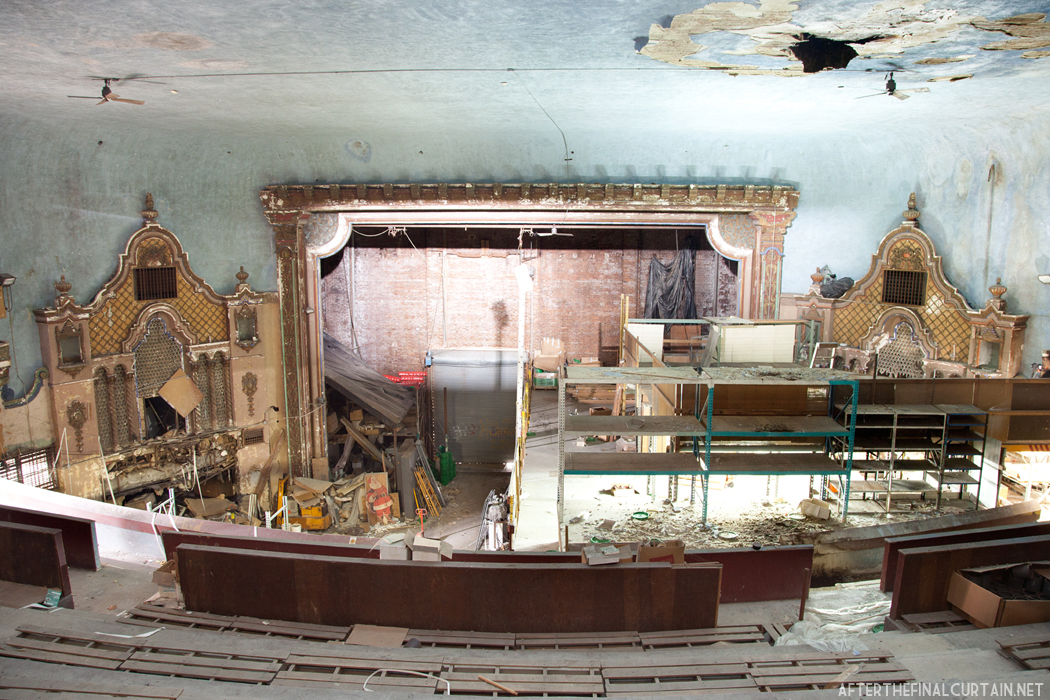
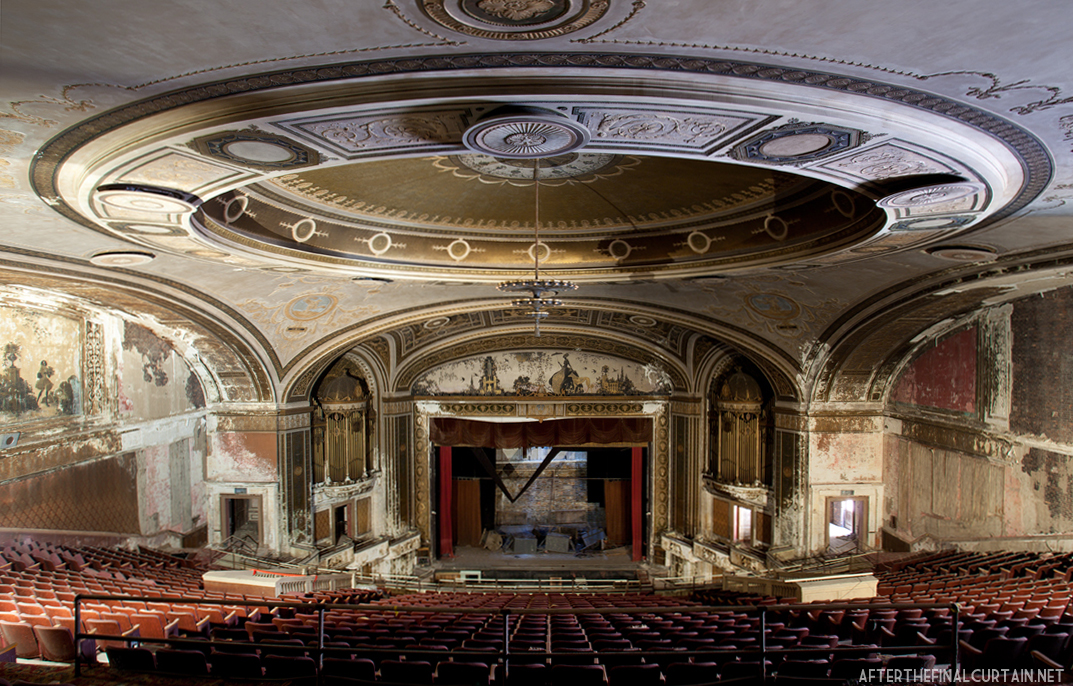
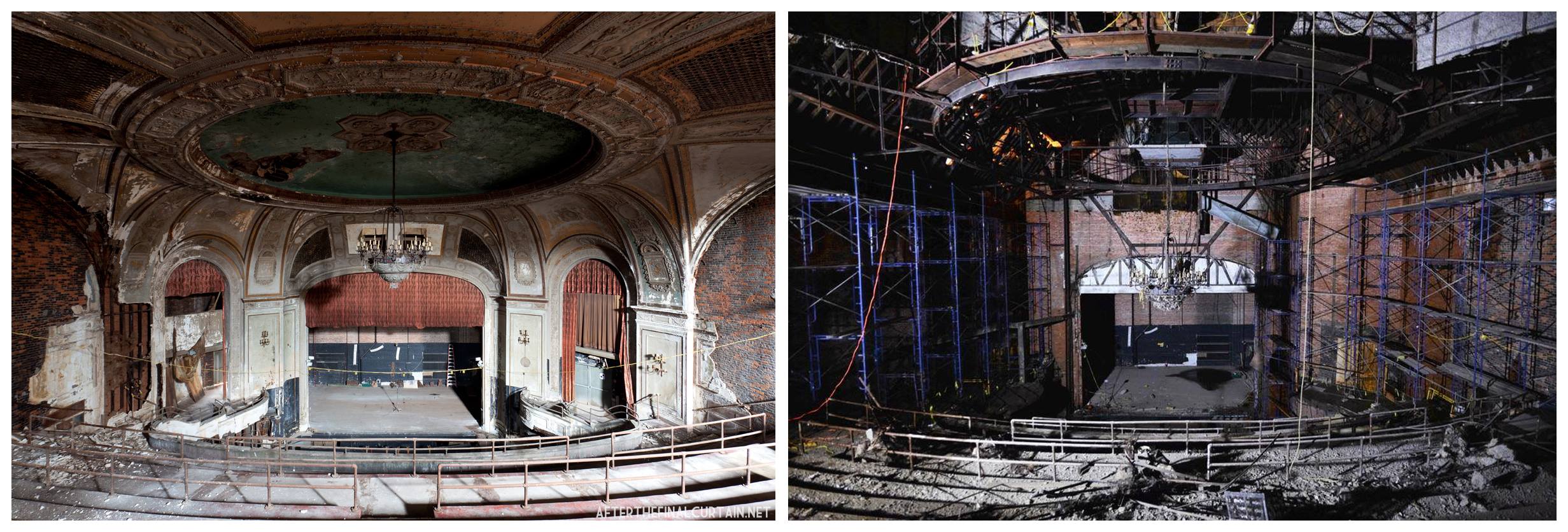
View from the back of the auditorium.
In late 1925, Sam Warner, of Warner Brothers Pictures, convinced his brothers to spend $1.25 million ($17.1 million when adjusted for inflation) to design and build a theater to showcase their new film sound synchronization technology, Vitaphone. Vitaphone, in which the sound track of a film was printed on phonograph records that would play on a turntable attached to and in time with the projector, was the result of a partnership between Warner Brothers and Western Electric’s Bell Laboratories.
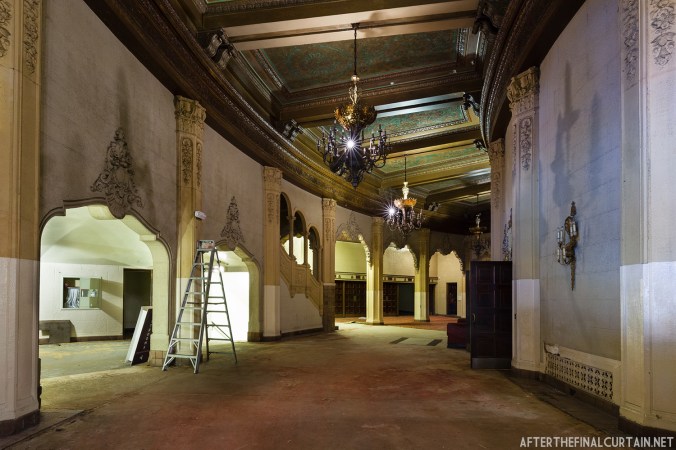
The Warner Theatre had a 4 manual, 28 rank Marr & Colton organ. The organ was originally installed in the Warners’ (Piccadilly) Theatre in New York.
Hollywood was chosen as the location for the theater, and Warner hired San Francisco-based architect G. Albert Lansburgh to design and oversee the construction of the theater. The theater was intended to be ready in time for the premiere of “The Jazz Singer,” since the film had several scenes that used the Vitaphone process. However, Warner Bros realized in late 1927 that the theater would not be ready in time for the premiere, and it was moved to the Warners’ (Piccadilly) Theatre in New York City.
Lansburgh also designed the Wiltern Theatre in Los Angeles.
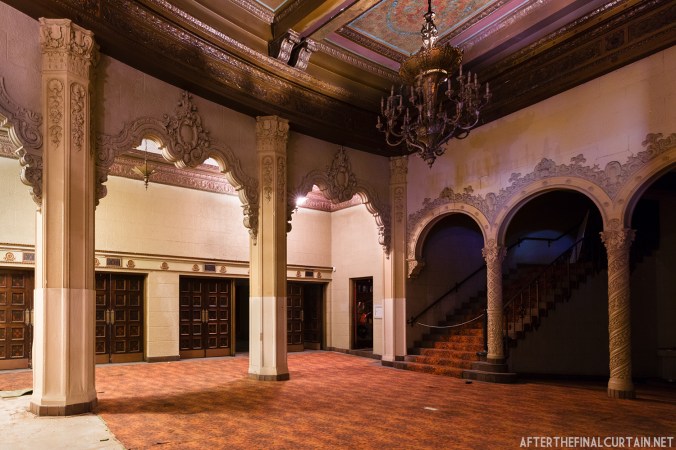
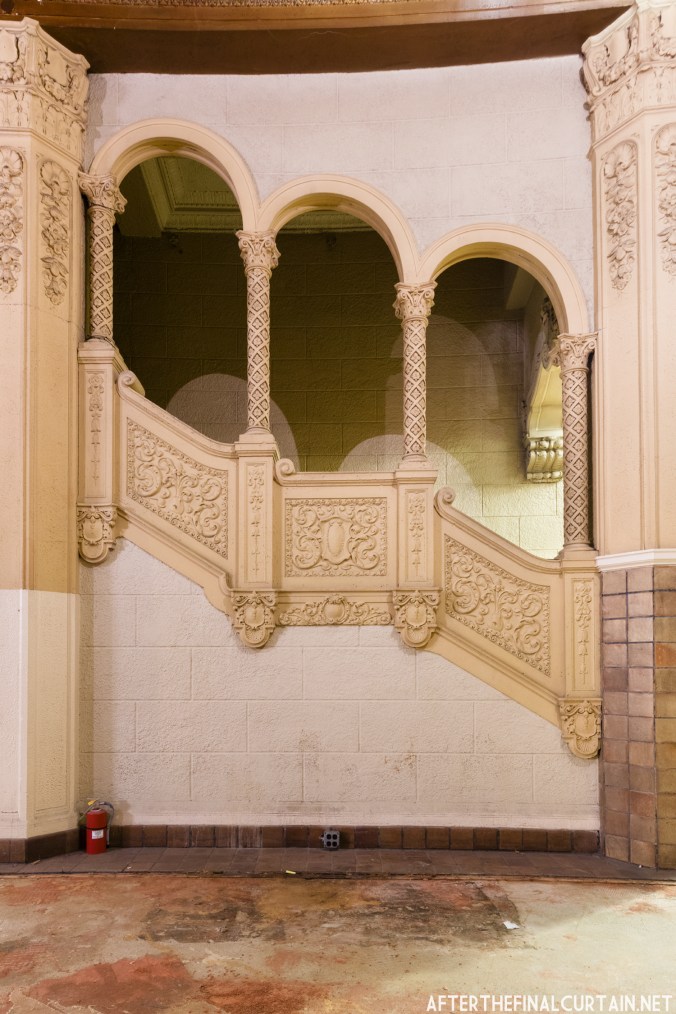
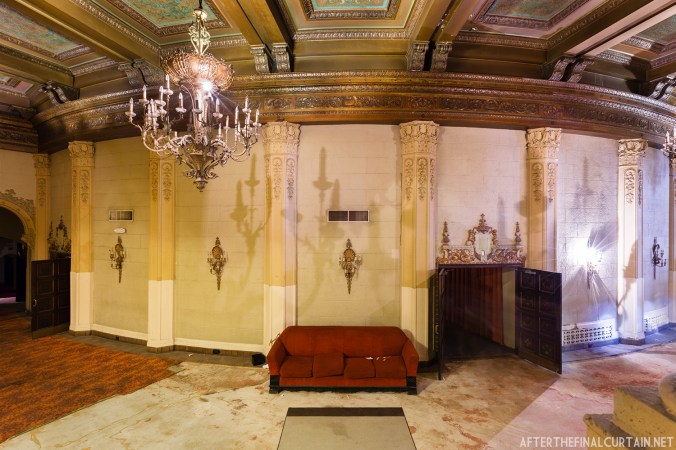
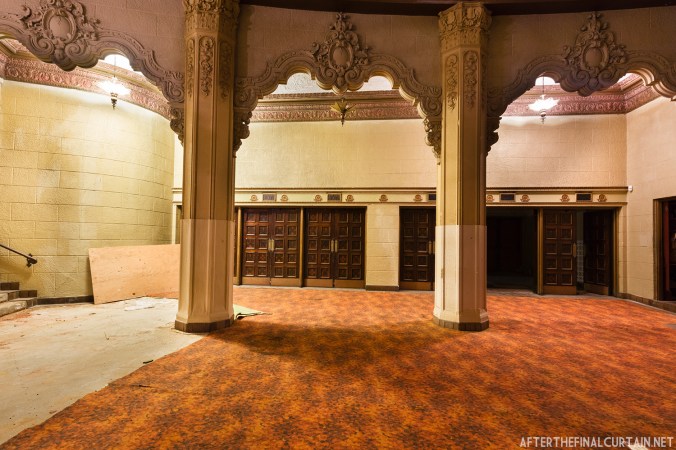
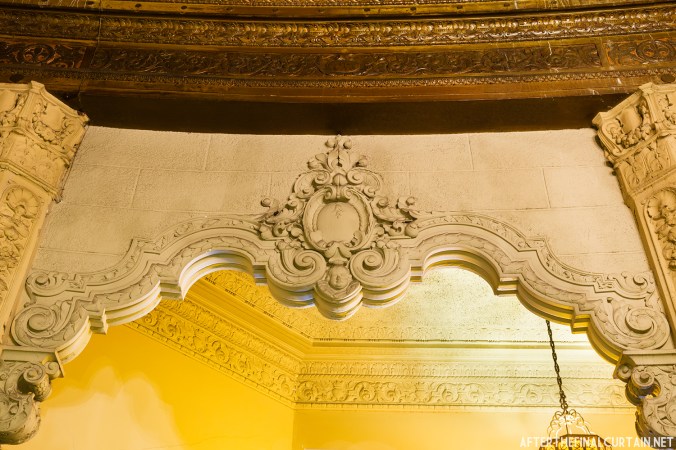
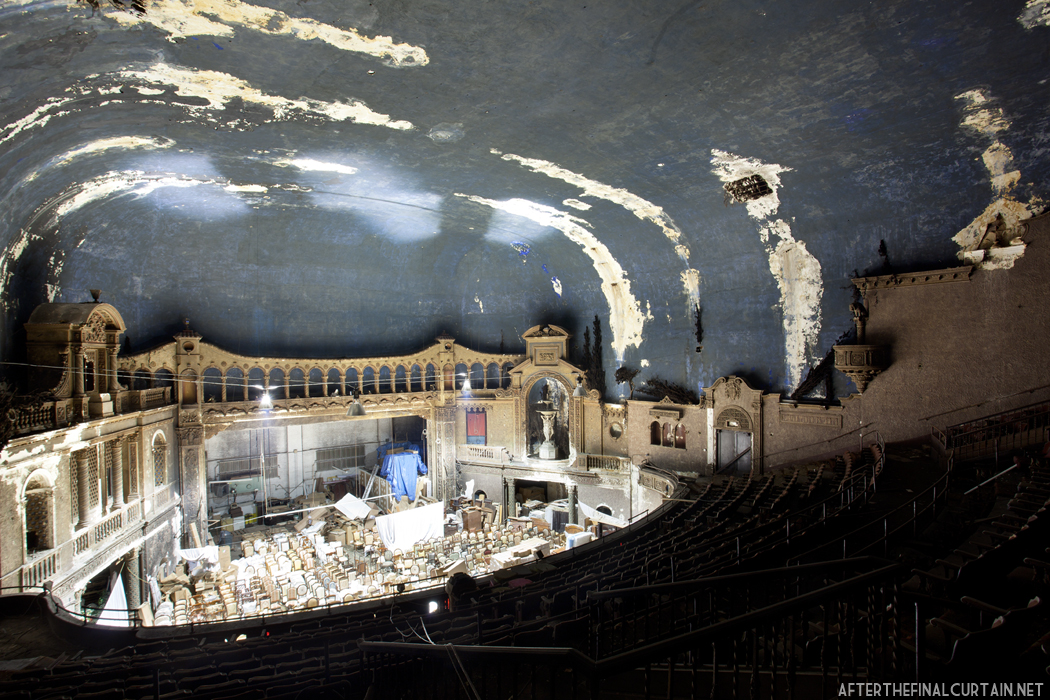
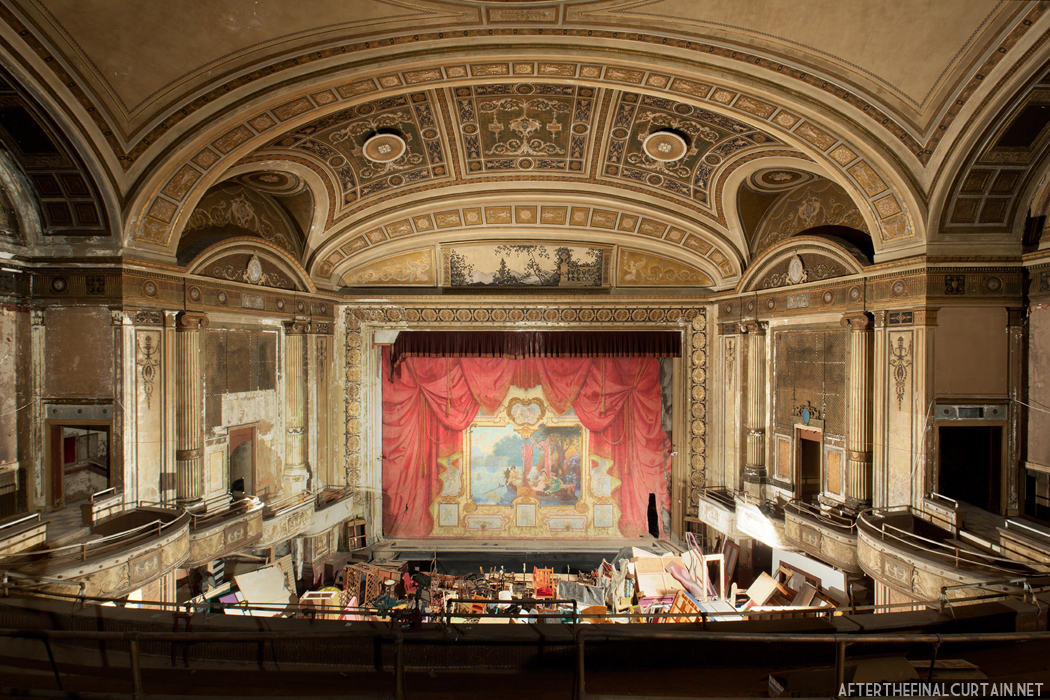
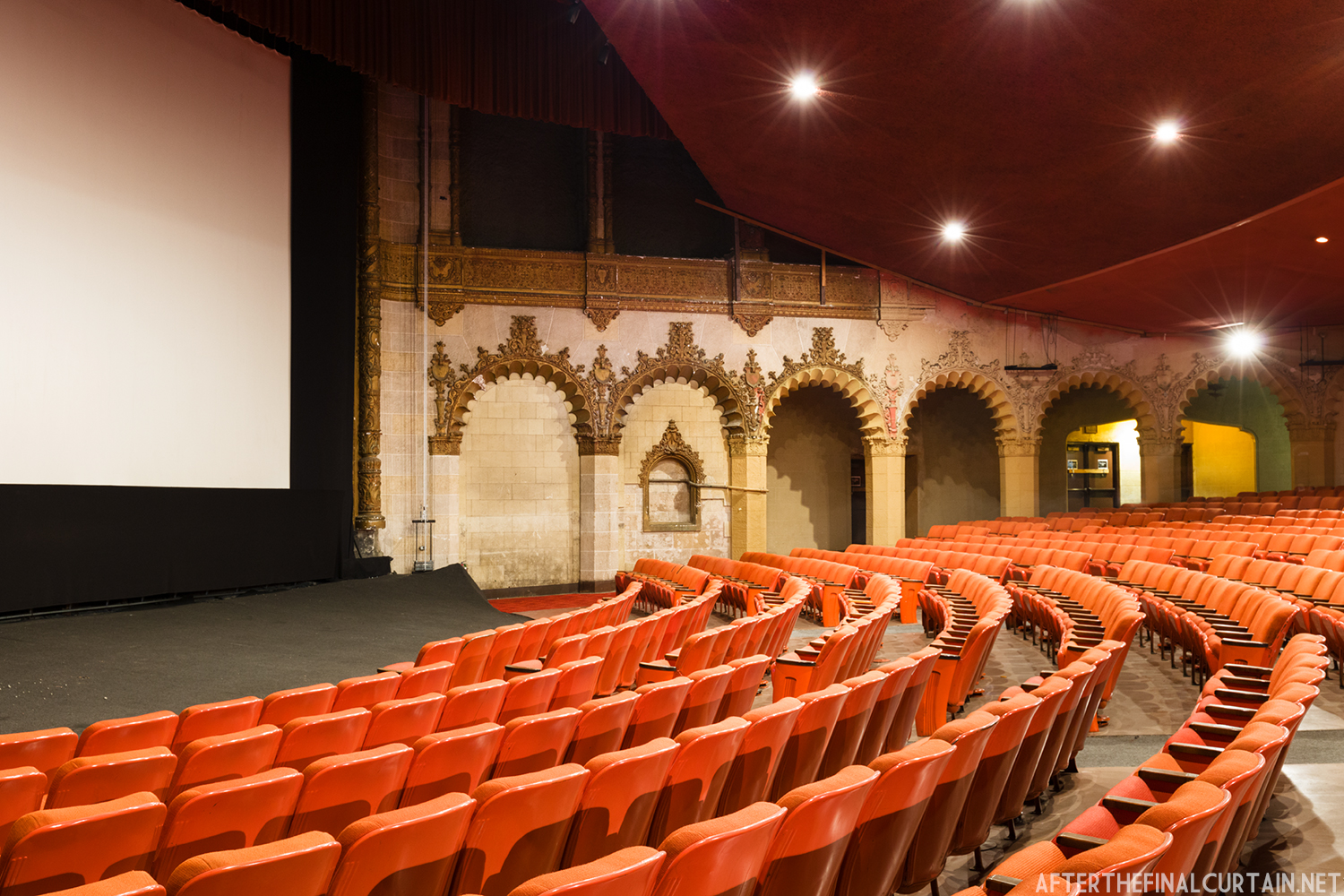
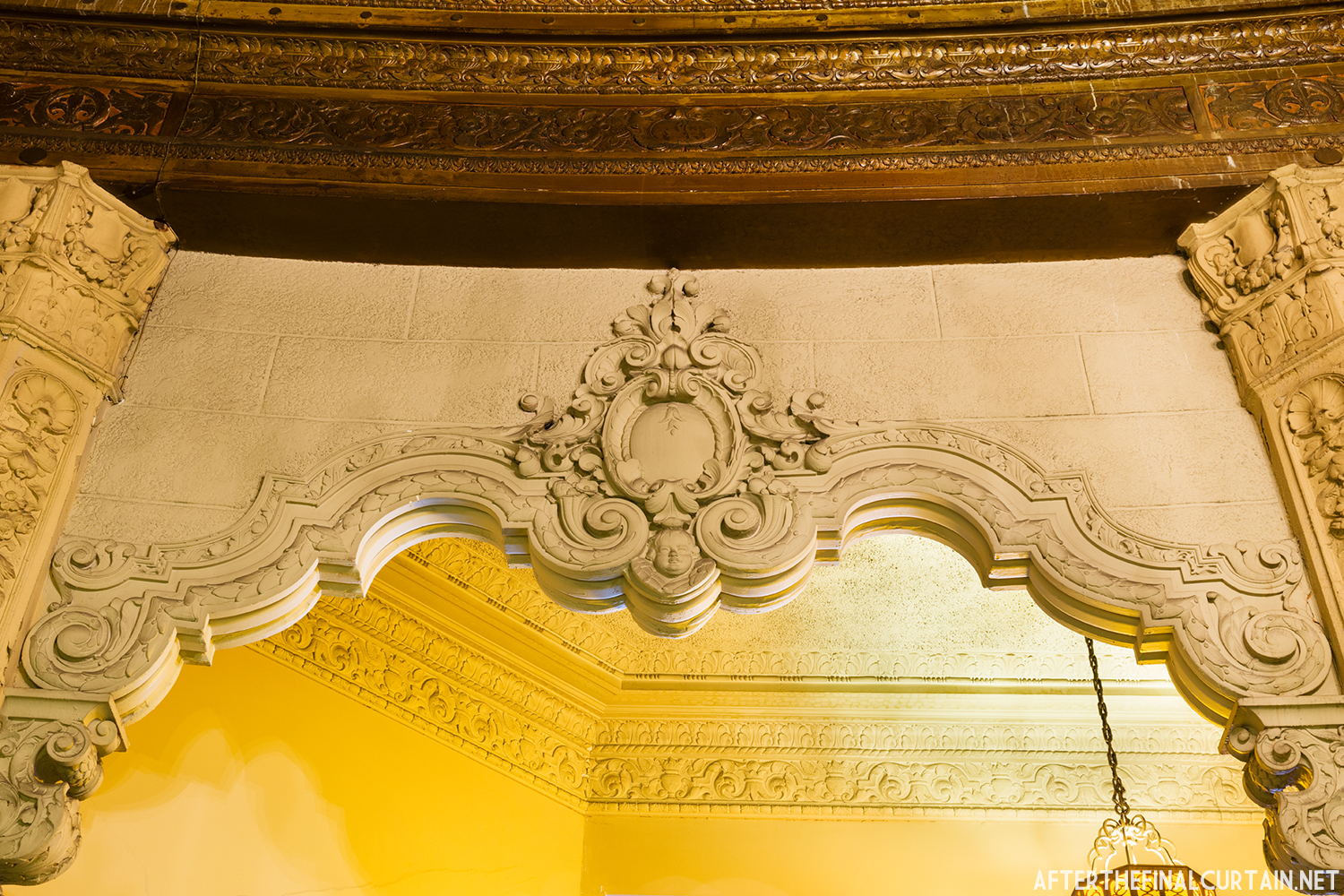
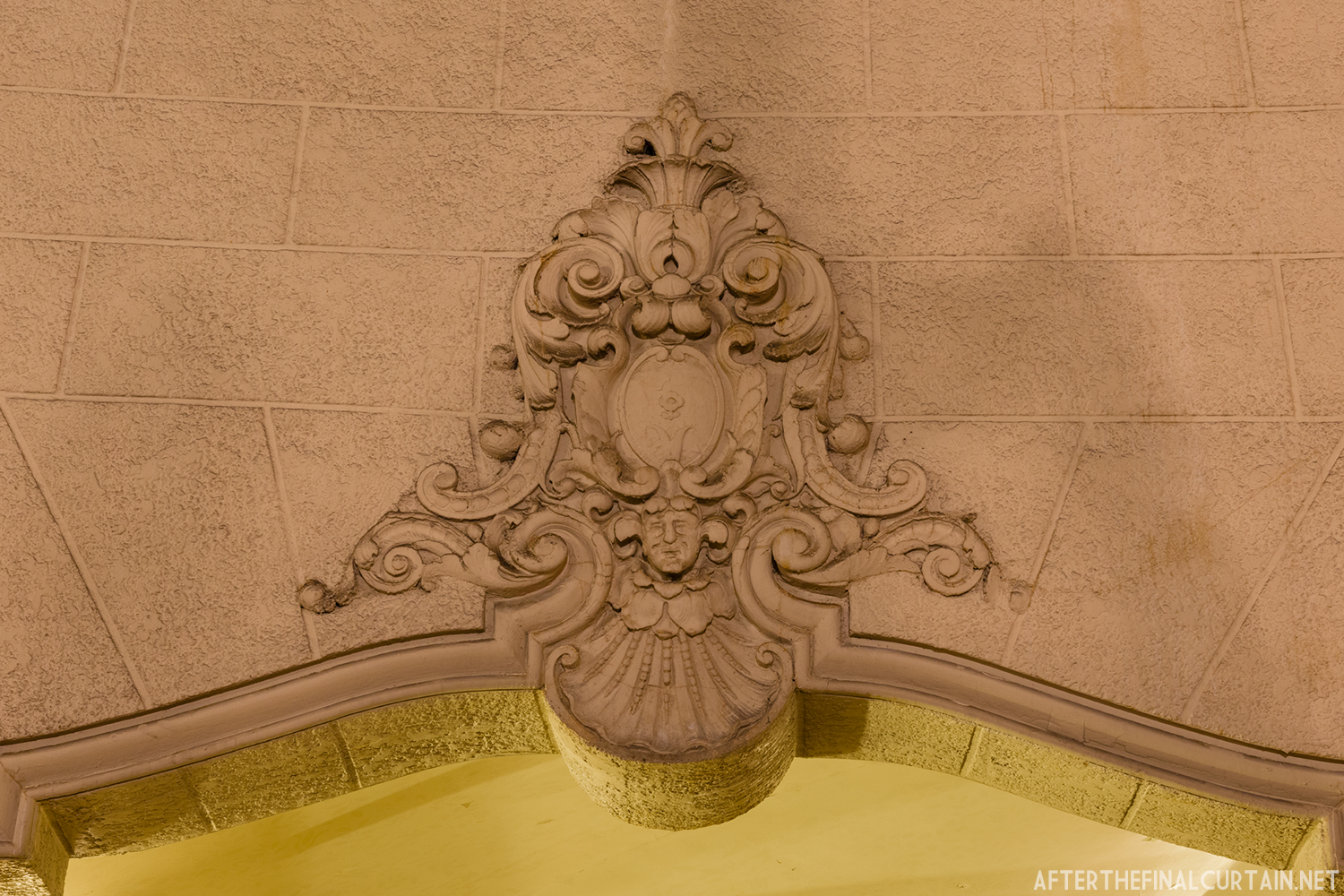
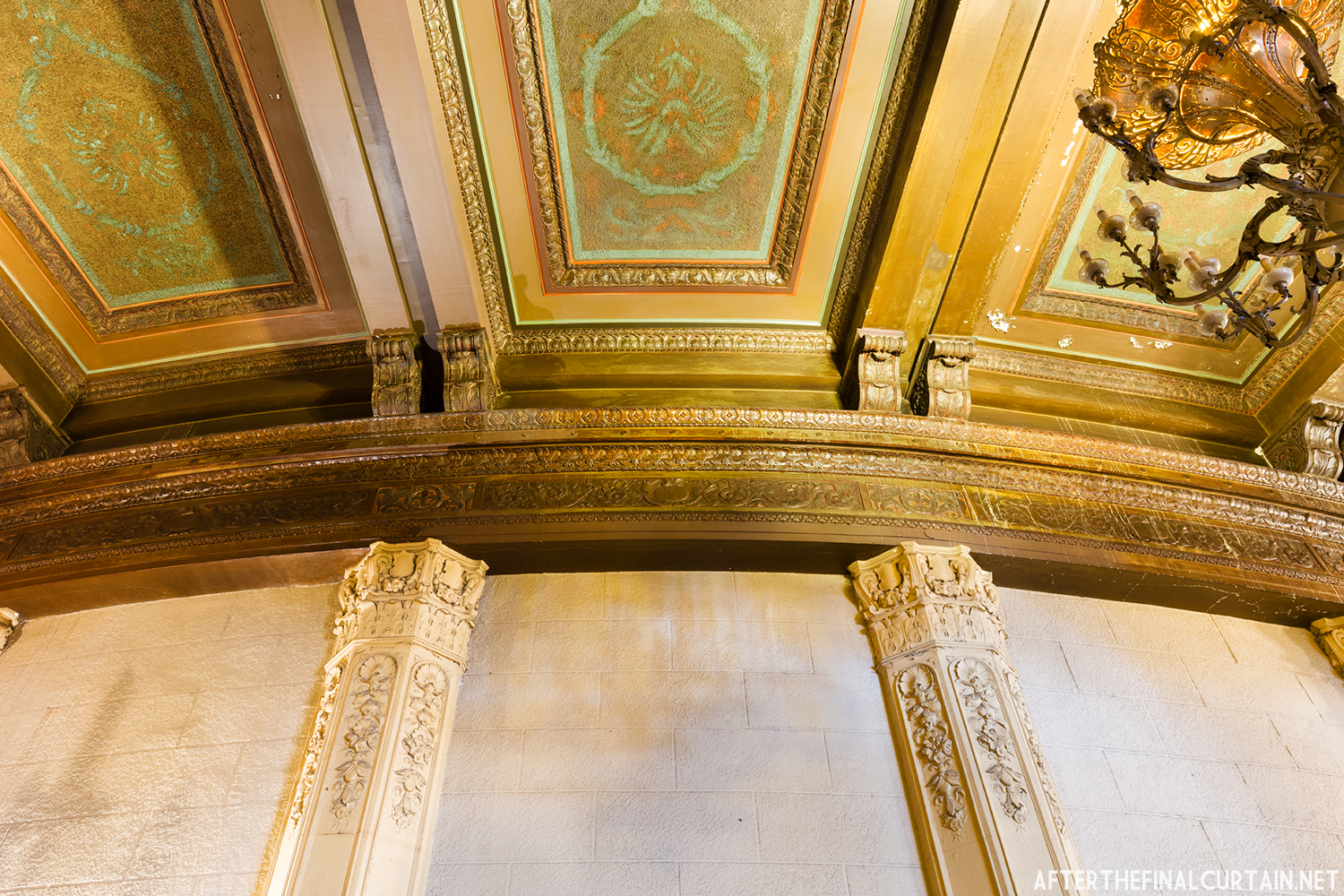
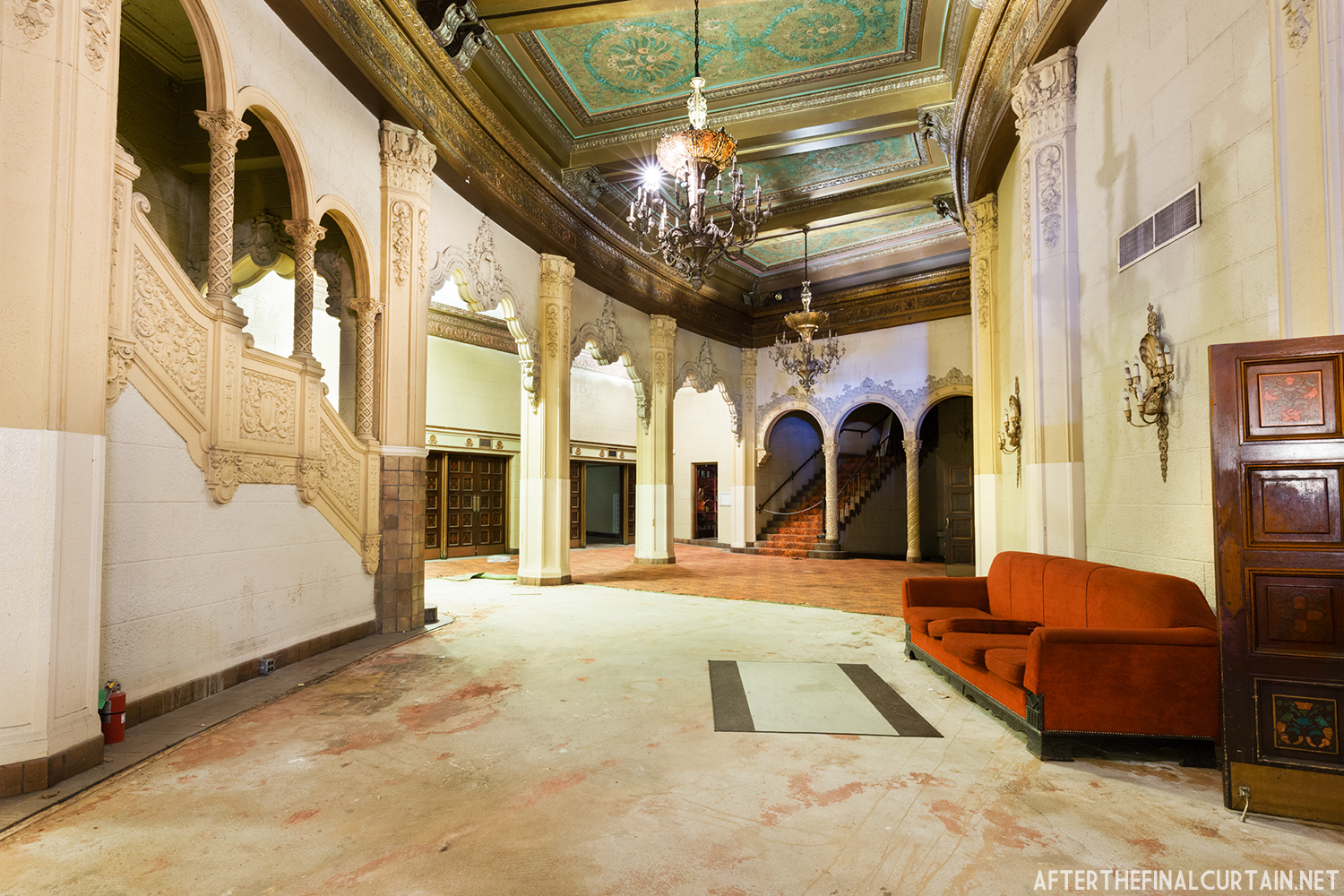
The Hollywood Pacific Theatre opened on April 26, 1928 as the Warner Brothers Theatre. It was designed in the atmospheric style with colonnades in the Italianate Beaux Arts style surrounding the orchestra level walls. However, unlike most atmospheric theaters, the Warner did not have twinkling lights in the ceiling. The 2,700 seat theater was the first theater designed specifically for “talkies” in Hollywood. Promotional articles by Warner Bros proclaimed that the theater has “the most advanced and largest Vitaphone equipment ever installed.”
The night before the premiere of “The Jazz Singer” in New York City, Sam Warner died of a brain hemorrhage.
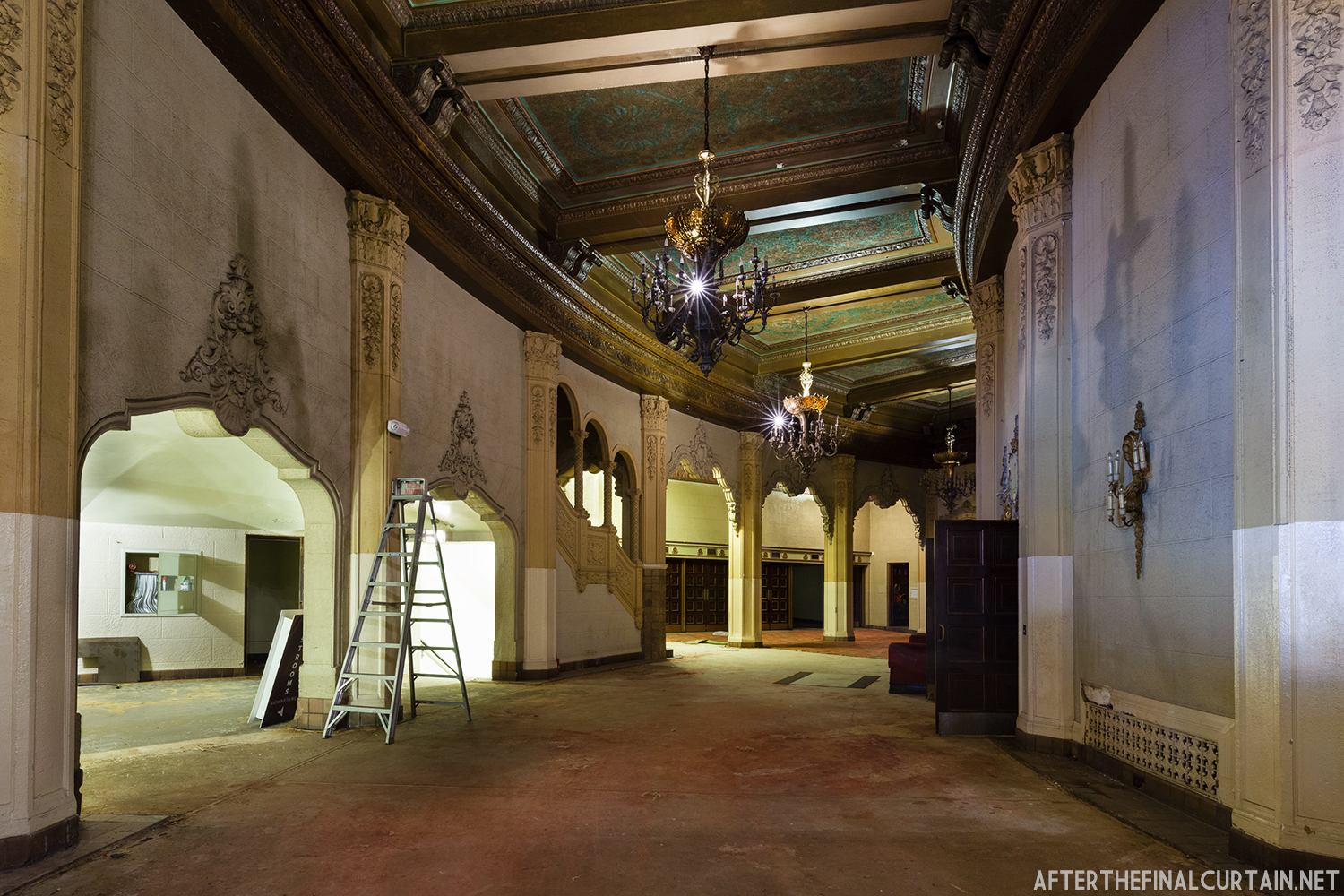
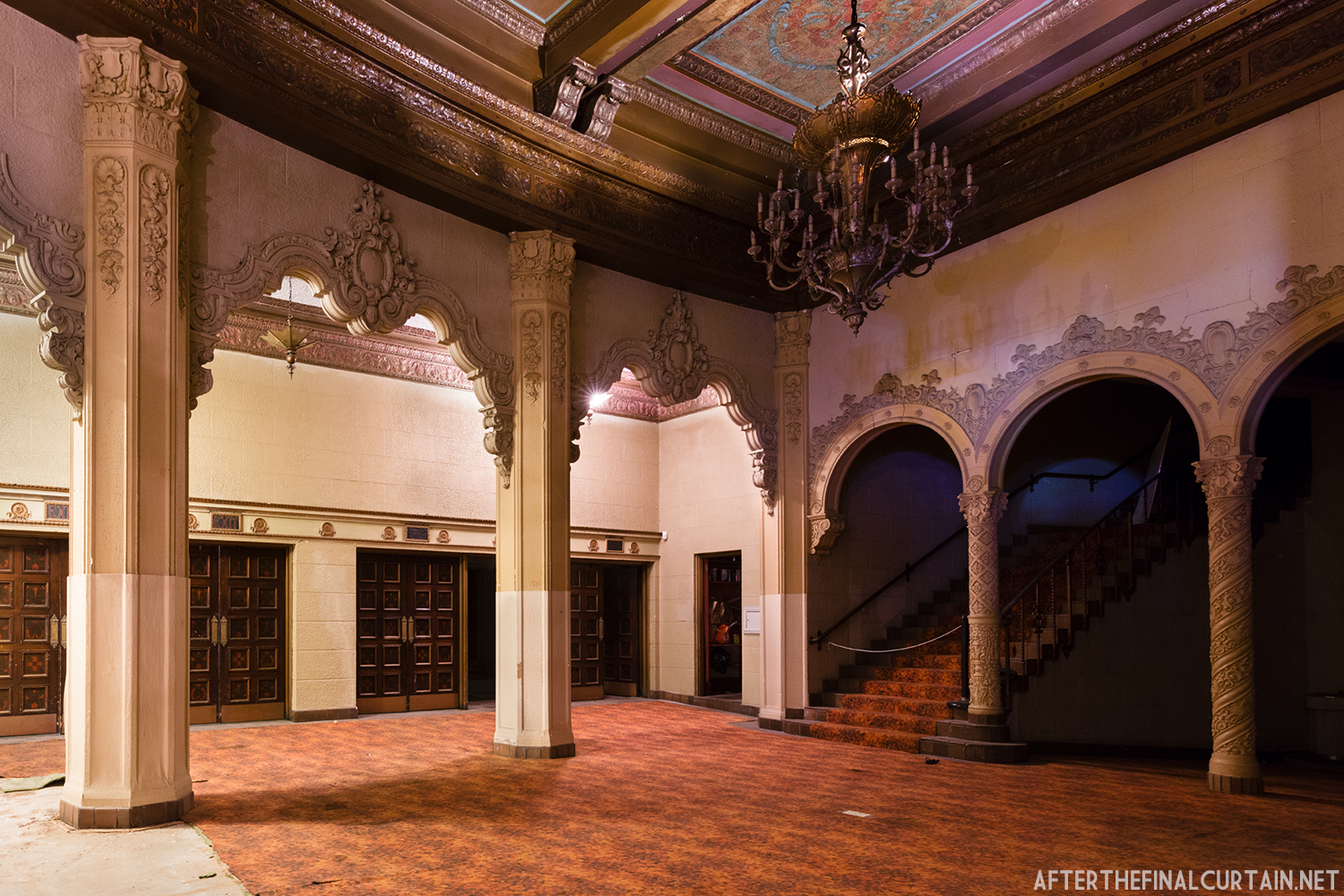
“Glorious Betsy,” starring Conrad Nagel and Dolores Costello, was the feature presentation at the opening and Al Jolson, the star of “The Jazz Singer,” served as the Master of Ceremonies. A plaque remembering Sam Warner, who died six months before the theater opened, was unveiled in the theater’s lobby. The theater was owned by Warner Brothers Pictures until 1953, when due to the verdict of United States Supreme Court case United States vs. Paramount Pictures, the studio was forced to spin off its theater holdings into a separate company. To accomplish this, Stanley Warner Theatres was formed in 1953, and later merged with the RKO Theatres Corp to become RKO Stanley Warner.
The theater is allegedly haunted by the ghost of Sam Warner.
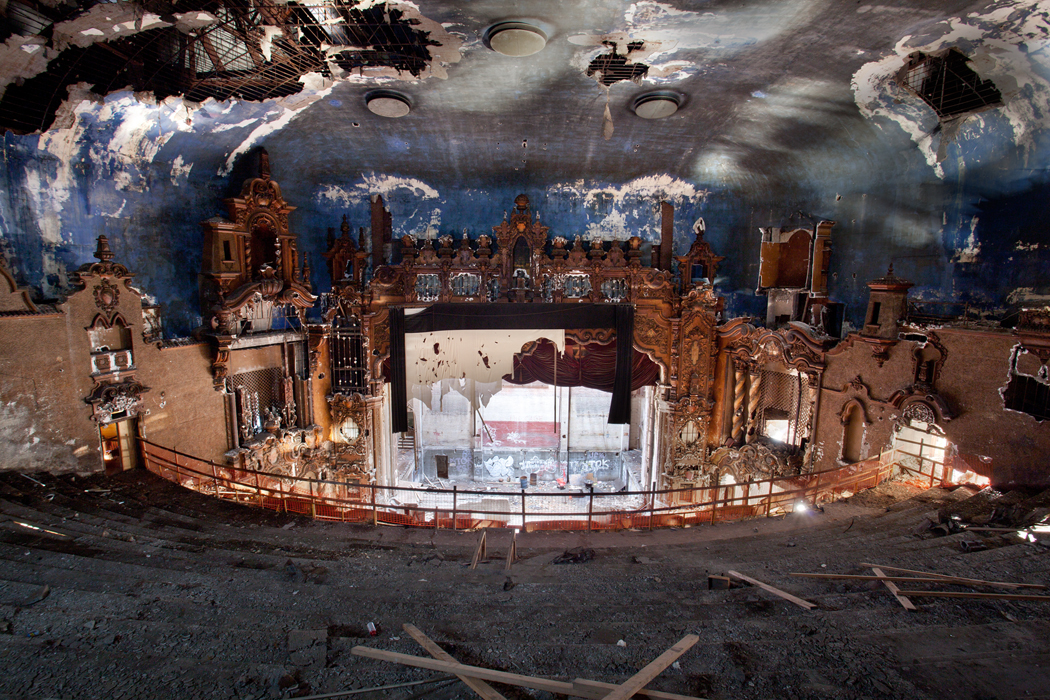
After many years as a first run theater, the Warner was turned into a Cinerama house, a popular widescreen format, on April 29, 1953. The seating had to be reduced to 1,500, and sections of the proscenium were removed due to the new screen being so wide. It was renamed the Warner Cinerama Theatre, and showed “This is Cinerama,” a film designed to take advantage of the new widescreen, for 133 weeks before ending in 1955. A remodel in 1961 saw the Cinerama screen removed and much of the ornate plasterwork in auditorium covered by drapes. This only lasted a year before a new Cinerama screen was installed. RKO-Stanley Warner sold the theater to Pacific Theatres during the 80-week run of “2001, A Space Odyssey,” and the theater was renamed the Hollywood Pacific Theatre.
Radio transmitter towers for KFWB, a radio station owned by Warner Bros, were installed on the roof of the building. The station’s call sign stands for “Keep Filming Warner Brothers.”
The theater closed on January 31, 1978 so that the auditorium could be divided into a triple screen theater. Two 550-seat screens were added by separating the balcony level from the orchestra level. It reopened in April of 1978 as the Pacific 1-2-3. Due to damage caused by an earthquake in January of 1994 and water damage in the basement from construction of the Red Line subway, the Pacific was forced to close the theater on August 15, 1994. However, in the years after the theater closed an occasional screening took place in the theater on the main level. The balcony screens remained closed due to alleged structural damage. Beginning in 2002, the Entertainment Technology Center used the theater to test new digital projection technology, ending in 2006. The theater was then taken over by the Ecclesia Hollywood Church, who held services in the downstairs auditorium until July 2013. It is currently unused, with no public plans for its revival.
For more on the Warner (Pacific) and many other Los Angeles Theatres be sure to visit: https://losangelestheatres.blogspot.com/

Carol Burnett, actress and comedian, worked as an usher at the Warner in the early 1950s, but was fired after she advised to patrons to wait until a film was finished before entering the auditorium. In 1975, when Burnett was honored with a star on the Hollywood Walk of Fame she was asked where she would like it placed, and she’s quoted as saying “Right in front of where the old Warner Brothers Theater was, at Hollywood and Wilcox.”
The theatre was designated a Los Angeles Historic-Cultural Monument February 9, 1993.




 After the Final Curtain