Road Trip Day 6

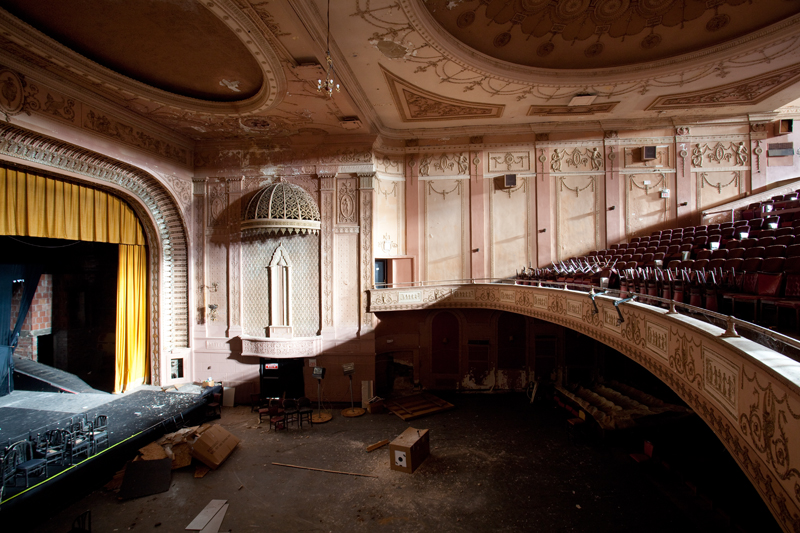
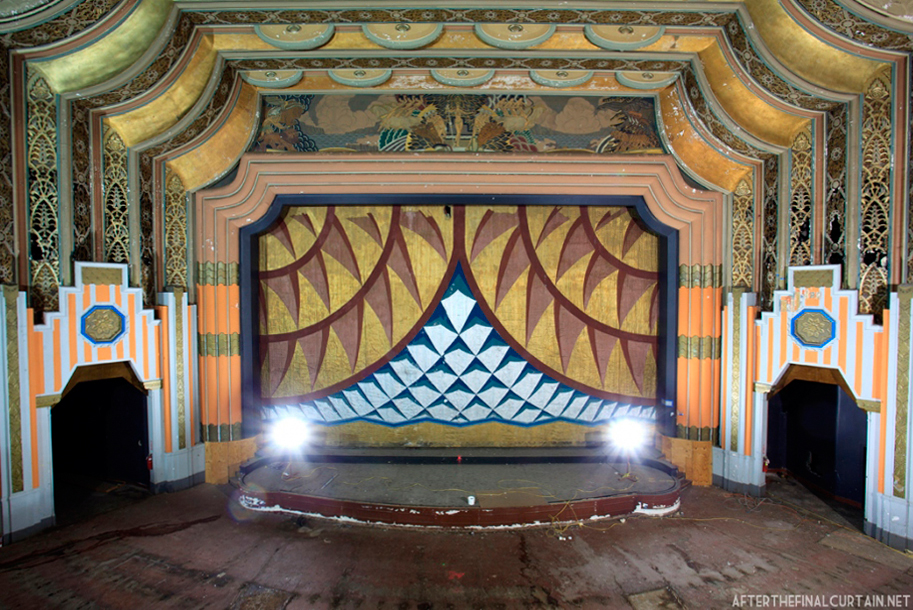
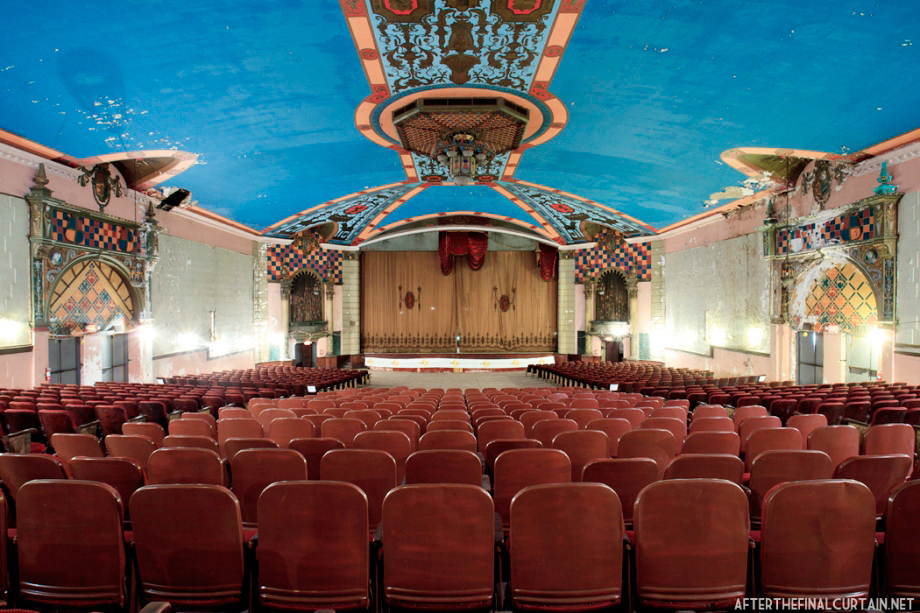
View of the Variety Theatre from the balcony.

I took the Greyhound bus from Chicago to Cleveland to photograph the last place on the road trip: The Variety Theatre. The theater opened on November 27, 1927, and closed in the 1980s. It was last in use as a wrestling venue called Wrestle Plex.

Full blog posts for all the theaters I visited on this trip are coming soon.

Road Trip Day 5

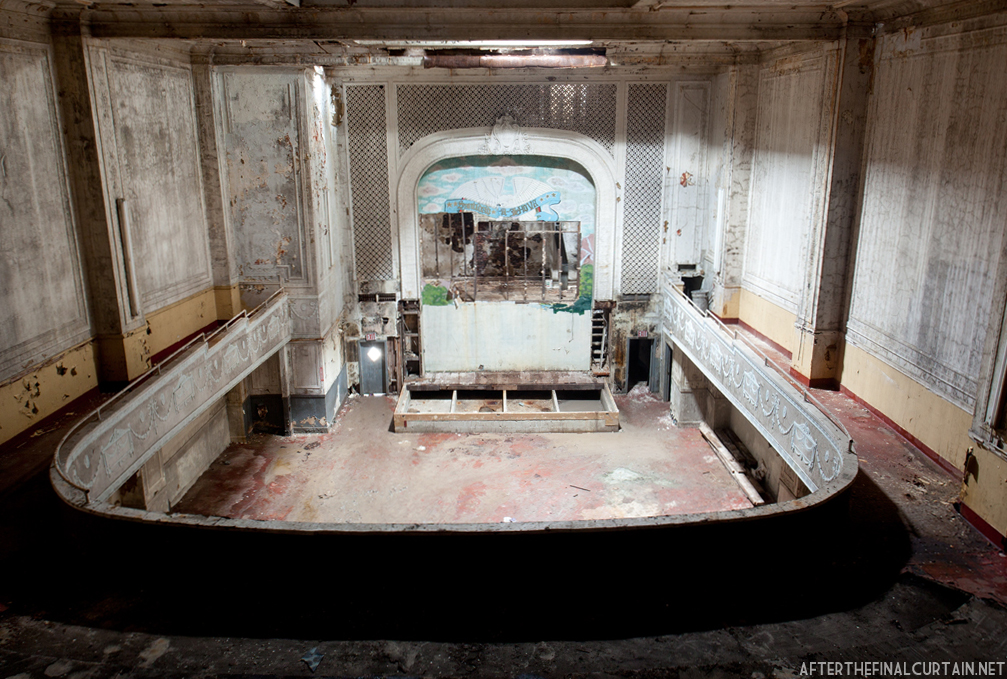
A close up of the mural painted above the proscenium arch.

Another day, another state. The Majestic (Uptown) Theatre in Racine, WI opened in 1928. It was designed in a gothic style, which was unusual for theaters. The theater closed in late 1959.

Road Trip Day 4

View of the auditorium from the side of the balcony.

After driving a bit more we made our way to our next theater. Look for a full post on this location soon.


Road Trip Day 2

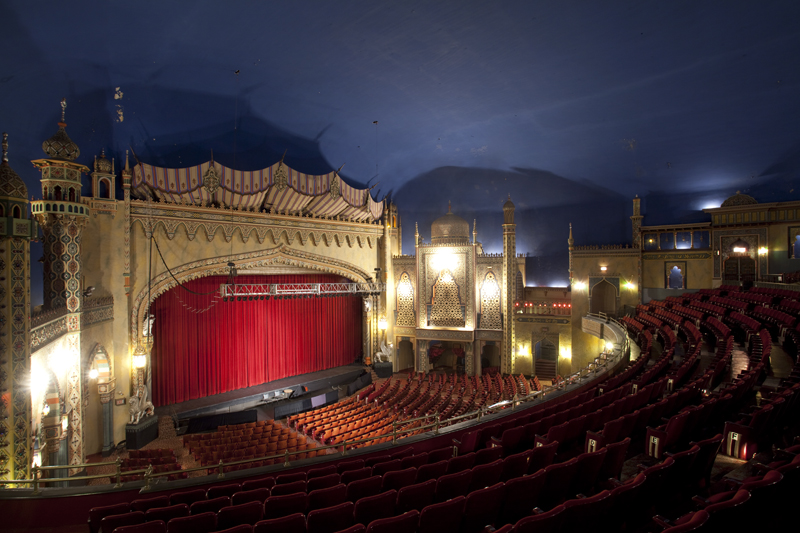
View from the balcony of the New Regal Theatre.

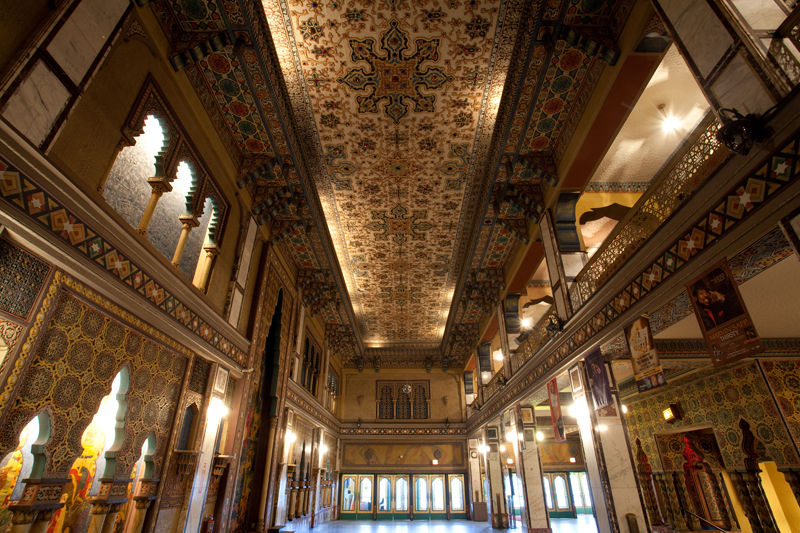
I spent most of my second day in Chicago photographing the New Regal Theatre. This John Eberson designed theater opened in 1927 as the Avalon Theatre. It is said to be inspired by a Persian lamp Eberson found at an antiques market. The Regal closed in 2010 .

The ceiling decoration is called the largest flying carpet in the world.

Loew’s 46th Street Theatre

Balcony level - Loew's 46th Street Theater

The main floor of the auditorium is now used as storage for a furniture store.

The Loew’s 46th Street Theatre opened on October 9, 1927 as the Universal Theatre. It was designed by John Eberson, a famous theater architect known for his atmospheric style auditoriums. According to an account in the Brooklyn Eagle, 25,000 people were present for the opening of the theater. The 2,675 seat theater was acquired by the Loew’s Corporation in August 1928, and closed so renovations could be made to the sound equipment. It reopened on September 10, 1928 as the Loew’s 46th Street Theatre.

Continue reading

The Charles (Bijou) Theatre

The Charles Theatre

View of the auditorium from the projector room

The Bijou Theatre (later the Charles Theatre) opened in the fall of 1926. Architect Eugene DeRosa was commissioned by the Delancey-Clinton Realty Company to build the Bijou at 12th Street and Avenue B in Manhattan’s Lower East Side. The theater had 600 seats, 502 on the main floor and 98 in the balcony.

Continue reading

Q&A with Howard B. Haas, President of Friends of the Boyd

The Boyd Theatre's proscenium arch.

After photographing the Boyd Theater I learned a little bit about the Friends of the Boyd.  I had a lot of questions, and luckily the group’s president and chairman Howard B. Haas was available to answer them.  Below are his responses to several questions about the history of the Friends, his own personal experiences with the theater and some of his hopes for the future.

Continue reading

The Lansdowne Theatre

Lansdowne theater auditorium

The Lansdowne Theatre auditorium.

The Lansdowne Theatre opened on June 7, 1927 in Lansdowne, Pennsylvania (a suburb of Philadelphia). The 1,381 seat theater was designed by William H. Lee, a Philadelphia based architect known for the recently renovated Queen Theatre in Wilmington, Delaware.

The RKO Hamilton Theatre

View from the balcony of the RKO Hamilton Theatre

Moss and Brill’s Hamilton Theatre opened on January 23, 1913 in Manhattan’s Hamilton Heights neighborhood. The theater was commissioned by vaudeville operator Benjamin S. Moss and theater developer Solomon Brill and designed by the prolific Thomas W. Lamb, known for the architecture of many of the Hamilton’s contemporaries.   Lamb designed the Hamilton in the Renaissance Revival style, incorporating a terracotta façade.

Continue reading

The Newark Paramount Theatre

The Paramount is one of the 22 theaters in my new book “After the Final Curtain: The Fall of the American Movie Theater.” Find out more here.
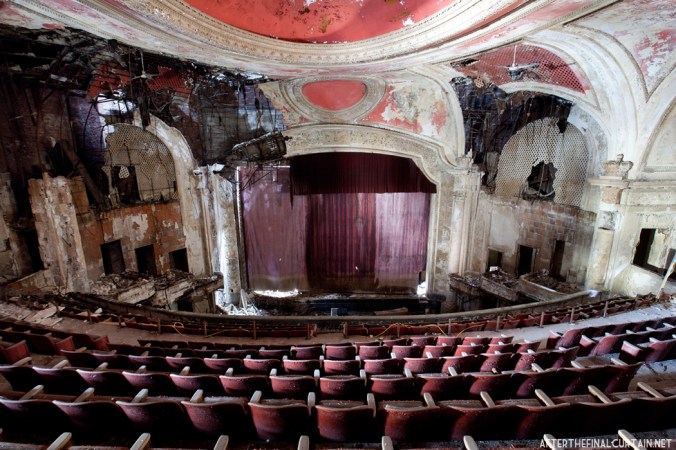
View of the Paramount Theatre from the balcony.

The Paramount Theatre opened on October 11, 1886 as H.C. Miner’s Newark Theatre. It was originally a vaudeville house managed by Hyde & Behman Amusement Co., a Brooklyn based theater Management Company. After H.C. Miner’s death in 1900, his surviving relatives retained ownership of the theater for several years until its sale in 1916 to Edward Spiegel, the owner of the nearby Strand Theatre. Spiegel also purchased the building next to the theater with the intent to use the space to expand the theater. To accomplish this he hired famed theater architect Thomas W. Lamb to do the alterations.

Continue reading