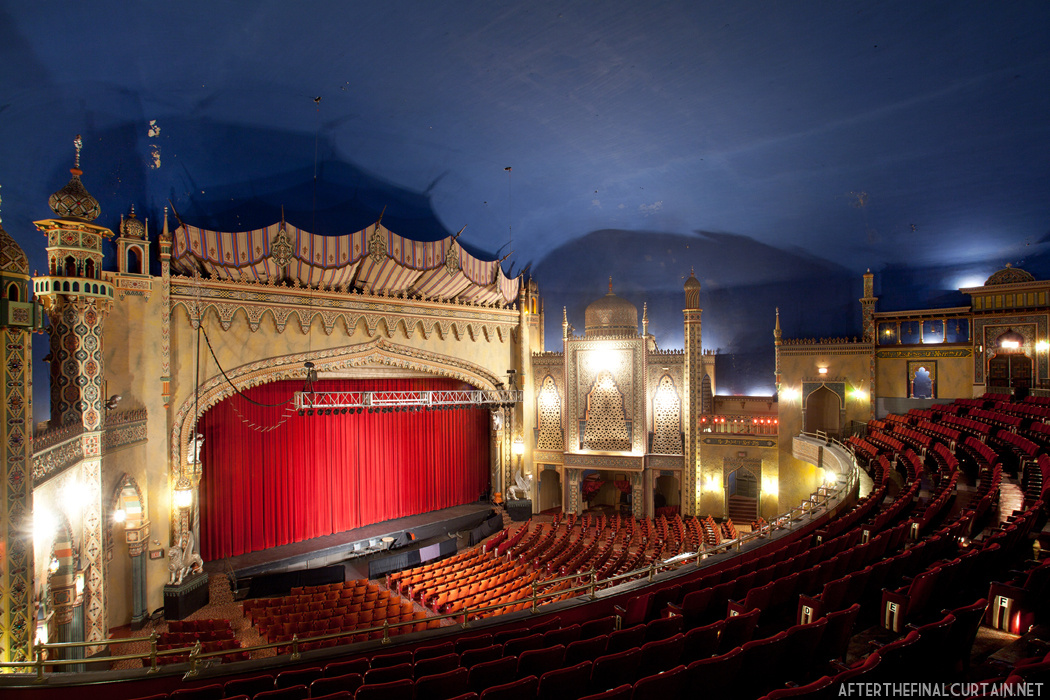
Paramount Theatre – Marshall, TX

The Paramount is one of the 22 theaters in my new book “After the Final Curtain: The Fall of the American Movie Theater.” Find out more here.

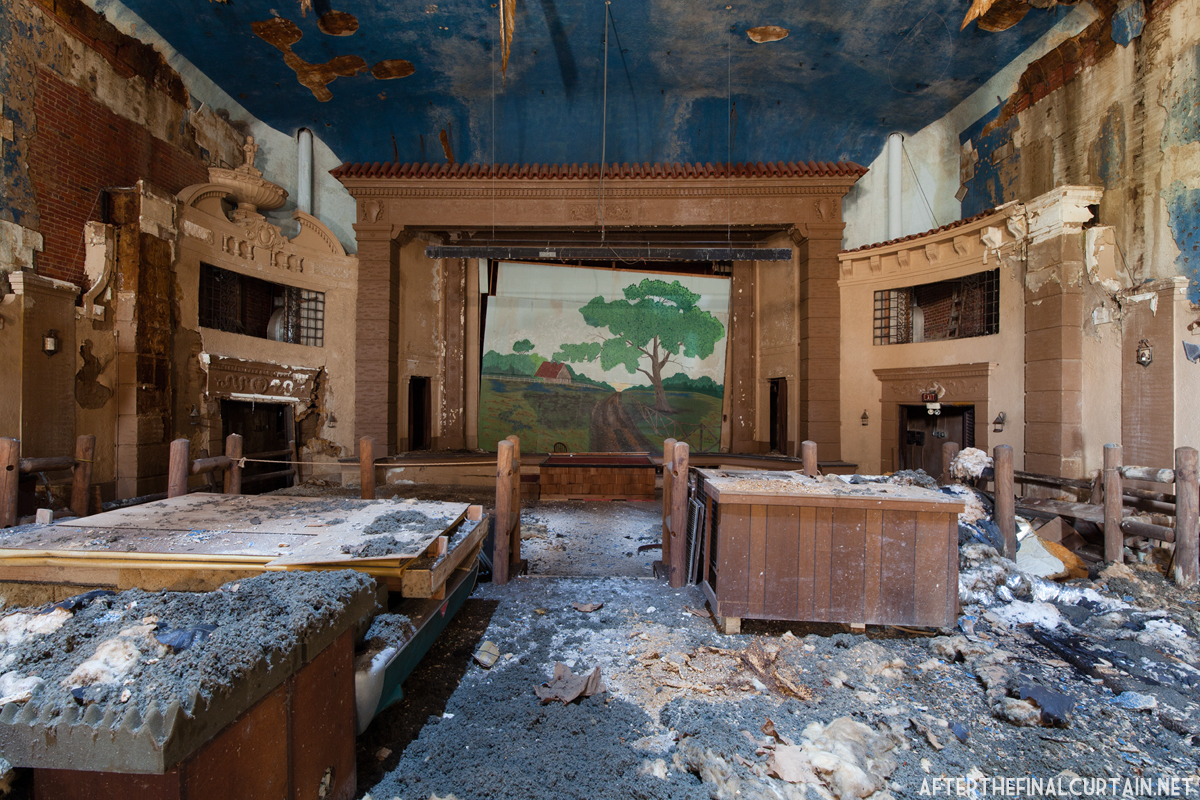
View of the auditorium from the main level.

View of the auditorium from the main level.

Delayed and over budget, the Paramount Theatre in Marshall, Texas opened on March 31, 1930. The opening was the first event in what the city of Marshall dubbed “Program of Progress” month. The East Texas Theatre Company, Inc. commissioned Emil Weil, Inc., an architecture firm based in New Orleans, to design the 1,500 seat atmospheric theater.

Continue reading

Holiday Print Sale

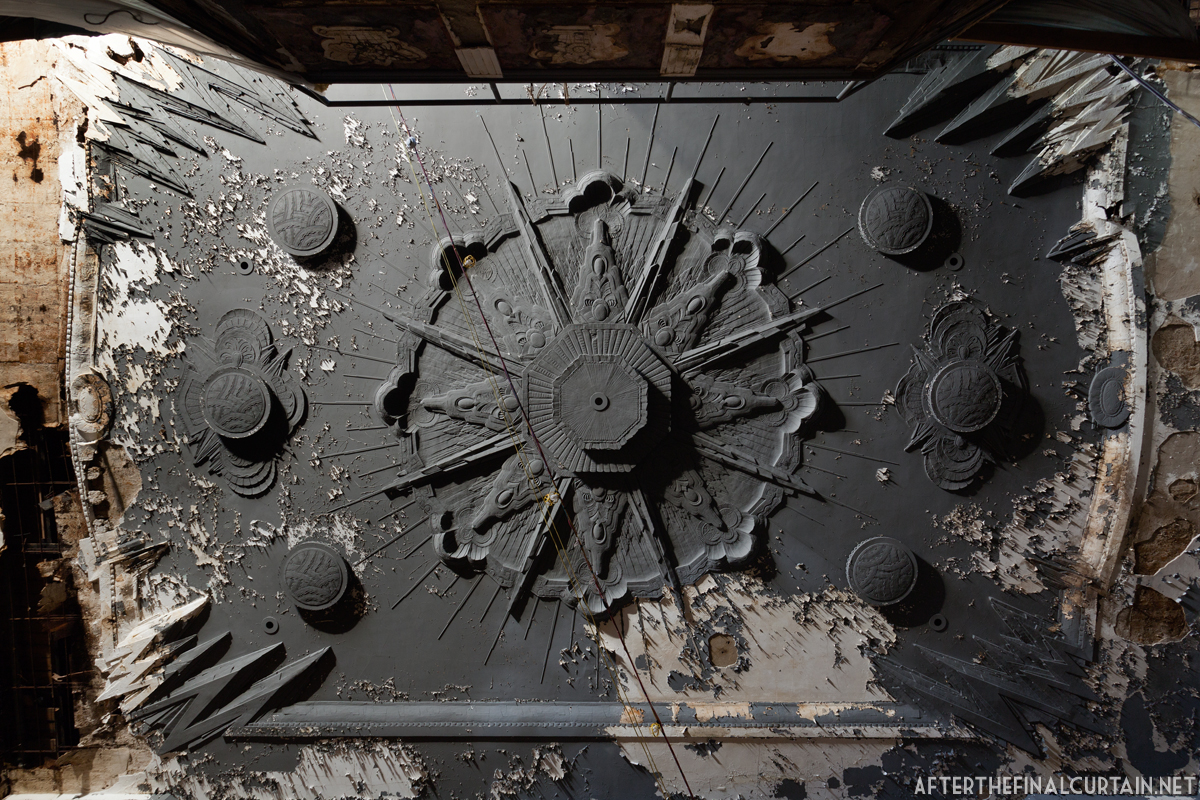
Ceiling, Uptown Theatre Philadelphia, PA

Ceiling, Uptown Theatre Philadelphia, PA

The annual Holiday print sale is here! Beginning December 9 and ending on December 24, all prints will be 20% off. Place an order by December 19 to get it in time for Christmas!

Quite a few of the images haven’t been offered as prints before so check out the new print page and enter the coupon code holidaysale2013 to get 20% off your order.

If there’s an image you’d like a print of but do not see it on the page,  send me an email and I’ll add it for you.

Snapshot: Metropolitan Opera House

Post 2 in the Snapshot Series  – Occasionally in my travels I come across a theater that I can’t find a lot of information on, or that I only have a chance to photograph for an hour or two. They’re still beautiful and fascinating, so they definitely have a place on After the Final Curtain.

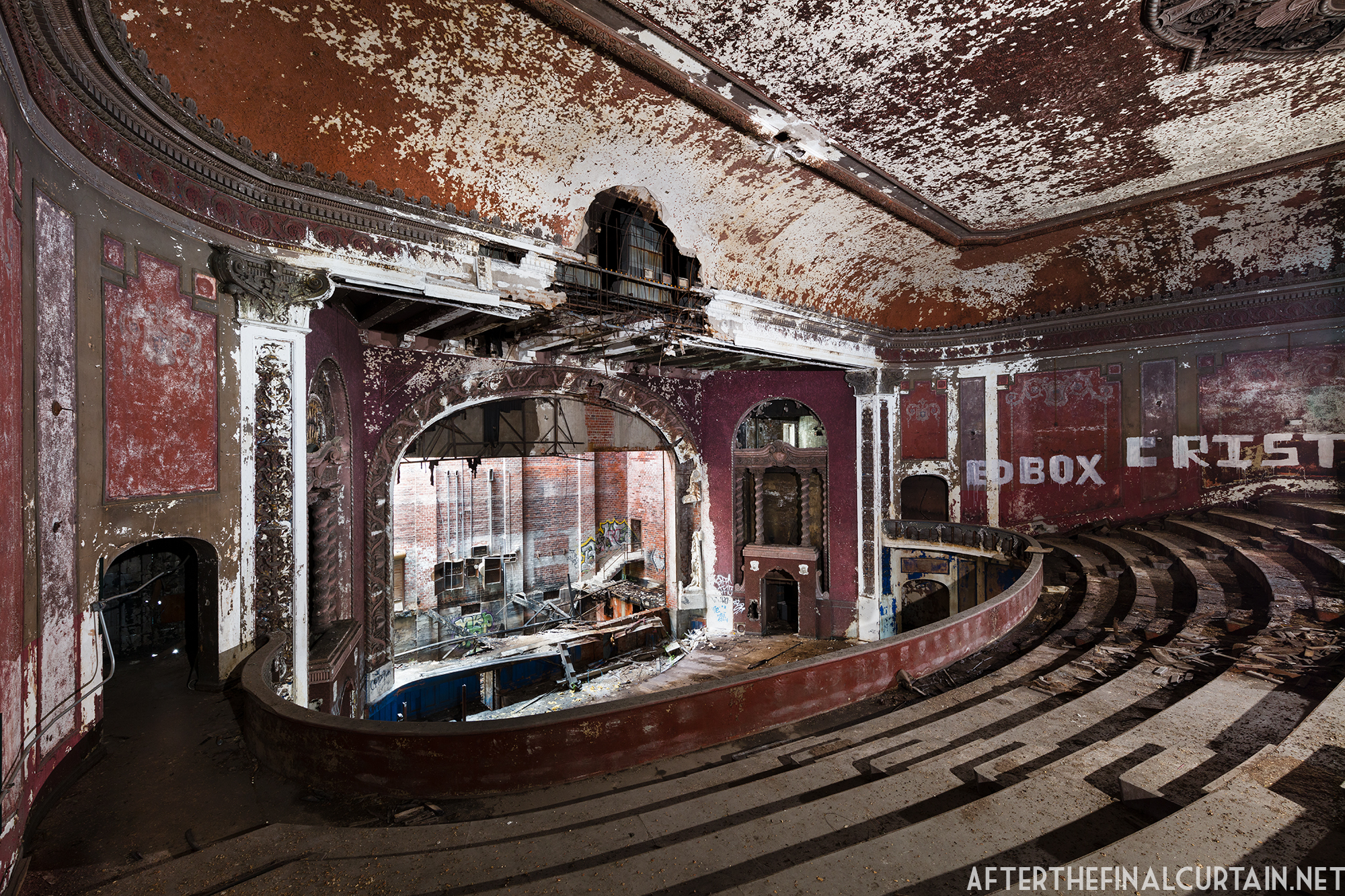
View of the auditorium from the side of the upper balcony.

View of the auditorium from the side of the upper balcony.

Philadelphia’s Metropolitan Opera House opened on November 17, 1908 as the Philadelphia Opera House. The 3,482 seat theater was built by architect William H. McElfatrick for Oscar Hammerstein, the grandfather of Oscar Hammerstein II, the famous musical theater lyricist. However, Hammerstein fell into debt and was forced to sell the opera house to one of his competitors, the Metropolitan Opera of New York City, after only two years.

Continue reading

The Jayhawk State Theatre of Kansas

The Jayhawk is one of the 22 theaters in my new book “After the Final Curtain: The Fall of the American Movie Theater.” Find out more here.

View of the auditorium from the balcony.

View of the auditorium from the balcony.

The Jayhawk Theatre opened in August of 1926 in Topeka, Kansas.  It was built by local architect Thomas W. Williamson, and designed by the Boller Brothers. The Boller Bros. were known for designing hundreds of theaters across the country, using the Jayhawk design as a prototype. In addition to the theater, the building contained a hotel and a commercial arcade that connected the two sections.

Continue reading

Eastown Theatre

The Eastown is one of the 22 theaters in my new book “After the Final Curtain: The Fall of the American Movie Theater.” Find out more here.

View of the auditorium from the balcony.

View of the auditorium from the balcony.

The Eastown Theatre opened on October 1, 1931 in Detroit, Michigan. It was built by the architectural firm of V.J. Waiver and Company for the Wisper and Westman Theatre chain. Designed in a Baroque architectural style, the 2,500 seat theater was built for motion pictures and did not have live performances until much later. Most movie palace openings were a grand event, and the Eastown was no exception. Newspaper ads proclaimed the opening to be, “the most glorious event in the history of east Detroit.” The opening film was Clark Gable’s first starring role “Sporting Blood.”

Continue reading

Madison Theatre

Madison theater balcony view

View of the auditorium from the balcony.

The Madison Theatre opened on October 16, 1920 in Peoria, Illinois. It was built by architect Frederic J. Klein (known for Rockford, Illinois’ Coronado Theatre) for the Robinson Amusement Company. The 1,739 seat theater was originally designed in the Adamesque style and was remodeled in 1936 in the simpler art deco style to ease the maintenance of the building.

Continue reading

The Ramova Theatre

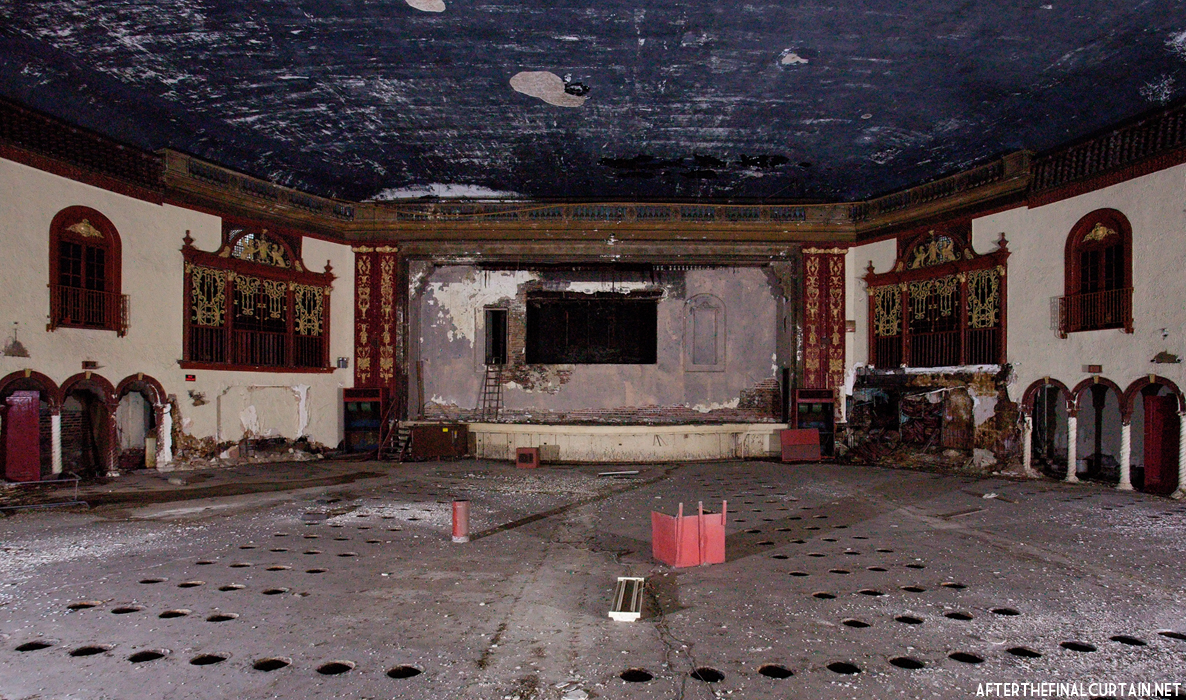
The Ramova Theatre auditorium.

The Ramova Theatre opened on August 21, 1929 in the Bridgeport neighborhood of Chicago, Illinois. The 1,500 seat theater was designed by architect Meyer O. Nathan in the Spanish Revival style. An atmospheric theater, the ceiling was painted blue to resemble the night sky. A contest was held to name the theater while it was being built, and the winner named it after the Lithuanian word for “peaceful place.”

Continue reading

Majestic Theatre

View of the auditorium from the side of the balcony.

The Majestic Theatre opened on February 26, 1928 in East St. Louis, Illinois. It was designed by the Boller Brothers for Harry Redmon and Fred Leber. The Boller Brothers were known for the Missouri Theatre in St Joseph, Missouri. The Majestic was nicknamed “The Million Dollar Theatre” due to the high costs of building the theater.

Continue reading

Poll Results

Avalon New Regal Balcony

View of the auditorium from the balcony.

I’m happy to announce that the Avalon/New Regal Theatre has won the poll (by an overwhelming majority) and will be the next post on After the Final Curtain. Keep an eye out for it next week!

The Fall of the American Movie Palace

View of the Loew’s Palace Theatre from the balcony.

Hi everyone – I want to let you all know about an upcoming event.

On August 18, I’ll be giving a lecture on “The Fall of the American Movie Palace” as part of the Atlas Obscura Speakers series of talks at the Observatory in Brooklyn.

Here’s some information about it from the Observatory’s website:

There’s nothing remarkable about a movie theater today, but there used to be. When the great American Movie Palaces opened, they were some of the most lavish, stunning buildings anyone had ever seen. With the birth of the multiplex, theater companies found it harder and harder to keep these buildings open. Some were demolished, some were converted, and some remain to this day. “The Fall of the American Movie Palace” will take you through the history of these magnificent buildings, from their opening in the early 1900s to years after the final curtain.

Check out Atlas Obscura for more information, and to purchase tickets. http://atlasobscura.com/blog/Obscura-Society-NYC-Movie-Palace

Tickets can also be purchased at http://obscura-society-nyc-movie-palace-es2.eventbrite.com/?srnk=1