Shea’s Theatre – Ashtabula, Ohio

This was originally posted on After the Final Curtain’s Patreon in January 2025. For expanded early posts, as well as video walkthroughs and other exclusive content, you can become a patron at: https://www.patreon.com/afterthefinalcurtain

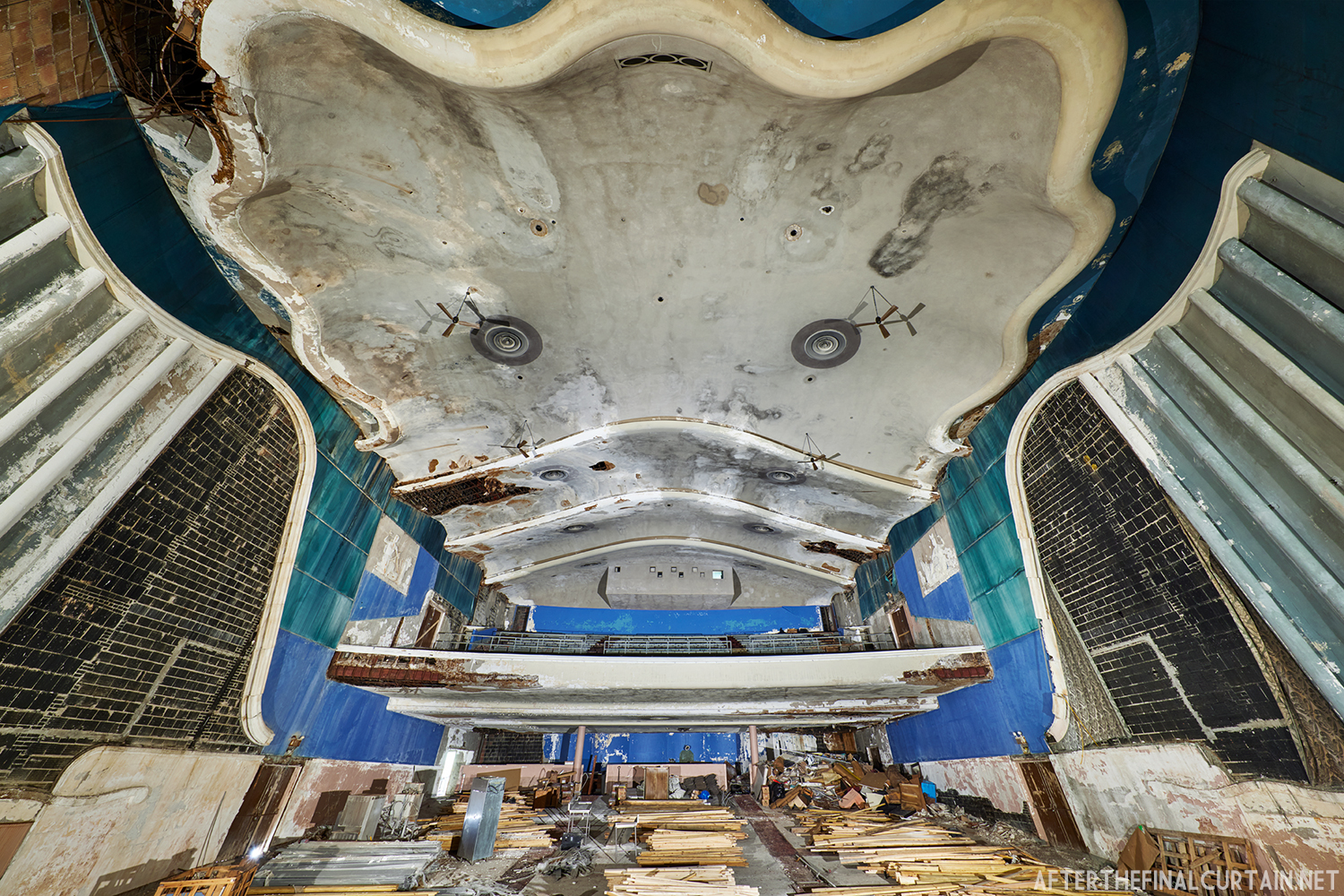
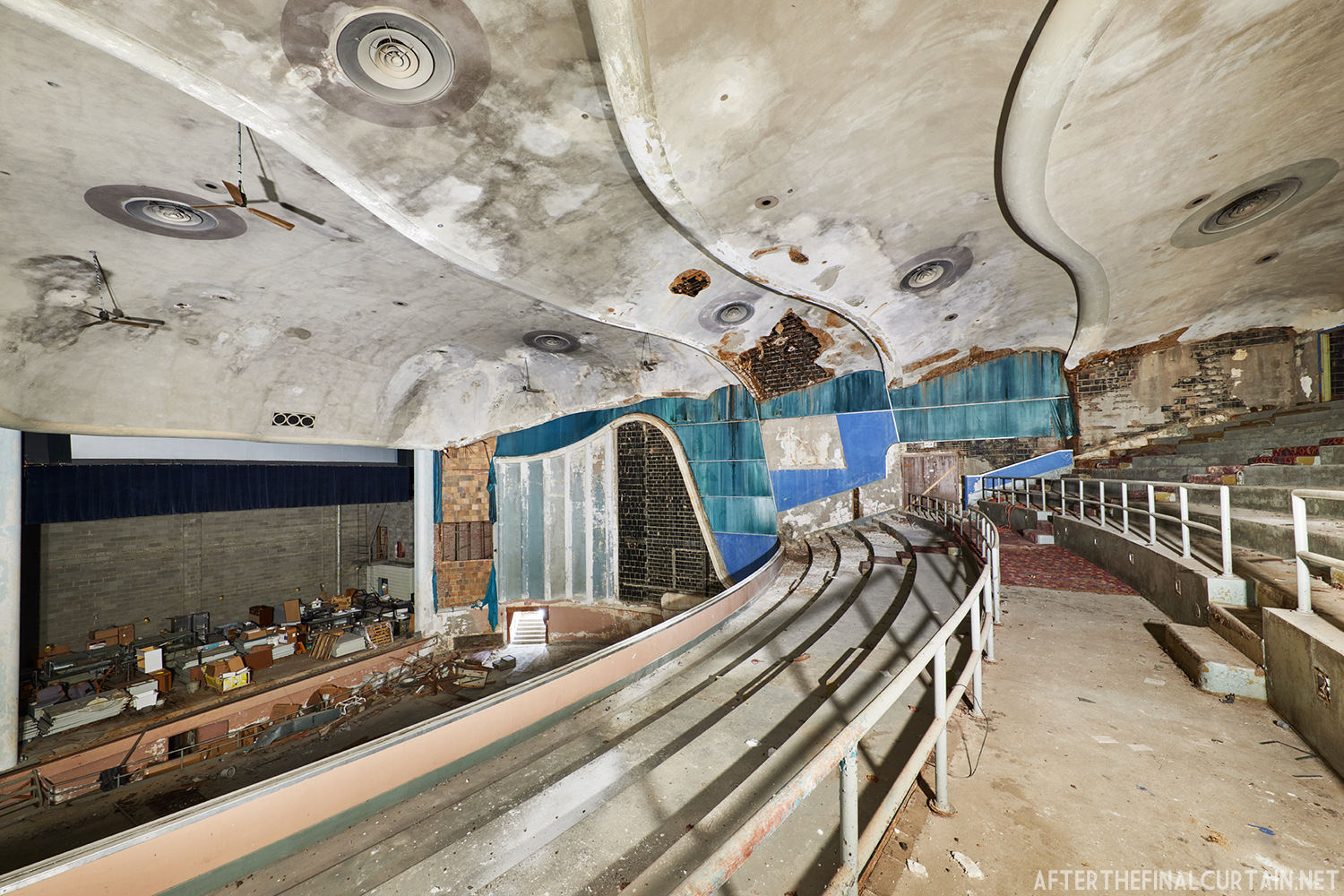
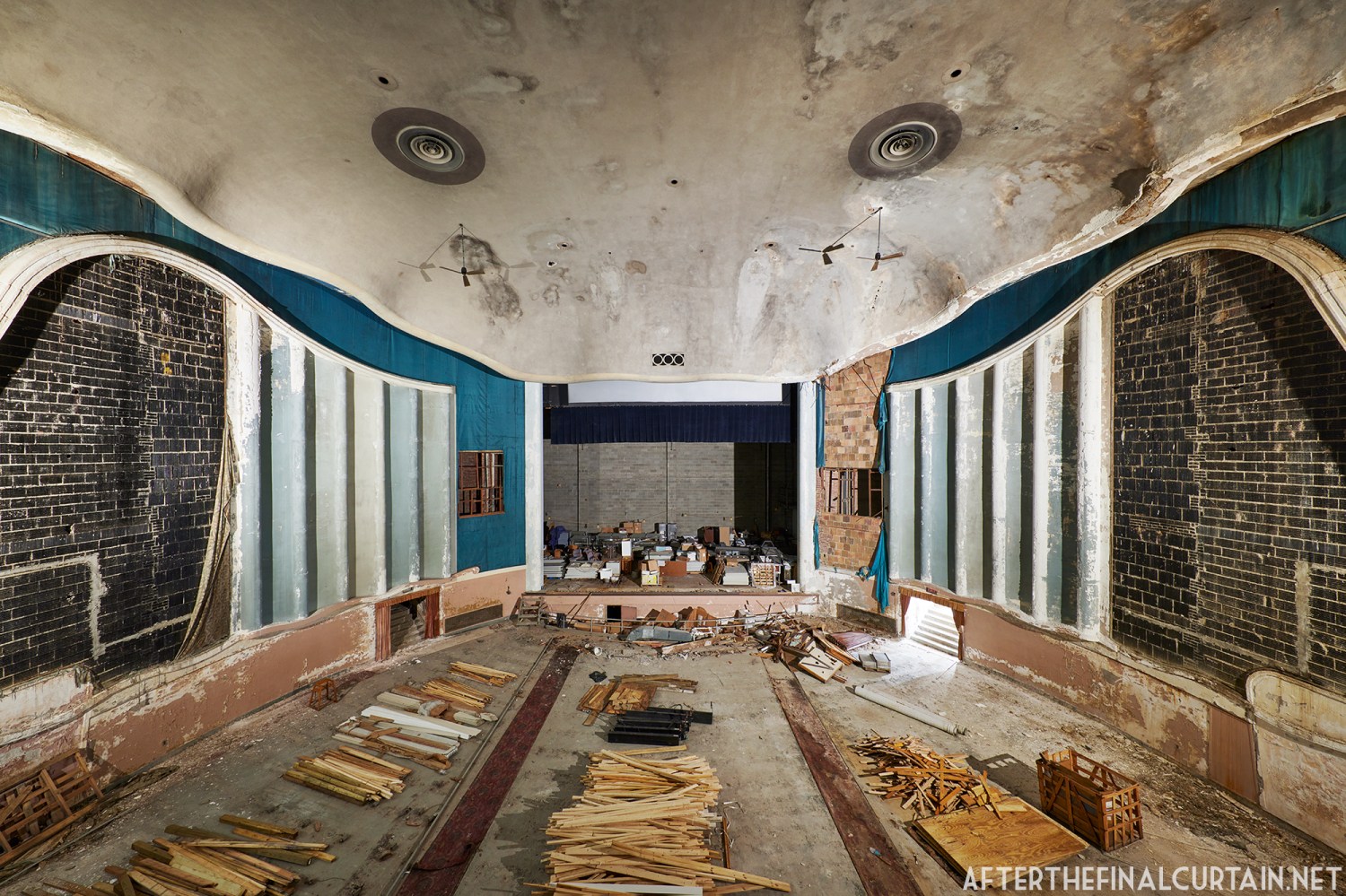
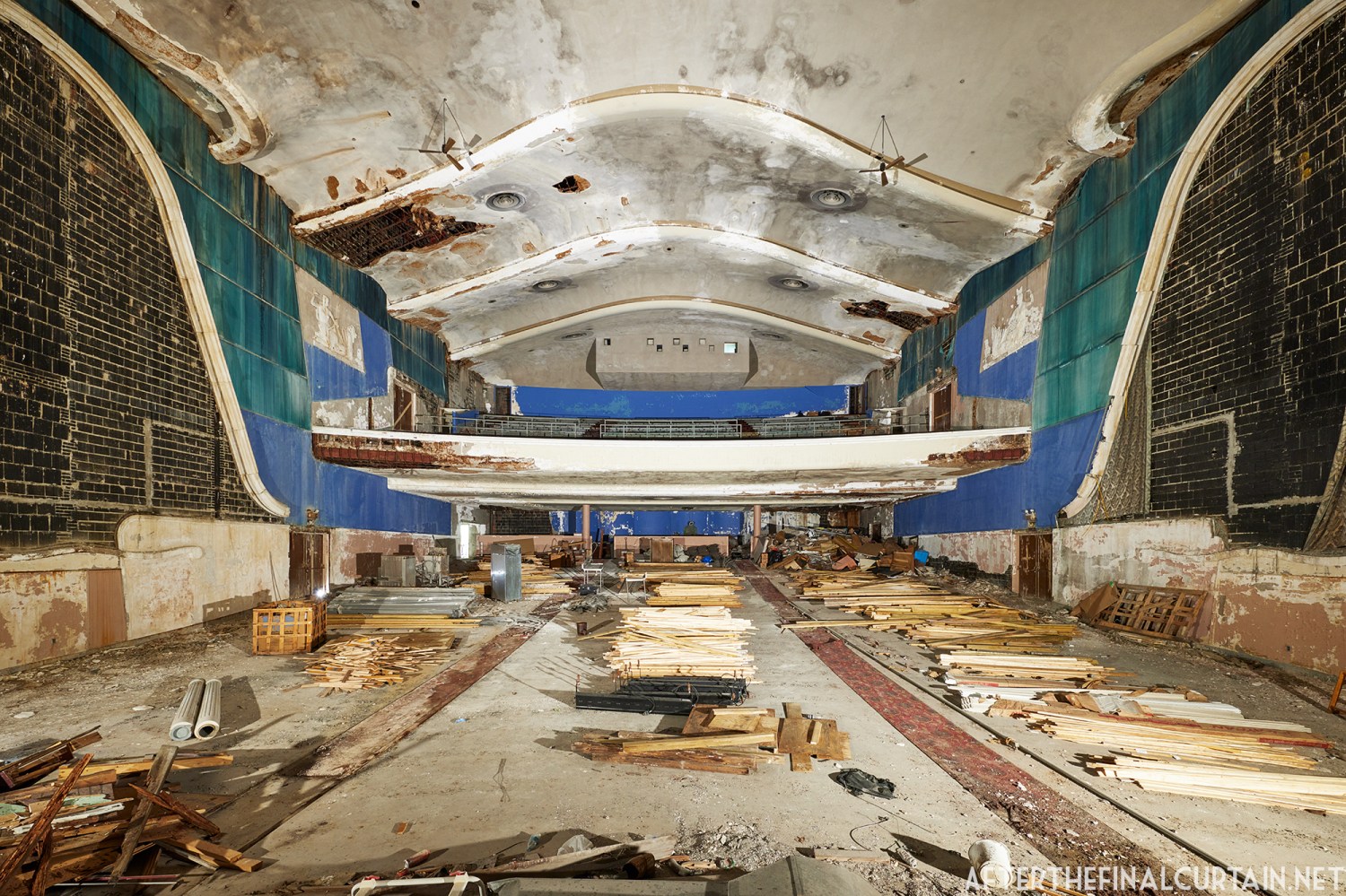
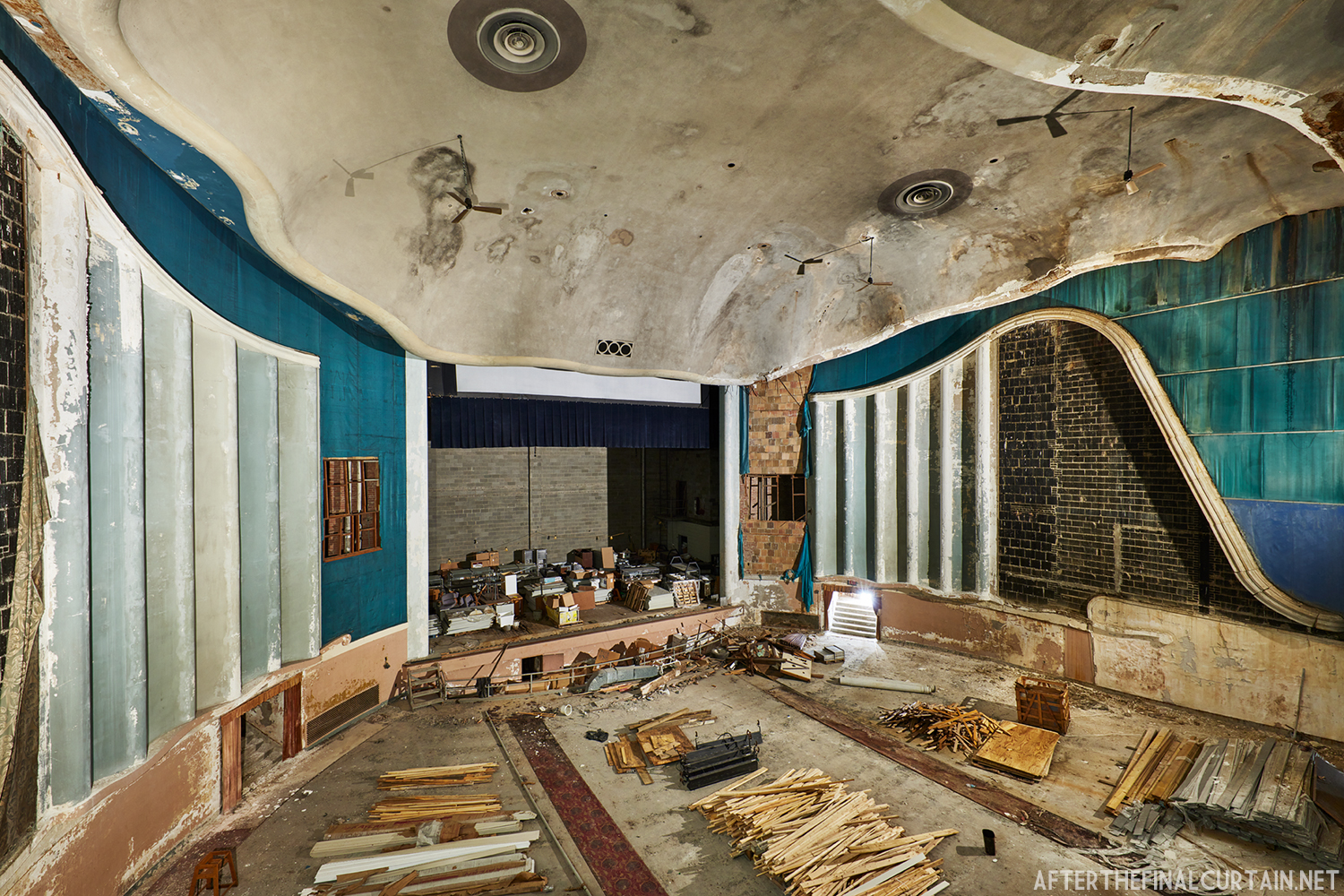
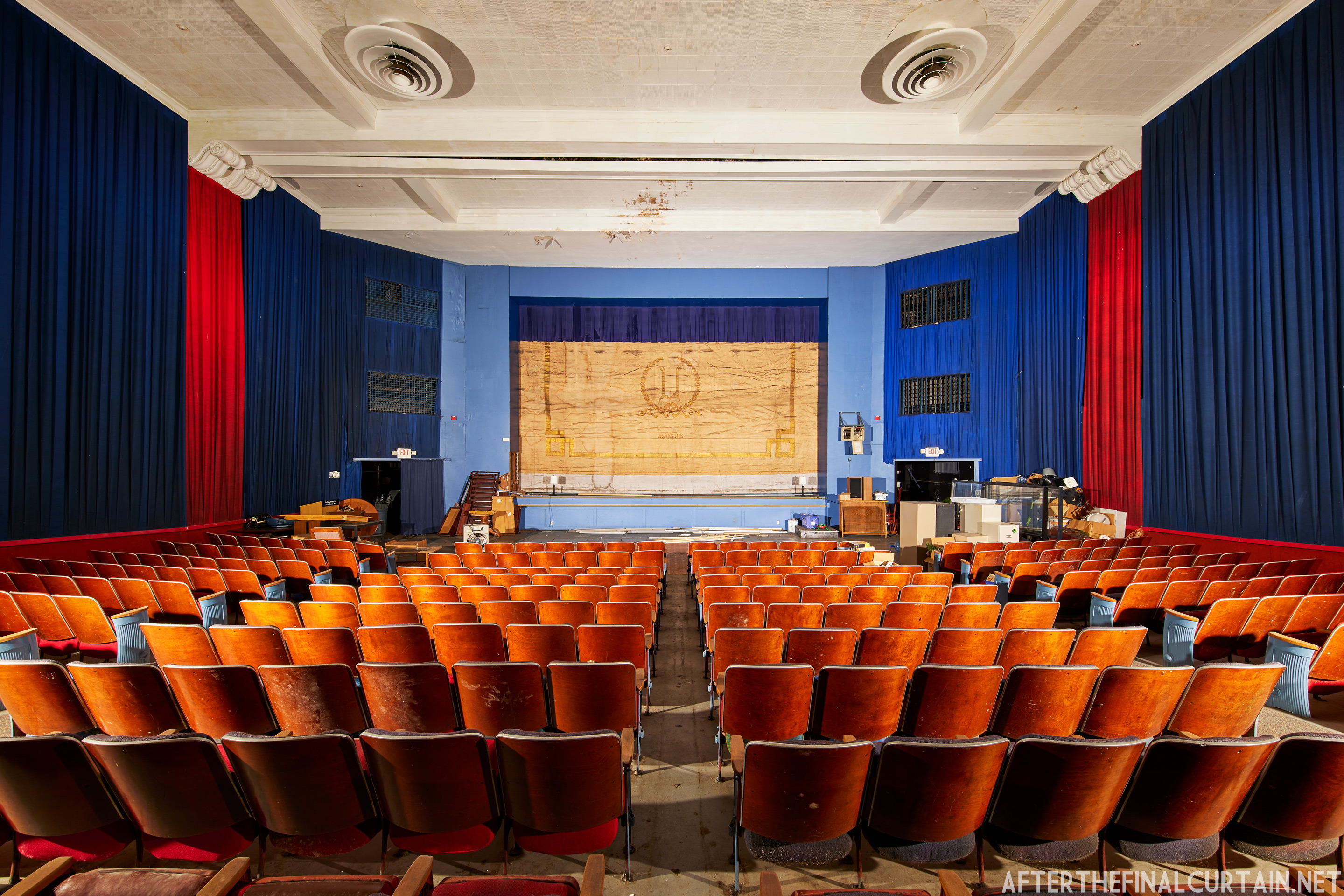
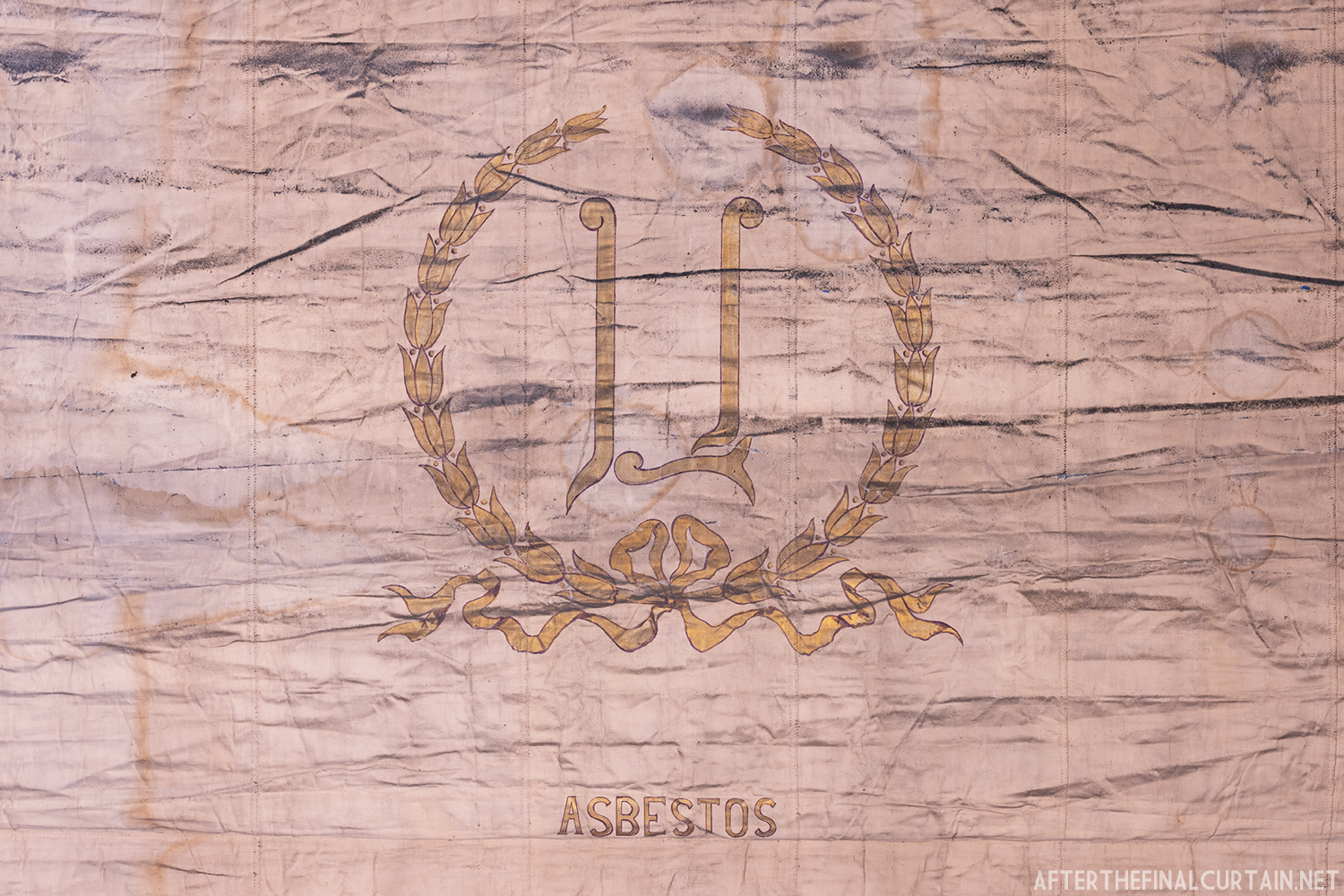
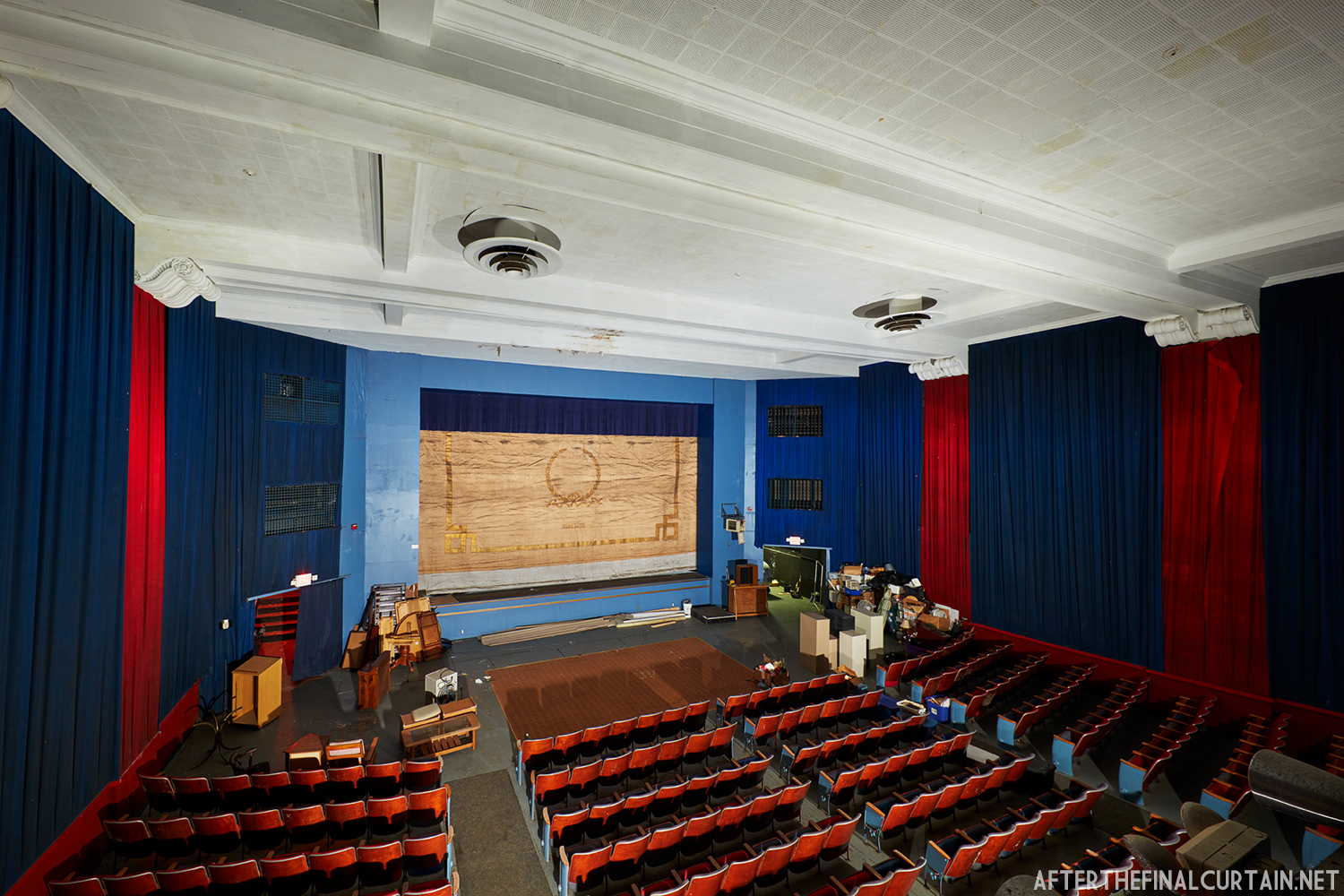
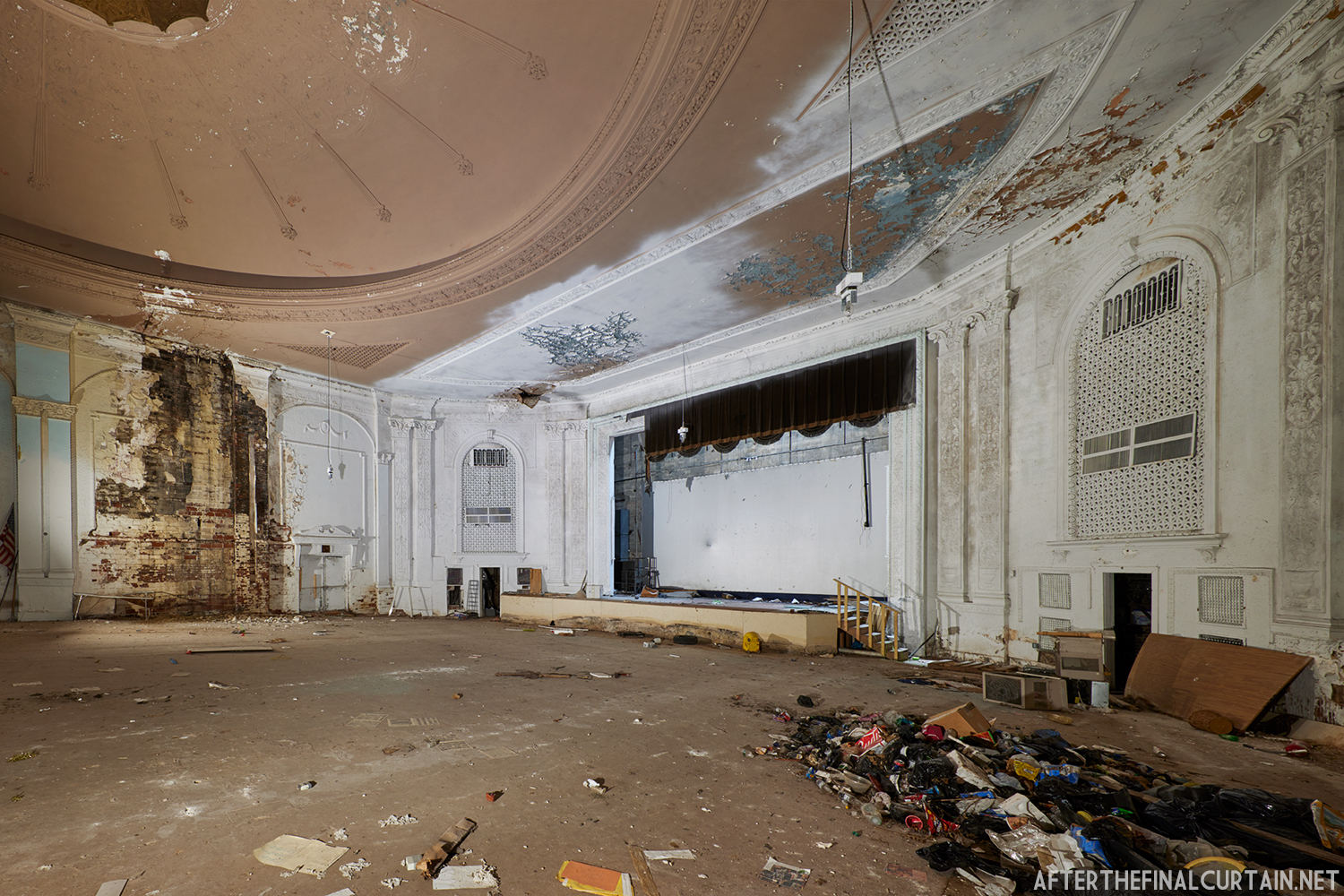
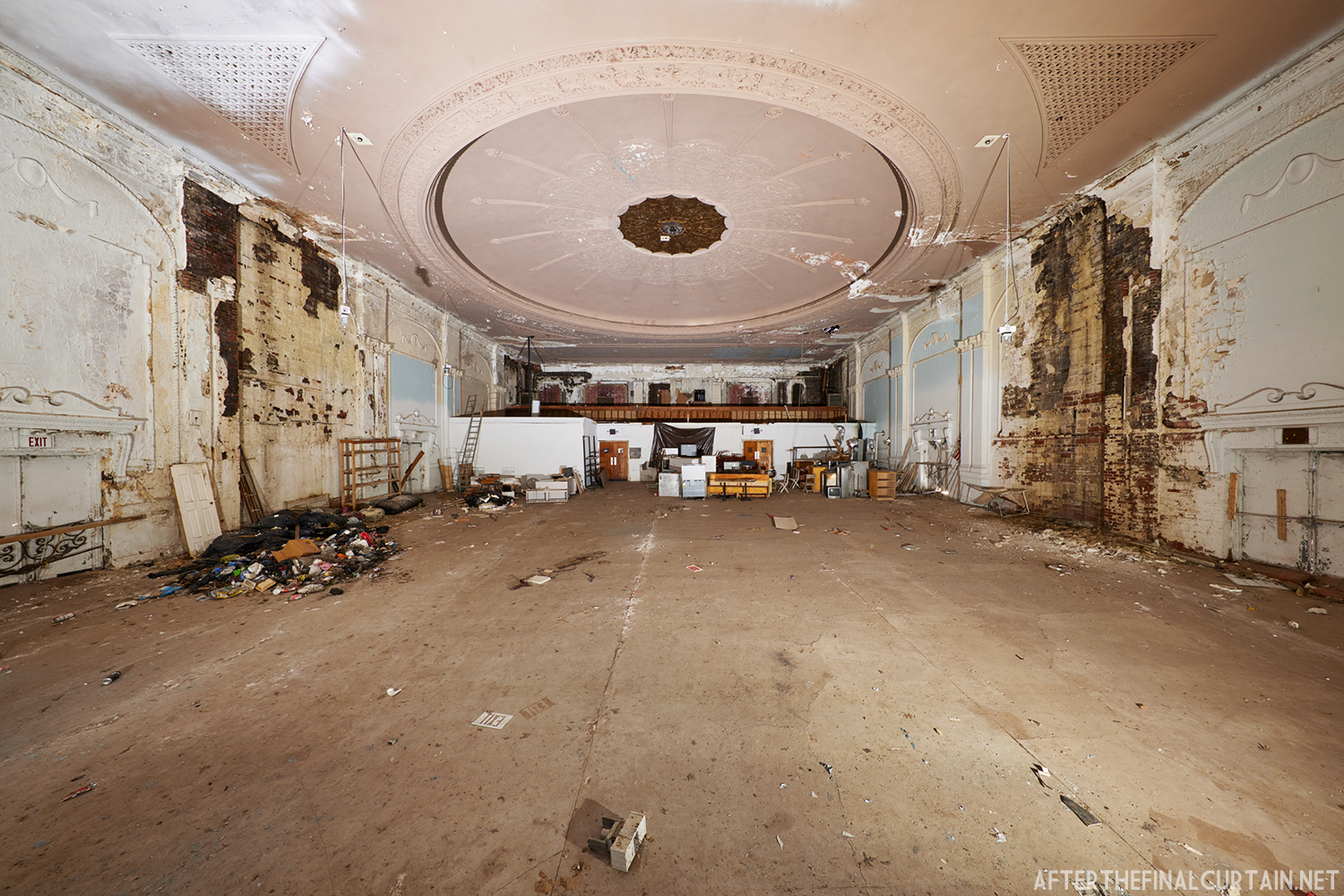
Shea’s Theater, located in the heart of Downtown Ashtabula, Ohio, opened its doors in 1949 during the height of the city’s industrial boom. Designed by Michael J. DeAngelis in the Streamline Moderne style, the theater was a $1 million investment by M.A. Shea with seating for 1,530 guests.

The theater’s heyday coincided with Ashtabula’s economic peak in the 1950s, when the city thrived as a bustling port town along the Great Lakes. Iconic stars like Judy Garland, Mickey Rooney, and Clark Gable graced its screen, while live performances by artists like “Polka King” Frank Yankovic drew record-breaking crowds of nearly 1,700 people.

Despite its initial success, Shea’s began to struggle by the 1970s. Newer theaters in Saybrook Township provided stiff competition, and declining attendance, coupled with financial woes, forced the theater to close in 1973. At the time, the corporation owed significant back taxes and rent, signaling the difficulties of maintaining such a large venue. Efforts to revive Shea’s were made throughout the late 1970s, with the building reopening as a public auditorium in 1977. It briefly hosted live theater, concerts, and community events, but poor attendance and insufficient funding led to its final closure in 1982.

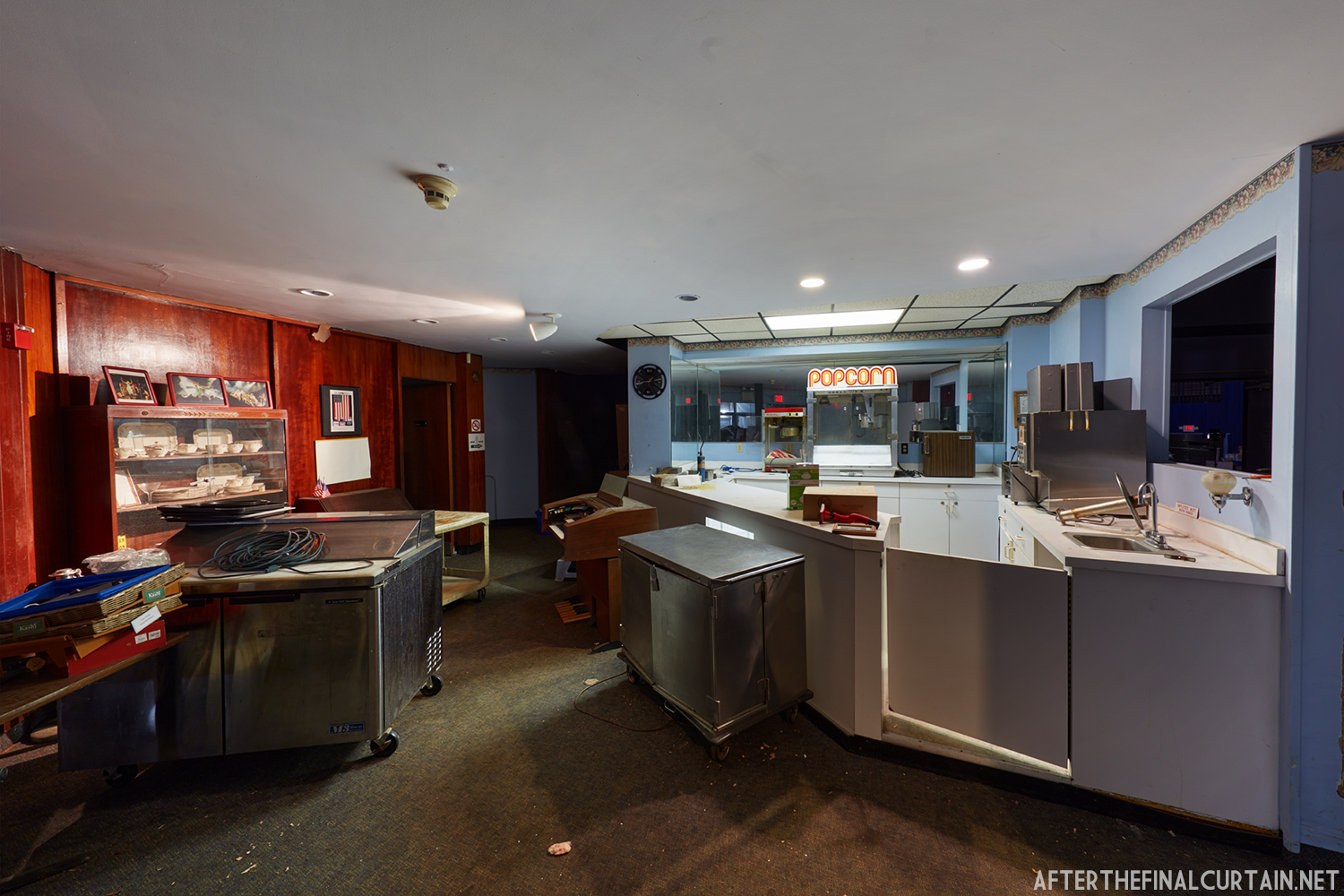
Though its auditorium went dark, Shea’s remained a part of Ashtabula’s community in a limited capacity. A portion of the building became the Ashtabula Senior Center, while the theater’s iconic seats were refurbished and repurposed for the Ashtabula Arts Center. Behind a makeshift wall, the grand main hall sat untouched, a reminder of the theater’s former glory.

The current owner of the theater plans to revive the building in phases beginning with the restoration of its façade and marquee. The hope is to create excitement and community engagement by hosting smaller events in the revamped space while generating momentum for a full-scale restoration. It was recently given a a $500,000 grant from Ohio’s capital budget Although significant funding is still needed, local leaders believe the revitalization of the Shea’s could serve as a catalyst for bringing new energy to Downtown Ashtabula. Work has begun restoring the entryway and lobby of the theater.

The Capitol Theatre – Davenport, Iowa

This was originally posted on After the Final Curtain’s Patreon in April 2023. For expanded early posts, as well as video walkthroughs and other exclusive content, you can become a patron at: https://www.patreon.com/afterthefinalcurtain

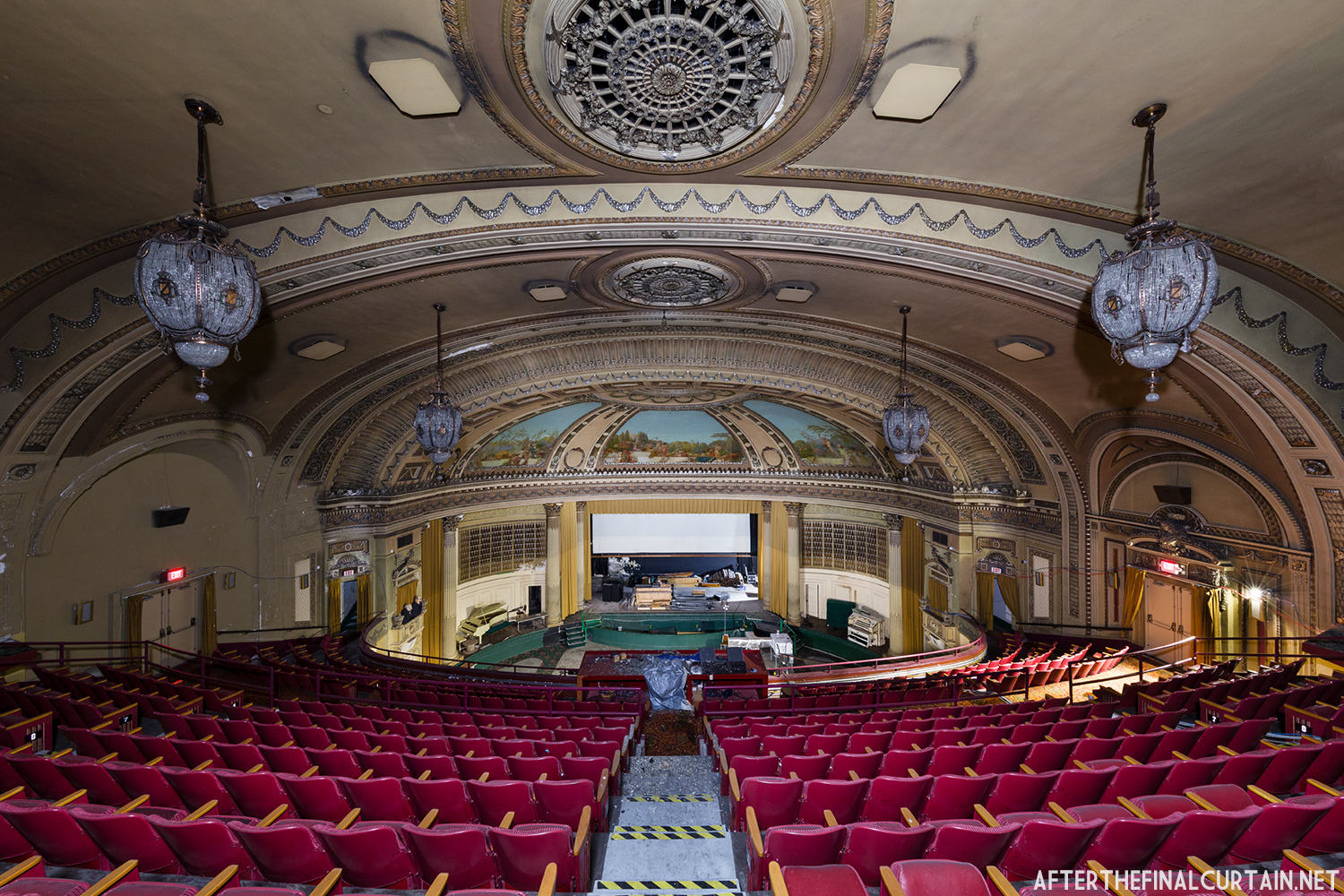
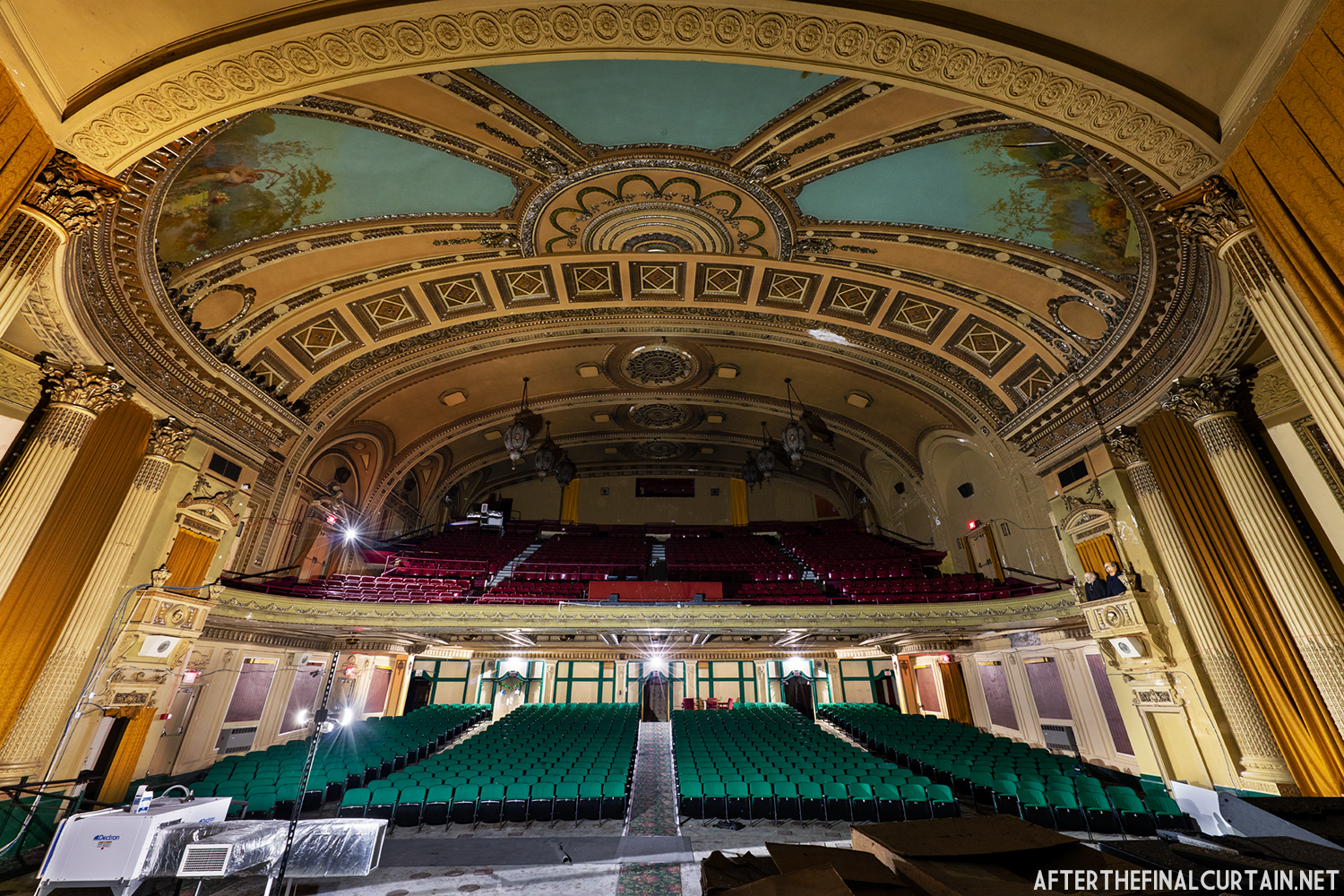
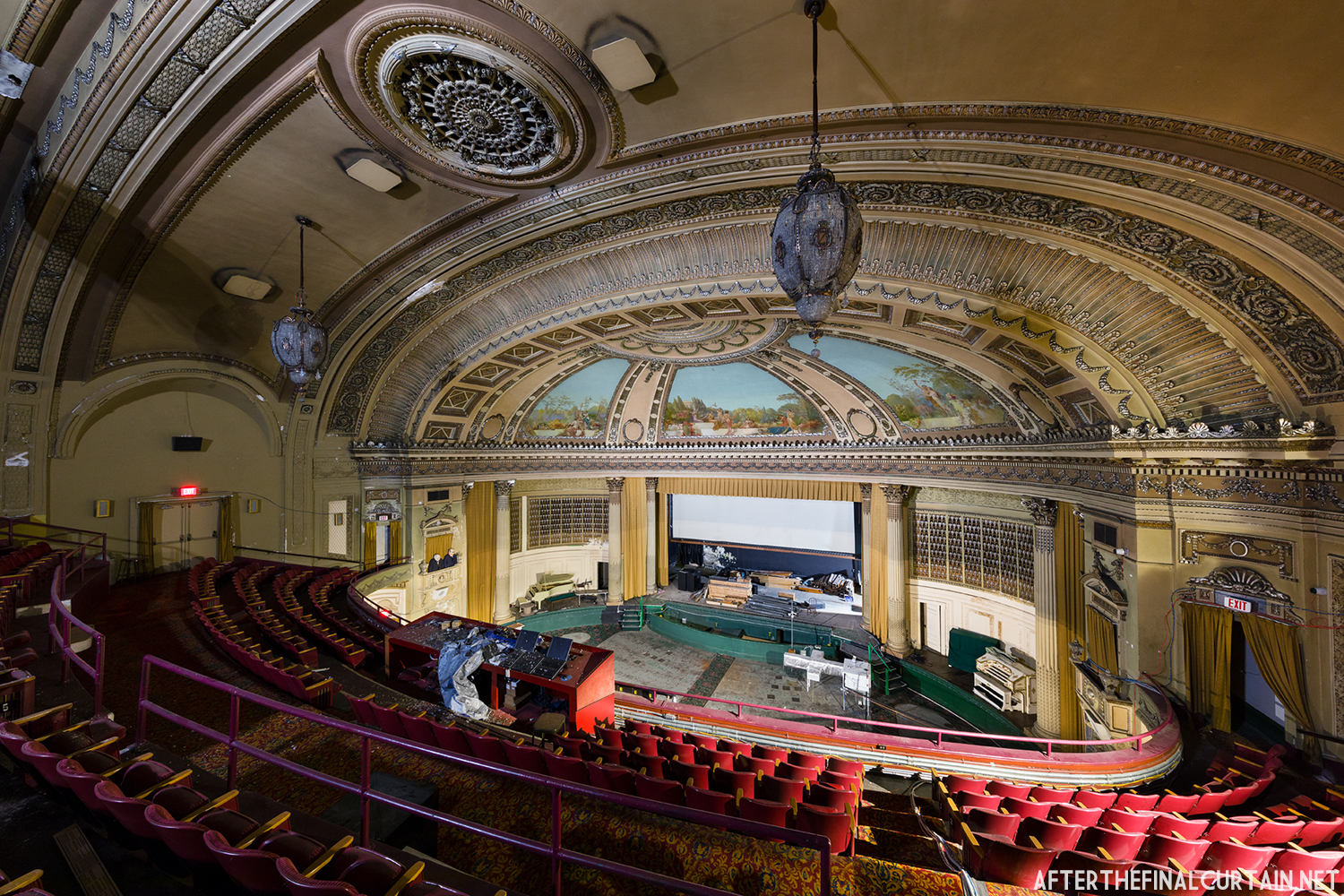
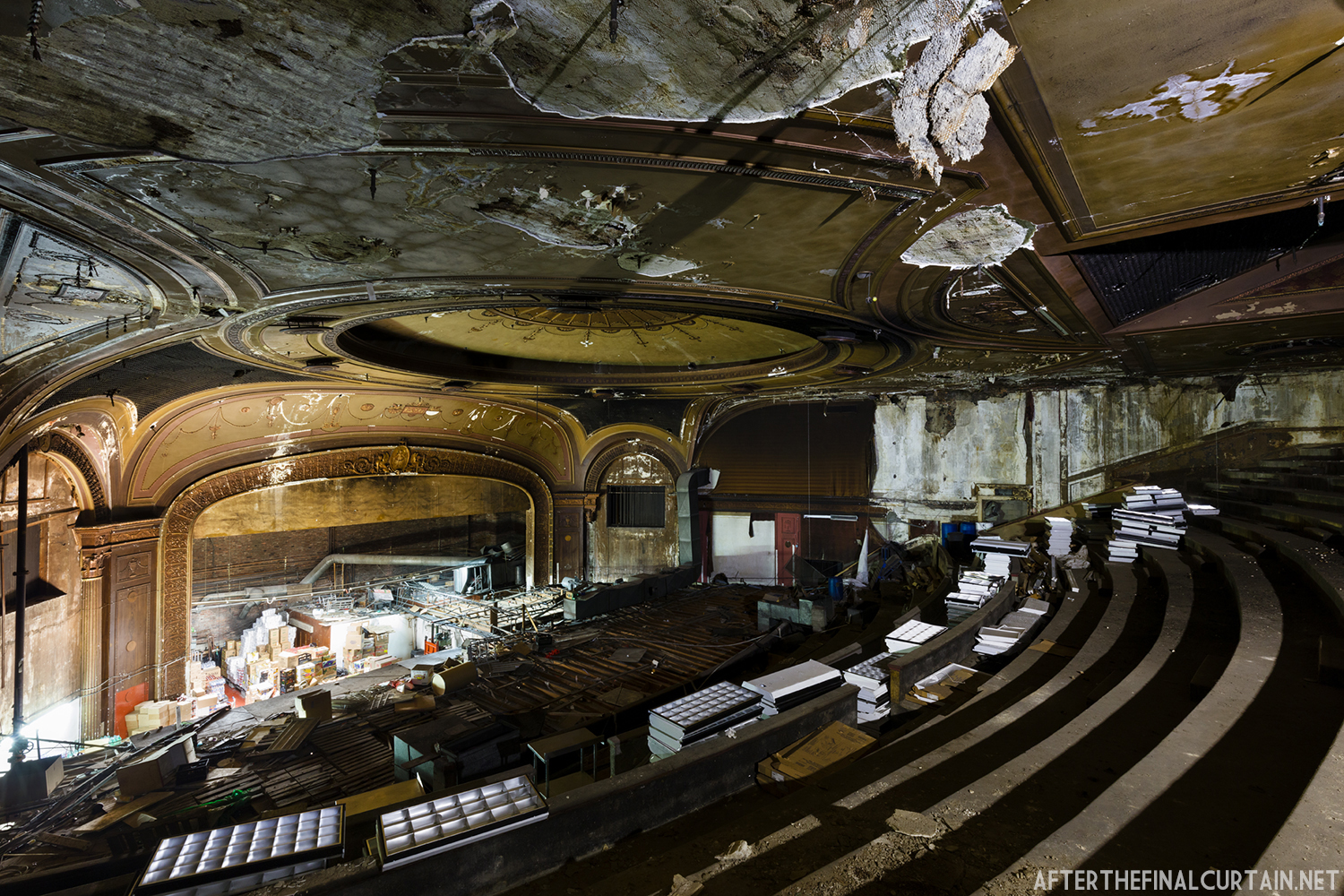
View of the auditorium from the balcony.

Located within the historic 10-story Kahl building in Davenport, Iowa, the Capitol Theatre has been a cultural cornerstone since its completion in early October 1920. Constructed by Henry C. Kahl, the building not only housed office spaces and retail outlets but also a 2,500 seat theater designed by renowned architects Rapp & Rapp, famous for their work on iconic venues such as the Kings Theatre in Brooklyn, NY, and the Uptown Theatre in Chicago, IL.

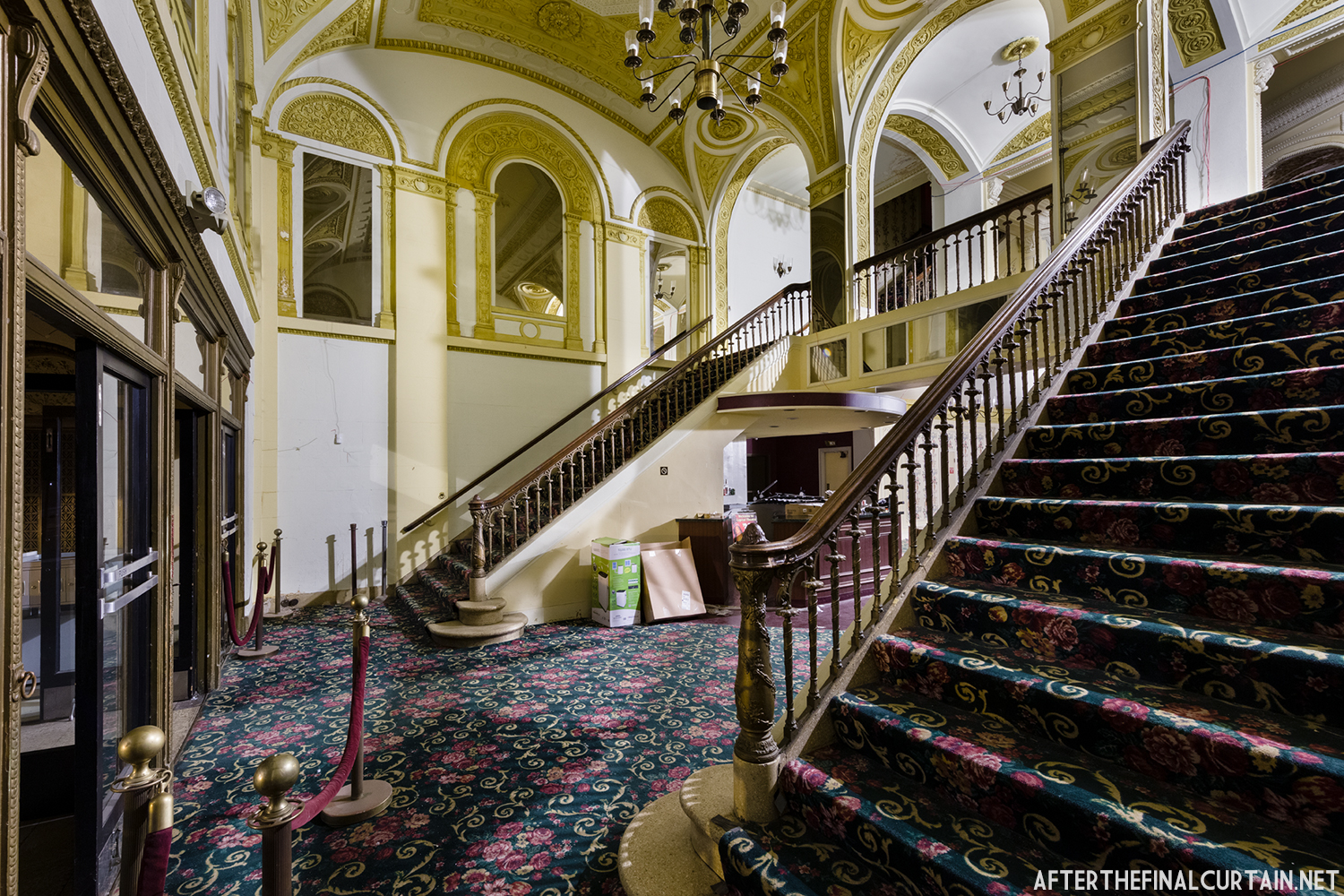
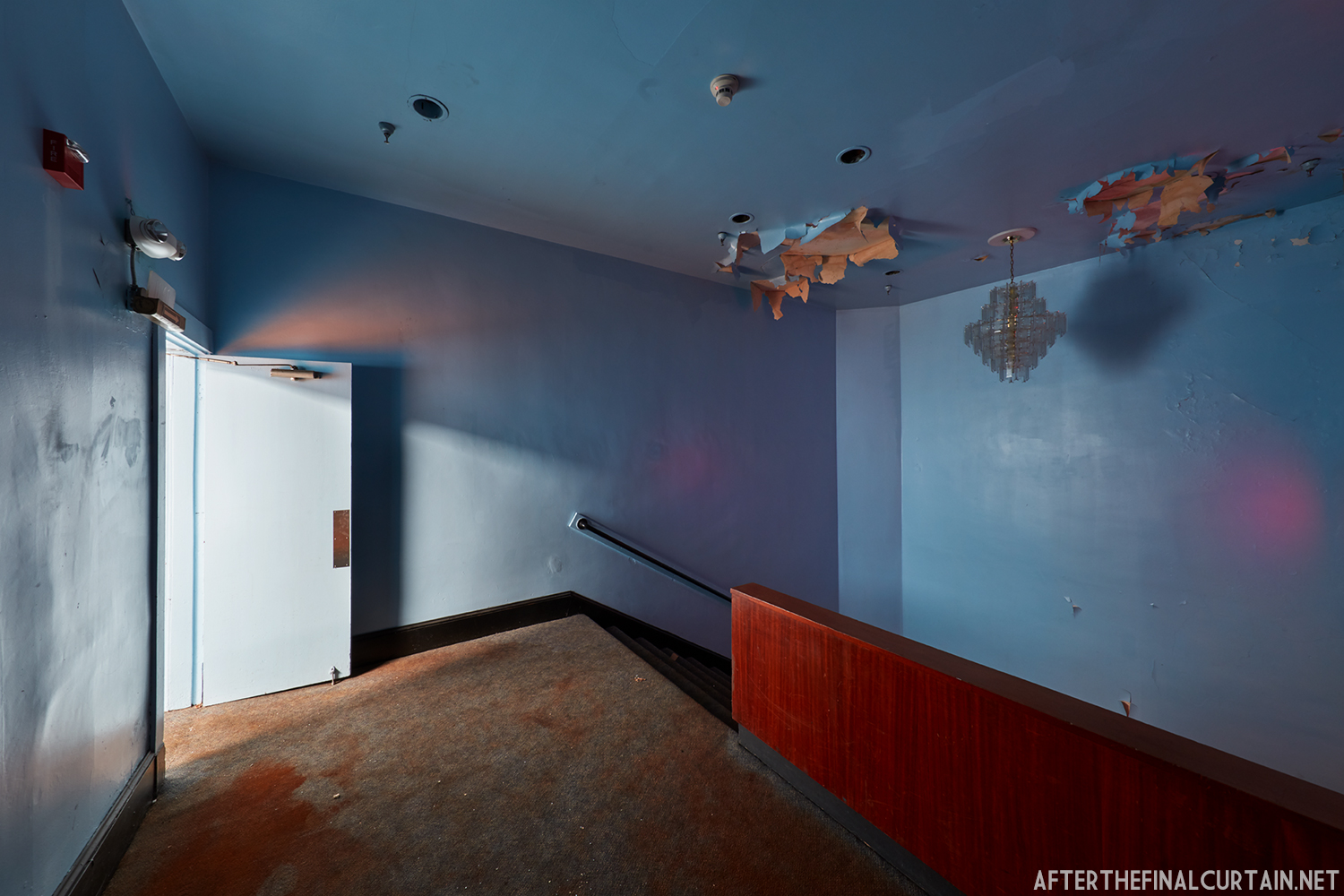
The theater’s main entrance and stairway.

The Capitol, which cost $680,000 at the time (equivalent to $10.6 million today), opened its doors on December 25, 1920, with the screening of the silent film “The Man Who Lost Himself” starring William Faversham and Hedda Hopper. The inaugural event was accompanied by a performance on the impressive M.P. Moller Opus 2939 pipe organ, a $60,000 instrument that required five freight cars for transportation to the theater.

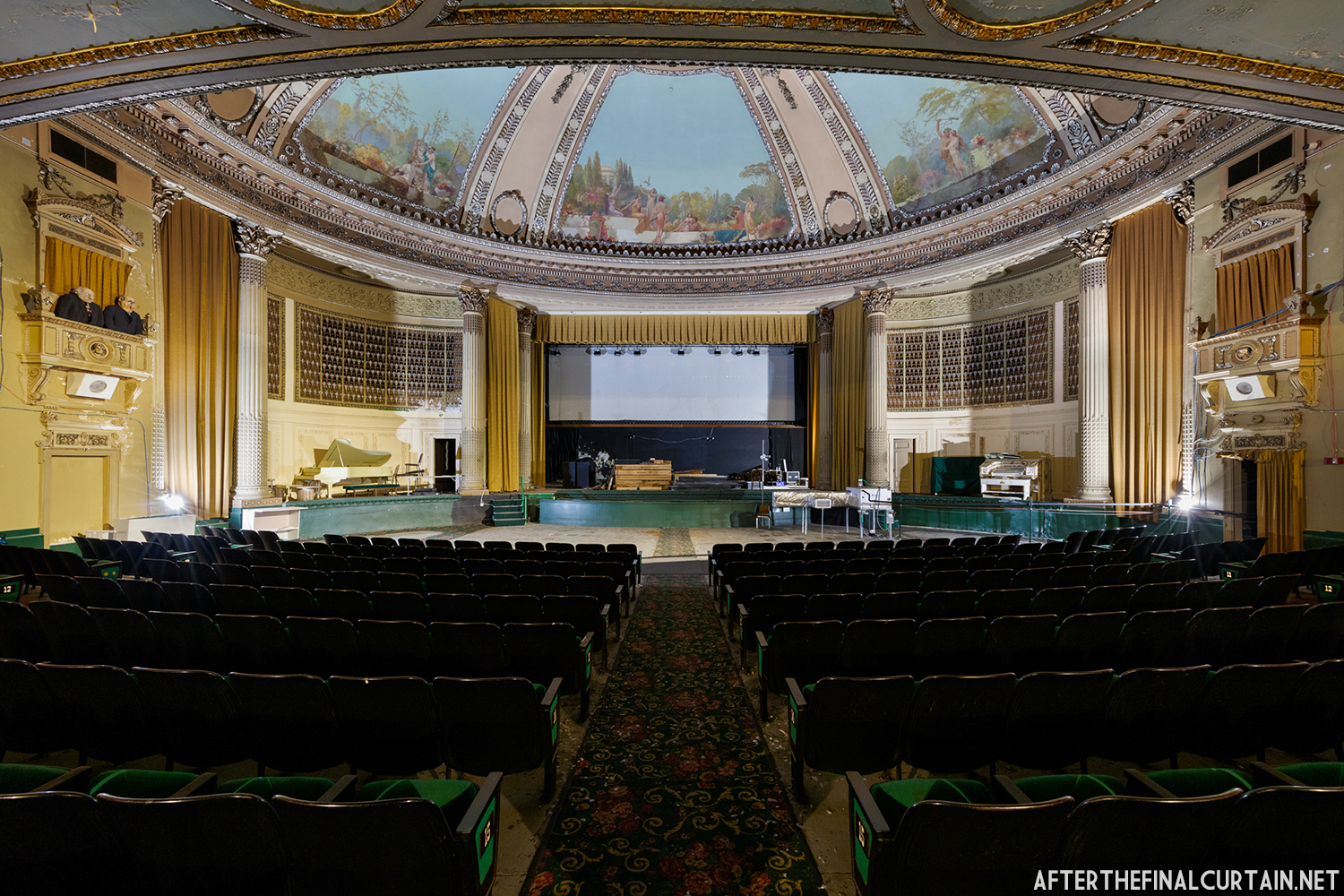
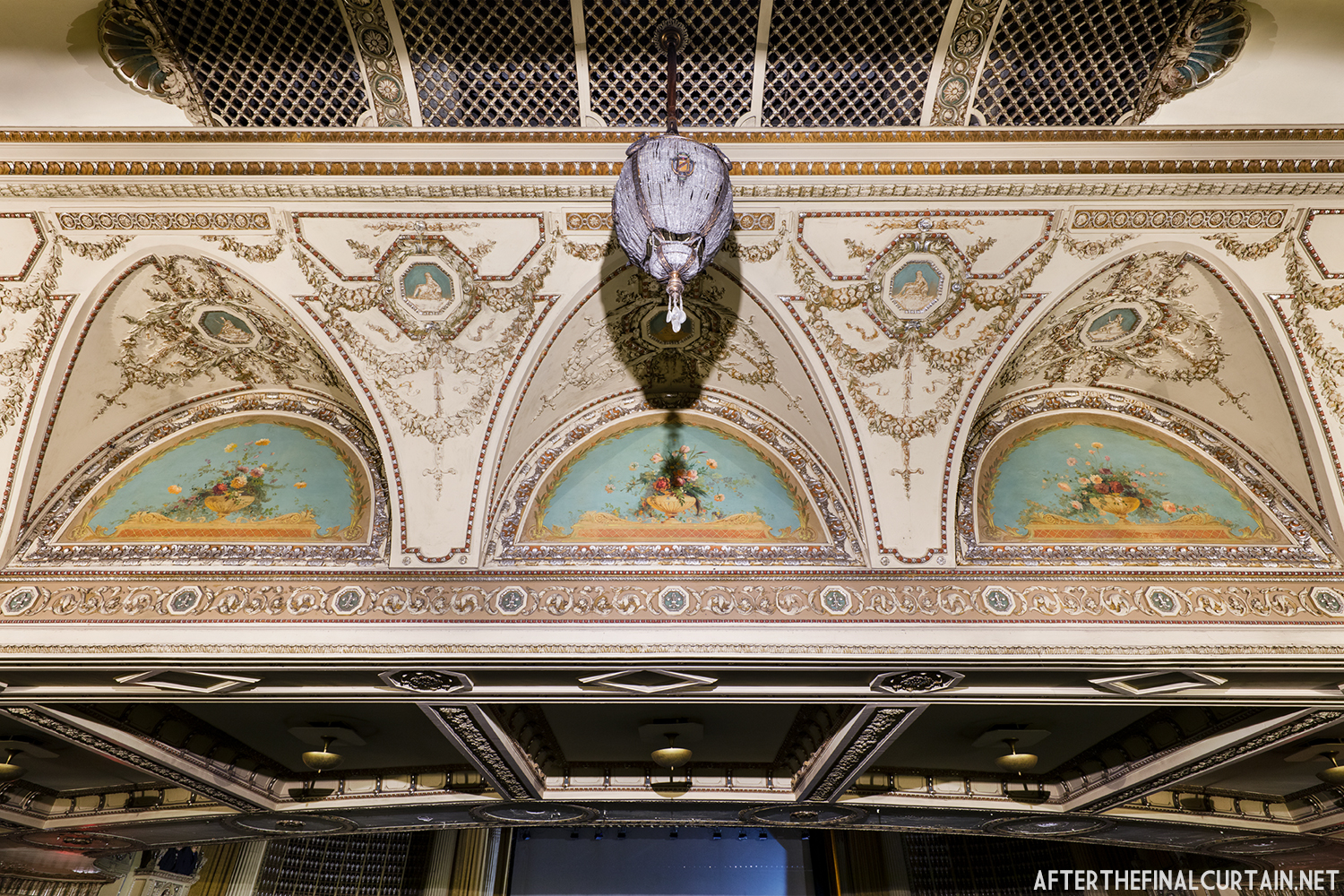
View of the auditorium ceiling from the stage.

The orchestra level of the auditorium featured alcoves housing a grand piano and a harp. The theater’s aesthetic was further enhanced by paintings adorning the lobby, foyer, and balcony. Under the management of Paramount Pictures Inc. subsidiary A.H. Blank by 1941, the Capitol Theatre became a hub for both vaudeville performances and movies. Notably, it hosted the legendary Buddy Holly, Ritchie Valens, The Big Bopper, and Dion & the Belmonts on January 29, 1959, just days before the plane crash on February 3, 1959, that took the lives of Holly, Valens and The Big Bopper, forever immortalized as “The Day the Music Died.”

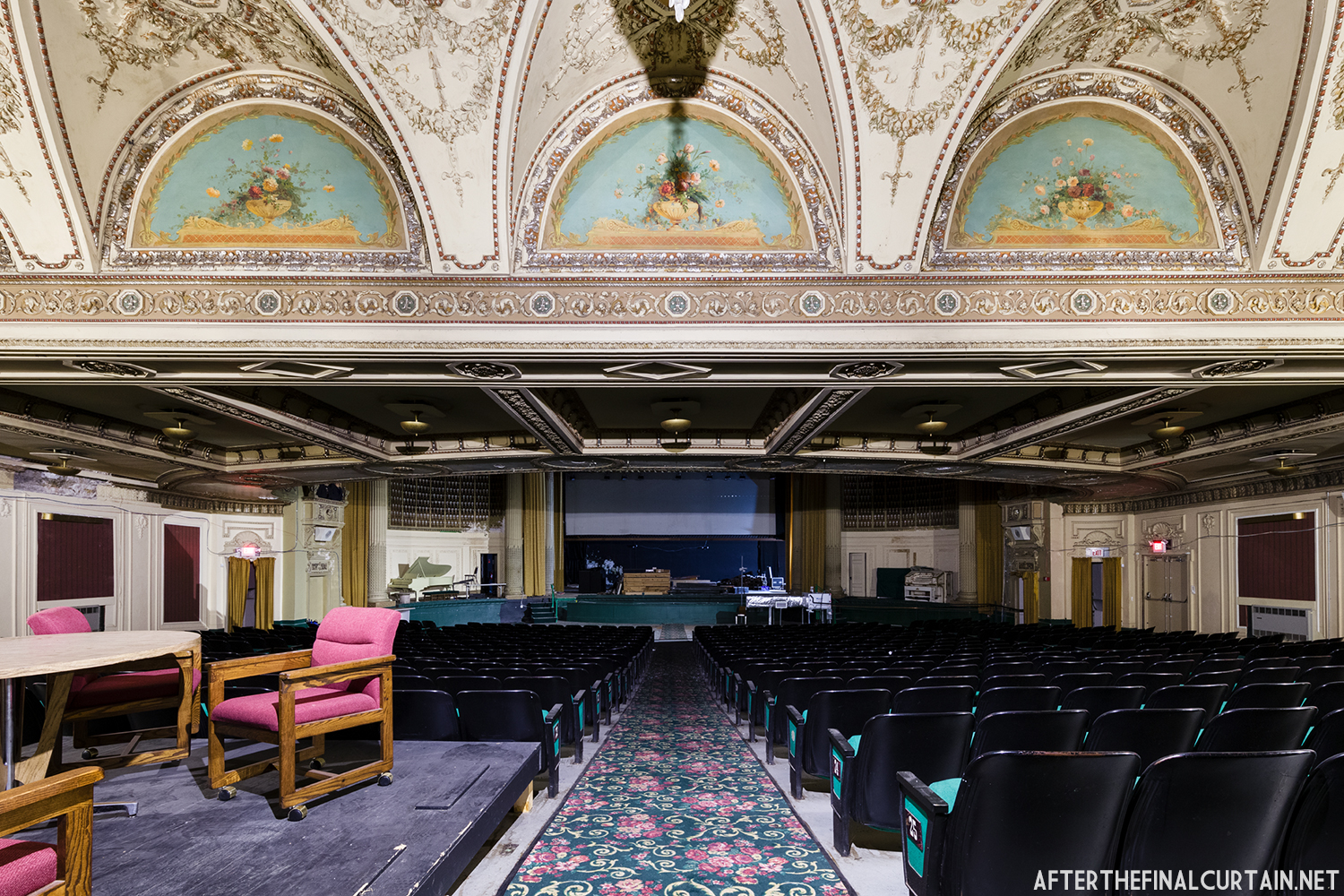
Statler and Waldorf, two muppets, were placed in a box seat and left behind after the theater closed.

In subsequent years, the theater underwent several transformations, from showcasing Spanish language films in the early 1970s to screening adult XXX movies in the late 1970s. It was repurposed as a Christian Center in the 1980s and a concert hall for various genres in the 1990s, it eventually became a hub for local productions of ballet, community theater, and college performances.

In 2010, the Capitol Theatre closed its doors. In 2020, a $25 million renovation project commenced, transforming the building into the JNB Capitol Building of Bettendorf. The theater reopened on September 23, 2023 with a concert by the American post-hardcore band Dayseeker. The renovation recreated some features that had been lost and preserved marble floors and artwork. Alongside the theater, the 10-story building now boasts 65 apartments. Free tours of the theater are offered daily at 3 PM, 4 PM, and 5 PM.

The Boulevard Theatre – Queens, NY

This was originally posted on After the Final Curtain’s Patreon in July 2023. For expanded early posts, as well as video walkthroughs and other exclusive content, you can become a patron at: https://www.patreon.com/afterthefinalcurtain

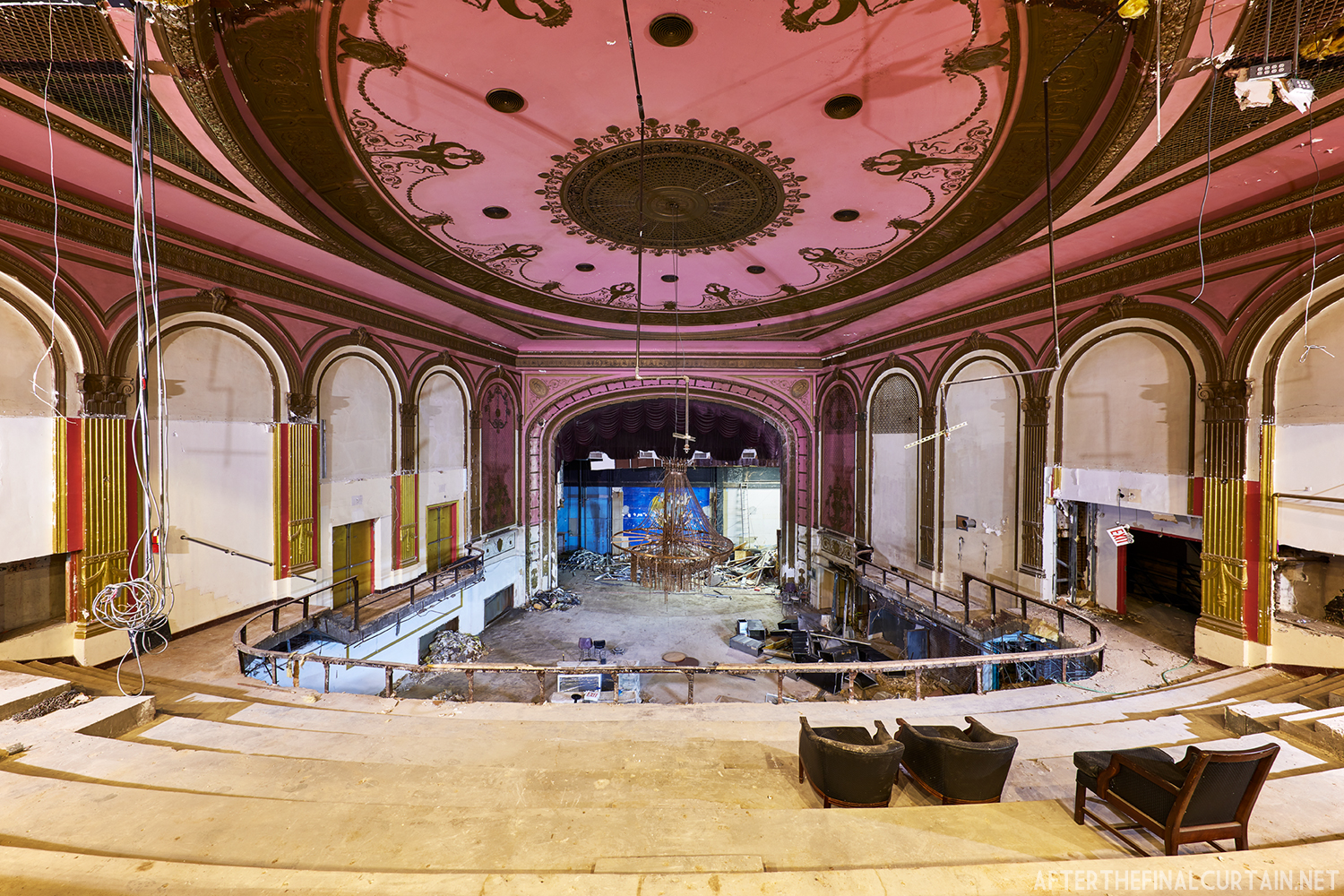
View of the auditorium from the balcony.

Located in the Jackson Heights neighborhood of Queens, NY, the Boulevard Theatre has a rich history that spans nearly a century. It first opened its doors on September 10, 1926, as one of three theaters built in Queens by the Grob & Knobel circuit with Herbert J. Krapp as architect. The other two were the Jackson Theatre and the Sunnyside Theatre.  It was the only one of the three that had large enough stage facilities to handle a musical or Broadway style play.

View of the auditorium from the stage during demolition.

The theater, with 1,839 seats, was designed to showcase shows that had recently closed on Broadway or were on trial before their official run. This made it a popular place for theater enthusiasts. In 1928, William Fox acquired the Grob & Knobel theaters, and Louis Werba managed the Boulevard Theatre. But due to the Depression, both Fox and Werba faced bankruptcy. As a result, the Boulevard Theatre became a double-feature movie house under Fox’s successor, Skouras Theatres. Skouras also took control of the Jackson Theatre and Sunnyside Theatre, which were later sold to Century Theatres.

After years as a live theater venue, the Boulevard switched formats and became a movie theater. In the 1960s, it was a first run movie theater.  A special screening of “Yours, Mine and Ours” starring Lucille Ball and Henry Fonda was shown at the theater in 1968 before its wide release.

Triplexed in the 1970s, the Boulevard Theatre encountered difficulties because it was located in a residential area on Northern Boulevard, far from the 82nd Street shopping district around Roosevelt Avenue. This, combined with a decline in the neighborhood, led to the theater closing in the 1980s and its owner planned on demolishing it. However, this did not happen partially because of the community’s disapproval of his plan.

Eventually, the Boulevard Theatre was sold and transformed into the successful Natives Restaurant-Theatre, catering to Queens’ Hispanic community. The entrance was converted into a restaurant-bar, and the three auditoriums were used for various events. However, by 2016, it had turned into a restaurant/nightclub, which closed during the Covid-19 Pandemic. In early 2021, it was demolished, putting an end to its rich and storied history.

The remains of one of the stairways leading to the balcony.

Union Theatre – Attleboro, MA

This was originally posted on After the Final Curtain’s Patreon in February 2022. For expanded early posts, as well as video walkthroughs and other exclusive content, you can become a patron at: https://www.patreon.com/afterthefinalcurtain

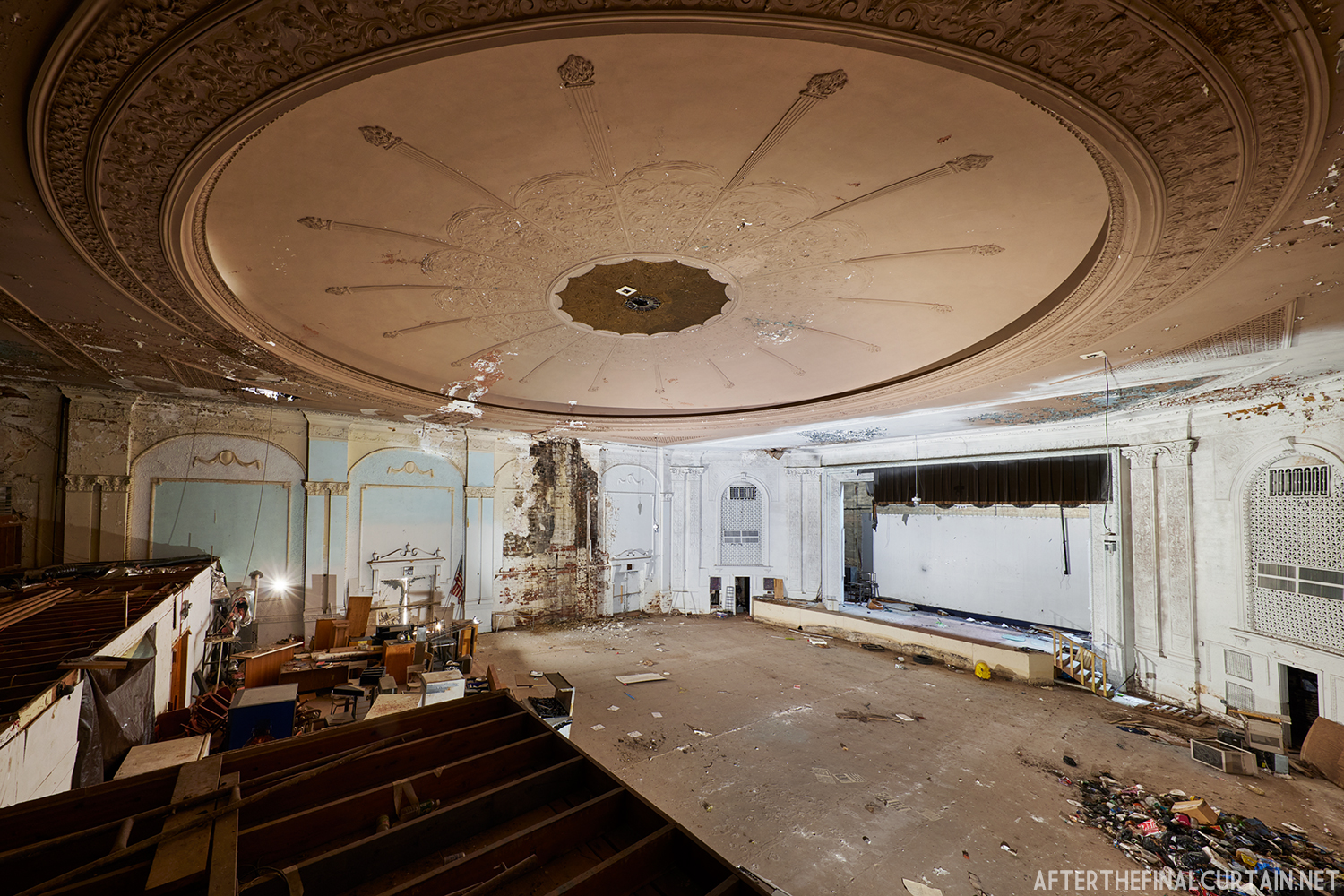
View of the auditorium from the orchestra level.

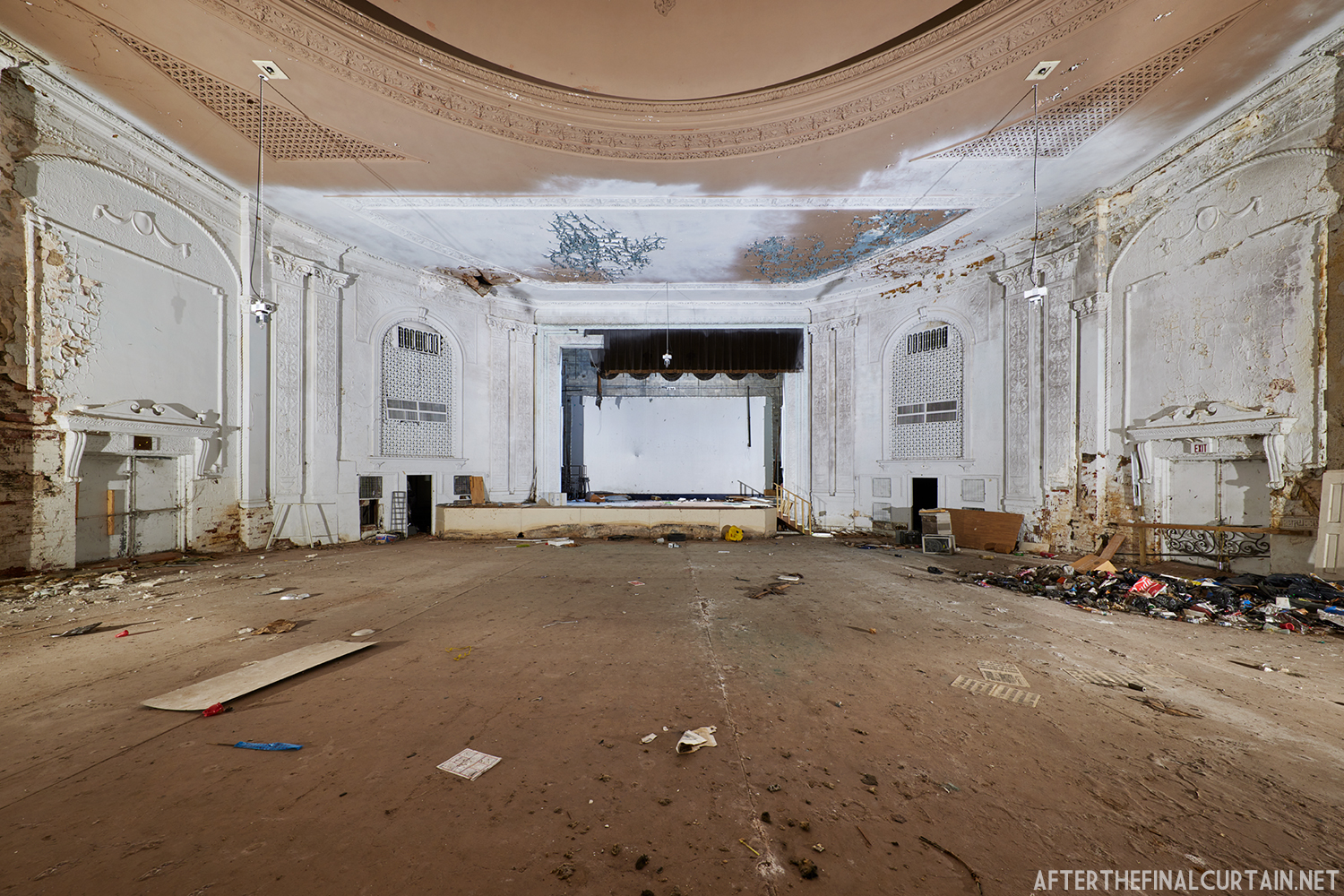
The Union Theatre in Attleboro, MA originally opened in 1918 as a vaudeville and silent movie theater. It was operated by B & Q Associates and had 1,101 seats. Because of the decline in vaudeville, and the rise of the modern talking motion picture, the Union underwent a remodel in 1927 to give it the ability to show “talkies.”

A close up of the theater’s logo on the fire curtain.

Another remodel happened in May 1939 when air conditioning was added to the theater. The Union was divided into multiple screens in 1986 so that it could show multiple movies at a time. It was renamed the Roxy Theatre, then the Attleboro Cinema before returning to the Union Theater. It closed as a movie theater in the 1990s.
The lobby was modernized when the theater was twinned.

During the early 2000s, the Triboro Youth Theatre rented the Union and performed Broadway musicals. They removed the wall dividing the lower level into two screens and removed the drywall covering the original stage. Musicals held at the theater during this time include Peter Pan, Jesus Christ, Superstar and South Pacific. However, this was short-lived as the theater was not up to code, and they released the Triboro Youth Theatre from their rental agreement.

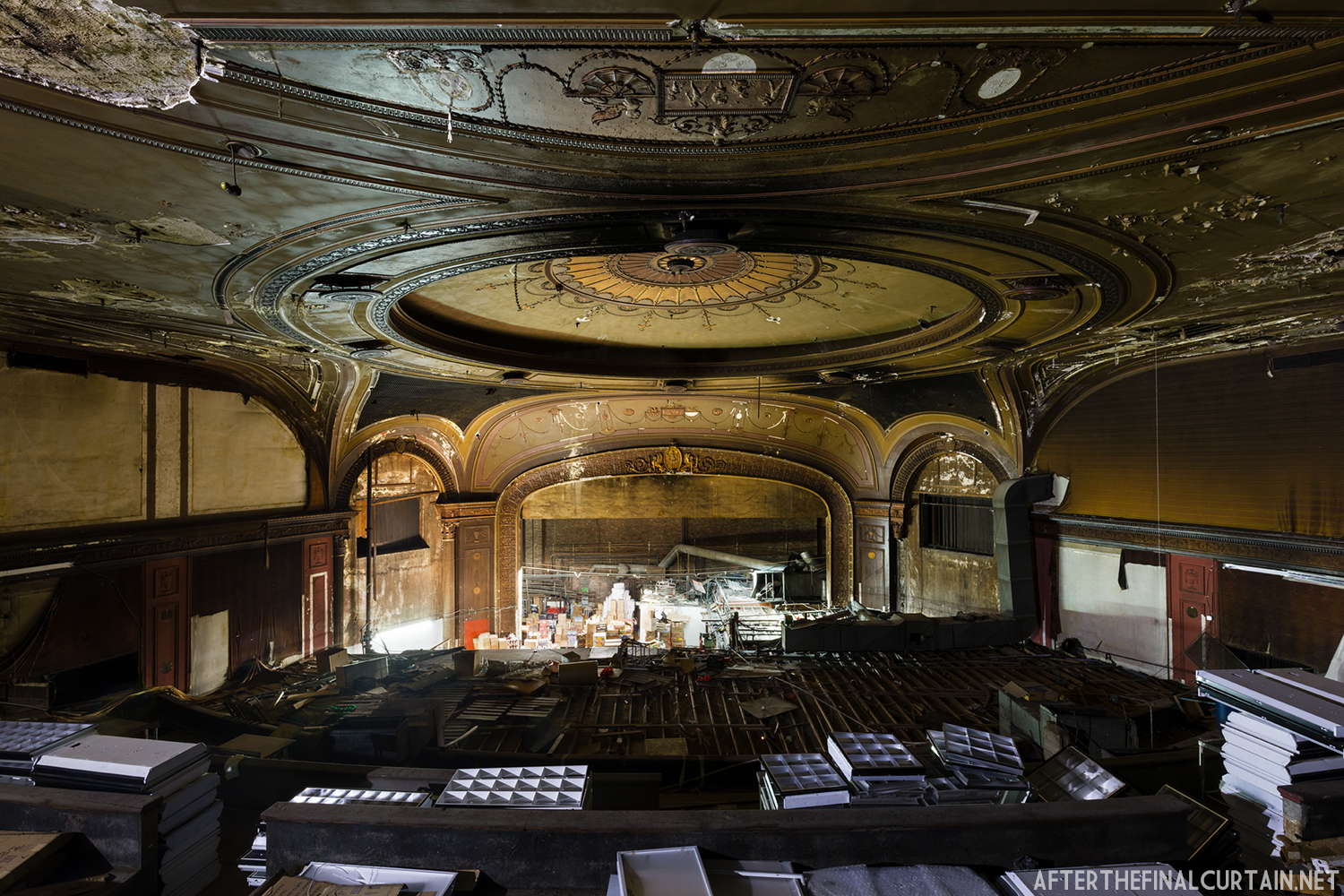
View of the auditorium from the stage.

In September 2015, thieves broke into the theater, stole the sound amplifiers from the projectors and some lenses. The owner of the theater used the marquee to ask for its return. It read “Wanted: Stolen Projector Equipment Returned” for several months after the theft. The theater remains closed.

View from the side of the balcony.

The Elmora Theatre – Elizabeth, New Jersey

View from the side of the auditorium.

The Elmora Theatre opened on February 15, 1927 in Elizabeth, New Jersey. It was called “The Theatre Beautiful” in early advertisements and was primarily a live playhouse when it opened. The Kirkham Players, a local acting company, performed in most of the plays shown at the Elmora. However, on June 11, 1928, a little over a year after they began, J. Ellis Kirkham, the managing director of the Kirkham Players, resigned because of a difference of opinion on managerial policy. Kirkham’s resignation led to a much less popular group taking over the Elmora, and by 1929 it had closed.

Looking back from the stage.

On April 1st 1929, Werba and Taylor of New York City reopened the Elmora. The first play shown at the newly christened Werba’s Elmora was “The Trial of Mary Dugan.” By 1941, the Elmora had switched to showing motion pictures, and continued to do so until it closed. Bob Jaspan, an Elizabeth City Councilman, had purchased the theater in 1986. Jaspan purchased the building to move his hardware store there, but was convinced to keep the theater open by his constituents. He ran two-for-one specials, reduced ticket prices and held monthly screenings for senior citizens, but ultimately could not compete with nearby multiplexes.

Jaspan closed the theater in 1996. After it closed, Jaspan had the long hallway style lobby split up into retail spaces, and rented out the auditorium to the Evangelistic Hispanic Church. Jaspan sold the theater a few years later. The auditorium became a secondhand furniture showroom in 2007, but that didn’t last long because of the deteriorating state of the building.

Casino Theatre – Bronx, NY

This was originally posted on After the Final Curtain’s Patreon in January 2022. For expanded early posts, as well as video walkthroughs and other exclusive content, you can become a patron at: https://www.patreon.com/afterthefinalcurtain

The auditorium of the former Casino Theatre in the Bronx.

View of the auditorium from the side of the balcony.

The Casino Theatre originally opened as the Willis Theatre in late December 1923. It’s near 138th Street in the Mott Haven neighborhood of the Bronx, NY. The 2,166 seat theater was designed by architect Eugene De Rosa, who is known for many other New York Metropolitan Theatres such as The Apollo Theatre in Harlem, Studio 54 in Midtown Manhattan, and the St. George Theatre in Staten Island. 

It was not a successful theater and closed and reopened many times throughout the 1920s, often with a change of format. It went from vaudeville to burlesque to motion pictures and even had a brief stint as a Broadway-style theater when a manager’s tryout for “A Woman of Destiny” was held at the theater in 1936.

Center view of the Auditorium, Casino Theatre - Bronx, NY

The orchestra level was converted into a grocery store, and the stage area is used for storage.

The Willis was renovated and renamed the Casino in 1939 to coincide with the World’s Fair, which was being held at Flushing Meadows-Corona Park in Queens, NY. It closed as a movie house for the last time in the 1960s. After a few years, a supermarket replaced the theater. However, it wasn’t demolished, at least not completely. Instead, the lobby and orchestra level of the auditorium were gutted and converted into the supermarket. The balcony is all that remains of the Casino today.
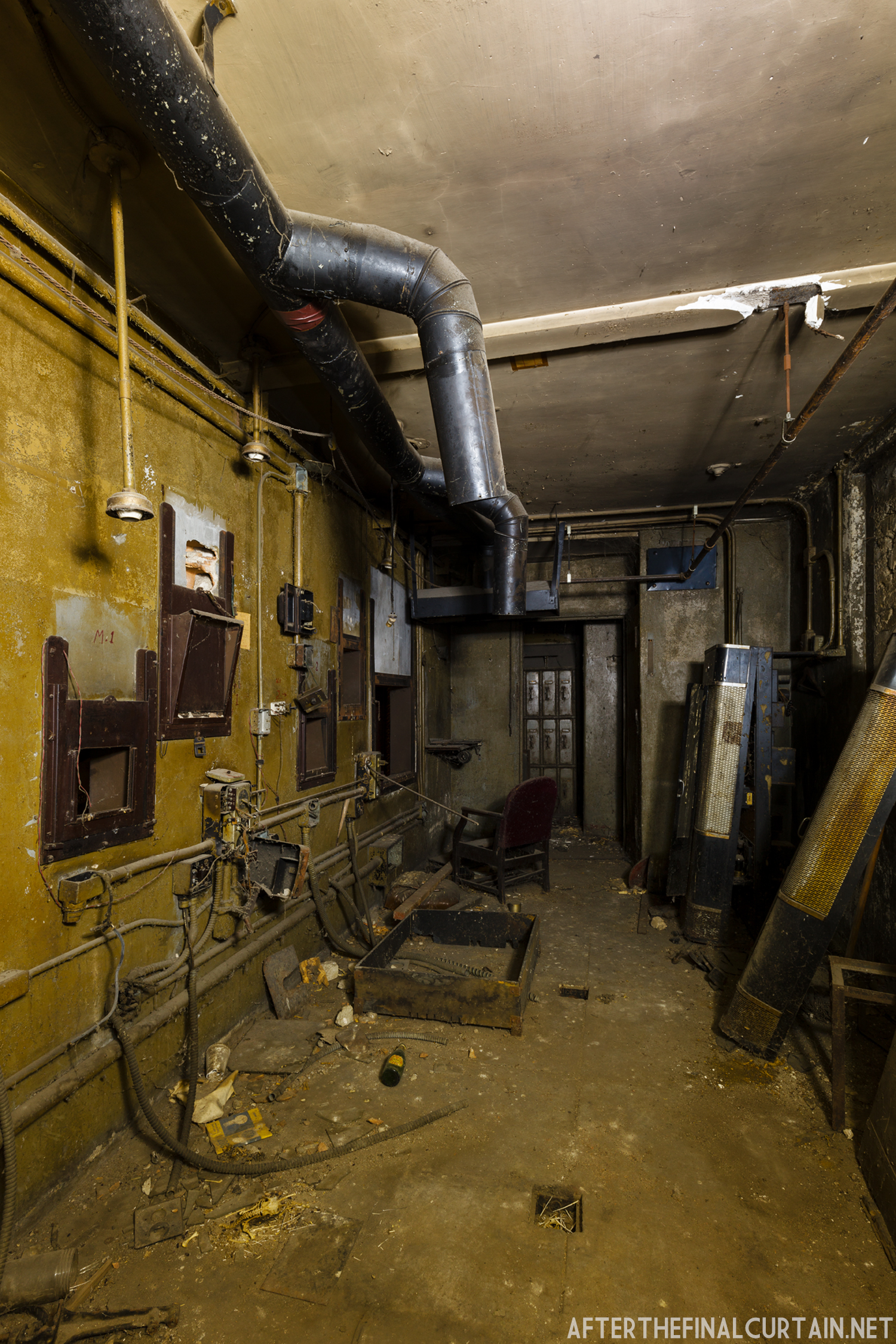
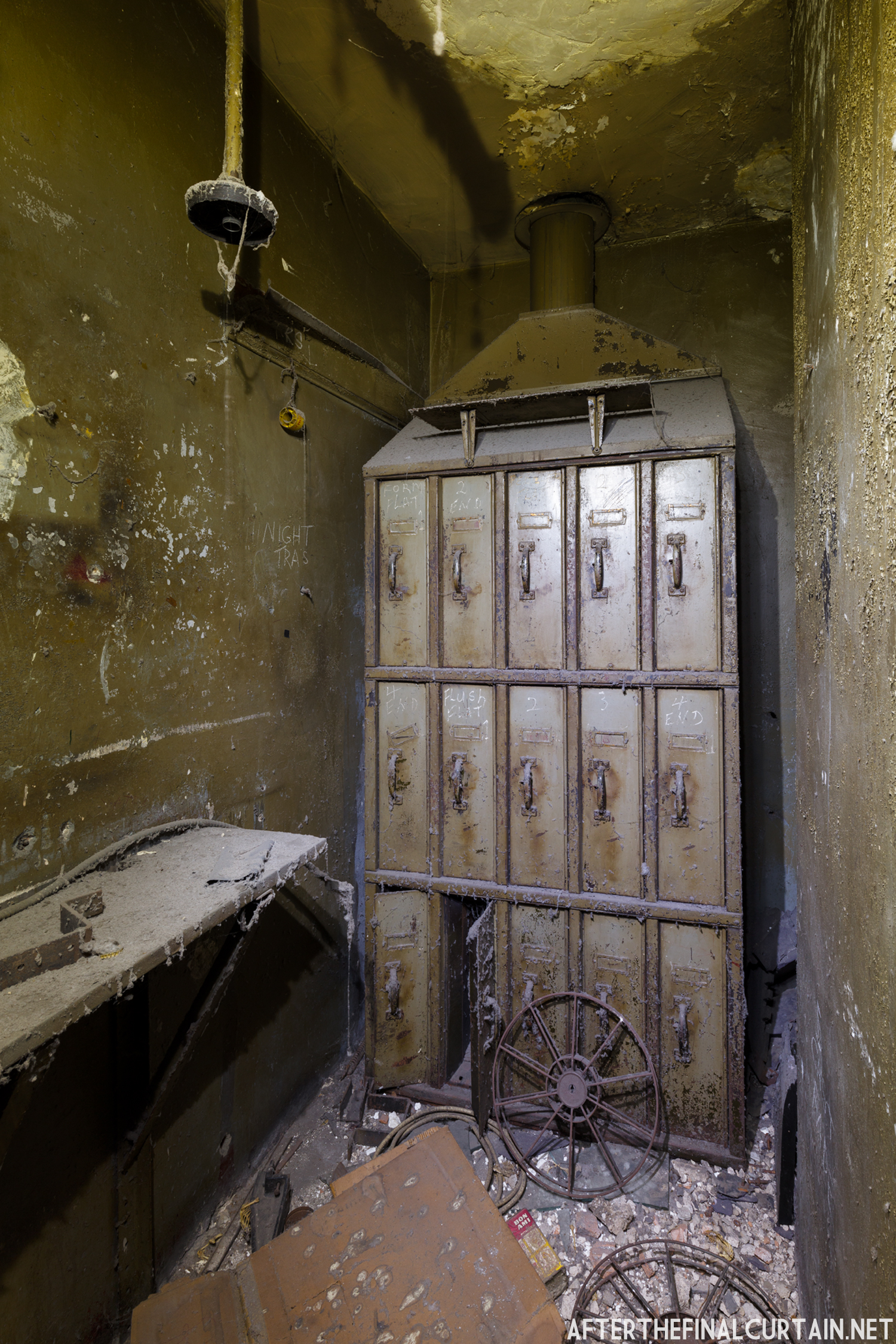
Storage lockers for films. Early film was made of nitrate, and it is very combustible, so it needed to be stored in lockers like the one pictured here.

Help With a New Project

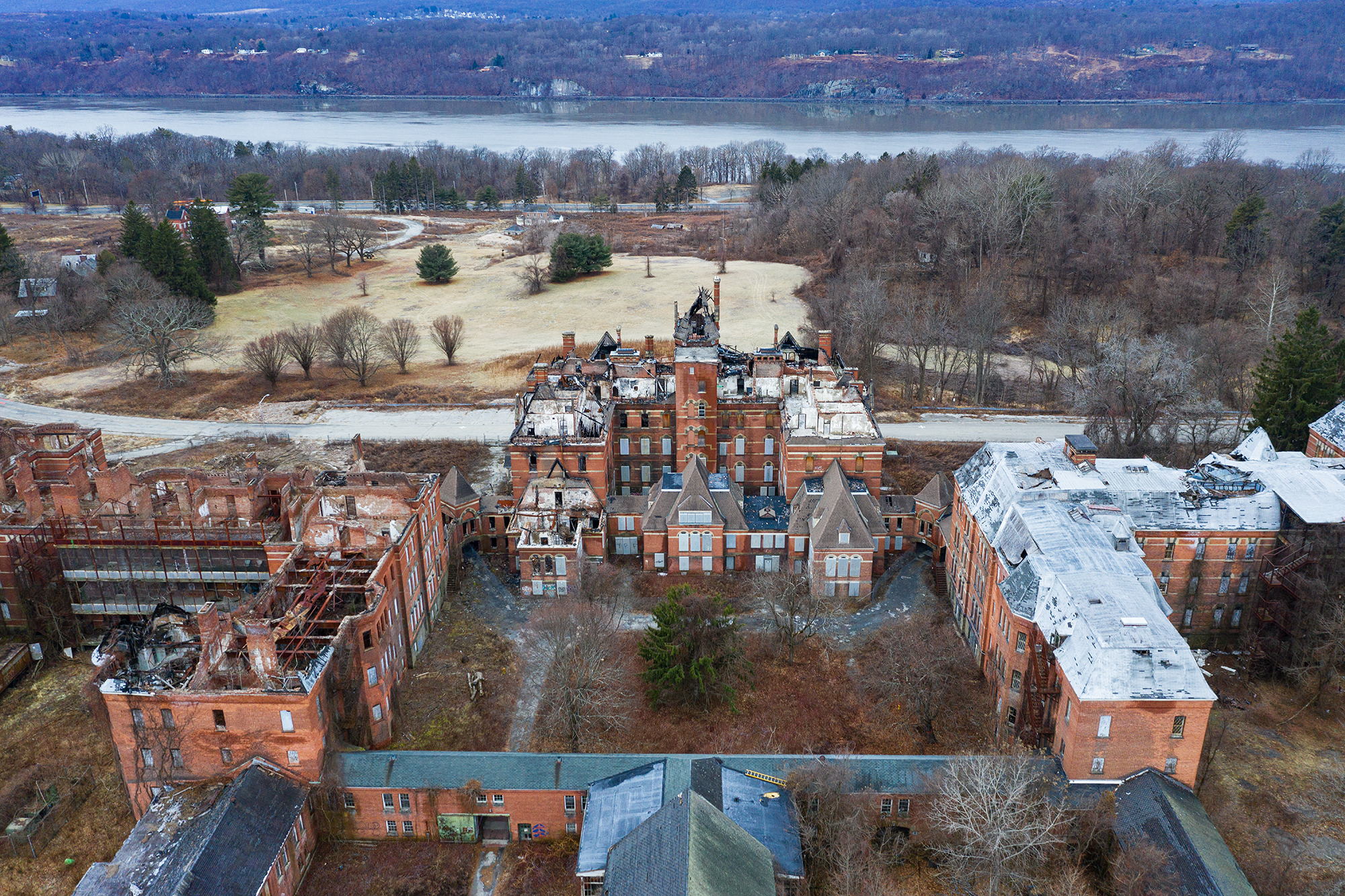
Building 51, Hudson River State Hospital – Poughkeepsie, NY.

Hi Everyone,

I’ve been working on a new project and could use some help from you guys. I’ve traveled across the country photographing abandoned buildings and have told some of their stories on this site. The project I’m working on is kind of a continuation of that.

I grew up in Dutchess County, NY which is the home of quite a few interesting abandoned locations, including the Hudson River State Hospital. I heard quite a few stories about that place over the years. One that has always stuck in my head was about a patient going missing from the hospital only to be found a day later with a shovel at the grave of FDR in nearby Hyde Park, NY. When asked what he was doing the patient replied, “I needed to ask President Roosevelt a question.”

Did that actually happen? I don’t know, and that’s a large part of what this new project will be about.

So, here’s how you can help – Tell me the stories you heard about the abandoned buildings in your area. It doesn’t have to be an old hospital. It could be a creepy looking forgotten house, or an old industrial building. Either reply to this post, or send me an e-mail at matt@mlambrosphotography.com. I’ll reach out for more information if your story is picked, and you may be featured in the new project.

(Don’t worry – AtFC isn’t going anywhere, and there will be another theater post on here shortly.)

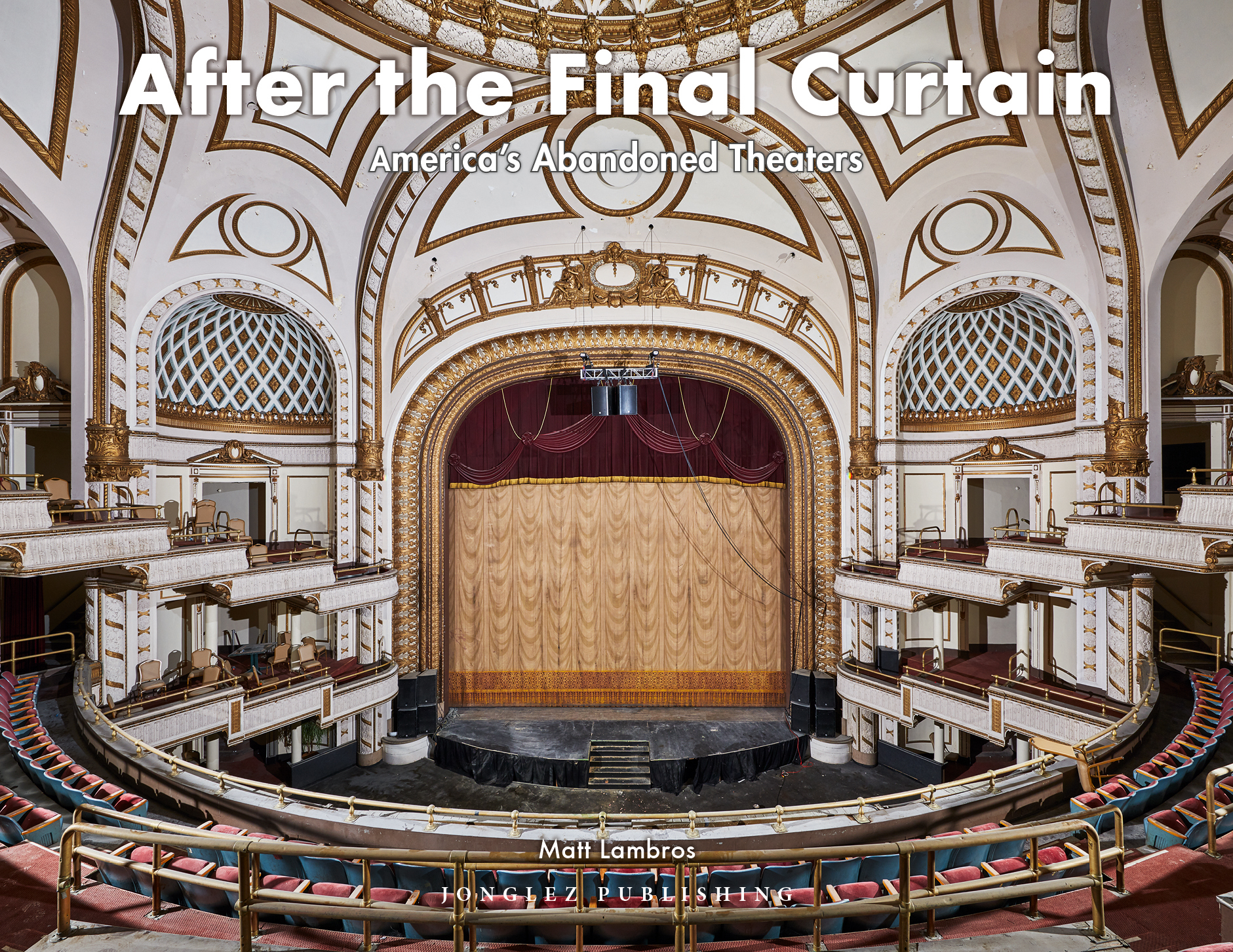
After the Final Curtain: America’s Abandoned Theaters

Cover of After the Final Curtain: America’s Abandoned Theaters.

I took a bit of a hiatus from the site to finish this up, but now that I’m completely done I’m excited to announce that my third book is coming out this November!

“After the Final Curtain: America’s Abandoned Theaters” will feature 20 different theaters across the United States, including six exclusive ones, and a foreword written by Tim League, the founder of the Alamo Drafthouse Cinema chain.

If you pre-order it via my site you will get a signed copy with a ticket stub and a 5×7 print of one of the theaters in the book. It should ship around the first week in November.

Pre-Order Link

The streets of small towns and cities across America were filled with the lights and sounds of movie theaters in the early 20th CenturyThe most opulent were known as “movie palaces,” which were designed to make their patrons feel like royalty; people would dress up to visit. But as time went on, it became harder and harder to fill the 2,000+ seat theaters, and many were forced to close.

Today, these palaces are illuminated only by the flicker of dying lights, and the sound of water dripping from holes in the ceiling echoes through the auditoriums. In “After the Final Curtain: America’s Abandoned Theaters,” internationally-renowned photographer Matt Lambros continues his travels across the United States, documenting these once-elegant buildings. From the supposedly haunted Pacific Warner Theatre in Los Angeles to the Orpheum Theatre in New Bedford, MA, which opened the same day the Titanic sank, Lambros pulls back the curtain to reveal what is left, giving these palaces a chance to shine again.

It’s also available to order on AmazonBarnes and Noble, Indiebound or your local bookstore.

I’m in the beginning stages of planning a book/lecture tour to promote the new book, so if you want me to visit your area let me know!

Here’s a sneak peek at some of the theaters that will be in the the new book:

View from the side of the balcony at the Emery Theatre in Cincinnati, Ohio

The auditorium of the United Artists Theatre in Detroit, MI

View from the balcony of the Majestic Theatre in East St. Louis, IL.

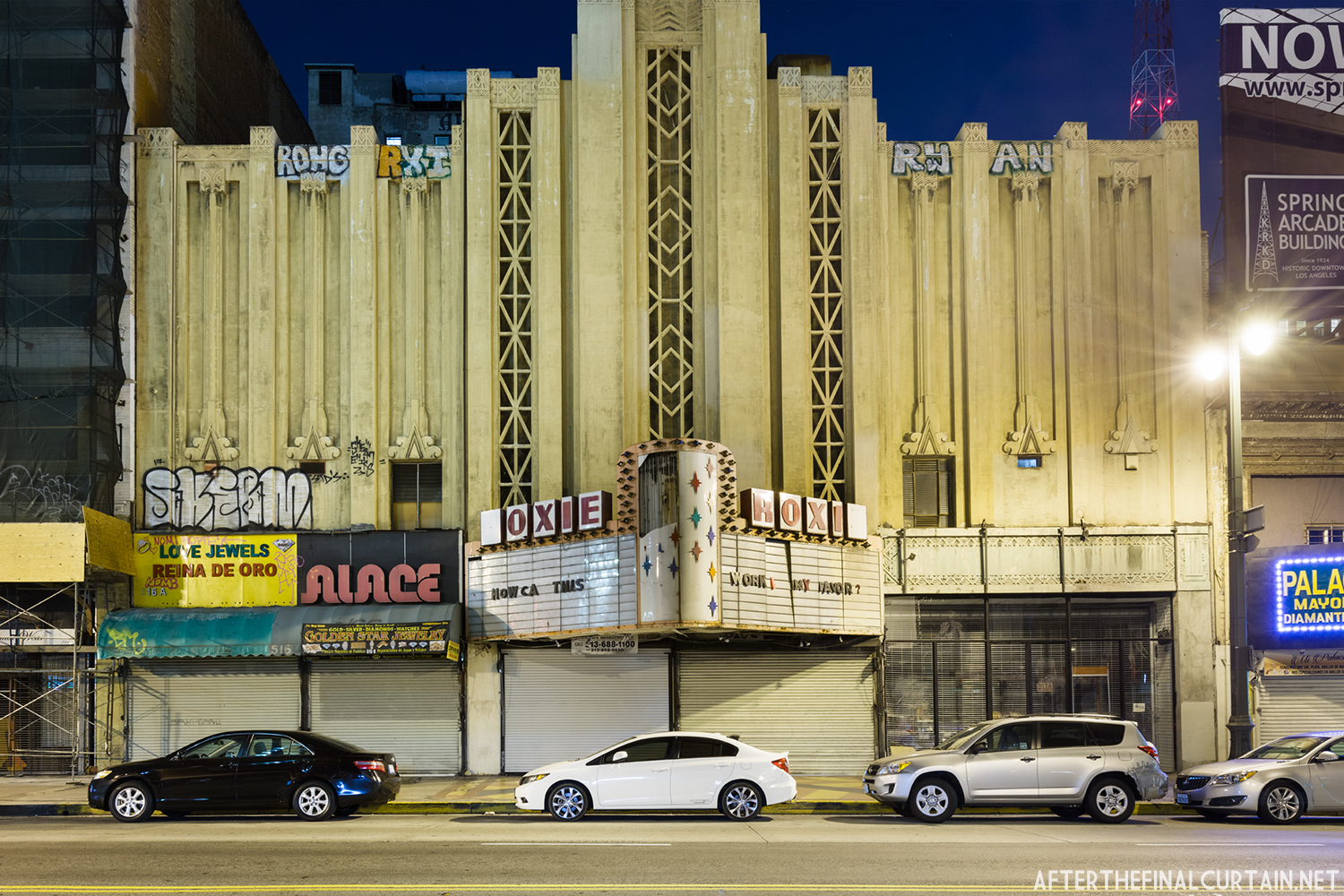
Roxie Theatre – Los Angeles, CA

The theater was built for Gus A. Metzger and Harry Srere, who also owned the Fairfax Theatre.

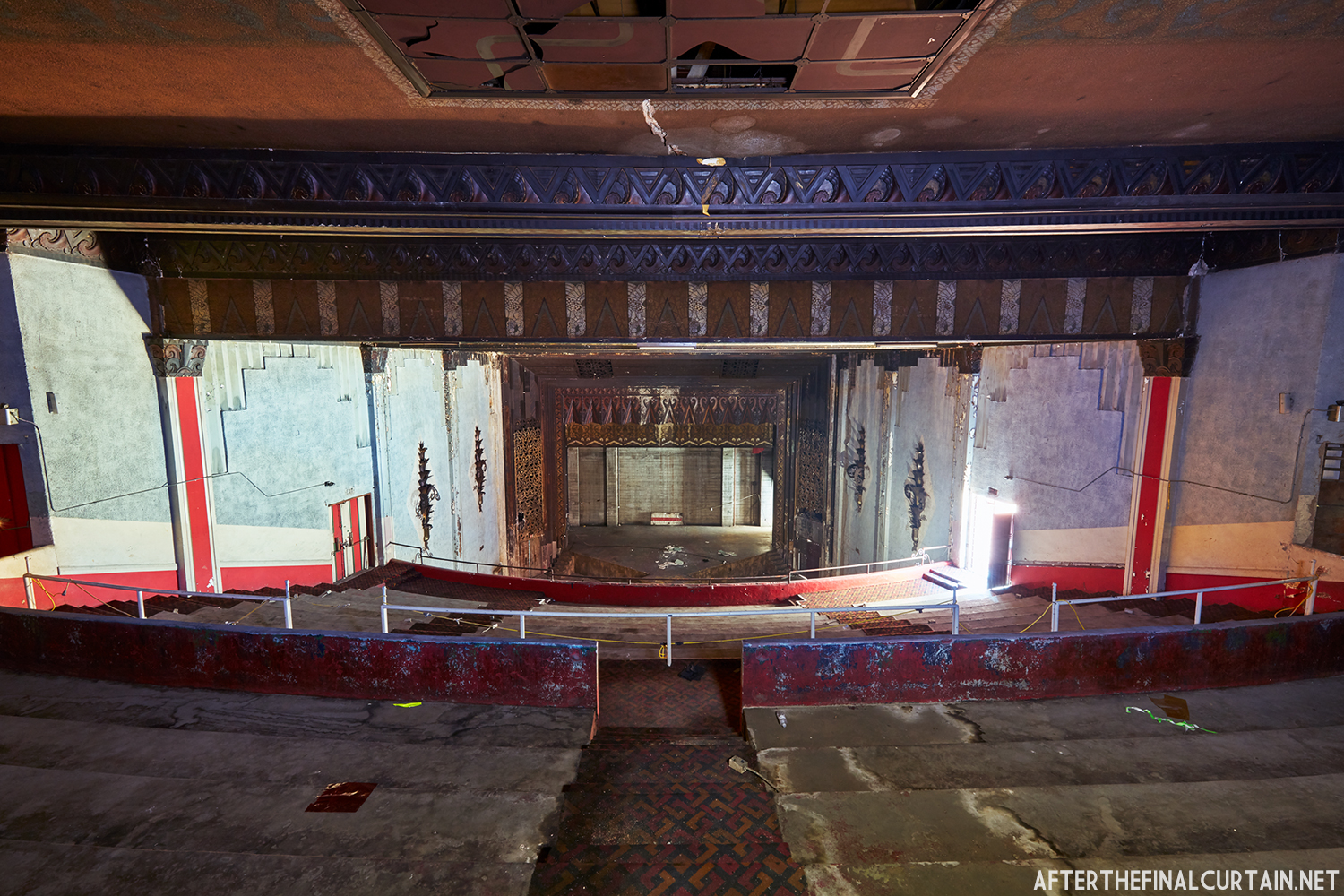
The Roxie Theatre in Los Angeles, California opened on November 25, 1931. It was the last theater in Los Angeles’s Broadway Theater District to open, and was built on the site of Quinn’s Superba Theatre, which was demolished to make way for the new theater. The Roxie originally had 1,637 seats, and was designed primarily for motion pictures, but had a small stage house so it could hold live performances.
The exterior of the theater has showed up in many movies over the years including 2011’s “The Muppets.”

It was designed by John M. Cooper — known for the NuWilshire Theatre in Santa Monica — in the Art Deco style, and has the distinction of being the only Art Deco theater in the theater district. Construction began in June 1931 at a cost of around $100,000 (or $1,663,794 when adjusted for inflation.)

View of the auditorium from the stage.

The Roxie’s history is marred by a number of tragic events, beginning with the death of the Harry Metzger, the general manager, on August 3, 1943. A customer discovered Metzger had died of a heart attack in the ticket booth when they went to purchase a ticket. On Christmas Eve 1954, a woman killed herself in her seat during a double feature showing of “Crossed Swords” and “Track of the Cat.” The Roxie was an all-night theater at the time, so her body wasn’t discovered until the lights went on at 3:30AM. The only clues to her identity were a Canadian dollar bill and a telephone number written on a cafe receipt in her pockets. She’s never been identified. Richard Studeny, an usher, tied up the manager and robbed the theater in June of 1958. He turned himself in to the police in Florida the following December.

In 1989, the Roxie closed after a stint showing Spanish-language films operated by Metropolitan Theatres. The ticket booth was removed and the lobby was converted into retail space in 1995. A number of reuse plans for the building have been been proposed over the years, often including the nearby Cameo and Arcade Theaters. One plan proposed turning the Roxie into a restaurant and restoring the Arcade as a live performance venue, but nothing has come to pass. The Roxie’s auditorium has been used as a filming location in a number of movies over the years including “Foxcatcher,” starring Steve Carell and Channing Tatum.

View of the auditorium from the orchestra level.

Lights, Camera, Contest Winners

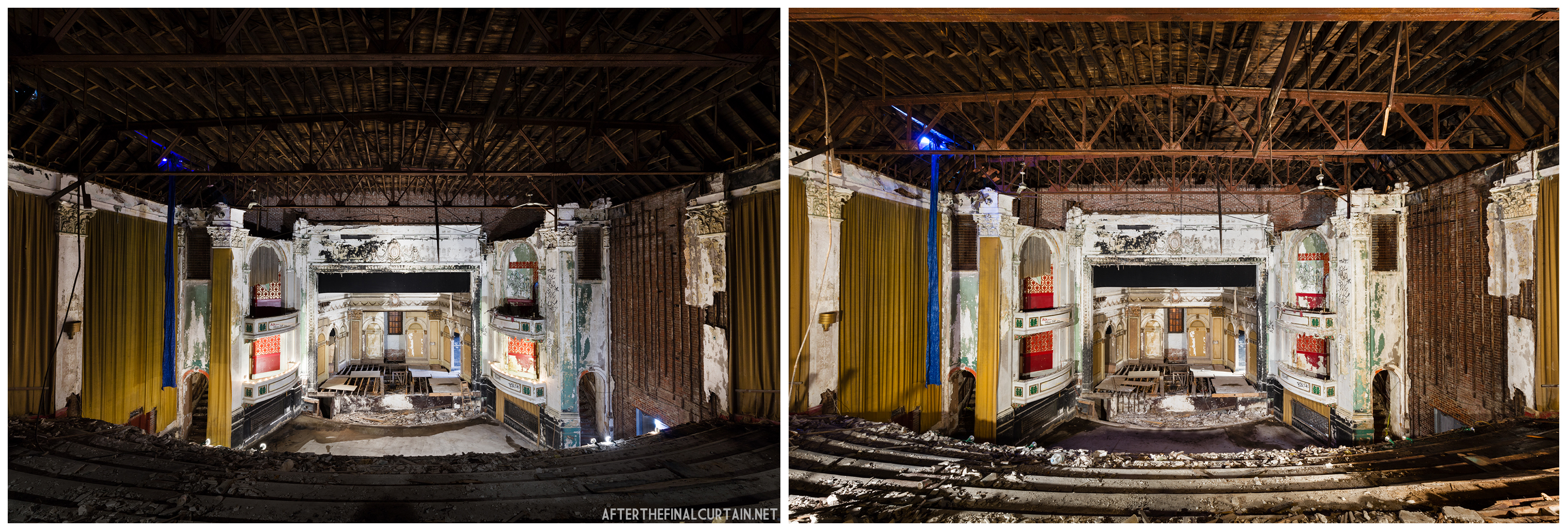
Everett Square Theatre, Boston, MA. Left side on site lighting. Right side LED lighting.

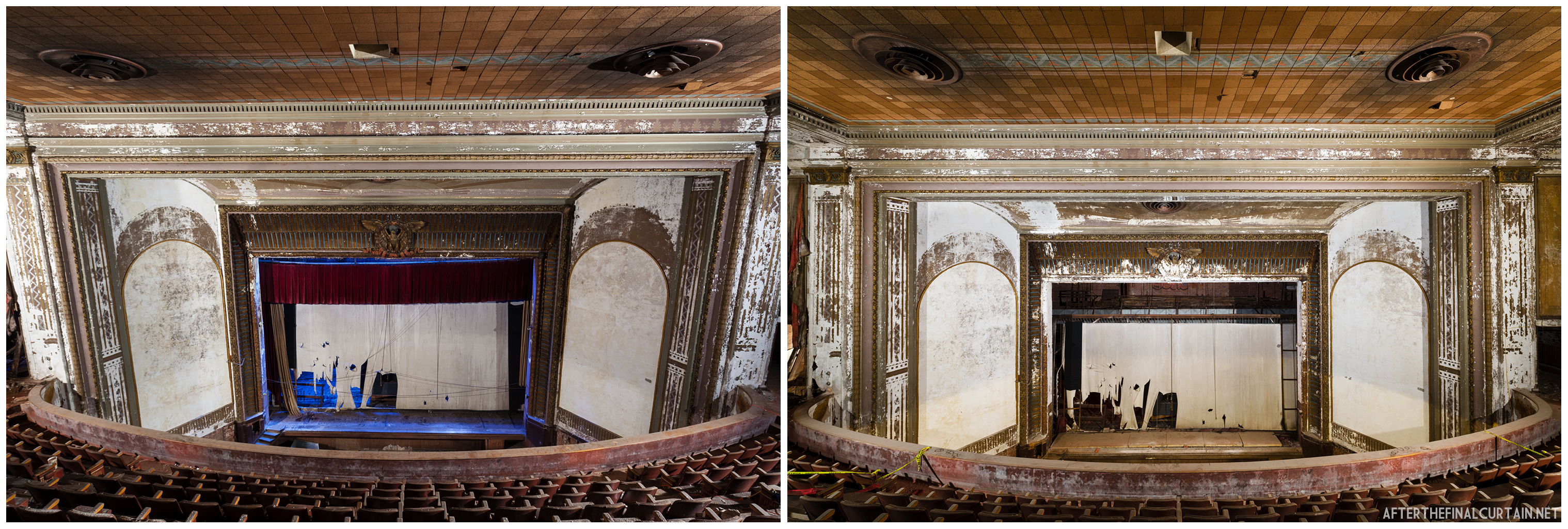
One of the questions I’m asked pretty often is “How do you light these theaters?” When I first started photographing theaters the answer was pretty simple. I didn’t. I relied on whatever was already in the building. I’d use construction lights, open fire escape doors, or in some rare cases use the original theater lights.

Victory Theatre Holyoke, MA Left side on site lighting. Right side LED lighting.

A few years ago I picked up some small LED lights from Amazon. They worked pretty well, but had a battery life of around 45 minutes, which wasn’t ideal. Earlier this year I noticed that they were taking longer to charge and not lasting as long. I began to search for replacements. If you’ve ever looked at how many LED lights there are on Amazon and B&H you’d know that finding a good one is a pretty daunting task. After weeding through the duds I bought two Yongnuo YN300 III LED lights, and they’re pretty fantastic. I’m able to light an entire auditorium with the two lights running at 50%, and the batteries last for around two hours. I’ve only tested them at the Everett Square Theatre and the Victory Theatre, but I think they’re a welcome addition to my camera bag.

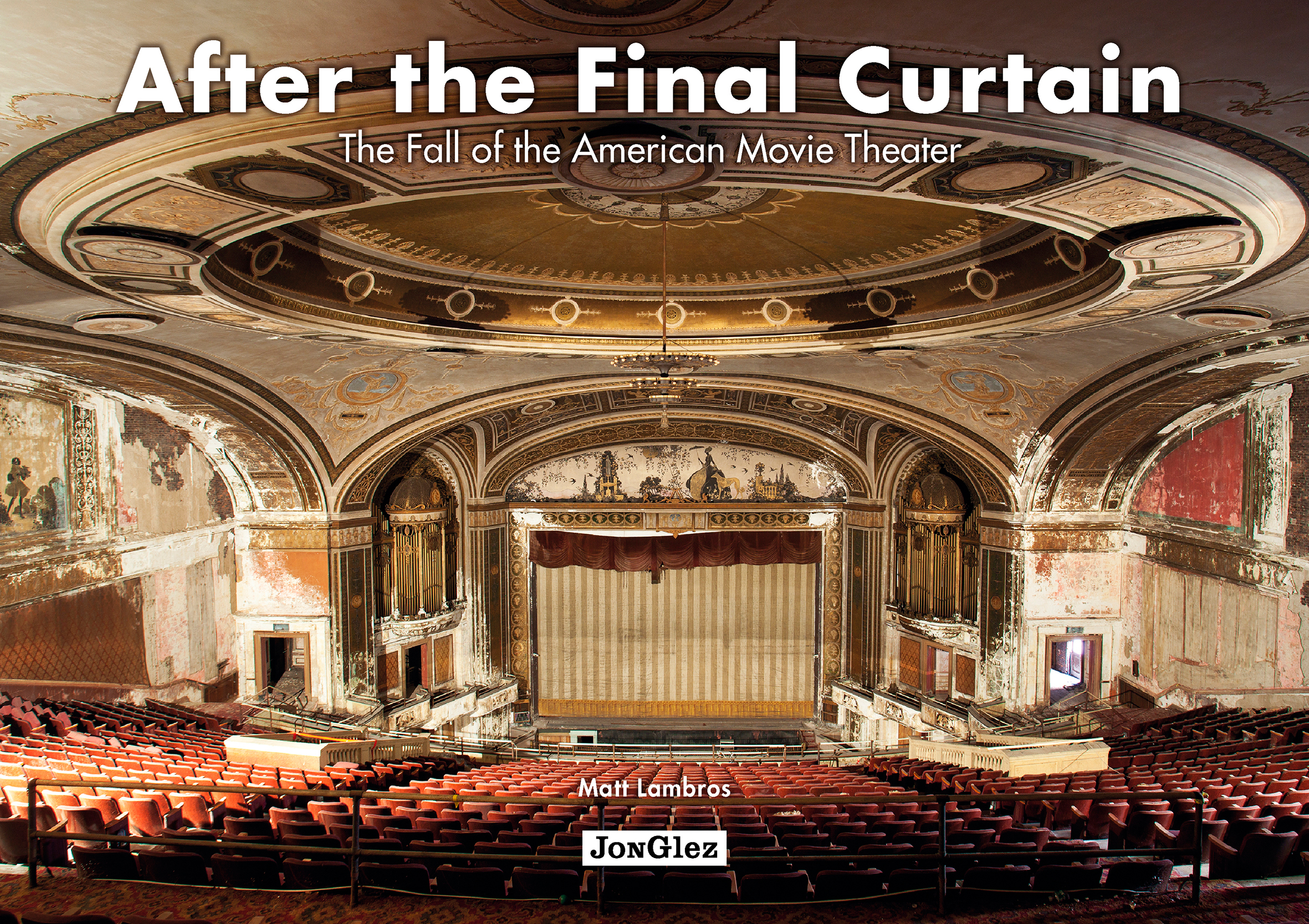
After the Final Curtain: The Fall of the American Movie Theater.
Congratulations to Monika Seitz Vega and @NKenny ! You both won a copy of my first book, After the Final Curtain: The Fall of the American Movie Theater . Thank you to everyone who entered the contest. I’ll be doing another giveaway soon.