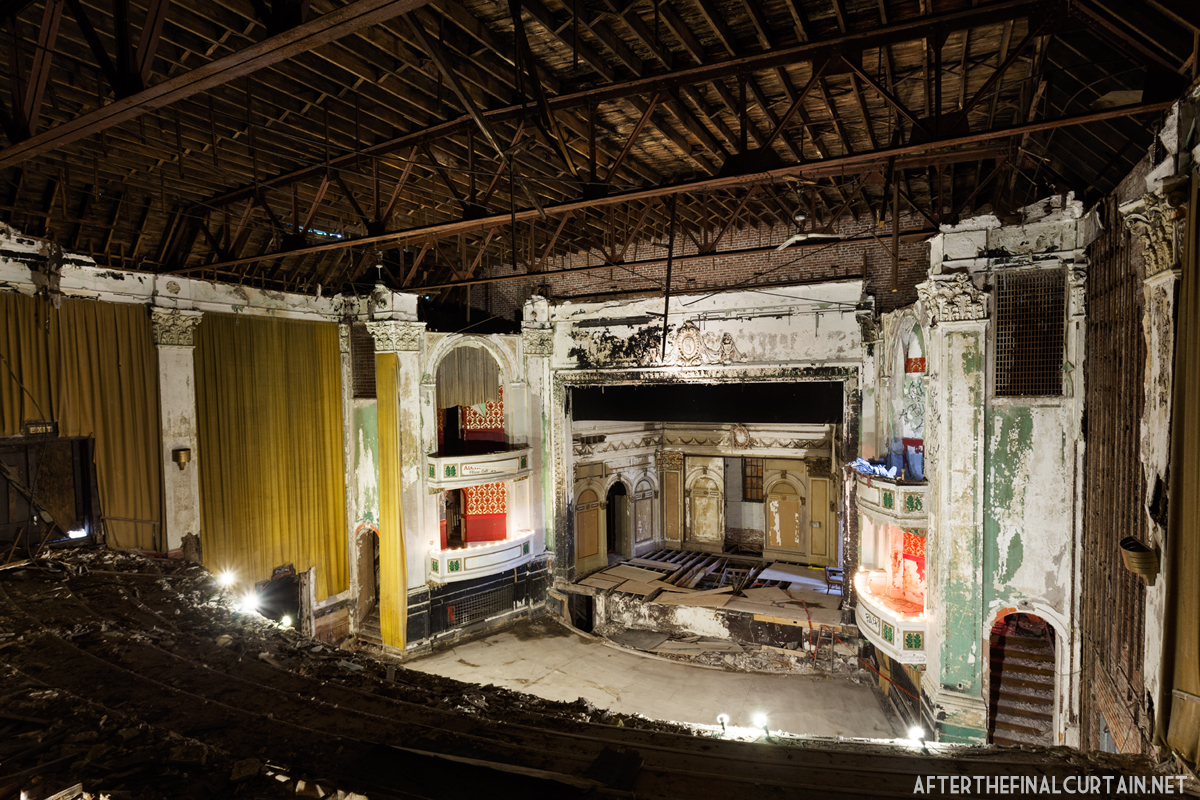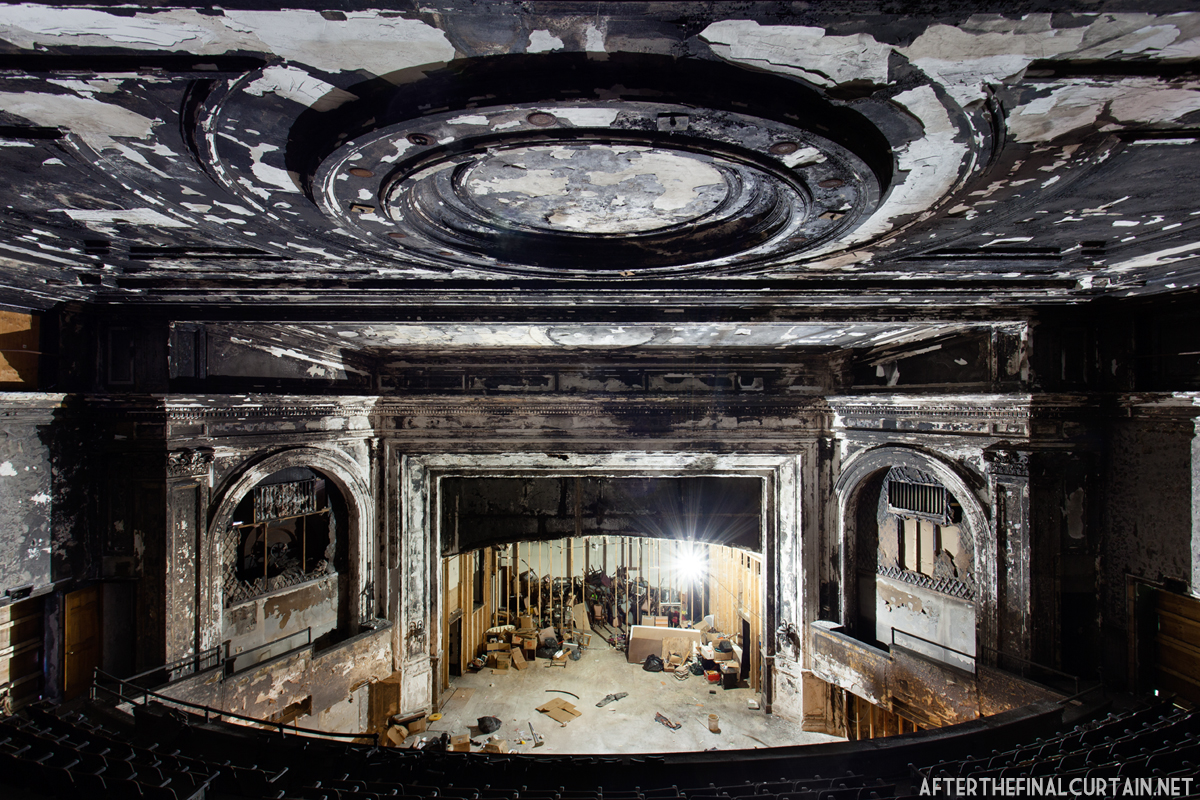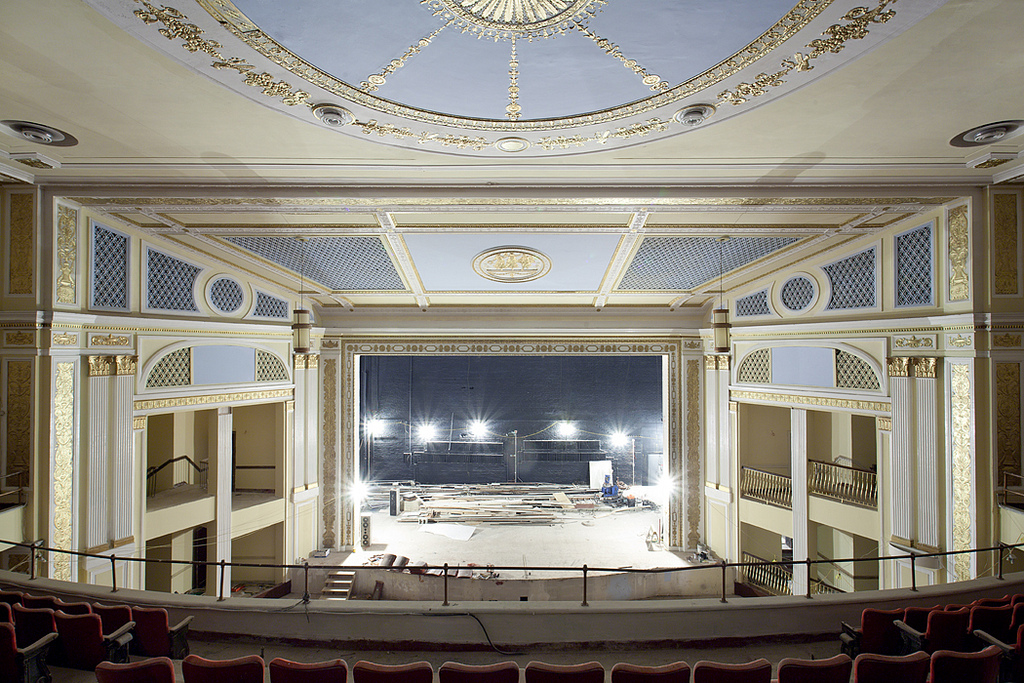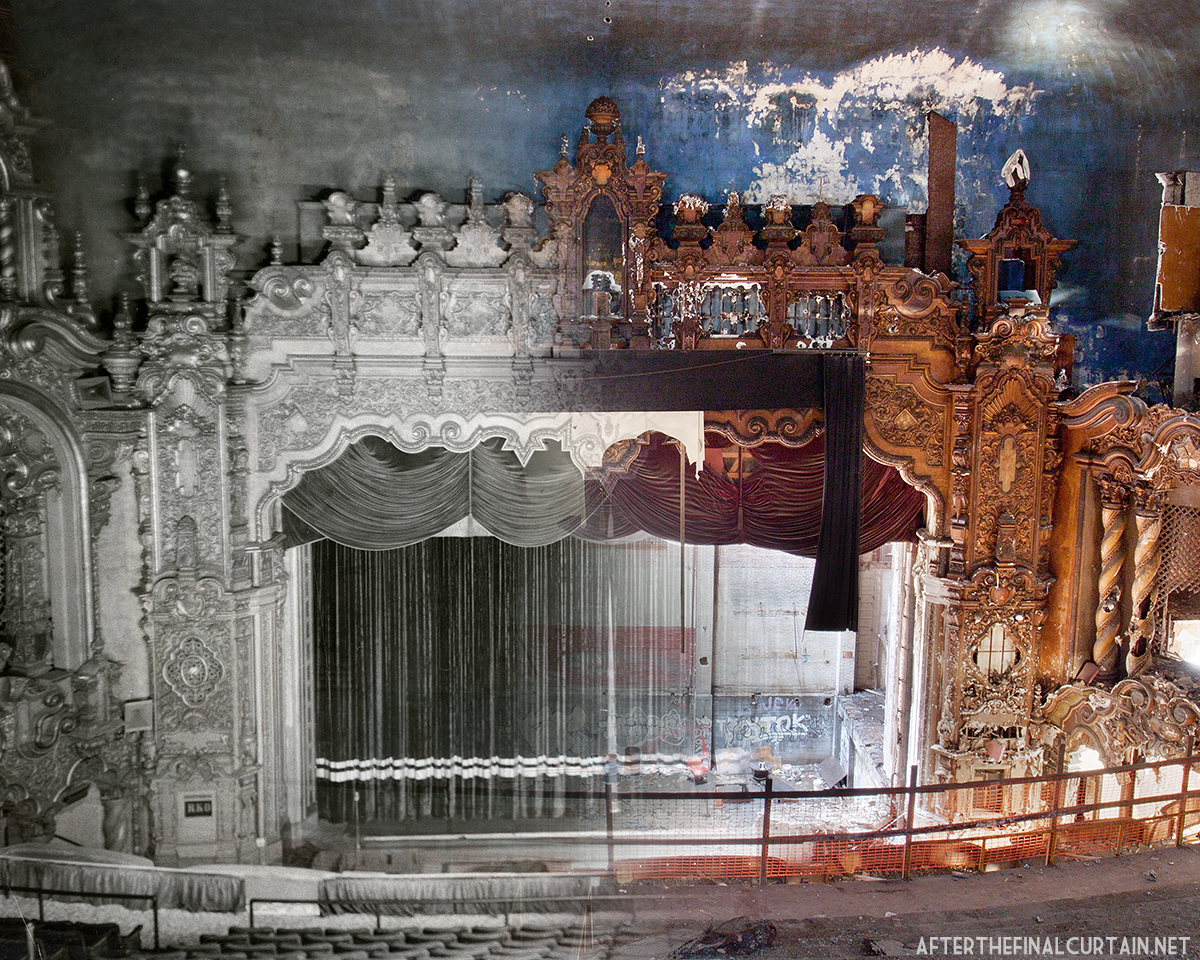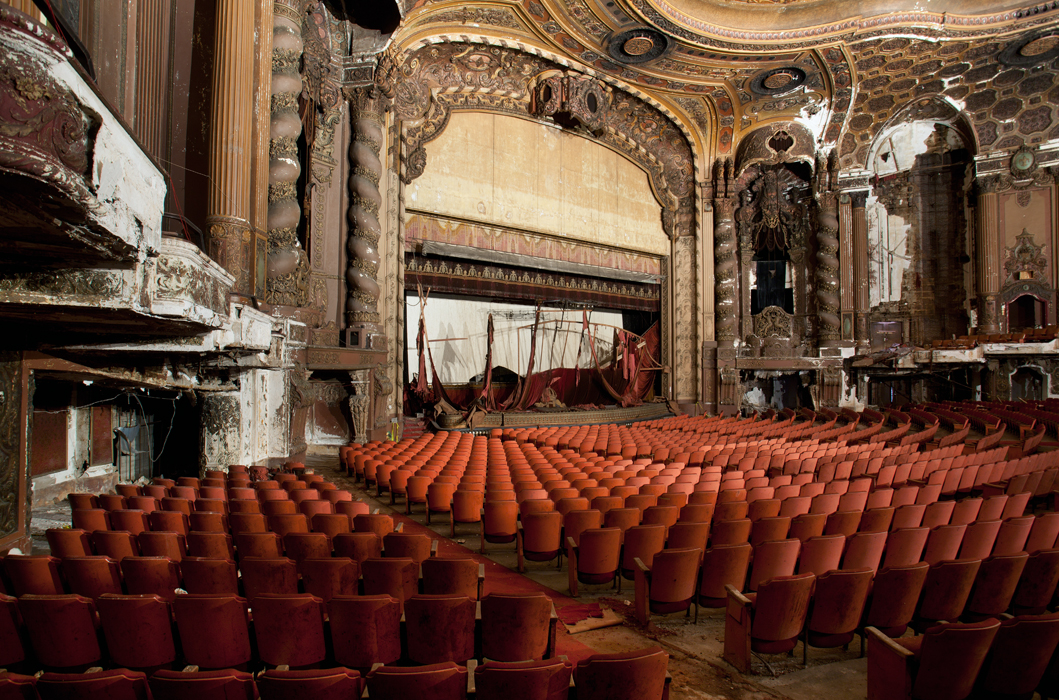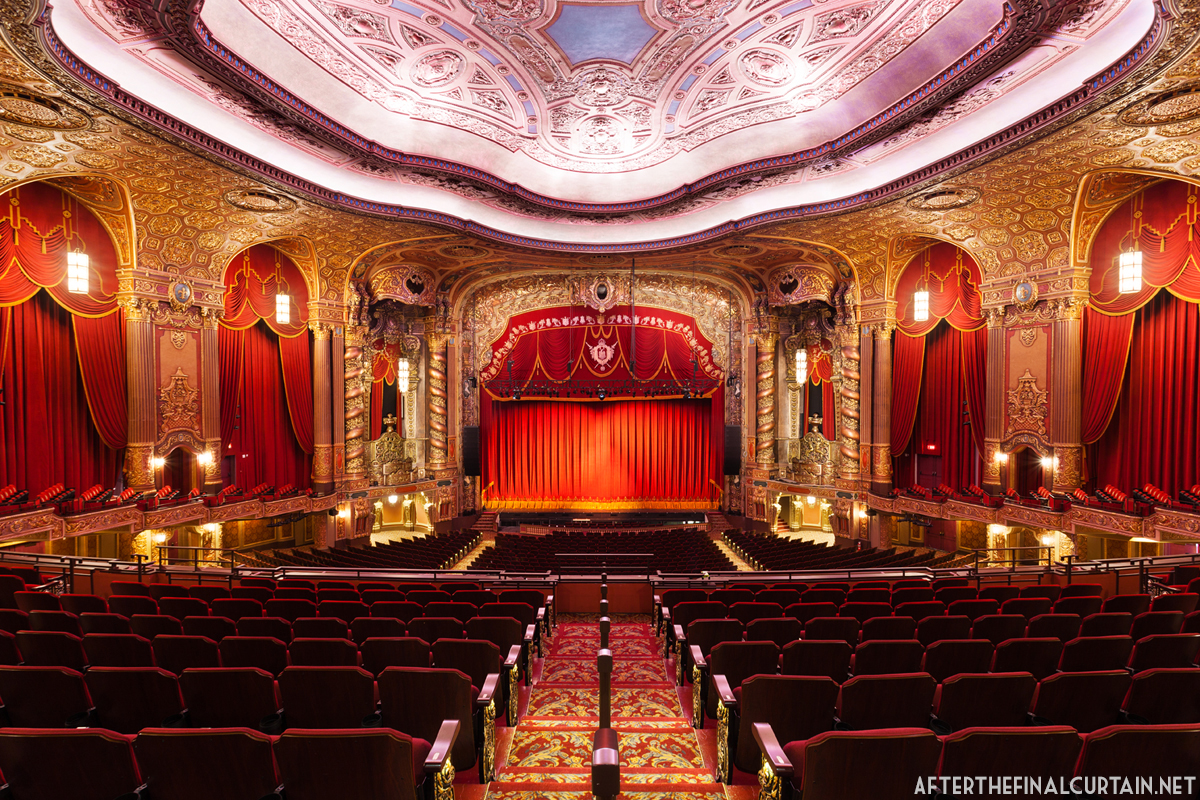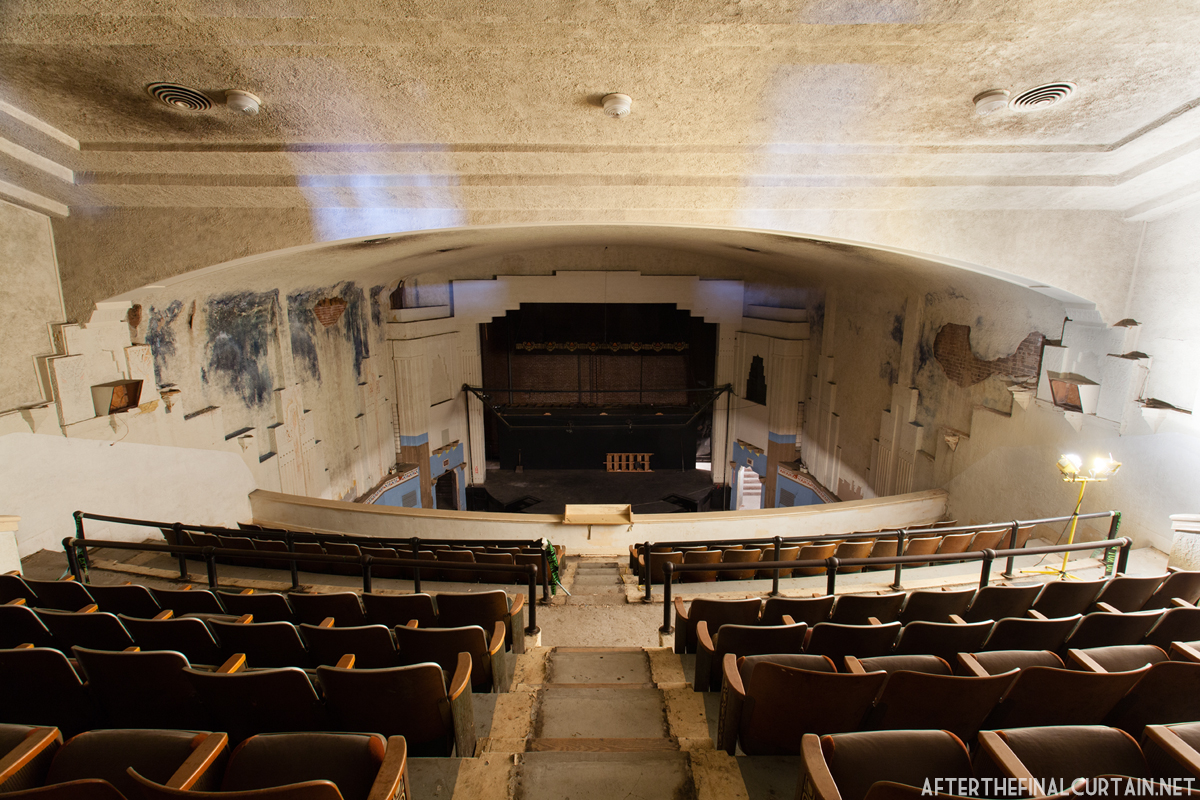
The Inglewood Fox Theatre opened on March 31, 1949. It closed in 1988, and was added to the National Historic Register in late 2012. For more info about the theater check out the Inglewood Fox Theatre Alliance: https://www.facebook.com/pages/Inglewood-Fox-Theatre-Alliance/137338472943207
Architecture
Road Trip 2014 Day 1
Hi Everyone – I’m on another road trip to photograph America’s abandoned theaters. This time I’m traveling up the west coast of the United States. Keep checking back over the next week for more updates!
The UC Theatre originally opened in 1917 in Berkeley, California. It closed in March 2001, and was designated a landmark the following year. Plans are underway to turn the theater in to a live music venue. For more information check out their website and facebook pages.
https://www.facebook.com/theuctheatre
© Matthew Lambros and After the Final Curtain, 2013. Unauthorized use and/or duplication of this material without express and written permission from this blog’s author and/or owner is strictly prohibited. Excerpts and links may be used, provided that full and clear credit is given to Matthew Lambros and After the Final Curtain with appropriate and specific direction to the original content.
Everett Square Theatre
The Everett Square Theatre opened in 1915 in the Hyde Park neighborhood of Boston, Massachusetts. It was designed by Boston architect Harry M. Ramsay for the Littlefield Trust, the original owner of the theater. The 798 seat theater cost $65,000 ($1.5 million in 2014 when adjusted for inflation) to build, and was part of the M&P Theatre circuit.
Russell Theatre
The Russell Theatre opened on December 4, 1930 in Maysville, Kentucky. Plans to build the theater were announced in 1929 by Col. J. Barbour Russell, a local businessman. Russell hired the architectural firm of Frankel and Curtis to design the theater. It was built on the site of a grocery warehouse owned by the Russell family at a cost of around $200,000. Russell envisioned the 700 seat theater as a grand movie palace, saying, “what the Roxy is to New York, the Russell will be to Maysville.”
Next Blog Post
Help me pick the next blog post on After the Final Curtain! Cast a vote for the theater you’d like to see next on the site, and whichever has the most votes by Thursday 6/19 will be featured in a blog post on Friday 6/20!
Thanks for voting! The Russell Theatre is the winner!
Theater RePhotographs
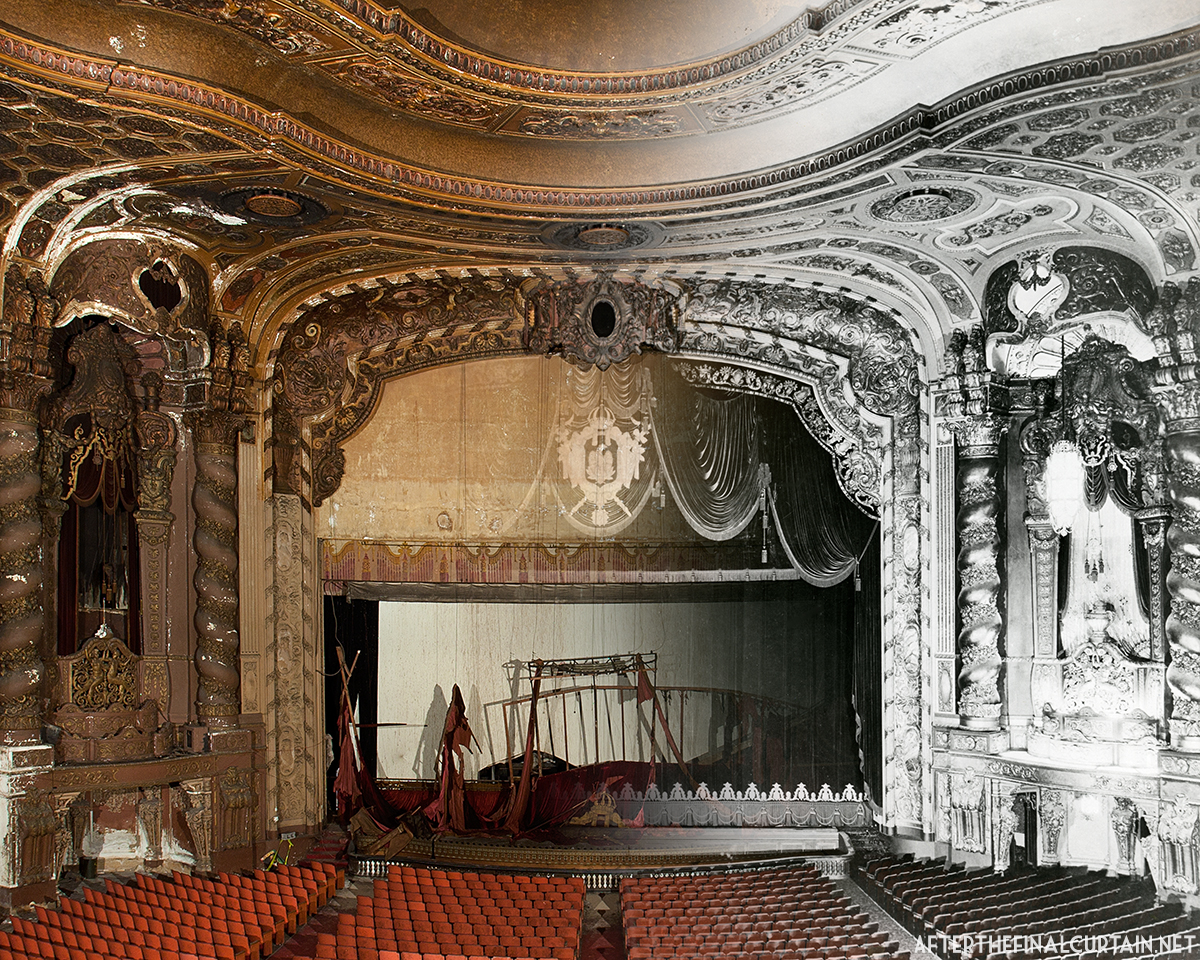
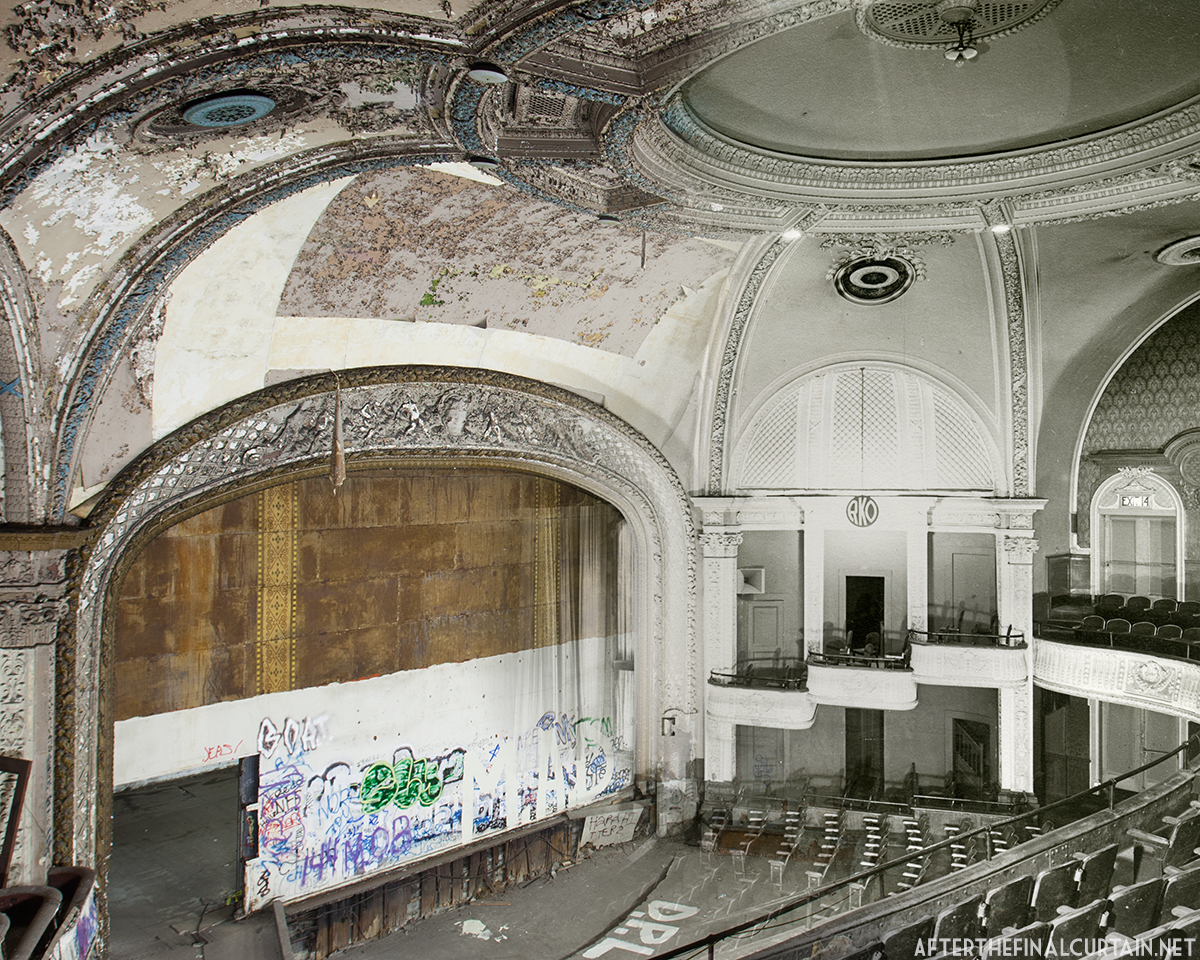
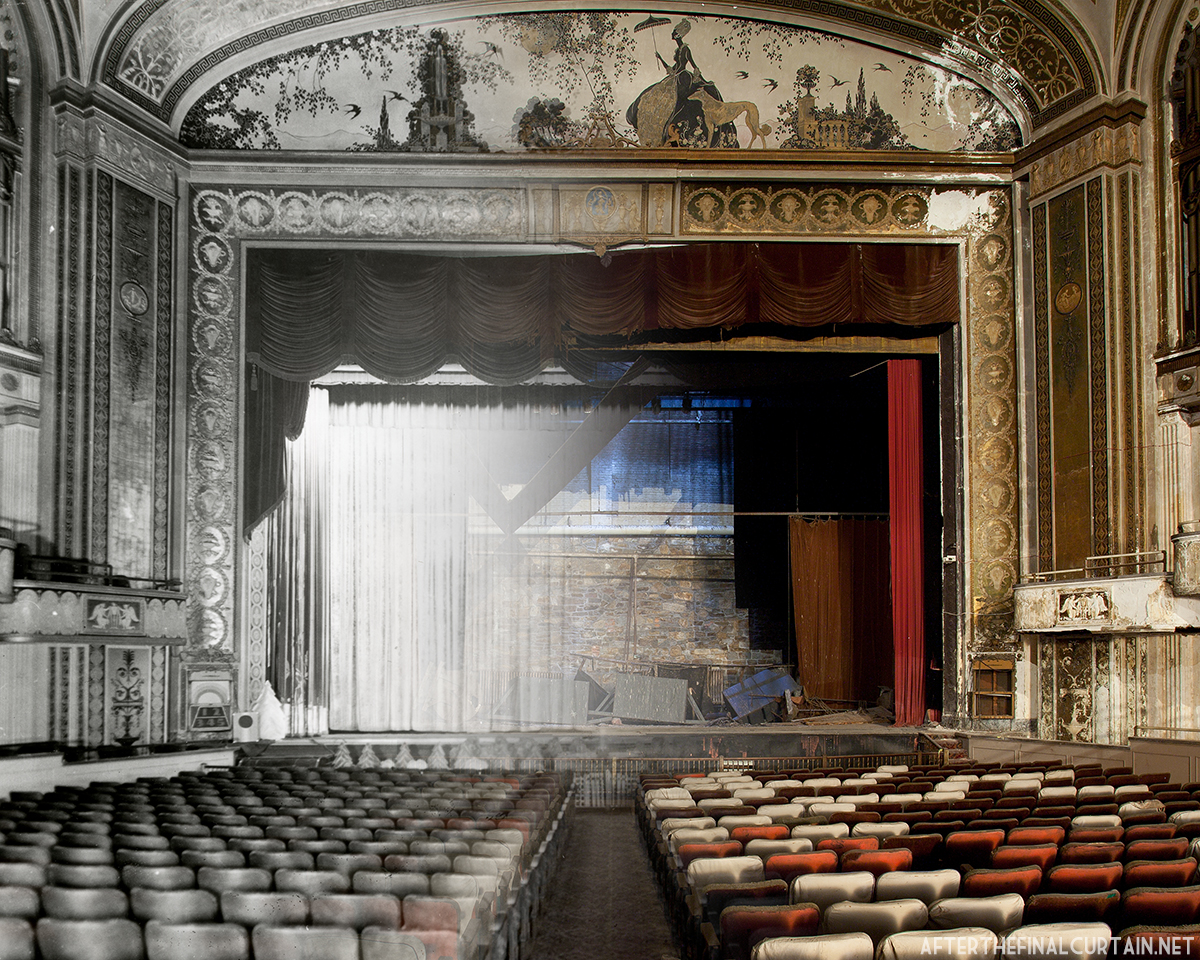
Over the years, I’ve come across a number of vintage photographs while researching blog posts for After the Final Curtain. One resource is the Theatre Historical Society of America‘s American Theatre Architecture Archive. With their permission I was able to combine our photographs to create these “rephotographs” showcasing a glimpse of what I have seen over the years. The composite of these images illustrates the rise and fall of these buildings and the potential for what they could become again, if restored.

RKO Keith’s Theatre Flushing, NY B&W Image of the RKO Keith’s Theatre from the Richard L. Hay Collection, American Theatre Architecture Archive, Theatre Historical Society of America
The before photograph of the RKO Keith’s Theatre was taken in 1955, and the after was taken in 2011, twenty-five years after the theater closed.

Loew’s Kings Theatre Brooklyn, NY B&W Image from the Loew’s Collection, American Theatre Architecture Archive, Theatre Historical Society of America
The before photograph of the Loew’s Kings Theatre was taken in 1929, and the after was taken in 2010, thirty-three years after it closed.

RKO Hamilton Theatre Manhattan, NY B&W image of the RKO Hamilton Theatre courtesy of the American Theatre Architecture Archive of the Theatre Historical Society of America
The before photograph of the RKO Hamilton Theatre was taken in the 1930s, and the after was taken in 2011, fifty-three years after the theater closed.

Loew’s Palace Theatre Bridgeport, CT B&W image of the Loew’s Palace Theatre courtesy of the American Theatre Architecture Archive of the Theatre Historical Society of America
The before photograph of the Loew’s Palace Theatre was taken in the 1930s, and the after was taken in 2011, thirty-six years after the theater closed.

Proctor’s Palace Theatre Newark, NJ B&W image of Proctor’s Palace Theatre courtesy of the American Theatre Architecture Archive of the Theatre Historical Society of America
The before photograph of the Proctor’s Palace Theatre was taken in 1955, and the after was taken in 2010, forty-two years after the theater closed.
Limited Edition Prints of these images are available at http://www.mlambrosphotography.com/rephotographs
A portion of sales from this limited edition print run will benefit the Theatre Historical Society of America and support their mission to document and celebrate the history of America’s theatres. For more information — check out their website at www.historictheatres.org
© Matthew Lambros and After the Final Curtain, 2013. Unauthorized use and/or duplication of this material without express and written permission from this blog’s author and/or owner is strictly prohibited. Excerpts and links may be used, provided that full and clear credit is given to Matthew Lambros and After the Final Curtain with appropriate and specific direction to the original content.
Kings Theatre – The Rise, Fall and Rebirth of Brooklyn’s Wonder Theatre

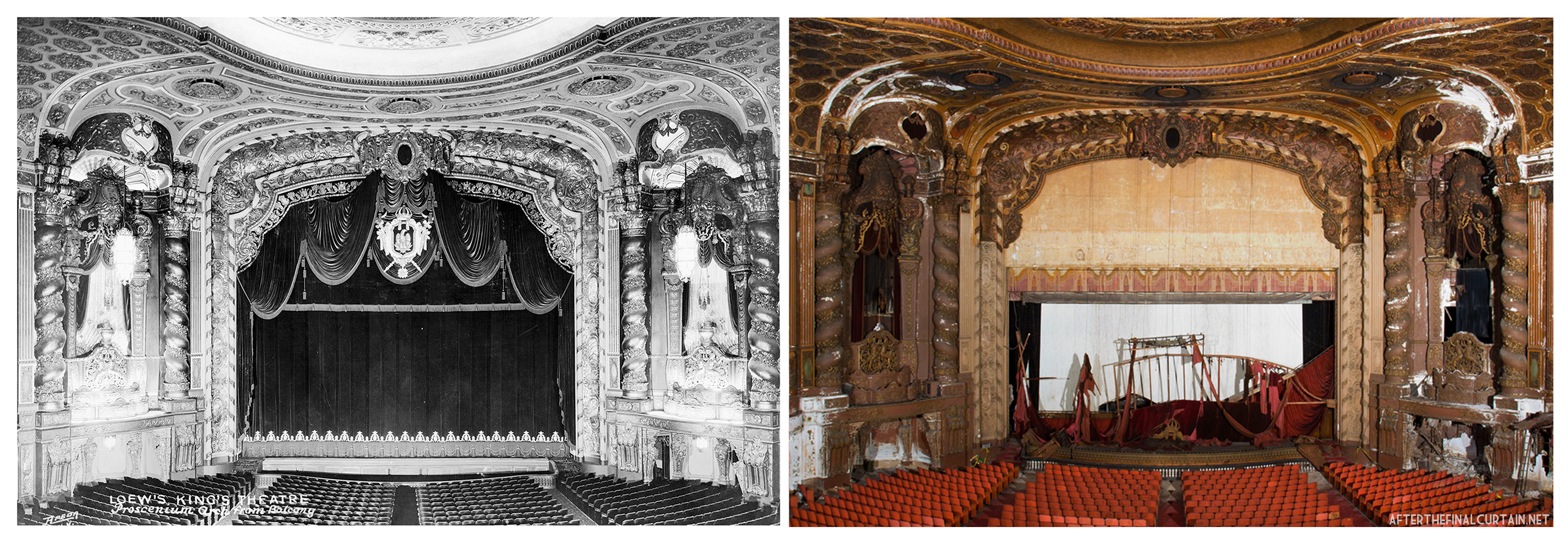
Proscenium arch from the balcony, Loew’s Kings Theatre.
B&W Image from the Loew’s Collection, American Theatre Architecture Archive, Theatre Historical Society of America
I’m very excited to announce that I’ve partnered with the Theatre Historical Society of America for my first book: Kings Theatre, The Rise, Fall and Rebirth of Brooklyn’s Wonder Theatre. The book will cover the entire history of the Loew’s Kings Theatre from it’s original construction to the reopening in February 2015. I’ve photographed over 75 abandoned theaters over the past 5 years, and being able to document one being restored has been amazing. Every visit to the theater has been awe inspiring and I can’t wait to share what I’ve seen with all of you.
Thanks to everyone at THS, ACE Theatrical Group, Evergreene Architectural Arts, Martinez + Johnson Architecture and Gilbane Building Company for all the help bringing this project to fruition.
To order signed copies of the book visit: http://www.afterthefinalcurtainprints.com/product/kings-theatre-the-rise-fall-and-rebirth-of-brooklyn-s-wonder-theatre
and regular copies: https://www.amazon.com/Kings-Theatre-Rebirth-Brooklyns-Wonder/dp/0692032002/ref=asap_bc?ie=UTF8
Loew’s Valencia Theatre
This theater is not abandoned, but I had the chance to shoot it late last year, and I wanted to share the images with everyone.
In the early 1920s, the Paramount-Publix theater chain planned to open five theaters in the New York City area. However, in December of 1927 those plans were put on hold due to an agreement with the Loew’s Corporation. The agreement stated that Loew’s would not open any new theaters in Chicago, and Paramount would not open any more in New York. The plans for four of the theaters were then turned over to the Loew’s Corporation. Two years later on January 12, 1929, The Loew’s Valencia Theatre opened in Jamaica, Queens, and became the first of the five Loew’s “Wonder” theaters.
The OKLA Theatre – McAlester, Oklahoma
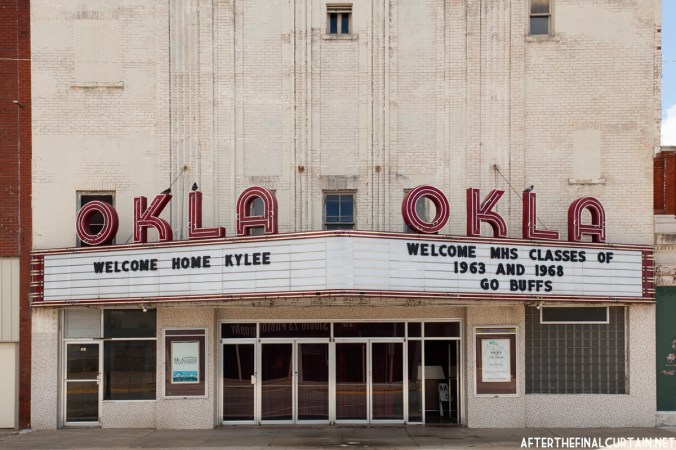
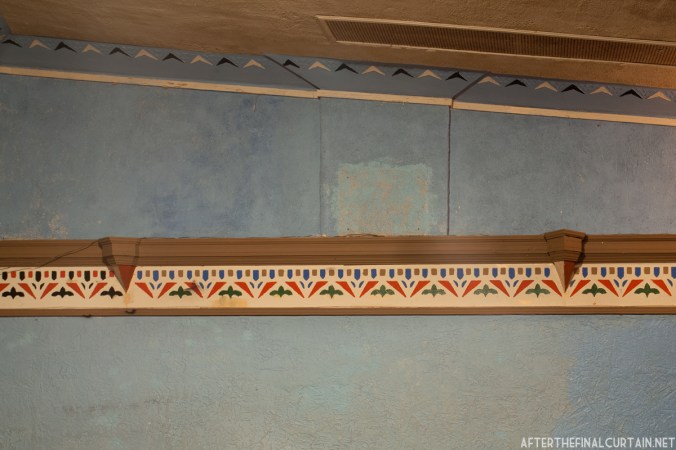
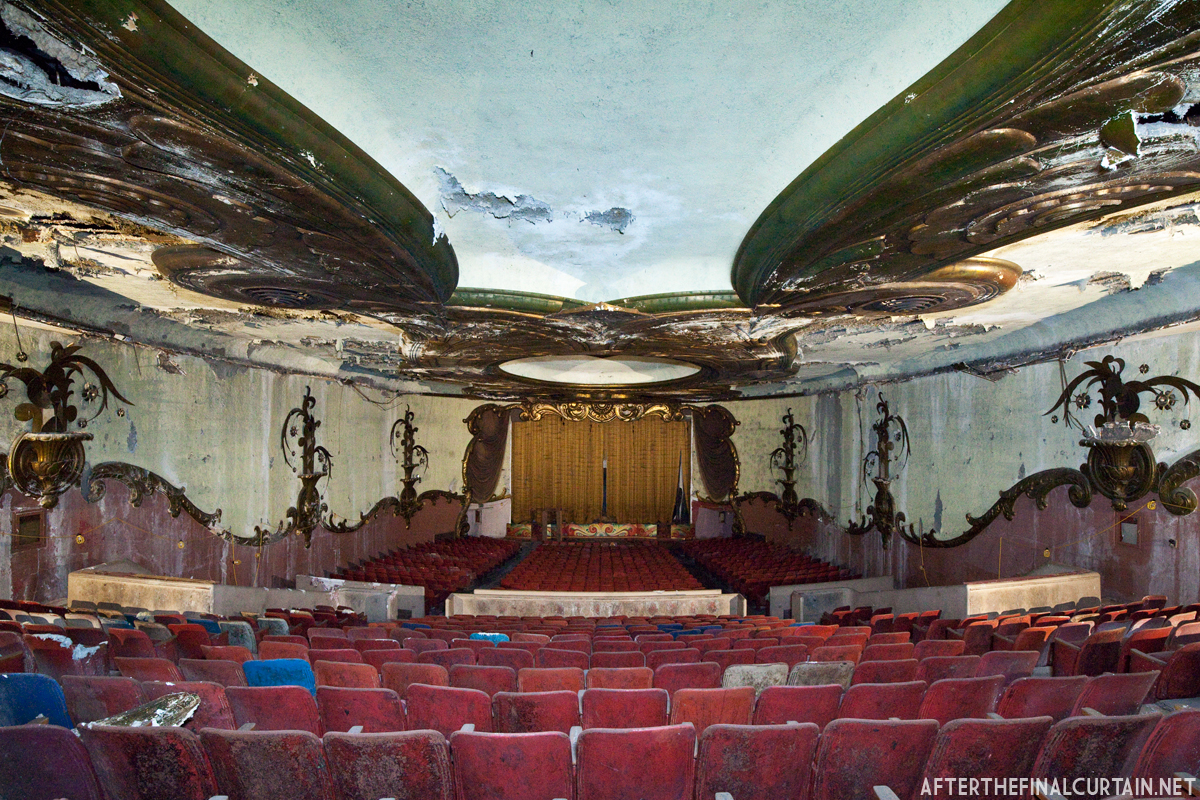
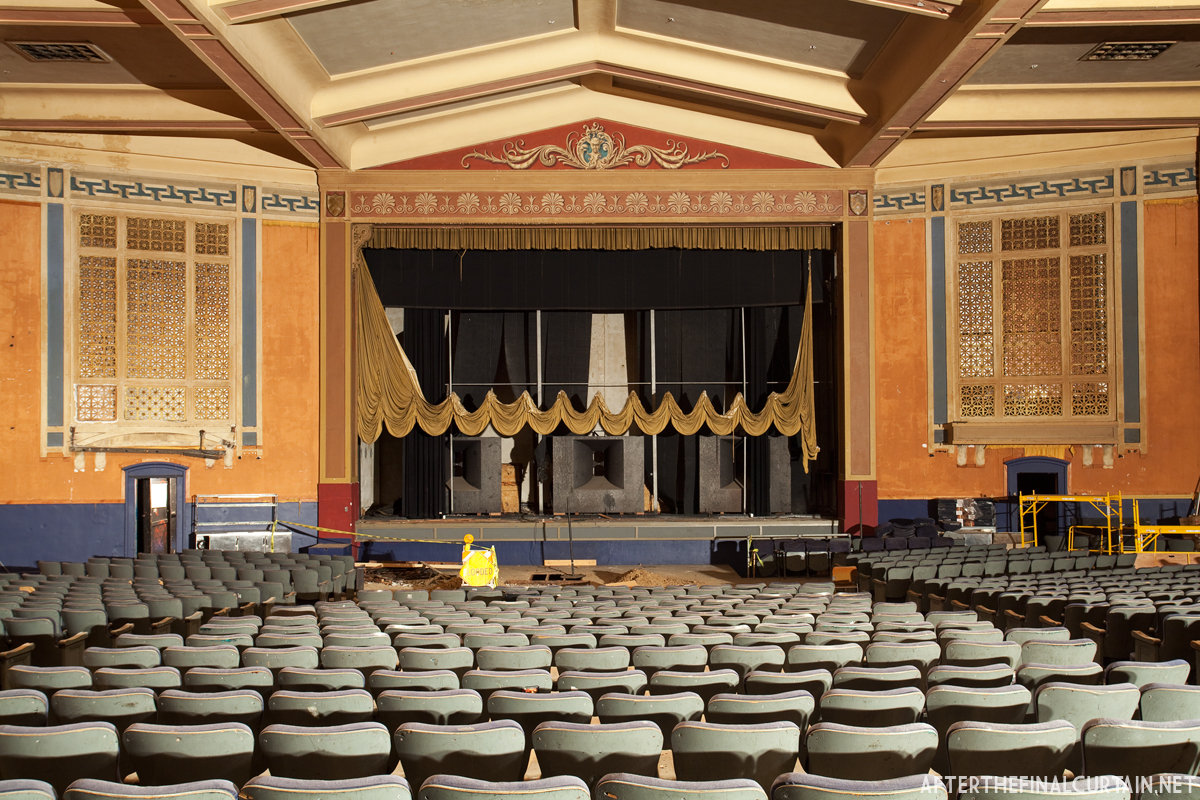
The OKLA Theatre opened on July 10, 1931 in McAlester, Oklahoma. It was built on the site of the Palace Theatre, which burned down in December of 1930. Wallace Wilkerson, the owner of the theater building, hired architect W. Scott Dunn to build a new theater on a budget of $50,000. Dunn converted the existing cinema walls into a partial atmospheric style theater. It was built for Robb & Rowley Theatres, but the lease was taken over by Howard Hughes’s theater company, Hughes-Franklin Midwest Theatre Corp LTD.
The opening day film was “The Man in Possession,” starring Robert Montgomery. Admission prices were 25 cents for the balcony and 35 cents for main level seats. The day after opening, the McAlester News Capital said that, “the theater, in the opinion of patrons, is on a par with the very best found in larger cities.” Hughes-Franklin only ran the 800-seat theater for one year before leasing it back to Robb & Rowley Theatres. In 1950, the premiere of “Rock Island Trail,” starring Forrest Tucker, was held at the theater. The movie was released on the 100th anniversary of the Rock Island Railroad line, part of which runs through McAlester.
Wilkinson’s heirs sold the building to United Artists Theatres in December of 1983. UA operated the theater for six years before closing on September 4, 1989 due to declining ticket sales. When it closed, the OKLA was the last surviving single screen movie theater in McAlester. A year later, the OKLA was bought by Kiamichi Actors Studio Theatre, Inc., a local performing arts group. KAST intended to restore the theater, but was unable to raise the funds and surrendered the deed to the bank. It was then purchased from the bank by the Ardeneum of Oklahoma Charitable and Educational Foundation, Inc.
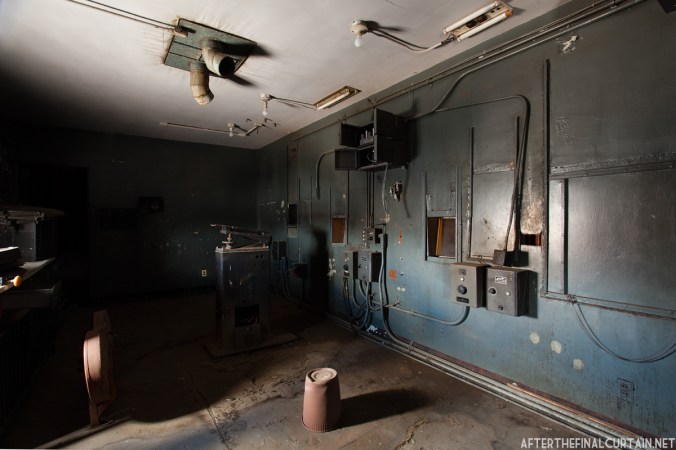
Pride in McAlester, a local community improvement non-profit organization, leased the theater from the Ardeneum in June of 2010 with the intent to restore the theater. They’ve since held several events to raise money for the restoration. In 2012, Pride in McAlester applied for and received a $200,000 grant from the Oklahoma Department of Environmental Quality, to be used to remove the lead paint and asbestos in the theater. The current plan is for the theater to be used as a non-profit multi-use community center. It will host concerts, recitals, lectures, movie screenings, community theater, award ceremonies and business meetings. According to a 2010 interview with a Pride in McAlester representative, the renovations will be at least 50% complete by 2015. Donations can be made at the OKLA Theatre’s website.

When the original marquee was replaced in 1948, two of the windows on the front of the building were bricked over.
The information in this post was obtained with the help of the Theatre Historical Society of America, for more information including how to join – check out their website at www.historictheatres.org
© Matthew Lambros and After the Final Curtain, 2014. Unauthorized use and/or duplication of this material without express and written permission from this blog’s author and/or owner is strictly prohibited. Excerpts and links may be used, provided that full and clear credit is given to Matthew Lambros and After the Final Curtain with appropriate and specific direction to the original content.
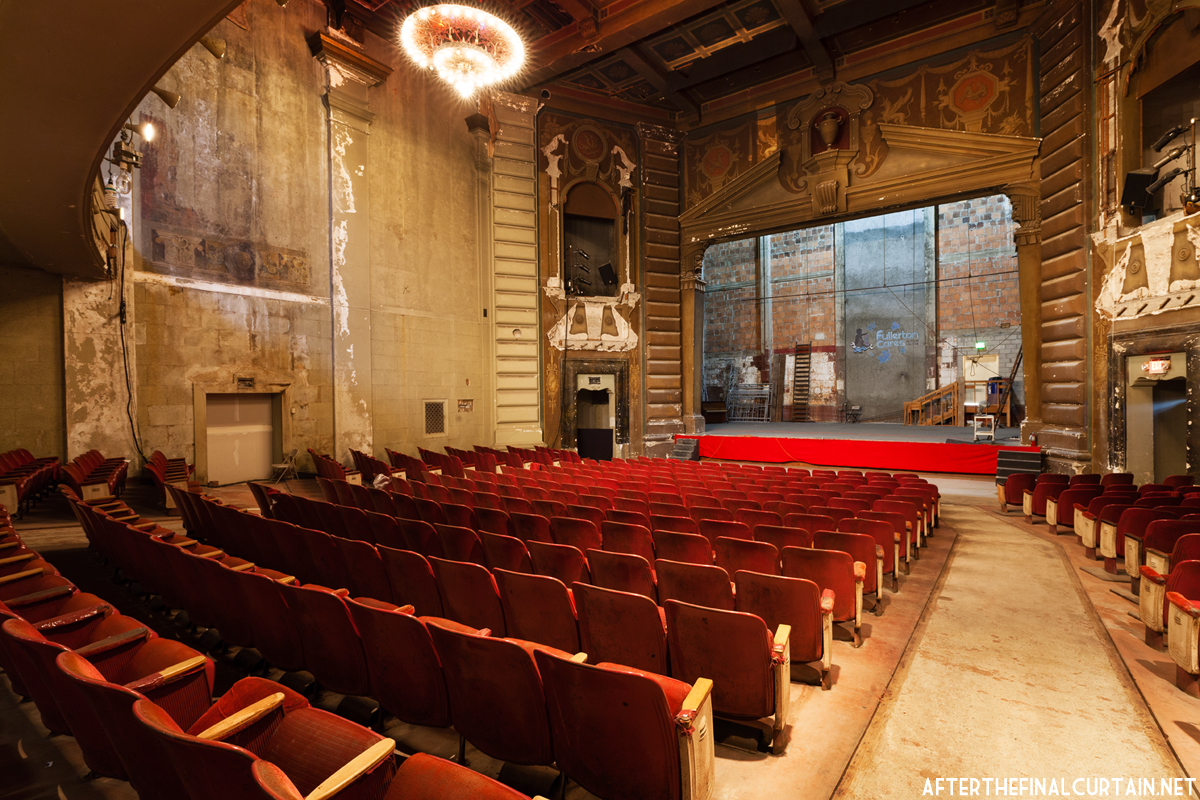
Paramount Theatre – Marshall, TX
The Paramount is one of the 22 theaters in my new book “After the Final Curtain: The Fall of the American Movie Theater.” Find out more here.
Delayed and over budget, the Paramount Theatre in Marshall, Texas opened on March 31, 1930. The opening was the first event in what the city of Marshall dubbed “Program of Progress” month. The East Texas Theatre Company, Inc. commissioned Emil Weil, Inc., an architecture firm based in New Orleans, to design the 1,500 seat atmospheric theater.