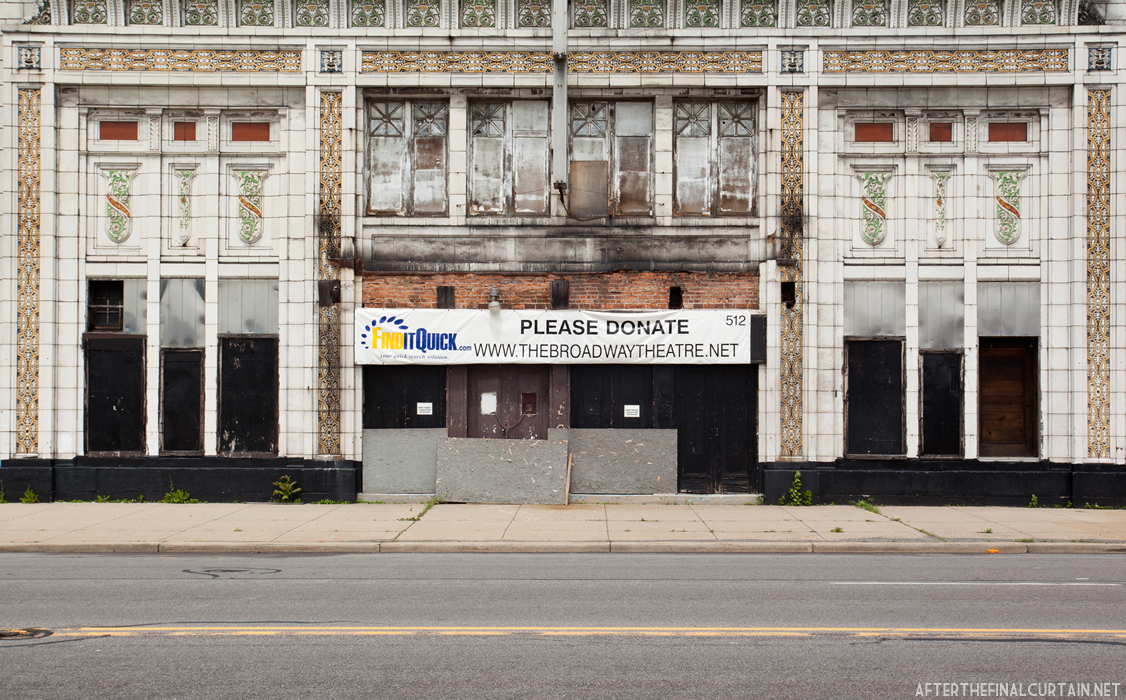
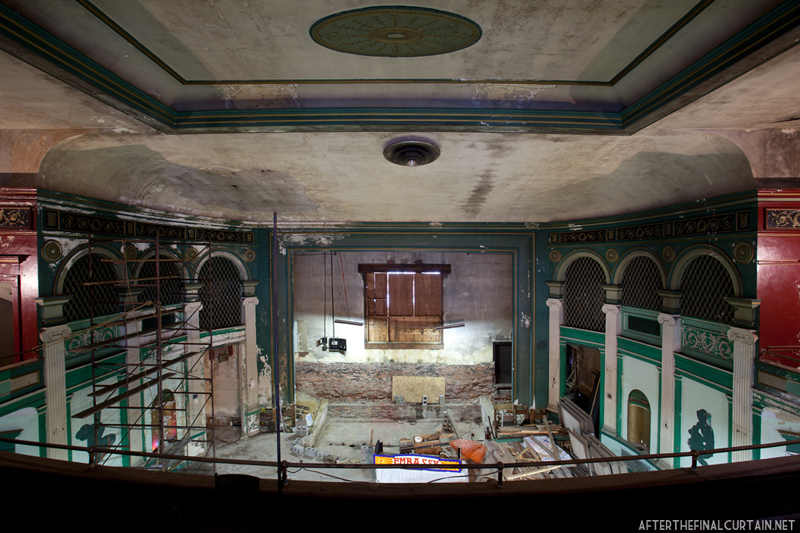
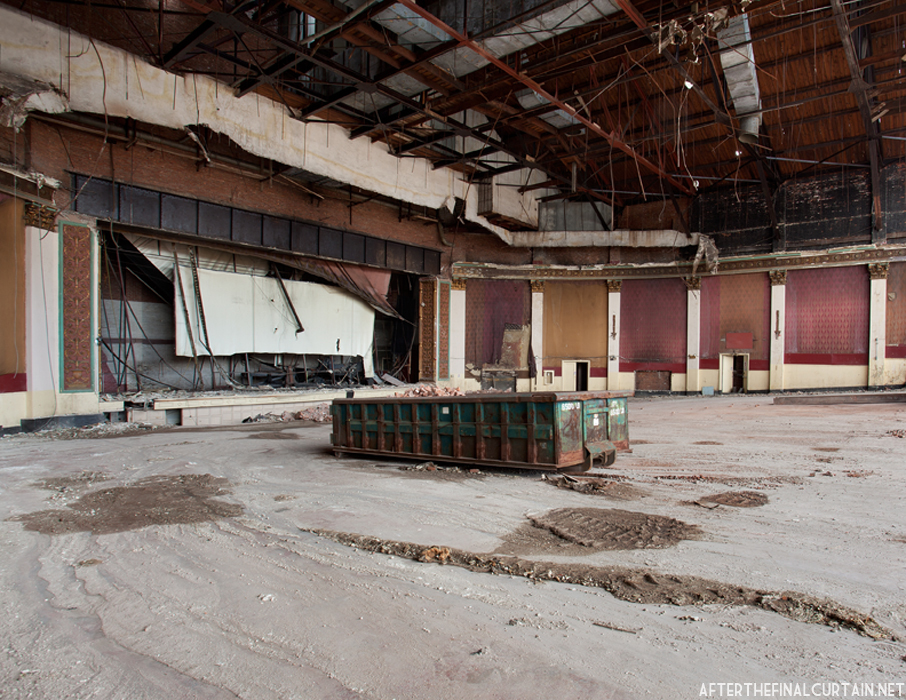
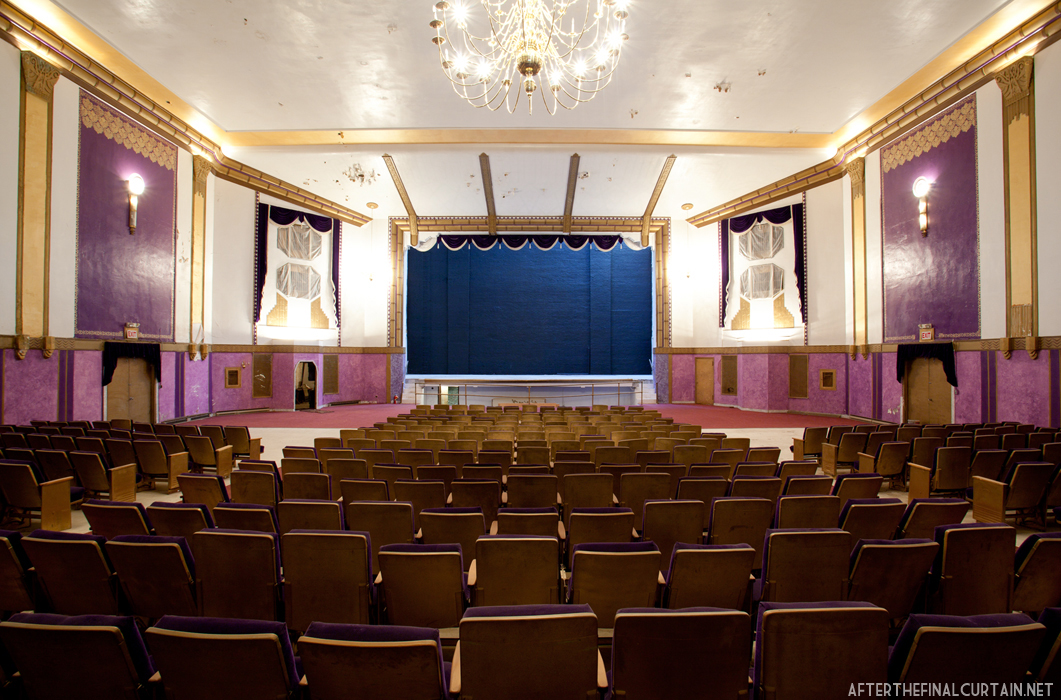
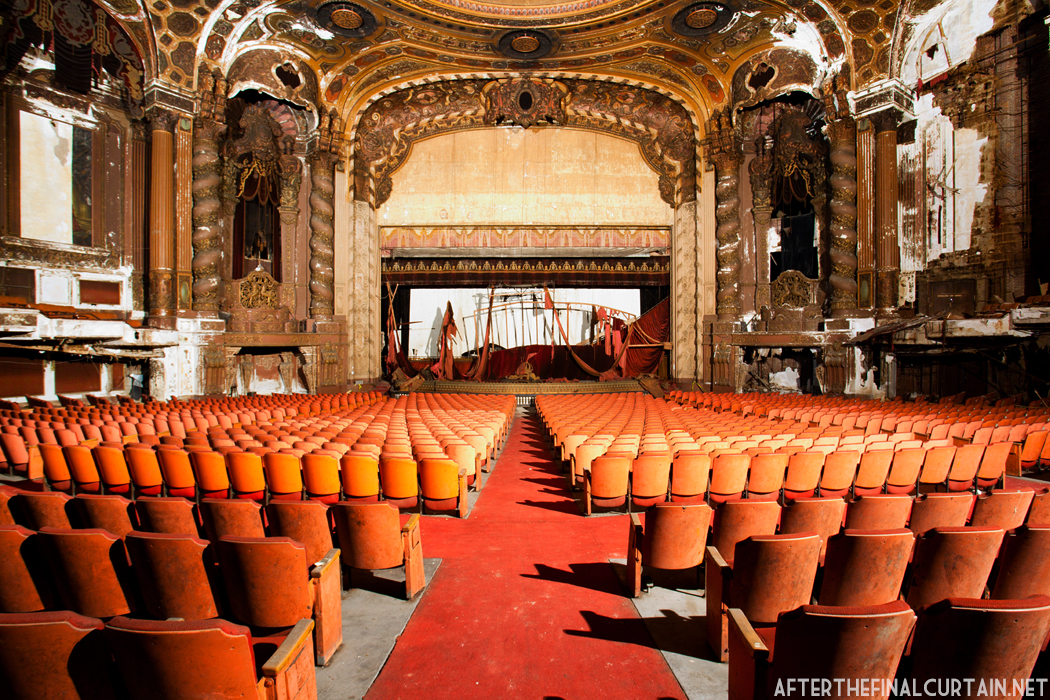
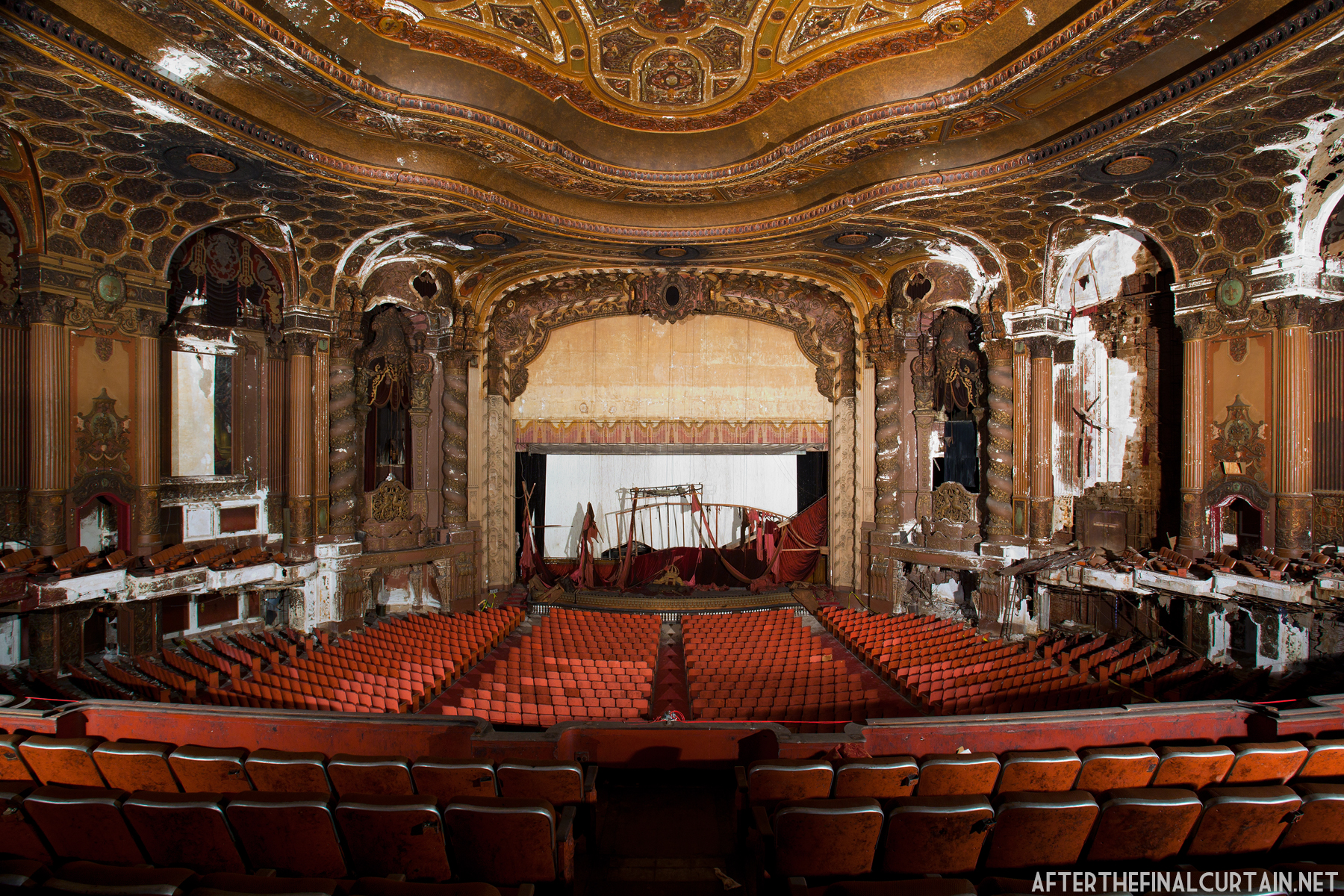
The Sattler Theatre opened in 1914 and was built on a site that had been used for other theaters in the past. The Sattler Theatre was comissioned by John G. Sattler, the founder of Sattler’s, a local Buffalo department store. It was designed by architect Henry L. Span, who designed many of Buffalo’s theaters, including the North Park Theatre, which is still in use. Continue reading
Abandoned
Q & A with Paul Fagley, President of the Friends of the Embassy Theatre
I recently spoke with Paul Fagley, the president of the Friends of the Embassy Theatre, which is a non-profit organization dedicated to reviving the theater.
Who are the Friends of The Embassy Theatre?
The Friends of the Embassy Theatre, Inc. is a 501c3 non-profit group dedicated to restoring and operating the historic Embassy Theatre. Continue reading
Road trip
Montauk Theatre
The Montauk Theatre opened on January 30, 1924 in Passaic, NJ on the site of a former vaudeville theater — also called the Montauk Theatre — that was popular in the early 1900’s. Designed by local architect Abram Presikel in the Adamesque style, the theater sat 2,638 people and was operated by the Fabian Enterprises theater chain (which was known for showing both First National Pictures and Warner Bros. films). Continue reading
Center Theatre
The Center Theatre is an art deco theater that was designed by architect Abraham H. Okun and built in 1938. Okun was a prominent local architect at the time, known for many other buildings in the county (such as the Ohave Shalom Synagogue). Located in the hamlet of Woodbourne, NY in the Borscht Belt (an area of the Catskills known for being a popular vacation spot for Jewish people from the New York metropolitan area), it was the first air-conditioned theater in Sullivan county. Continue reading
Beacon Theatre
The Beacon Theatre was built in 1928 and was intended to be a vaudeville house. However, the Great Depression pushed the opening date back six years. The Beacon finally opened as a movie theater in 1934. It was built in the art deco style and was advertised as “the most beautiful theater from New York City to Albany,” and sat 1,100 people.
Keith-Albee Theatre, or RKO Keith’s Theater
The RKO Keith’s Theatre, originally called the Keith-Albee Theatre, opened Christmas Day, 1928 at 1:00 PM. Located in Flushing, Queens, it was designed by Thomas W. Lamb, an architect known for his theater designs, which can also be seen in New York’s Ziegfeld Theatre and Proctor’s 58th Street (which was built simultaneously with the Keith’s).
Memoirs of A Movie Palace
While I was researching the Loew’s Kings Theatre , I came across a documentary called “Memoirs of A Movie Palace.” Directed by Christian Blackwood , the film was released in 1979 and detailed the history of the Kings. The following is a clip featuring designer Harold W. Rambusch discussing the interior of the theater.
Loew’s Kings Theatre – Brooklyn, NY
I’ve decided to expand my post on the Kings Theatre into 4-5 parts using some excerpts from my book, Kings Theatre; The Rise, Fall and Rebirth of Brooklyn’s Wonder Theatre. Find out more about the book here. This original post will remain, and the first part in the new series can be viewed here.
Loew’s Kings Theatre opened on September 7, 1929 in Brooklyn, NY, and was designed by the architectural firm of Rapp and Rapp (also known for the Paramount Theater in Times Square) and decorated by Harold W. Rambush. It was operated by the Loew’s theaters chain, and, along with the Loew’s Jersey Theatre, Loew’s Paradise Theatre, the Loew’s Valencia Theatre and the Loew’s 175th Street Theatre, it was one of the five “Loew’s Wonder Theaters” in the New York metropolitan area.
Proctor’s Palace Roof Theatre
Located on the top of Proctor’s Palace Theatre, Proctor’s Palace Roof Theatre also opened on November 22, 1915. The Palace was originally used for smaller vaudeville productions before switching over to film at around the same time as its downstairs counterpart.
After the switch, the Roof Theatre was rarely used and eventually reopened in the early 1960s as the Penthouse Cinema, mainly showing foreign films like Ingmar Bergman’s “Secrets of Women.”