Beacon Theatre

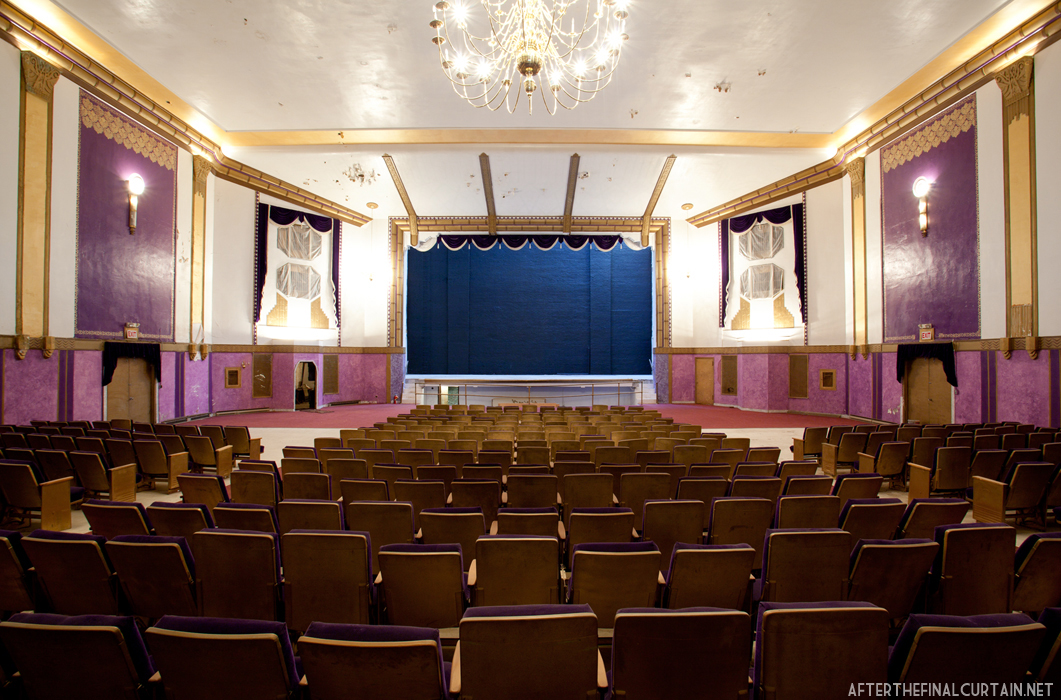
The Beacon Theatre was built in 1928 and was intended to be a vaudeville house. However, the Great Depression pushed the opening date back six years.  The Beacon finally opened as a movie theater in 1934.  It was built in the art deco style and was advertised as  “the most beautiful theater from New York City to Albany,” and sat 1,100 people.

Continue reading

Keith-Albee Theatre, or RKO Keith’s Theater

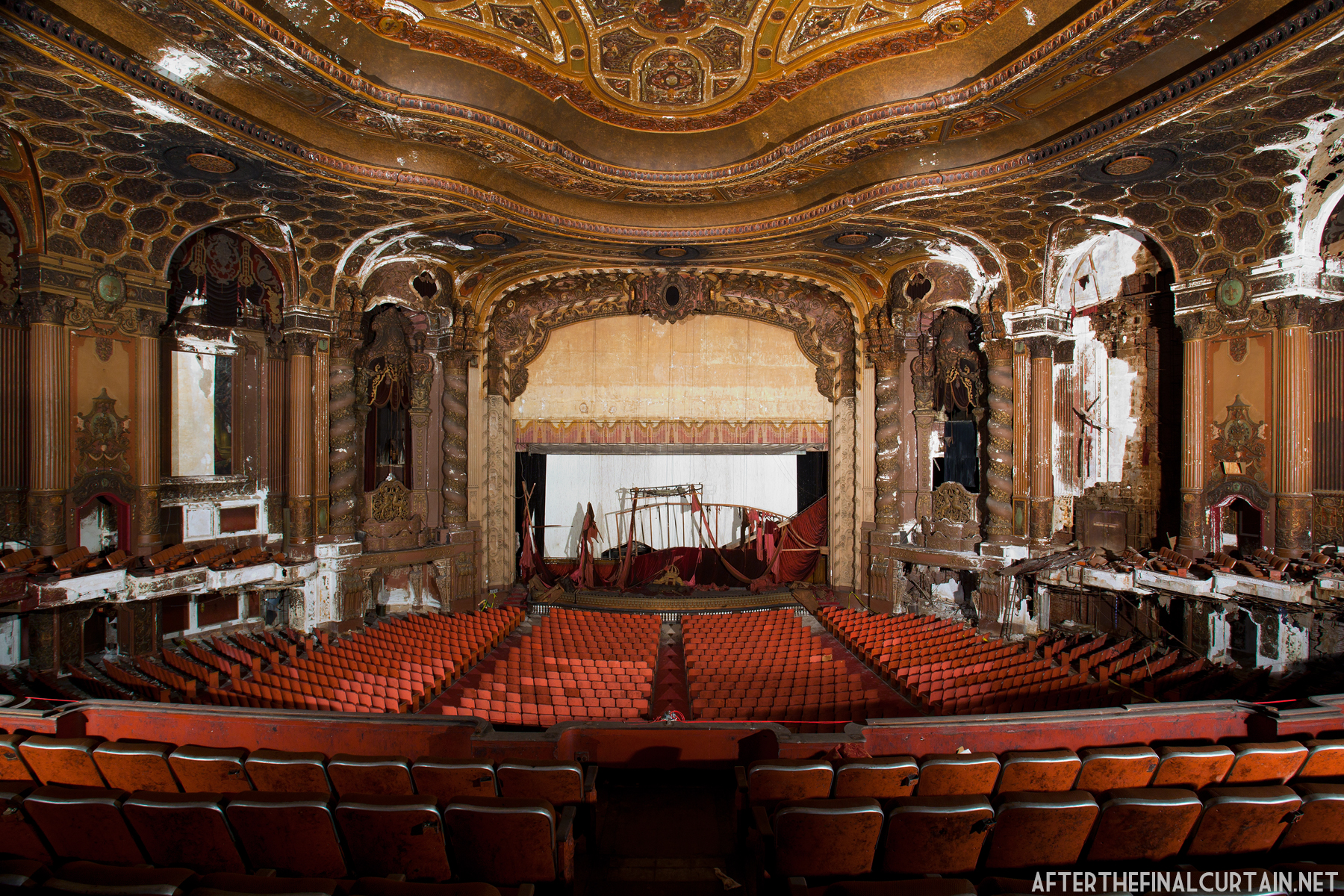
balcony of keith's theatre

View from the balcony of the Keiths Theatre

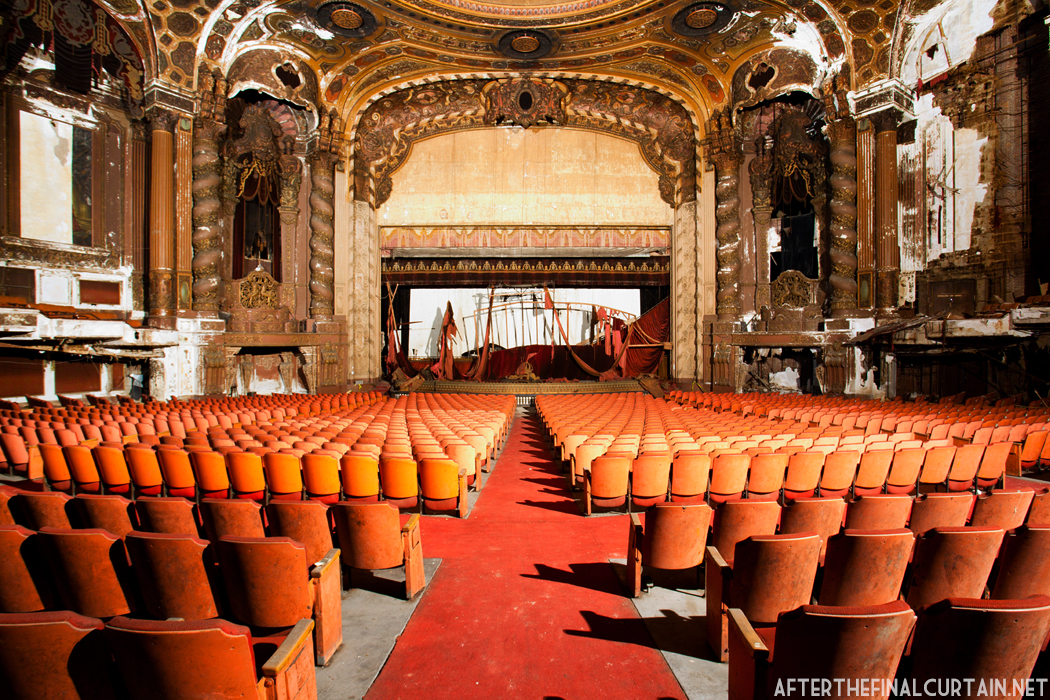
The RKO Keith’s Theatre, originally called the Keith-Albee Theatre, opened Christmas Day, 1928 at 1:00 PM.  Located in Flushing, Queens, it was designed by Thomas W. Lamb, an architect known for his theater designs, which can also be seen in New York’s Ziegfeld Theatre and Proctor’s 58th Street (which was built simultaneously with the Keith’s).

Continue reading

Memoirs of A Movie Palace

While I was researching the Loew’s Kings Theatre , I came across a documentary called “Memoirs of A Movie Palace.”  Directed by Christian Blackwood , the film was released in 1979 and detailed the history of the Kings.  The following is a clip featuring designer Harold W. Rambusch discussing the interior of the theater.

Loew’s Kings Theatre – Brooklyn, NY

I’ve decided to expand my post on the Kings Theatre into 4-5 parts using some excerpts from my book, Kings Theatre; The Rise, Fall and Rebirth of Brooklyn’s Wonder Theatre. Find out more about the book here. This original post will remain, and the first part in the new series can be viewed here.
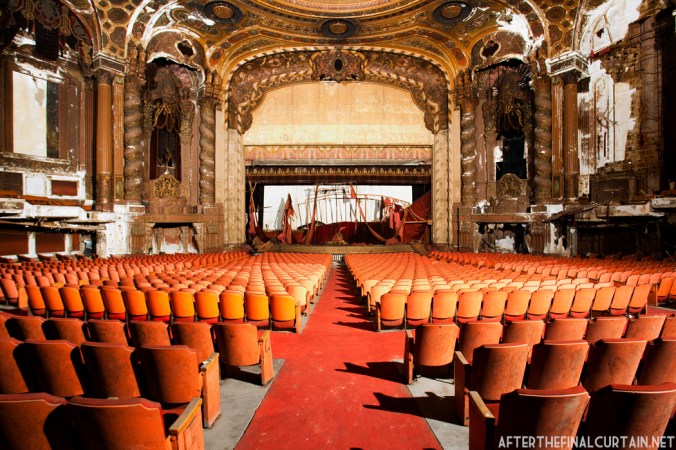
 

View of the auditorium from the center of the main level.
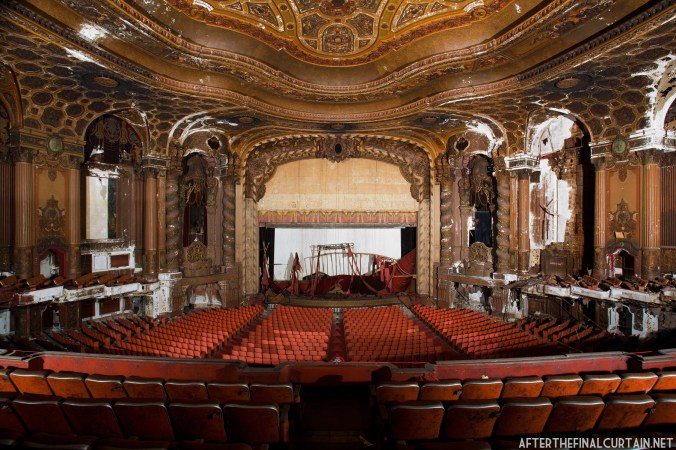
Loew’s Kings Theatre opened on September 7, 1929 in Brooklyn, NY, and was designed by the architectural firm of Rapp and Rapp (also known for the Paramount Theater in Times Square) and decorated by Harold W. Rambush.  It was operated by the Loew’s theaters chain, and, along with the Loew’s Jersey Theatre, Loew’s Paradise Theatre, the Loew’s Valencia Theatre and the Loew’s 175th Street Theatre, it was one of the five “Loew’s Wonder Theaters” in the New York metropolitan area.

Continue reading