This was originally posted on After the Final Curtain’s Patreon in January 2025. For expanded early posts, as well as video walkthroughs and other exclusive content, you can become a patron at: https://www.patreon.com/afterthefinalcurtain
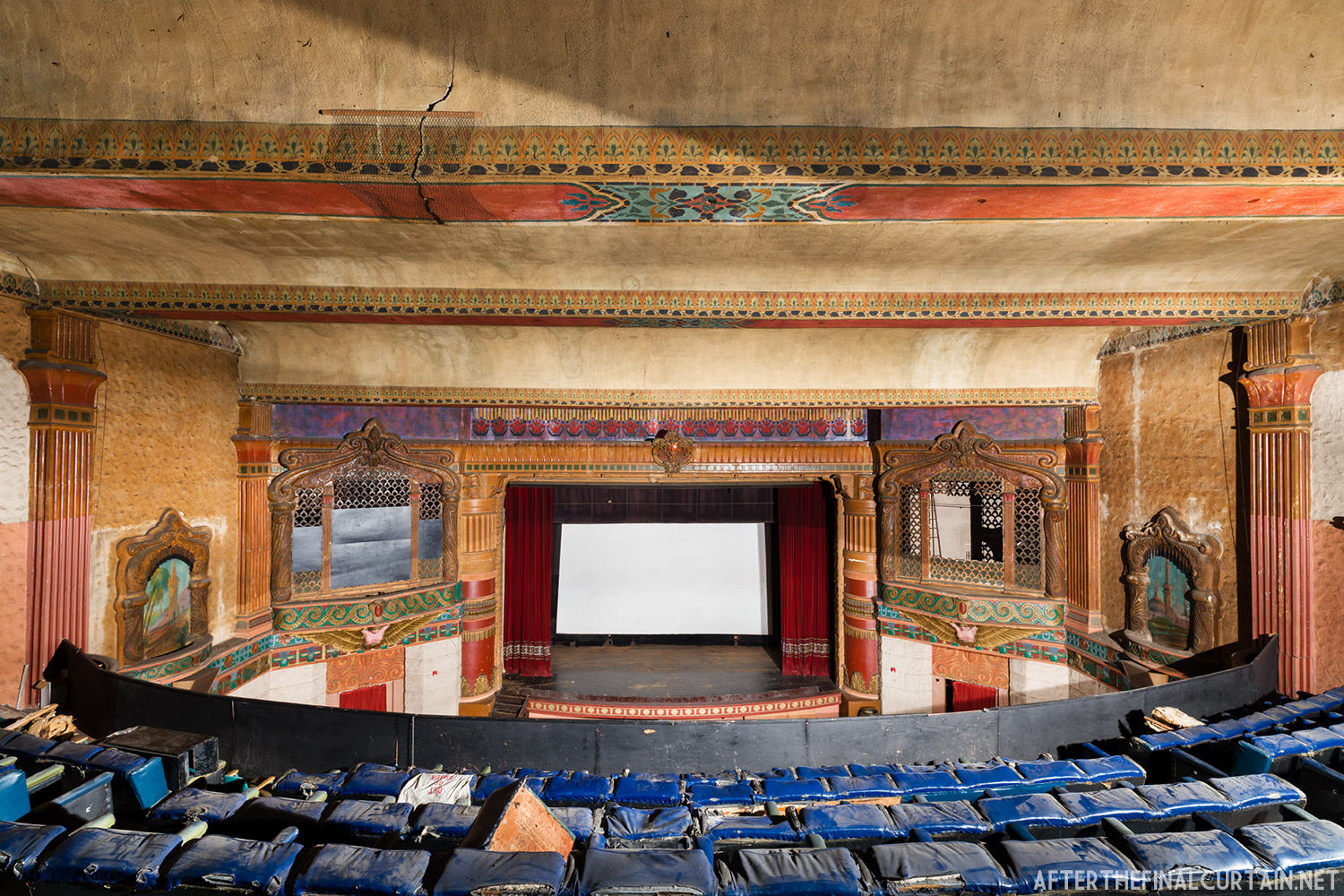
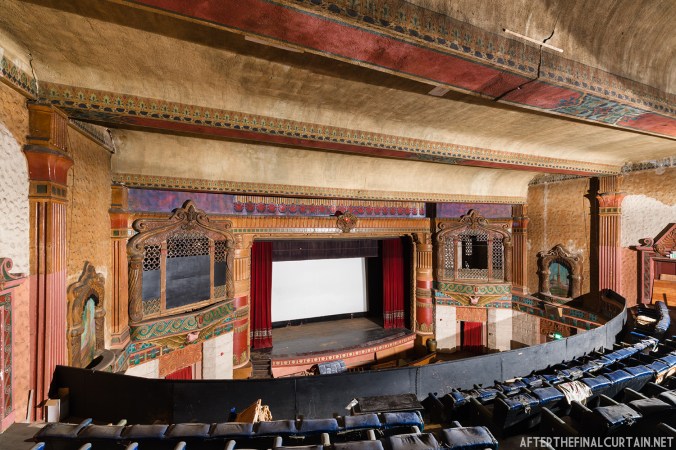
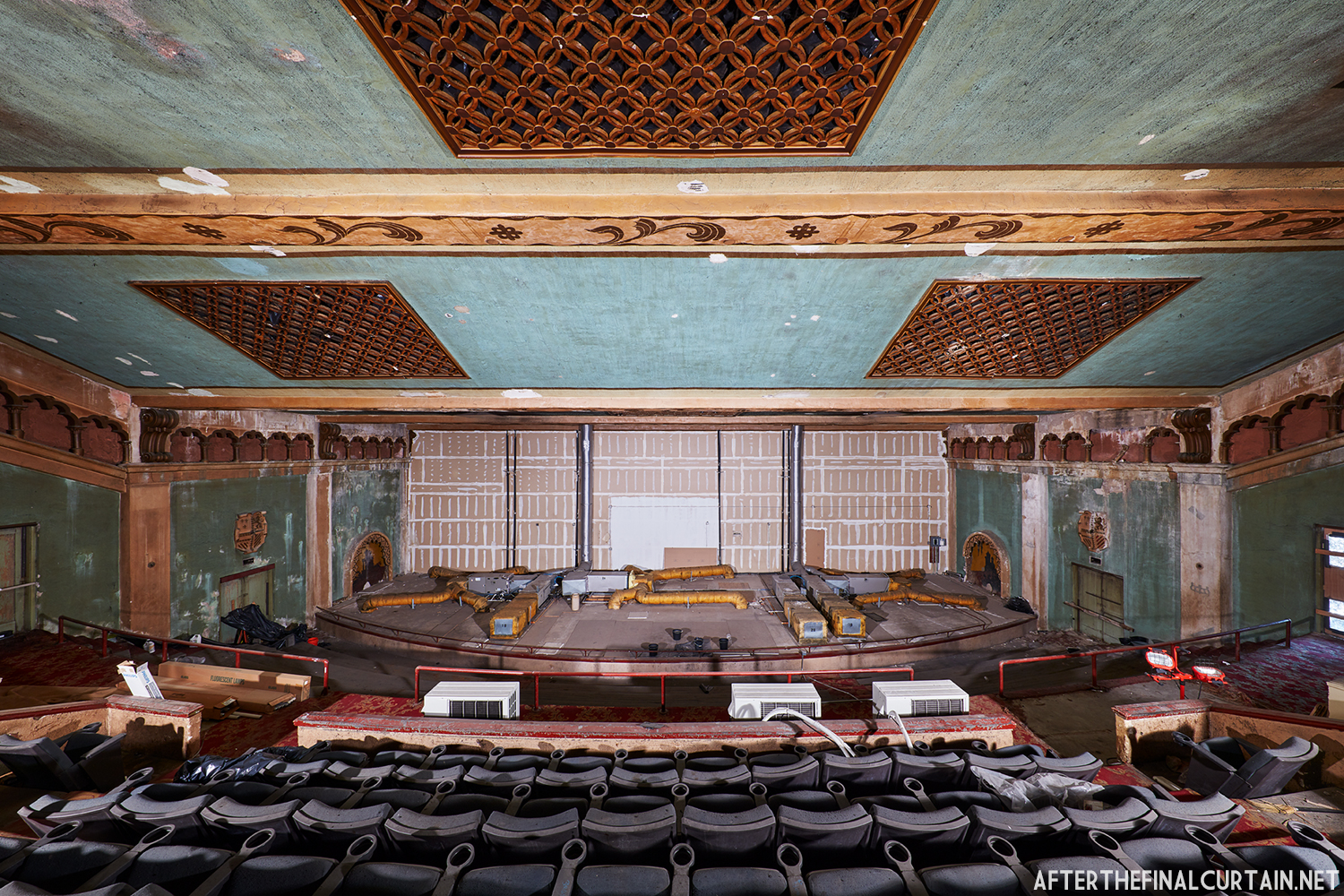
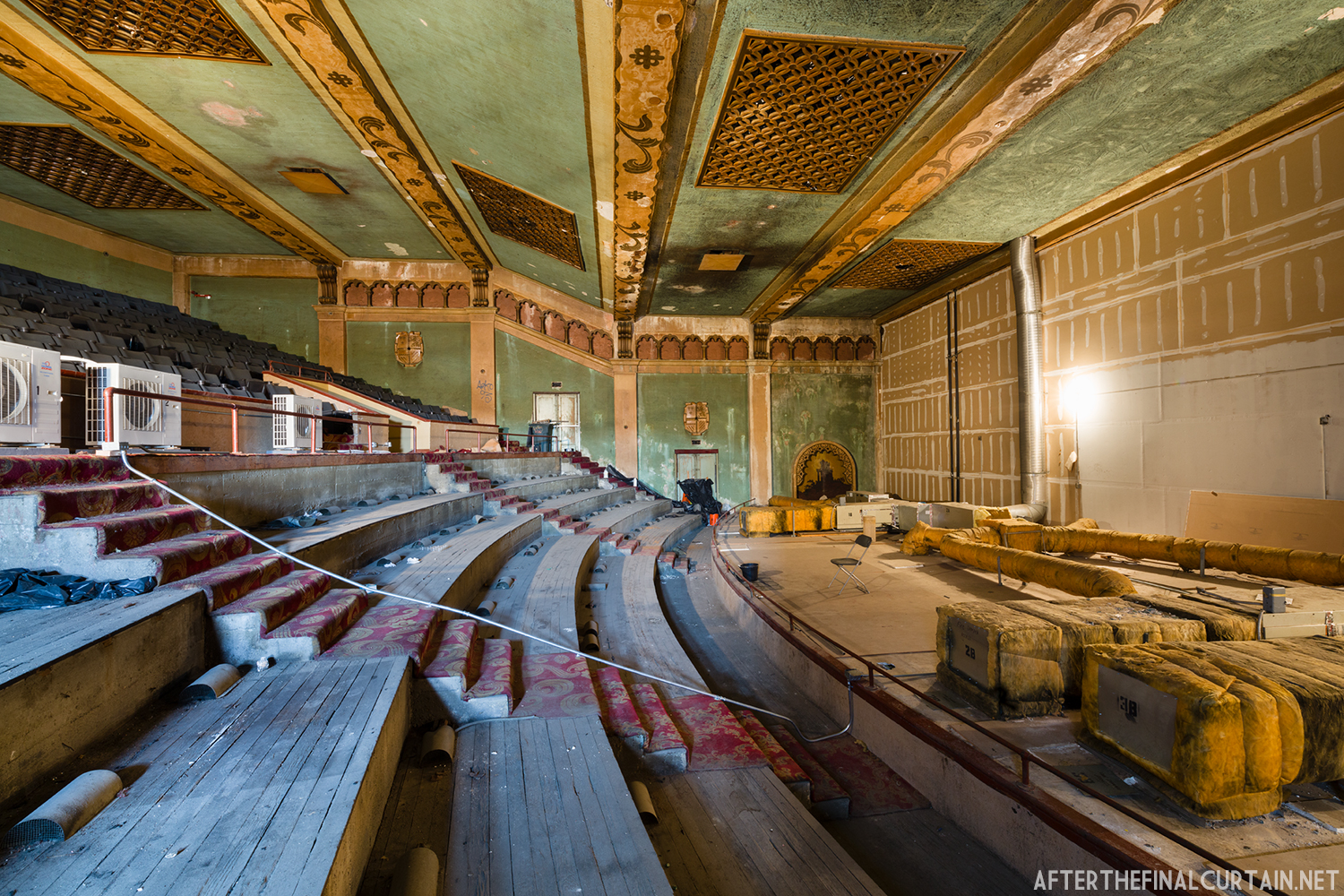
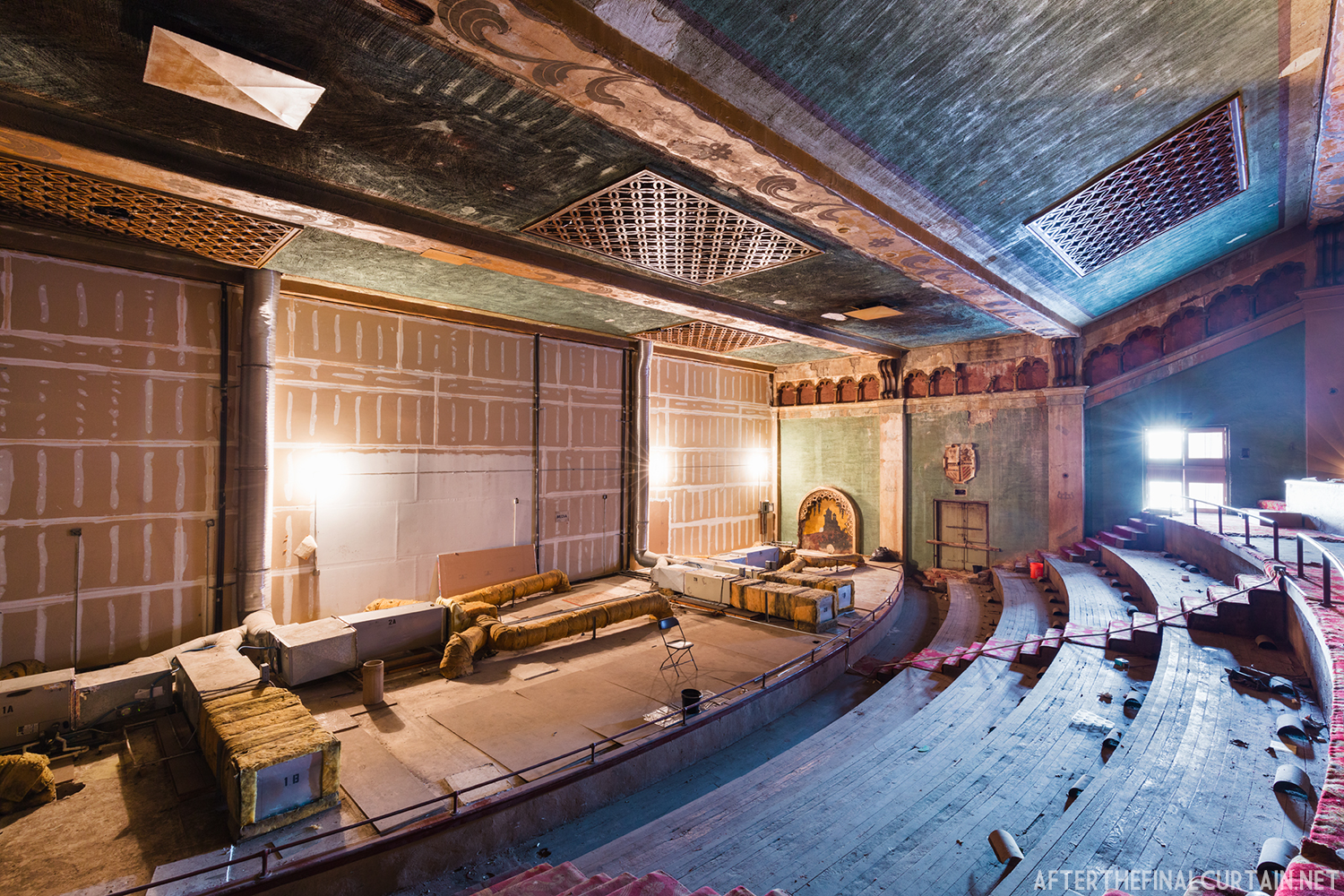
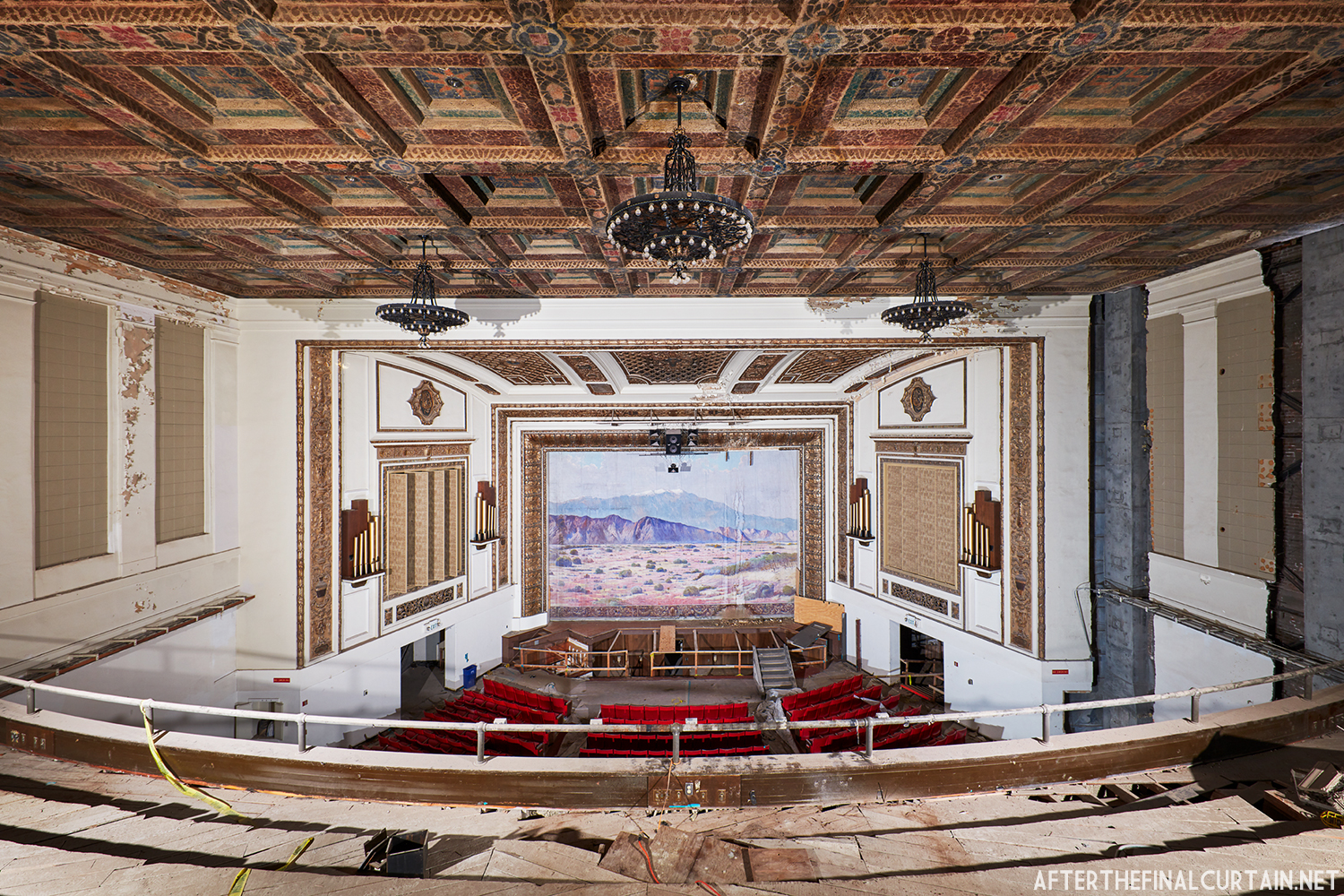
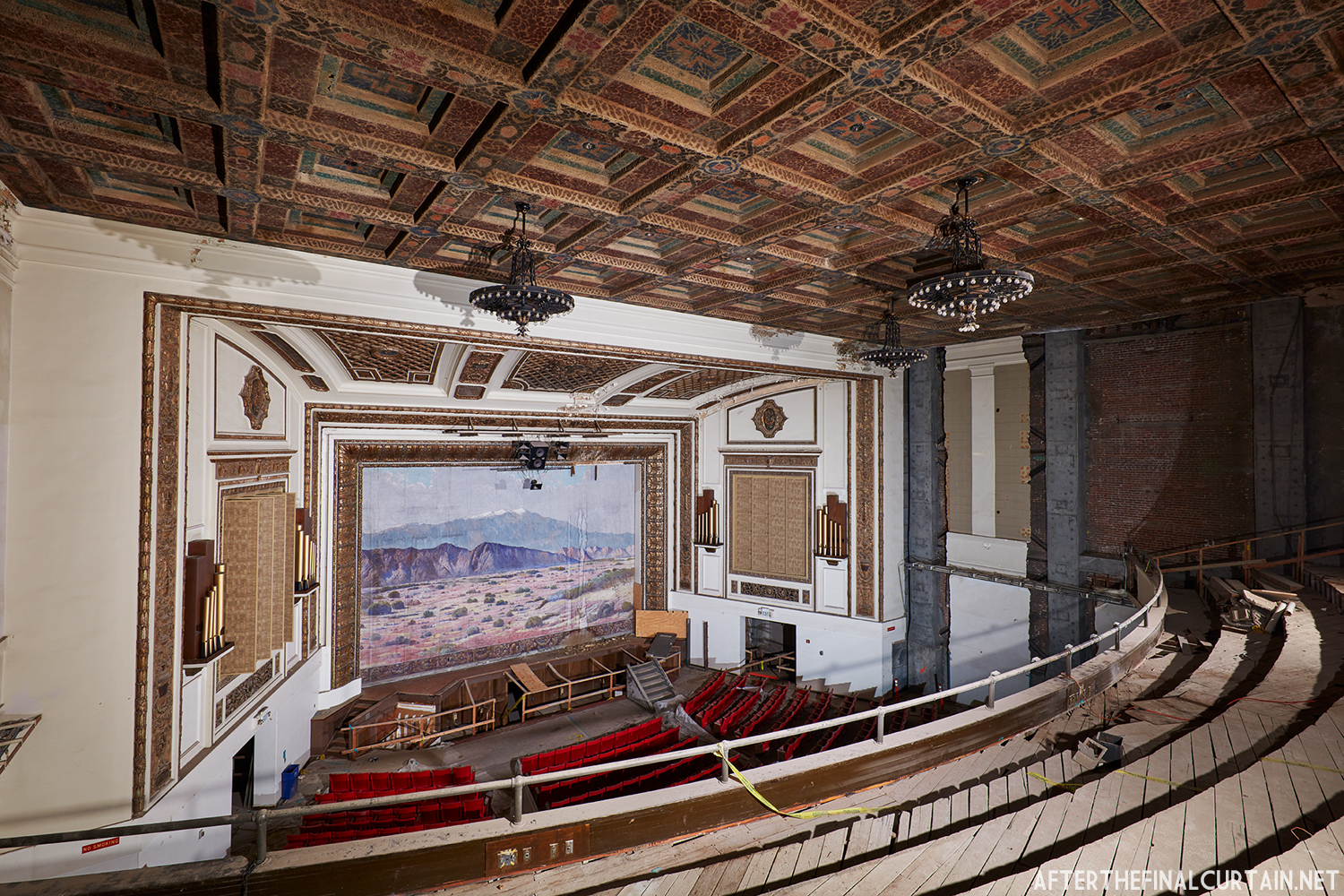
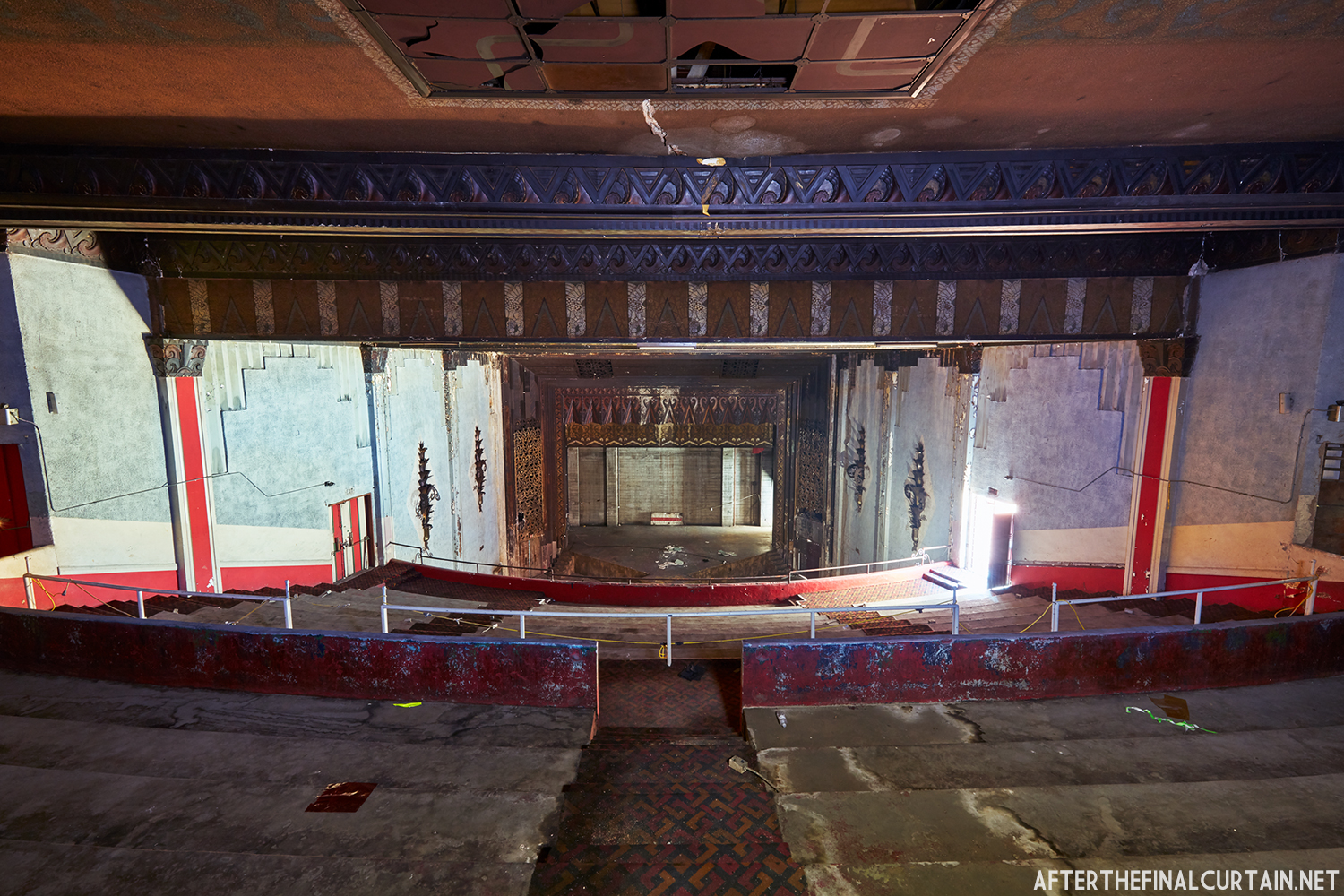
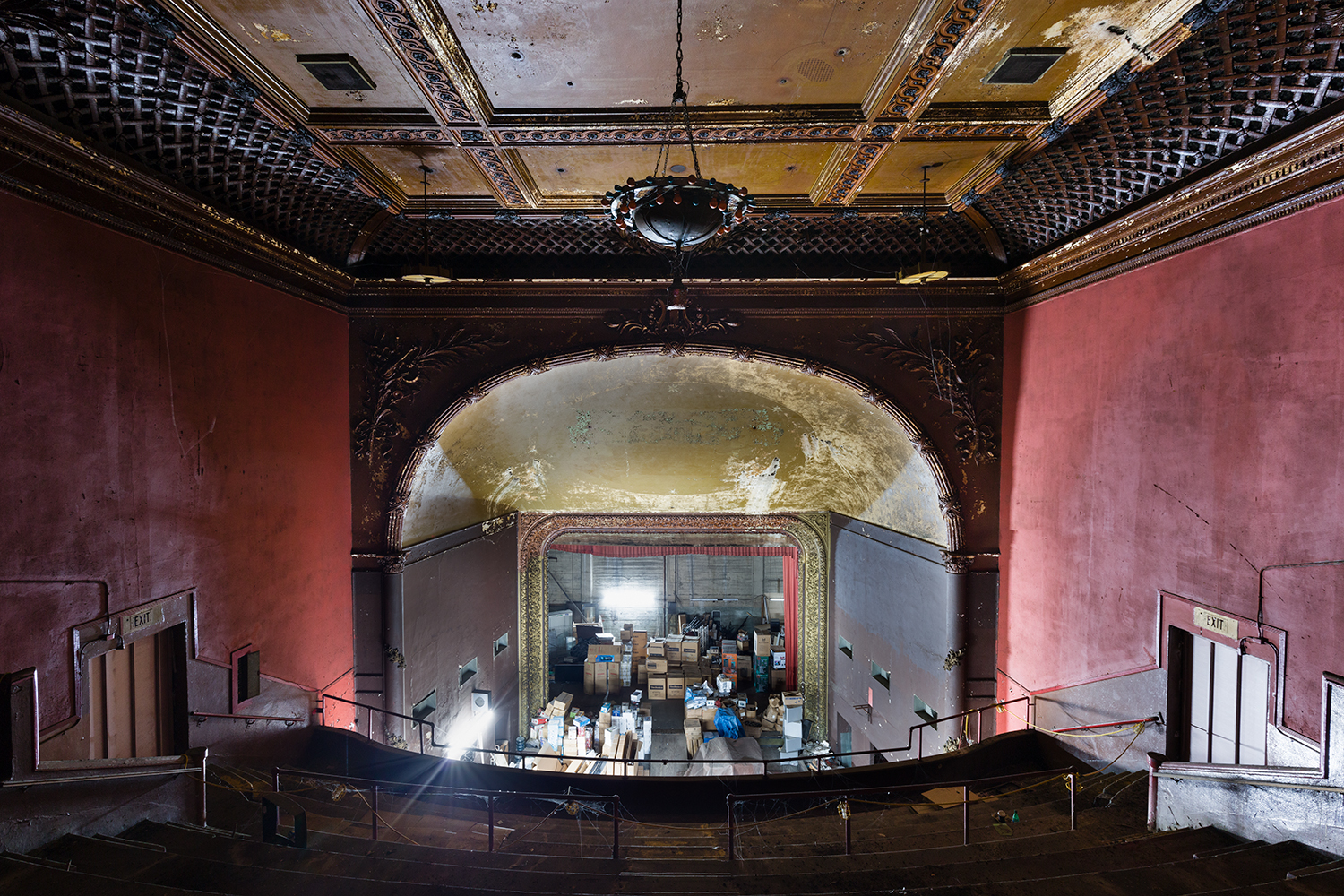
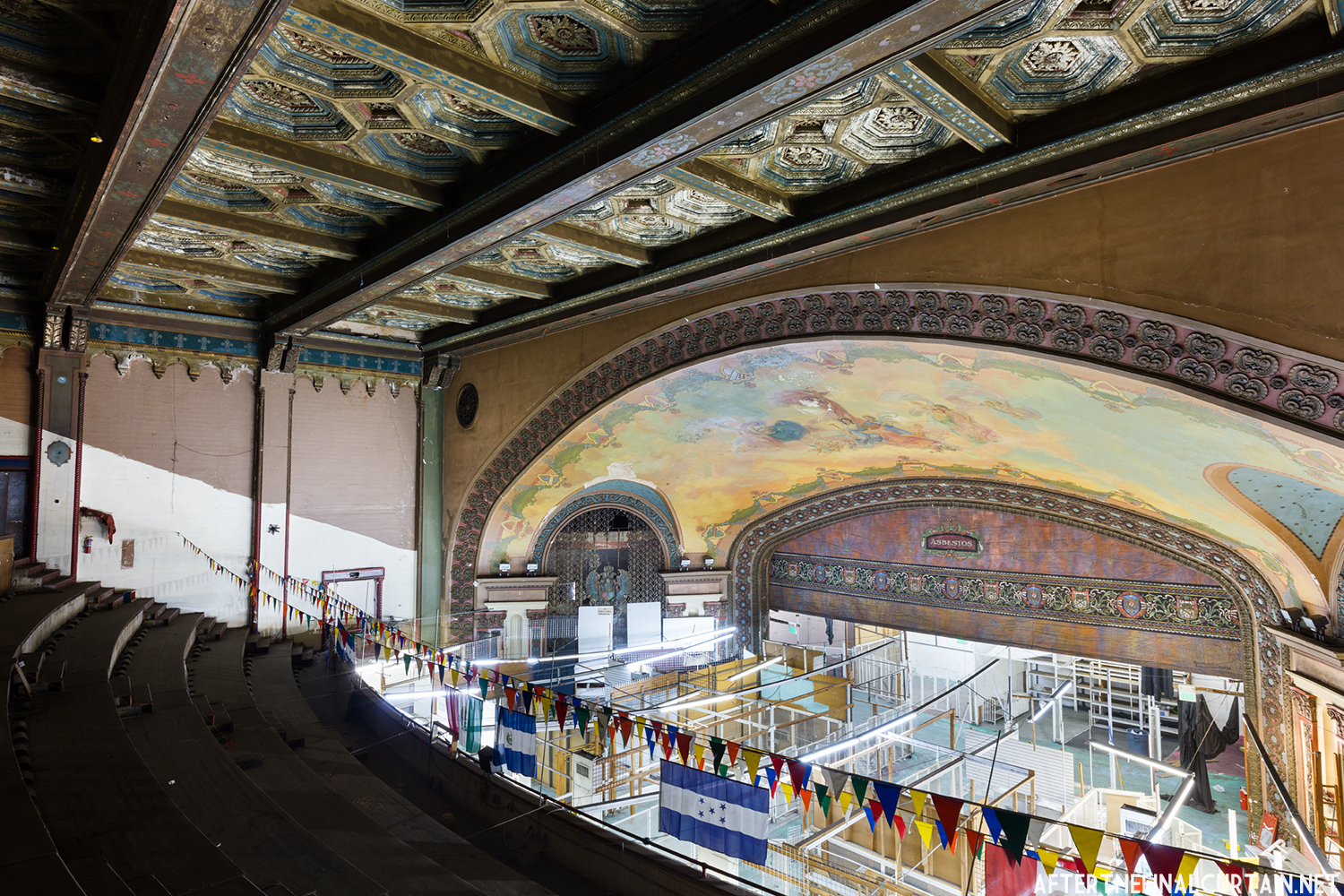
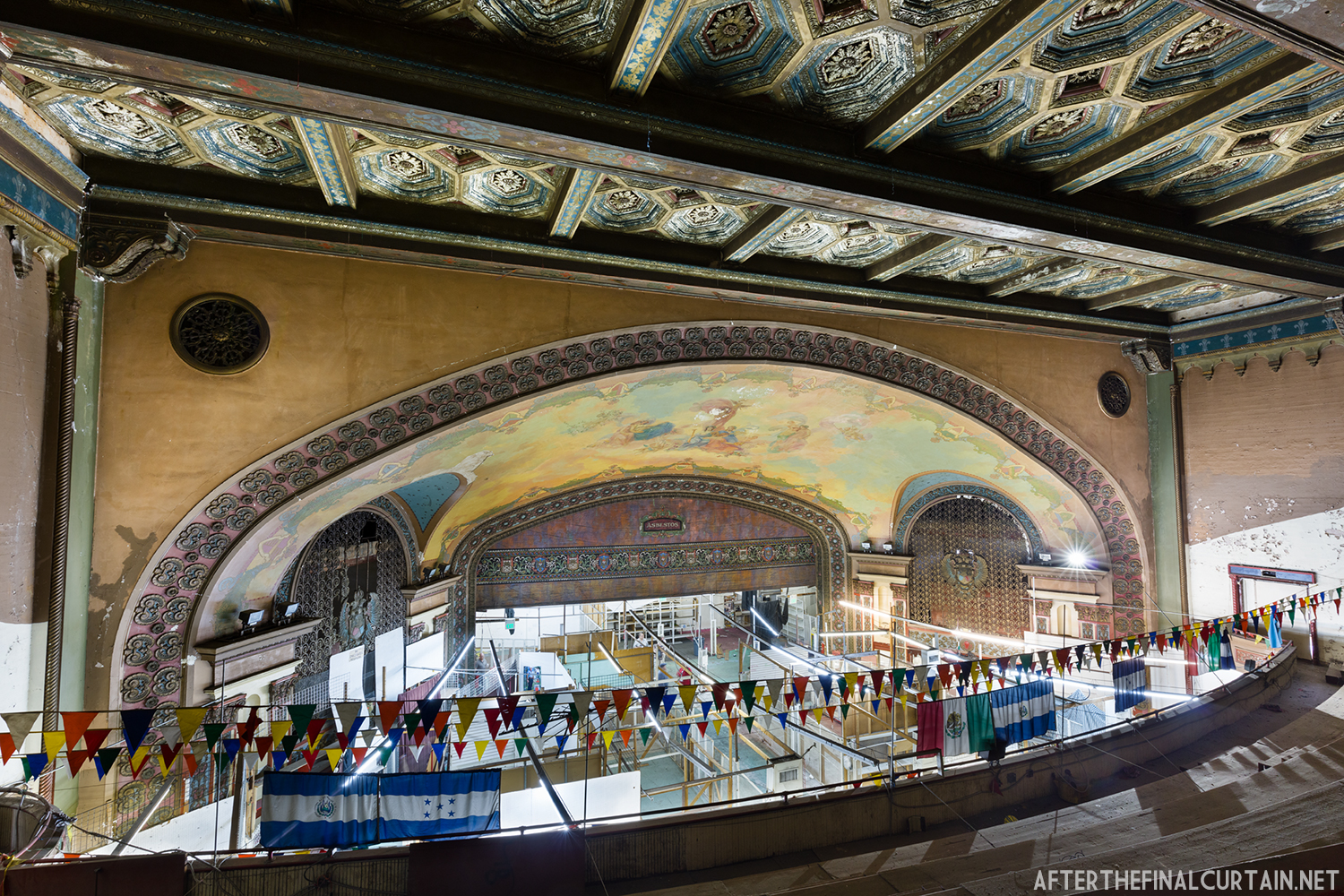
View of the auditorium from the balcony.
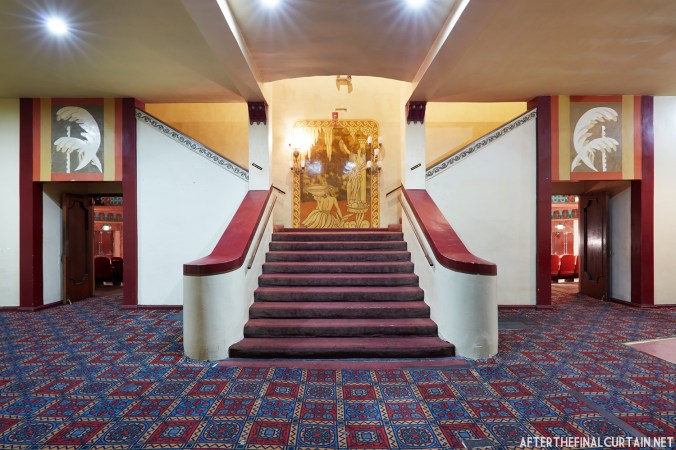
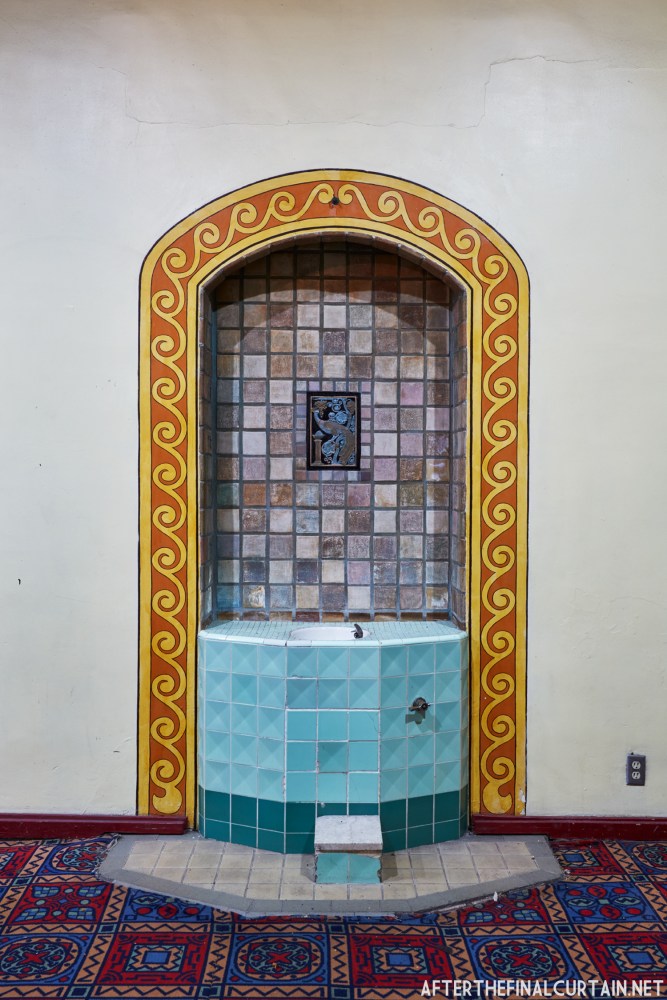
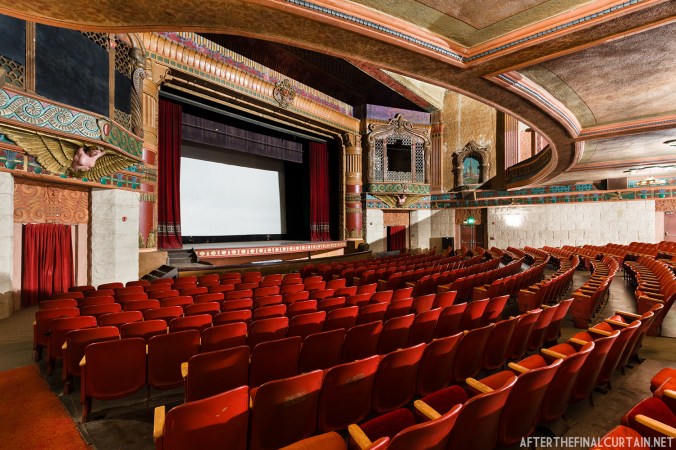
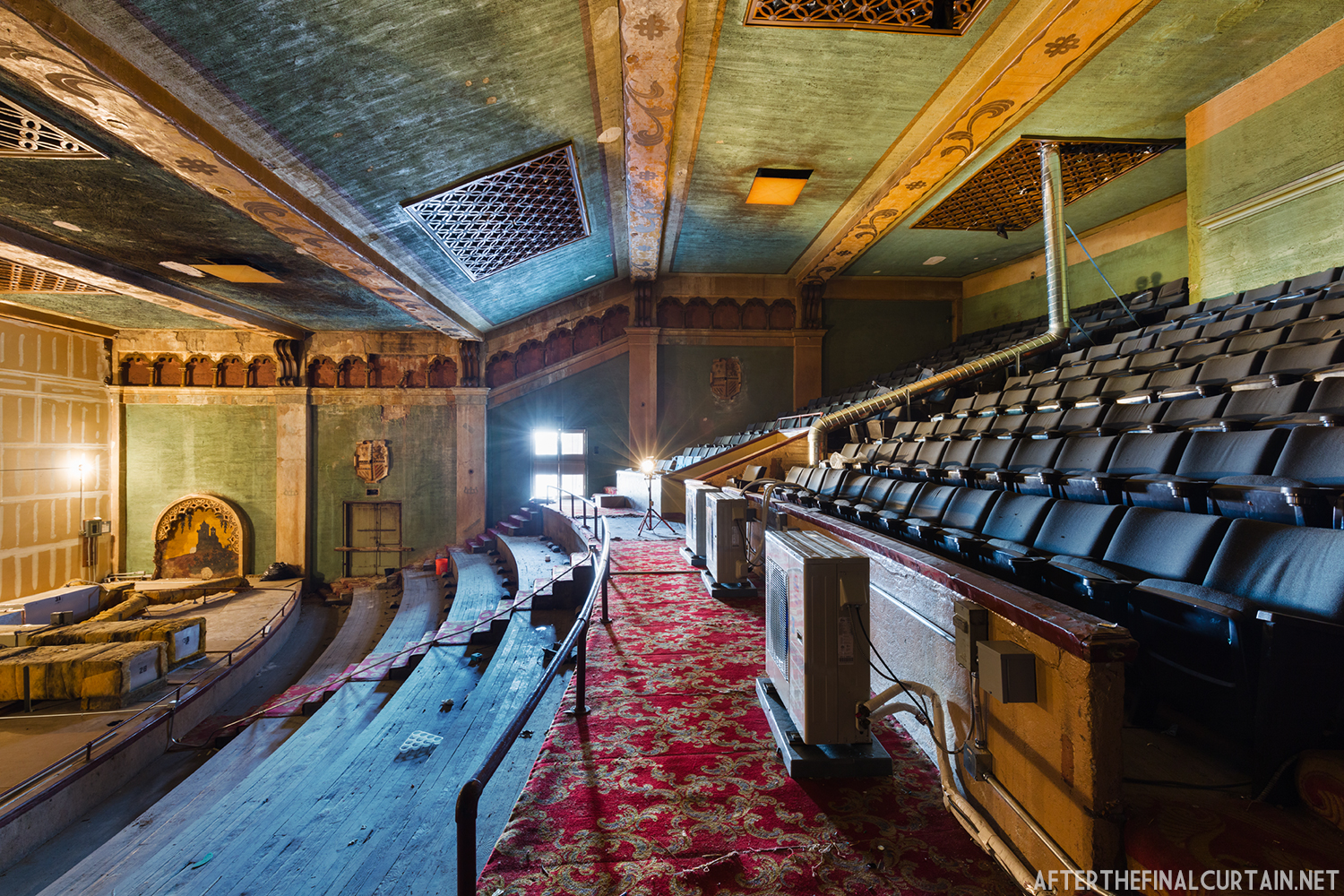
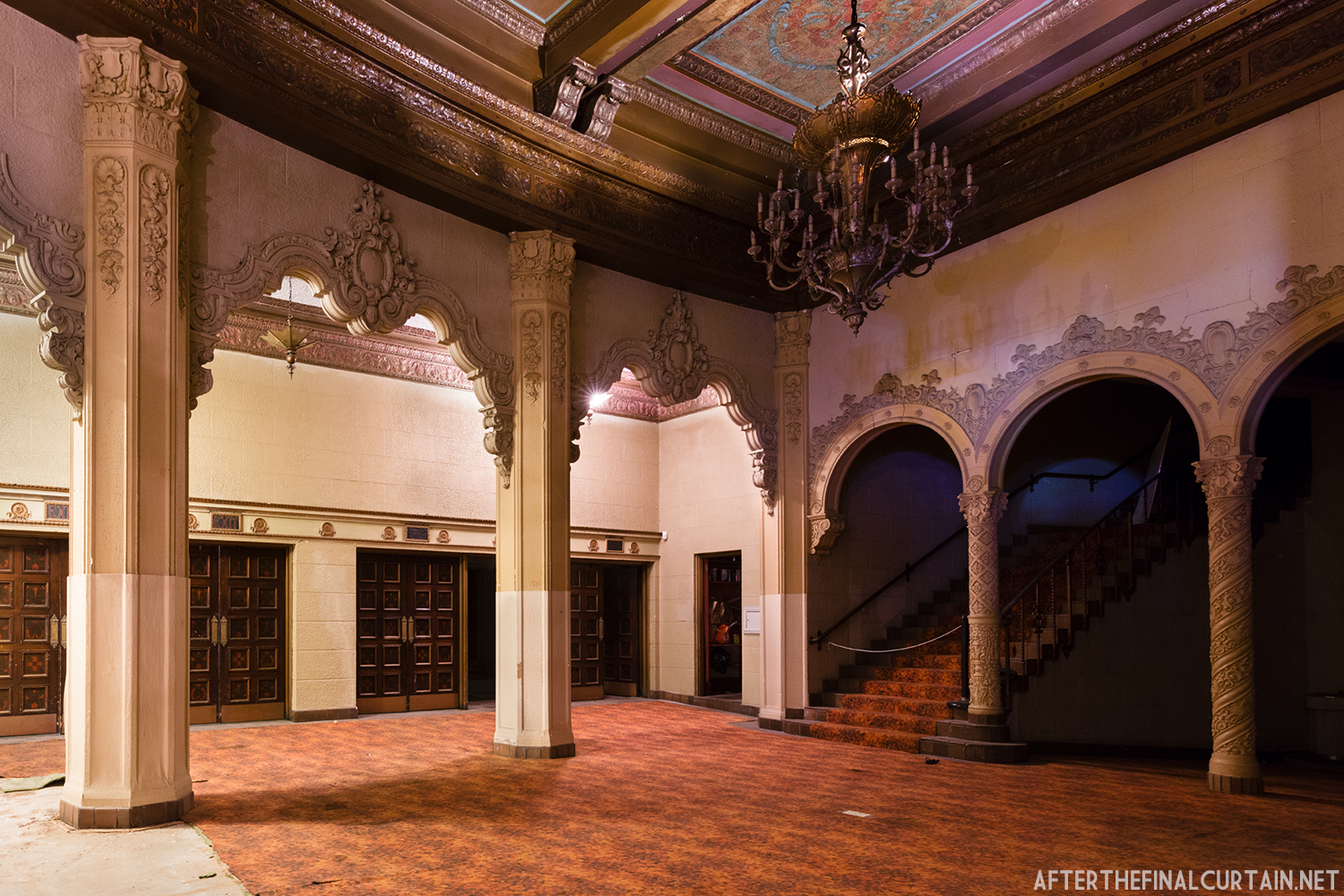
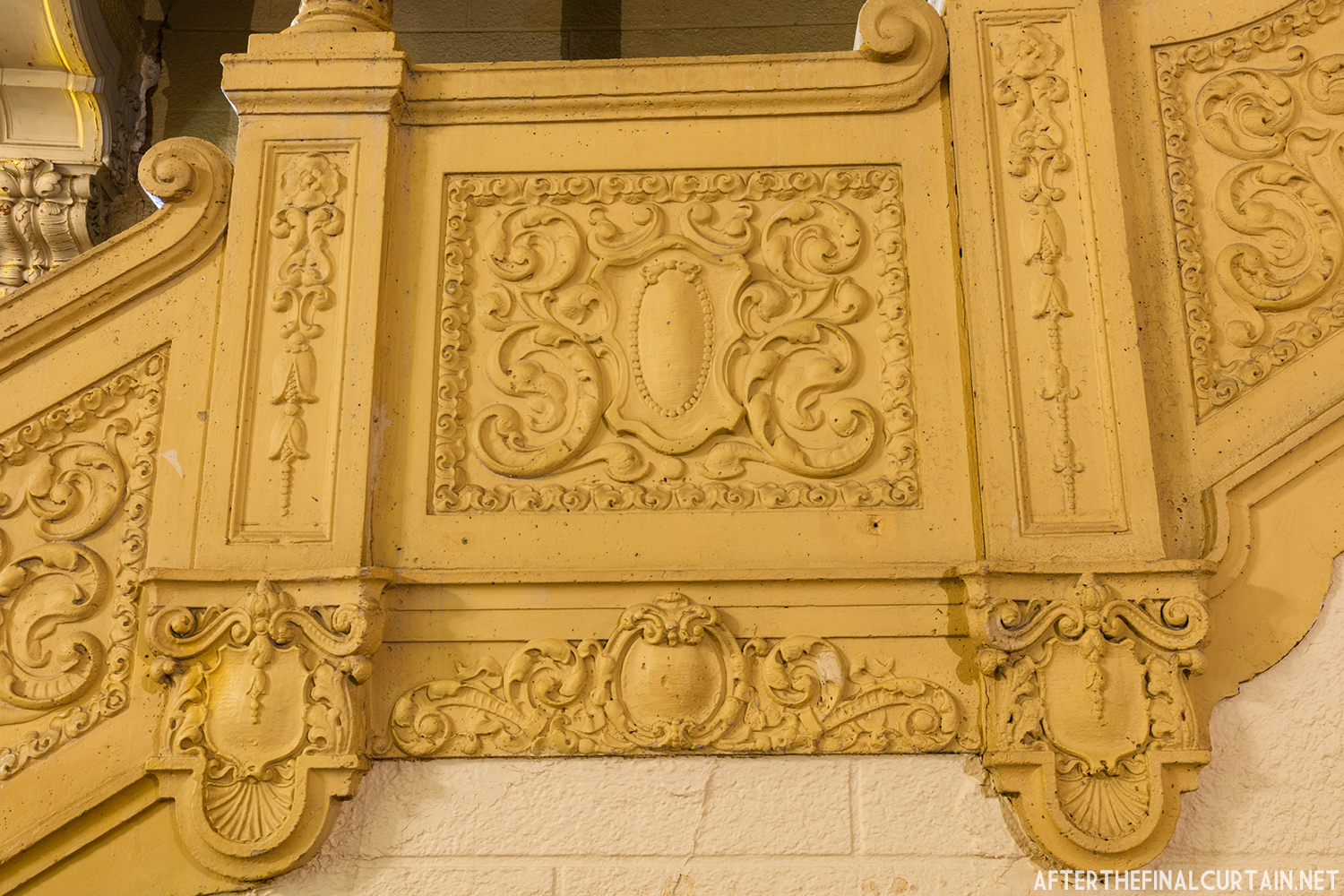
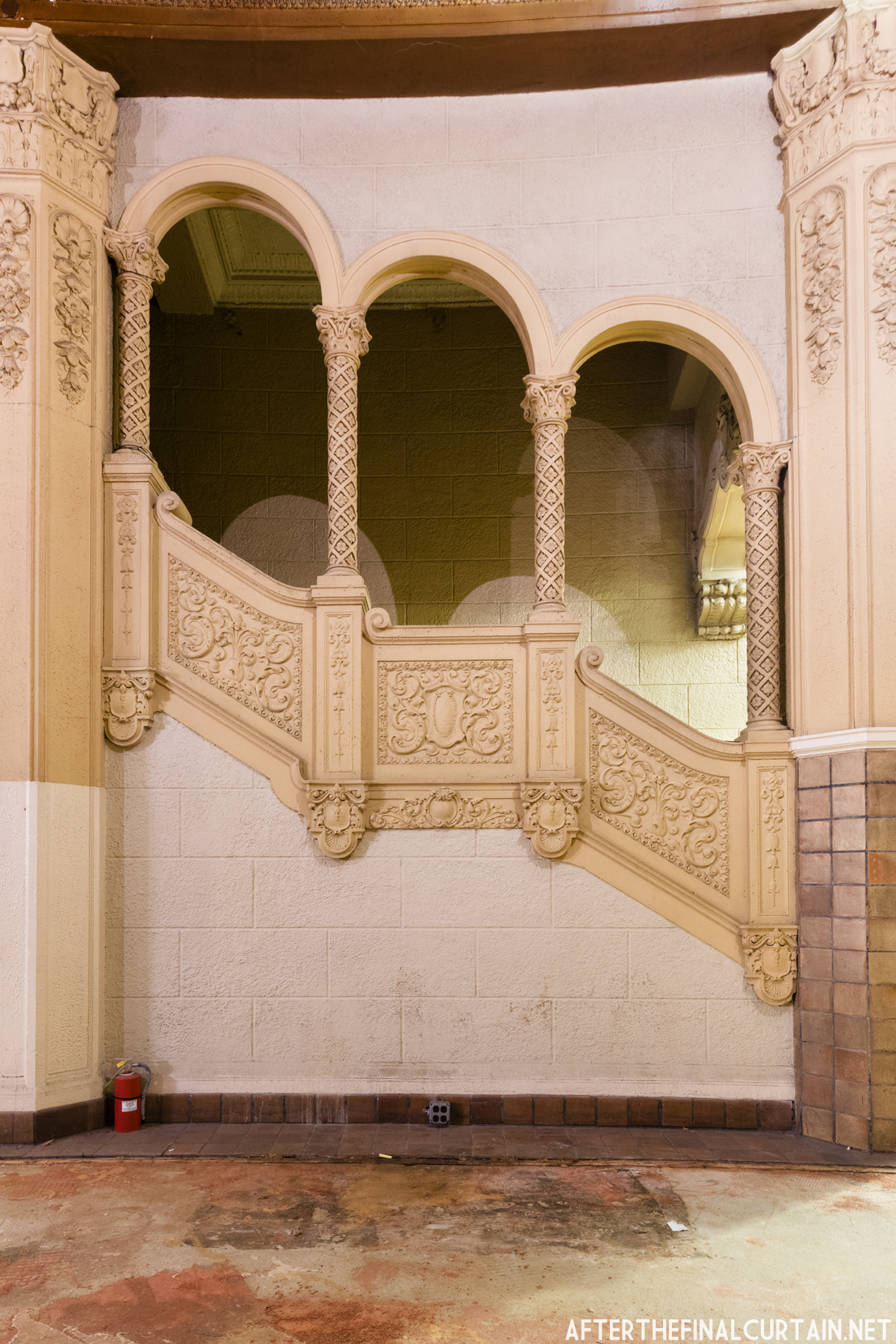
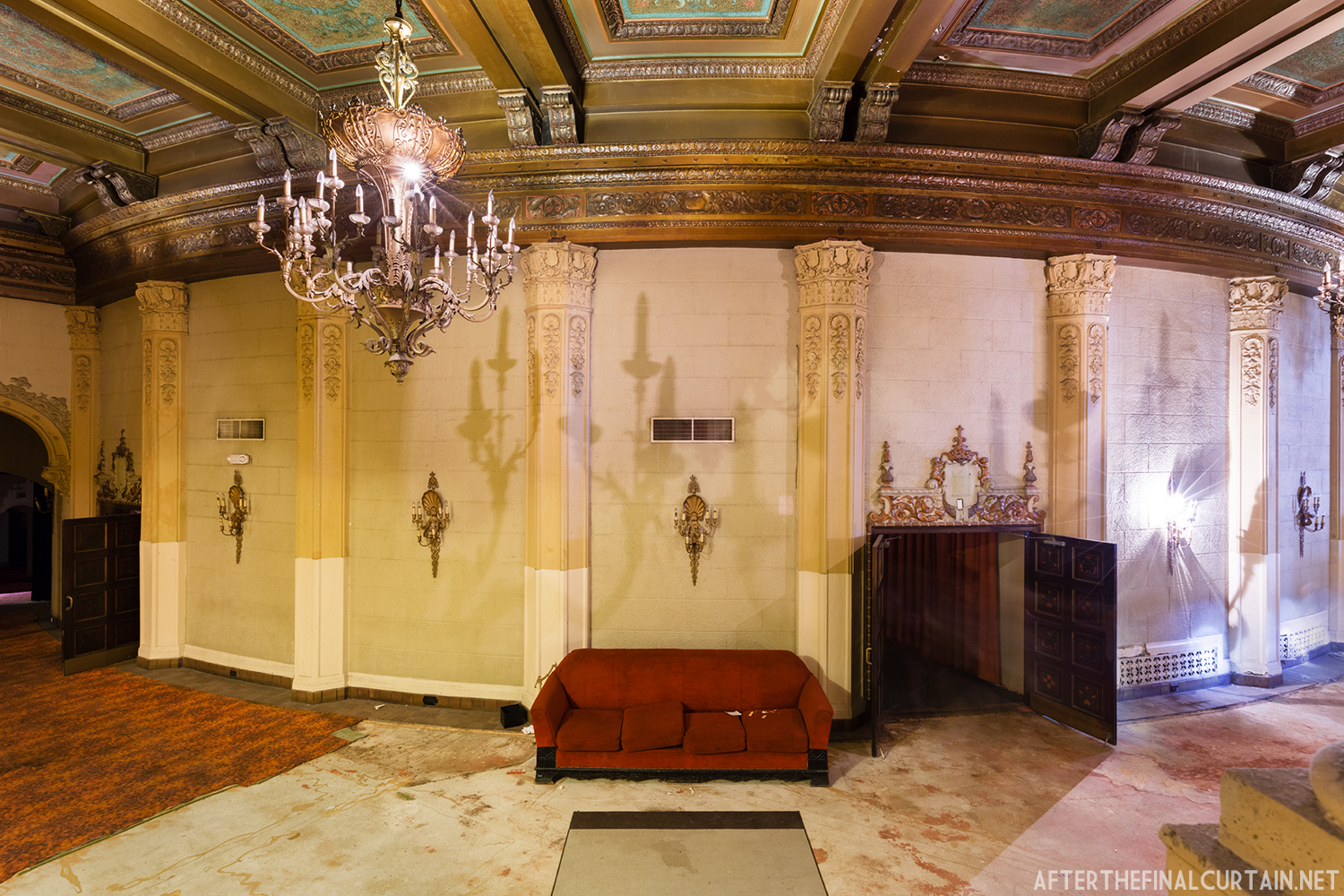
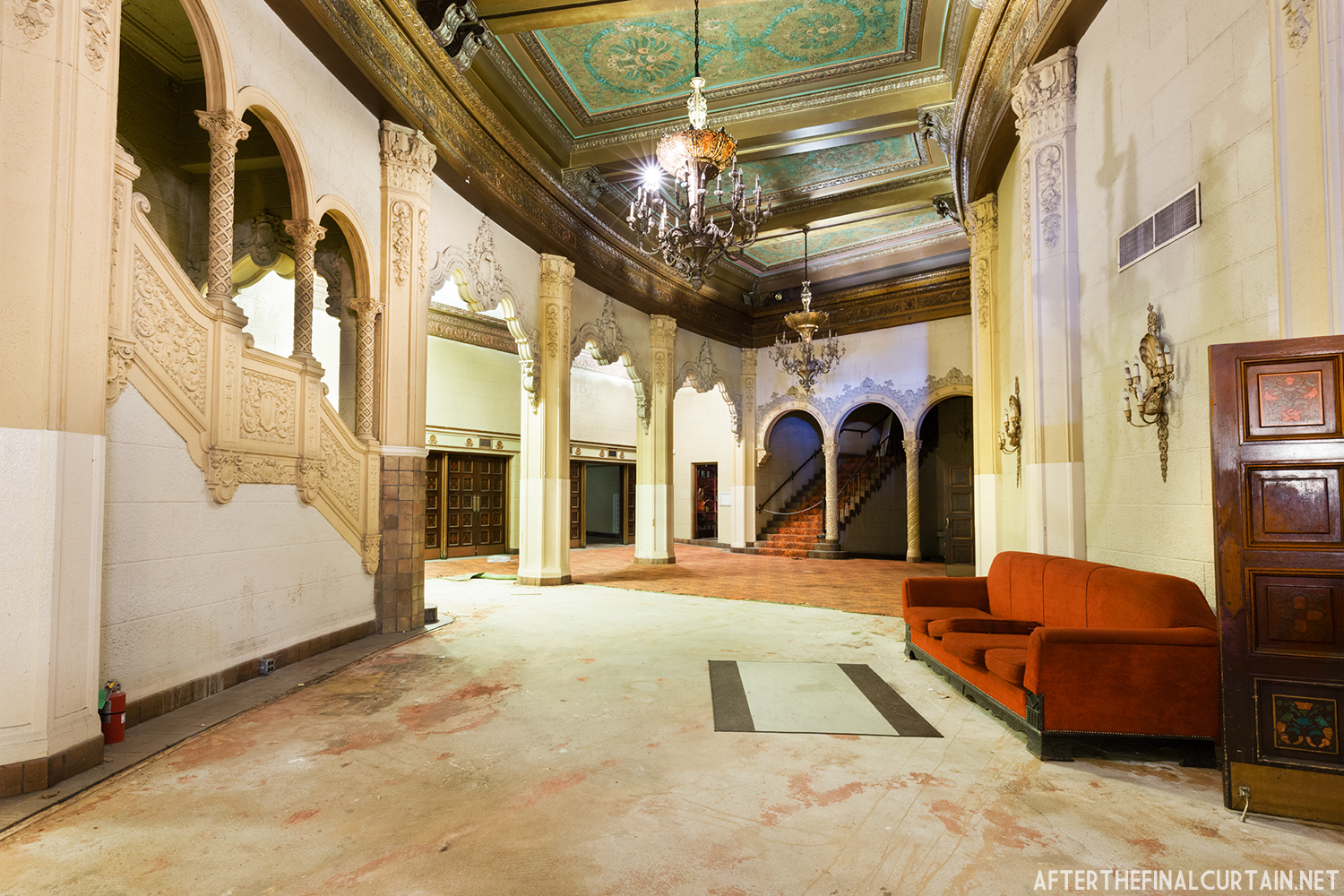
The Rialto Theatre in South Pasadena, California, opened on October 17, 1925, as a venue for vaudeville acts and movies, with a premiere of Universal’s What Happened to Jones accompanied by a live Wurlitzer organ and orchestra. Designed by renowned theater architect Lewis Arthur Smith, the Rialto boasted an eclectic mix of Moorish, Spanish Baroque, Egyptian, and Classical styles, reflecting the opulence of the Jazz Age. Its original seating accommodated approximately 1,200 patrons, including a balcony adorned with intricate stenciling, plaster ornamentation, and mythical harpies supporting the organ chambers. Additional features included a gargoyle above the proscenium with glowing red eyes, a Batchelder tile fountain, and a miniature golf course during the Great Depression.
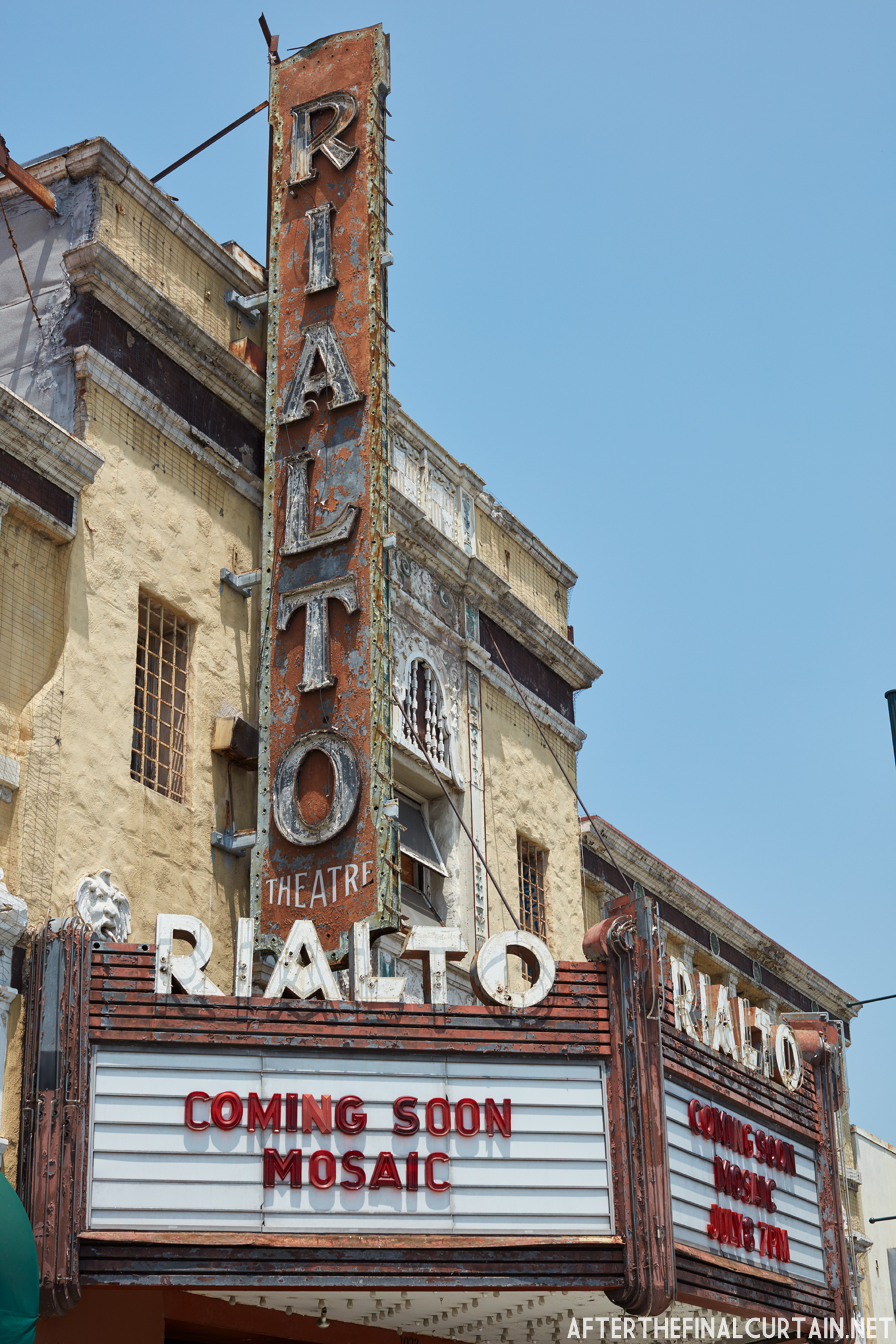
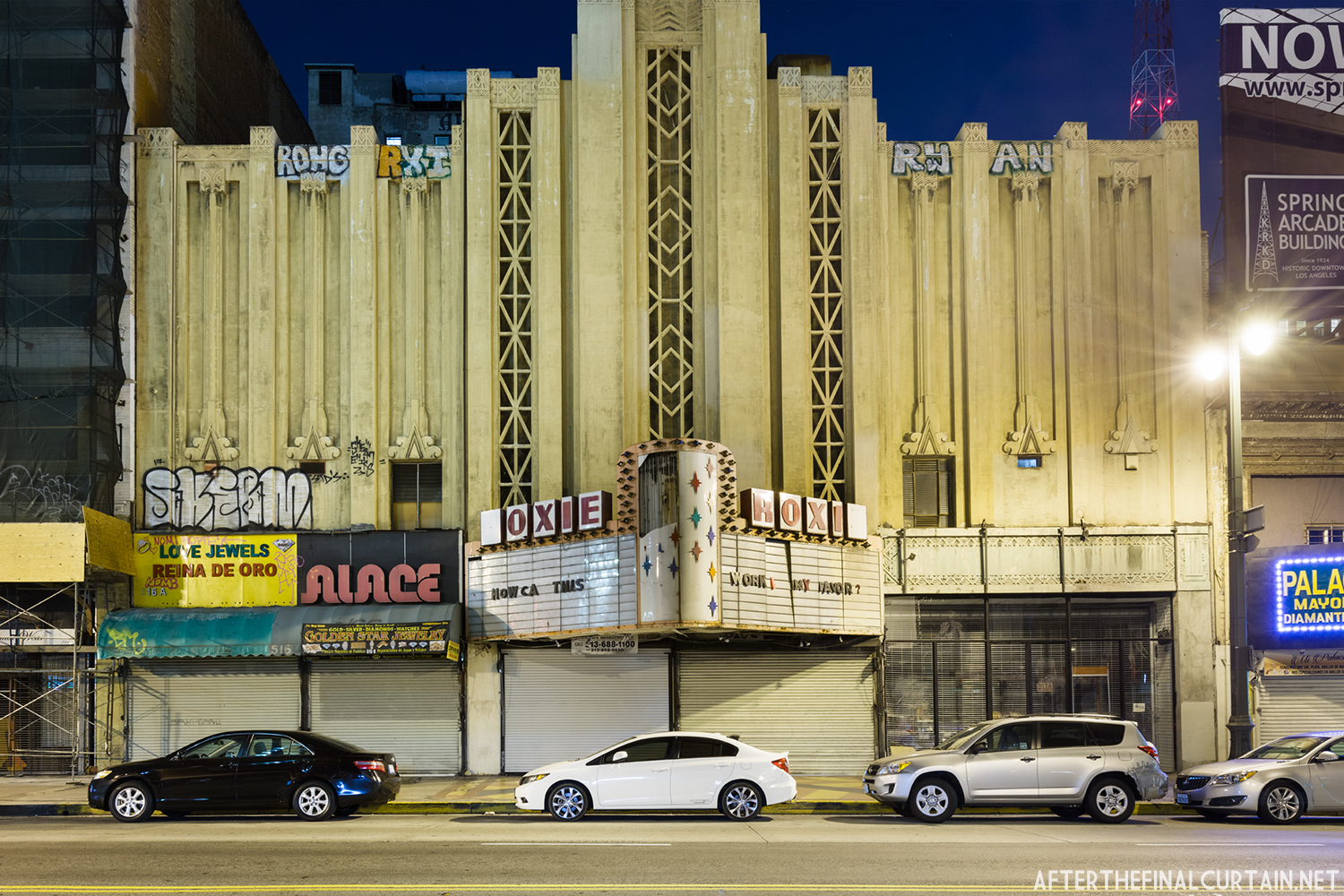
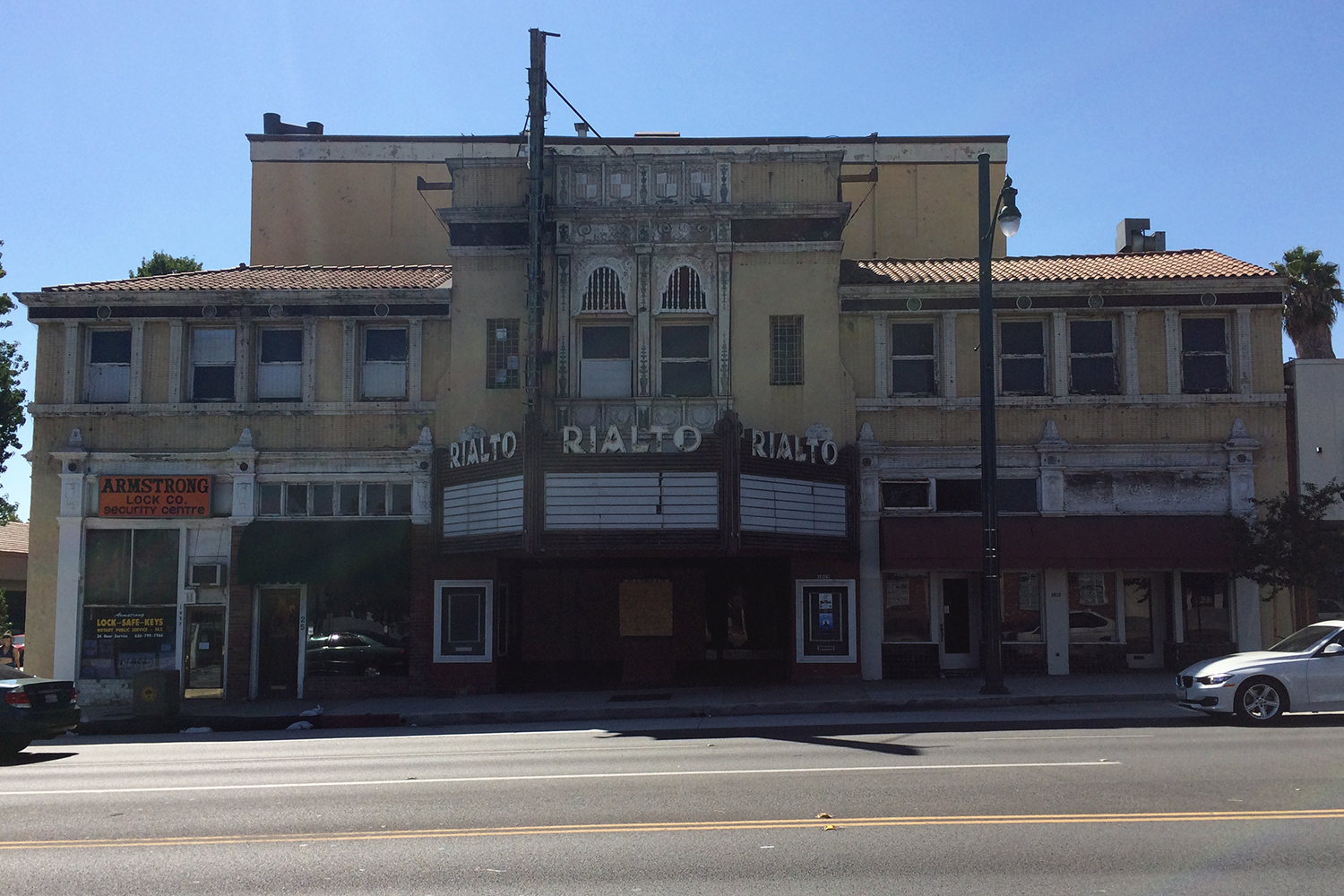
The exterior of the theater was restored before it reopened as a church in 2021.
Built by showman C.L. Langley, the Rialto was one of the last theaters designed by Smith. Ownership transitioned over the years, with the Jebbia family operating it from the 1930s and companies like West Coast Theatres and Mann Theatres leasing the property. The venue hosted diverse programming, including films, vaudeville, and live organ concerts. However, the Rialto faced challenges such as a backstage fire in 1938 and the removal of its Wurlitzer organ during the 1960s after water damage from fire suppression efforts.
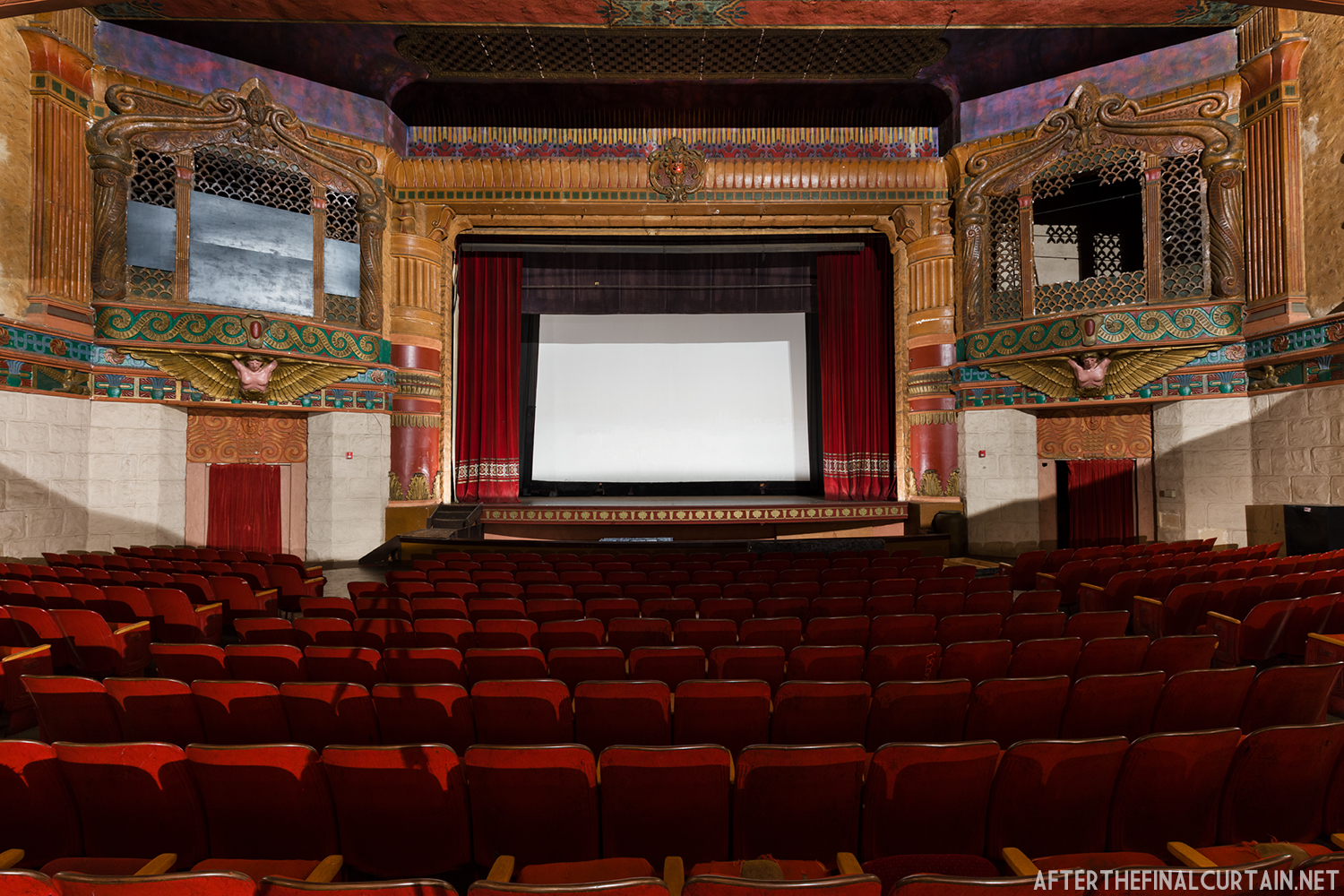
By the 1970s, the theater faced the threat of demolition, but community advocacy saved it, leading to its designation as a Historic Cultural Monument in 1977 and its inclusion on the National Register of Historic Places in 1978. Landmark Theatres took over operations in 1976, offering arthouse films and classic movie screenings. The Rialto gained further recognition as a filming location for movies like The Rocketeer, Scream 2, and The Player. In 2000, it celebrated its 75th anniversary with a series of events, including film festivals and live performances.
Despite its cultural significance, the Rialto struggled financially and closed in 2007, with a farewell screening of The Rocky Horror Picture Show. After years of neglect and code violations, the building was purchased in 2016 by developer Izek Shomof, who envisioned restoring it as an entertainment venue. In 2017, Mosaic Church signed a 15-year lease and began renovations, preserving key elements of the historic architecture while modernizing the facility.
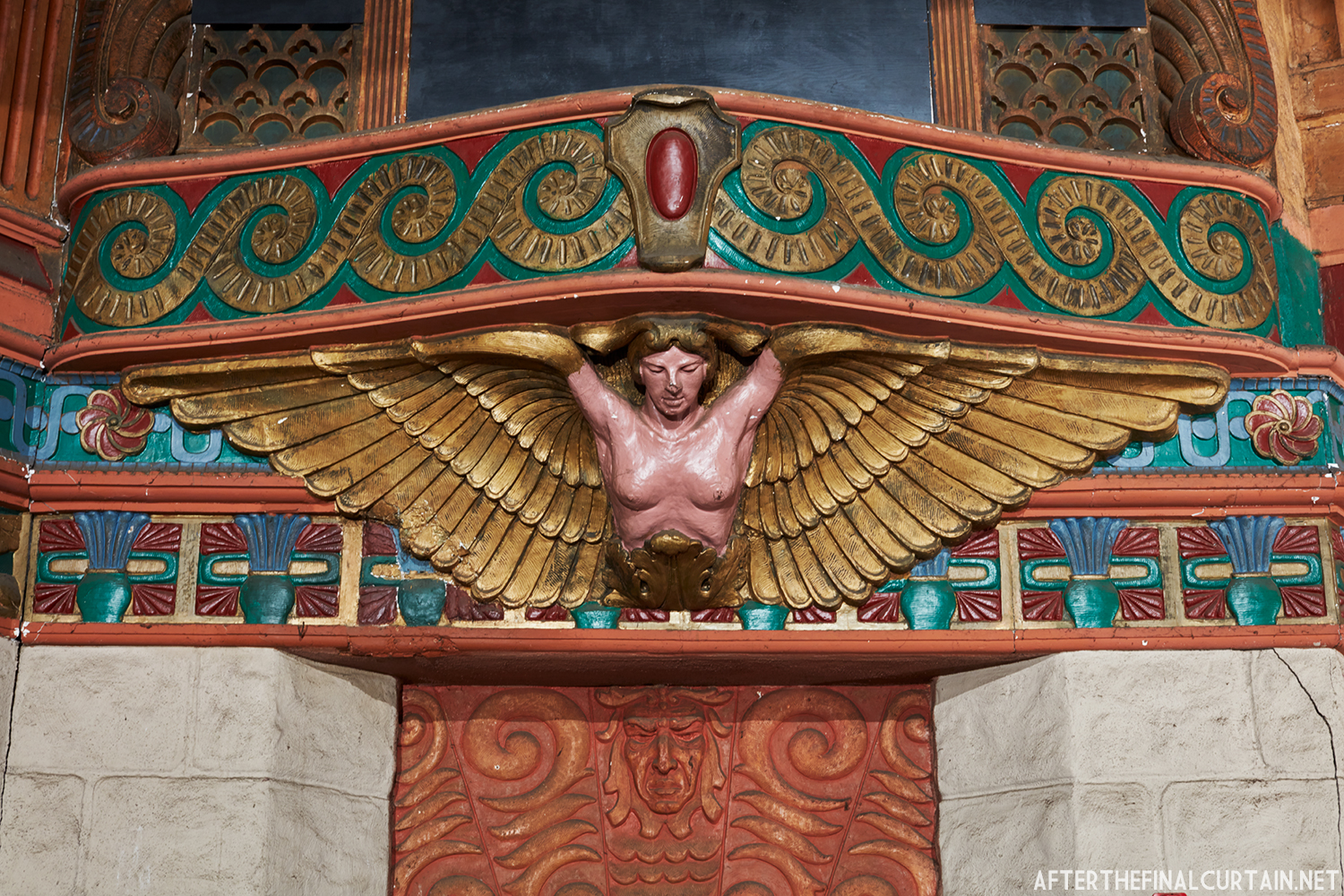
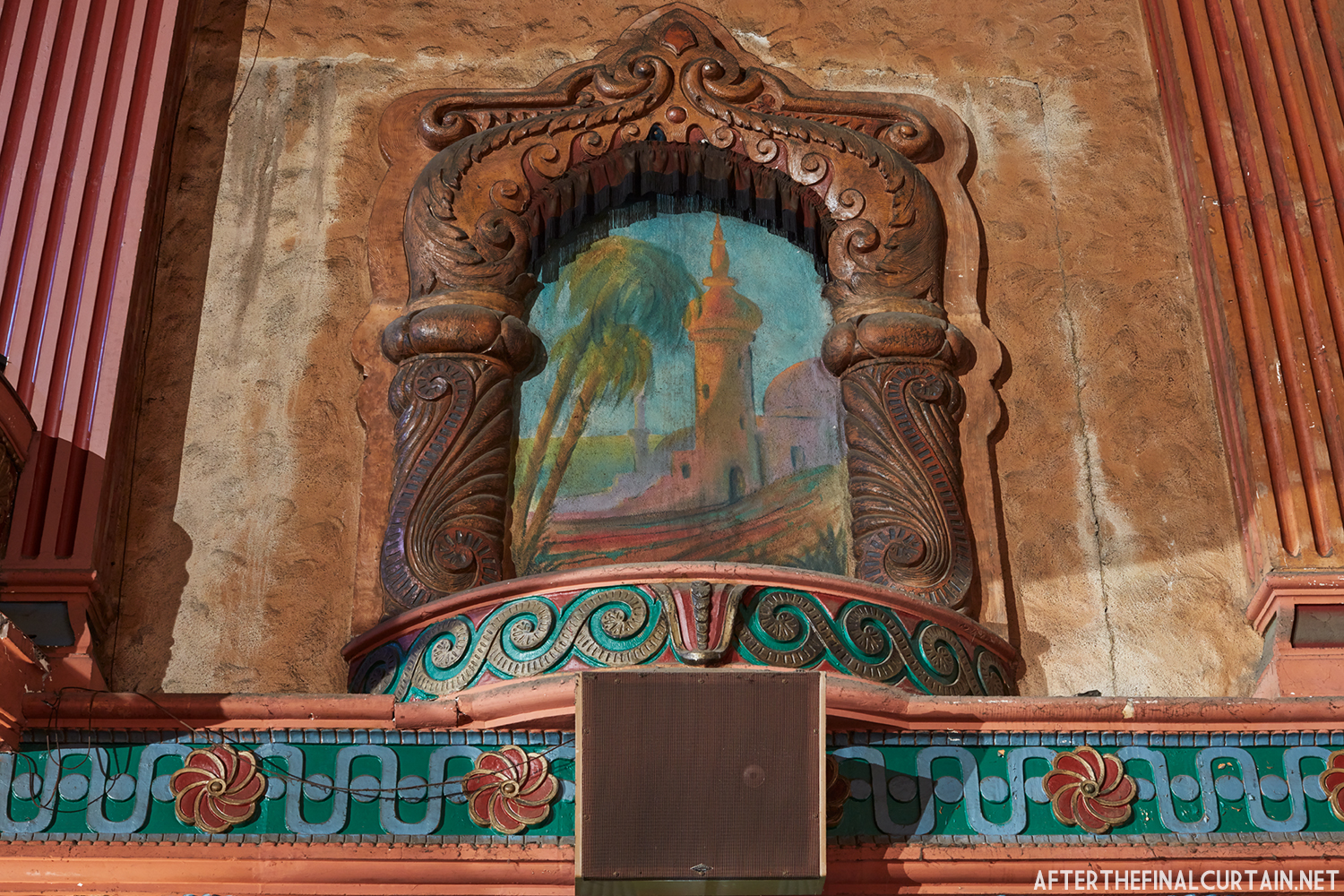
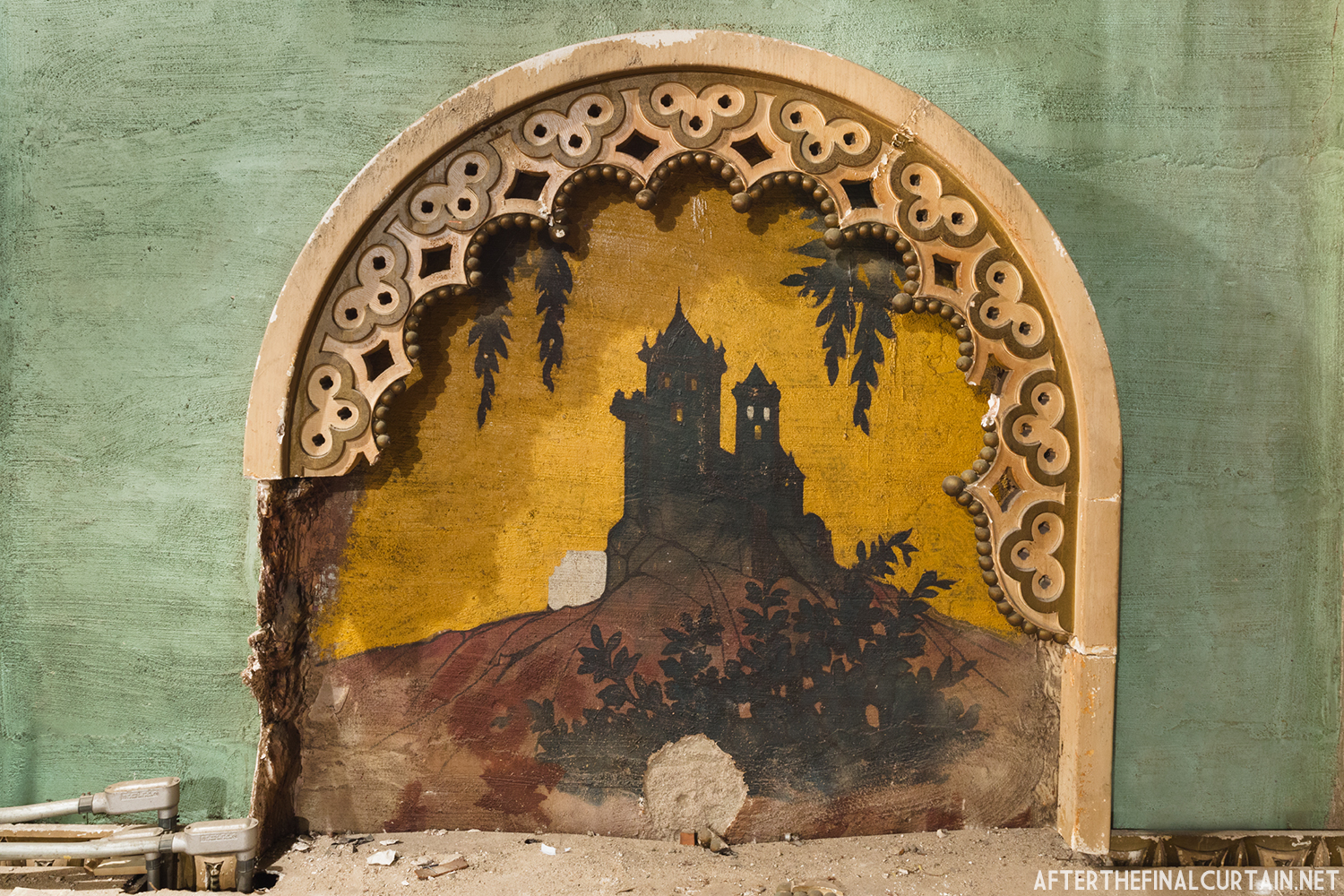
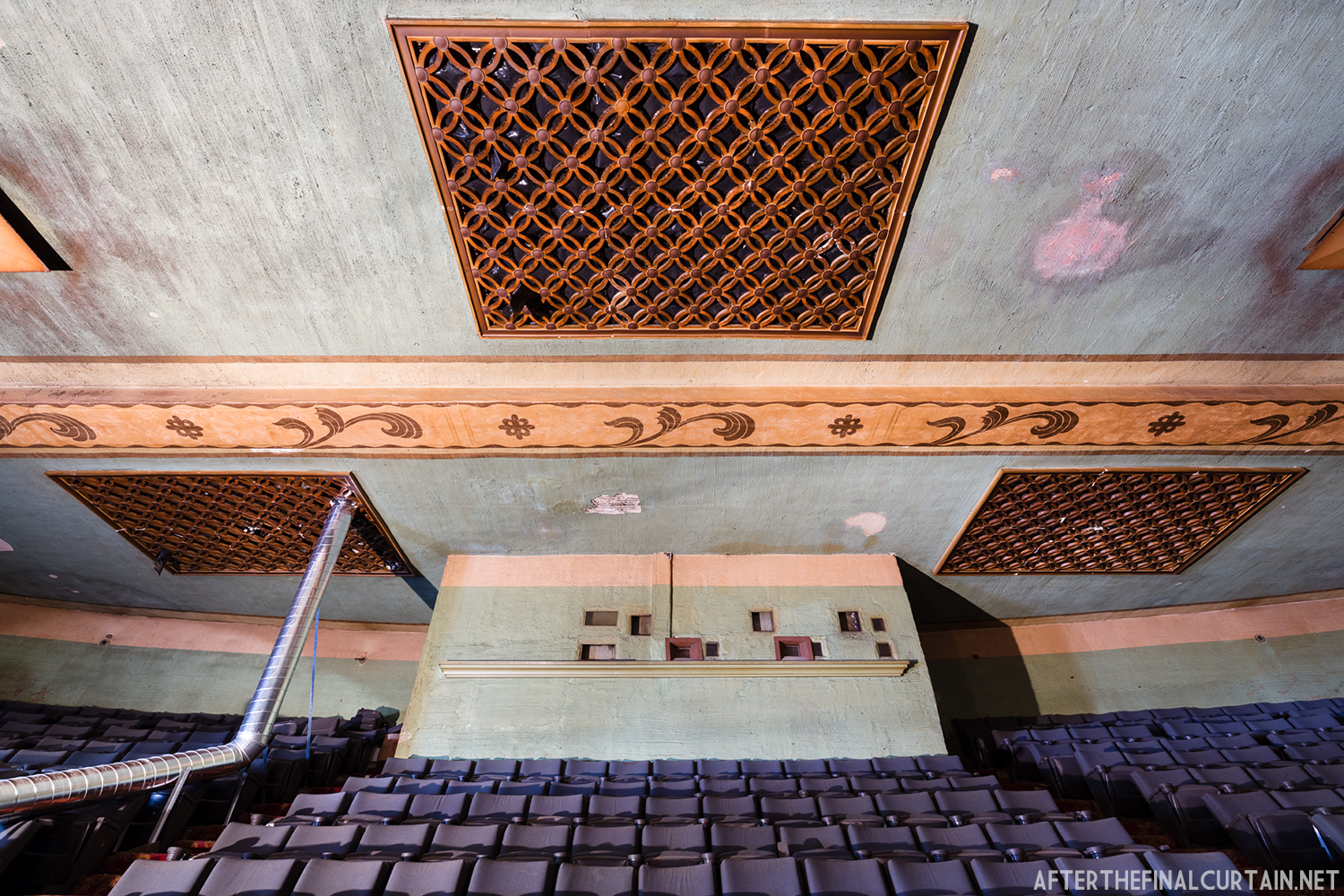
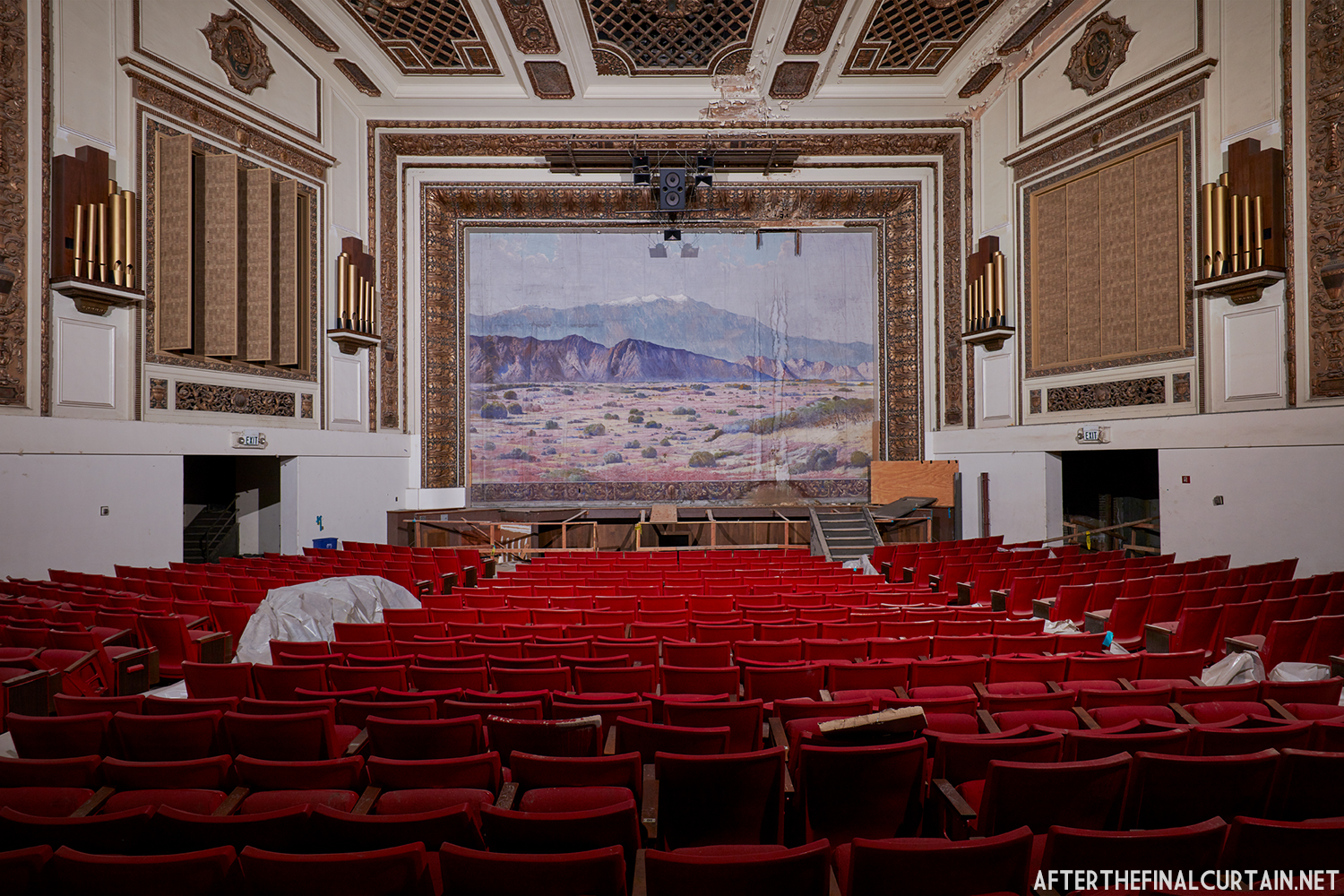
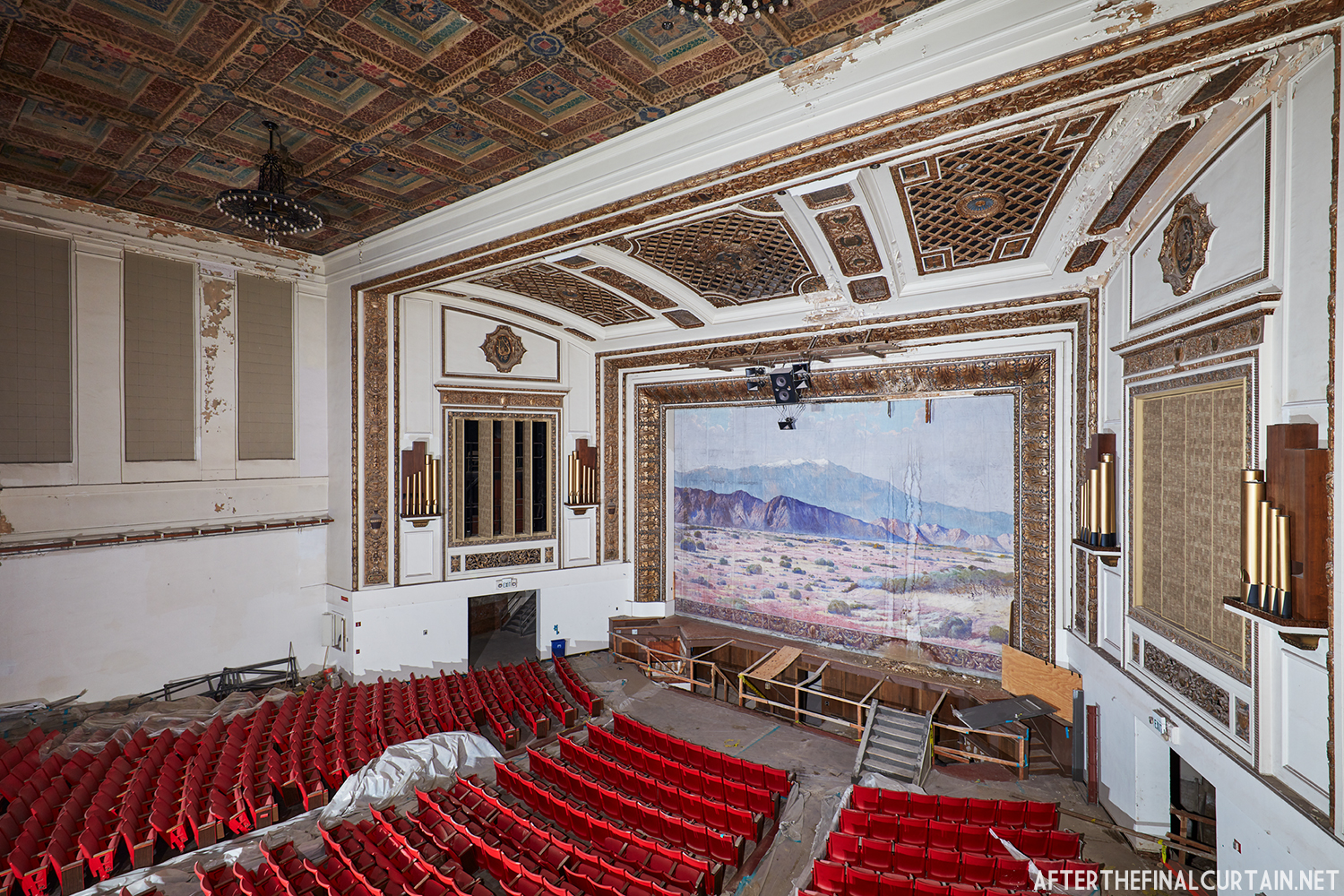
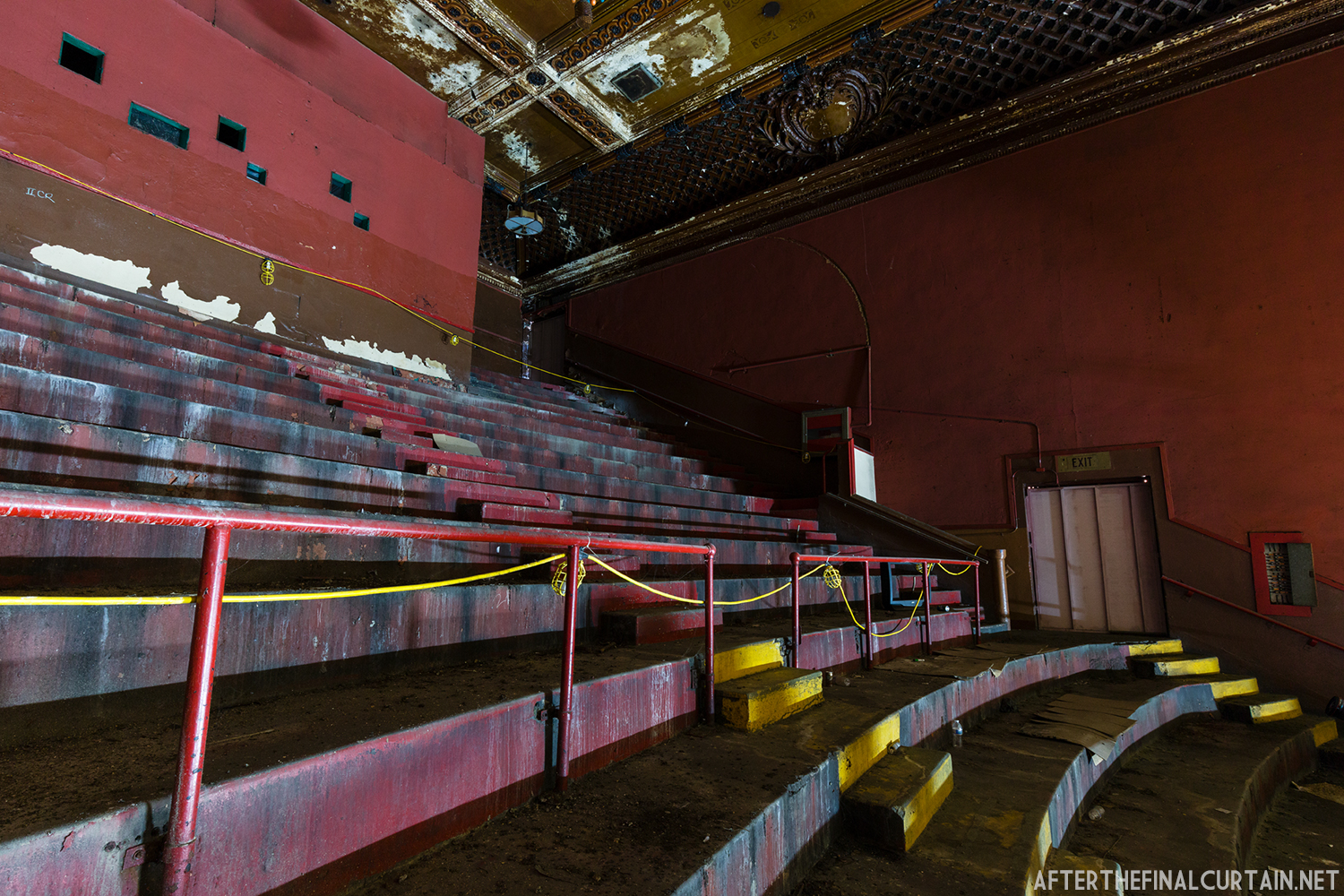
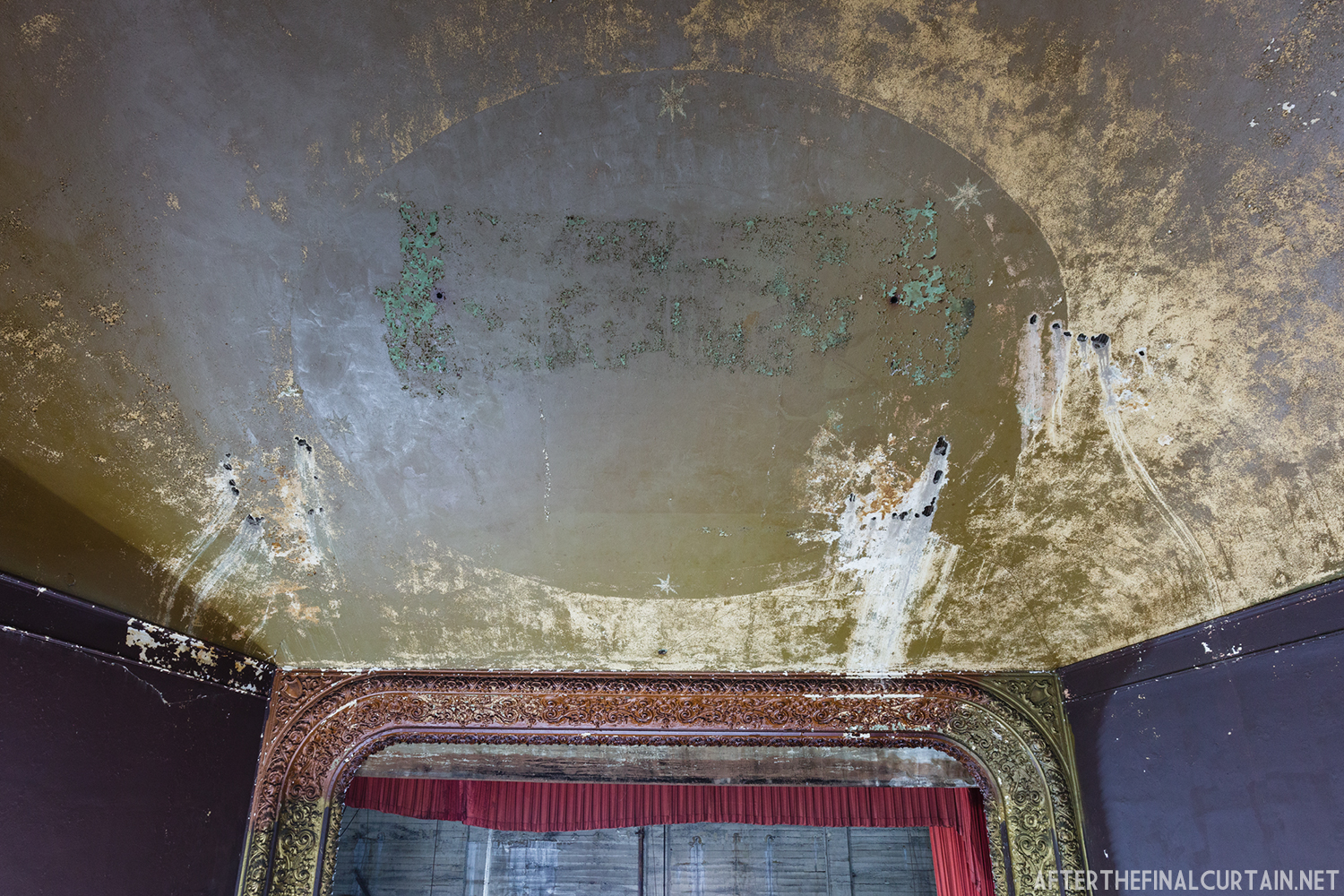
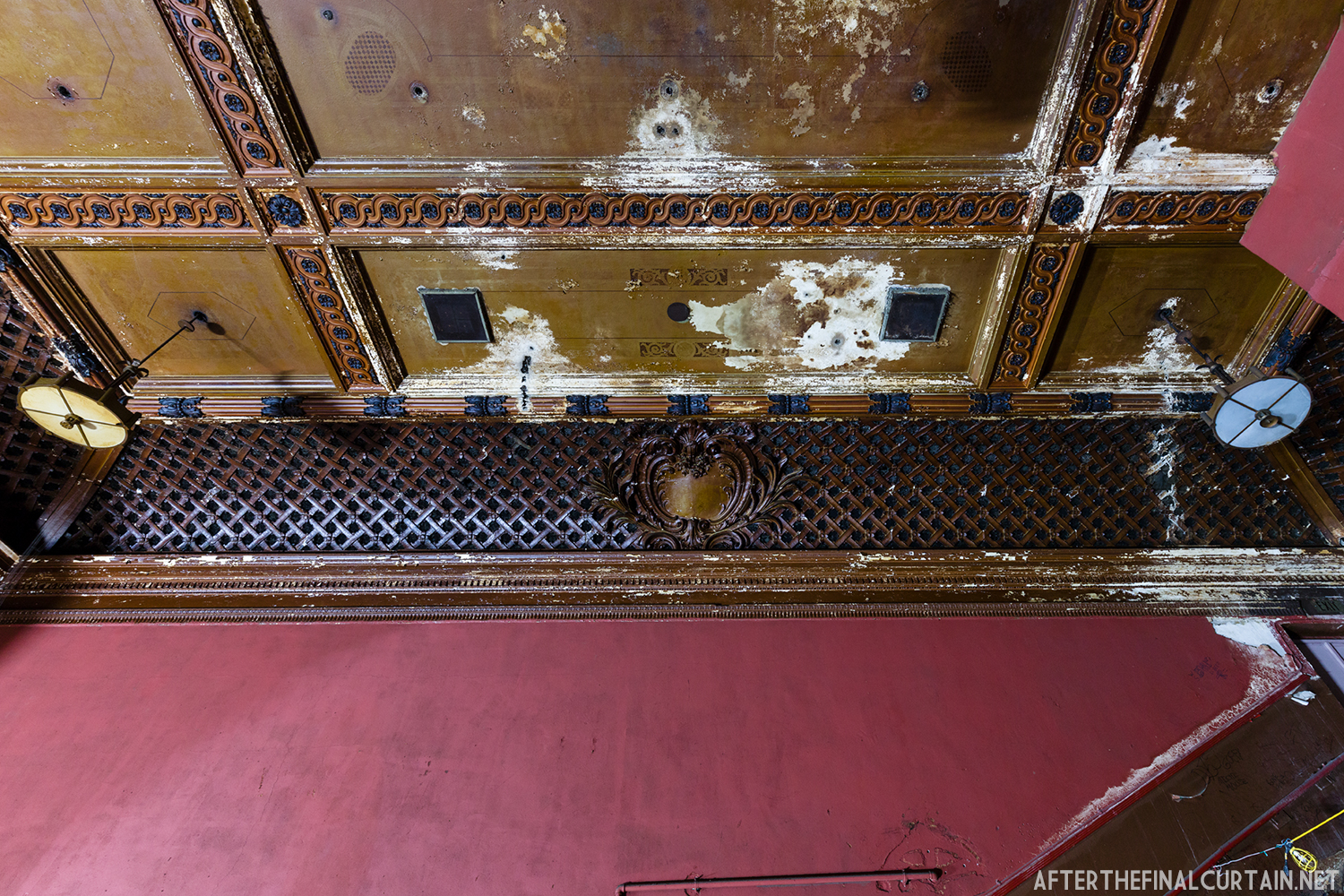
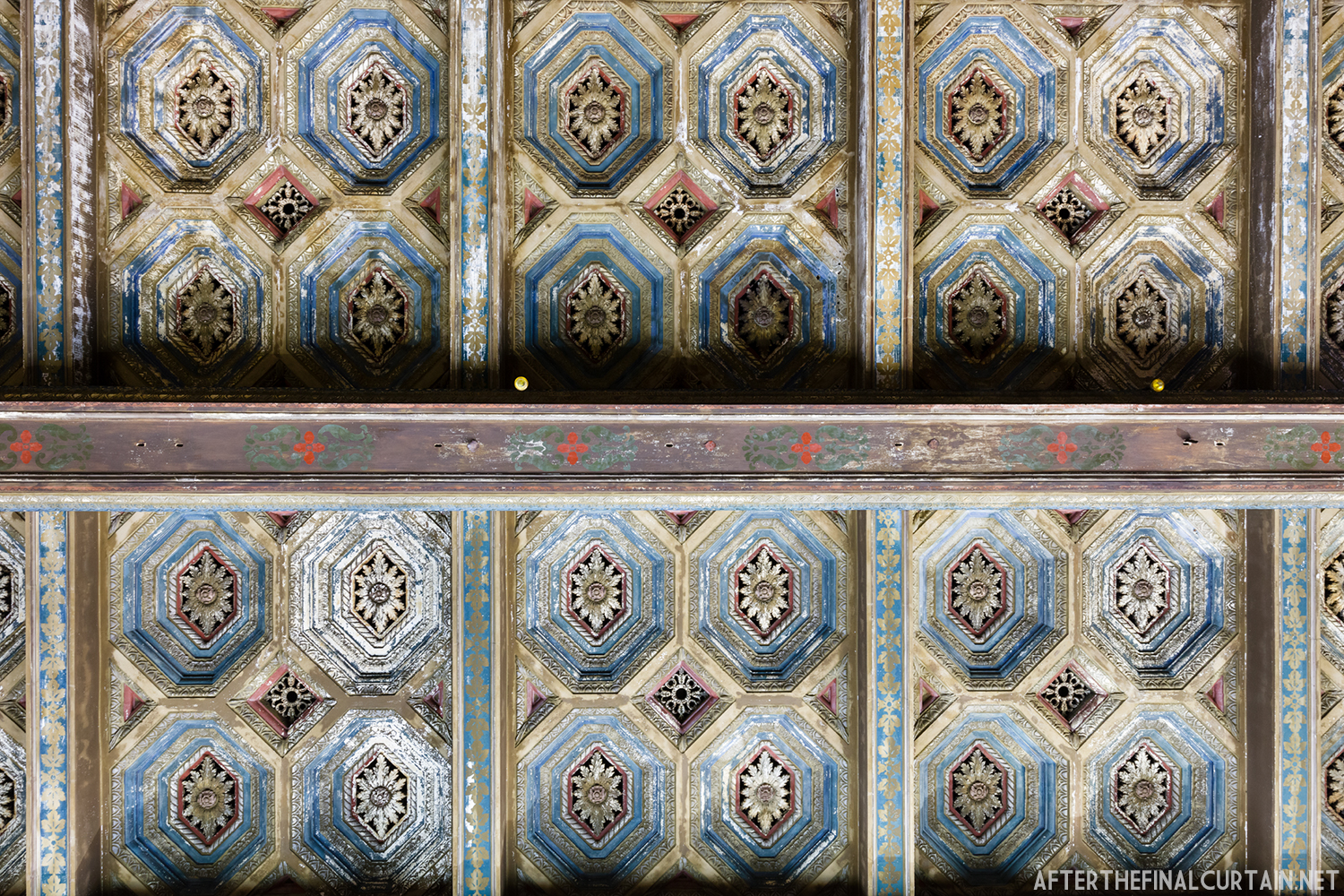
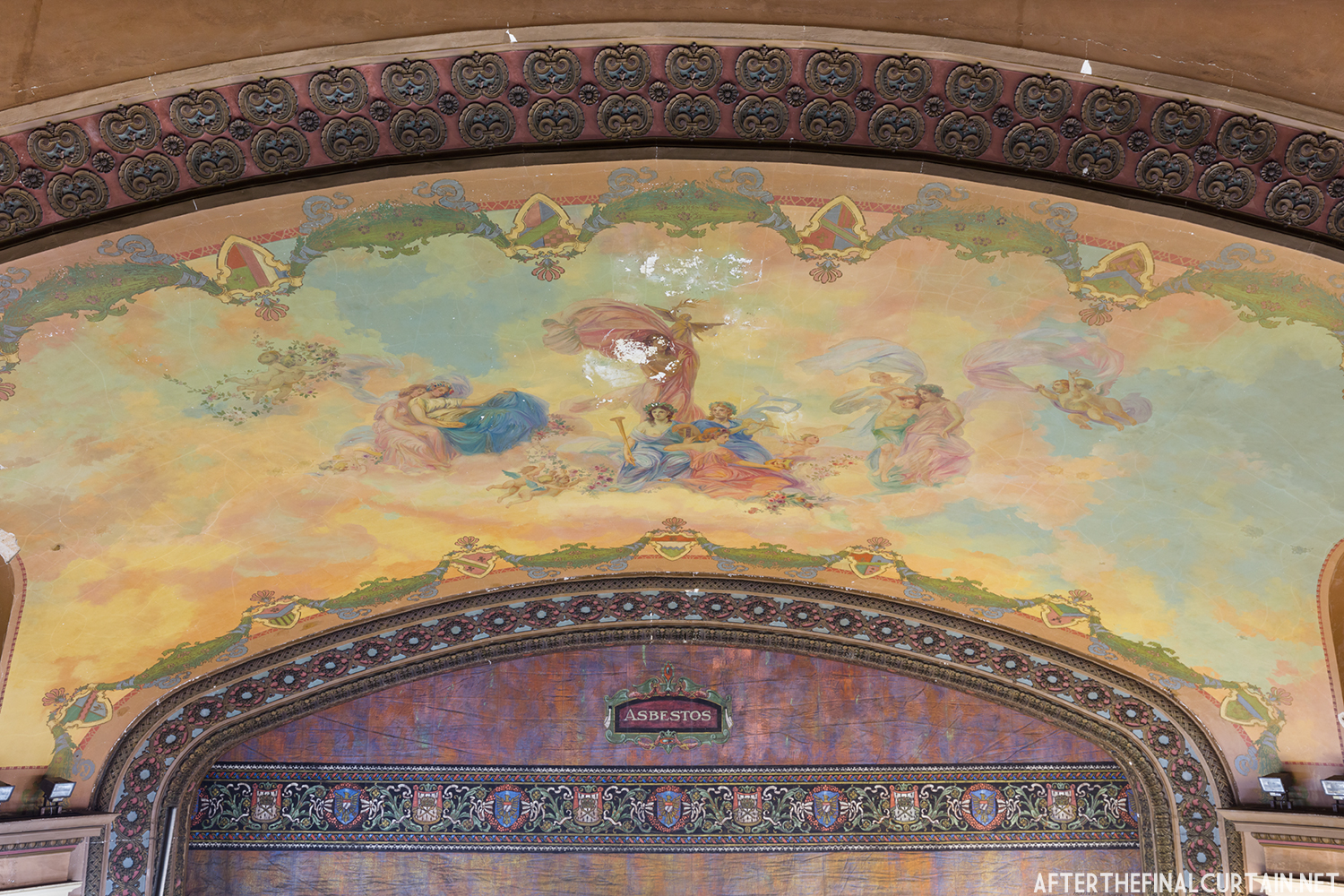
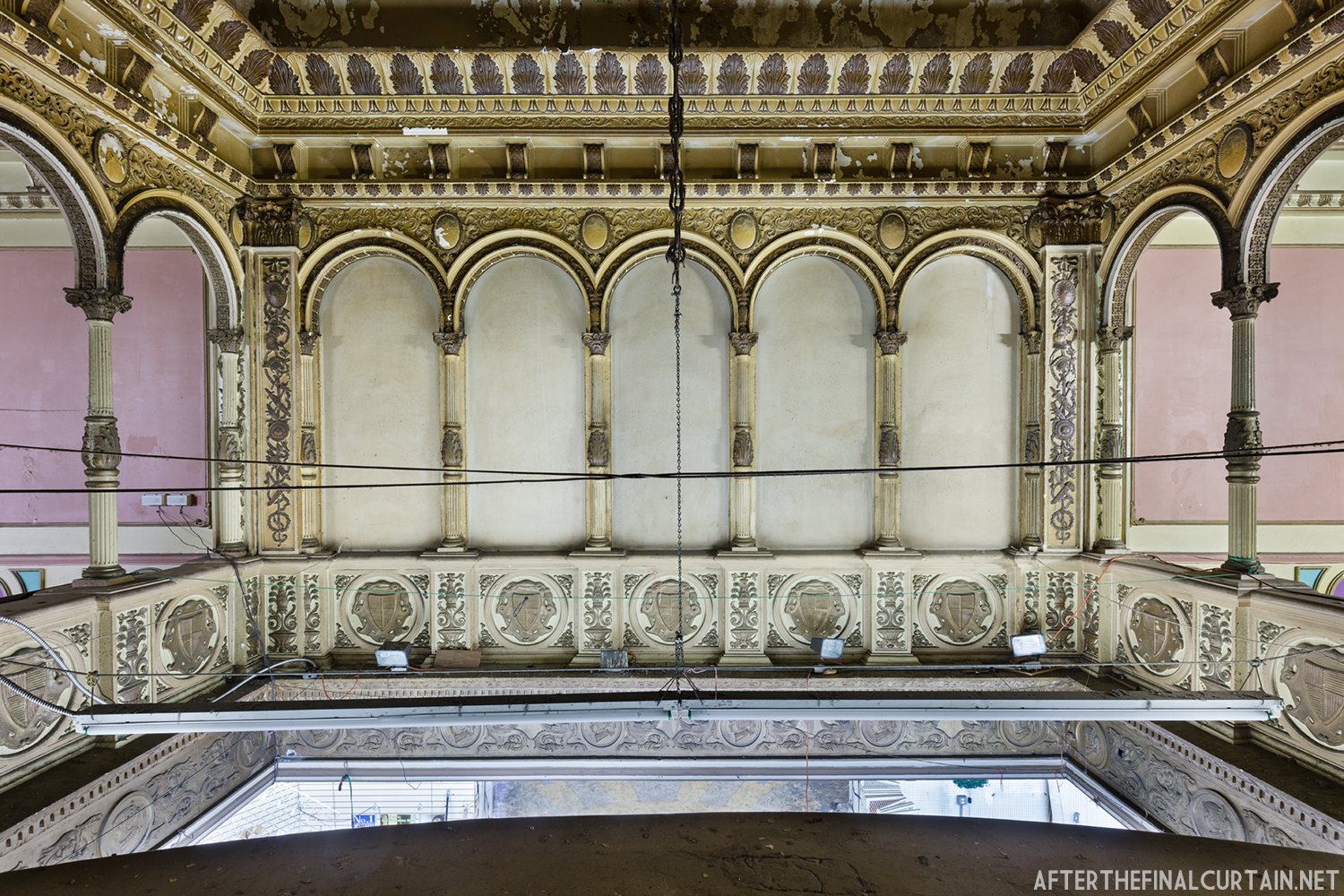
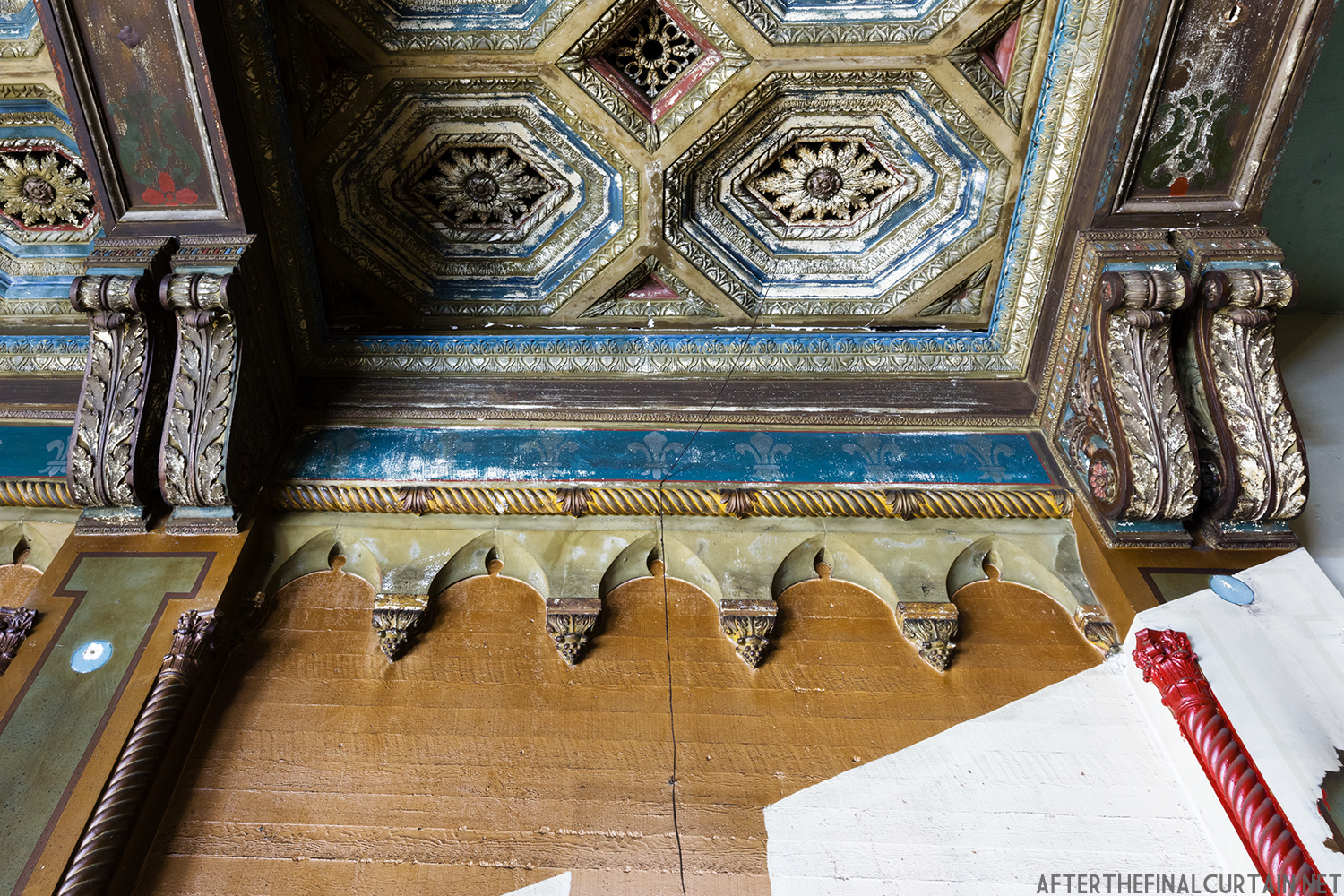
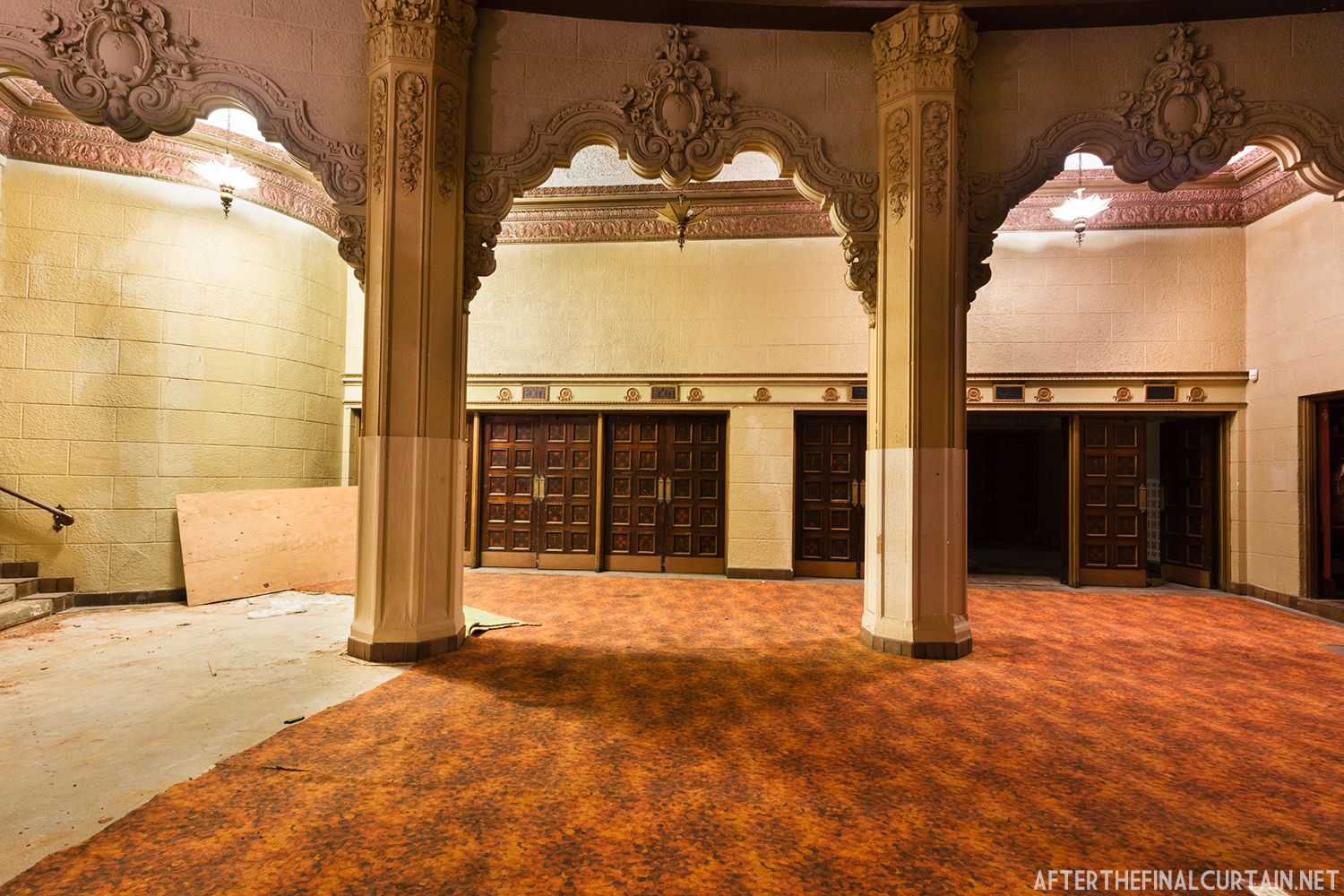
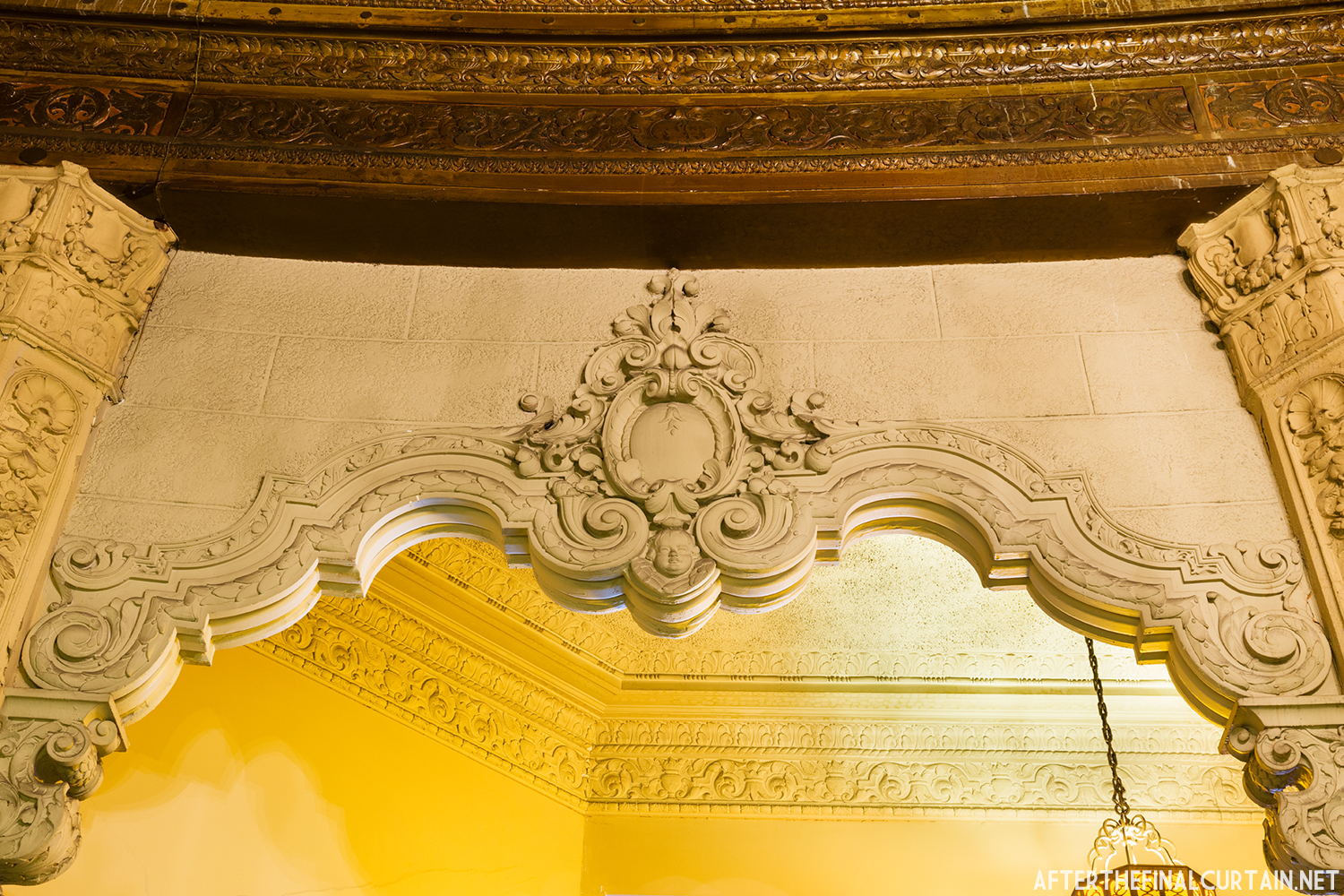
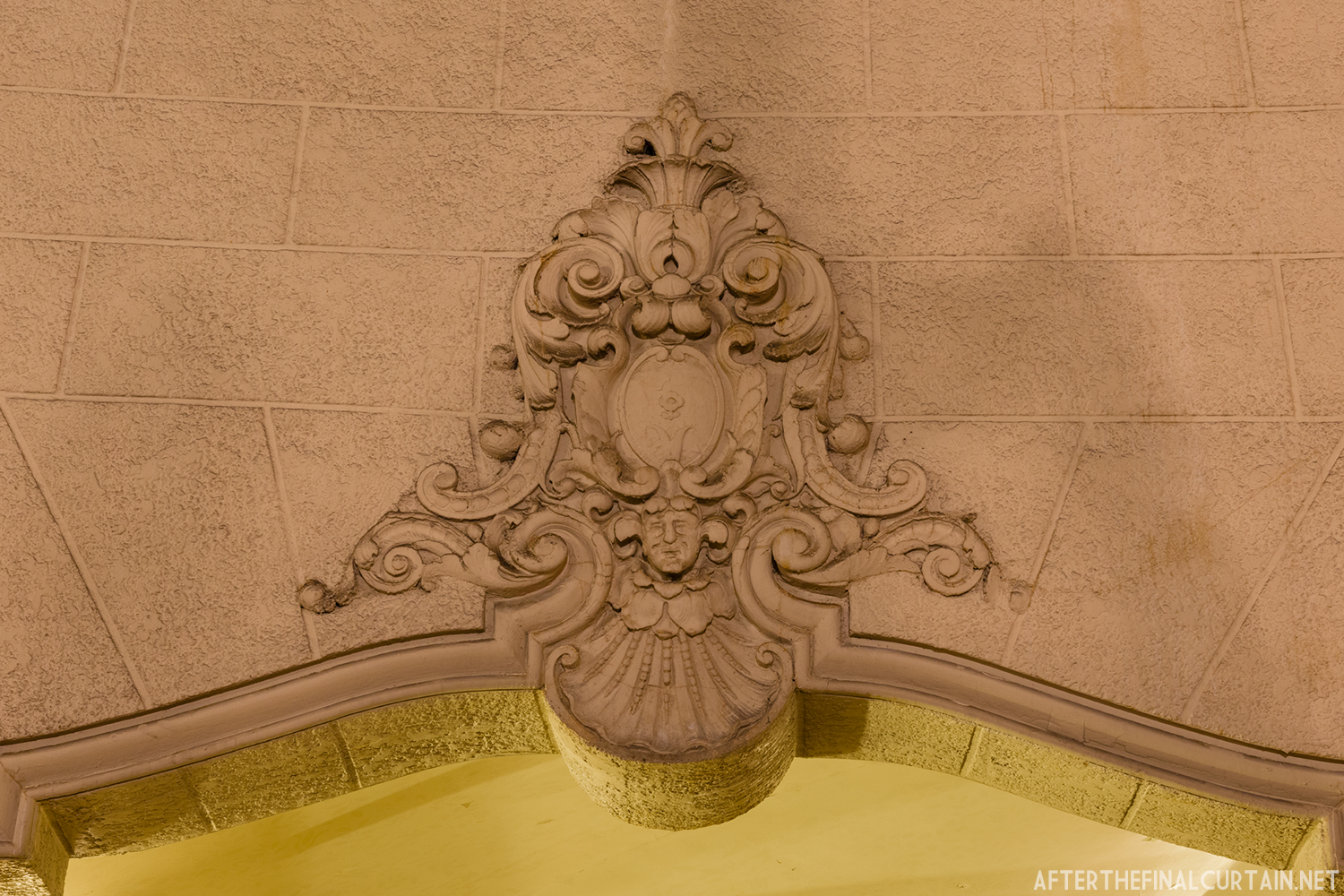
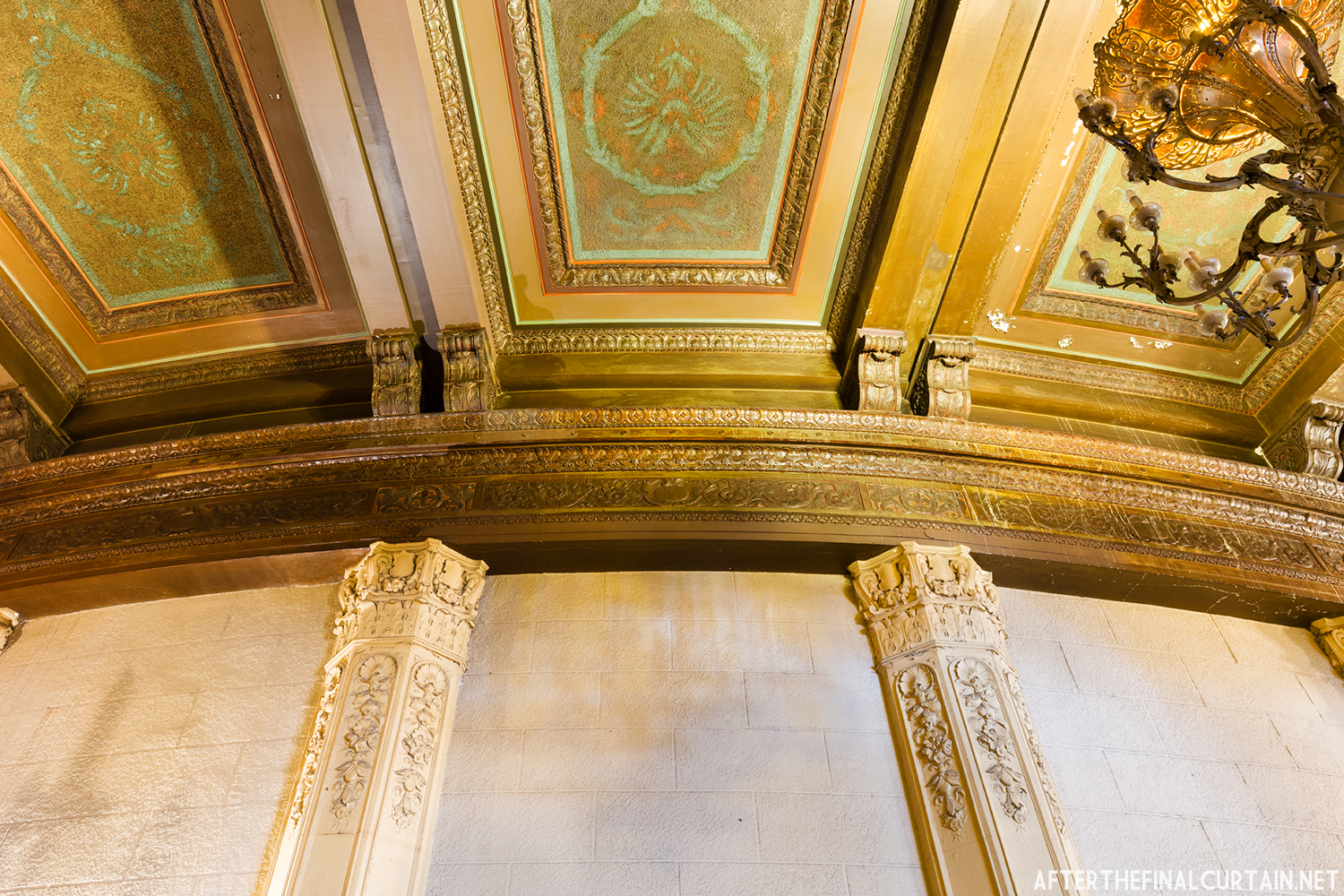
These details, along with many others was covered up when the theater was converted into a church.
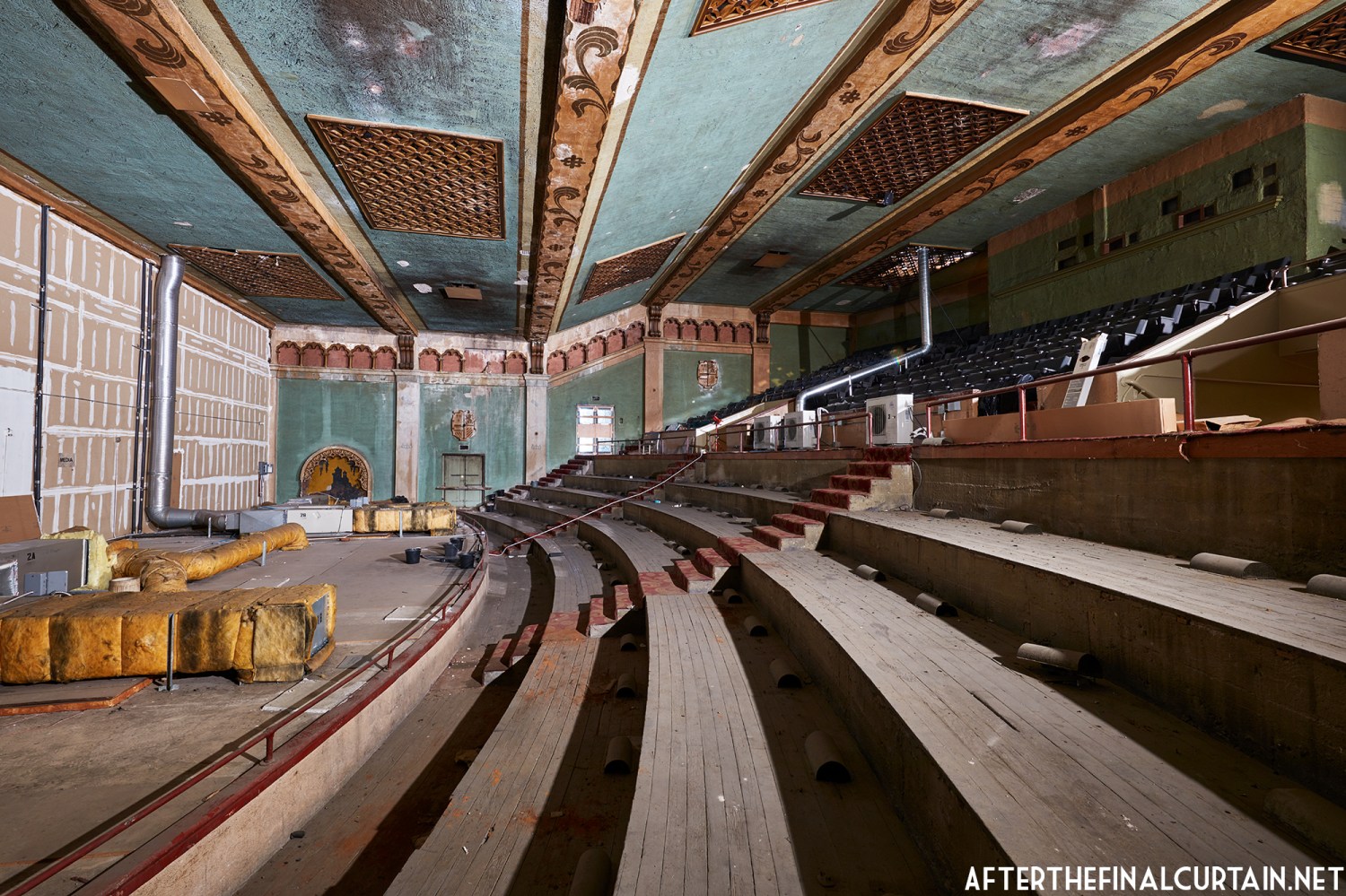
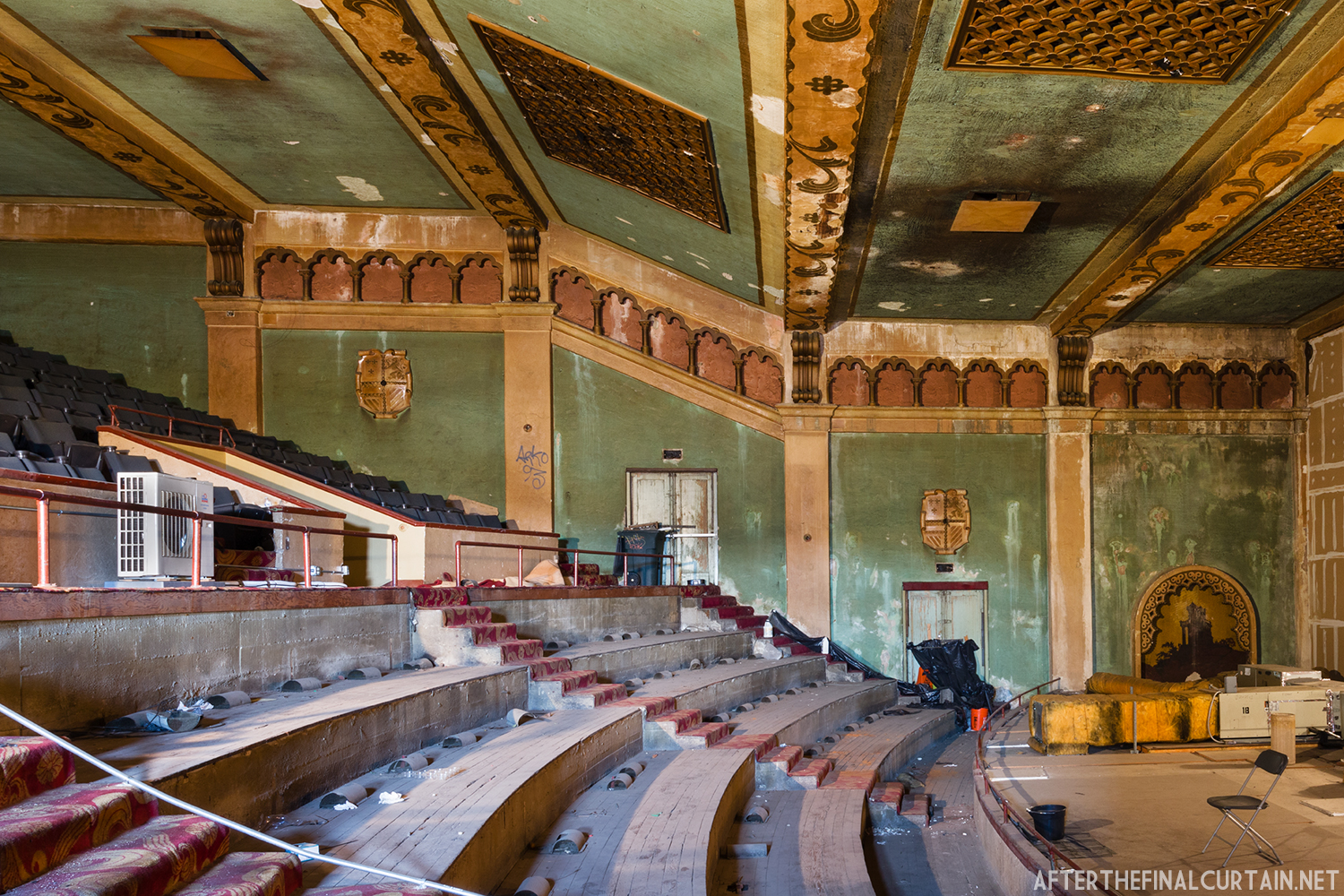
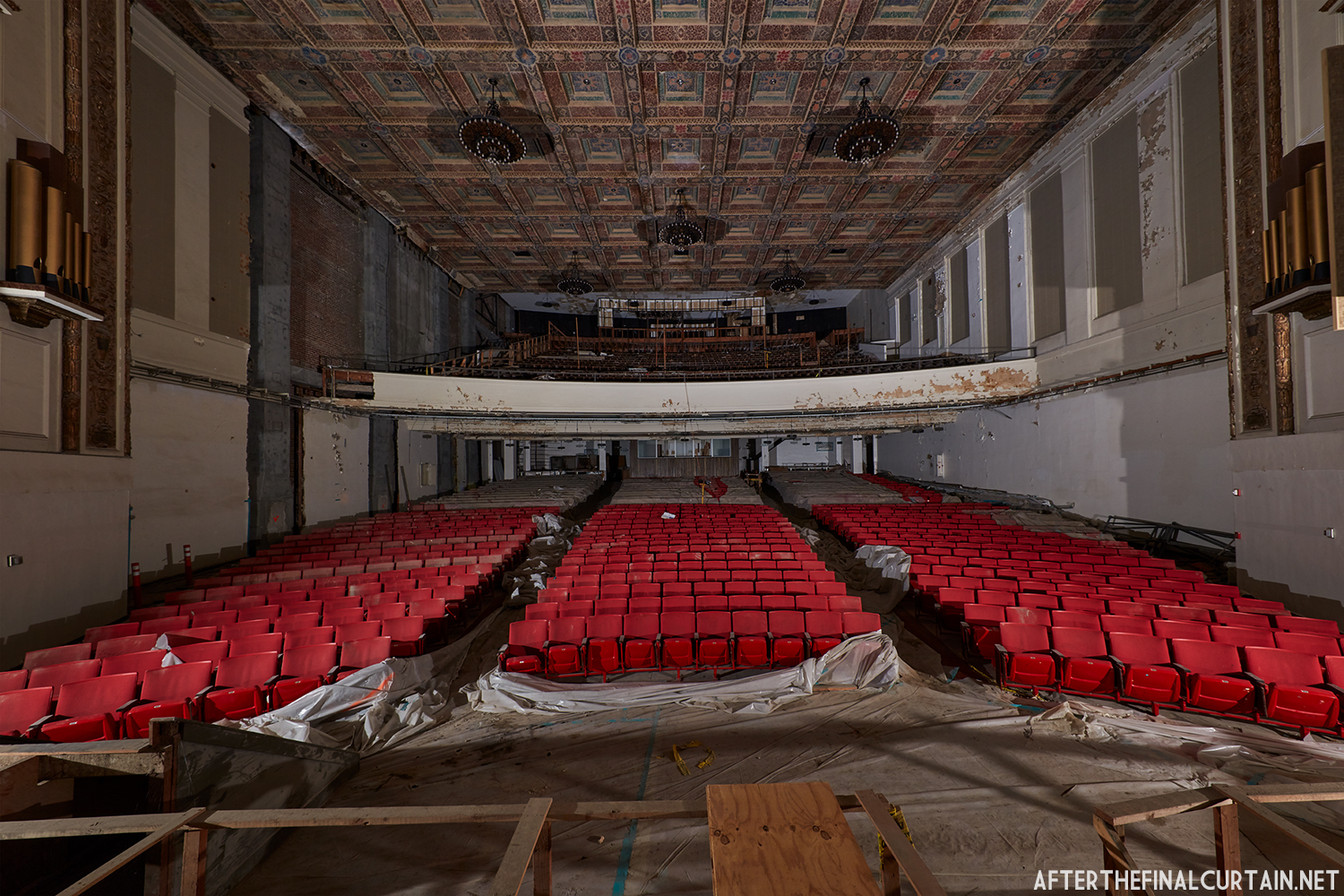
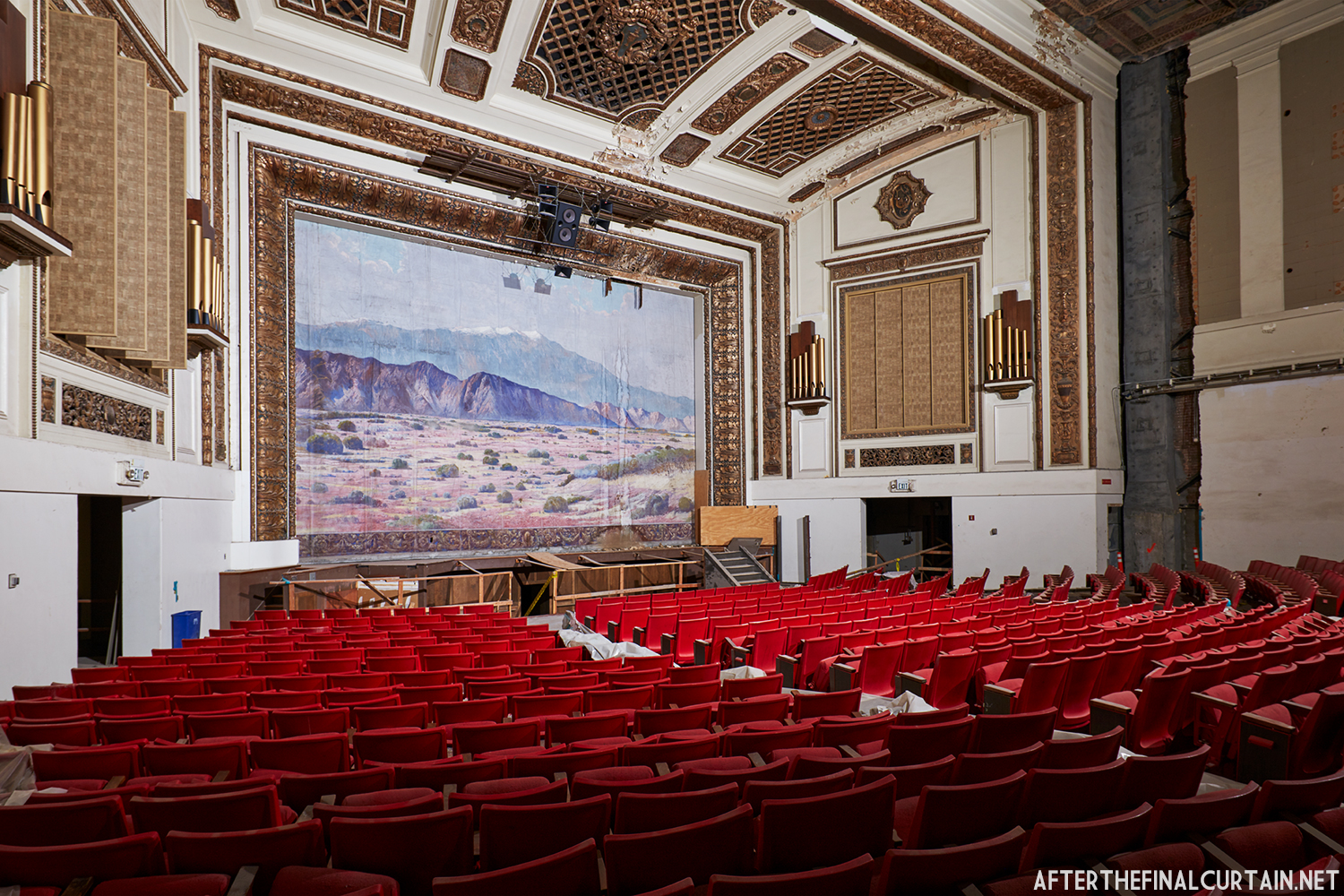
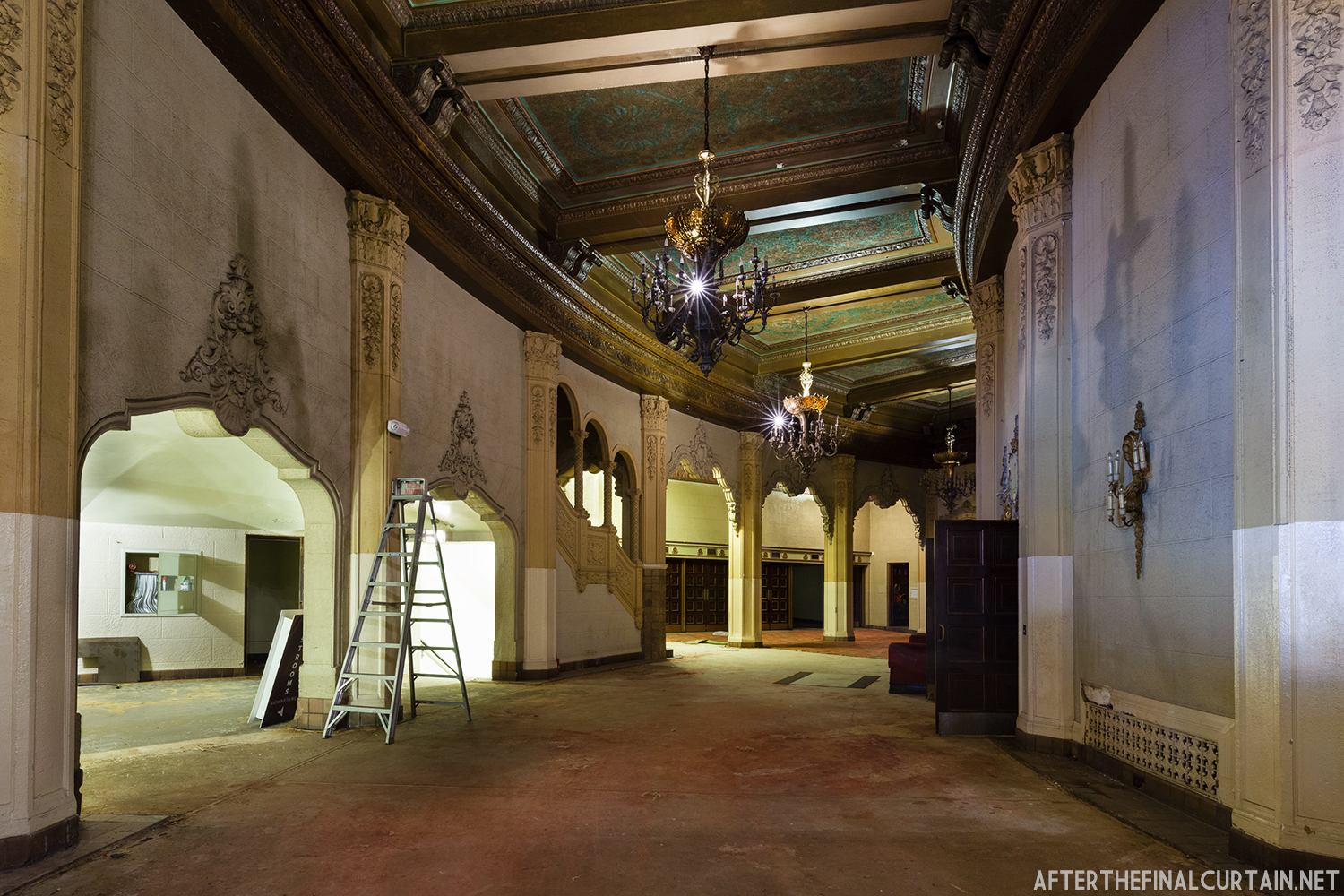
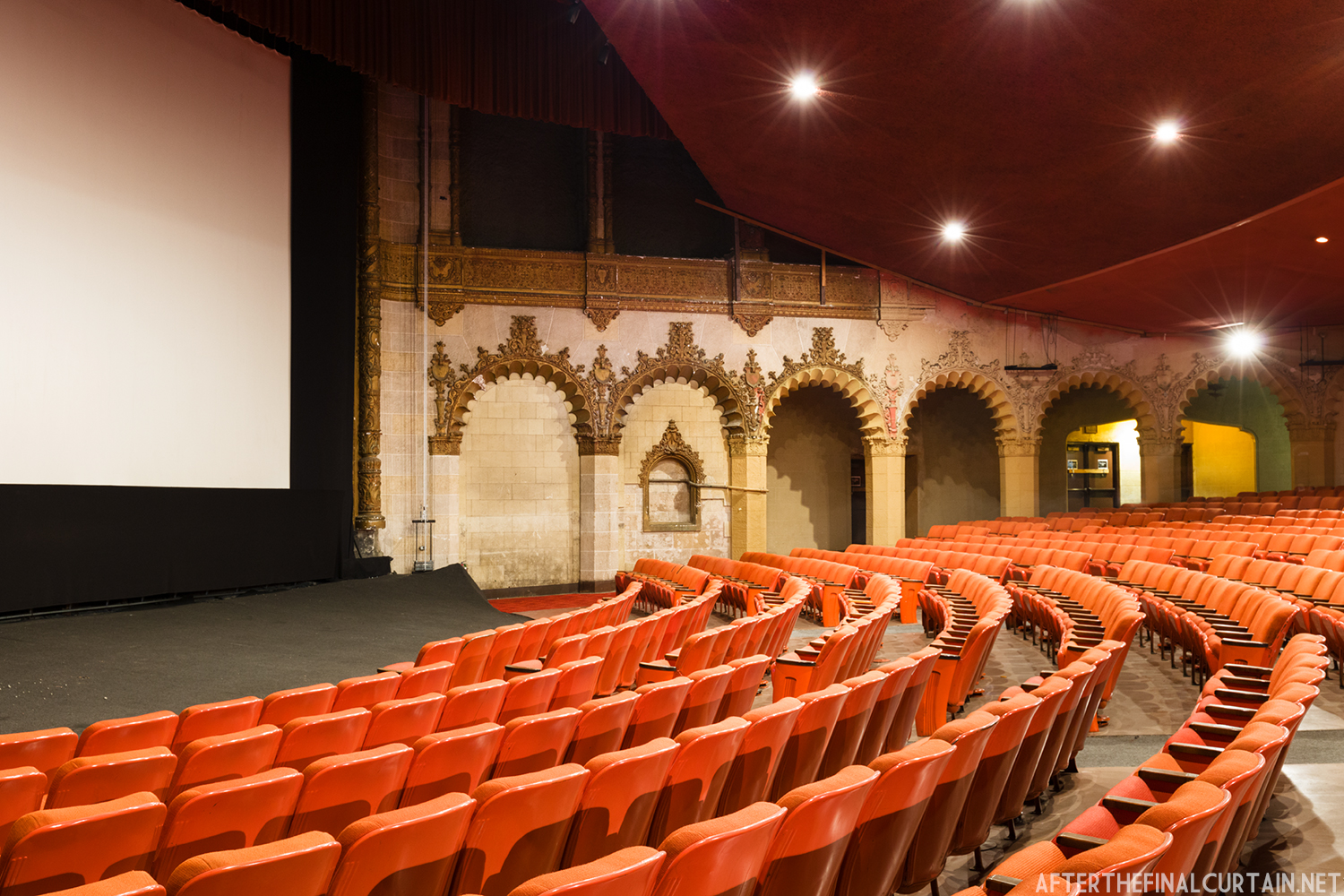
On August 29, 2021, the Rialto Theatre reopened as Mosaic Church, with its iconic neon marquee restored and its role as a community gathering space revived. However, the Rialto Theatre’s transformation into Mosaic Church came at a significant cost to its original design and historic features. During renovations, all of the original audience seating was removed and destroyed, with the sloped auditorium floor leveled to create a multi-purpose space. Many of the theater’s iconic plaster sculptures, including the intricately detailed harpies and the glowing-eyed gargoyle above the proscenium, were either covered or obscured. Additionally, the vibrant and historically significant color palette of the interior was replaced with a muted scheme of off-whites, further erasing the theater’s unique Jazz Age charm. These changes, while intended to modernize the space for contemporary use, have sparked concern among preservationists and community members who lament the loss of the Rialto’s architectural integrity.








 After the Final Curtain