This post was originally posted on After the Final Curtain’s Patreon in April 2021. You can become a patron at: https://www.patreon.com/afterthefinalcurtain

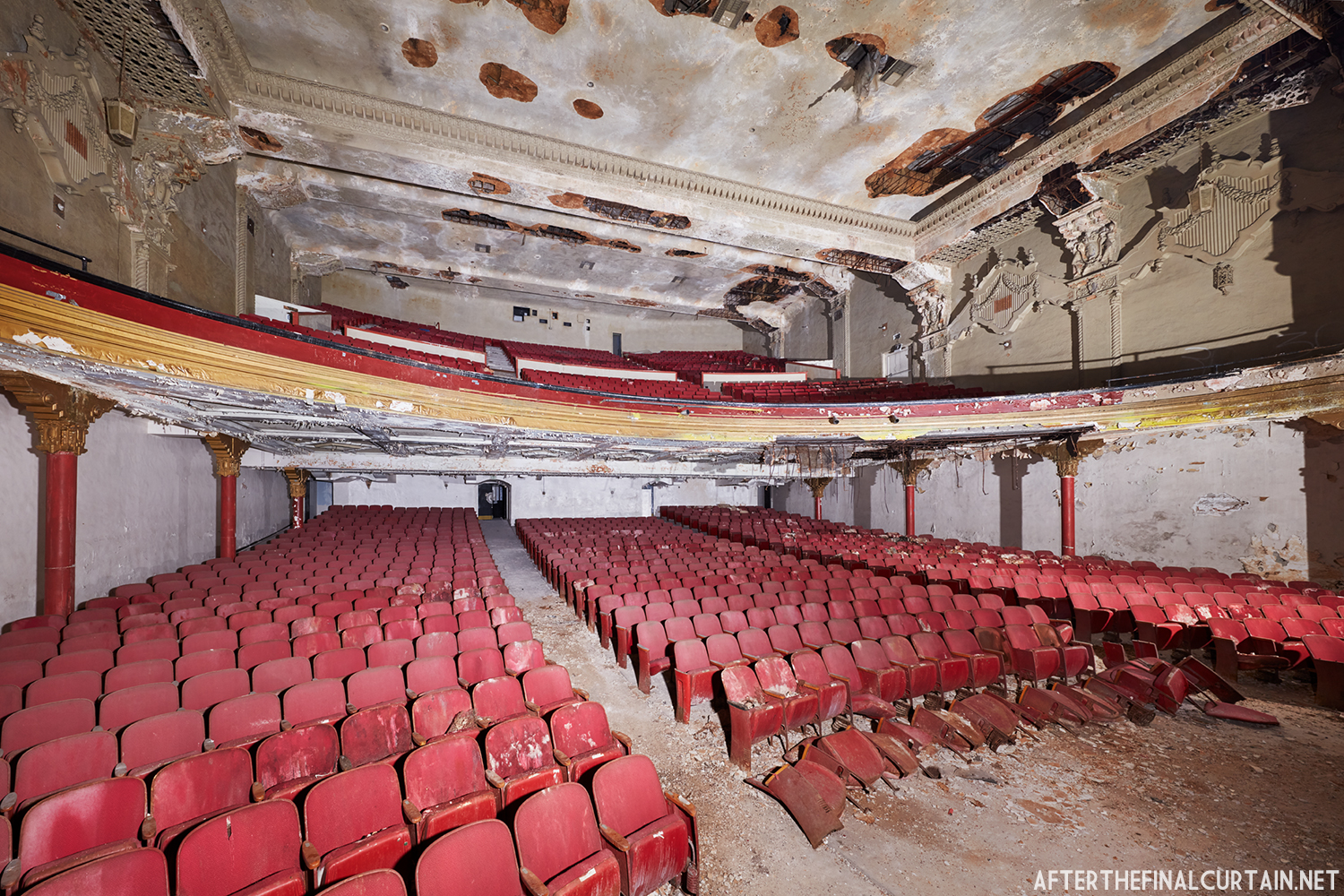
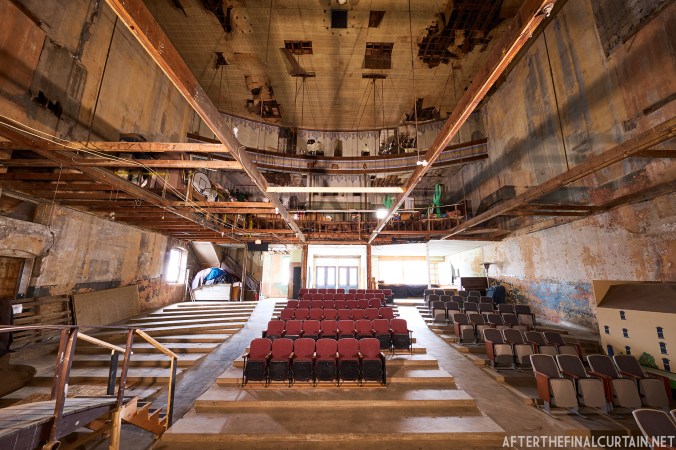
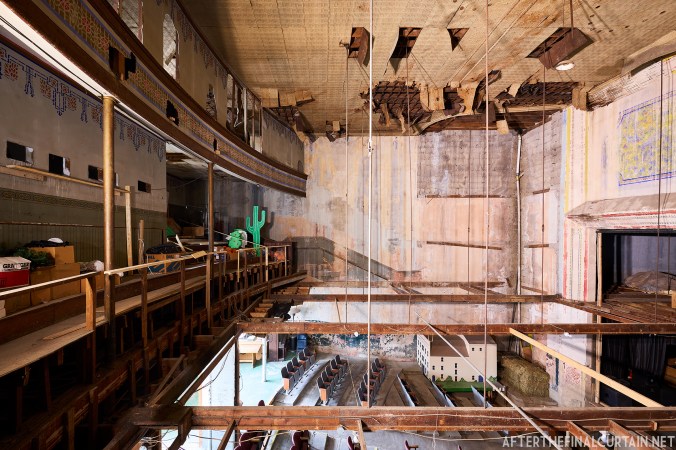
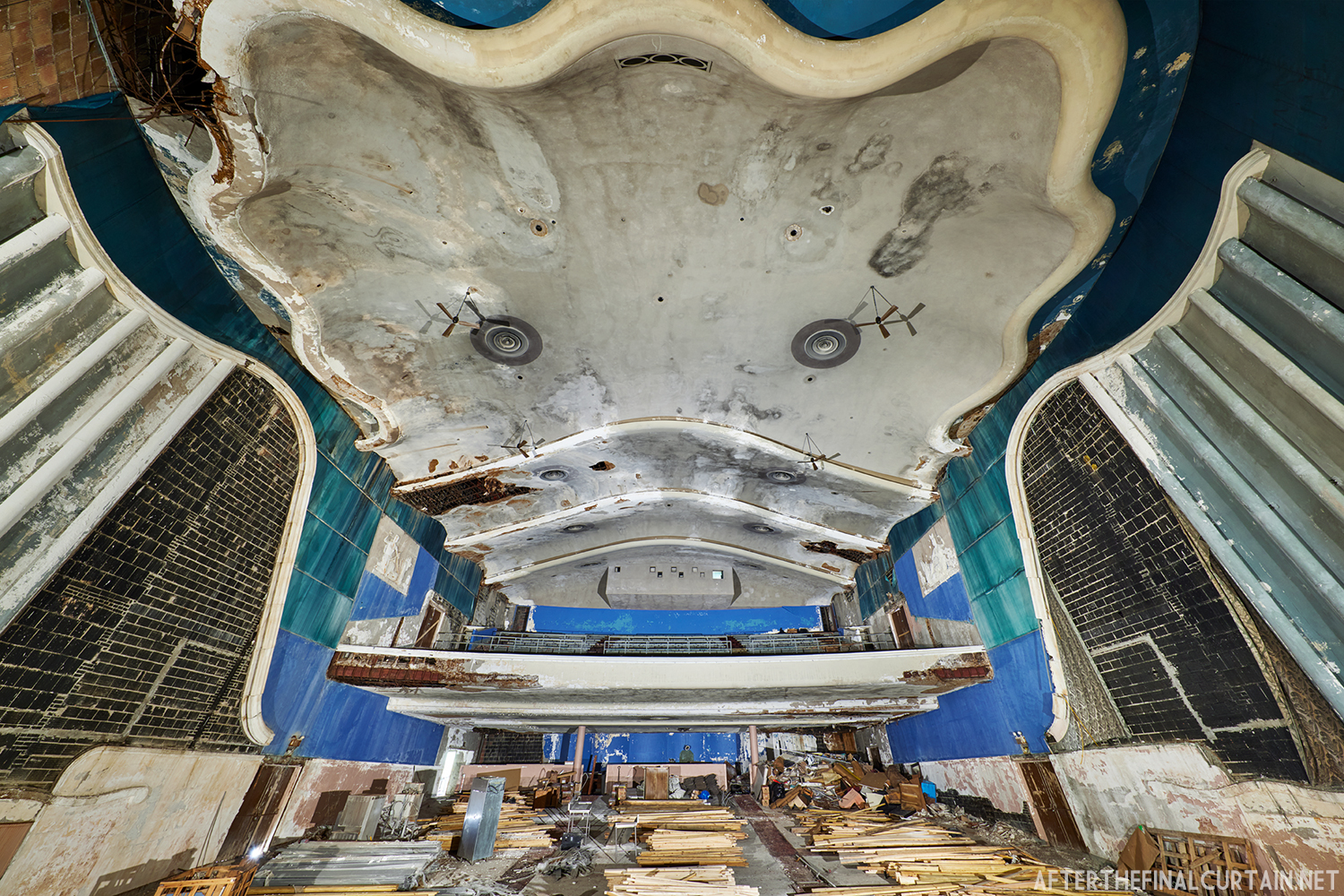
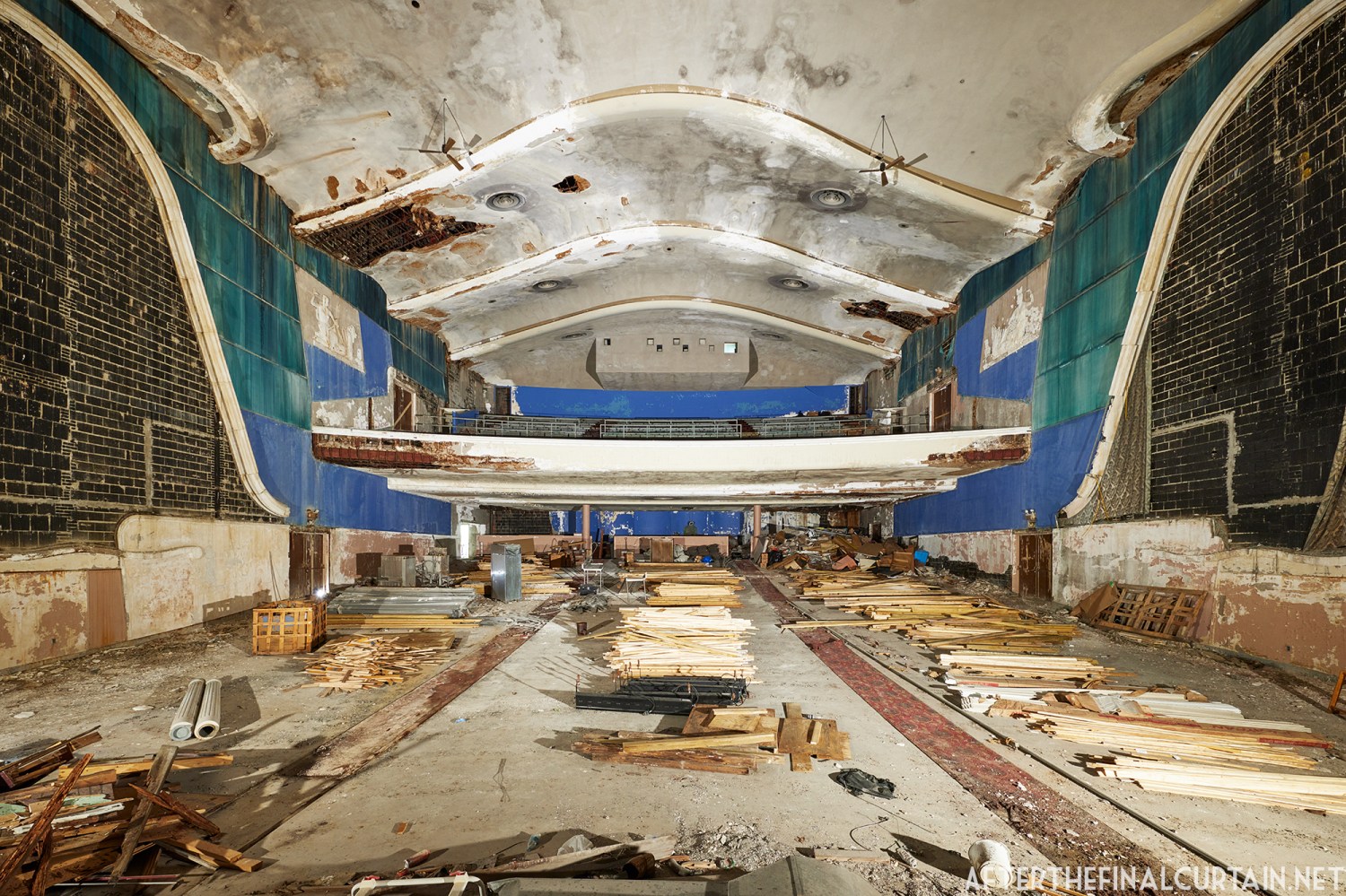
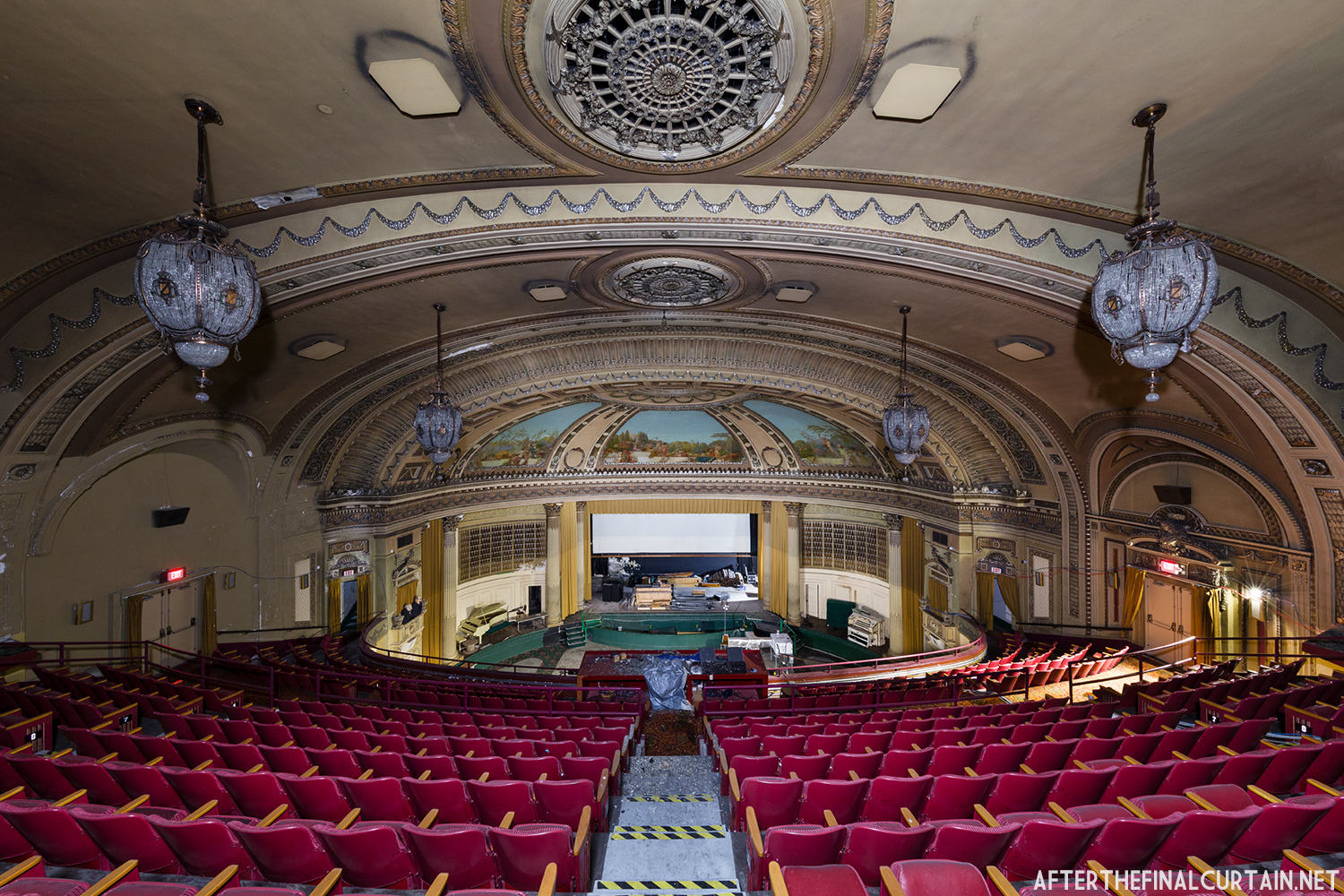
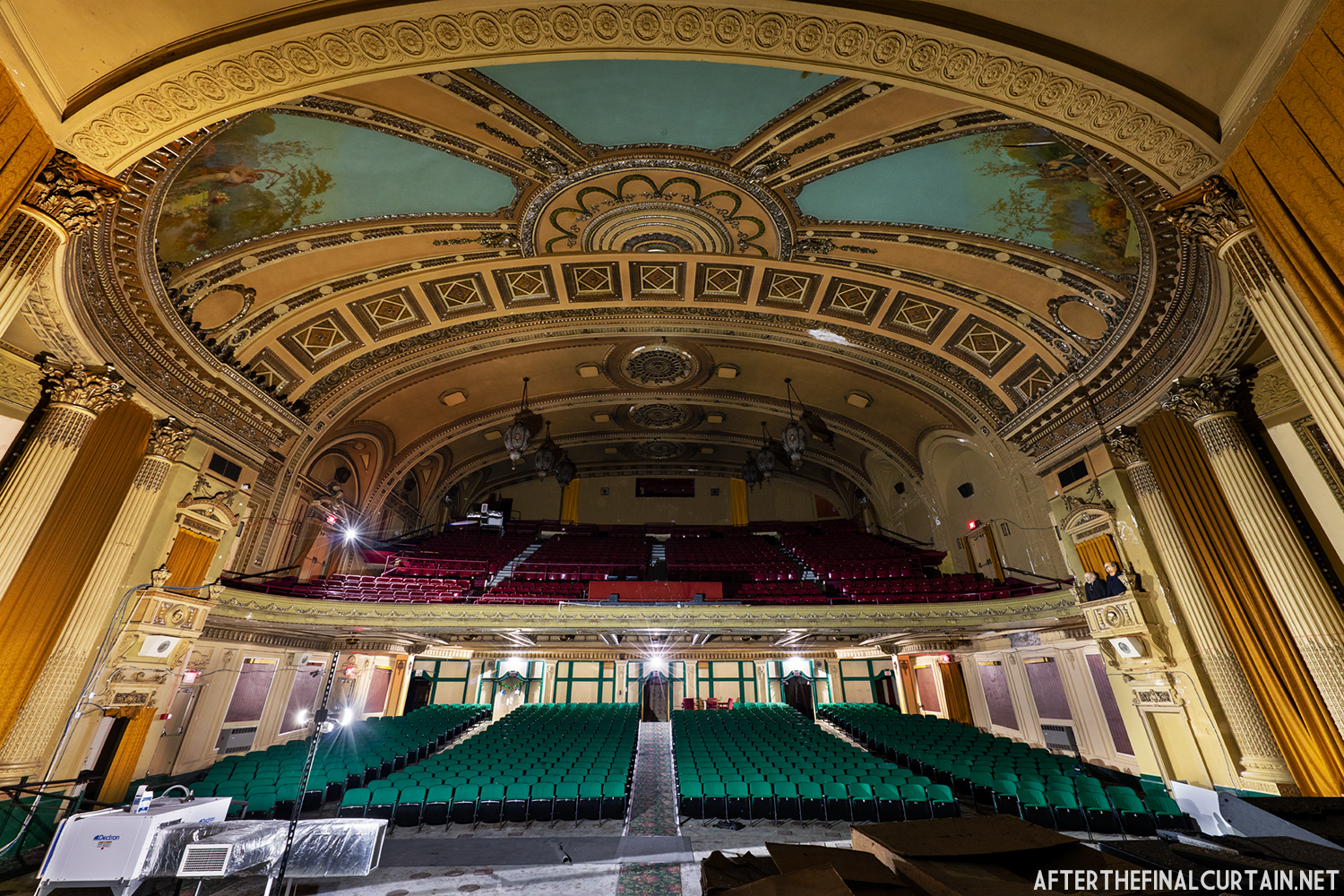
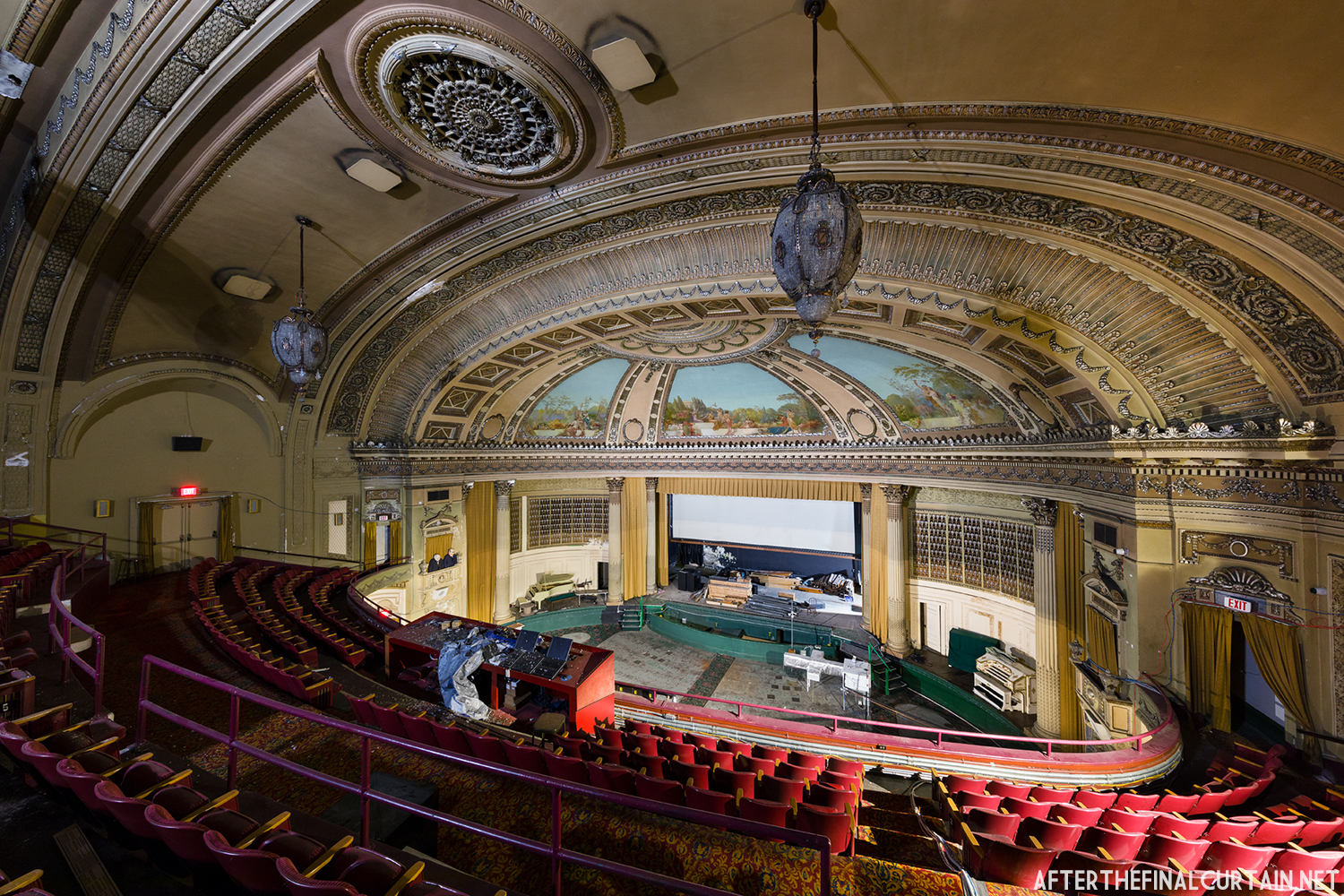
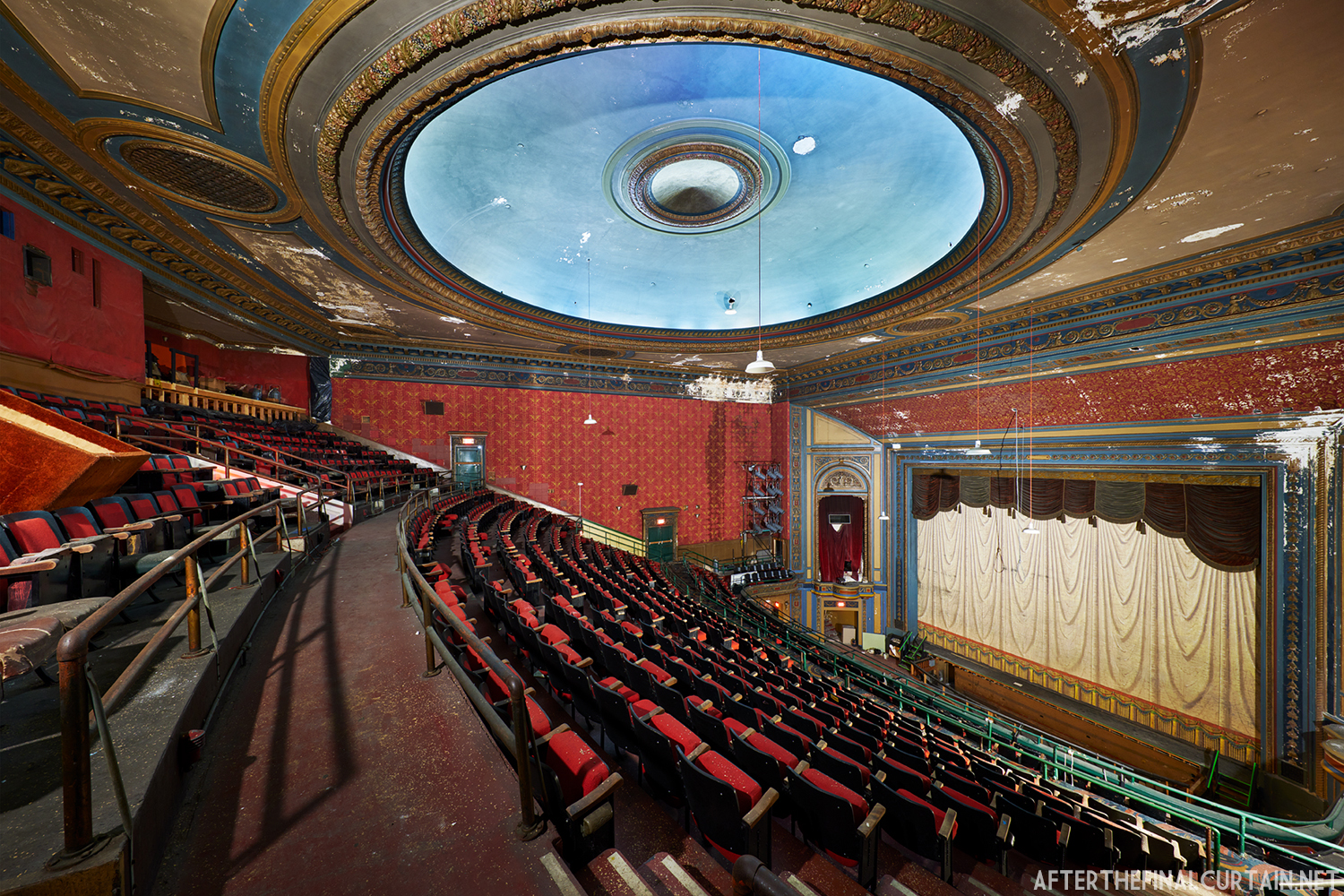
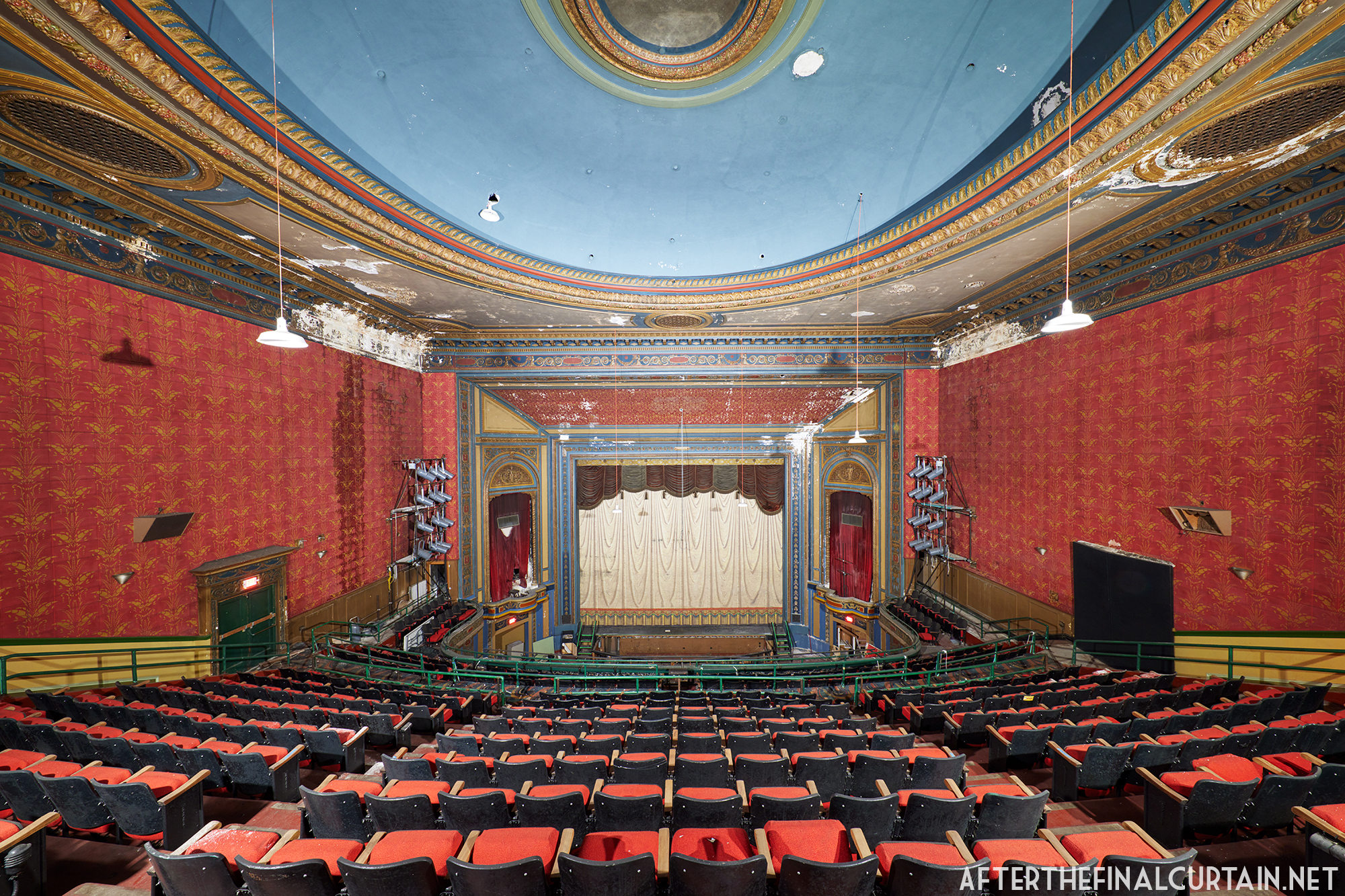
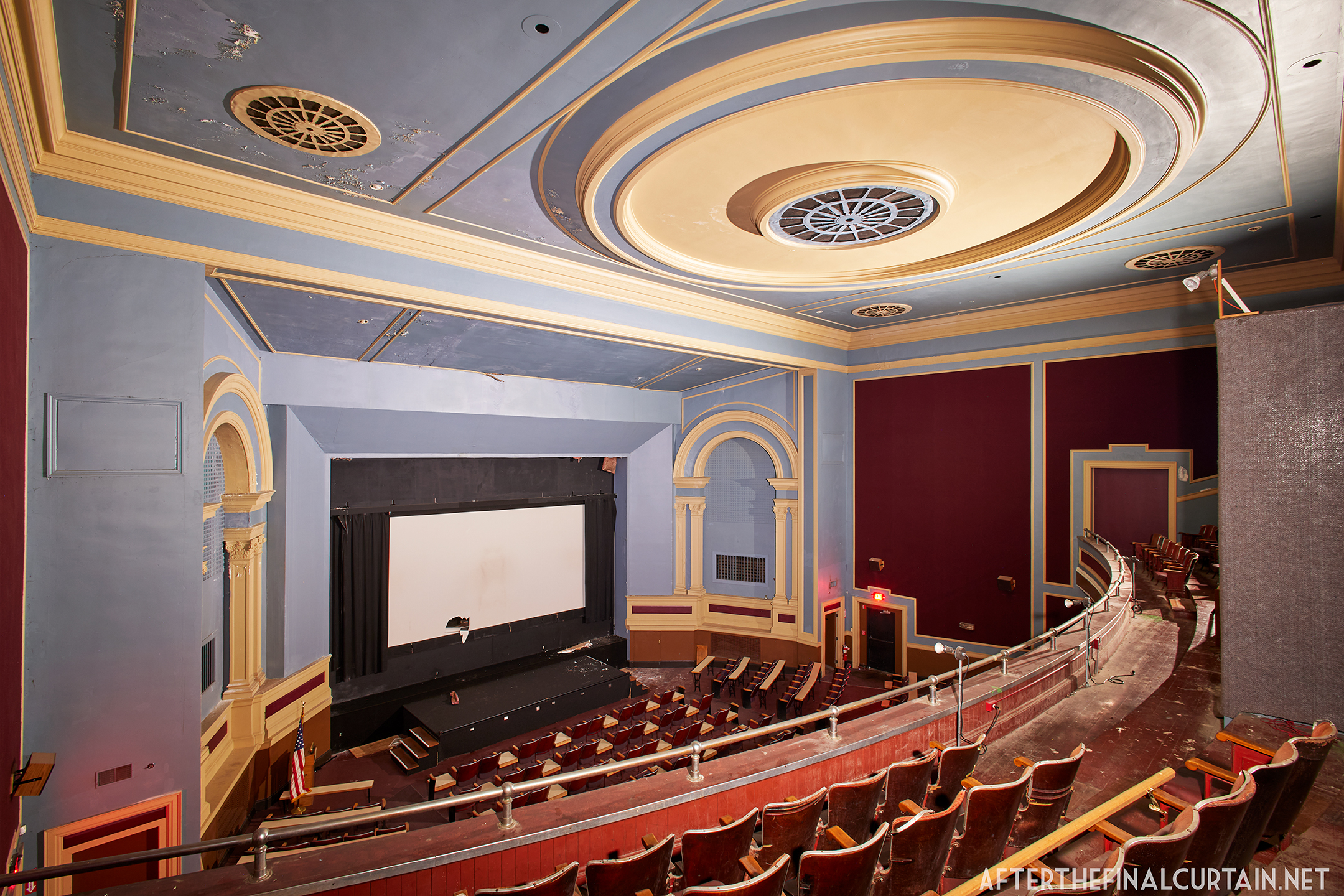
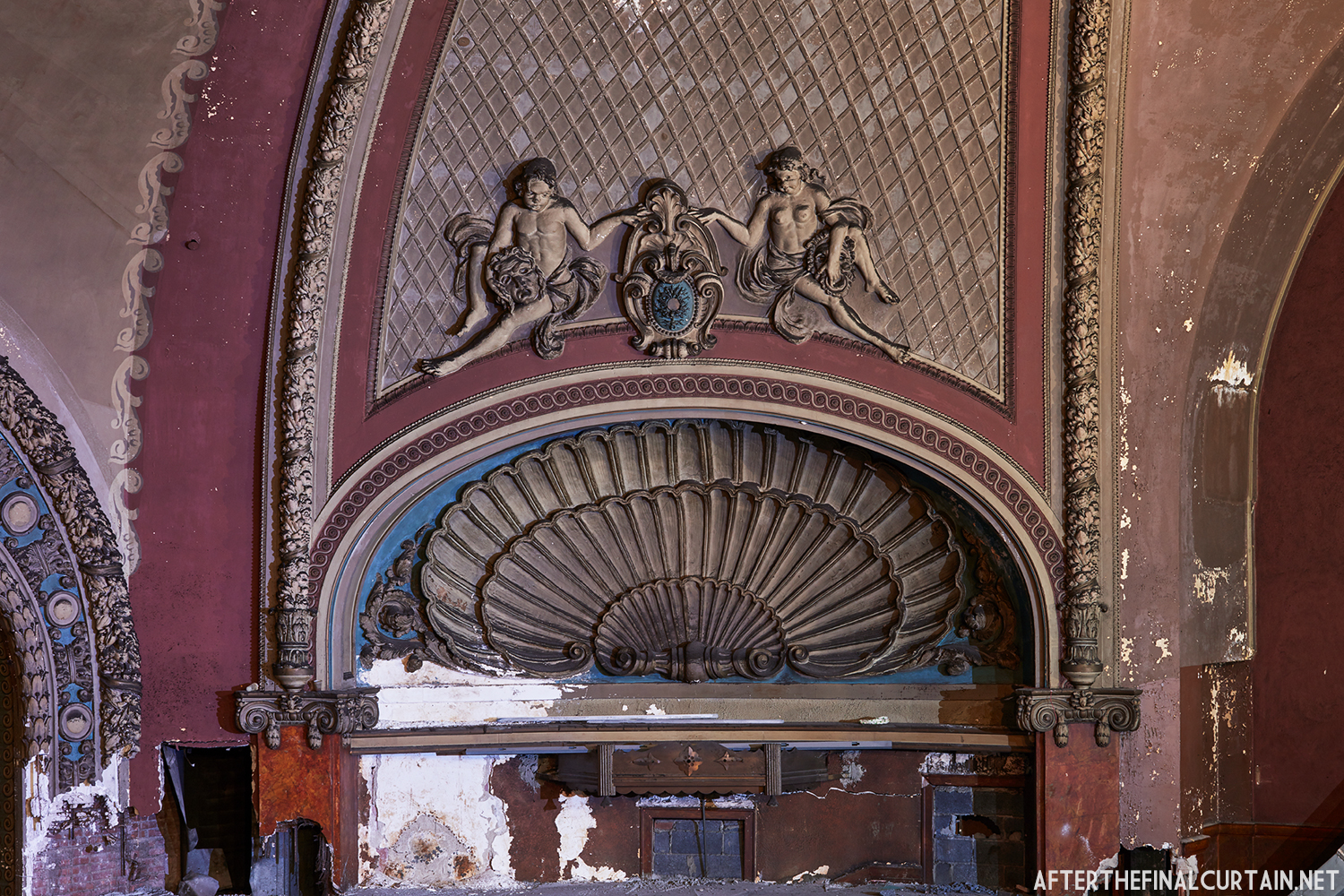
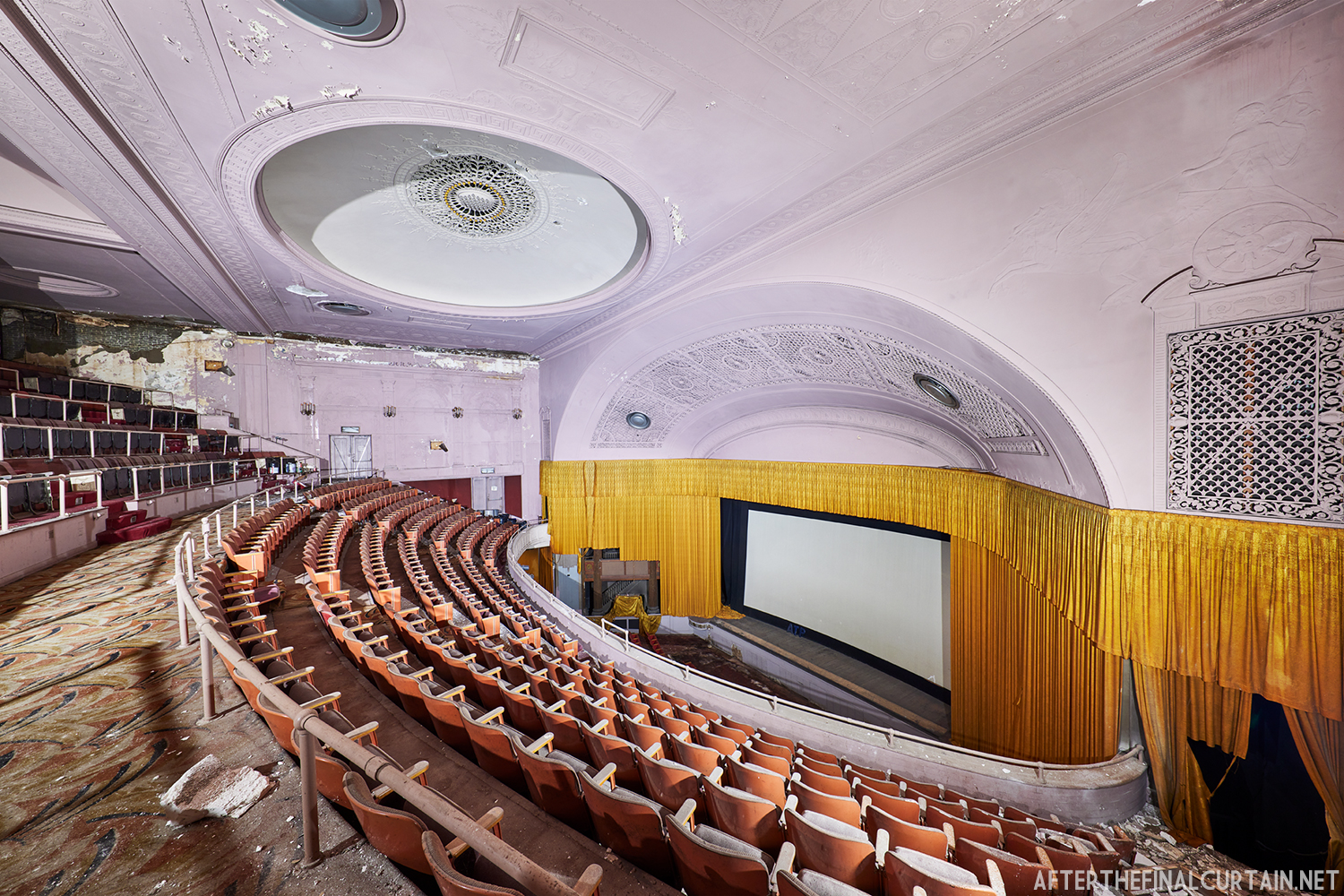
View of the auditorium from the balcony.
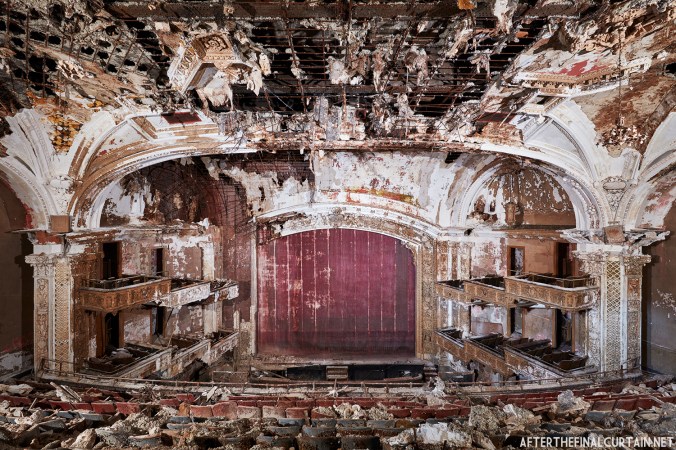
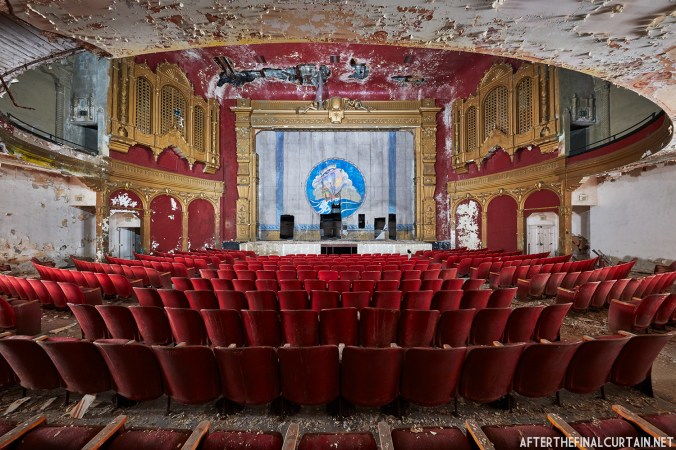
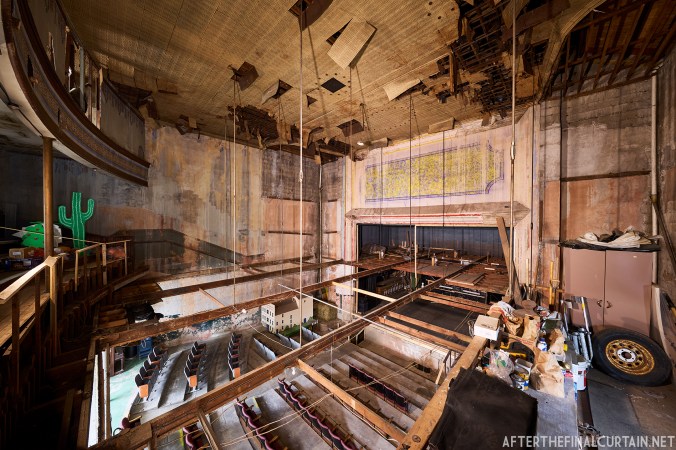
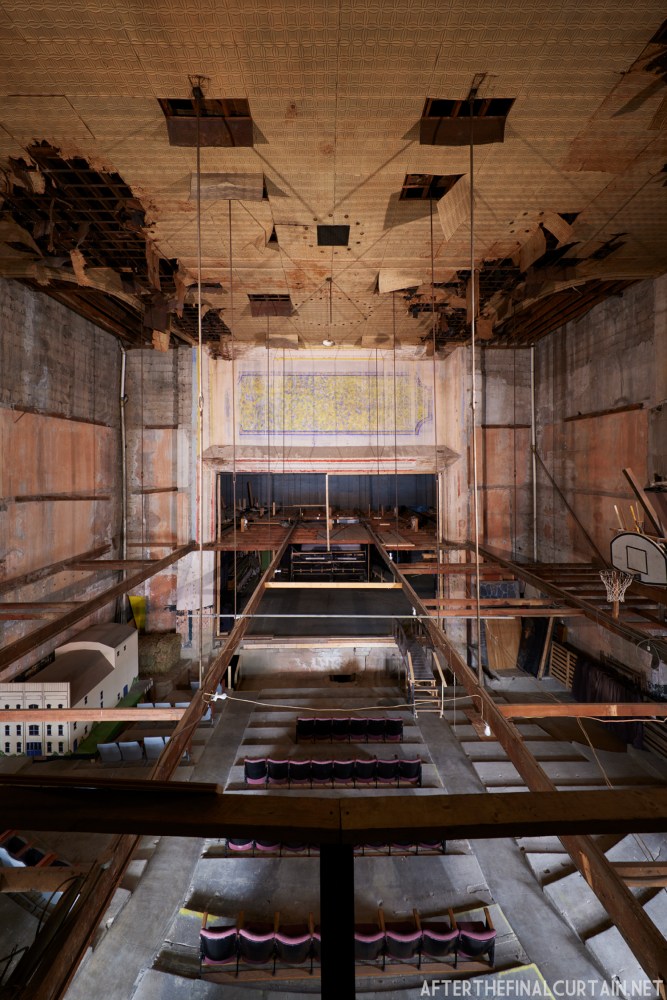
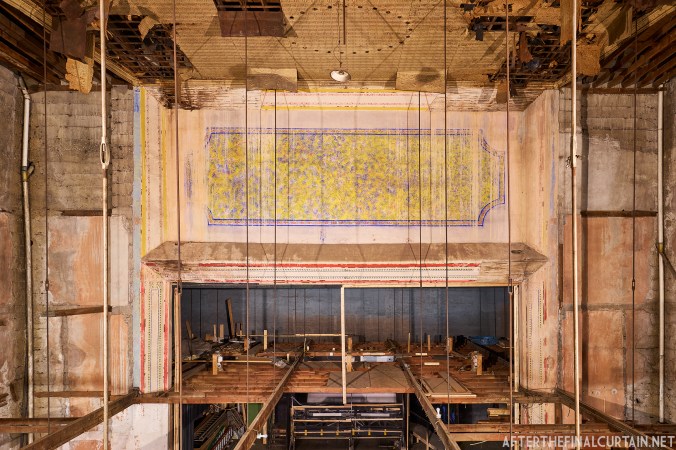
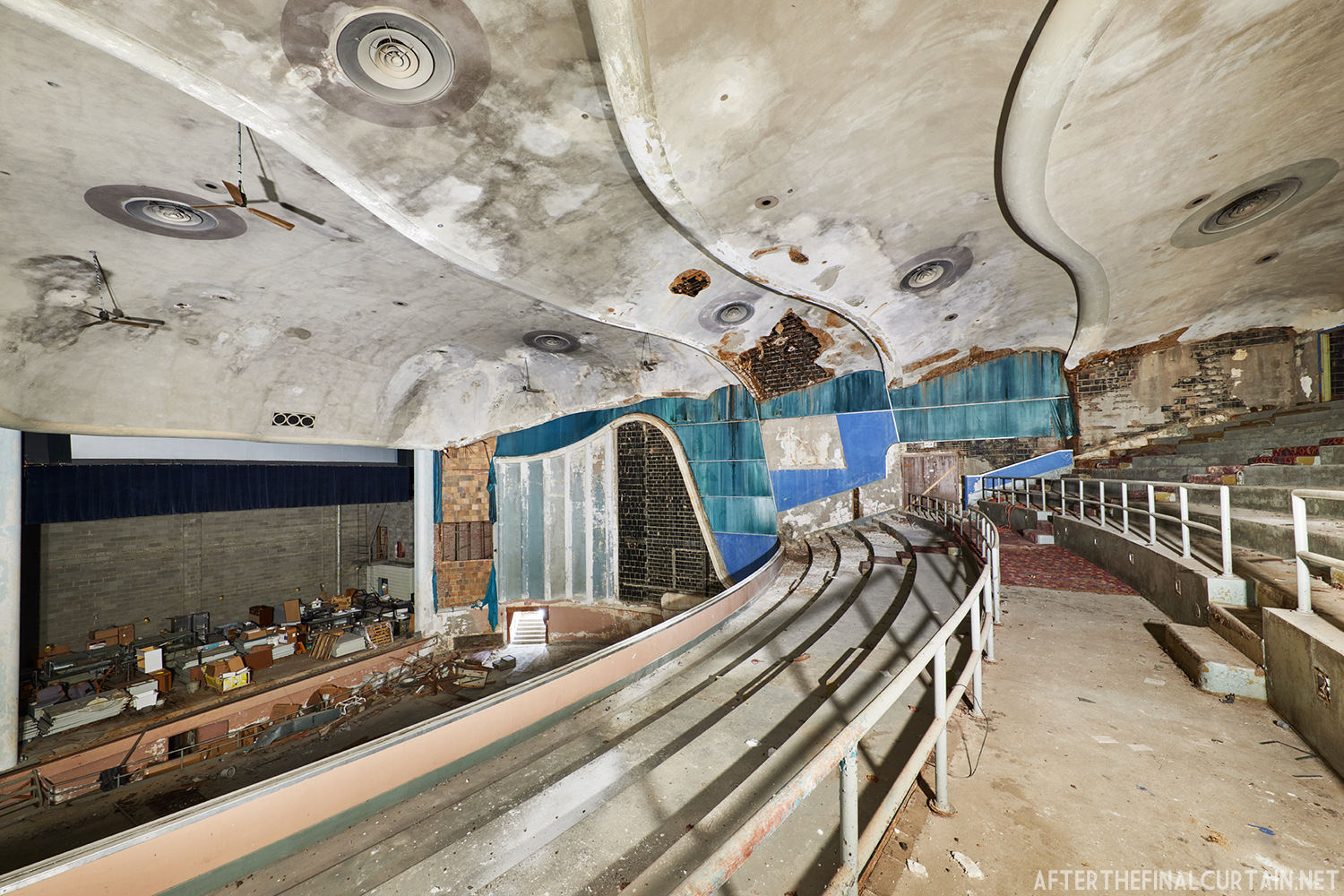
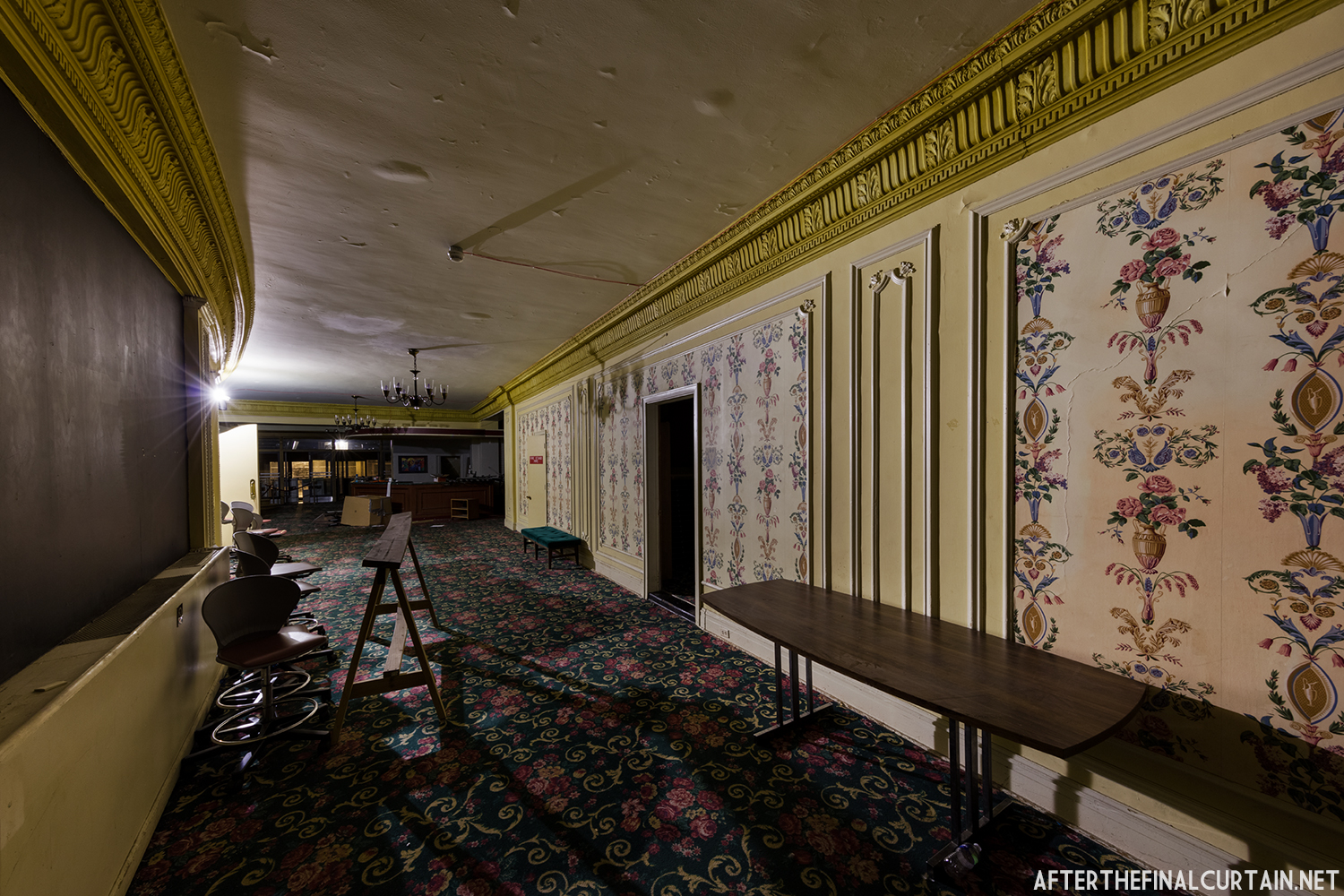
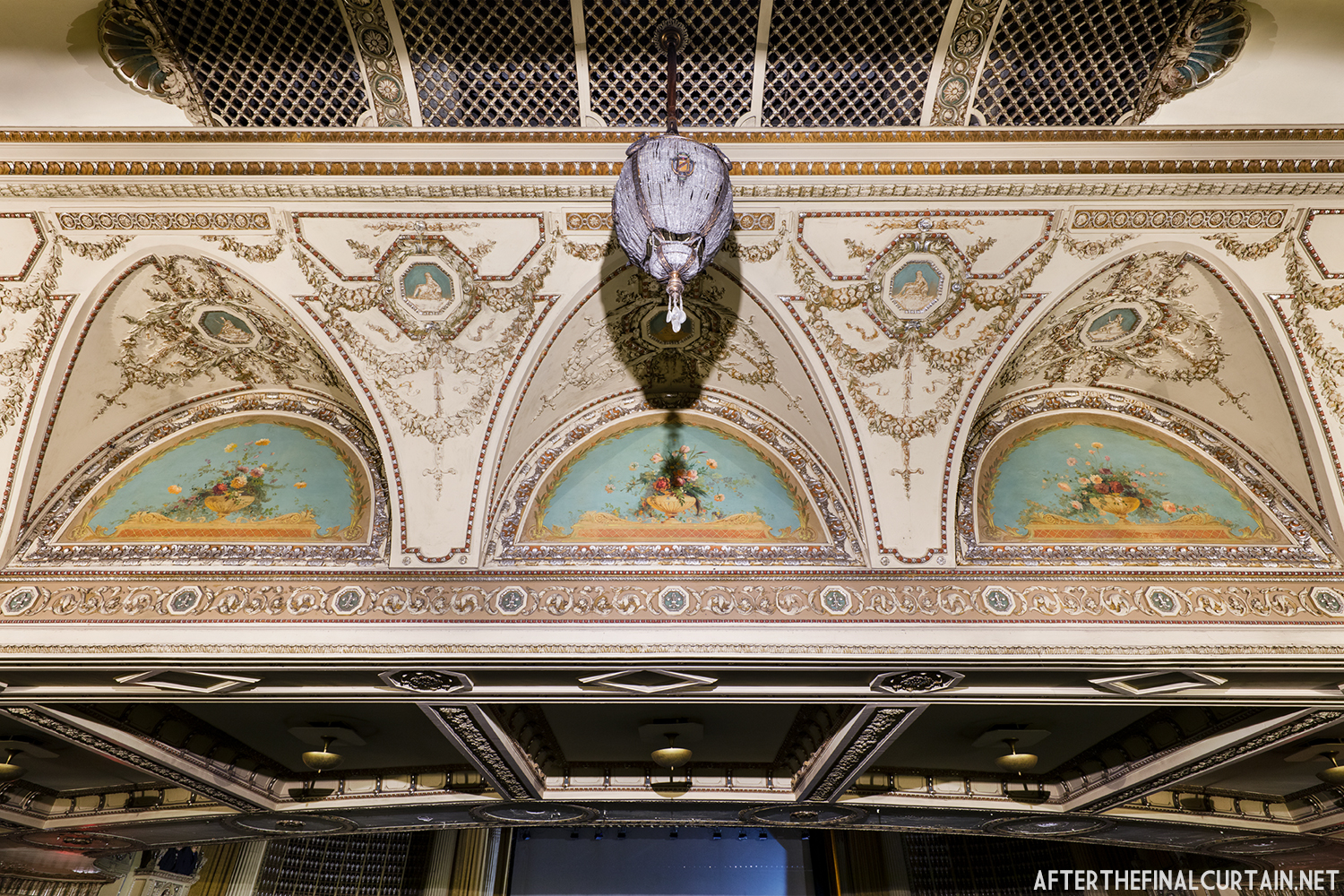
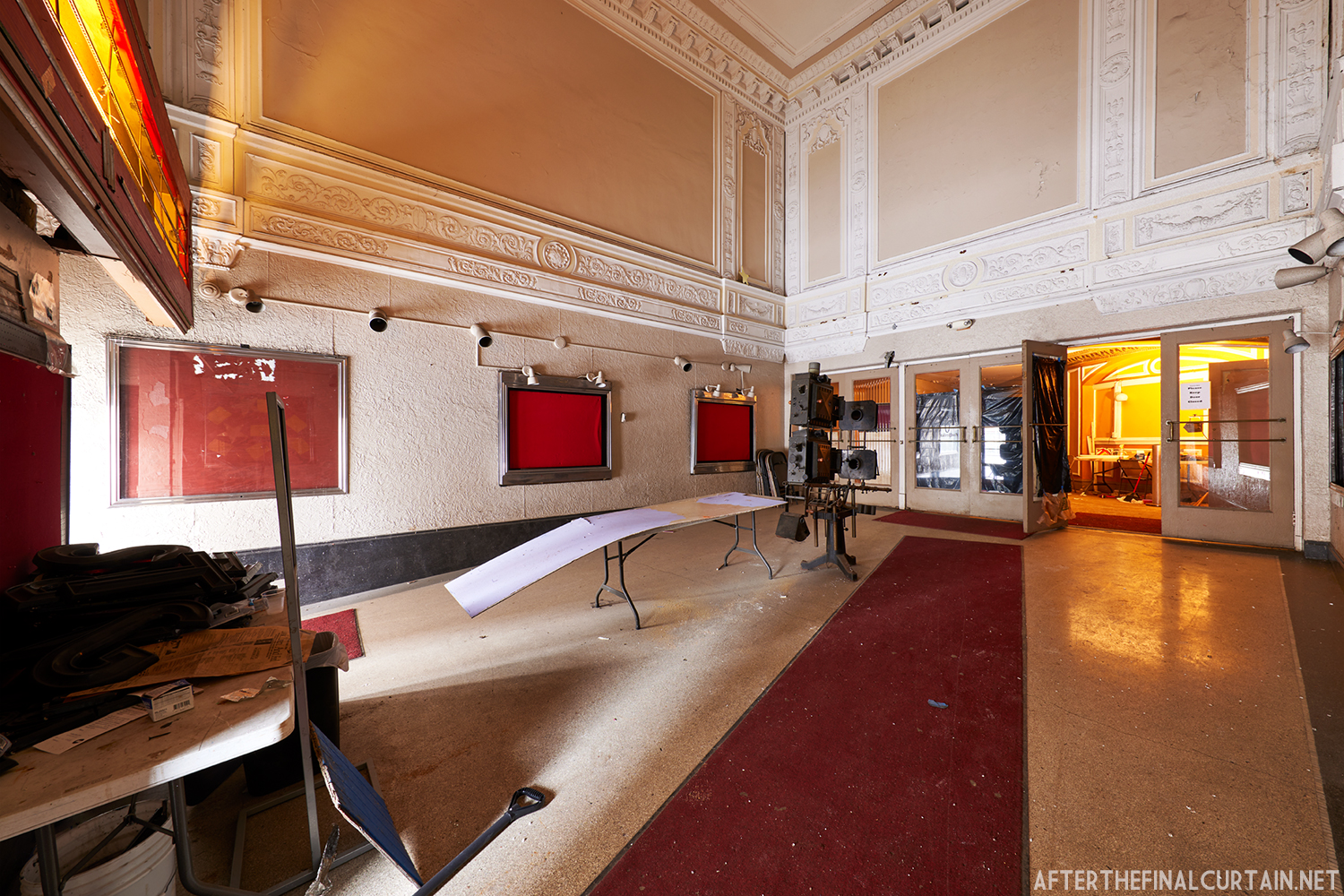
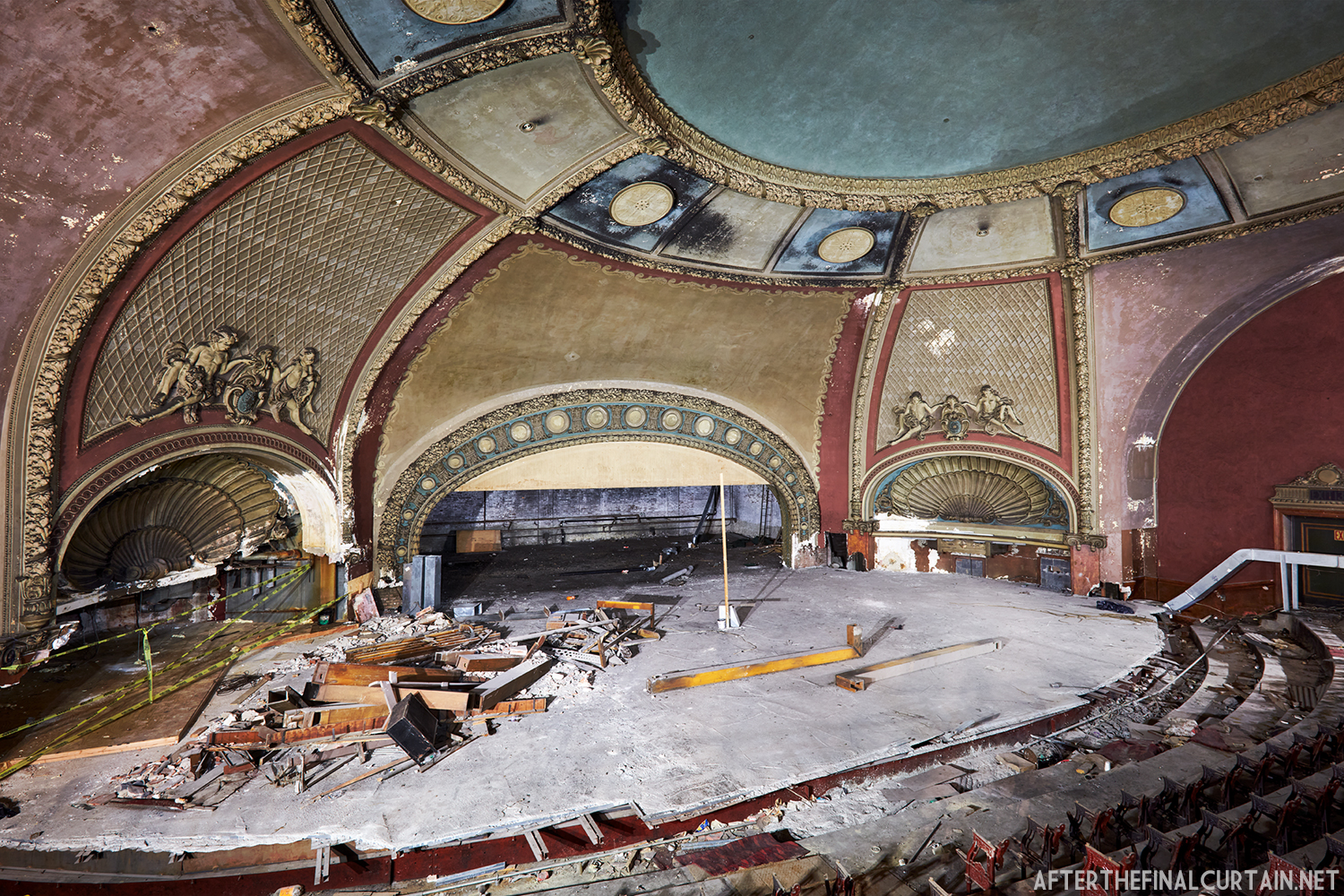
Once billed as “the cathedral of motion pictures” and “an enduring contribution to the artistic beauty of the entire Southland,” The California Theatre in San Diego, CA will be demolished. It could be said its destruction has been ongoing in the last 30 years due to inadequate maintenance. Southern California does not have harsh winters, but it gets rain, and when water comes into a building, it can do significant damage, especially if it’s full of ornamental plasterwork.

It was named the New California Theatre because there was already a California Theatre in San Diego in 1927. The original California changed its name to the Aztec in 1930, which allowed this one to drop the “new” from its name.
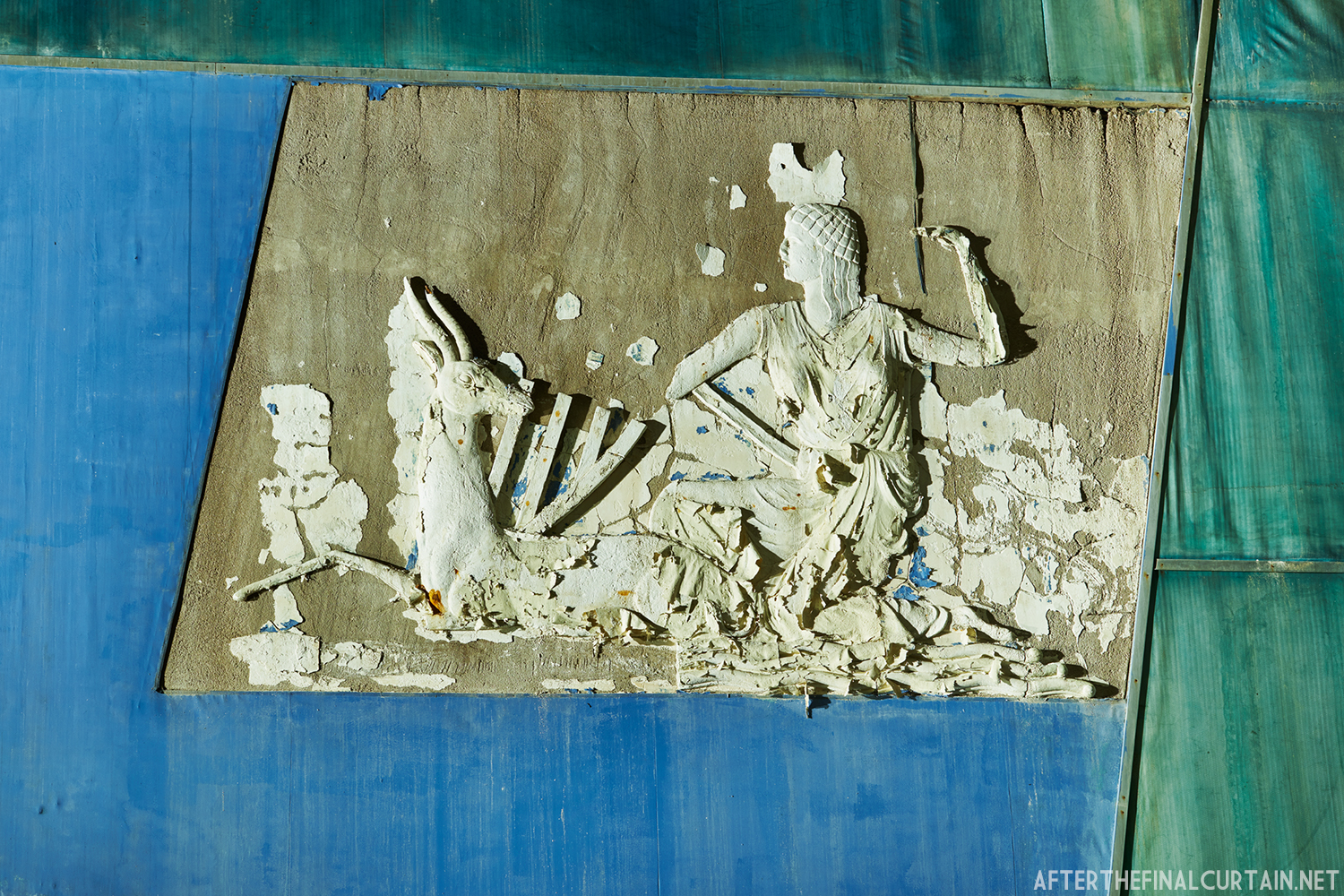
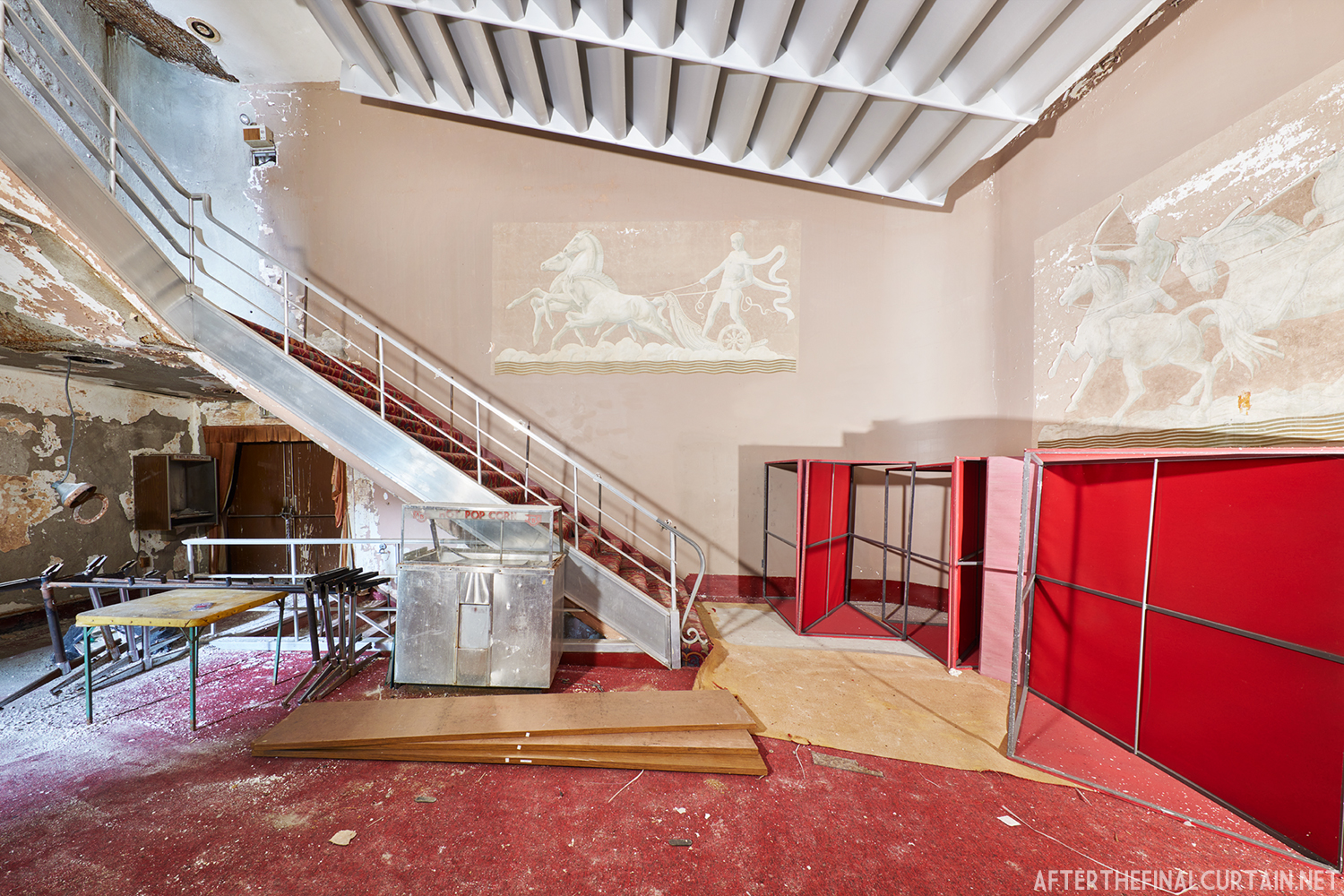
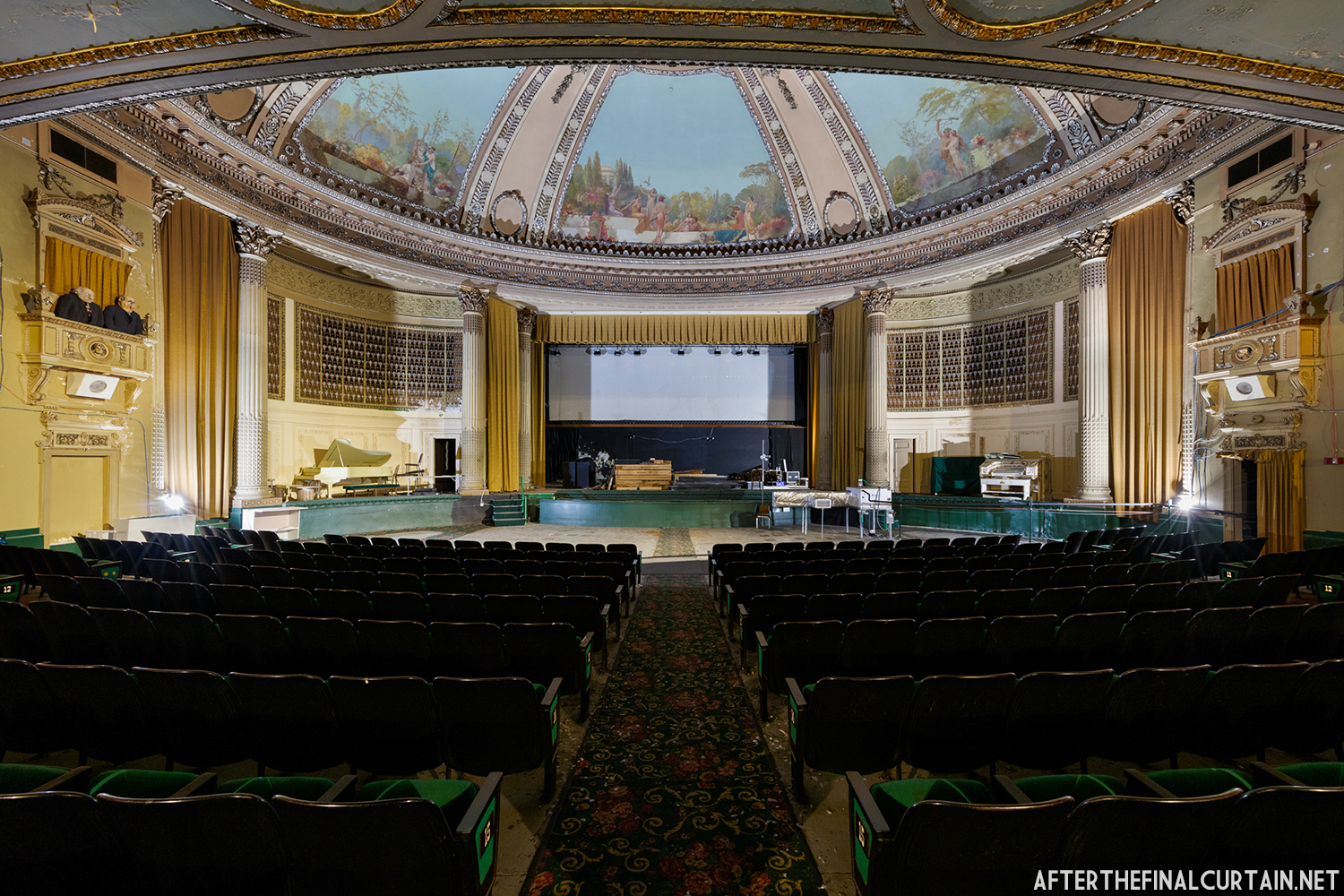
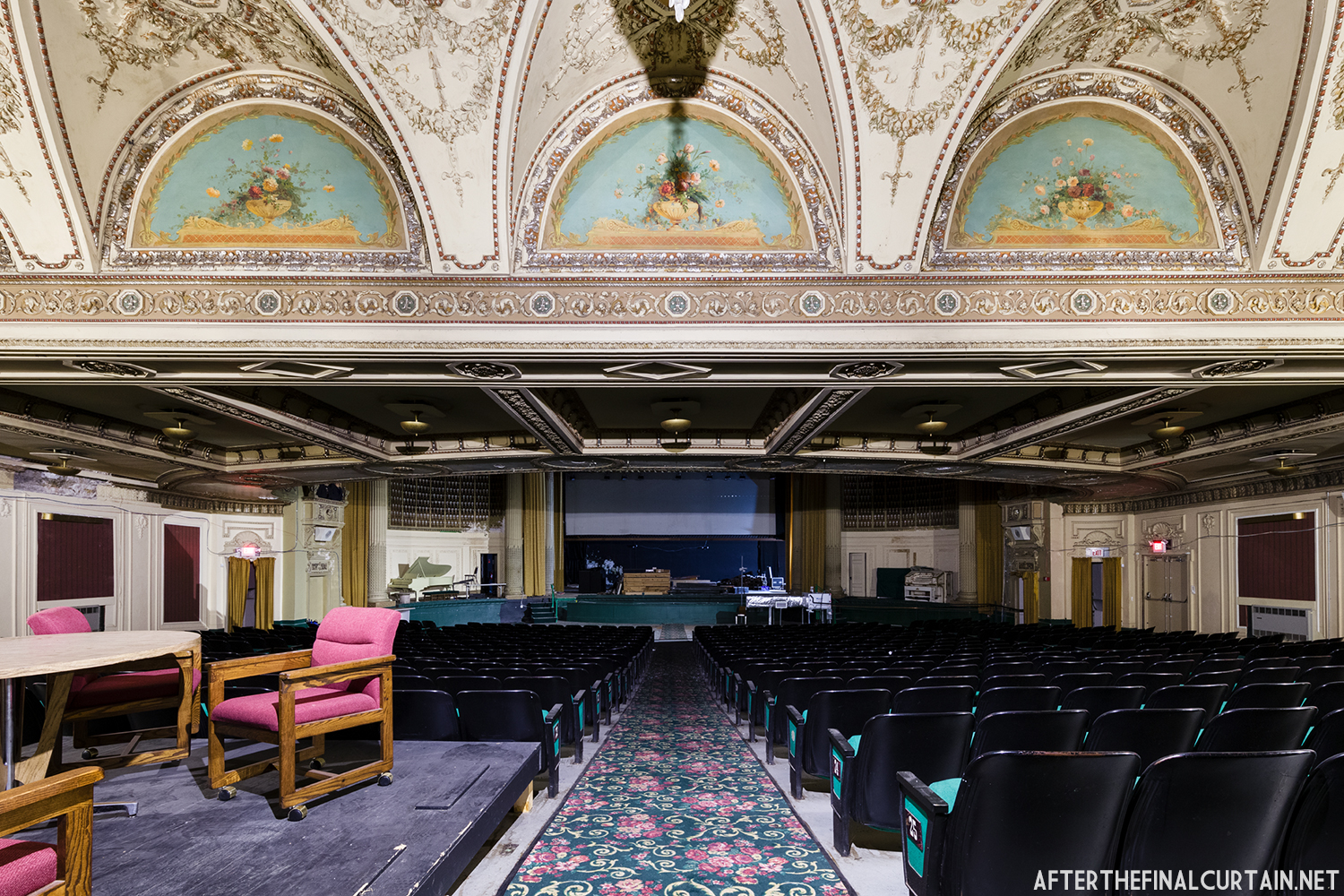
Architect John Paxton Perrine designed the 2,200-seat theater in Spanish Colonial Revival style. The building also housed several restaurants and a high-end department store, Bernard’s, which occupied the entire second floor. It began as a silent film and a Vaudeville theater, before turning to talkies in 1931. Eventually, ornate theater interiors went out of style, and the decorative plasterwork in California’s auditorium was covered by draperies during a remodel in 1963. The California stopped showing films in 1976, and became a performing arts center in 1978. Many famous bands performed at the theater during this time, including; A-HA, Poison, Pete Seeger, The Jerry Garcia Band, Donny Osmond, Jesus and Mary Chain, Melissa Etheridge, The Smithereens, Alice Cooper, Cowboy Junkies, Lou Reed, and Patti Smith.
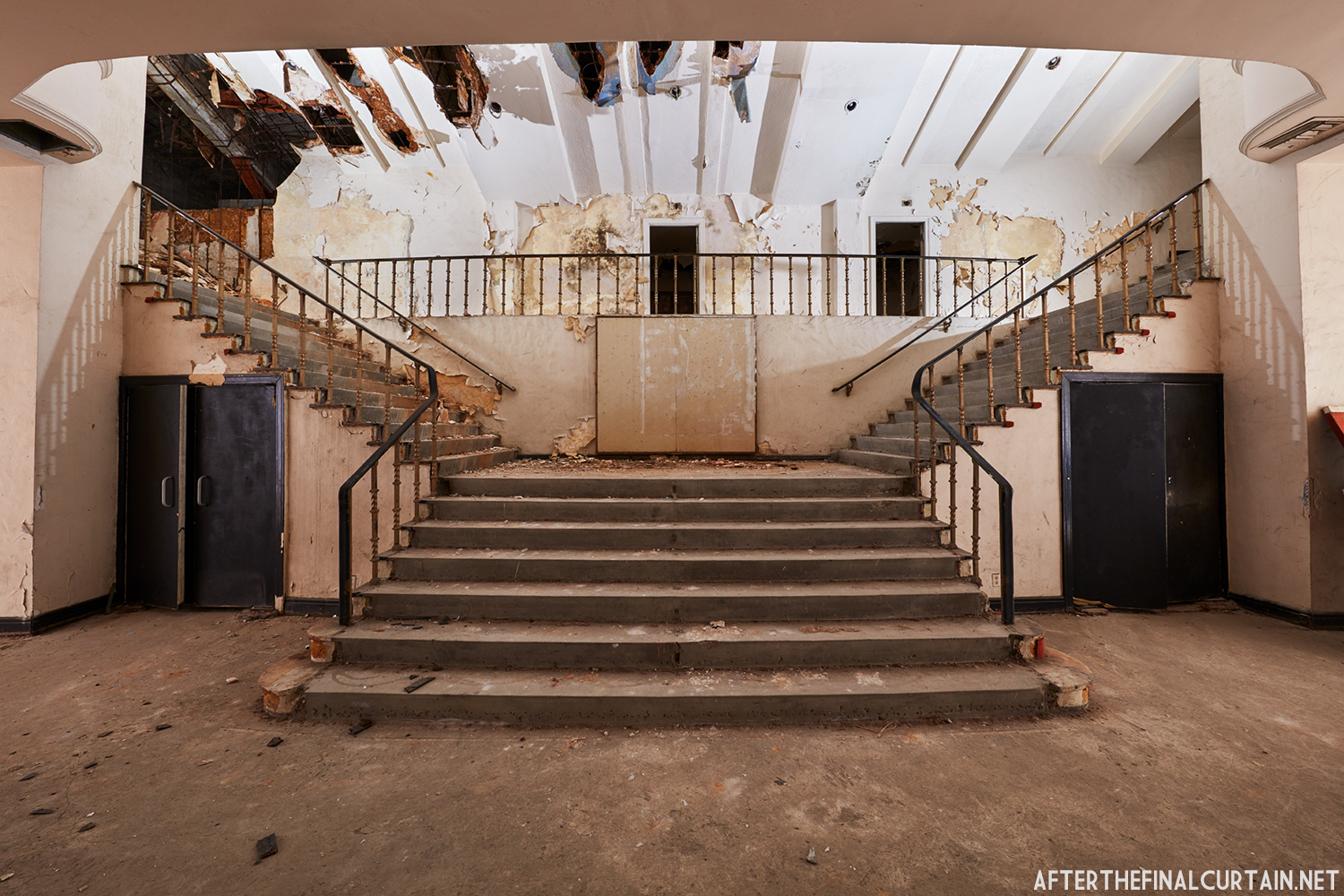
Joseph F Malloy, the theater’s original assistant manager, was shot and killed during a robbery on May 7, 1928.
Ariel Wharton (A.W.) Coggeshall, a San Diego-based businessman, bought the building in 1976. When he died in 1986, he left California to a group of non-profit organizations. The nonprofits formed a consortium called Fourth and C Corp. They were not interested in owning a 2,200-seat theater and planned to sell it to Hillman Properties, a Pittsburgh-based developer. Hillman planned to demolish the building and build a 34-story office complex. Fourth and C Corp gave the tenants of the office building, many of which were month-to-month, 30 days to leave in April 1990. Avalon Attractions, the company that managed the theater, was given until July 1990. The last performances were the Cowboy Junkies on June 20, 1990 and the Final Curtain Concert at the California Theatre, held by the Theatre Organ Society of San Diego on June 24, 1990.
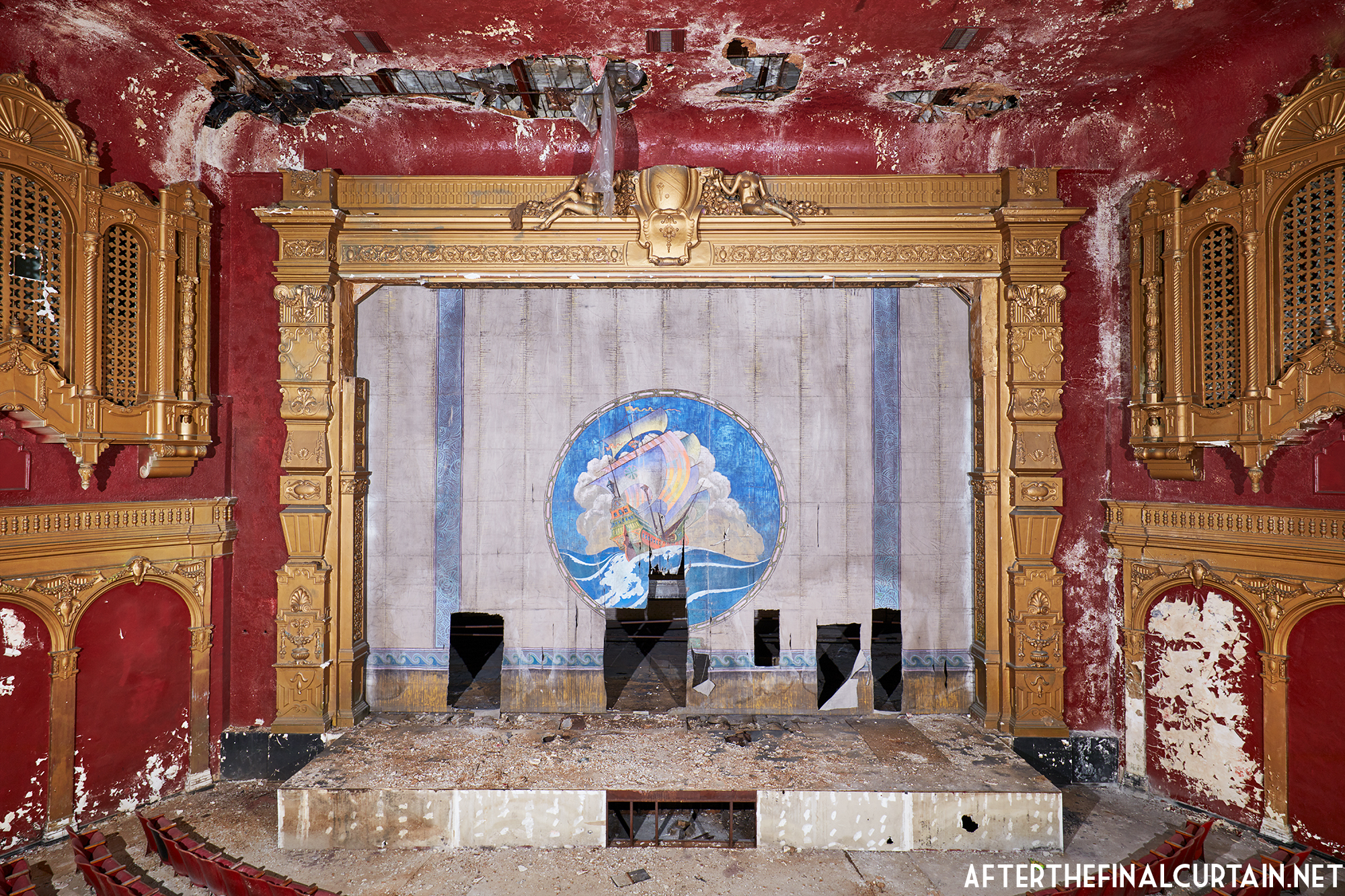
The feature presentation on opening night was “Venus of Venice,” a silent romantic comedy starring Constance Talmadge and Antonio Moreno. “Book Ideas,” a vaudeville show by Fanchon and Marco, and a performance by Al Lyons and his band rounded out the opening bill.
However, it wouldn’t be that easy to demolish the California, as it was a historic site grade three, which protected it from being demolished. Fourth and C Corp petitioned the San Diego City Council to change the designation to grade four, which would allow demolition as long as the historic features were recorded. They held a vote in February 1991 and voted 5-to-2 to change the listing. Hillman Properties abandoned the project in October 1991 due to the impact of the economic recession of 1990-1991. The building was bought and sold a few times in the 1990s and early 2000s, with plans for the theater ranging from a Christian performing arts center to a playhouse with occasional films.
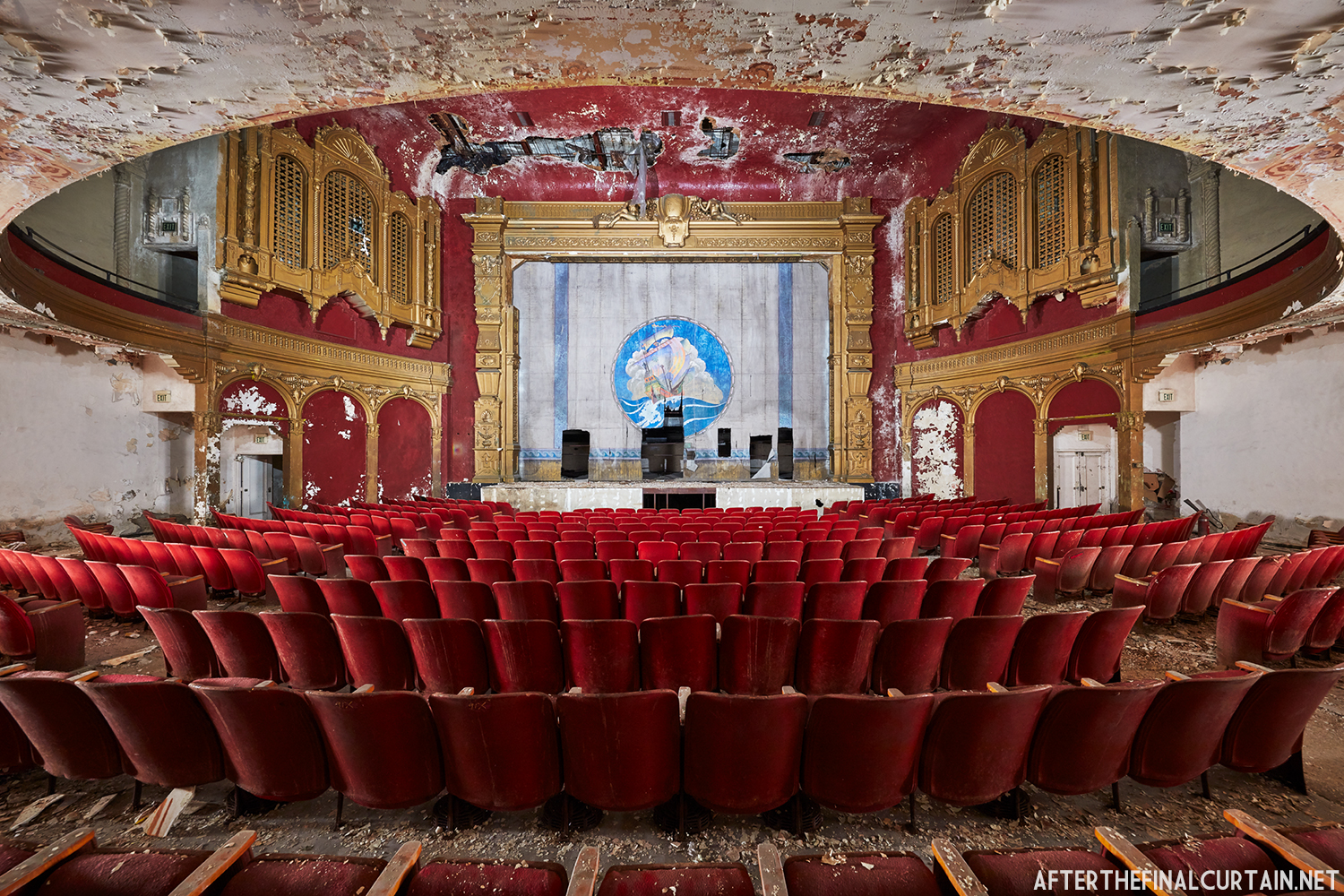
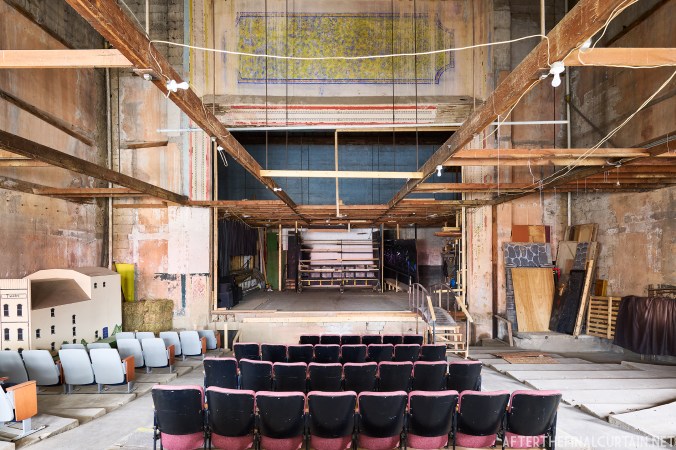
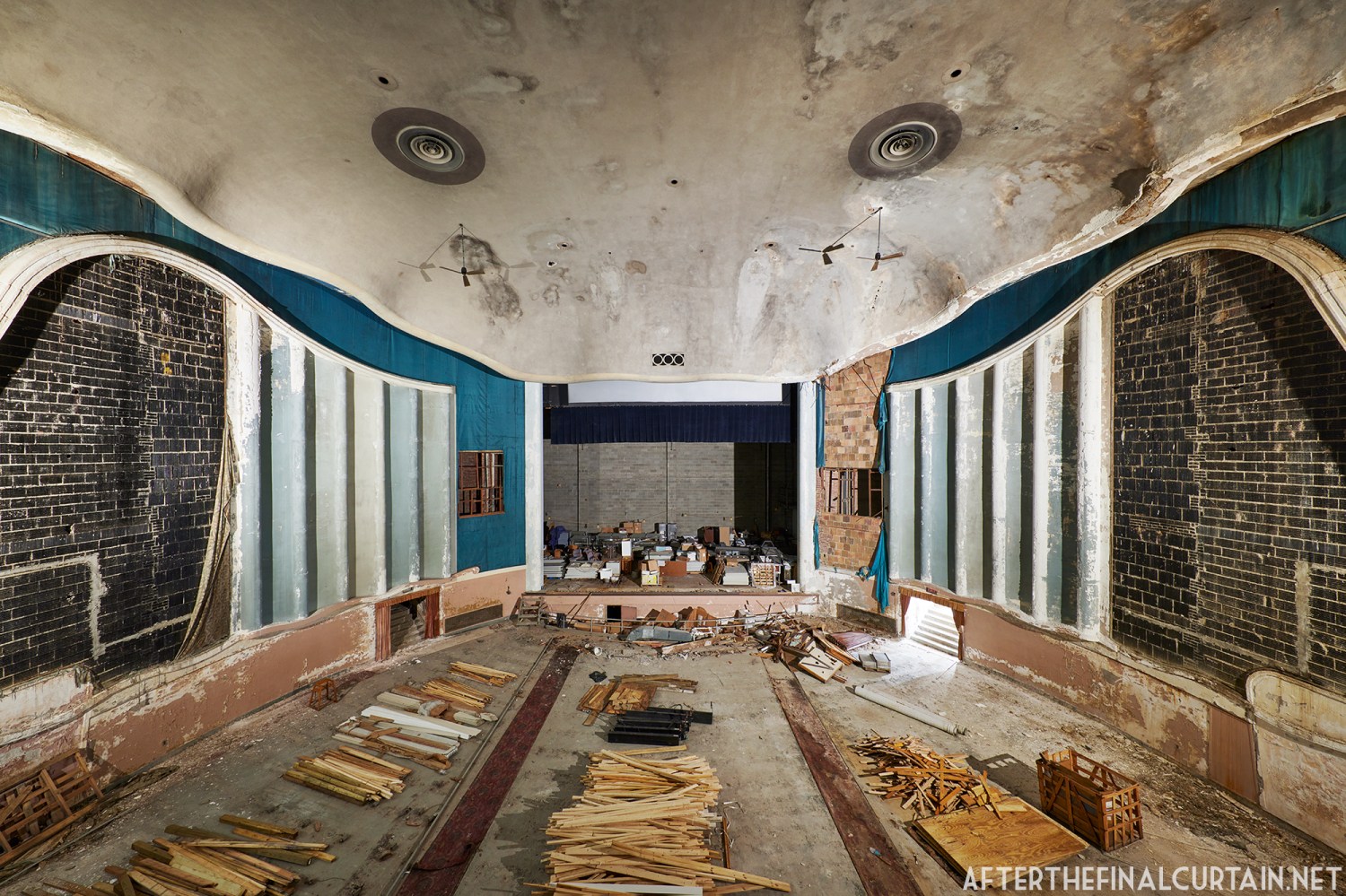
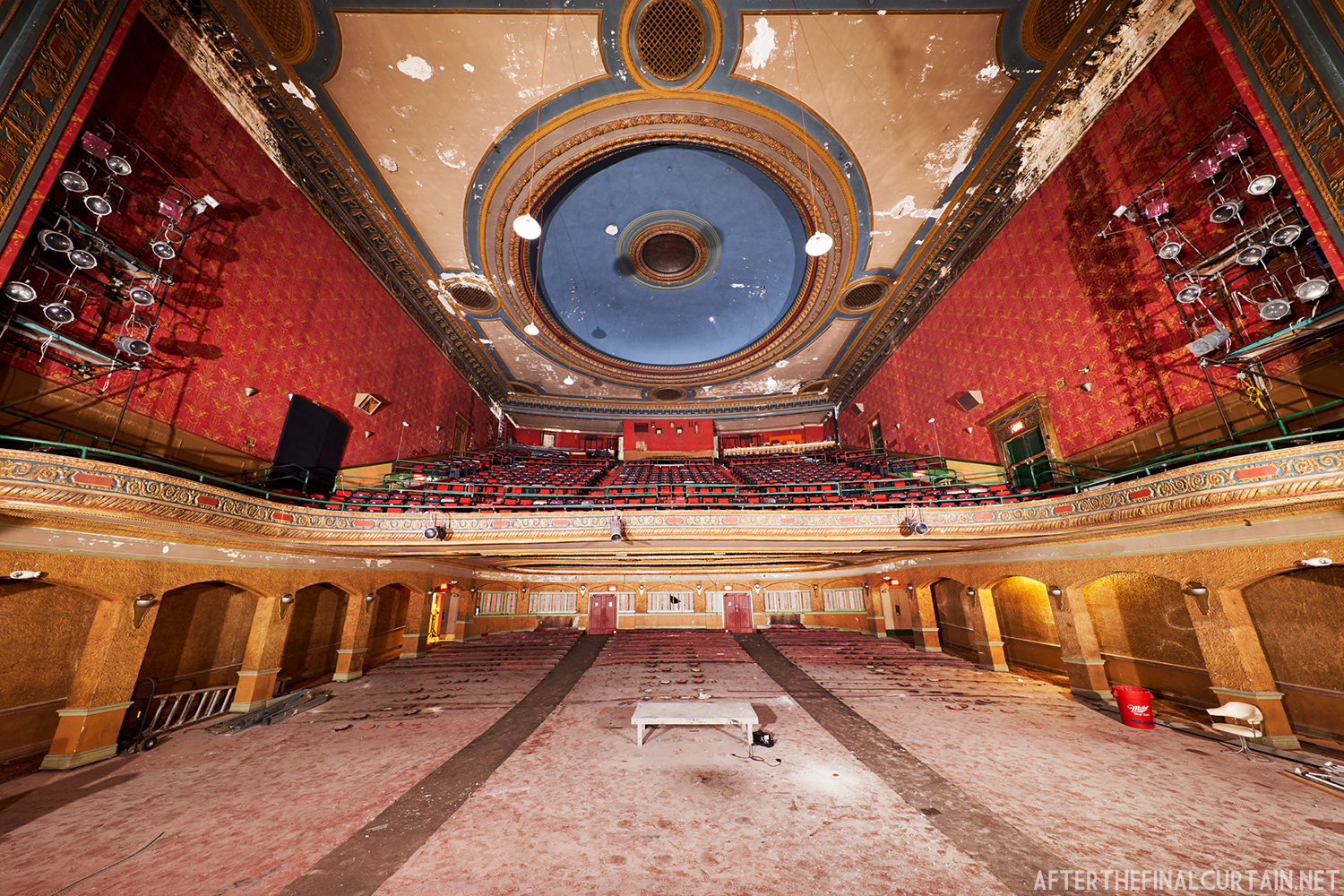
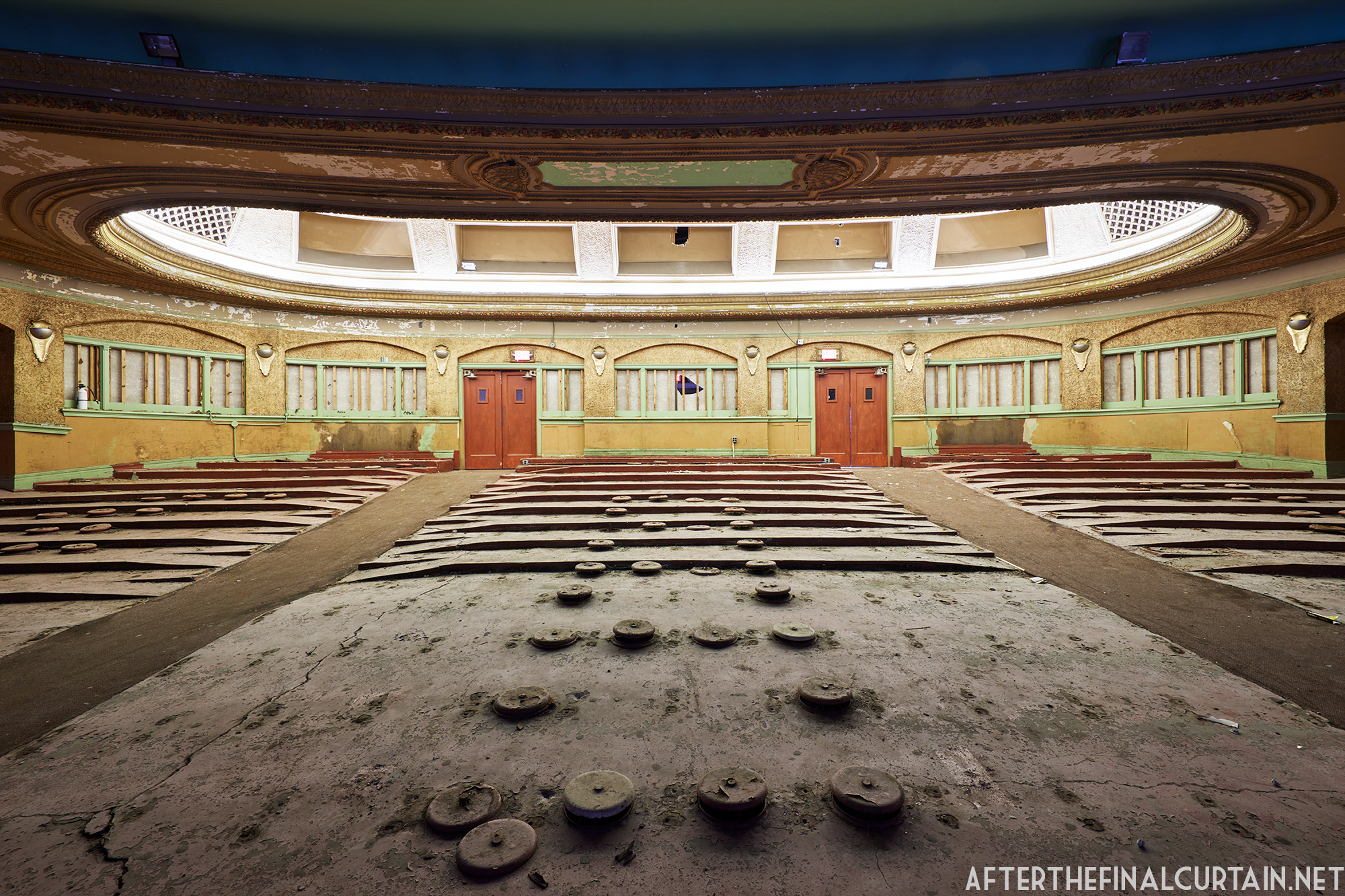
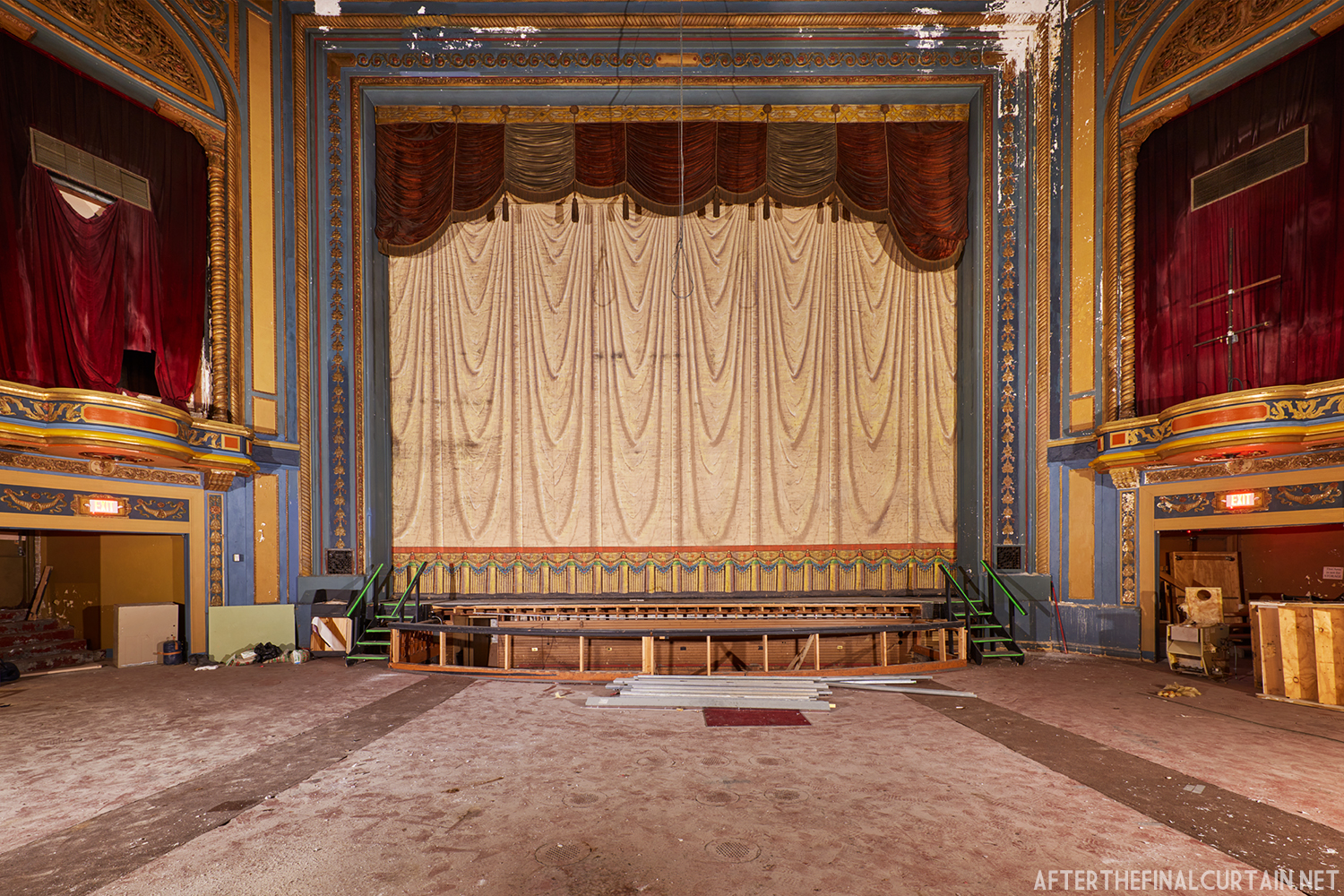
View of the auditorium from the orchestra level.
Sloan Capital Partners LLC purchased the California building in 2006. Sloan partnered with Caydon Property Group, an Australian company, to redevelop the property. Caydon’s plans called for the theater to be demolished and replaced by a 41-story condominium tower. Save Our Heritage Organisation (SOHO), a San Diego based historic preservation nonprofit, filed a legal challenge to the demolition of the building on March 1, 2018. The court granted the legal petition because the environmental impact report did not analyze any adaptive reuse alternatives for the theater, required by the California Environmental Quality Act.
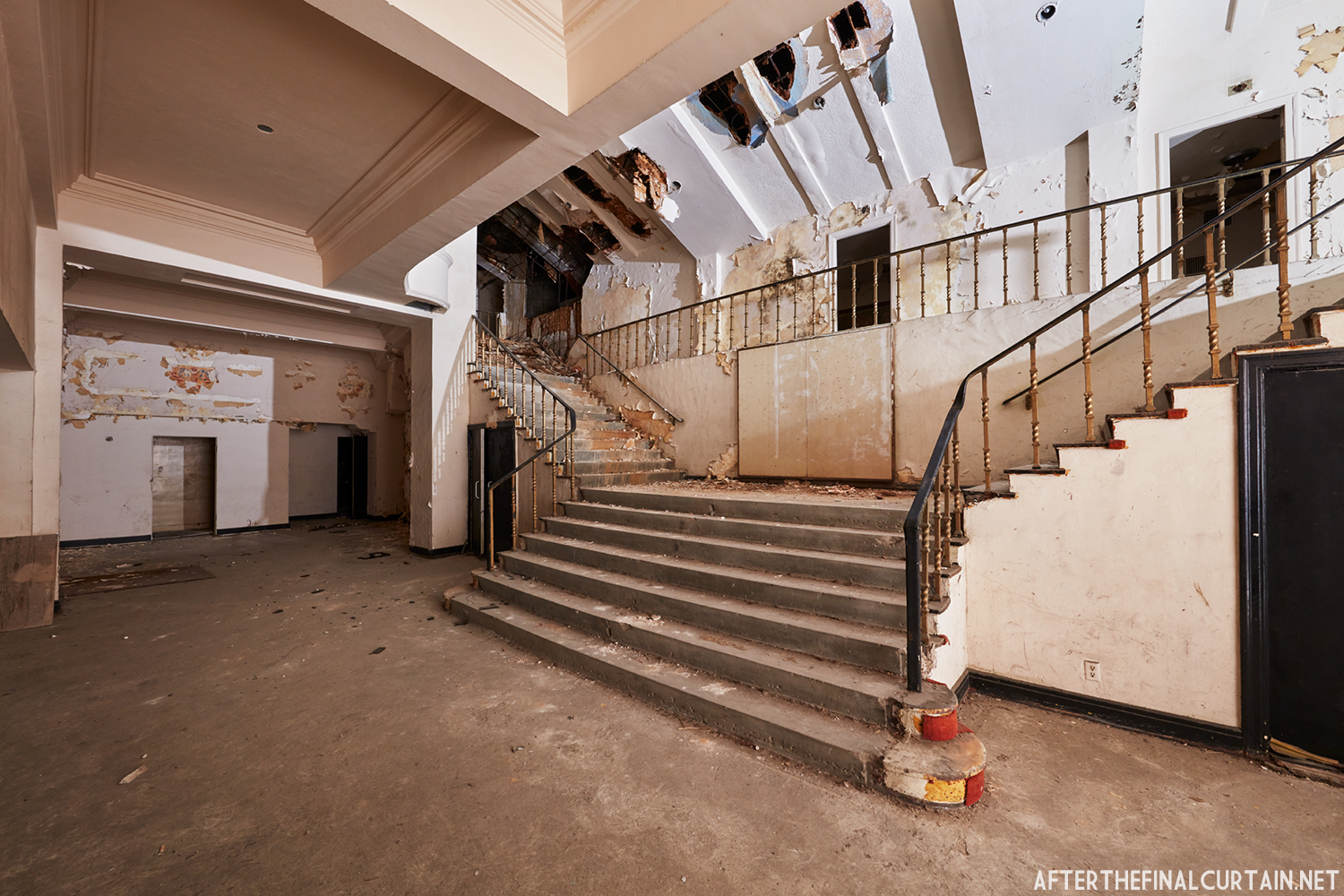
The California was the first public venue in San Diego to have earthquake resistant framework built into the structure to protect the building.
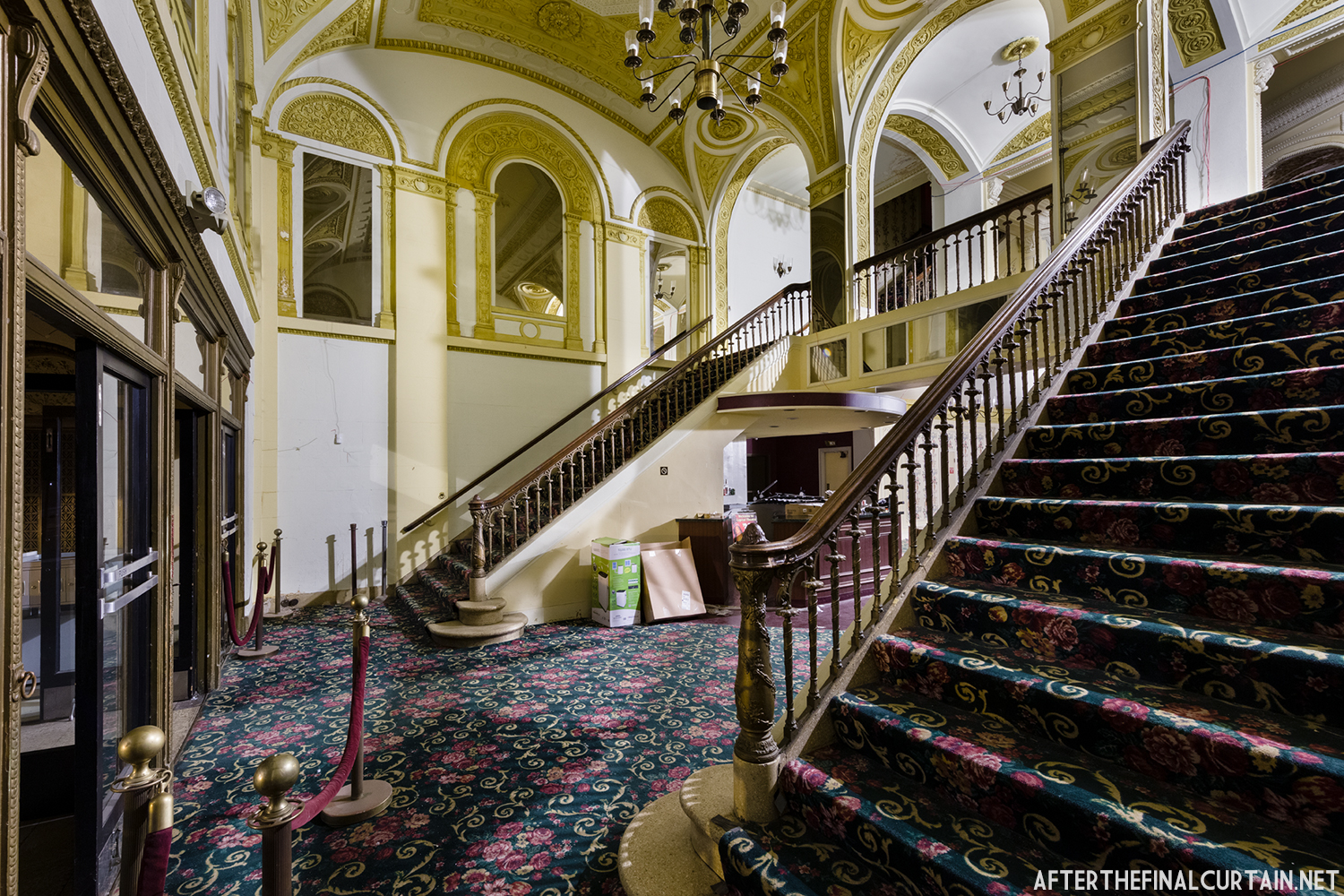
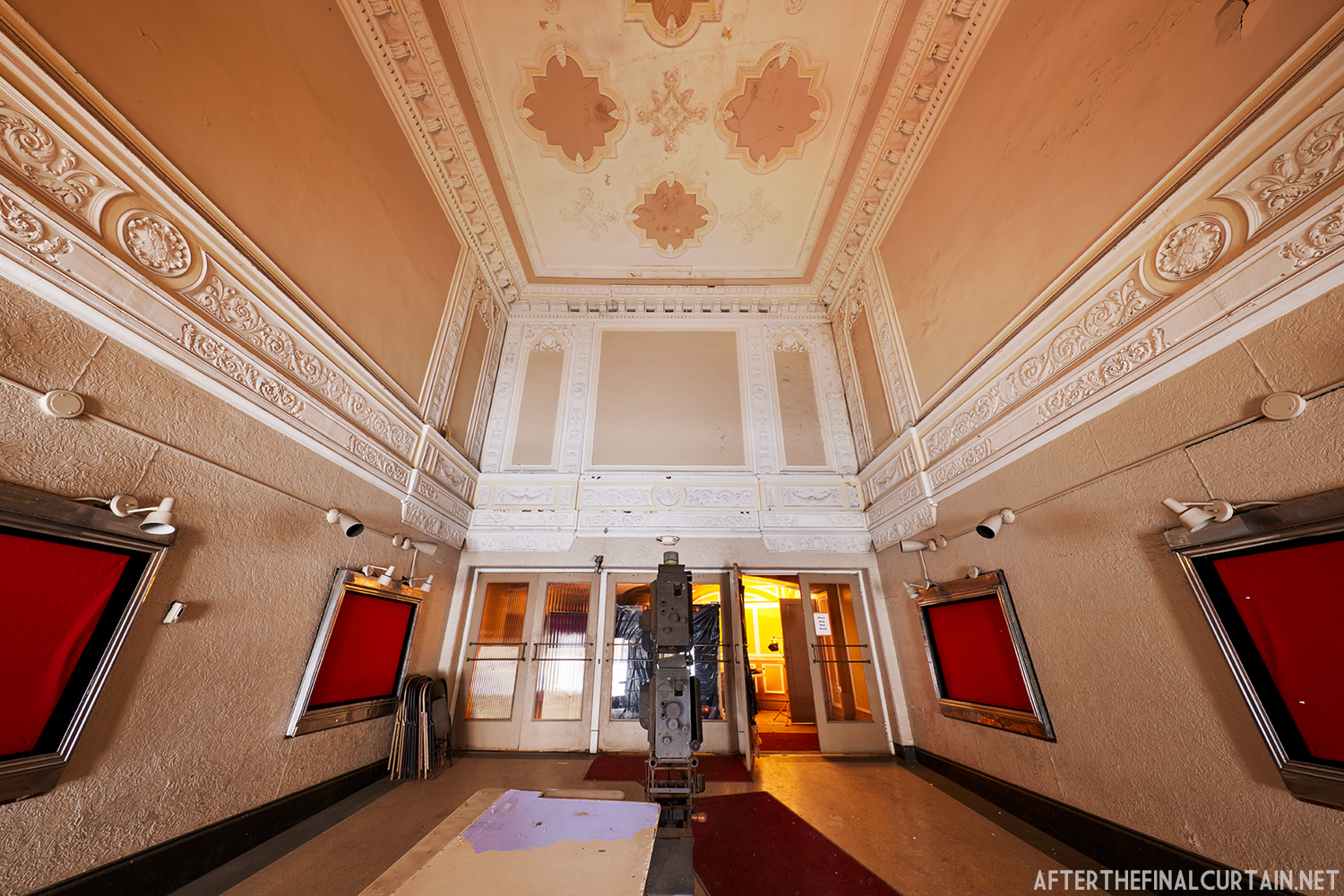
SOHO and Caydon eventually agreed the lobby and much of the exterior facade would be reconstructed. They also agreed to work with SOHO to identify historic items in the building that could be repurposed. Caydon recently purchased the property from Sloan for $21.1M. It is currently scheduled to be demolished in 2021, with the construction of the new building beginning shortly afterwards.
The Wurlitzer organ was removed from the theater after it closed. It went to Trinity Presbyterian Church in Spring Valley, CA, but was destroyed by arson in March 1996.









 After the Final Curtain