Midwest Photo Workshops

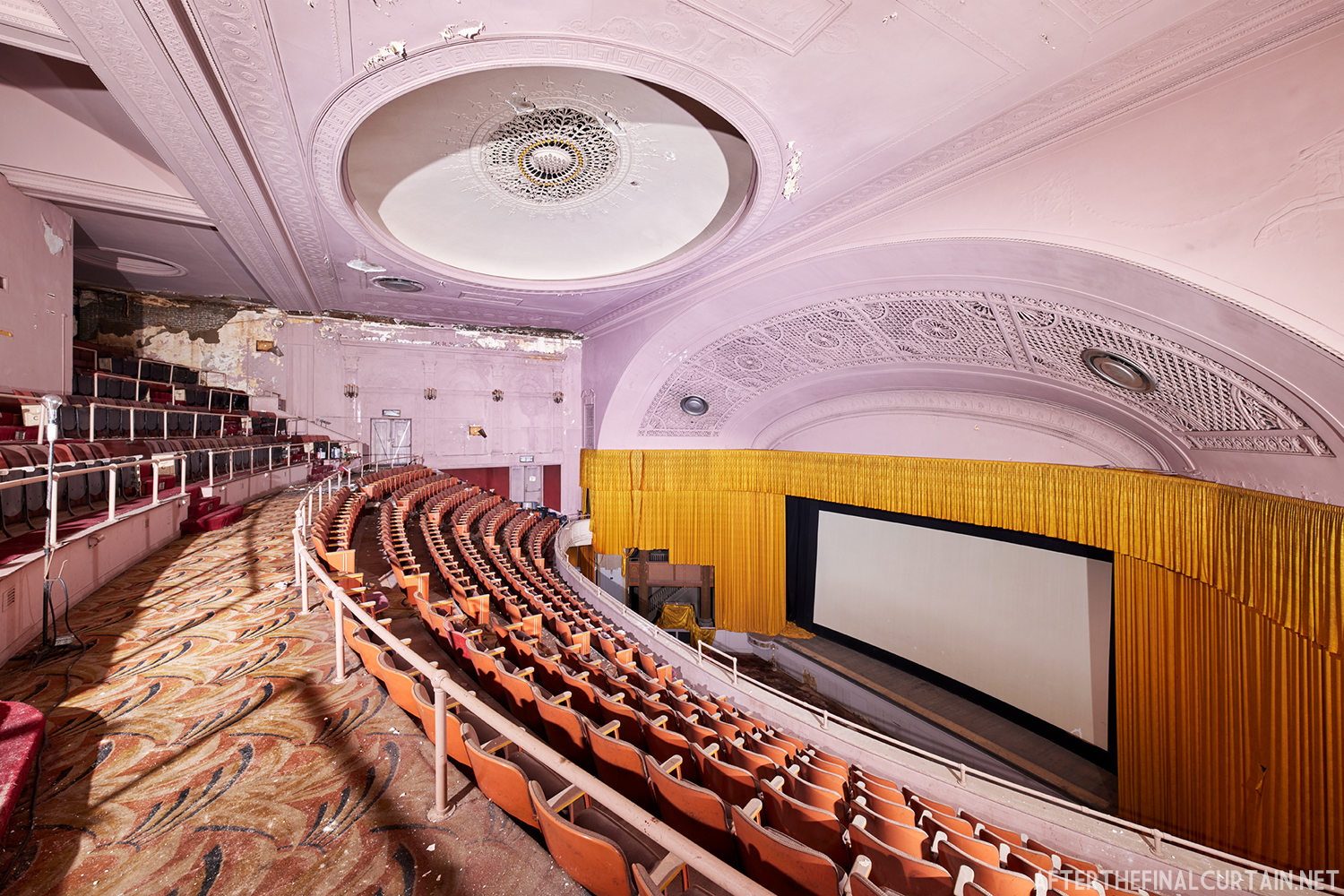
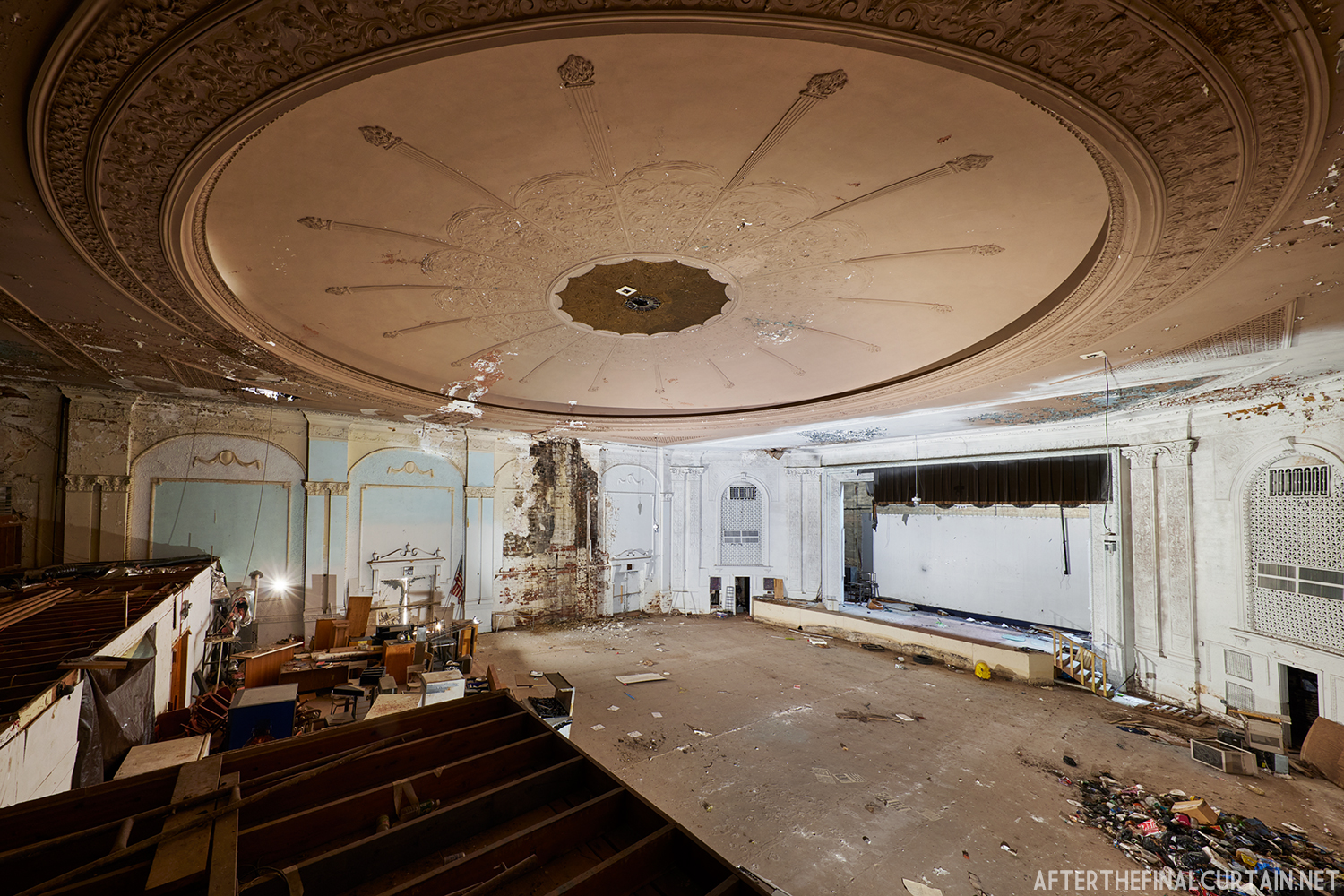
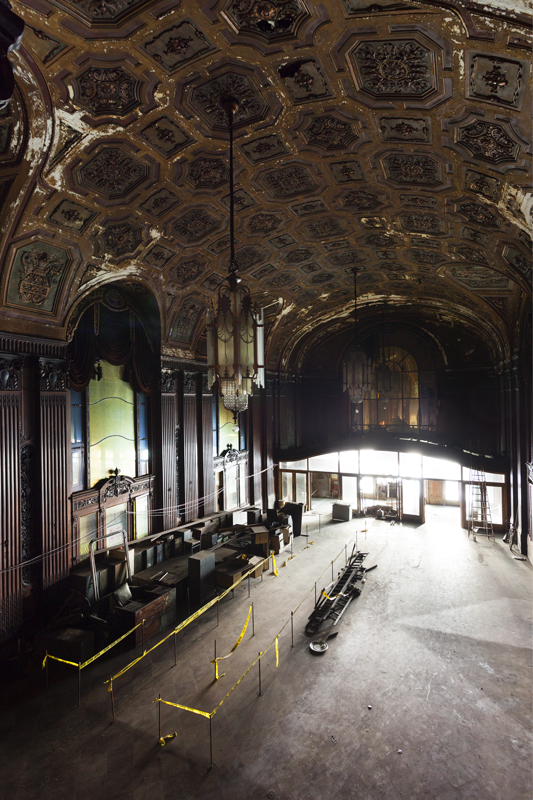
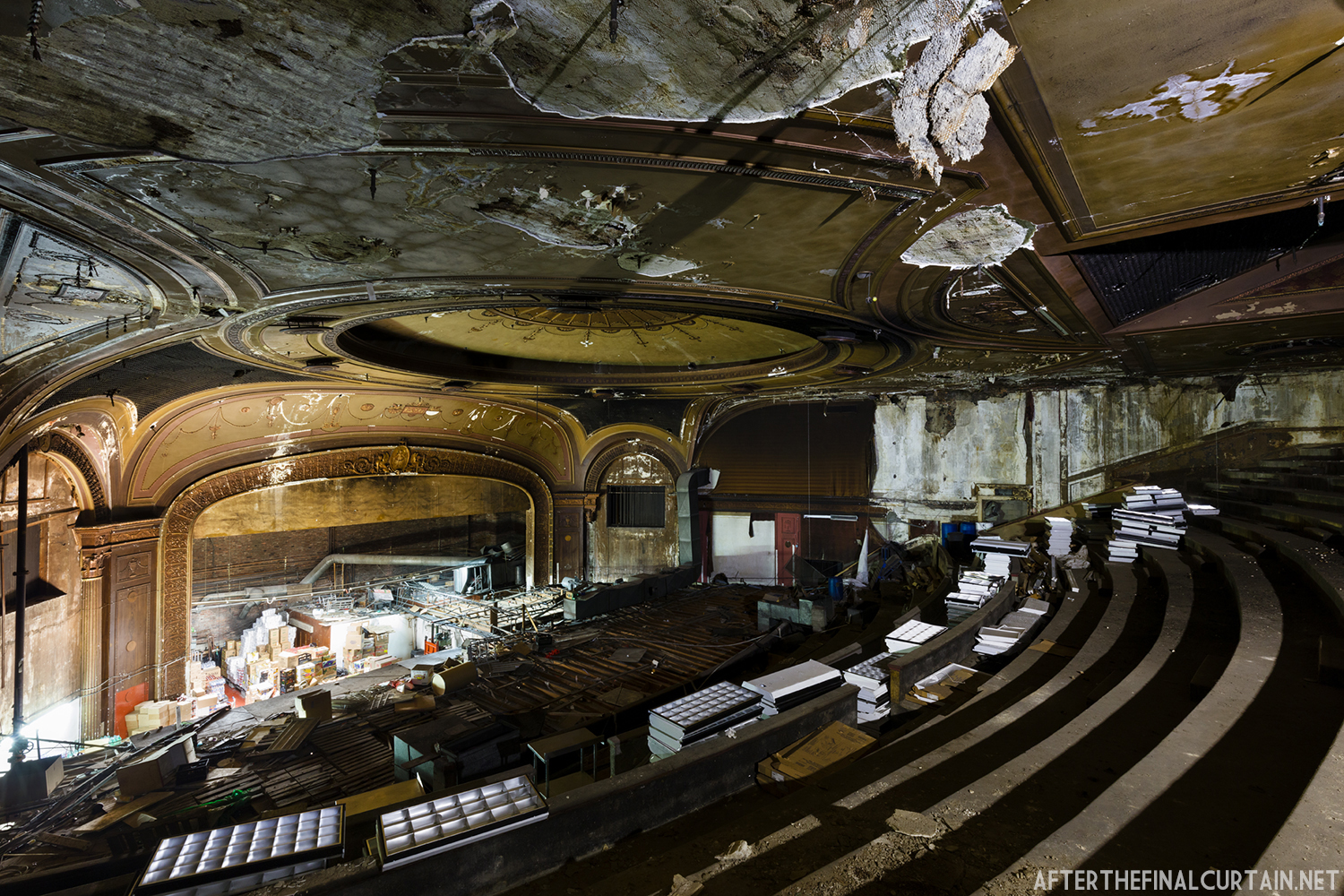
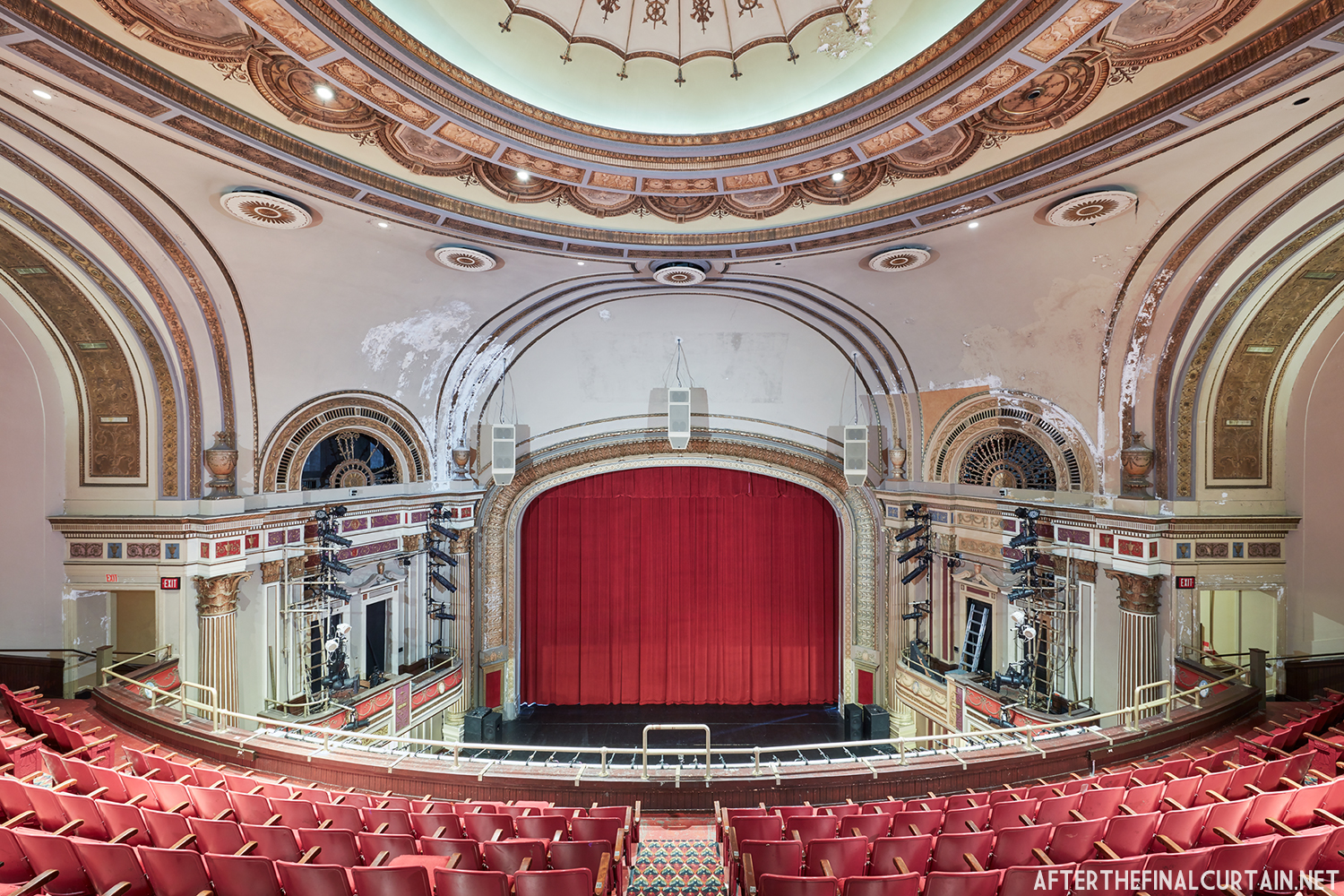
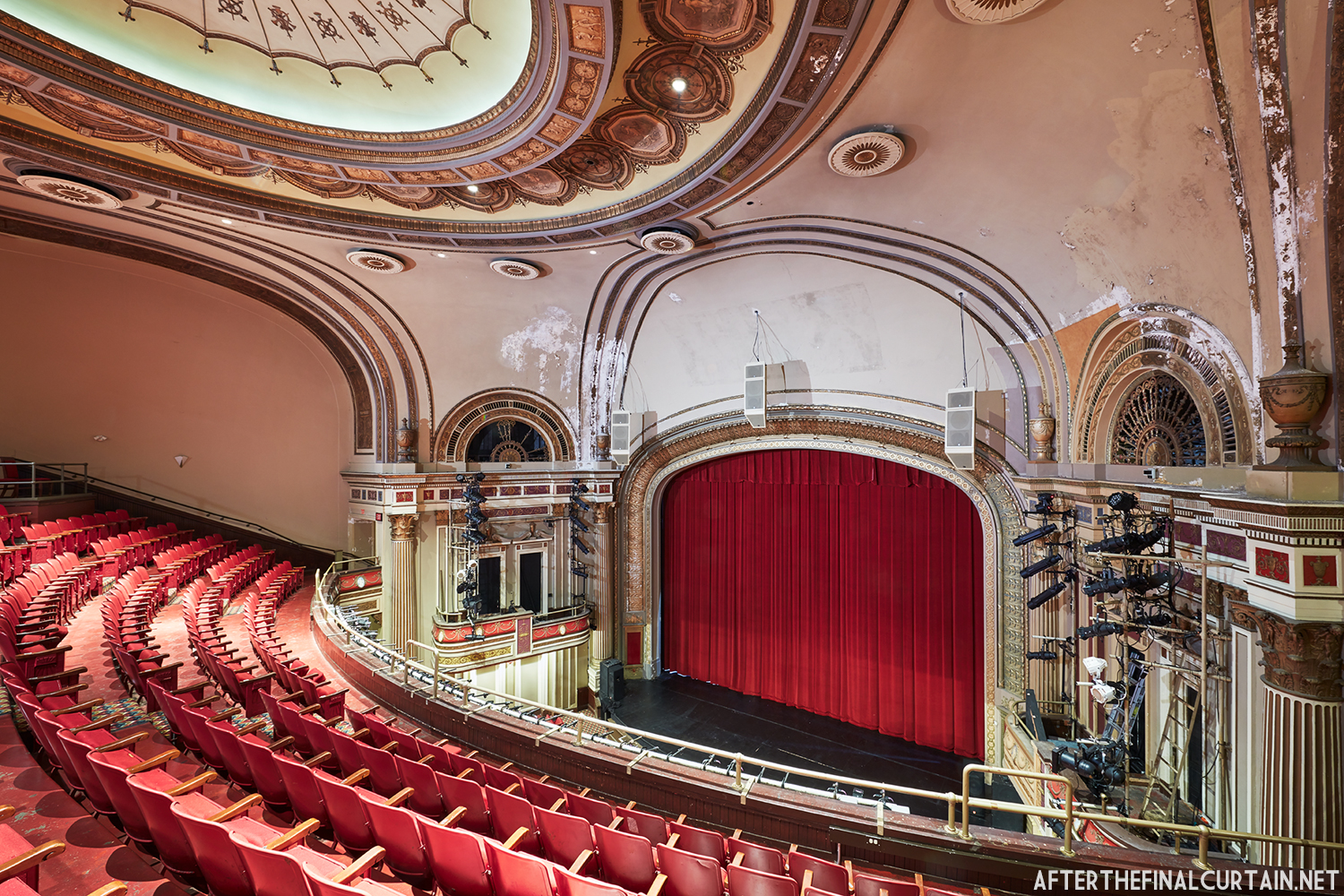
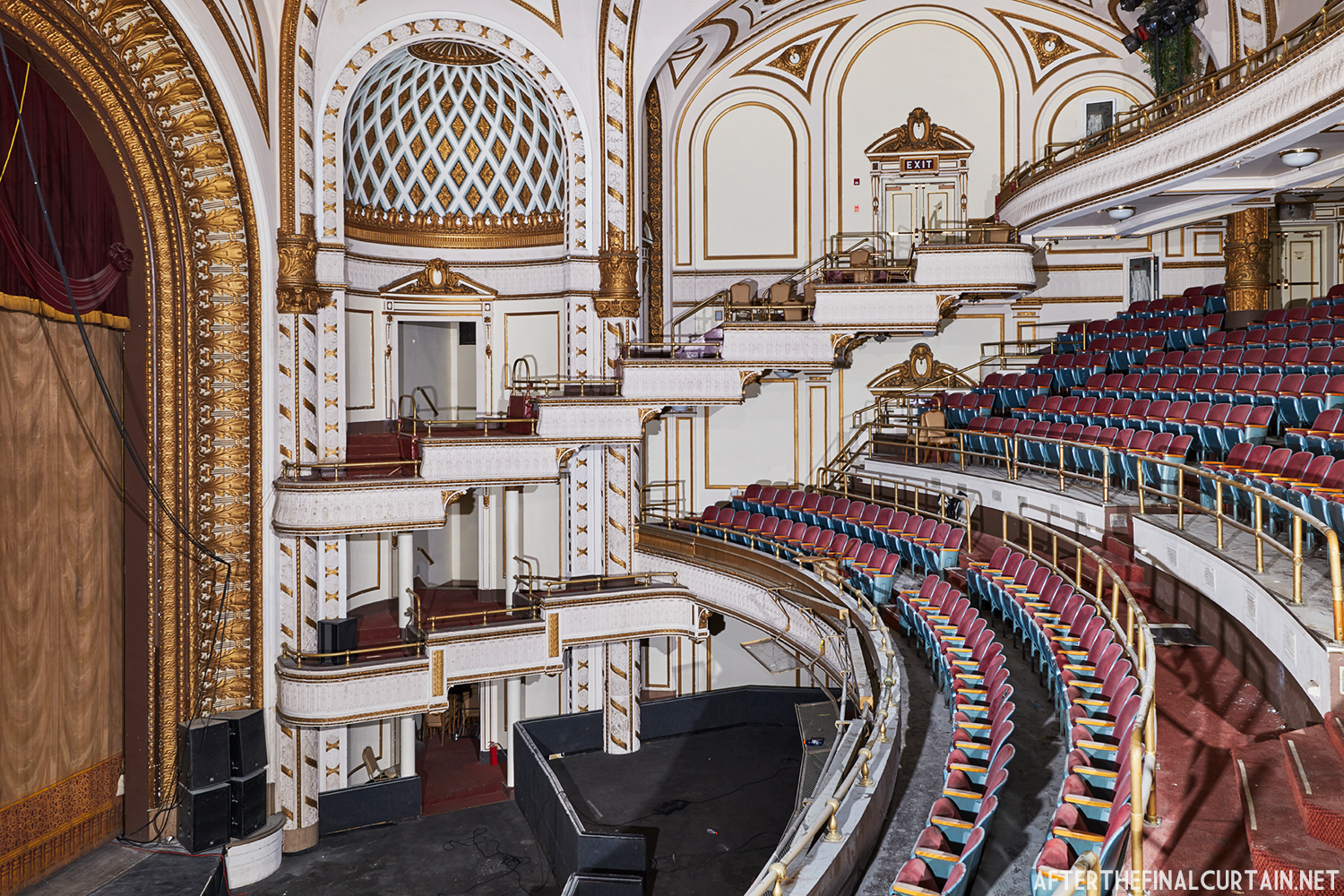
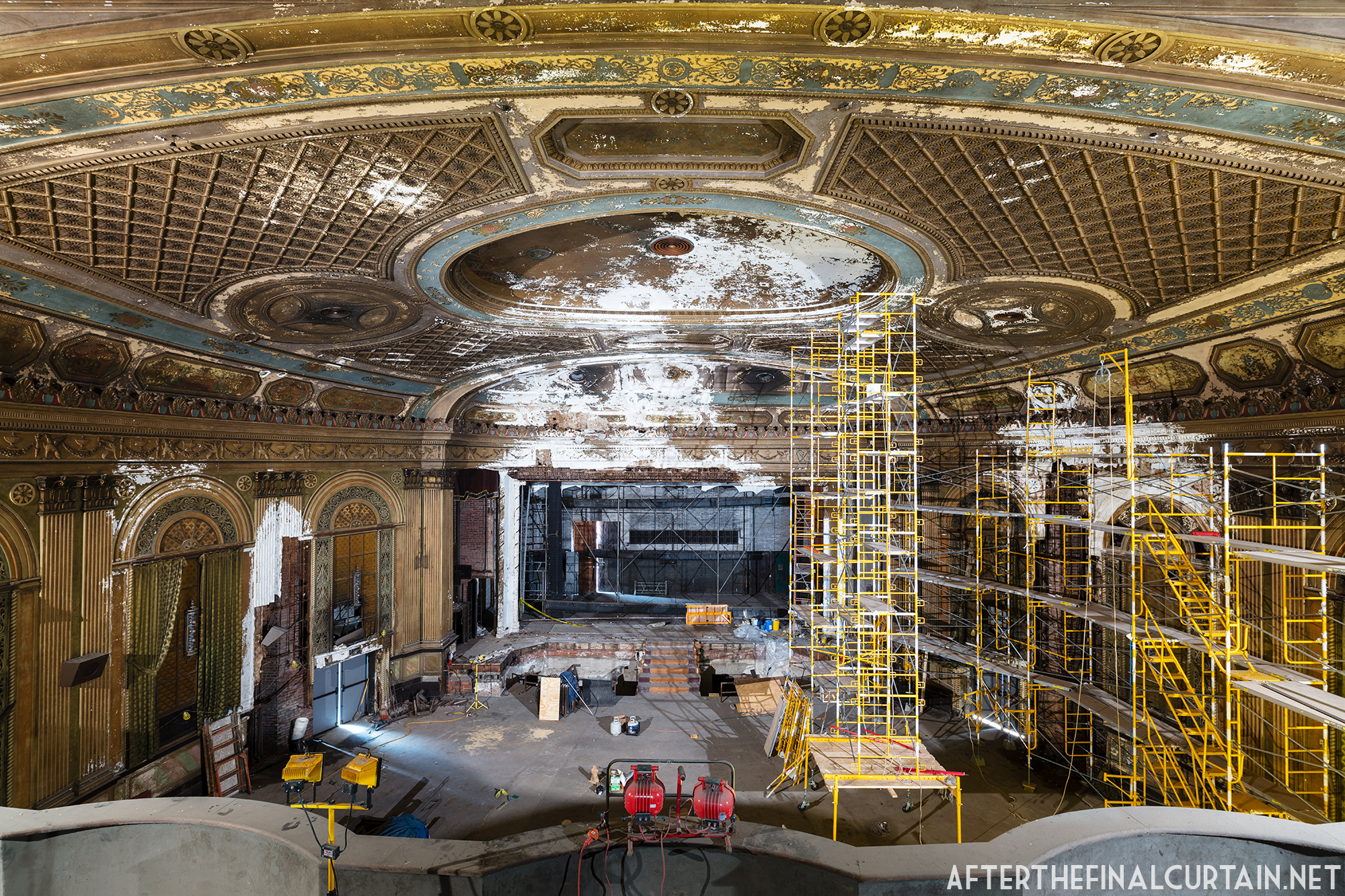
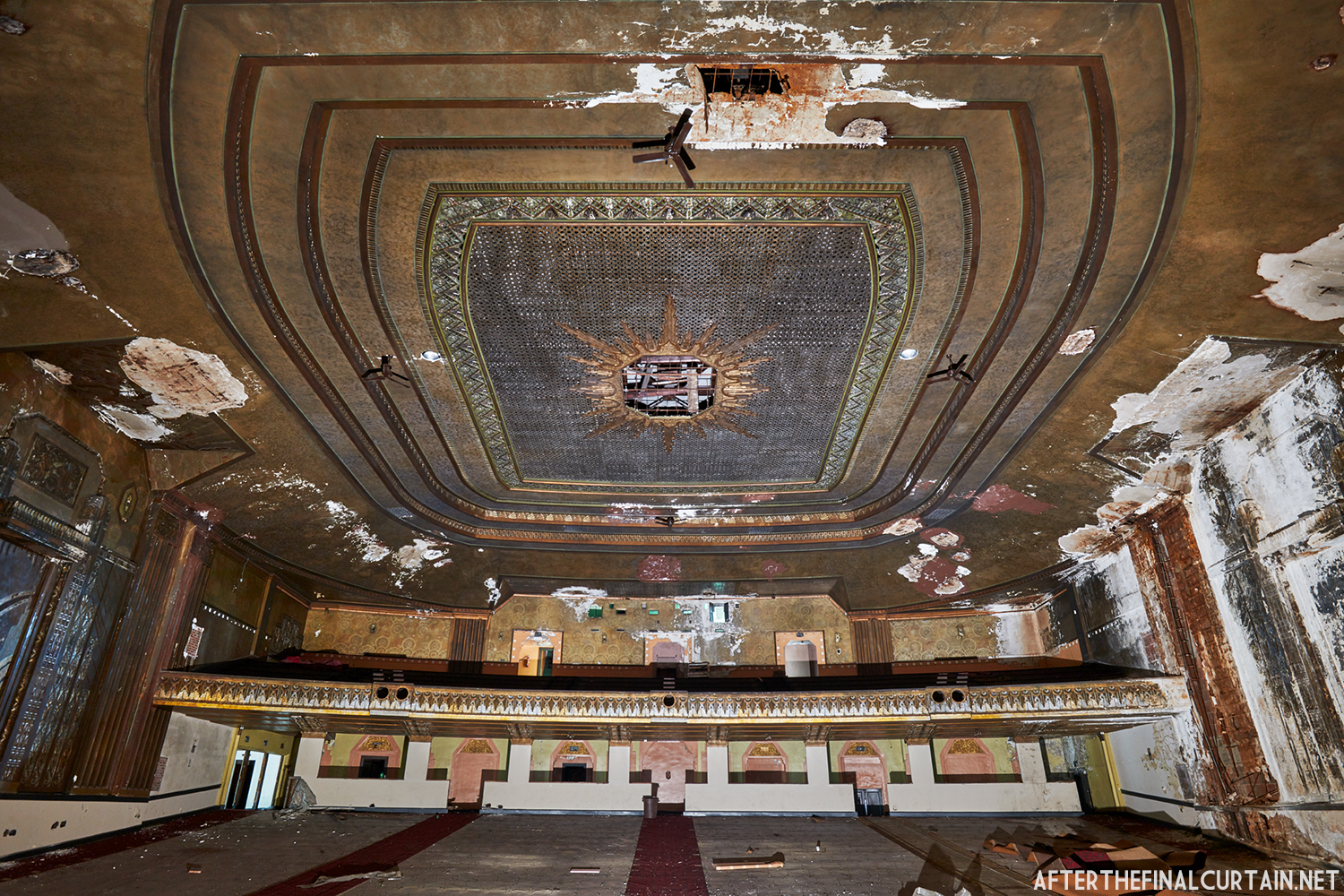
View from the middle balcony of the Emery Theatre.

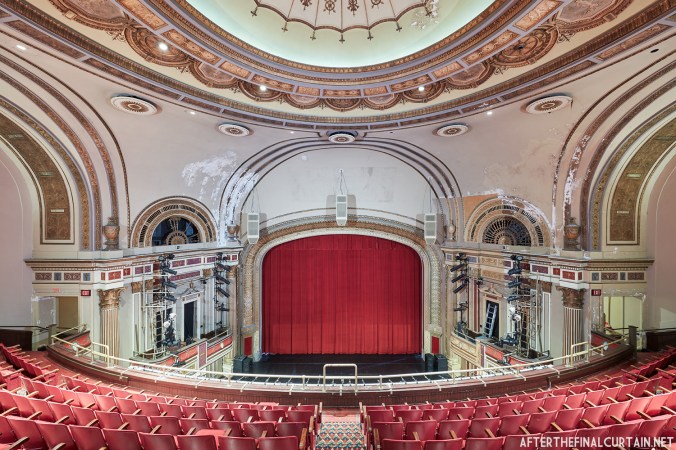
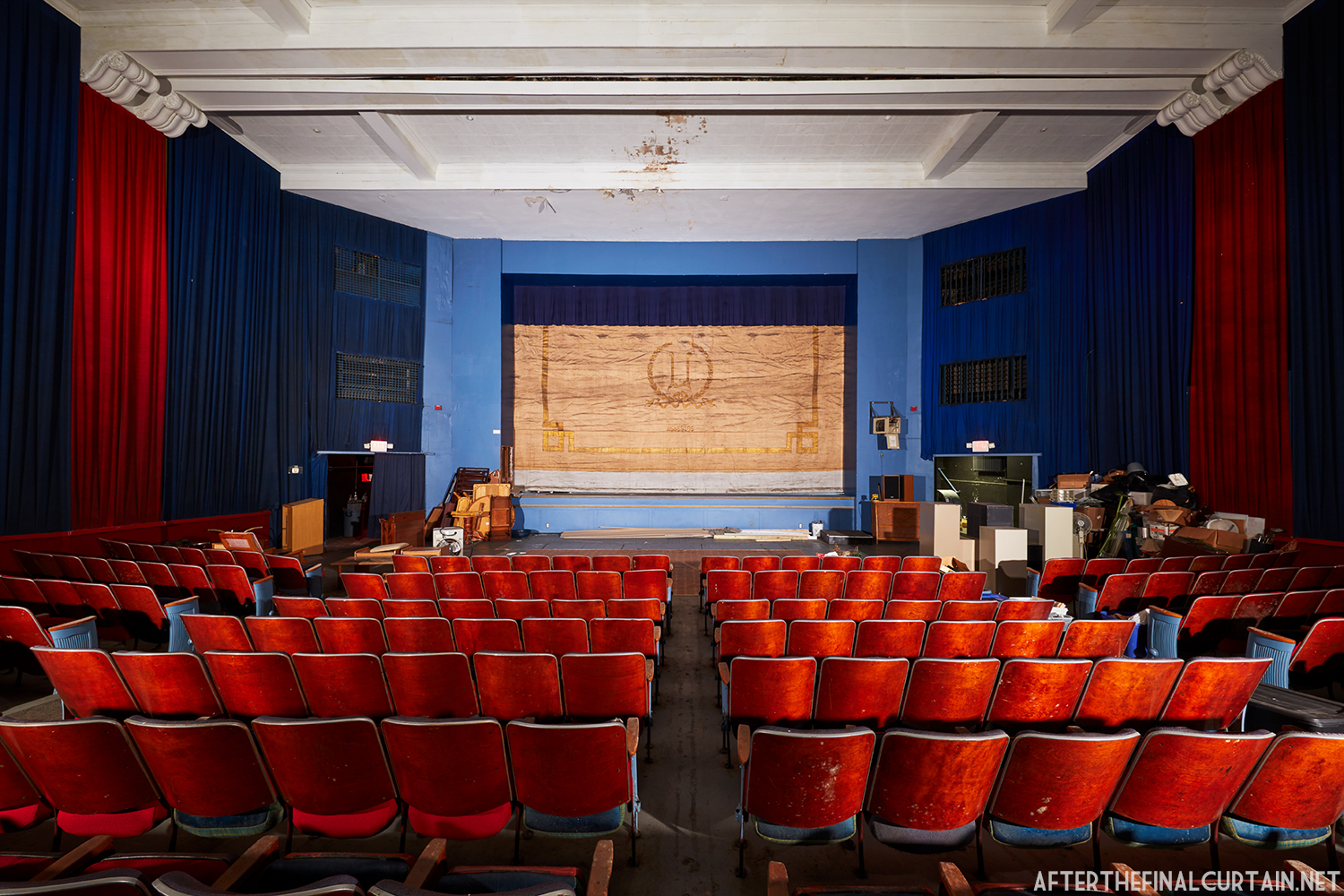
I’ve got two new photo workshop locations for 2023. The first is the Emery Theatre in Cincinnati, Ohio on June 24, 2023, and the second is the Imperial Theatre in Cincinnati on June 25, 2023. I’ve got a few more new locations in the works, but I don’t expect those to happen before the fall.

Here’s the current workshop line up:

Franklin Park Theatre

Location: Boston, MA

Date/Time:

April 16, 2023

The Theatre: The Franklin Park Theatre opened on December 8, 1914 in the Dorchester neighborhood of Boston, Massachusetts. It was designed by Boston architectural firm Funk and Wilcox, who also designed the nearby Strand Theatre. It was turned into a church in 1963.

Cost: $110

Tickets: http://www.mlambrosphotography.com/workshops/franklinparktheatreworkshop

Paramount Theatre

Location: Springfield, MA

Date/Time:  April 29, 2023

The Theatre: The Paramount Theater (also known as the Julia Sanderson Theater and The Hippodrome) opened in 1926. Built at a cost of $1 million (13 million when adjusted for inflation), it was the most ornate theater in western Massachusetts. The Paramount closed after being used as a nightclub for a few years. It is currently scheduled to undergo a renovation and reopen as a performing arts center.

Cost: $110.00

Tickets: https://www.mlambrosphotography.com/workshops/paramountworkshopapril2023

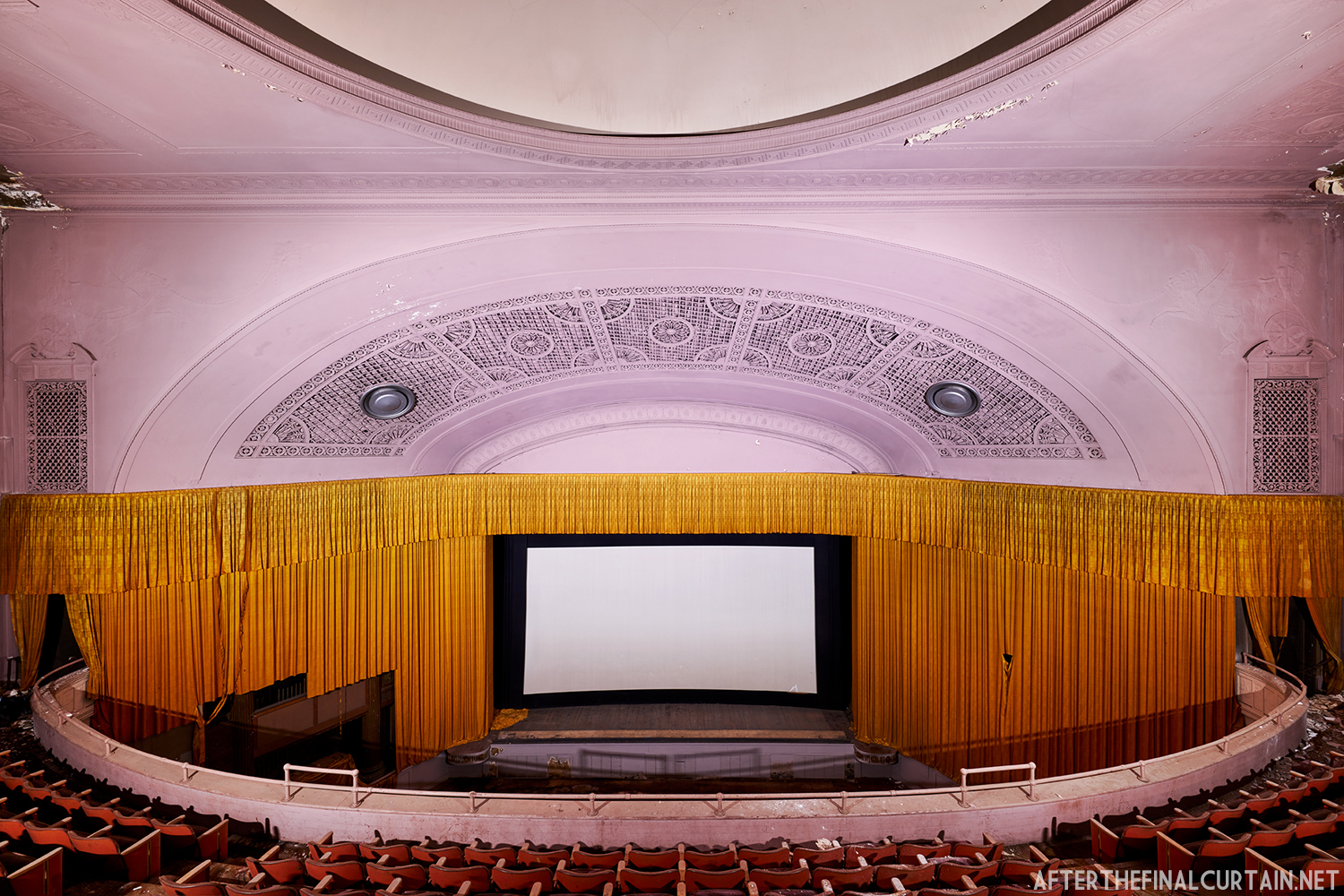
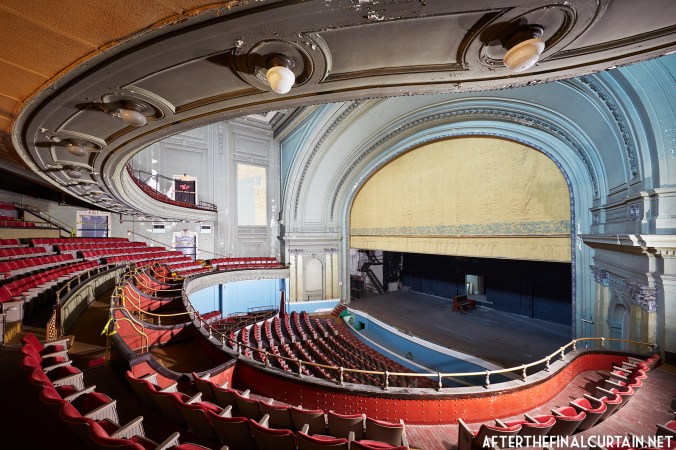
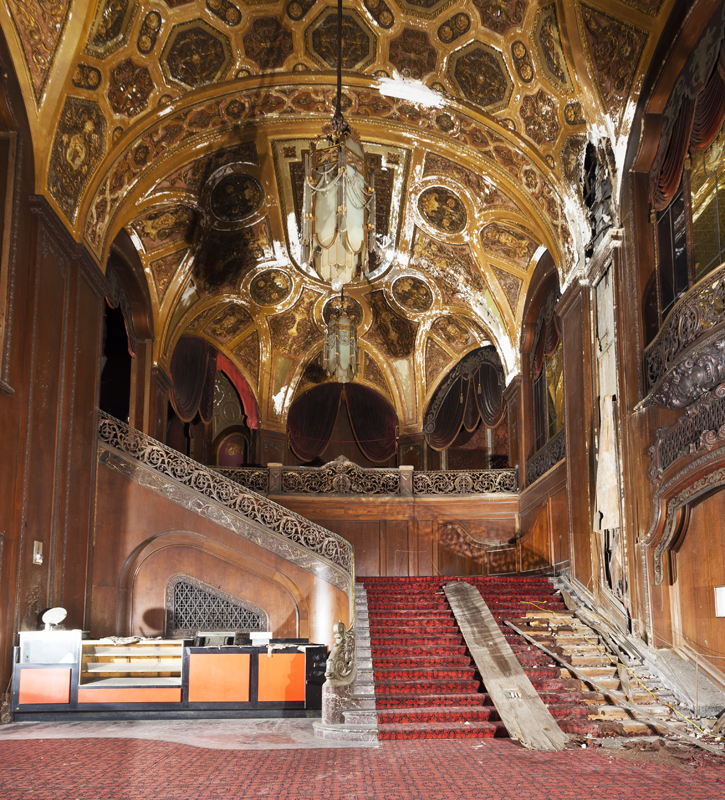
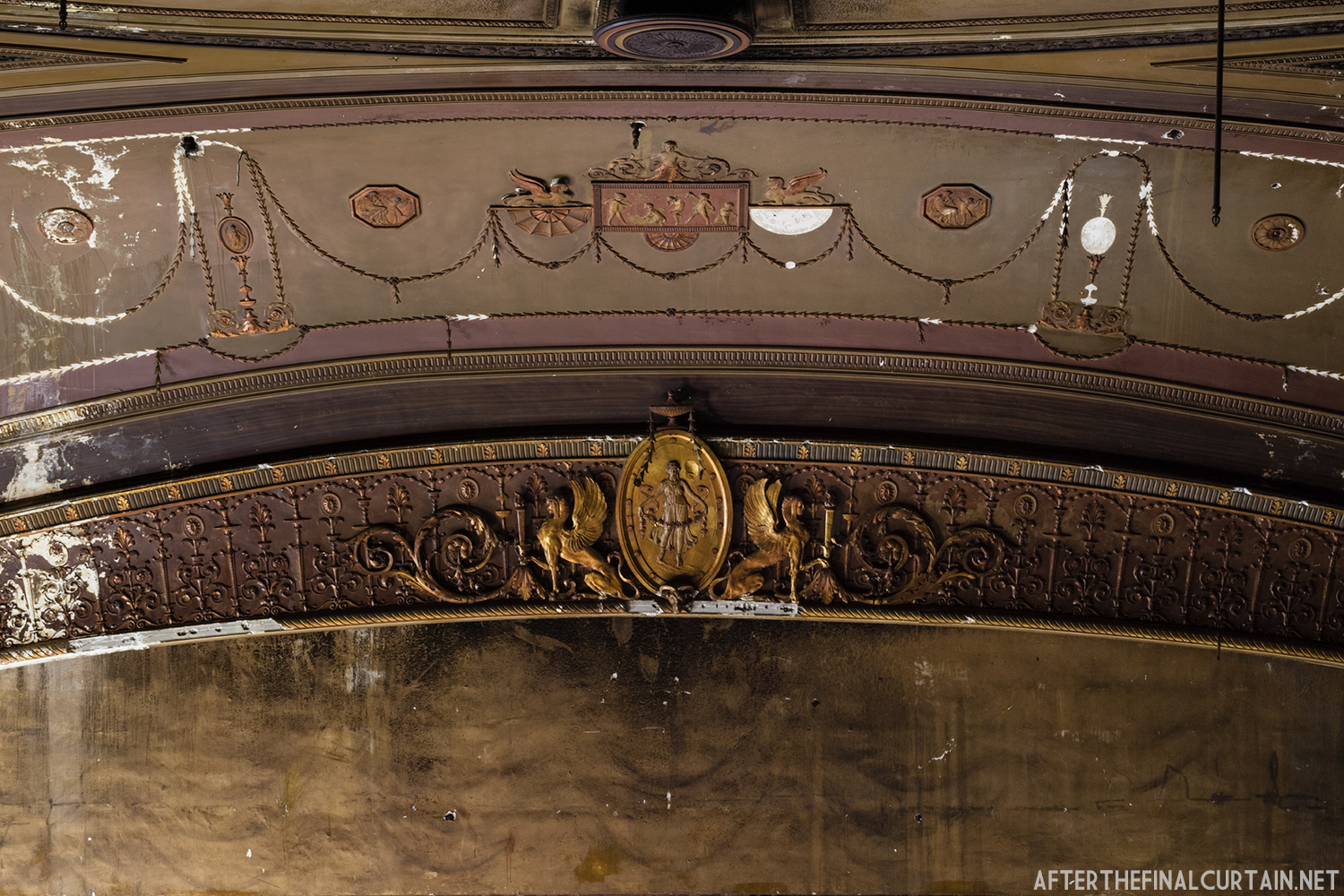
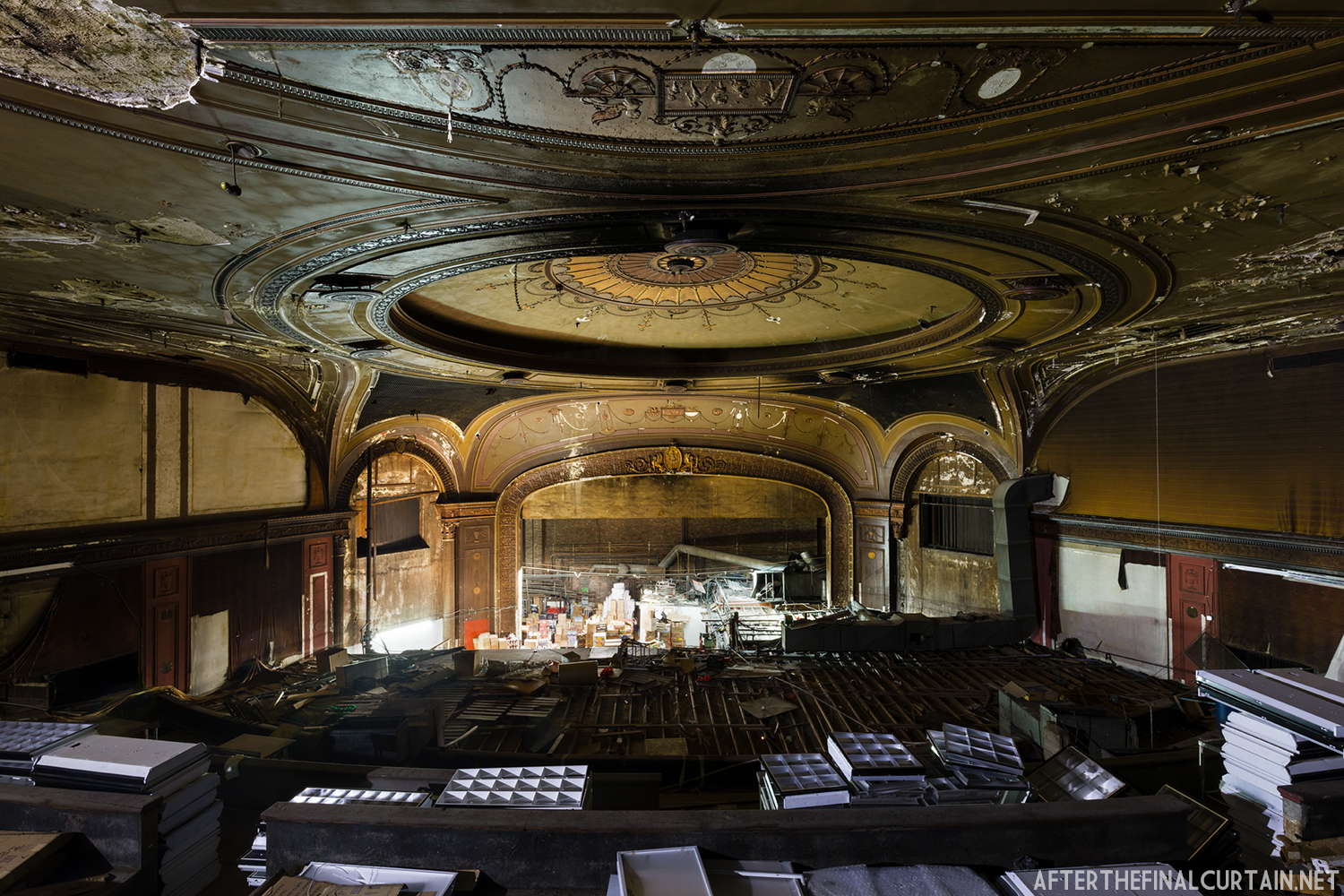
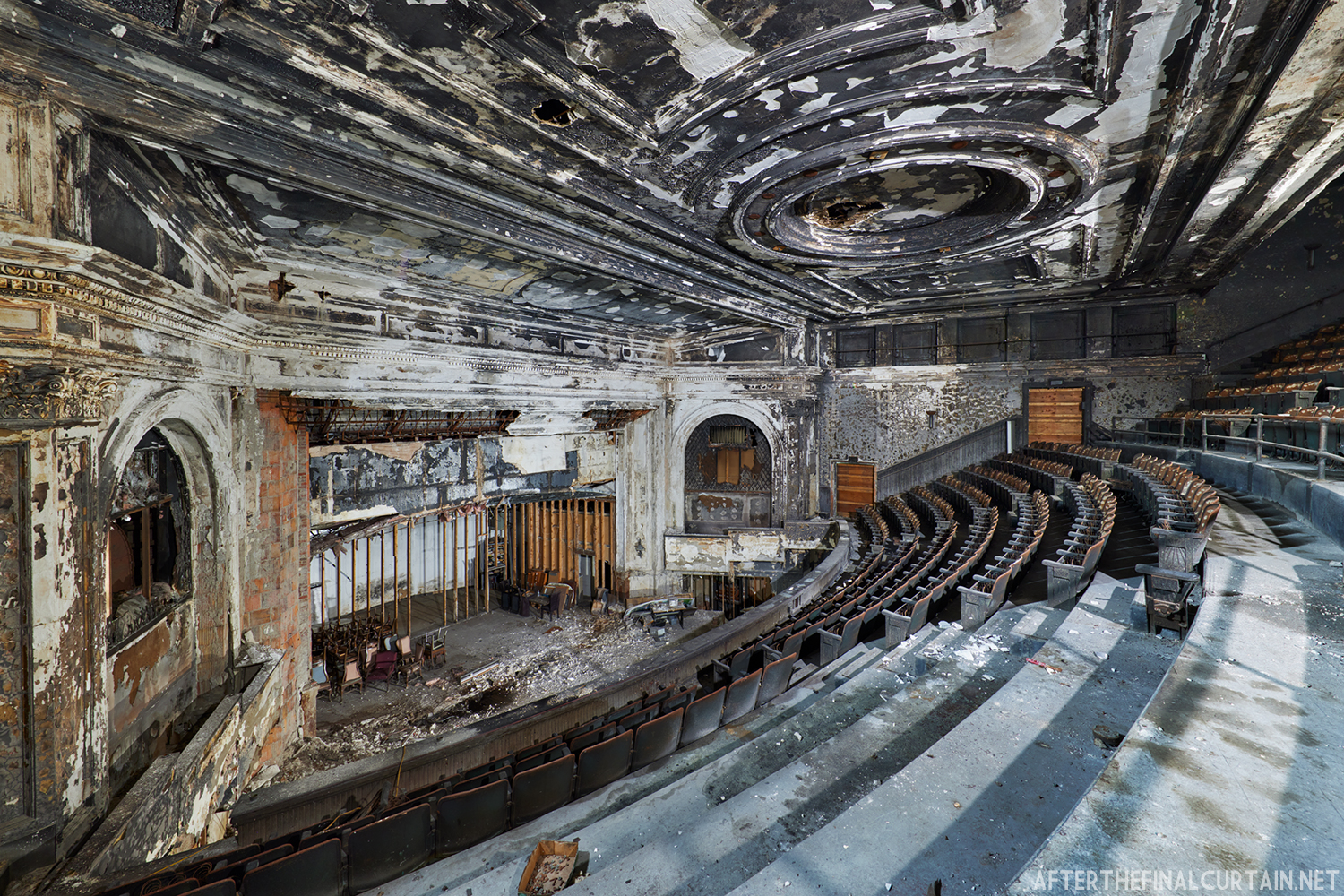
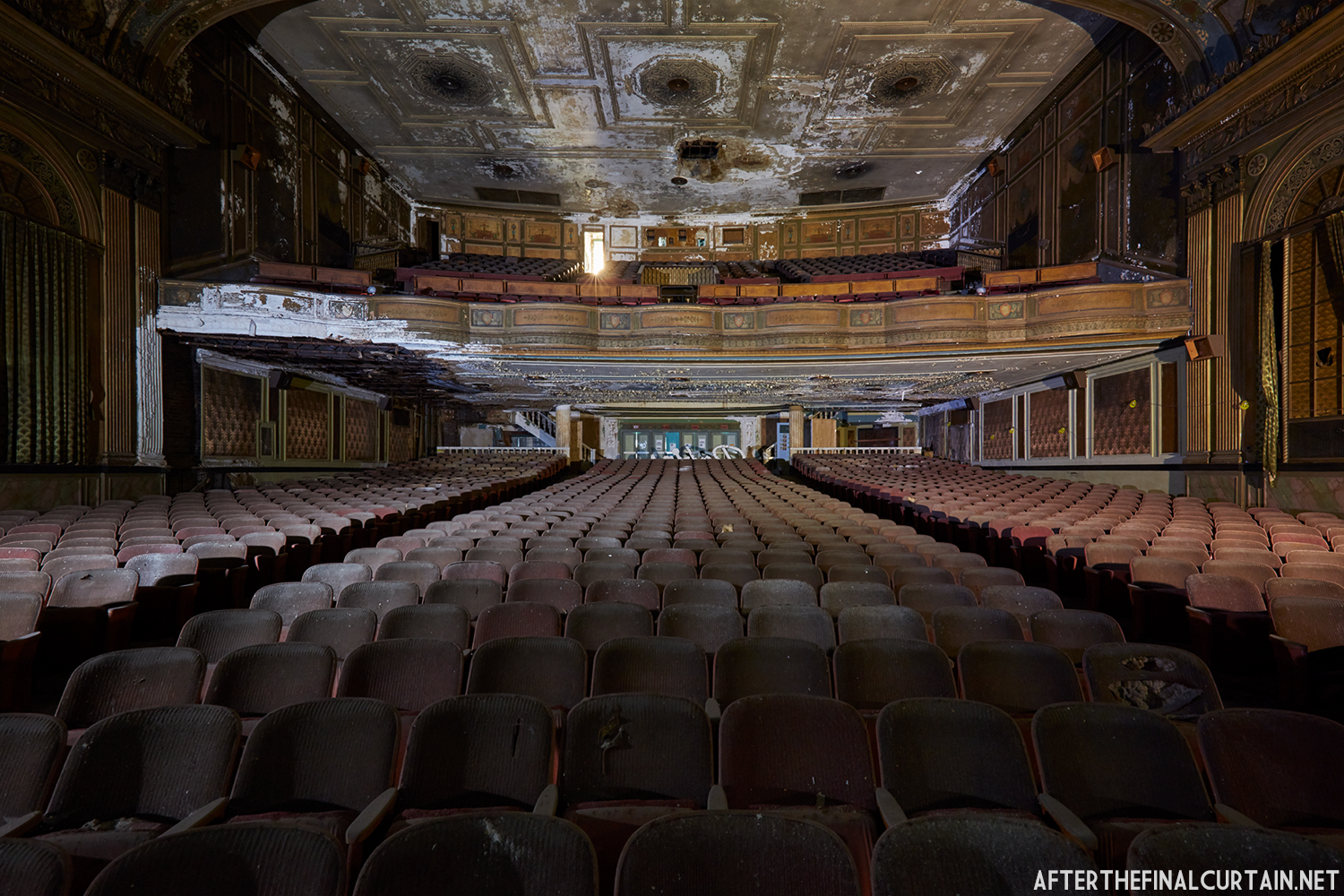
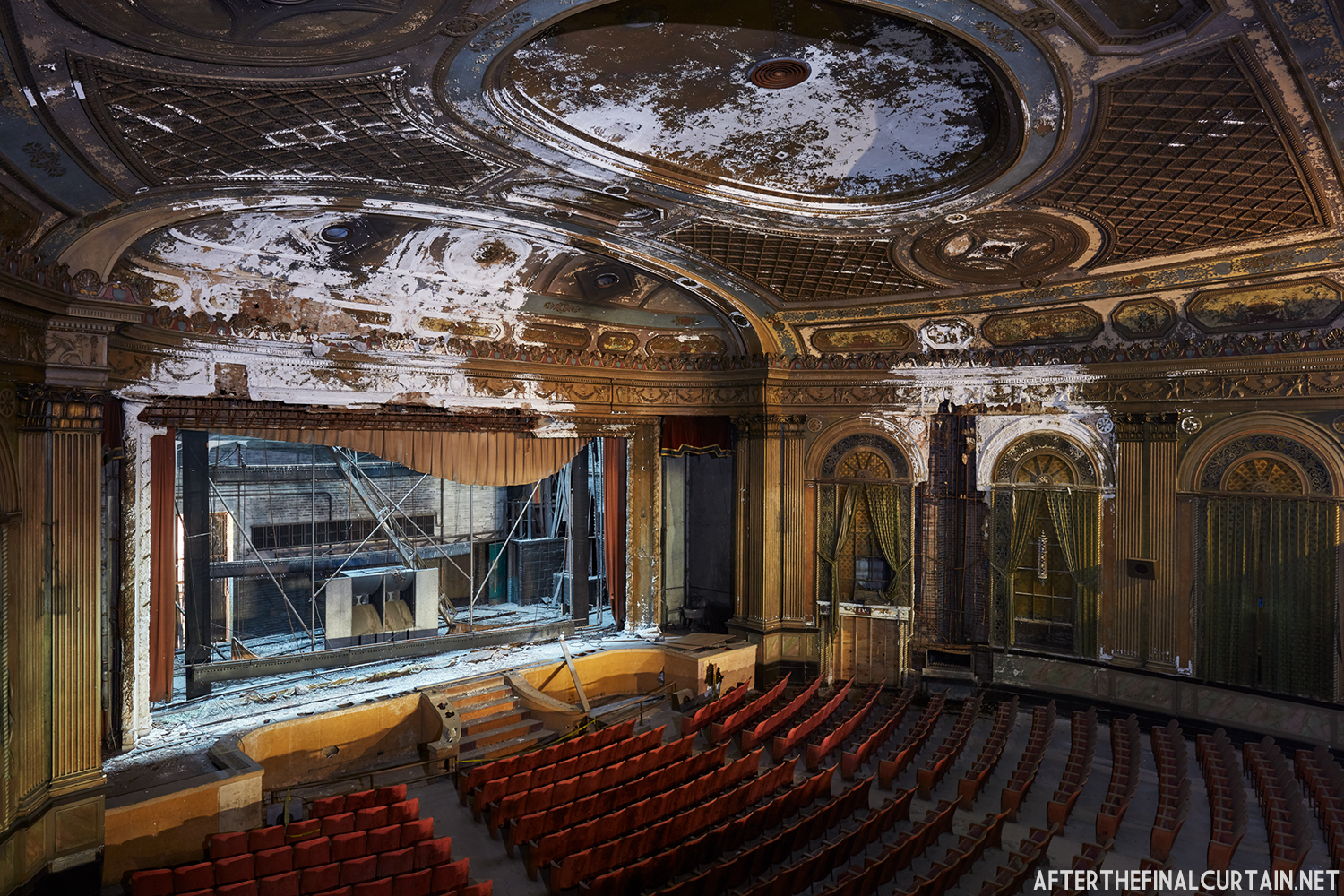
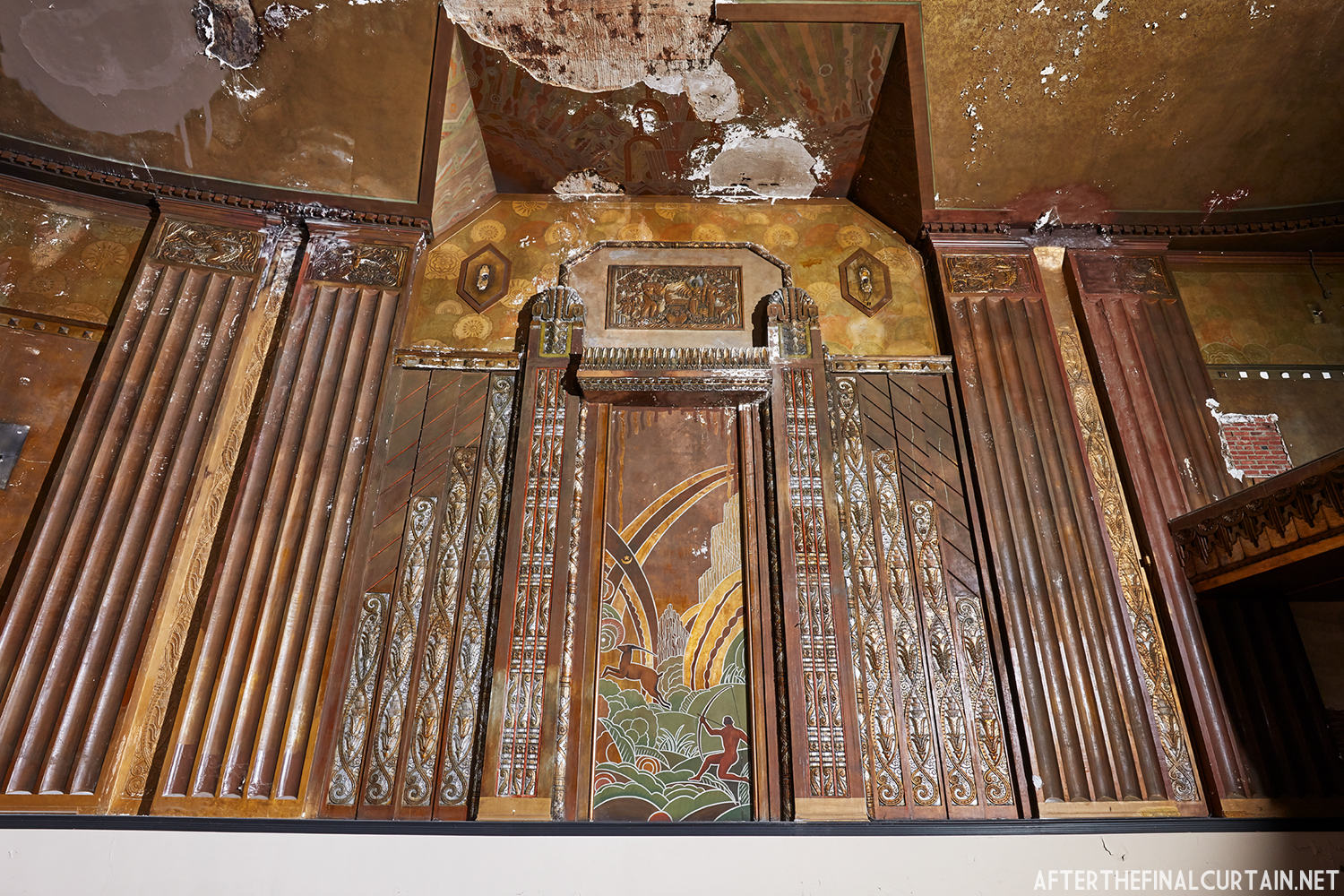
View from the side of the balcony at the Emery Theatre in Cincinnati, Ohio

Emery Theatre

Location: Cincinnati, Ohio

Date/Time:  June 24, 2023

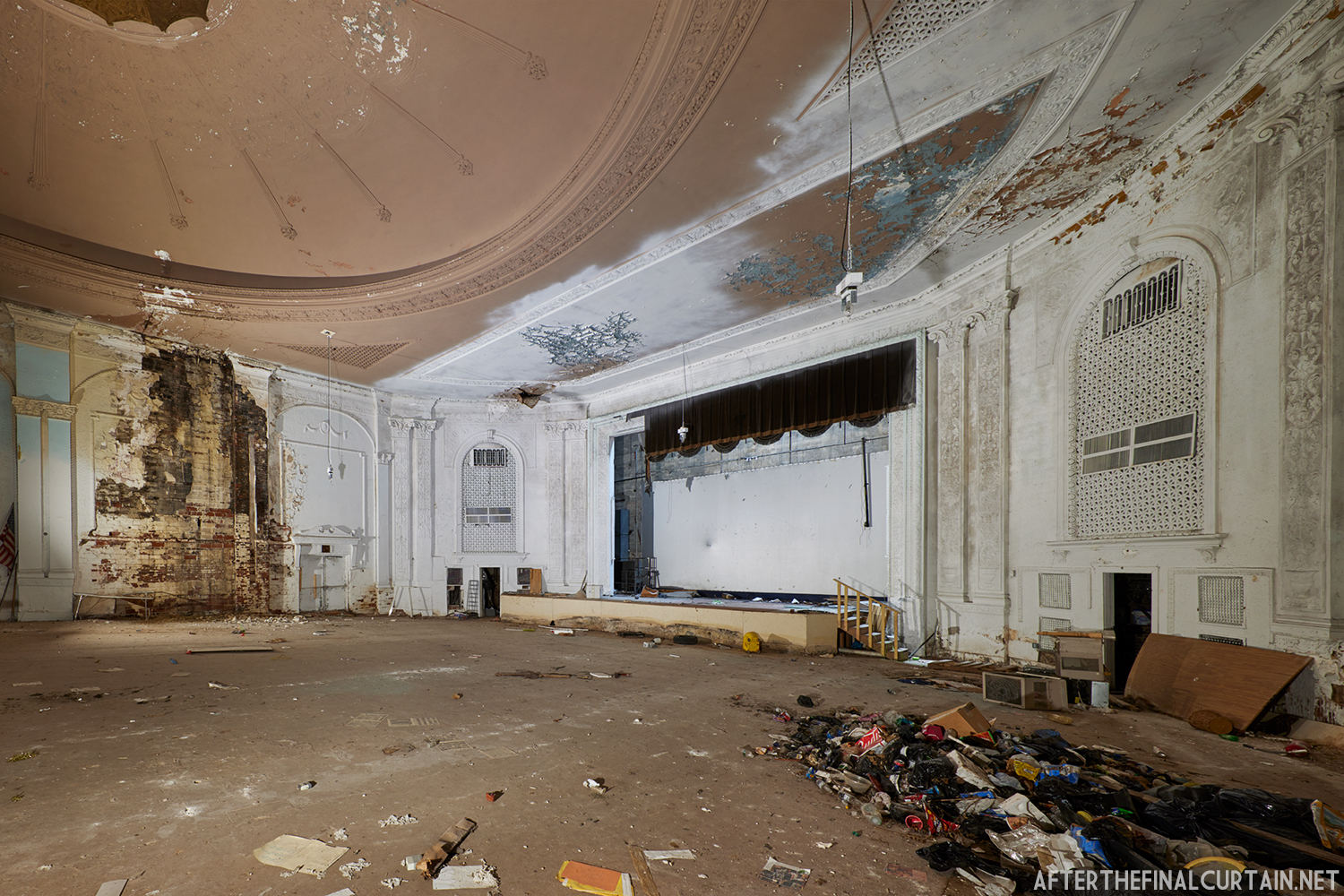
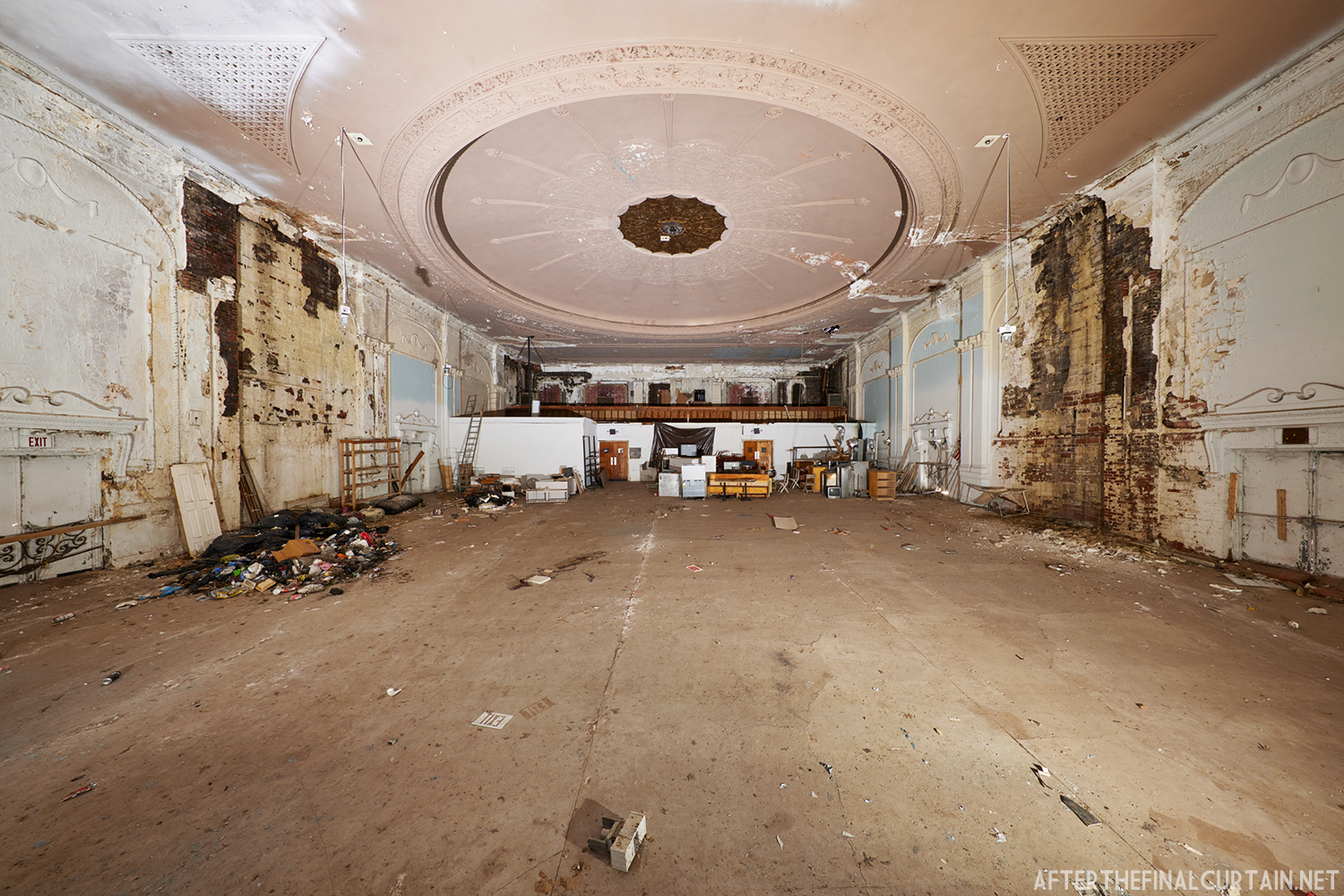
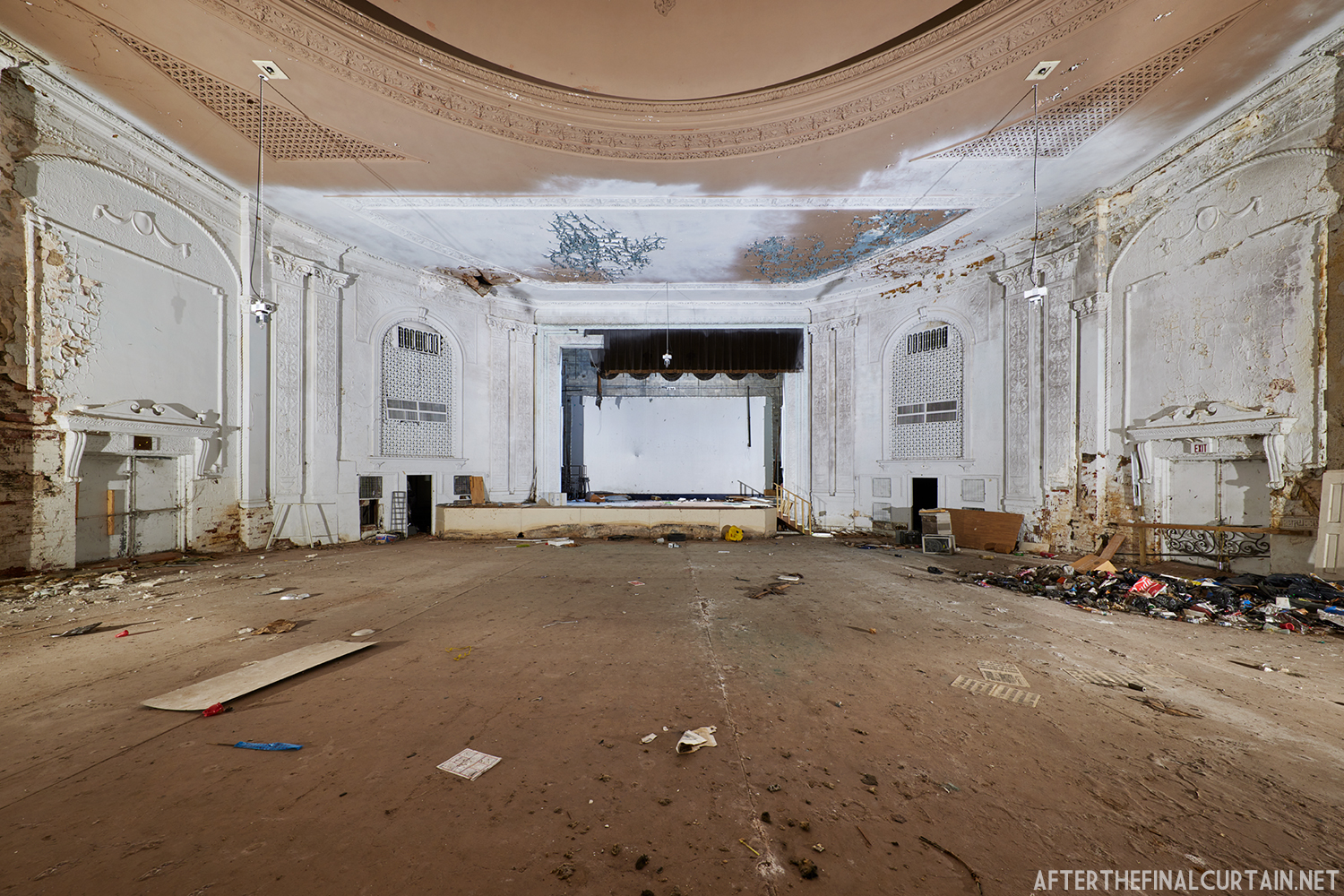
The Theatre: Built as part of the Ohio Mechanics Institute, the Emery Theatre in Cincinnati, Ohio opened on January 6, 1912 as the Emery Auditorium. It was one of four “acoustically perfect” concert halls whose design was inspired by the Auditorium Theatre in Chicago, IL. The other three were the Orchestra Hall, also in Chicago, Carnegie Hall in New York, and the Orchestra Hall in Detroit, MI. It was recently sold for $8.55 million to local developers who intend to restore the building. The restoration costs are estimated at around $30 million and will take about three years to complete.

Cost: $125.00

Tickets: https://www.mlambrosphotography.com/workshops/emery-theatre-623

Imperal Theatre

Location: Cincinnati, Ohio

Date/Time:  June 25, 2023

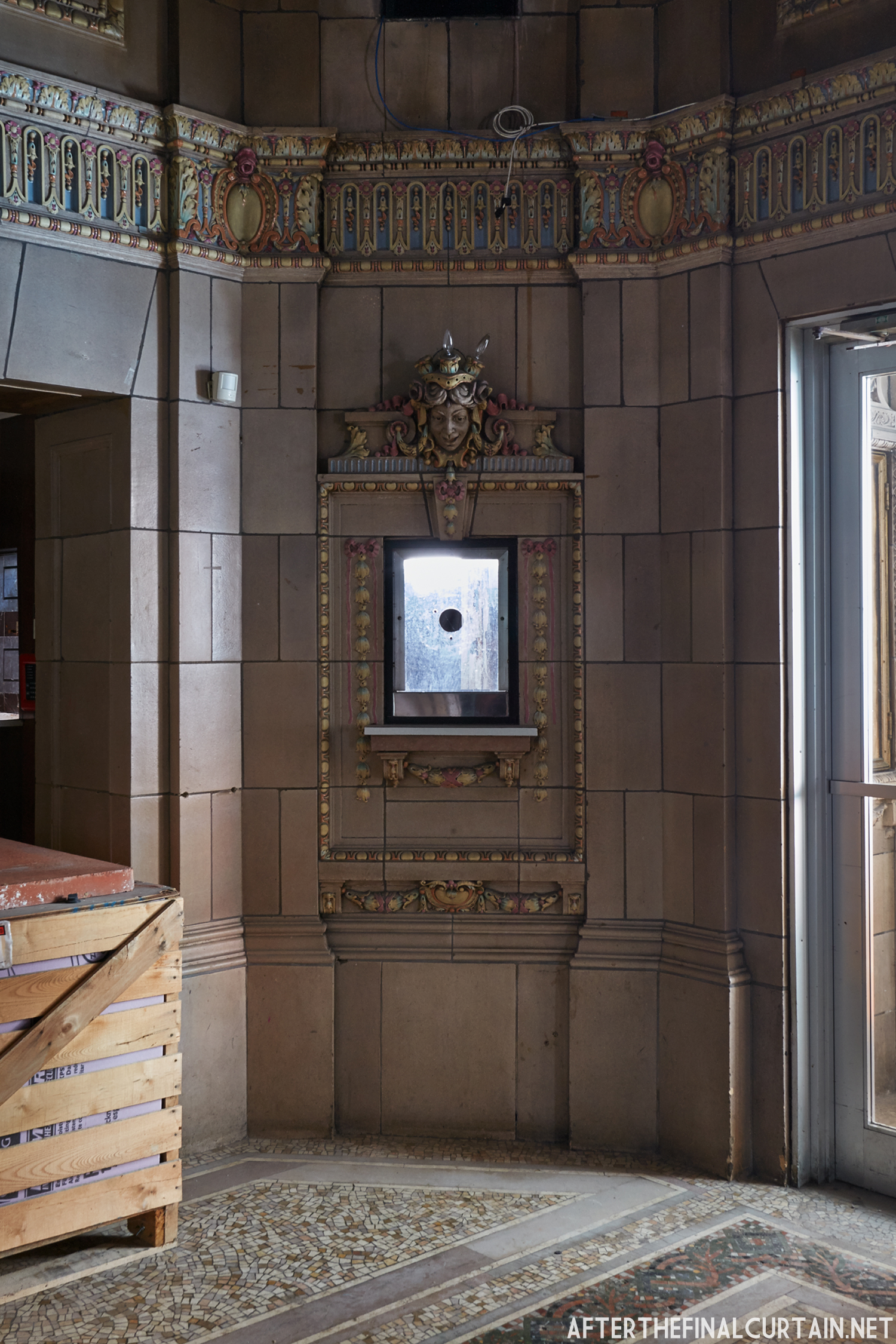
The Theatre:  The Imperial is a 700 seat theater that opened in 1913. it closed in the 70s and was used as a mattress store for until the late 2000s. The current owner is looking to restore and reopen it.

Cost: $70

Tickets: https://www.mlambrosphotography.com/workshops/imperialtheatre625

Strand Theatre Auditorium

Location: Boston, MA

Date/Time:

August 26, 2023

The Theatre: The Strand Theatre opened on November 11, 1918, in the Dorchester neighborhood of Boston, Massachusetts. It was designed by Boston architectural firm Funk and Wilcox, who also designed the nearby Franklin Park Theatre. It is currently used for live events, and has air conditioning, which makes it a perfect theater for workshop in August.

Cost: $75.00

Tickets: http://www.mlambrosphotography.com/workshops/strand-theatre-workshop-boston-ma

The Elmora Theatre – Elizabeth, New Jersey

View from the side of the auditorium.

The Elmora Theatre opened on February 15, 1927 in Elizabeth, New Jersey. It was called “The Theatre Beautiful” in early advertisements and was primarily a live playhouse when it opened. The Kirkham Players, a local acting company, performed in most of the plays shown at the Elmora. However, on June 11, 1928, a little over a year after they began, J. Ellis Kirkham, the managing director of the Kirkham Players, resigned because of a difference of opinion on managerial policy. Kirkham’s resignation led to a much less popular group taking over the Elmora, and by 1929 it had closed.

Looking back from the stage.

On April 1st 1929, Werba and Taylor of New York City reopened the Elmora. The first play shown at the newly christened Werba’s Elmora was “The Trial of Mary Dugan.” By 1941, the Elmora had switched to showing motion pictures, and continued to do so until it closed. Bob Jaspan, an Elizabeth City Councilman, had purchased the theater in 1986. Jaspan purchased the building to move his hardware store there, but was convinced to keep the theater open by his constituents. He ran two-for-one specials, reduced ticket prices and held monthly screenings for senior citizens, but ultimately could not compete with nearby multiplexes.

Jaspan closed the theater in 1996. After it closed, Jaspan had the long hallway style lobby split up into retail spaces, and rented out the auditorium to the Evangelistic Hispanic Church. Jaspan sold the theater a few years later. The auditorium became a secondhand furniture showroom in 2007, but that didn’t last long because of the deteriorating state of the building.

Loew’s Kings Theatre – Part 4

Material from for this post was taken from the first three chapters of my book, Kings Theatre; The Rise, Fall and Rebirth of Brooklyn’s Wonder Theater. If you’d like to buy a copy, they are available on Amazon, and on my website. You can find the first three parts at the following links: 

https://afterthefinalcurtain.net/2018/09/13/loews-kings-theatre-part-one/

https://afterthefinalcurtain.net/2019/01/22/loews-kings-theatre-part-2-the-early-years/

https://afterthefinalcurtain.net/2019/03/08/loews-kings-theatre-part-3-the-queen-of-the-kings/

View from the side of the balcony.

Rumors circulated Loews was interested in selling the Kings in November 1976. Marty Markowitz, then president of the Flatbush Tenants Council, confirmed that the building was up for sale. According to Markowitz, “I know that the building is up for sale. I don’t know if it has been sold yet, but I know that the Loews Corporation would like to sell it.” Markowitz said, “We would like to bring live entertainment to the theater – Broadway-type shows and concerts so that there could be a sort of renaissance on Flatbush Avenue. We mentioned it to the Loews people, but they aren’t interested.” Chet Arnow, the vice president in charge of advertising and publicity for Loews, denied that the Kings was up for sale, but added, “Sure the Kings is up for sale. Every one of our theaters is always up for sale if the price is right. If we don’t get the right price, we’ll continue operating the Kings as usual.” Brunner also denied the rumors and stated that people have been talking about the Kings closing for 20 years. Despite their denials, less than six months later, the marquee read, “Closed: Will Reopen Soon.”


Soon after the theater closed, two churches asked about buying the theater and converting it into a place of worship. There was precedent for this; Loew’s 175th, one of the Kings’ sister theaters, had been purchased by the United Christian Evangelistic Association in 1969 and converted into a church. Another former Loew’s Wonder Theater, the Valencia, closed around the same time as the Kings and was turned into a church two years later when Loew’s donated the building to the Tabernacle of Prayer for All People.

During the Loew’s Valencia theater’s early years, clouds were projected across the ceiling, giving the illusion of sitting under the stars at night.

Less than a month after closing, the Kings Theater was sold to the Kings Royalty Production Corporation (KRPC) for $718,385, or $2,782,520 when adjusted for inflation. The KRPC was formed for the specific purpose of purchasing and running the theater. Robert Smerling and David Fellman, the owners of KRPC, also owned the American Theatre Management Corporation (ATMC), which had several theaters in the tri-state area. “Loew’s” was removed from the marquee, and it reopened in early June 1977 as simply the Kings Theatre. The first film shown was Day of the Animals, a horror movie starring Leslie Nielsen. KRPC contracted with major movie companies, including Warner Brothers and Paramount, to turn the Kings into a first-run movie theater.

On July 13, 1977, lightning struck a substation near Buchanan, NY and began a chain of events that caused the New York metropolitan area to lose power for around 25 hours. Looting began soon after the power went out. It was especially bad in the Bronx, Harlem, Queens, and Central Brooklyn. Eighty stores in Flatbush were hit, with 49 of them on Flatbush Avenue. The already low attendance and the destruction and looting during the blackout caused many people to stay away from the hardest hit neighborhoods.

One of the first films shown at the newly reopened theater was the follow up to the 1973 hit, The Exorcist. KRPC was banking on Exorcist II: The Heretic being as big a hit as the first one. Unfortunately, this film was considered by many to be one of the worst films ever made, and it languished at the box office. The Kings showed the “Exorcist II: The Heretic” for almost a month before switching to another film. By that point, the damage was done, and the KRPC could not meet expenses to keep the theater open. On Monday, August 29, 1977, the Kings closed again, just six weeks after it had reopened. The last film shown was “Bruce Lee: The Man, The Myth.”

Laurence Lehr, a representative employed by both KRPC and ATMC, claimed that the company closed the theater because it was cheaper to let the bank have it. “When you get monthly electric bills over $7,800 …, how do you expect to do business? You can’t do business in this city. The costs of labor, security, and everything else are ridiculous.” They tried to keep the costs down by rarely using the large chandeliers in the lobby and only turning the marquee on around 9 PM each evening. According to Lehr, the company was aware of the costs of running a theater when they bought it, but was hoping they could turn it around.


Casino Theatre – Bronx, NY

This was originally posted on After the Final Curtain’s Patreon in January 2022. For expanded early posts, as well as video walkthroughs and other exclusive content, you can become a patron at: https://www.patreon.com/afterthefinalcurtain

The auditorium of the former Casino Theatre in the Bronx.

View of the auditorium from the side of the balcony.

The Casino Theatre originally opened as the Willis Theatre in late December 1923. It’s near 138th Street in the Mott Haven neighborhood of the Bronx, NY. The 2,166 seat theater was designed by architect Eugene De Rosa, who is known for many other New York Metropolitan Theatres such as The Apollo Theatre in Harlem, Studio 54 in Midtown Manhattan, and the St. George Theatre in Staten Island. 

It was not a successful theater and closed and reopened many times throughout the 1920s, often with a change of format. It went from vaudeville to burlesque to motion pictures and even had a brief stint as a Broadway-style theater when a manager’s tryout for “A Woman of Destiny” was held at the theater in 1936.

Center view of the Auditorium, Casino Theatre - Bronx, NY

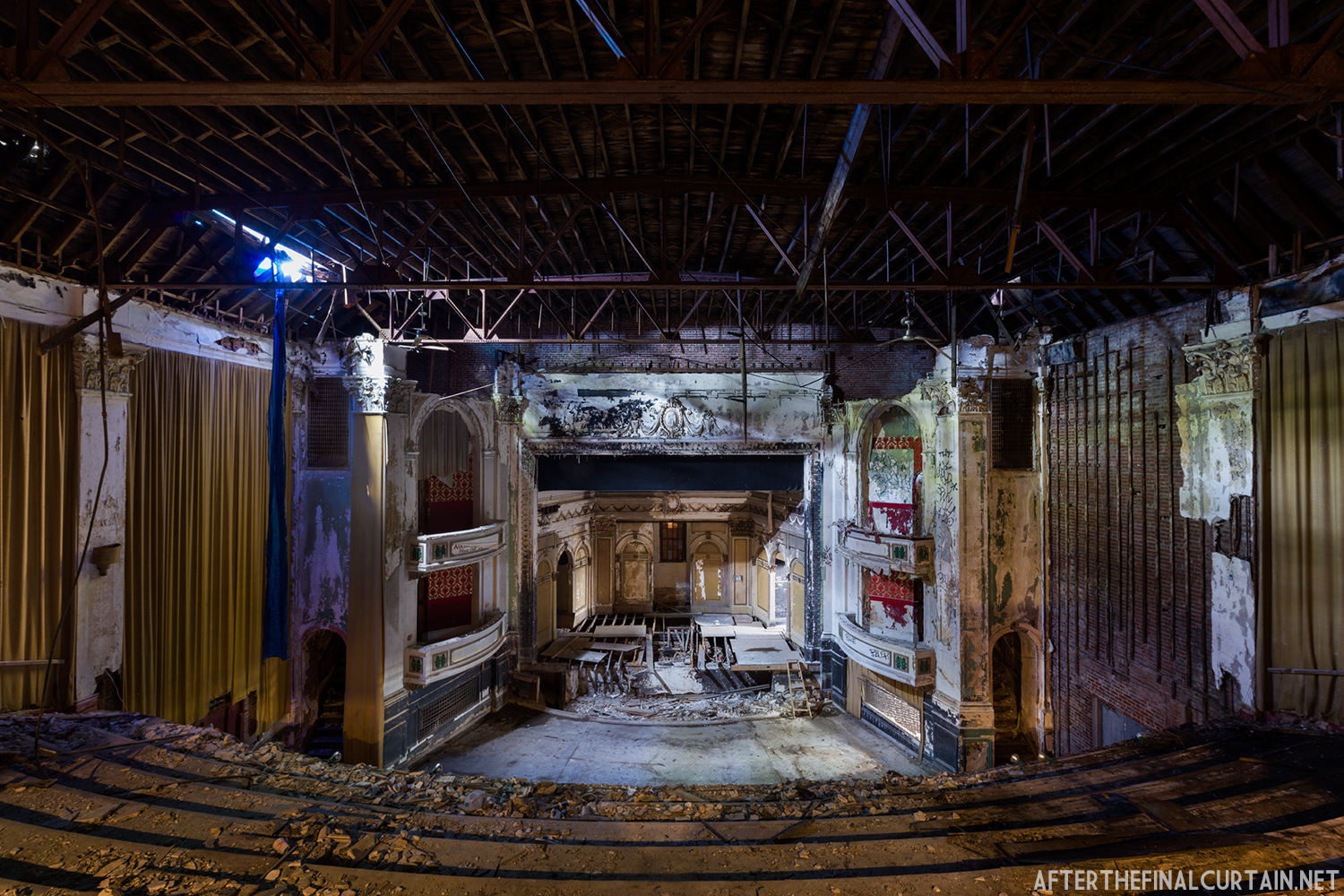
The orchestra level was converted into a grocery store, and the stage area is used for storage.

The Willis was renovated and renamed the Casino in 1939 to coincide with the World’s Fair, which was being held at Flushing Meadows-Corona Park in Queens, NY. It closed as a movie house for the last time in the 1960s. After a few years, a supermarket replaced the theater. However, it wasn’t demolished, at least not completely. Instead, the lobby and orchestra level of the auditorium were gutted and converted into the supermarket. The balcony is all that remains of the Casino today.

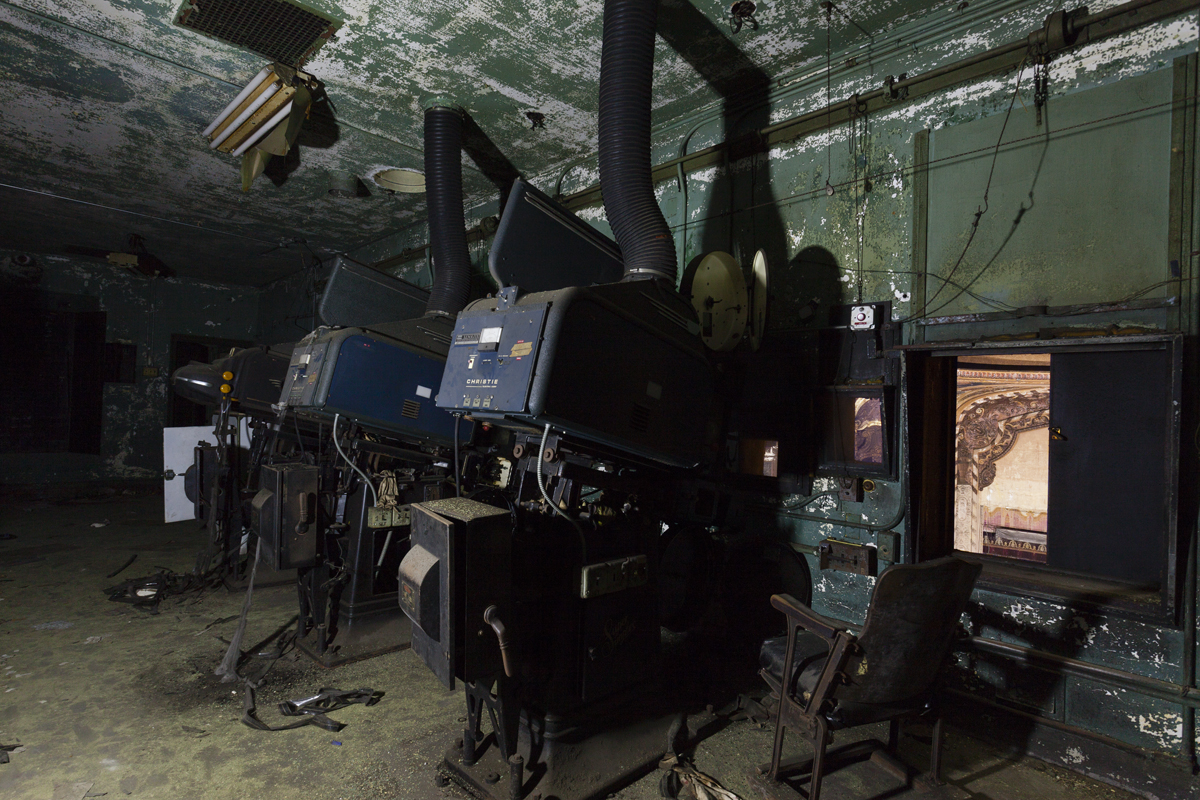
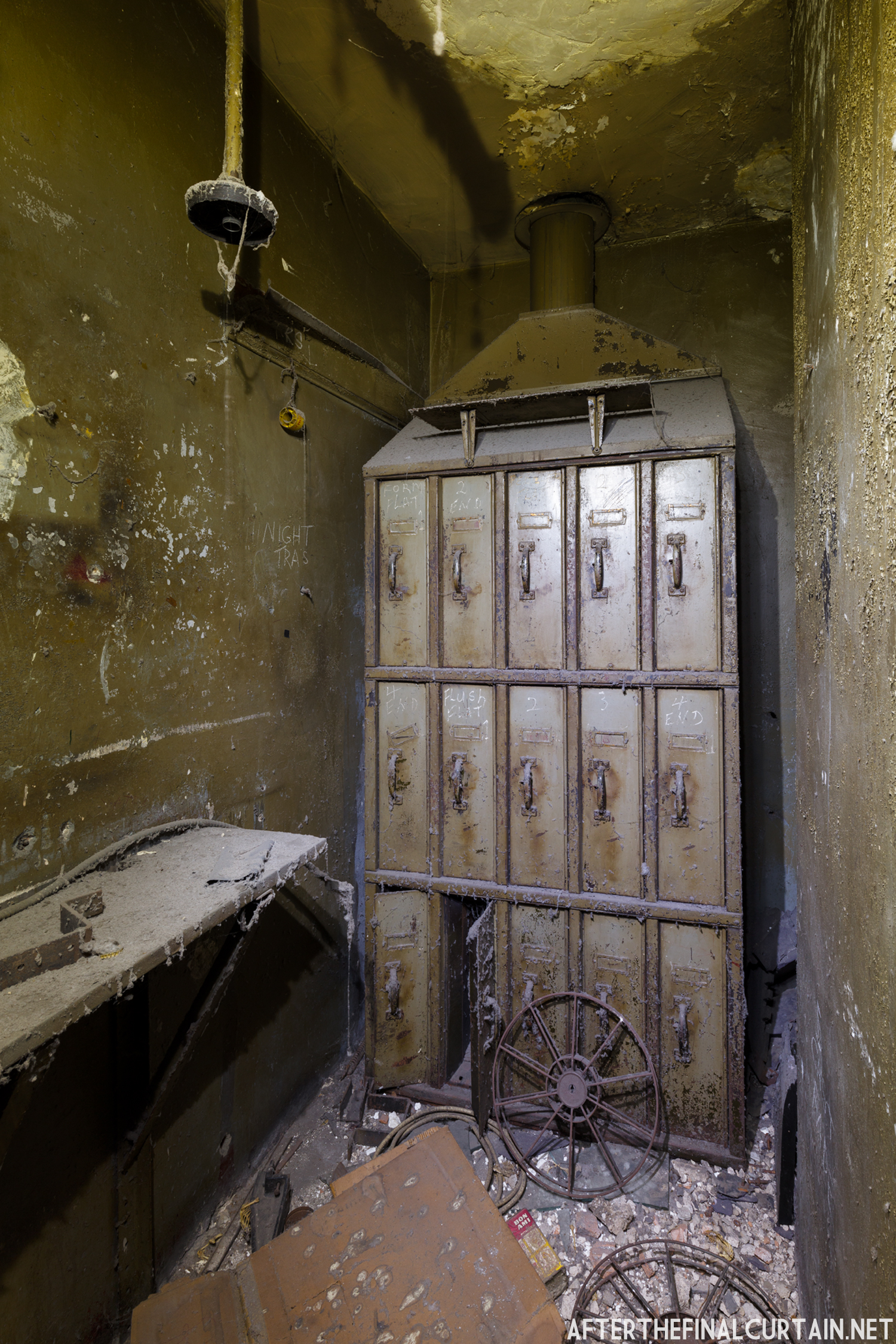
Storage lockers for films. Early film was made of nitrate, and it is very combustible, so it needed to be stored in lockers like the one pictured here.

Summer and Fall Workshops 2022

Strand Theatre Auditorium

Here are the dates and locations for the next four After the Final Curtain photo workshops. I’m very excited about the Strand Theatre, which is an active theater, so it’ll be nice and cool inside.

A long exposure of the Everett Square Theatre auditorium. 

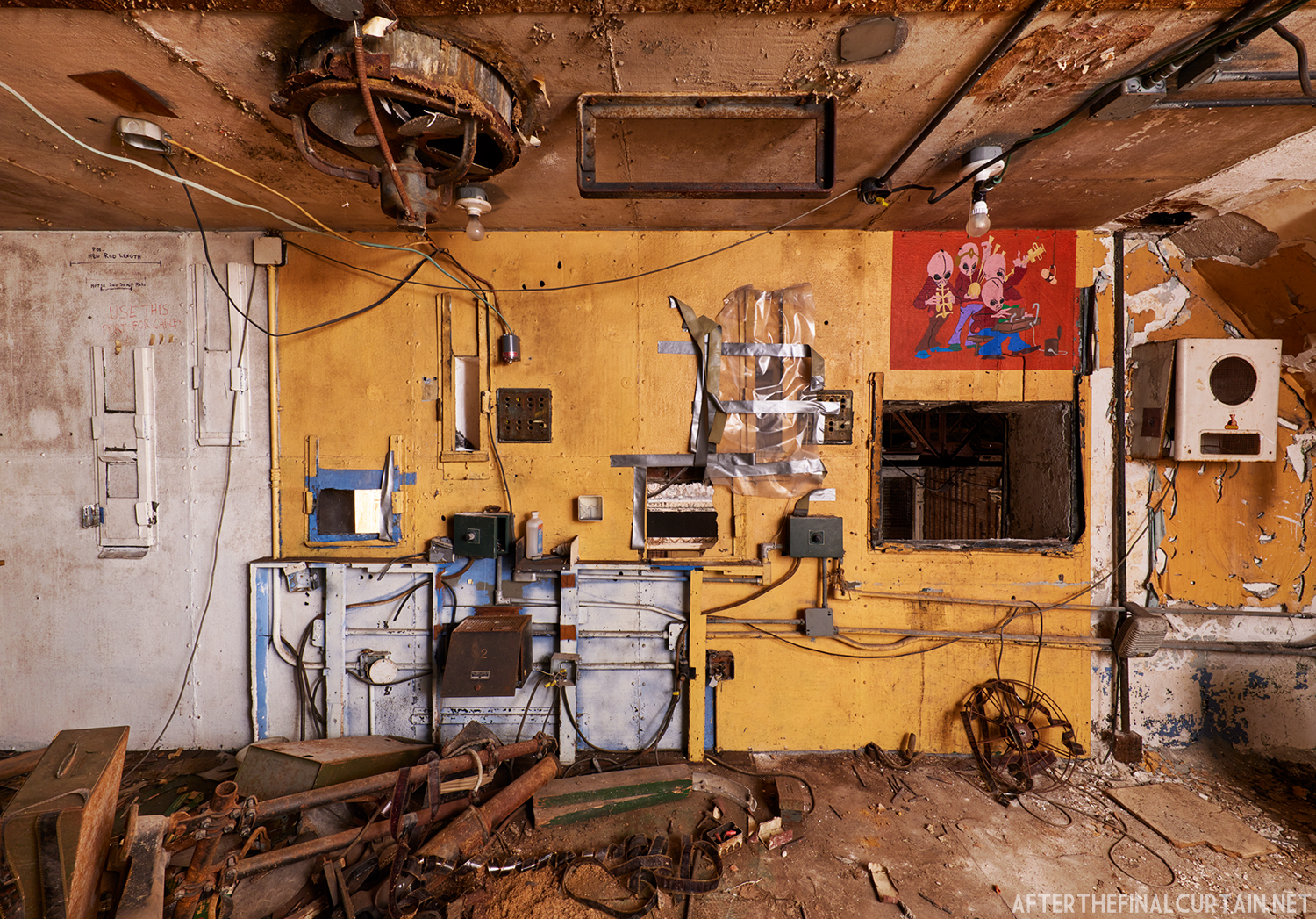
The projection booth at the Everett Square Theatre.

Everett Square Theatre

Location: Boston, MA

Date/Time:

July 16, 2022

The Theatre: The Everett Square Theatre opened in 1915 in the Hyde Park neighborhood of Boston, Massachusetts. It was designed by Boston architect Harry M. Ramsay for the Littlefield Trust, the original owner of the theater. For more information, visit: https://afterthefinalcurtain.net/2014/08/05/everett-square-theatre/

Cost: $50.00

Tickets: http://www.mlambrosphotography.com/workshops/everett-square-theatre-workshop

The Everett was an early movie house and is perfect if you’ve never been on a workshop before. I keep the groups small here, and we tend to experiment with lighting as seen in the first photo of the theater posted above.

Strand Theatre

Location: Boston, MA

Date/Time:

August 21, 2022

The Theatre: The Strand Theatre opened on November 11, 1918, in the Dorchester neighborhood of Boston, Massachusetts. It was designed by Boston architectural firm Funk and Wilcox, who also designed the nearby Franklin Park Theatre. It is currently used for live events.

Cost: $70.00

Tickets: http://www.mlambrosphotography.com/workshops/strand-theatre-workshop-boston-ma

The Strand is an active theater with decay. This workshop was originally planned for January 2022, but was delayed because of Vincent van Gogh (seriously.)  The afternoon session is already almost sold out.

Auditorium of the “Grant” Theatre.

Grant Theatre

Location: South of Boston, MA

Date/Time:

September 17, 2022

The Theatre: The Grant opened in the early 1900s as a vaudeville theater, and was eventually divided into 2 separate theaters. It’s been closed for several years with no plans to reopen it.

Cost: $75.00

Tickets: https://www.mlambrosphotography.com/workshops/granttheatre2022

***At the request of the owner the real name and location of this theater will be disclosed only to workshop attendees***

Franklin Park Theatre

Location: Boston, MA

Date/Time:

October 15, 2022

The Theatre: The Franklin Park Theatre opened on December 8, 1914 in the Dorchester neighborhood of Boston, Massachusetts. It was designed by Boston architectural firm Funk and Wilcox, who also designed the nearby Strand Theatre. It was turned into a church in 1963.

https://afterthefinalcurtain.net/2014/10/08/franklin-park-theatre/

Cost: $110

Tickets: http://www.mlambrosphotography.com/workshops/franklinparktheatreworkshop

The Franklin Park is one of my favorite workshop locations. Where else can you get a theater and a church all in one? (That’s a rhetorical question. Please don’t answer.)


And that’s it for 2022 workshops. Maybe. I’m always working on new locations and I’ve got a new one that may happen in late fall. Followers of my Patreon will know about it before anyone else.  If there are some locations I’ve done in the past that you’d like another workshop  at – let me know.

Orpheum Theatre – St. Louis, Missouri

View of the auditorium from the mezzanine.

The Orpheum Theatre in St. Louis, Missouri opened on September 3, 1917. The Southern Real Estate and Financial Company hired G. Albert Lansberg to design the building. Lansberg designed many theaters for the San Francisco-based Orpheum Theatre Circuit. The 2,300-seat Beaux arts theater cost $500,000 ($9.6 million with inflation) to build. Unlike many other theaters, the Orpheum did not have a formal opening with special guests and speeches. Opening day was a straight vaudeville ticket with two strongmen, a contortionist, two comedians, and a singer.

The lobby of the Orpheum.

Many famous vaudeville acts performed at the Orpheum over the years, including Sophie Tucker, Eddie Foy, Fannie Ward, and Lee Morse. Harry Houdini, the famous illusionist and escape artist, performed at the Orpheum for a week on three separate occasions: the first began on February 13, 1922; the second on January 14, 1923; and the last on December 22, 1923. When vaudeville declined in the late 1920s, the theater switched formats and became a playhouse. It opened on Christmas Day 1929 with a production of David Belasco’s The Bachelor Father.
Warner Bros took the Orpheum over in 1934 and changed formats again, this time to motion pictures. A new screen, projectors, and a W.W. Kimball 2 manual organ were installed in the theater. It reopened on September 15, 1934, with a showing of “British Agent” starring Kay Francis and Leslie Howard. Warner Bros operated the theater until 1941, when the theater closed. It reopened two years later, as the Loew’s Orpheum Theatre on January 28, 1943, with a war bond event and a screening of “The War Against Mrs. Hadley” starring Edward Arnold and Fay Bainter.
On February 28, 1960, Loew’s Theatres Inc. announced that they wanted to move their operations to the nearby American Theater (a playhouse) since they could not easily install a 70mm screen at the Orpheum because of its balconies. They could convert the American Theatre at a much lower cost. Both theaters were owned by Southern Real Estate and Financial Company, which were in favor of the switch. However, because of the ruling of the landmark antitrust case, United States v. Paramount Pictures, Inc., which said that movie studios could no longer own the theaters in which their films played; Loew’s needed the permission of the Department of Justice to sign a new lease; the Department of Justice signed in March 1960. After a $300,000 renovation, the Orpheum reopened as the American Theatre on October 10, 1960, with a performance of The Music Man.
Local entrepreneurs Steve and Michael Roberts purchased the theater for $1.5 million in 2003. It underwent a two-year renovation and upgrade before reopening on April 10, 2005, as the Roberts Orpheum Theater. The first musical act to perform at the reopened theater was the Backstreet Boys. In 2012, Steve and Michael Roberts went bankrupt and were forced to close the theater. Jubilee World Inc., a music-oriented Christian ministry, bought the theater in late 2016, intending to reopen it as a performing arts center. However, no reopening date has been announced.

View of the auditorium from the box seats.

The auditorium chandelier and procenium arch.

View of the auditorium from the upper balcony.

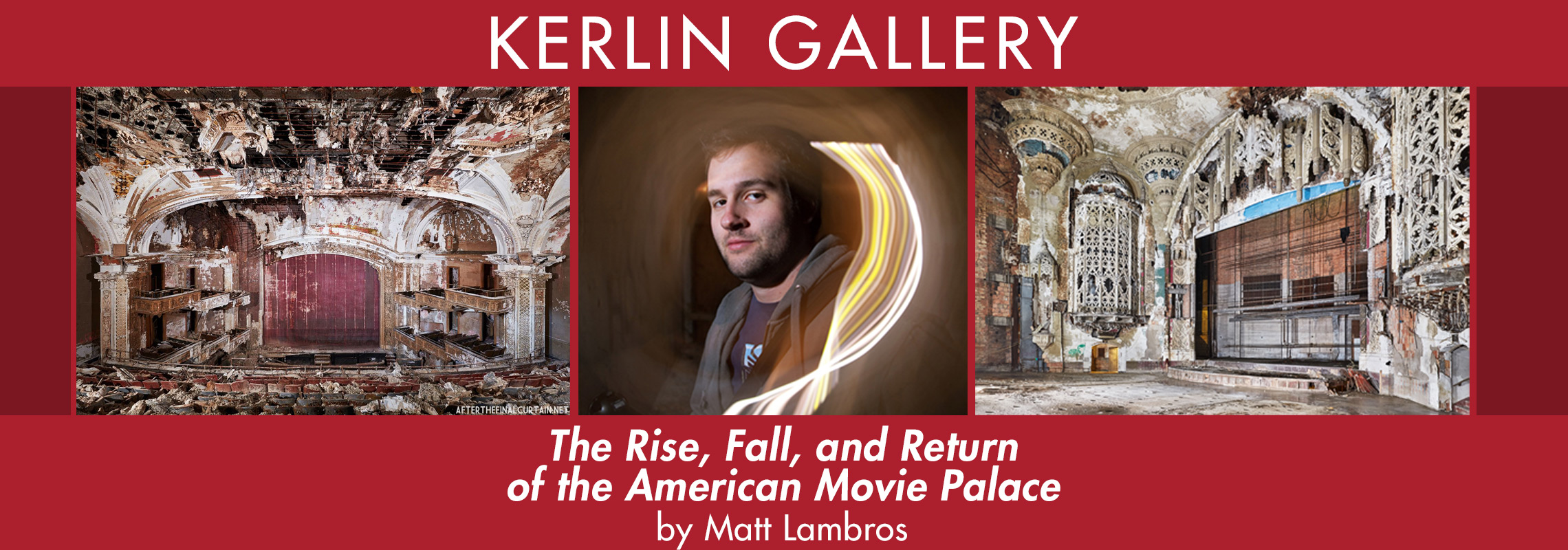
Exhibition at The Kerlin Gallery in York, PA

The Kerlin Gallery, one of the Creative York galleries in York, PA is currently exhibiting 16 pieces of my work.  They range from 30×20 prints on aluminum to smaller framed prints.

The exhibition runs from Thursday, January 27 to Thursday, February 17, 2022. The opening reception is Thursday, January 27 from 6 to 8pm.

I will be at Creative York on Thursday, February 17 at 5pm for the closing reception. Following this reception, I’ll be speaking at the nearby Capitol Theatre at 7pm.

Hope to see some of you there!

Robins Theatre – Warren, Ohio

This post was originally posted on After the Final Curtain’s Patreon in June 2021.  For expanded early posts, as well as video walkthroughs and other exclusive content you can become a patron at: https://www.patreon.com/afterthefinalcurtain

View of the auditorium from the balcony before restoration.

A similar view of the auditorium during the renovation.

The Robins Theatre opened on January 9, 1923, in Warren, Ohio. It was the crown jewel of the Robins Amusement Company (RAC). Architect C. Howard Crane designed the theater in the Adamesque style with an Italian Renaissance exterior. Construction of the 1,500-seat theater was handled by the Charles Shutrump and Sons Company of nearby Youngstown, Ohio; it cost $300,000, equating to $4.5 million when adjusted for inflation.

Looking back from the stage pre renovation.


The Robins was designed so that the theater could be converted from a movie theater to a live performance theater in only 24 hours. According to an account in the Warren Tribune, “Workmen could begin building a stage while motion picture performances continued in the theater proper.” Then when the theater closed at 11pm, a temporary intervening wall of lumber could be torn down, the connections to the front of the stage constructed and the stage playhouse ready for opening the following night.” The Robins opened with a silent film double feature — “The Speeder” starring Lloyd Hamilton, and “Quincy Adams Sawyer” starring Jon Bowers — and the Robins Orchestra performed the overture of Oberon by Carl Maria von Weber.

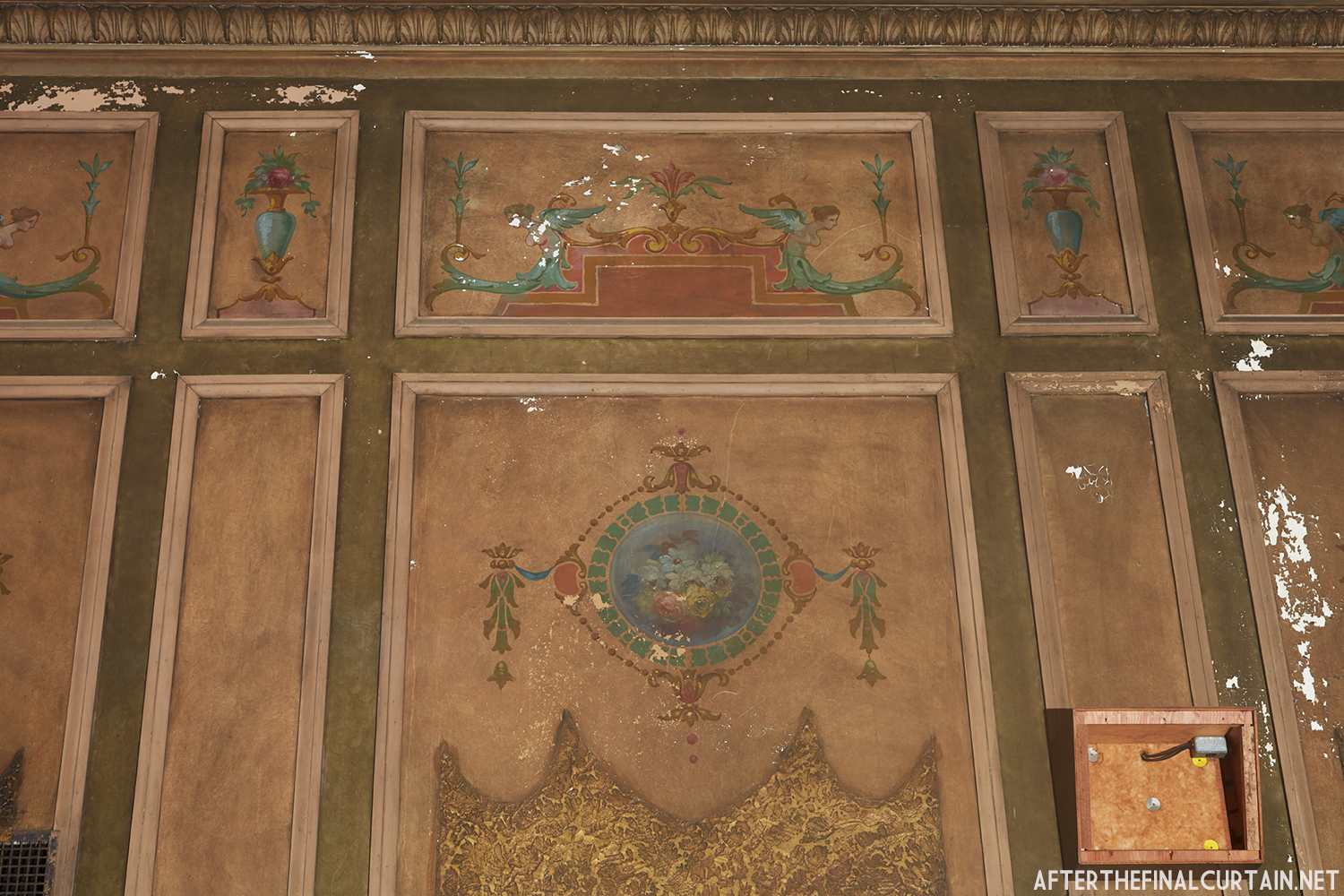
Some of the painted details on the wall in the balcony.

Vitaphone, an early form of talking motion pictures, was installed at the Robins in 1927. The first film shown with Vitaphone was “Don Juan” starring John Barrymore. RAC sold the Robins and the Daniel Theaters to R.M.P Realty Co. in August 1966 for around $500,000 ($3.9 million with inflation). The theater closed in 1974, and various plans were put together over the years to restore and reopen it. A feasibility study was done in 2005 that estimated it would cost $12 million to restore and reopen the theater. However, it wasn’t until it was sold to Downtown Development Group LLC in December 2017 that work would begin. The seats were removed in early March 2018, and the plaster repair began soon after. It reopened as a performing arts center on January 20, 2020.

The entryway to the theater was redesigned in the 1960s.

The Projection booth was cleaned out prior to the theater’s restoration in 2018.

Drake Theatre – Oil City, PA

This post was originally posted on After the Final Curtain’s Patreon in May 2021.  For early posts, as well as video walkthroughs and other exclusive content you can become a patron at: https://www.patreon.com/afterthefinalcurtain

A look at Oil City PA's Drake Theatre from the Balcony

View of the Auditorium from the balcony.

The Drake Theatre in Oil City, Pennsylvania opened on August 27, 1928, as the Colonel Drake Theatre. The date was chosen because it was the sixty-ninth anniversary of the completion of the first oil well drilled by Col. Edwin L. Drake, the first man to drill oil in the United States, and the theater’s namesake. The Vemark Corporation formed the Drake Theatre Realty Company (DTRC) to finance the construction, and $500,000 in bonds were sold, which was around half of the building’s appraised value. On January 7, 1928, DTRC invited the public to view the laying of the Drake’s cornerstone.

The ceiling of the Drake Theatre in Oil City, PA

Much of the interior décor items, including the glass from the light in the center of the ceiling, were donated to local museums.

The 2,000-seat theater and 50,000 sq. ft office building was designed by architect William H. Lee, who is known for designing many theaters in eastern Pennsylvania. It was designed in the Art Deco style, and there are two murals depicting the petroleum industry on the auditorium walls. Music was important at the Drake; the Colonial Drake Symphony Orchestra, led by William Lantz, alternated performances with the Wurlitzer Co. Opus 1870 organ. Clark Piers, an organist from Scranton, PA, was hired as the theater’s organist.

The view of the Drake Theatre auditorium from the stage.

The view from the stage reveals how much water damage there is in the auditorium.

Many businesses took out ads in the Oil City Derrick, the local newspaper, to congratulate the theater on its grand opening. The theater’s motto “Always a Good Show” appeared in early advertisements. The opening day celebration began with a street parade headed by a marching band. Many of the theater’s new ushers marched in the parade wearing their green and gold uniforms. Dr. Thomas Farmer, an Oil City businessman, gave the opening address, followed by George H. Torrey of the Oil City Historical Society, who told the history of the oil industry in the United States.

The proscenium arch of the Drake Theatre in Oil City, PA was damaged due to a leak in the roof.

A closer look at the water-damaged proscenium arch.

In the 1950s, one of the lobby staircases was removed so that a concessions stand could be installed. Due to competition from a local multiplex, the Drake closed in July 1986 after a showing of the film “Club Paradise” starring Robin Williams and Peter O’Toole. The Oil City Playhouse briefly reopened the theater in the mid-1990s as a performing arts center, but it closed again after a year. The building was put up for judicial tax sale in 1995 due to $221,000 in back taxes. It was purchased for $70,500 by Bruce Taylor, who owned Penn Aire Aviation, Inc. Taylor outbid a group that intended on restoring and reopening the Drake.

A mural on the auditorium wall of the Drake Theatre in Oil City, PA

One of the two murals depicting the petroleum industry on the auditorium walls.

Penn Aire sold the building to Webco, a local manufacturing company, in early 2018. Webco intends to demolish the auditorium and build a facility to house manufacturing equipment. However, the lobby, façade, and office building will remain. Ellen Gierlach, president of Penn Aire, removed two murals, exit signs, light fixtures, and more before the sale. Gierlach has donated many of them to museums and historical societies, including the Drake Well Museum and the Theatre Historical Society of America.

The lobby of the Drake Theatre in Oil City, PA.

The concession stand in the lobby was added in the 1950s and replaced one of the staircases to the balcony.

The auditorium of the Drake Theatre in Oil City from the orchestra level.

Emery Theatre – Cincinnati, Ohio

This post was originally posted on After the Final Curtain’s Patreon in Jan 2021. You can become a patron at: https://www.patreon.com/afterthefinalcurtain

Want to see the Emery for yourself? It’s one of the new photography workshop locations for 2023. Find out more at: https://www.mlambrosphotography.com/workshops
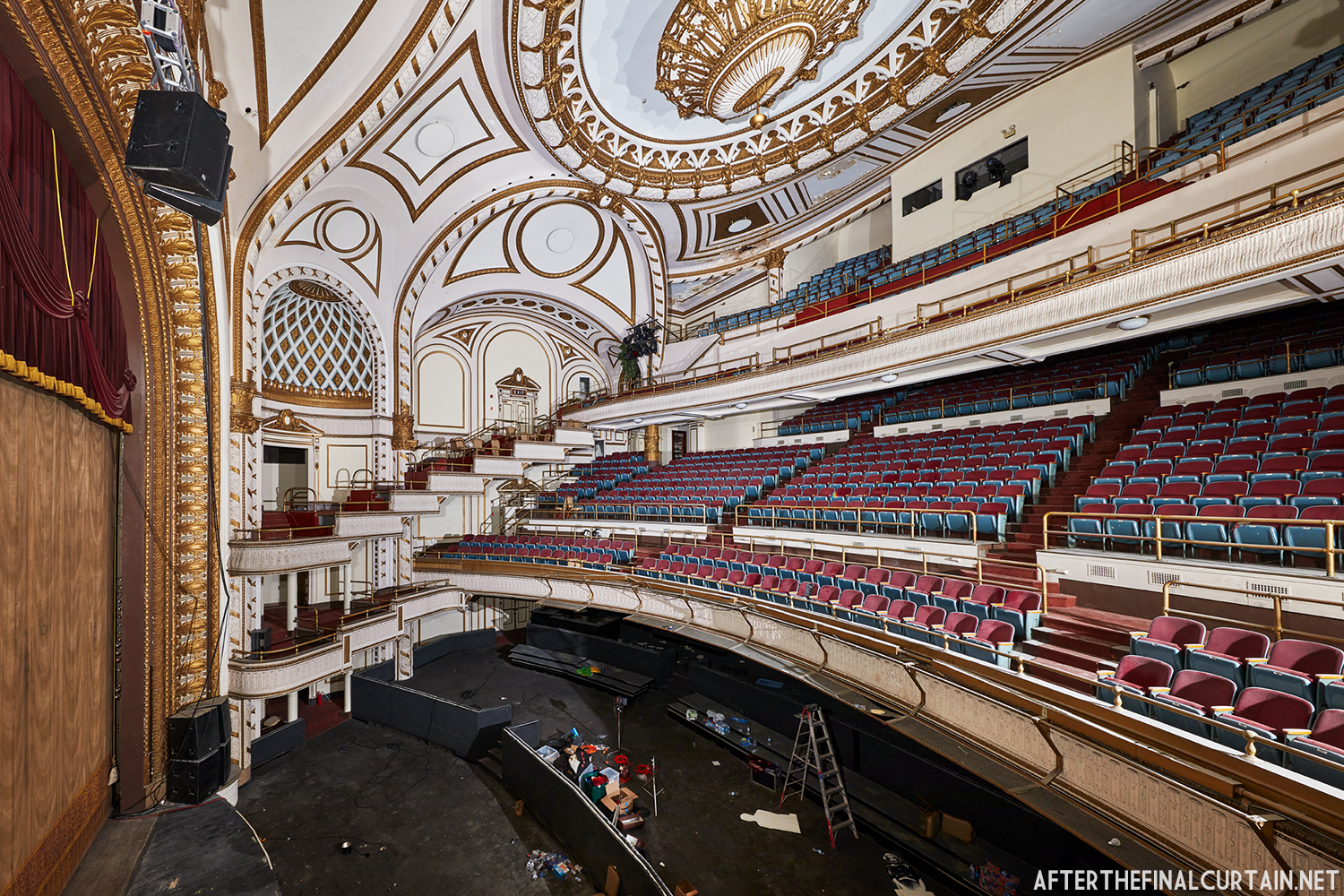
View of the auditorium from the middle balcony.

Built as part of the Ohio Mechanics Institute, the Emery Theatre in Cincinnati, Ohio opened on January 6, 1912 as the Emery Auditorium. It was funded by an endowment of $656,737 ($17.1 million with inflation) from Mary Emery, whose husband, Thomas J. Emery had planned on building a similar school in the city. Emery stipulated as part of the endowment that the auditorium must be open to the public and have at least 1,800 seats. The 2,200-seat theater was designed by Harvey Hannaford of the architectural firm of Samuel Hannaford & Sons. It was one of four “acoustically perfect” concert halls whose design was inspired by the Auditorium Theatre in Chicago, IL. The other three were the Orchestra Hall, also in Chicago, Carnegie Hall in New York, and the Orchestra Hall in Detroit, MI.

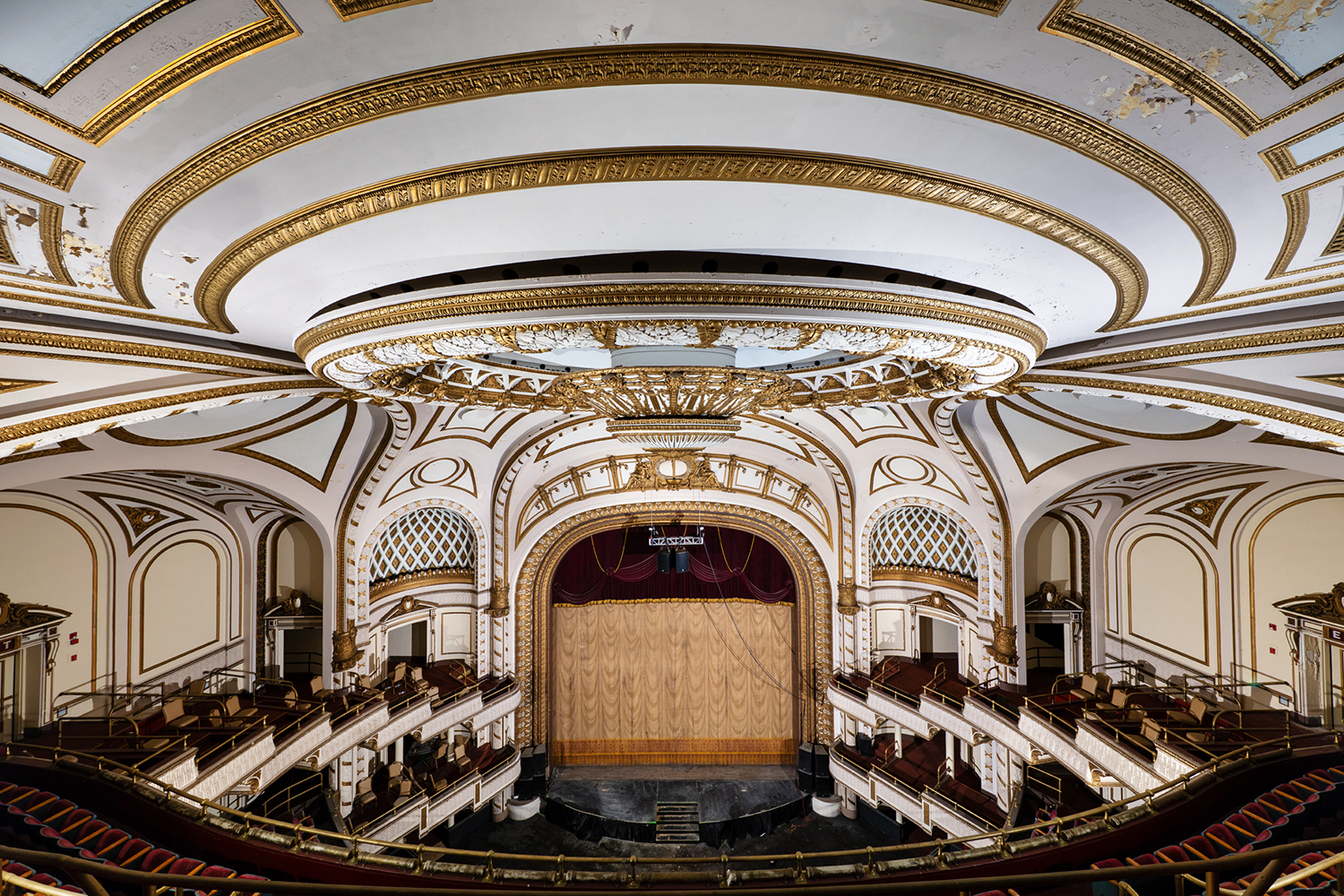
View of the auditorium from the stage.

The Cincinnati Symphony Orchestra held an inaugural concert at the theater on January 6, 1912. In 1924, George Gershwin performed his classic composition Rhapsody in Blue at the theater. On April 25, 1936, the Cincinnati Symphony Orchestra held its final concert at the Emery; it moved to the Cincinnati Music Hall, a space with more seats and more parking. Beginning in 1935 and ending in 1939, the Federal Theatre Project, a program established during the Great Depression as part of the New Deal to fund live entertainment programs, began to use the Emery. From 1938 to 1948, the theater was the home of The Boone County Jamboree, an American Country Radio Program. A 500,000-watt transmitter was used by station WLW so that millions of people around the country could listen to the program.

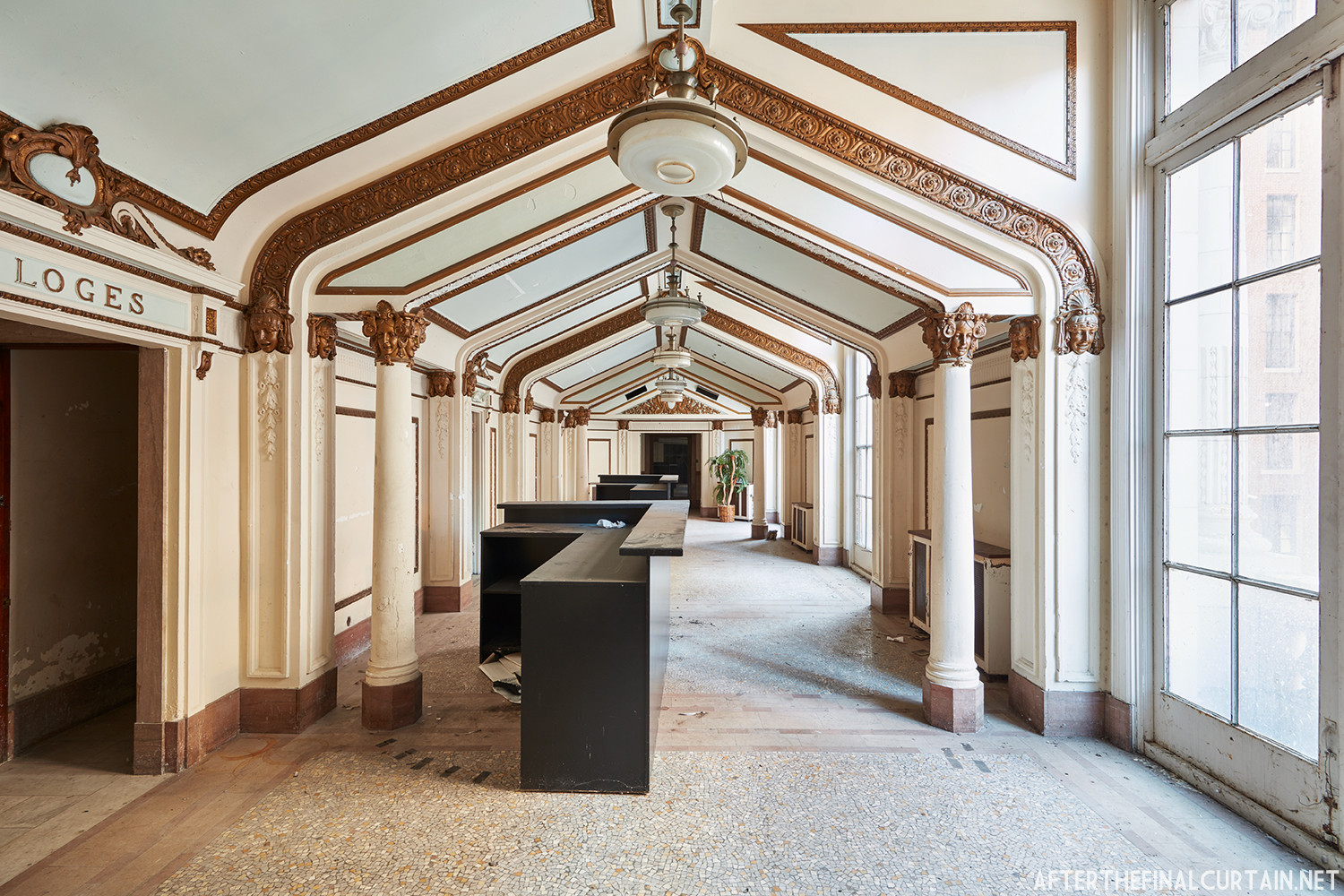
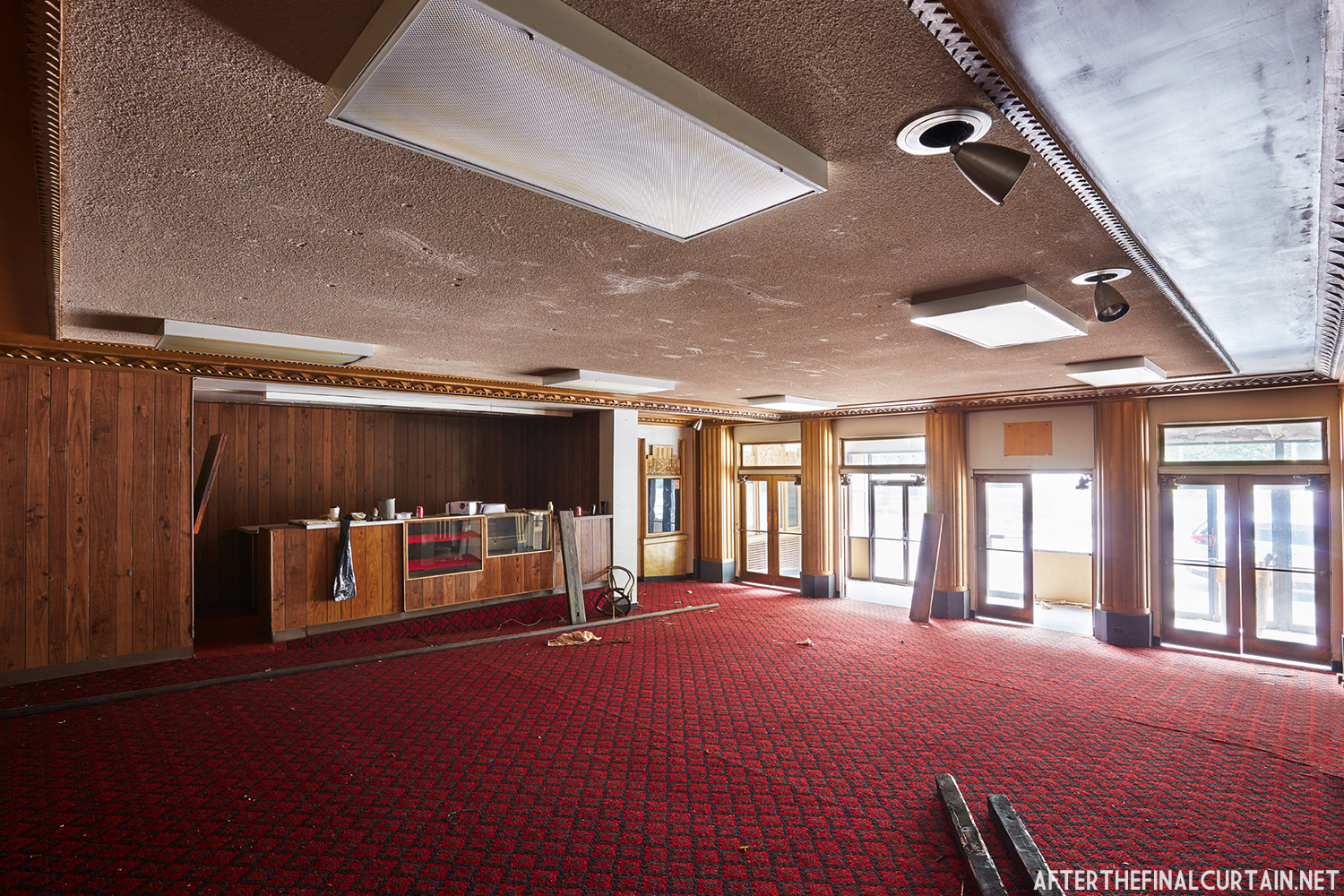
The Emery has a very small lobby when compared to many other theaters built around the same time.

The Reverend Martin Luther King Jr. spoke at the Emery on June 16, 1959 while he was campaigning for Ted Berry during Berry’s run for Cincinnati City Council. The University of Cincinnati (UC) took ownership of the Emery building in 1969, when the Ohio Mechanics Institute was incorporated into the university. A Wurlitzer Opus 1680 organ moved to the Emery from the nearby Keith’s Theater the same year, but was not completely installed until 1977. That same year, the Ohio Valley Chapter of the American Theater Organ Society began programming shows on the weekends. They held organ concerts, showed silent, talking, and 3D films, and reduced the seating by closing the upper balcony. The final organ concert was held on October 24, 1999, after which the Wurlitzer was removed to be restored. It would never return to the Emery, and was installed in the Cincinnati Music Hall’s ballroom in 2004.

Most of the seats on the upper balcony have been removed.

Beginning in November 2011, the Requiem Project, a non-profit group formed in late 2008 to restore the theater, held concerts, film festivals and recording sessions at the Emery. The National, Dirty Projectors, Carrie Rodriguez, Ralph Stanley and others performed at the theater during this time. The Requiem Project hired John Senhauser Architects and Westlake Reed Leskosky, two architecture firms, to create the restoration plans for the Emery. However, the Emery Center Corporation, who subleased the theater from Emery Center

Apartments Limited Partnership (ECALP), who in turn leased it from UC, shut down all programming in 2013. According to Kathy Schwab, head of the Emery Center Corp in 2013, programming was stopped due to the theater’s dilapidated state and because everything had to be approved by UC. The Requiem Project sued to try to continue their renovation efforts at the theater, but eventually settled in March 2016. On April 23, 2019, the UC board of trustees voted to sell the Emery; according to them, it is beyond repair. It was sold for $8.55 million to local developers who intend to restore the building. The restoration costs are estimated at around $30 million and will take about three years to complete.
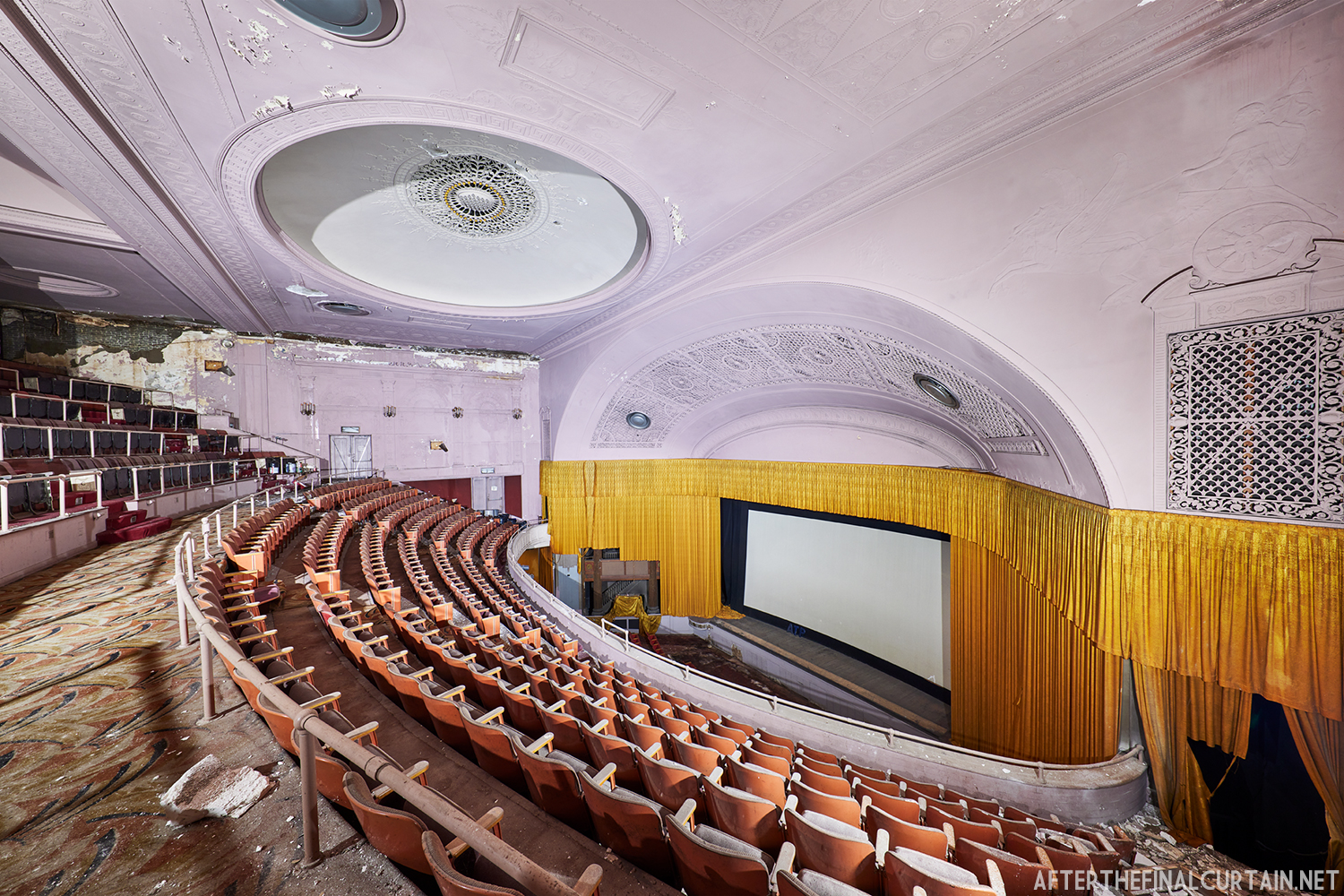
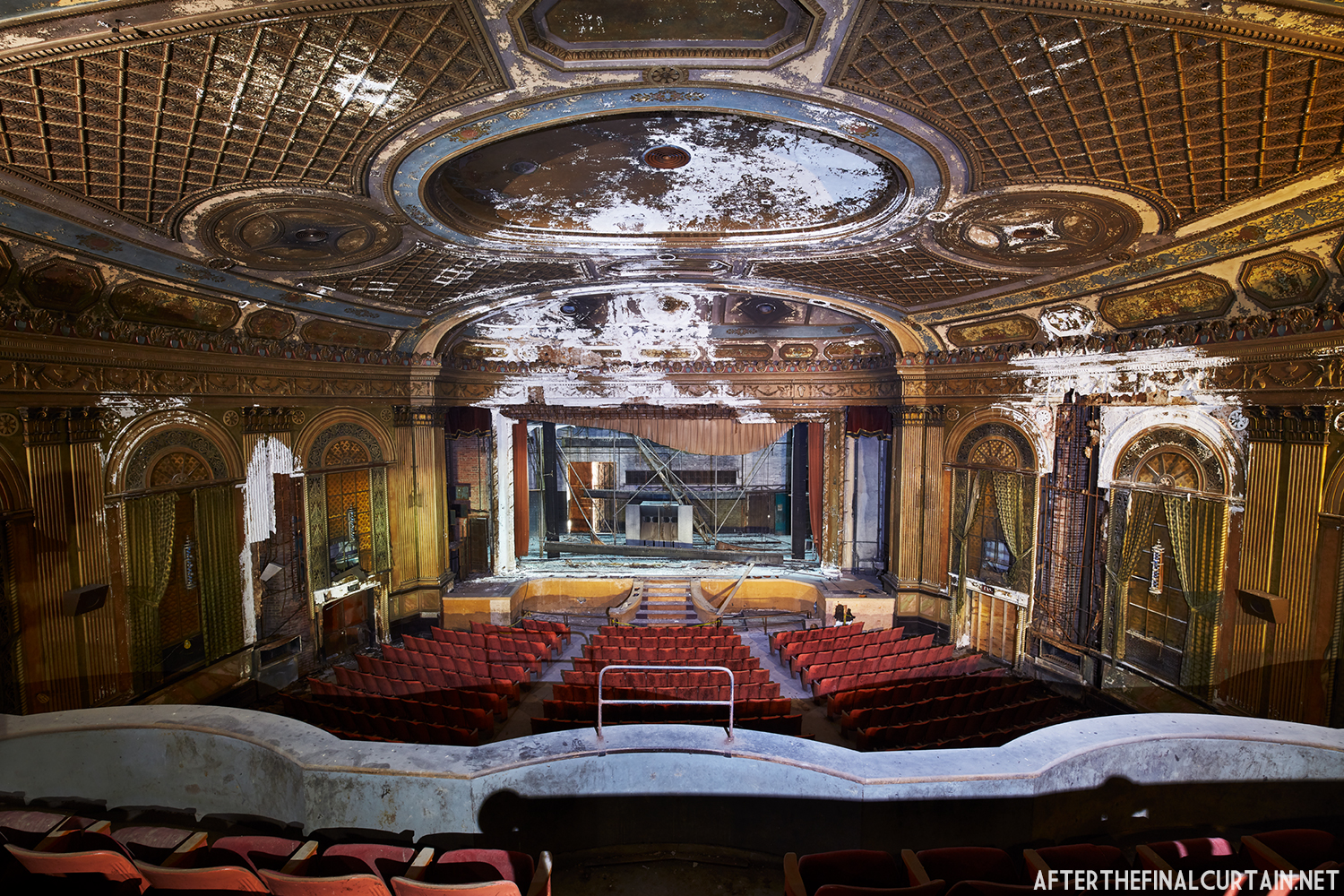
The theater’s vertical sign is stored in one of the former offices in the building.

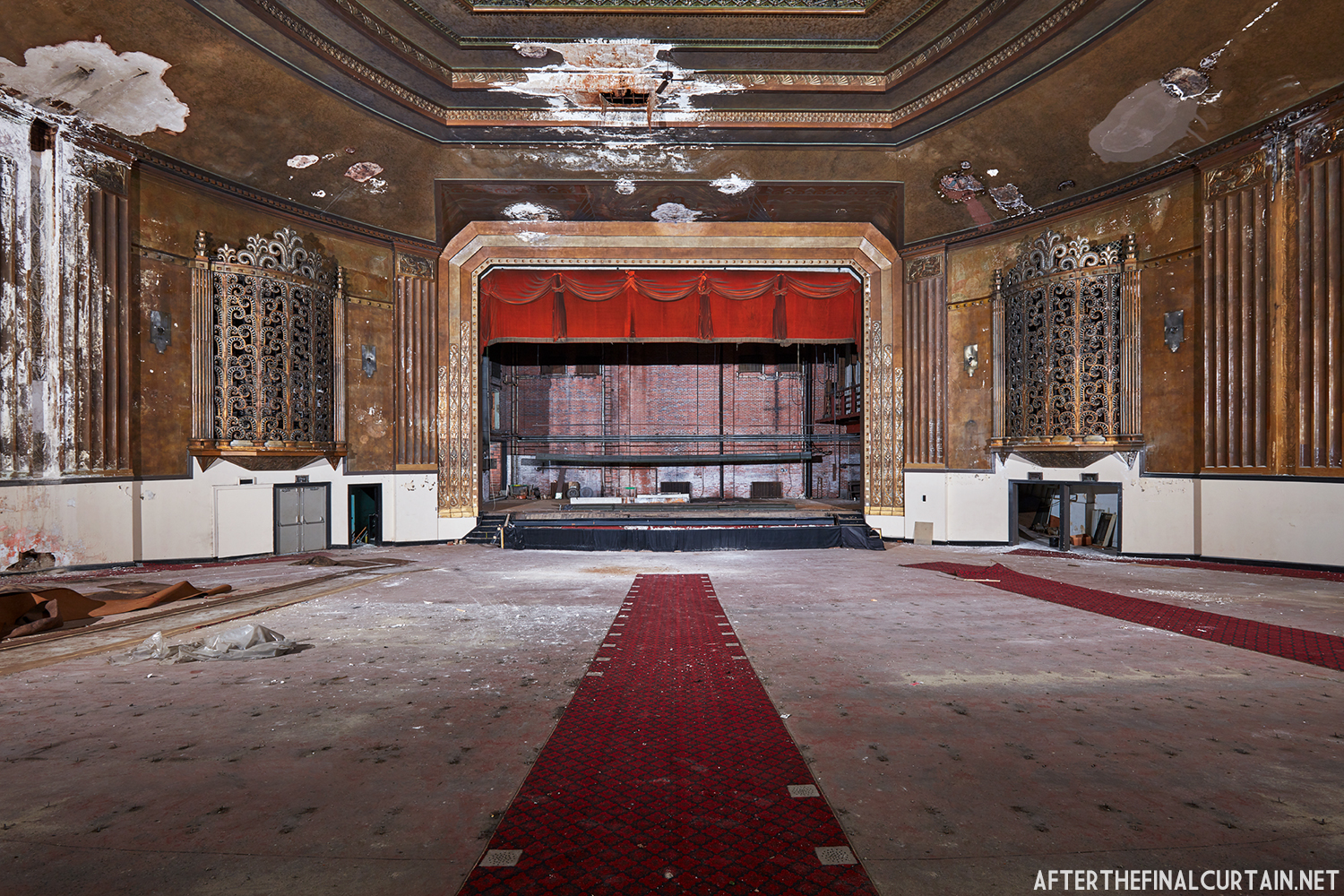
View of the auditorium from the orchestra level.