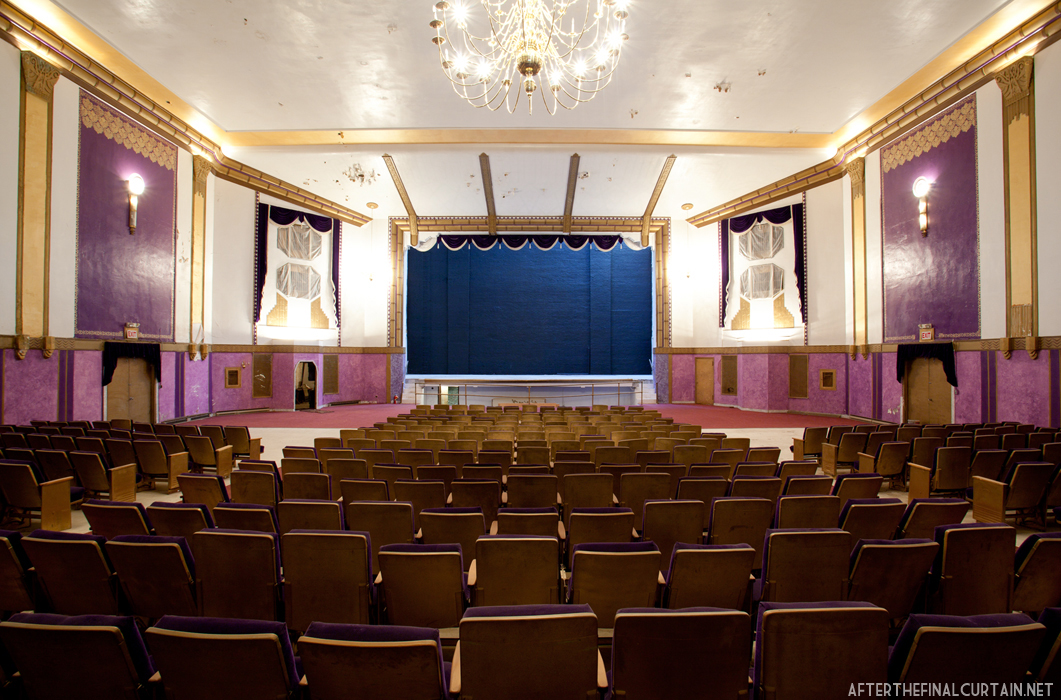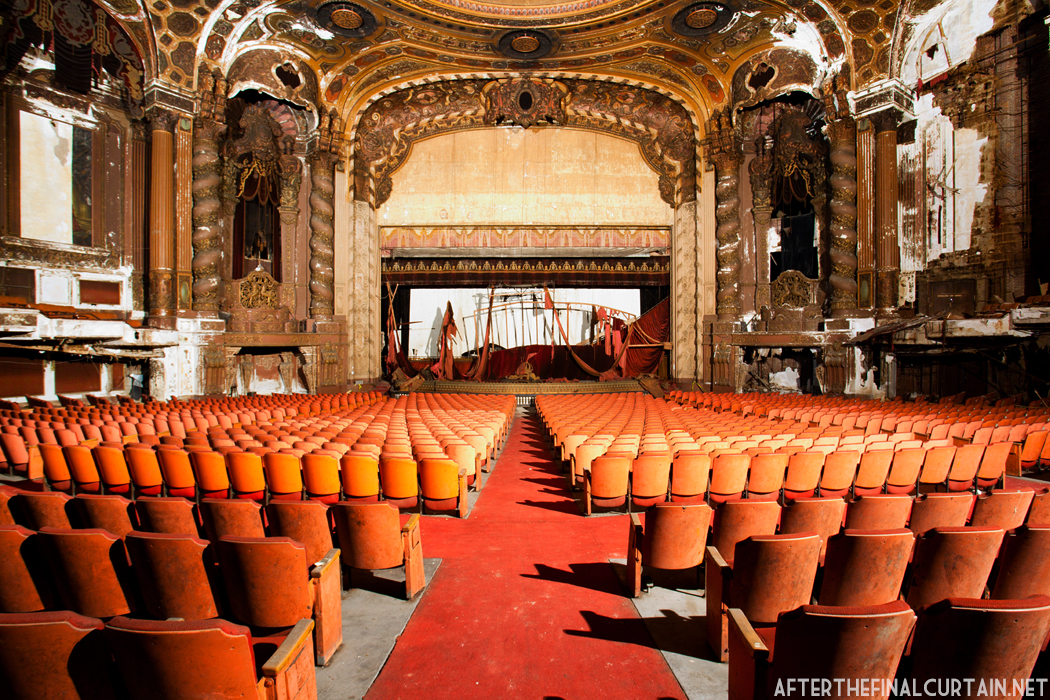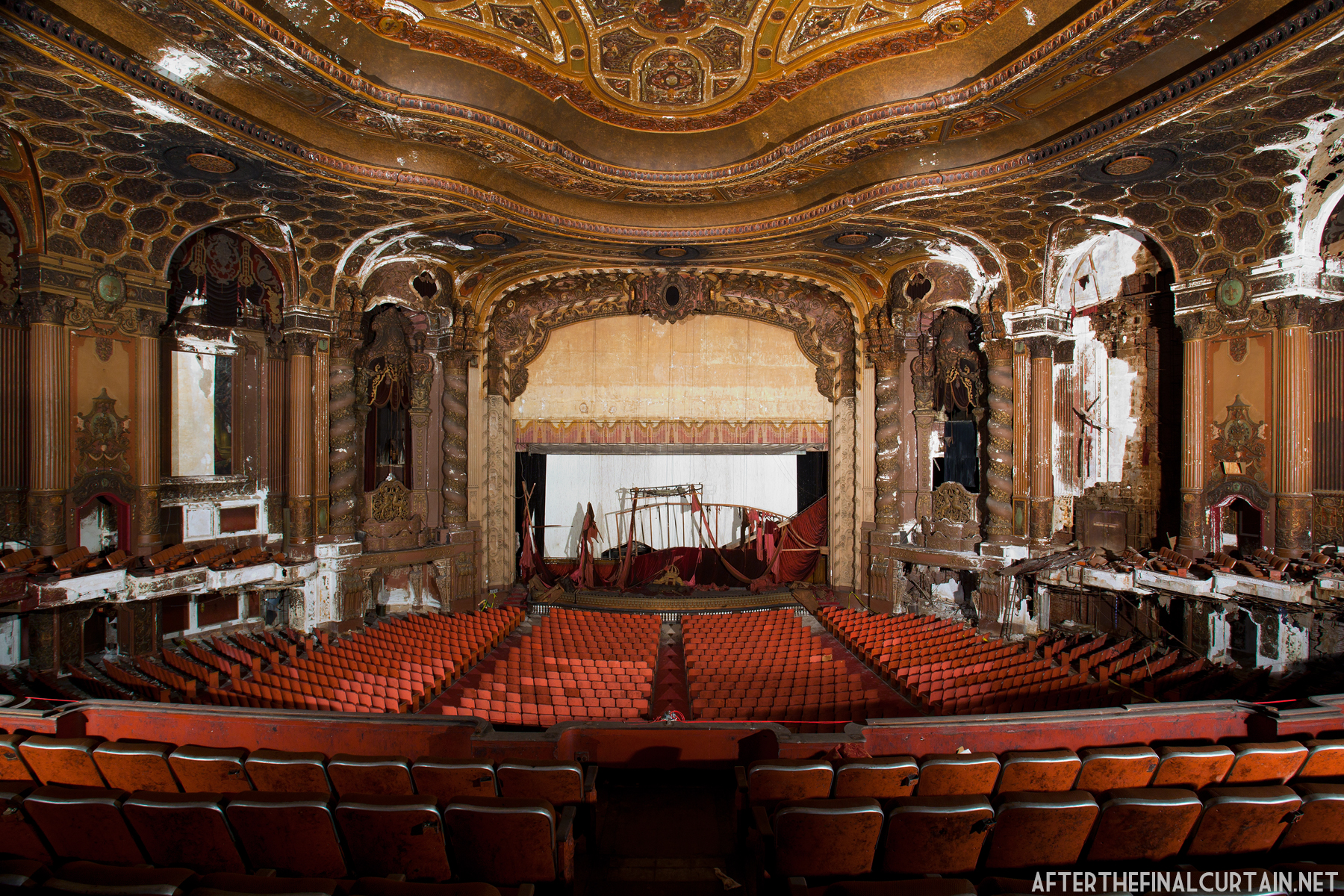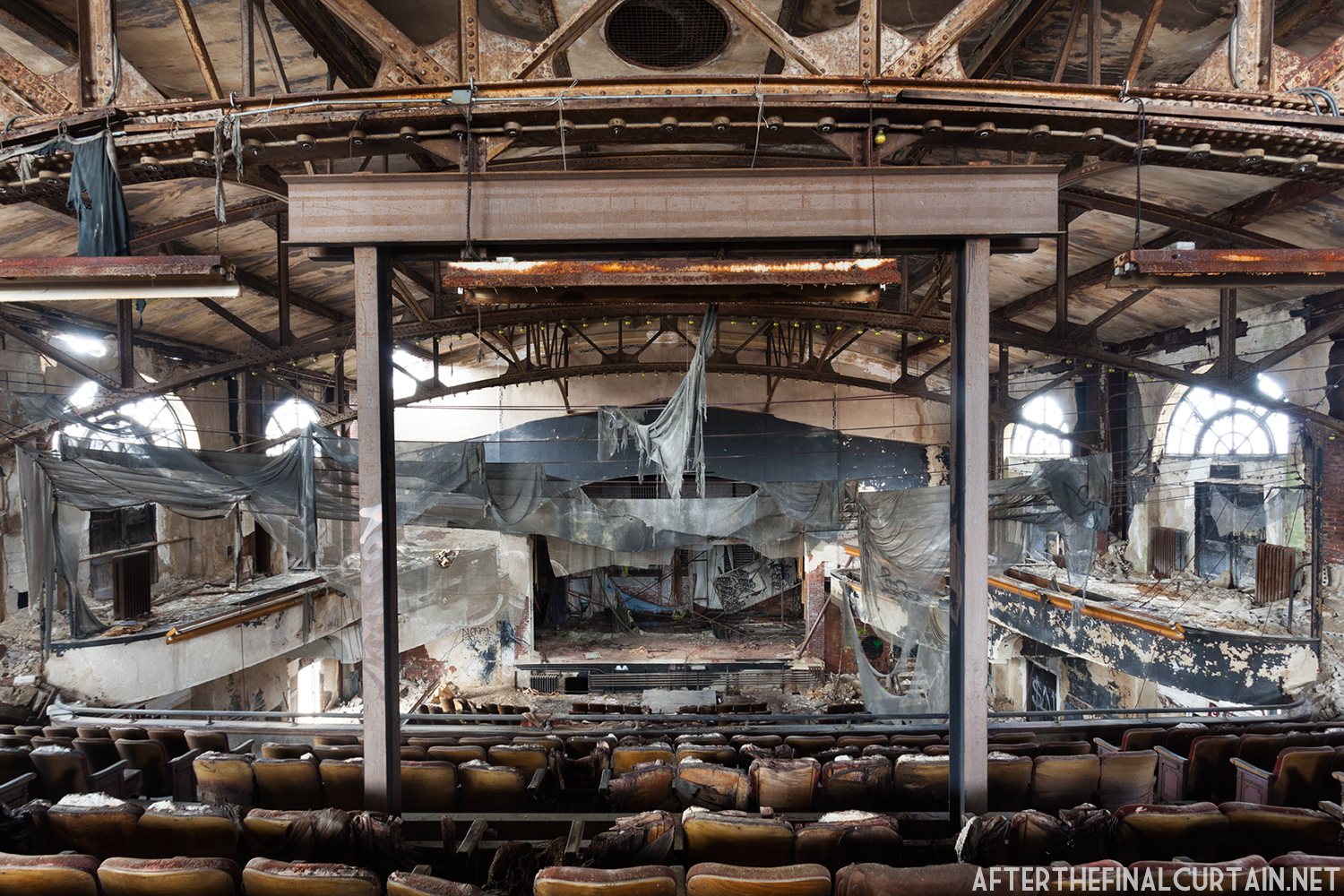
While I was researching the Loew’s Kings Theatre , I came across a documentary called “Memoirs of A Movie Palace.” Directed by Christian Blackwood , the film was released in 1979 and detailed the history of the Kings. The following is a clip featuring designer Harold W. Rambusch discussing the interior of the theater.
Loew’s Kings Theatre – Brooklyn, NY
I’ve decided to expand my post on the Kings Theatre into 4-5 parts using some excerpts from my book, Kings Theatre; The Rise, Fall and Rebirth of Brooklyn’s Wonder Theatre. Find out more about the book here. This original post will remain, and the first part in the new series can be viewed here.
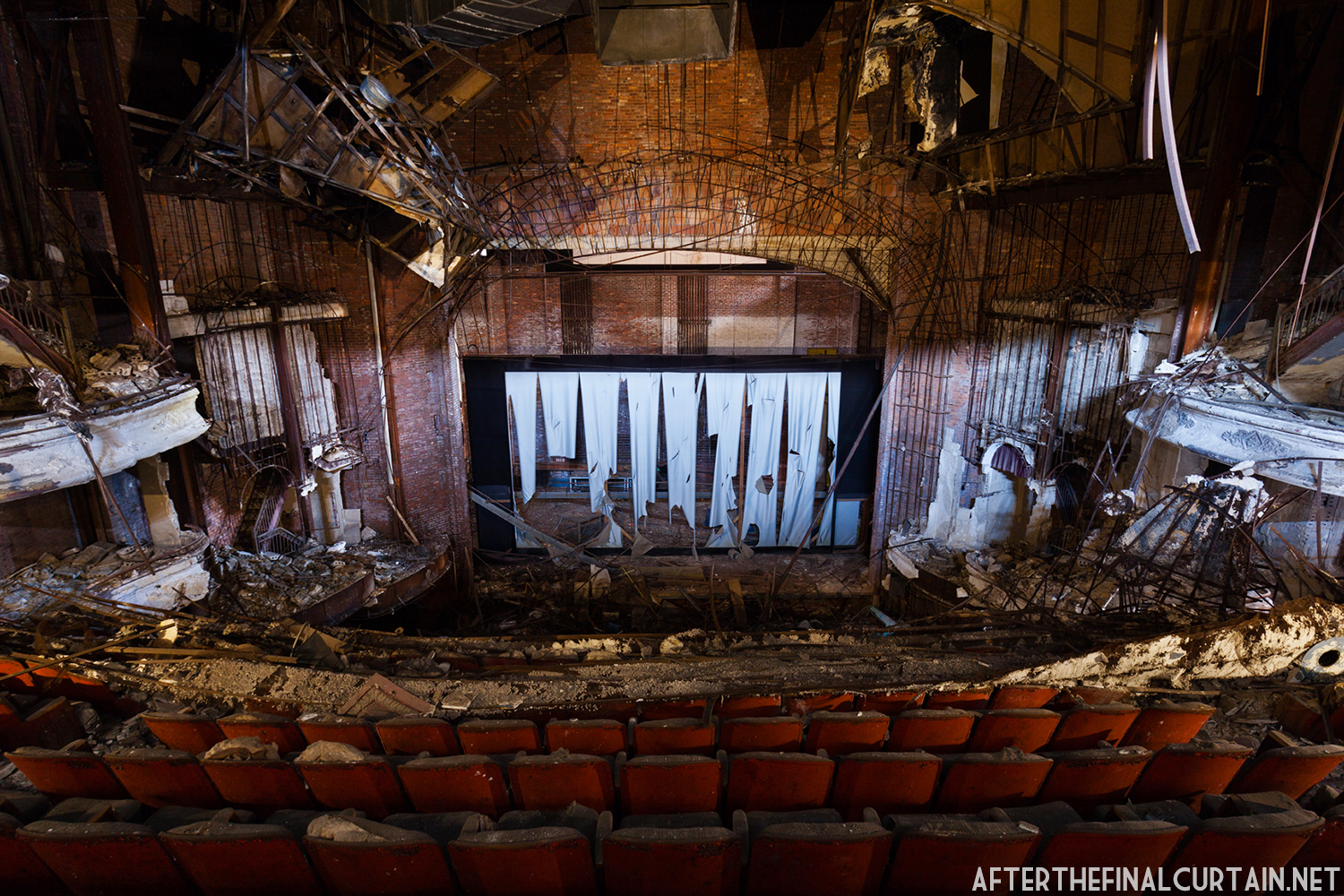
Loew’s Kings Theatre opened on September 7, 1929 in Brooklyn, NY, and was designed by the architectural firm of Rapp and Rapp (also known for the Paramount Theater in Times Square) and decorated by Harold W. Rambush. It was operated by the Loew’s theaters chain, and, along with the Loew’s Jersey Theatre, Loew’s Paradise Theatre, the Loew’s Valencia Theatre and the Loew’s 175th Street Theatre, it was one of the five “Loew’s Wonder Theaters” in the New York metropolitan area.
Proctor’s Palace Roof Theatre
Located on the top of Proctor’s Palace Theatre, Proctor’s Palace Roof Theatre also opened on November 22, 1915. The Palace was originally used for smaller vaudeville productions before switching over to film at around the same time as its downstairs counterpart.
After the switch, the Roof Theatre was rarely used and eventually reopened in the early 1960s as the Penthouse Cinema, mainly showing foreign films like Ingmar Bergman’s “Secrets of Women.”
Proctor’s Palace Theatre
RKO Proctor’s Theatre opened in Newark, NJ on November 25, 1915 as the Proctor’s Palace Theatre. The architect was John W. Merrow, the nephew of Proctor theater circuit owner Frederick F. Proctor.
The Palace was a double decker theater, which meant that one auditorium was stacked on top of the other, a rare design choice at the time. The lower, street-level auditorium had 2,300 seats and the upper had around 900. The space was among the largest and most open in the area, leading the city to use it as the site of it’s 250th anniversary celebration in 1916.
Q&A with Lance Gunberg, President of O.R.P.H, Inc
I recently spoke with Lance Gunberg, a graphic designer and filmmaker who is also the president of Orpheum Rising Project Helpers or O.R.P.H, Inc., which is a non-profit organization dedicated to reviving the theater.
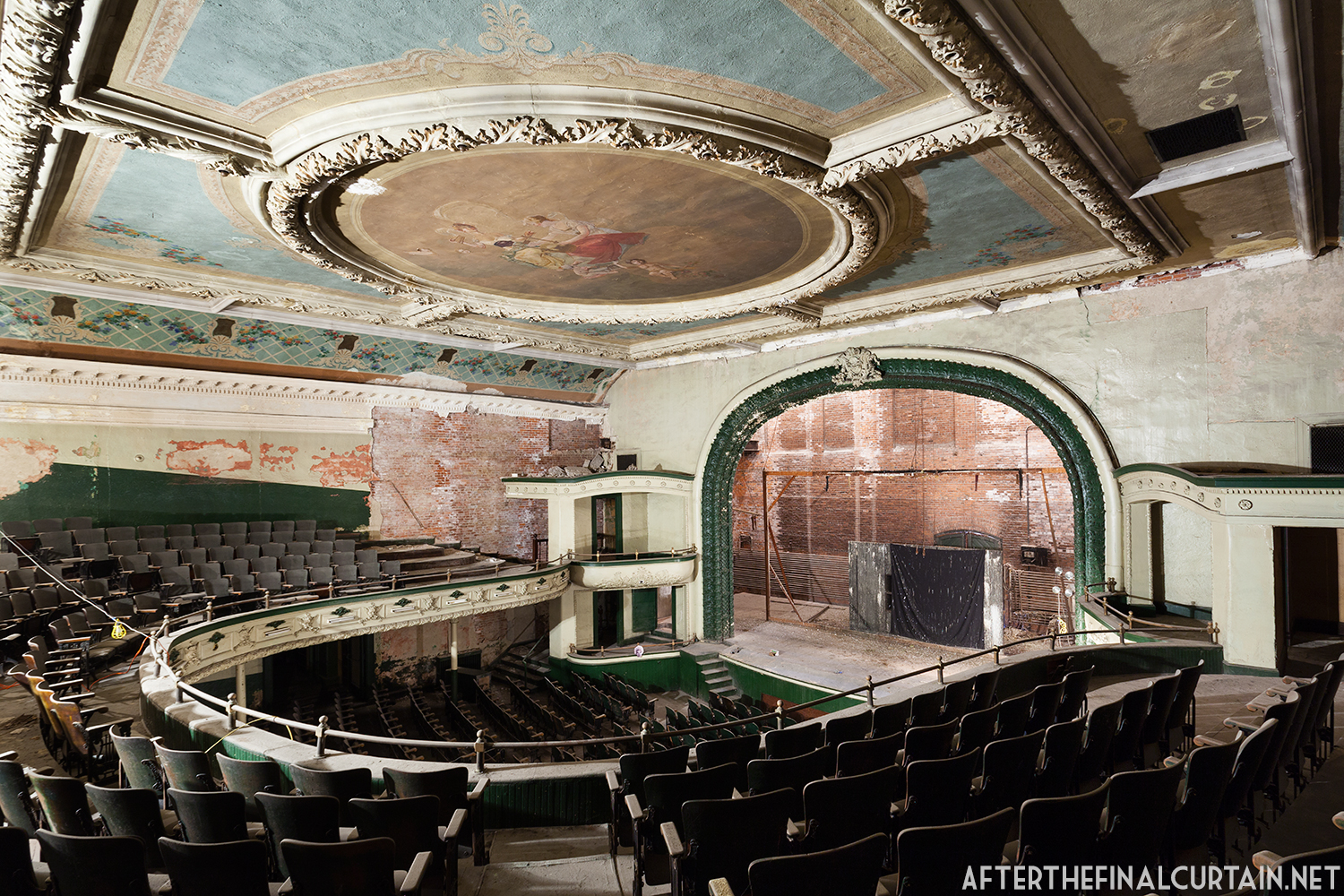
Orpheum Theatre
Want to see the Orpheum for yourself? I’m hosting a photography workshop at the theater this fall.
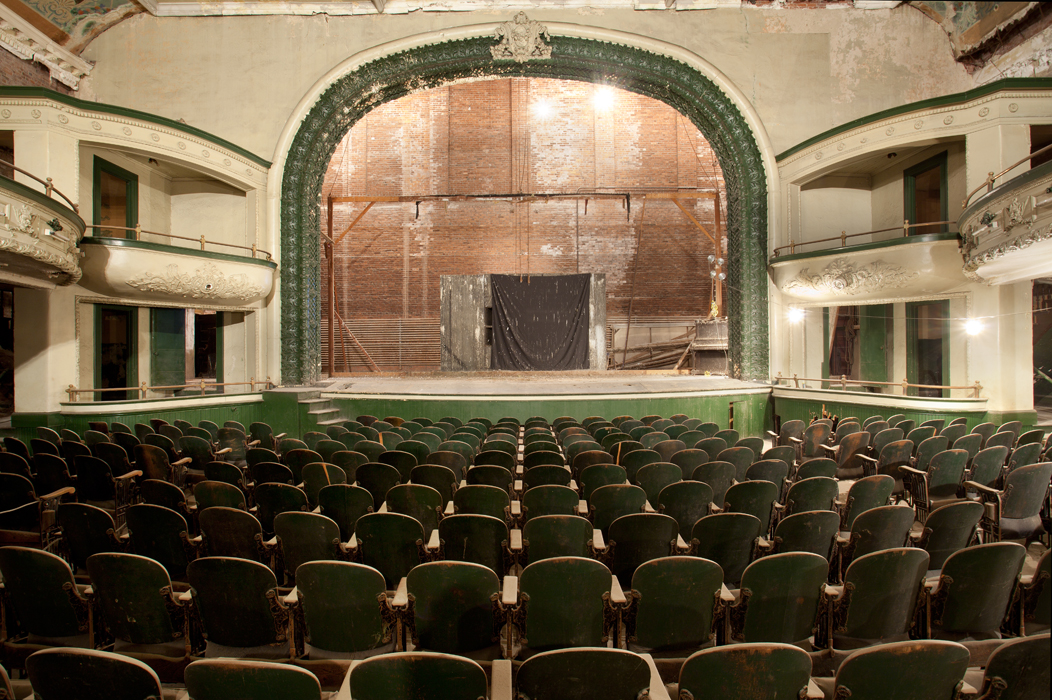
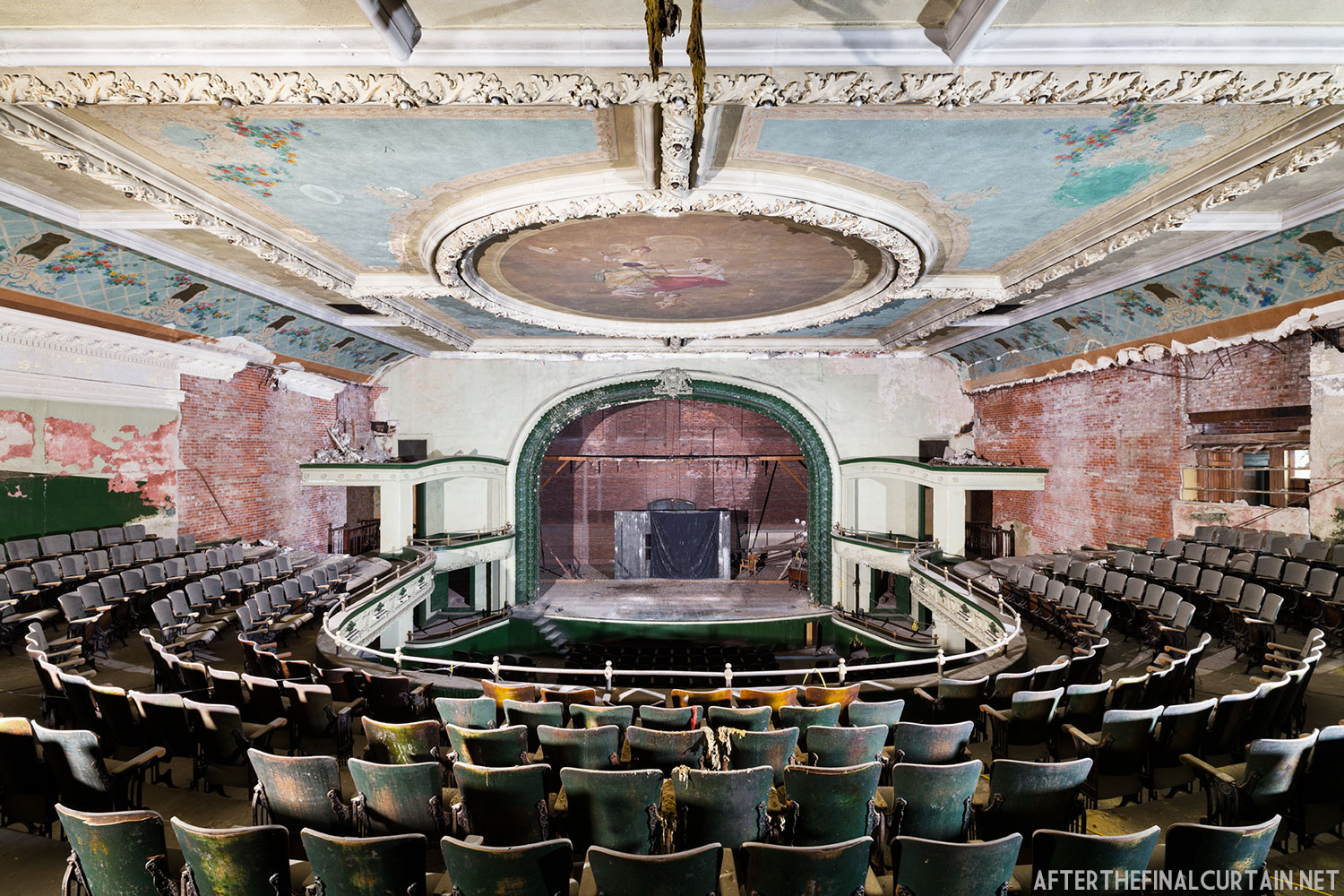
The Orpheum Theatre opened on April 15, 1912 — the same day the Titanic sank. Located on Water Street in New Bedford, Massachusetts, it was part of a Beaux-Arts building that was built in 1910 by a French-Canadian group known as Le Club des Francs-Tireurs (The French Sharpshooters Club). The building’s official name is La Salle Francs Tireurs, or French Sharpshooters Hall.
Local architect Louis Destremps — known for his work on the Notre Dame De Lourdes church in Fall River, Massachusetts — designed the building, which included the theater, a ballroom, a shooting range, a gymnasium, retail space and various office and meeting spaces. The Ballroom and Theater served as revenue for the club.