Olympia (Fine Arts) Theatre – Worcester, Massachusetts

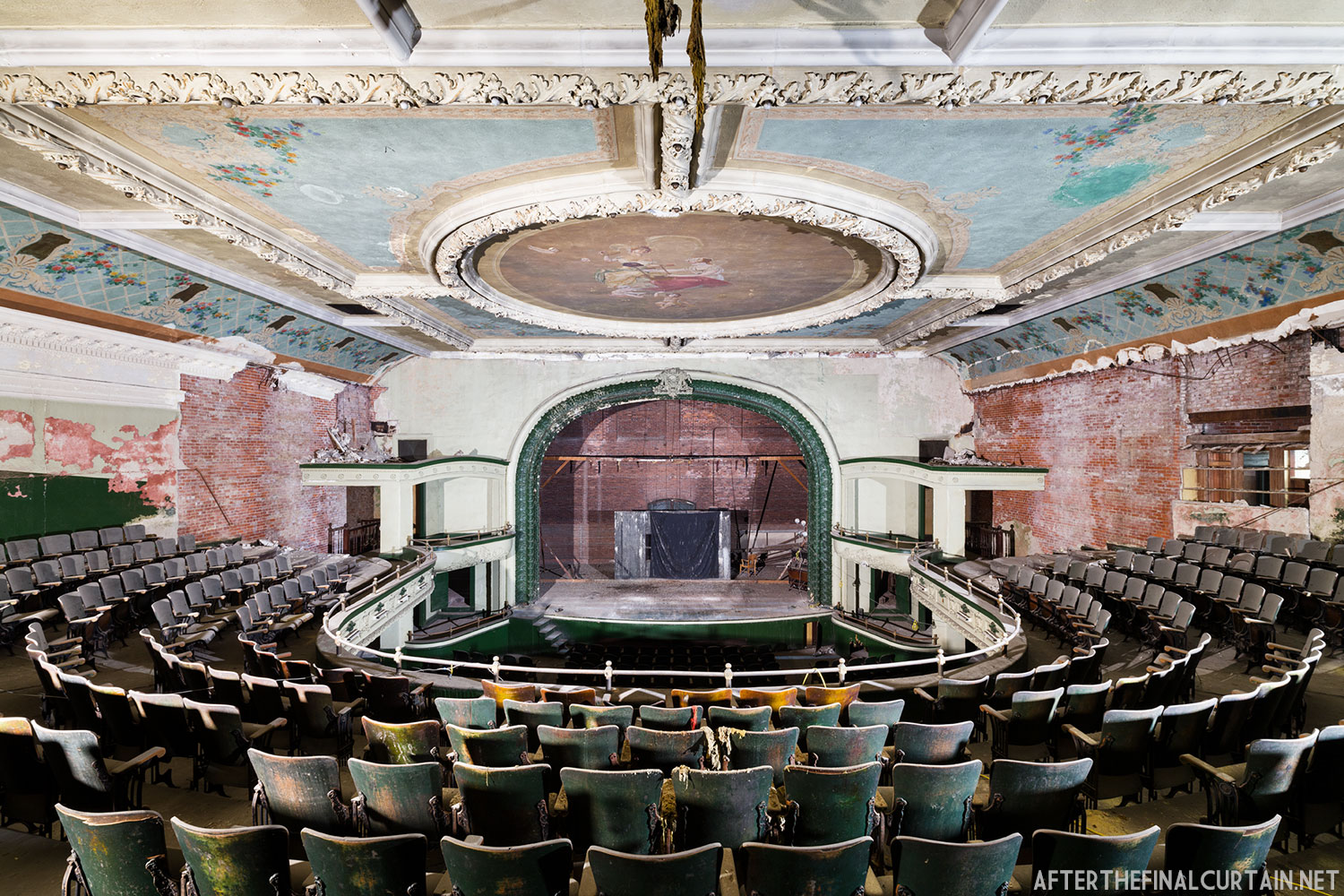
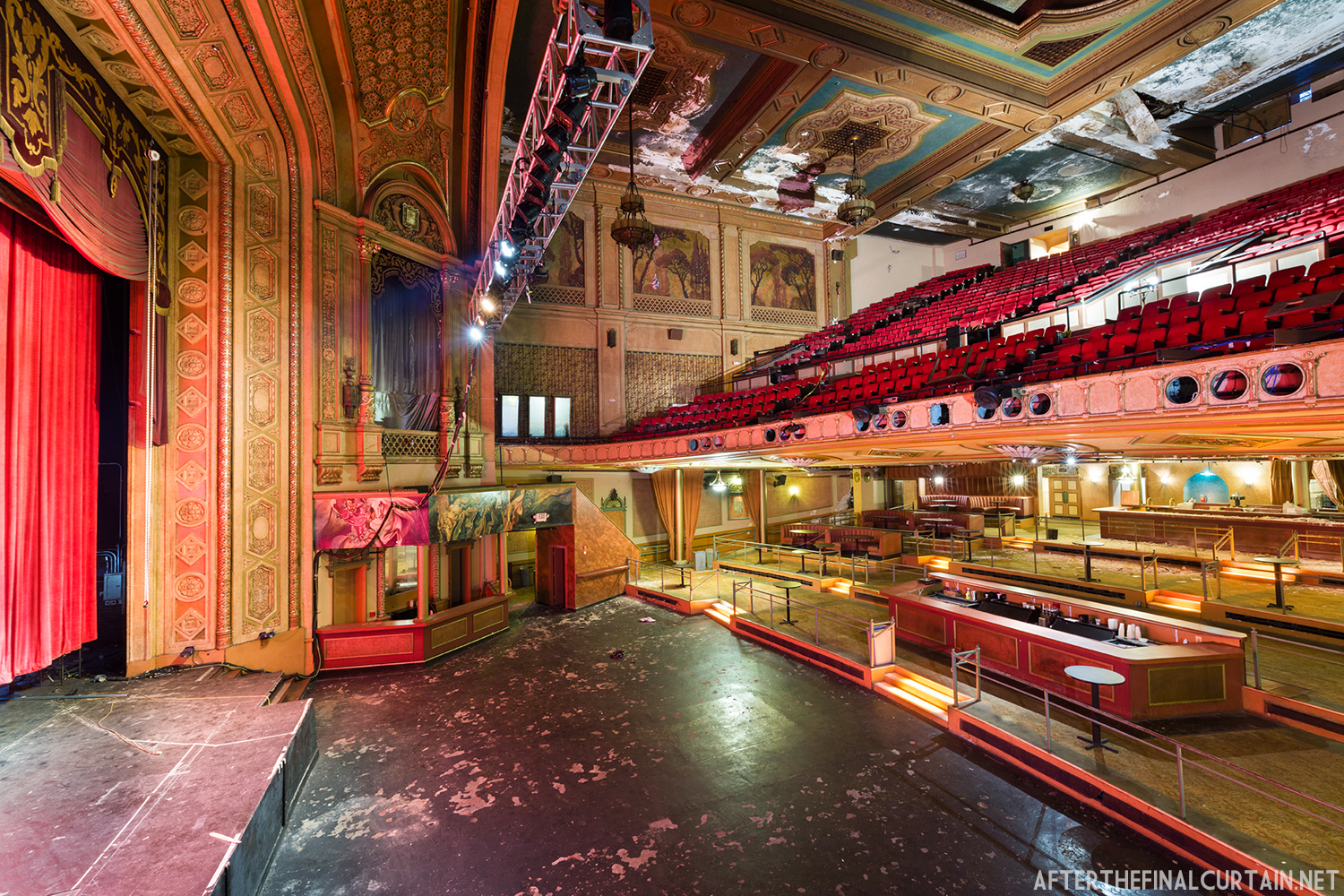
The oldest surviving theater in Worcester, Massachusetts, the Olympia Theatre originally opened on August 17, 1891, as Lothrop’s Opera House. Designed by architects Cutting & Forbush the theater sits tucked away on a side street in what is now known as Worcester’s theater district. ” Before its grand opening, women were invited for an exclusive preview of the venue’s stunning architecture and decor, accompanied by Worcester’s first all-female orchestra—an unusual occurrence for the time.
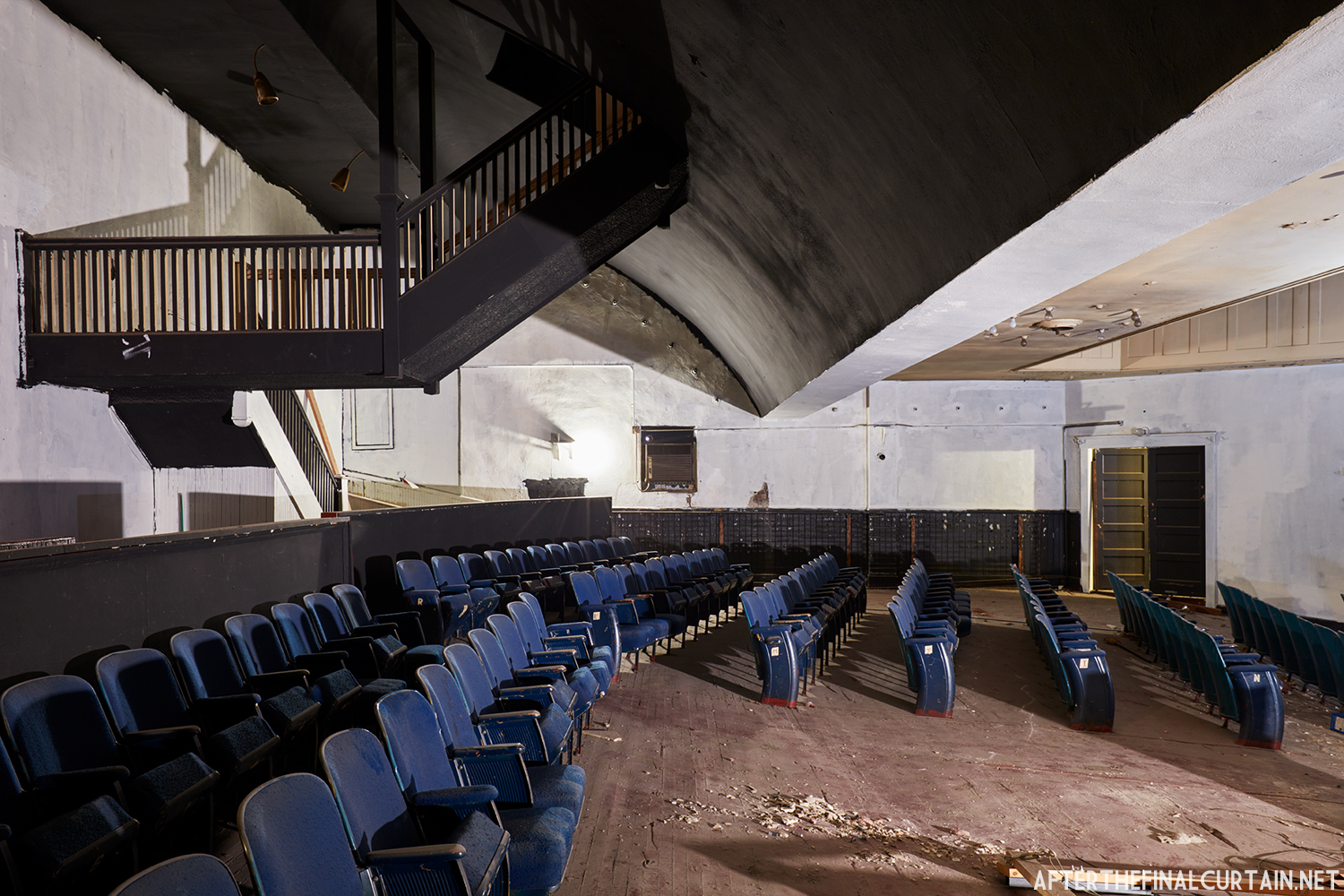
The theater made its debut with “The Specter Bridegroom” and “Queena.”

The theater saw multiple closures and reopenings throughout its early years. It closed for the first time in 1900, and reopened in 1904, and closed again the following year. In late 1906, a renovation plan was announced by architectural firm Cutting, Carleton & Cutting, the same firm that originally designed the theater. It reopened on June 12, 1907, as Lynch’s Pleasant Street Theatre. By the 1910s, silent films became the dominant form of entertainment, and the theater was renamed Pleasant Street Theater. On August 18, 1919, it was rebranded again as Olympia Theatre under the operation of E.M. Loew’s Theaters Inc.
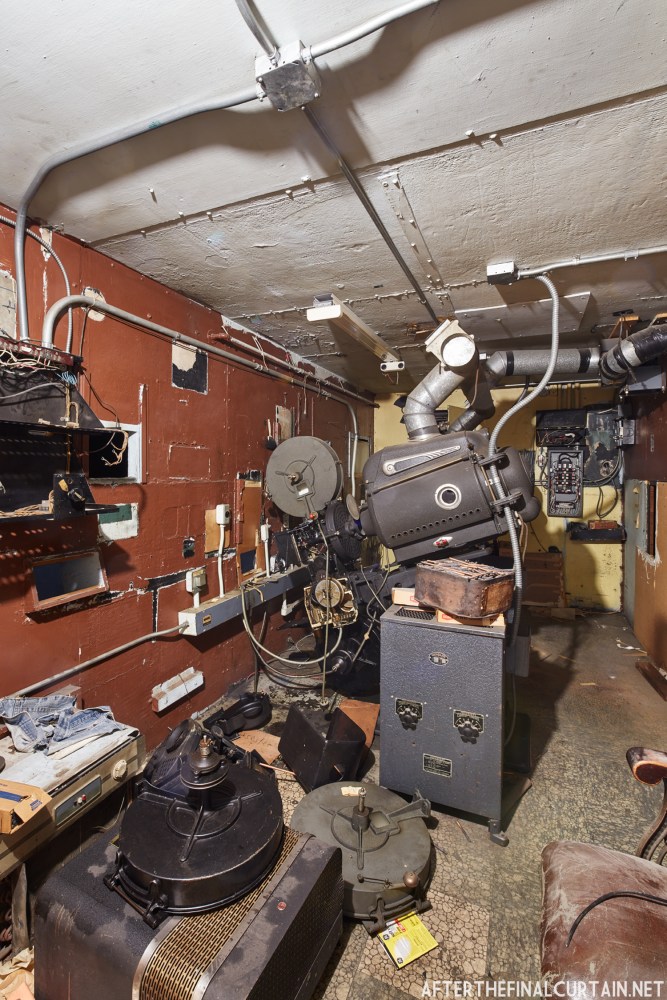
The projection room was not original to the theater, and was added when it was converted to show motion pictures.

Throughout its history, the Olympia Theatre witnessed many milestones. It played a crucial role in early cinema promotions, including record-breaking sales of promotional cards for “Her Husband’s Trademark.” Creative marketing campaigns, such as the footprint stunt for “Souls for Sale” and telephone advertising, contributed to its success. In May 1926, the theater fell victim to professional safecrackers who stole $2,000—equivalent to over $35,000 today.
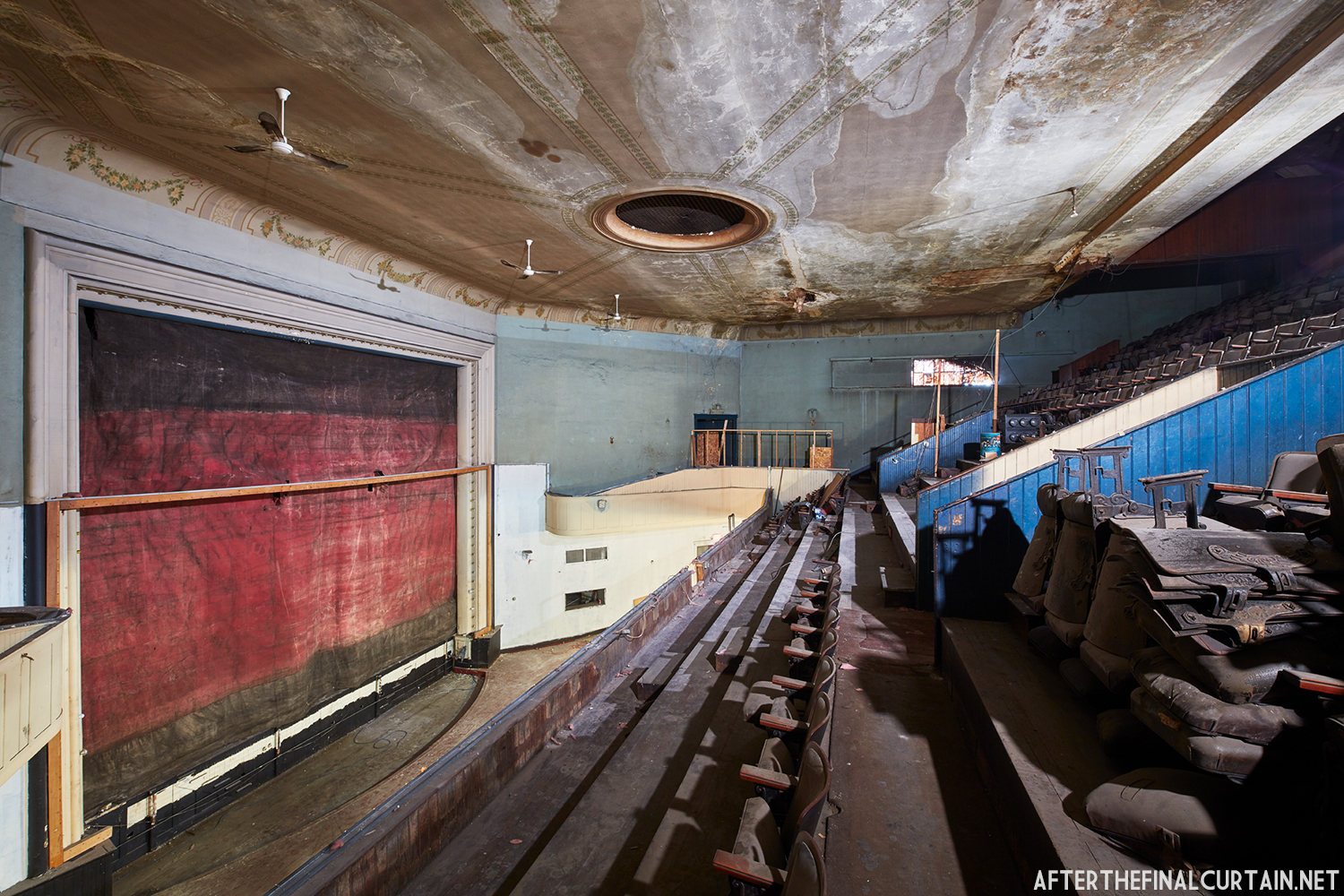
Al Jolson, who later became a Hollywood legend, once found himself stranded in Worcester after a failed performance at the Olympia Theatre.

The Olympia continued evolving with the times. On May 30, 1956, after a month-long closure for refurbishment, it reopened as the Fine Arts Theatre, premiering “Les Diaboliques” and later showcasing other foreign art-house films. Opening with a mix of classic and cutting-edge foreign films, Fine Arts remained a downtown entertainment option for years. However, by the time it closed its doors on April 2, 1984, it had become known for showing X-rated films like “When A Woman Calls” and “That Lady From Rio.” It later transitioned into the New Art Cinema, an adult theater, before ultimately closing for good in January 2006.
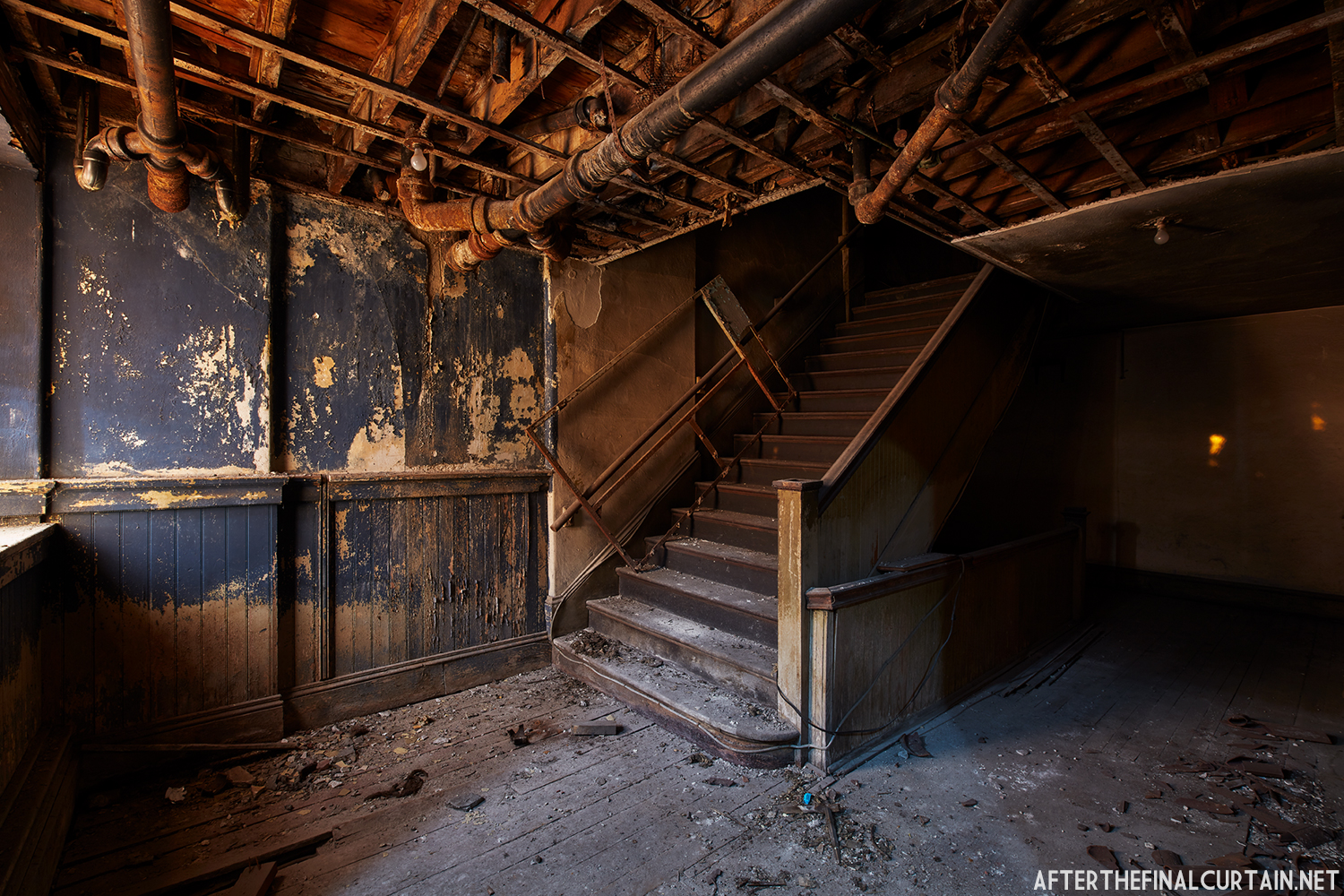
The Olympia is Worcester’s oldest surviving theater. In August 2019, Patrick Flynn and Jennifer Wright launched a campaign to purchase the vacant building and turn it into the “Olympia Music Hall & Grill,” a 1,000-seat venue and restaurant for touring and local musicians. Their efforts, however, fell short of the $400,000 needed to secure the deal. Two years later, in September 2021, the building was sold for $527,400 to a local family. The new owners plan to reopening the Olympia as a performing arts center that will showcase films, musicians, and other live performances. The new owner’s website is https://www.wootheatre.org/.
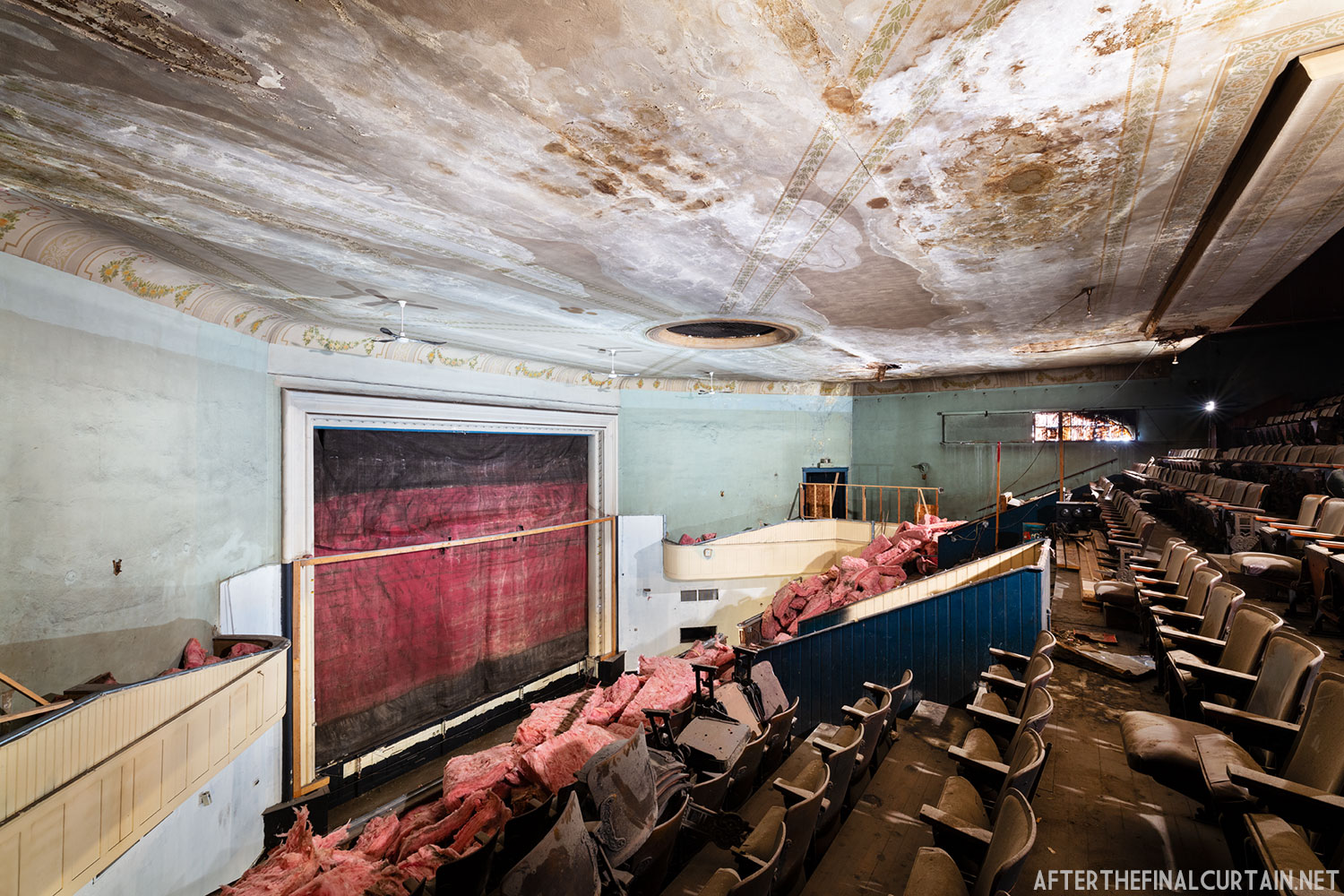
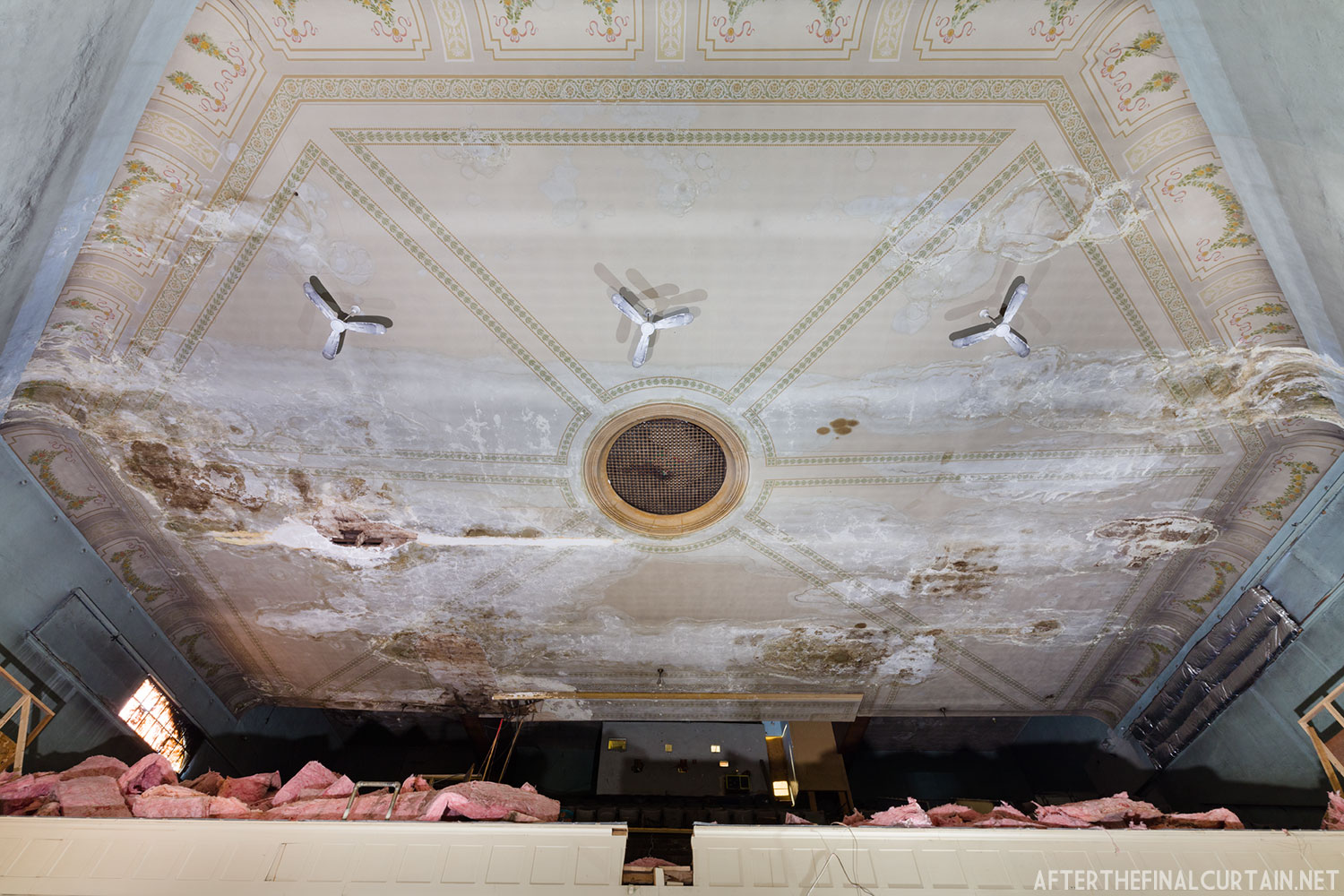
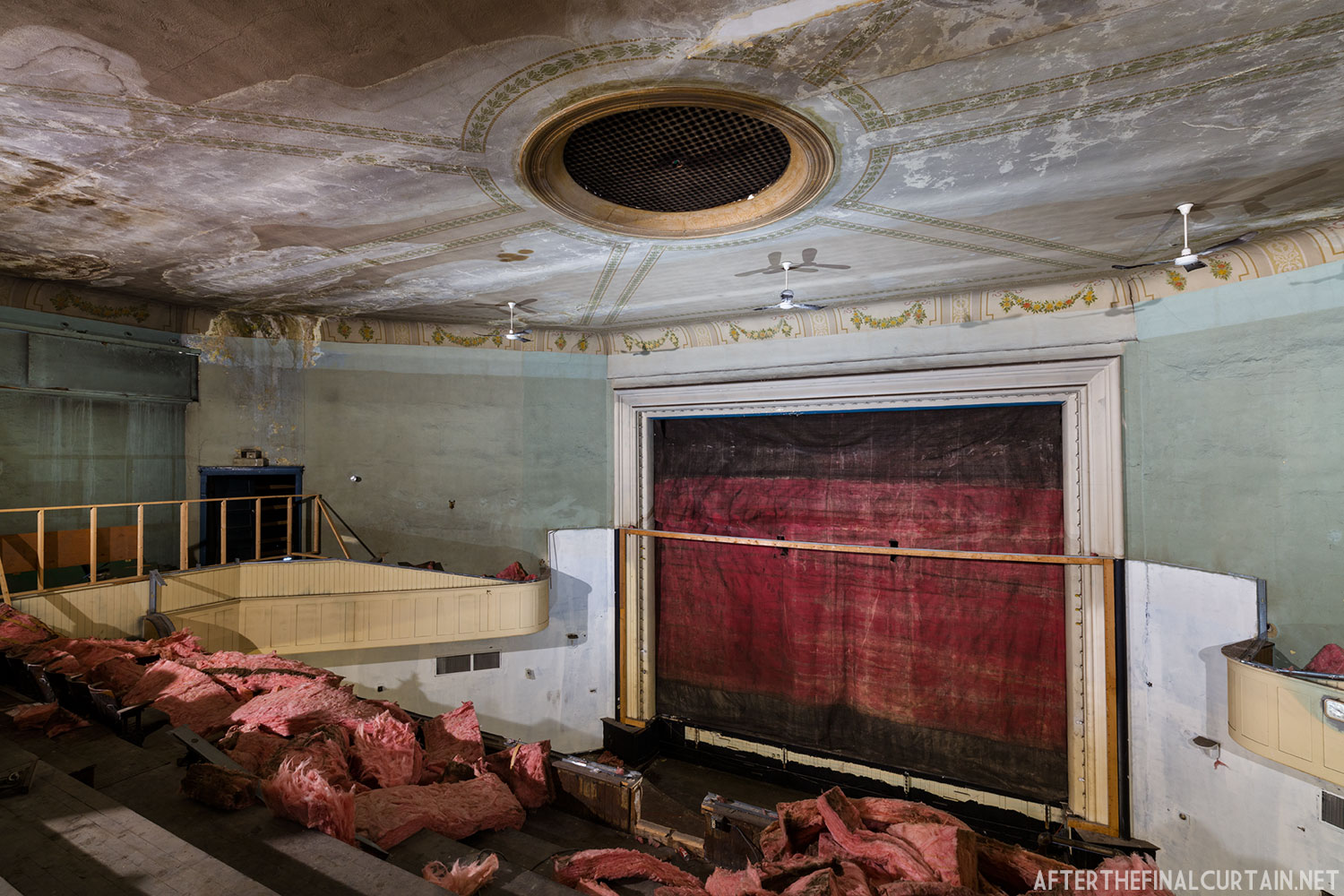
The balcony was sealed off when it was the New Art Cinema, and insulation was put in the balcony to keep the orchestra level warm.
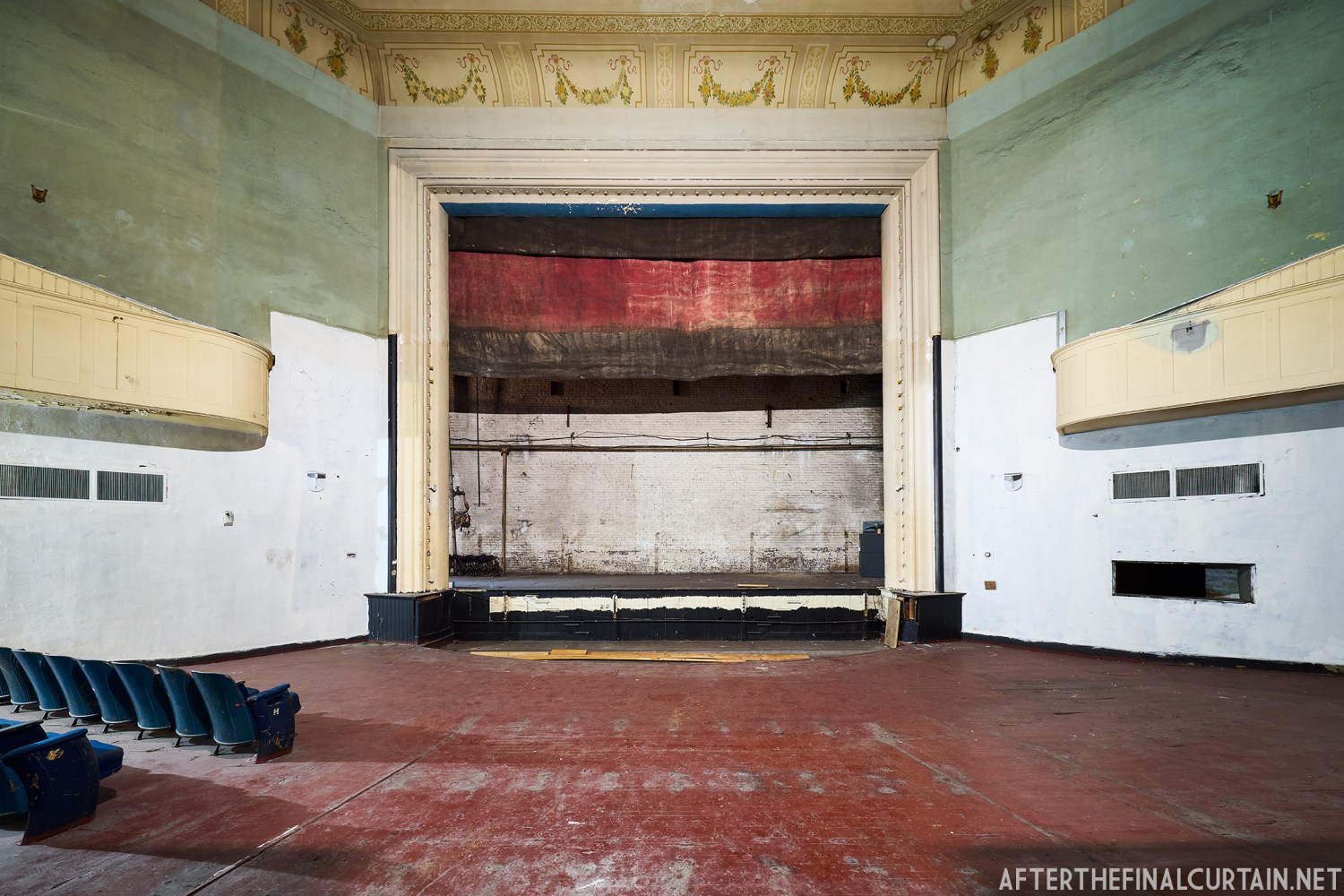
The Olympia has a very shallow stage. It’s around 8 feet deep.
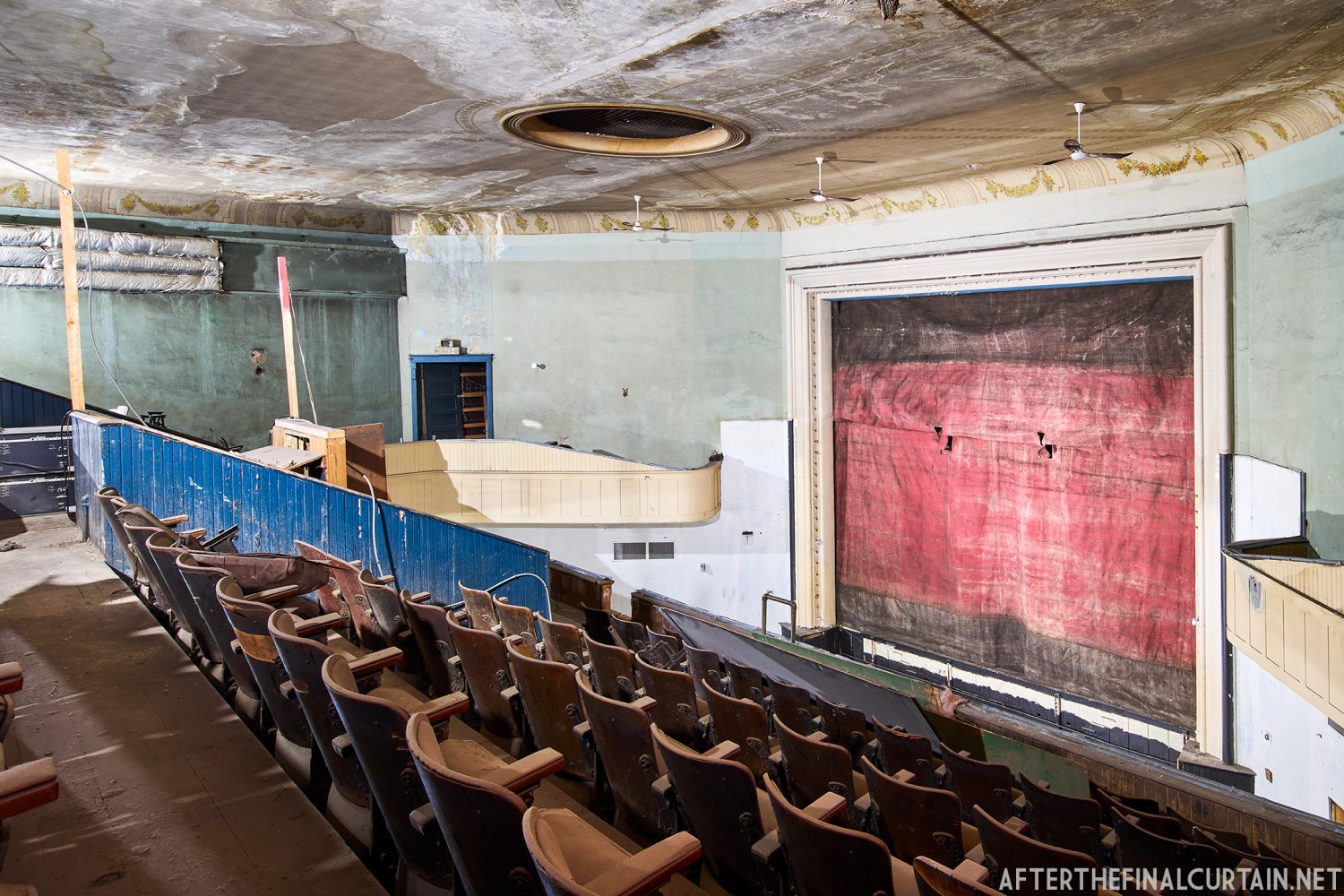
View of the auditorium from the side of the balcony.

Fall Photo Workshops 2018


Orpheum_Theatre_8_6_18_014

Auditorium, Orpheum Theatre in New Bedford, MA

I’ve been working on scheduling some new locations for this fall’s series of Photography Workshops, and think I’ve gotten some great ones. First up, the Orpheum Theatre in New Bedford, MA on September 22. The Orpheum was the first theater profiled on After the Final Curtain, and I’m really excited about the workshop. Attendees will be able to photograph the auditorium, ballroom and shooting range.

http://www.mlambrosphotography.com/workshops/orpheum-theatre-workshop


Olympia_Theatre_7-11-18_046

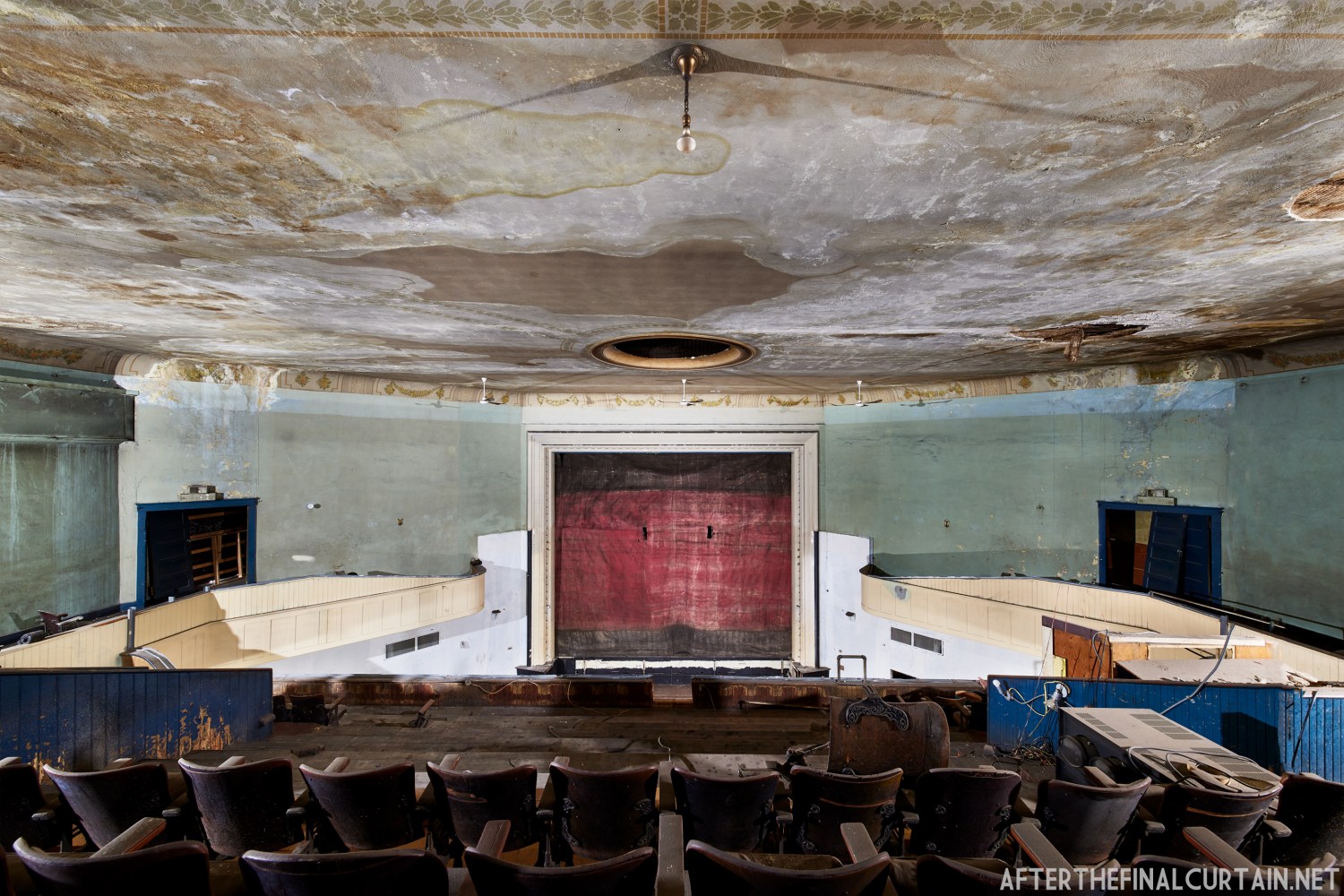
The Art Theatre in Worcester, MA.

Next is the Art Theatre (formerly the Olympia and a bunch of other names) in Worcester, MA is the next photo workshop on October 6, 2018. It’s a smaller one, so sessions are limited to 6 people.

http://www.mlambrosphotography.com/workshops/arttheatreworkshop

(And don’t worry, all of that insulation has been removed.)

Paramount_Theatre_04_28_18_017

View from the fake box seats at the Paramount Theatre in Springfield, MA.

Last up is a return to the Paramount Theatre in Springfield, MA on October 27, 2018. I’m co-hosting this one again with Matthew Christopher of Abandoned America. Work will have started on the roof by the time this workshop takes place, so hopefully that will stop the deterioration of this fantastic building.

Sign up and more information: http://www.mlambrosphotography.com/workshops/paramount-theatre-workshop

That’s it for now! I’m planning on doing another one at the Everett Square Theatre this fall, but I’m just waiting to confirm a date. There may be one more surprise one as well.

Paris Cinema (Capitol Theatre) Worcester, MA

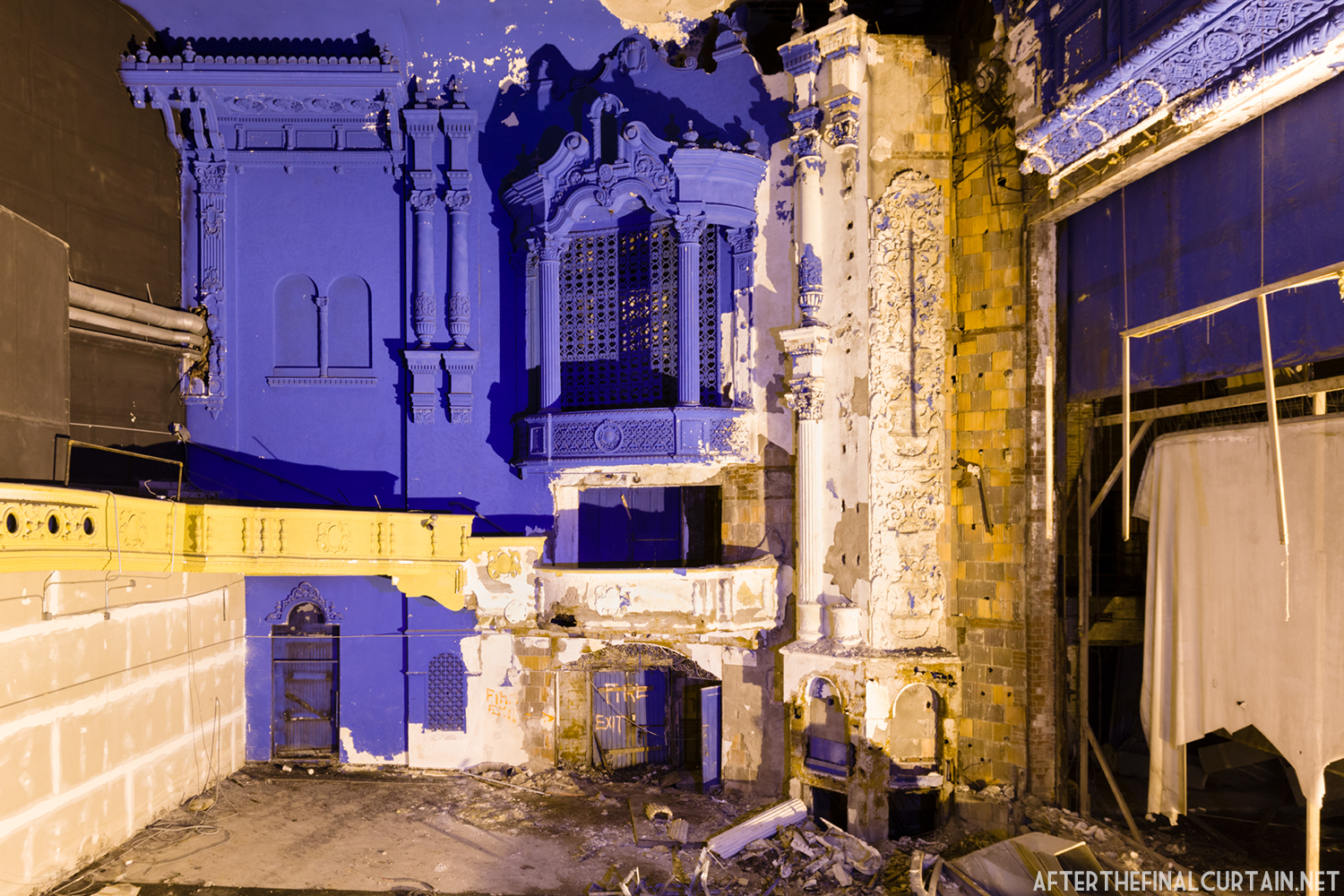
View from the side of the balcony.

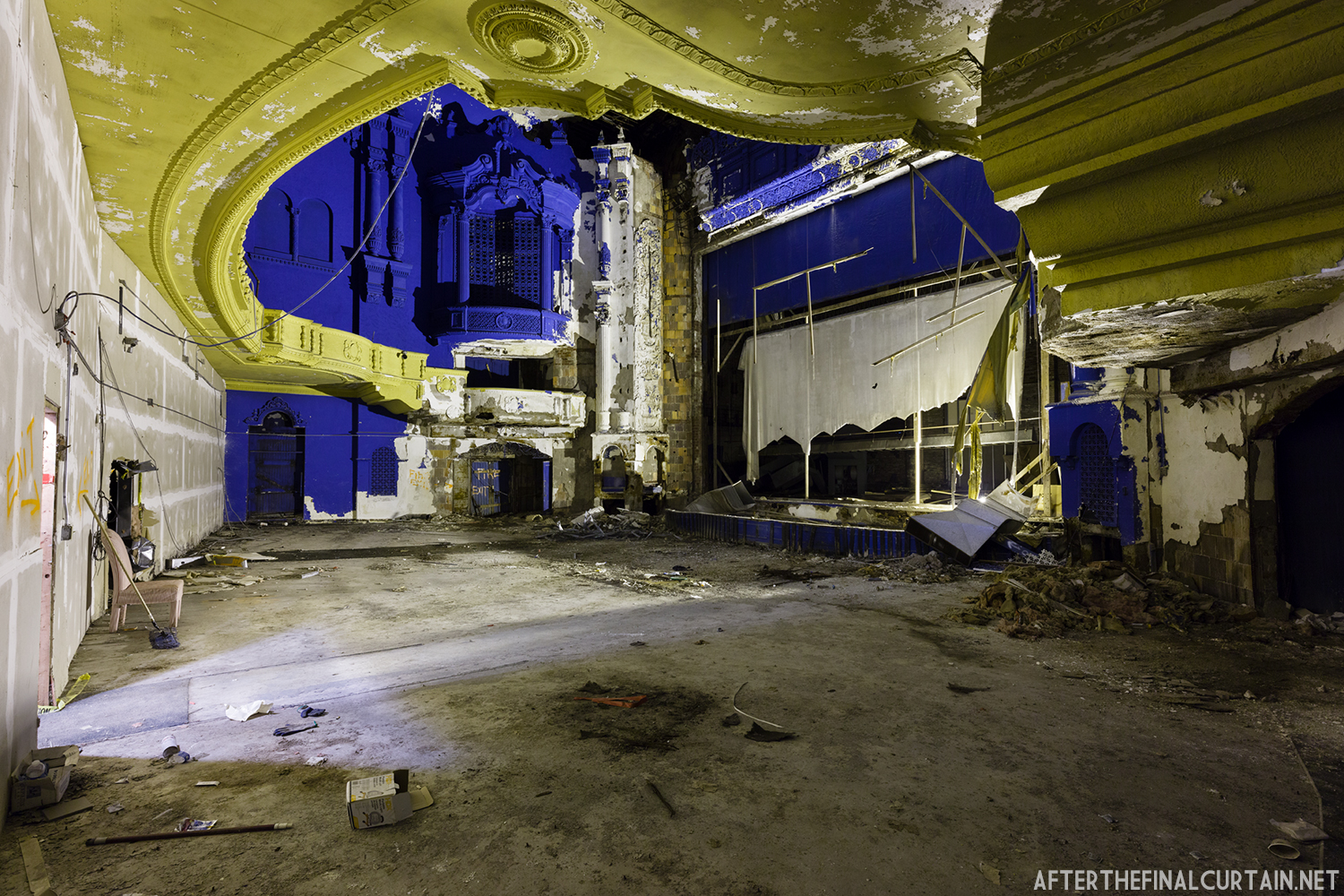
The Paris Cinema in Worcester, Massachusetts originally opened as the Capitol Theatre on December 11, 1926. It was designed by architect Roger Garland for the Worcester Capitol Company. An atmospheric theater, the 2,500 seat Capitol was designed with a blue dome ceiling and side walls that looked like a Spanish villa. Clouds were projected across the ceiling to complete the illusion that the audience was sitting under the night’s sky. Lou Zoeller, a songwriter, and Janet “the World’s Smallest Prima Donna” Bodwell, two vaudeville performers, played at the theater during the opening week.

A Wurlitzer Opus #1492 organ was installed in the theater when it opened. It is now located in the Rochester Museum and Science Center in Rochester, NY.

On Dec. 13, 1966, the Capitol closed for renovations, and reopened as the Paris Cinema on March 4, 1967. The Paris was divided in two the following year by separating the balcony from the orchestra level. It was billed as “Worcester’s first theater within a theater” when it opened on April 10, 1968. “Bonnie and Clyde” starring Warren Beatty and Faye Dunaway was the first film shown in the former balcony, now known as the Paris Cinema 2, and “Planet of the Apes” starring Charlton Heston was shown at the Paris Cinema 1. During the 70’s the Paris showed exploitation films downstairs, and adult films in the former balcony, now called the “Adult Penthouse” after another name change.

View from the side of the balcony.

On June 29, 1974, Francis W. Sargent, the Governor of Massachusetts at the time, signed a obscenity legislation into law, which forced the Paris to stop showing adult films. This lead to the theater closing once again in 1977.  Cinema 320, a group of cinephiles, rented the theater in the fall of 1980 to show films that weren’t normally shown at larger theater chains. This lasted until April 1, 1982, when the theater’s owner informed the group that he had found a new tenant that was willing to pay more and they had a month to vacate. The final film shown at the Paris by Cinema 320 was “Casablanca.” The Paris reopened as an adult theater in June of 1982.

The Paris closed for a short time in July 2001 after one of the walls in the upper theaters collapsed.

During the early 2000’s the Paris closed and reopened a few times. Worcester police began to raid the theater due to allegations that sex acts were taking place during the films. The Paris closed for good in January 2006 after 29 people were arrested during one weekend raid. Robert J. Hurwitz, the owner of the Paris Cinema, sold the building in July 2006 to the Mayo Group for $1.15 million. Mayo had begun converting the buildings around the theater into a student village under the name Worcester Commons, LLC, but did not have any immediate plans for the Paris.

The Paris Cinema sign was donated to Preservation Worcester in 2012, and sold at a fundraising event that fall.

In 2016, the Mayo Group sought a waiver to the city’s one year demolition delay ordinance for historic buildings from the Worcester Historical Commission. According to the Mayo Group, it would cost at least $21 million to stabilize the building and bring it up to code, but only $500,000 to completely demolish it. They argued that keeping the building standing another year would pose an economic hardship for them. The Historical Commission voted 4-1 to grant the waiver. Demolition began in the summer of 2017, and they plan on turning the space into a beer garden with an outdoor performance area.