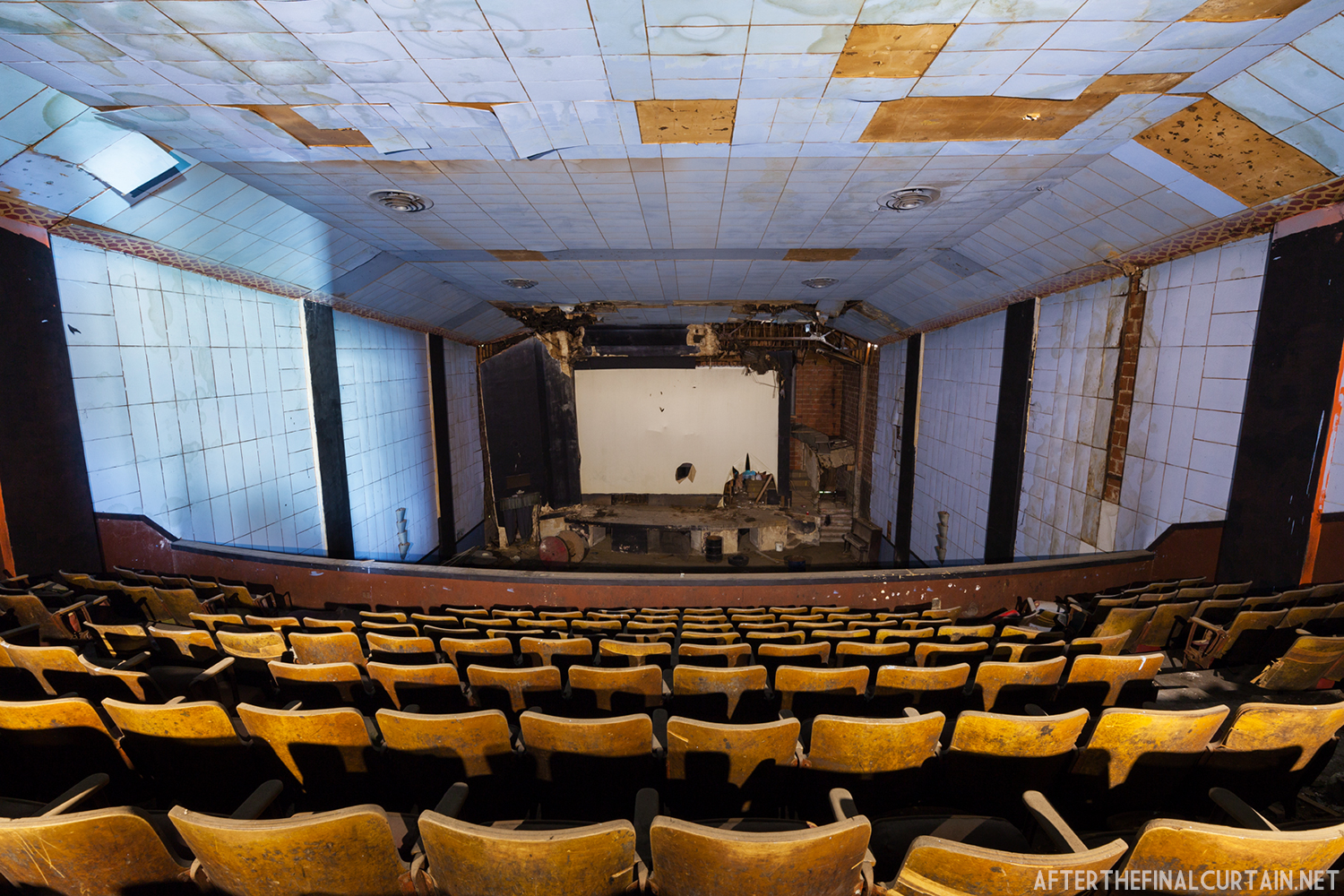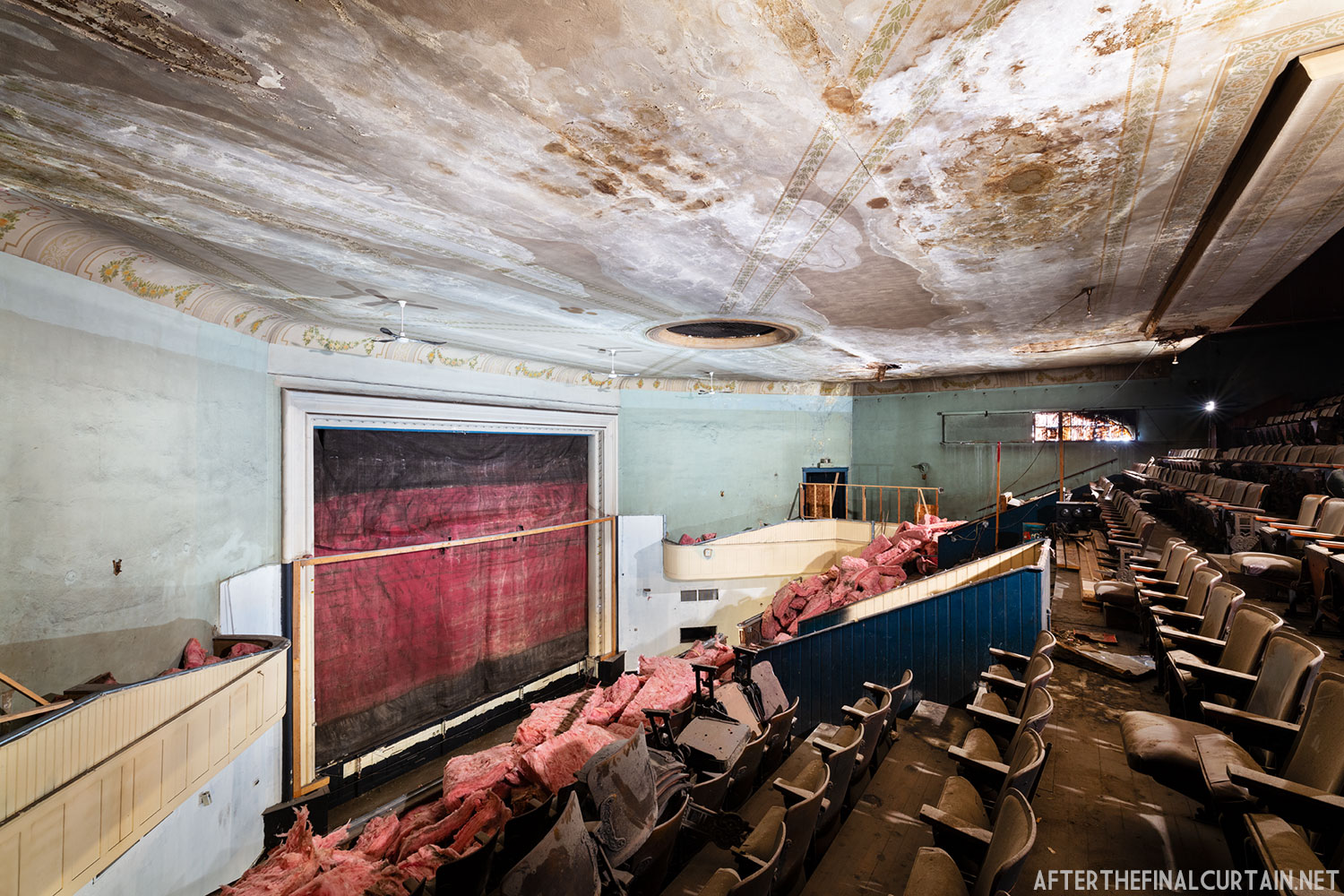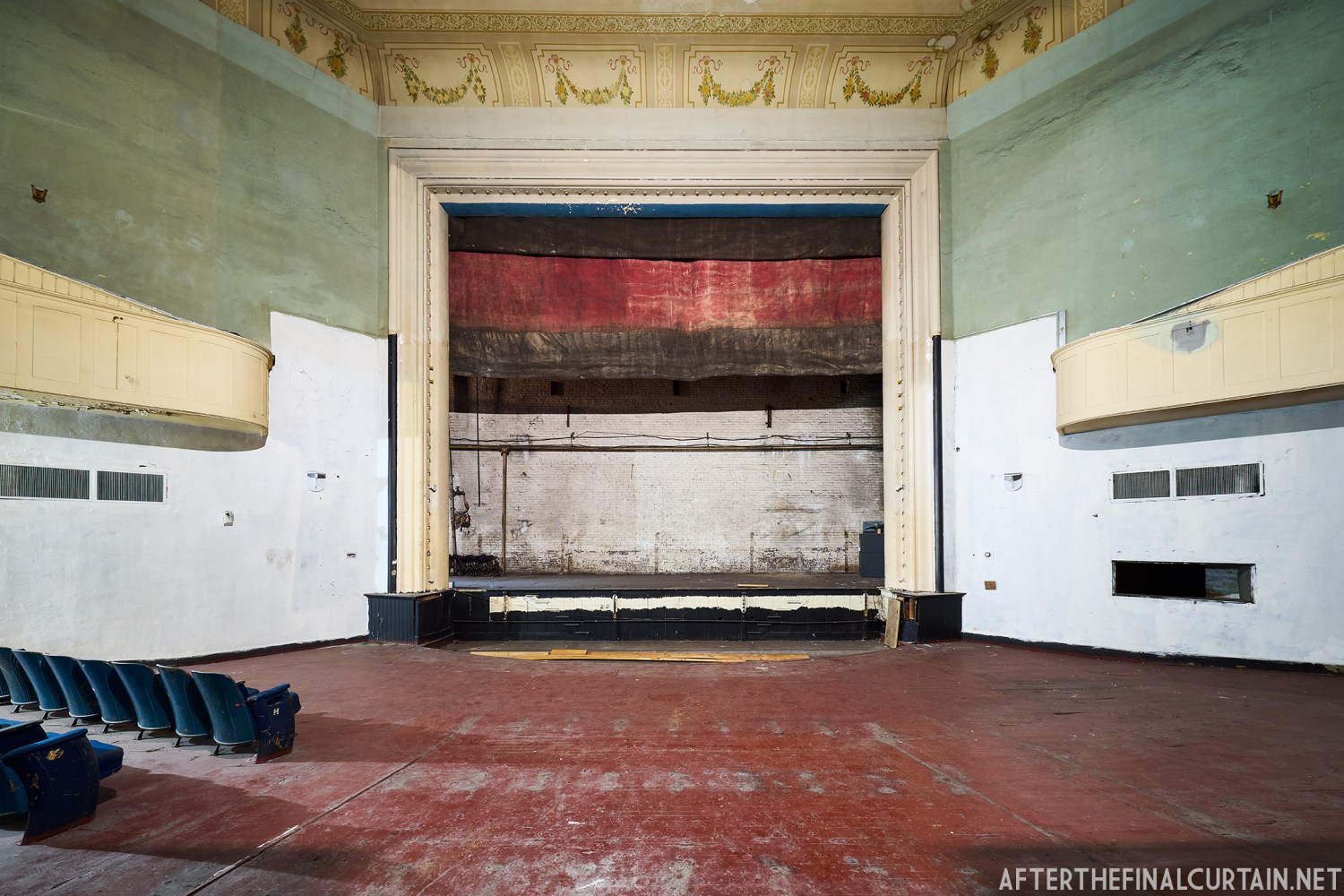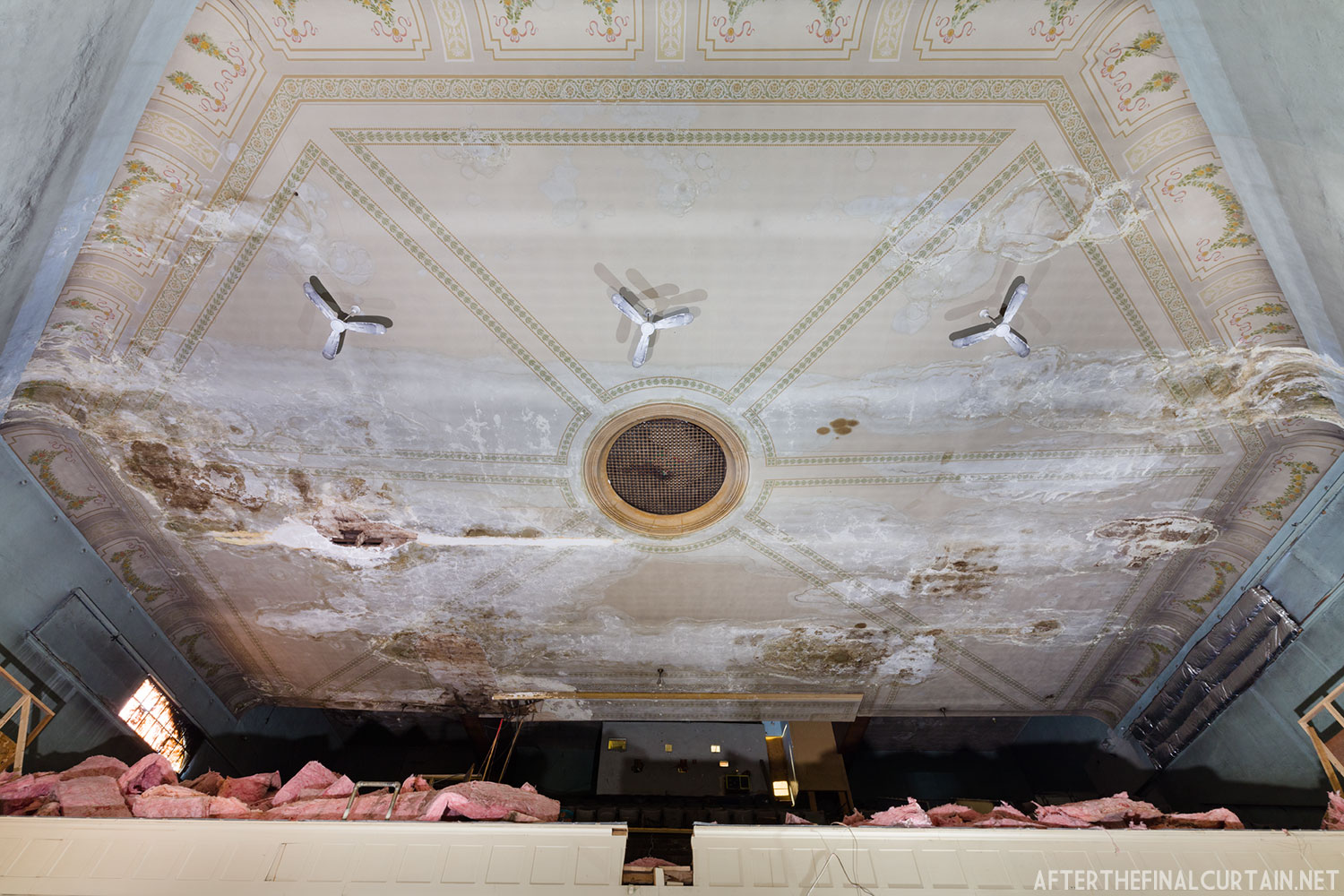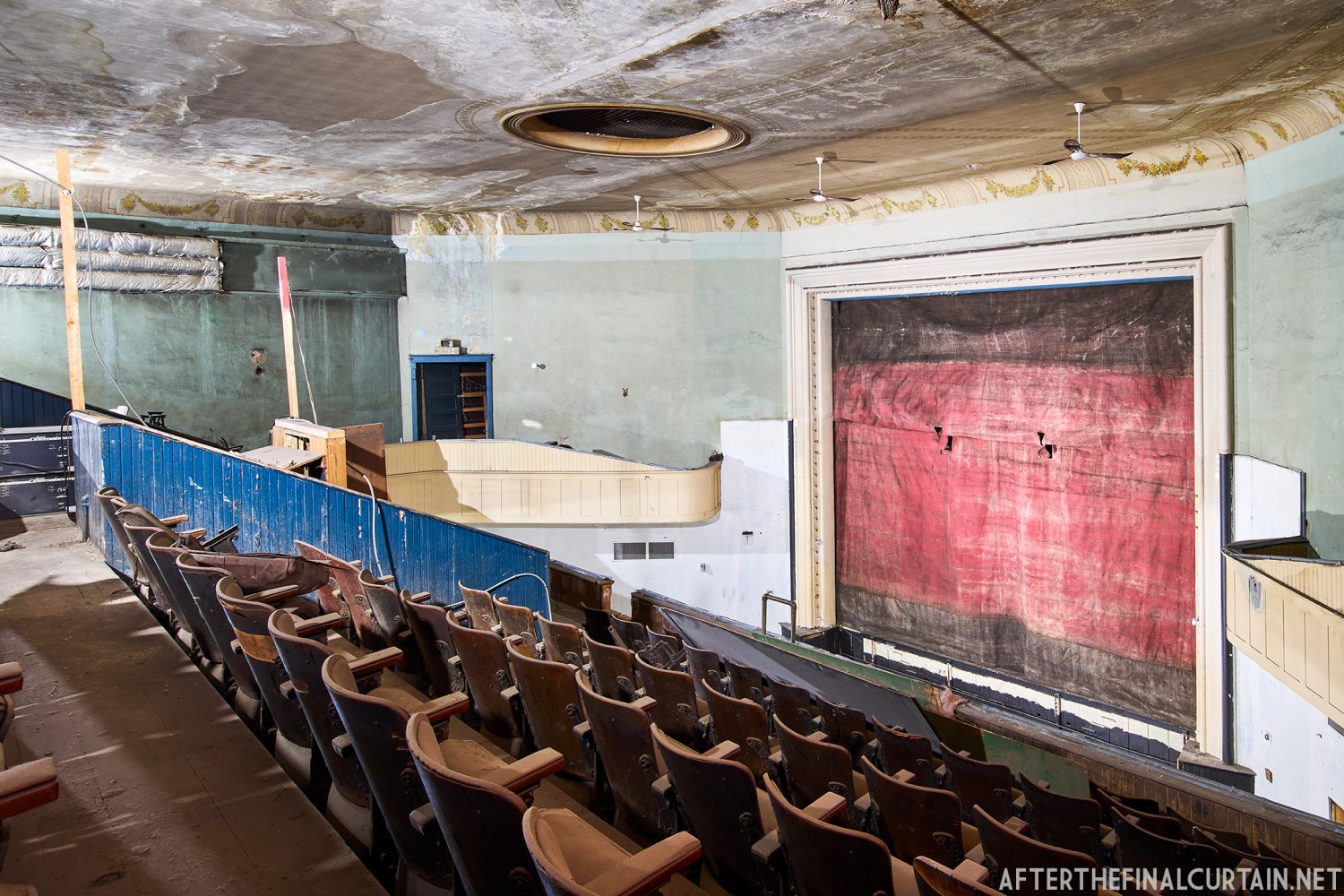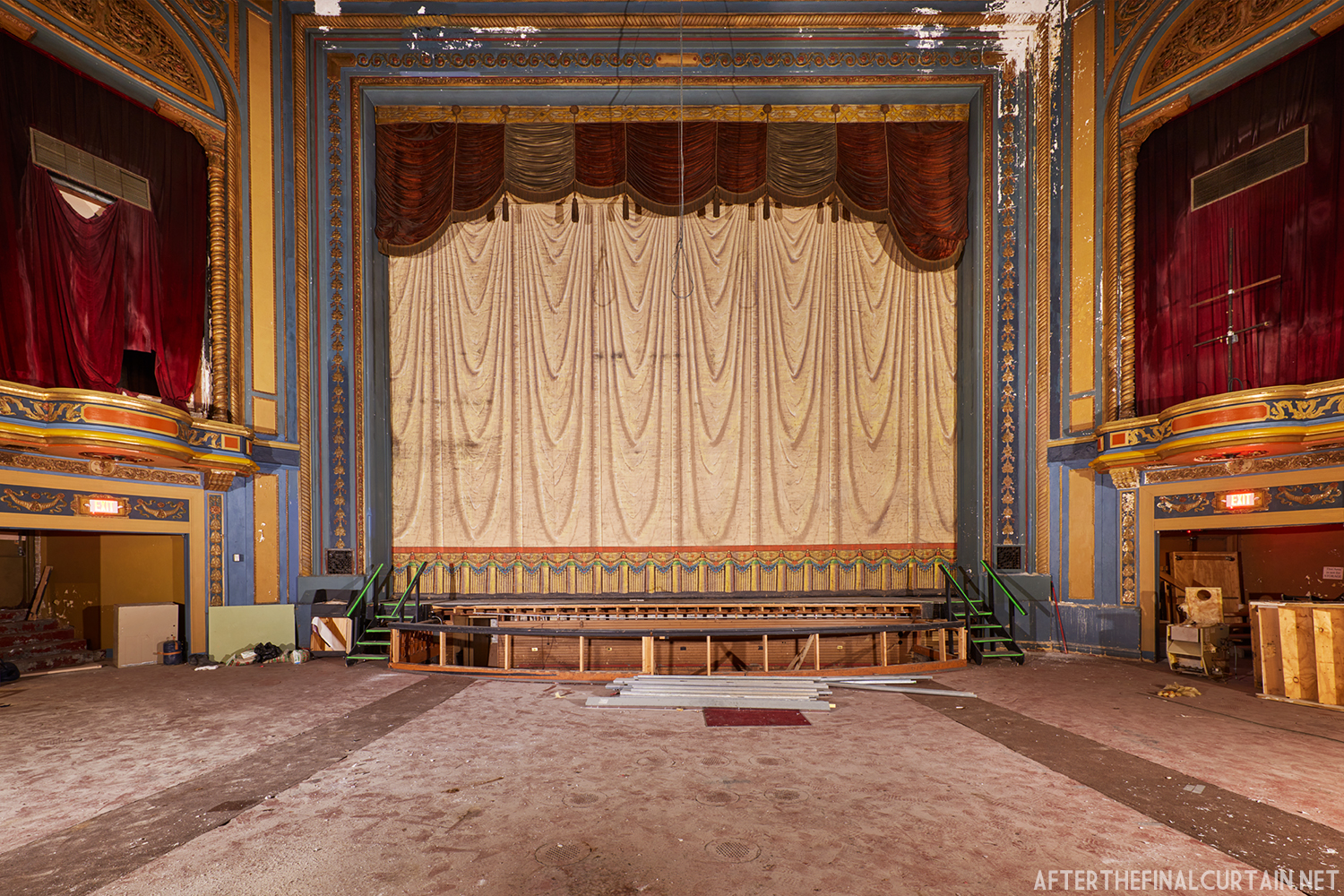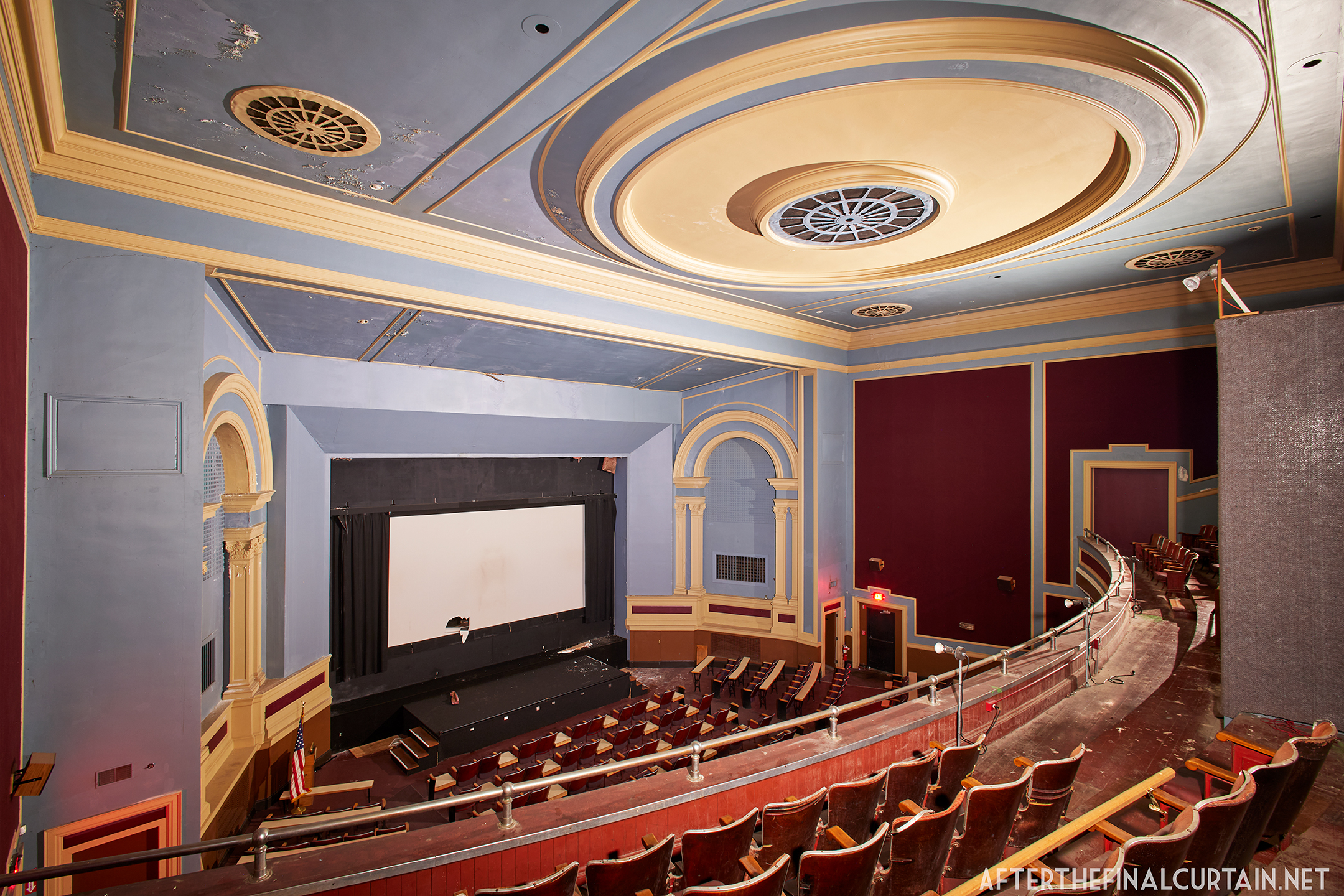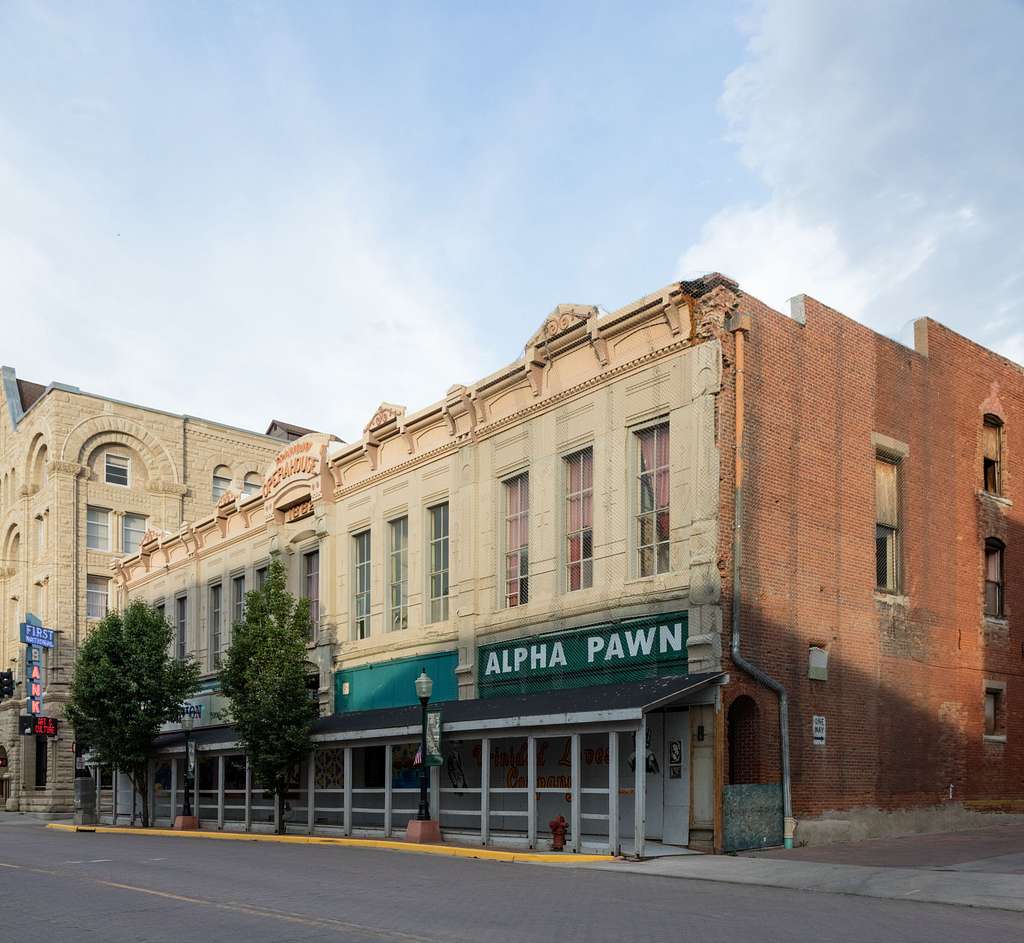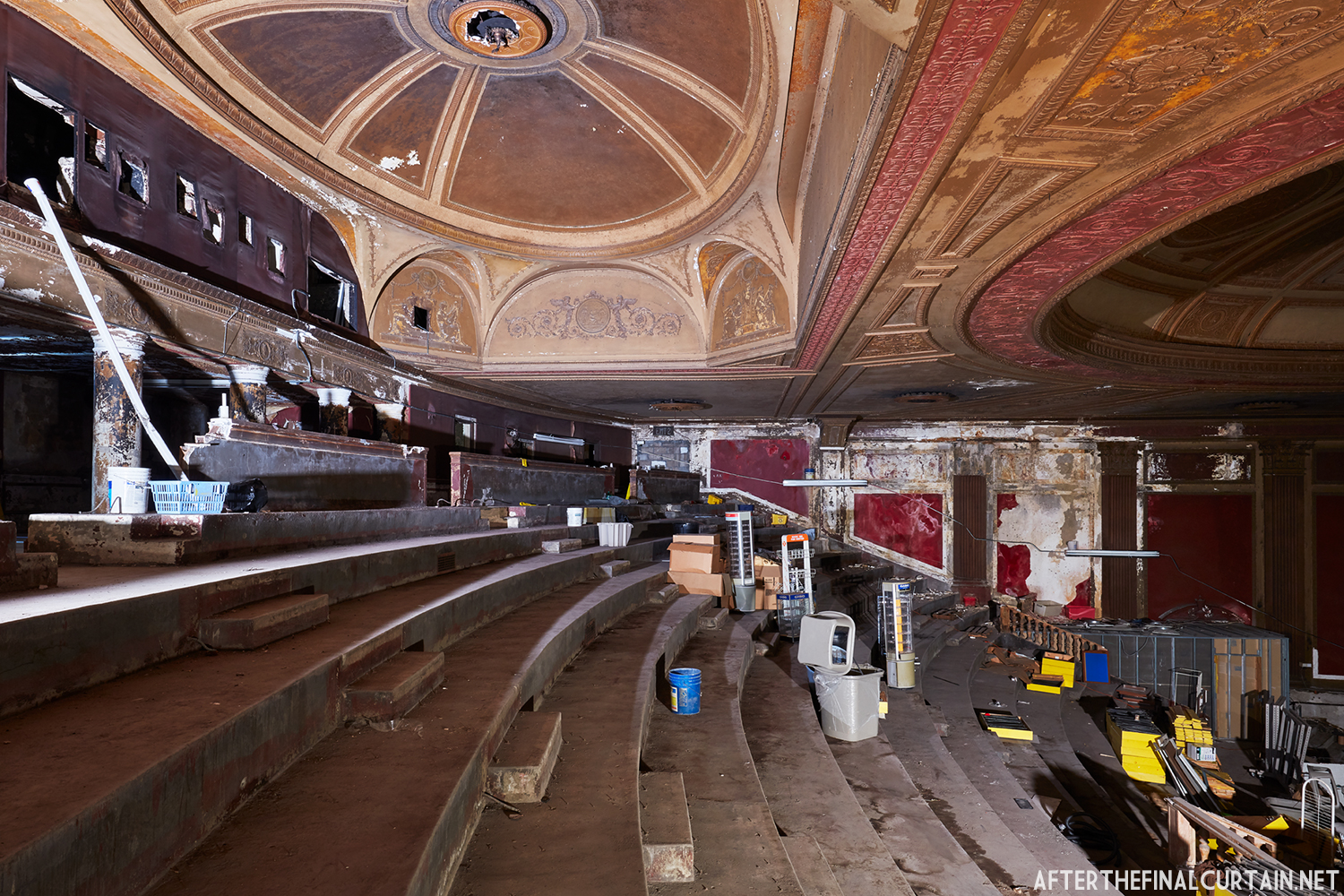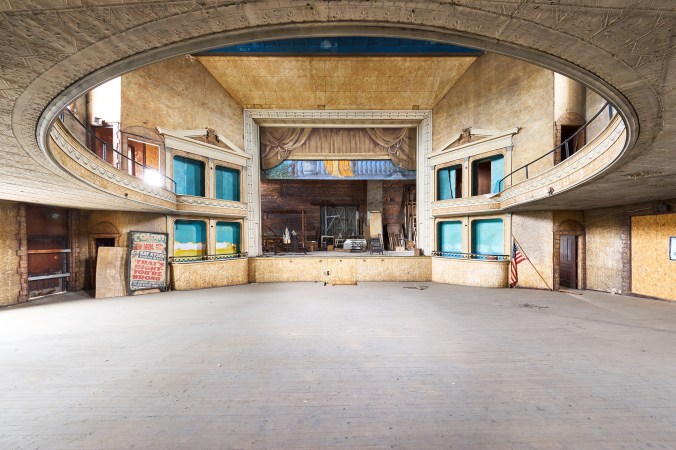
Bell’s Opera House – Hillsboro, Ohio

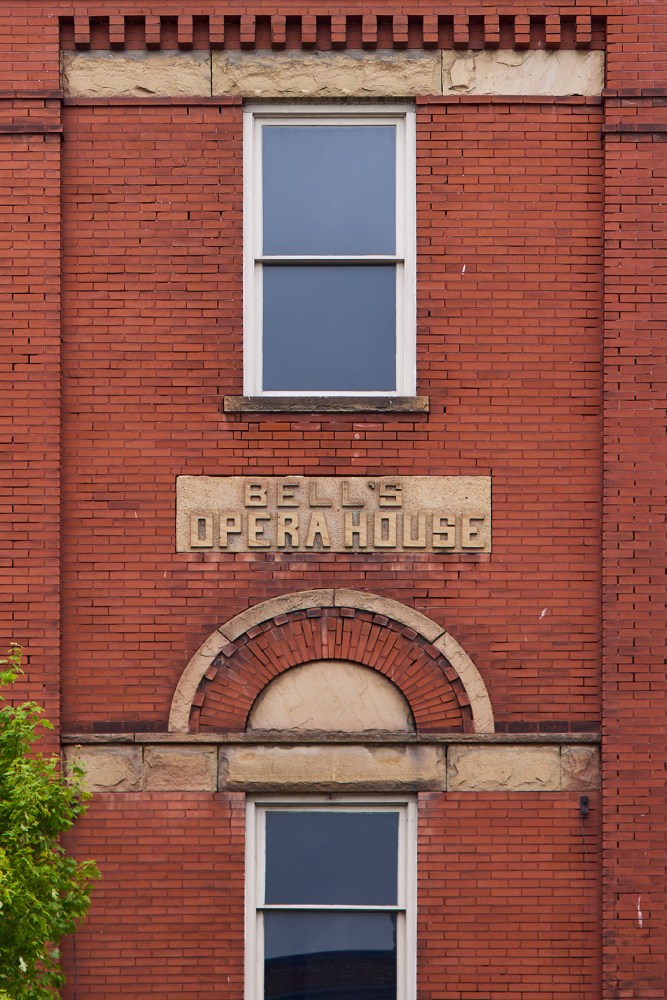
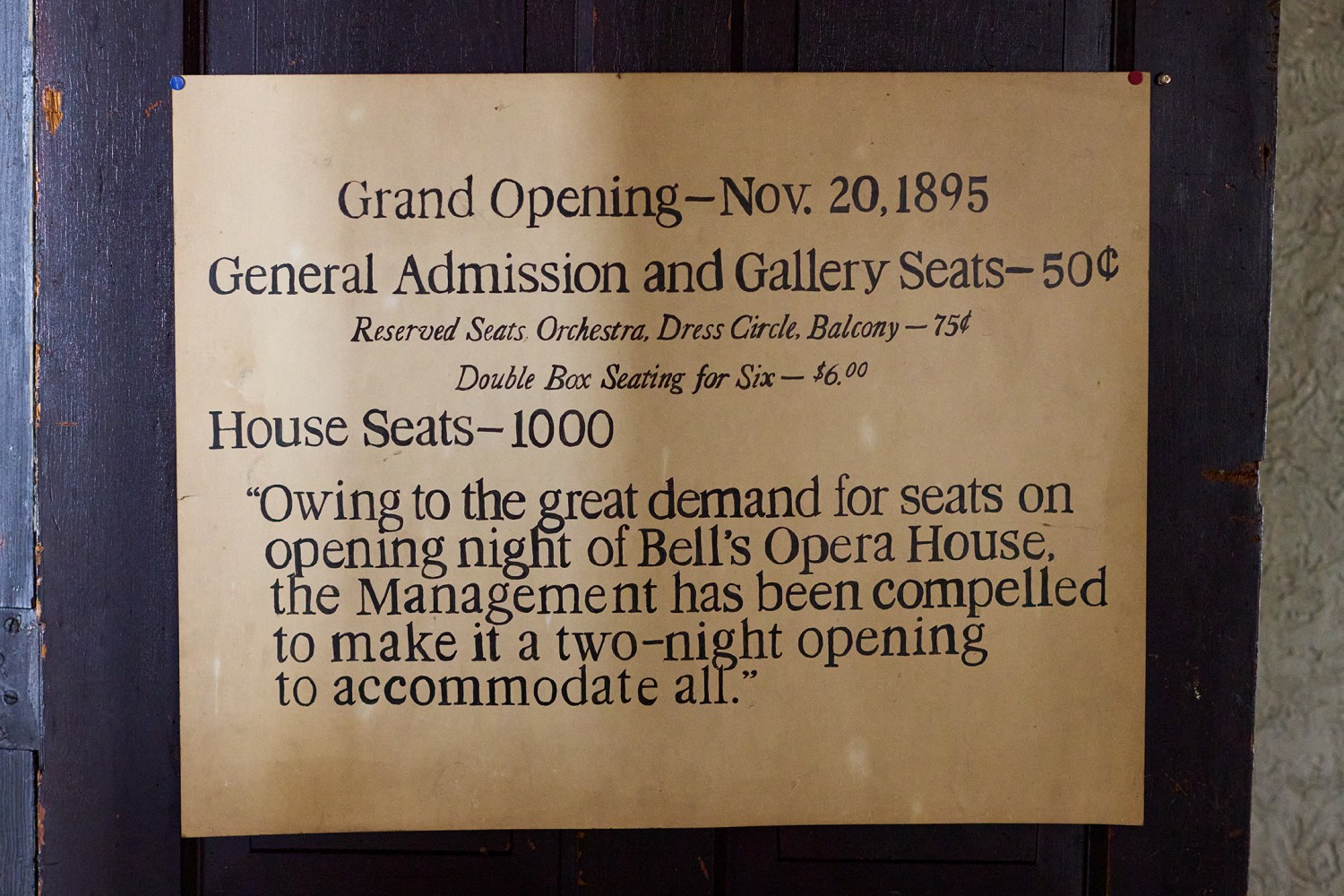
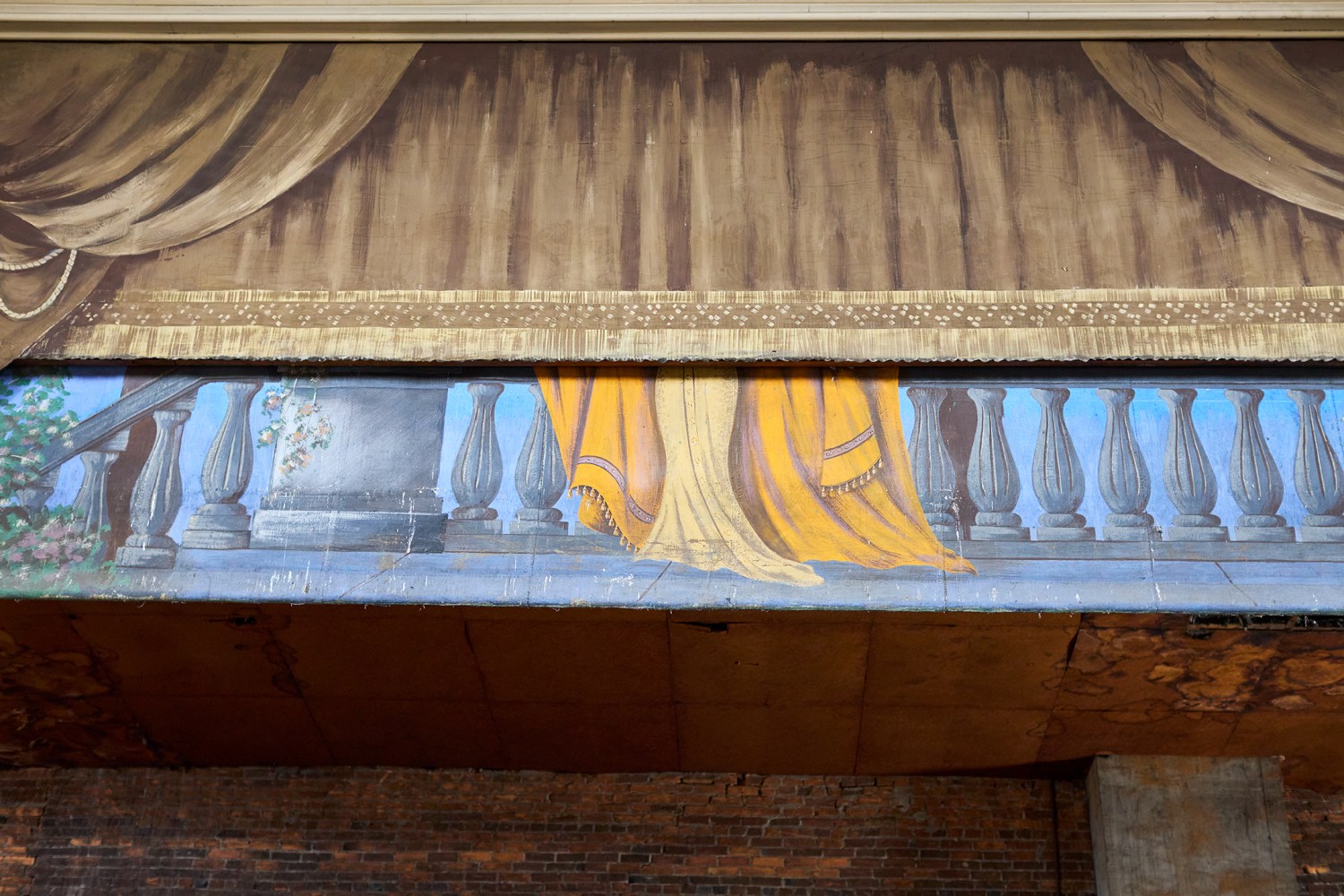
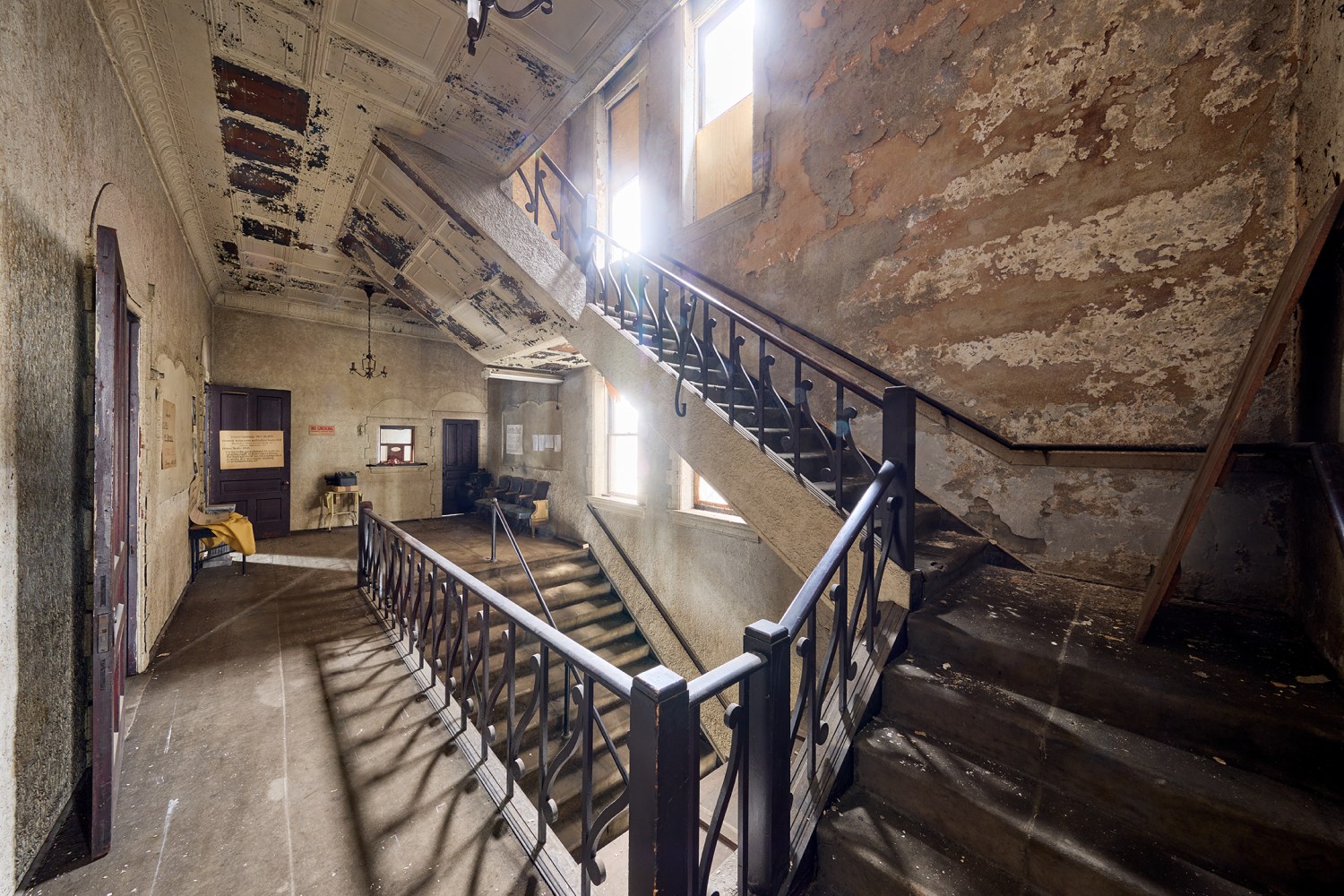
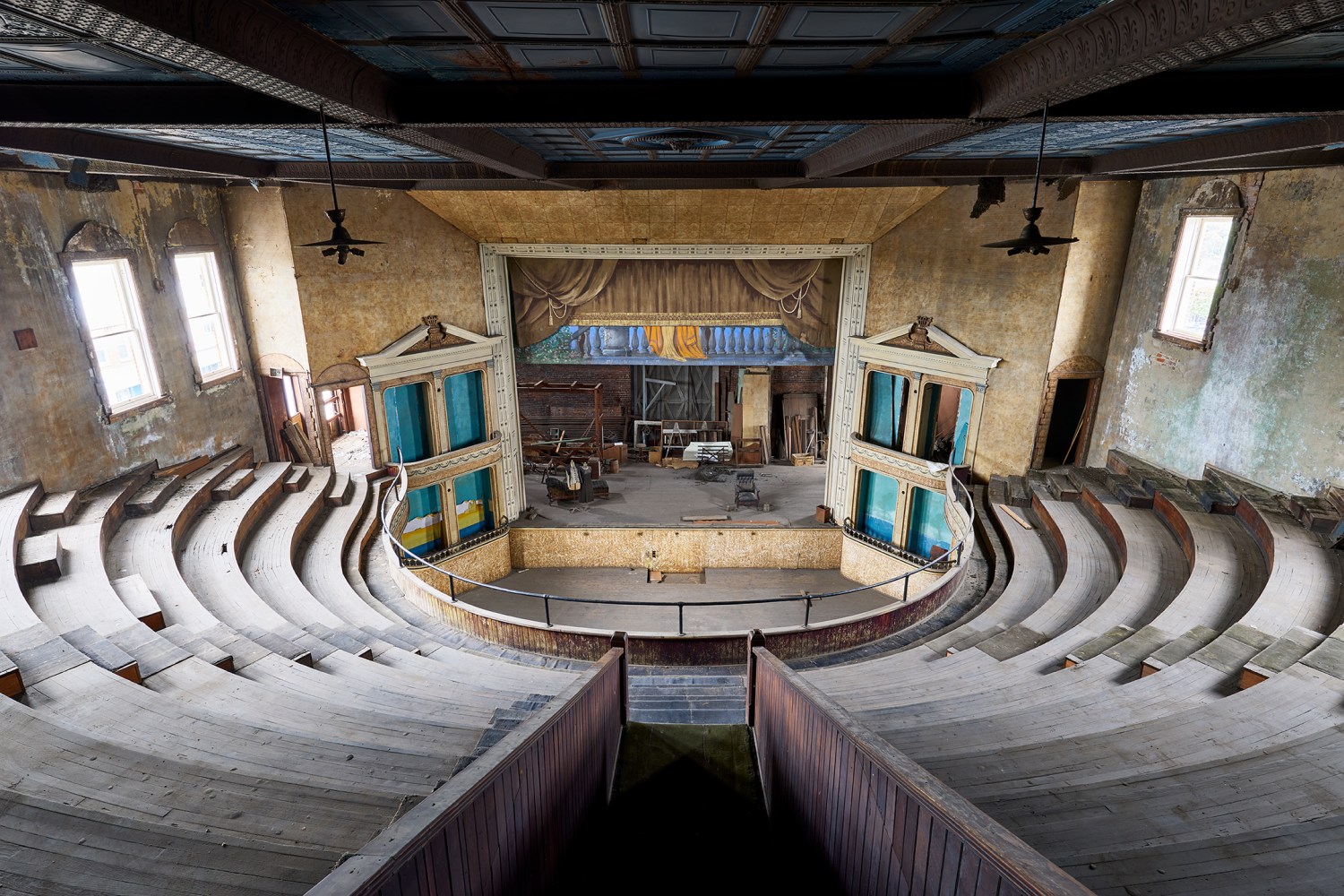
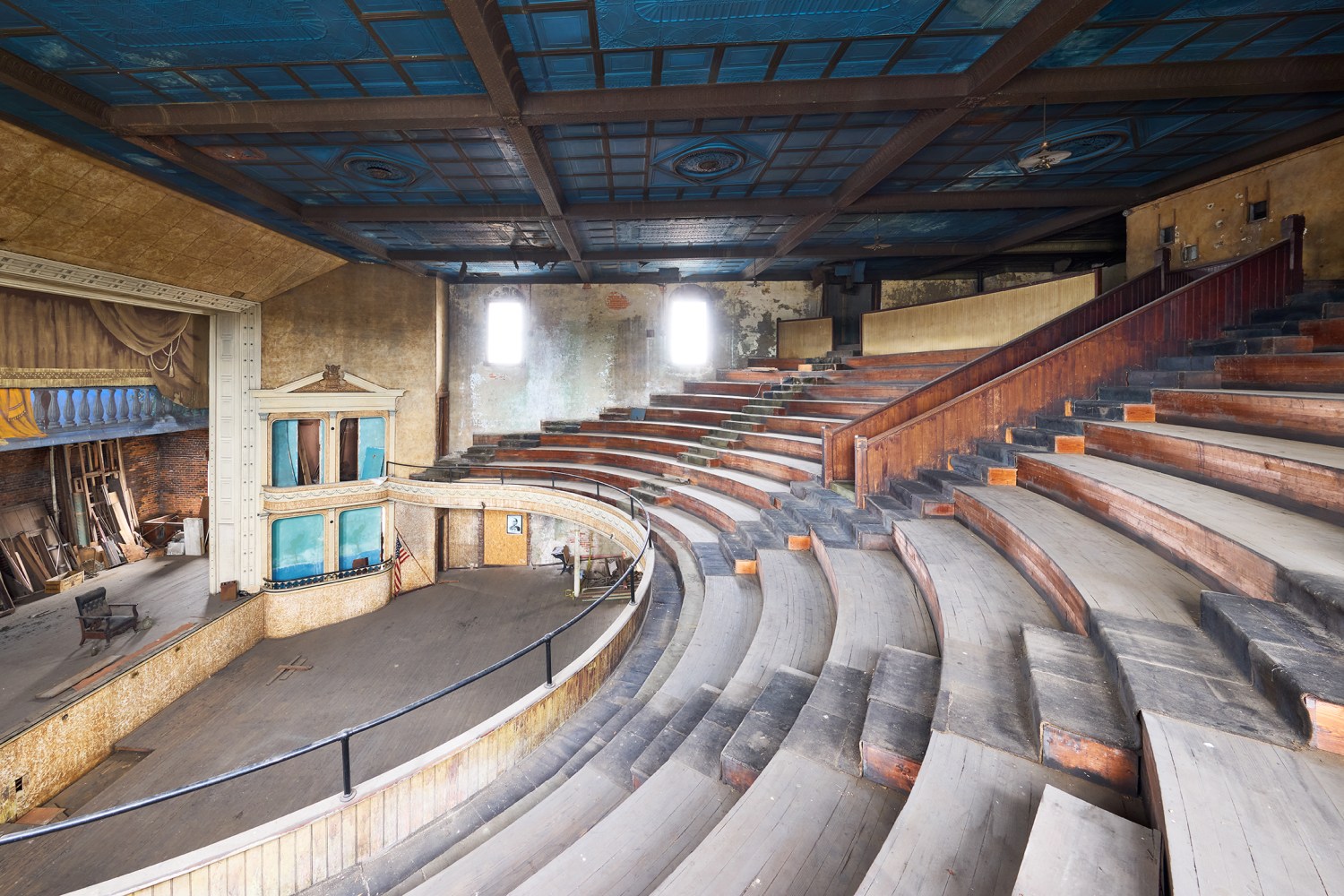
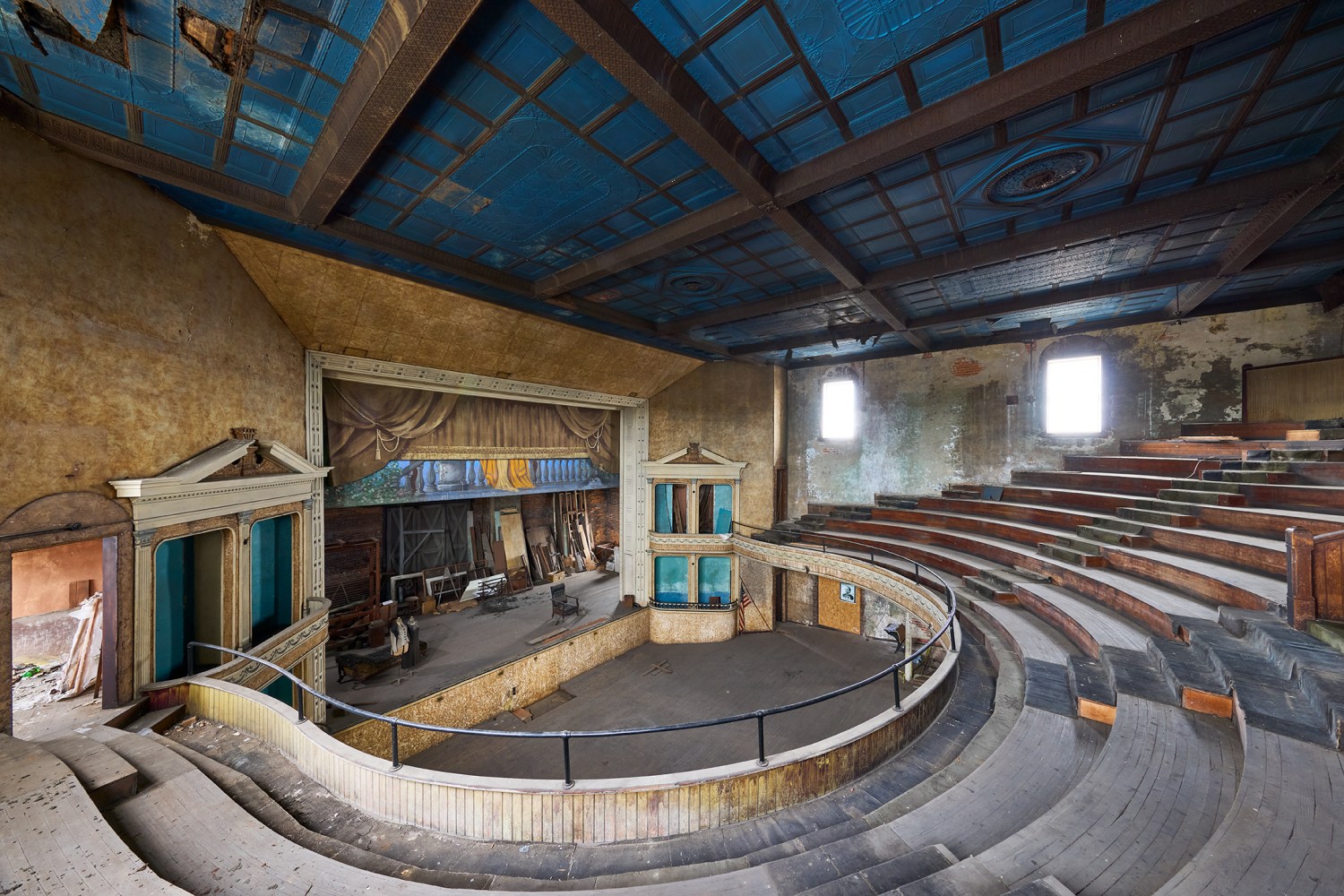
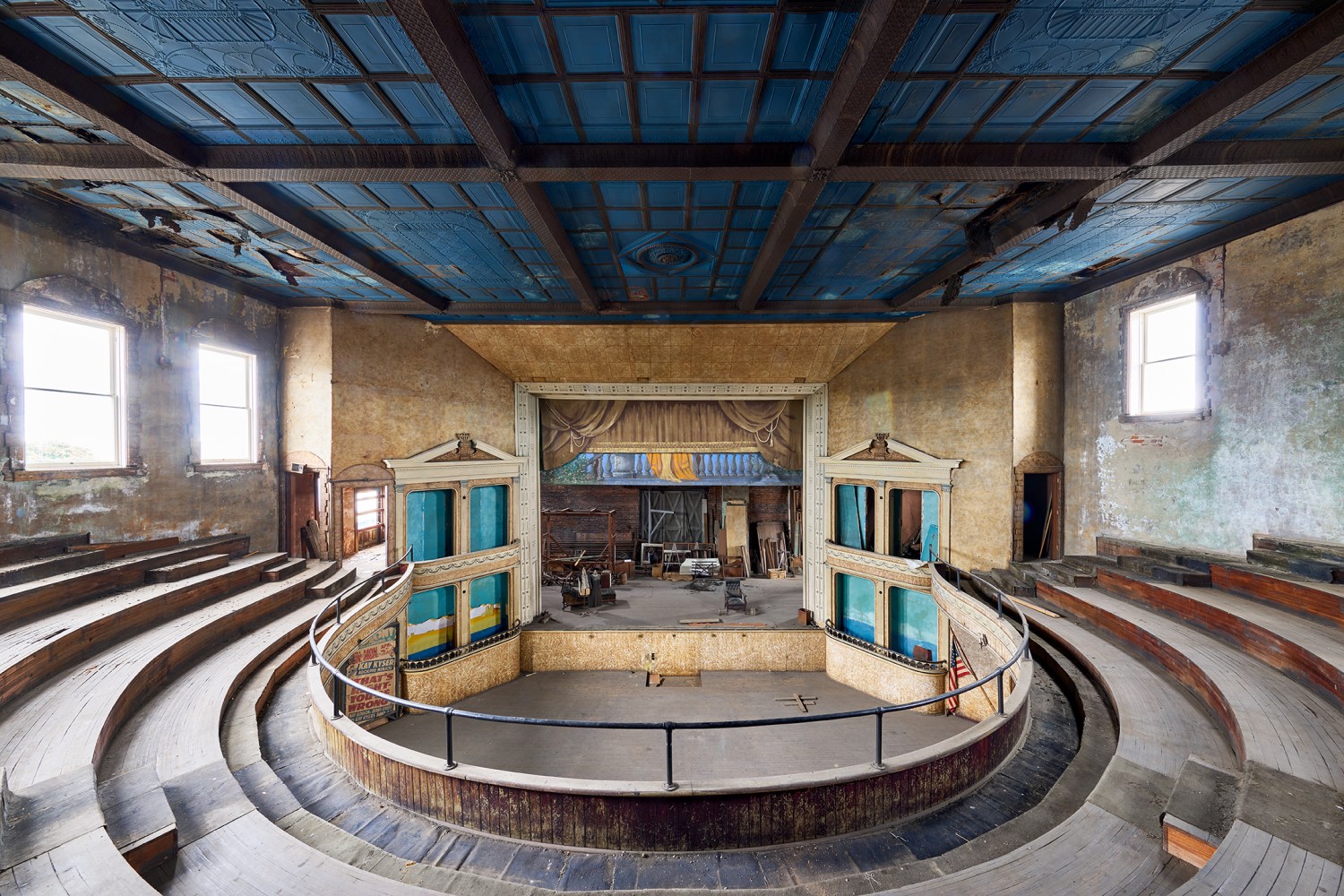
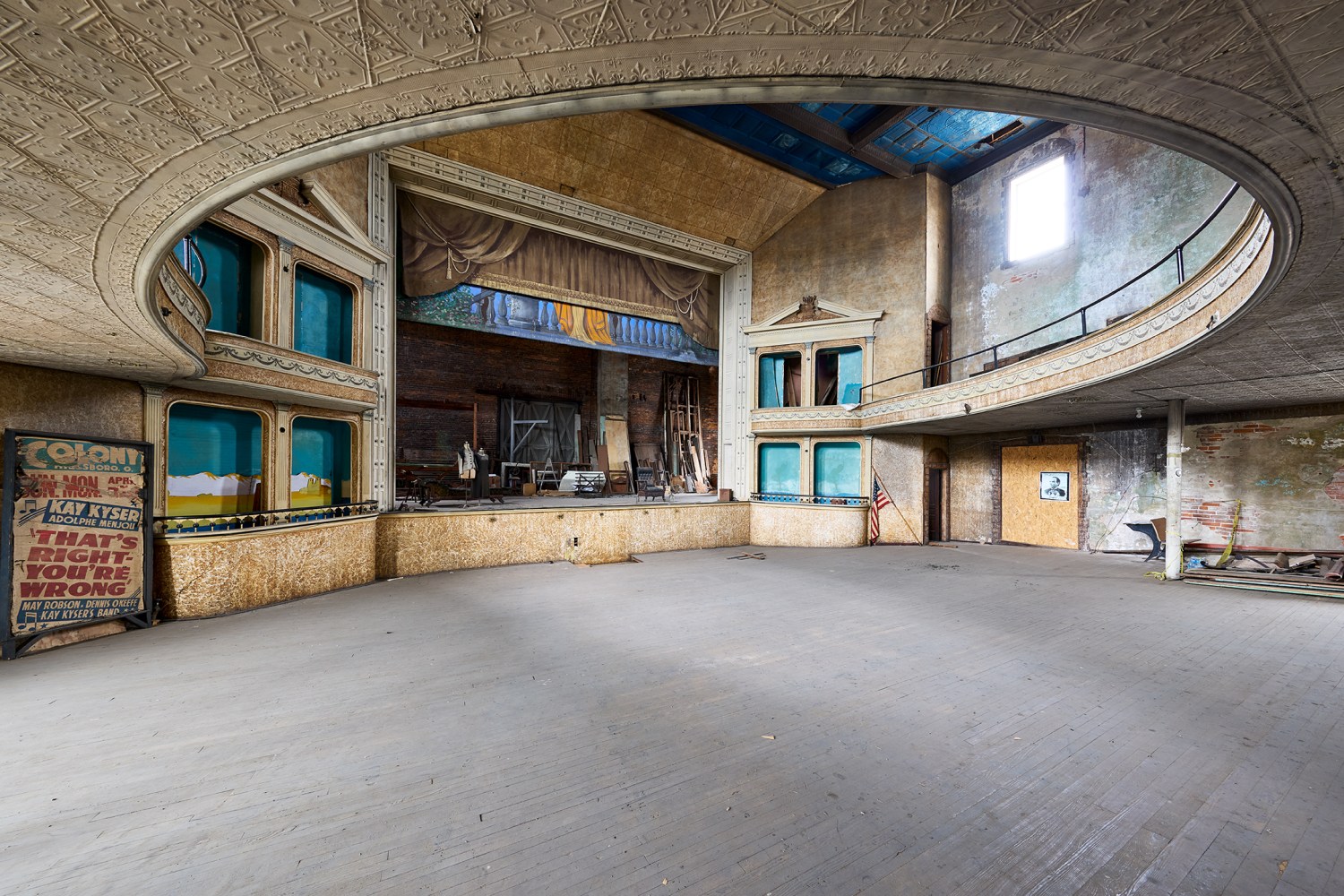
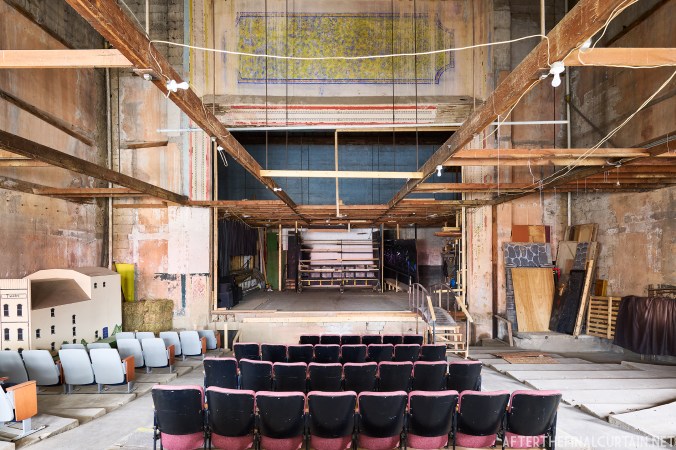
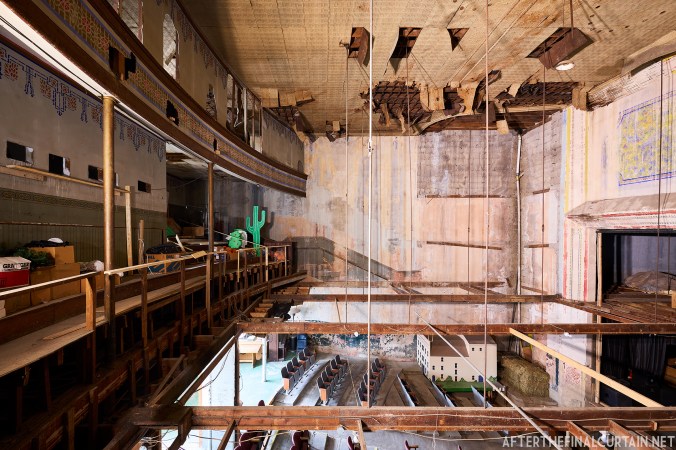
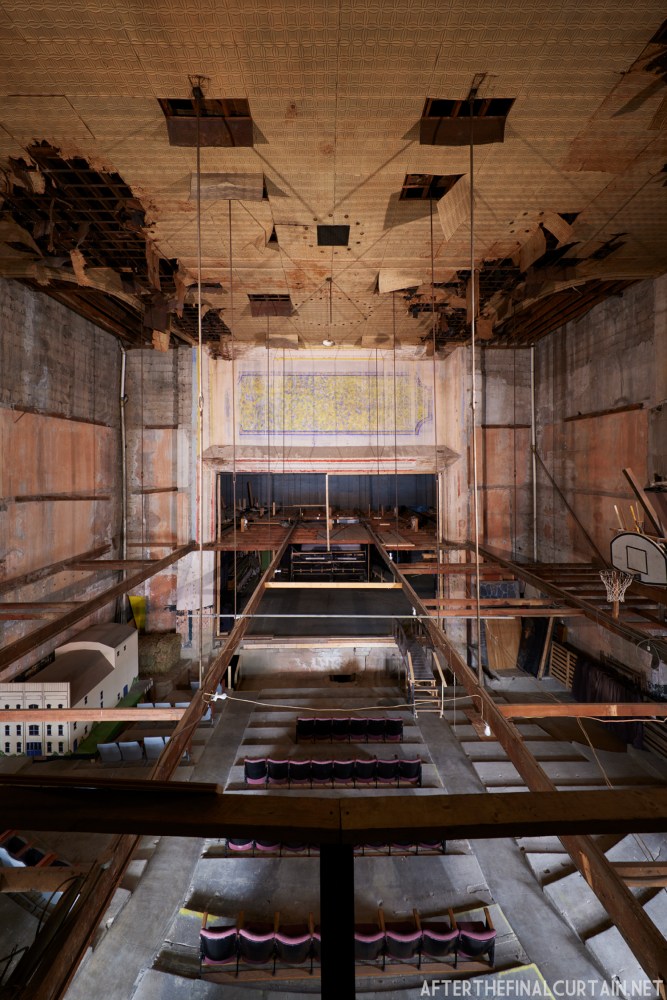
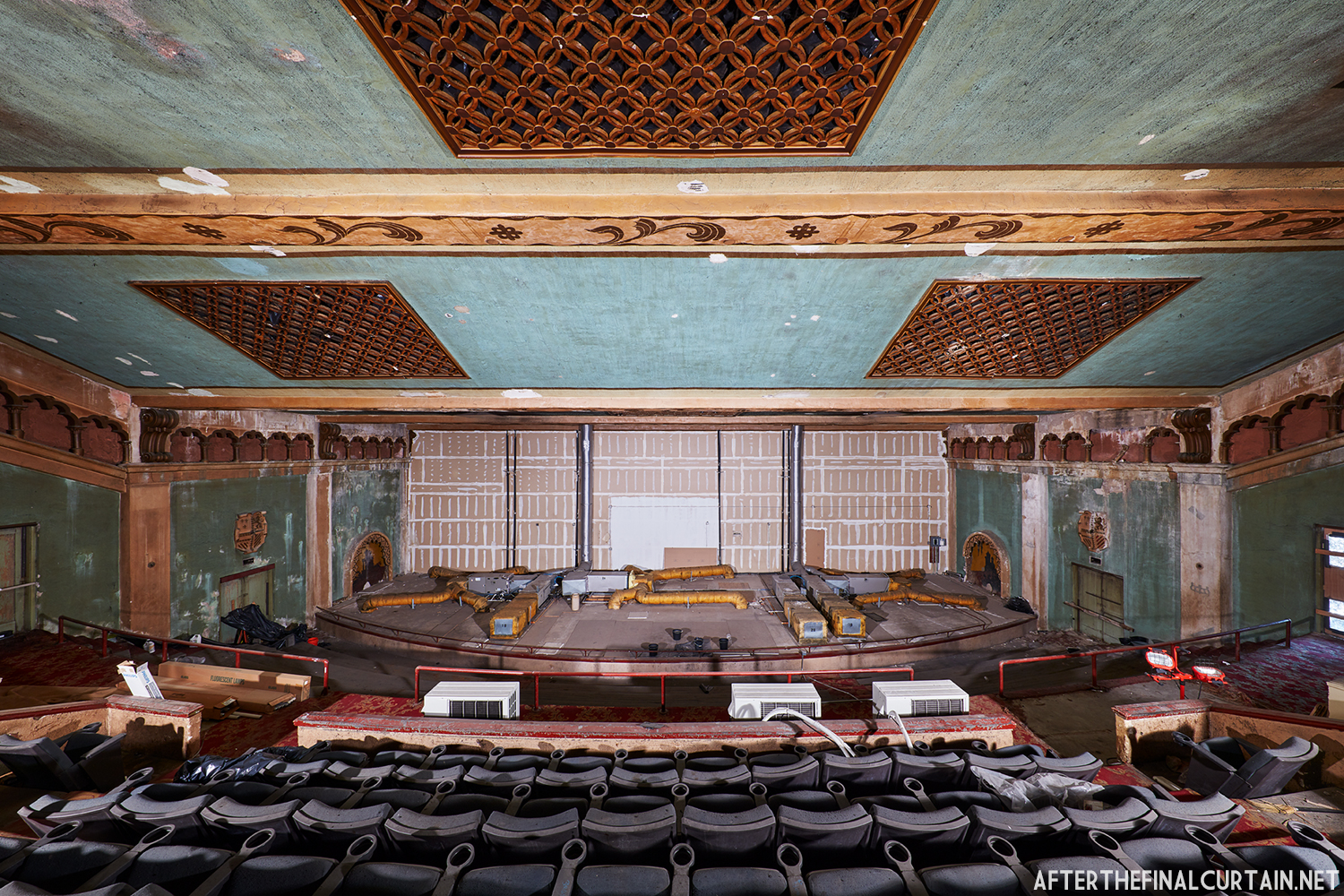
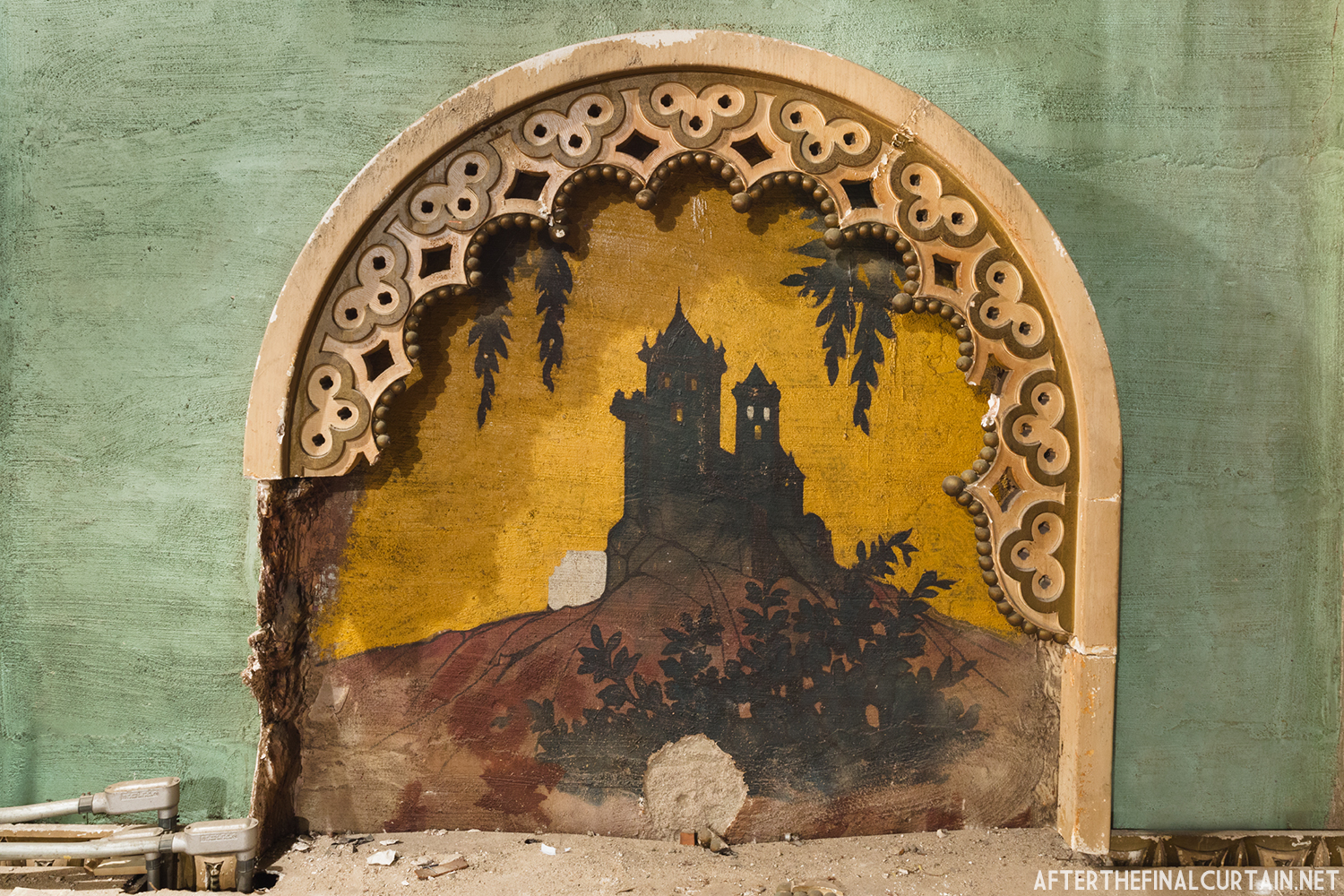
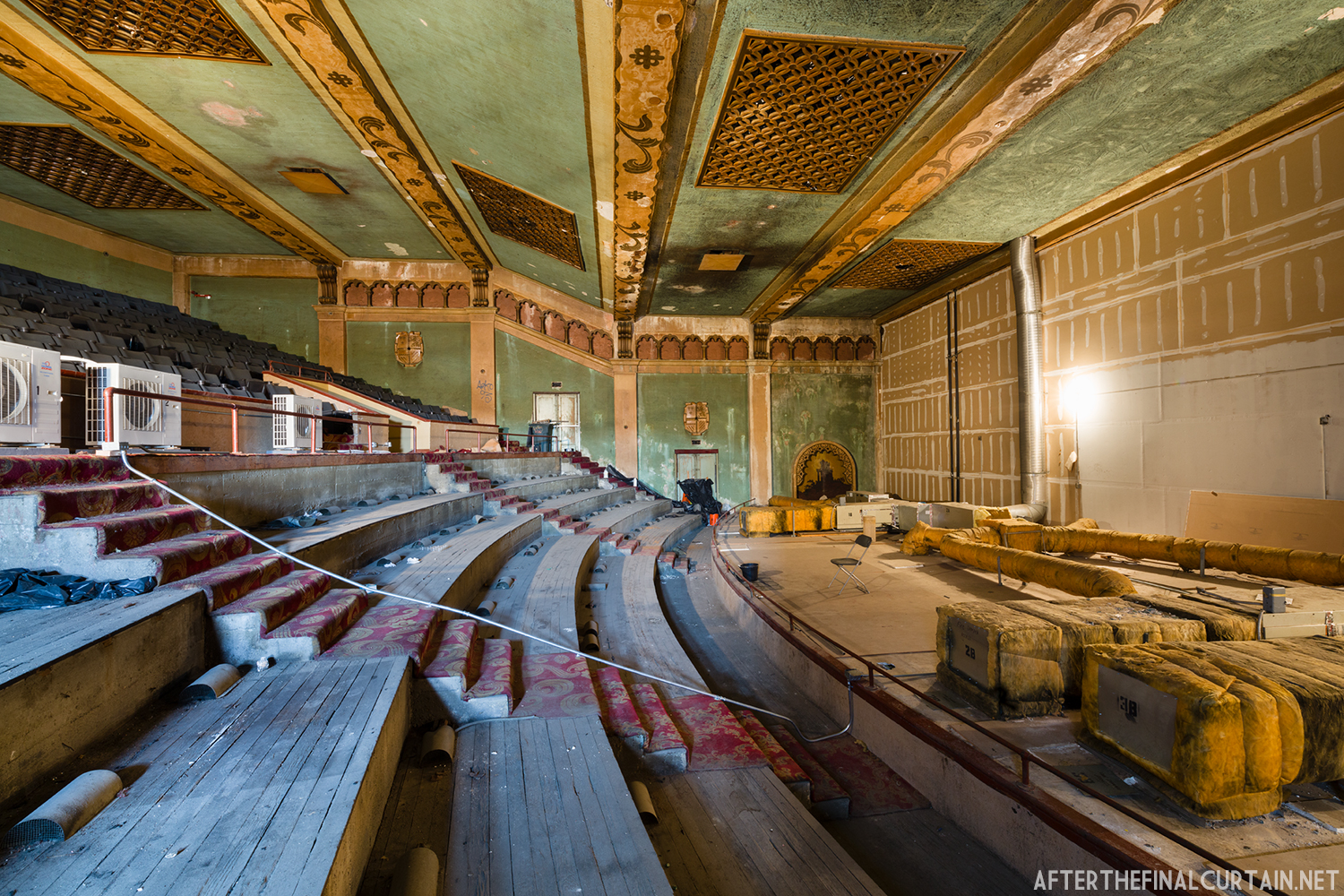
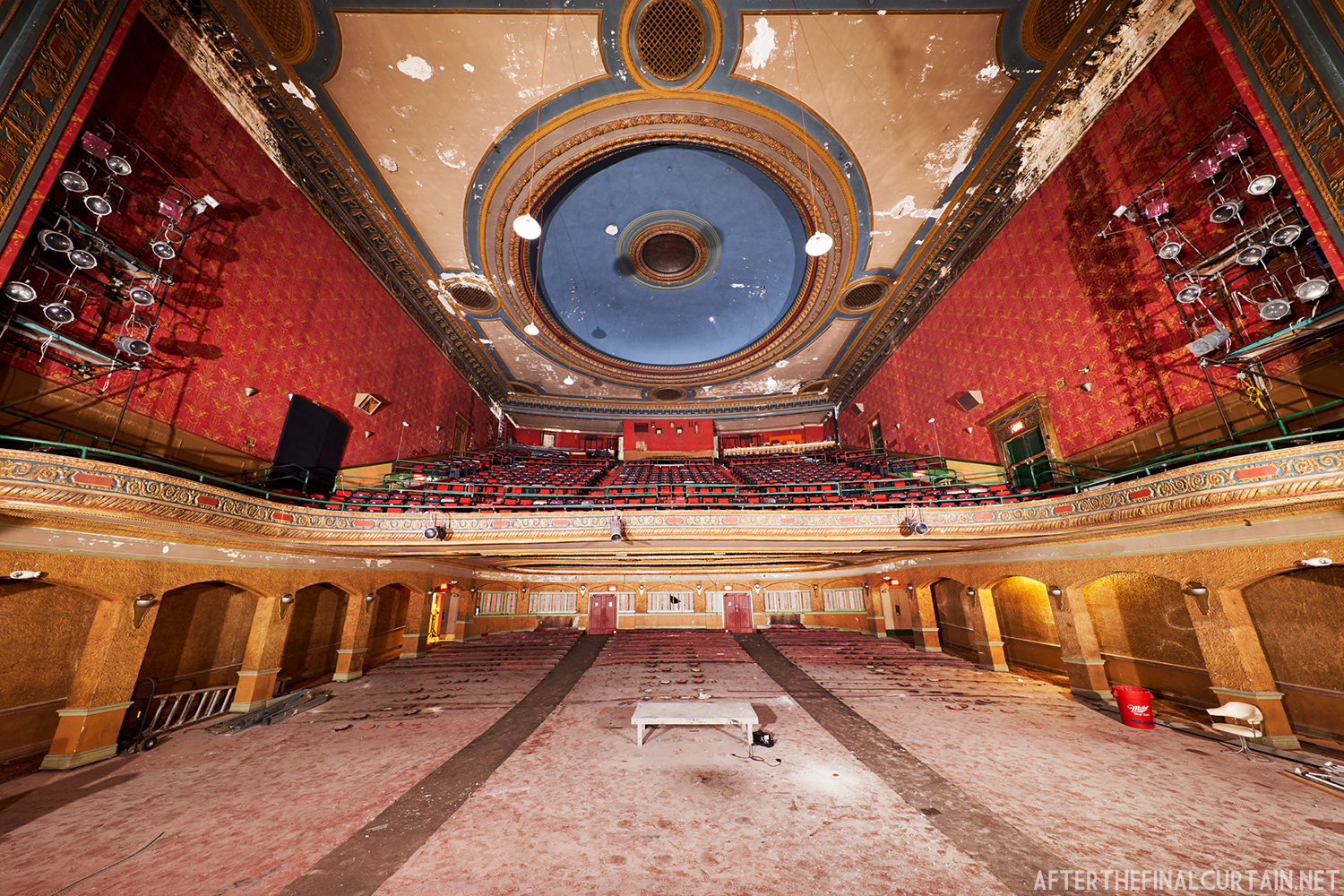
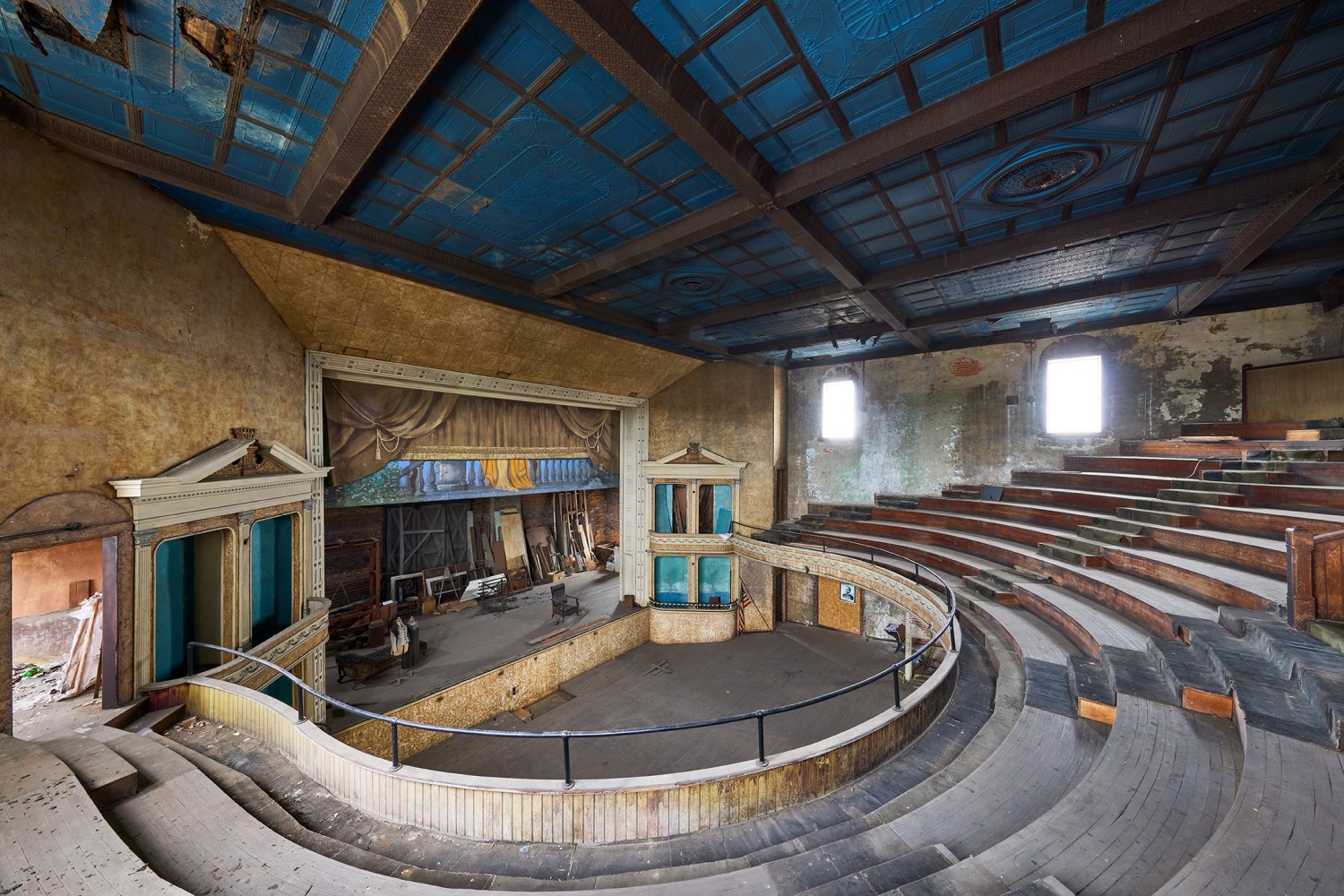
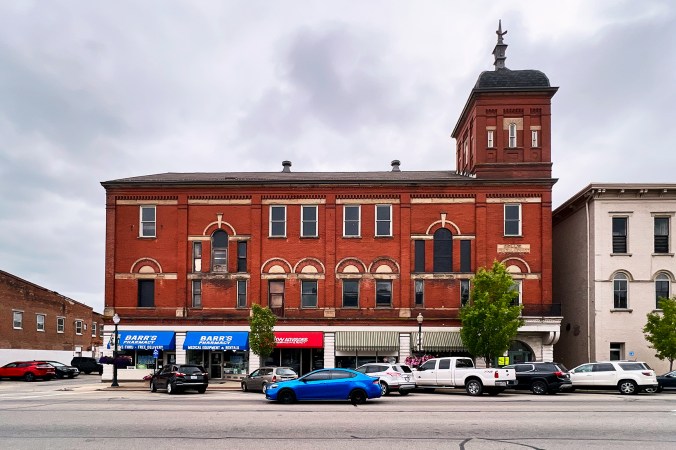
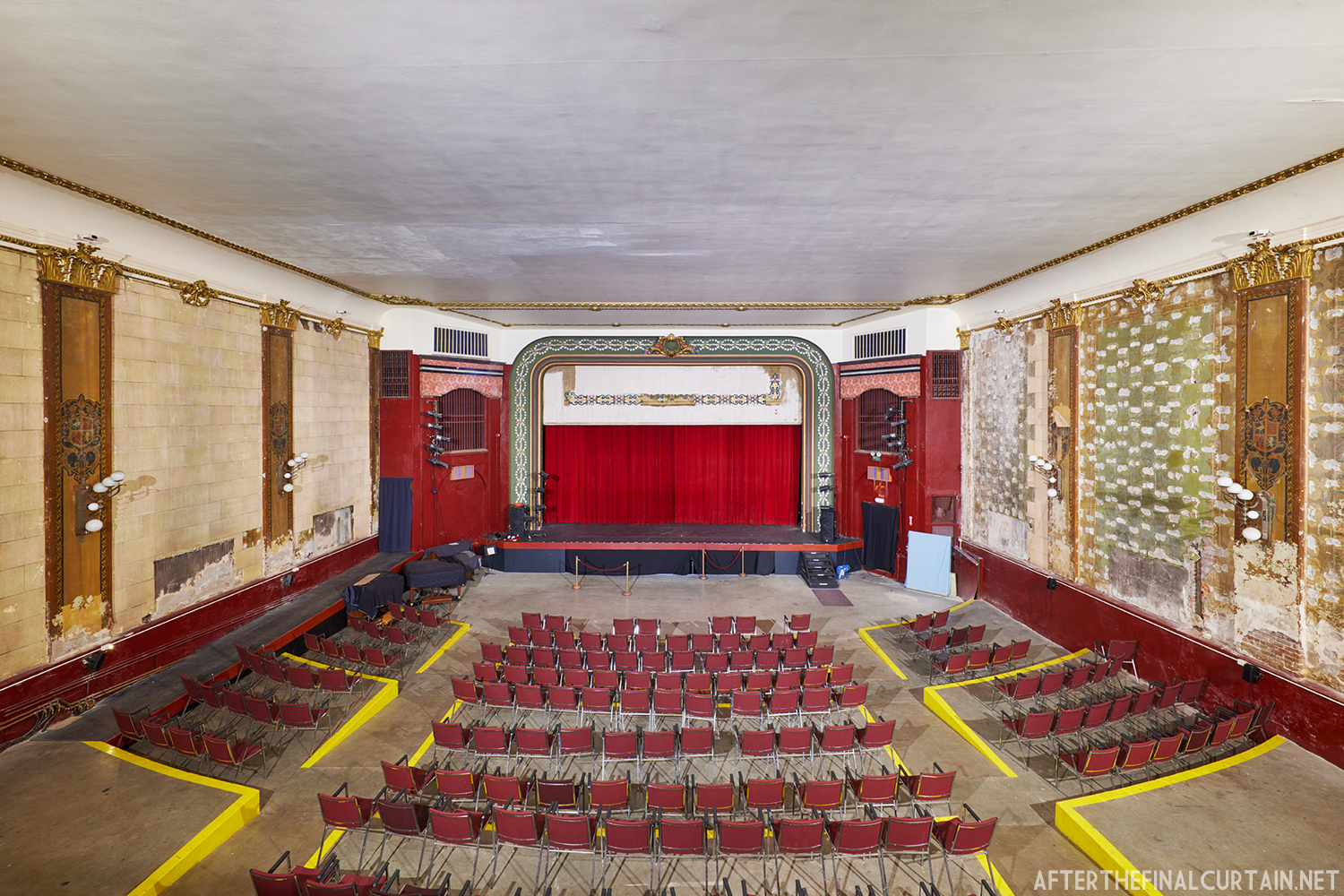
Bell’s Opera House officially opened on November 20, 1895, after just seven months of construction in Hillsboro, Ohio. It was built on South High Street, on a site once known as Rats’ Row, with a nearly 1,000-seat second-floor auditorium. The total construction cost came in at $40,000—about $1.5 million in today’s dollars—funded primarily by local manufacturer and philanthropist C.S. Bell.
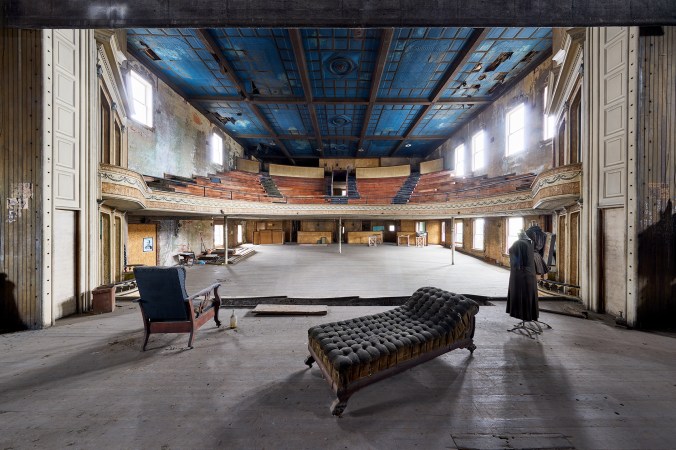
Bell agreed to cover most of the cost if Hillsboro residents could raise $3,000 toward the project. Once the money was secured, work began in April 1895. The opening celebration stretched across two nights due to ticket demand, with performances of Friends by Edwin Milton Royle and a four-act romantic drama titled Mexico.
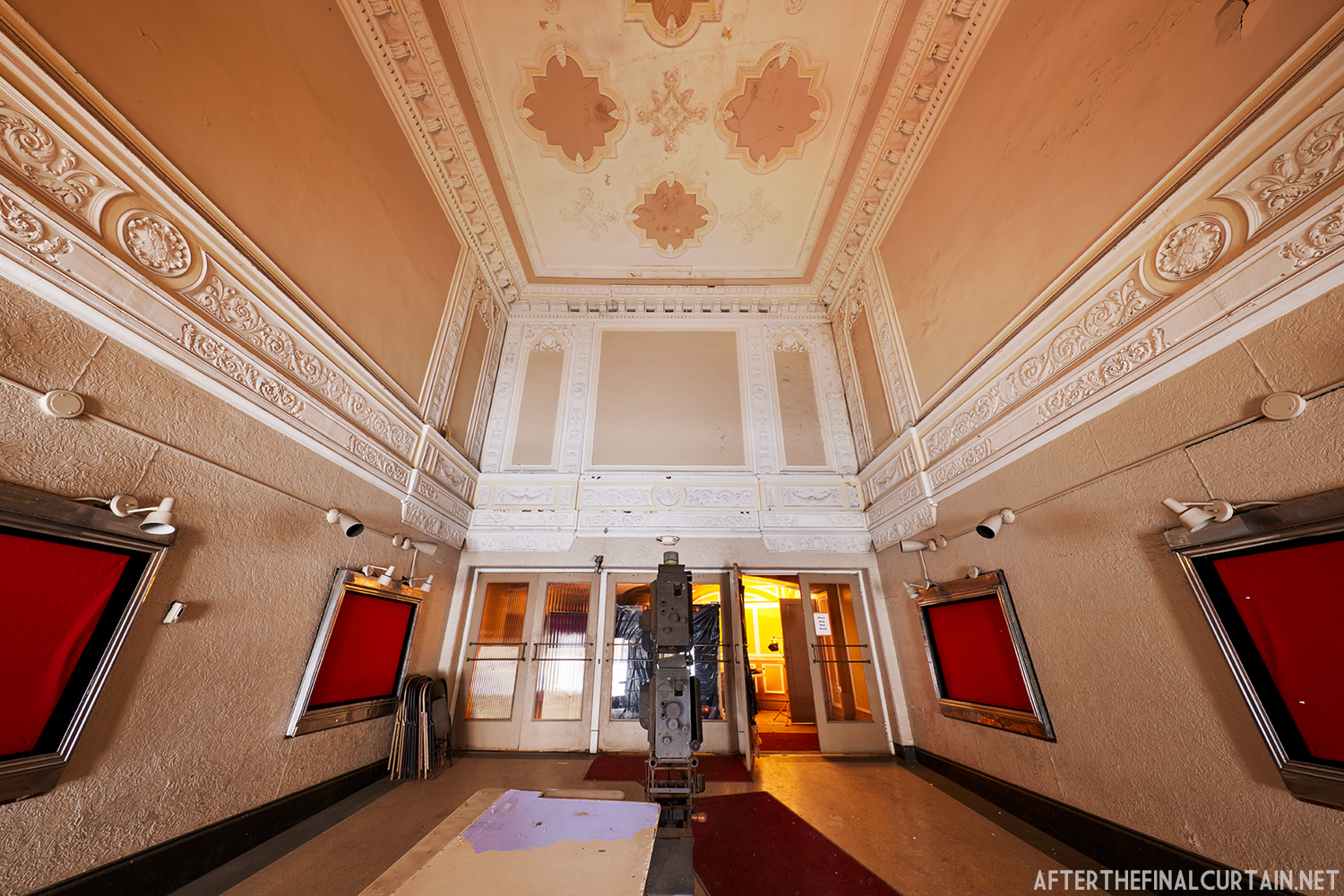
The Opera House began showing silent films in 1903, starting with The Great Train Robbery. In the 1920s, it was converted into a sound-equipped movie house and rebranded as Bell’s Theatre. Ownership passed to Chakeres Theatres in 1939, but the venue closed just a few years later in 1942.
While there were brief revivals—including a return to live theater in 1957 for Ohio’s sesquicentennial—the building mostly sat dark for the second half of the 20th century. Its doors opened occasionally for festivals and local events through the 1990s.

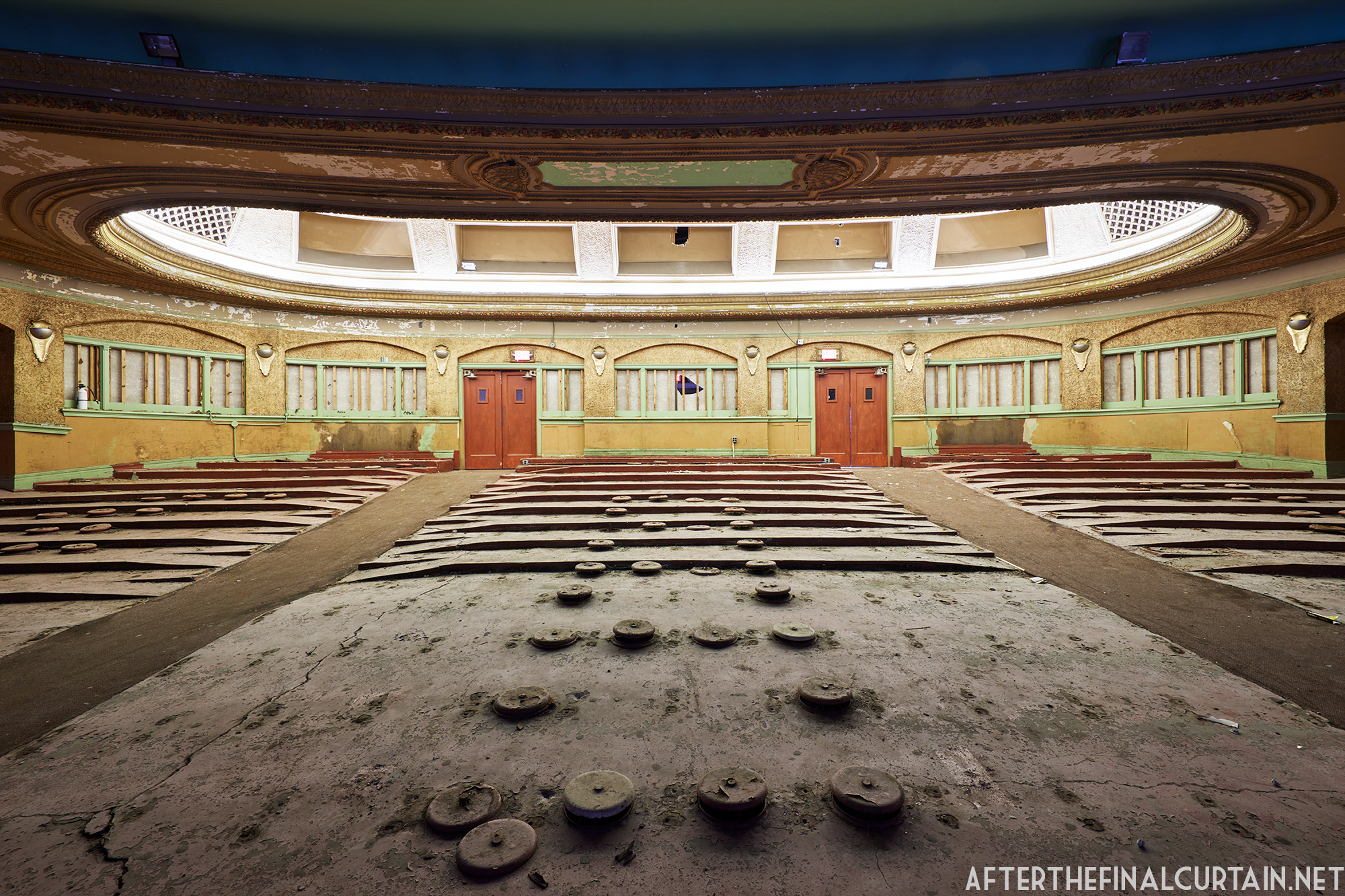
Many of the theater’s original metal-frame seats were removed and sold for scrap during World War II. Others were reused in local schools or theaters. By the 2000s, Bell’s Opera House was largely forgotten, its interior aging but still structurally sound.
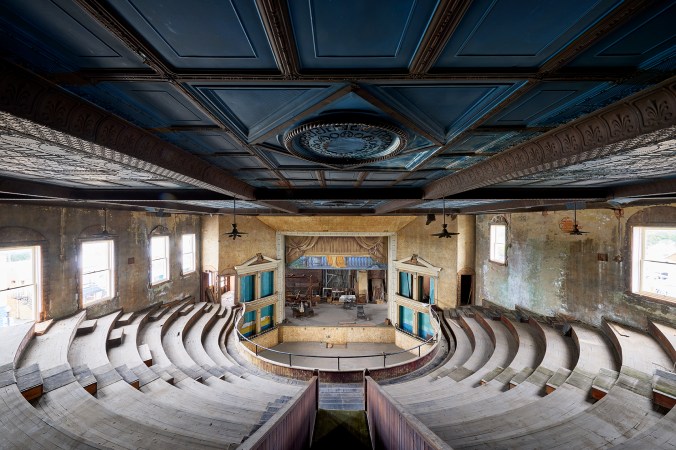
In 2006, comedian and former mayor Drew Hastings purchased the building and began light restoration work in 2010–11. While stabilized, the building still needs significant investment to return it to public use. Hastings has said he hopes to sell it to a nonprofit that can complete the work and bring it back to life.
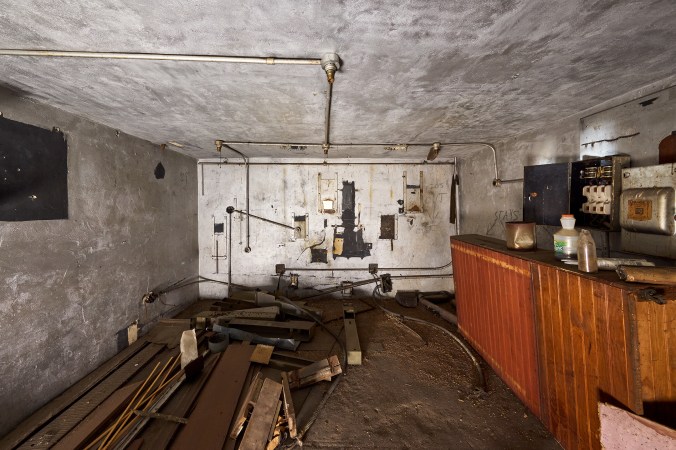
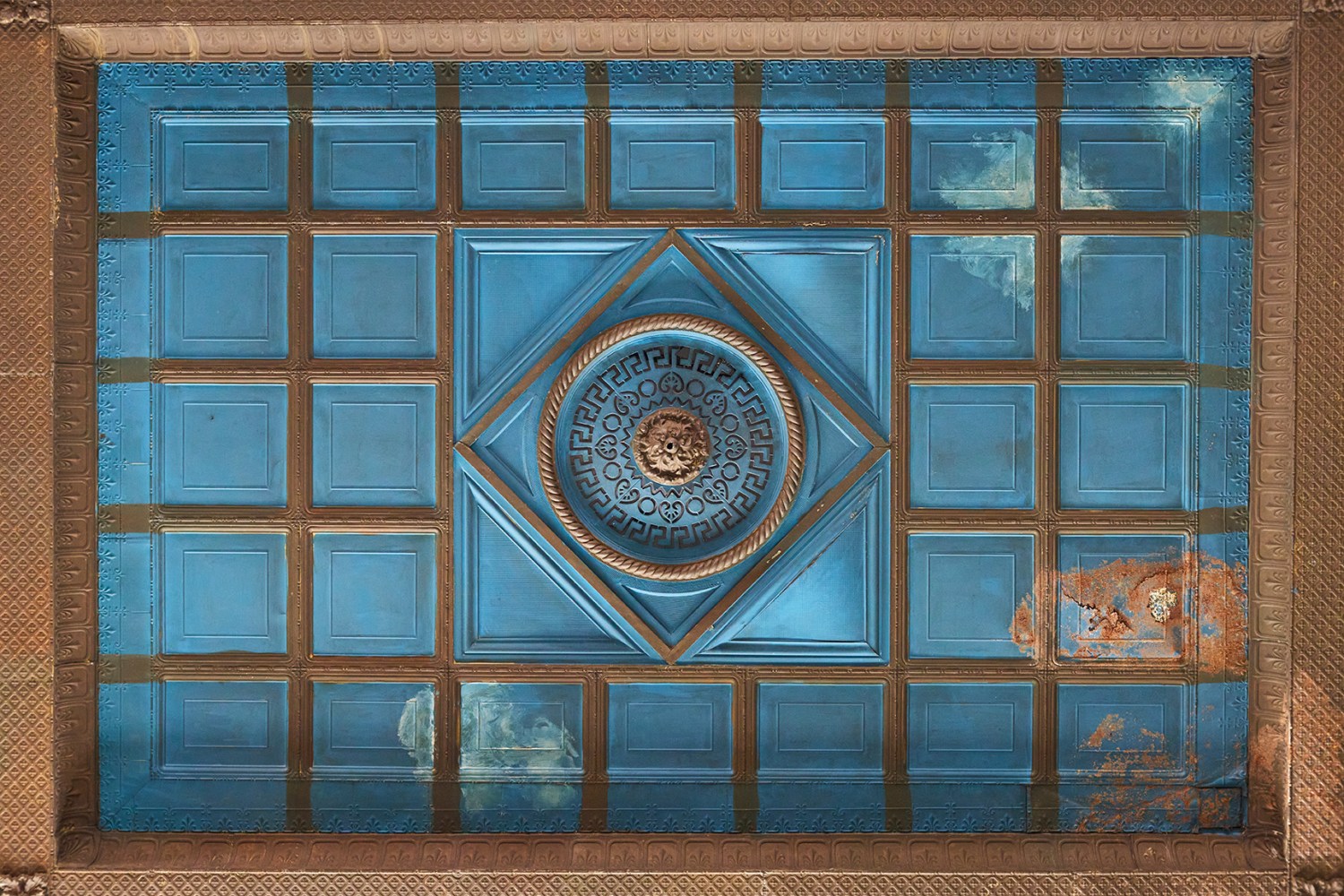
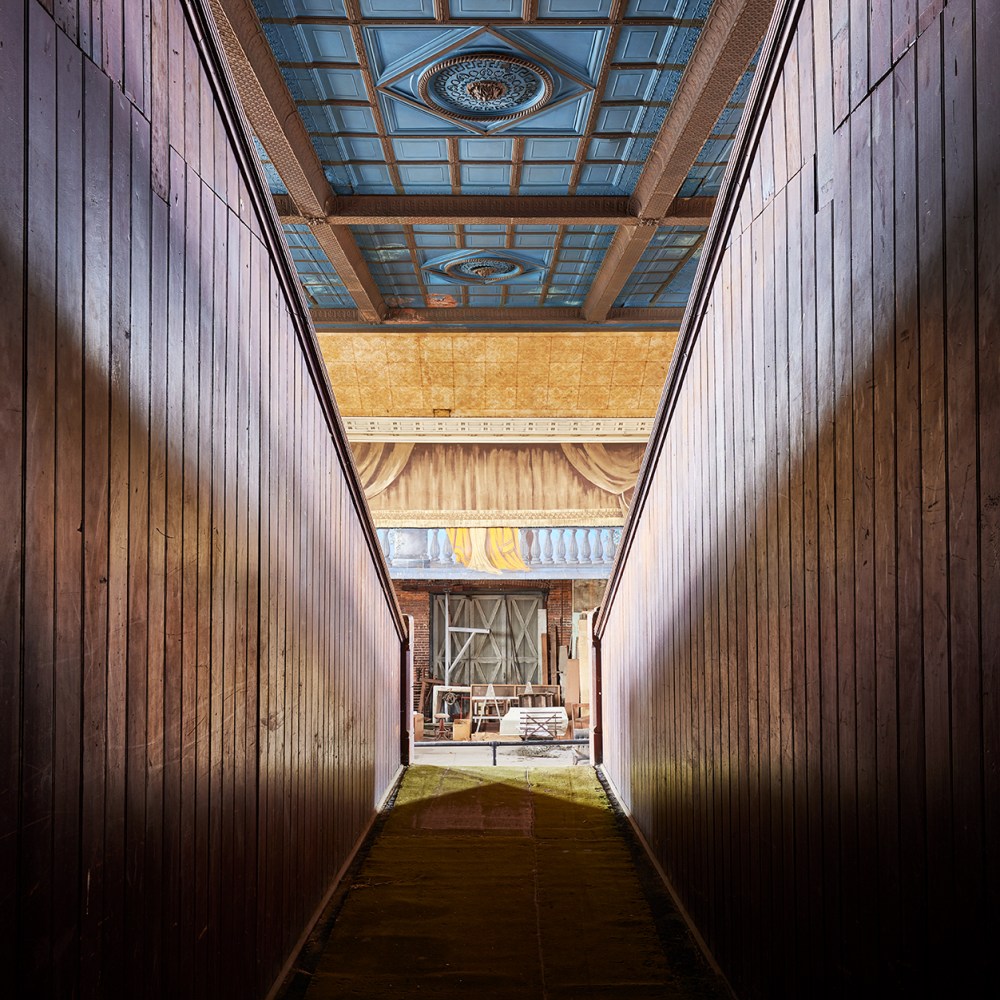
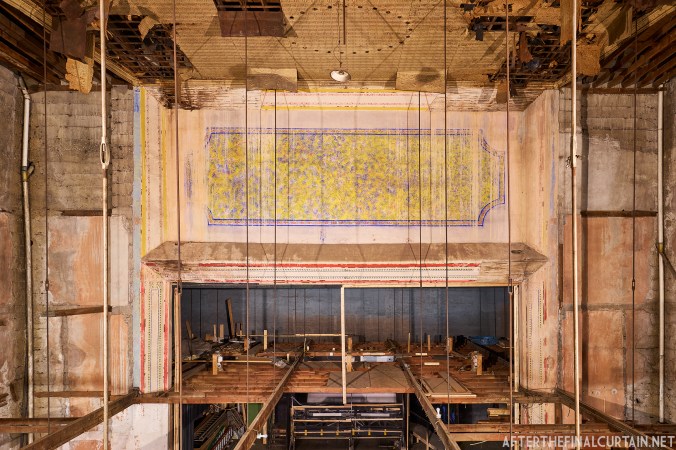
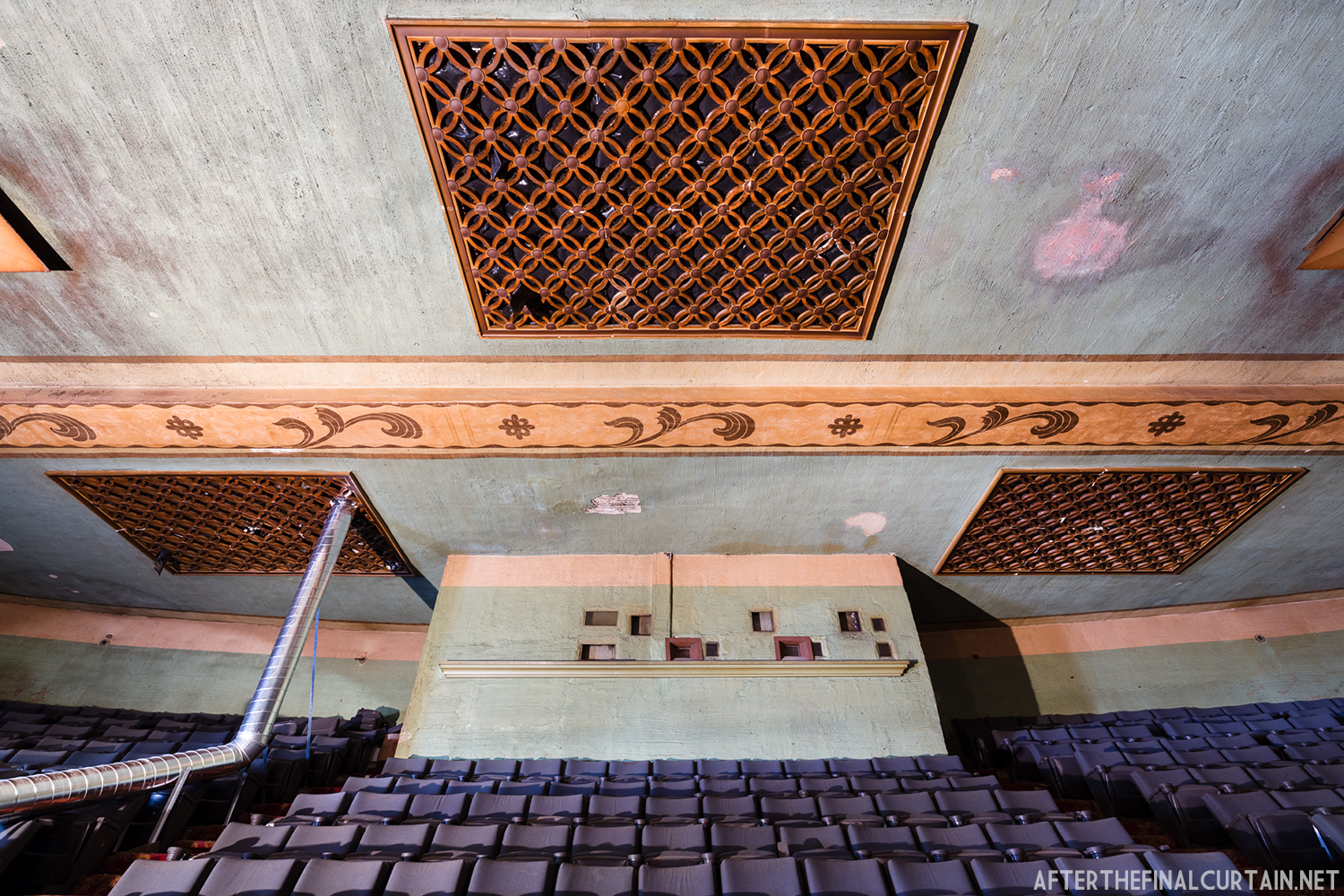
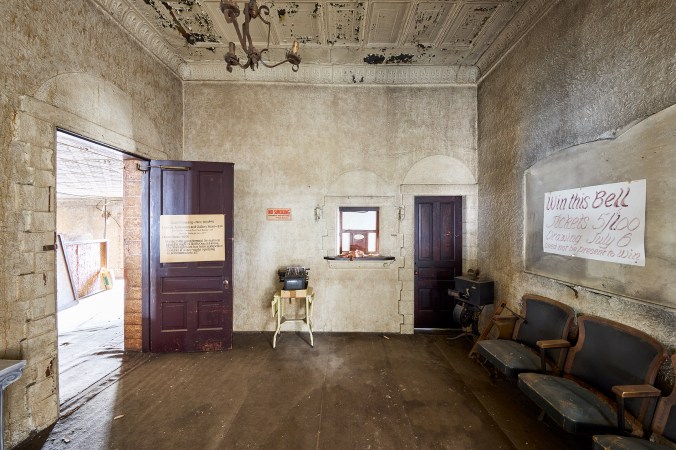
Kirsten Falke-Boyd, a classically trained singer and the great-granddaughter-in-law of C.S. Bell, visited the Opera House in 2023. Falke-Boyd was part of Bobby McFerrin’s Voicestra and has performed across the world. She described the space as both fragile and hauntingly beautiful, with its pressed tin ceiling, private box seats, and faded wallpaper still intact For her, it was more than a building—it was family history.
The Sampson Theatre – Penn Yan, New York

This was originally posted on After the Final Curtain’s Patreon in February 2025. For expanded early posts, as well as video walkthroughs and other exclusive content, you can become a patron at: https://www.patreon.com/afterthefinalcurtain

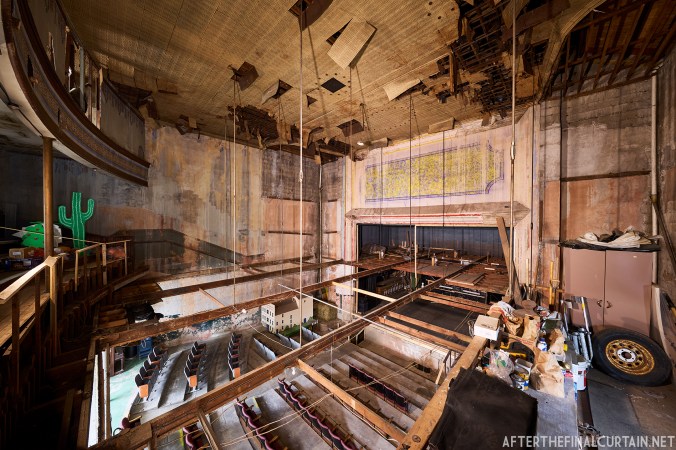
View from the side of the balcony.

The Sampson Theatre in Penn Yan, New York originally opened on October 12, 1910. Built by local benefactor Dr. Frank Sampson, it was designed as a vaudeville house and entertainment venue. The grand opening featured a speech by President Theodore Roosevelt and a performance of Louis Mann’s comedy, “The Cheater.” The event drew a sell out crowd, with reserved seating priced at $3 and balcony seats available for 25 to 50 cents. 

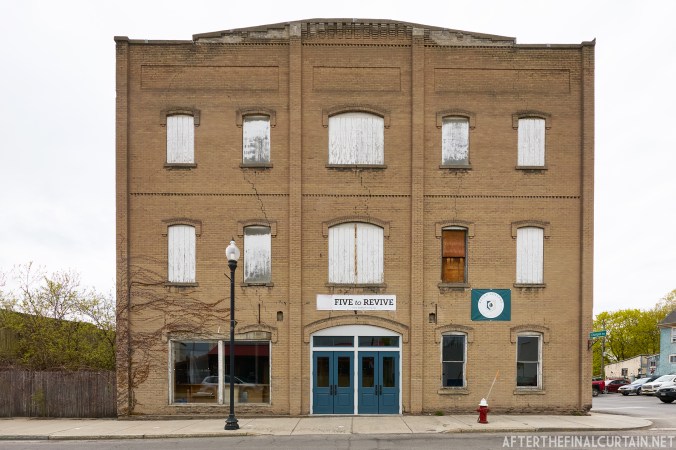
The exterior of the theater in 2021.

For nearly two decades, the Sampson Theatre showcased major theatrical productions, including adaptations of “Uncle Tom’s Cabin,” George M. Cohan’s “Broadway Jones,” and operettas like “H.M.S. Pinafore.” The venue also featured silent films such as D.W. Griffith’s controversial “The Birth of a Nation” and popular serials like “The Perils of Pauline.” Vaudeville acts brought renowned performers to Penn Yan, including Joe Yule, father of Hollywood star Mickey Rooney. Local talent also graced the stage, with students from Penn Yan Academy participating in performances.

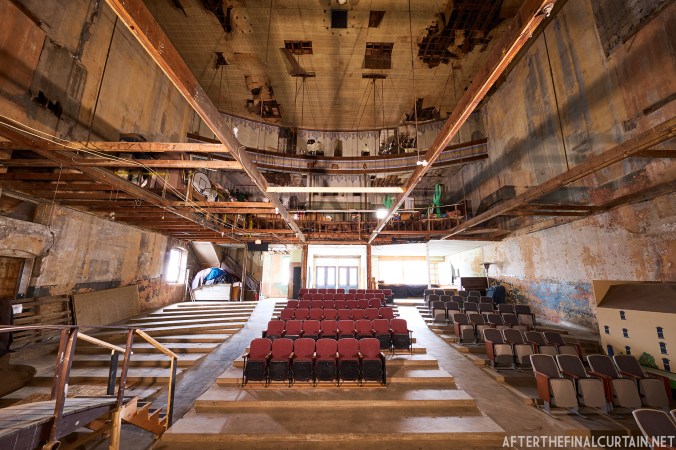
View from the stage area, with some remnants of the false ceiling framing still visible.

The theater’s use began to decline in the late 1920s as motion pictures gained popularity. In 1928, Harry C. Morse purchased the building and converted it into an indoor miniature golf course. In 1936, Wells Jewett repurposed it as an automobile garage and showroom, leading to significant alterations, including the removal of parts of the balcony. Over the decades, the building housed a car dealership and later a tire warehouse, operated by the Trombley family. Despite these changes, the structure retained its historic identity and significance.

In 2004, the Trombley family gifted the building to the Penn Yan Theatre Company (PYTCo), which began efforts to restore the theater to its original function as a performance venue. The Sampson Theatre has been recognized as an important historic site, listed on both the State and National Registers of Historic Places. Its early use of reinforced poured concrete construction was innovative for a small-town setting, contributing to the building’s longevity despite years of modifications.

The Sampson Theatre revitalization project has received significant support, including grants from the Rochester Area Community Foundation’s Historic Preservation program and the Keuka Area Fund. The funding aids restoration efforts such as installing vestibule doors and a box office. The theater was also selected as one of the Landmark Society’s inaugural “Five to Revive” preservation priorities. PYTCo continues to work toward its mission of enriching the community by reviving this historic entertainment center, bringing live performances and cultural events back to the heart of Penn Yan.

Rialto Theatre – South Pasadena, California

This was originally posted on After the Final Curtain’s Patreon in January 2025. For expanded early posts, as well as video walkthroughs and other exclusive content, you can become a patron at: https://www.patreon.com/afterthefinalcurtain

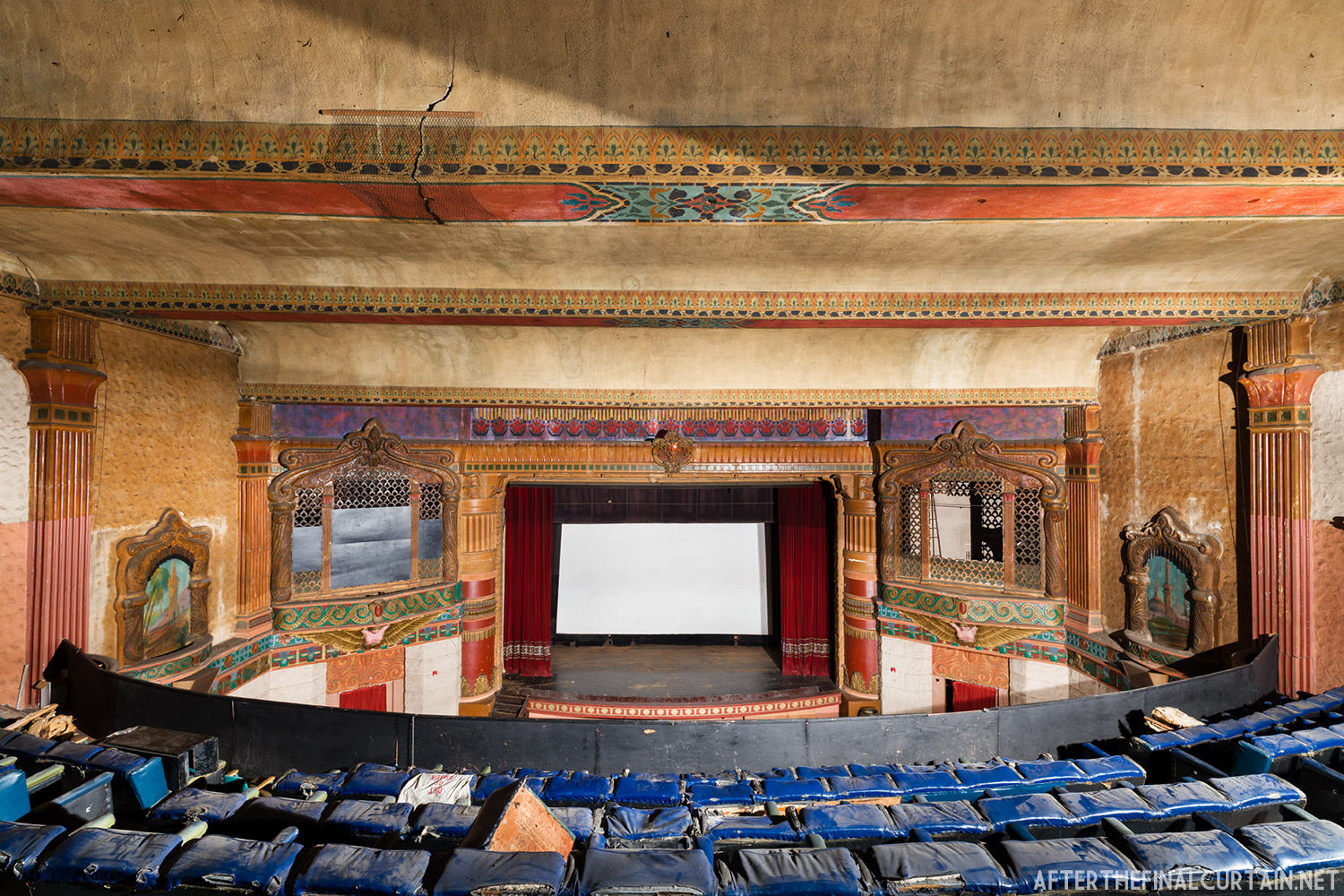
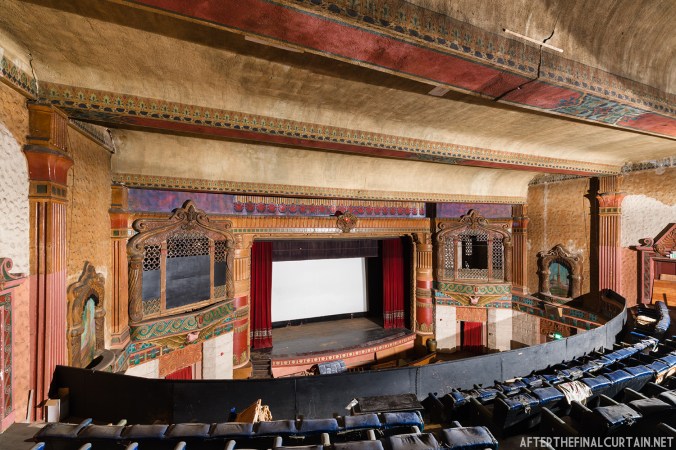
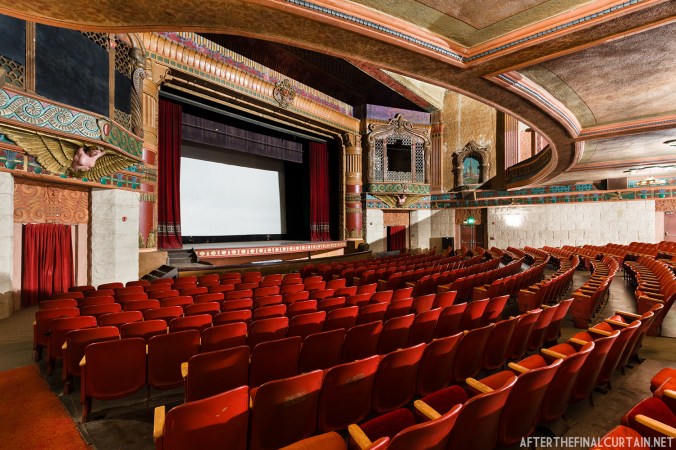
View of the auditorium from the balcony.

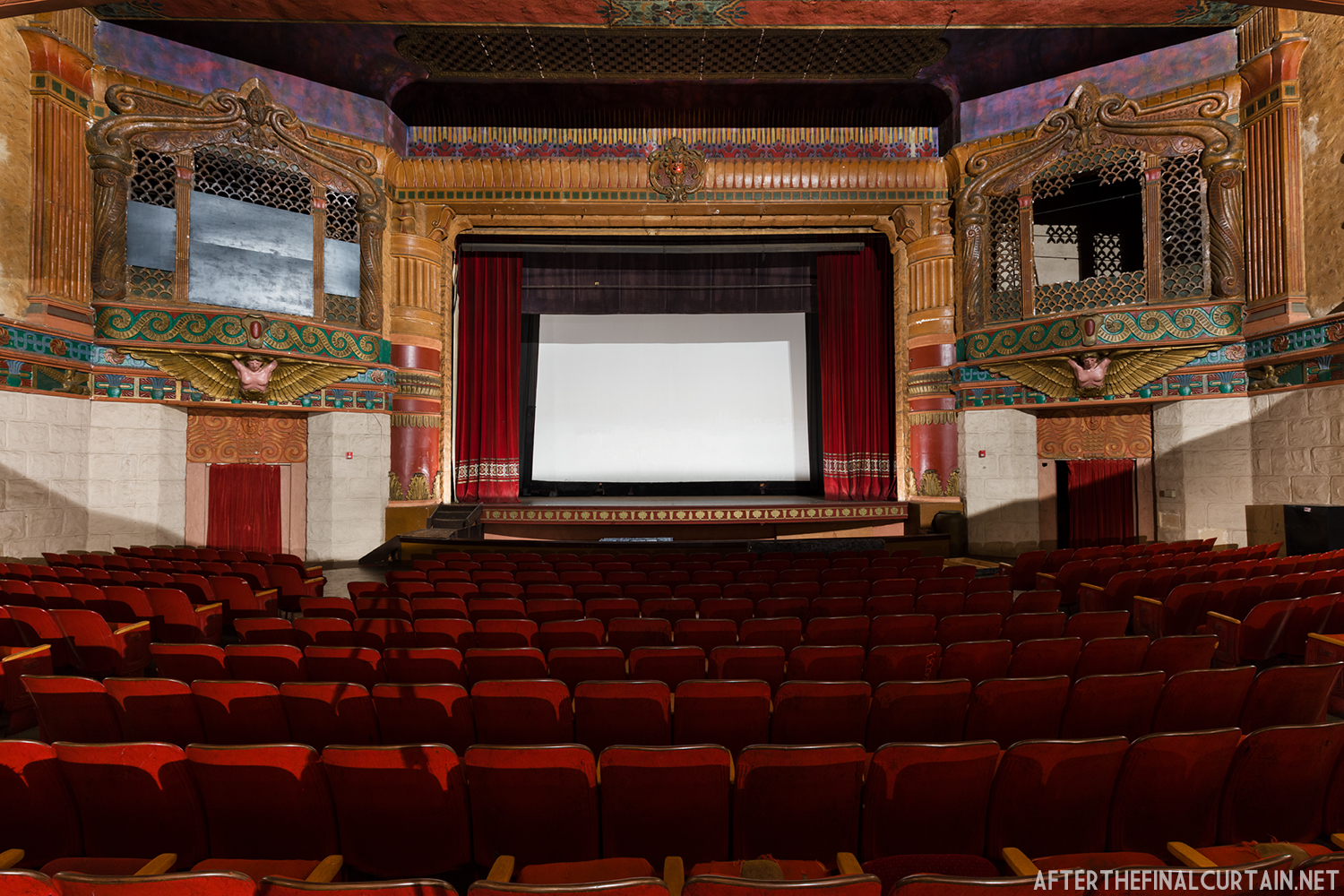
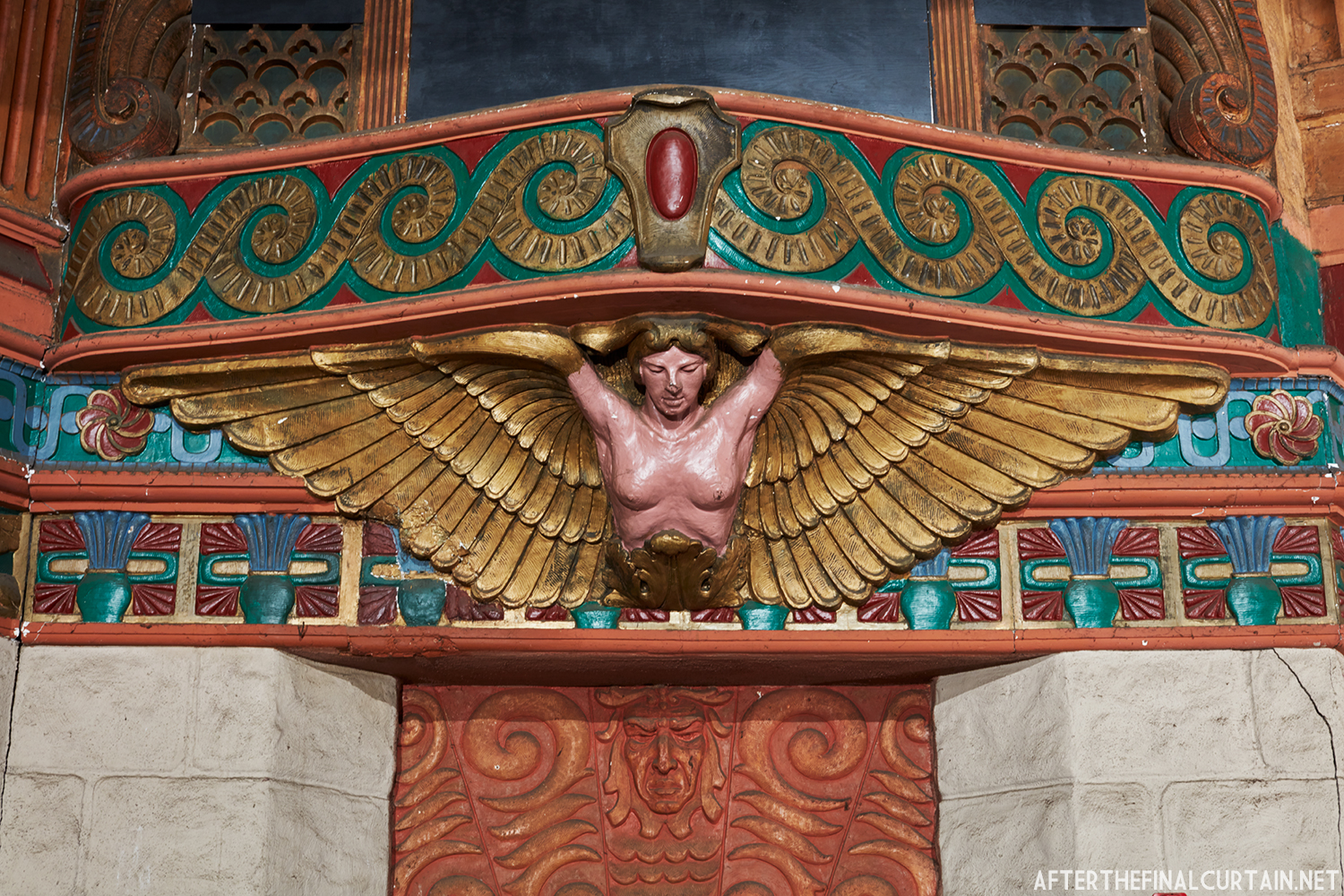
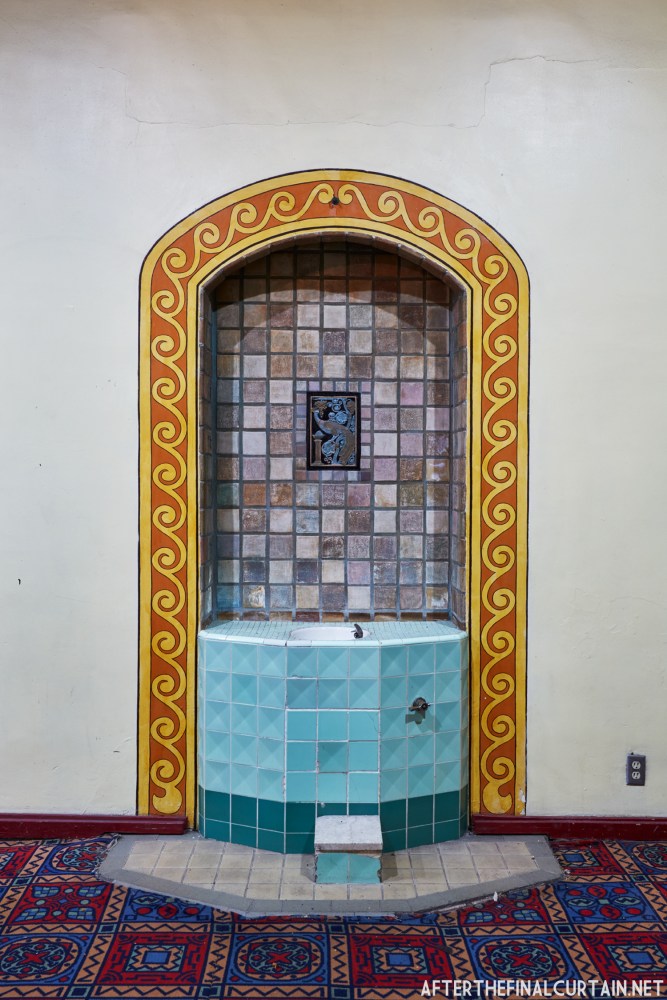
The Rialto Theatre in South Pasadena, California, opened on October 17, 1925, as a venue for vaudeville acts and movies, with a premiere of Universal’s What Happened to Jones accompanied by a live Wurlitzer organ and orchestra. Designed by renowned theater architect Lewis Arthur Smith, the Rialto boasted an eclectic mix of Moorish, Spanish Baroque, Egyptian, and Classical styles, reflecting the opulence of the Jazz Age. Its original seating accommodated approximately 1,200 patrons, including a balcony adorned with intricate stenciling, plaster ornamentation, and mythical harpies supporting the organ chambers. Additional features included a gargoyle above the proscenium with glowing red eyes, a Batchelder tile fountain, and a miniature golf course during the Great Depression.

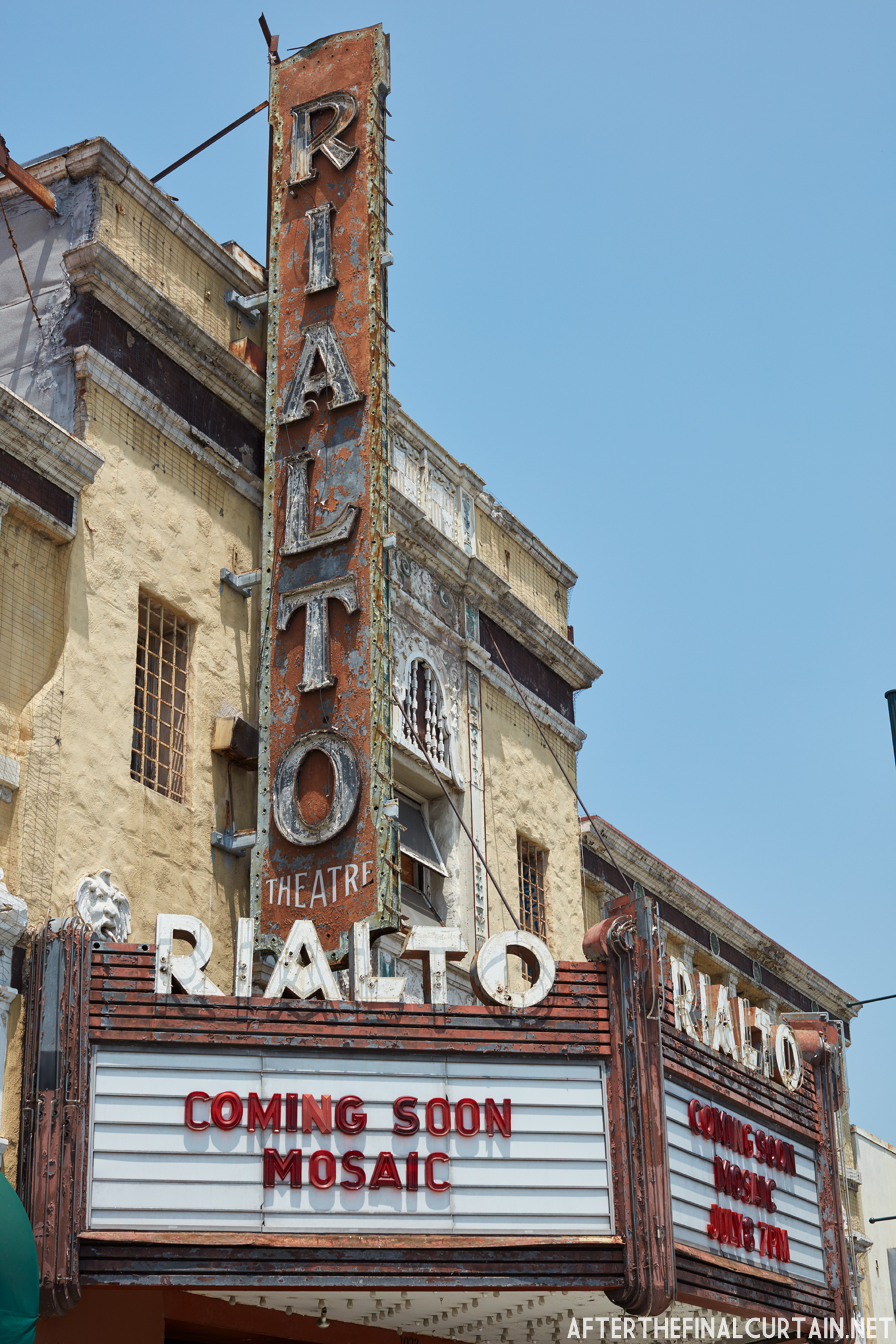
The exterior of the theater was restored before it reopened as a church in 2021.

Built by showman C.L. Langley, the Rialto was one of the last theaters designed by Smith. Ownership transitioned over the years, with the Jebbia family operating it from the 1930s and companies like West Coast Theatres and Mann Theatres leasing the property. The venue hosted diverse programming, including films, vaudeville, and live organ concerts. However, the Rialto faced challenges such as a backstage fire in 1938 and the removal of its Wurlitzer organ during the 1960s after water damage from fire suppression efforts.

By the 1970s, the theater faced the threat of demolition, but community advocacy saved it, leading to its designation as a Historic Cultural Monument in 1977 and its inclusion on the National Register of Historic Places in 1978. Landmark Theatres took over operations in 1976, offering arthouse films and classic movie screenings. The Rialto gained further recognition as a filming location for movies like The Rocketeer, Scream 2, and The Player. In 2000, it celebrated its 75th anniversary with a series of events, including film festivals and live performances.

Despite its cultural significance, the Rialto struggled financially and closed in 2007, with a farewell screening of The Rocky Horror Picture Show. After years of neglect and code violations, the building was purchased in 2016 by developer Izek Shomof, who envisioned restoring it as an entertainment venue. In 2017, Mosaic Church signed a 15-year lease and began renovations, preserving key elements of the historic architecture while modernizing the facility.

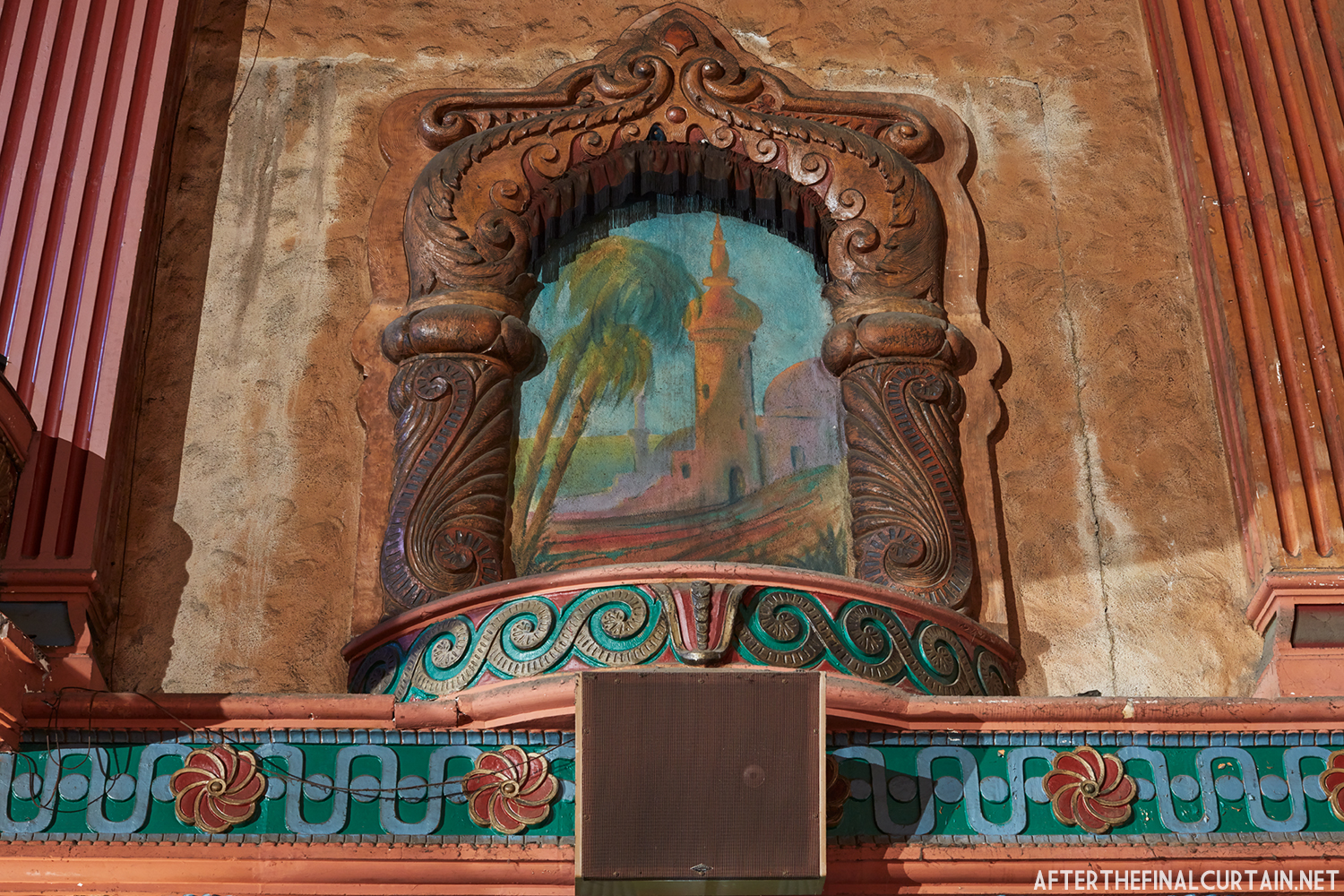
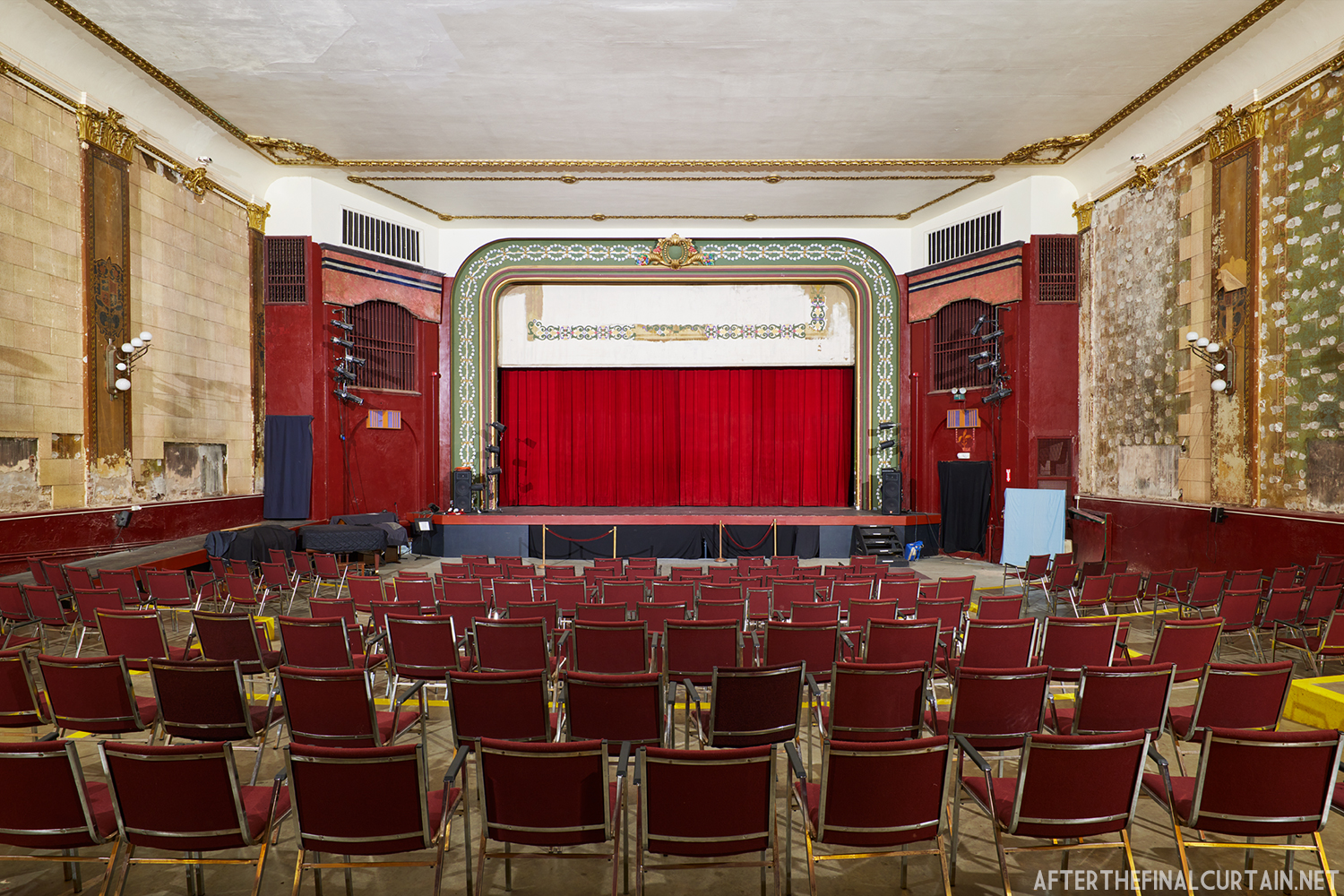
These details, along with many others was covered up when the theater was converted into a church.

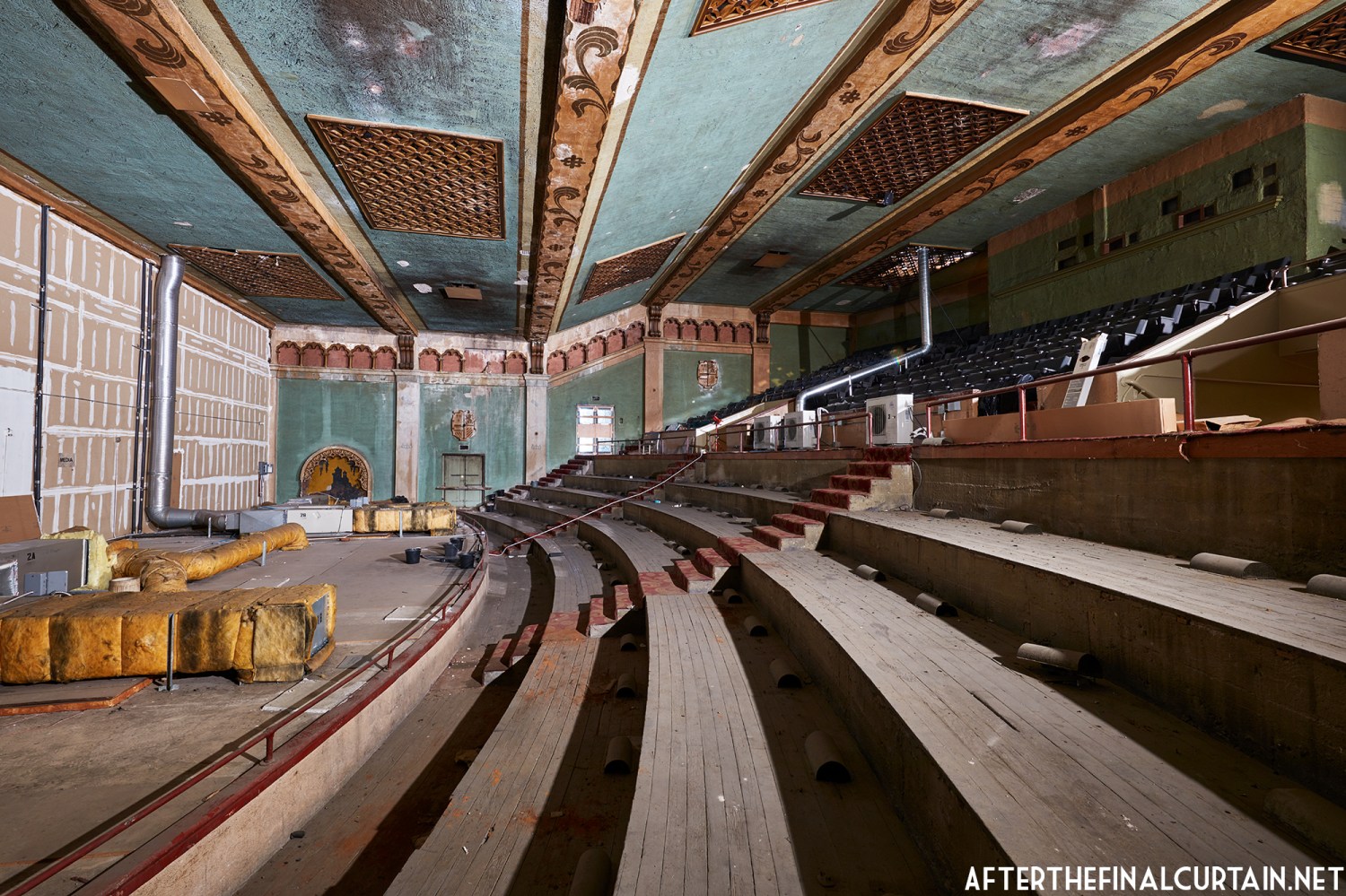
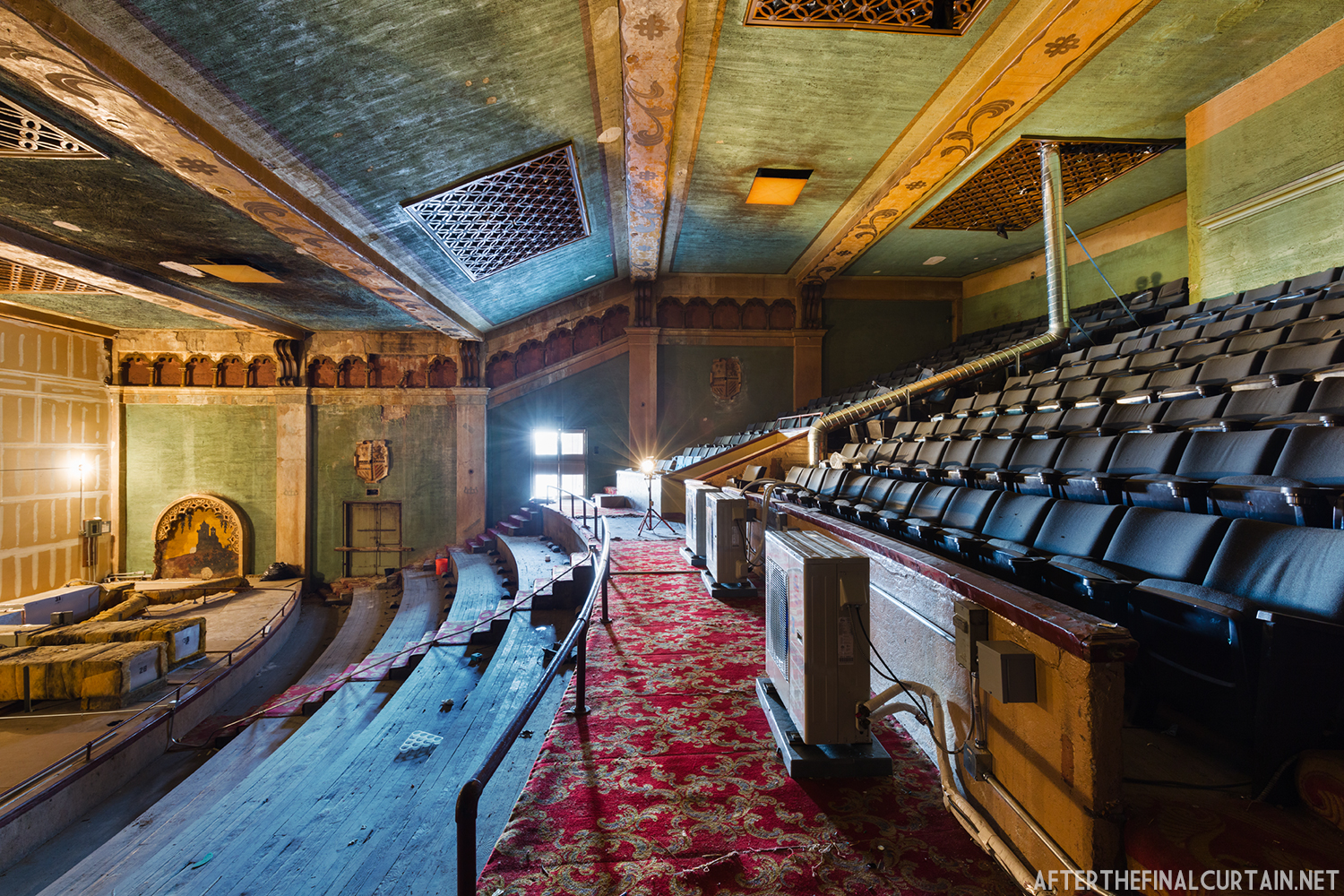
On August 29, 2021, the Rialto Theatre reopened as Mosaic Church, with its iconic neon marquee restored and its role as a community gathering space revived. However, the Rialto Theatre’s transformation into Mosaic Church came at a significant cost to its original design and historic features. During renovations, all of the original audience seating was removed and destroyed, with the sloped auditorium floor leveled to create a multi-purpose space. Many of the theater’s iconic plaster sculptures, including the intricately detailed harpies and the glowing-eyed gargoyle above the proscenium, were either covered or obscured. Additionally, the vibrant and historically significant color palette of the interior was replaced with a muted scheme of off-whites, further erasing the theater’s unique Jazz Age charm. These changes, while intended to modernize the space for contemporary use, have sparked concern among preservationists and community members who lament the loss of the Rialto’s architectural integrity.

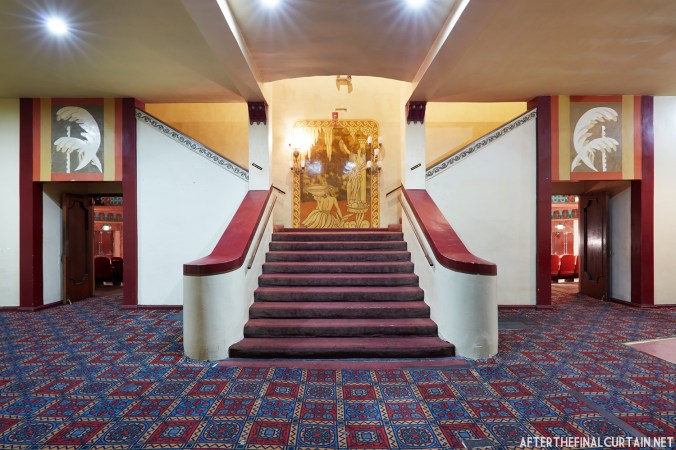
The staircase in the lobby.
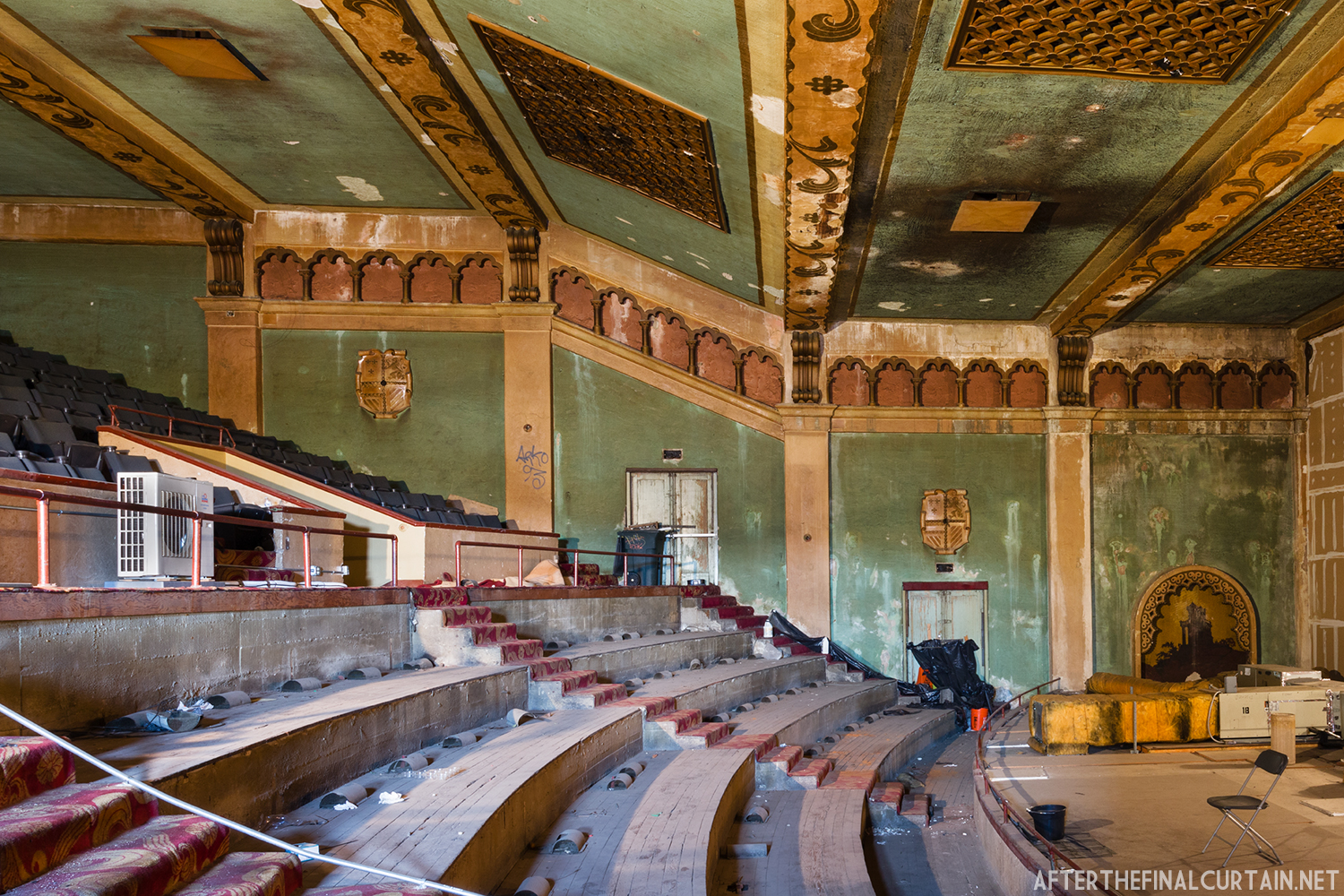
View from the side of the balcony.
The water fountain the the lobby.
Highland Theatre – Los Angeles, California

This was originally posted on After the Final Curtain’s Patreon in December 2024. For expanded early posts, as well as video walkthroughs and other exclusive content, you can become a patron at: https://www.patreon.com/afterthefinalcurtain

The Highland Theatre, located in Highland Park, Los Angeles, was designed by prominent theater architect Lewis A. Smith. Renowned for its Moorish-style interior, it opened on March 5, 1925, with a special appearance by actress Norma Shearer and the premiere of the film Lady of the Night. Originally seating 1,432 patrons, it was constructed for local banker Clyde M. Church on what was then Pasadena Avenue (now Figueroa Street).

Highland Park, once a bustling entertainment hub, was home to eight theaters, including the Arroyo, Franklin, and York theaters. The Highland Theatre quickly became a centerpiece of the neighborhood’s vibrant culture, operated initially by West Coast Theatres (later Fox West Coast Theatres). Like most suburban theaters of its time, it showcased several films a week.

The venue went through various transformations, including a period as an adult theater, before pivoting to family films in 1975 under operator Arman Akarakian. In 1983, it was converted into a triplex, reducing its capacity to 465 seats across three screens on the main floor, while the balcony and stage areas were left unused.

Designated a Los Angeles Historic-Cultural Monument in 1991, the Highland Theatre retained much of its original decor in the balcony area. Despite challenges, it thrived as a triplex by offering affordable prices and friendly service.

In August 2022, the theater building was listed for sale by the family that owned it for nearly a century. It was purchased in December 2022 by Cyrus Etemad, who also owns nearby properties like the Highland Park Bowl. While Etemad has expressed a commitment to preserving the building as a theater, no specific renovation plans have been announced.

The operator’s 99-year lease, originally signed in 1924, expired in February 2023. Etemad allowed the operator to continue running the theater rent-free for a year. However, on February 29, 2024, the Highland Theatre abruptly closed, citing financial difficulties exacerbated by the COVID-19 pandemic. The final films shown included Bob Marley: One Love and Dune: Part Two.

In June through August 2025, the theatre was used as a stand-in for a 1977 version of the New Beverly Cinema during filming of The Adventures of Cliff Booth (Netflix, 2026), the Tarantino-penned sequel to Once Upon a Time…in Hollywood. Exterior and lobby scenes were shot at the Highland, with auditorium scenes filmed elsewhere. Closed since February 2024, the theatre is slated to be renovated by its new owners.

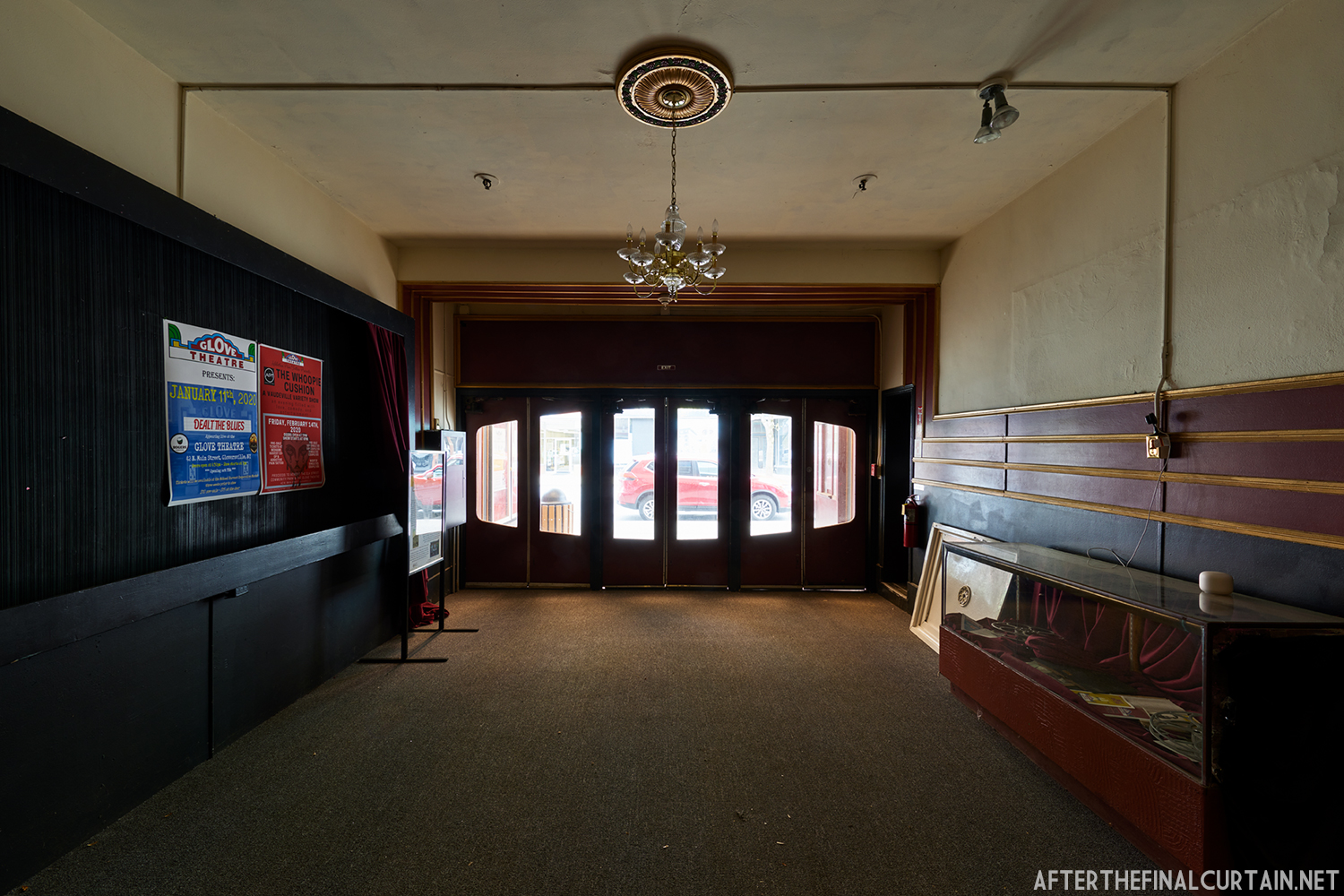
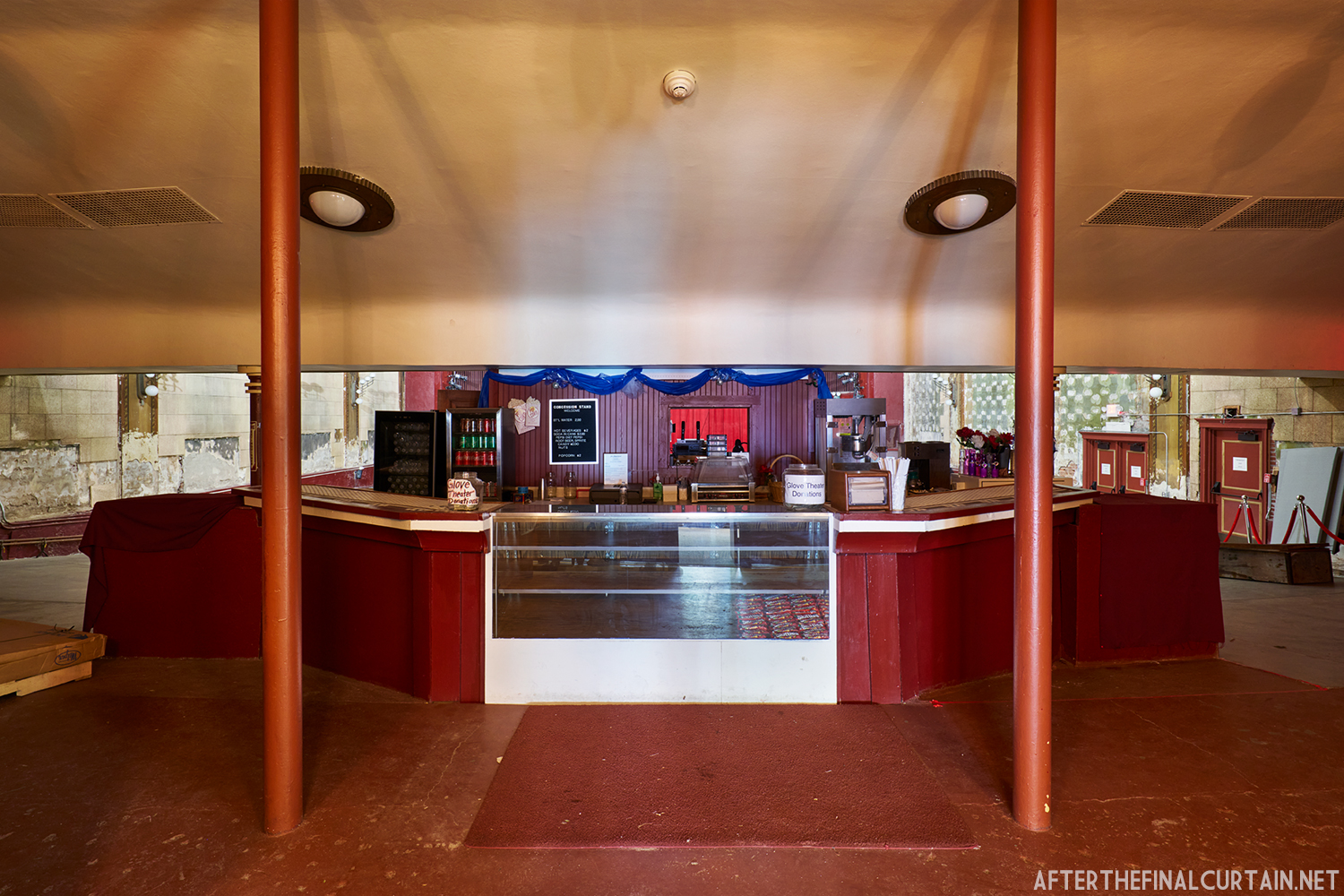
The Glove Theatre – Gloversville, NY

This was originally posted on After the Final Curtain’s Patreon in December 2024. For expanded early posts, as well as video walkthroughs and other exclusive content, you can become a patron at: https://www.patreon.com/afterthefinalcurtain

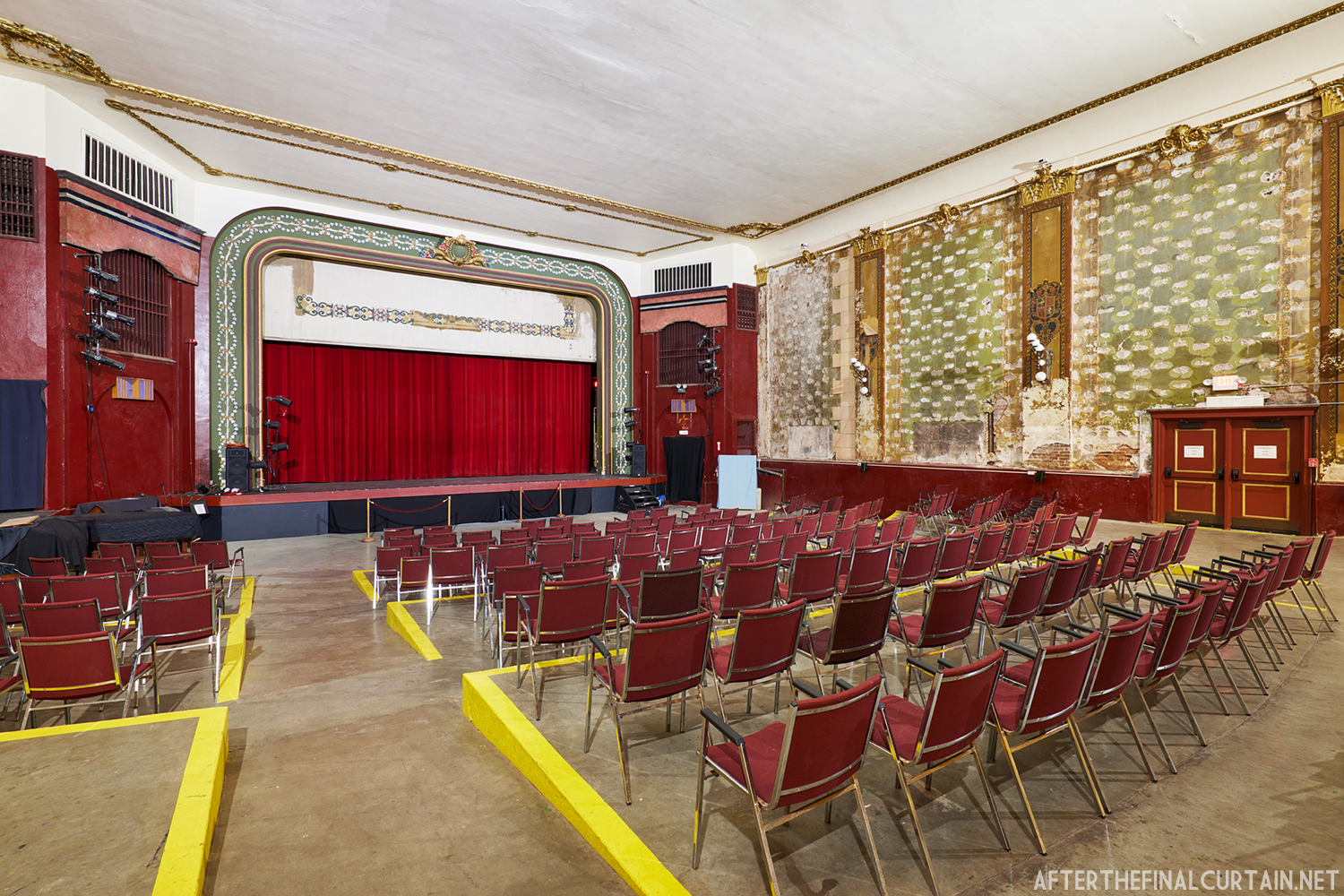
The Glove Theatre opened on October 9, 1914, as an 800-seat venue for live performances, vaudeville, and community events. Designed by architect Linn Kinne in the Classical Revival style, it quickly became a cultural hub in Gloversville, New York. Early years featured notable acts such as John Philip Sousa and Ethel Barrymore in “The Second Mrs. Tanqueray.” In 1920, the Schine brothers purchased the theater, making it the flagship of Schine Enterprises, which grew to operate over 150 theaters. By 1928, the Glove was among the first in the nation equipped with sound, showcasing its innovative edge.

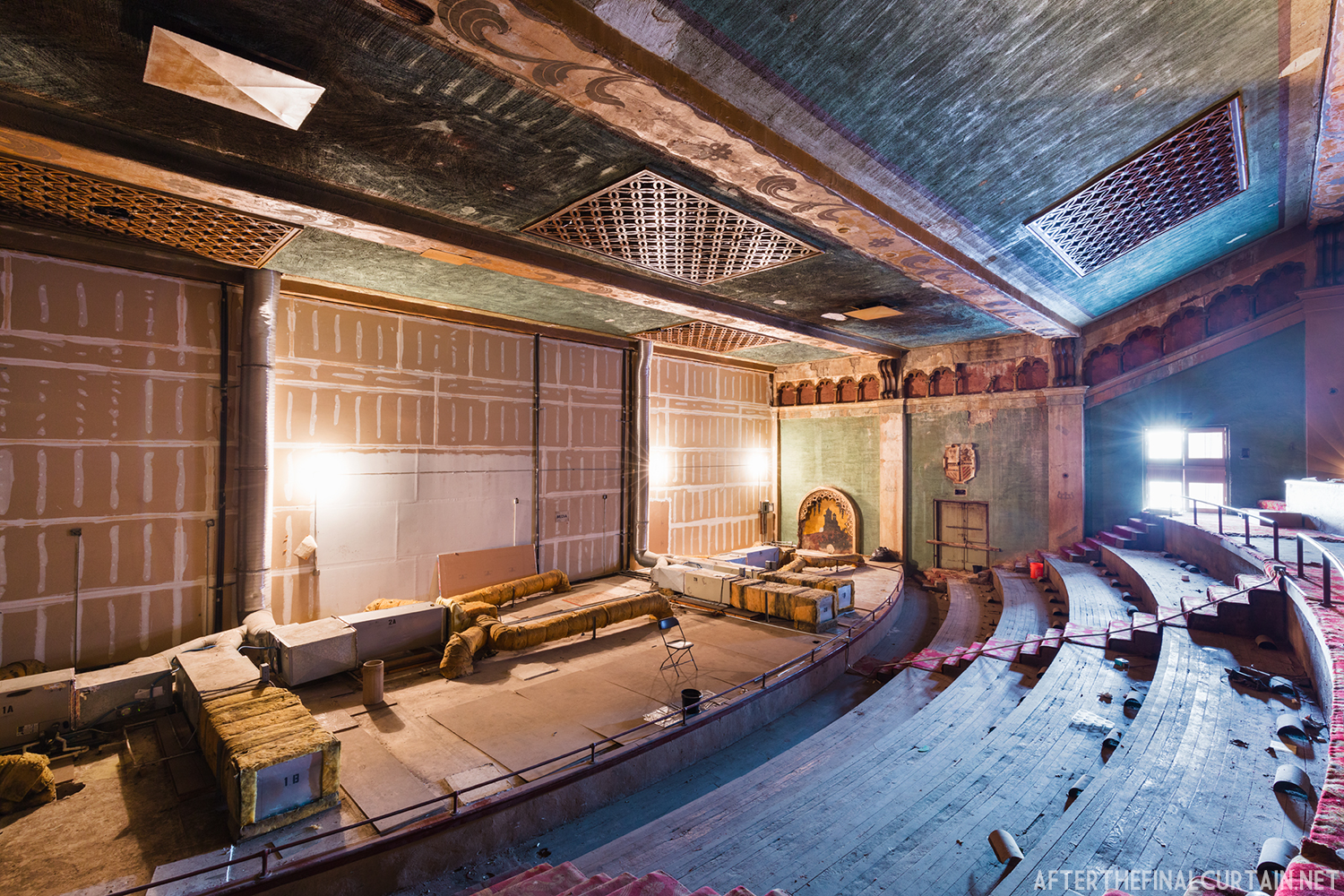
The Glove Theatre auditorium from the balcony.

View of the auditorium from the balcony.

A major Art Deco renovation in 1939 modernized the theater, including the addition of its iconic marquee. During this era, the Glove continued hosting renowned acts, including Irene Dunne, Charles Laughton, Charles Coburn, and Sally Rand. It also featured Ziegfeld Follies performers and major events like the premiere of “Drums Along the Mohawk” in 1939.

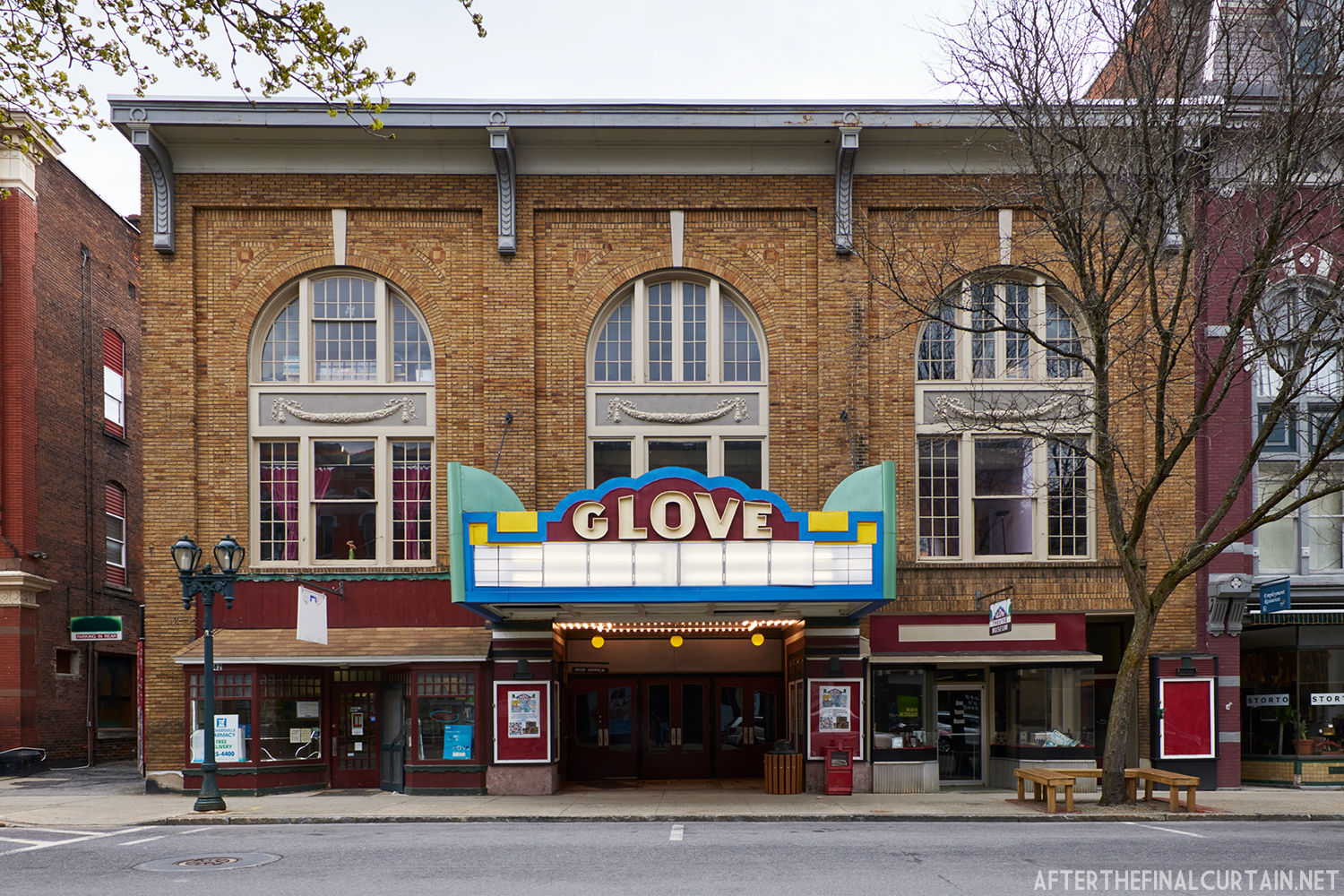
The exterior of the Glove theater in Gloversville, New York

The exterior of the theater.

Throughout the Great Depression and World War II, the theater remained a central community venue, offering newsreels, bond drives, and live entertainment while training veterans to manage theaters in the Schine chain.

The Glove’s prominence waned by the 1960s as economic shifts affected the region. Despite hosting memorable performances by acts like Tony Randall and Buddy Jewell, the theater closed in 1971, marking the end of regular operations. For over two decades, the building stood vacant, with occasional screenings and events. By 1995, the theater faced demolition, but community members rallied to save it, forming the Gloversville Theatre Corporation.

It reopened in 1997 with a grand event, The Phantom of the Glove, featuring local performers and community participation. In the 2000s, the theater hosted a mix of productions, including musicals, concerts, and youth programming. Performances included Alex Torres & His Latin Orchestra, the Wynotte Sisters, the Caroga Arts Collective, and Quintocracy. The Glove also featured unique acts like Zippy the Chimp, Leo the Lion (of MGM fame), and the NoLaNauts. The venue evolved into a community hub, offering affordable and creative programming for families and local artists.

Recent revitalization efforts have reinvigorated the theater. In 2022 and 2023, the Glove received nearly $4 million in grants from New York State to support renovations and expand programming. Weekly movie screenings, vaudeville shows, and live performances have become regular events. Today, the Glove continues to honor its legacy of hosting world-class entertainment while serving as a cultural and historic landmark in Gloversville.

The Glove’s website is: https://www.theglovetheatre.com/

The Berry (White) Theatre – Fort Worth, Texas

This was originally posted on After the Final Curtain’s Patreon in January 2025. For expanded early posts, as well as video walkthroughs and other exclusive content, you can become a patron at: https://www.patreon.com/afterthefinalcurtain

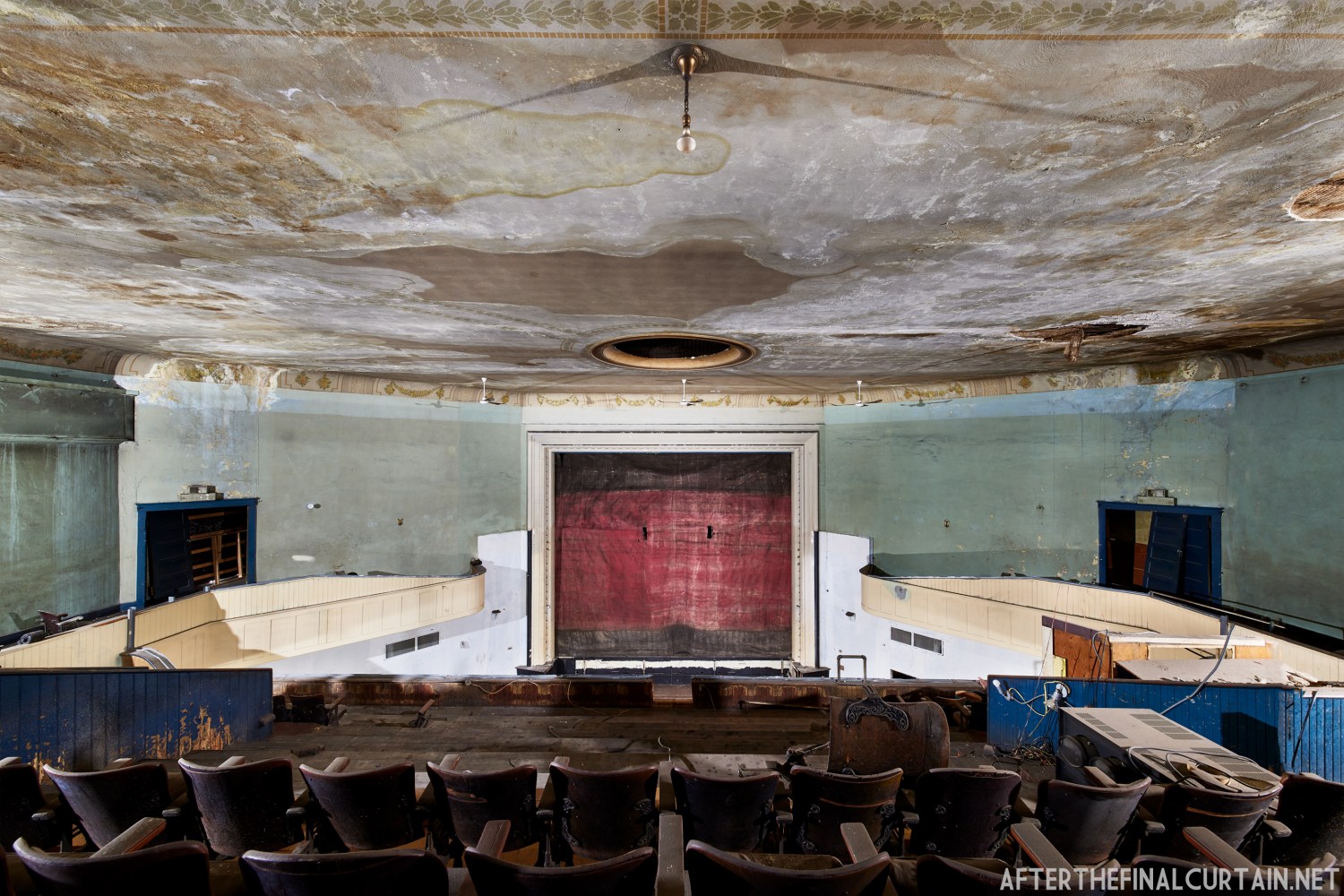
Auditorium, Berry Theatre Fort Worth, Texas

The interior of the auditorium was gutted a few years before the building was demolished.

The Berry Theater, originally known as the White Theater after its owner, M.S. White, was located in Fort Worth, Texas at the intersection of W. Berry and Hemphill Streets. The 682 seat theater officially opened its doors on April 3, 1940.

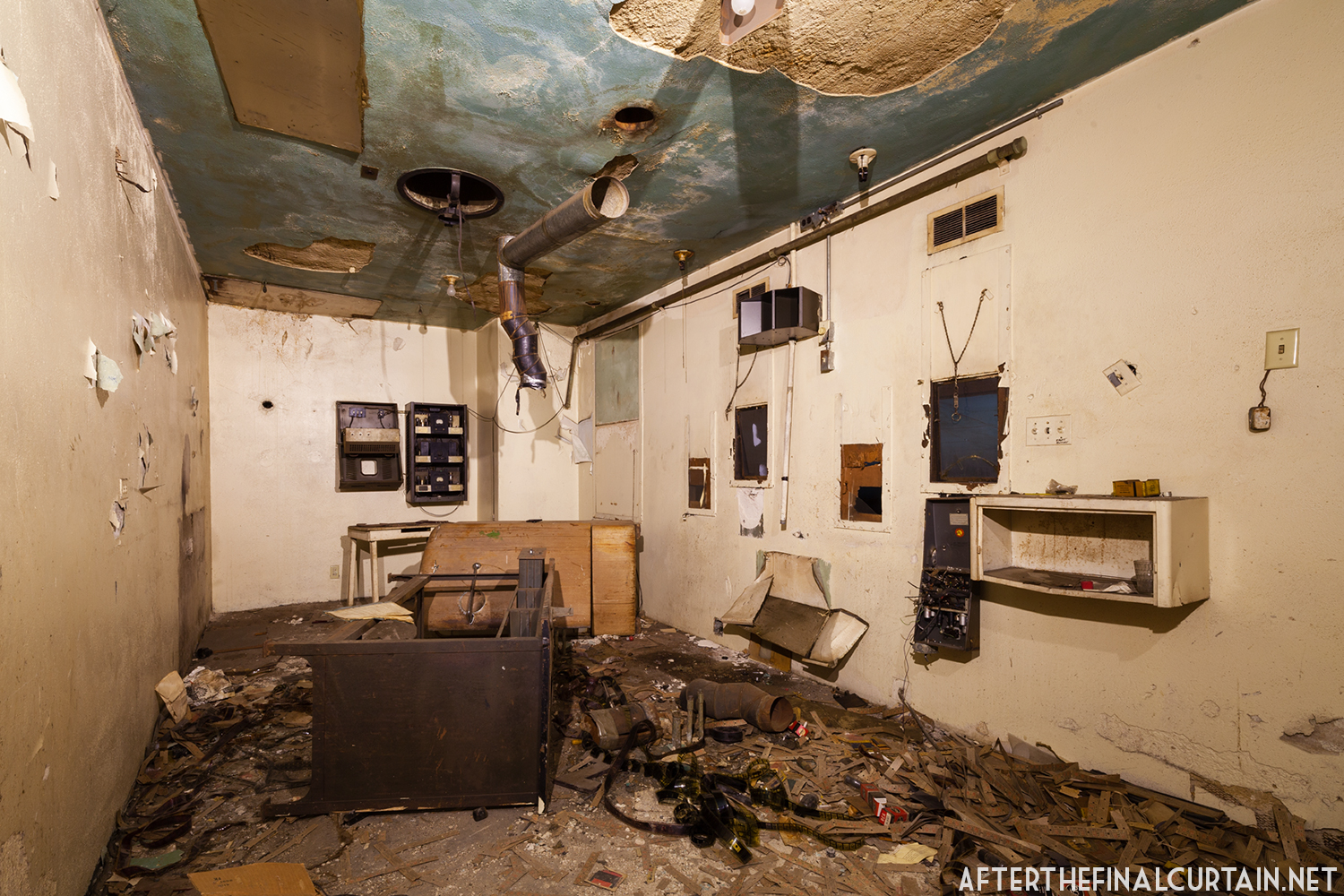
Empty projection room, Berry Theatre Fort Worth, Texas

The projection room was largely stripped of equipment.

The building’s design featured a three-story facade that tapered down to a two-story stage house. The theater included a balcony and a distinctive exterior, with the first floor clad in burgundy ceramic tiles and a freestanding box office. The upper levels of the facade were painted stucco, accented with neon lighting that outlined and highlighted its architectural details.

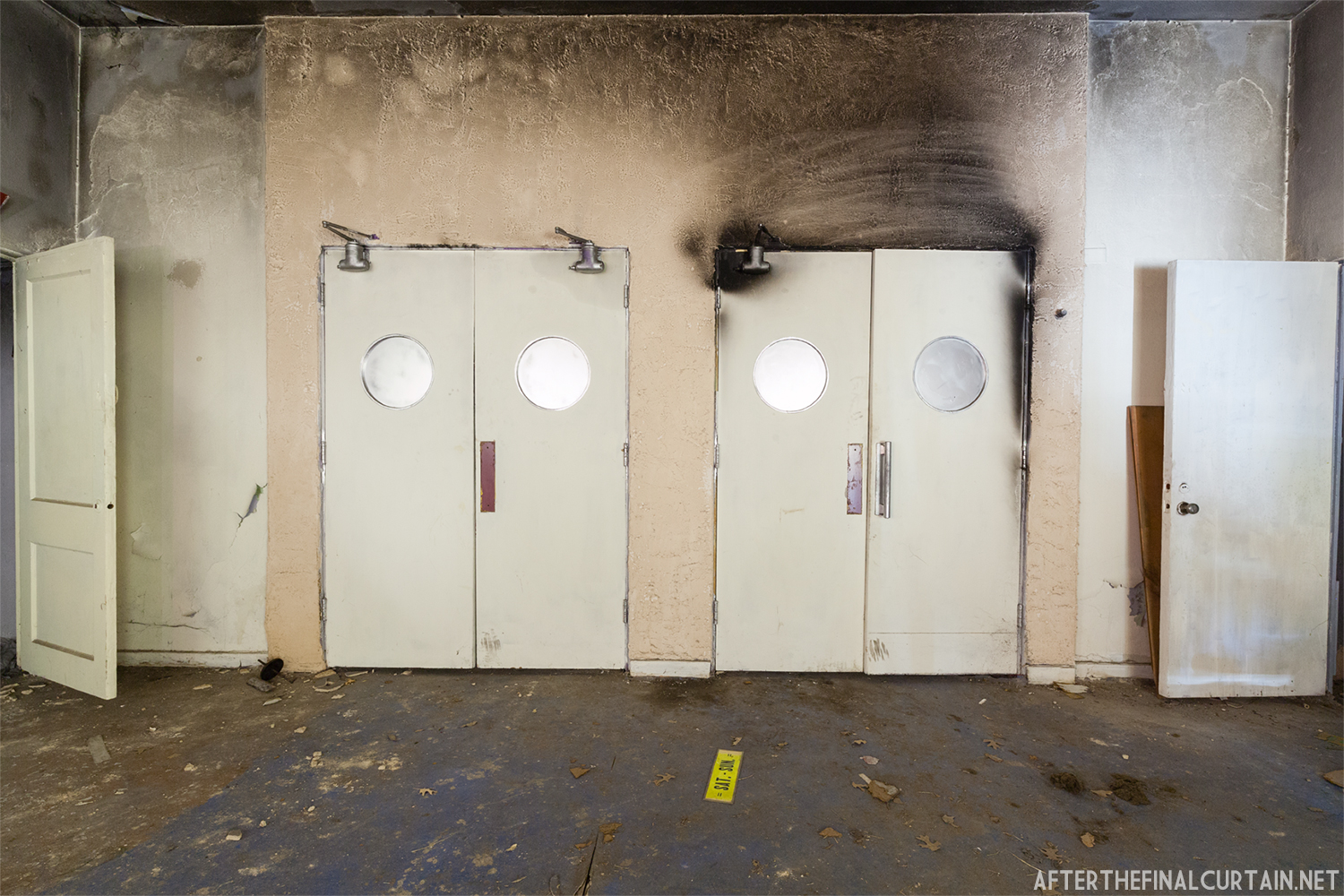
Doors, Berry Theatre Fort Worth Texas

The doors that lead into the auditorium from the lobby.
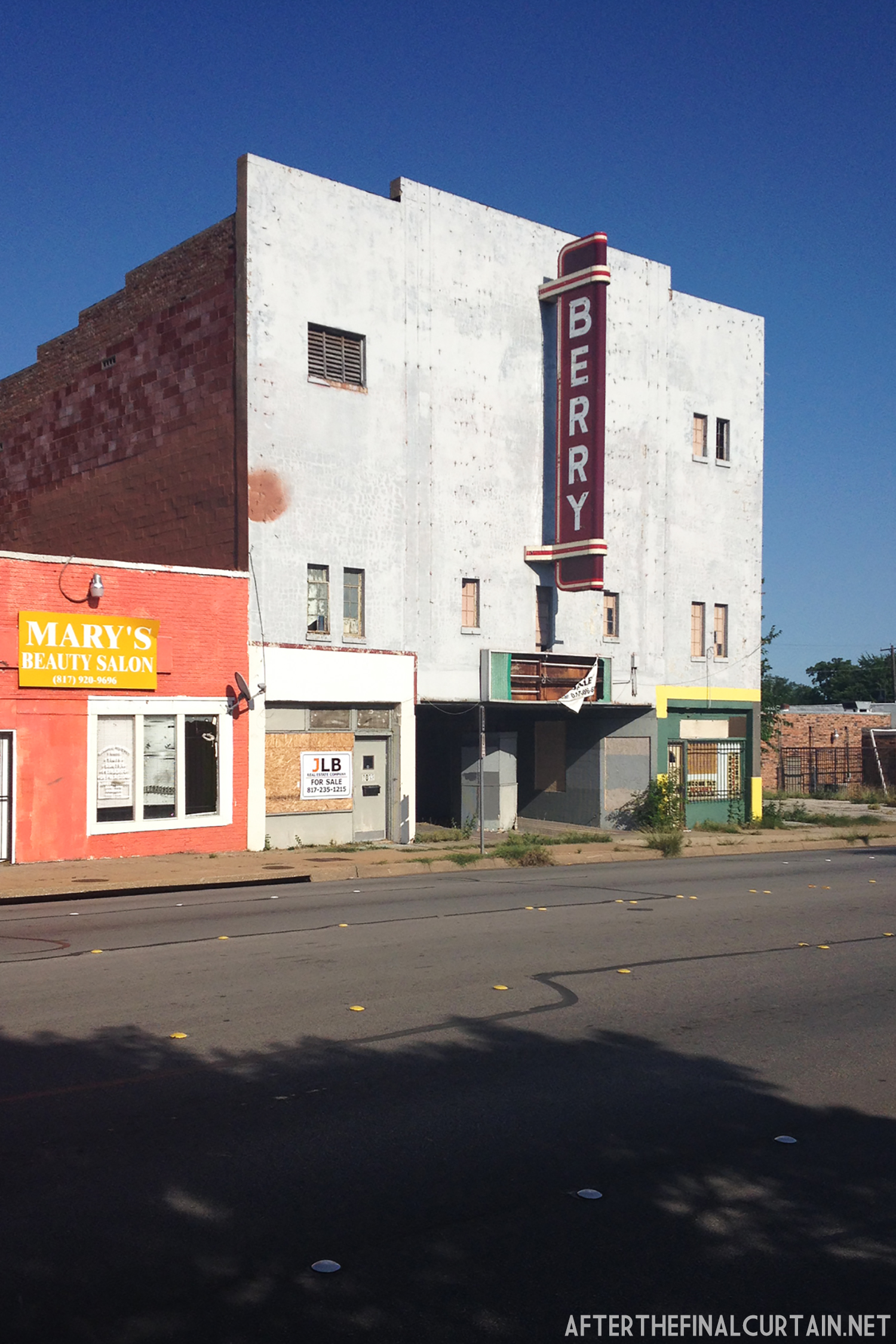
After decades of vacancy, a commercial demolition permit for the building was issued on July 18, 2023. Demolition began shortly after 9 a.m. on Saturday, July 22, 2023. The site is now a vacant lot.

The exterior of the theater.

Olympia (Fine Arts) Theatre – Worcester, Massachusetts

The oldest surviving theater in Worcester, Massachusetts, the Olympia Theatre originally opened on August 17, 1891, as Lothrop’s Opera House. Designed by architects Cutting & Forbush the theater sits tucked away on a side street in what is now known as Worcester’s theater district. ” Before its grand opening, women were invited for an exclusive preview of the venue’s stunning architecture and decor, accompanied by Worcester’s first all-female orchestra—an unusual occurrence for the time.

The theater made its debut with “The Specter Bridegroom” and “Queena.”

The theater saw multiple closures and reopenings throughout its early years. It closed for the first time in 1900, and reopened in 1904, and closed again the following year. In late 1906, a renovation plan was announced by architectural firm Cutting, Carleton & Cutting, the same firm that originally designed the theater. It reopened on June 12, 1907, as Lynch’s Pleasant Street Theatre. By the 1910s, silent films became the dominant form of entertainment, and the theater was renamed Pleasant Street Theater. On August 18, 1919, it was rebranded again as Olympia Theatre under the operation of E.M. Loew’s Theaters Inc.

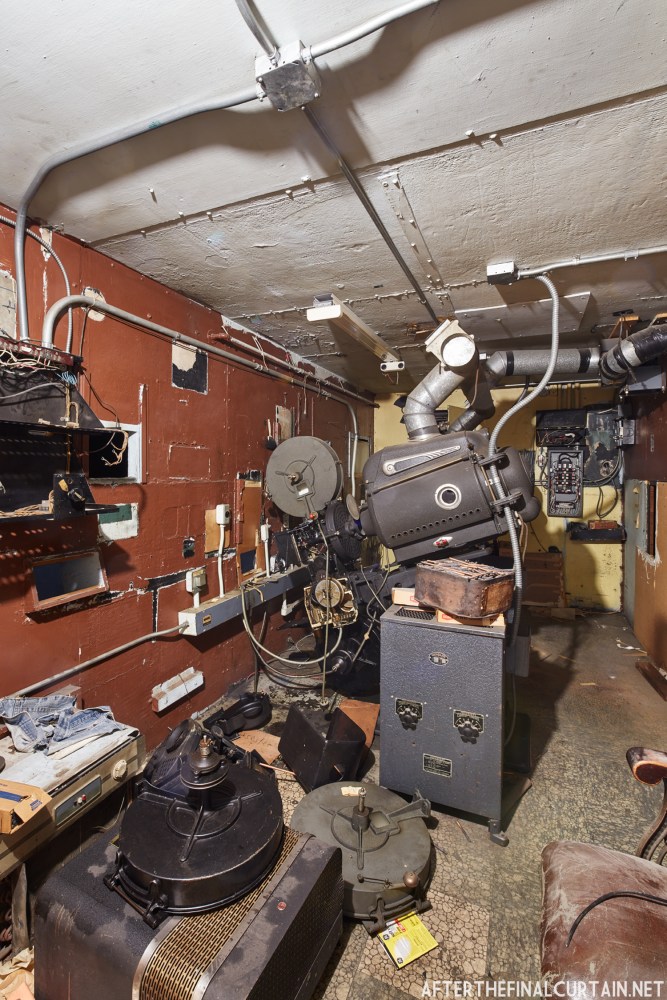
The projection room was not original to the theater, and was added when it was converted to show motion pictures.

Throughout its history, the Olympia Theatre witnessed many milestones. It played a crucial role in early cinema promotions, including record-breaking sales of promotional cards for “Her Husband’s Trademark.” Creative marketing campaigns, such as the footprint stunt for “Souls for Sale” and telephone advertising, contributed to its success. In May 1926, the theater fell victim to professional safecrackers who stole $2,000—equivalent to over $35,000 today.

Al Jolson, who later became a Hollywood legend, once found himself stranded in Worcester after a failed performance at the Olympia Theatre.

The Olympia continued evolving with the times. On May 30, 1956, after a month-long closure for refurbishment, it reopened as the Fine Arts Theatre, premiering “Les Diaboliques” and later showcasing other foreign art-house films. Opening with a mix of classic and cutting-edge foreign films, Fine Arts remained a downtown entertainment option for years. However, by the time it closed its doors on April 2, 1984, it had become known for showing X-rated films like “When A Woman Calls” and “That Lady From Rio.” It later transitioned into the New Art Cinema, an adult theater, before ultimately closing for good in January 2006.

The Olympia is Worcester’s oldest surviving theater. In August 2019, Patrick Flynn and Jennifer Wright launched a campaign to purchase the vacant building and turn it into the “Olympia Music Hall & Grill,” a 1,000-seat venue and restaurant for touring and local musicians. Their efforts, however, fell short of the $400,000 needed to secure the deal. Two years later, in September 2021, the building was sold for $527,400 to a local family. The new owners plan to reopening the Olympia as a performing arts center that will showcase films, musicians, and other live performances. The new owner’s website is https://www.wootheatre.org/.

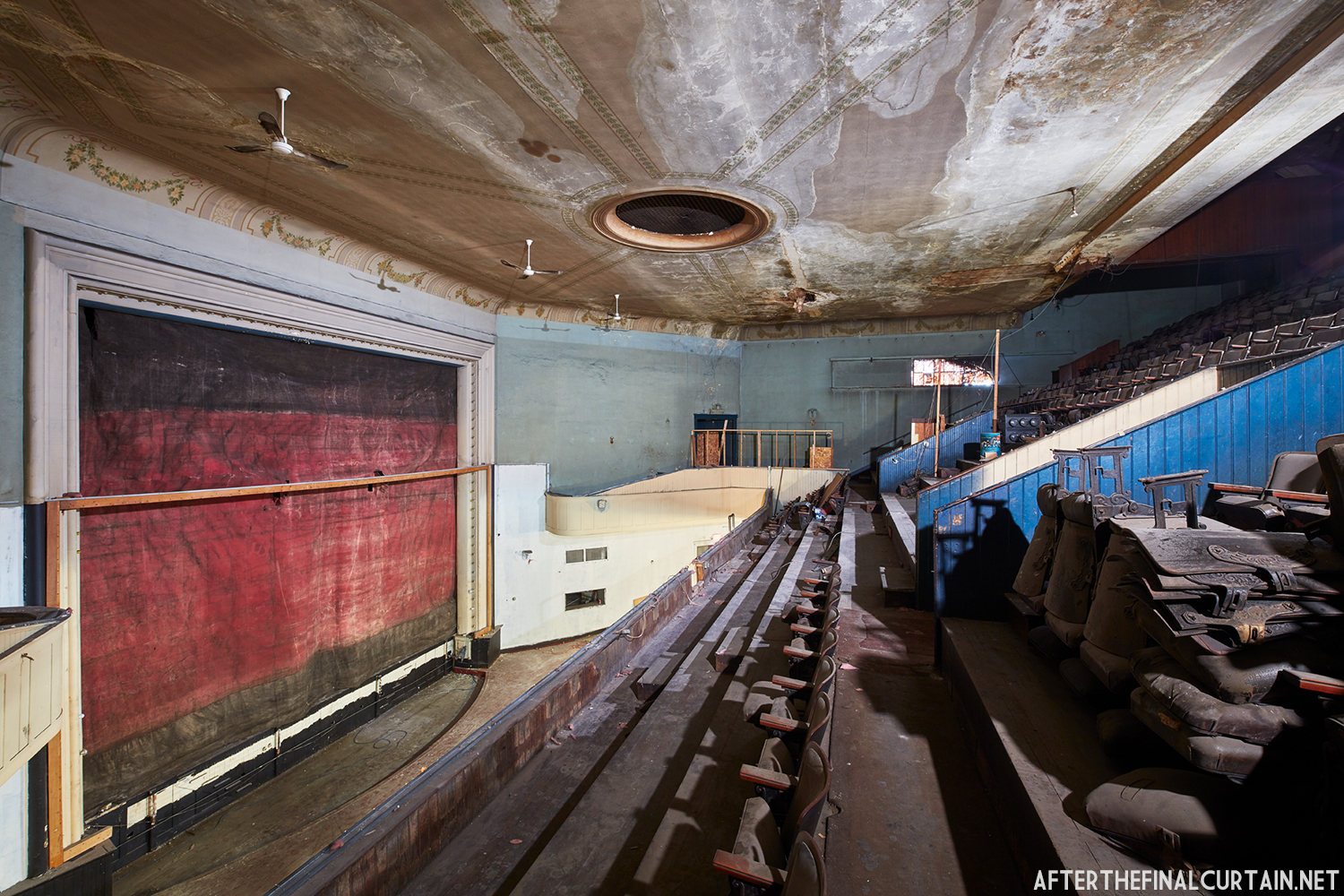
The balcony was sealed off when it was the New Art Cinema, and insulation was put in the balcony to keep the orchestra level warm.
The Olympia has a very shallow stage. It’s around 8 feet deep.
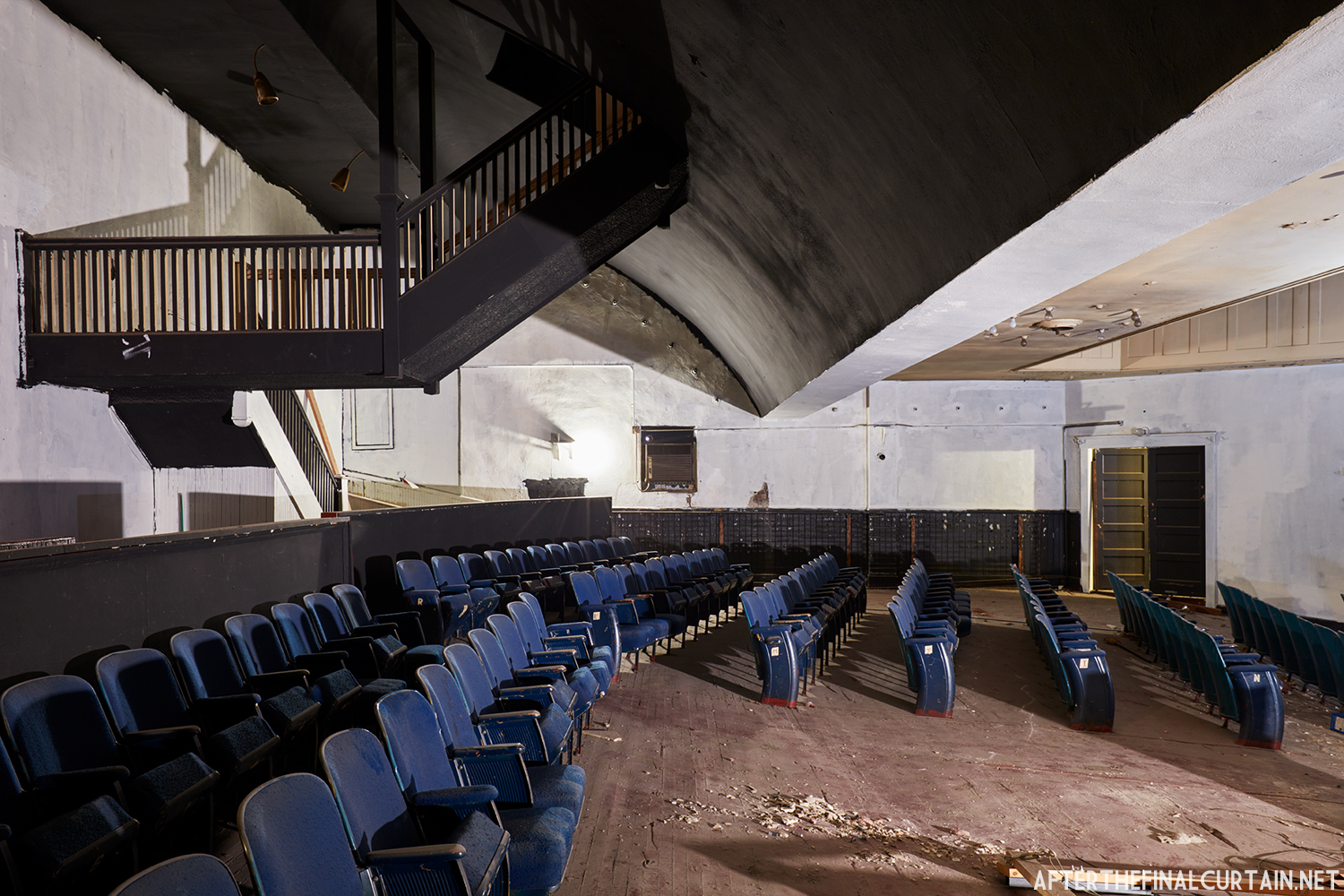
View of the auditorium from the side of the balcony.

Modjeska Theatre – Milwaukee, WI

This was originally posted on After the Final Curtain’s Patreon in December 2023. For expanded early posts, as well as video walkthroughs and other exclusive content, you can become a patron at: https://www.patreon.com/afterthefinalcurtain

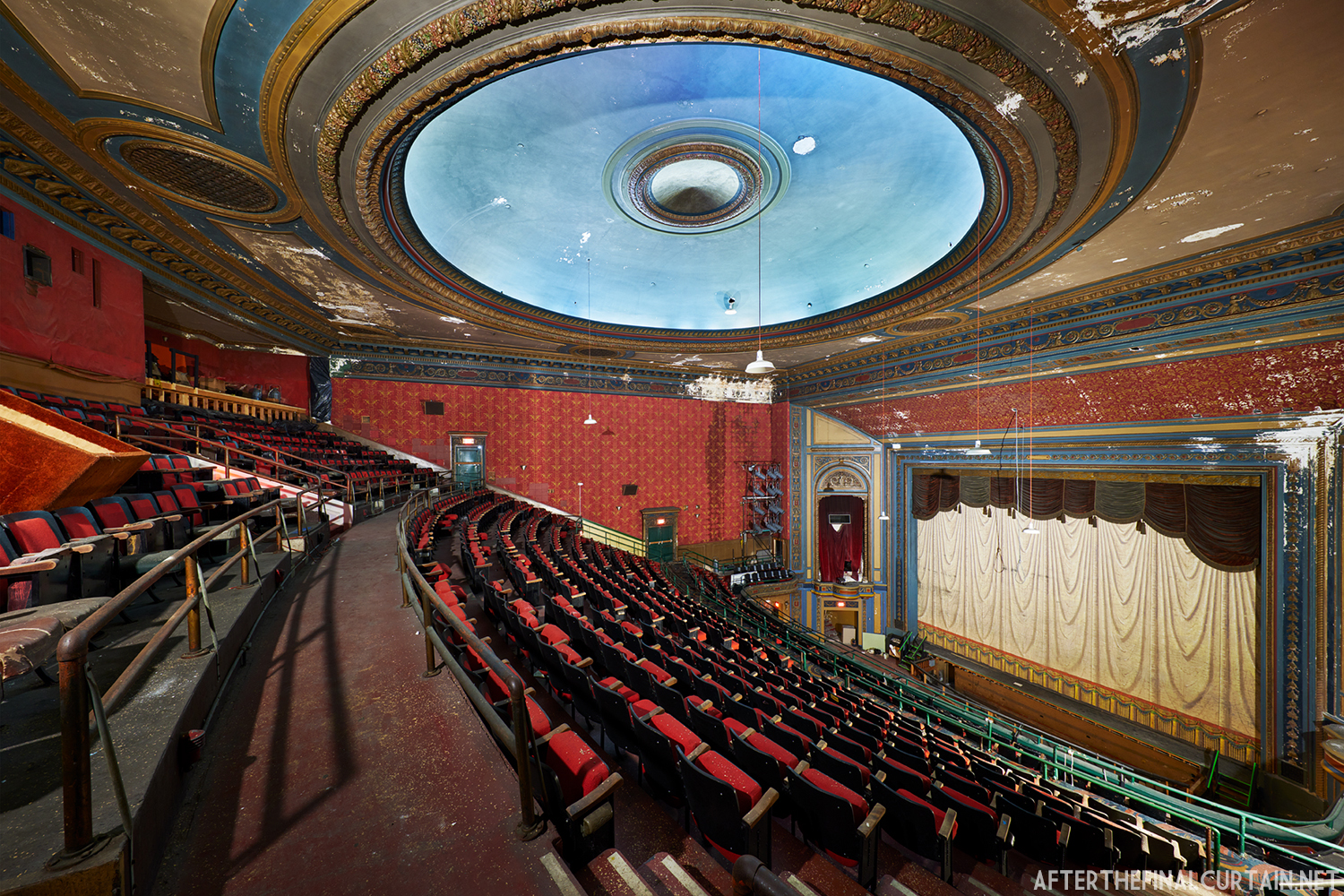
Modjeska Theatre auditorium as seen from the balcony.

View of the auditorium from the balcony.

The original Modjeska Theatre in Milwaukee, Wisconsin, opened its doors in 1910. It was named in honor of Madame Helena Modjeska, a celebrated stage actress who had passed away in 1909. In 1920, Saxe Theatres, a Wisconsin theater chain founded by John and Thomas Saxe, purchased the theater. They ran it for a few years before demolishing it to make way for a neighborhood movie palace.

View of the auditorium from the stage.

Saxe enlisted the renowned architectural firm Rapp & Rapp, known for their work on theaters such as the Kings Theatre in Brooklyn, NY, the Uptown Theatre in Chicago, IL, and the Loew’s Jersey in Jersey City, NJ, to design a new 2,500-seat neighborhood movie palace. The new Modjeska Theatre, opened on August 2, 1924, was more modestly designed compared to other Rapp & Rapp theaters, but still featured a full stage-house suitable for vaudeville performances. It also featured a Golden Voiced Barton Theater Pipe Organ, 3/10. 

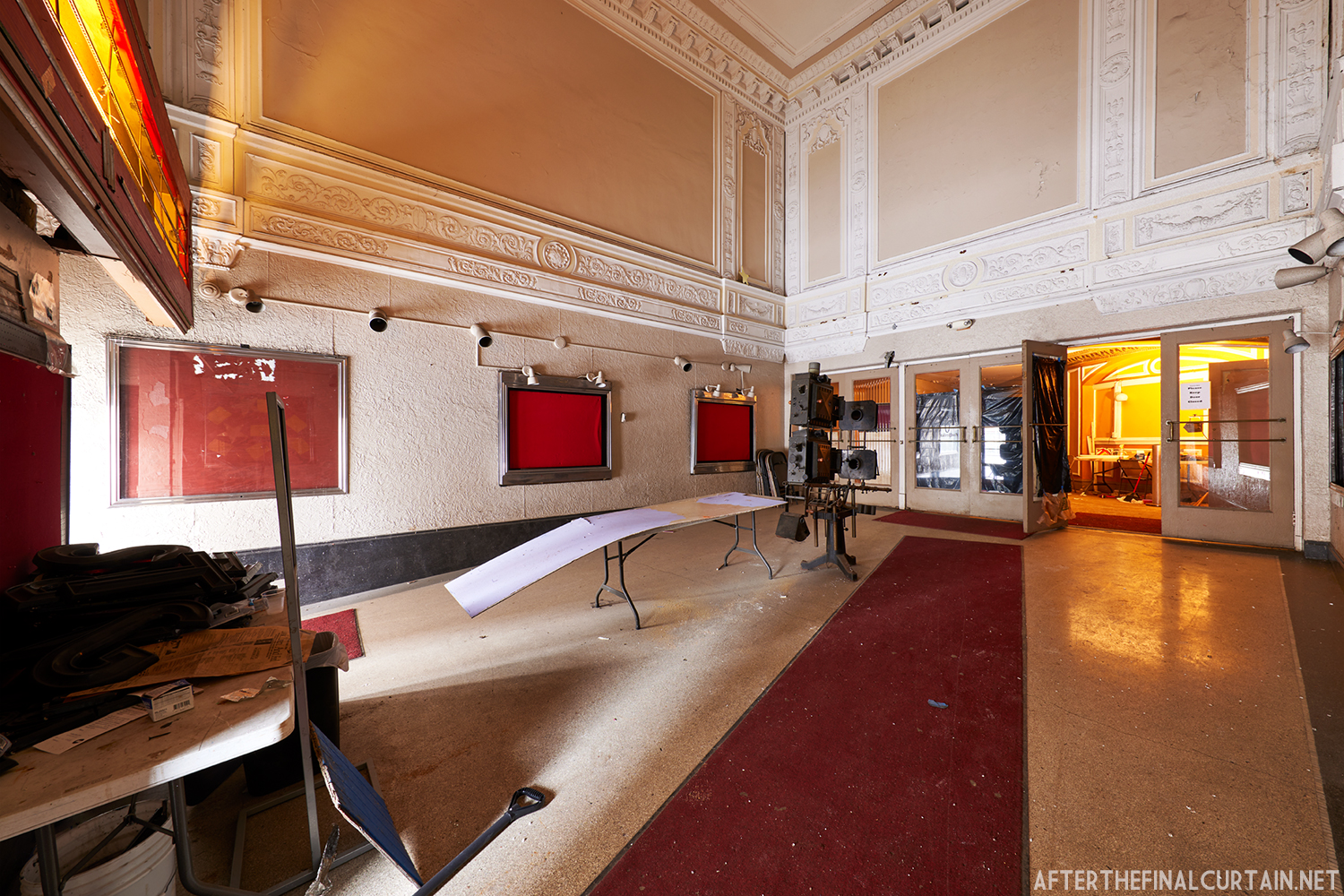
The Lobby of the theater.

The theater underwent various changes over the years, including the removal of the organ and pipes in the 1950s. The organ chambers were repurposed to install air conditioning units. It continued showing films until 1989. In 1991, the building was purchased by Stewart Johnson, and transformed into a live venue. 

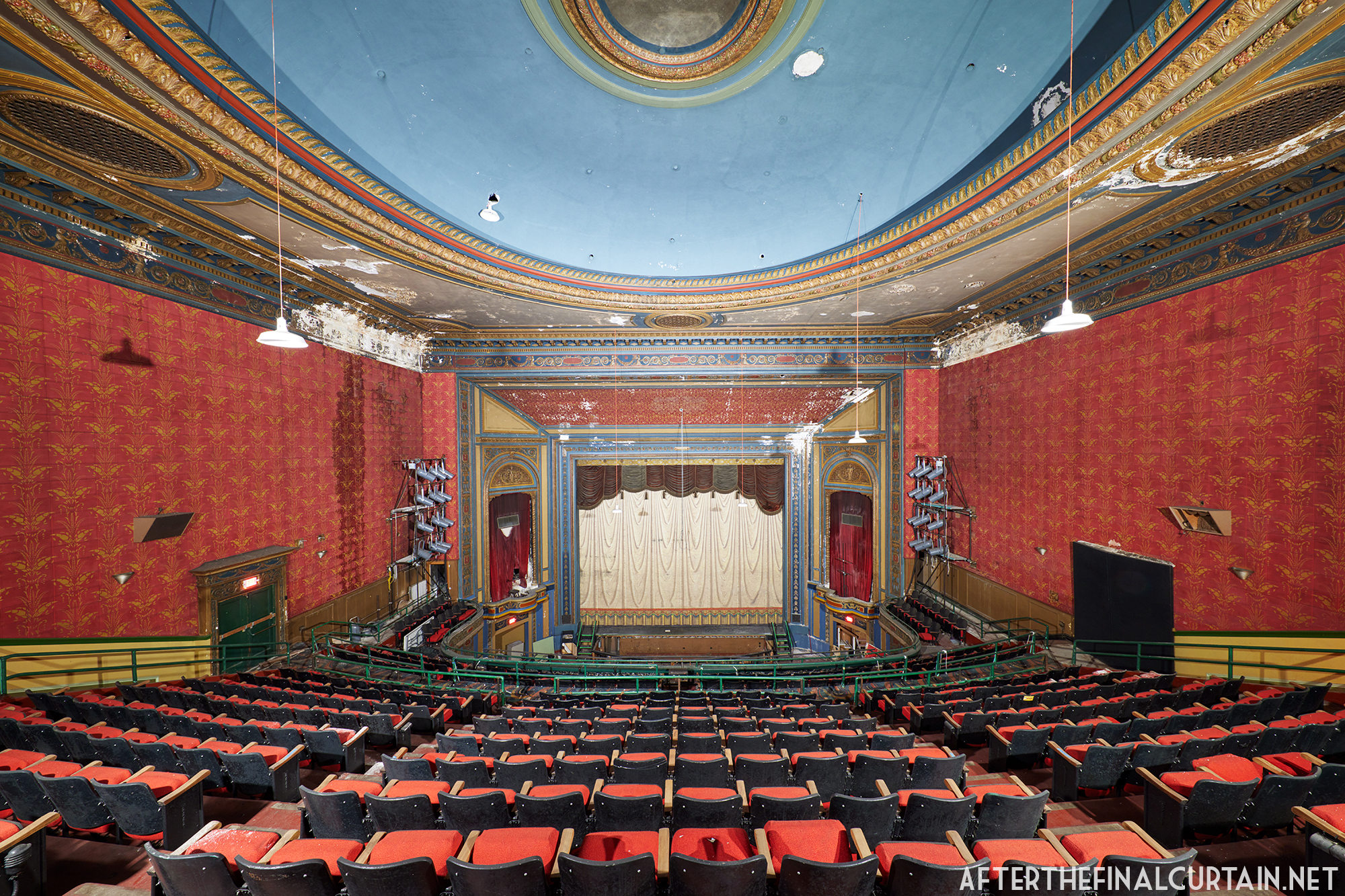
The seats on the lower level were removed in preperation for a restoration that never happened.

During this time, many famous acts performed at theater including; David Byrne, Alice in Chains, Gregg Allman, Rob Zombie, and They Might Be Giants. In 1993, Johnson received a Certificate of Appreciation from the Milwaukee Historic Preservation Commission for his efforts in revitalizing and preserving the theater.

Projection Booth - Modjeska Theatre Milwaukee, WI

The projection booth still has some equipment in it.

In December 2006, the Johnsons sold the theater for $450,000 to Modjeska Theater Project, a partnership between a nonprofit youth theater company and Mitchell Street DOC. However, the youth theater company folded in April 2010, leaving Mitchell Street DOC with the building.


The theater closed its doors in May 2010, but renovations began in 2014, with an expected completion date of March 2016. Unfortunately, those plans fell through, and the theater remained dormant until June 2023 when new plans were announced to convert it into the Modjeska Arena and Gaming Institute.

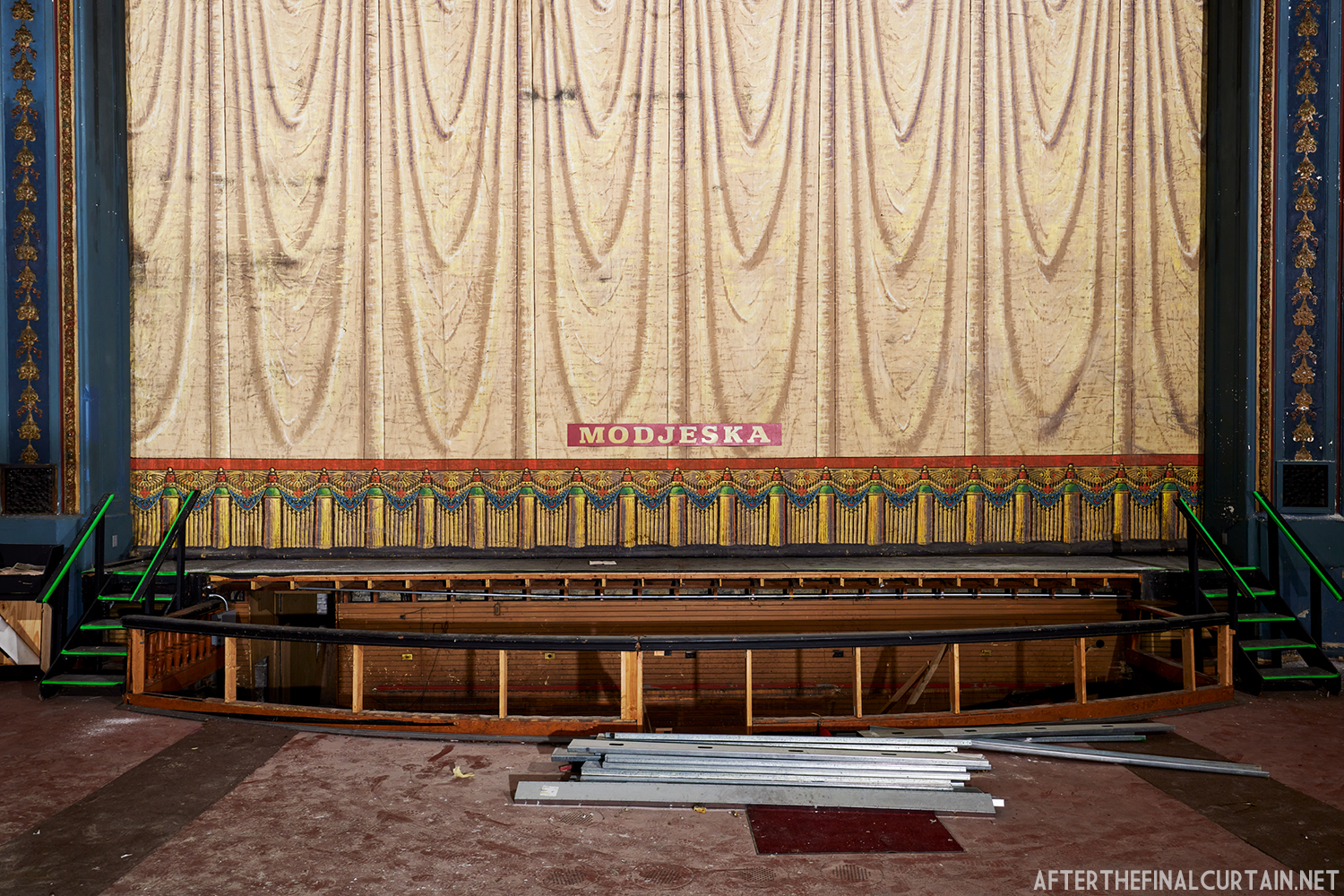
Fire Curtain - Modjeska Theatre Milwaukee, WI

A close up of the fire curtain.

Real estate investor Justin Smith reached a preliminary agreement to purchase the property, envisioning a world-class esports arena as the main attraction, along with hosting local events. The proposed esports arena aims to be a strong anchor for the Mitchell Street Business Improvement District’s western end. Smith, a first-time developer, is working to secure investors and financing for the project, with hopes of completing the purchase by October 2023. 

View of the auditorium from the rear of the balcony.

Spring and Summer Photo Workshops 2024

Fox West Theatre in Trinidad, Colorado

I’m excited to finally announce the first round of Photography Workshops for 2024. As I’ve said elsewhere – this will be my last year doing workshops in their current form.


Strand Theatre – Clinton, MA

Strand Theatre

Location: Clinton, MA

Date: April 27, 2024

The Theatre: The Strand Theatre opened in 1924, in Clinton, Massachusetts. It closed in 2021 after years as a dinner theater.

Cost: $80.00

Tickets: https://www.mlambrosphotography.com/workshops/strand-theatre-workshop-clinton

Olympia Theatre Worcester, MA

Olympia (Art) Theatre

Location: Worcester, MA

Date/Time:
May 11, 2024

The Theatre: The Art Theatre opened in 1891 as Lothrop’s Opera House and is the oldest surviving theater in Worcester, MA. It went through a number of names including; The Olympia Theater, Lynch’s Pleasant Theater, Fine Arts Theater, and finally the New Art Cinema. It closed in 2006.

Cost: $80.00

Tickets: https://www.mlambrosphotography.com/workshops/arttheatreworkshop2024

Fox West Theatre

Location: Trinidad, Colorado

Date: June 22, 2024

The Theatre: The Fox Theatre in Trinidad, Colorado made its grand debut on March 16, 1908, showcasing the stage play “The Bondman.” Over the years, it served as a versatile venue for a variety of performances including stage shows, vaudeville acts, opera, and silent films. It closed in 2013, making it one of the longest running single screen theaters in the country.

Cost: $160.00

Tickets: https://www.mlambrosphotography.com/workshops/foxwestworkshop1021

Opera House, Hotel and Tunnels Workshop

Location: Trinidad, Colorado

Date/Time: June 23, 2024

The Opera House:
In 1882, Trinidad’s inaugural opera house emerged amidst much celebration courtesy of the Jaffa brothers—Sam, Sol, and Henry. For twenty-four years, it resonated with the melodies of plays, brass bands, and the rhetoric of public speakers before its curtains closed in 1906. Responding to the town’s pragmatic ethos, the auditorium morphed into an office block and an extension of the neighboring Wight Hotel.

Resilience characterized its trajectory as the edifice endured a 5.3-magnitude earthquake in 2011, sustaining significant damage. Despite expert voices advocating for its demise, the community united in a bid to salvage and restore their historic gem.

We will also have access to an old hotel building downtown as well as some tunnels that run underneath the city.

Cost: $120.00

Tickets: https://www.mlambrosphotography.com/workshops/trinidadoperahouse

Strand Theatre

Location: Boston, MA

Date/Time: June 30, 2024

The Theatre: The Strand Theatre opened on November 11, 1918, in the Dorchester neighborhood of Boston, Massachusetts. It was designed by Boston architectural firm Funk and Wilcox, who also designed the nearby Franklin Park Theatre. It is currently used for live events.

Cost: $75.00

Tickets: https://www.mlambrosphotography.com/workshops/strand-theatre-workshop-boston-ma826

As always – I have some other workshops planned for later this year. If there are any you’d like me to revisit or suggested locations – let me know!

RKO Madison Theatre – Queens, NY

This was originally posted on After the Final Curtain’s Patreon in May 2023. For expanded early posts, as well as video walkthroughs and other exclusive content, you can become a patron at: https://www.patreon.com/afterthefinalcurtain

View from the balcony of the RKO Madison Theatre.

It’s not uncommon to see buildings in New York City with a mismatched facade, especially in neighborhoods where space is at a premium. But if you’re like me, and you’re interested in the history of the city, you might wonder what that building used to be. And in the case of this particular building, it has quite a history. The building at the corner of Myrtle and Wykoff Avenue used to be the RKO Madison Theatre, which opened on November 24, 1927.

The Madison Theatre, as it was originally known, is situated on the border of Brooklyn and Queens, was constructed by B.S. Moss, a subsidiary of Keith-Albee. Moss’s original plan was to name the theater Beacon, but he was eventually persuaded to change the name to Madison, as a tribute to James Madison, the fourth President of the United States, and Madison Street, which was situated nearby. The architect in charge of the design was Eugene DeRosa, who had previously worked on the Colony Theatre in Manhattan. DeRosa employed an Italian Renaissance style, with a classical Greek facade made of white marble. The theater’s slogan around the time of its opening was “Bringing Broadway to Brooklyn.”
A close up of the theater’s dome.

It boasted a seating capacity of 2,760, which was significantly larger than Moss’ earlier venture, the Colony. The Grand Foyer spanned two stories and was accentuated with a vaulted ceiling that sported crystal chandeliers. The walls of the foyer were crafted from colored marble, with bronze borders that added a touch of class. A white marble staircase led patrons to the mezzanine promenade, which featured a lounge area and restrooms. The auditorium was large and included a balcony with a loge section at the front. Its ceiling, from the center of the dome, featured a three-tiered crystal chandelier, and the colored lights within the dome’s cove allowed for an ever-changing ambiance. The orchestra pit was situated at the front of the stage and had three separate elevators, one each for the orchestra, piano, and Wurlitzer organ, which was an unprecedented luxury for a neighborhood theatre. Much of the Madison’s grandeur was due to Moss’ intention to outdo the competition of the nearby Fox Ridgewood, which had been the area’s dominant theatre since 1913.
Much of the theater’s lobby still exists, but it has been completely walled off.

Houdini’s brother, Theo Hardeen, had his stage show at the Madison Theatre on May 30th, 1945. Thirteen days later, on June 12, 1945, Theo Hardeen passed away at the age of 69 from esophagus cancer. The RKO Madison Theatre was a popular venue in Ridgewood for decades. However, it became a Grindhouse, which was a theater that mostly showed b-grade horror or exploitation films, in the 1970s and eventually closed right after Halloween in 1977. The last film it showed was a twin-bill horror flick. The building was then converted for retail use in 1978 and has since housed several stores, including Consumers, Busy Bee, Odd Lot, and now Liberty Department Store.

The projection booth has been stripped bare of all equipment.