Strand Theatre – Clinton, MA

This was originally posted on After the Final Curtain’s Patreon. For expanded early posts, as well as video walkthroughs and other exclusive content, you can become a patron at: https://www.patreon.com/afterthefinalcurtain

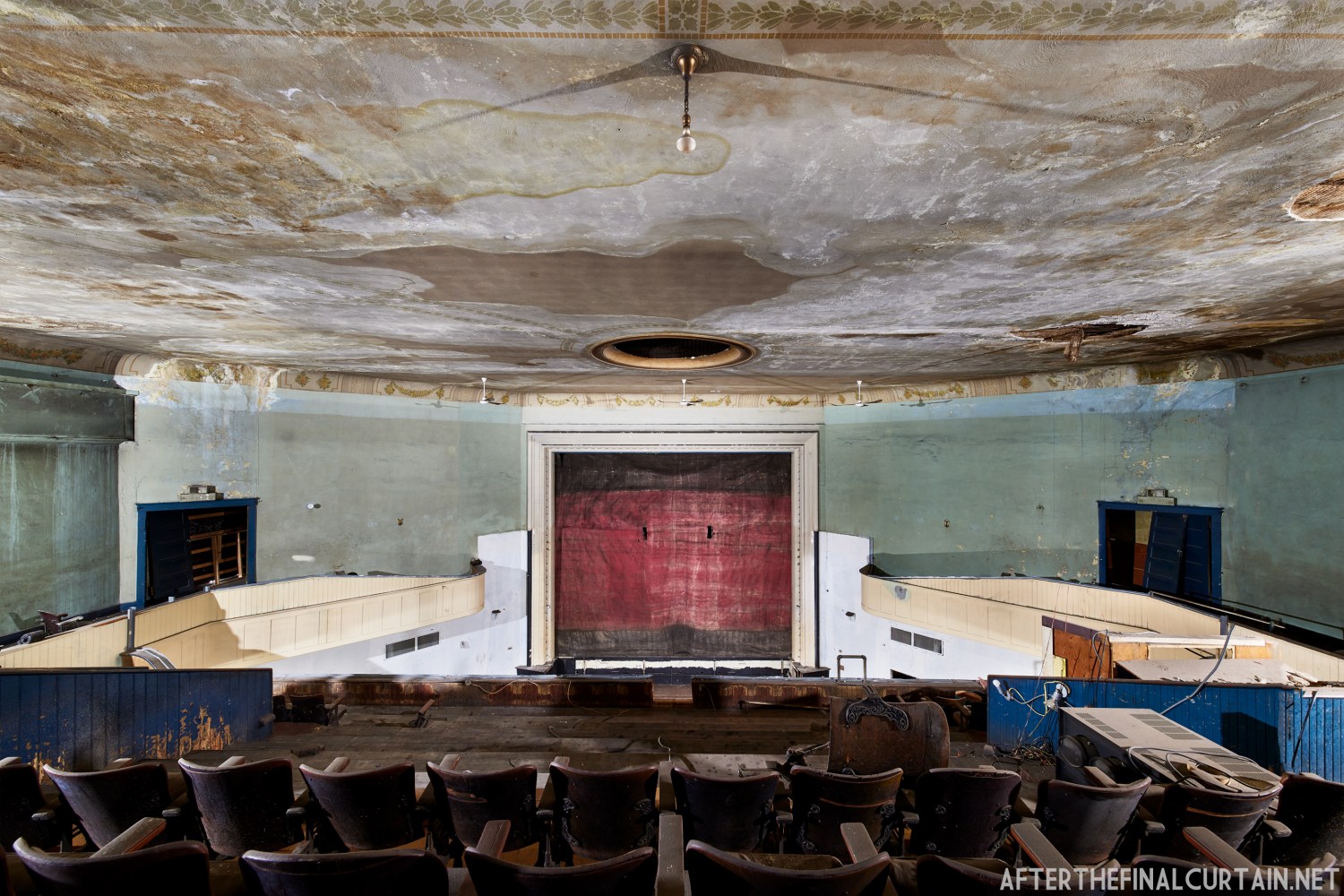
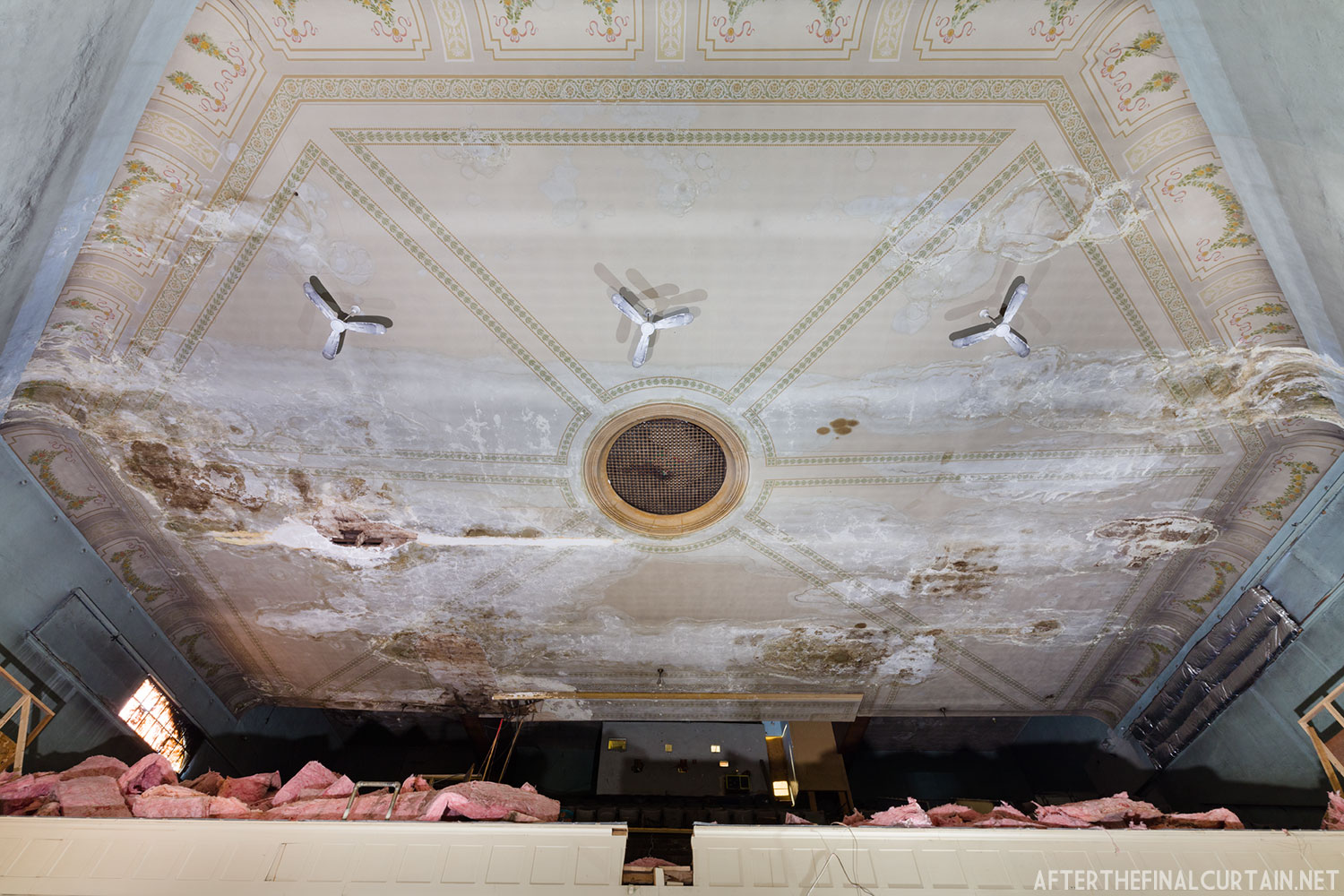
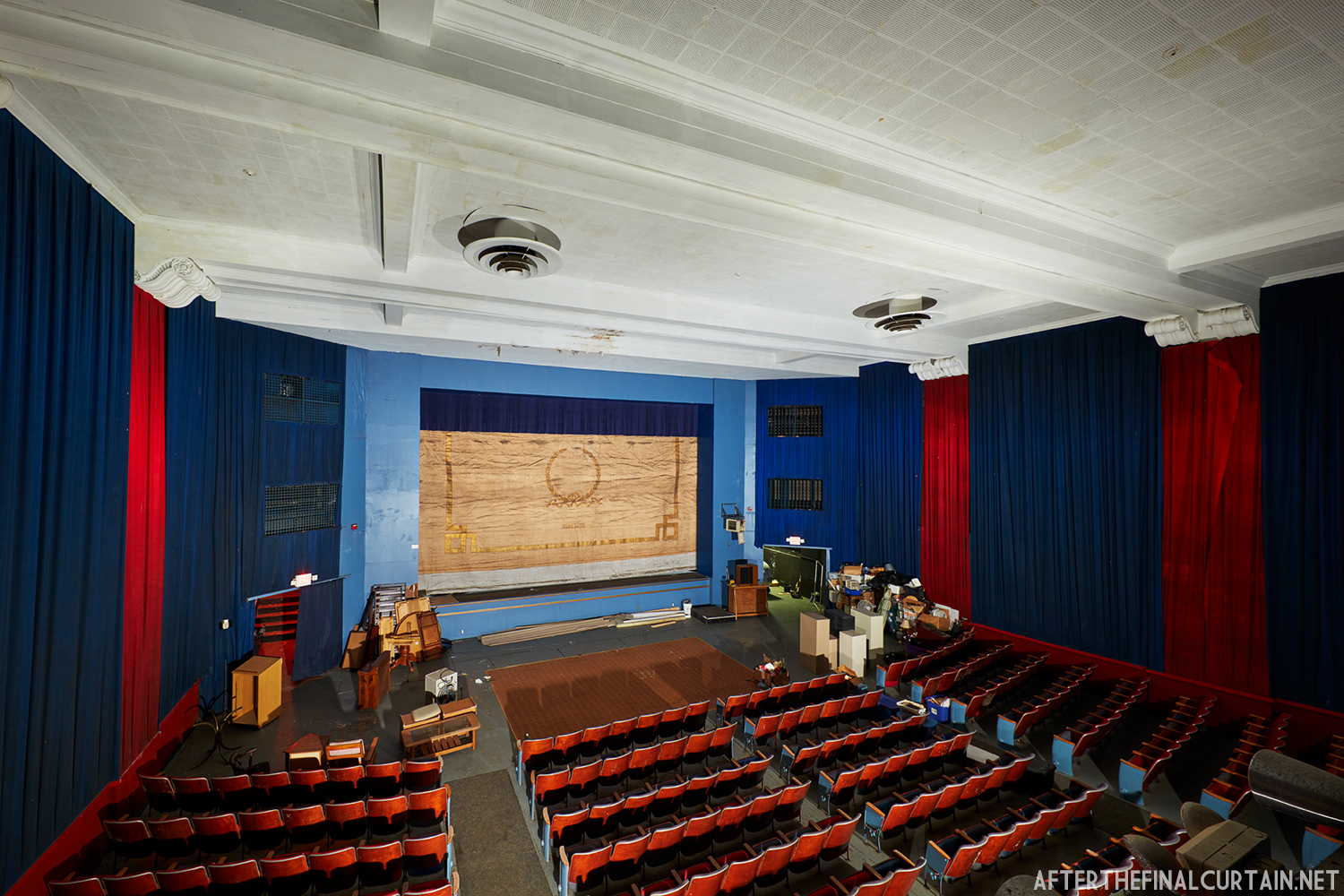
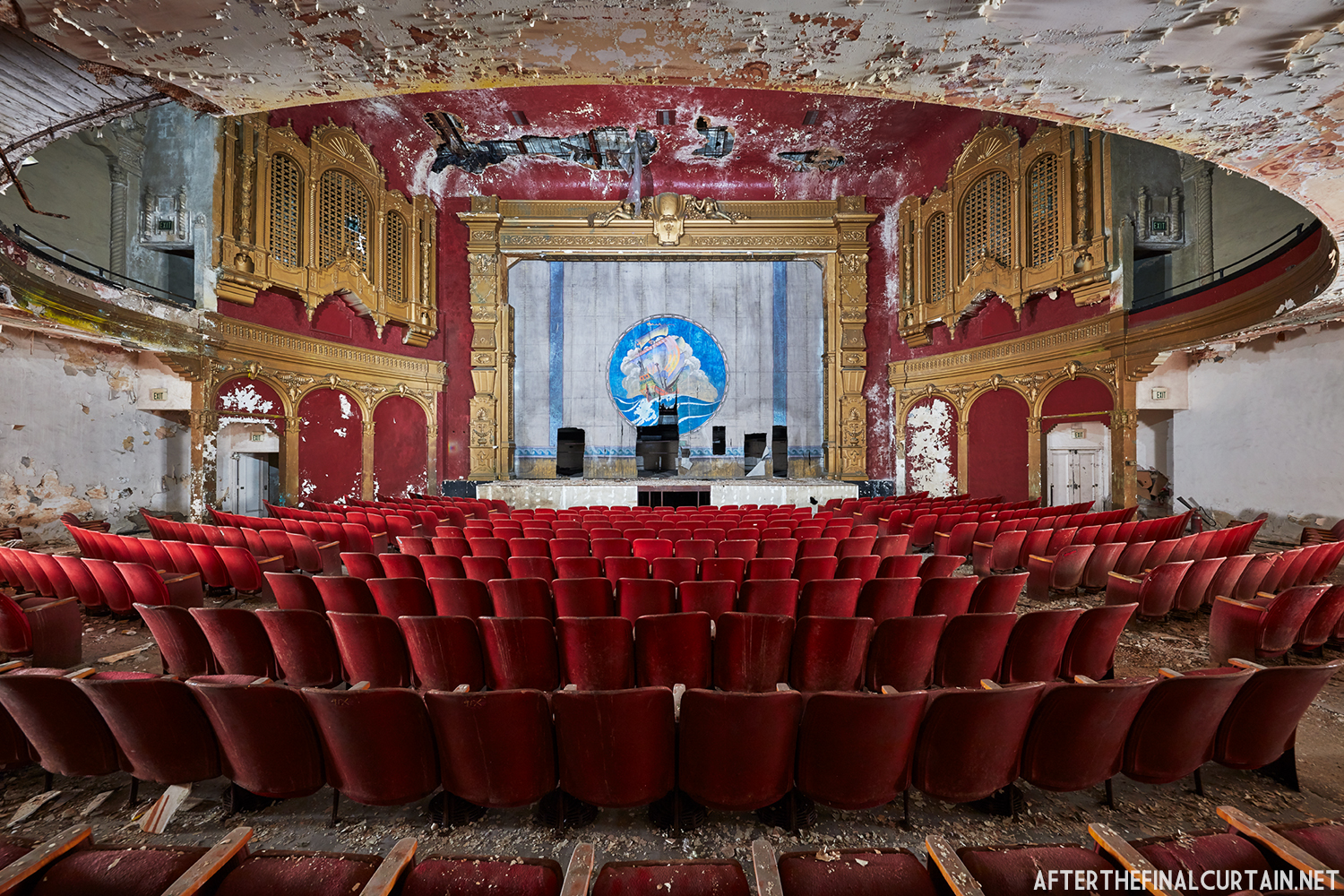
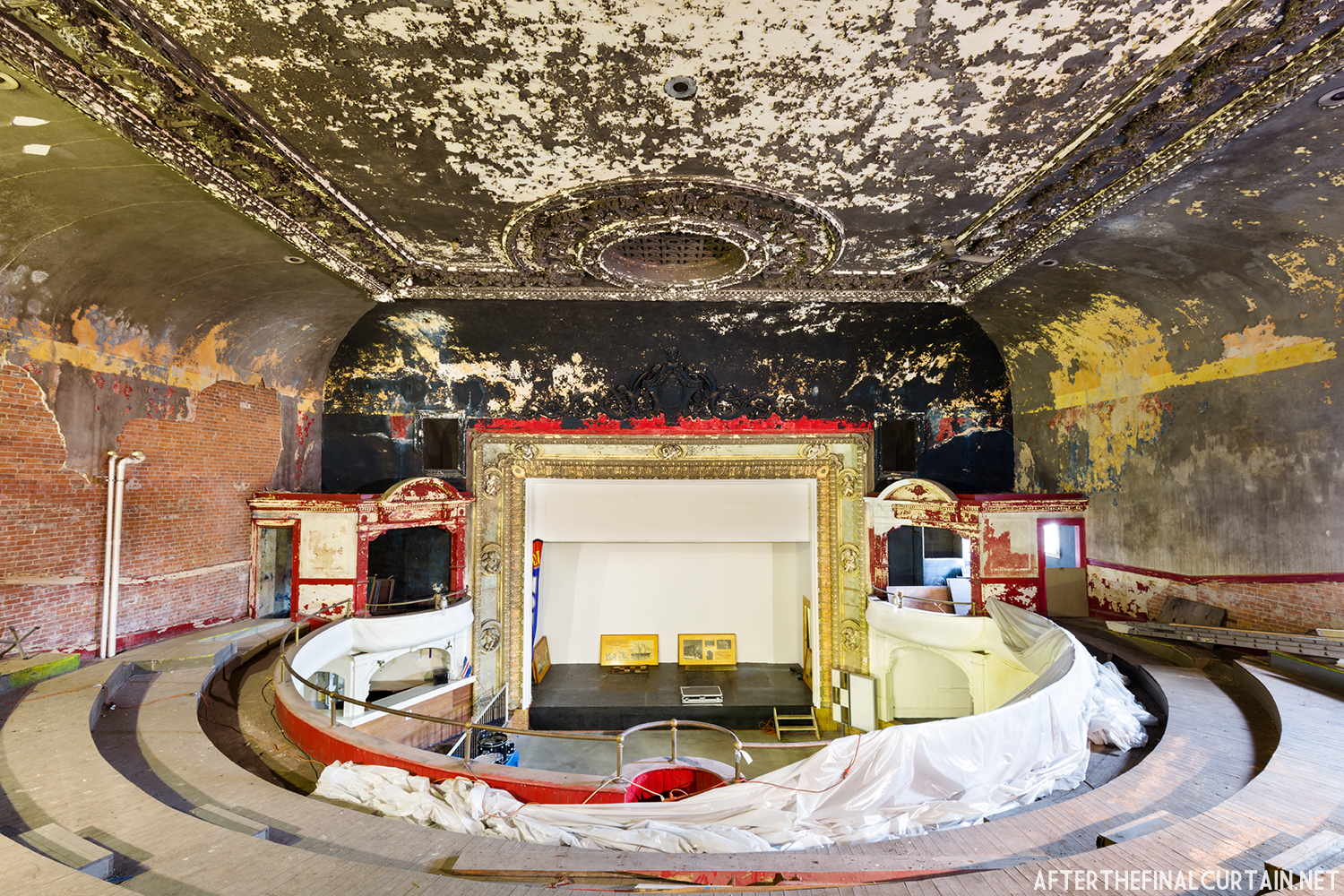
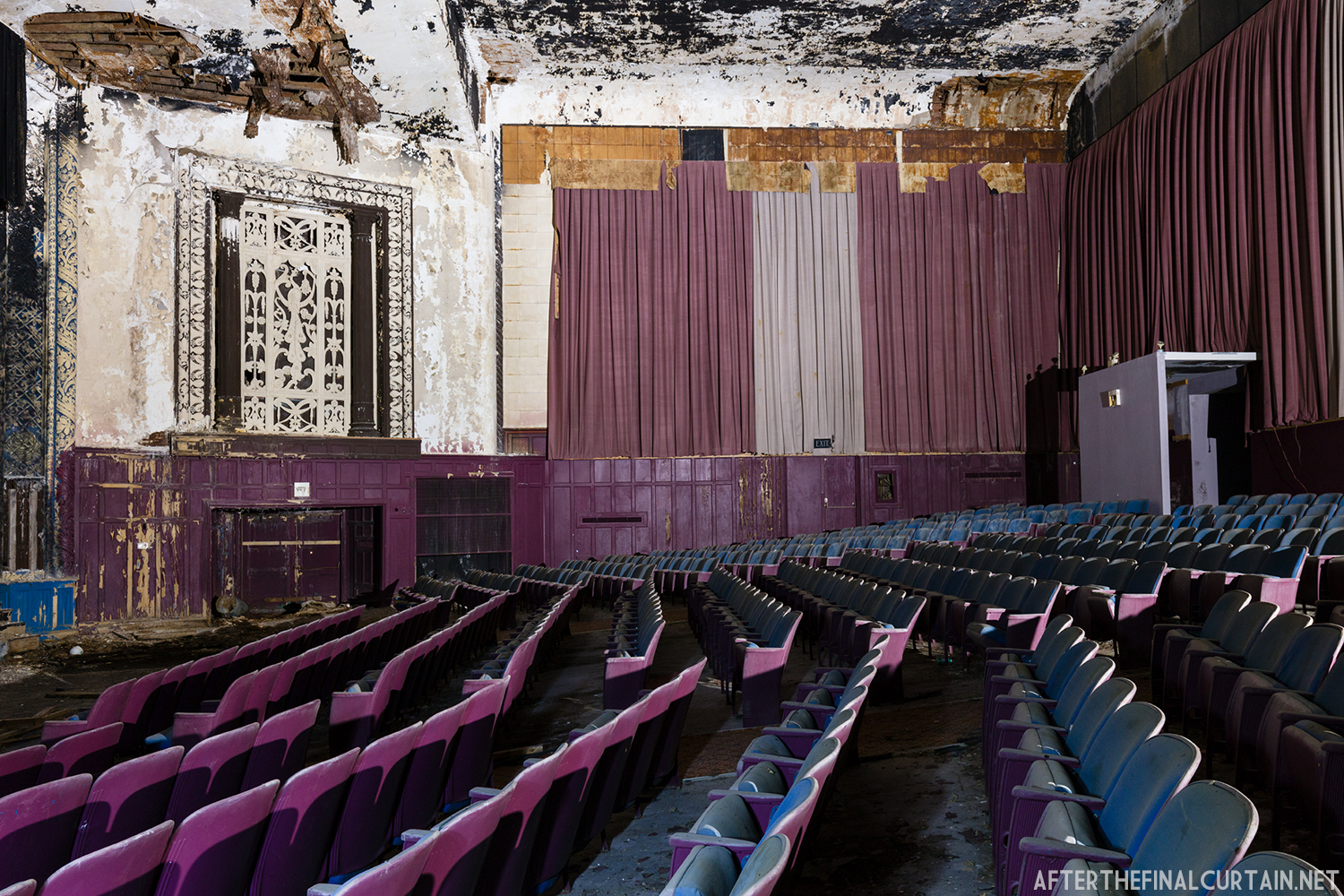
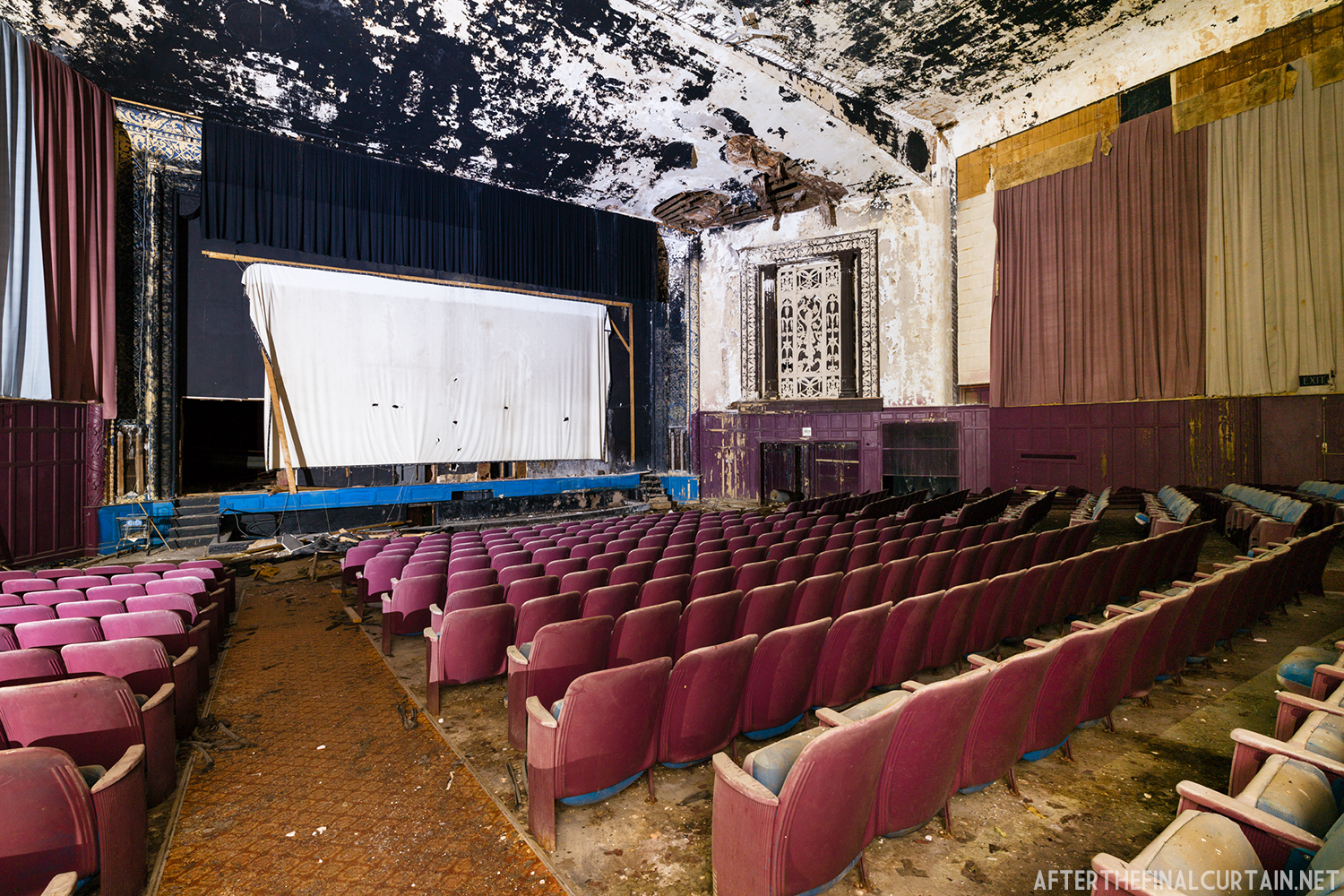
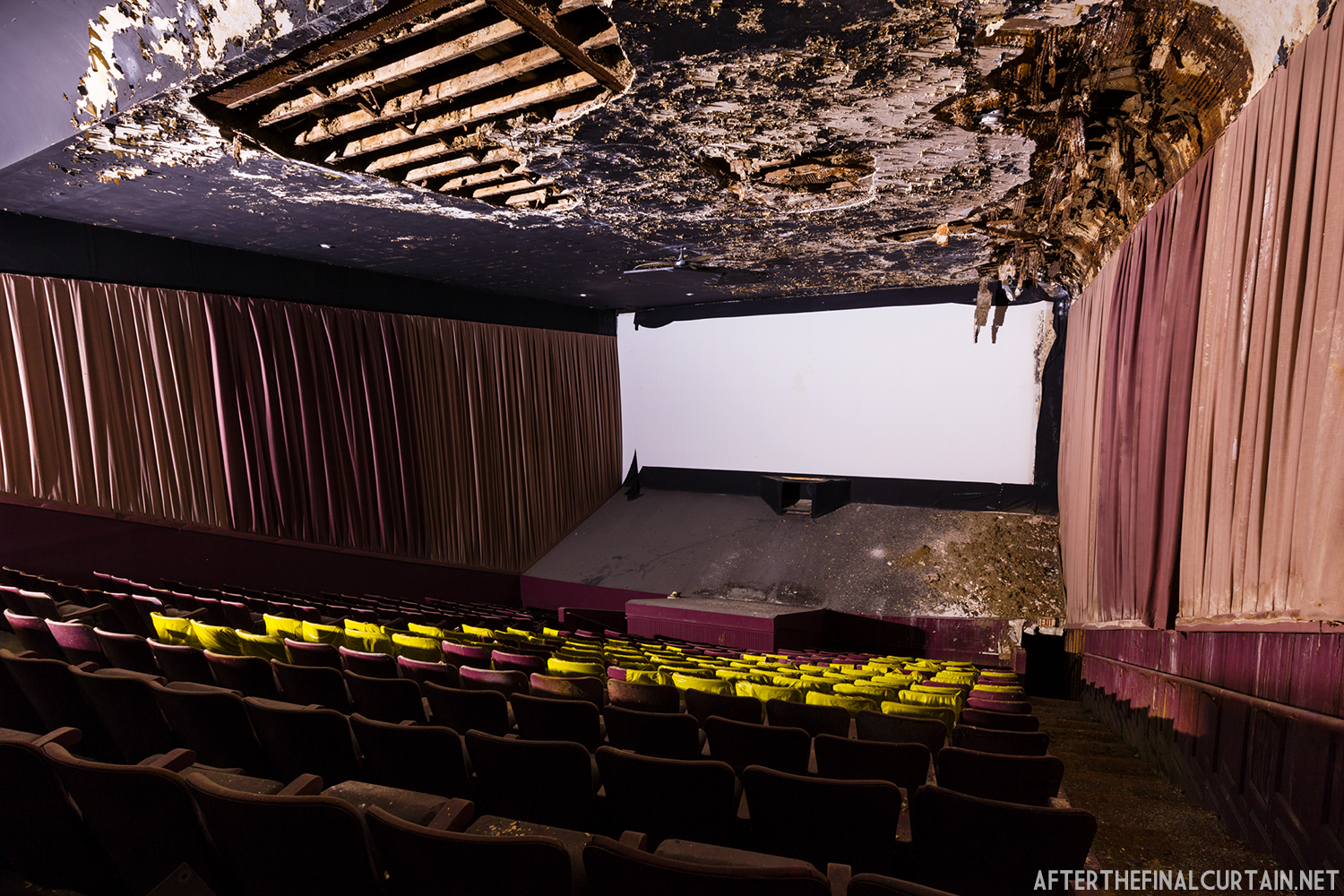
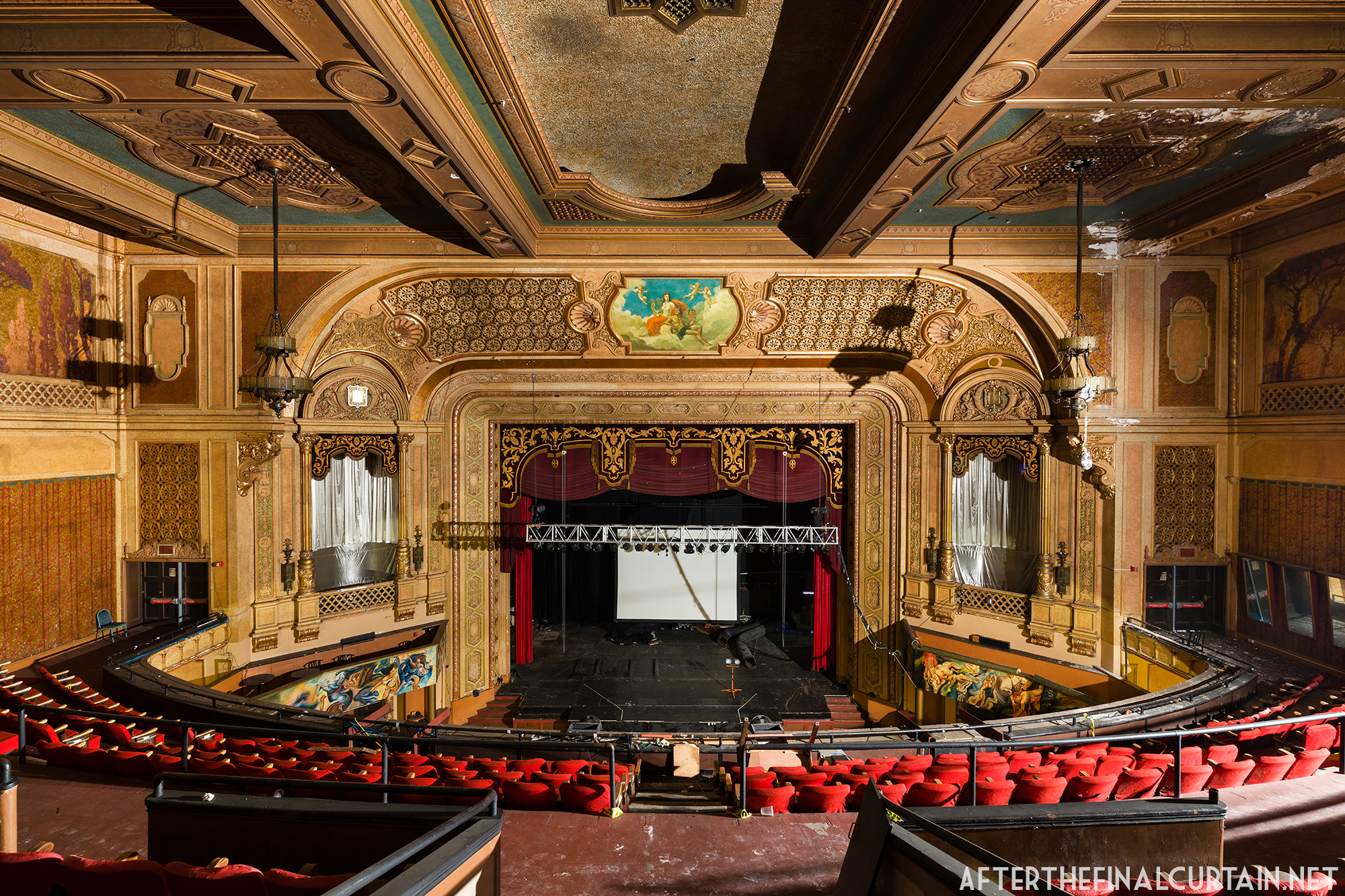
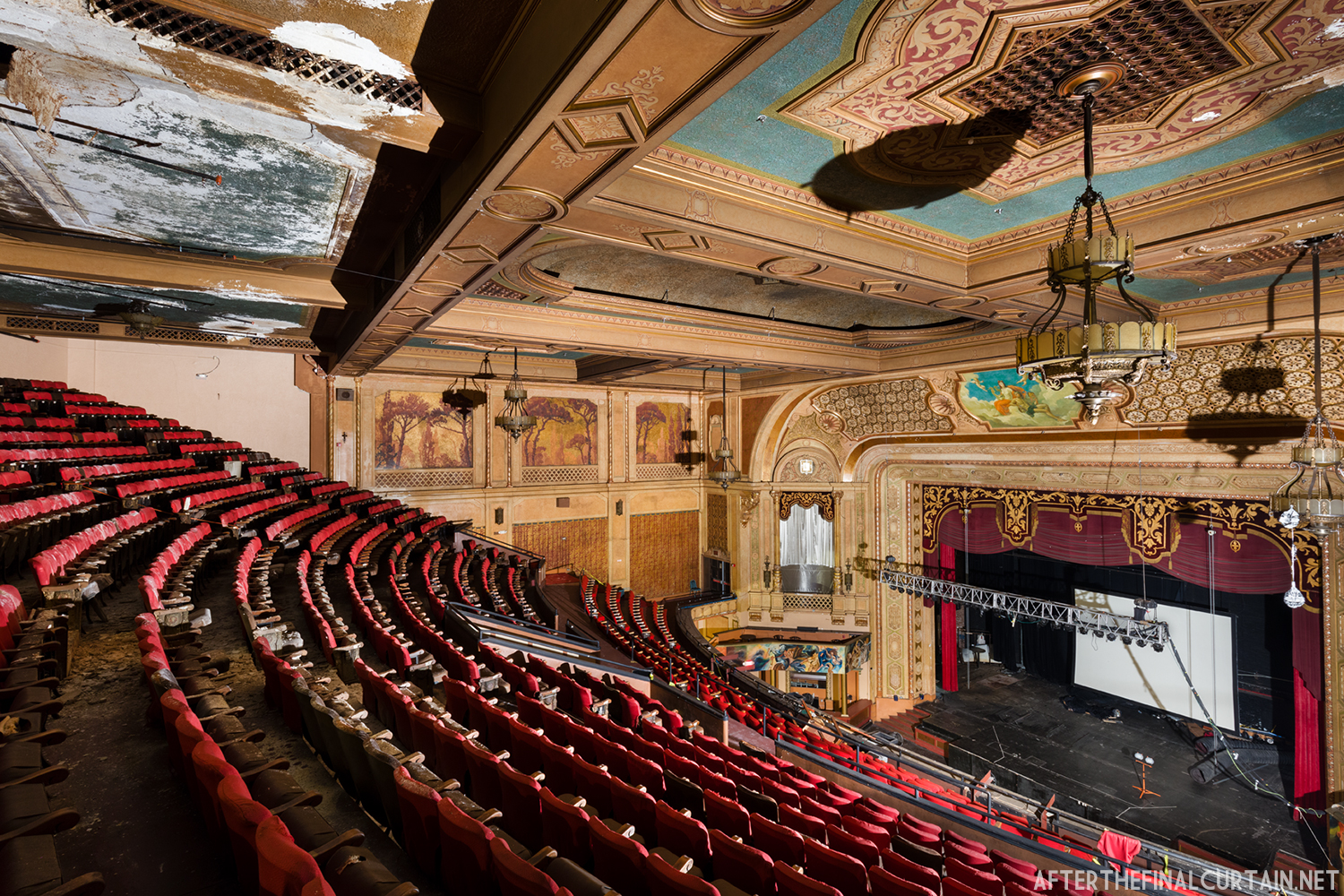
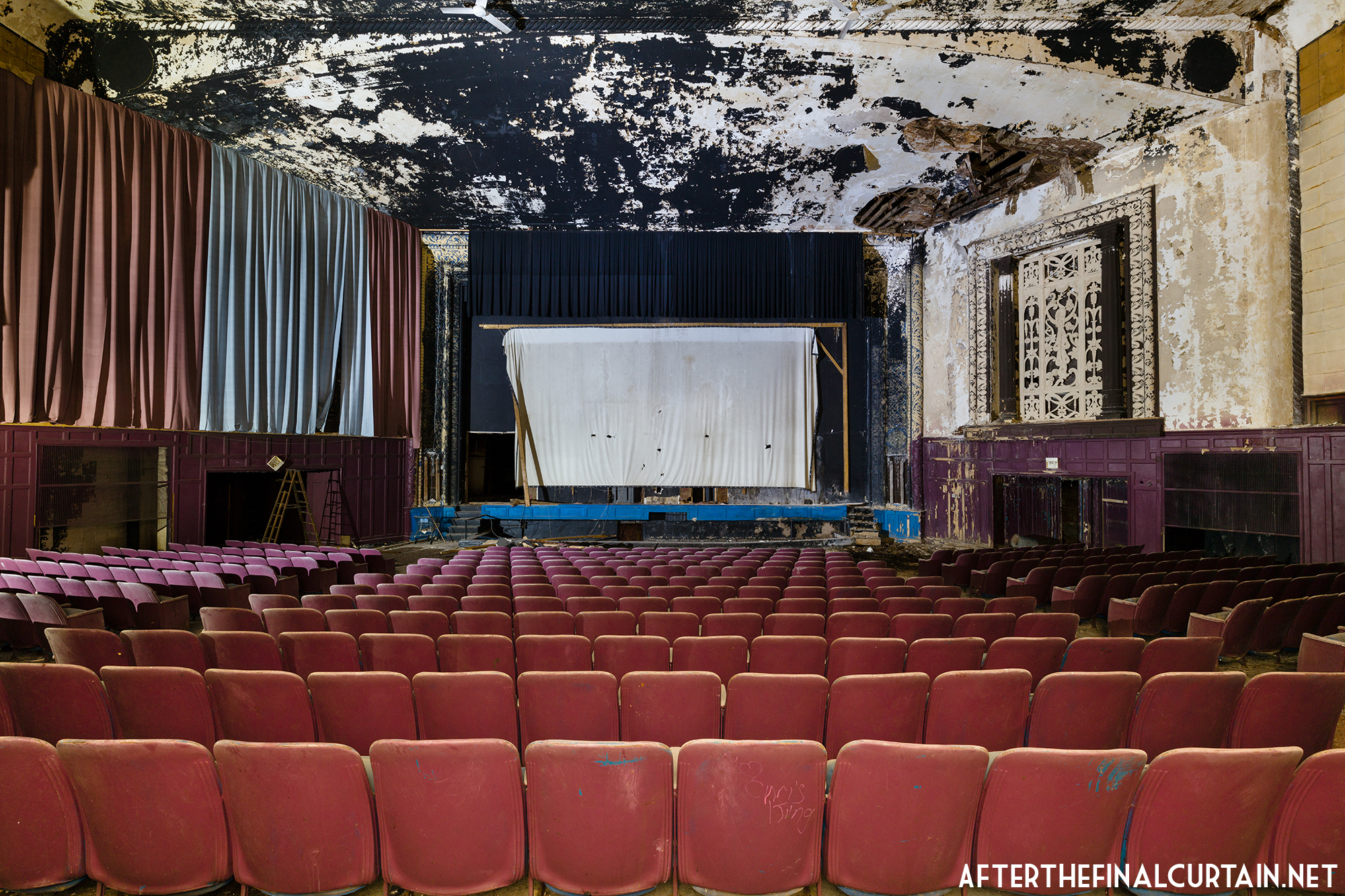
View of the auditorium from the orchestra level.

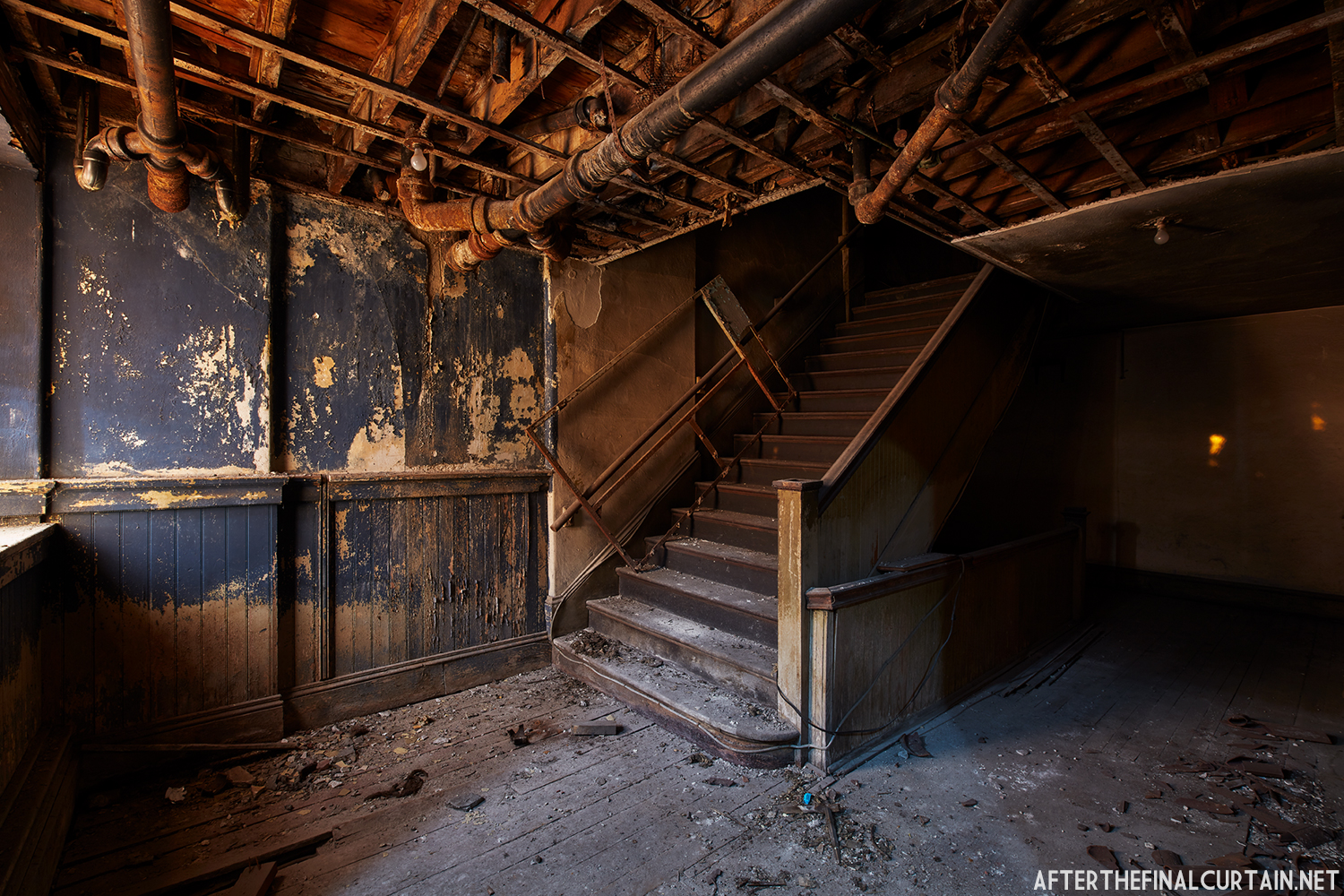
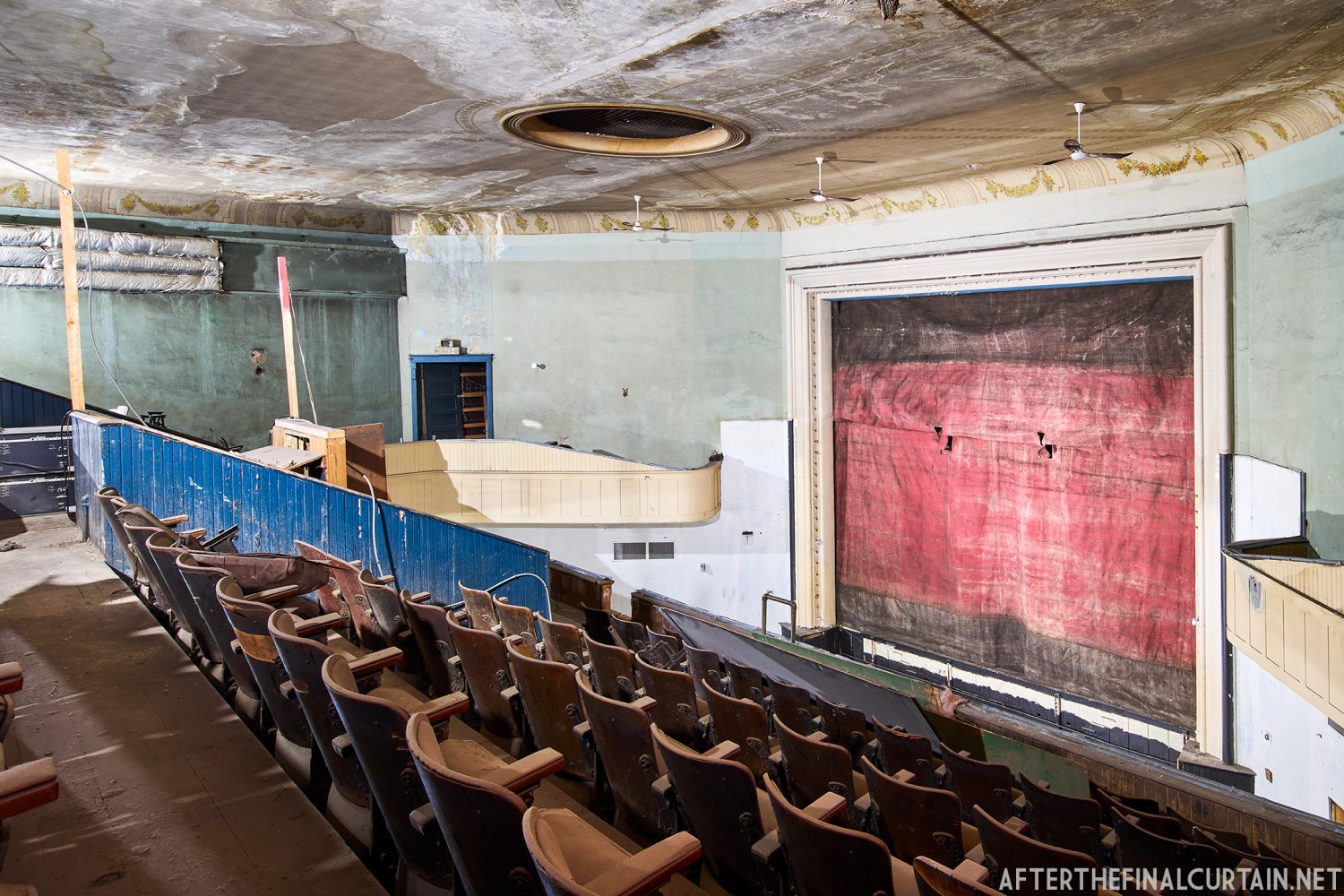
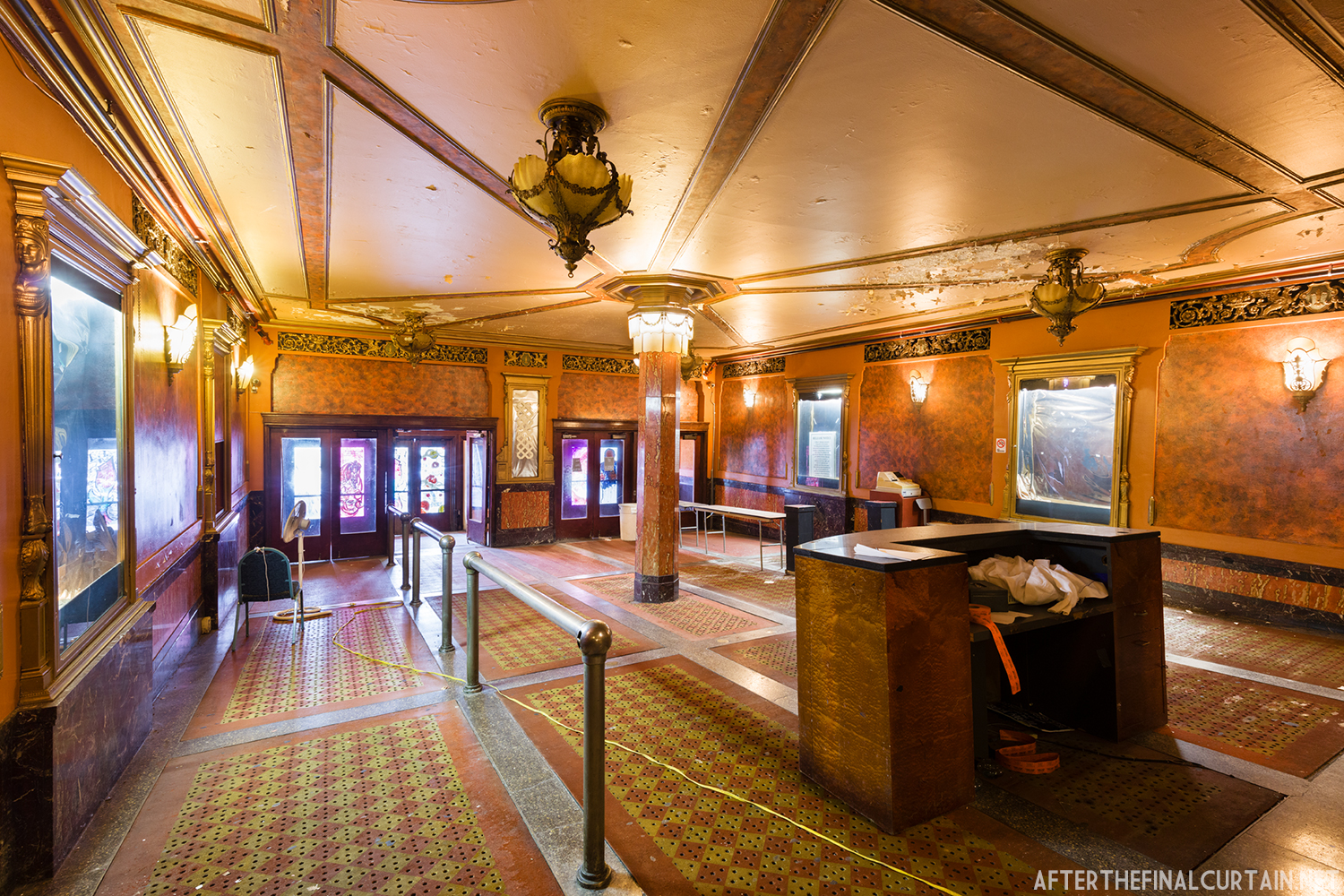
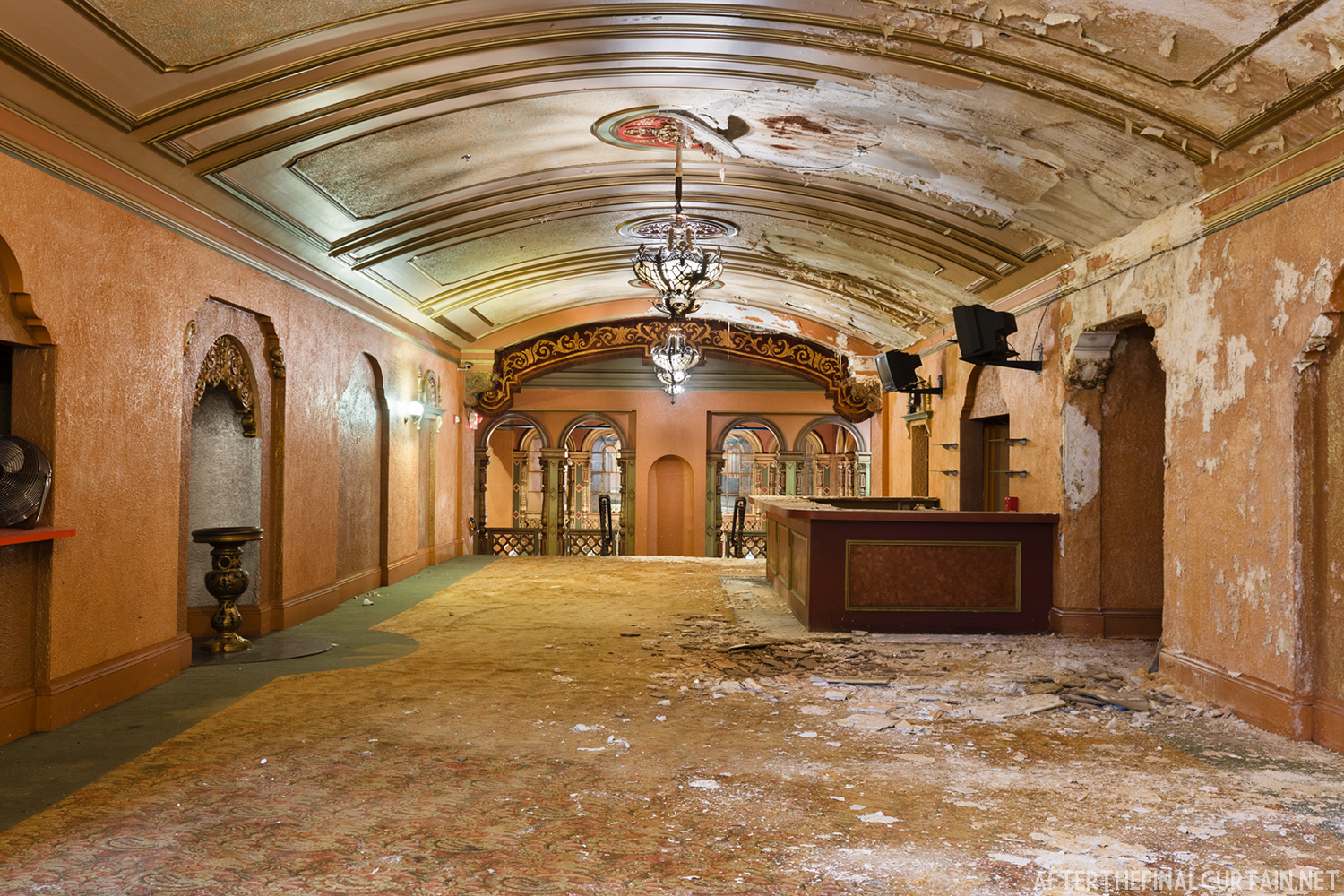
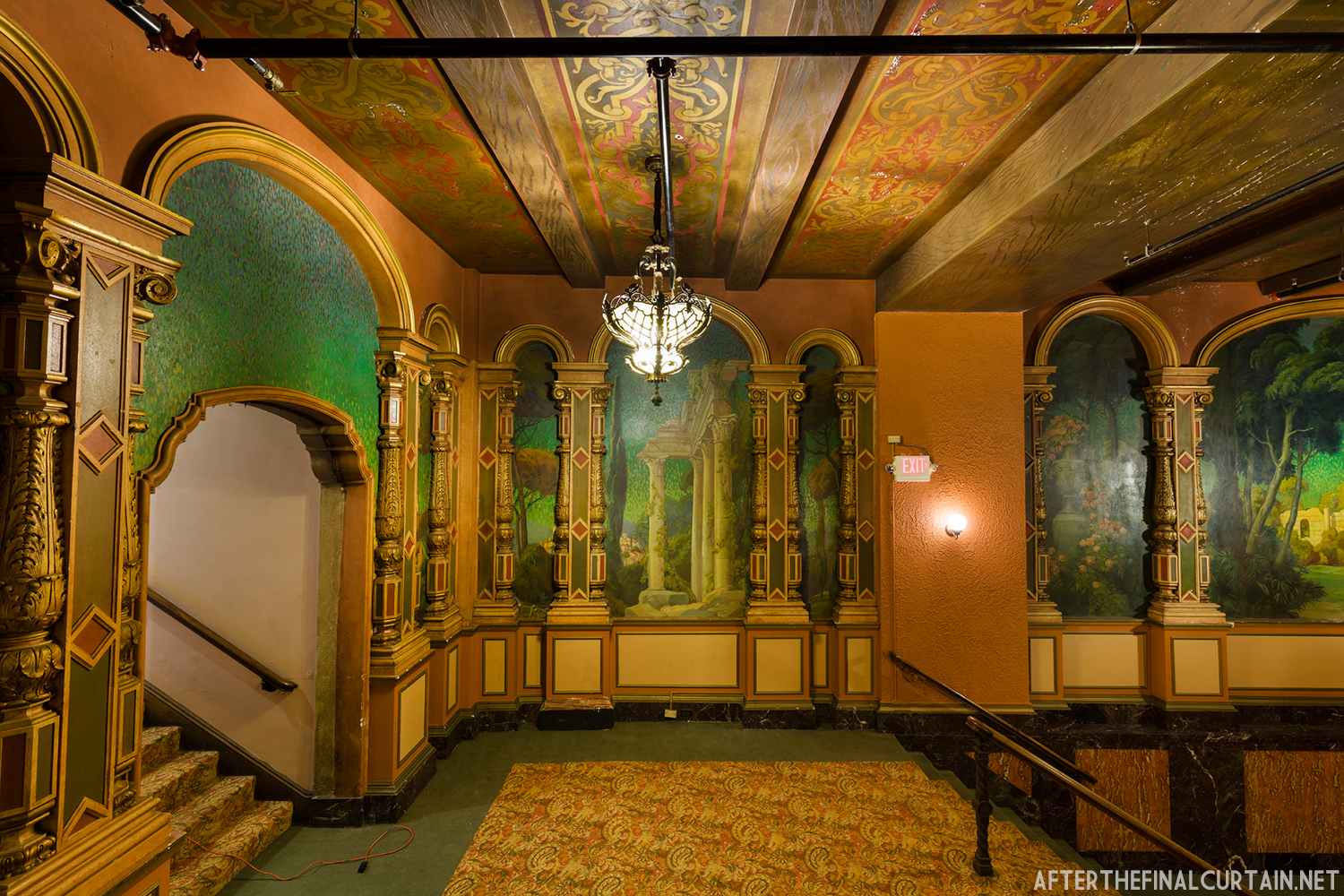
The Strand Theatre opened in downtown Clinton, Massachusetts, on Labor Day weekend in 1924, built to replace a section of High Street that had been destroyed by fire. Originally named the Philbin Theater, it hosted vaudeville acts, live performances, and silent films before transitioning to talkies in 1929. A naming contest soon after its opening led to the name that would stay with it for nearly a century. For decades, the Strand remained a key part of Clinton’s entertainment scene, offering a mix of live shows and films while competing with other theaters in town.  

By the late 1970s, changing entertainment trends and declining attendance forced the Strand to close, leaving its doors shuttered for almost twenty years. In 1995, a full-scale renovation transformed the space into a cinema draft house, allowing audiences to watch second-run and classic films while enjoying food and drinks. Some seating was removed to accommodate small tables, but much of the historic charm remained intact. Open six nights a week, the Strand once again became a popular fixture in downtown Clinton, offering an alternative to larger, corporate-owned theaters. The MGM Theatre Report from 1941 documented its original layout of 1,112 seats—715 in the orchestra and 397 in the balcony—confirming its place as a major venue in the area.  

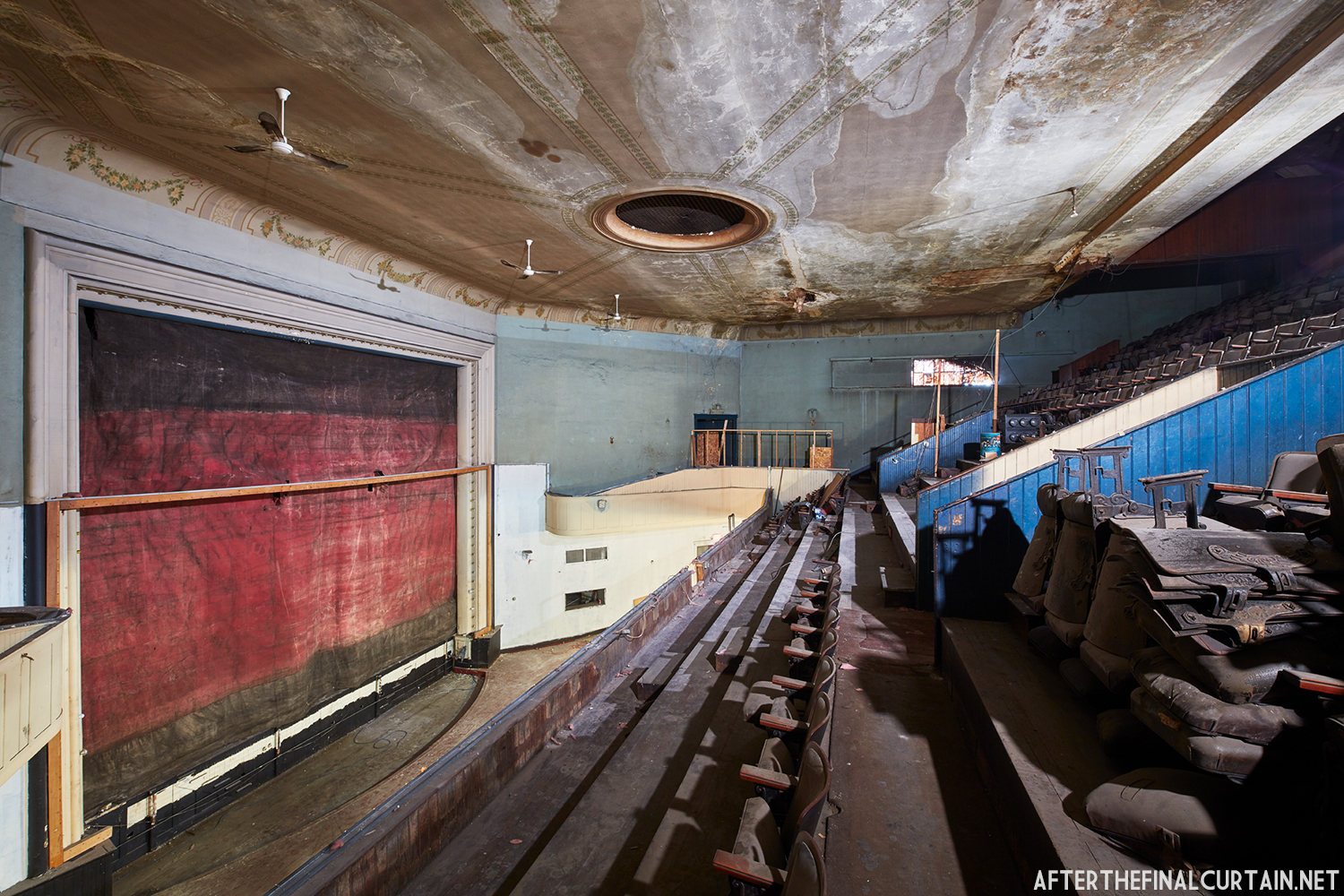
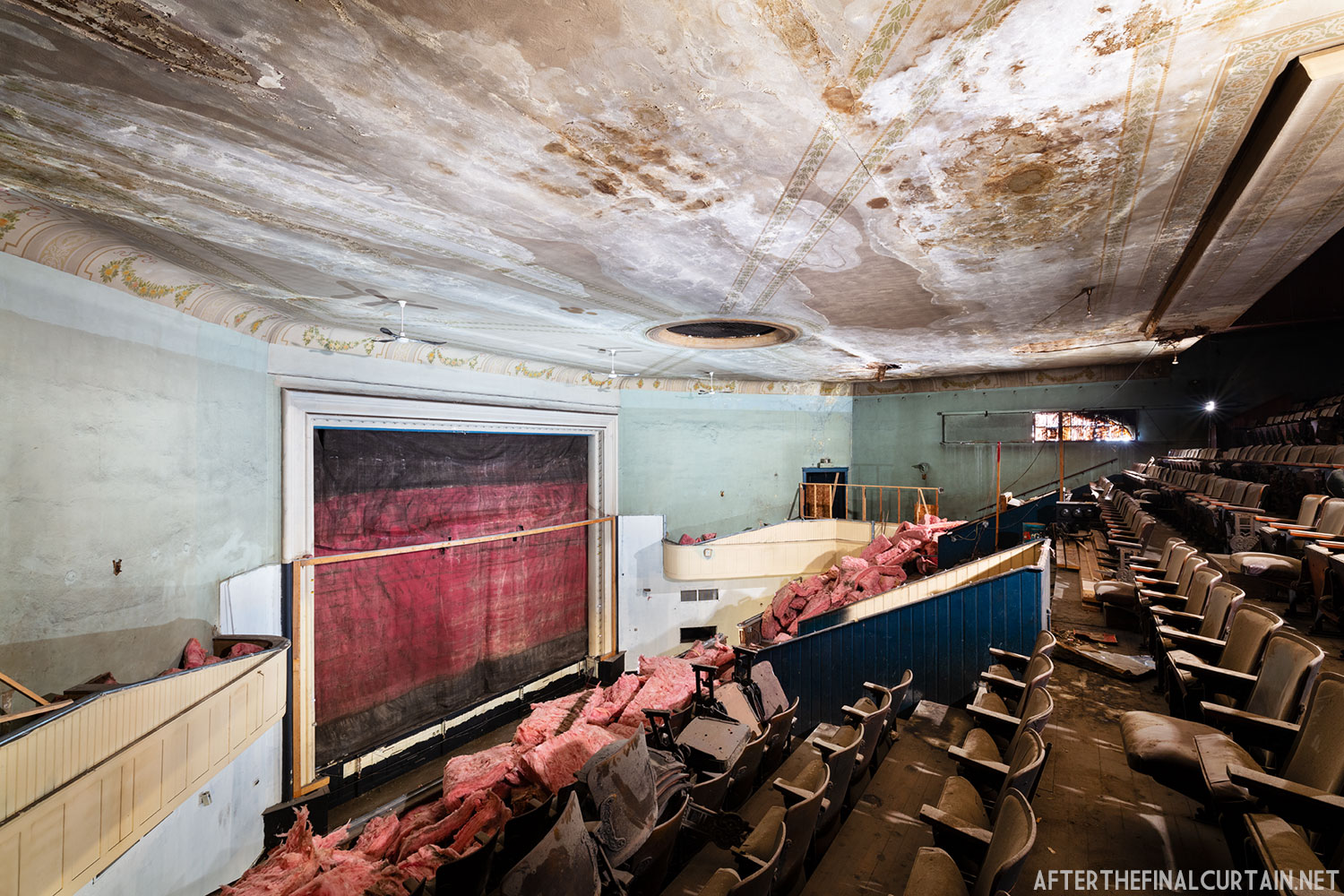
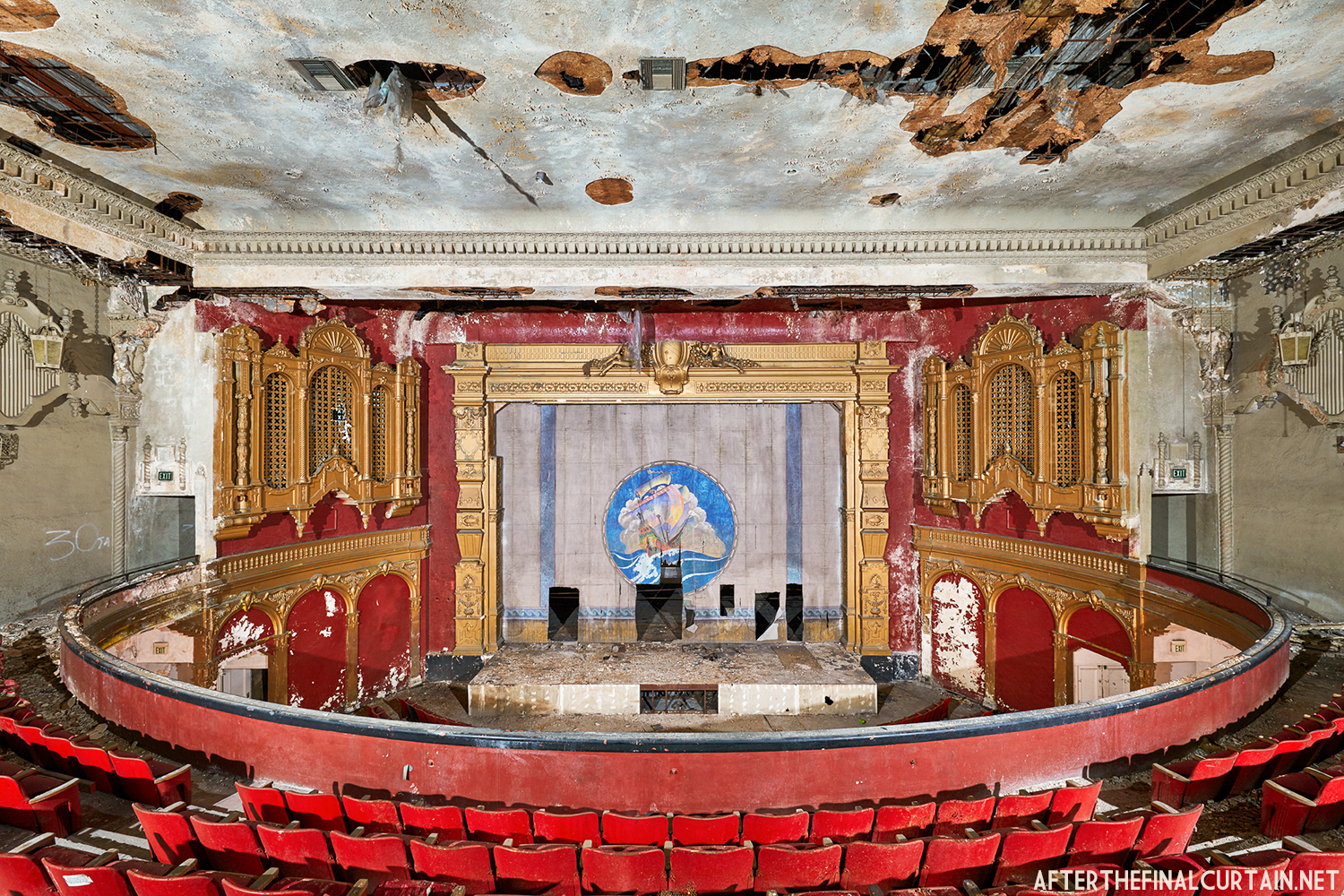
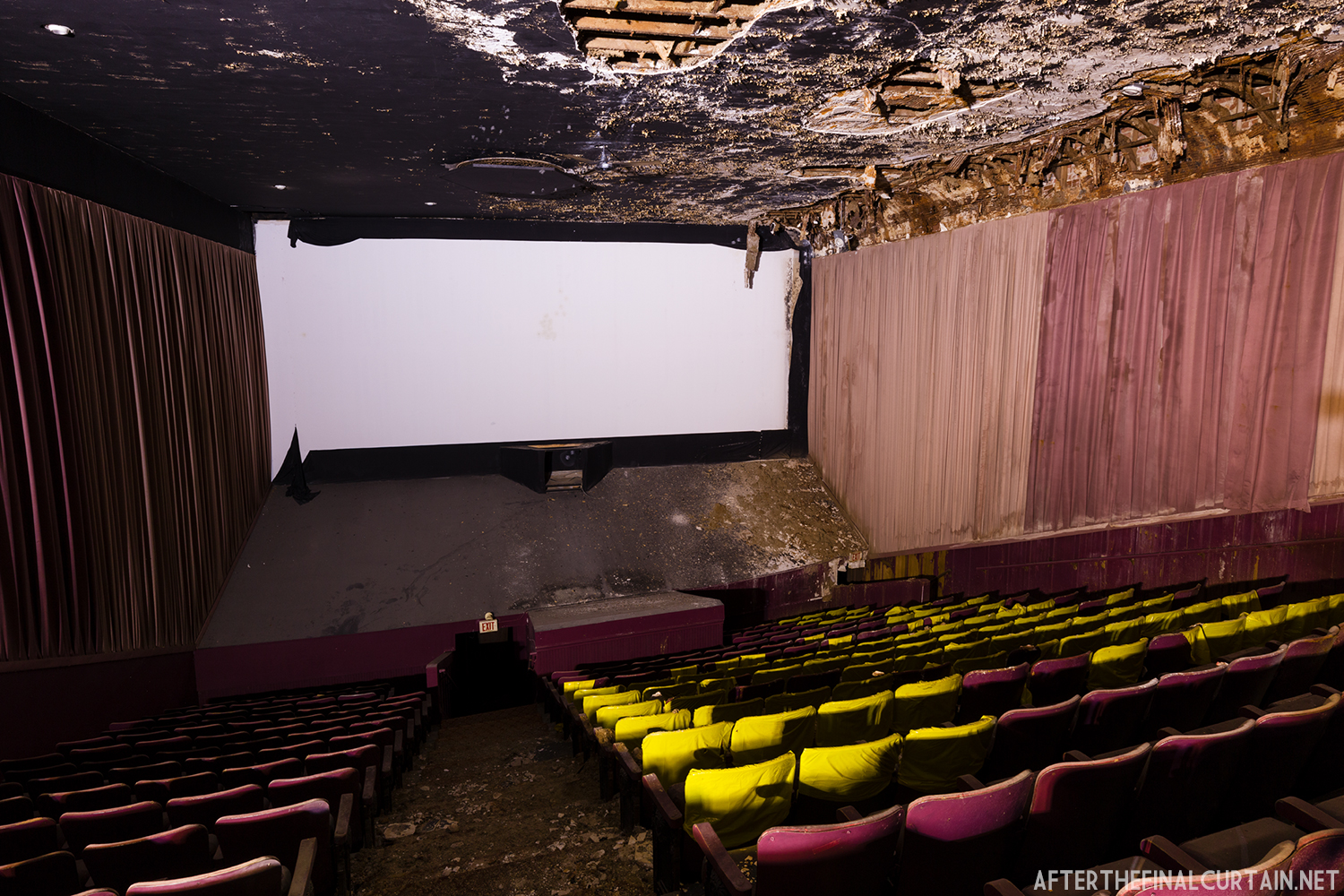
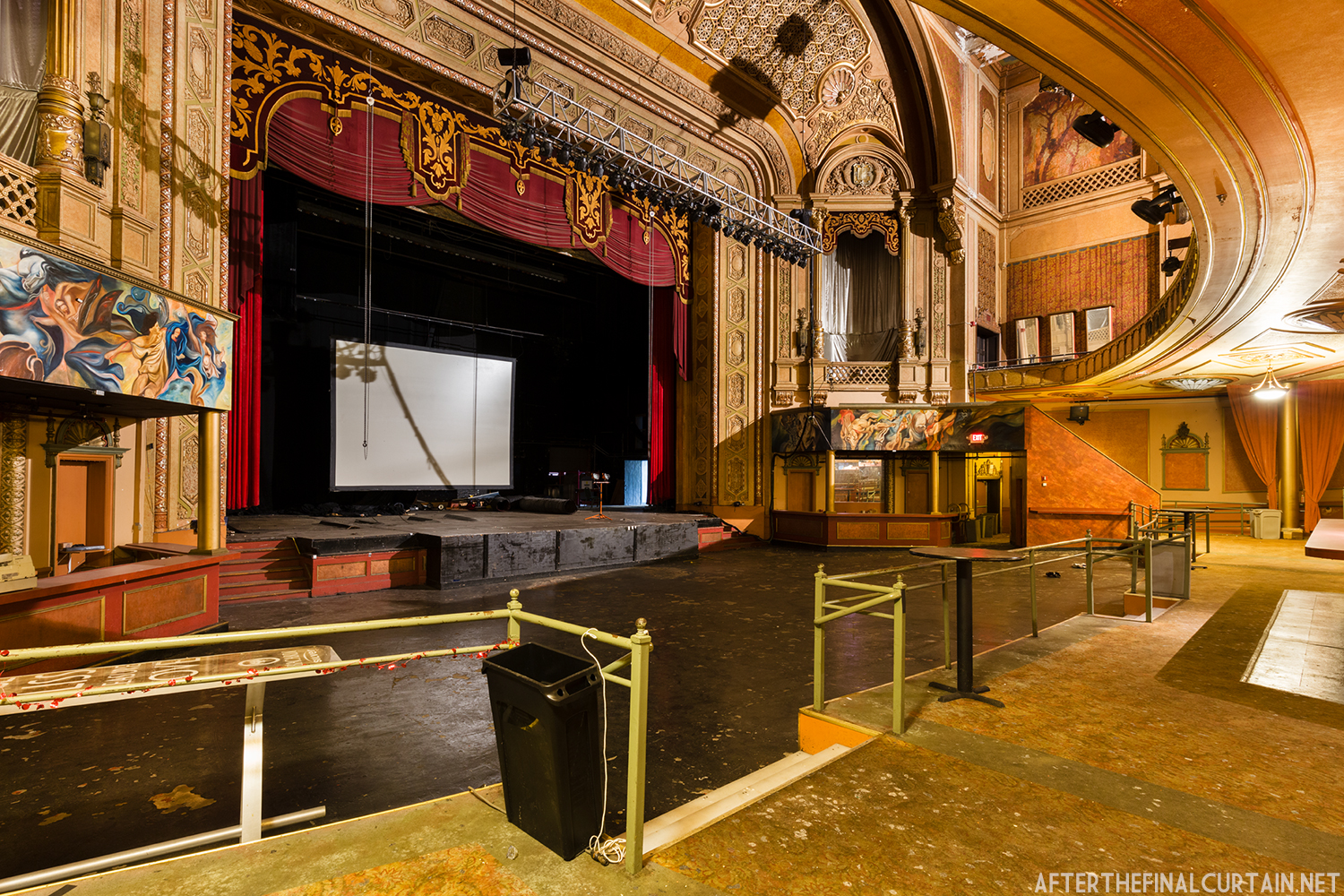
View of the auditorium from the side of balcony.

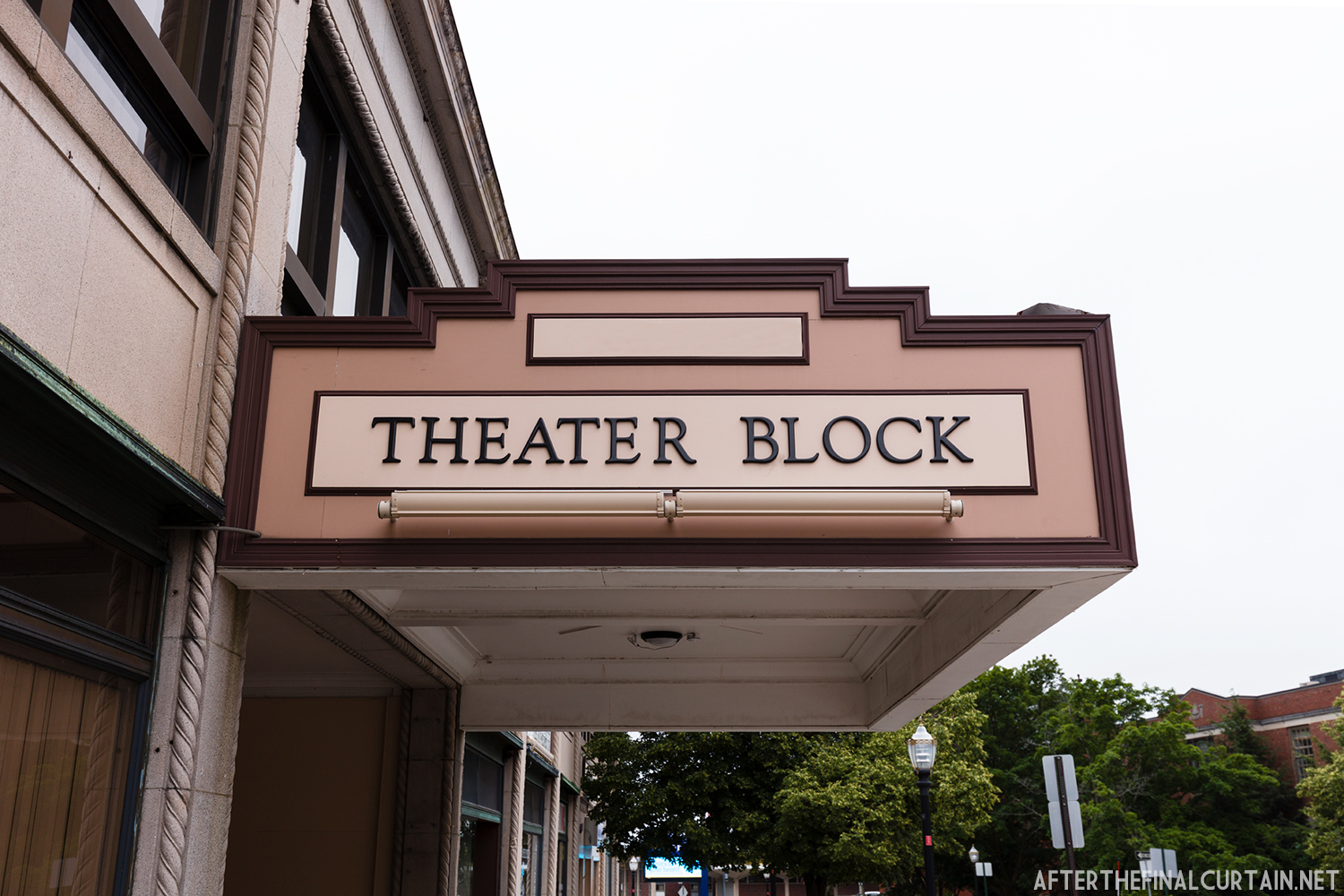
The COVID-19 pandemic forced the Strand to close in March 2020, and although it reopened in May 2021, attendance never fully recovered. On December 31 of that year, it held its final film screening before closing once again, leaving a significant gap in Clinton’s downtown. Determined to revive the theater, town officials secured $100,000 in state American Rescue Plan Act (ARPA) funds and set aside an additional $300,000 in local ARPA funding. However, in order for the funding to be used, a new owner must be willing to invest an equal amount. Another $70,000 from the Local Rapid Recovery Plan has been allocated to restore the Strand’s iconic marquee, which has long served as a visual anchor on High Street.  

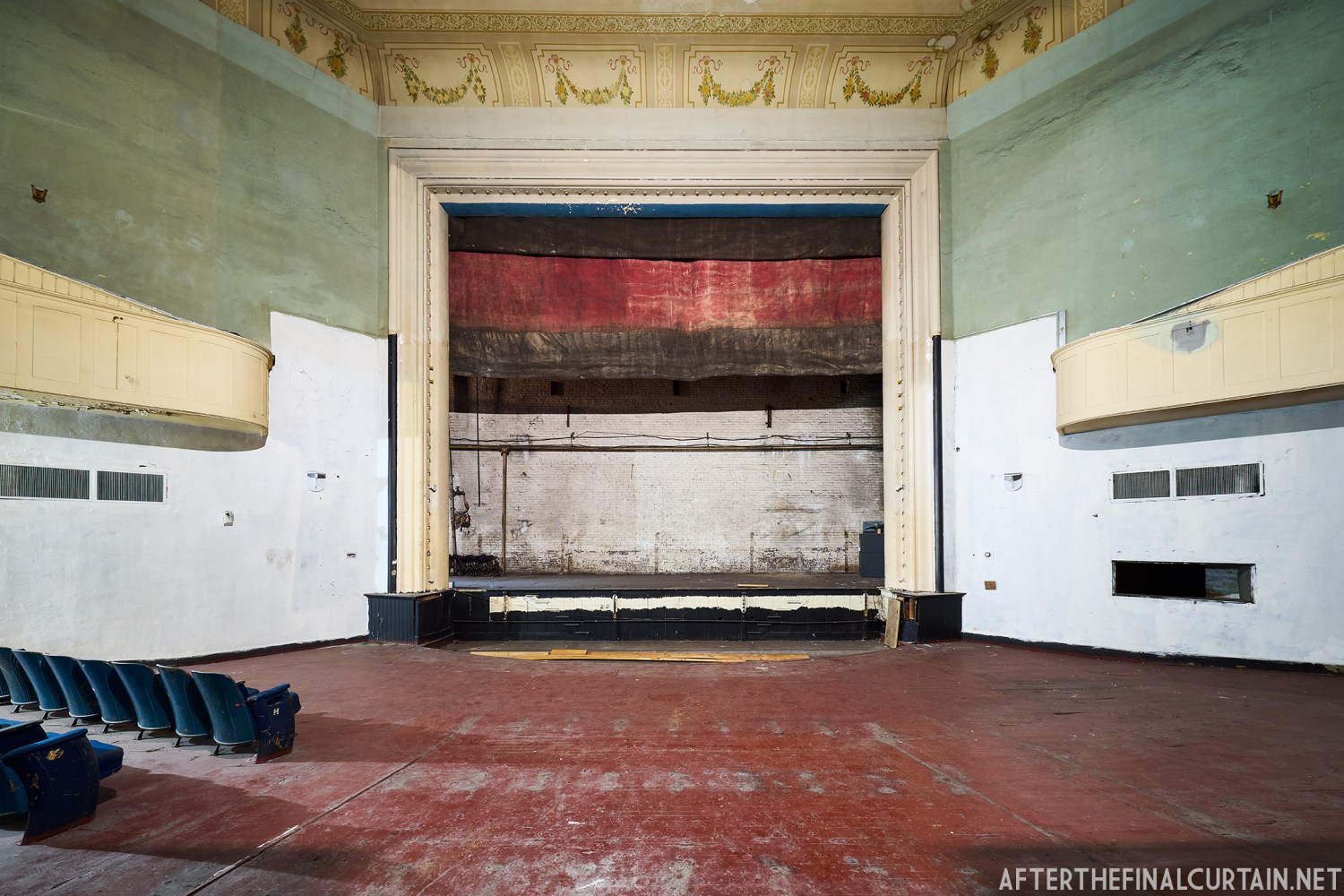
The effort to restore the Strand aligns with Clinton’s larger downtown revitalization project, which has included $4.5 million in infrastructure improvements such as new sidewalks, streetlights, and pedestrian-friendly spaces. Town officials believe the theater could play a key role in attracting visitors to the area, not just as a movie house, but as a multi-use entertainment venue. A retractable screen could allow for concerts, comedy shows, or theatrical performances, making the space more adaptable to modern audiences. A stage already exists behind the movie screen but remains inaccessible in its current configuration. The building is currently for sale.

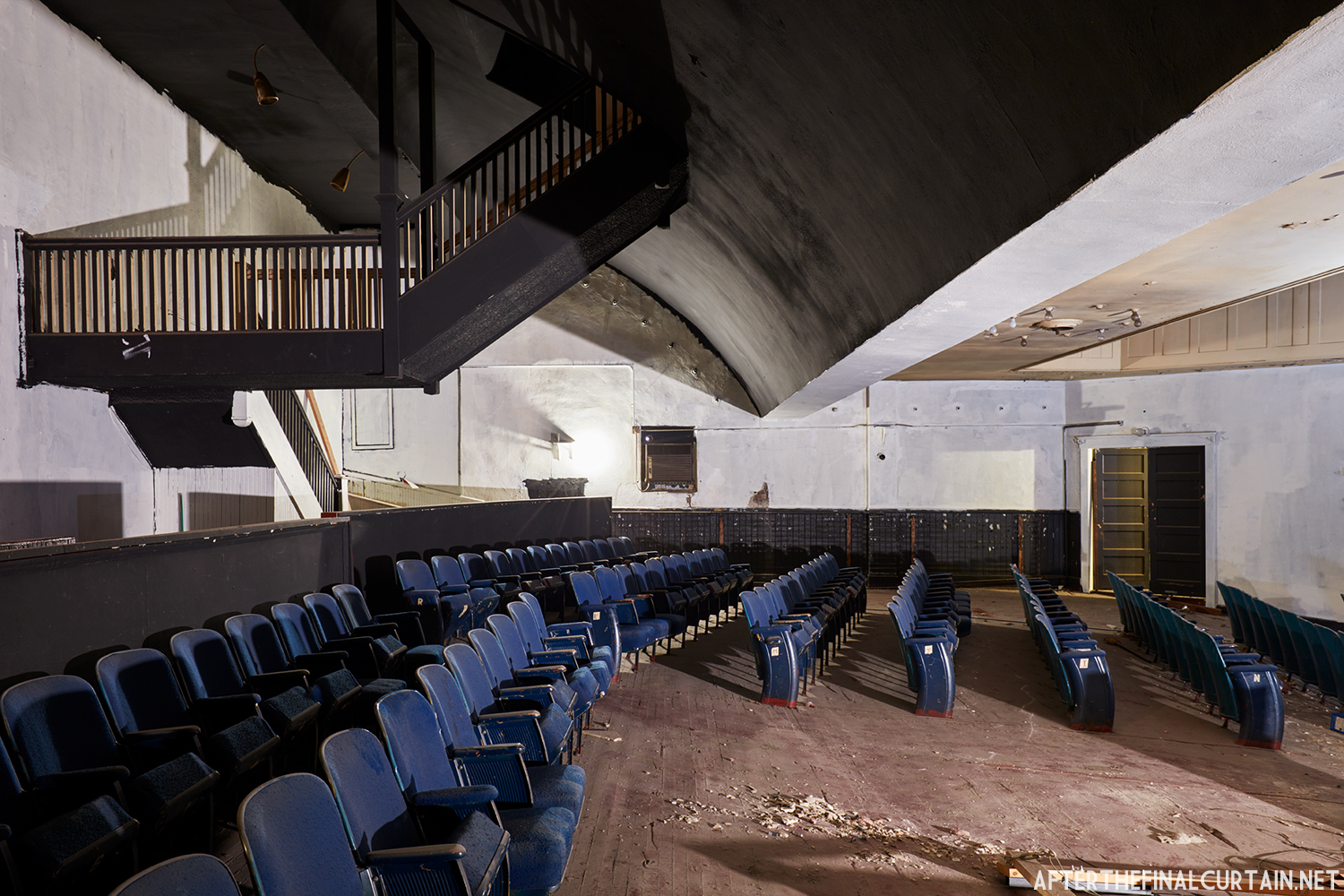
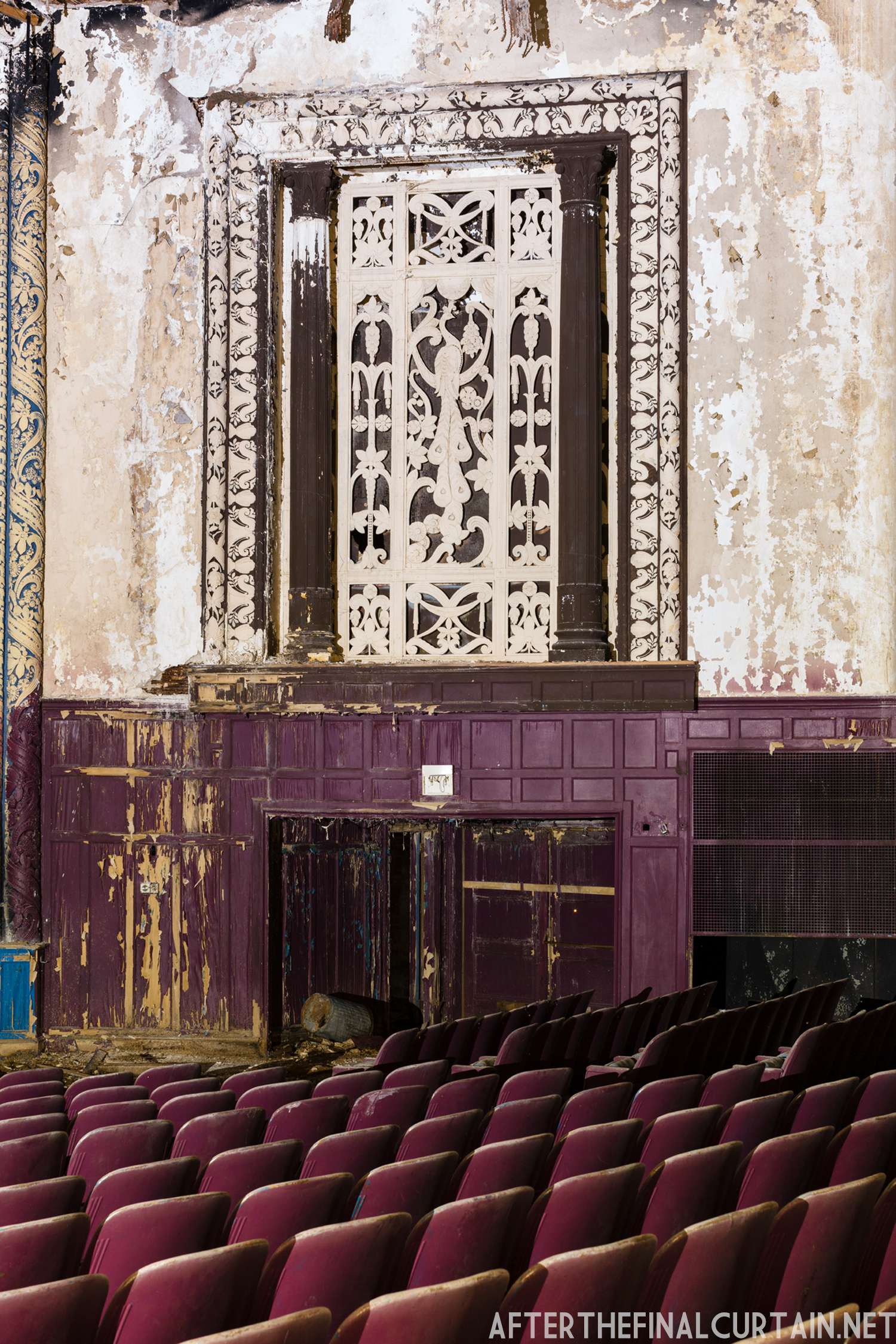
Some of the original seats remain in the balcony.
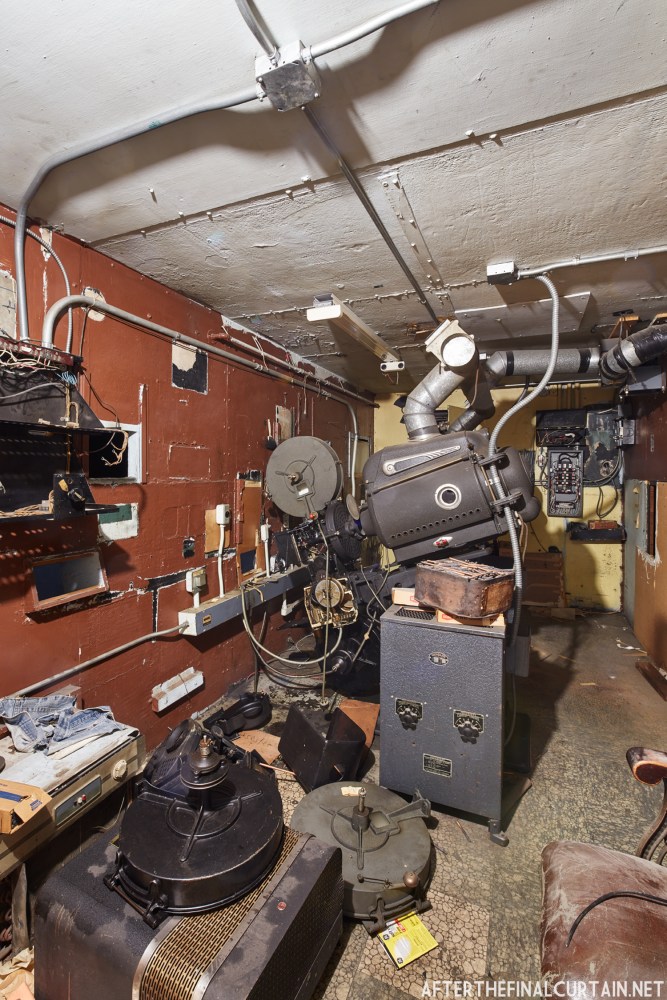
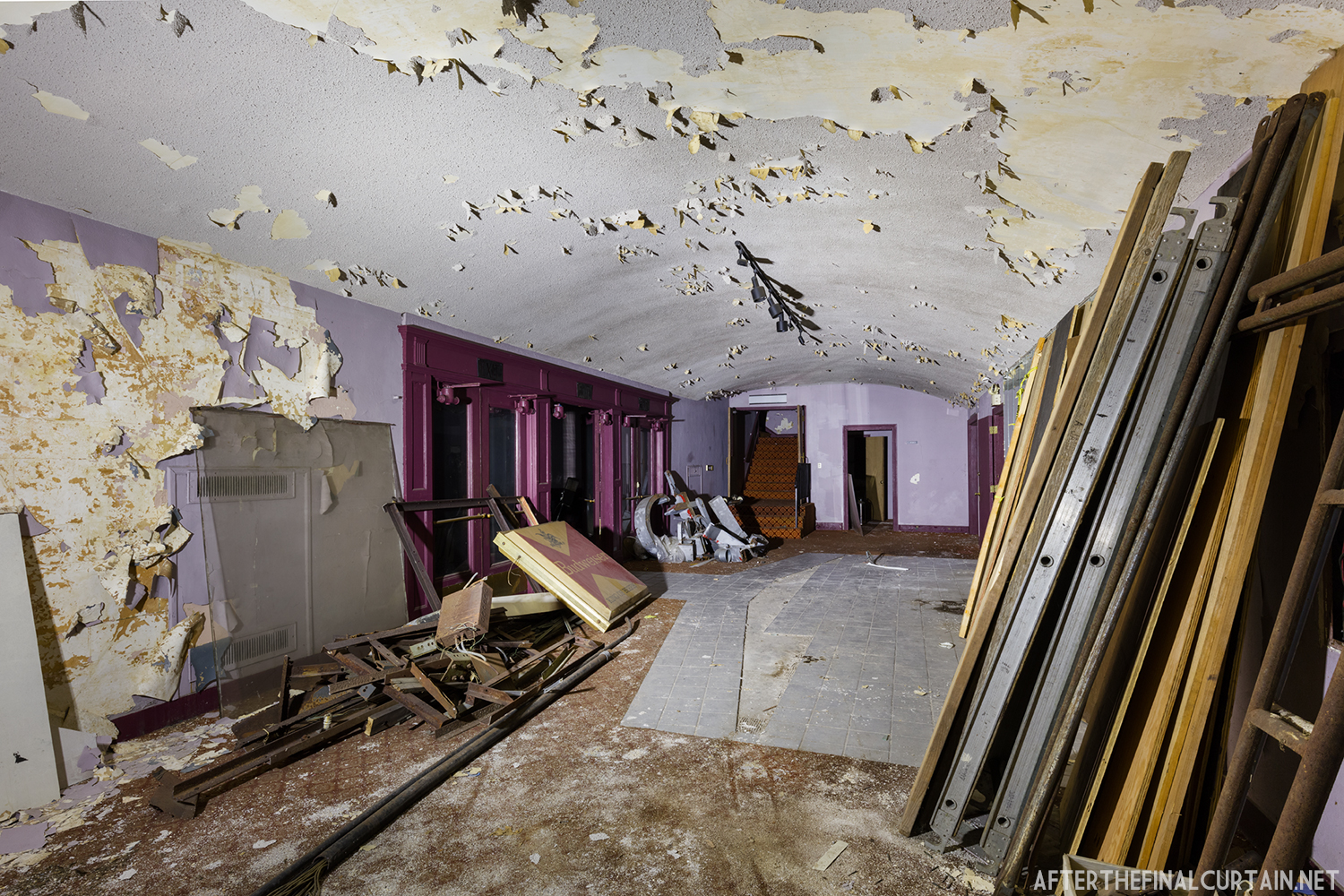
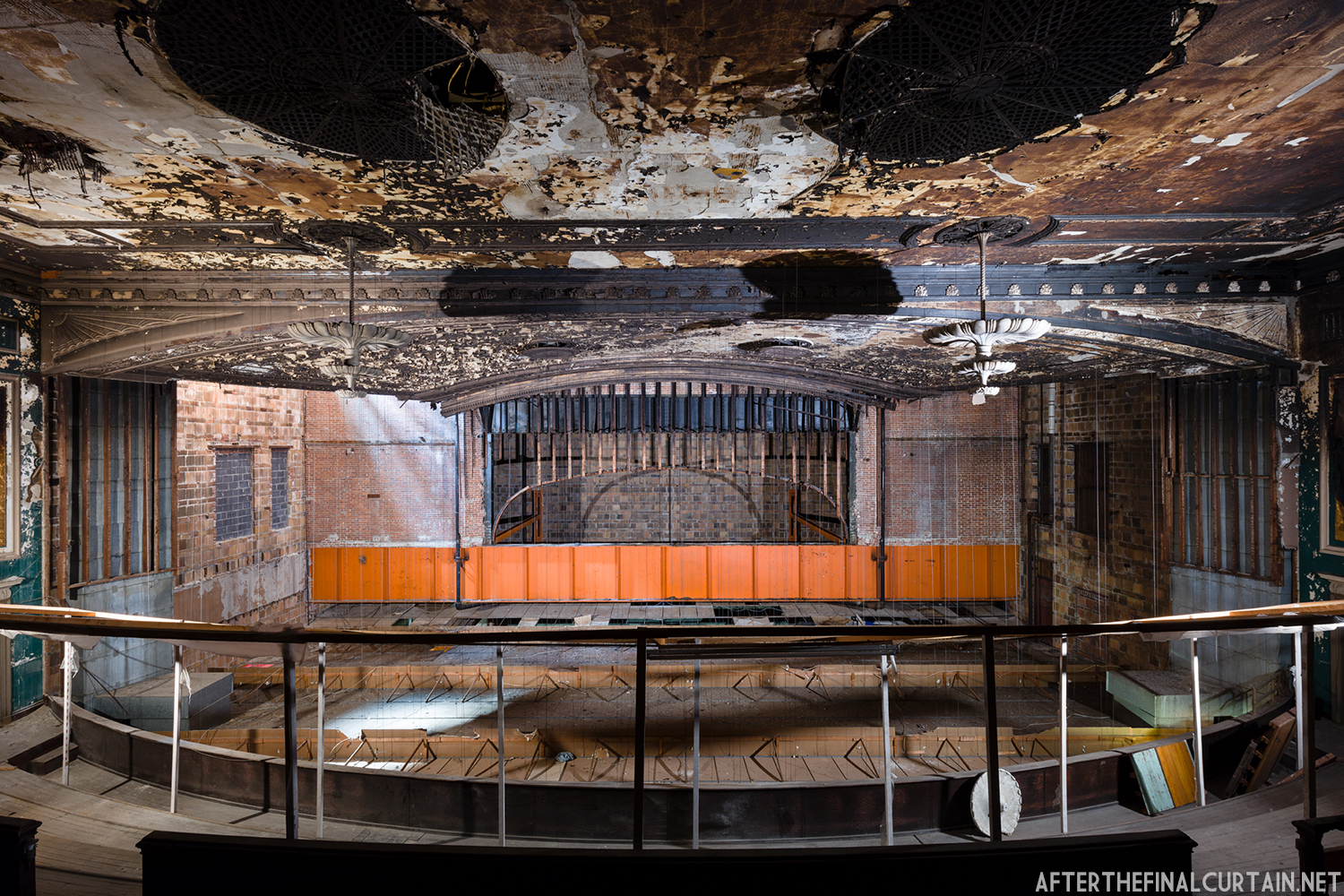
Not much remains in the projection booth.

Olympia (Fine Arts) Theatre – Worcester, Massachusetts

The oldest surviving theater in Worcester, Massachusetts, the Olympia Theatre originally opened on August 17, 1891, as Lothrop’s Opera House. Designed by architects Cutting & Forbush the theater sits tucked away on a side street in what is now known as Worcester’s theater district. ” Before its grand opening, women were invited for an exclusive preview of the venue’s stunning architecture and decor, accompanied by Worcester’s first all-female orchestra—an unusual occurrence for the time.

The theater made its debut with “The Specter Bridegroom” and “Queena.”

The theater saw multiple closures and reopenings throughout its early years. It closed for the first time in 1900, and reopened in 1904, and closed again the following year. In late 1906, a renovation plan was announced by architectural firm Cutting, Carleton & Cutting, the same firm that originally designed the theater. It reopened on June 12, 1907, as Lynch’s Pleasant Street Theatre. By the 1910s, silent films became the dominant form of entertainment, and the theater was renamed Pleasant Street Theater. On August 18, 1919, it was rebranded again as Olympia Theatre under the operation of E.M. Loew’s Theaters Inc.

The projection room was not original to the theater, and was added when it was converted to show motion pictures.

Throughout its history, the Olympia Theatre witnessed many milestones. It played a crucial role in early cinema promotions, including record-breaking sales of promotional cards for “Her Husband’s Trademark.” Creative marketing campaigns, such as the footprint stunt for “Souls for Sale” and telephone advertising, contributed to its success. In May 1926, the theater fell victim to professional safecrackers who stole $2,000—equivalent to over $35,000 today.

Al Jolson, who later became a Hollywood legend, once found himself stranded in Worcester after a failed performance at the Olympia Theatre.

The Olympia continued evolving with the times. On May 30, 1956, after a month-long closure for refurbishment, it reopened as the Fine Arts Theatre, premiering “Les Diaboliques” and later showcasing other foreign art-house films. Opening with a mix of classic and cutting-edge foreign films, Fine Arts remained a downtown entertainment option for years. However, by the time it closed its doors on April 2, 1984, it had become known for showing X-rated films like “When A Woman Calls” and “That Lady From Rio.” It later transitioned into the New Art Cinema, an adult theater, before ultimately closing for good in January 2006.

The Olympia is Worcester’s oldest surviving theater. In August 2019, Patrick Flynn and Jennifer Wright launched a campaign to purchase the vacant building and turn it into the “Olympia Music Hall & Grill,” a 1,000-seat venue and restaurant for touring and local musicians. Their efforts, however, fell short of the $400,000 needed to secure the deal. Two years later, in September 2021, the building was sold for $527,400 to a local family. The new owners plan to reopening the Olympia as a performing arts center that will showcase films, musicians, and other live performances. The new owner’s website is https://www.wootheatre.org/.

The balcony was sealed off when it was the New Art Cinema, and insulation was put in the balcony to keep the orchestra level warm.
The Olympia has a very shallow stage. It’s around 8 feet deep.
View of the auditorium from the side of the balcony.

The Cabot Theatre – Beverly, MA

This was originally posted on After the Final Curtain’s Patreon in March 2022. For expanded early posts, as well as video walkthroughs and other exclusive content, you can become a patron at: https://www.patreon.com/afterthefinalcurtain

The Cabot is an active theater, but it’s one of my favorite local ones so I wanted to post it here.

The Cabot Theatre in Beverly, MA, originally opened on December 8, 1920 as the Ware Theatre. Early advertisements hailed the theater as “the most impressive auditorium of its size east of New York” and “The Golden Theatre Beautiful.” Harris and Glover Ware, who also operated the nearby Larcom Theater, built the theater. They hired Funk and Wilcox, who also designed the nearby Strand Theatre and Franklin Park Theatres, both in Boston, to design it.

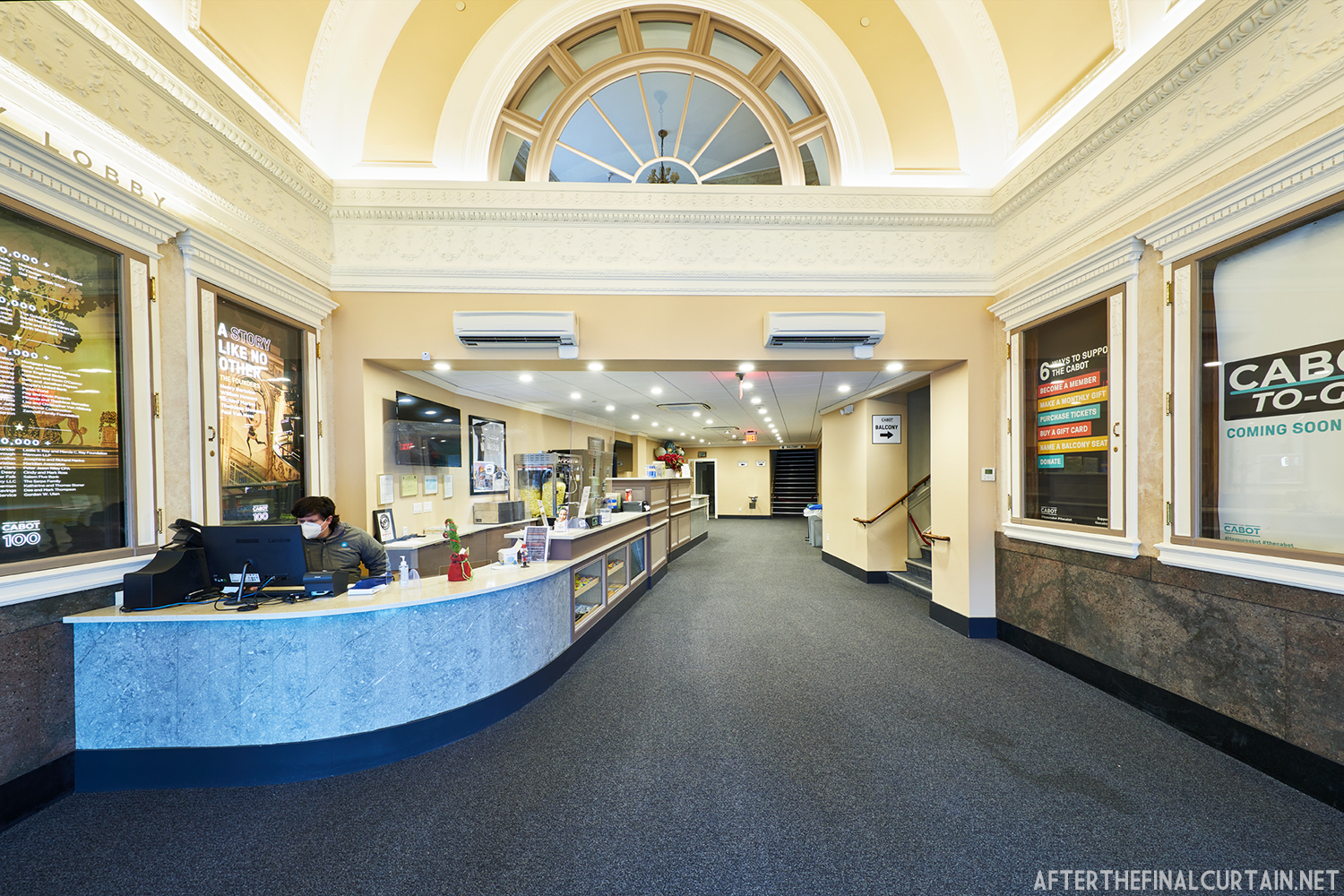
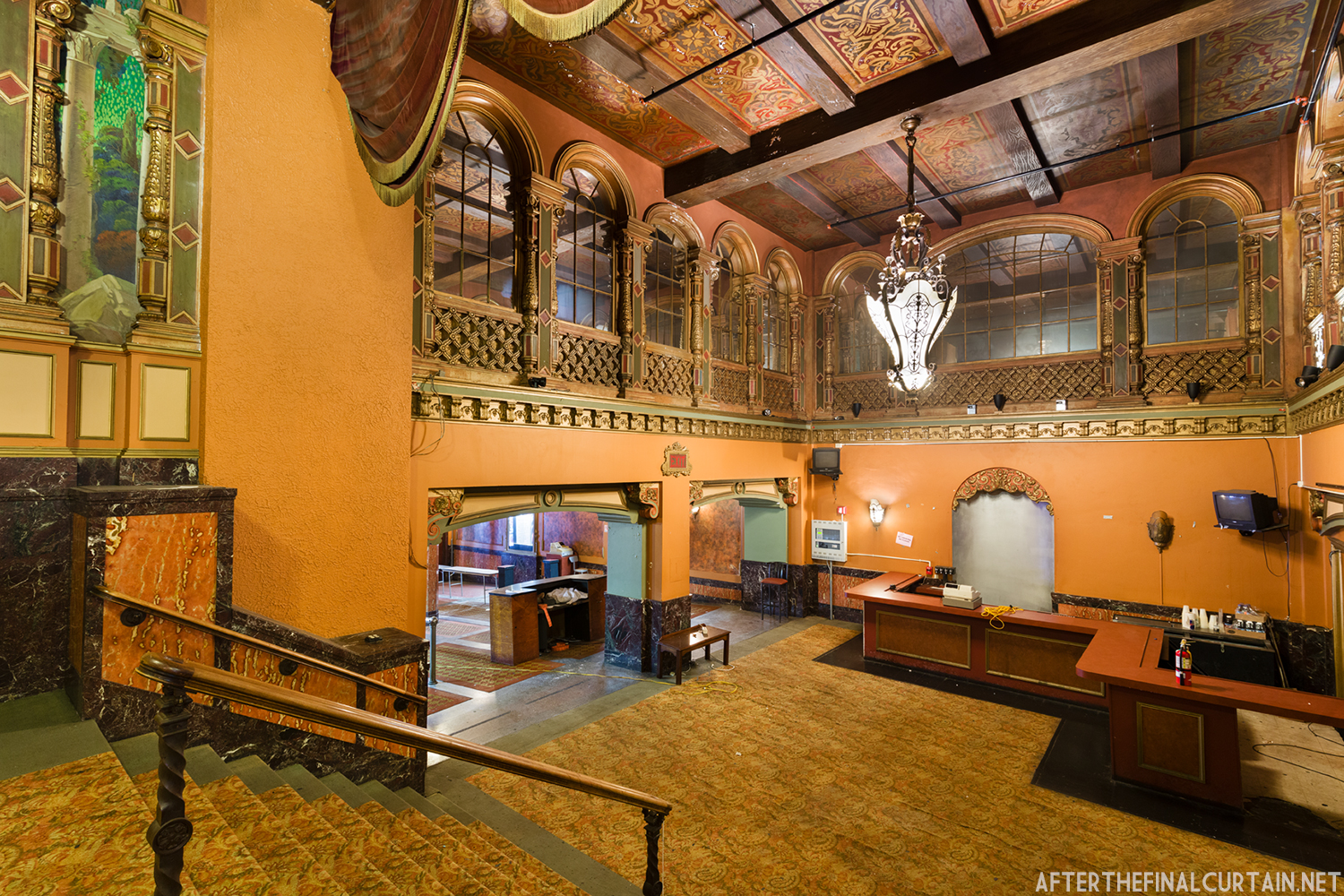
The lobby was restored while the theater was closed due to the Covid-19 pandemic.

The 1200 seat theater opened as a vaudeville and silent movie house, before transitioning to “talkies” or modern motion pictures in the late 1920s. It was leased to the E.M. Loew’s theater chain in 1944 and was purchased by them in 1962. Loew’s held a grand reopening on October 15, 1965 and renamed the theater to the Cabot Street Cinema.

The seats in the balcony were replaced in between my visits to the theater.

Loew’s operated the theater until 1976, when it was purchased by Le Grand David and His Own Spectacular Magic Company. Le Grand David performed his magic show at the theater until 2013. Cesareo Pelaez, the founder of Le Grand David, passed away, and the theater was put up for sale.

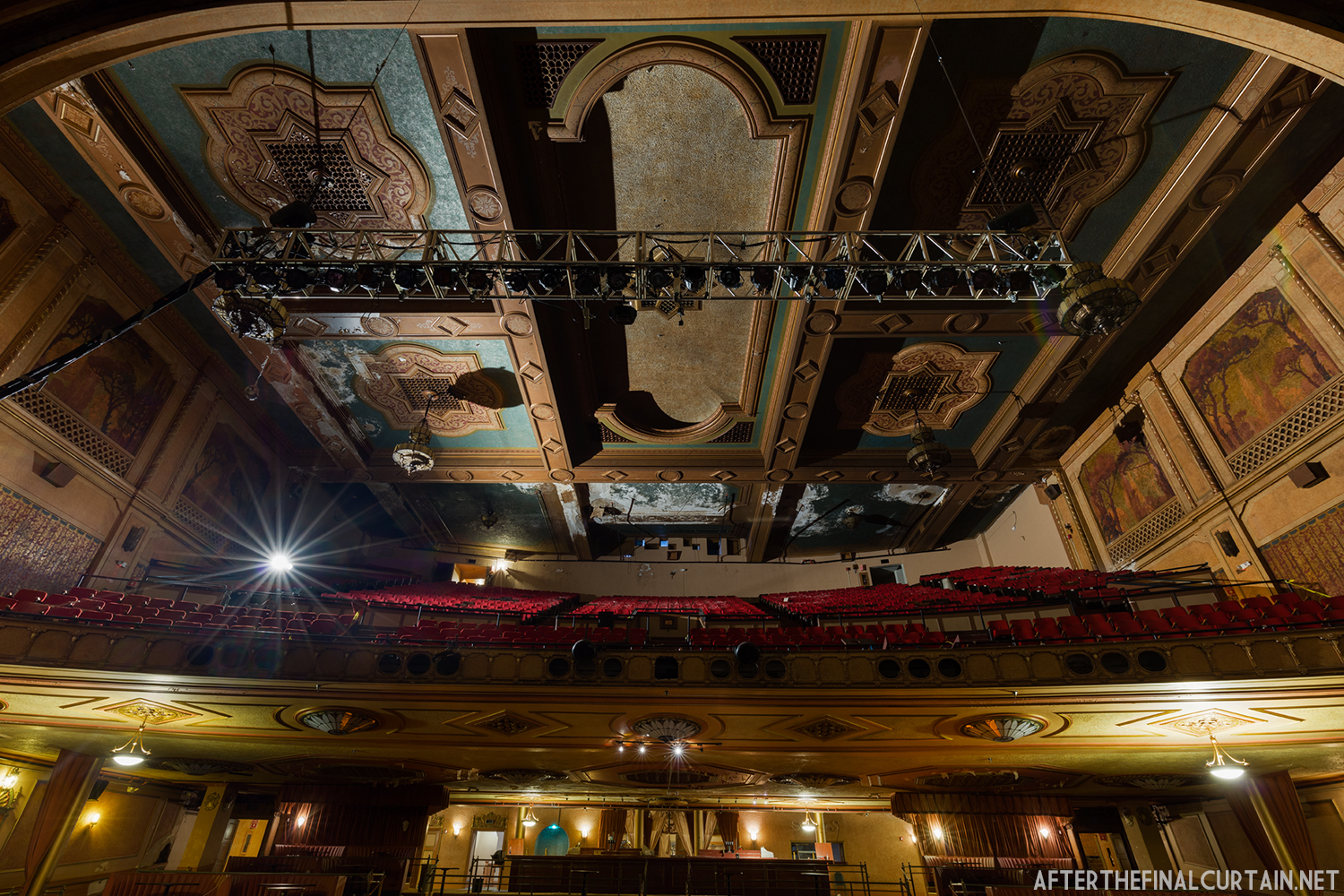
The murals in the auditorium resemble the ones in the Loew’s Majestic and Palace Theaters, but I haven’t been able to find documentation that states who painted these.

A consortium of five Beverly business people, Henry Bertolon, Bill Howard, Rich Marino, Thad Siemasko, and Paul Van Ness (who operates CinemaSalem) purchased it. The Cabot became a performing arts center, and in October 2015, hired an Executive Director, J. Casey Soward. In 2016, a multi-year, multi-million dollar renovation began at the Cabot. The renovation was to modernize the building and restore much of it to its original grandeur. It began by replacing all the seats, restoring the box seats, installing new HVAC and sound systems, and restoring the original lobby ceiling. It currently seats 850 people.

Because of the COVID-19 pandemic, the Cabot was forced to hold a virtual 100th anniversary celebration. Over 22,000 people viewed the performances from James Taylor, Grace Potter, Fantastic Negrito, and more. For more on the Cabot visit their website at https://thecabot.org/ 

I told you it was one of my favorite local theaters.


Union Theatre – Attleboro, MA

This was originally posted on After the Final Curtain’s Patreon in February 2022. For expanded early posts, as well as video walkthroughs and other exclusive content, you can become a patron at: https://www.patreon.com/afterthefinalcurtain

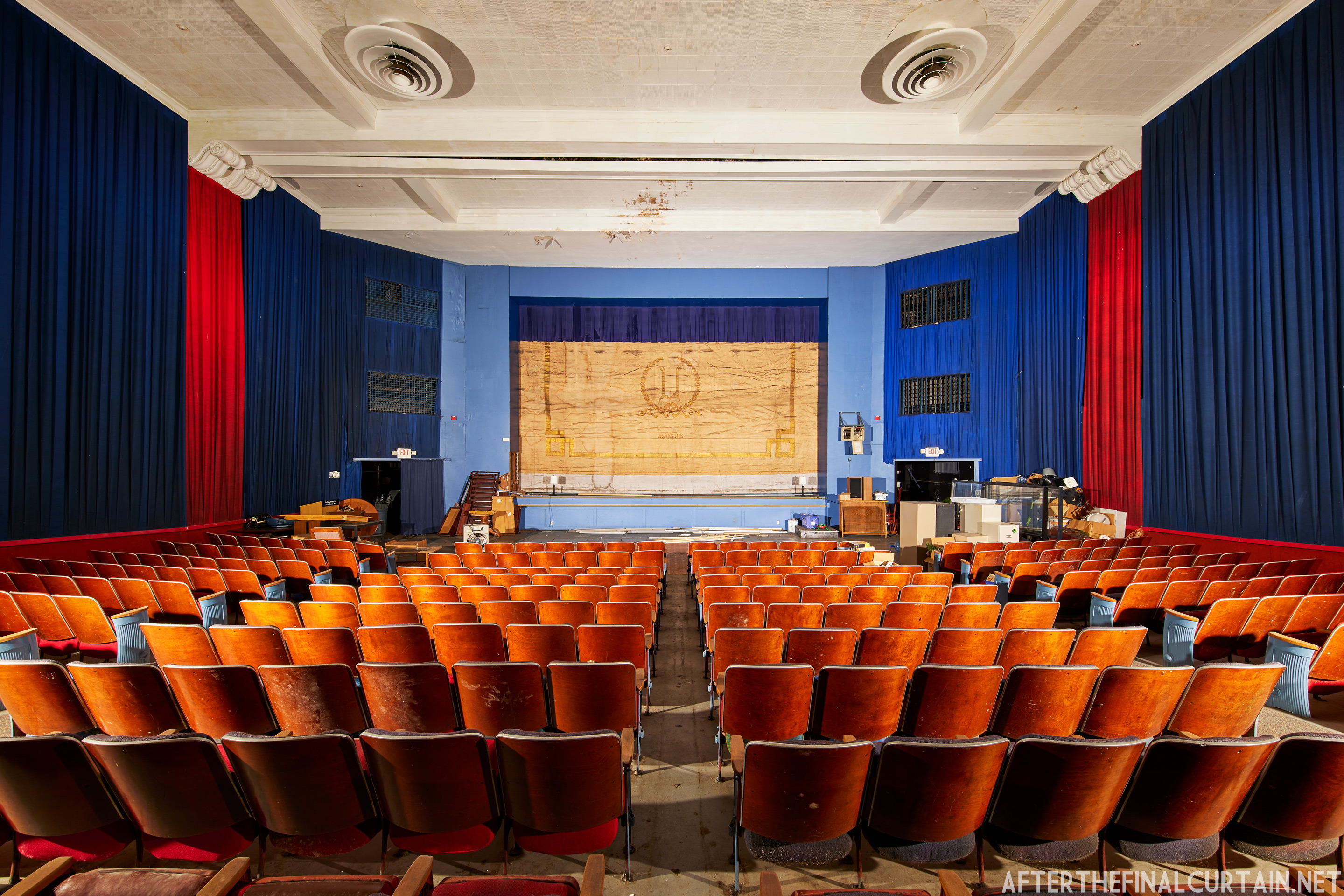
View of the auditorium from the orchestra level.

The Union Theatre in Attleboro, MA originally opened in 1918 as a vaudeville and silent movie theater. It was operated by B & Q Associates and had 1,101 seats. Because of the decline in vaudeville, and the rise of the modern talking motion picture, the Union underwent a remodel in 1927 to give it the ability to show “talkies.”

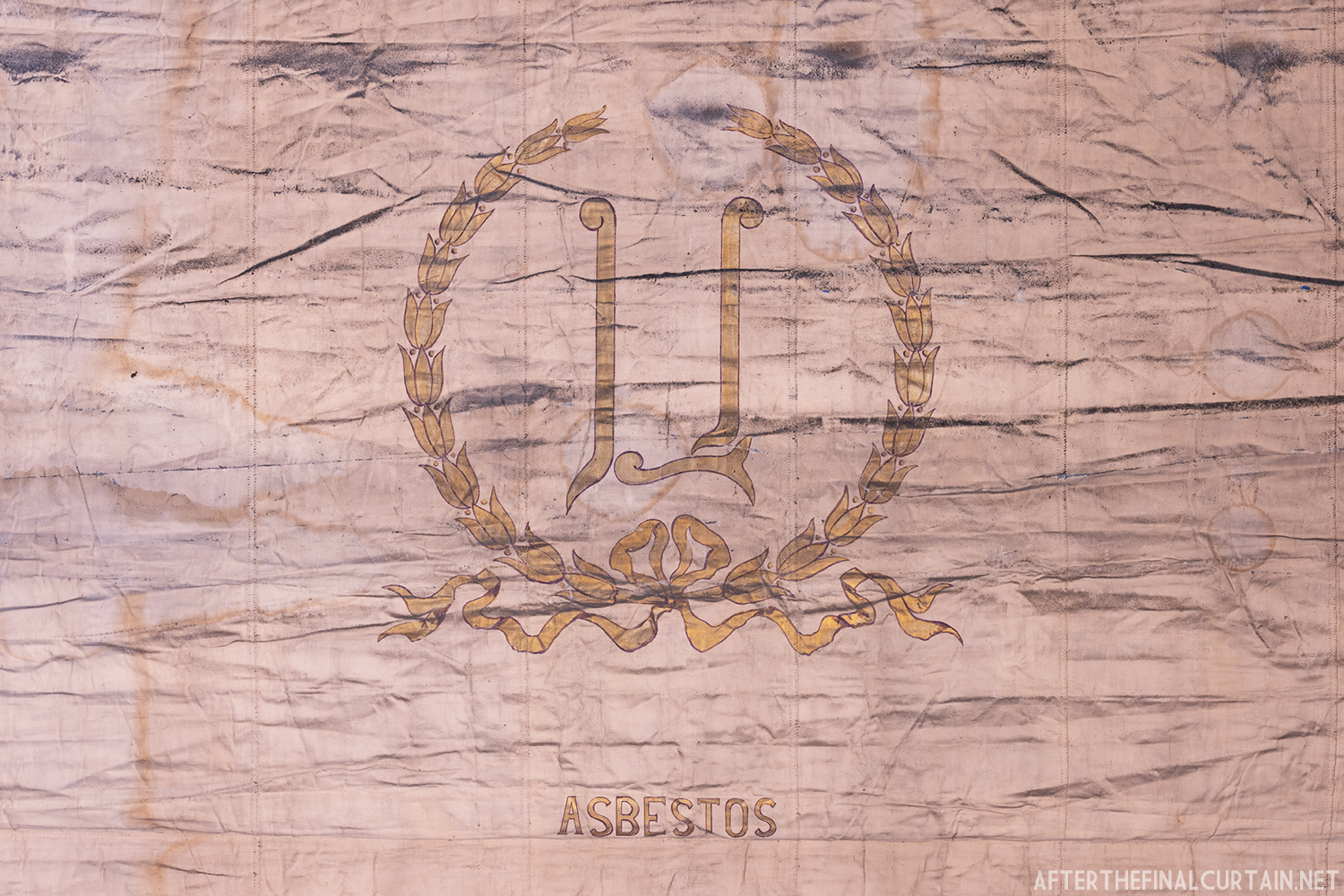
A close up of the theater’s logo on the fire curtain.

Another remodel happened in May 1939 when air conditioning was added to the theater. The Union was divided into multiple screens in 1986 so that it could show multiple movies at a time. It was renamed the Roxy Theatre, then the Attleboro Cinema before returning to the Union Theater. It closed as a movie theater in the 1990s.
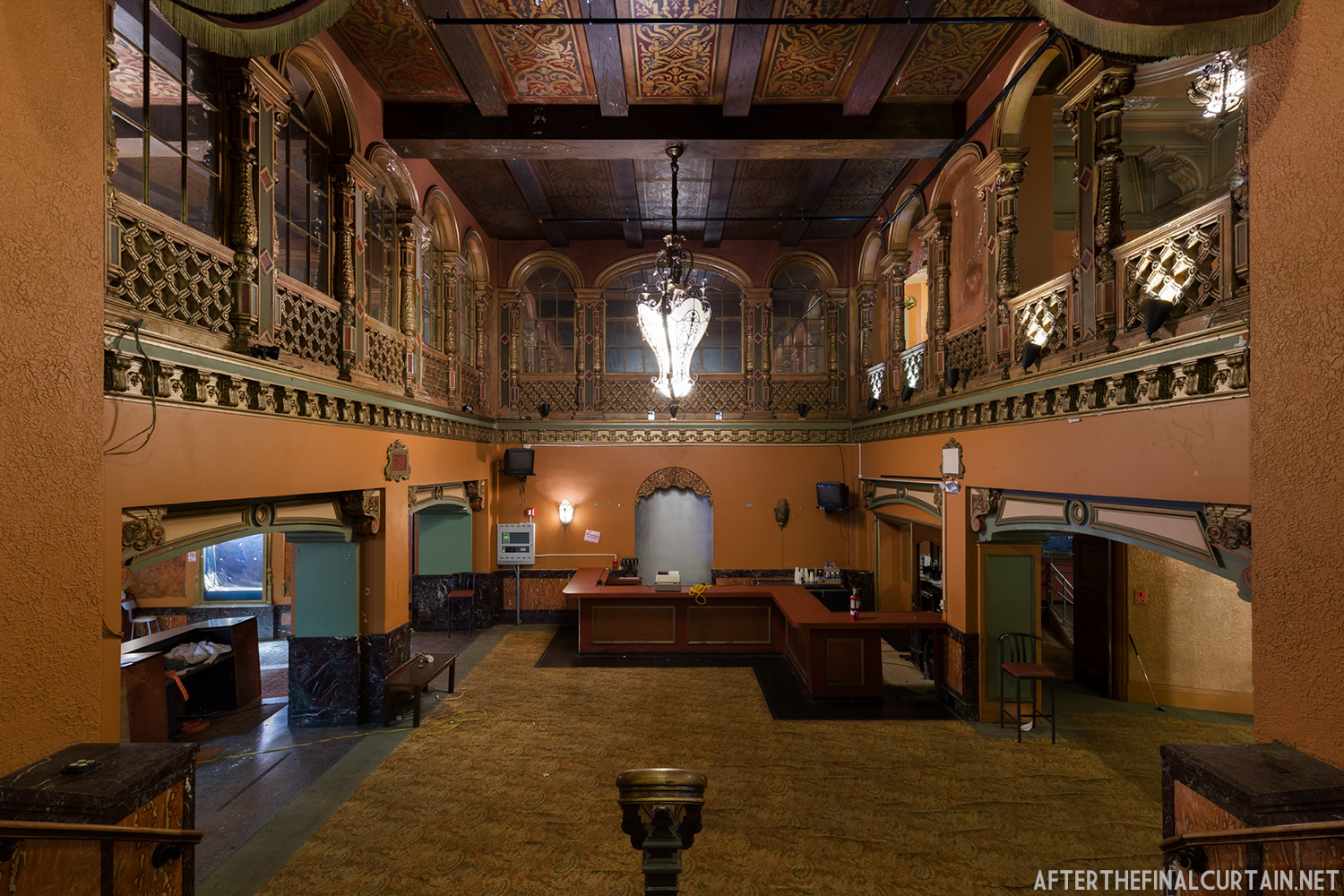
The lobby was modernized when the theater was twinned.

During the early 2000s, the Triboro Youth Theatre rented the Union and performed Broadway musicals. They removed the wall dividing the lower level into two screens and removed the drywall covering the original stage. Musicals held at the theater during this time include Peter Pan, Jesus Christ, Superstar and South Pacific. However, this was short-lived as the theater was not up to code, and they released the Triboro Youth Theatre from their rental agreement.

View of the auditorium from the stage.

In September 2015, thieves broke into the theater, stole the sound amplifiers from the projectors and some lenses. The owner of the theater used the marquee to ask for its return. It read “Wanted: Stolen Projector Equipment Returned” for several months after the theft. The theater remains closed.

View from the side of the balcony.

Oriental Theatre – Boston, MA

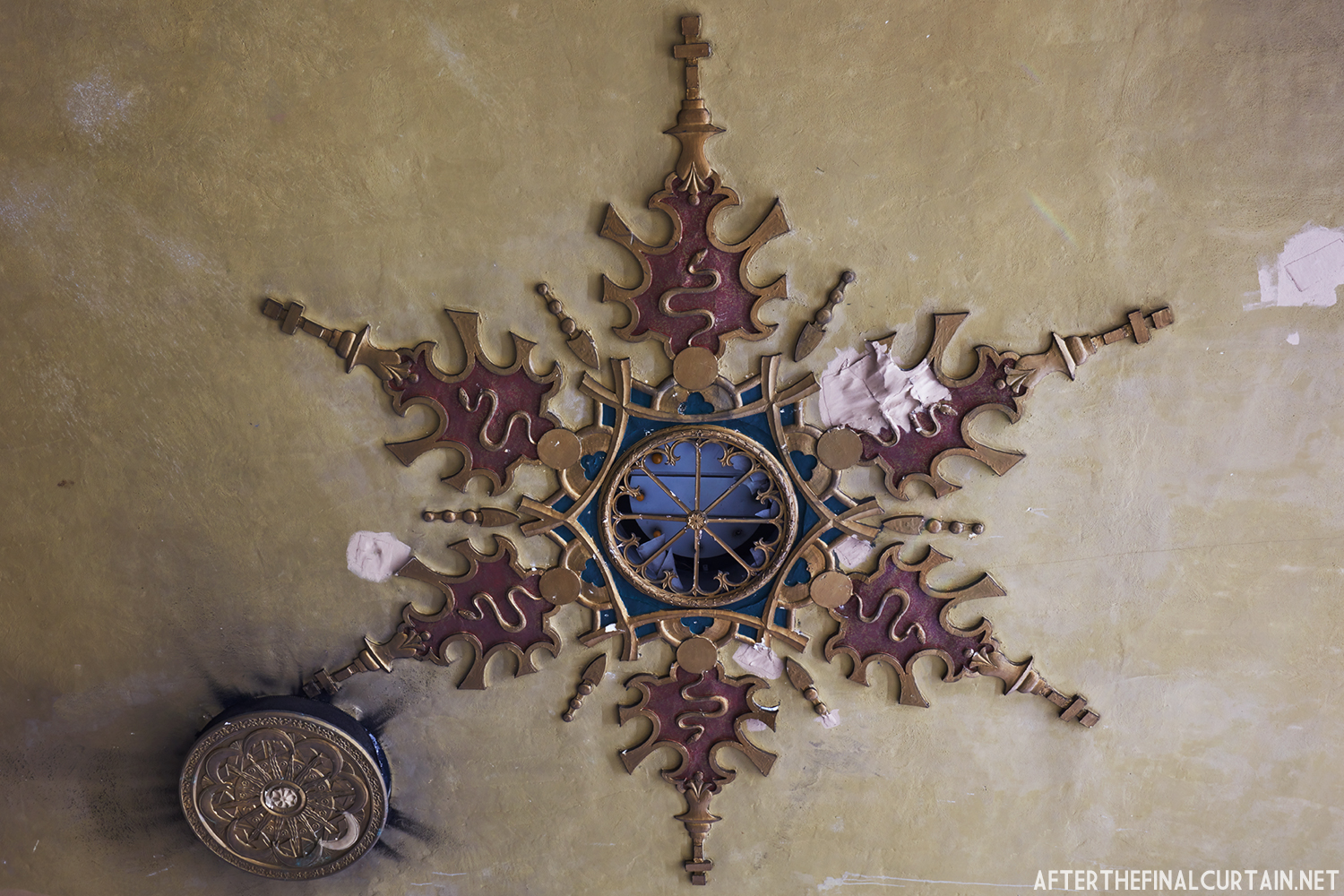
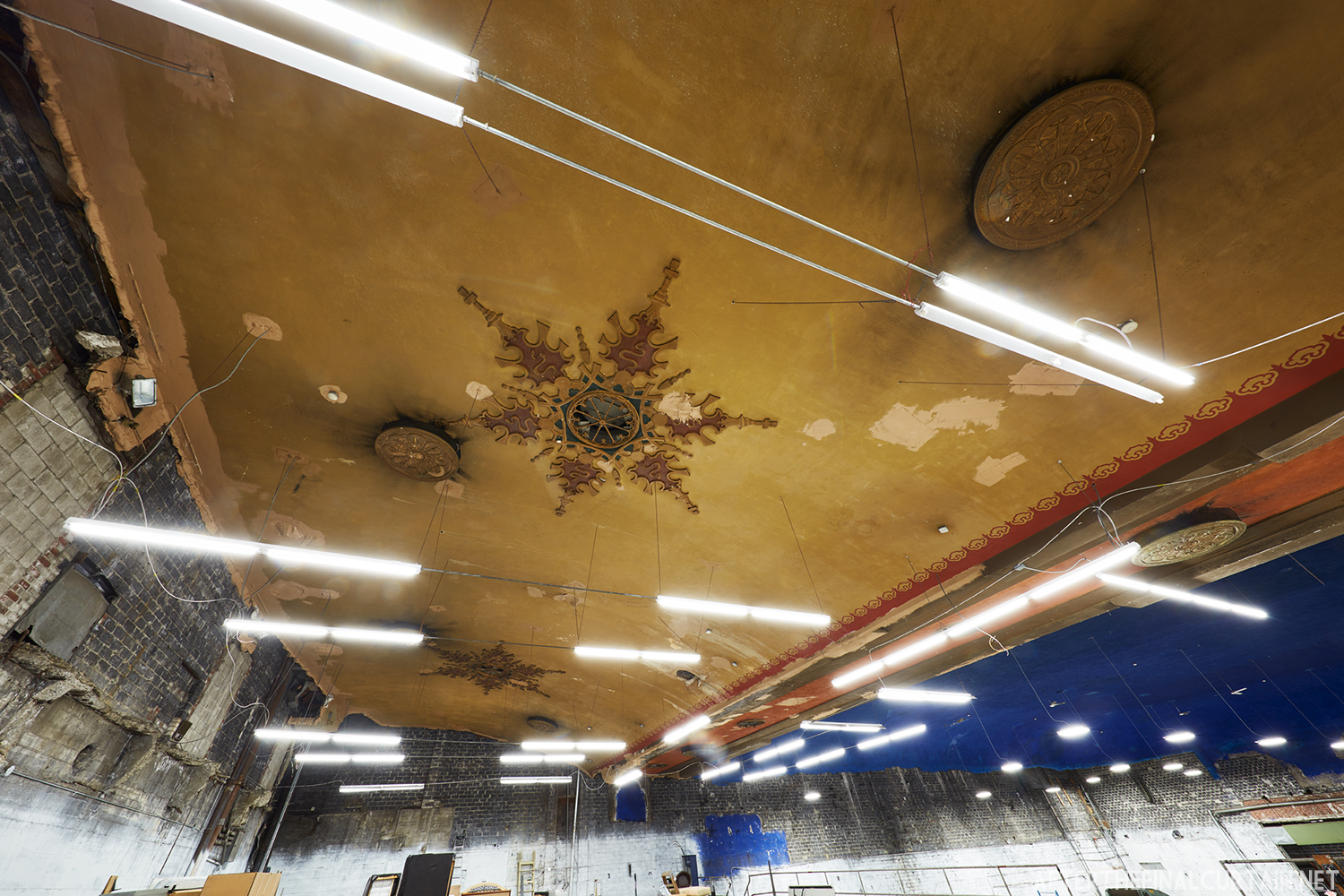
The ornamental plaster was removed after the theater closed.

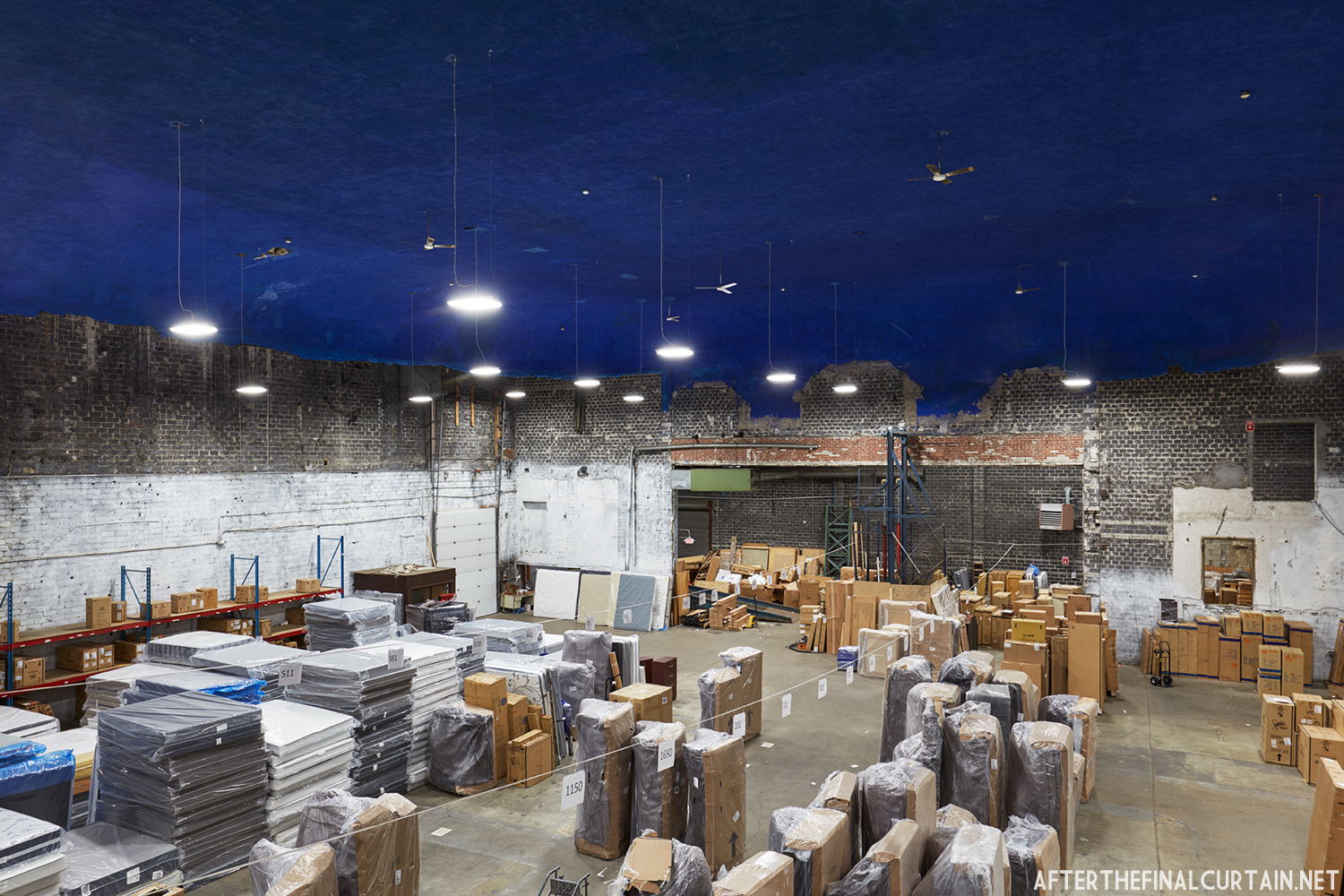
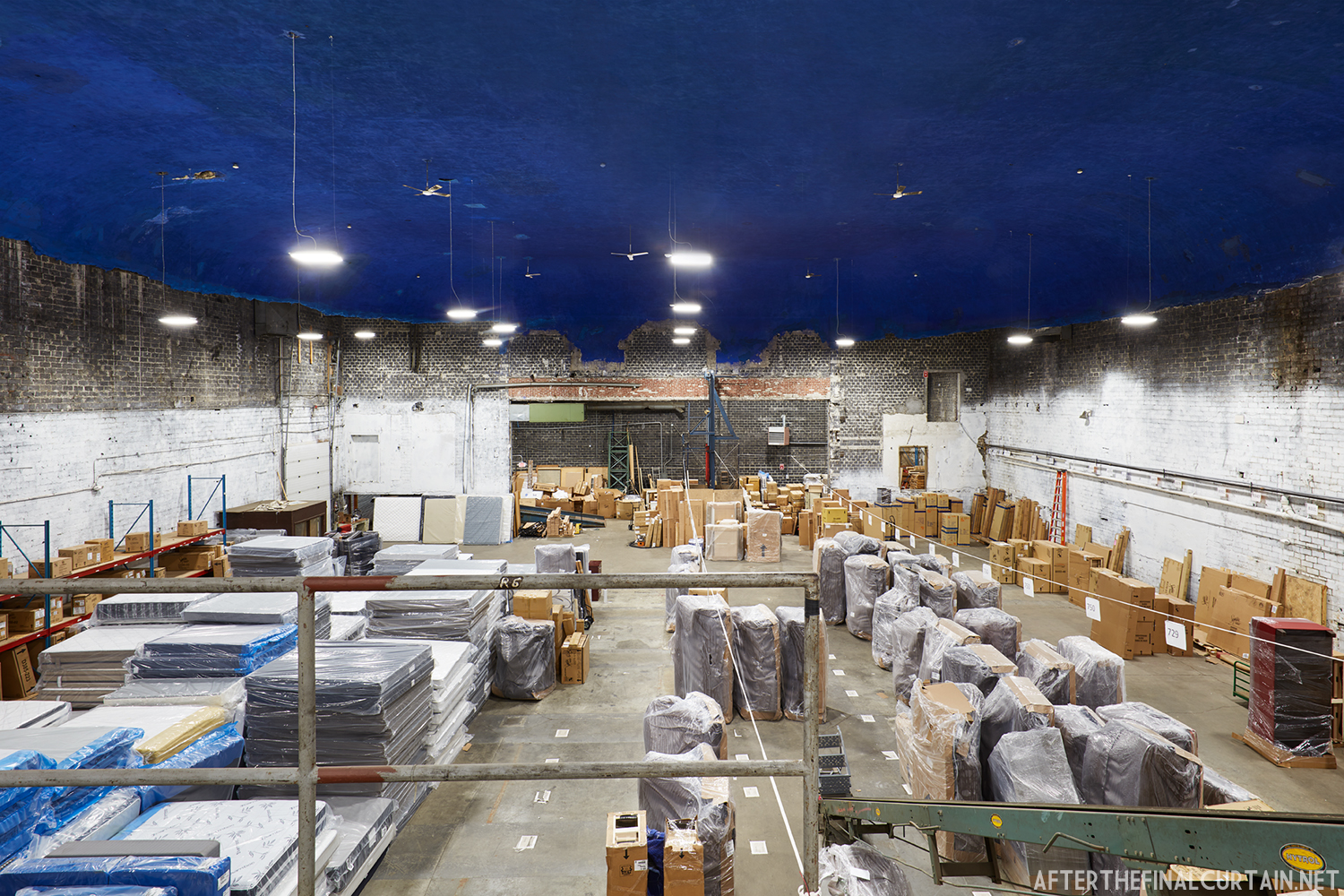
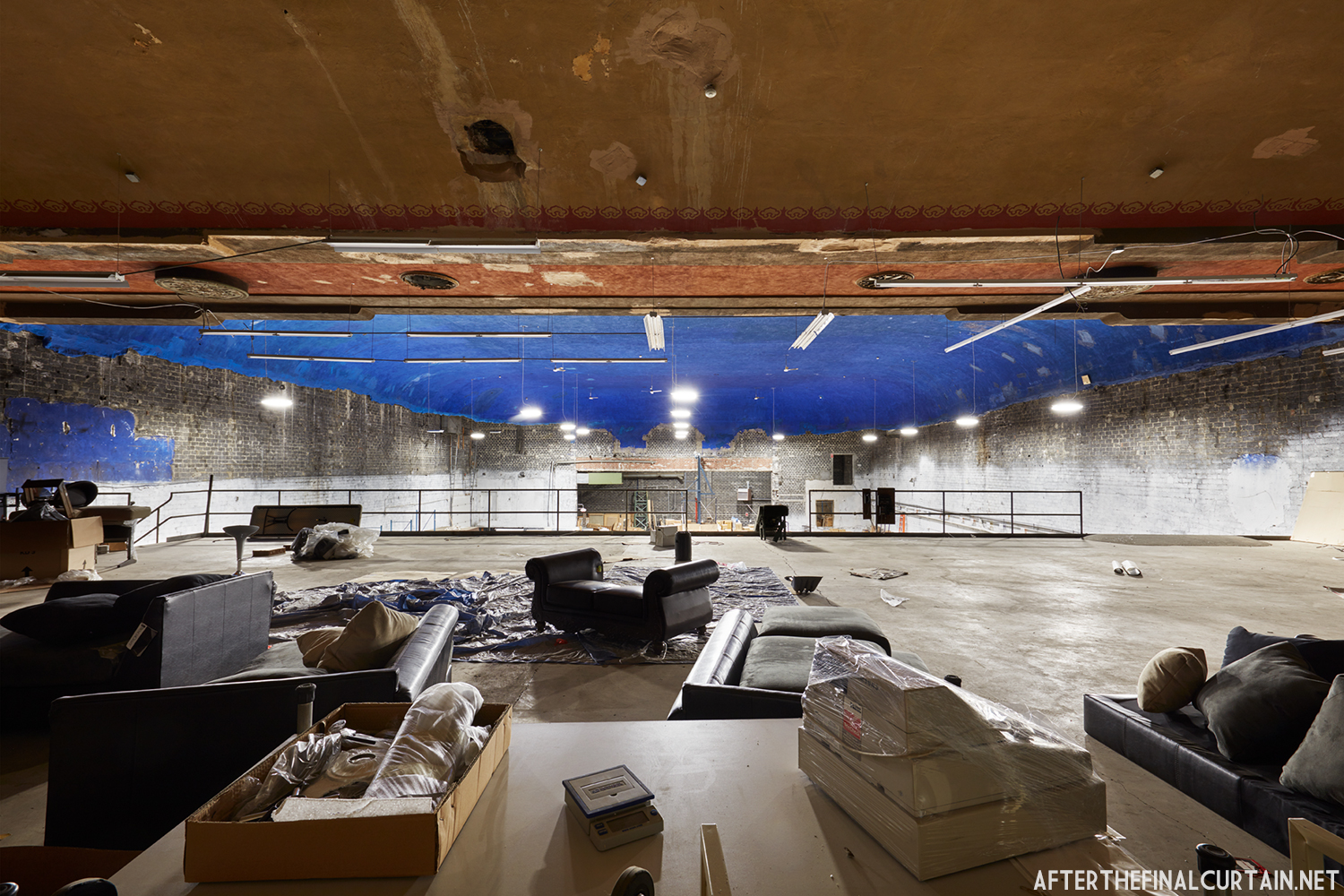
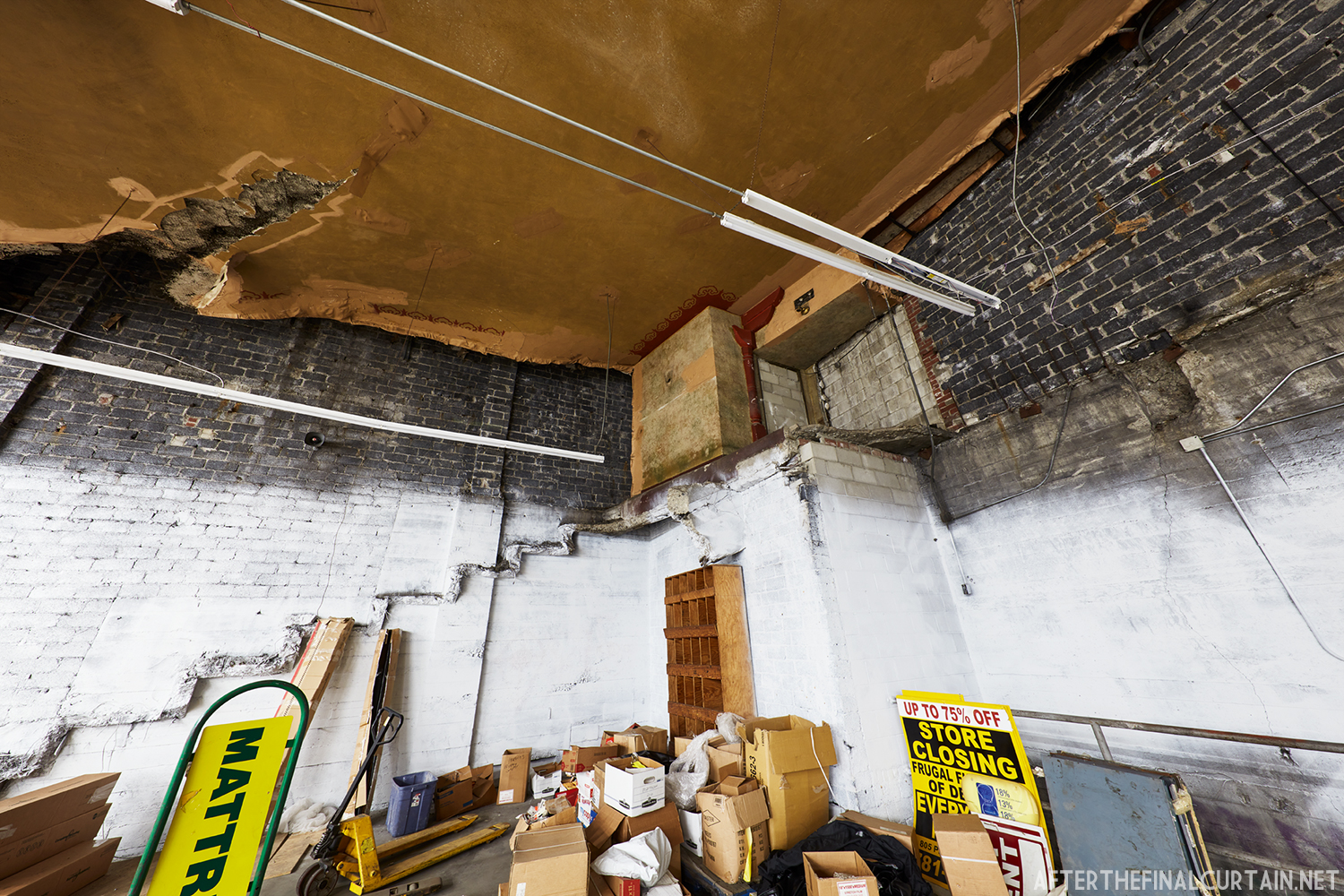
Originally planned to be built in Waltham, The Oriental Theatre opened on October 24, 1930 in the Mattapan neighborhood of Boston, Massachusetts. It was designed in the atmospheric style, where the ceiling resembled the night sky surrounded by a town, by the Boston based architectural firm Krokyn, Browne, and Rosenstein. They recreated notable Chinese structures, such as the Wanshou Temple and the Street Gate of Tsinanfu, in the auditorium. The 2,200 seat theater did not have a balcony, but had stadium seating with a raised section at the rear of the auditorium.

It was originally part of Jacob Lourie and Sam Pinanki’s NETOCO theater circuit, then Paramount, followed by M & P, and finally American Theatres Corporation (ATC.) The Oriental gained a reputation for being run down, and was eventually foreclosed on, which forced the theater to close. It was sold at a foreclosure auction on Friday, September 21, 1971. The last film advertised as being shown was “McCabe & Mrs. Miller” starring Warren Beatty and Julie Christie.

View from the rear of the auditorium.

In the mid-1970s, the building became home to an electrical supply warehouse. Fred McLennan, a local theater operator, purchased much of the ornamental plasterwork from the theater and installed it at the Orpheum Theatre in Canton, MA, which he renamed to the New Oriental Theatre. Only a few small pieces of plaster and the blue ceiling remained at the Oriental. A furniture store and warehouse replaced the electrical supply warehouse in 2018.

Artists Sunday is here!

Orchestra level, California Theatre – San Diego, CA.

Artists Sunday has officially begun! Visit mlambrosphotography.com/store and use the coupon code “Artistssunday” at checkout to get 20% off your order. The first 13 people to spend over $100 will get a free matted 8×12 print.

I’ve added some one-of-a-kind metallic prints from a gallery exhibition last year as well as some other surprises.

Here are a few great artists who are offering deals on their work today:

CJ Lavoie – Paintings in oil, watercolor, or acrylic. Landscapes from sites in Colorado, Washington, Arizona, New Hampshire, and Maine.

Jill Harrington Nichols – Fine Art Paintings and Prints

David Shedlarz Photography – Limited edition, museum-grade fine art photography prints.

Loring Slivinski Fine Art & Photography – Nature Themed Art.

Christopher Sherman – Fine Art Photography and Founder of Artists Sunday

An Acre of Seats in a Palace of Decay

Auditorium, California Theatre – San Diego, CA.

Hi Everyone!

I’ll be exhibiting some of my work at the Wall Gallery at Percival Brewing Company. It’s located at 83 Morse Street, Norwood, MA starting on December 14 and running to January 24, 2020.  There’s going to be an opening reception on Dec 14 from 2-4 PM. Hope to see some of you there!

Almost all of the work I’m exhibiting will be on metal. Metal Prints are created by infusing a digital photograph onto raw aluminum, and the result is an image that almost jumps out at you. I’m not going to share them here because the screen and my iPhone shot doesn’t do them justice.

Ok, maybe just one.

Also, if you’re looking to order a copy of my new book, After the Final Curtain: America’s Abandoned Theatresfrom me directly in time for Christmas please place your order by December 15th.

Happy Holidays! – Matt

Strand and Capitol

Strand New Bedford

Strand Theatre, New Bedford, MA

Yesterday I attended a photography workshop at the Strand Theatre in New Bedford, Massachusetts hosted by Bryan Buckley of Vanishing New England. I love hosting workshops, but it was very nice to be on the other side of one this time. The Strand Theatre originally opened as the Vien Theatre in 1905, and is going to be turned into a community center in the near future.

Capitol Theatre, Fall River, MA.

While I was in the area I also visited the former Capitol Theatre in Fall River, MA. The Capitol originally opened on February 2, 1926. I believe it closed in the 1960s, but haven’t been able to verify that yet. Part of the orchestra level was converted into a bowling alley sometime after it closed.  The proscenium and organ chambers were removed so that a large steel support beam could be installed as part of the conversion.

I’ll be posting full write ups on both of these theaters very soon.

Fitchburg Theatre – Fitchburg, MA

Fitchburg_Theatre_002

During the late 1930’s tickets cost .25 cents, except on Wednesdays when admission only cost .10 cents.

The Fitchburg Theatre in Fitchburg, Massachusetts originally opened on February 7, 1929. It was designed by architect George W. Jacobs for the Maine and New Hampshire Theater Corporation (MNHTC). The construction of the theater displaced two buildings, one of which is now the Masciarelli Funeral Home, a Fitchburg Historic Landmark. MNHTC spared no expense in construction, which included a $15,000 Wurlitzer Style 190 pipe organ, large decorative tapestries for the auditorium, and a Photophone system. The 1,751-seat theater was the second theater in New England to have Photophone, a system of syncing recorded audio with motion picture.

Fitchburg_Theatre_004

The Wurlitzer organ is long gone. It was removed in the 1960s.

Like many of its contemporaries, the Fitchburg Theatre had a mix of motion pictures and live (often vaudeville) performances. Its opening day program consisted of “In Old Arizona,” starring Warner Baxter, Dorothy Burgess and Edmund Lowe, five vaudeville acts (Miss Raffin’s Marvelous Troupe of Monkeys, Marie DeComa and Company, Don Romaine & Will Castle, Will Ward & Co.). Harry Rodgers played the Wurlitzer organ during the festivities. Tickets to the opening were reserved in advance and the same show was performed on February 8 and 9. Vaudeville performances continued at the theater until 1948, much longer than usual. In 1954, the theater closed for renovations. A concession stand, new marquee and updated seating were added.

Fitchburg_Theatre_007

The Lobby is currently full of construction debris.

The Fitchburg Theatre closed in 1970 and reopened the following year as an adult theater. Fitchburg police raided the theater on December 31, 1973 and seized copies of “Deep Throat,” and “The Devil in Miss Jones.” More adult films were seized in subsequent raids on February 11, 1974 and July 5, 1974. The owners were fined $10,000 in August 1974 for violating Massachusetts obscenity laws.

Fitchburg_Theatre_010

Frank Hollis, of the vaudeville team Kenney and Hollis was the first manager of the theater.

In 1975 the theater was forced to close when the city of Fitchburg refused to renew the theater’s license to show films. It was rumored that it was due to the obscenity law violations, but that was denied by Hedley Brey, the Mayor of Fitchburg at the time. Brey said it was because the owners had not complied with a city ordinance requiring the approval of the Health, Building, Fire and Police departments’ approval to show films to the public. Ben Sack Theatres, Inc. leased the theater later that year, and it reopened as the Family Theatre on July 30, 1975 with a showing of “Doc Savage: Man of Bronze.”

Fitchburg_Theatre_006

Some of the original plasterwork can be seen again due to the drapes that were put up during the 1980 remodel falling down.

Live performances began again soon after it reopened, and many famous bands performed at the theater during this time, including; Rush, Merle Haggard, Dolly Parton, Loretta Lynn, Hank Snow and Freddy Fender. In 1980, the theater closed for renovations once again. This time it was triplexed with the orchestra level becoming one, and the balcony being divided into two smaller auditoriums. At the same time most of the ornate plasterwork was covered with drapes. Upon reopening the theater was renamed the Cinema-1-2-3. It closed for permanently in 1987 with a showing of “Crocodile Dundee.”

Fitchburg_Theatre_008

One of the two smaller auditoriums created from the former balcony space.

A few plans to reopen the theater were proposed over the next two decades, including reopening it as a movie theater, becoming a “draft house” theater that served alcohol, and gutting the theater and turning it into a rock climbing gym. In November 2016, the main street theater block was purchased by Fitchburg State University (FSU) for $350,000. FSU have a three-phase plan to renovate and reopen the block culminating in the theater becoming a 1,600-seat performing arts space for use by the University’s theater program and community organizations.

Fitchburg_Theatre_003Fitchburg_Theatre_011

Fitchburg_Theatre_009

The second of the two balcony auditoriums.

My two books, After the Final Curtain: The Fall of the American Movie Theater, and Kings Theatre; The Rise, Fall and Rebirth of Brooklyn’s Wonder Theatre are available on Amazon and bookstores worldwide. Signed copies can be purchased at my site.

Paramount Theatre Springfield, MA

Want to see the Paramount for yourself? I host photography workshops at the theater a few times a year. Click here to sign up for the next one.

Originally billed in opening advertisements as “Springfield’s newest playground of pleasure,” the Paramount Theatre in Springfield, Massachusetts opened on September 29, 1929. In 1926, the Famous Players-Lasky Corporation, later known as Paramount Pictures Corp, signed a 14-year contract at $100,000 per year for the space at the former Massasoit Hotel and hired architect Ernest Carlson to design the theater. Carlson designed the Paramount for talking motion pictures, which were quickly replacing silent films. The 3,200-seat theater took three years to build, and cost $1,118,000 ($16 million when adjusted for inflation). A Wurlitzer 3/11 Opus 2011, Style 230 theater organ was installed prior to opening.

The lobby of the Paramount.

The opening week program at the Paramount consisted of the 1812 Overture performed by the New York Symphony Orchestra, Joe Alexander playing the Wurlitzer organ, a Paramount newsreel, and “Dance of Life,” a talking film starring Nancy Carroll and Hal Skelly. Like many other theaters of the time, entertainers often made appearances at the Paramount. At first it was as part of a vaudeville act, and later on to promote their films. Some of the stars that appeared at the theater included Ethel Barrymore, Jack Benny, Eric Von Stroheim, and Lillian Gish. The theater was operated by Western Massachusetts Theatres, Inc. (WMT), which was a division of Paramount Pictures. WMT also operated the nearby Victory Theatre in Holyoke, Massachusetts. The Paramount Theatre was WMT’s flagship theater until 1952 when the movie studios were forced to give up ownership of theaters by the verdict of the United States vs. Paramount Pictures Supreme Court case.

View of the auditorium from the stage.

Movies were the main attraction at the Paramount until 1966, when musical performances and other live entertainment began to be regularly shown at the theater. In 1969, the Paramount closed for the first time. It reopened In 1975 and was renamed the Julia Sanderson Theater, after a Broadway actress from Springfield. Live shows continued at the theater until 1979, when it became a revival movie house, and its name was changed back to the Paramount.  A new screen, and a speaker system taken from the recently closed Victory Theatre, were installed. It closed for a second time in 1986, but was used occasionally until 1999.

The Massasoit Hotel closed in 1926 – a portion of it was converted into offices, and the remainder became the theater.

It was purchased by Paramount Realty Investment LLC/Creative Theater Concepts, who spent $1.3 million turning the theater into a nightclub/live performance space. It reopened as the Hippodrome Theatre in December 2000. The Hippodrome was a popular nighttime downtown destination for most of the 2000s. In 2011, it was purchased by the New England Farm Workers Council (NEFWC) for $1.7 million. They operated the theater sporadically until closing for good after a shooting in April 2015.  NEFWC intend to remove the nightclub alterations and reopen the theater as a live performance space, as well as restore the Massasoit Hotel into an 81-room boutique hotel. The estimated costs for the restoration are between $32 and $41 million.

When it opened the Paramount had an air cooling system designed by Raymond S. Graham, which was the first of its kind in Springfield.
The theater was added to the National Register of Historic Places in 1979.
“Gone with the Wind” was the first film shown at the revival house.
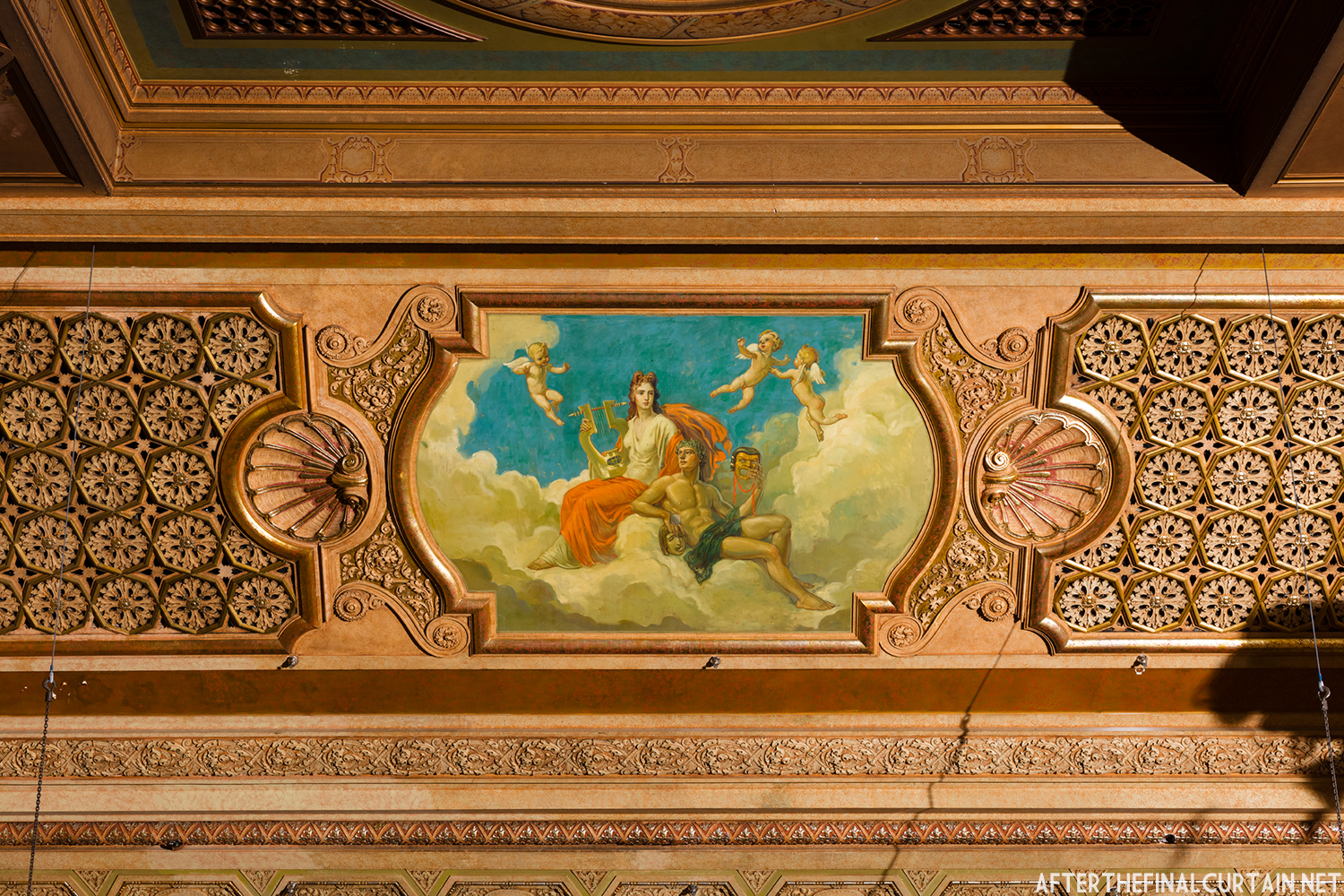
A close up of the mural above the proscenium arch.
View of the auditorium from the side of the balcony.
The Wurlitzer organ was restored during the 1999 renovation.