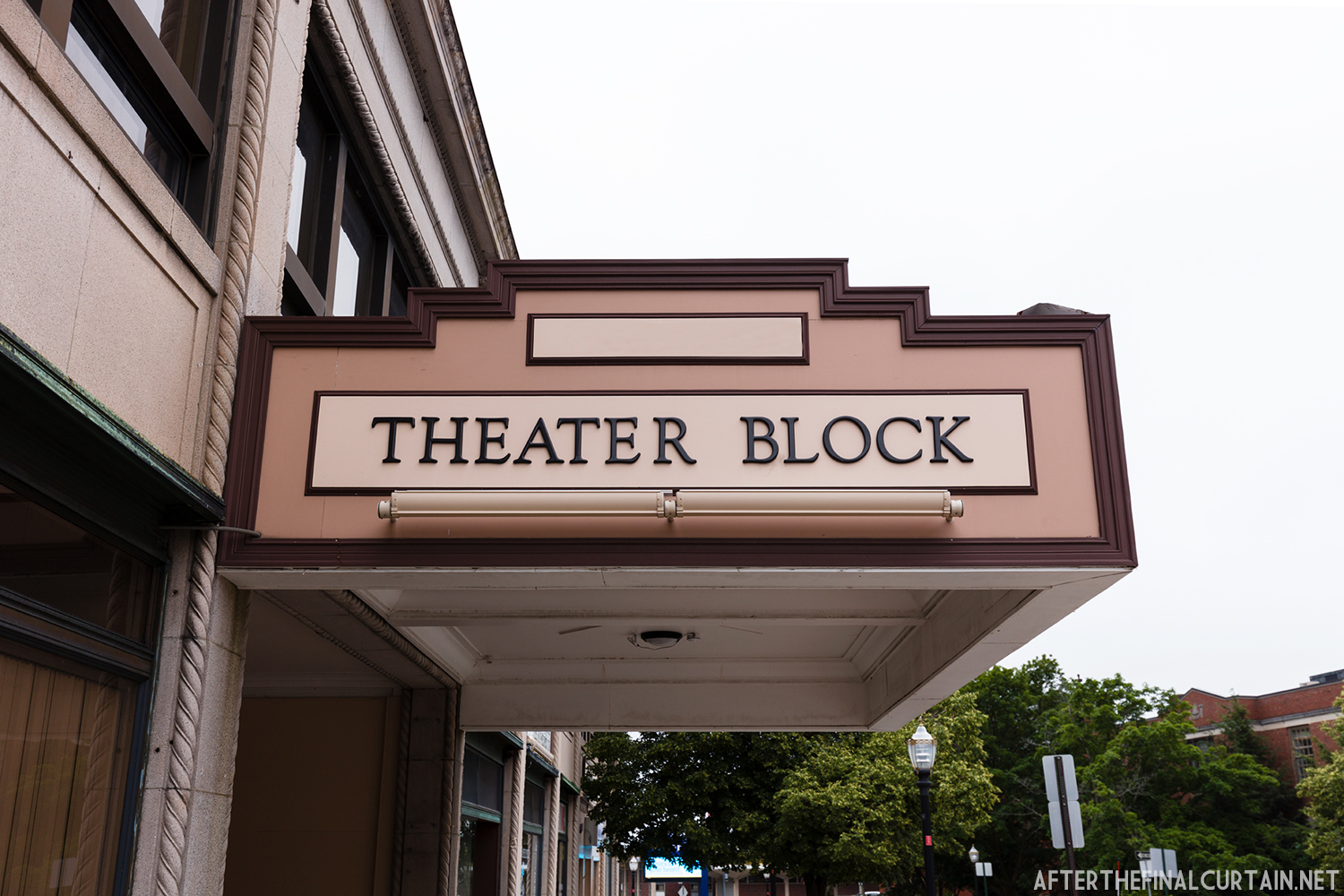
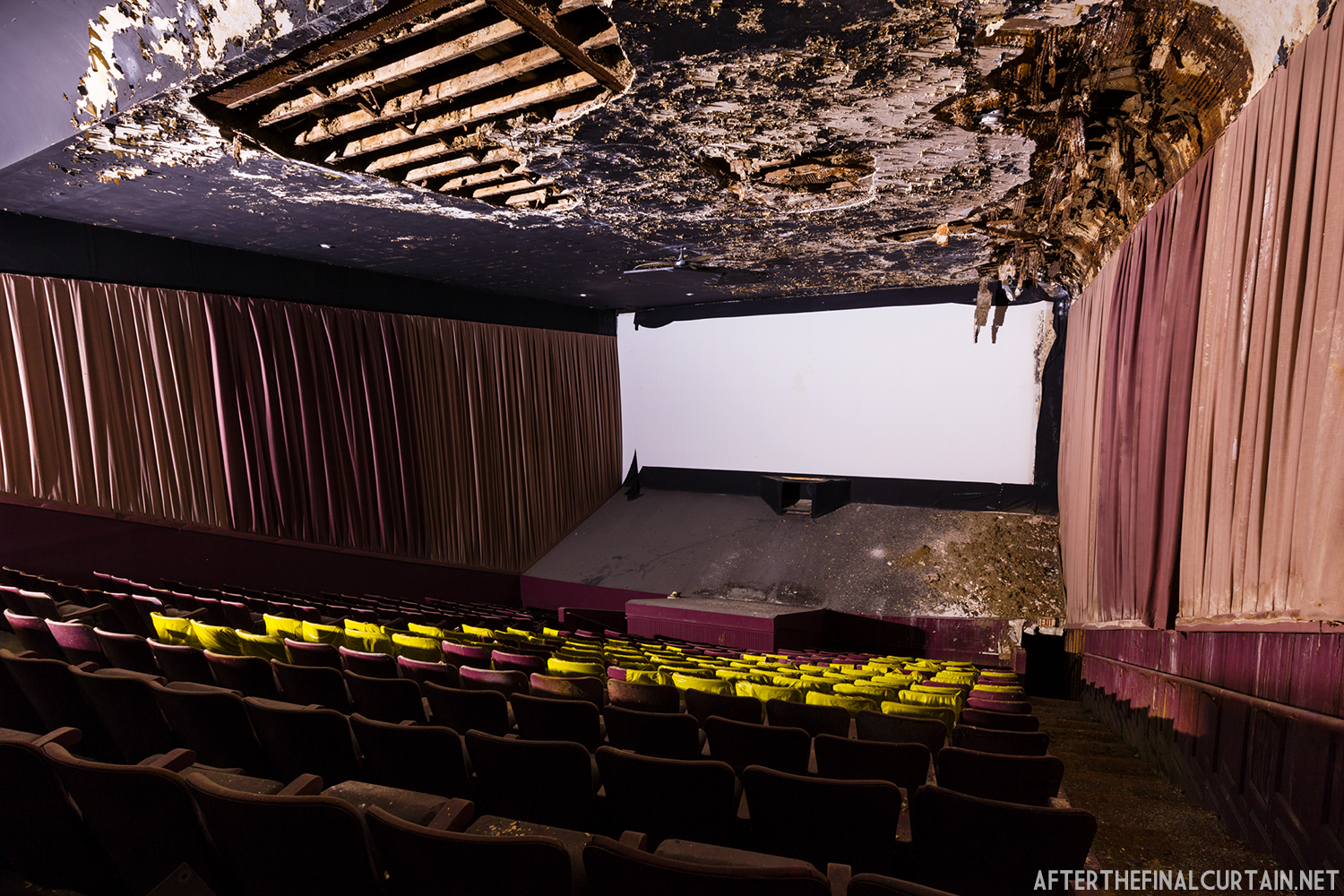
The Glove Theatre – Gloversville, NY

This was originally posted on After the Final Curtain’s Patreon in December 2024. For expanded early posts, as well as video walkthroughs and other exclusive content, you can become a patron at: https://www.patreon.com/afterthefinalcurtain
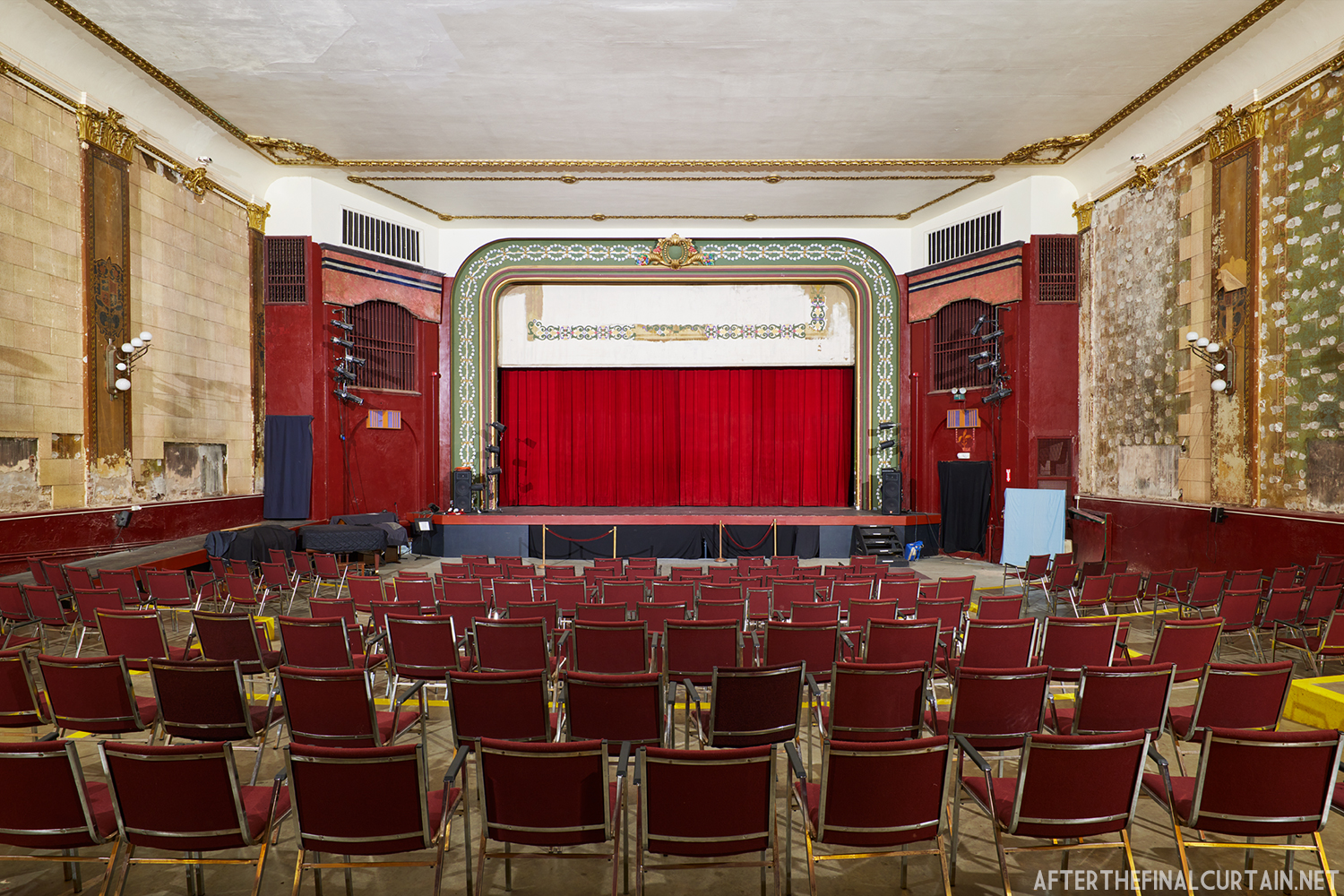
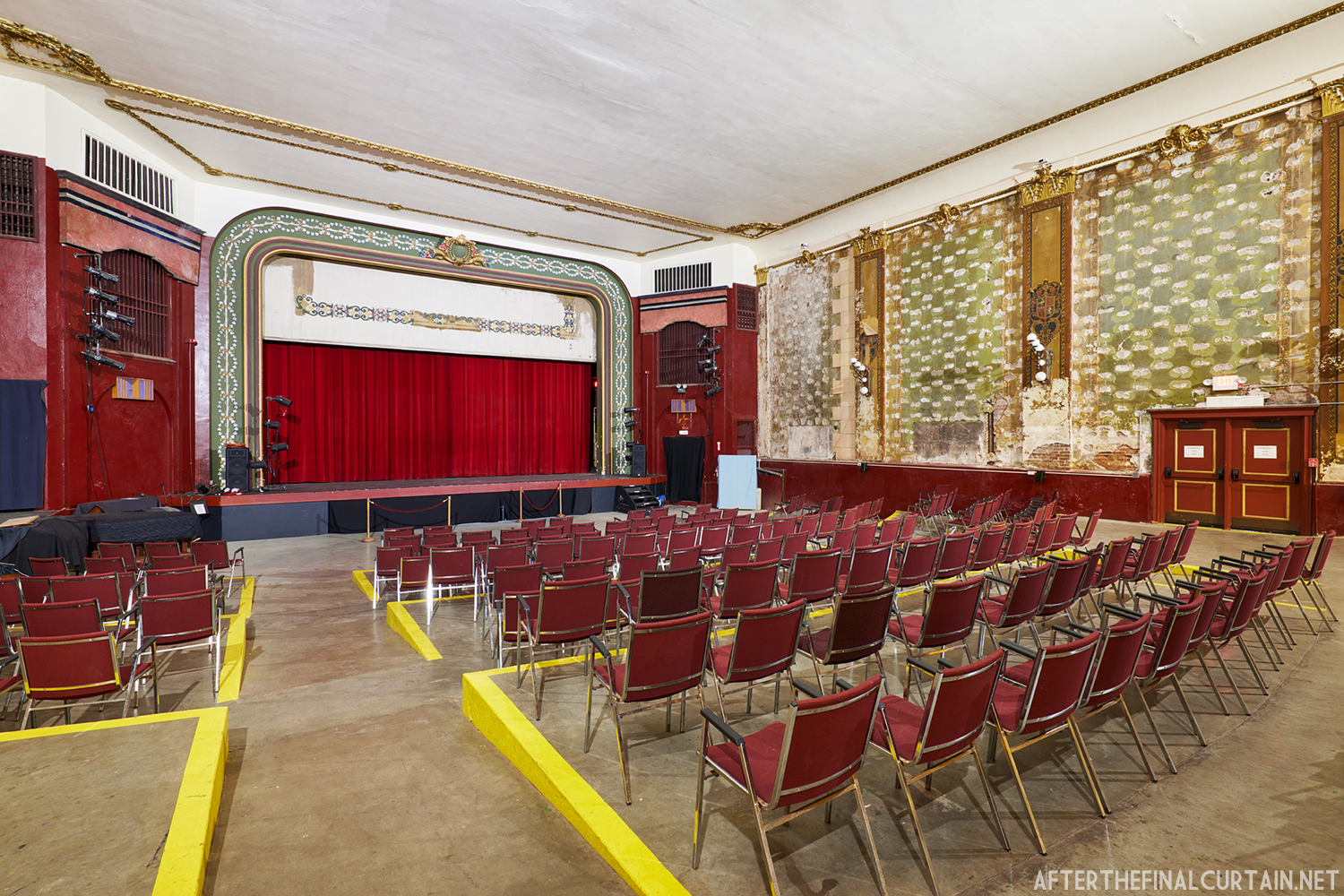
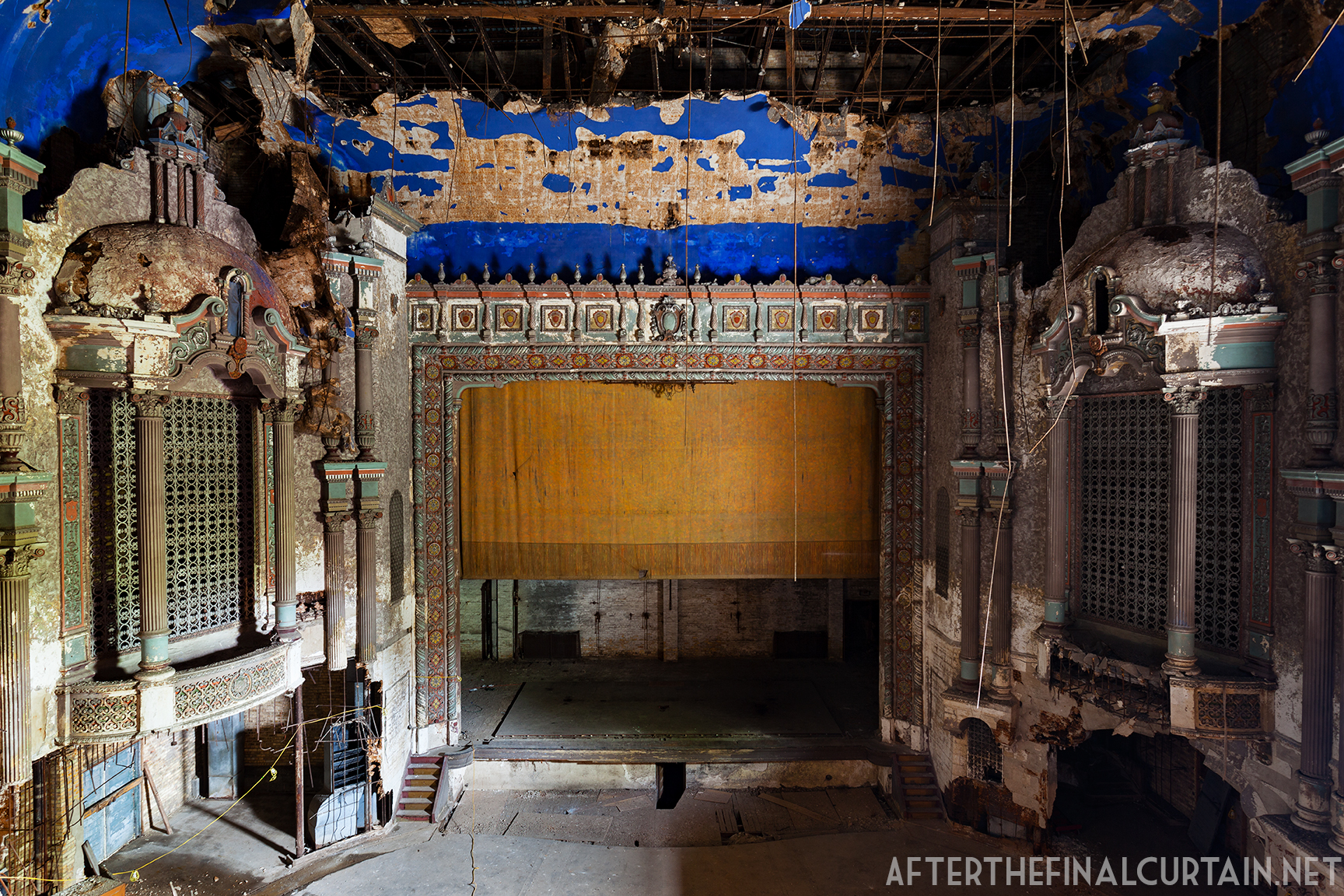
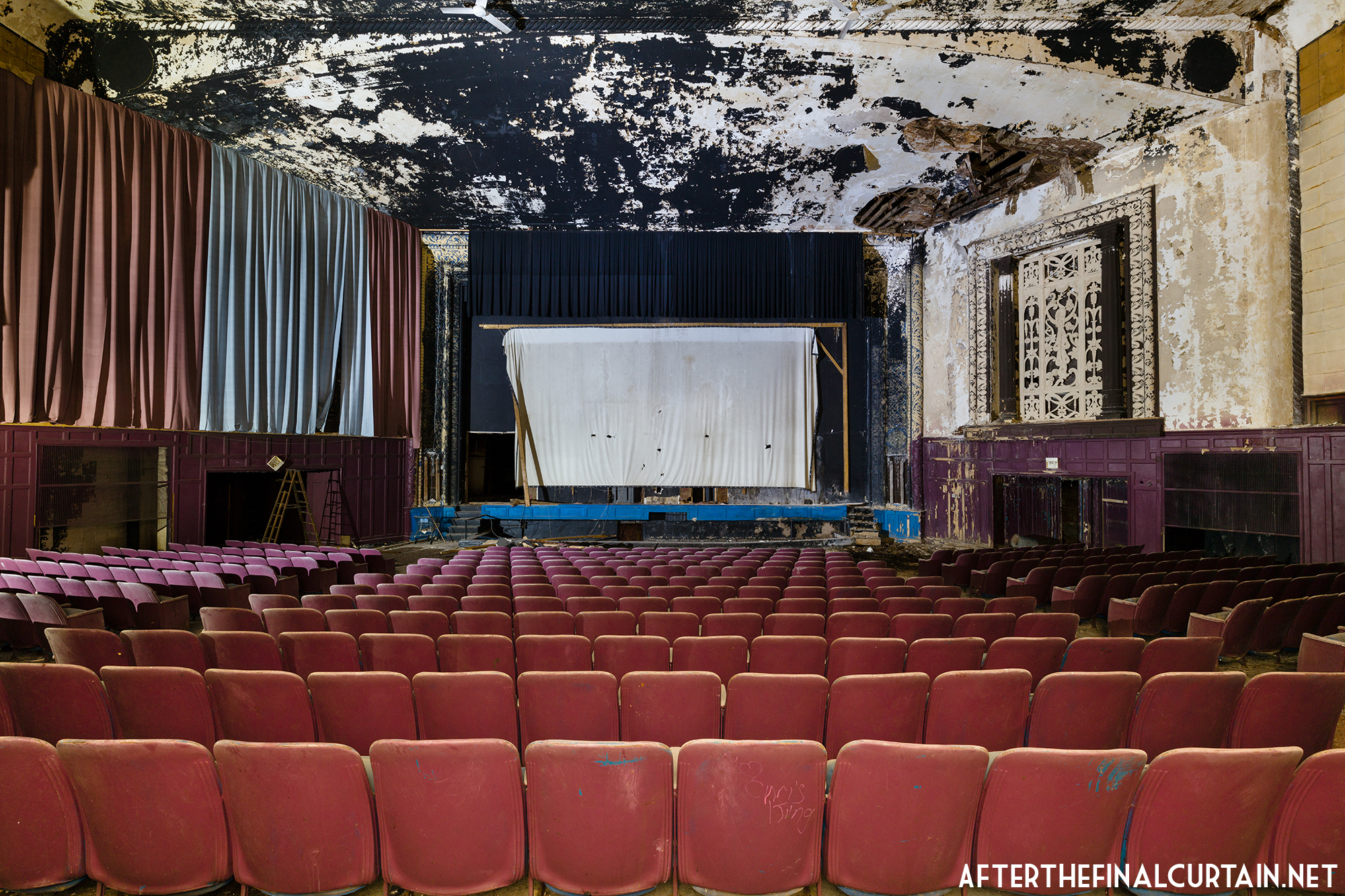
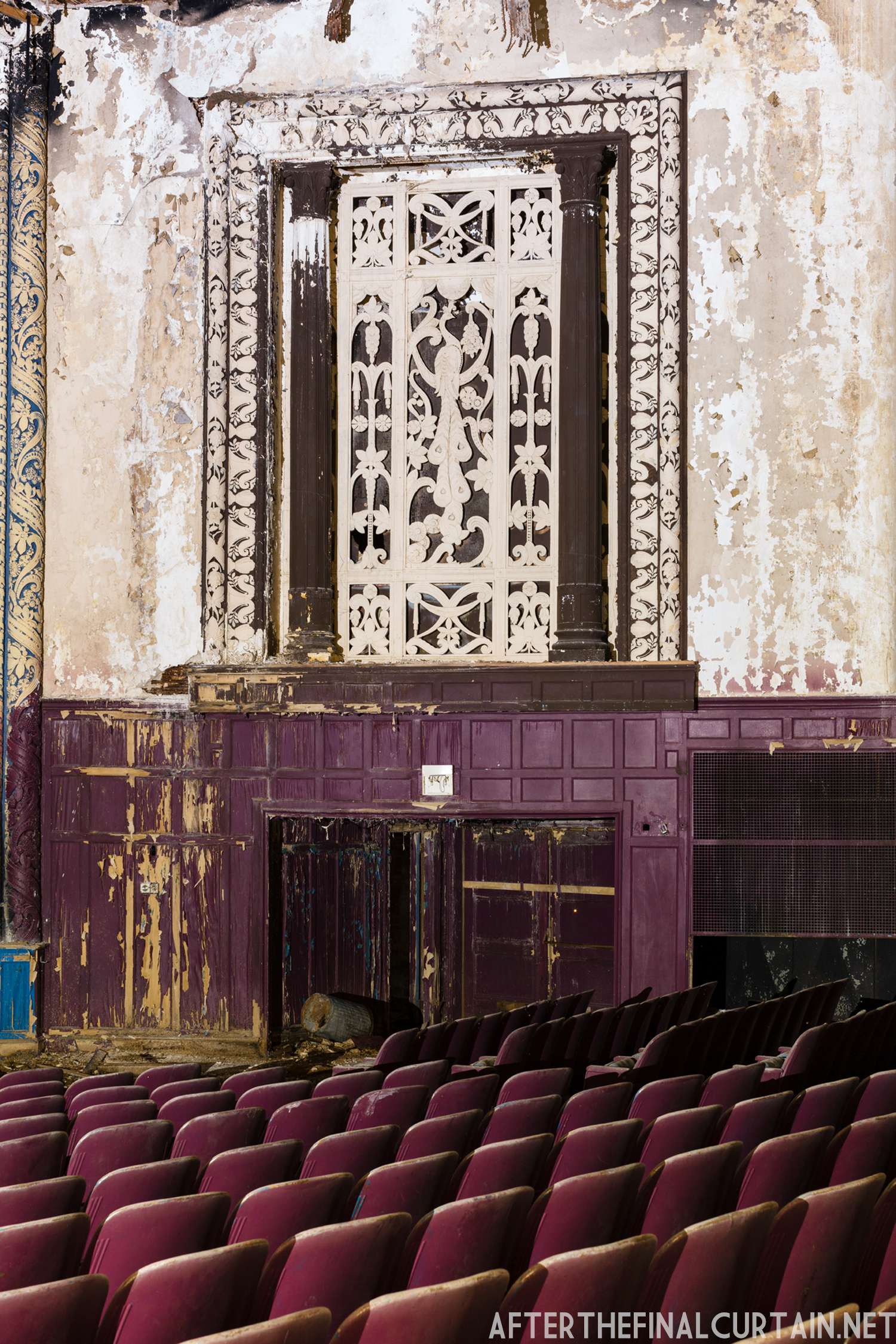
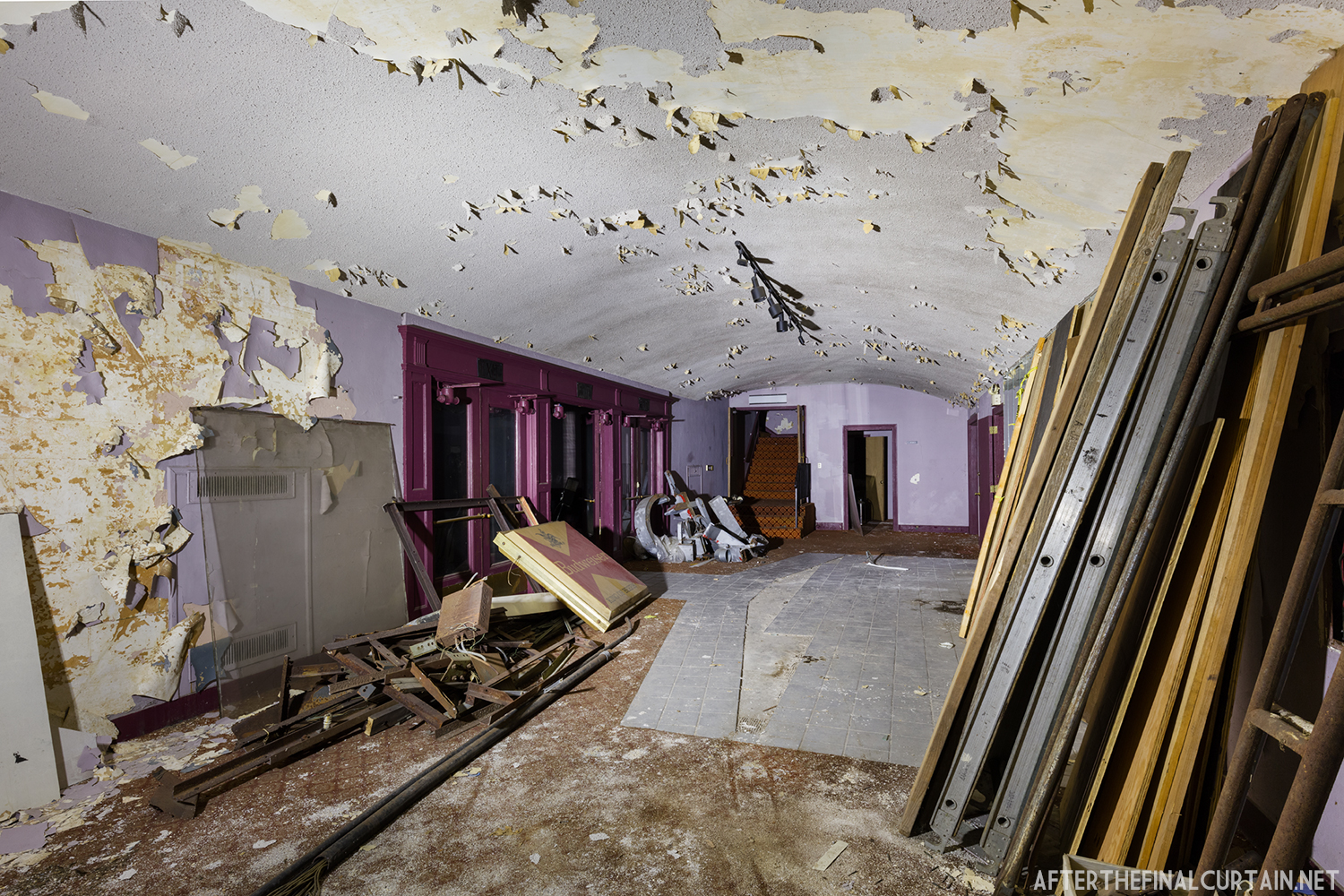
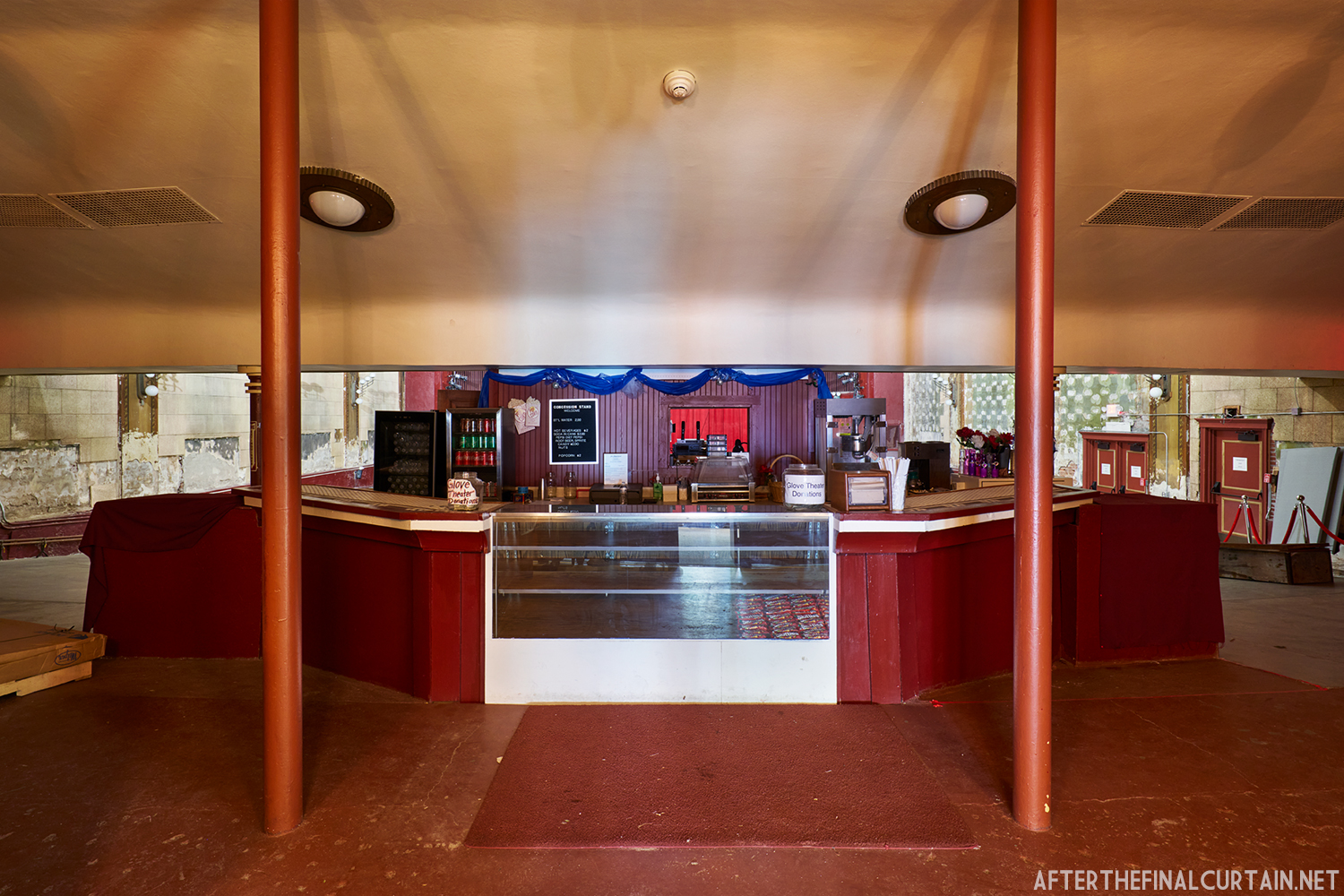
The Glove Theatre opened on October 9, 1914, as an 800-seat venue for live performances, vaudeville, and community events. Designed by architect Linn Kinne in the Classical Revival style, it quickly became a cultural hub in Gloversville, New York. Early years featured notable acts such as John Philip Sousa and Ethel Barrymore in “The Second Mrs. Tanqueray.” In 1920, the Schine brothers purchased the theater, making it the flagship of Schine Enterprises, which grew to operate over 150 theaters. By 1928, the Glove was among the first in the nation equipped with sound, showcasing its innovative edge.
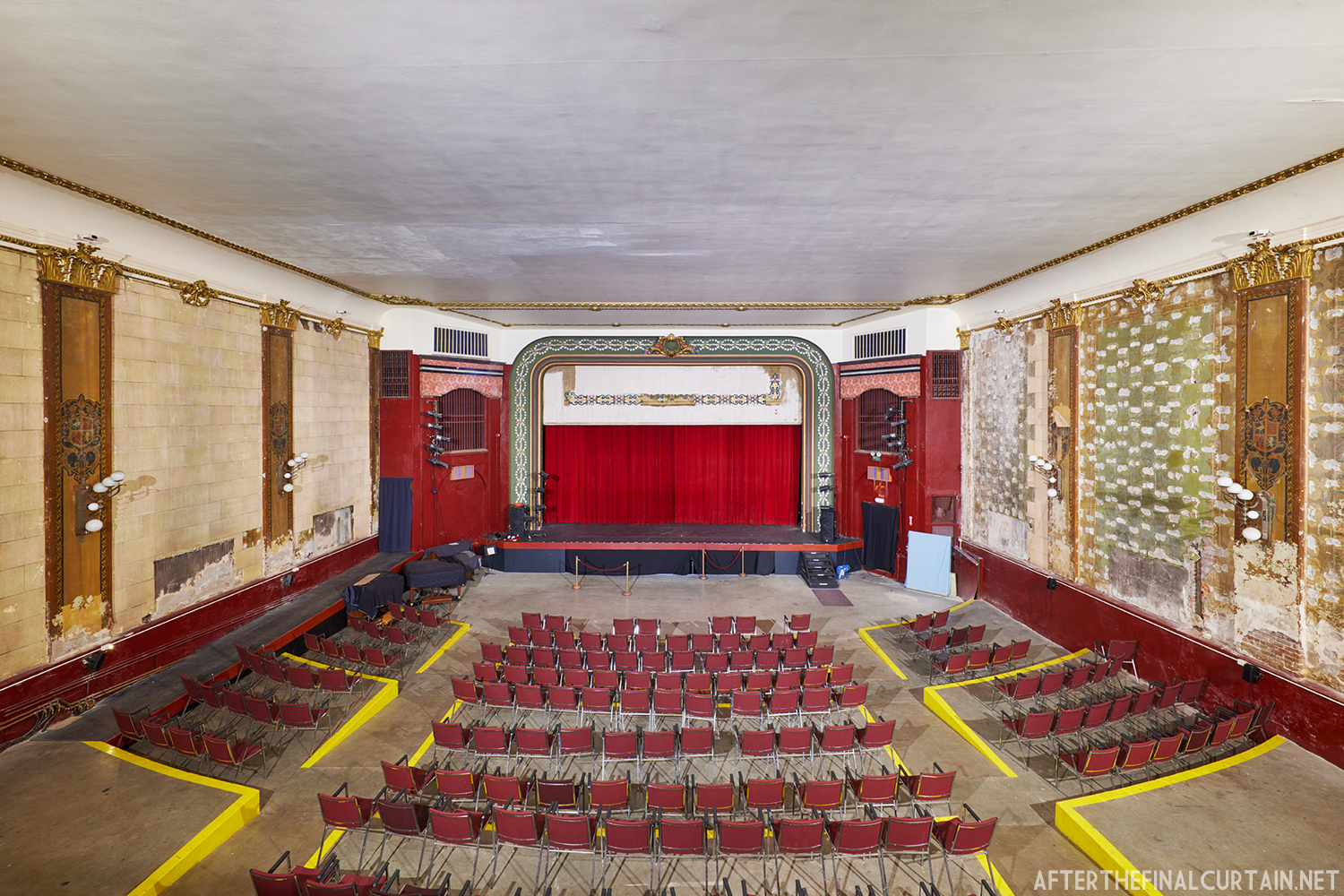
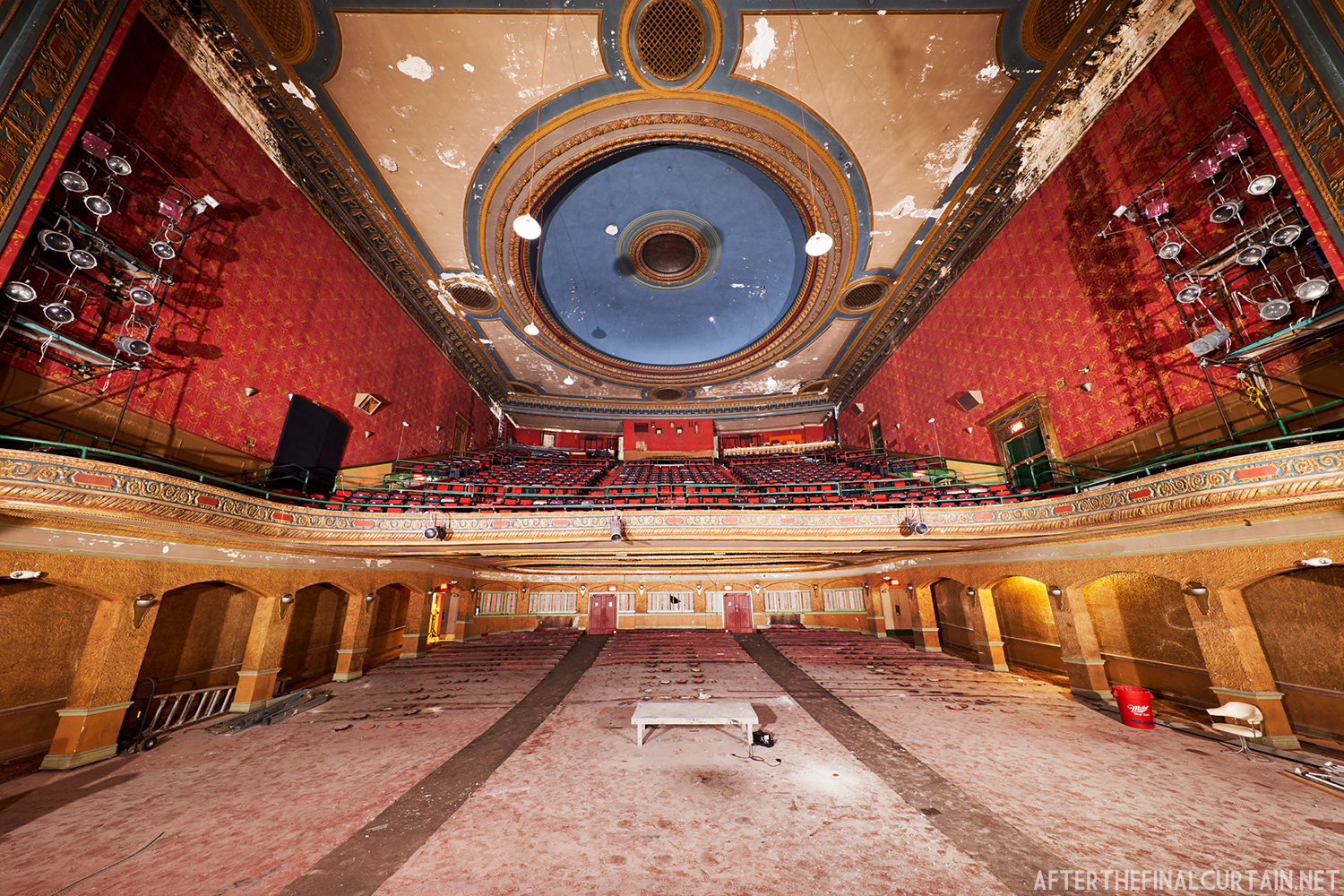
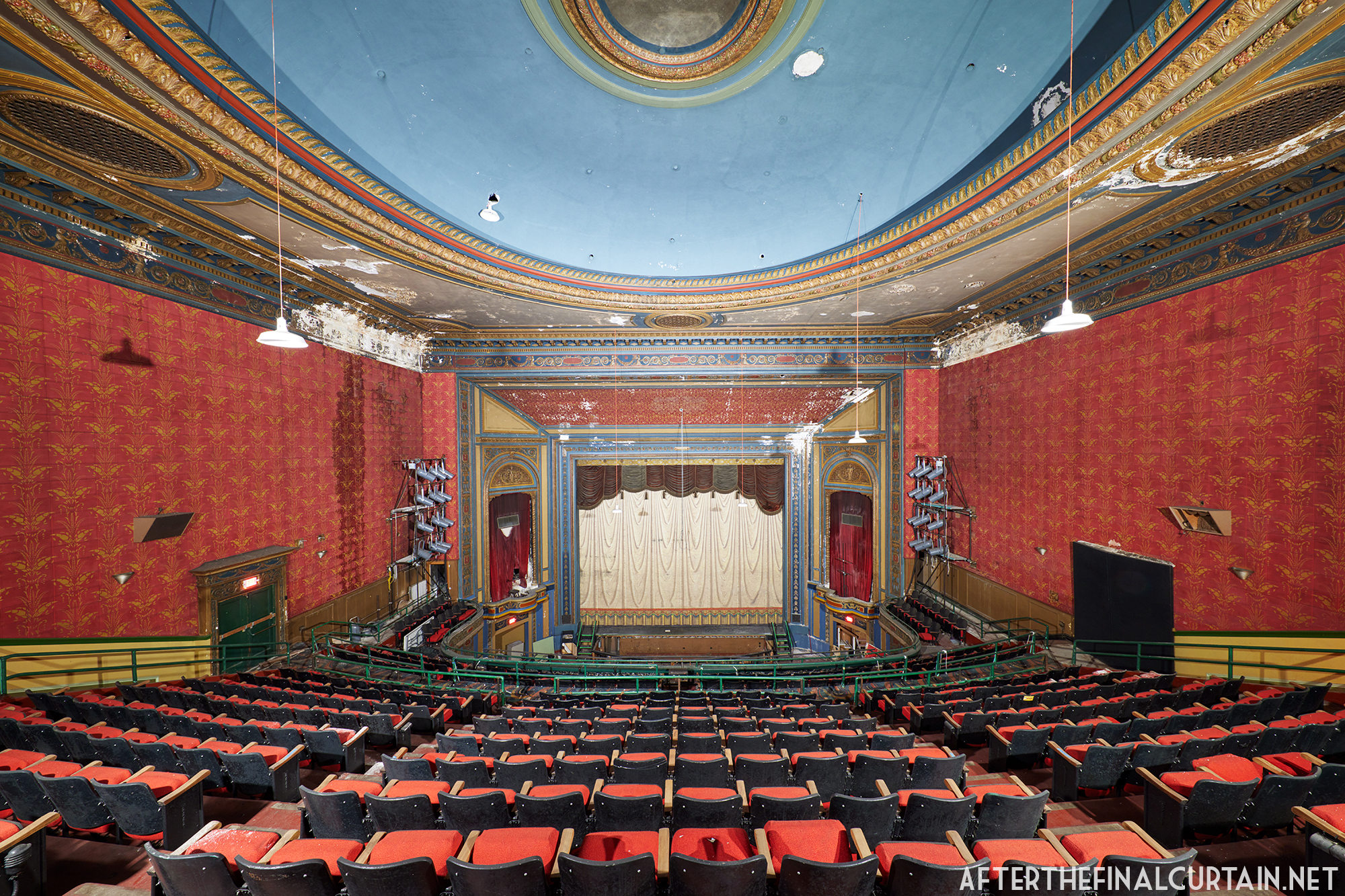
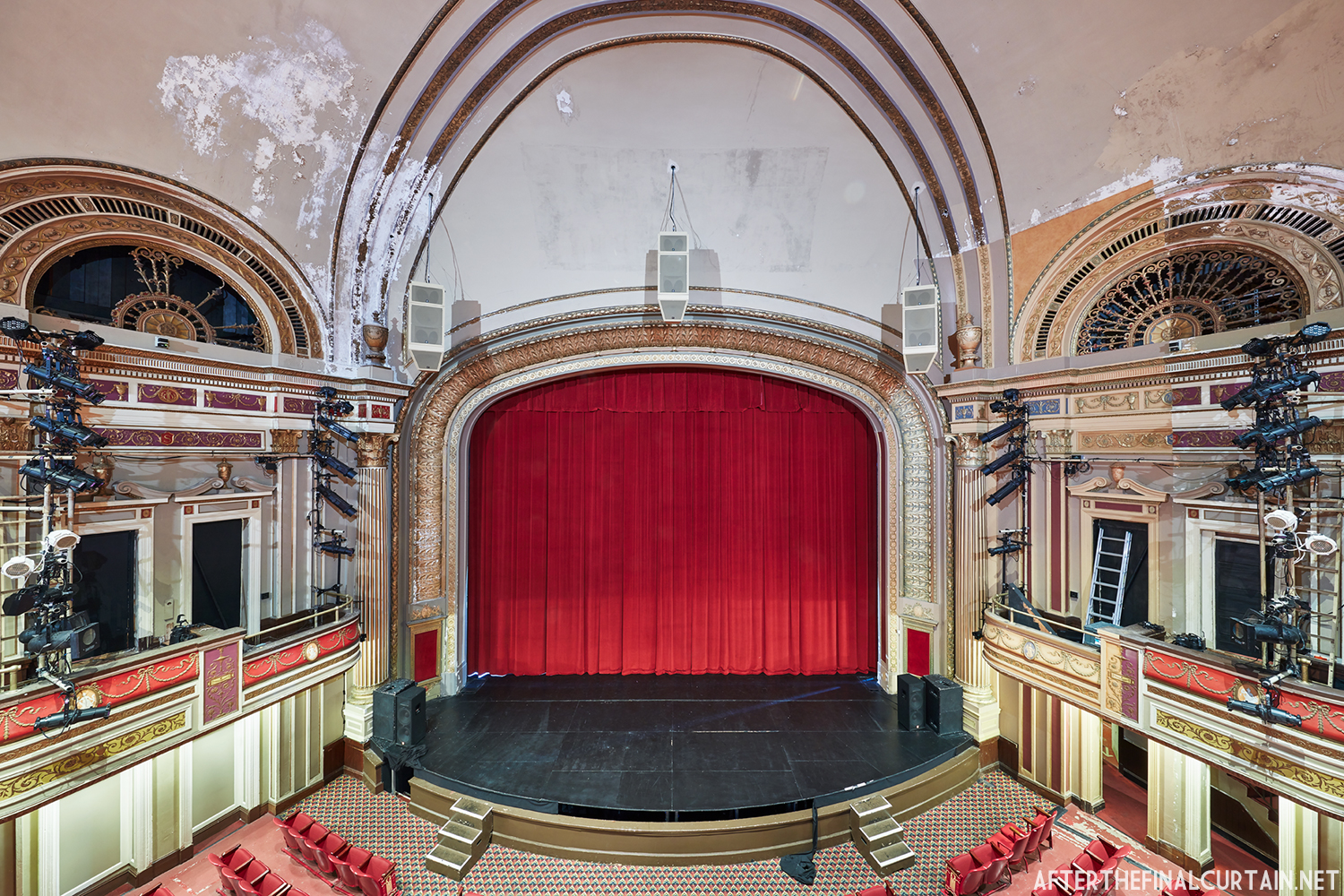
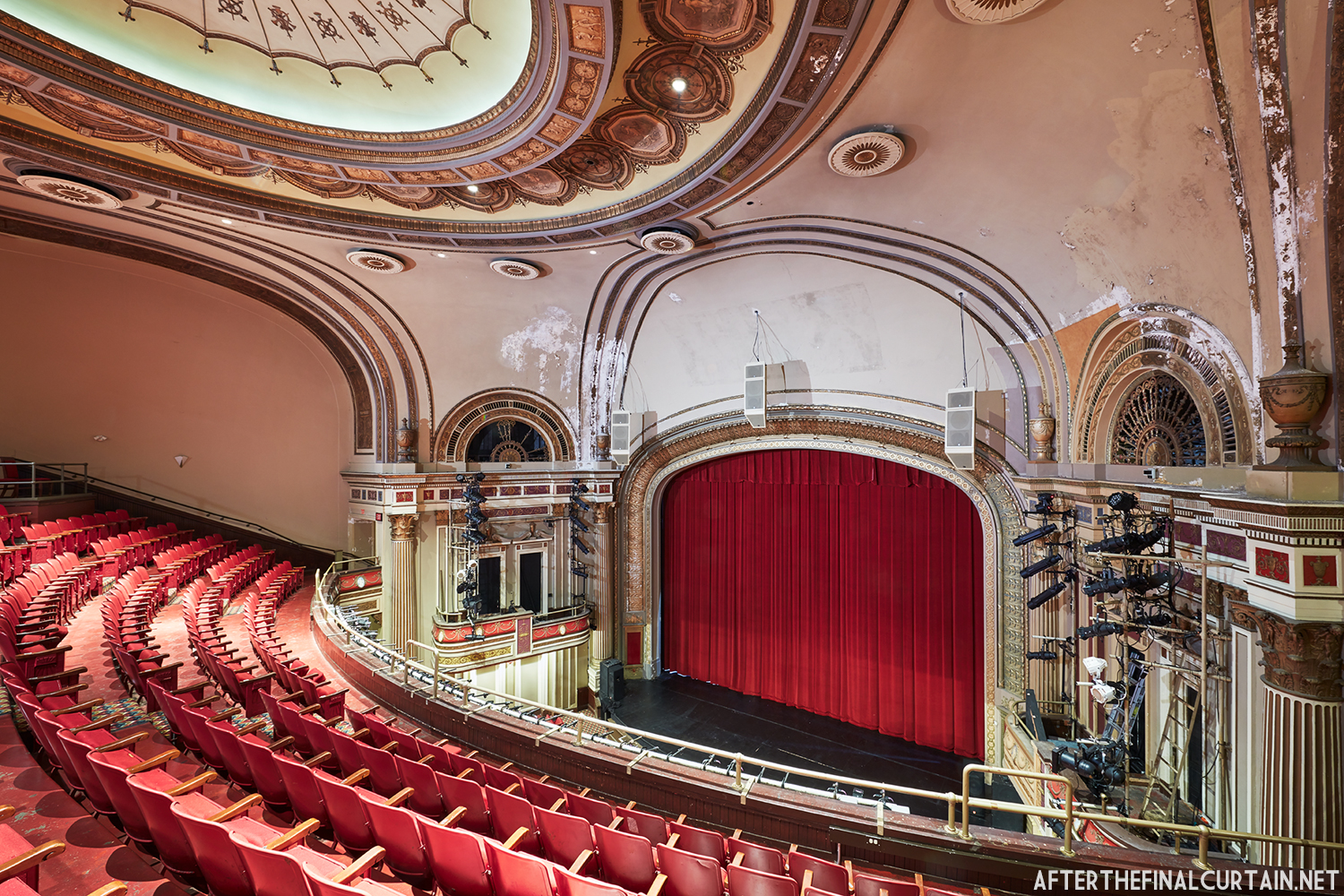
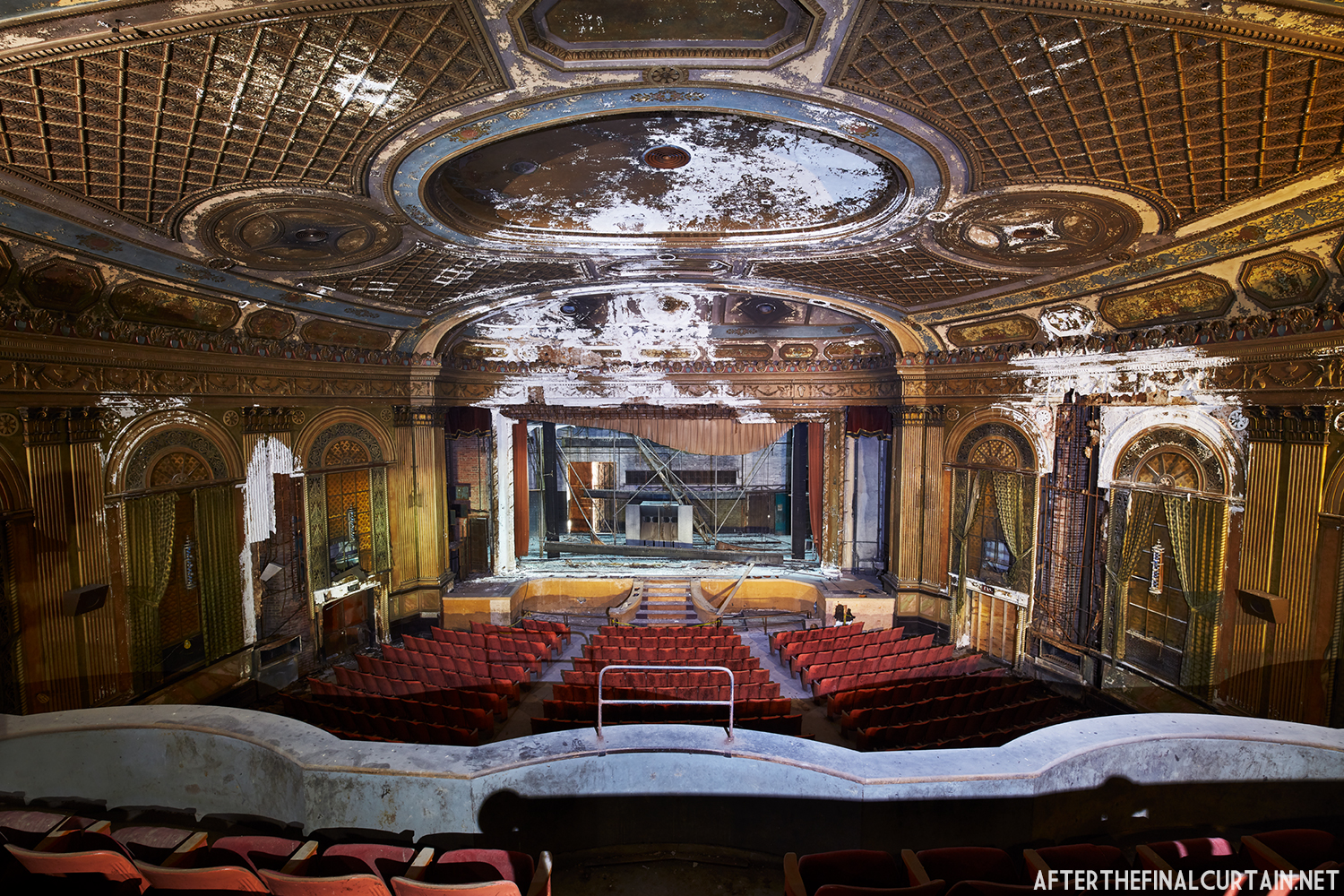
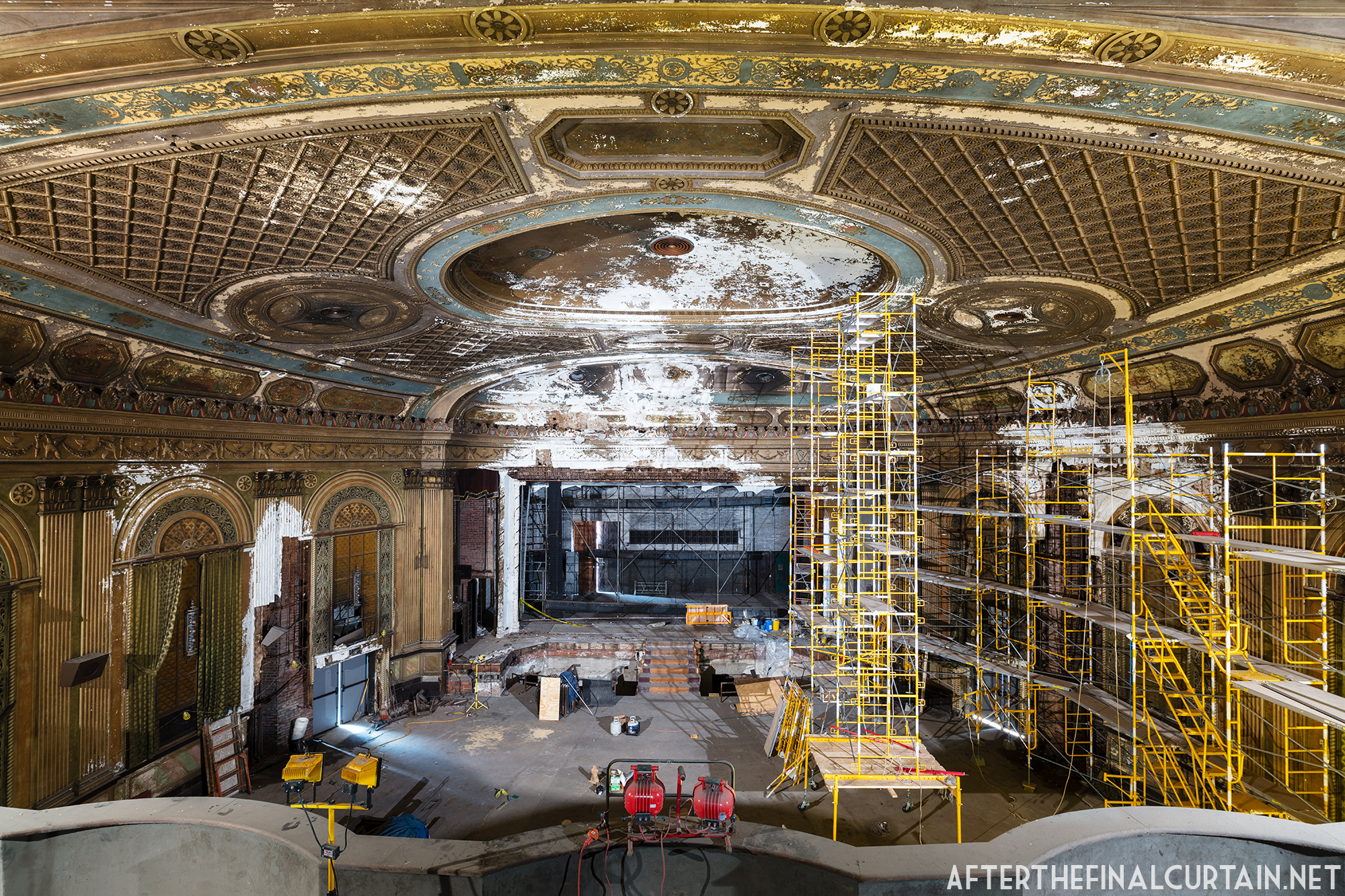
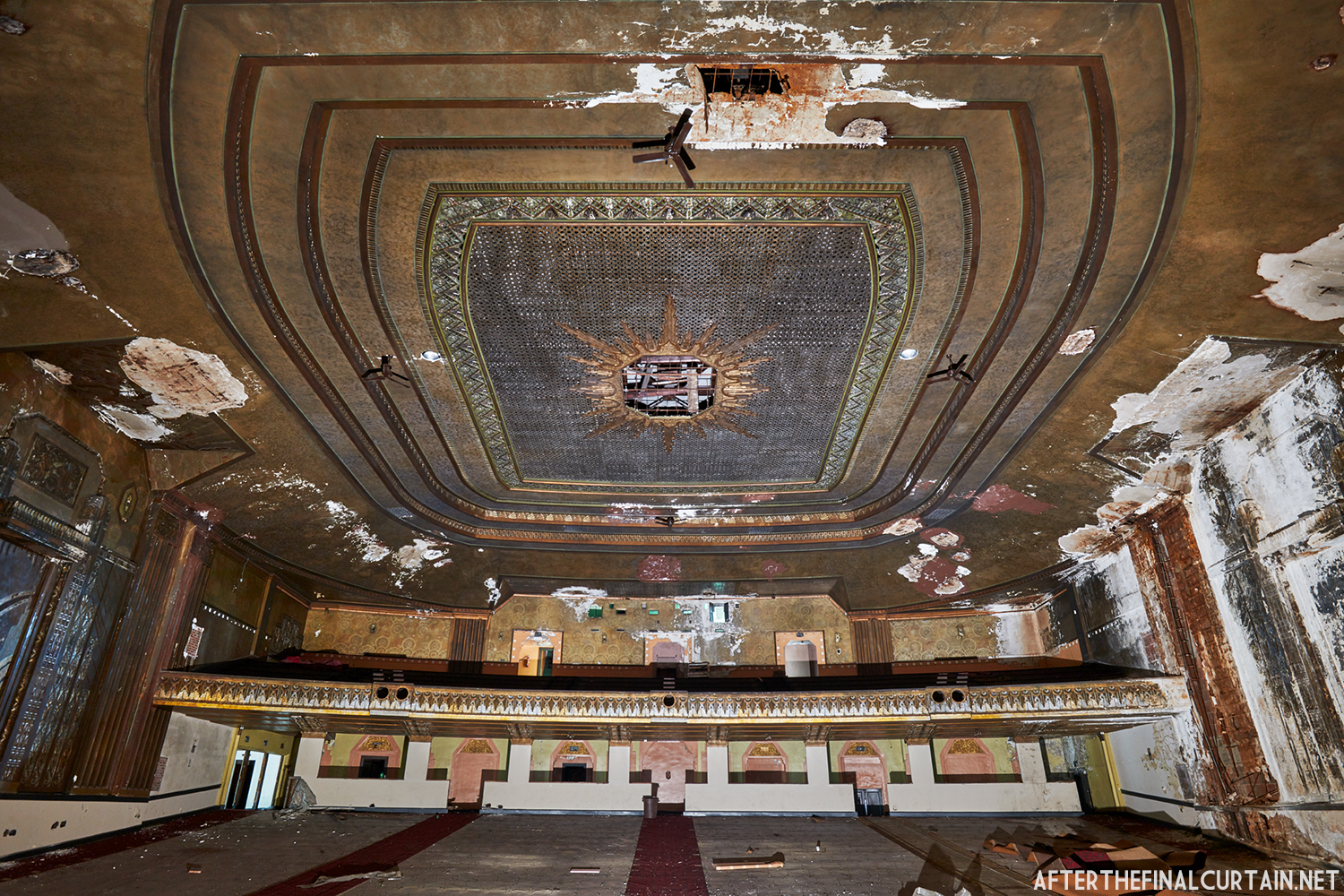
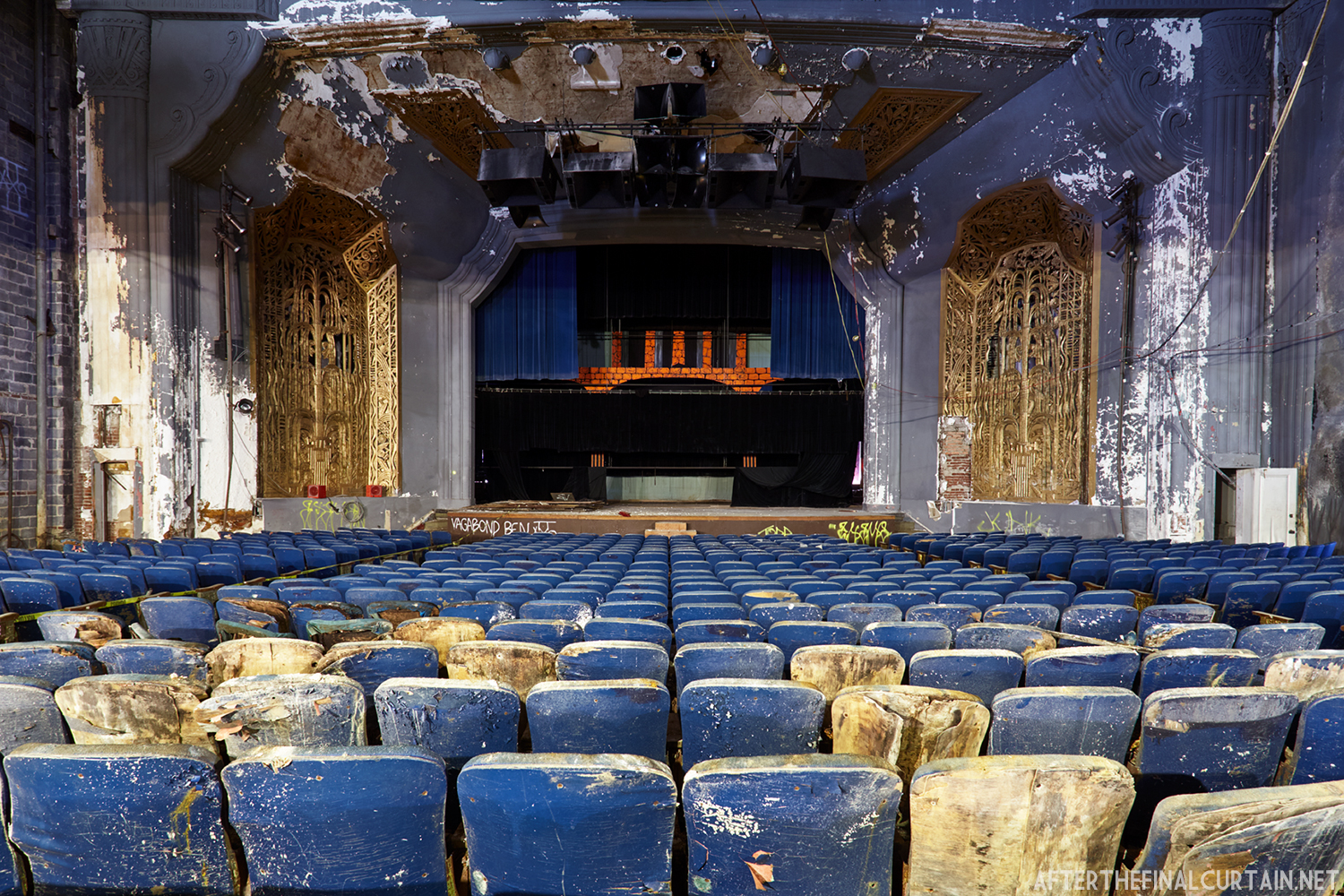
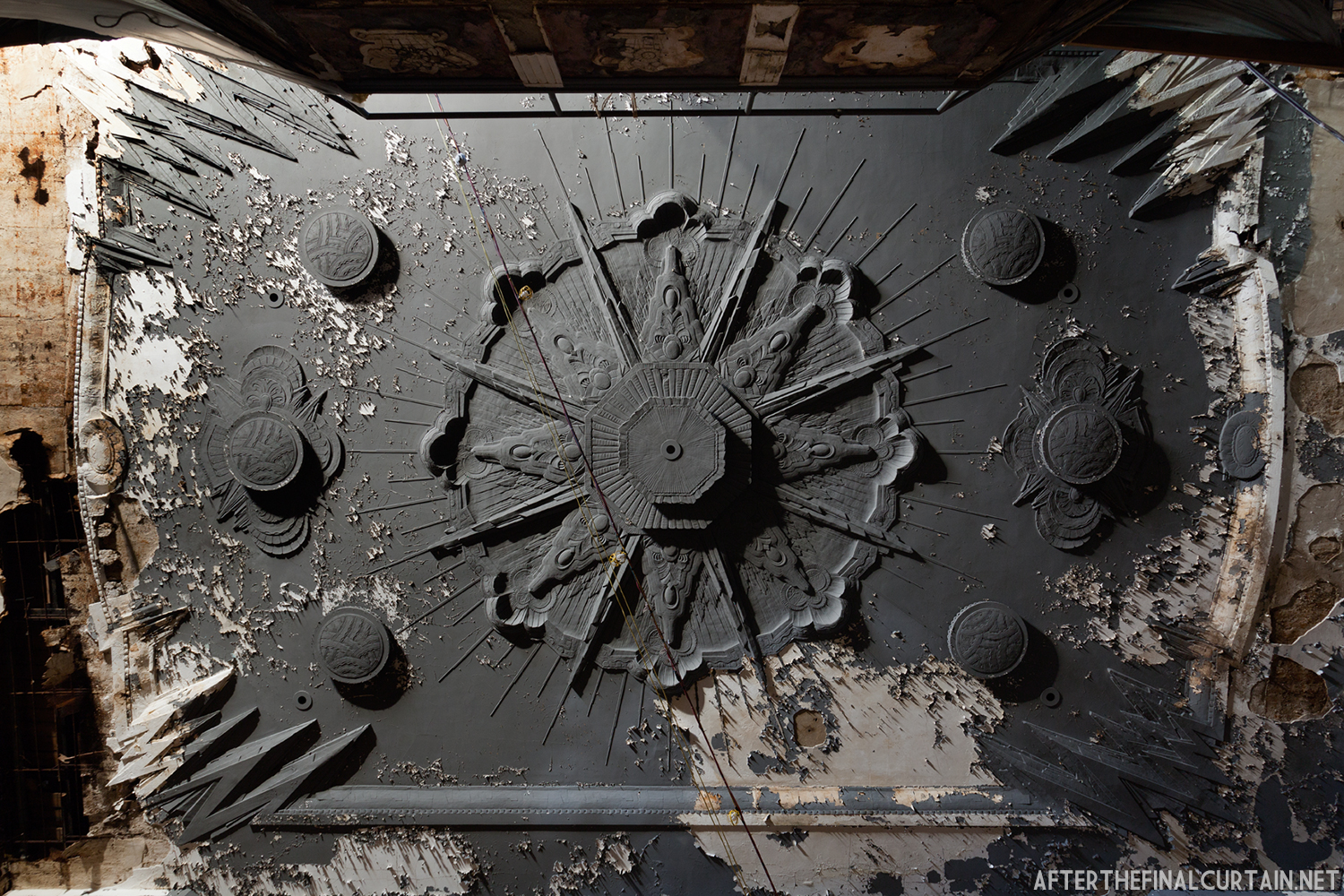
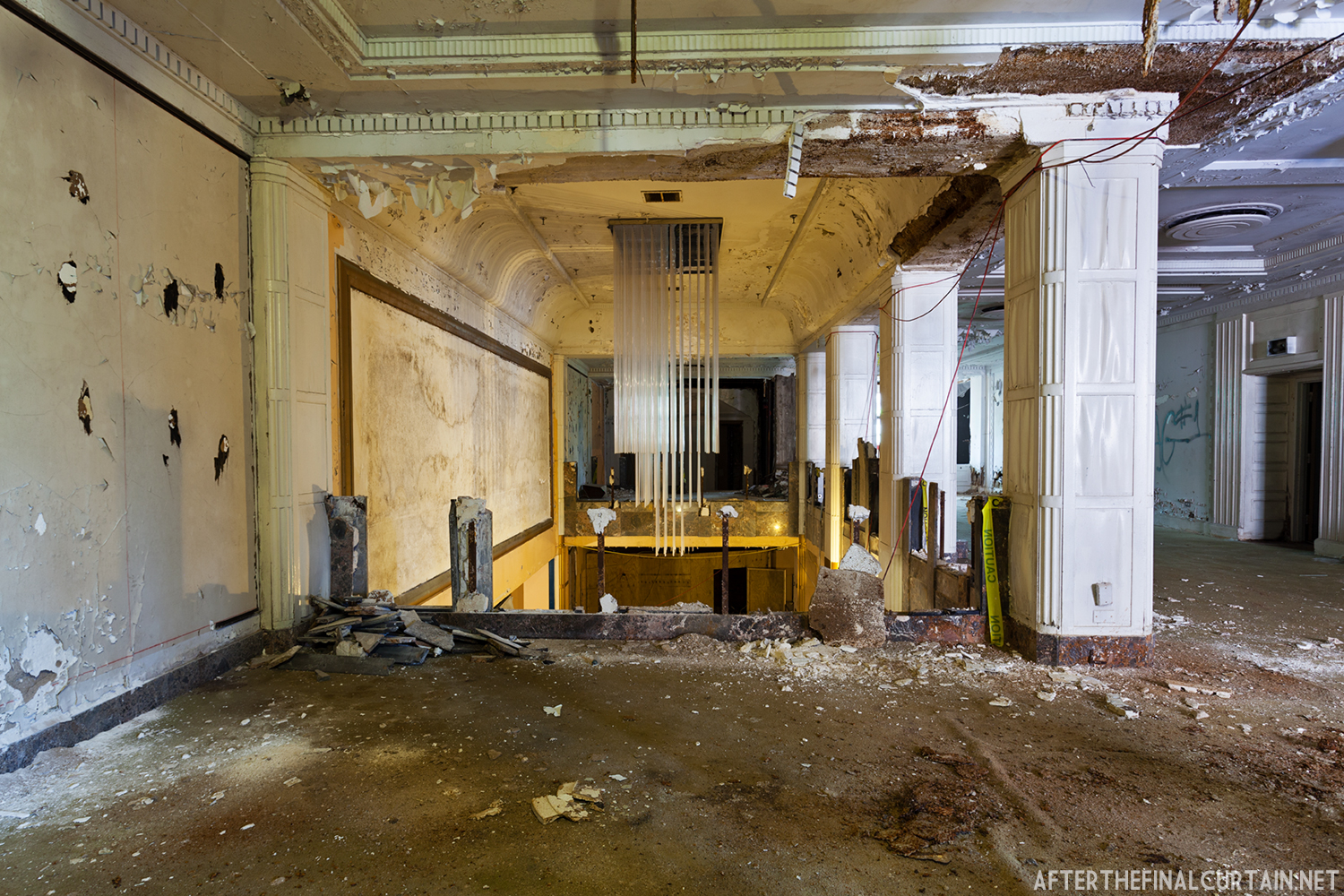
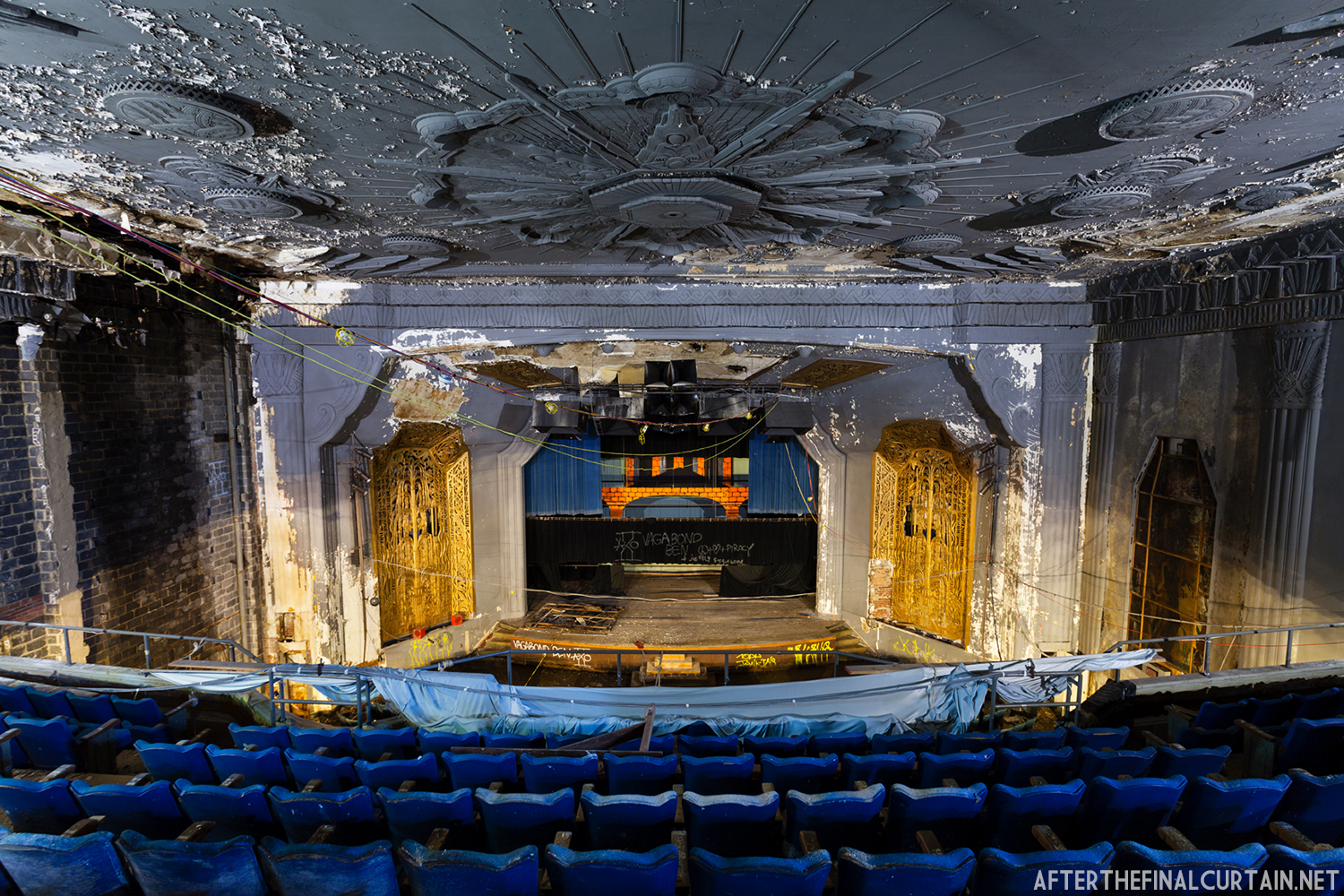
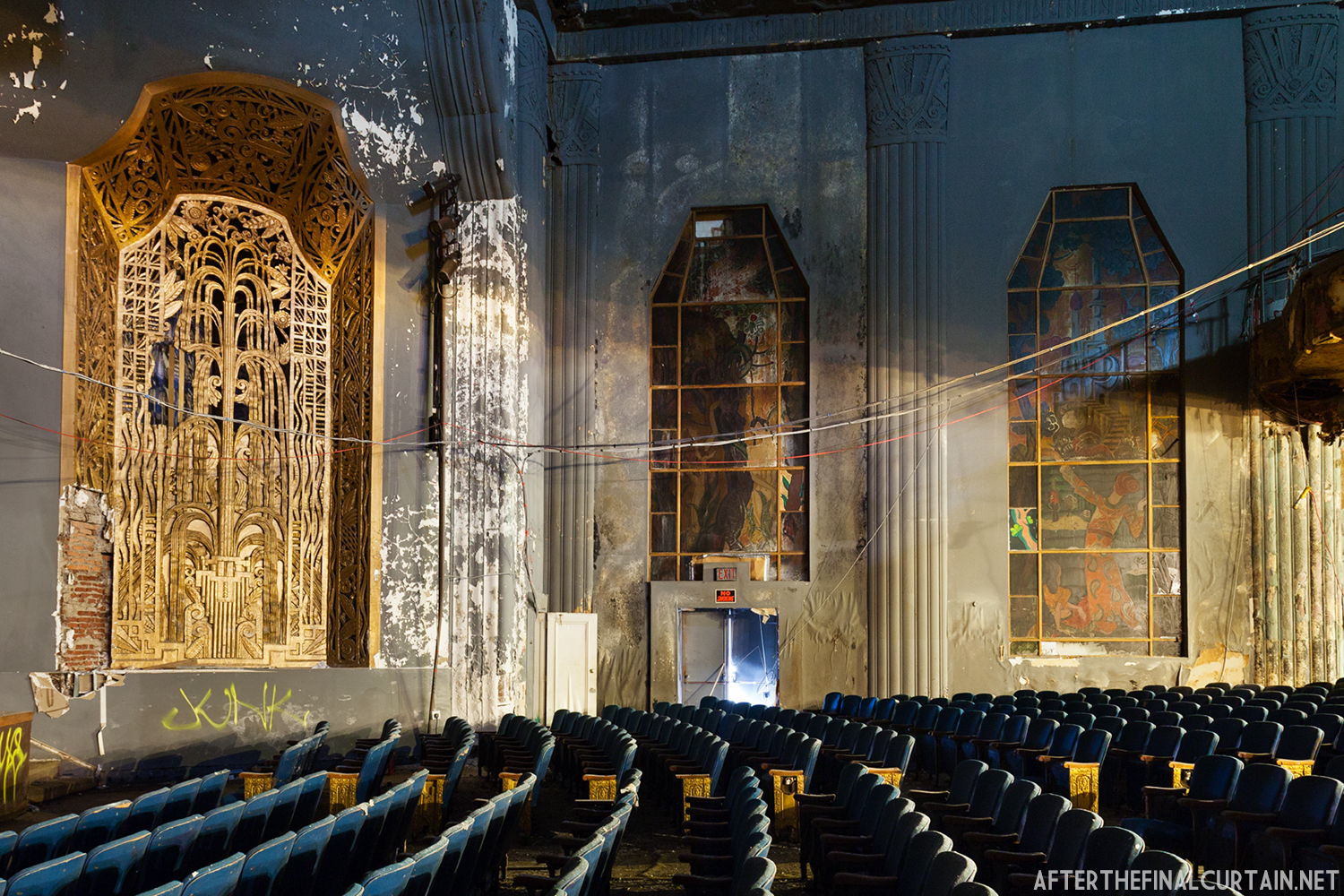
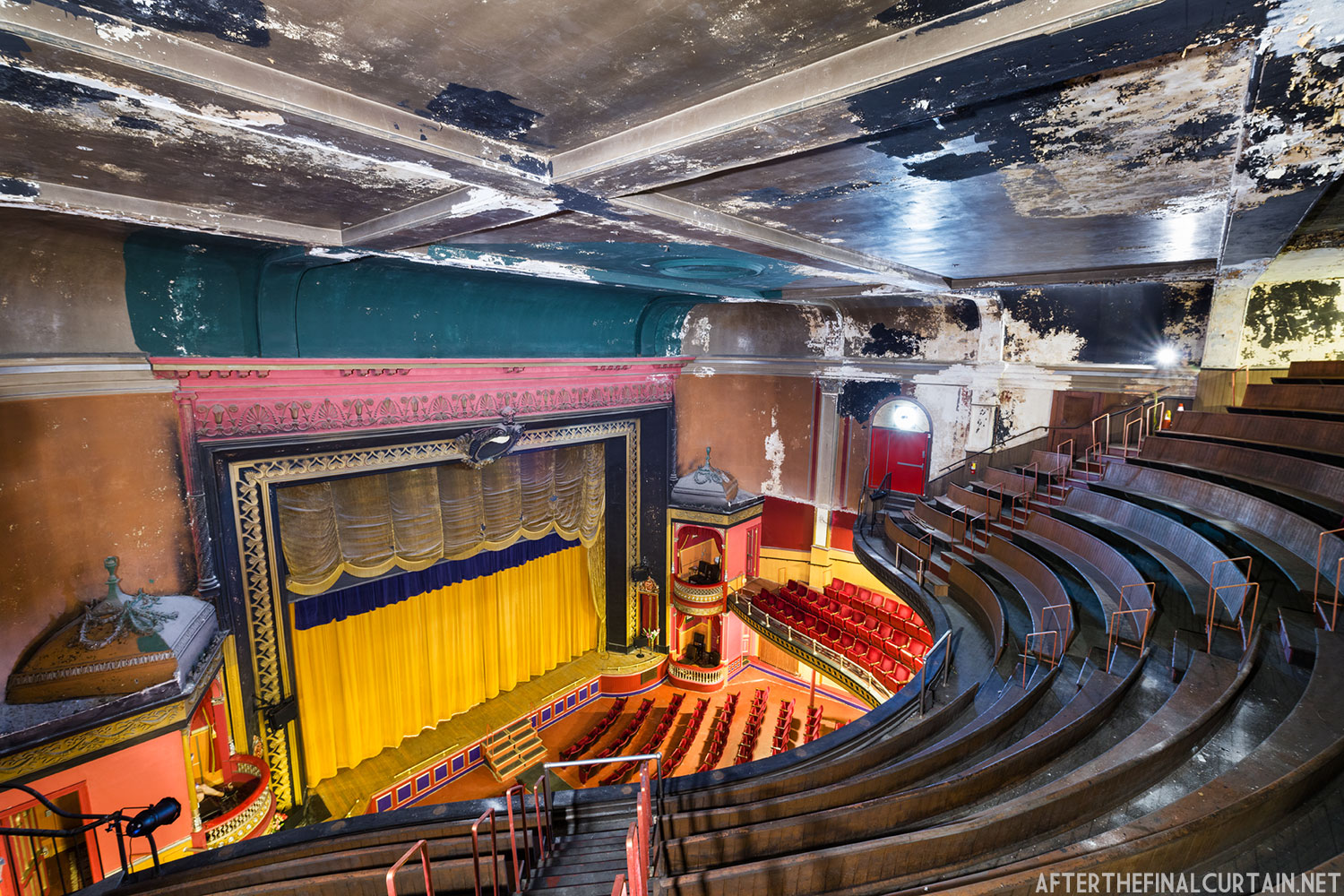
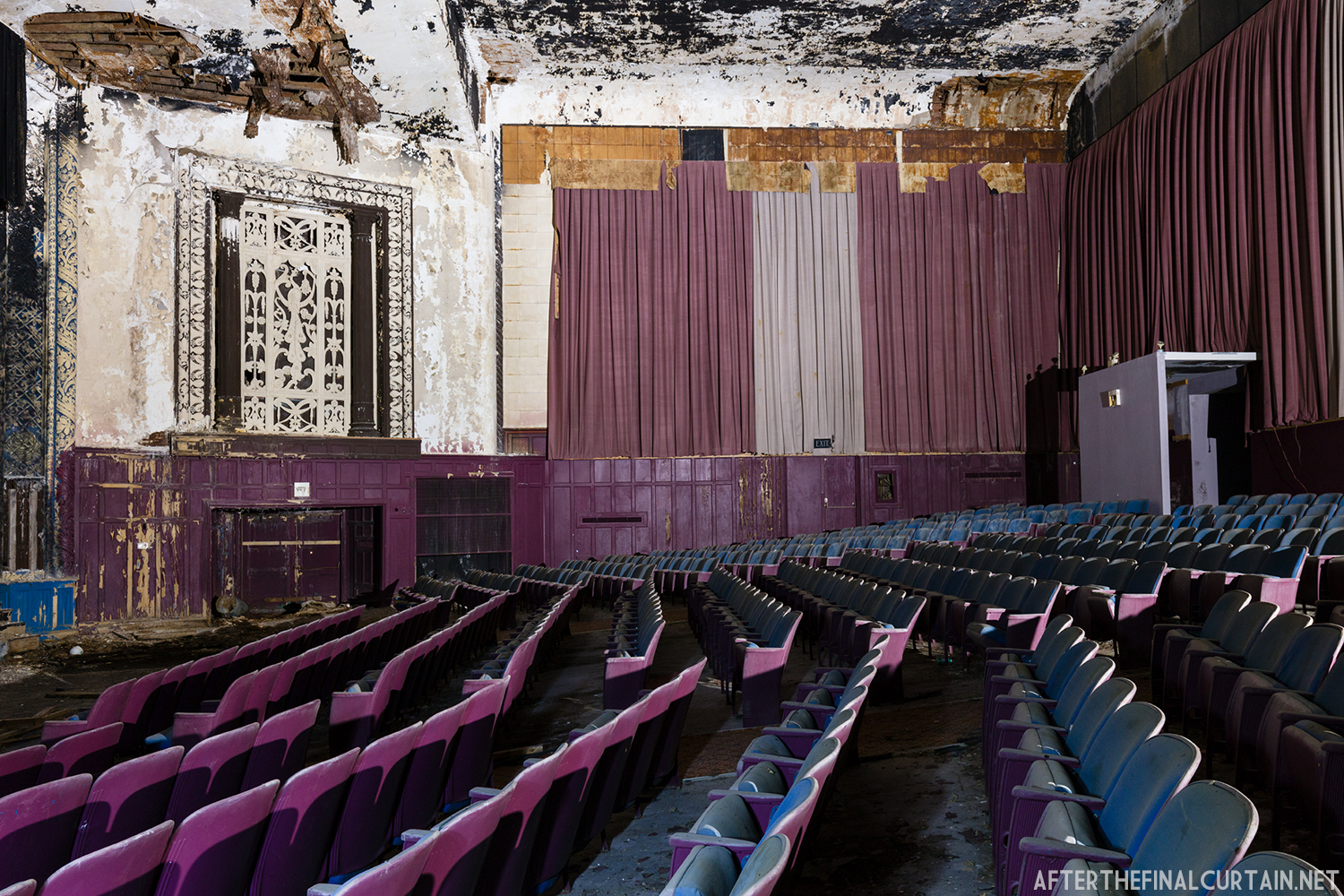
The Glove Theatre auditorium from the balcony.

View of the auditorium from the balcony.

A major Art Deco renovation in 1939 modernized the theater, including the addition of its iconic marquee. During this era, the Glove continued hosting renowned acts, including Irene Dunne, Charles Laughton, Charles Coburn, and Sally Rand. It also featured Ziegfeld Follies performers and major events like the premiere of “Drums Along the Mohawk” in 1939.
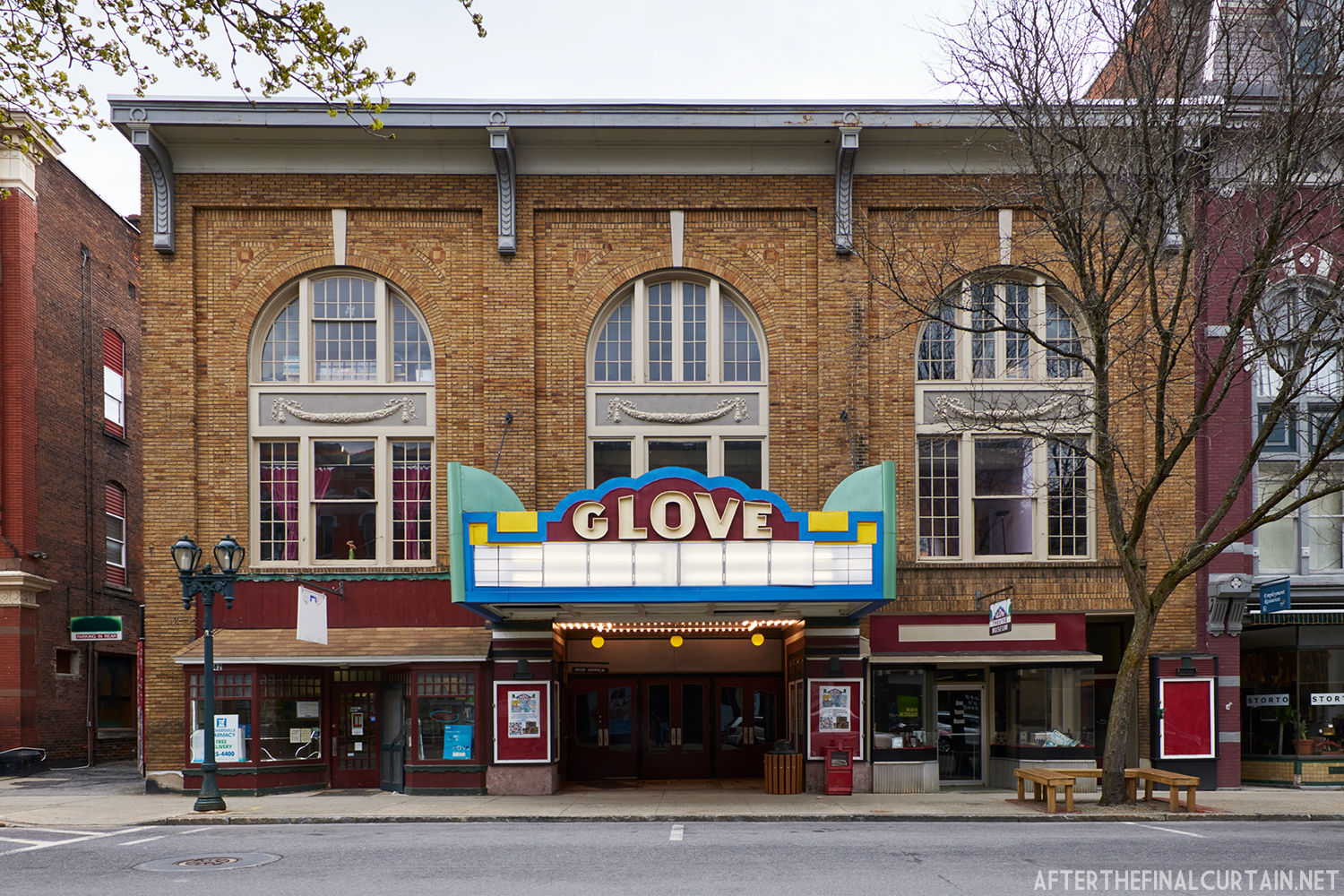
The exterior of the Glove theater in Gloversville, New York

The exterior of the theater.

Throughout the Great Depression and World War II, the theater remained a central community venue, offering newsreels, bond drives, and live entertainment while training veterans to manage theaters in the Schine chain.
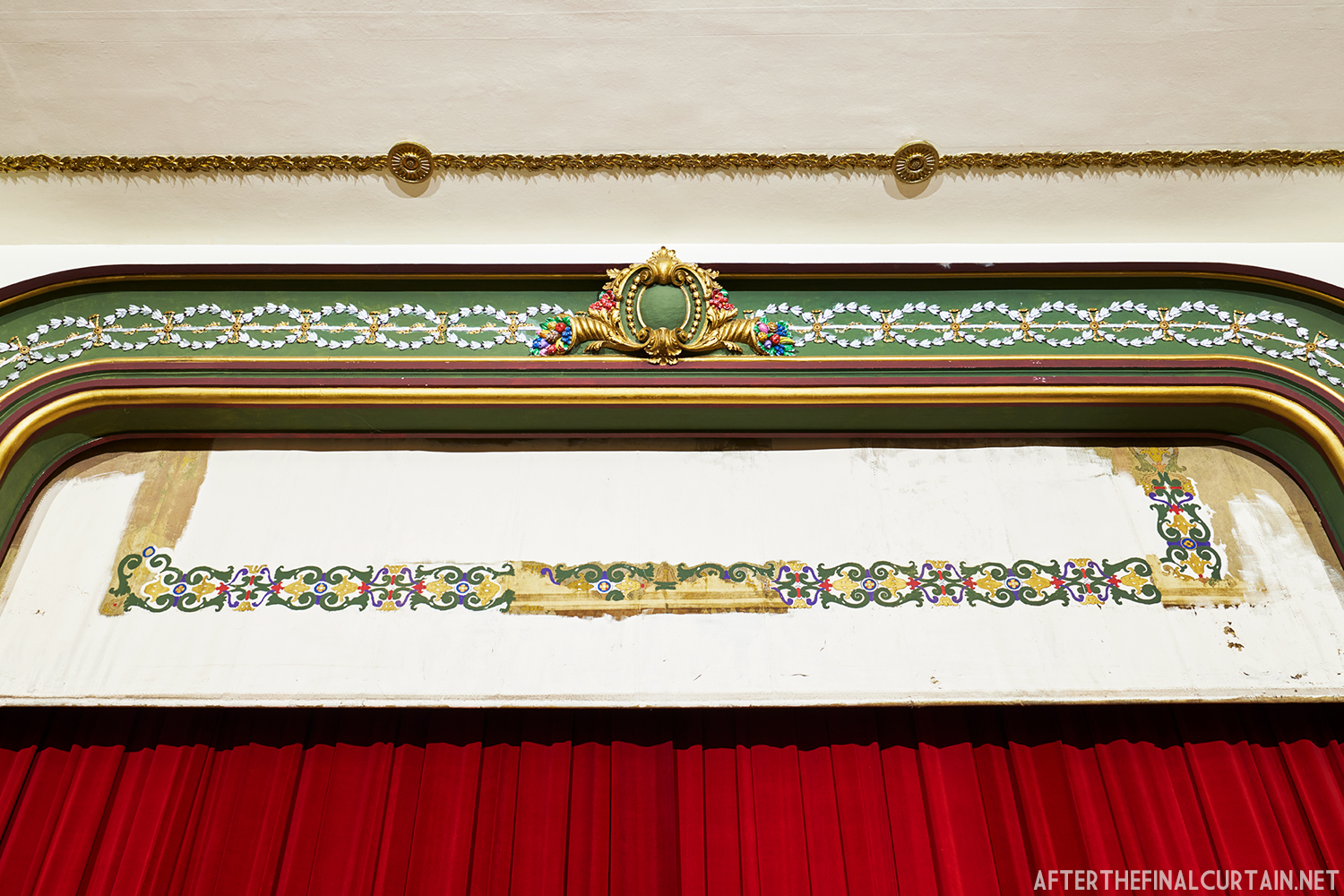
The Glove’s prominence waned by the 1960s as economic shifts affected the region. Despite hosting memorable performances by acts like Tony Randall and Buddy Jewell, the theater closed in 1971, marking the end of regular operations. For over two decades, the building stood vacant, with occasional screenings and events. By 1995, the theater faced demolition, but community members rallied to save it, forming the Gloversville Theatre Corporation.
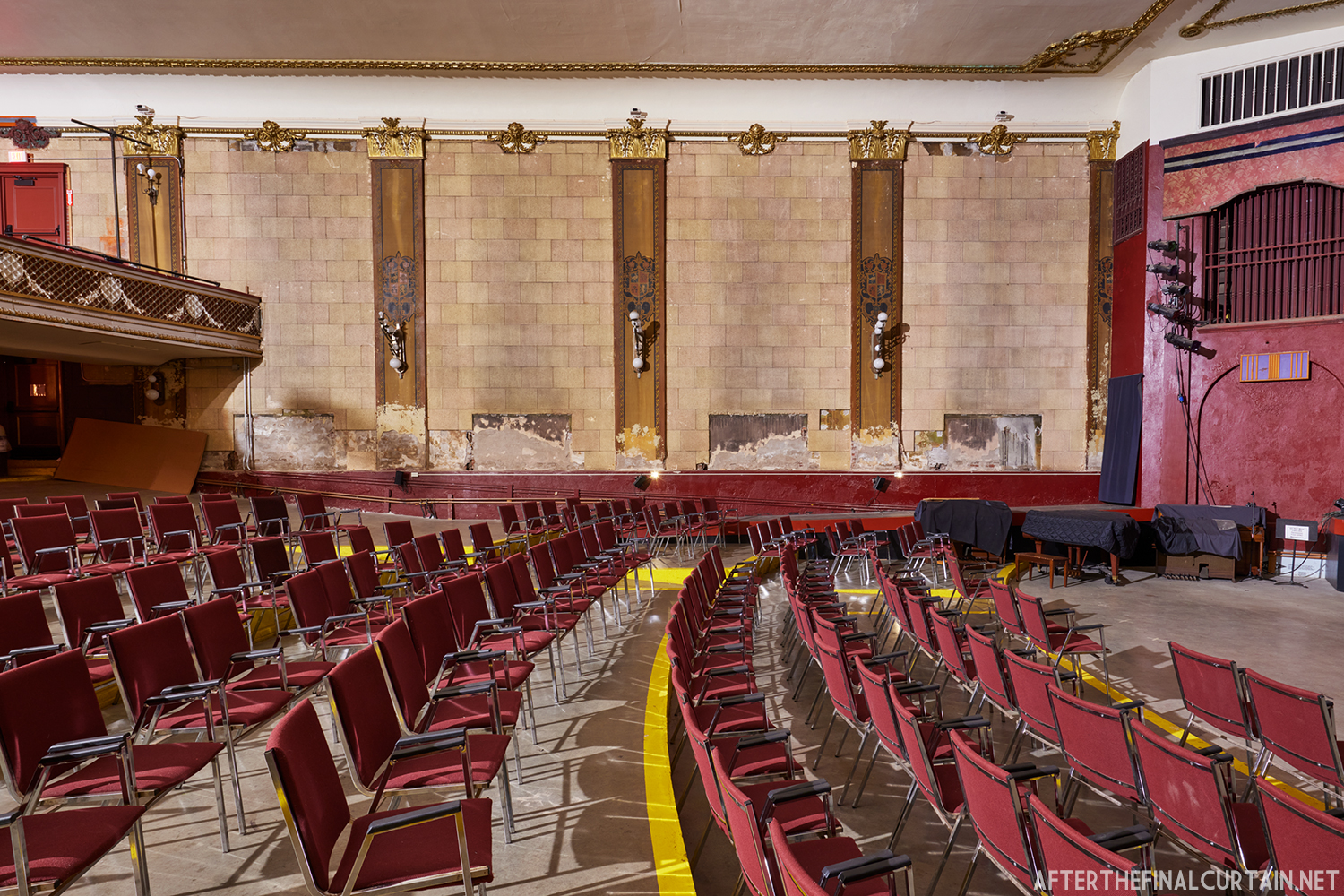
It reopened in 1997 with a grand event, The Phantom of the Glove, featuring local performers and community participation. In the 2000s, the theater hosted a mix of productions, including musicals, concerts, and youth programming. Performances included Alex Torres & His Latin Orchestra, the Wynotte Sisters, the Caroga Arts Collective, and Quintocracy. The Glove also featured unique acts like Zippy the Chimp, Leo the Lion (of MGM fame), and the NoLaNauts. The venue evolved into a community hub, offering affordable and creative programming for families and local artists.
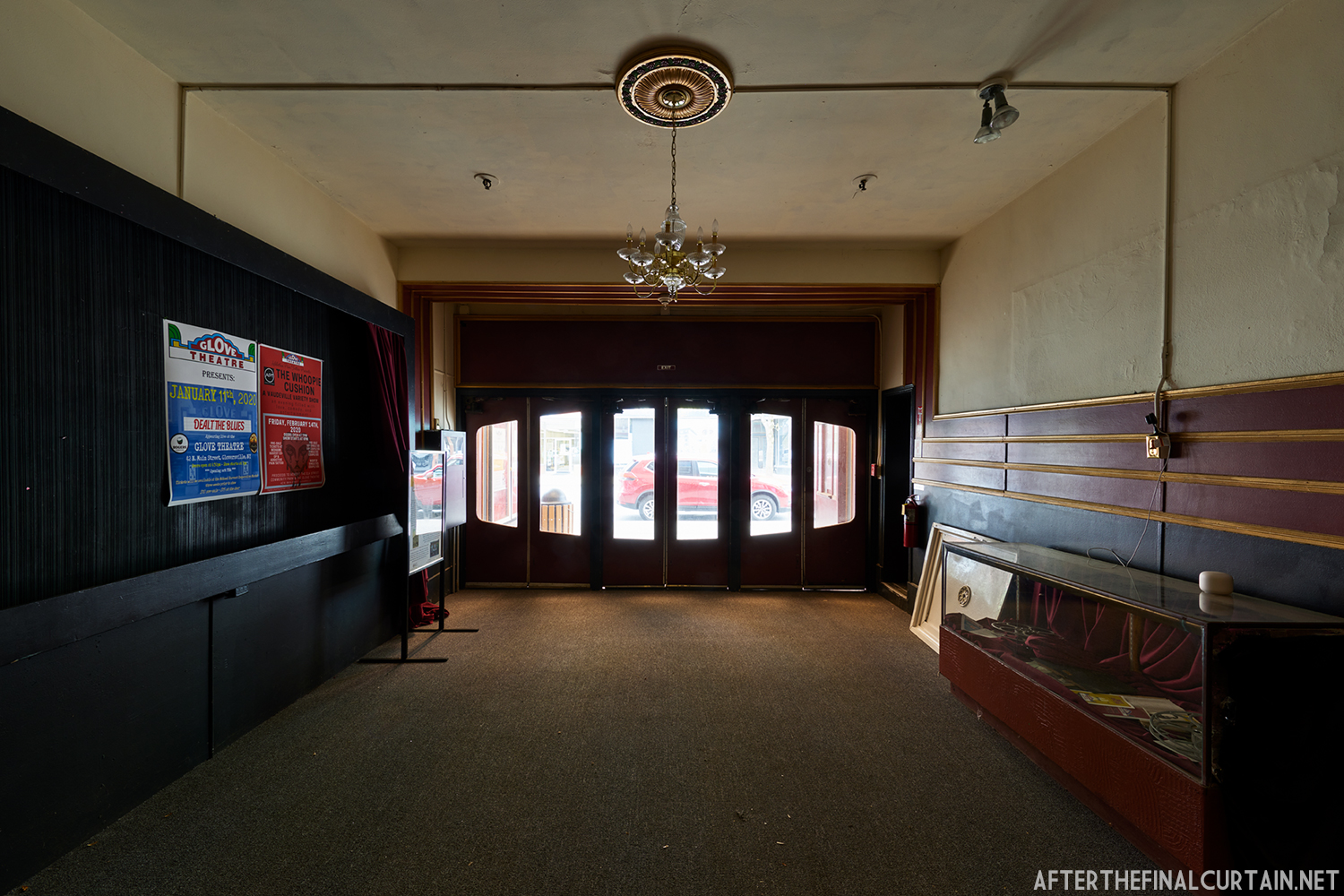
Recent revitalization efforts have reinvigorated the theater. In 2022 and 2023, the Glove received nearly $4 million in grants from New York State to support renovations and expand programming. Weekly movie screenings, vaudeville shows, and live performances have become regular events. Today, the Glove continues to honor its legacy of hosting world-class entertainment while serving as a cultural and historic landmark in Gloversville.

The Glove’s website is: https://www.theglovetheatre.com/
Modjeska Theatre – Milwaukee, WI

This was originally posted on After the Final Curtain’s Patreon in December 2023. For expanded early posts, as well as video walkthroughs and other exclusive content, you can become a patron at: https://www.patreon.com/afterthefinalcurtain

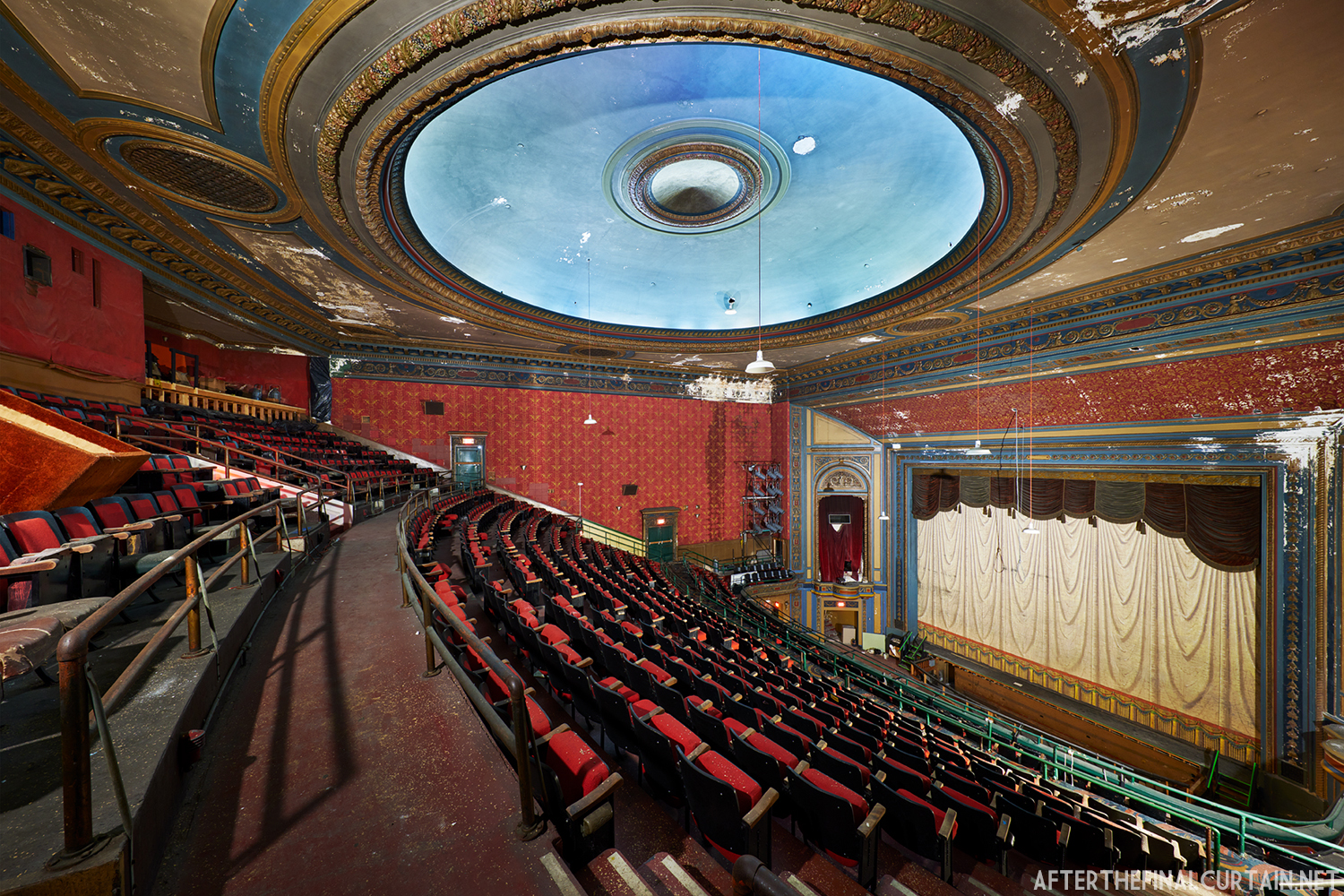
Modjeska Theatre auditorium as seen from the balcony.

View of the auditorium from the balcony.

The original Modjeska Theatre in Milwaukee, Wisconsin, opened its doors in 1910. It was named in honor of Madame Helena Modjeska, a celebrated stage actress who had passed away in 1909. In 1920, Saxe Theatres, a Wisconsin theater chain founded by John and Thomas Saxe, purchased the theater. They ran it for a few years before demolishing it to make way for a neighborhood movie palace.

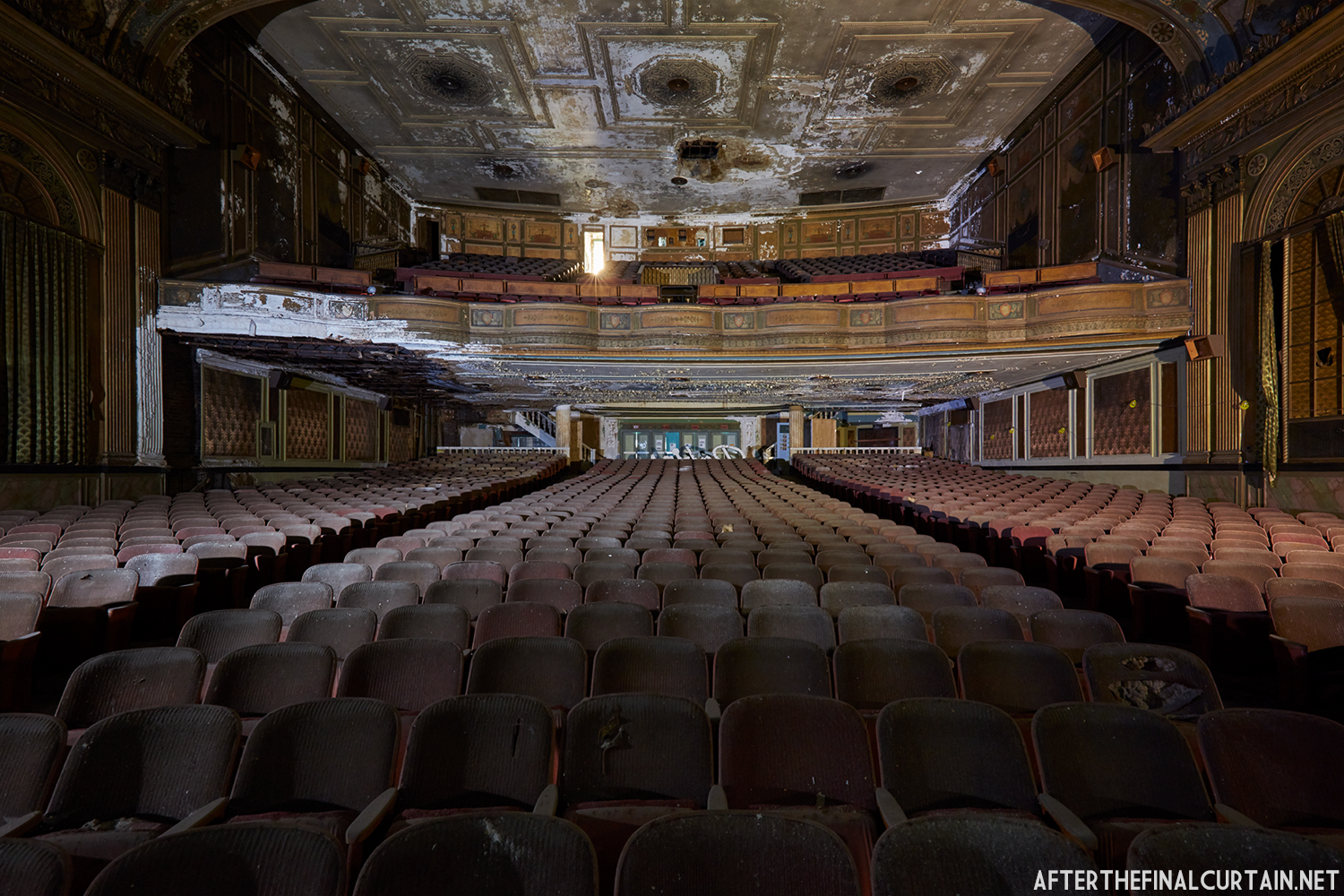
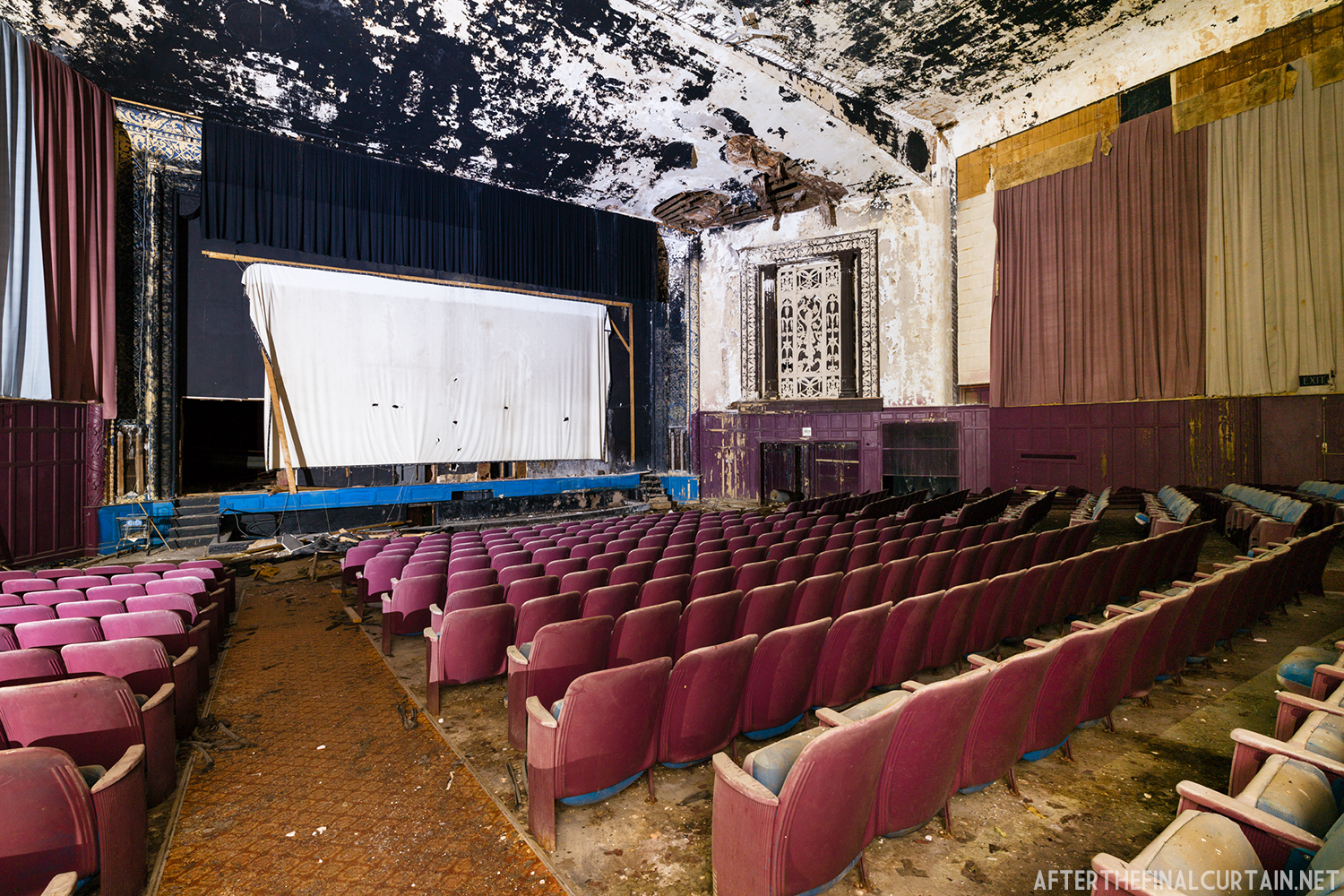
View of the auditorium from the stage.

Saxe enlisted the renowned architectural firm Rapp & Rapp, known for their work on theaters such as the Kings Theatre in Brooklyn, NY, the Uptown Theatre in Chicago, IL, and the Loew’s Jersey in Jersey City, NJ, to design a new 2,500-seat neighborhood movie palace. The new Modjeska Theatre, opened on August 2, 1924, was more modestly designed compared to other Rapp & Rapp theaters, but still featured a full stage-house suitable for vaudeville performances. It also featured a Golden Voiced Barton Theater Pipe Organ, 3/10. 

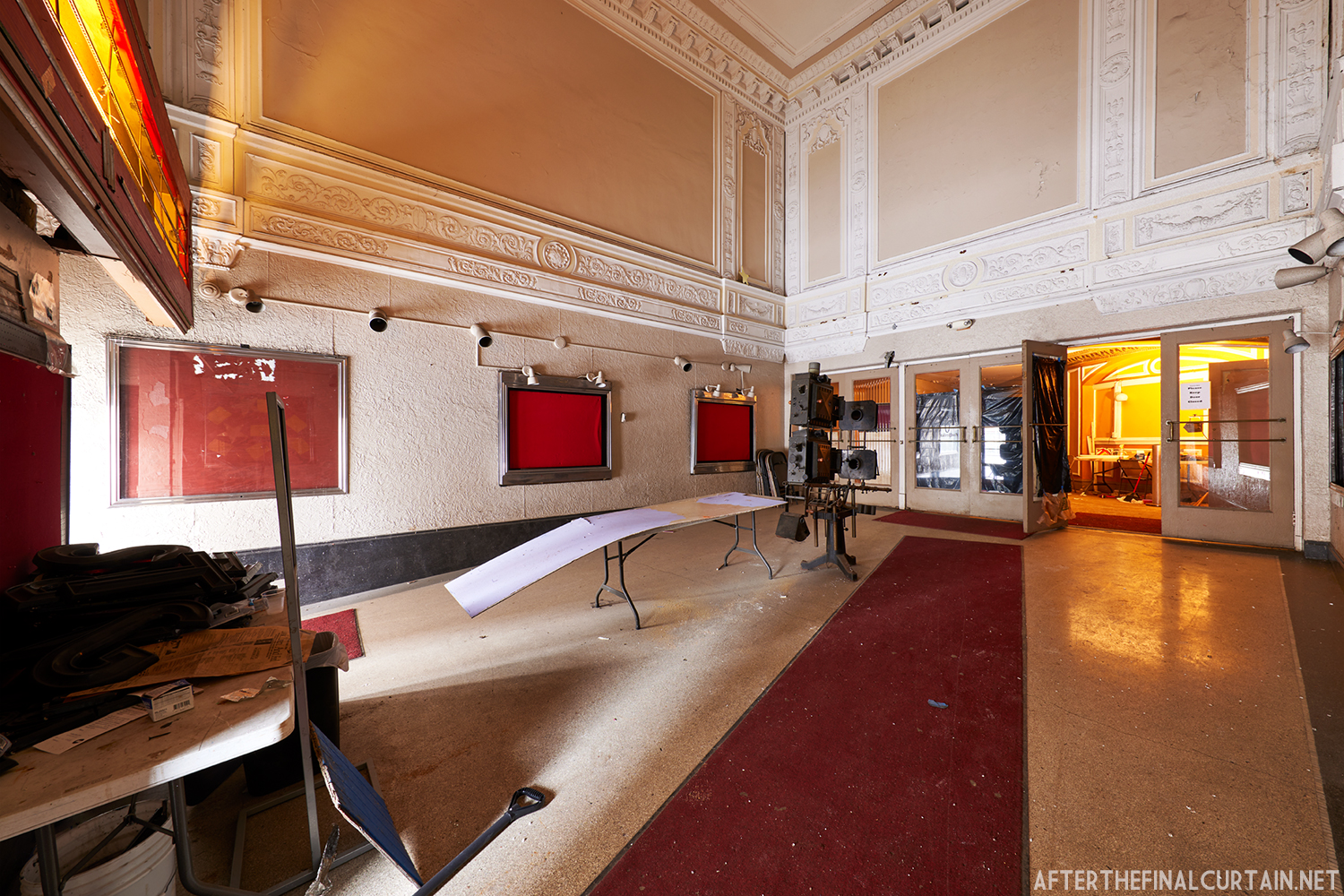
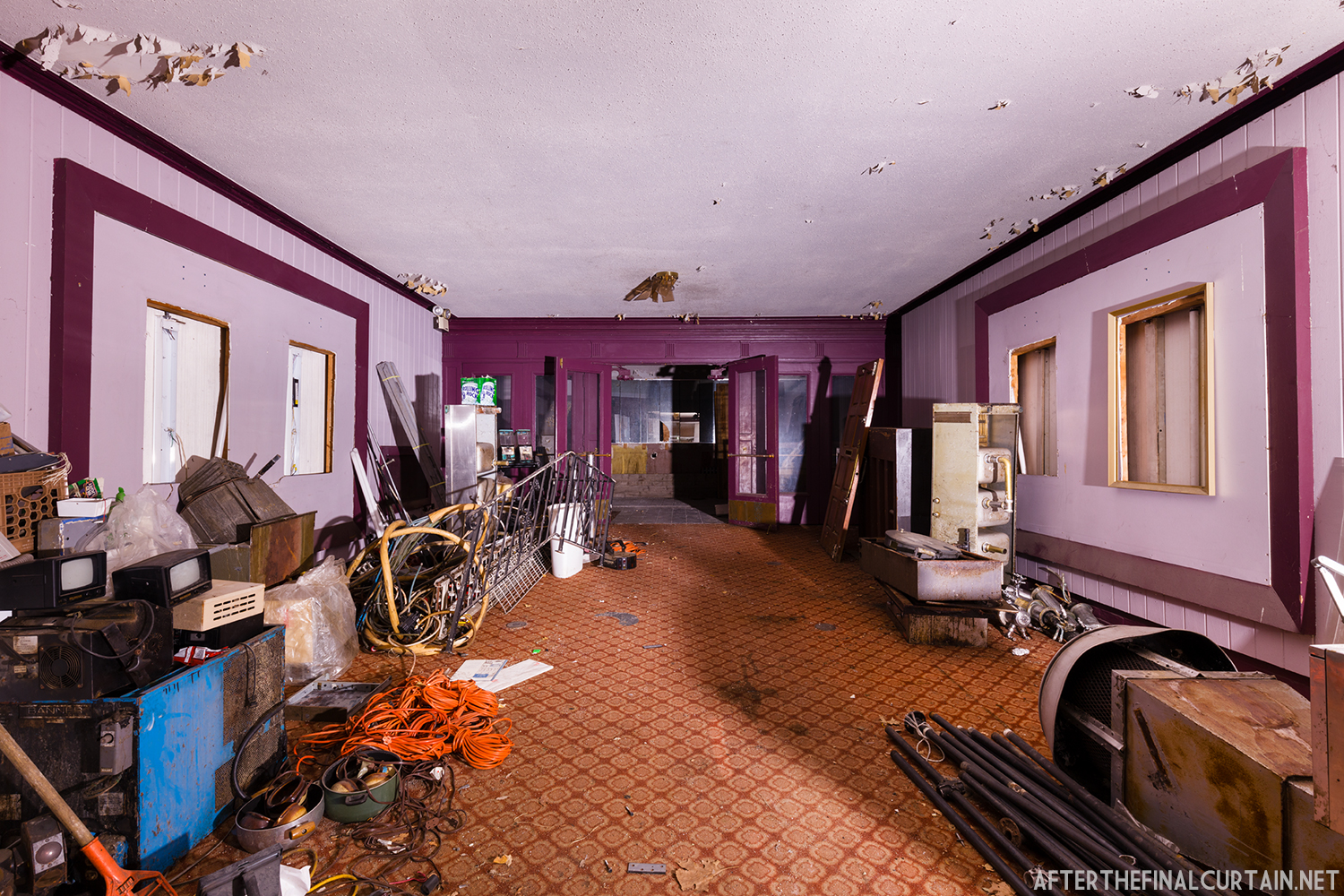
The Lobby of the theater.

The theater underwent various changes over the years, including the removal of the organ and pipes in the 1950s. The organ chambers were repurposed to install air conditioning units. It continued showing films until 1989. In 1991, the building was purchased by Stewart Johnson, and transformed into a live venue. 

The seats on the lower level were removed in preperation for a restoration that never happened.

During this time, many famous acts performed at theater including; David Byrne, Alice in Chains, Gregg Allman, Rob Zombie, and They Might Be Giants. In 1993, Johnson received a Certificate of Appreciation from the Milwaukee Historic Preservation Commission for his efforts in revitalizing and preserving the theater.

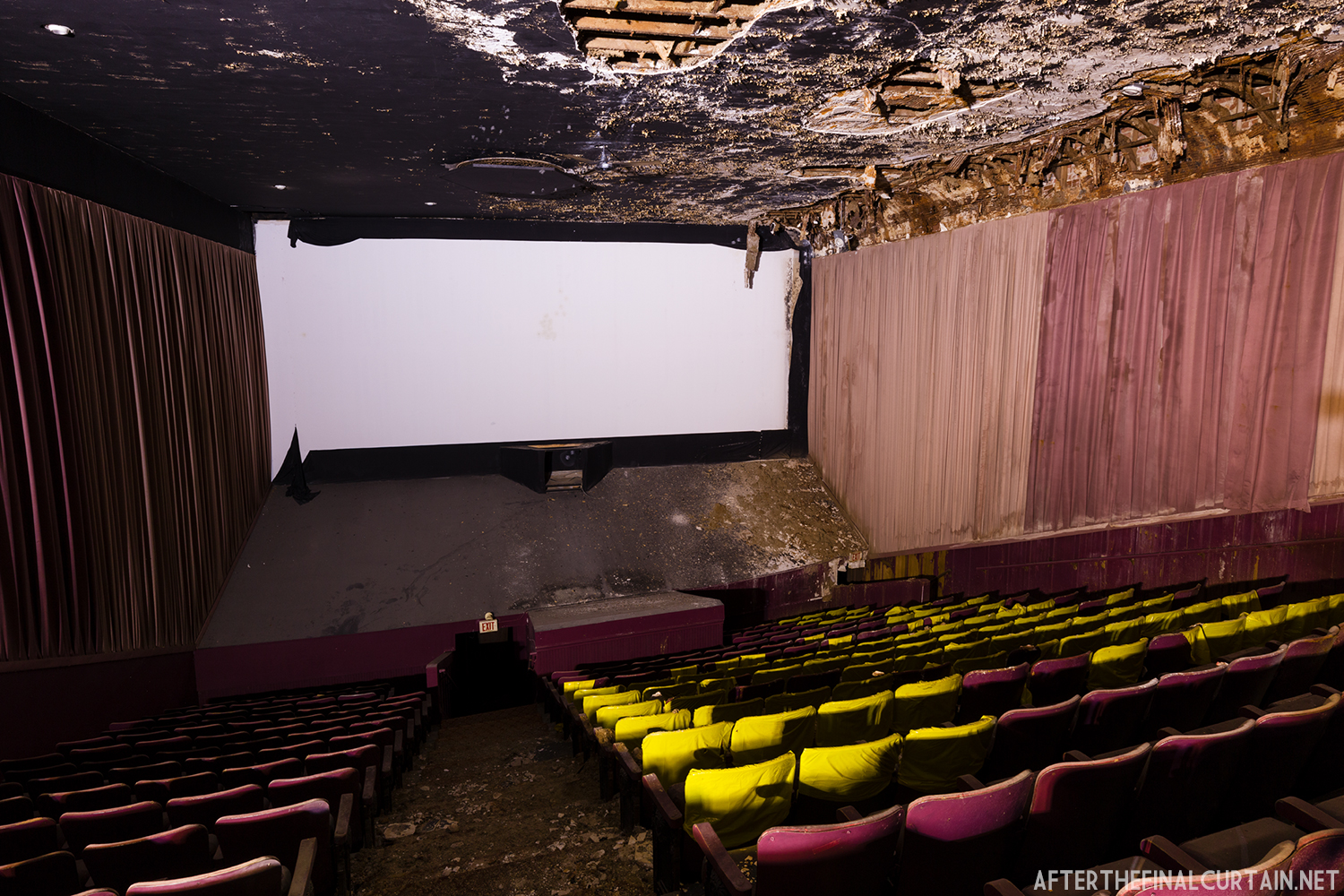
Projection Booth - Modjeska Theatre Milwaukee, WI

The projection booth still has some equipment in it.

In December 2006, the Johnsons sold the theater for $450,000 to Modjeska Theater Project, a partnership between a nonprofit youth theater company and Mitchell Street DOC. However, the youth theater company folded in April 2010, leaving Mitchell Street DOC with the building.


The theater closed its doors in May 2010, but renovations began in 2014, with an expected completion date of March 2016. Unfortunately, those plans fell through, and the theater remained dormant until June 2023 when new plans were announced to convert it into the Modjeska Arena and Gaming Institute.

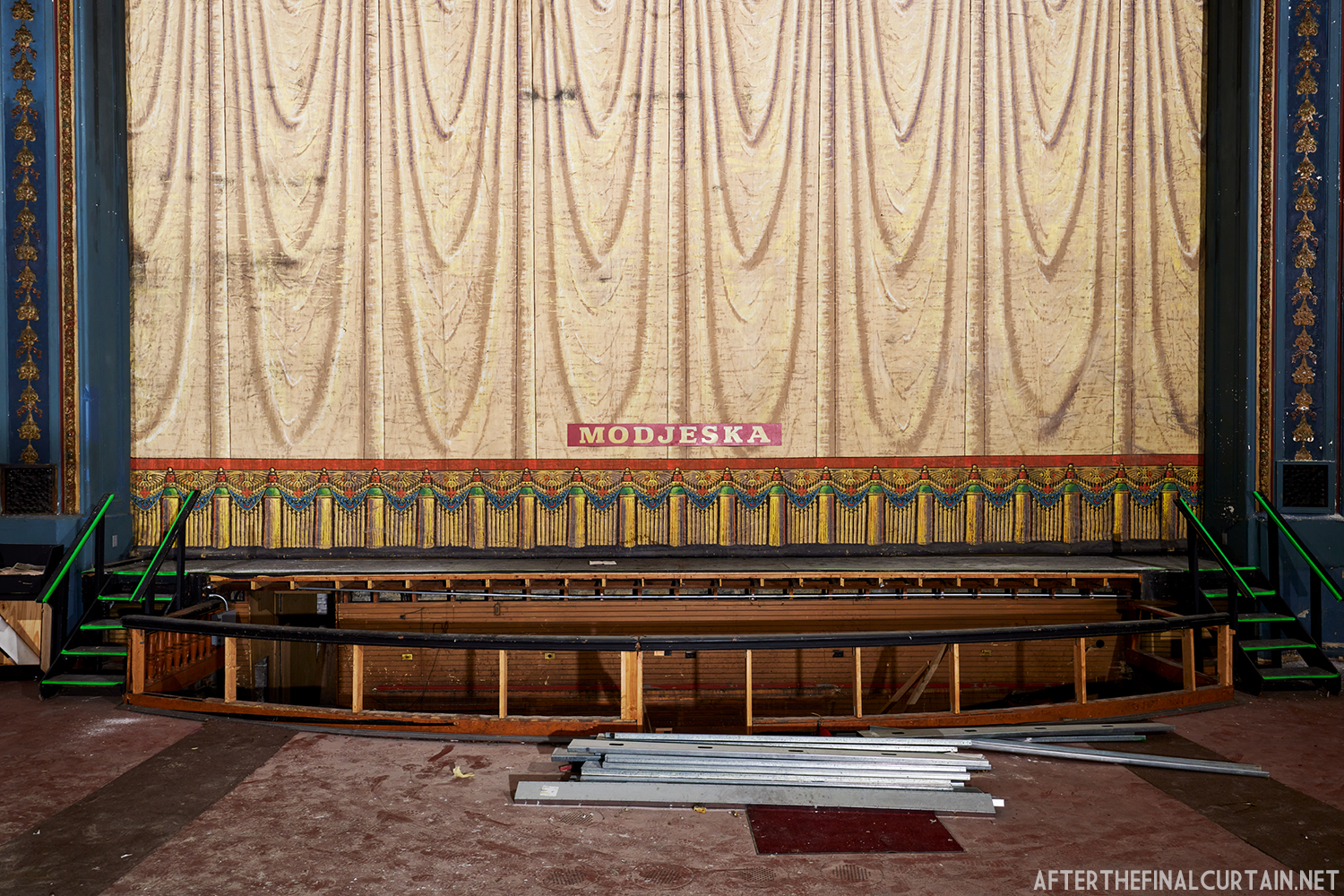
Fire Curtain - Modjeska Theatre Milwaukee, WI

A close up of the fire curtain.

Real estate investor Justin Smith reached a preliminary agreement to purchase the property, envisioning a world-class esports arena as the main attraction, along with hosting local events. The proposed esports arena aims to be a strong anchor for the Mitchell Street Business Improvement District’s western end. Smith, a first-time developer, is working to secure investors and financing for the project, with hopes of completing the purchase by October 2023. 

View of the auditorium from the rear of the balcony.

Strand Theatre – Boston, MA

Come see the Strand for yourself! Sign up for a photography workshop on August 26, 2023. https://www.mlambrosphotography.com/workshops/strand-theatre-workshop-boston-ma826

I originally posted this post on After the Final Curtain’s Patreon in October 2021. For expanded early posts, as well as video walkthroughs and other exclusive content, you can become a patron at: https://www.patreon.com/afterthefinalcurtain

View of the auditorium from the balcony.

The Strand Theatre in the Dorchester neighborhood of Boston, Massachusetts, originally opened on November 11, 1918, the same day that the news of the Armistice, ending World War I, reached Boston. The Boston-based architectural firm of Funk & Wilcox, the same firm that designed the nearby Franklin Park Theatre and the Cabot Theatre in Beverly, MA, designed it. It was one of the first theaters in Massachusetts designed with motion pictures in mind. The Strand also had a $75,000 Hope-Jones Theatre Organ, one of the first of its kind in Massachusetts.

A portion of the lobby was restored to show what the theater could look like after a full restoration.

Early advertisements for the Strand called it “New England’s Most Beautiful Theatre” and “Dorchester’s New Million Dollar Photoplay Palace.” The 2,200 seat Strand opened with a silent film double feature of “Queen of the Sea” starring Annette Kellerman and“Out of a Clear Sky” starring Marguerite Clark. There was also a performance by “Songstress DeLuxe” Emile Earle. Hundreds of people showed up to the Strand’s opening celebration in part to celebrate the theater but also the signing of the armistice. Many celebrities performed at the Strand over the years, including Fred Allen, Fanny Brice, Milton Berle, Jack Benny, Jerry Lewis, Duke Ellington, and Alfred Hitchcock.

Like many single-screen theaters of its day, the Strand’s audience declined, and the theater closed in 1969. In 1979, the City of Boston took ownership of the theater, and the Strand reopened. It was managed by the M. Harriet McCormack Center for the Arts (MHMCA), who signed a 25-year lease for $1 a year. During this time, some big names performed at the theater – Joe Perry, B.B. King, Tracy Chapman, Public Enemy, Phish, and LL Cool J, just to name a few. MHMCA operated the theater until 2003, when the City declined to renew their lease because of allegations of mismanagement.

The right organ chamber and box seats were given a sample restoration as well.

The City of Boston is currently searching for a new operator of the Strand.

Robins Theatre – Warren, Ohio

This post was originally posted on After the Final Curtain’s Patreon in June 2021.  For expanded early posts, as well as video walkthroughs and other exclusive content you can become a patron at: https://www.patreon.com/afterthefinalcurtain

View of the auditorium from the balcony before restoration.

A similar view of the auditorium during the renovation.

The Robins Theatre opened on January 9, 1923, in Warren, Ohio. It was the crown jewel of the Robins Amusement Company (RAC). Architect C. Howard Crane designed the theater in the Adamesque style with an Italian Renaissance exterior. Construction of the 1,500-seat theater was handled by the Charles Shutrump and Sons Company of nearby Youngstown, Ohio; it cost $300,000, equating to $4.5 million when adjusted for inflation.

Looking back from the stage pre renovation.


The Robins was designed so that the theater could be converted from a movie theater to a live performance theater in only 24 hours. According to an account in the Warren Tribune, “Workmen could begin building a stage while motion picture performances continued in the theater proper.” Then when the theater closed at 11pm, a temporary intervening wall of lumber could be torn down, the connections to the front of the stage constructed and the stage playhouse ready for opening the following night.” The Robins opened with a silent film double feature — “The Speeder” starring Lloyd Hamilton, and “Quincy Adams Sawyer” starring Jon Bowers — and the Robins Orchestra performed the overture of Oberon by Carl Maria von Weber.

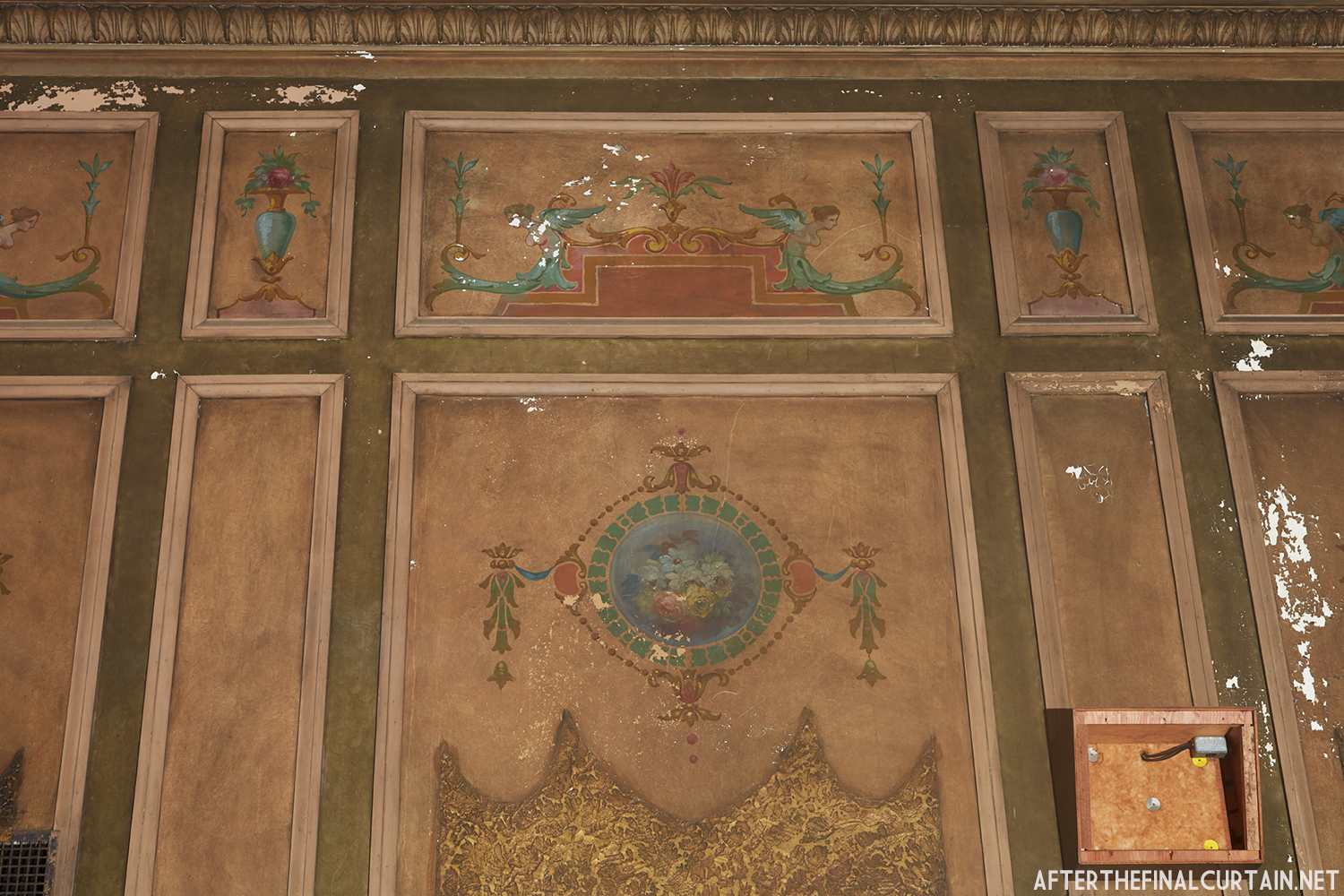
Some of the painted details on the wall in the balcony.

Vitaphone, an early form of talking motion pictures, was installed at the Robins in 1927. The first film shown with Vitaphone was “Don Juan” starring John Barrymore. RAC sold the Robins and the Daniel Theaters to R.M.P Realty Co. in August 1966 for around $500,000 ($3.9 million with inflation). The theater closed in 1974, and various plans were put together over the years to restore and reopen it. A feasibility study was done in 2005 that estimated it would cost $12 million to restore and reopen the theater. However, it wasn’t until it was sold to Downtown Development Group LLC in December 2017 that work would begin. The seats were removed in early March 2018, and the plaster repair began soon after. It reopened as a performing arts center on January 20, 2020.

The entryway to the theater was redesigned in the 1960s.

The Projection booth was cleaned out prior to the theater’s restoration in 2018.

Drake Theatre – Oil City, PA

This post was originally posted on After the Final Curtain’s Patreon in May 2021.  For early posts, as well as video walkthroughs and other exclusive content you can become a patron at: https://www.patreon.com/afterthefinalcurtain

A look at Oil City PA's Drake Theatre from the Balcony

View of the Auditorium from the balcony.

The Drake Theatre in Oil City, Pennsylvania opened on August 27, 1928, as the Colonel Drake Theatre. The date was chosen because it was the sixty-ninth anniversary of the completion of the first oil well drilled by Col. Edwin L. Drake, the first man to drill oil in the United States, and the theater’s namesake. The Vemark Corporation formed the Drake Theatre Realty Company (DTRC) to finance the construction, and $500,000 in bonds were sold, which was around half of the building’s appraised value. On January 7, 1928, DTRC invited the public to view the laying of the Drake’s cornerstone.

The ceiling of the Drake Theatre in Oil City, PA

Much of the interior décor items, including the glass from the light in the center of the ceiling, were donated to local museums.

The 2,000-seat theater and 50,000 sq. ft office building was designed by architect William H. Lee, who is known for designing many theaters in eastern Pennsylvania. It was designed in the Art Deco style, and there are two murals depicting the petroleum industry on the auditorium walls. Music was important at the Drake; the Colonial Drake Symphony Orchestra, led by William Lantz, alternated performances with the Wurlitzer Co. Opus 1870 organ. Clark Piers, an organist from Scranton, PA, was hired as the theater’s organist.

The view of the Drake Theatre auditorium from the stage.

The view from the stage reveals how much water damage there is in the auditorium.

Many businesses took out ads in the Oil City Derrick, the local newspaper, to congratulate the theater on its grand opening. The theater’s motto “Always a Good Show” appeared in early advertisements. The opening day celebration began with a street parade headed by a marching band. Many of the theater’s new ushers marched in the parade wearing their green and gold uniforms. Dr. Thomas Farmer, an Oil City businessman, gave the opening address, followed by George H. Torrey of the Oil City Historical Society, who told the history of the oil industry in the United States.

The proscenium arch of the Drake Theatre in Oil City, PA was damaged due to a leak in the roof.

A closer look at the water-damaged proscenium arch.

In the 1950s, one of the lobby staircases was removed so that a concessions stand could be installed. Due to competition from a local multiplex, the Drake closed in July 1986 after a showing of the film “Club Paradise” starring Robin Williams and Peter O’Toole. The Oil City Playhouse briefly reopened the theater in the mid-1990s as a performing arts center, but it closed again after a year. The building was put up for judicial tax sale in 1995 due to $221,000 in back taxes. It was purchased for $70,500 by Bruce Taylor, who owned Penn Aire Aviation, Inc. Taylor outbid a group that intended on restoring and reopening the Drake.

A mural on the auditorium wall of the Drake Theatre in Oil City, PA

One of the two murals depicting the petroleum industry on the auditorium walls.

Penn Aire sold the building to Webco, a local manufacturing company, in early 2018. Webco intends to demolish the auditorium and build a facility to house manufacturing equipment. However, the lobby, façade, and office building will remain. Ellen Gierlach, president of Penn Aire, removed two murals, exit signs, light fixtures, and more before the sale. Gierlach has donated many of them to museums and historical societies, including the Drake Well Museum and the Theatre Historical Society of America.

The lobby of the Drake Theatre in Oil City, PA.

The concession stand in the lobby was added in the 1950s and replaced one of the staircases to the balcony.

The auditorium of the Drake Theatre in Oil City from the orchestra level.

Uptown Theatre – Philadelphia, PA

The Uptown is one of the theaters that was exclusive to my first book, After the Final Curtain: The Fall of the American Movie Theater. However, due to the events of today (11.6.20) I think it’s fitting I post a theater from the city of Brotherly Love.

View of the auditorium from the orchestra level.

Stevie Wonder, The Jackson 5, The Temptations, Ray Charles, Smokey Robinson, Marvin Gaye, and the Supremes all have one thing in common, besides being renowned musical artists; they all performed at the Uptown Theatre in Philadelphia, PA. The Uptown originally opened on February 16, 1929 in the North Central neighborhood of Philadelphia, Pennsylvania. The 2,040-seat theater was designed by the architectural firm of Magaziner, Eberhard and Harris. It was built by Samuel Shapiro (who owned several theaters in the Philadelphia area) and operated by the Warner-Stanley (Warner Bros) Theatre Circuit.

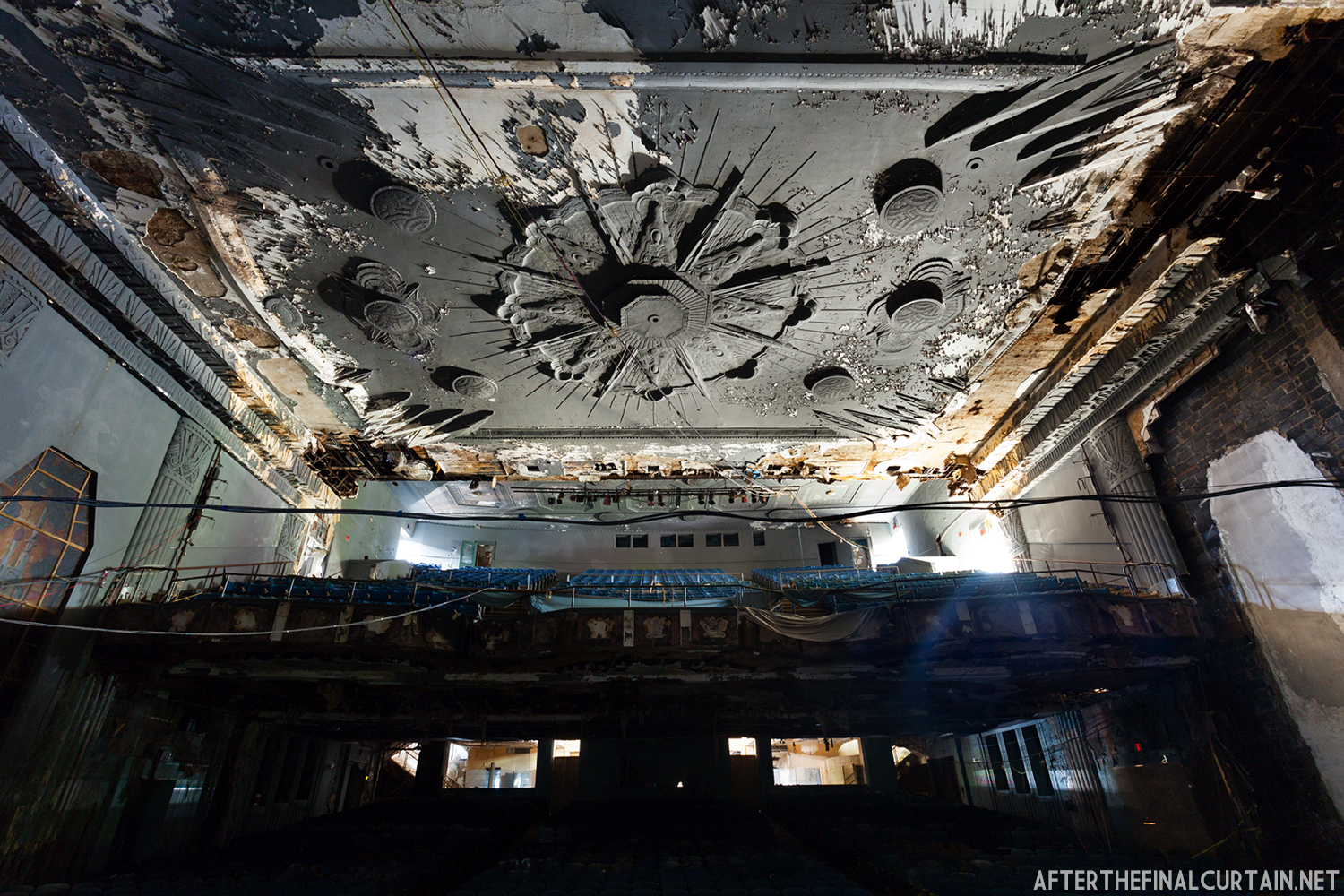
The auditorium ceiling was painted a flat grey during a remodel of the theater.

Opening day at the Uptown consisted of a showing of “On Trial” starring Pauline Frederick and Bert Lytell and a Movietone address by Dr. Charles Beury, the president of nearby Temple University. The Movietone sound system allowed the Uptown to show talking motion pictures as soon as it opened. Vaudeville acts were also part of the regular bill and unlike many of its contemporaries the Uptown held vaudeville performances until 1950.

In 1957 Philadelphia radio personality Georgie Woods began producing shows at the theater. Woods was responsible for turning the Uptown into Philadelphia’s answer to Harlem’s Apollo Theatre by booking many famous African American acts. He referred to the Uptown as “the grand jewel of entertainment for Black America.” The theater became part of the “Chitlin’ Circuit”, which was the informal name given to performance venues across the United States that were safe for African- American entertainers to perform in during the period of segregation. According to R&B singer Ruth Brown, the Uptown was one of the four major theaters on the circuit that you had to play to prove that you had made it as an entertainer. The others were: the Howard in Washington DC, the Regal in Chicago, IL and the Apollo in New York City.

View of the auditorium from the center of the balcony.

Like the Apollo, the Uptown became known for amateur nights where local artists could compete for prizes. Daryl Hall of Hall & Oates got his start at one of the Uptown amateur nights. Hall attended Temple University and won a record deal at an amateur talent show at the theater. The Uptown was also famous for booking acts at a very low price. Allegedly, Woods was able to get the Supremes for a 10-day engagement for just $400. Woods was also very active in the American civil rights movement and often used the theater to promote it. He would hold “freedom shows” to promote civil rights at the Uptown, giving the profits to charities of his choice, regardless of race or creed. Woods was honored for his involvement in the civil rights movement by the Philadelphia branch of the NAACP in a ceremony held at the Uptown. By 1971 the shows were grossing $250,000 a year and films were only shown during the times when no live performances were booked. However, in 1972 Woods stopped producing shows at the Uptown. By 1978 the theater’s audience grew too small for even the minor acts and it was forced to close.

Since this photo was taken much of the detail work on this wall has been destroyed.

The Uptown reopened as a church in the 1980s. Services were held at the theater until the roof was damaged by a storm in 1991 and the church was forced to vacate the property. The Uptown Entertainment and Development Corporation (UEDC), a nonprofit whose mission is to develop revitalization projects in downtrodden neighborhoods, bought the theater in 2002. UEDC raised enough money to stabilize the roof, restore the building’s exterior and renovate the attached office space. They plan to use the funds raised from renting out the office building to fully repair the roof and restore the auditorium so that the Uptown can be reopened as a performing arts center. UEDC estimates it will cost $8 million dollars to fully restore the building.

Looking back at the auditorium from the stage area.

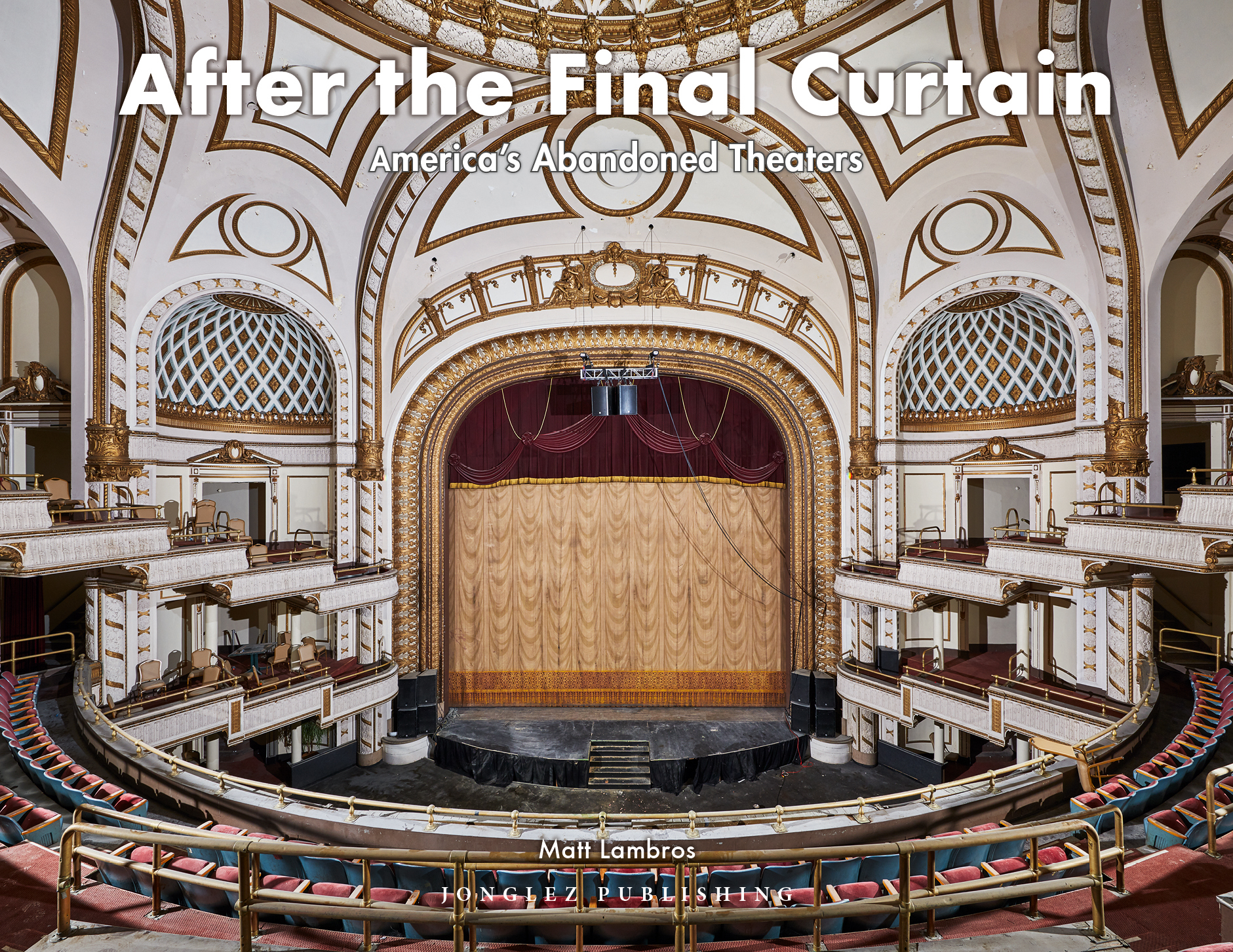
After the Final Curtain: America’s Abandoned Theaters

Cover of After the Final Curtain: America’s Abandoned Theaters.

I took a bit of a hiatus from the site to finish this up, but now that I’m completely done I’m excited to announce that my third book is coming out this November!

“After the Final Curtain: America’s Abandoned Theaters” will feature 20 different theaters across the United States, including six exclusive ones, and a foreword written by Tim League, the founder of the Alamo Drafthouse Cinema chain.

If you pre-order it via my site you will get a signed copy with a ticket stub and a 5×7 print of one of the theaters in the book. It should ship around the first week in November.

Pre-Order Link

The streets of small towns and cities across America were filled with the lights and sounds of movie theaters in the early 20th CenturyThe most opulent were known as “movie palaces,” which were designed to make their patrons feel like royalty; people would dress up to visit. But as time went on, it became harder and harder to fill the 2,000+ seat theaters, and many were forced to close.

Today, these palaces are illuminated only by the flicker of dying lights, and the sound of water dripping from holes in the ceiling echoes through the auditoriums. In “After the Final Curtain: America’s Abandoned Theaters,” internationally-renowned photographer Matt Lambros continues his travels across the United States, documenting these once-elegant buildings. From the supposedly haunted Pacific Warner Theatre in Los Angeles to the Orpheum Theatre in New Bedford, MA, which opened the same day the Titanic sank, Lambros pulls back the curtain to reveal what is left, giving these palaces a chance to shine again.

It’s also available to order on AmazonBarnes and Noble, Indiebound or your local bookstore.

I’m in the beginning stages of planning a book/lecture tour to promote the new book, so if you want me to visit your area let me know!

Here’s a sneak peek at some of the theaters that will be in the the new book:

View from the side of the balcony at the Emery Theatre in Cincinnati, Ohio

The auditorium of the United Artists Theatre in Detroit, MI

View from the balcony of the Majestic Theatre in East St. Louis, IL.

Sorg Opera House – Middletown, Ohio

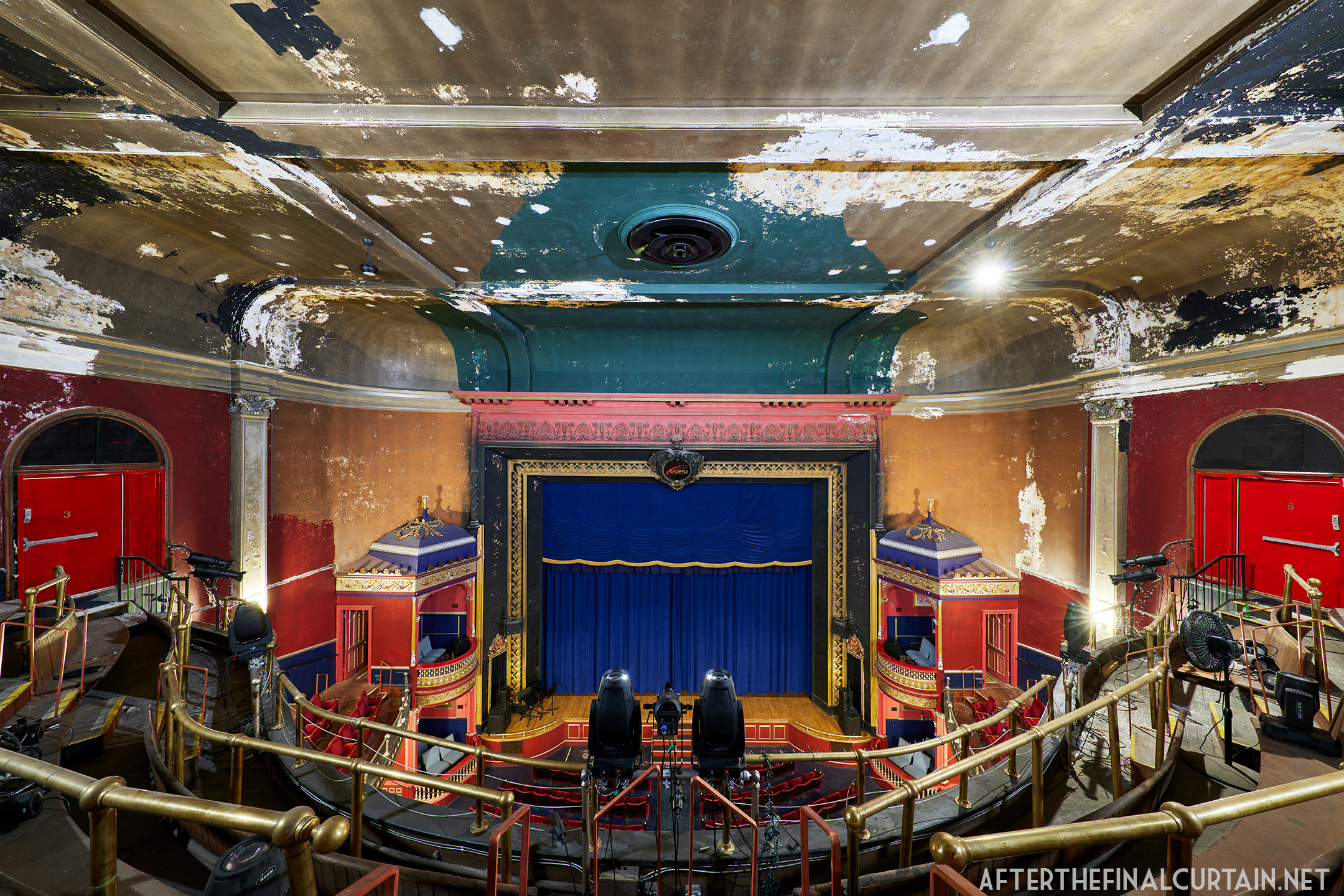
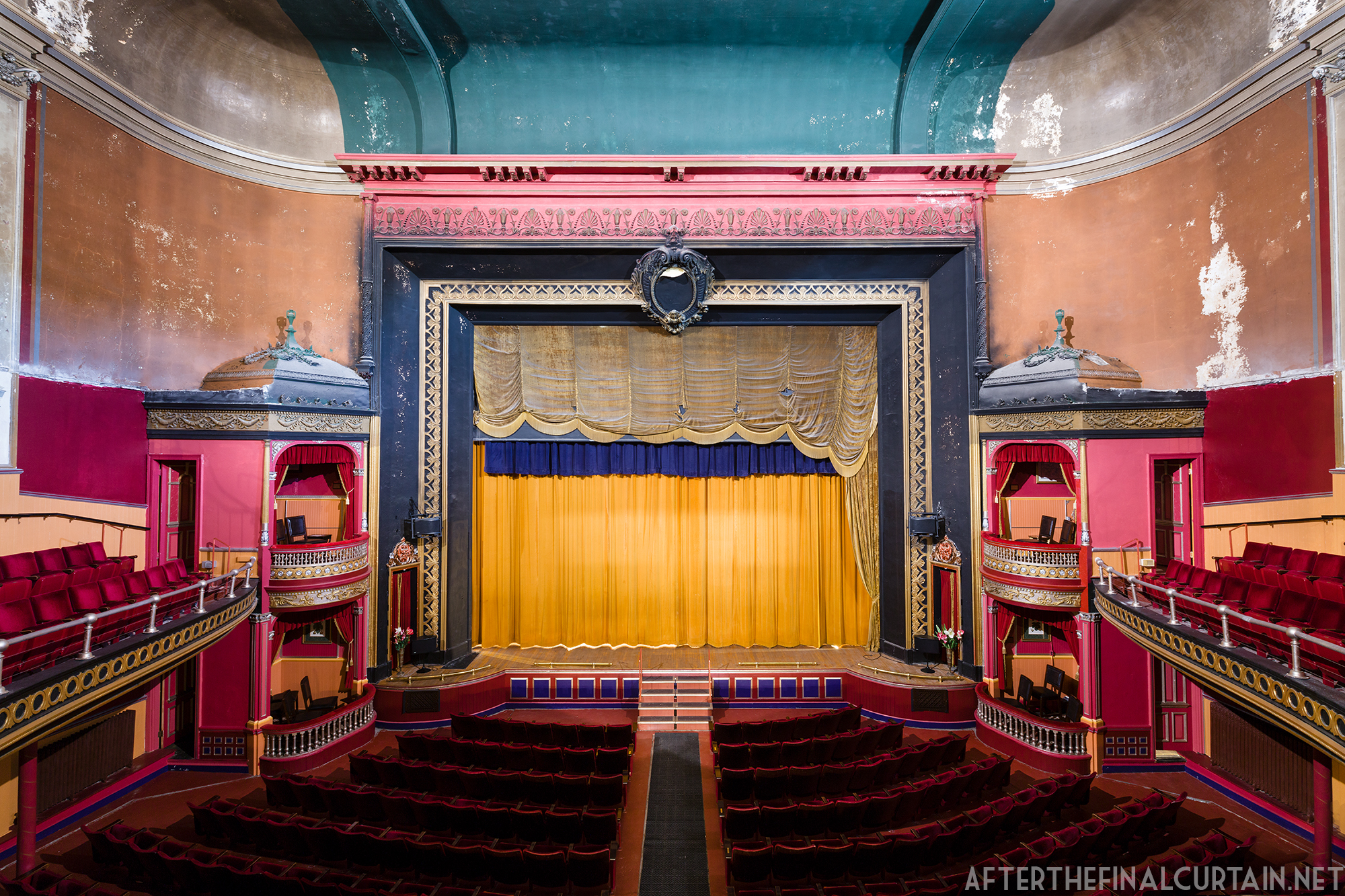
Auditorium, Sorg Opera House - Middletown, Ohio.
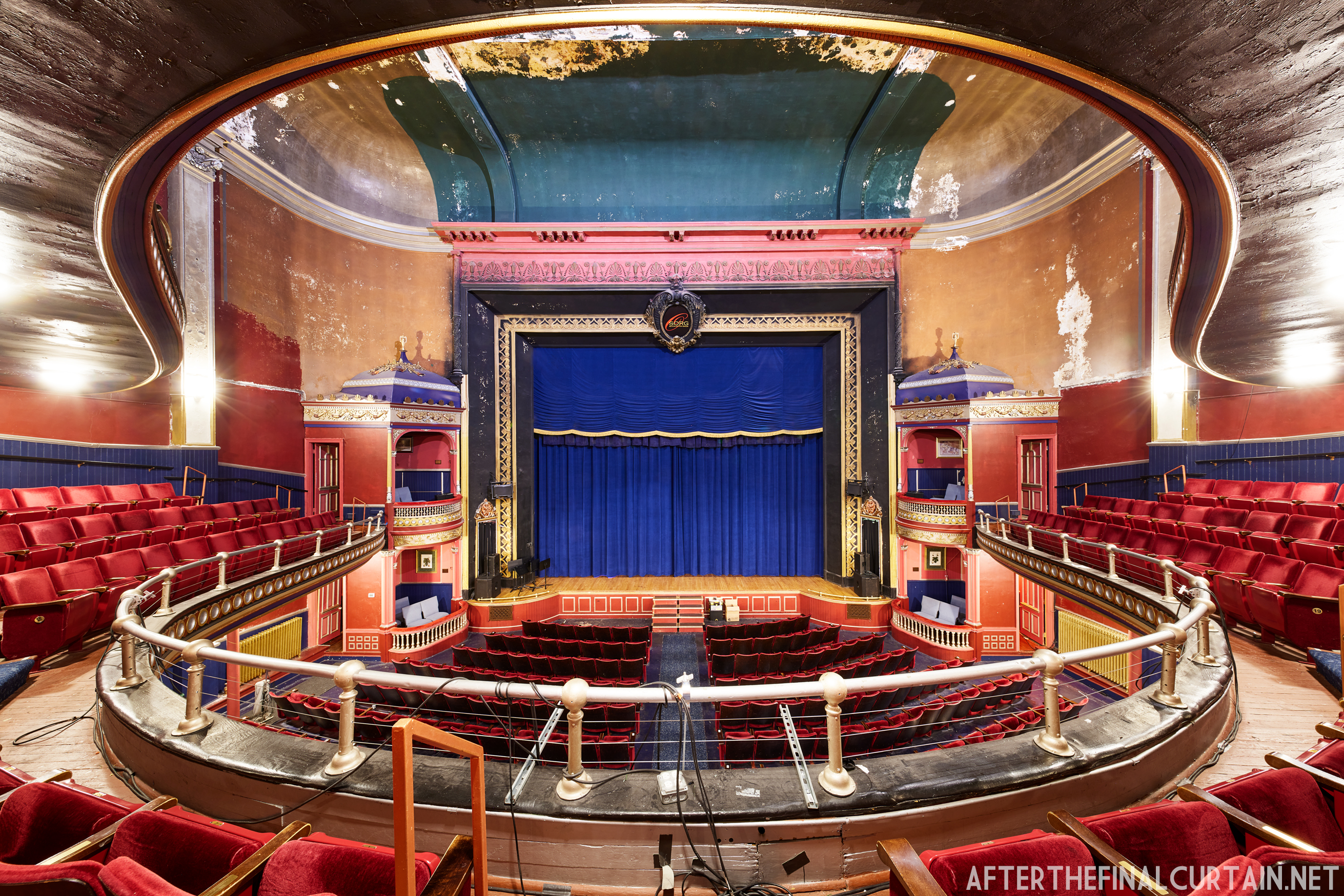
View of the auditorium from the balcony in 2018.

The Sorg Opera House in Middletown, Ohio originally opened on September 12, 1891. Paul J. Sorg, an esteemed entrepreneur and Middletown’s first multi-millionaire, commissioned the opera house as a gift to the city. To bring his vision to life, Sorg engaged the services of Samuel Hannaford, the  architect responsible for designing the Cincinnati Music Hall. Hannaford designed a 1,200-seat opera house, characterized by its opulent interior and exquisite details.

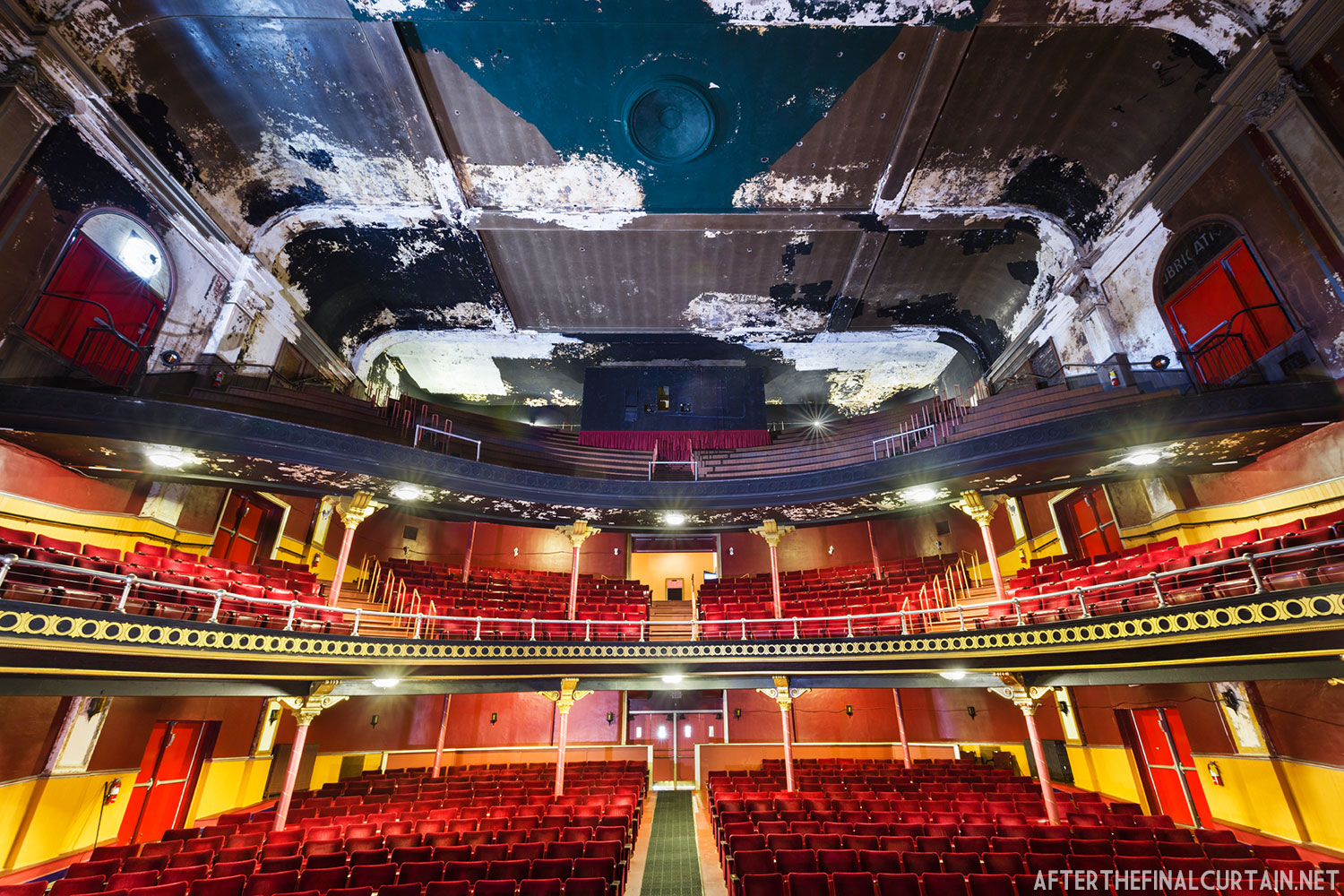
Balcony of the Sorg Opera House in 2023.

View from the balcony in 2023.

On its opening day, the Sorg Opera House treated attendees to a performance of the opera “The Little Tycoon,” composed by Willard Spenser. The event was made even more memorable by a speech delivered by the Ohio Governor James E. Campbell.

View of the auditorium from the stage.

In 1901, the Sorg Opera House expanded its repertoire to include early forms of motion pictures, such as photo plays, alongside its opera performances. Vaudeville acts also became a regular feature, entertaining the audience before the operas took the stage. Over the years, the opera house hosted numerous talented vaudeville performers who would later achieve fame, including Marie Dressler, Will Rogers, Al Jolson, Bob Hope, and Sophie Tucker

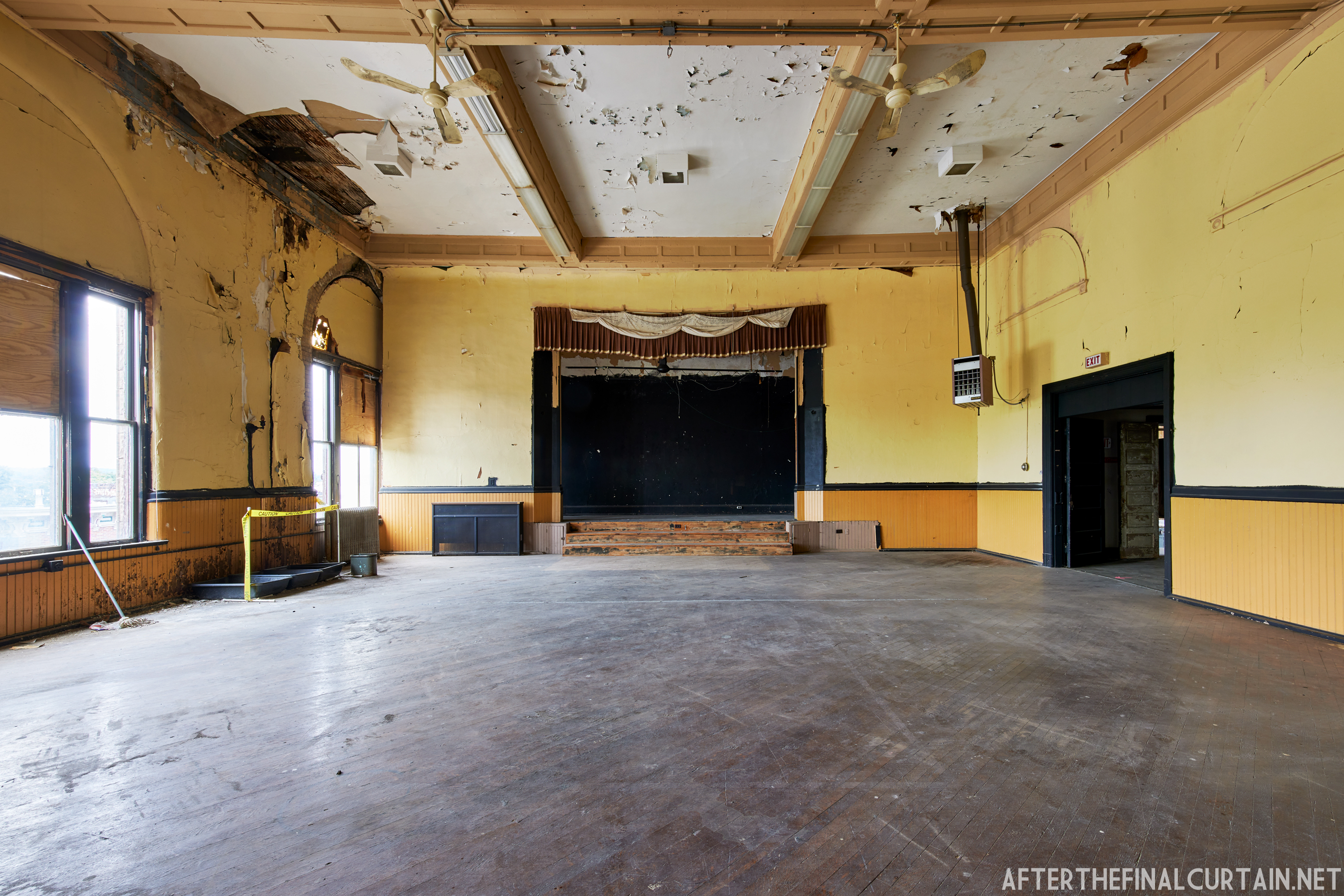
The ballroom in the building next to the Sorg will eventually become an event space for the Opera House.

As time went on, the popularity of live shows began to wane, leading to their discontinuation in the late 1920s. However, recognizing the emerging trend in the film industry, the Sorg Opera House underwent a transformation. In the summer of 1929, a sound system was installed, marking a pivotal turning point as the opera house transitioned into a full-time movie theater. This adaptation allowed the venue to continue entertaining the community while embracing the evolving medium of cinema.


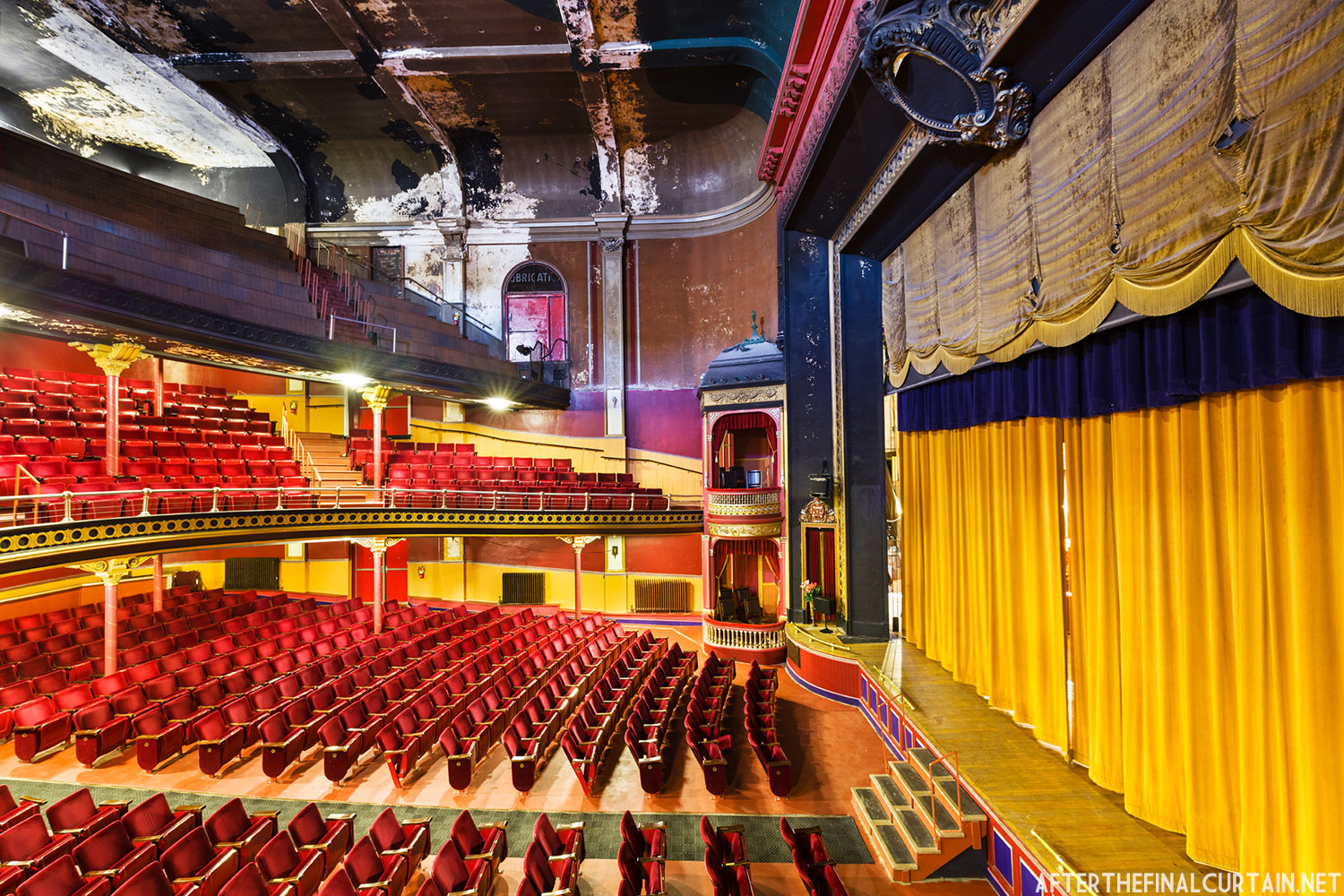
The orchestra and mezzanine levels have been restored, but the upper balcony and ceiling remain in a state of disrepair. 

On January 17, 1935, a fire broke out in the backstage area of the Sorg Opera House, resulting in substantial damage amounting to $10,000 at the time (equivalent to approximately $185,298 in today’s currency, adjusted for inflation). The severity of the fire forced the opera house to close its doors for several months. However, in April 1935, the Gordon Theatre Company stepped in and secured a long-term lease on the theater, taking charge of the necessary repairs.

The orchestra level in 2023.

After undergoing extensive renovations, the Sorg Opera House triumphantly reopened its doors on September 22, 1935, showcasing a combination of films and stage shows. In the late 1940s, the Sorg Opera House temporarily closed once again, this time for a remodeling project. One notable change during this period was the addition of a false ceiling, which effectively separated the upper balcony from the rest of the theater. This modification was implemented to enhance the acoustics and improve the overall sound quality, ensuring an enhanced auditory experience for the audience.

The original walls of the lobby were covered up during the remodel in the 1940s.

After operating as a movie theater for several decades, the Sorg Opera House closed in the late 1970s. However, the formation of the Friends of the Sorg group brought new hope and a renewed purpose for the historic venue. Their vision was to reopen the theater as a live performance venue, and their efforts were successful. The Friends of the Sorg ran the theater until 2010 when a water main break forced its closure once again.

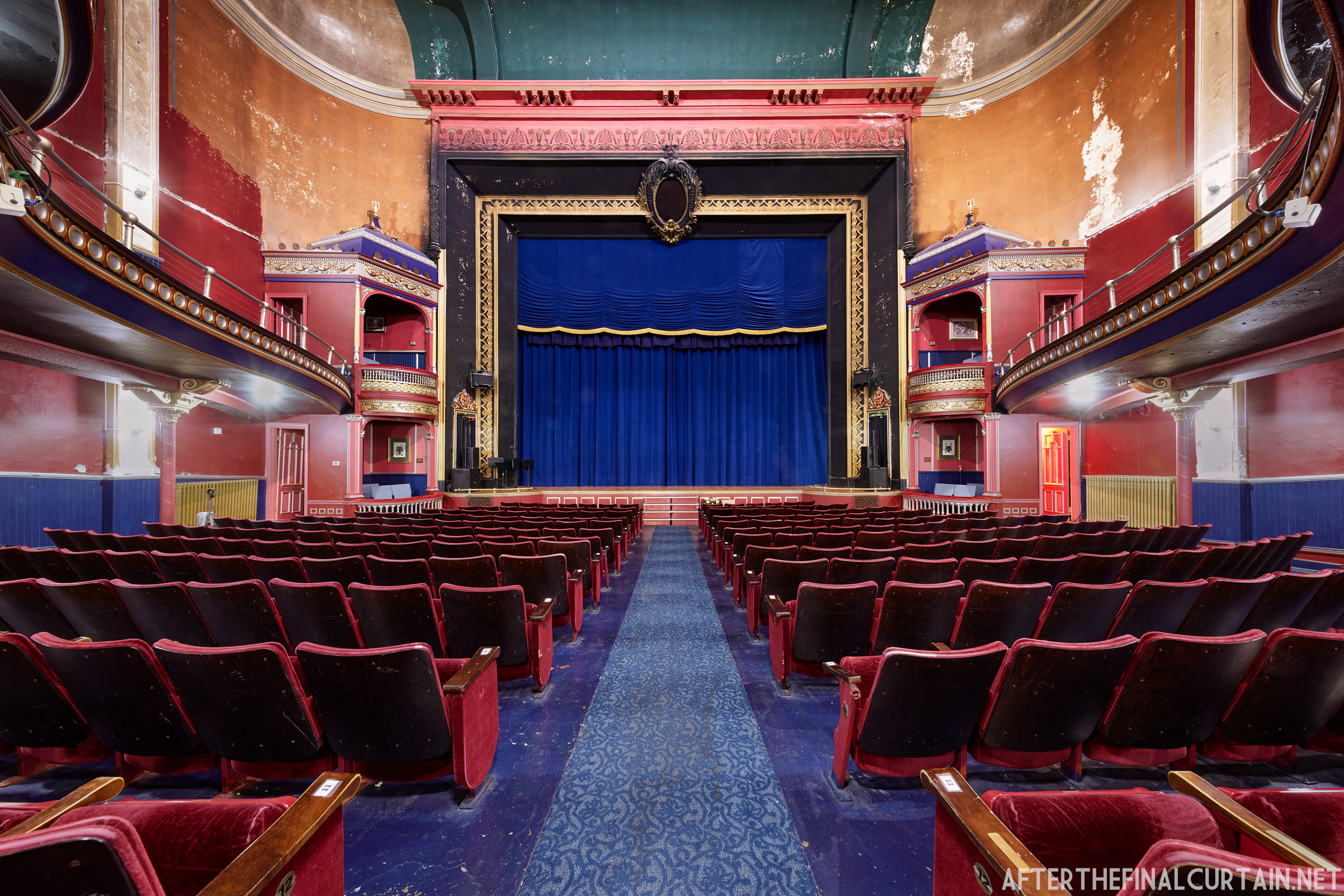
In 2012, a new group called the Sorg Opera Revitalization Group (SORG) was established with the goal of purchasing and reopening the building. Their dedication and determination led to the acquisition of the theater in August 2012, with a purchase price of $32,000. Since then, SORG has made significant improvements to the building, gradually restoring its grandeur. Some notable changes include the removal of the partition between the upper balcony and the main auditorium, the replacement of seats with those donated from the Cincinnati Music Hall, repairs to the public restrooms, and the re-hanging of the house curtains.

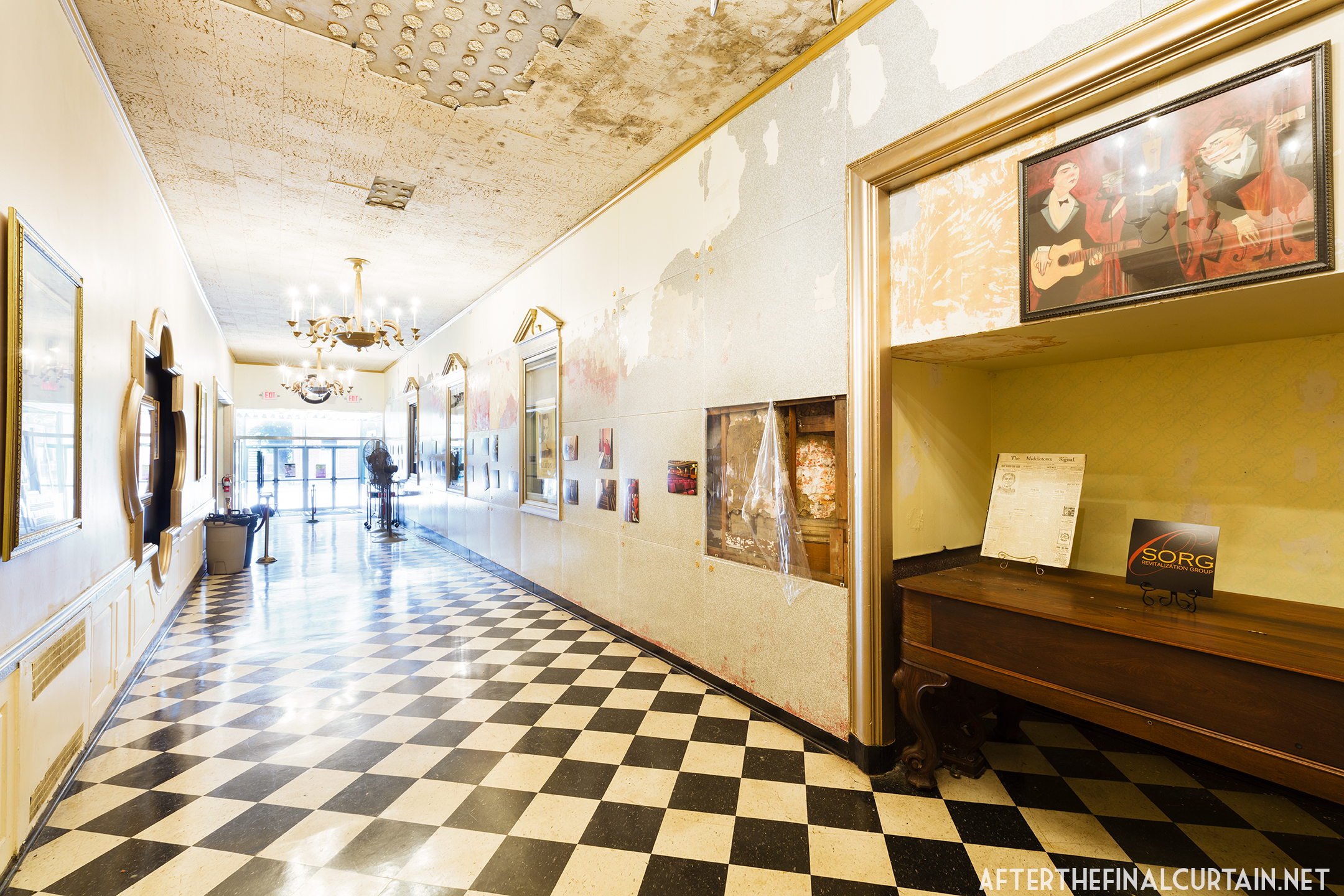
A hallway in the building next to the Sorg, which is planned to become part of the opera house after renovations.

While substantial progress has been made, a full restoration of the Sorg Opera House is estimated to require an investment ranging from $9 million to $11 million. Despite the ongoing restoration efforts, the theater reopened its doors in late 2017 with a special performance titled “Celebrate the Sorg,” featuring the Butler Philharmonic Orchestra. This reopening marked a significant milestone in the theater’s journey toward revival, reaffirming its role as a cultural hub for the community.

Like many theaters at the time, the Sorg was segregated. It had a separate entrance, ticket booth and balcony for its non-white patrons.

The much of the proscenium arch was covered up during the remodel in the late 1940s.
View of the auditorium from the main level.

Updated Post – Kenosha Theatre

Kenosha_Theatre_009

Auditorium, Kenosha Theatre – Kenosha, WI

I’ve been going through some of my older posts and expanding the text as well as re-editing the photos. Check out the second redone post – The Kenosha Theatre in Kenosha, WI.

Fitchburg Theatre – Fitchburg, MA

Fitchburg_Theatre_002

During the late 1930’s tickets cost .25 cents, except on Wednesdays when admission only cost .10 cents.

The Fitchburg Theatre in Fitchburg, Massachusetts originally opened on February 7, 1929. It was designed by architect George W. Jacobs for the Maine and New Hampshire Theater Corporation (MNHTC). The construction of the theater displaced two buildings, one of which is now the Masciarelli Funeral Home, a Fitchburg Historic Landmark. MNHTC spared no expense in construction, which included a $15,000 Wurlitzer Style 190 pipe organ, large decorative tapestries for the auditorium, and a Photophone system. The 1,751-seat theater was the second theater in New England to have Photophone, a system of syncing recorded audio with motion picture.

Fitchburg_Theatre_004

The Wurlitzer organ is long gone. It was removed in the 1960s.

Like many of its contemporaries, the Fitchburg Theatre had a mix of motion pictures and live (often vaudeville) performances. Its opening day program consisted of “In Old Arizona,” starring Warner Baxter, Dorothy Burgess and Edmund Lowe, five vaudeville acts (Miss Raffin’s Marvelous Troupe of Monkeys, Marie DeComa and Company, Don Romaine & Will Castle, Will Ward & Co.). Harry Rodgers played the Wurlitzer organ during the festivities. Tickets to the opening were reserved in advance and the same show was performed on February 8 and 9. Vaudeville performances continued at the theater until 1948, much longer than usual. In 1954, the theater closed for renovations. A concession stand, new marquee and updated seating were added.

Fitchburg_Theatre_007

The Lobby is currently full of construction debris.

The Fitchburg Theatre closed in 1970 and reopened the following year as an adult theater. Fitchburg police raided the theater on December 31, 1973 and seized copies of “Deep Throat,” and “The Devil in Miss Jones.” More adult films were seized in subsequent raids on February 11, 1974 and July 5, 1974. The owners were fined $10,000 in August 1974 for violating Massachusetts obscenity laws.

Fitchburg_Theatre_010

Frank Hollis, of the vaudeville team Kenney and Hollis was the first manager of the theater.

In 1975 the theater was forced to close when the city of Fitchburg refused to renew the theater’s license to show films. It was rumored that it was due to the obscenity law violations, but that was denied by Hedley Brey, the Mayor of Fitchburg at the time. Brey said it was because the owners had not complied with a city ordinance requiring the approval of the Health, Building, Fire and Police departments’ approval to show films to the public. Ben Sack Theatres, Inc. leased the theater later that year, and it reopened as the Family Theatre on July 30, 1975 with a showing of “Doc Savage: Man of Bronze.”

Fitchburg_Theatre_006

Some of the original plasterwork can be seen again due to the drapes that were put up during the 1980 remodel falling down.

Live performances began again soon after it reopened, and many famous bands performed at the theater during this time, including; Rush, Merle Haggard, Dolly Parton, Loretta Lynn, Hank Snow and Freddy Fender. In 1980, the theater closed for renovations once again. This time it was triplexed with the orchestra level becoming one, and the balcony being divided into two smaller auditoriums. At the same time most of the ornate plasterwork was covered with drapes. Upon reopening the theater was renamed the Cinema-1-2-3. It closed for permanently in 1987 with a showing of “Crocodile Dundee.”

Fitchburg_Theatre_008

One of the two smaller auditoriums created from the former balcony space.

A few plans to reopen the theater were proposed over the next two decades, including reopening it as a movie theater, becoming a “draft house” theater that served alcohol, and gutting the theater and turning it into a rock climbing gym. In November 2016, the main street theater block was purchased by Fitchburg State University (FSU) for $350,000. FSU have a three-phase plan to renovate and reopen the block culminating in the theater becoming a 1,600-seat performing arts space for use by the University’s theater program and community organizations.

Fitchburg_Theatre_003Fitchburg_Theatre_011

Fitchburg_Theatre_009

The second of the two balcony auditoriums.

My two books, After the Final Curtain: The Fall of the American Movie Theater, and Kings Theatre; The Rise, Fall and Rebirth of Brooklyn’s Wonder Theatre are available on Amazon and bookstores worldwide. Signed copies can be purchased at my site.