This was originally published on the After the Final Curtain Patreon page in August 2023. For expanded posts, video walkthroughs and more – sign up at: https://www.patreon.com/afterthefinalcurtain

Located in the Stoke Newington neighborhood of North London, GB, the Savoy Cinema originally opened on October 26, 1936. It was part of the Associated British Cinemas (ABC) chain and was designed in the Art Deco architectural style by their resident architect, William R. Glen. The 1,890 seat cinema featured a Compton 3Manual/5Ranks theatre organ, which was transferred from the Astoria Cinema in Cliftonville, Kent.

Opening day at the Savoy featured screenings of “Mr. Deeds Goes to Town” starring Gary Cooper, and “The Case Against Mrs. Ames” starring Madeleine Carroll. The theater was renamed to the ABC in 1961, and remained that until it closed on March 12, 1977. “Cross of Iron” starring James Coburn was the final film shown before it closed. It reopened showing bollywood films soon after. In March 1982, the building was bought by an independent exhibitor, who renamed it to the Ace Cinema. However, it closed again on February 16, 1984 with a showing of “Scarface” starring Al Pacino.

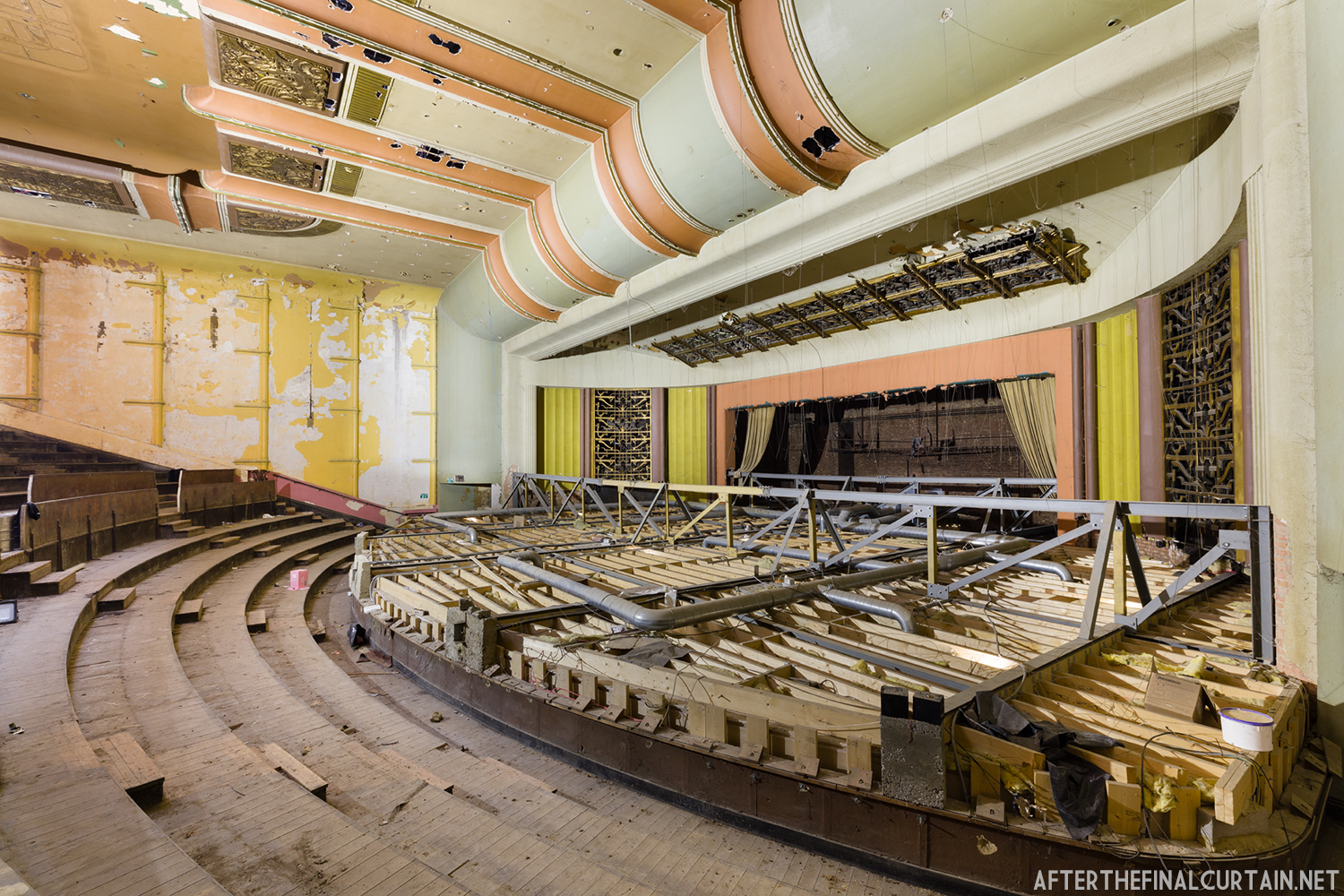
The building then was converted into a snooker hall with a false ceiling separating the stalls (orchestra) from the balcony area, the stage area became a restaurant, and a Turkish community center opened in the balcony foyer. In 2014, the snooker hall moved into the balcony foyer, and the former stalls section became a function space called Epic.
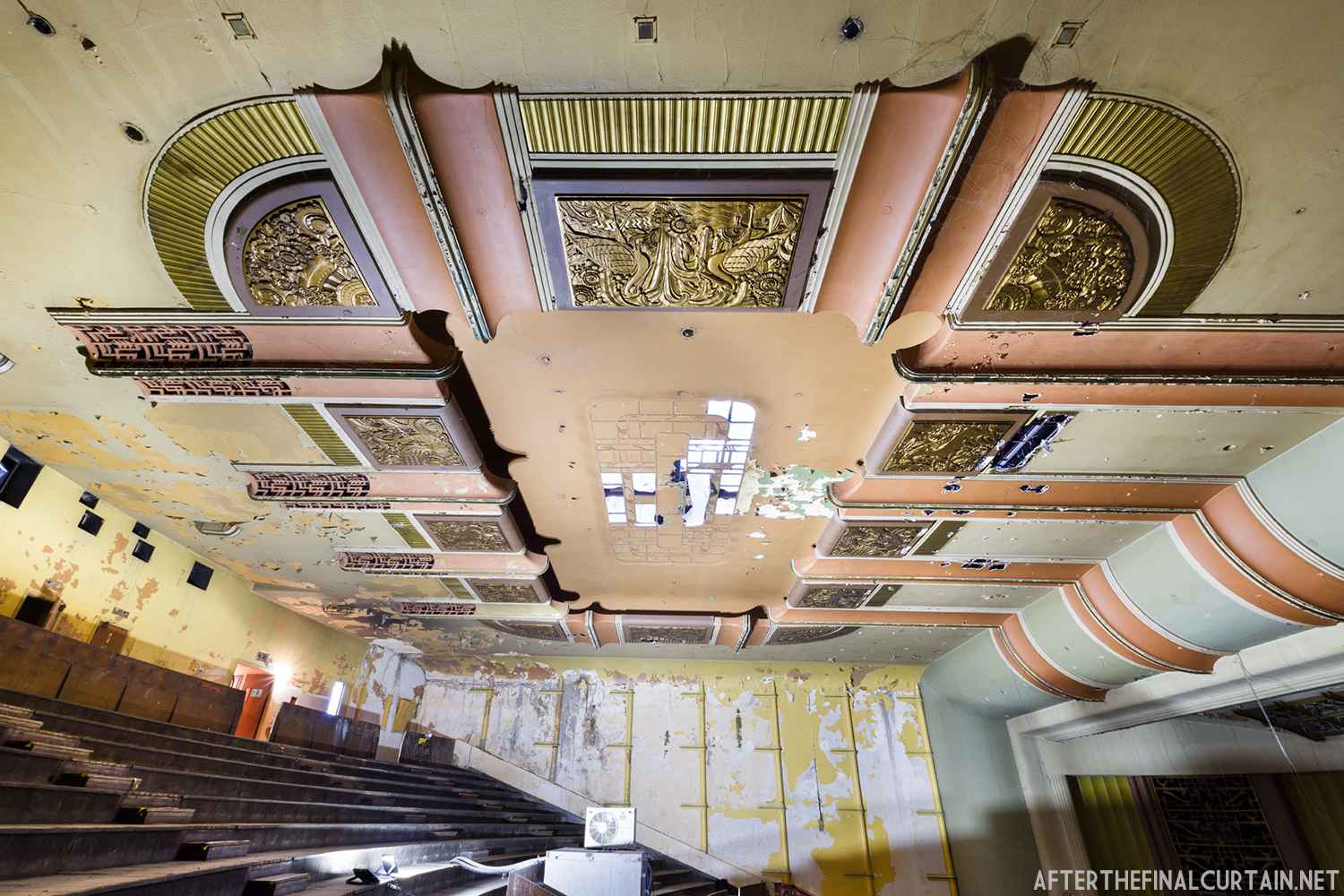
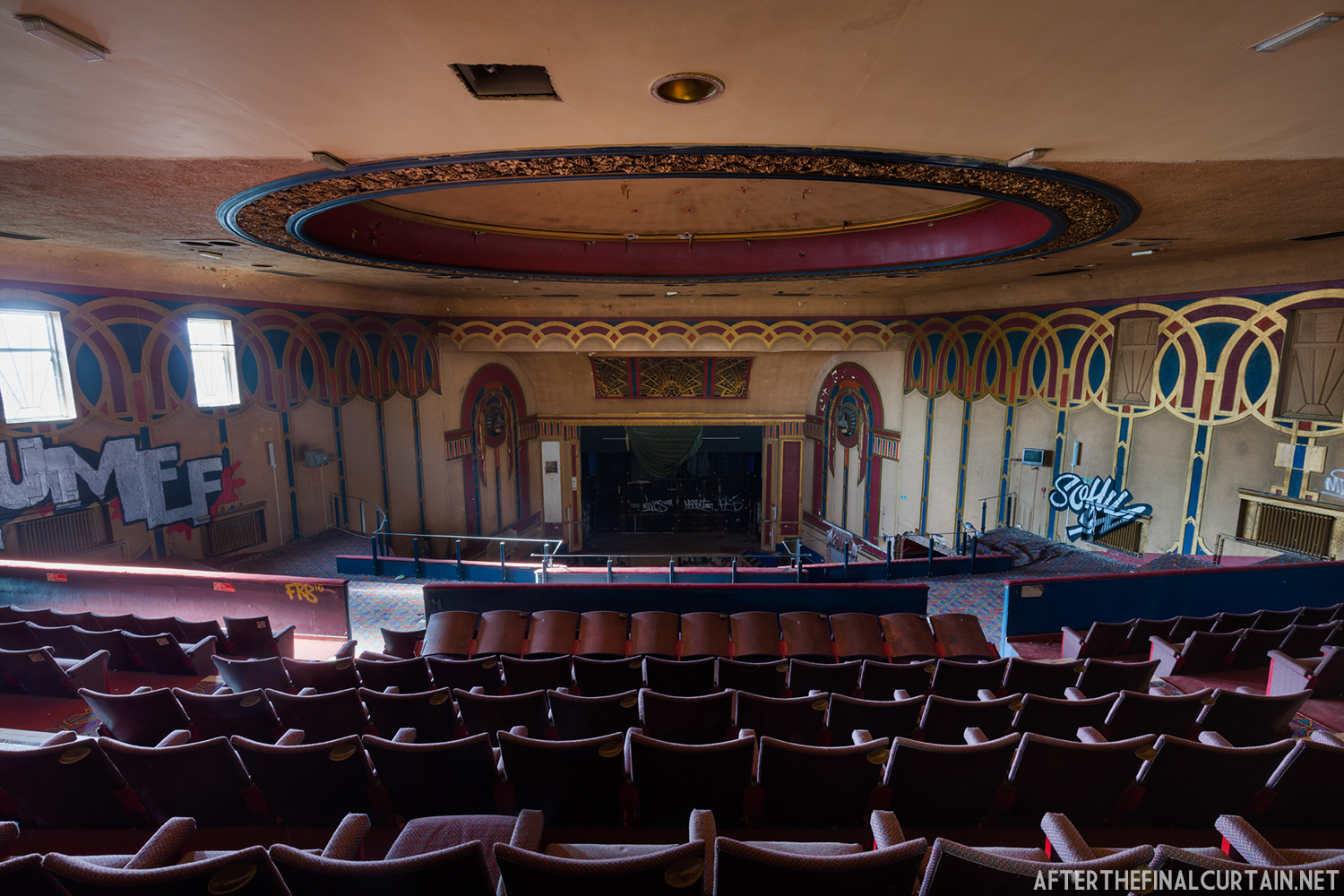
In April 2017, a proposal was made to convert the former theater into a performing arts center with a budget of £3 million. The proposal was approved by the Hackney Council on July 20, 2017, and funding of £1.9 million was secured in February 2018. It opened as the EartH (Evolutionary Arts Hackney) with a performance by Jazz artist Mulatu Astatke, and singer Fatoumata Diawara in September 2018. Film screenings resumed a few months later on December 17, 2018 with some classic Christmas movies. The former stalls (orchestra) became a performance venue with a standing capacity of 1,200, and the balcony, which remained separate, became another with 680 seats.

 After the Final Curtain