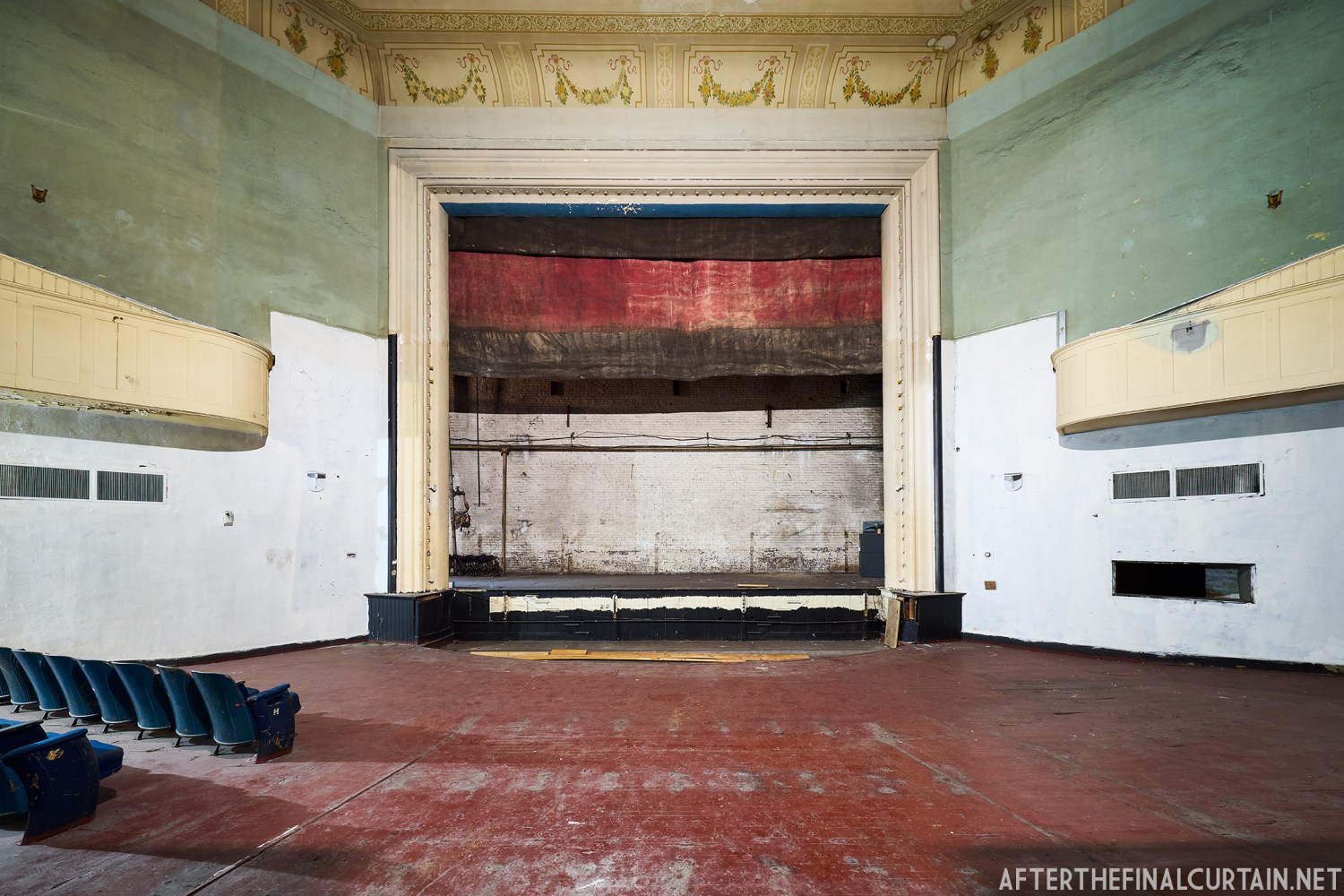
The Sampson Theatre – Penn Yan, New York

This was originally posted on After the Final Curtain’s Patreon in February 2025. For expanded early posts, as well as video walkthroughs and other exclusive content, you can become a patron at: https://www.patreon.com/afterthefinalcurtain

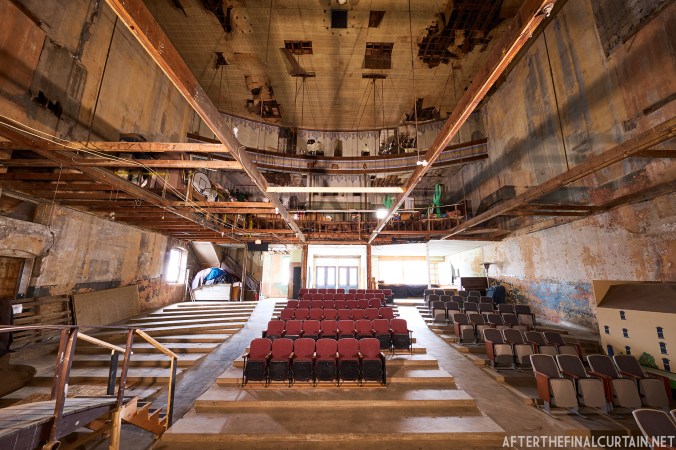
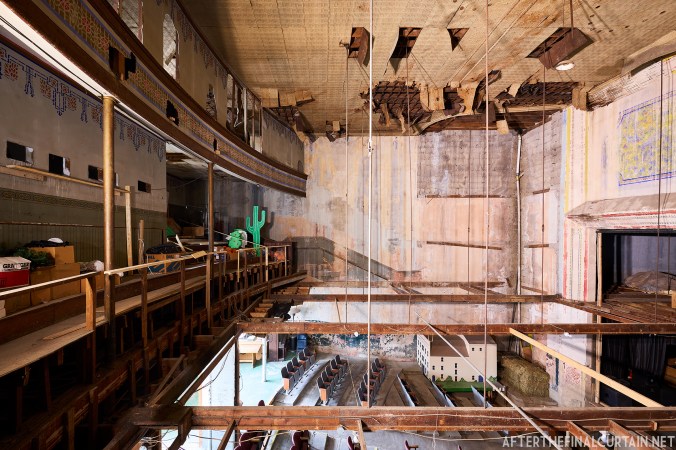
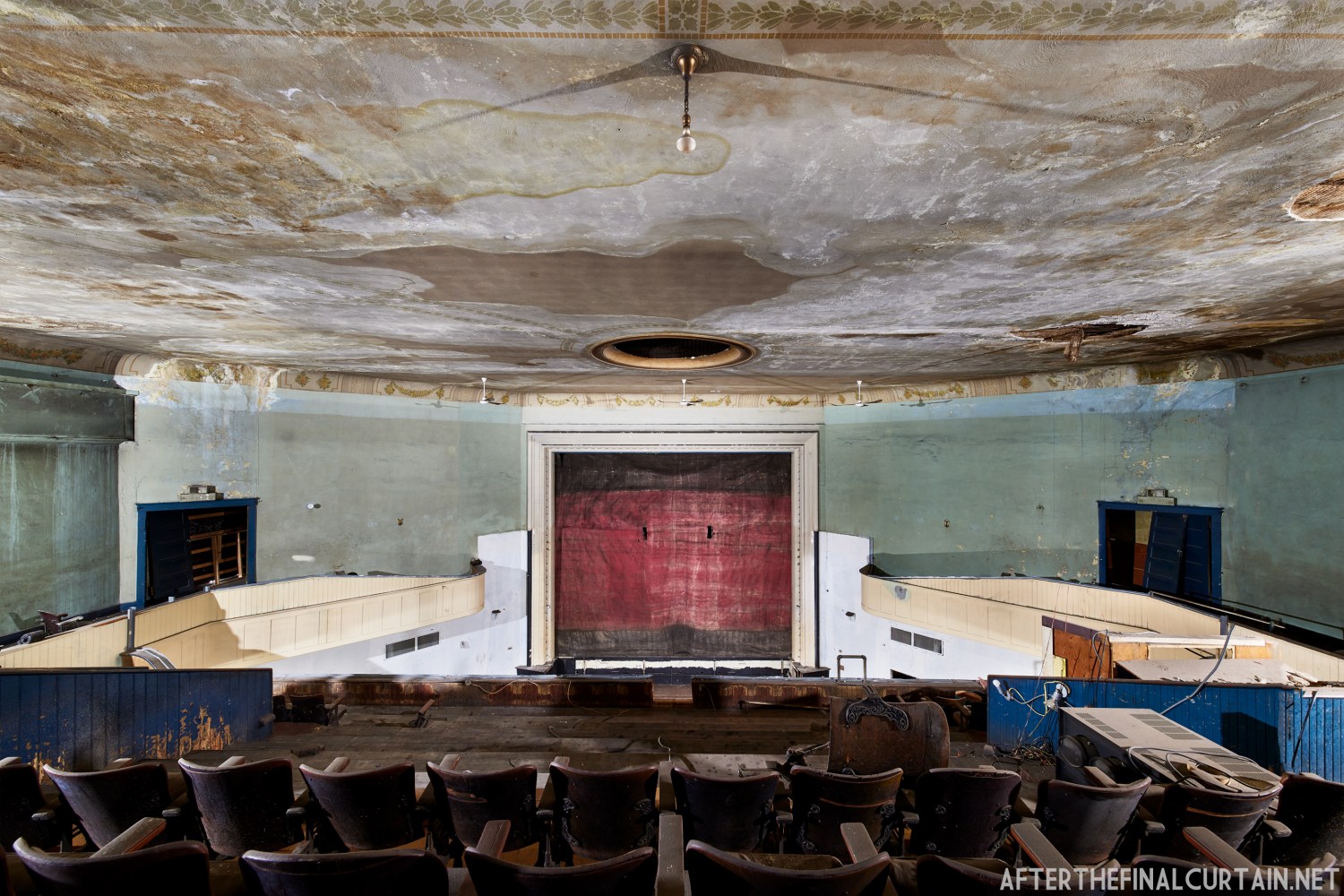
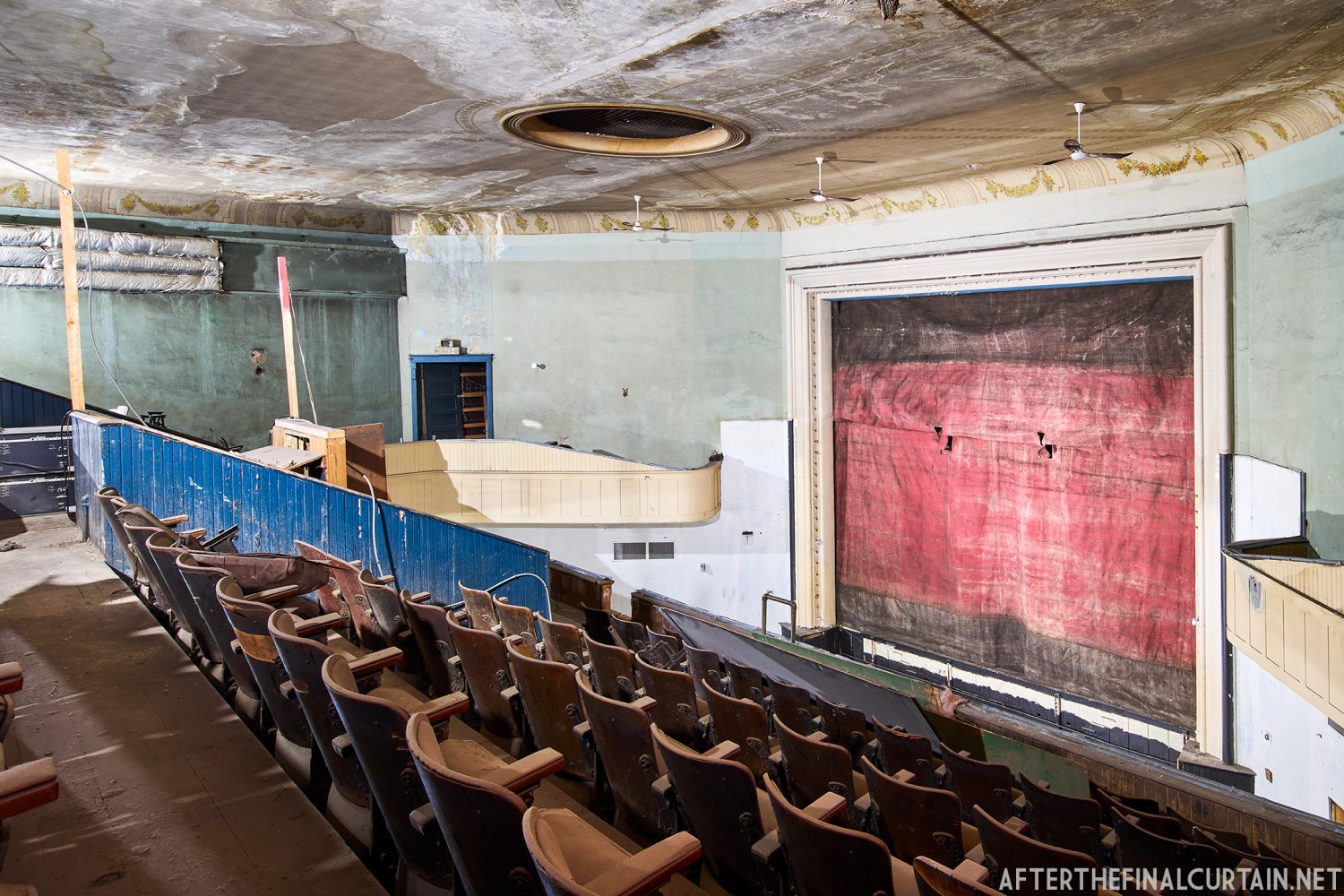
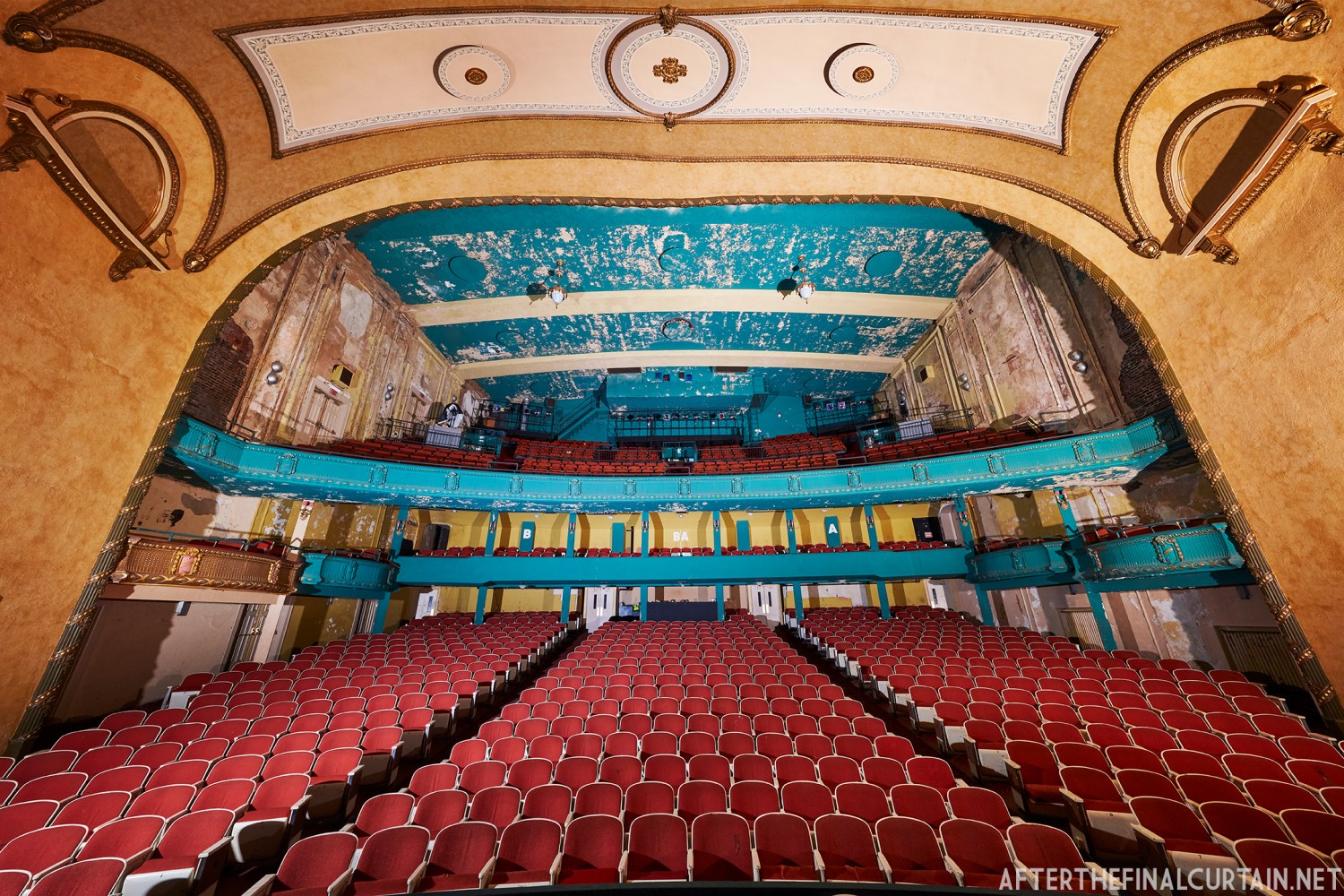
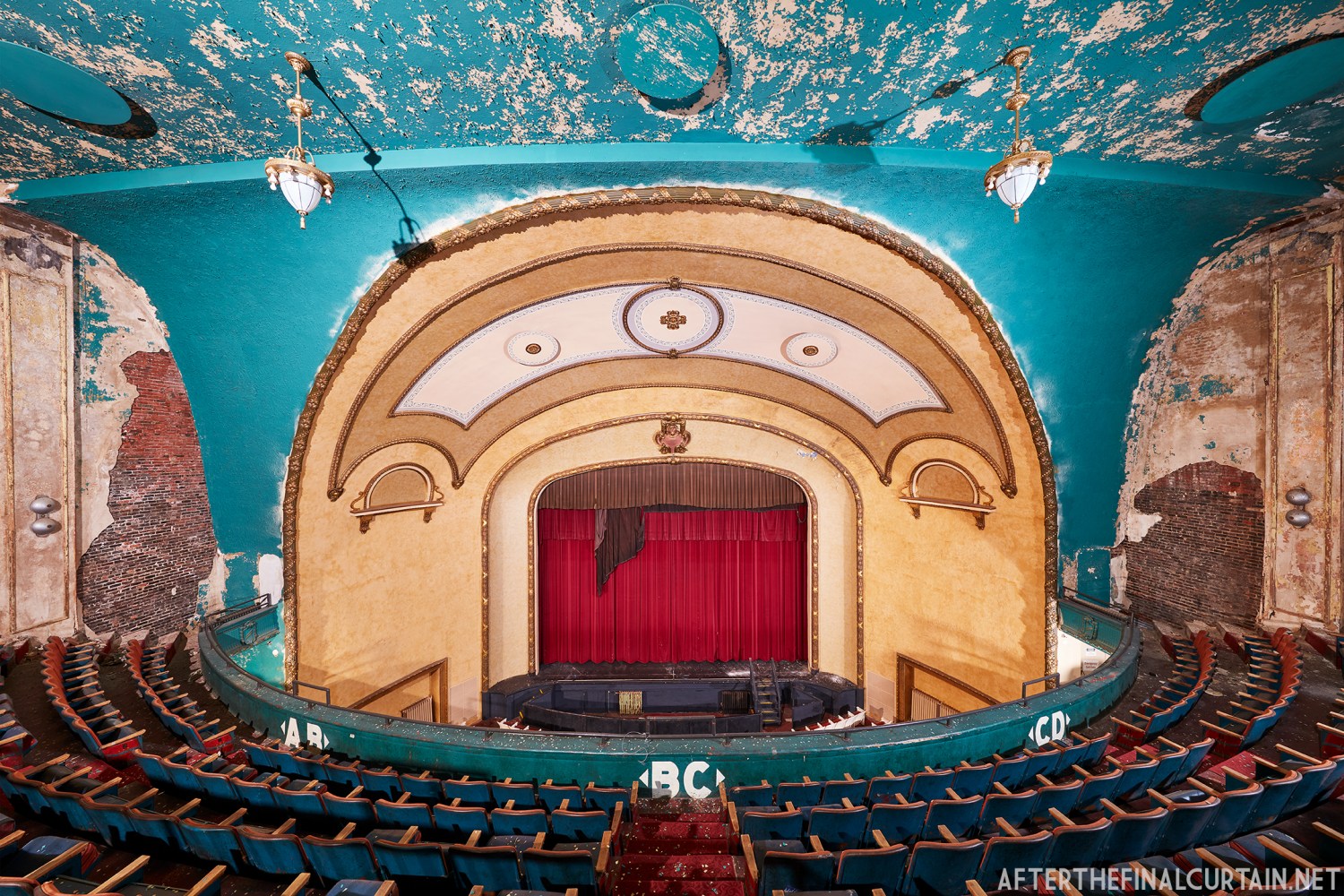
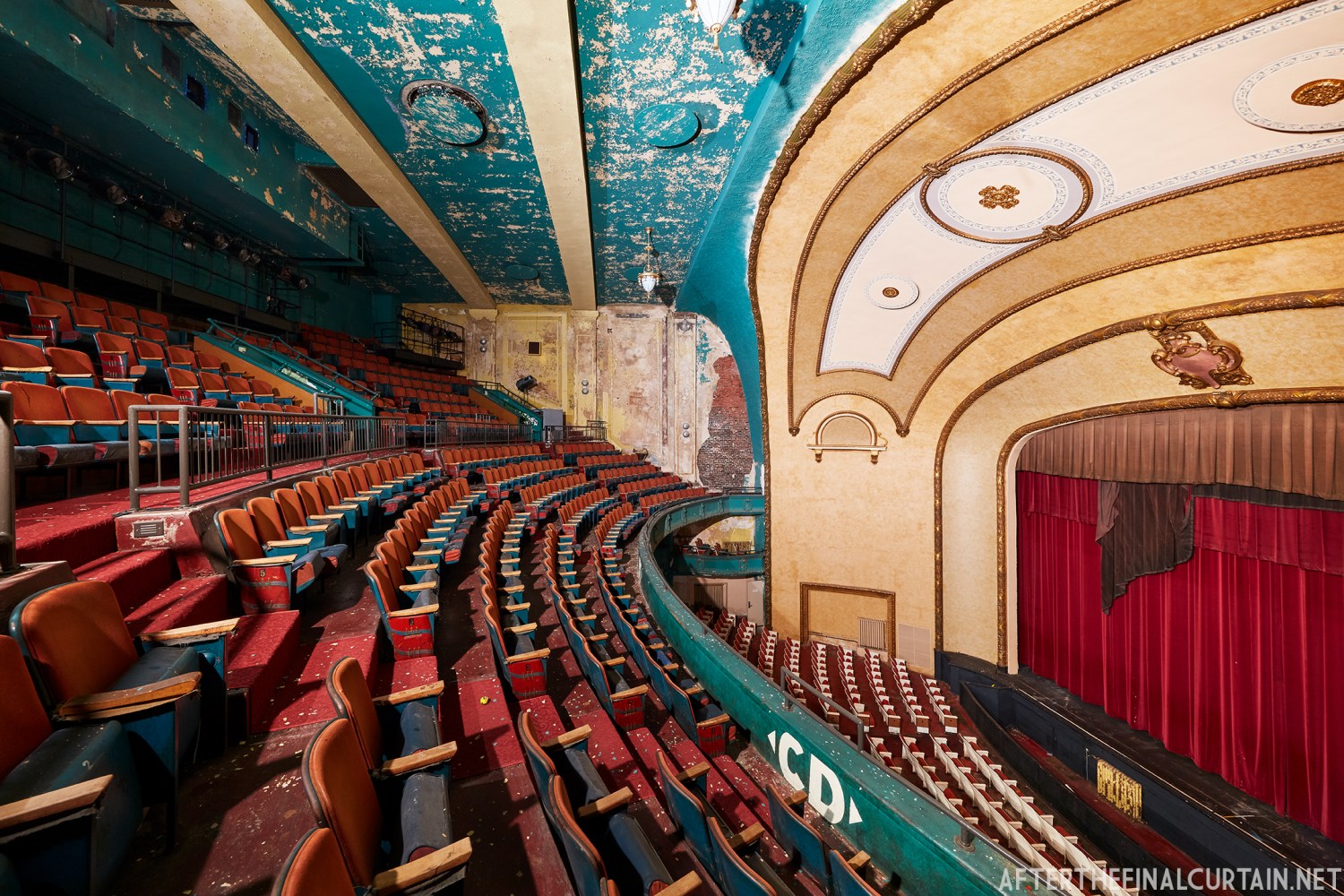
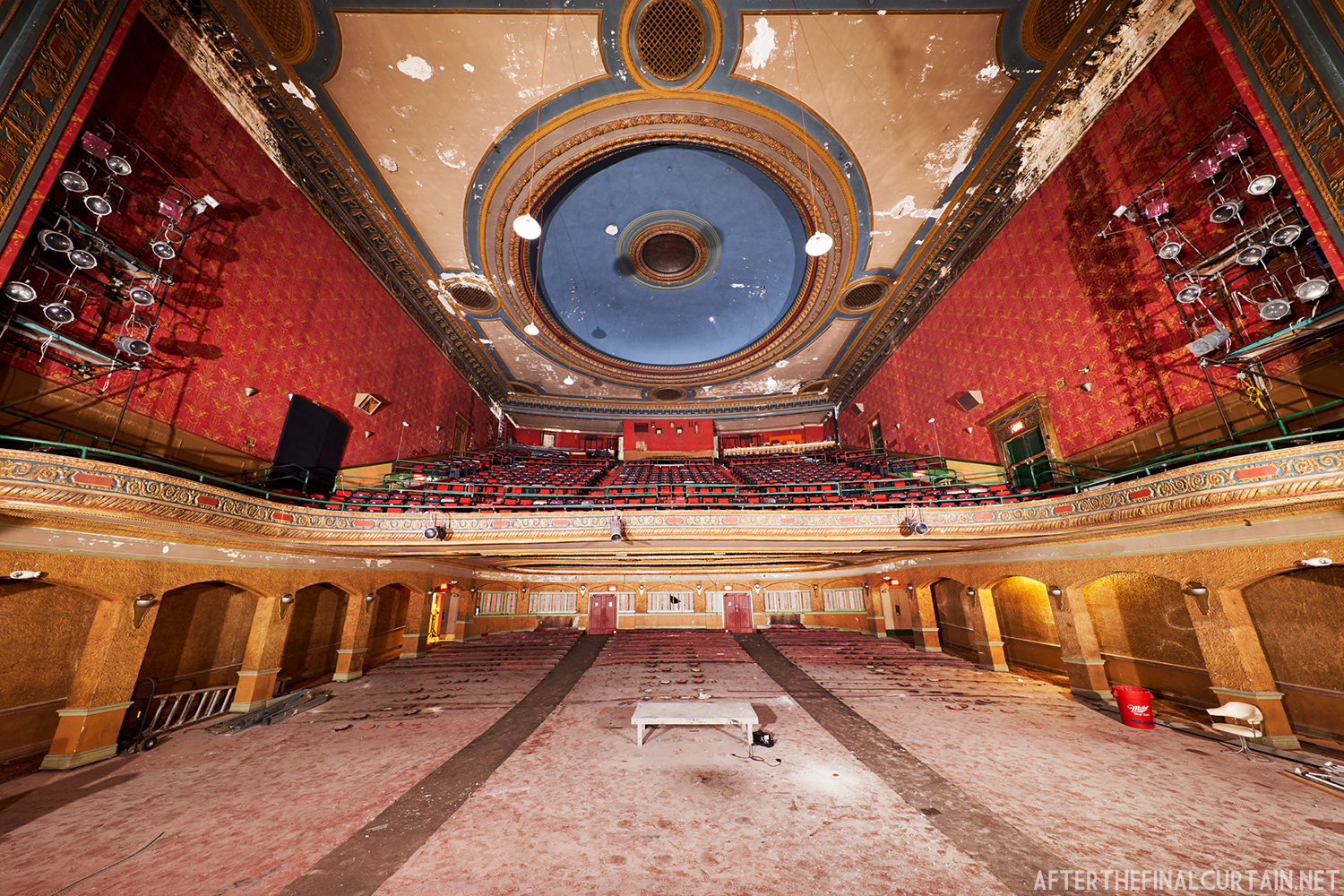
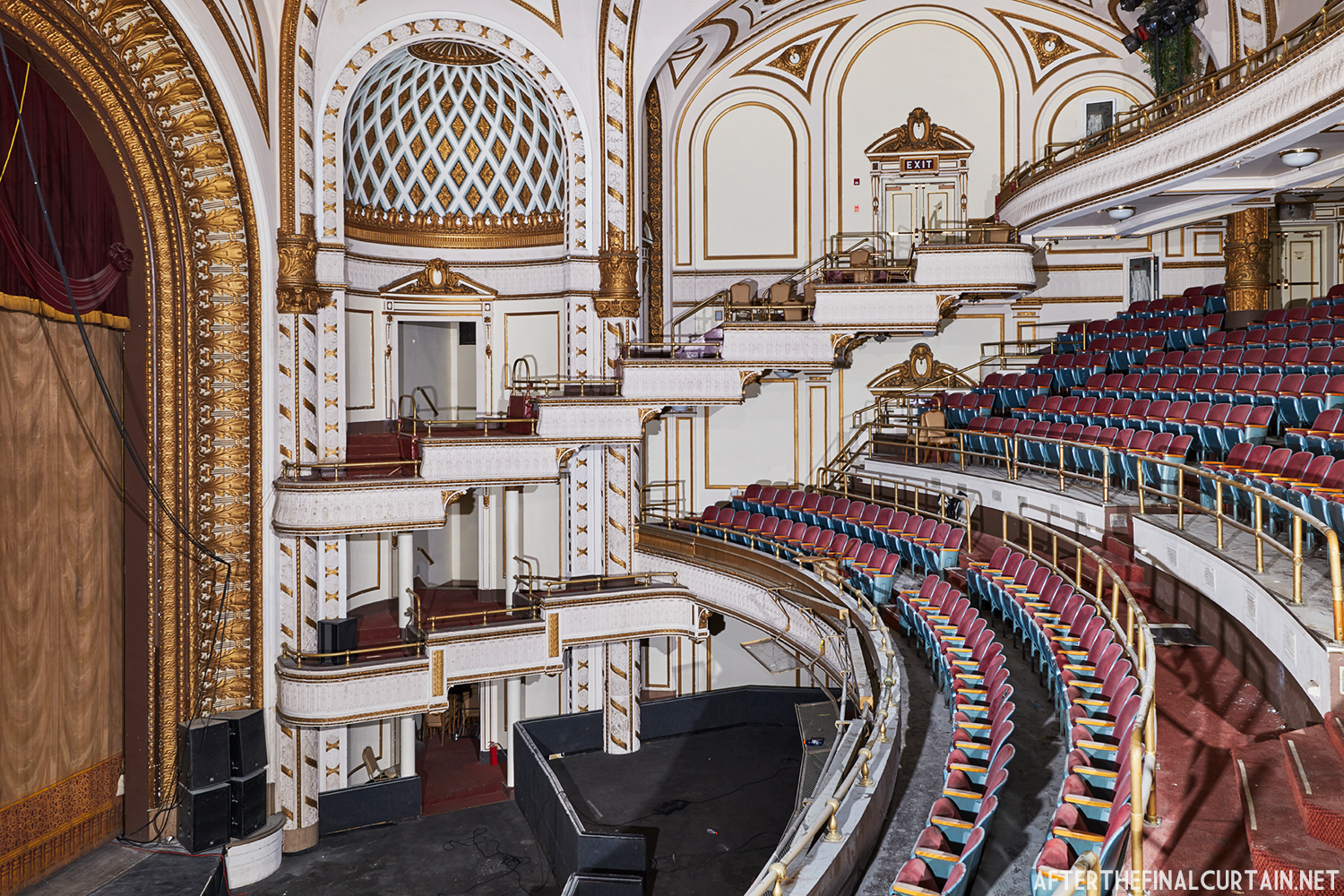
View from the side of the balcony.

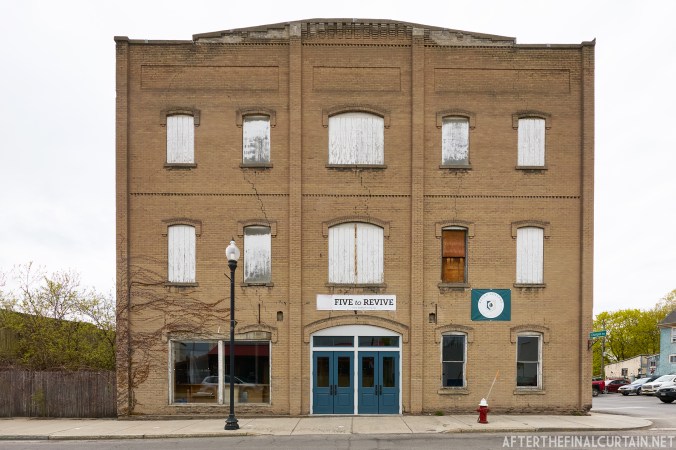
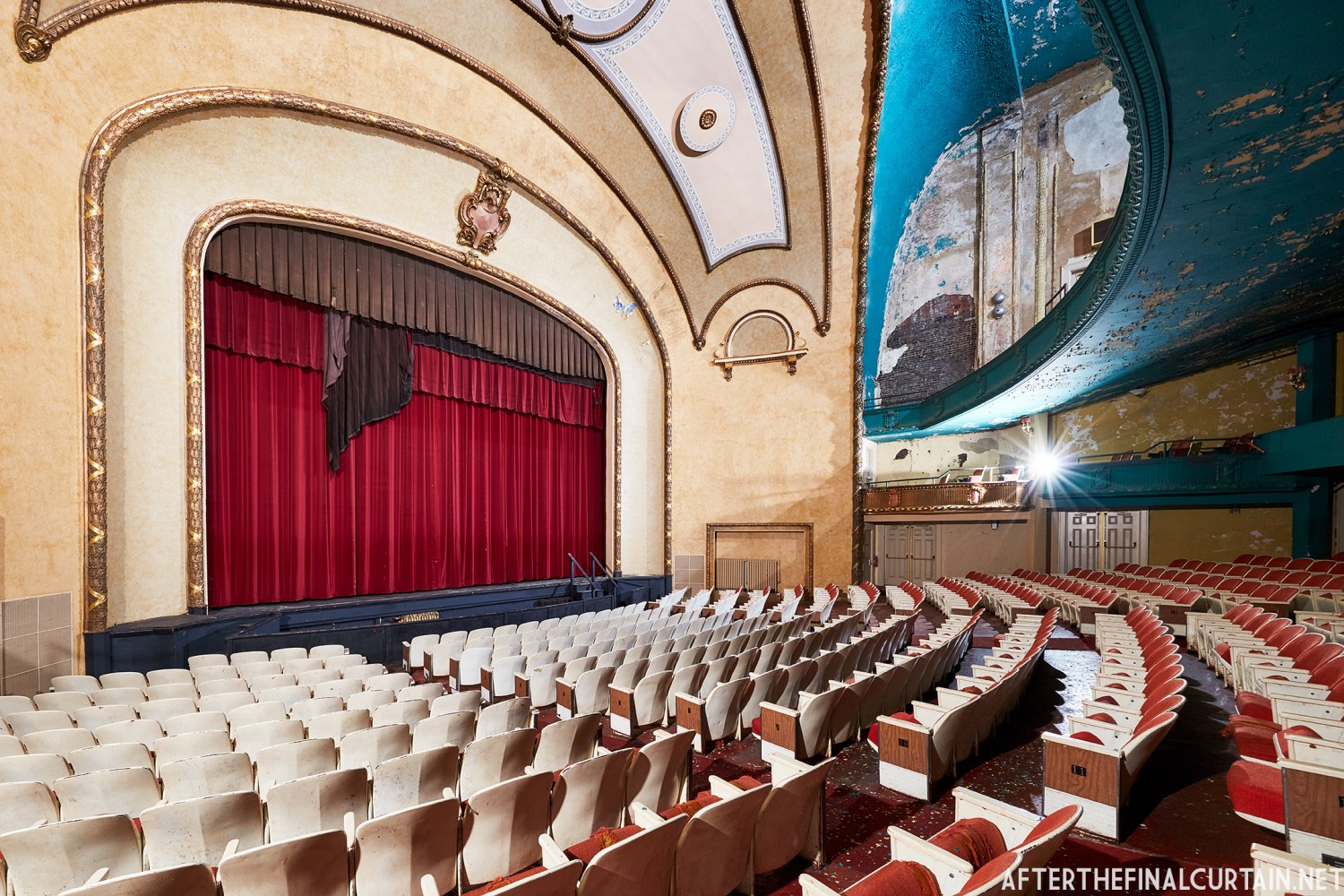
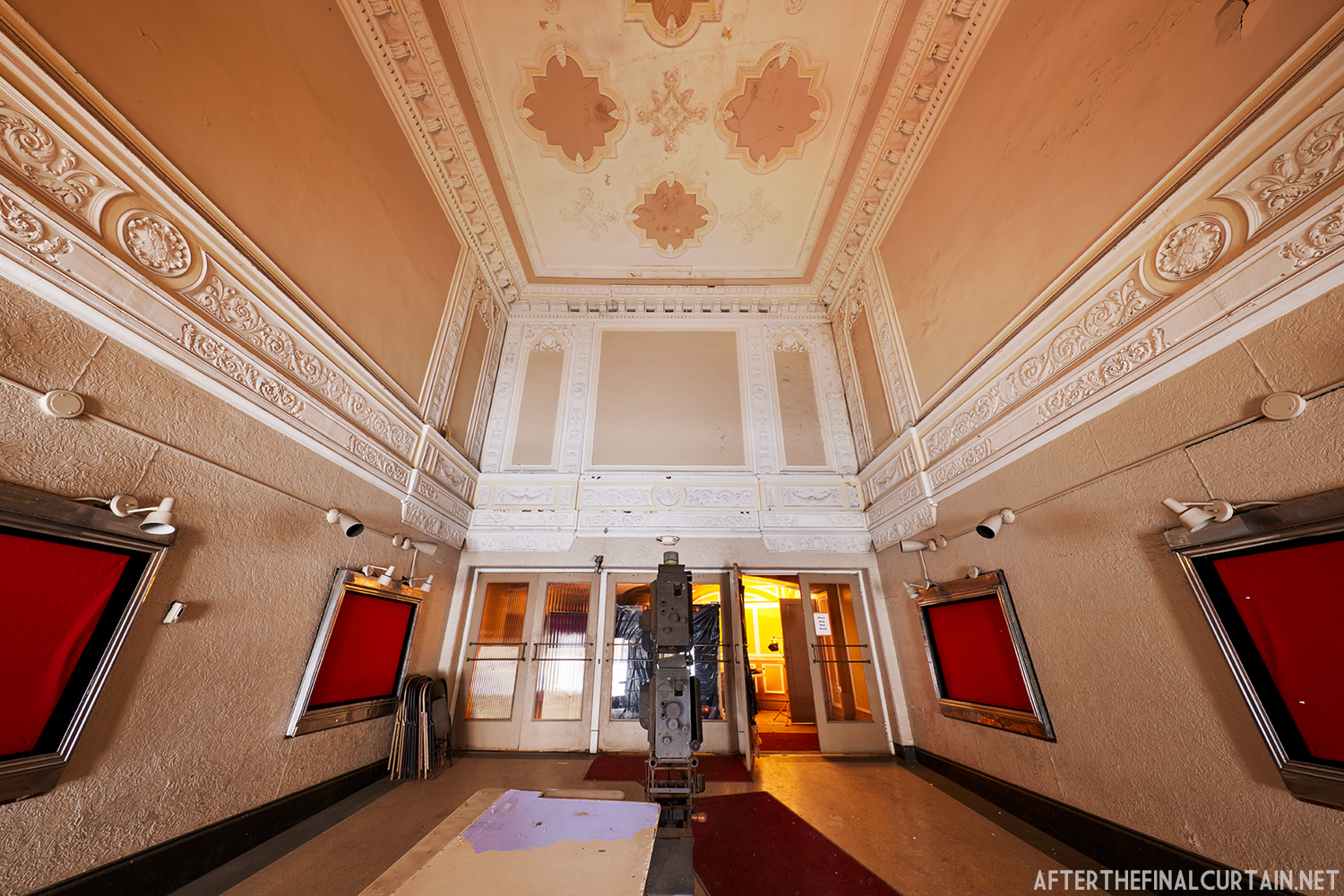
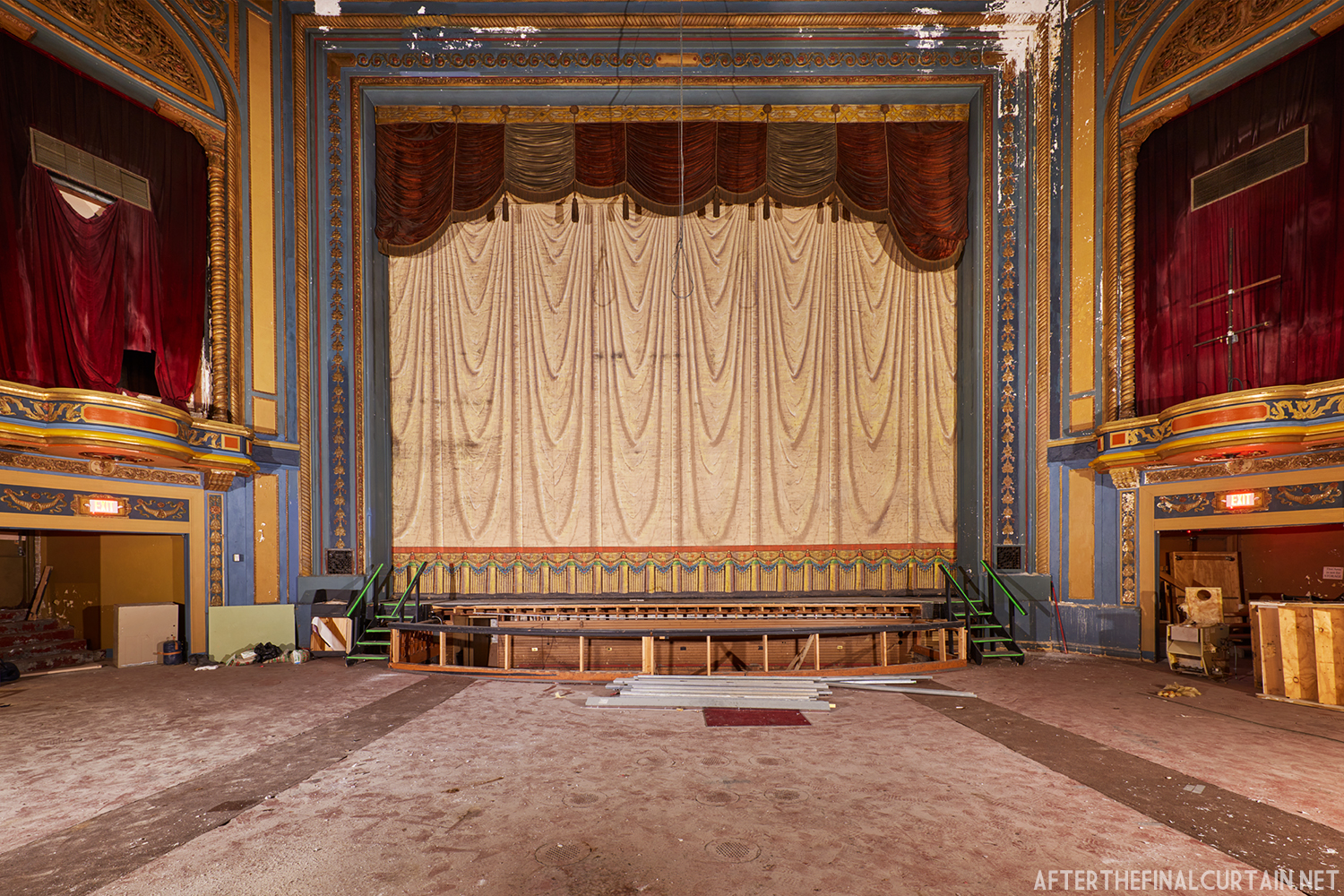
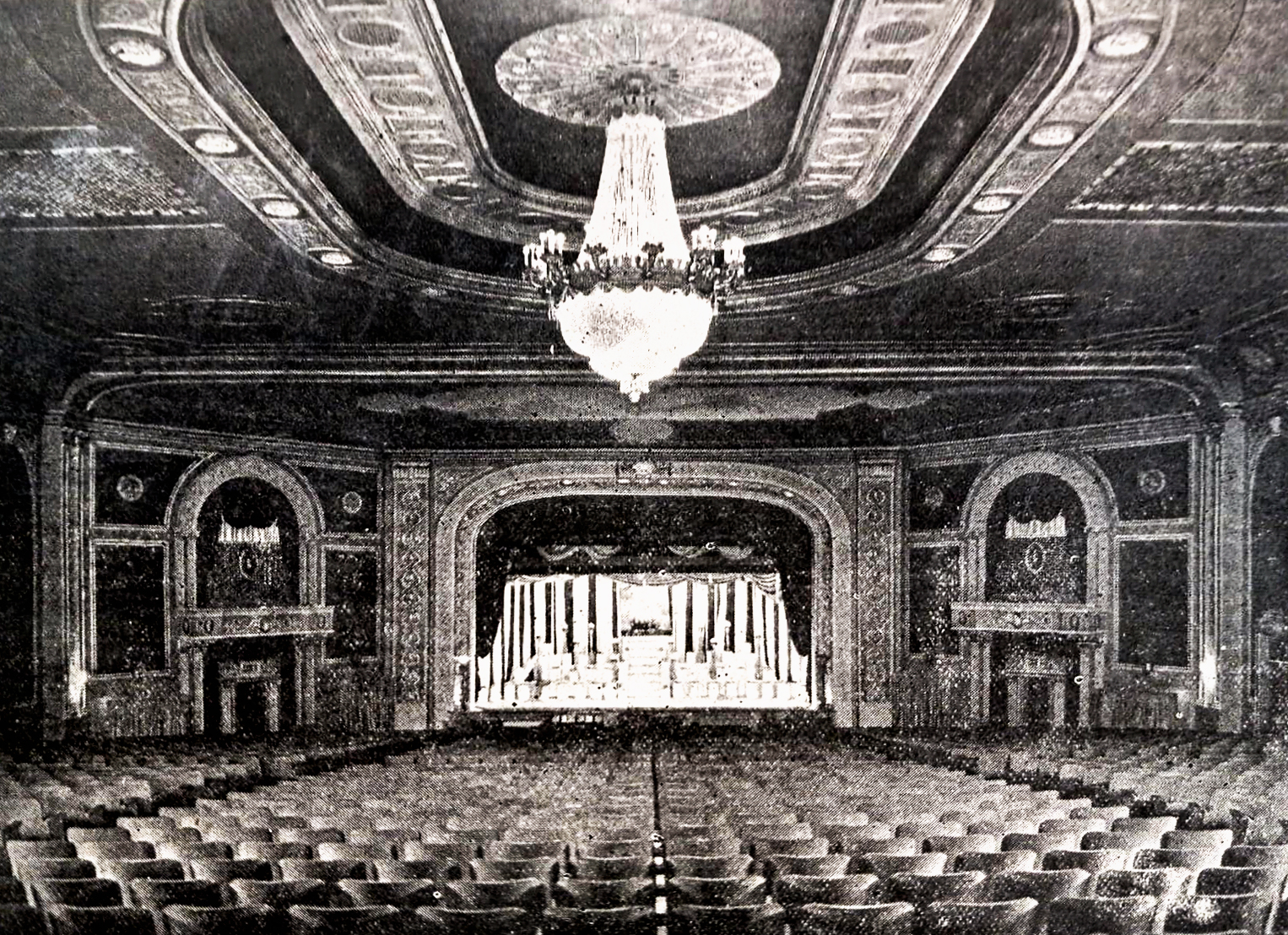
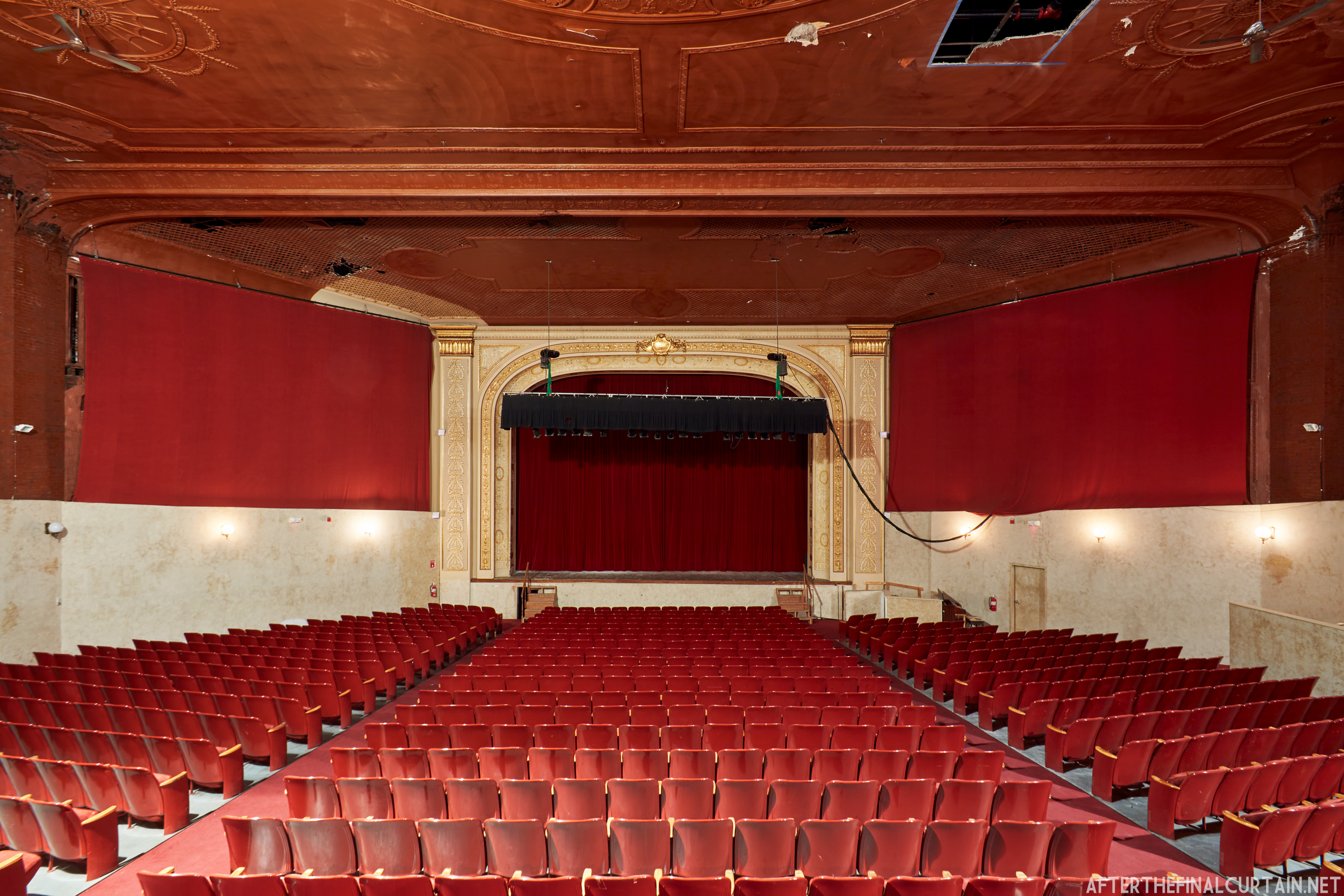
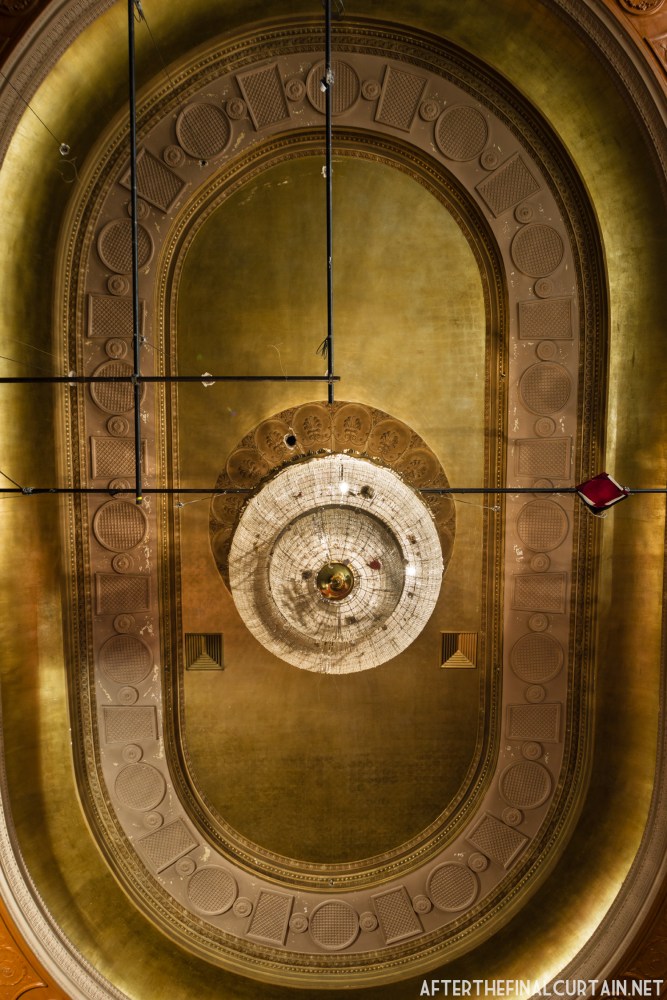
The Sampson Theatre in Penn Yan, New York originally opened on October 12, 1910. Built by local benefactor Dr. Frank Sampson, it was designed as a vaudeville house and entertainment venue. The grand opening featured a speech by President Theodore Roosevelt and a performance of Louis Mann’s comedy, “The Cheater.” The event drew a sell out crowd, with reserved seating priced at $3 and balcony seats available for 25 to 50 cents. 

The exterior of the theater in 2021.

For nearly two decades, the Sampson Theatre showcased major theatrical productions, including adaptations of “Uncle Tom’s Cabin,” George M. Cohan’s “Broadway Jones,” and operettas like “H.M.S. Pinafore.” The venue also featured silent films such as D.W. Griffith’s controversial “The Birth of a Nation” and popular serials like “The Perils of Pauline.” Vaudeville acts brought renowned performers to Penn Yan, including Joe Yule, father of Hollywood star Mickey Rooney. Local talent also graced the stage, with students from Penn Yan Academy participating in performances.

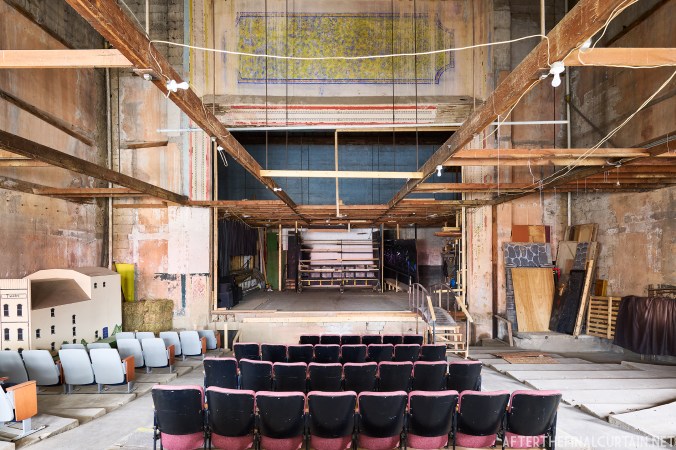
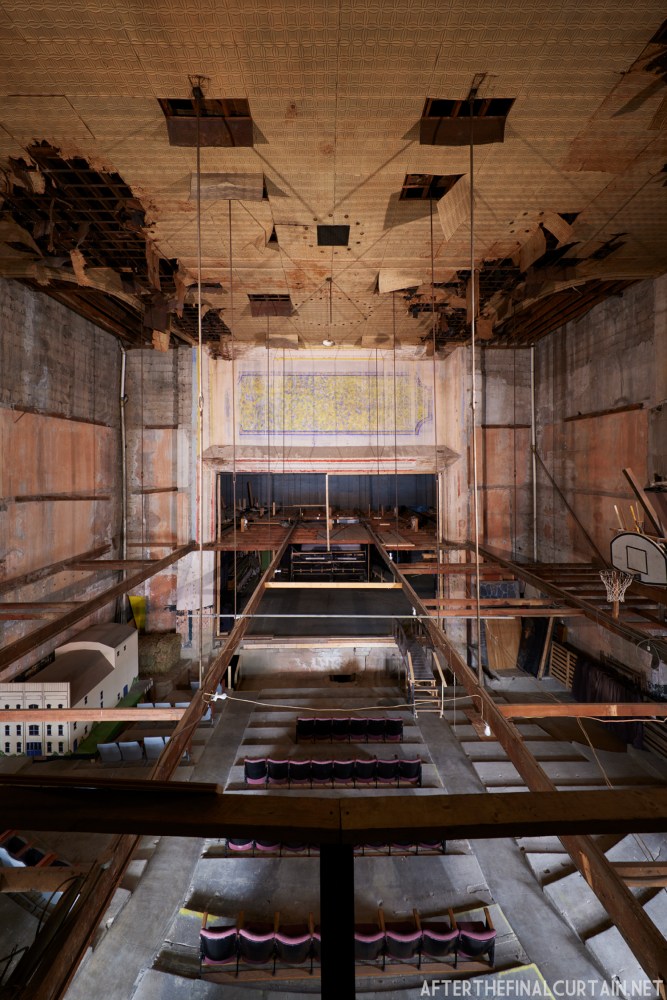
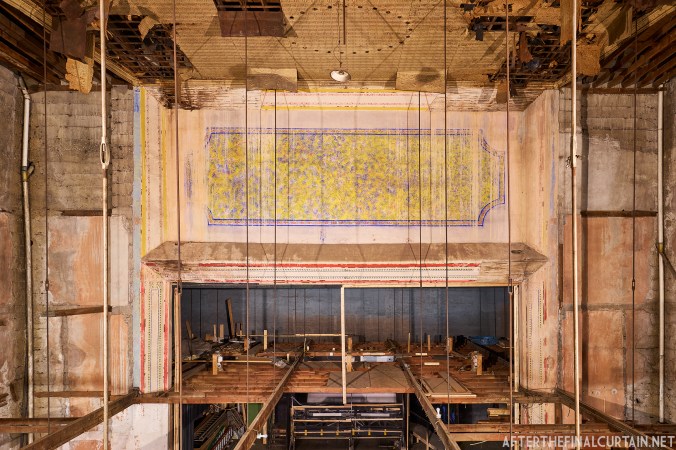
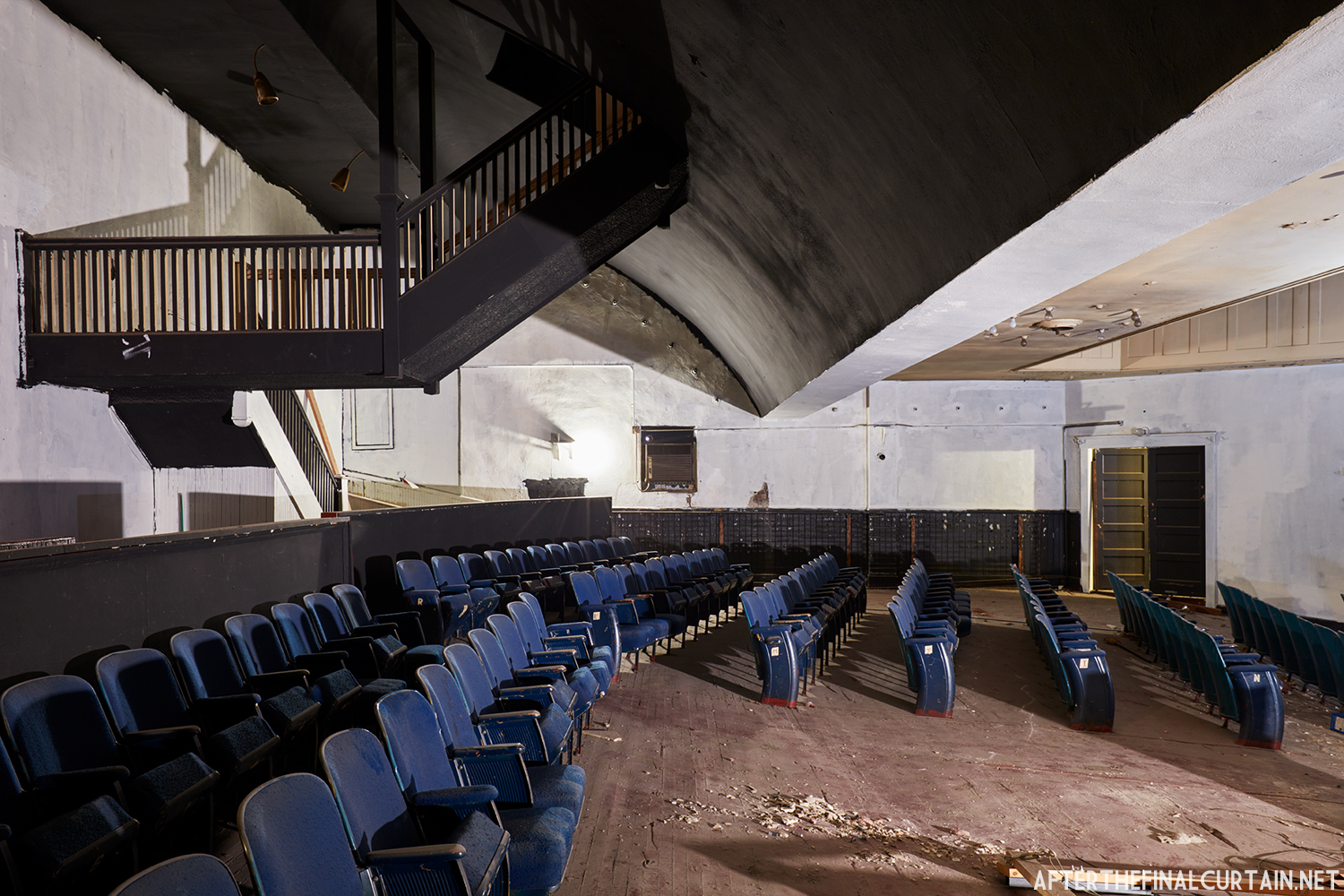
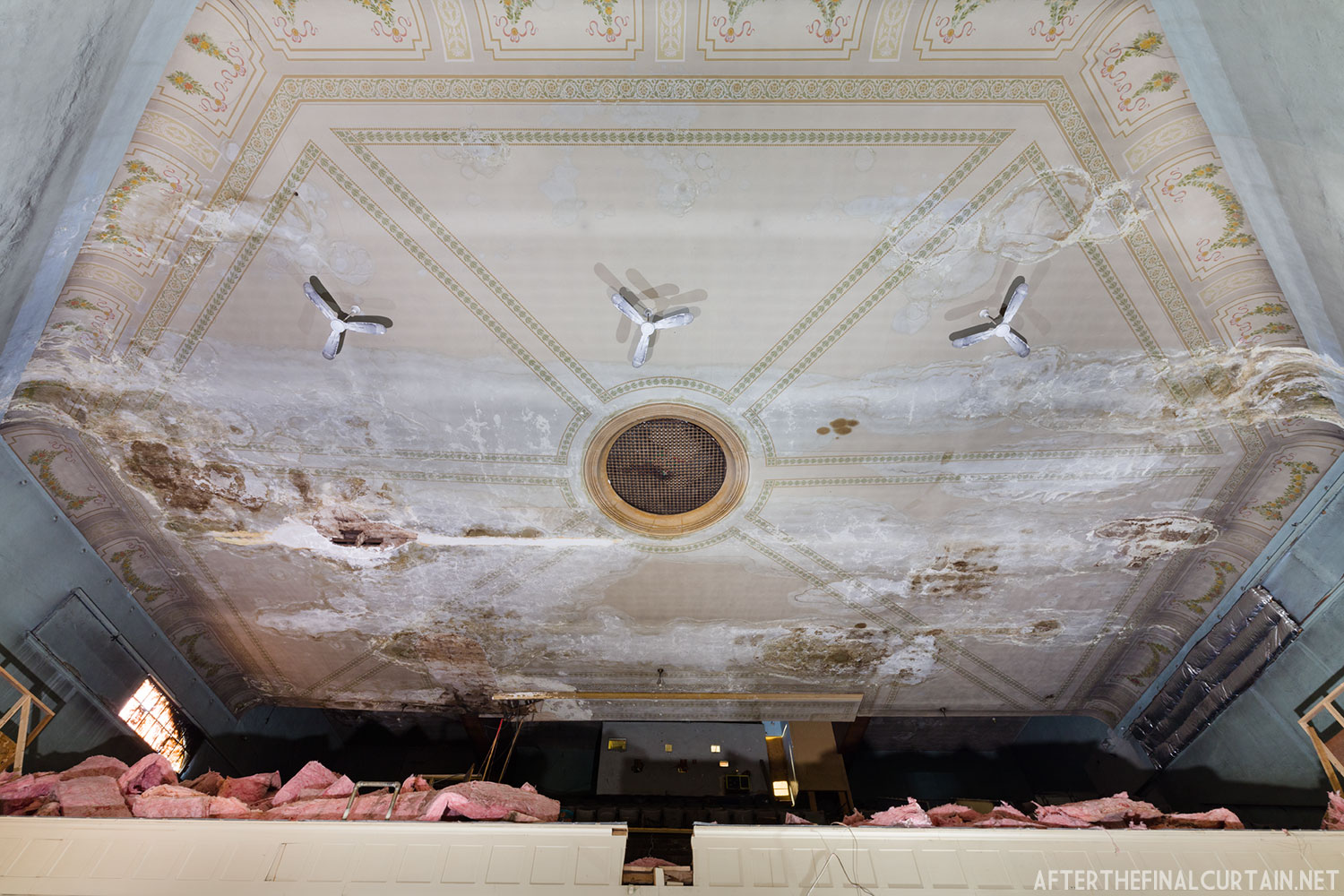
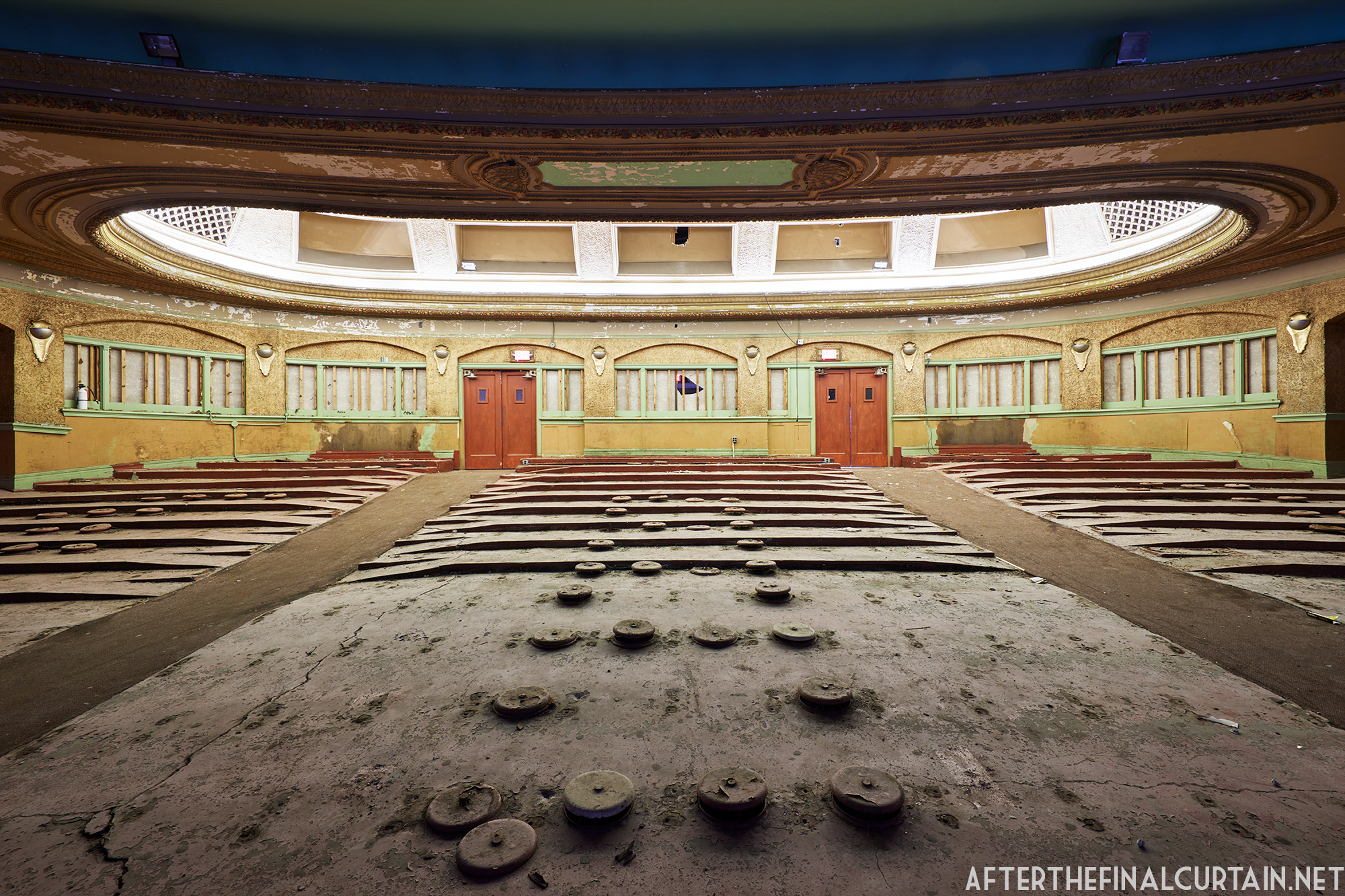
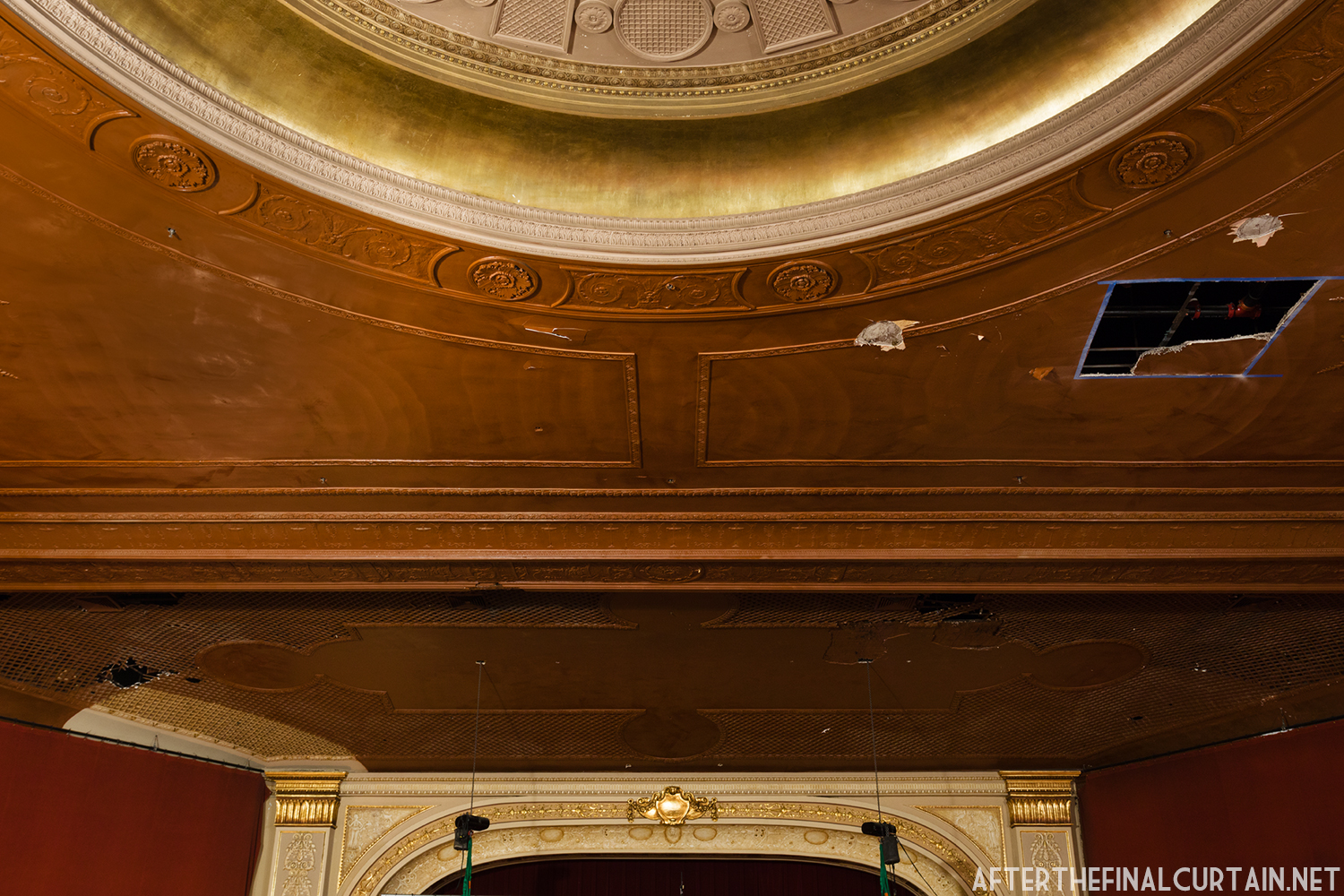
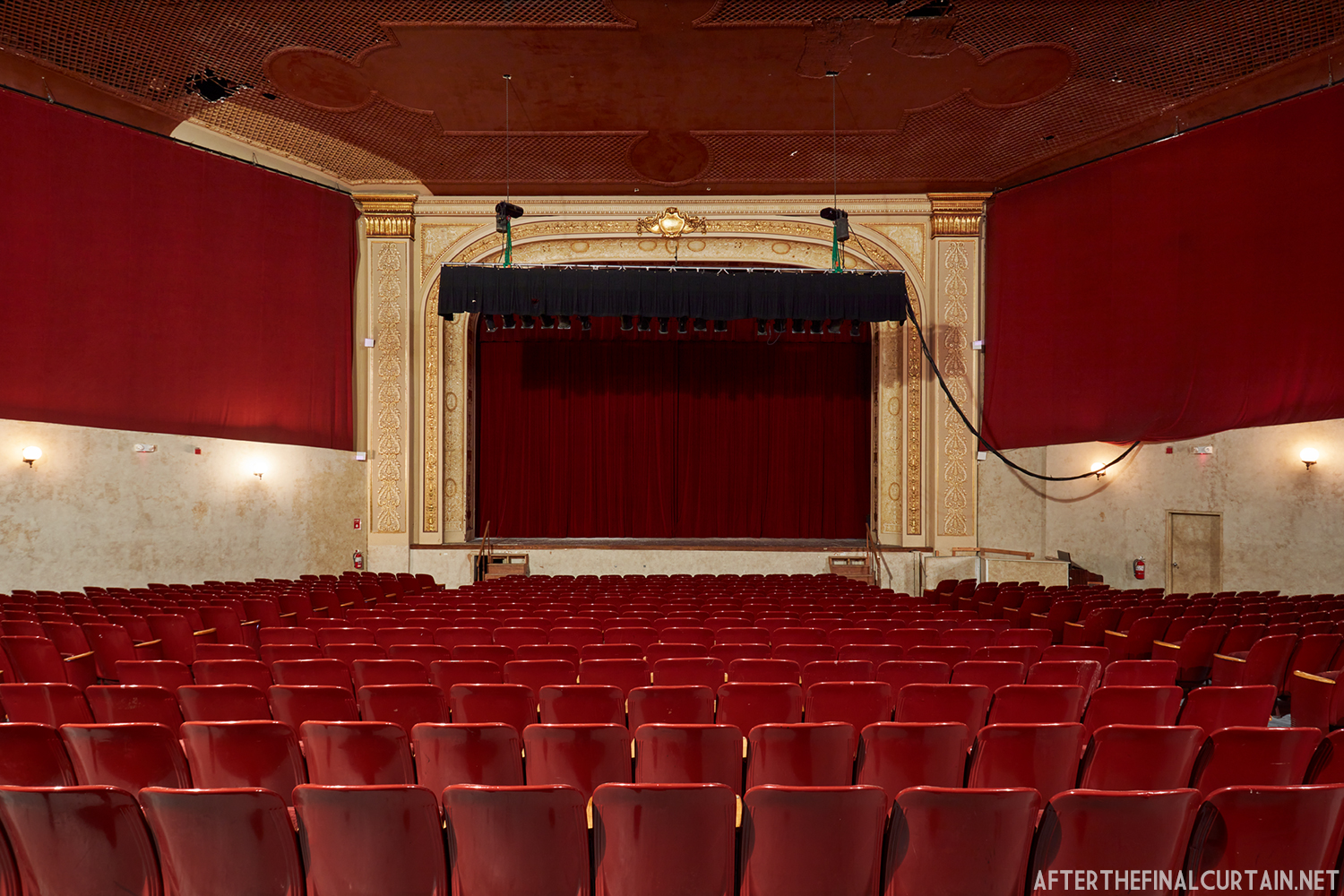
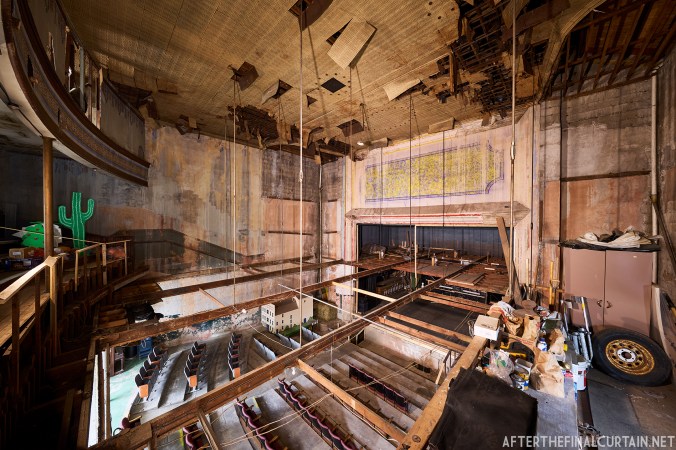
View from the stage area, with some remnants of the false ceiling framing still visible.

The theater’s use began to decline in the late 1920s as motion pictures gained popularity. In 1928, Harry C. Morse purchased the building and converted it into an indoor miniature golf course. In 1936, Wells Jewett repurposed it as an automobile garage and showroom, leading to significant alterations, including the removal of parts of the balcony. Over the decades, the building housed a car dealership and later a tire warehouse, operated by the Trombley family. Despite these changes, the structure retained its historic identity and significance.

In 2004, the Trombley family gifted the building to the Penn Yan Theatre Company (PYTCo), which began efforts to restore the theater to its original function as a performance venue. The Sampson Theatre has been recognized as an important historic site, listed on both the State and National Registers of Historic Places. Its early use of reinforced poured concrete construction was innovative for a small-town setting, contributing to the building’s longevity despite years of modifications.

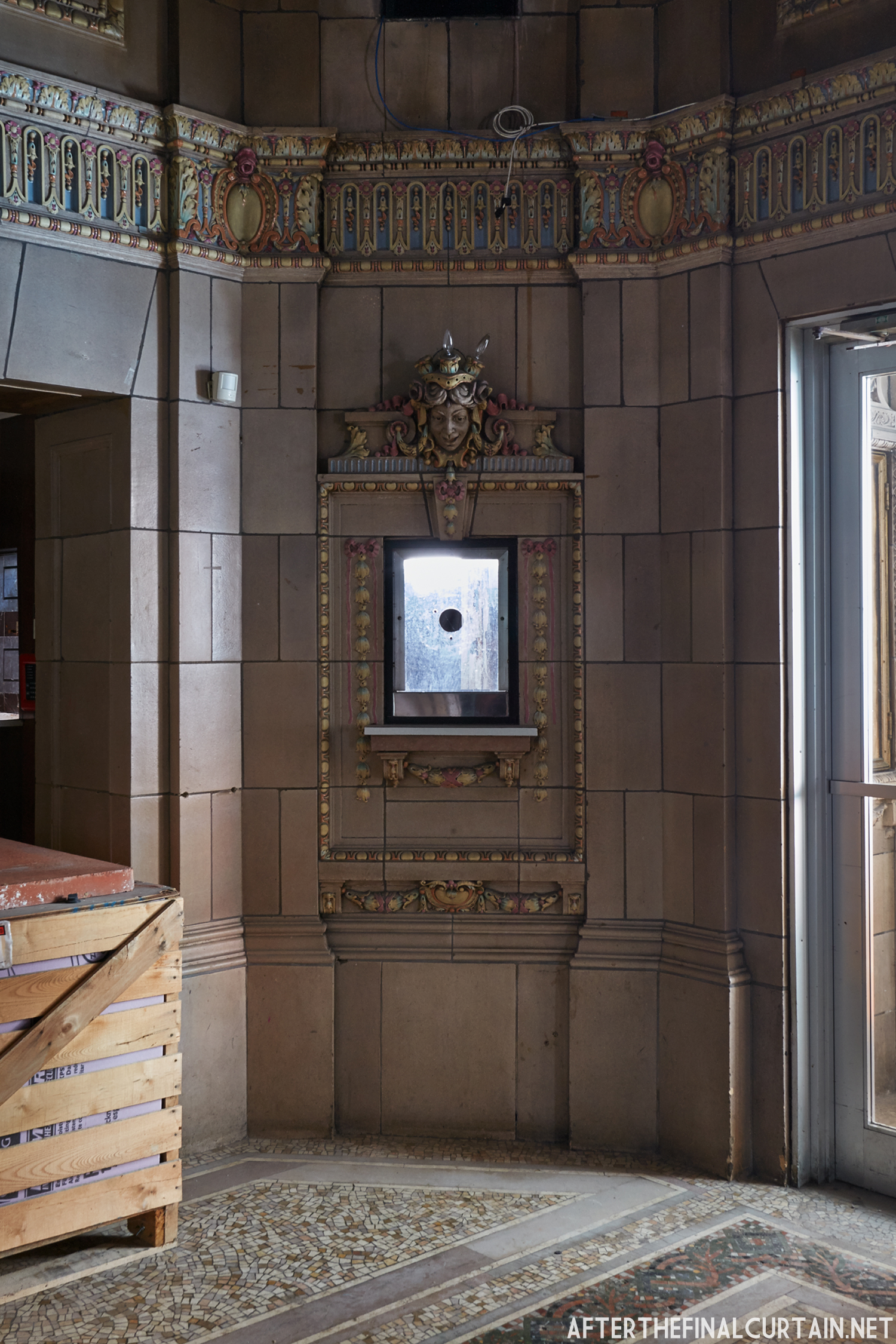
The Sampson Theatre revitalization project has received significant support, including grants from the Rochester Area Community Foundation’s Historic Preservation program and the Keuka Area Fund. The funding aids restoration efforts such as installing vestibule doors and a box office. The theater was also selected as one of the Landmark Society’s inaugural “Five to Revive” preservation priorities. PYTCo continues to work toward its mission of enriching the community by reviving this historic entertainment center, bringing live performances and cultural events back to the heart of Penn Yan.

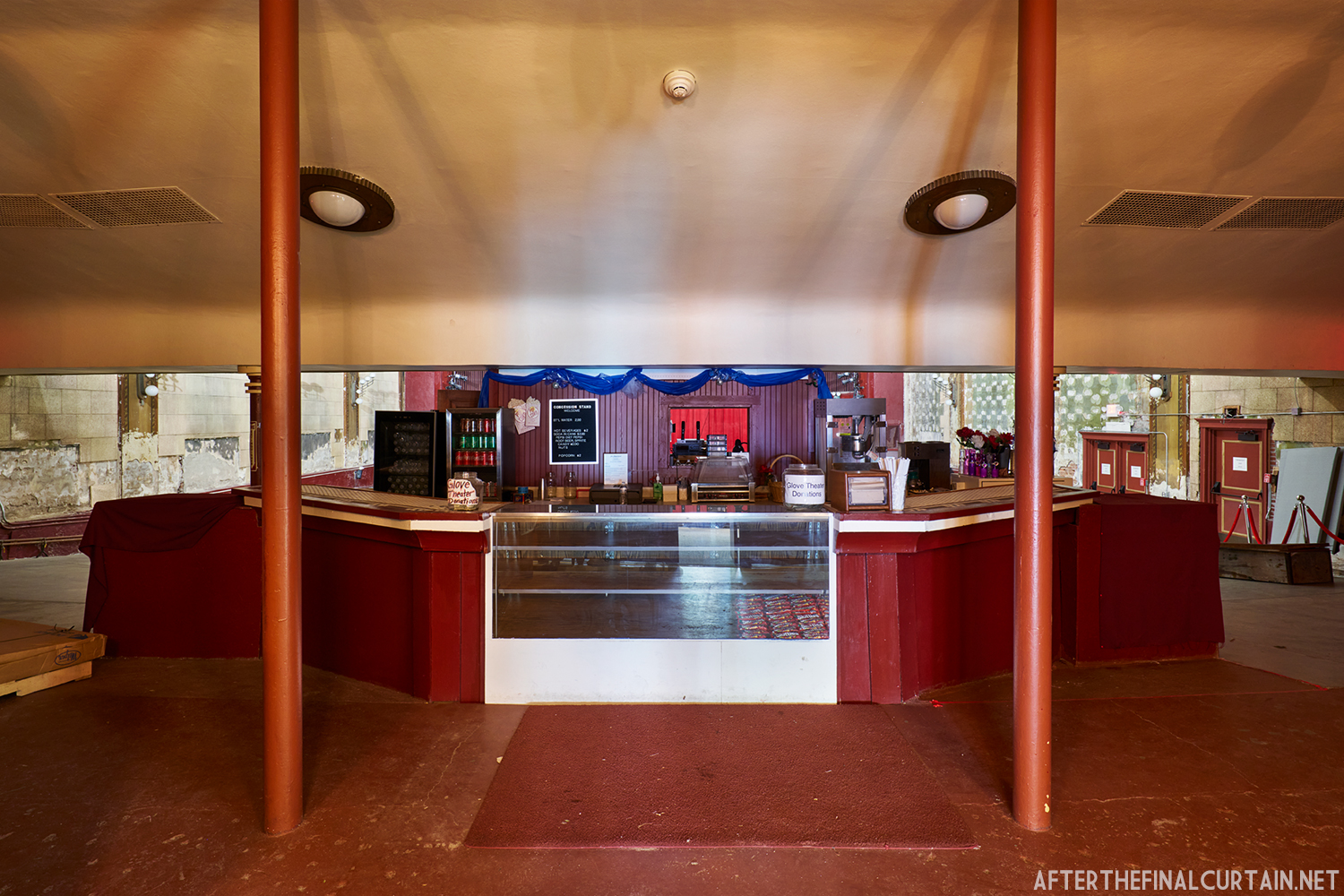
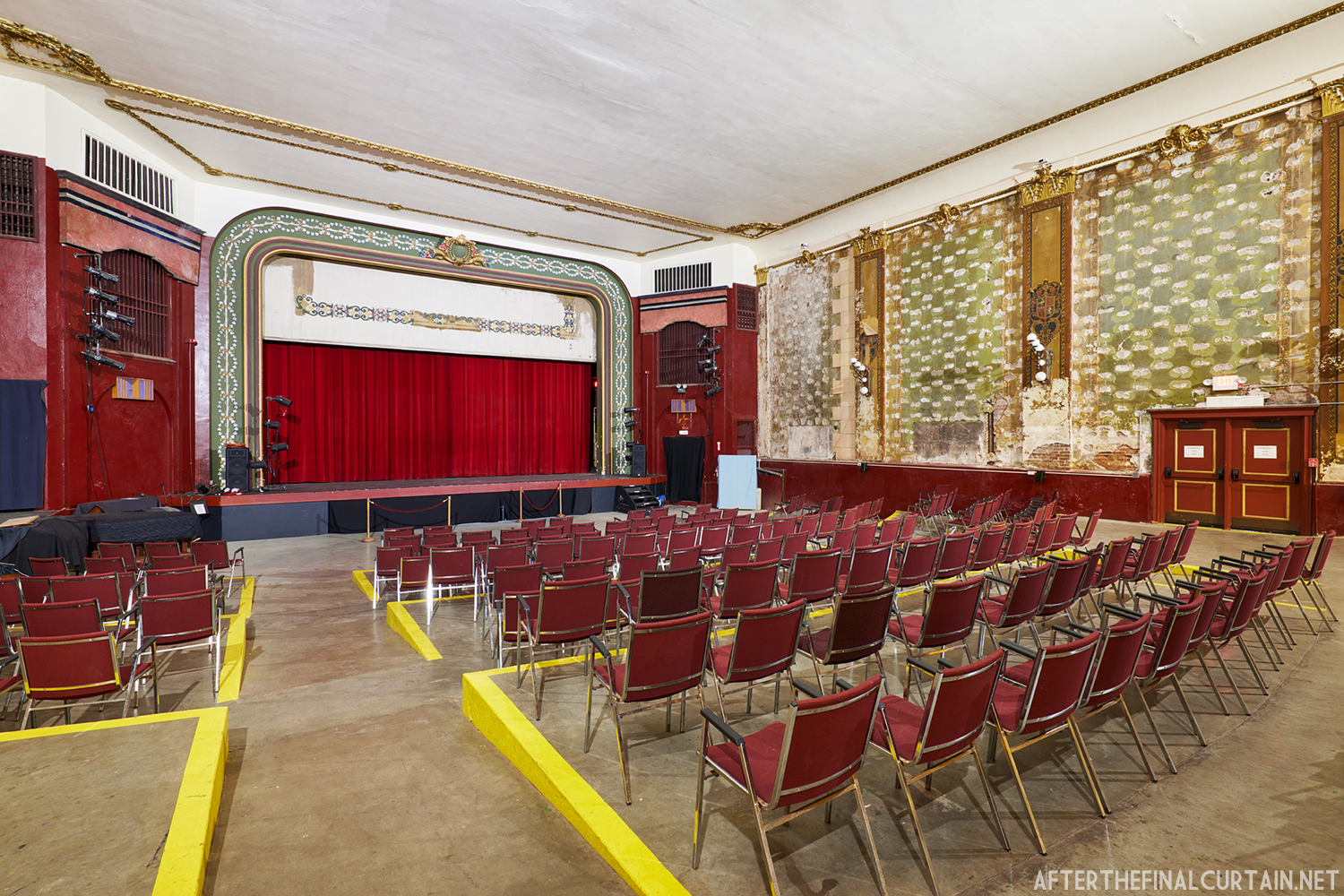
The Glove Theatre – Gloversville, NY

This was originally posted on After the Final Curtain’s Patreon in December 2024. For expanded early posts, as well as video walkthroughs and other exclusive content, you can become a patron at: https://www.patreon.com/afterthefinalcurtain
The Glove Theatre opened on October 9, 1914, as an 800-seat venue for live performances, vaudeville, and community events. Designed by architect Linn Kinne in the Classical Revival style, it quickly became a cultural hub in Gloversville, New York. Early years featured notable acts such as John Philip Sousa and Ethel Barrymore in “The Second Mrs. Tanqueray.” In 1920, the Schine brothers purchased the theater, making it the flagship of Schine Enterprises, which grew to operate over 150 theaters. By 1928, the Glove was among the first in the nation equipped with sound, showcasing its innovative edge.

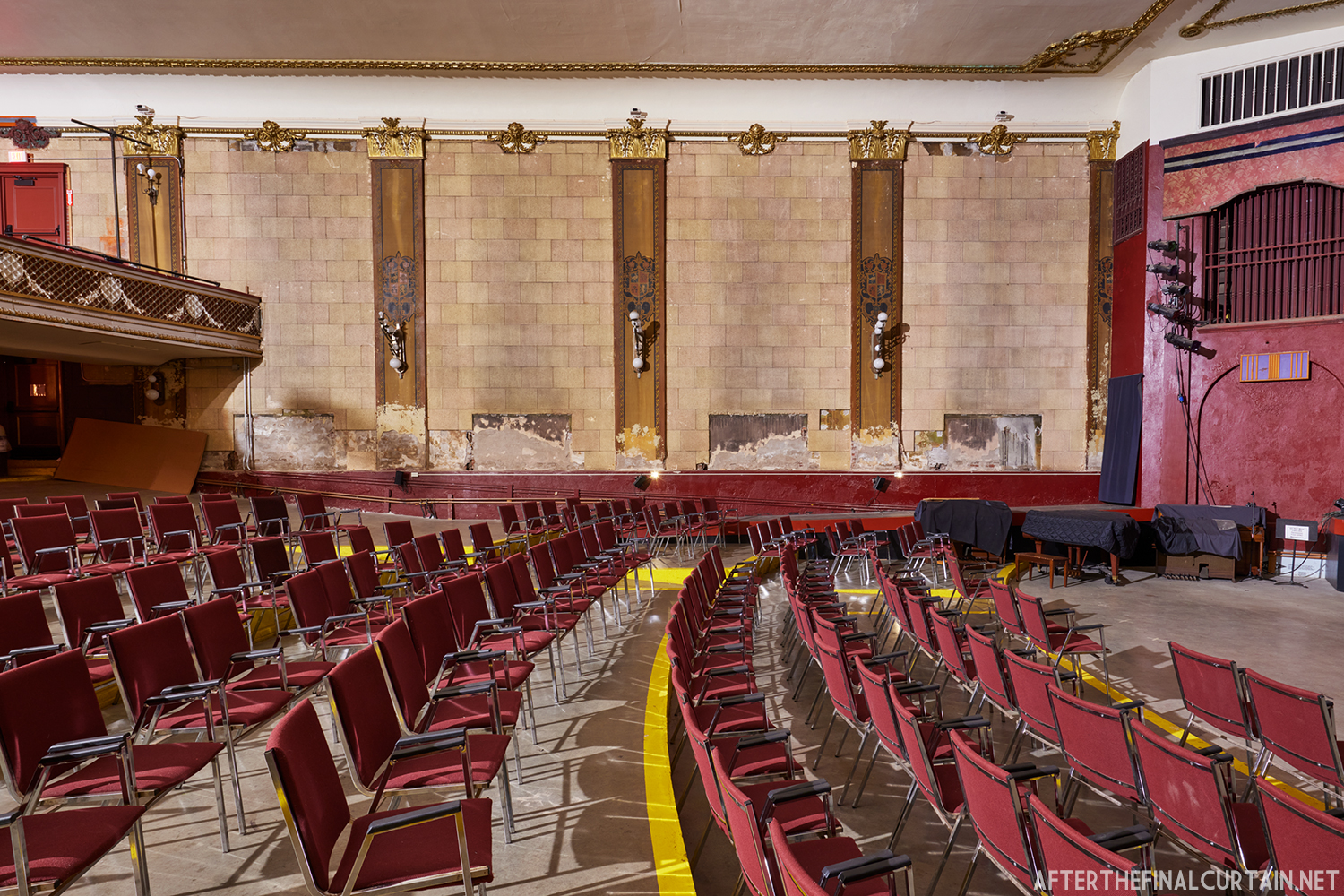
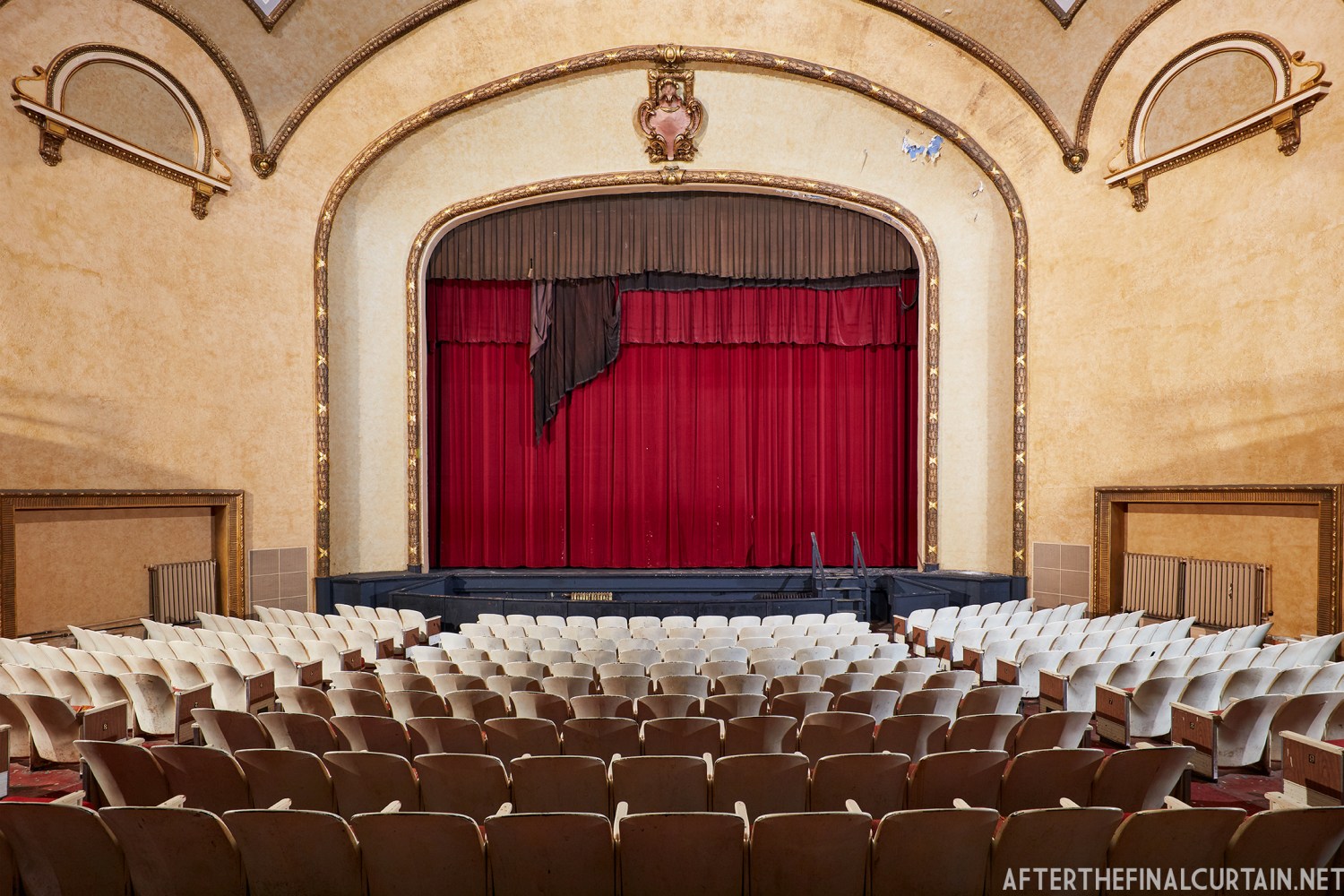
The Glove Theatre auditorium from the balcony.

View of the auditorium from the balcony.

A major Art Deco renovation in 1939 modernized the theater, including the addition of its iconic marquee. During this era, the Glove continued hosting renowned acts, including Irene Dunne, Charles Laughton, Charles Coburn, and Sally Rand. It also featured Ziegfeld Follies performers and major events like the premiere of “Drums Along the Mohawk” in 1939.

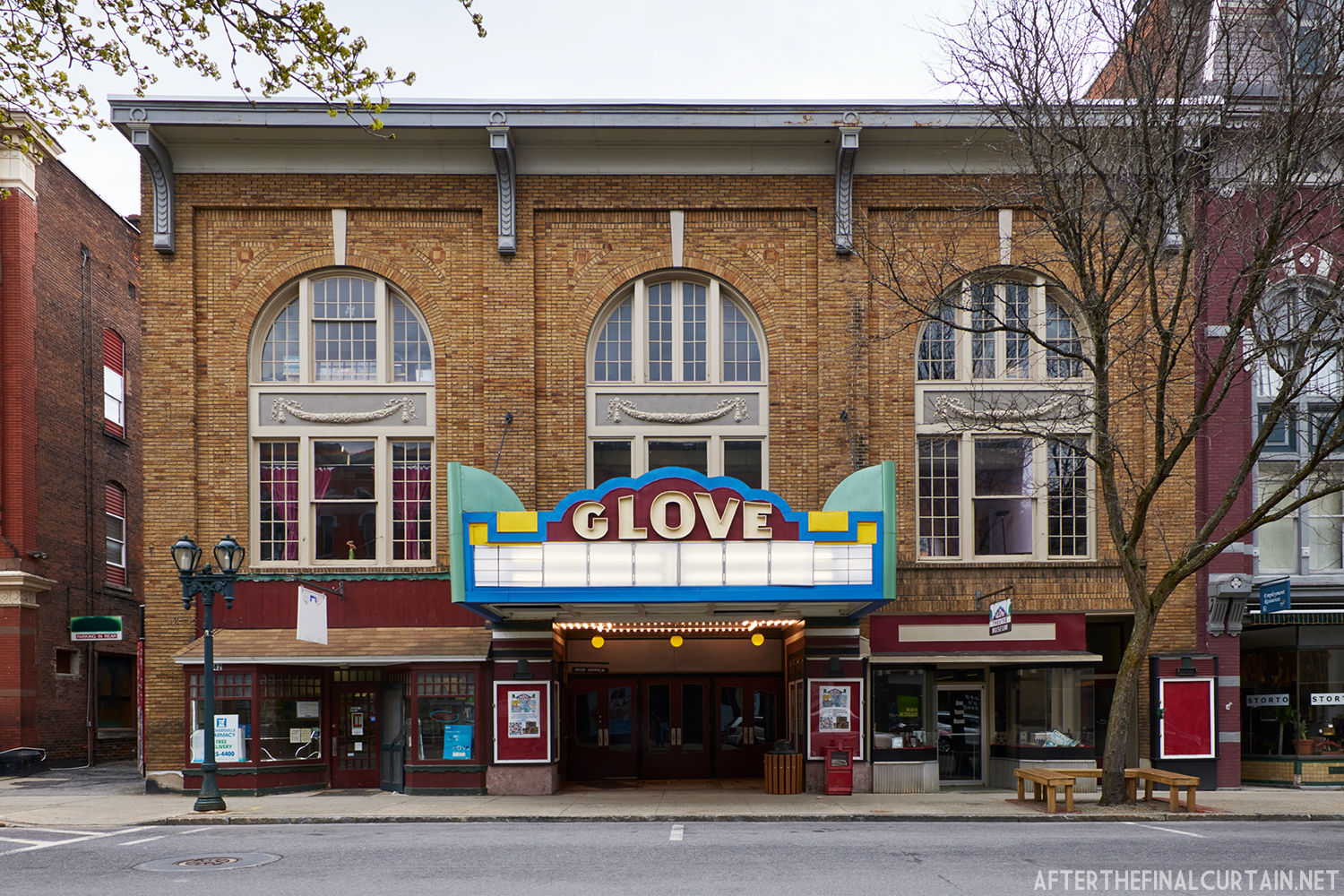
The exterior of the Glove theater in Gloversville, New York

The exterior of the theater.

Throughout the Great Depression and World War II, the theater remained a central community venue, offering newsreels, bond drives, and live entertainment while training veterans to manage theaters in the Schine chain.

The Glove’s prominence waned by the 1960s as economic shifts affected the region. Despite hosting memorable performances by acts like Tony Randall and Buddy Jewell, the theater closed in 1971, marking the end of regular operations. For over two decades, the building stood vacant, with occasional screenings and events. By 1995, the theater faced demolition, but community members rallied to save it, forming the Gloversville Theatre Corporation.

It reopened in 1997 with a grand event, The Phantom of the Glove, featuring local performers and community participation. In the 2000s, the theater hosted a mix of productions, including musicals, concerts, and youth programming. Performances included Alex Torres & His Latin Orchestra, the Wynotte Sisters, the Caroga Arts Collective, and Quintocracy. The Glove also featured unique acts like Zippy the Chimp, Leo the Lion (of MGM fame), and the NoLaNauts. The venue evolved into a community hub, offering affordable and creative programming for families and local artists.

Recent revitalization efforts have reinvigorated the theater. In 2022 and 2023, the Glove received nearly $4 million in grants from New York State to support renovations and expand programming. Weekly movie screenings, vaudeville shows, and live performances have become regular events. Today, the Glove continues to honor its legacy of hosting world-class entertainment while serving as a cultural and historic landmark in Gloversville.

The Glove’s website is: https://www.theglovetheatre.com/

Olympia (Fine Arts) Theatre – Worcester, Massachusetts

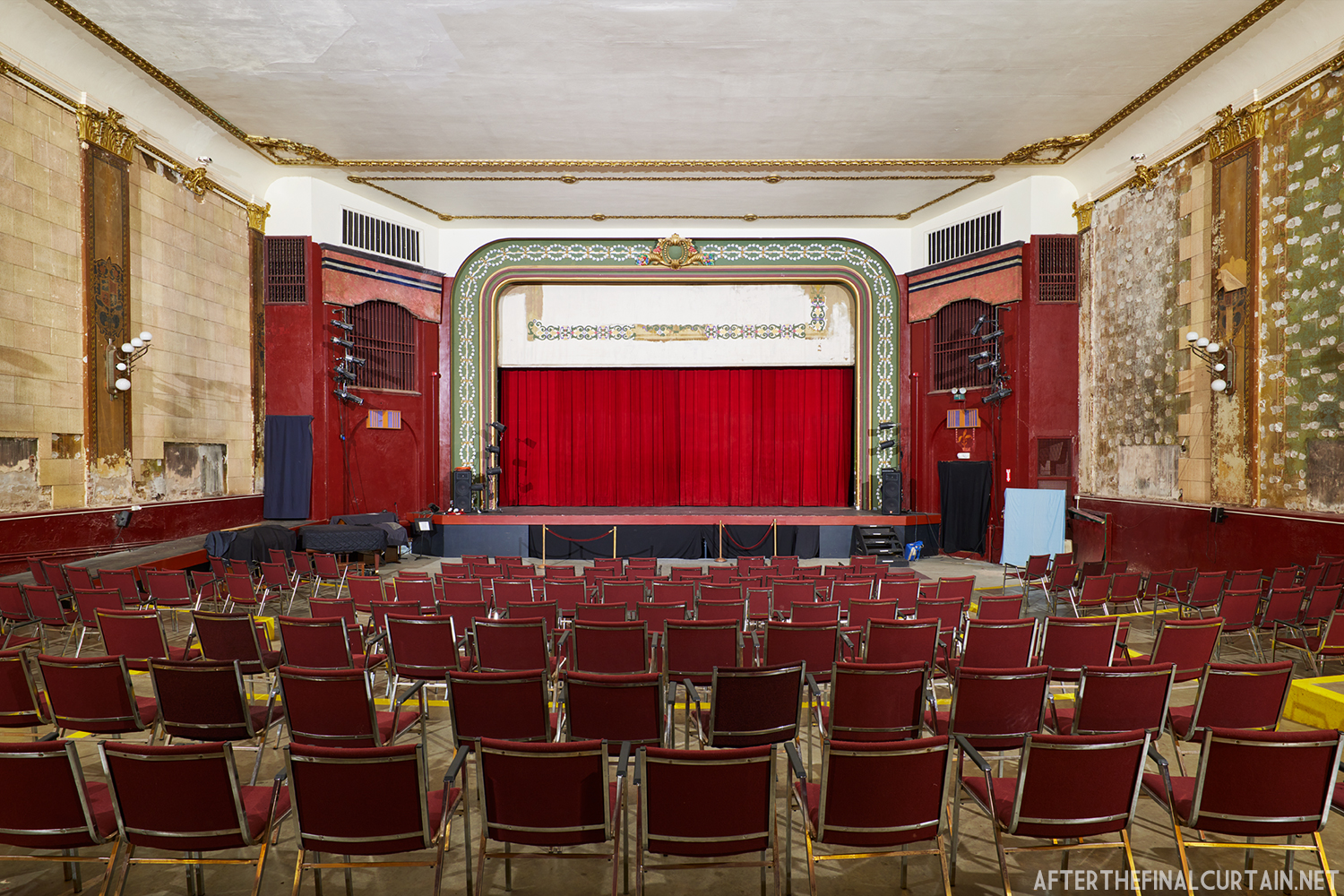
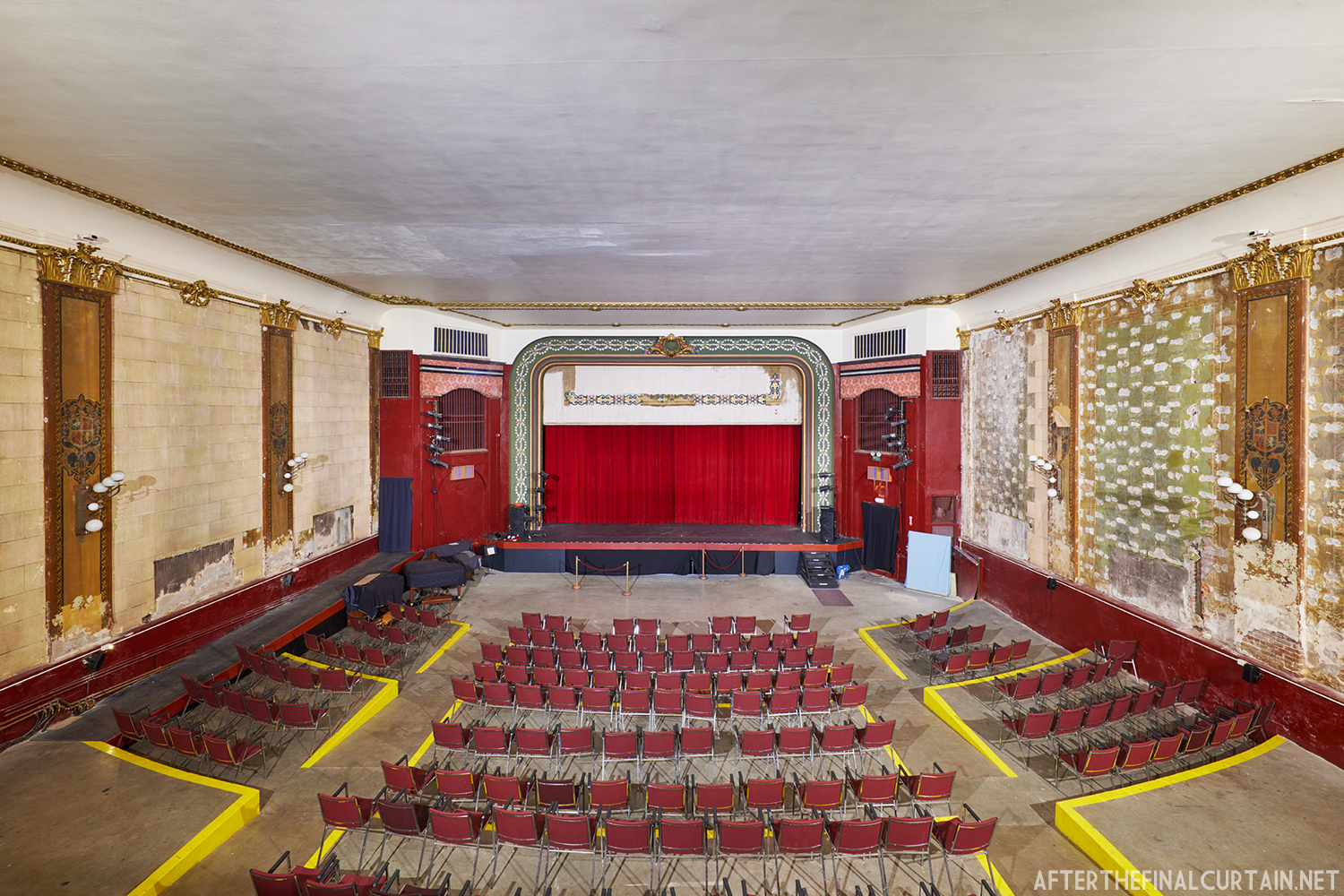
The oldest surviving theater in Worcester, Massachusetts, the Olympia Theatre originally opened on August 17, 1891, as Lothrop’s Opera House. Designed by architects Cutting & Forbush the theater sits tucked away on a side street in what is now known as Worcester’s theater district. ” Before its grand opening, women were invited for an exclusive preview of the venue’s stunning architecture and decor, accompanied by Worcester’s first all-female orchestra—an unusual occurrence for the time.

The theater made its debut with “The Specter Bridegroom” and “Queena.”

The theater saw multiple closures and reopenings throughout its early years. It closed for the first time in 1900, and reopened in 1904, and closed again the following year. In late 1906, a renovation plan was announced by architectural firm Cutting, Carleton & Cutting, the same firm that originally designed the theater. It reopened on June 12, 1907, as Lynch’s Pleasant Street Theatre. By the 1910s, silent films became the dominant form of entertainment, and the theater was renamed Pleasant Street Theater. On August 18, 1919, it was rebranded again as Olympia Theatre under the operation of E.M. Loew’s Theaters Inc.

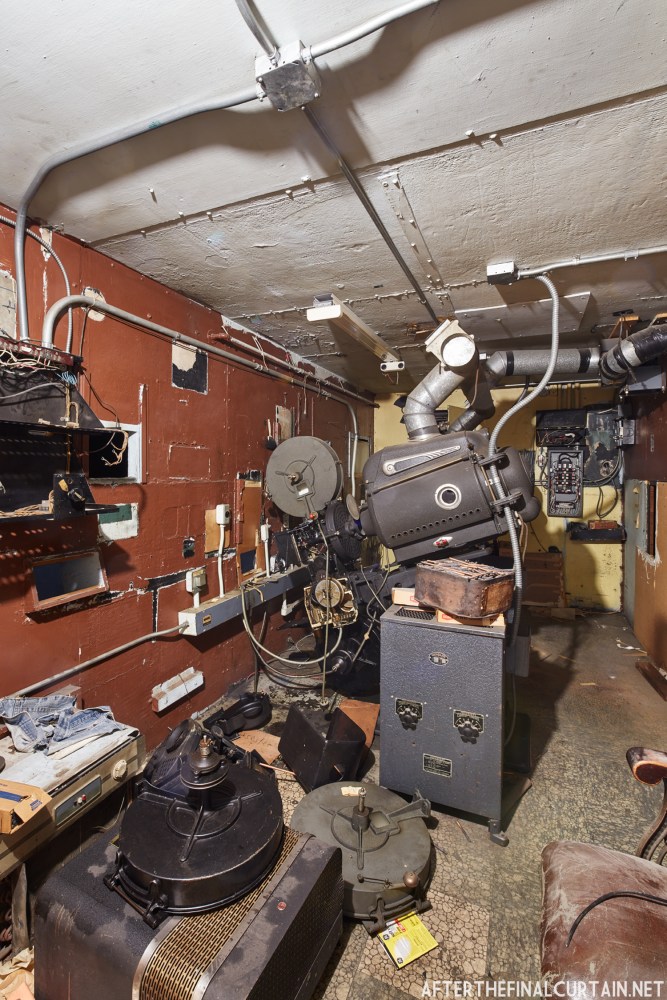
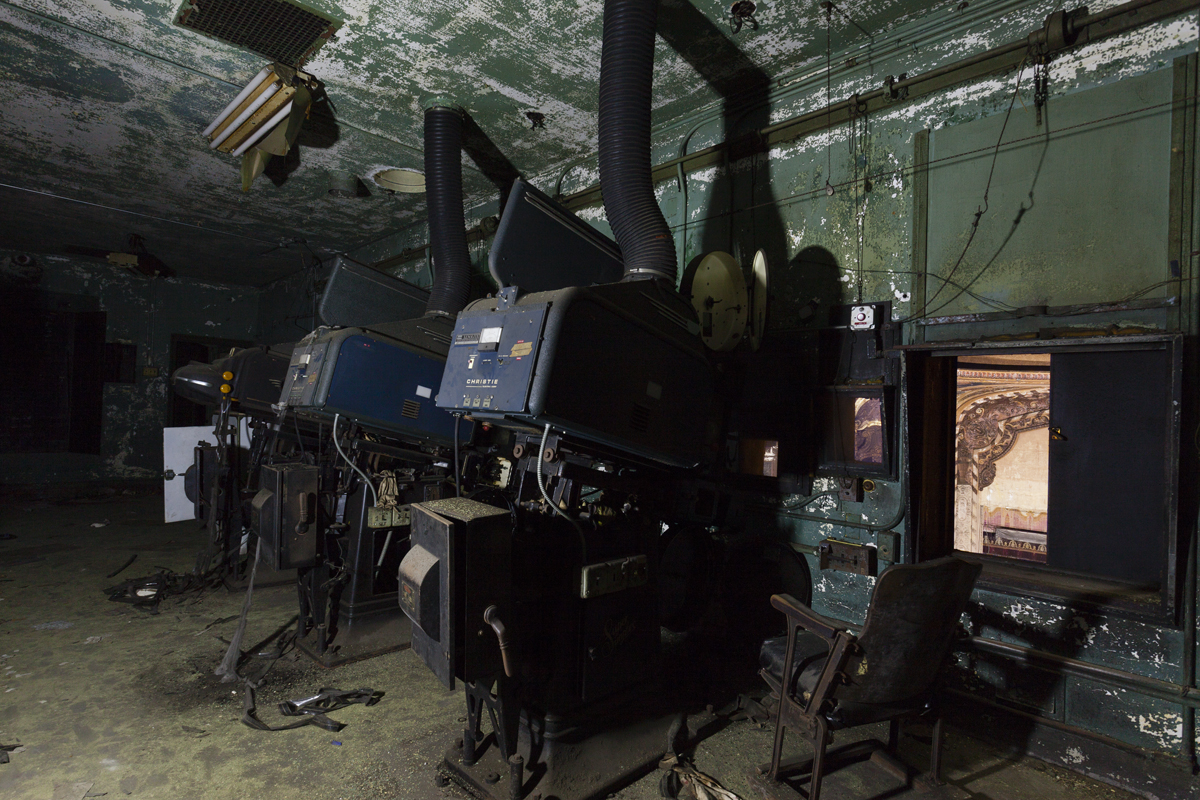
The projection room was not original to the theater, and was added when it was converted to show motion pictures.

Throughout its history, the Olympia Theatre witnessed many milestones. It played a crucial role in early cinema promotions, including record-breaking sales of promotional cards for “Her Husband’s Trademark.” Creative marketing campaigns, such as the footprint stunt for “Souls for Sale” and telephone advertising, contributed to its success. In May 1926, the theater fell victim to professional safecrackers who stole $2,000—equivalent to over $35,000 today.

Al Jolson, who later became a Hollywood legend, once found himself stranded in Worcester after a failed performance at the Olympia Theatre.

The Olympia continued evolving with the times. On May 30, 1956, after a month-long closure for refurbishment, it reopened as the Fine Arts Theatre, premiering “Les Diaboliques” and later showcasing other foreign art-house films. Opening with a mix of classic and cutting-edge foreign films, Fine Arts remained a downtown entertainment option for years. However, by the time it closed its doors on April 2, 1984, it had become known for showing X-rated films like “When A Woman Calls” and “That Lady From Rio.” It later transitioned into the New Art Cinema, an adult theater, before ultimately closing for good in January 2006.

The Olympia is Worcester’s oldest surviving theater. In August 2019, Patrick Flynn and Jennifer Wright launched a campaign to purchase the vacant building and turn it into the “Olympia Music Hall & Grill,” a 1,000-seat venue and restaurant for touring and local musicians. Their efforts, however, fell short of the $400,000 needed to secure the deal. Two years later, in September 2021, the building was sold for $527,400 to a local family. The new owners plan to reopening the Olympia as a performing arts center that will showcase films, musicians, and other live performances. The new owner’s website is https://www.wootheatre.org/.

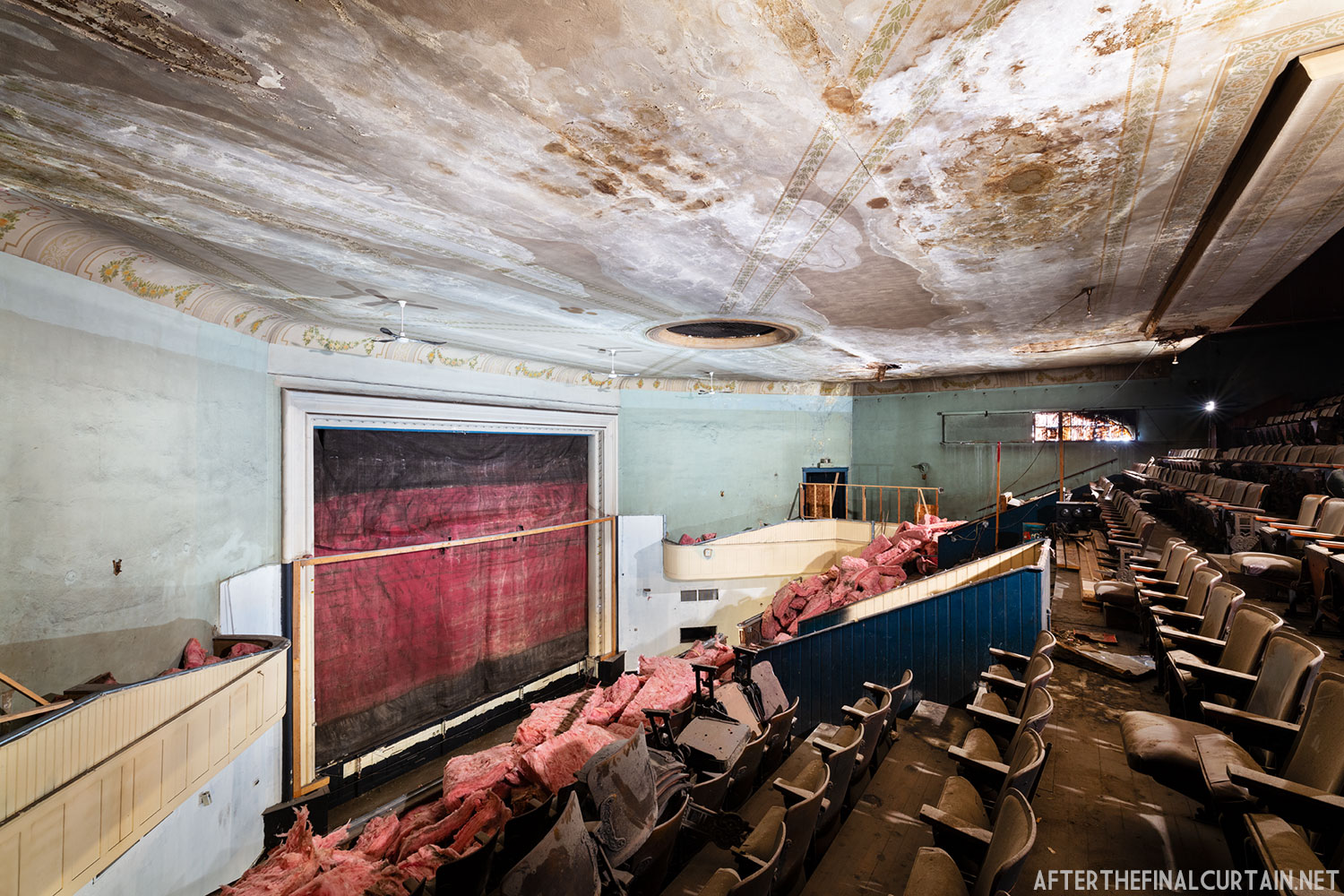
The balcony was sealed off when it was the New Art Cinema, and insulation was put in the balcony to keep the orchestra level warm.
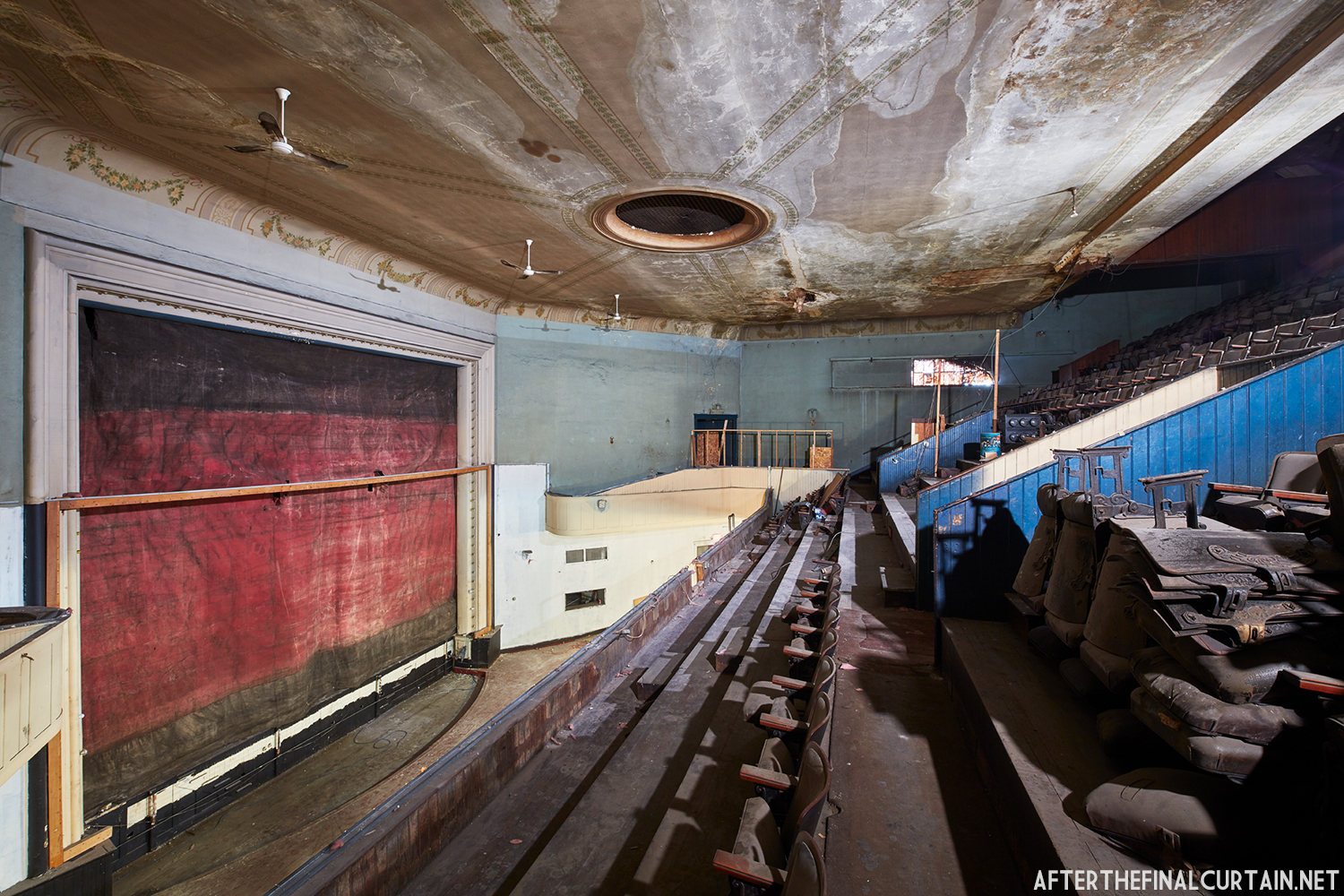
The Olympia has a very shallow stage. It’s around 8 feet deep.
View of the auditorium from the side of the balcony.

Lincoln Square Theatre – Decatur, Illinois

This was originally posted on After the Final Curtain’s Patreon in August 2024. For expanded early posts, as well as video walkthroughs and other exclusive content, you can become a patron at: https://www.patreon.com/afterthefinalcurtain

View of the auditorium from the side of the balcony.

On October 31, 1916, the Lincoln Square Theatre in Decatur, Illinois opened its doors. Designed by the local architectural firm of Charles J. Aschauer and Arthur M. Waggoner, it featured the Art Nouveau and Beaux Arts styles, which were popular at the time. The theater was considered fireproof, constructed of steel, concrete, and fireproof brick. It originally seated nearly 1,400 people and was equipped with a Barton theatre organ, featuring two 3-manual consoles. The public got its first glimpse of the theater during an event in early October 1916, with its formal grand opening occurring on October 27, 1916. The first performance featured George M. Cohan’s stage comedy “Hit-The-Trail-Holliday” starring Frank Otto and “My HomeTown Girl” starring John Hyams and Leila McIntyre.

In February 1926, the theater hired a 12-member orchestra to accompany stage productions and silent films. By June 1929, the theater “talkies” arrived in Decatur, first at the Empress Theater. The Lincoln began showing talkies 14 months later, marking the end of its vaudeville days.

Harry Blackstone, a famous magician, performed at the theater in September 1942. During his performance, a fire broke out at a neighboring drugstore. Blackstone cleverly and calmly evacuated the theater, convincing the audience of schoolchildren that they were part of a magic trick. No injuries were reported. Over the years, many famous performers graced the stage of the Lincoln Square Theatre, including Ethel Barrymore, and Bob Hope. Houdini was rumored to have performed at the Lincoln, but there’s no evidence to back that up. In March 1960, a fire heavily damaged the lobby, which was rebuilt a few months later.

View of the auditorium from the center of the balcony.

The theater was sold in 1974 to Plitt Theaters Inc., and later passed to the Kerasotes chain. The Kerasotes chain leased the building on a month-to-month basis until 1980, when their lease was terminated. Before leaving, Kerasotes removed much of the theater’s valuable equipment, leaving the projectors and speakers in disrepair.

Travel Channel’s Most Terrifying Places in America filmed an episode at the theater, dubbing it one of the most haunted theaters in the United States.

Throughout the 1990 and 2000s, efforts to restore the Lincoln Square Theatre began. It reopened for a few years but the theater closed in May 2017, unable to complete full restoration. However, in 2021, a nonprofit group called “Friends of the Lincoln Square Theater” (FotLSQ) took over the project. The theater reopened as a concert venue in 2022. The FotLSQ has repainted much of the theater, replaced the curtains, and the seating on the main level.
*I didn’t photograph the lobby as the original was destroyed, and the new one was not interesting.

Modjeska Theatre – Milwaukee, WI

This was originally posted on After the Final Curtain’s Patreon in December 2023. For expanded early posts, as well as video walkthroughs and other exclusive content, you can become a patron at: https://www.patreon.com/afterthefinalcurtain

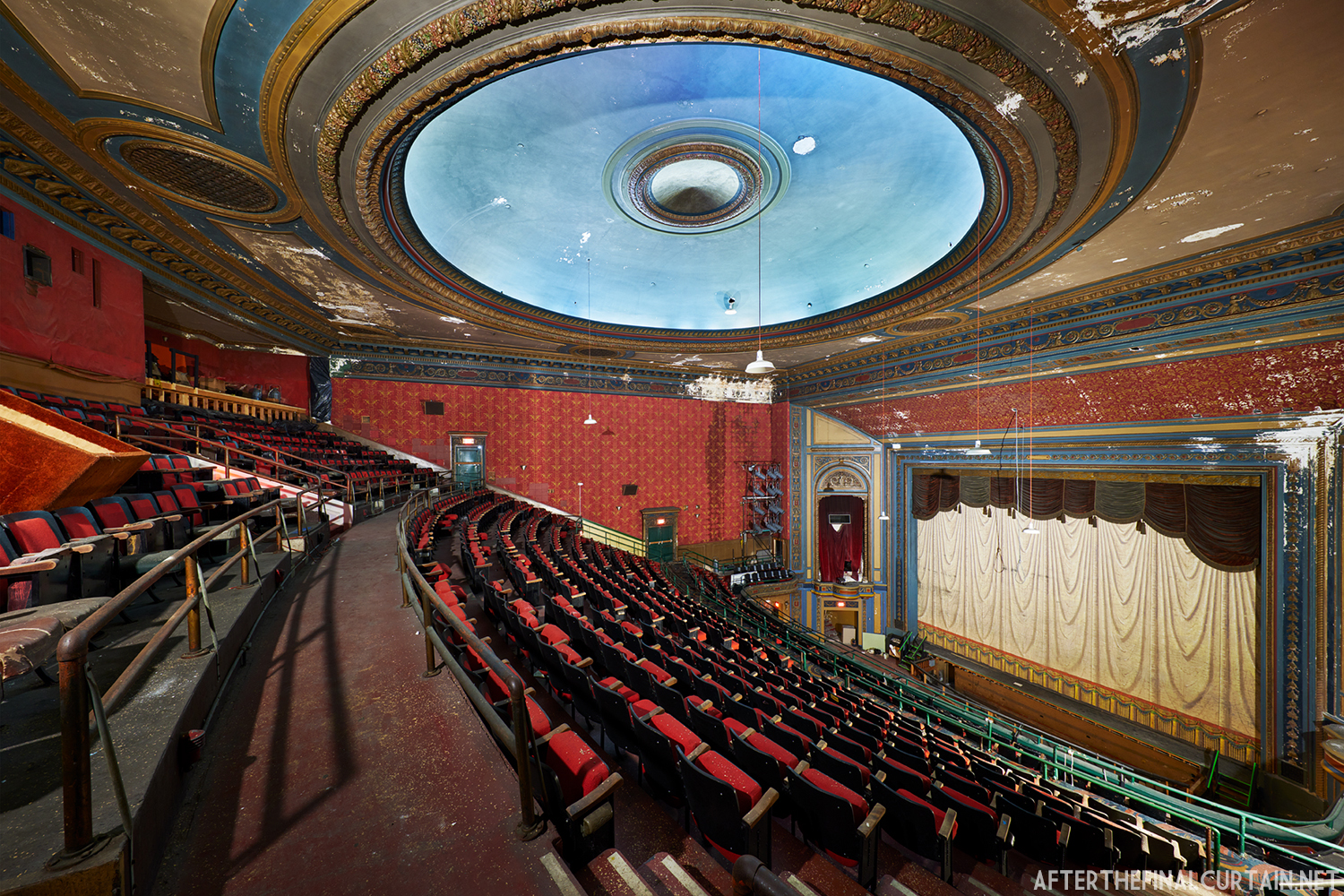
Modjeska Theatre auditorium as seen from the balcony.

View of the auditorium from the balcony.

The original Modjeska Theatre in Milwaukee, Wisconsin, opened its doors in 1910. It was named in honor of Madame Helena Modjeska, a celebrated stage actress who had passed away in 1909. In 1920, Saxe Theatres, a Wisconsin theater chain founded by John and Thomas Saxe, purchased the theater. They ran it for a few years before demolishing it to make way for a neighborhood movie palace.

View of the auditorium from the stage.

Saxe enlisted the renowned architectural firm Rapp & Rapp, known for their work on theaters such as the Kings Theatre in Brooklyn, NY, the Uptown Theatre in Chicago, IL, and the Loew’s Jersey in Jersey City, NJ, to design a new 2,500-seat neighborhood movie palace. The new Modjeska Theatre, opened on August 2, 1924, was more modestly designed compared to other Rapp & Rapp theaters, but still featured a full stage-house suitable for vaudeville performances. It also featured a Golden Voiced Barton Theater Pipe Organ, 3/10. 

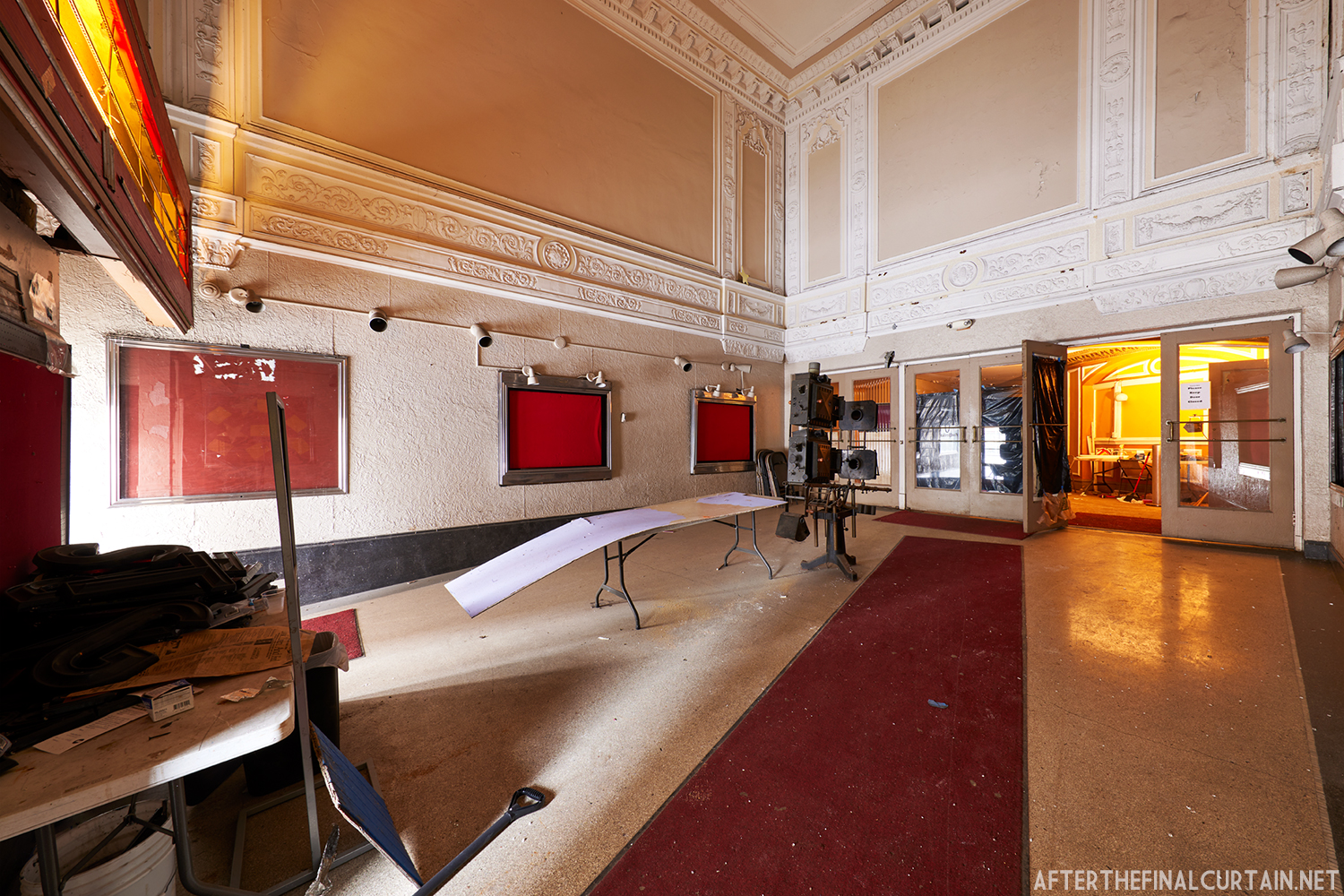
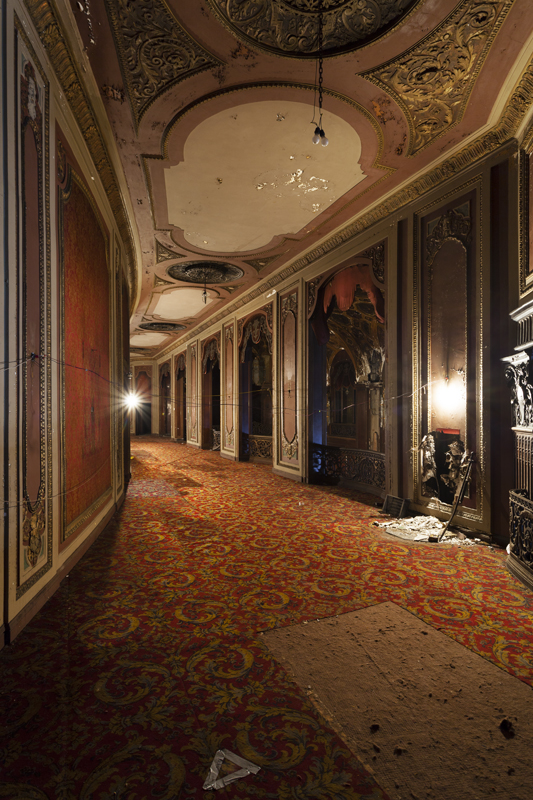
The Lobby of the theater.

The theater underwent various changes over the years, including the removal of the organ and pipes in the 1950s. The organ chambers were repurposed to install air conditioning units. It continued showing films until 1989. In 1991, the building was purchased by Stewart Johnson, and transformed into a live venue. 

The seats on the lower level were removed in preperation for a restoration that never happened.

During this time, many famous acts performed at theater including; David Byrne, Alice in Chains, Gregg Allman, Rob Zombie, and They Might Be Giants. In 1993, Johnson received a Certificate of Appreciation from the Milwaukee Historic Preservation Commission for his efforts in revitalizing and preserving the theater.

Projection Booth - Modjeska Theatre Milwaukee, WI

The projection booth still has some equipment in it.

In December 2006, the Johnsons sold the theater for $450,000 to Modjeska Theater Project, a partnership between a nonprofit youth theater company and Mitchell Street DOC. However, the youth theater company folded in April 2010, leaving Mitchell Street DOC with the building.


The theater closed its doors in May 2010, but renovations began in 2014, with an expected completion date of March 2016. Unfortunately, those plans fell through, and the theater remained dormant until June 2023 when new plans were announced to convert it into the Modjeska Arena and Gaming Institute.

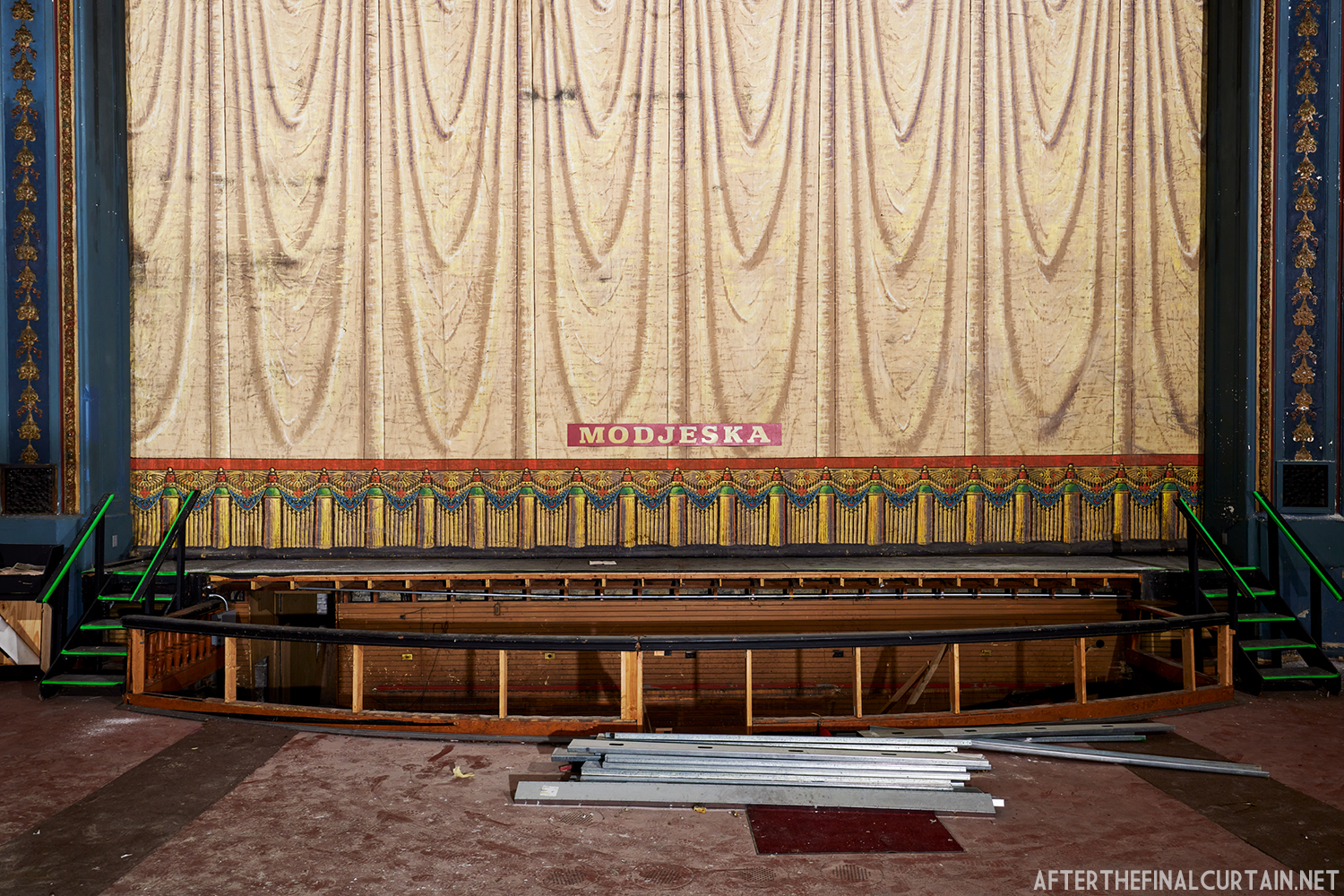
Fire Curtain - Modjeska Theatre Milwaukee, WI

A close up of the fire curtain.

Real estate investor Justin Smith reached a preliminary agreement to purchase the property, envisioning a world-class esports arena as the main attraction, along with hosting local events. The proposed esports arena aims to be a strong anchor for the Mitchell Street Business Improvement District’s western end. Smith, a first-time developer, is working to secure investors and financing for the project, with hopes of completing the purchase by October 2023. 

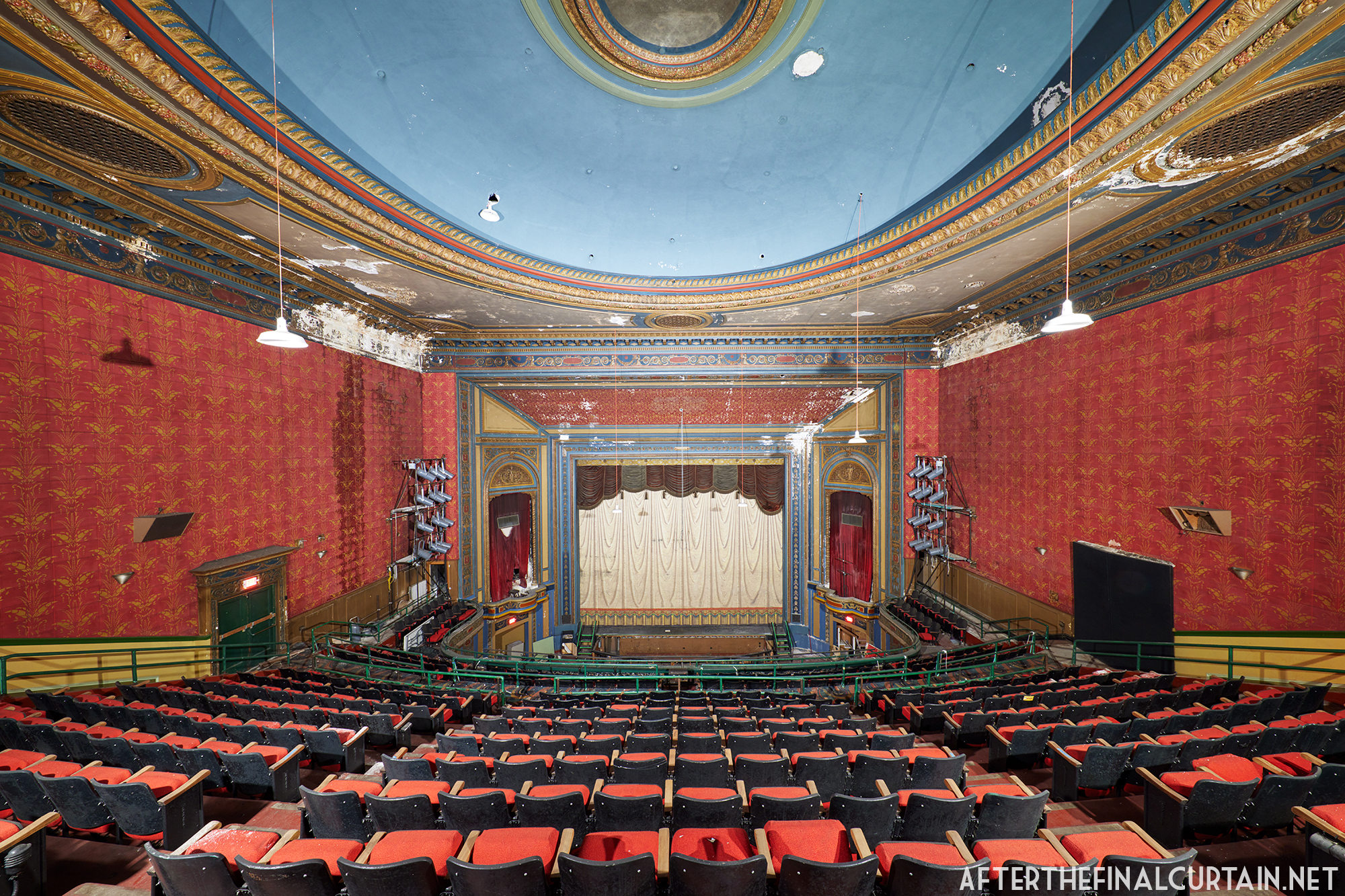
View of the auditorium from the rear of the balcony.

The Cabot Theatre – Beverly, MA

This was originally posted on After the Final Curtain’s Patreon in March 2022. For expanded early posts, as well as video walkthroughs and other exclusive content, you can become a patron at: https://www.patreon.com/afterthefinalcurtain

The Cabot is an active theater, but it’s one of my favorite local ones so I wanted to post it here.

The Cabot Theatre in Beverly, MA, originally opened on December 8, 1920 as the Ware Theatre. Early advertisements hailed the theater as “the most impressive auditorium of its size east of New York” and “The Golden Theatre Beautiful.” Harris and Glover Ware, who also operated the nearby Larcom Theater, built the theater. They hired Funk and Wilcox, who also designed the nearby Strand Theatre and Franklin Park Theatres, both in Boston, to design it.

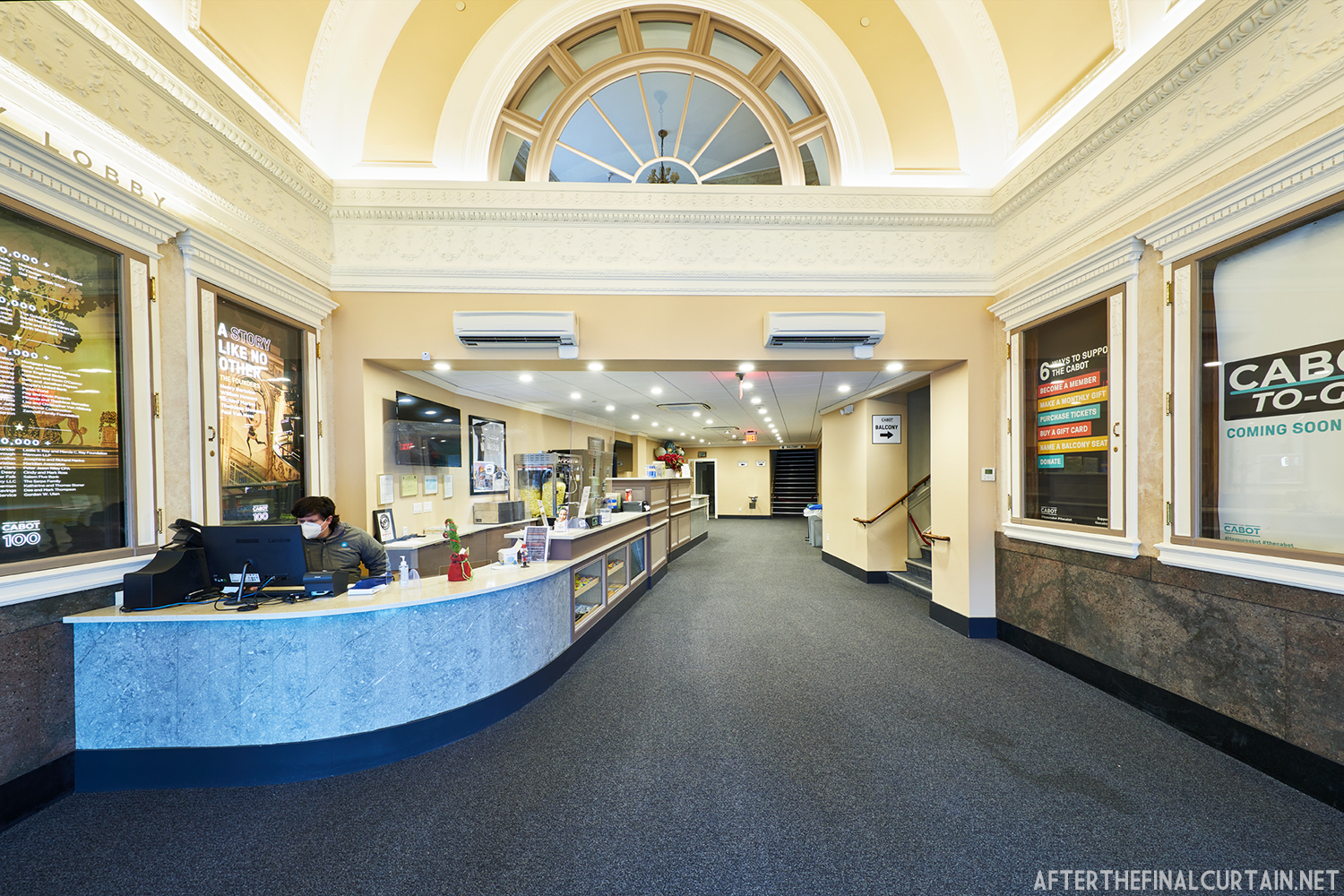
The lobby was restored while the theater was closed due to the Covid-19 pandemic.

The 1200 seat theater opened as a vaudeville and silent movie house, before transitioning to “talkies” or modern motion pictures in the late 1920s. It was leased to the E.M. Loew’s theater chain in 1944 and was purchased by them in 1962. Loew’s held a grand reopening on October 15, 1965 and renamed the theater to the Cabot Street Cinema.

The seats in the balcony were replaced in between my visits to the theater.

Loew’s operated the theater until 1976, when it was purchased by Le Grand David and His Own Spectacular Magic Company. Le Grand David performed his magic show at the theater until 2013. Cesareo Pelaez, the founder of Le Grand David, passed away, and the theater was put up for sale.

The murals in the auditorium resemble the ones in the Loew’s Majestic and Palace Theaters, but I haven’t been able to find documentation that states who painted these.

A consortium of five Beverly business people, Henry Bertolon, Bill Howard, Rich Marino, Thad Siemasko, and Paul Van Ness (who operates CinemaSalem) purchased it. The Cabot became a performing arts center, and in October 2015, hired an Executive Director, J. Casey Soward. In 2016, a multi-year, multi-million dollar renovation began at the Cabot. The renovation was to modernize the building and restore much of it to its original grandeur. It began by replacing all the seats, restoring the box seats, installing new HVAC and sound systems, and restoring the original lobby ceiling. It currently seats 850 people.

Because of the COVID-19 pandemic, the Cabot was forced to hold a virtual 100th anniversary celebration. Over 22,000 people viewed the performances from James Taylor, Grace Potter, Fantastic Negrito, and more. For more on the Cabot visit their website at https://thecabot.org/ 

I told you it was one of my favorite local theaters.


Rivoli Theatre (Williams Center for the Arts) Rutherford, NJ

This was originally posted on After the Final Curtain’s Patreon in January 2022. For expanded early posts, as well as video walkthroughs and other exclusive content, you can become a patron at: https://www.patreon.com/afterthefinalcurtain

The auditorium shortly after it opened, and in 2016.

The Rivoli Theatre opened on April 22, 1922, in Rutherford, New Jersey. It was designed by architect Abram Presikel and featured a marble facade, an ornate interior, and a centerpiece chandelier made of crystals from Czechoslovakia. The 2,200 seat theater opened as a combination vaudeville and silent film house. During this time, acts such as Abbott and Costello and the Glenn Miller Orchestra performed at the Rivoli.

In 1936, architect John Eberson, known for designing many atmospheric theaters across the world, remodeled the interior. On January 9, 1977, a fire destroyed the lobby and front of the building. Luckily, most of the auditorium was undamaged. Repairs began right away, and in 1982 the theater reopened as a performing arts center called the George W. Newman Theatre. However, movies were still shown in the building. As part of the reconstruction, a two-screen cinema was constructed on the site of the Rivoli’s lobby. The entire building, including the former Rivoli and the two-screen cinema, was named the William Carlos Williams Center for the Performing Arts, after the poet, doctor, and Rutherford native.

The theater was gifted to Bergen County in 1987, and they made an agreement with the nonprofit group that ran the theater to continue on. Over the years, the theater hosted music shows, films, art shows, and High School Graduations. In October 2012, the Newman theater closed due to damage caused by Hurricane Sandy. A study determined that the ceiling plasterwork might not be stable if exposed to the sound of a live music performance. In August 2021, Bergen County transferred the ownership of the building to the borough of Rutherford, who then sold it to local developer Chuck Olivo for $1. Olivo intends to save the theater, as well as build a residential building on the site.

View of the auditorium from the back rows.
A close up of some of the surviving plasterwork details in the auditorium.
The theater’s proscenium arch.
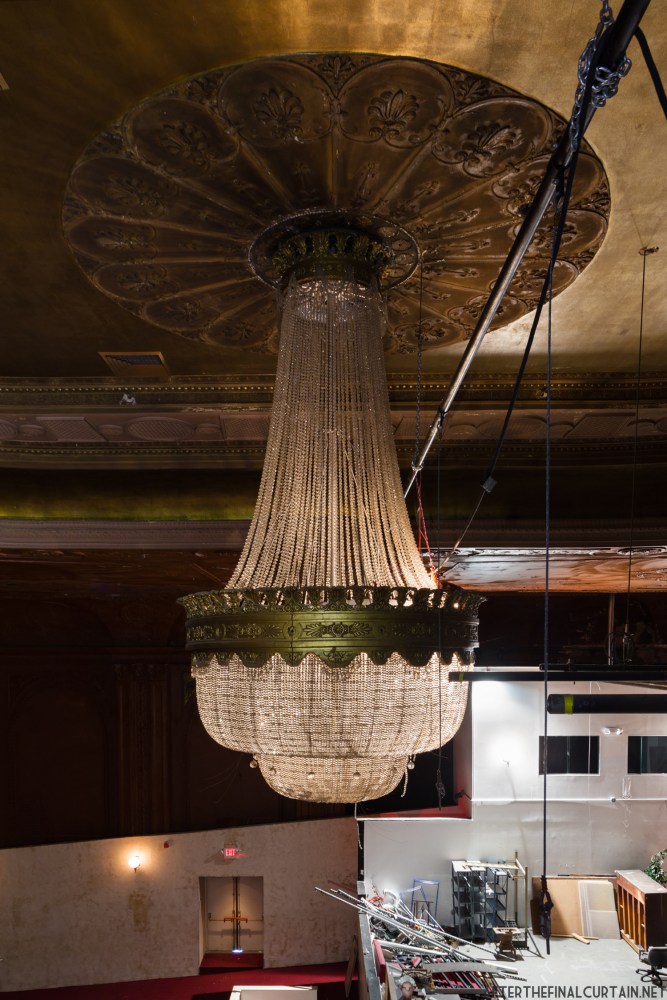
Behind the giant chandelier you can see the divide where the original auditorium ends and the newer portion begins.

Loew’s Kings Theatre – Part 4

Material from for this post was taken from the first three chapters of my book, Kings Theatre; The Rise, Fall and Rebirth of Brooklyn’s Wonder Theater. If you’d like to buy a copy, they are available on Amazon, and on my website. You can find the first three parts at the following links: 

https://afterthefinalcurtain.net/2018/09/13/loews-kings-theatre-part-one/

https://afterthefinalcurtain.net/2019/01/22/loews-kings-theatre-part-2-the-early-years/

https://afterthefinalcurtain.net/2019/03/08/loews-kings-theatre-part-3-the-queen-of-the-kings/

View from the side of the balcony.

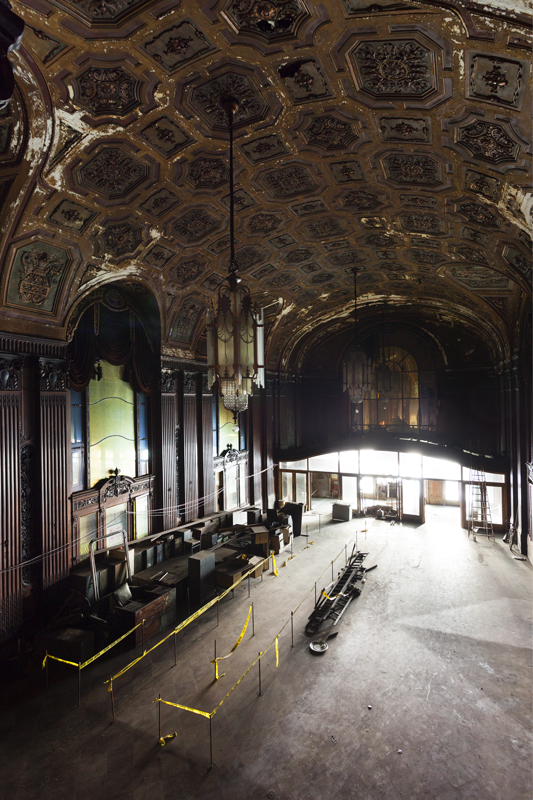
Rumors circulated Loews was interested in selling the Kings in November 1976. Marty Markowitz, then president of the Flatbush Tenants Council, confirmed that the building was up for sale. According to Markowitz, “I know that the building is up for sale. I don’t know if it has been sold yet, but I know that the Loews Corporation would like to sell it.” Markowitz said, “We would like to bring live entertainment to the theater – Broadway-type shows and concerts so that there could be a sort of renaissance on Flatbush Avenue. We mentioned it to the Loews people, but they aren’t interested.” Chet Arnow, the vice president in charge of advertising and publicity for Loews, denied that the Kings was up for sale, but added, “Sure the Kings is up for sale. Every one of our theaters is always up for sale if the price is right. If we don’t get the right price, we’ll continue operating the Kings as usual.” Brunner also denied the rumors and stated that people have been talking about the Kings closing for 20 years. Despite their denials, less than six months later, the marquee read, “Closed: Will Reopen Soon.”


Soon after the theater closed, two churches asked about buying the theater and converting it into a place of worship. There was precedent for this; Loew’s 175th, one of the Kings’ sister theaters, had been purchased by the United Christian Evangelistic Association in 1969 and converted into a church. Another former Loew’s Wonder Theater, the Valencia, closed around the same time as the Kings and was turned into a church two years later when Loew’s donated the building to the Tabernacle of Prayer for All People.

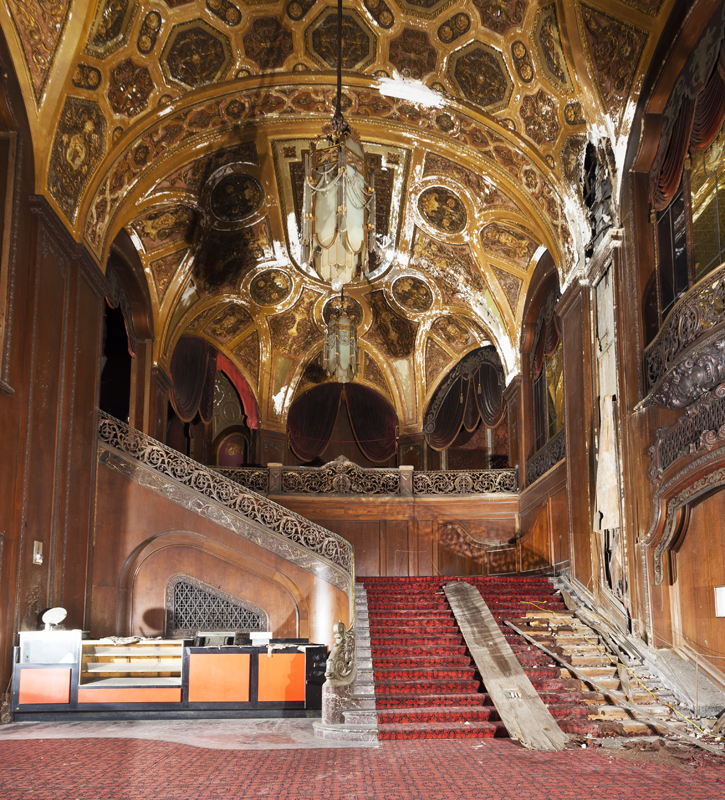
During the Loew’s Valencia theater’s early years, clouds were projected across the ceiling, giving the illusion of sitting under the stars at night.

Less than a month after closing, the Kings Theater was sold to the Kings Royalty Production Corporation (KRPC) for $718,385, or $2,782,520 when adjusted for inflation. The KRPC was formed for the specific purpose of purchasing and running the theater. Robert Smerling and David Fellman, the owners of KRPC, also owned the American Theatre Management Corporation (ATMC), which had several theaters in the tri-state area. “Loew’s” was removed from the marquee, and it reopened in early June 1977 as simply the Kings Theatre. The first film shown was Day of the Animals, a horror movie starring Leslie Nielsen. KRPC contracted with major movie companies, including Warner Brothers and Paramount, to turn the Kings into a first-run movie theater.

On July 13, 1977, lightning struck a substation near Buchanan, NY and began a chain of events that caused the New York metropolitan area to lose power for around 25 hours. Looting began soon after the power went out. It was especially bad in the Bronx, Harlem, Queens, and Central Brooklyn. Eighty stores in Flatbush were hit, with 49 of them on Flatbush Avenue. The already low attendance and the destruction and looting during the blackout caused many people to stay away from the hardest hit neighborhoods.

One of the first films shown at the newly reopened theater was the follow up to the 1973 hit, The Exorcist. KRPC was banking on Exorcist II: The Heretic being as big a hit as the first one. Unfortunately, this film was considered by many to be one of the worst films ever made, and it languished at the box office. The Kings showed the “Exorcist II: The Heretic” for almost a month before switching to another film. By that point, the damage was done, and the KRPC could not meet expenses to keep the theater open. On Monday, August 29, 1977, the Kings closed again, just six weeks after it had reopened. The last film shown was “Bruce Lee: The Man, The Myth.”

Laurence Lehr, a representative employed by both KRPC and ATMC, claimed that the company closed the theater because it was cheaper to let the bank have it. “When you get monthly electric bills over $7,800 …, how do you expect to do business? You can’t do business in this city. The costs of labor, security, and everything else are ridiculous.” They tried to keep the costs down by rarely using the large chandeliers in the lobby and only turning the marquee on around 9 PM each evening. According to Lehr, the company was aware of the costs of running a theater when they bought it, but was hoping they could turn it around.


Orpheum Theatre – St. Louis, Missouri

View of the auditorium from the mezzanine.

The Orpheum Theatre in St. Louis, Missouri opened on September 3, 1917. The Southern Real Estate and Financial Company hired G. Albert Lansberg to design the building. Lansberg designed many theaters for the San Francisco-based Orpheum Theatre Circuit. The 2,300-seat Beaux arts theater cost $500,000 ($9.6 million with inflation) to build. Unlike many other theaters, the Orpheum did not have a formal opening with special guests and speeches. Opening day was a straight vaudeville ticket with two strongmen, a contortionist, two comedians, and a singer.

The lobby of the Orpheum.

Many famous vaudeville acts performed at the Orpheum over the years, including Sophie Tucker, Eddie Foy, Fannie Ward, and Lee Morse. Harry Houdini, the famous illusionist and escape artist, performed at the Orpheum for a week on three separate occasions: the first began on February 13, 1922; the second on January 14, 1923; and the last on December 22, 1923. When vaudeville declined in the late 1920s, the theater switched formats and became a playhouse. It opened on Christmas Day 1929 with a production of David Belasco’s The Bachelor Father.
Warner Bros took the Orpheum over in 1934 and changed formats again, this time to motion pictures. A new screen, projectors, and a W.W. Kimball 2 manual organ were installed in the theater. It reopened on September 15, 1934, with a showing of “British Agent” starring Kay Francis and Leslie Howard. Warner Bros operated the theater until 1941, when the theater closed. It reopened two years later, as the Loew’s Orpheum Theatre on January 28, 1943, with a war bond event and a screening of “The War Against Mrs. Hadley” starring Edward Arnold and Fay Bainter.
On February 28, 1960, Loew’s Theatres Inc. announced that they wanted to move their operations to the nearby American Theater (a playhouse) since they could not easily install a 70mm screen at the Orpheum because of its balconies. They could convert the American Theatre at a much lower cost. Both theaters were owned by Southern Real Estate and Financial Company, which were in favor of the switch. However, because of the ruling of the landmark antitrust case, United States v. Paramount Pictures, Inc., which said that movie studios could no longer own the theaters in which their films played; Loew’s needed the permission of the Department of Justice to sign a new lease; the Department of Justice signed in March 1960. After a $300,000 renovation, the Orpheum reopened as the American Theatre on October 10, 1960, with a performance of The Music Man.
Local entrepreneurs Steve and Michael Roberts purchased the theater for $1.5 million in 2003. It underwent a two-year renovation and upgrade before reopening on April 10, 2005, as the Roberts Orpheum Theater. The first musical act to perform at the reopened theater was the Backstreet Boys. In 2012, Steve and Michael Roberts went bankrupt and were forced to close the theater. Jubilee World Inc., a music-oriented Christian ministry, bought the theater in late 2016, intending to reopen it as a performing arts center. However, no reopening date has been announced.

View of the auditorium from the box seats.

The auditorium chandelier and procenium arch.

View of the auditorium from the upper balcony.

The Library Opera House – Marathon, NY (Lucky Number 200!)

I knew I wanted to do something a little different for the 200th theater I photographed. I was speaking with a friend who went to school in upstate (real upstate, not just slightly north of NYC) and he asked “have you been to the one above the library in Marathon?” I hadn’t heard of it and was immediately intrigued. I found a few recent photos online and knew this would be perfect. Plus, it’s now the oldest theater I’ve photographed in the United States. As with most of my posts – it was originally posted on Patreon in August 2021.  For expanded early posts, as well as video walkthroughs and other exclusive content you can become a patron at: https://www.patreon.com/afterthefinalcurtain

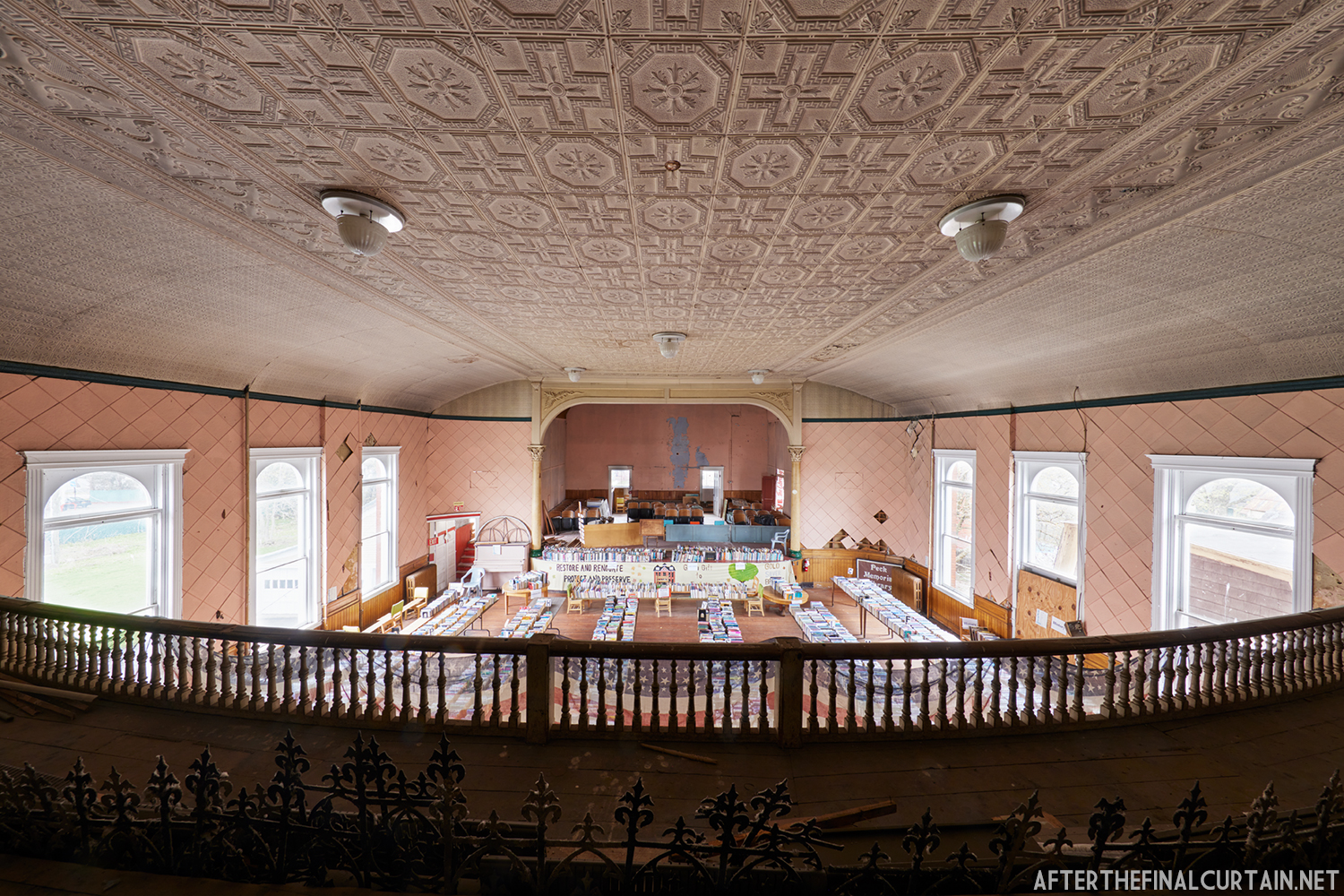
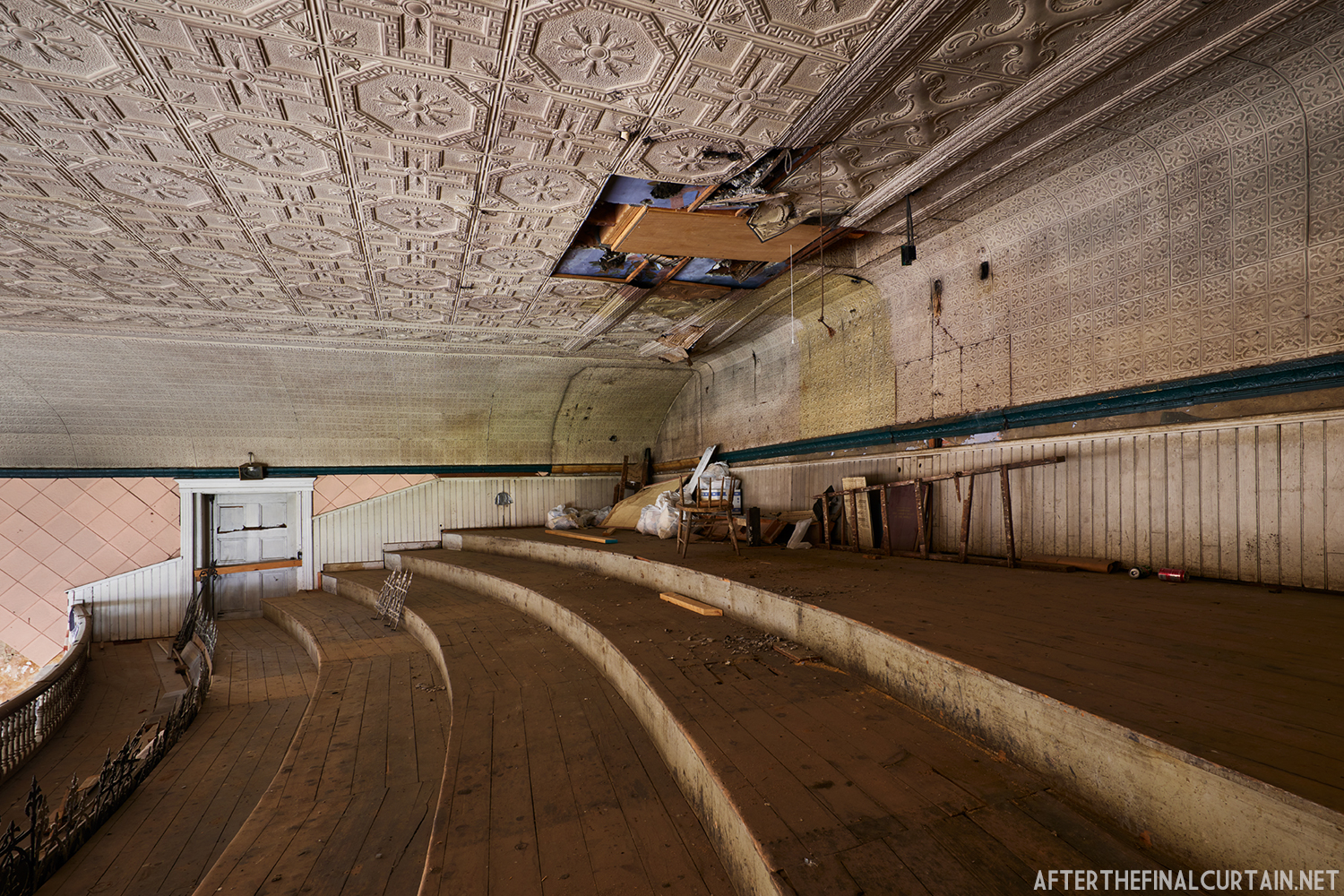
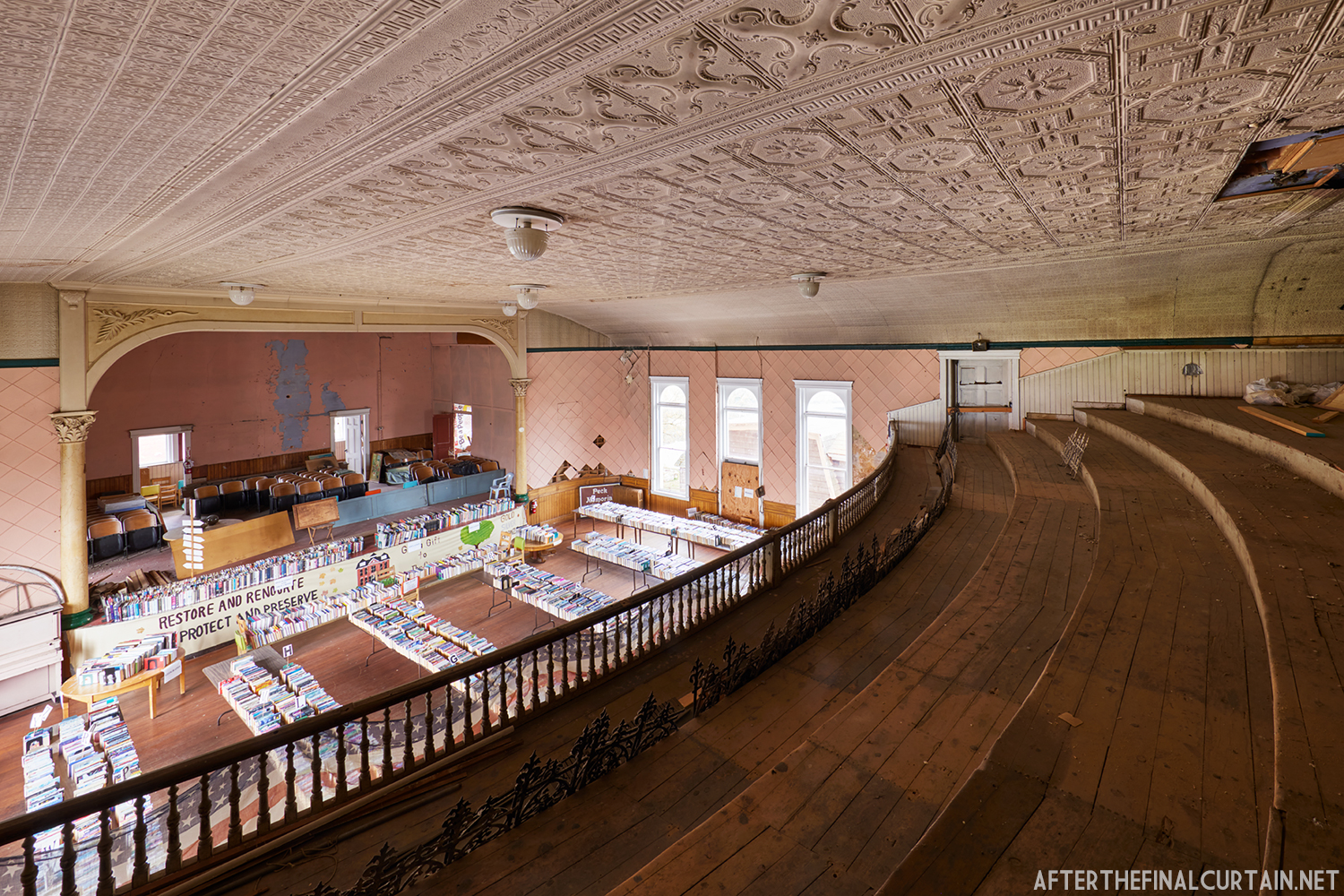
View of the auditorium from the balcony.

In January 1891, Mersena Peck, a native of Marathon, New York died. She left $20,000 ($584,217 when adjusted for inflation) in trust for the creation of a public library in Marathon and named three town residents as trustees. They began working to carry out her wishes and were well underway by 1893. However, before construction could start, a group of 125 citizens petitioned that the building include a space for public entertainment. Architect Miles F. Howe adjusted the blueprints to add a 600 seat opera house on the second floor of the building.

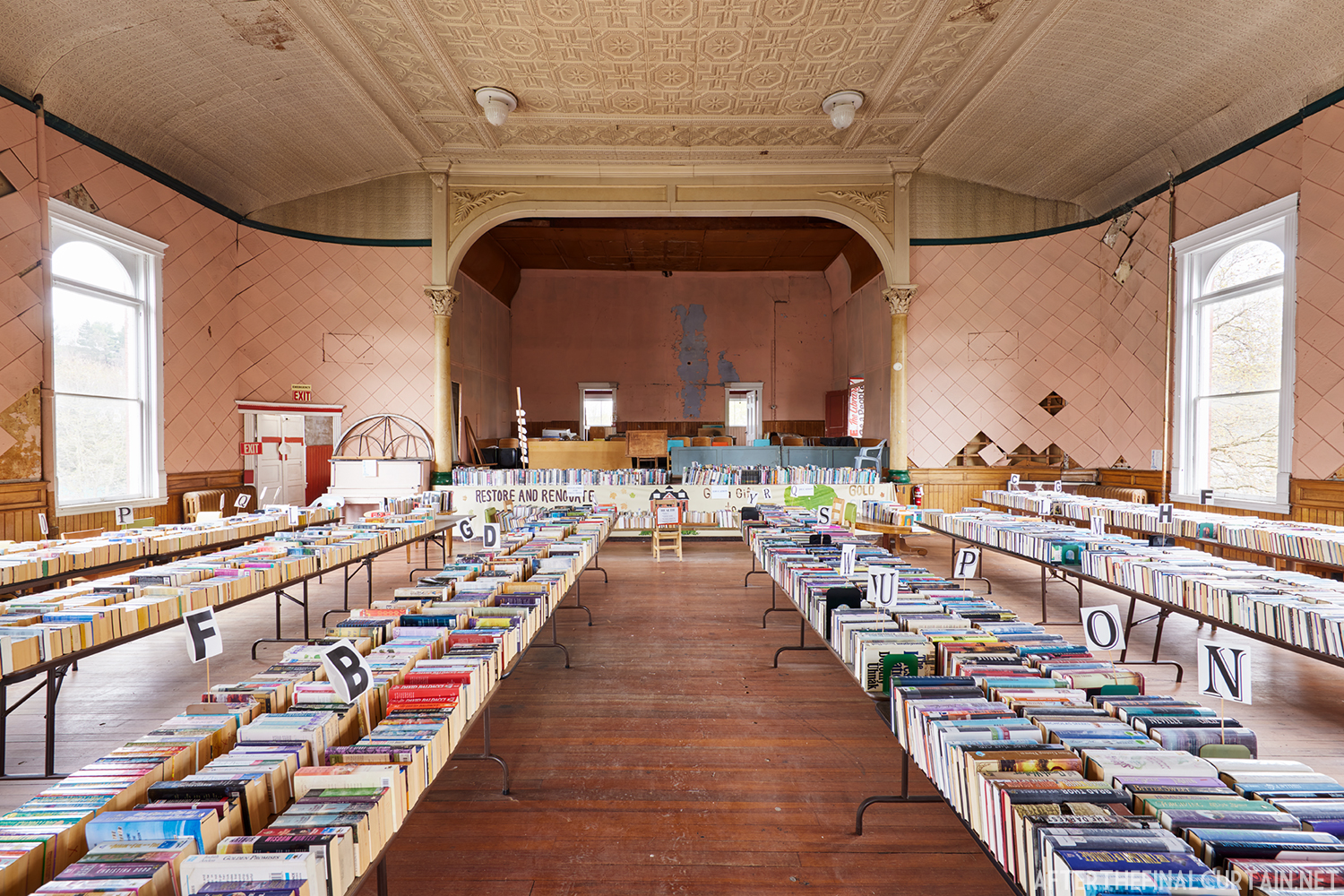
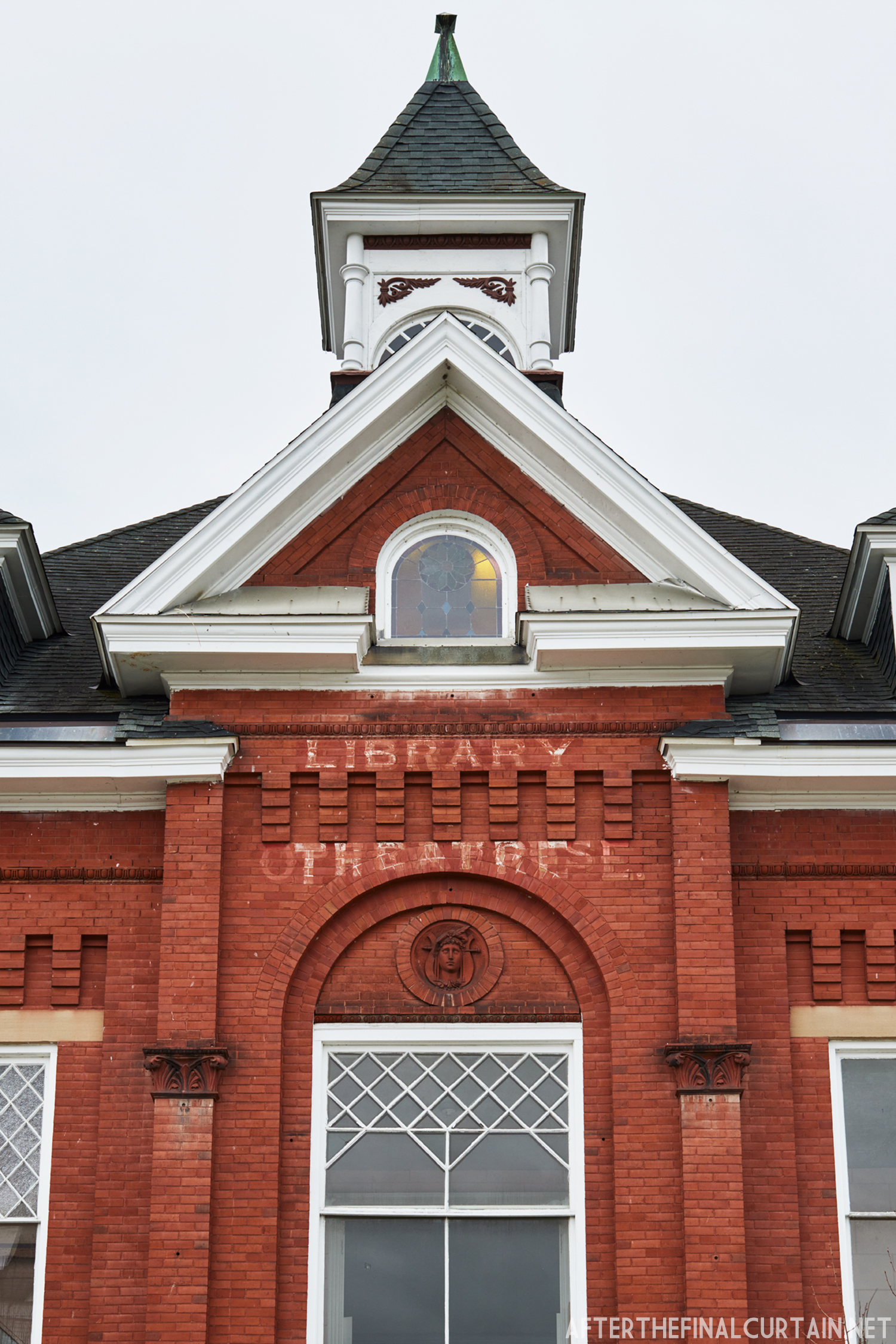
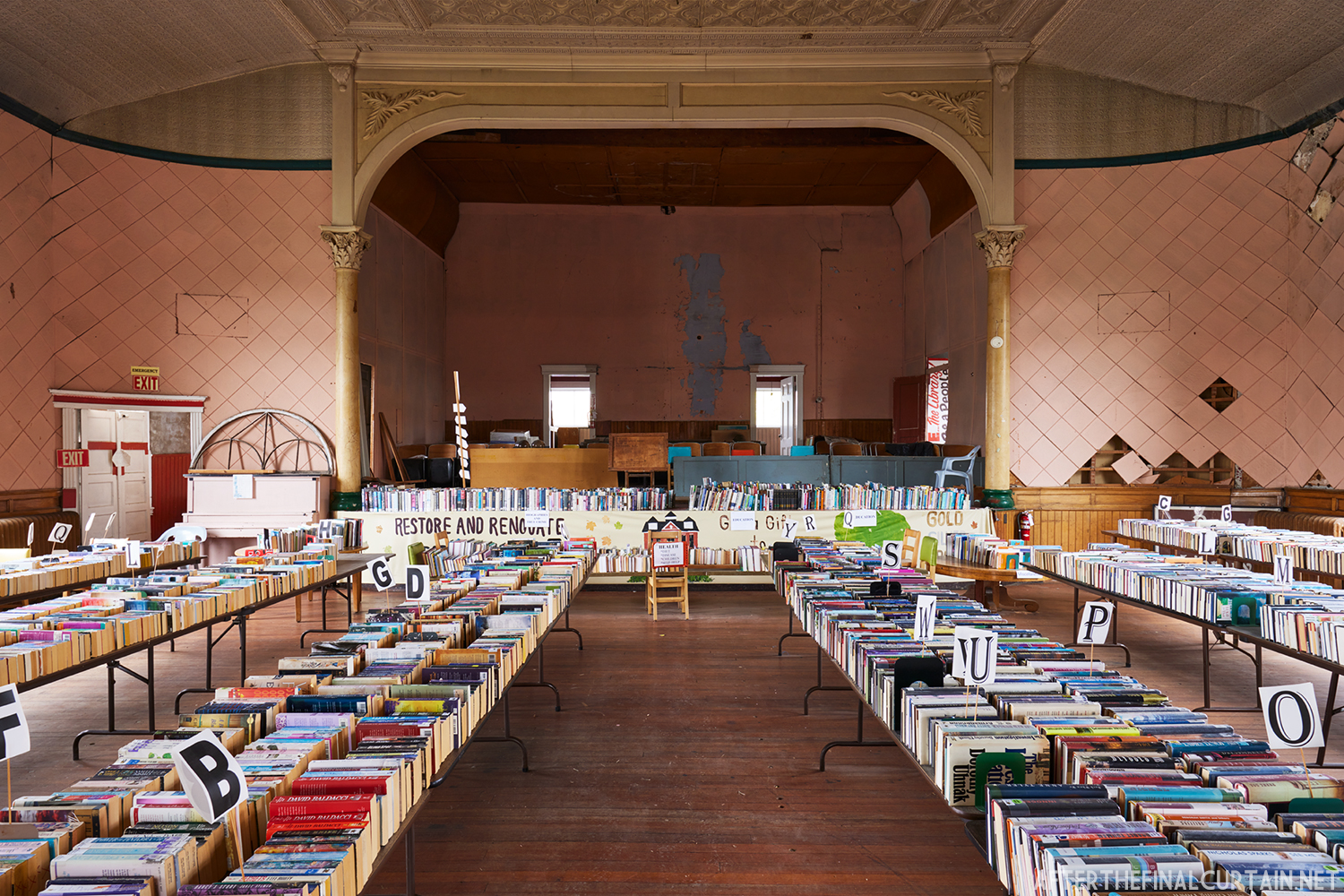
The Marathon Library and Opera House opened on January 1, 1896. It began as a live performance space, hosting traveling performers before transitioning over to films in the early 1930s. The Library Opera House was renamed the Park Theatre and lasted as a movie theater until 1953. The auditorium is currently only used a few times a year to host a used book fair.

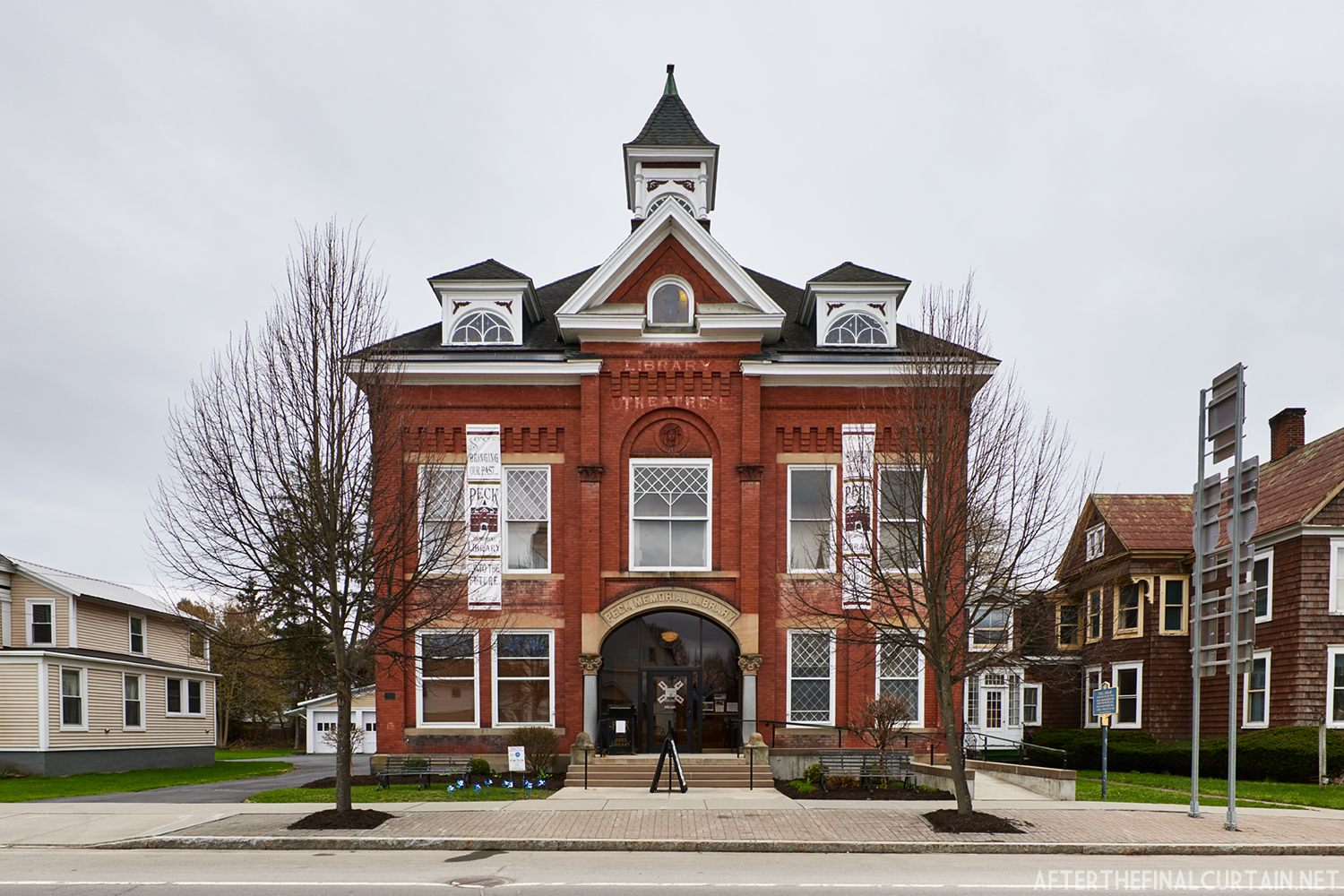
The exterior of the Marathon Library/Opera House.

In early 2020, the Marathon Public Library announced that the building needs close to $1 million in renovations. They’ve received $50,000 through their capital campaign but far from enough to be able to make the renovations needed to reopen the opera house.

The orchestra level of the auditorium is used as a book fair.