Lincoln Square Theatre – Decatur, Illinois

This was originally posted on After the Final Curtain’s Patreon in August 2024. For expanded early posts, as well as video walkthroughs and other exclusive content, you can become a patron at: https://www.patreon.com/afterthefinalcurtain

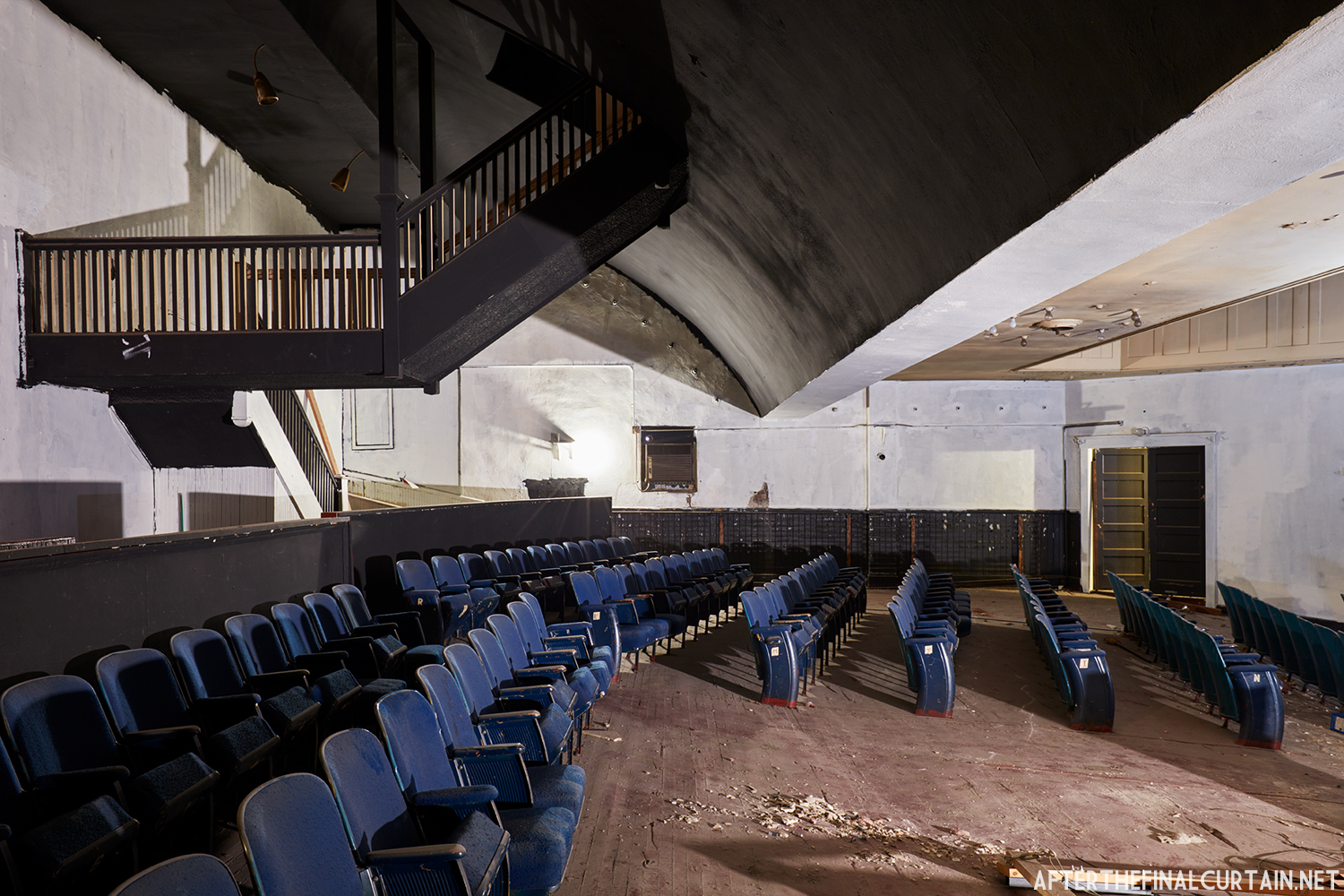
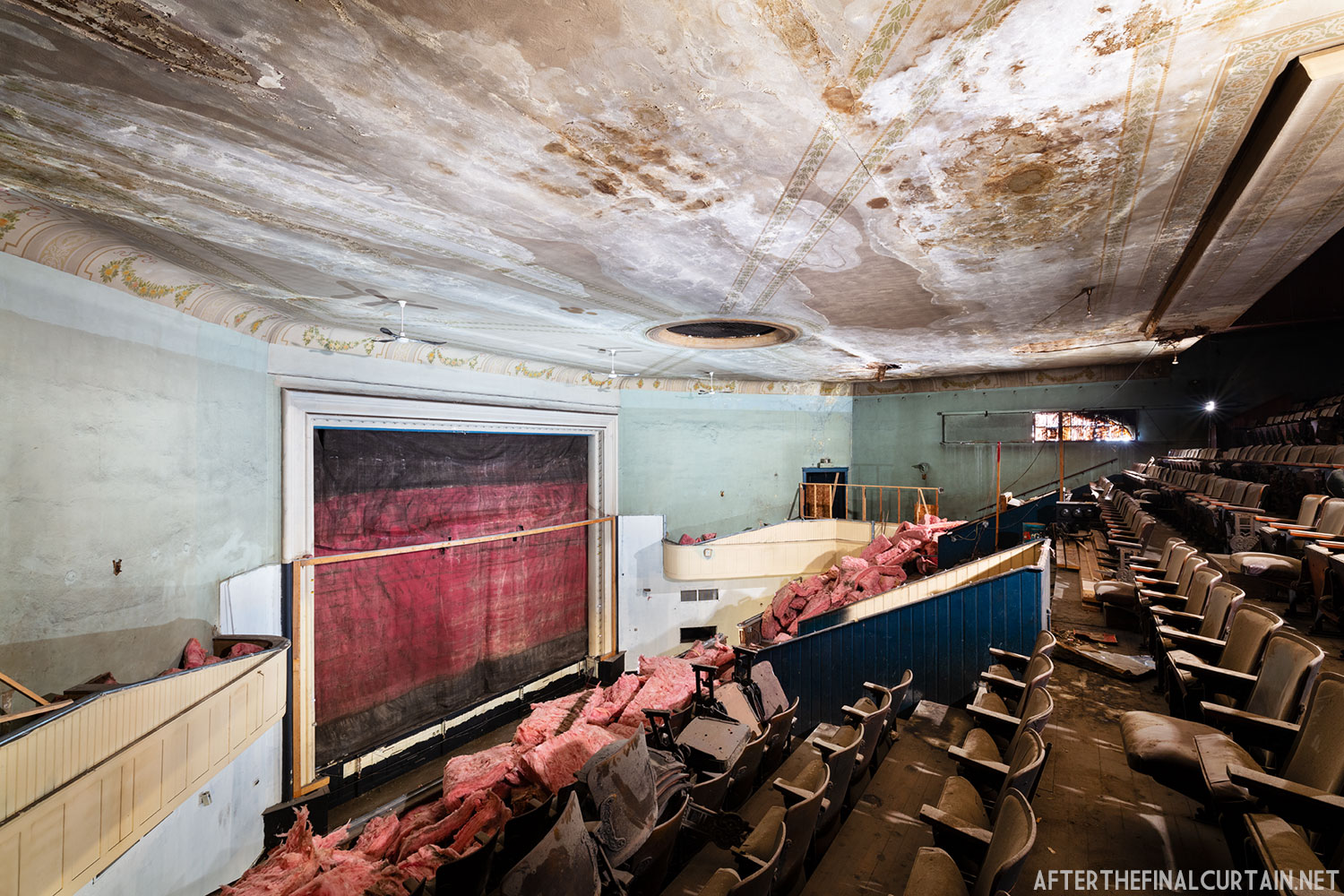
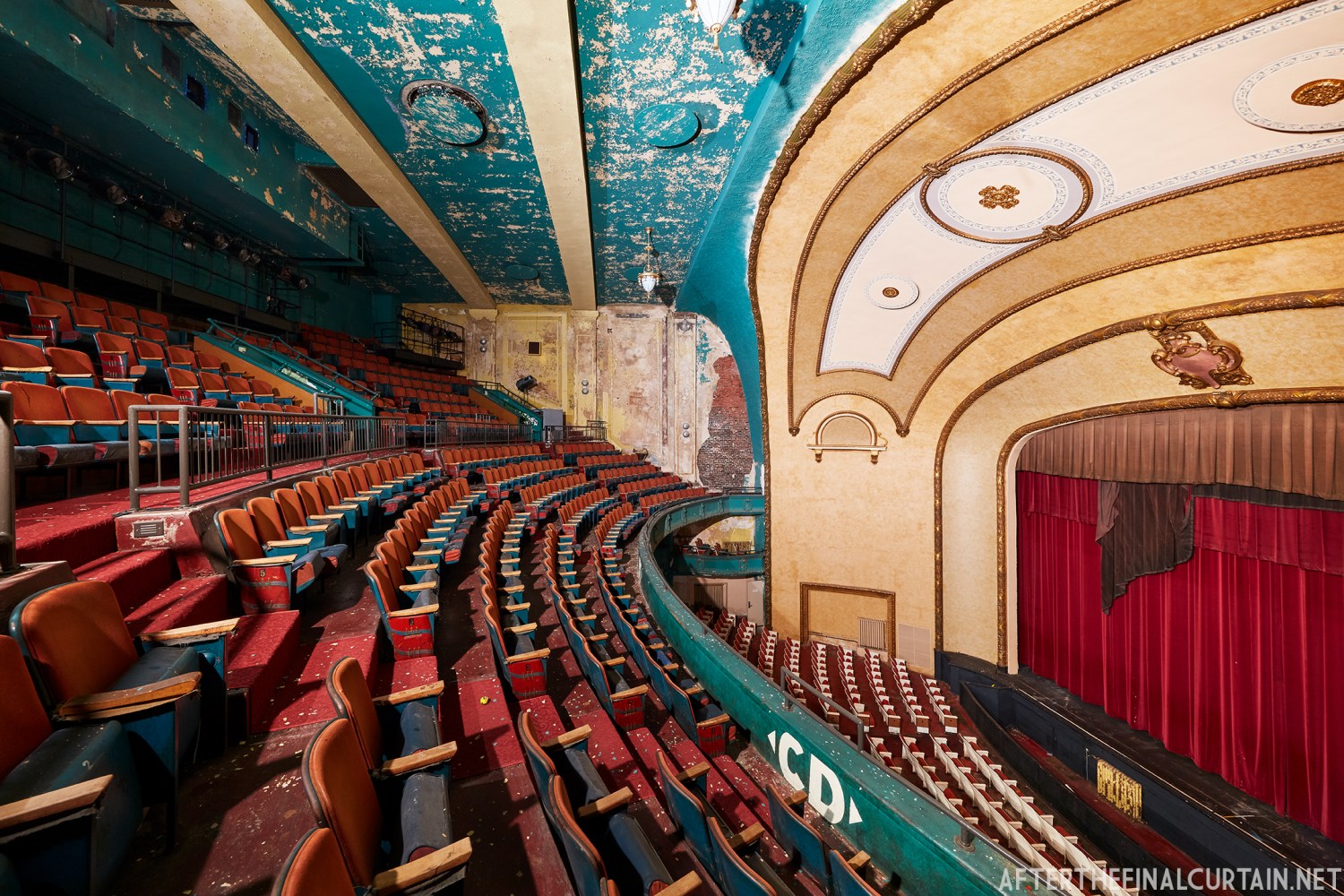
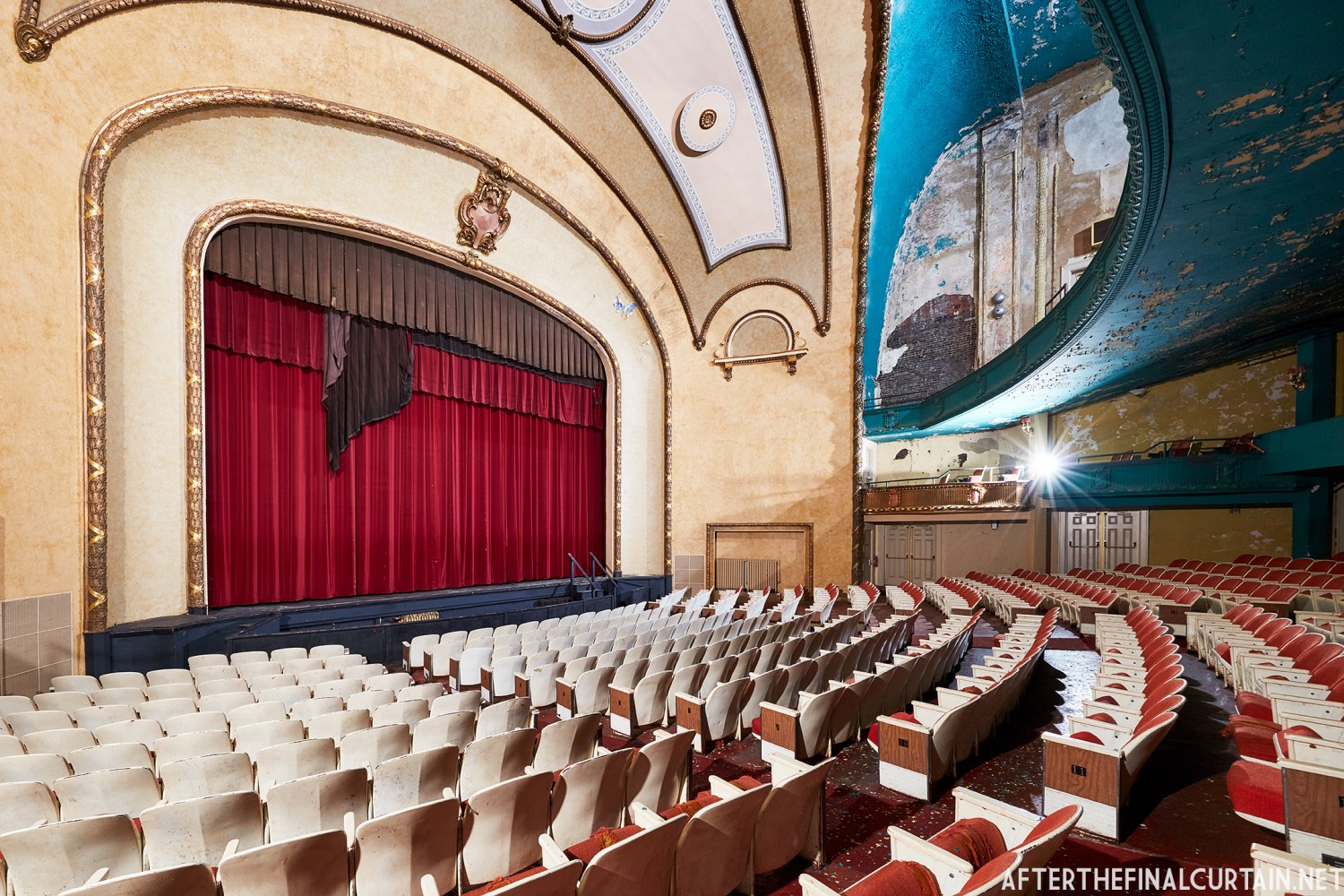
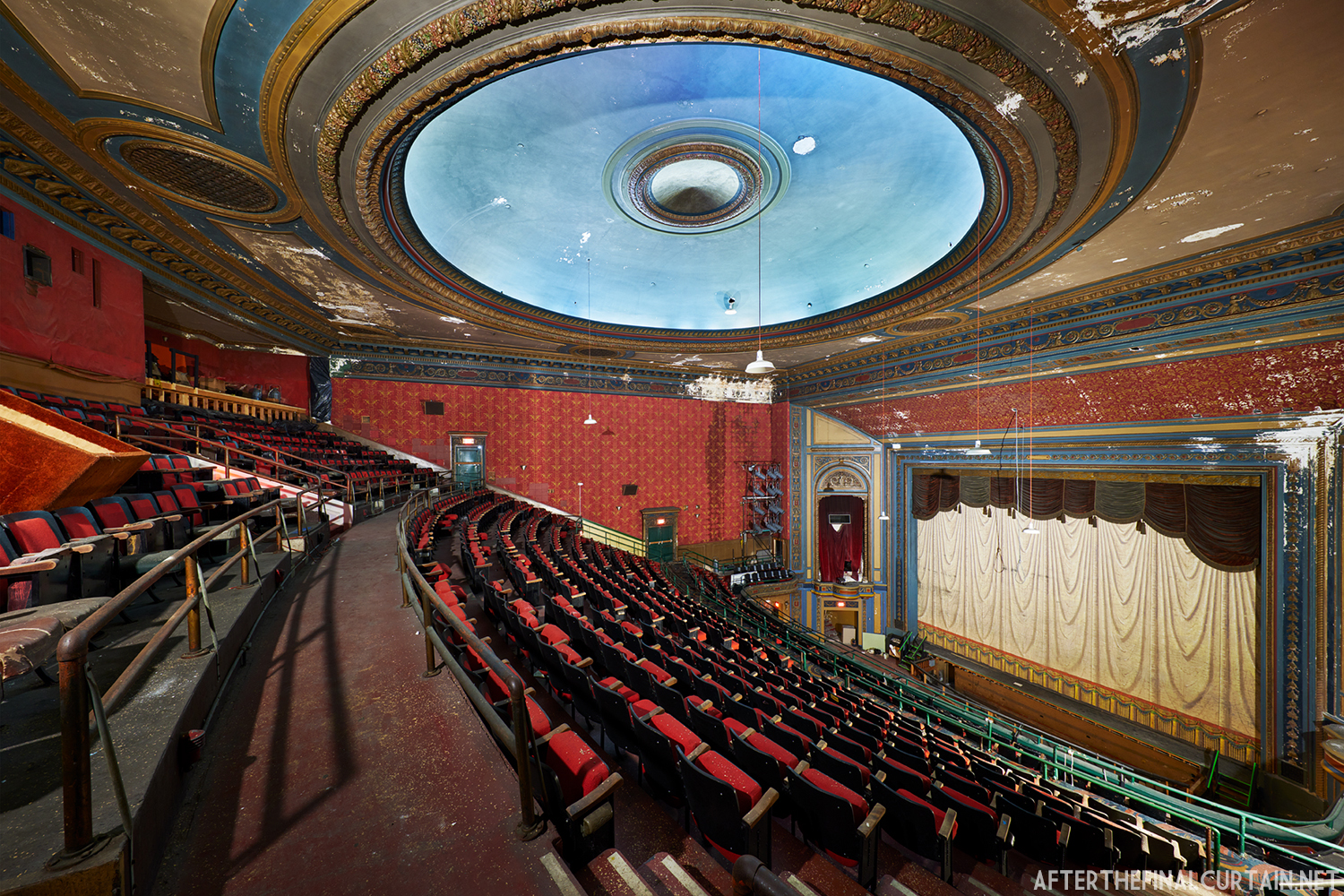
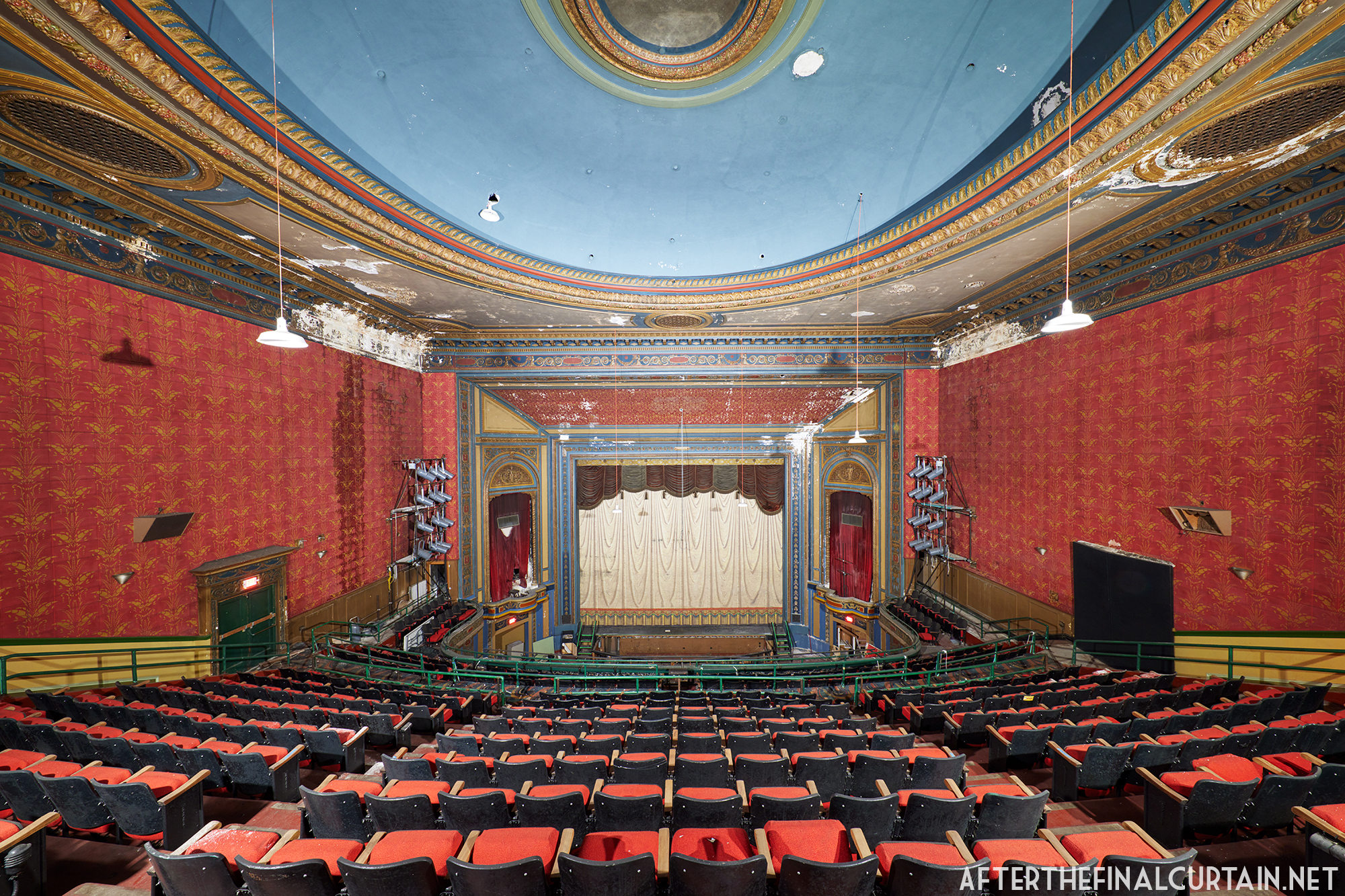
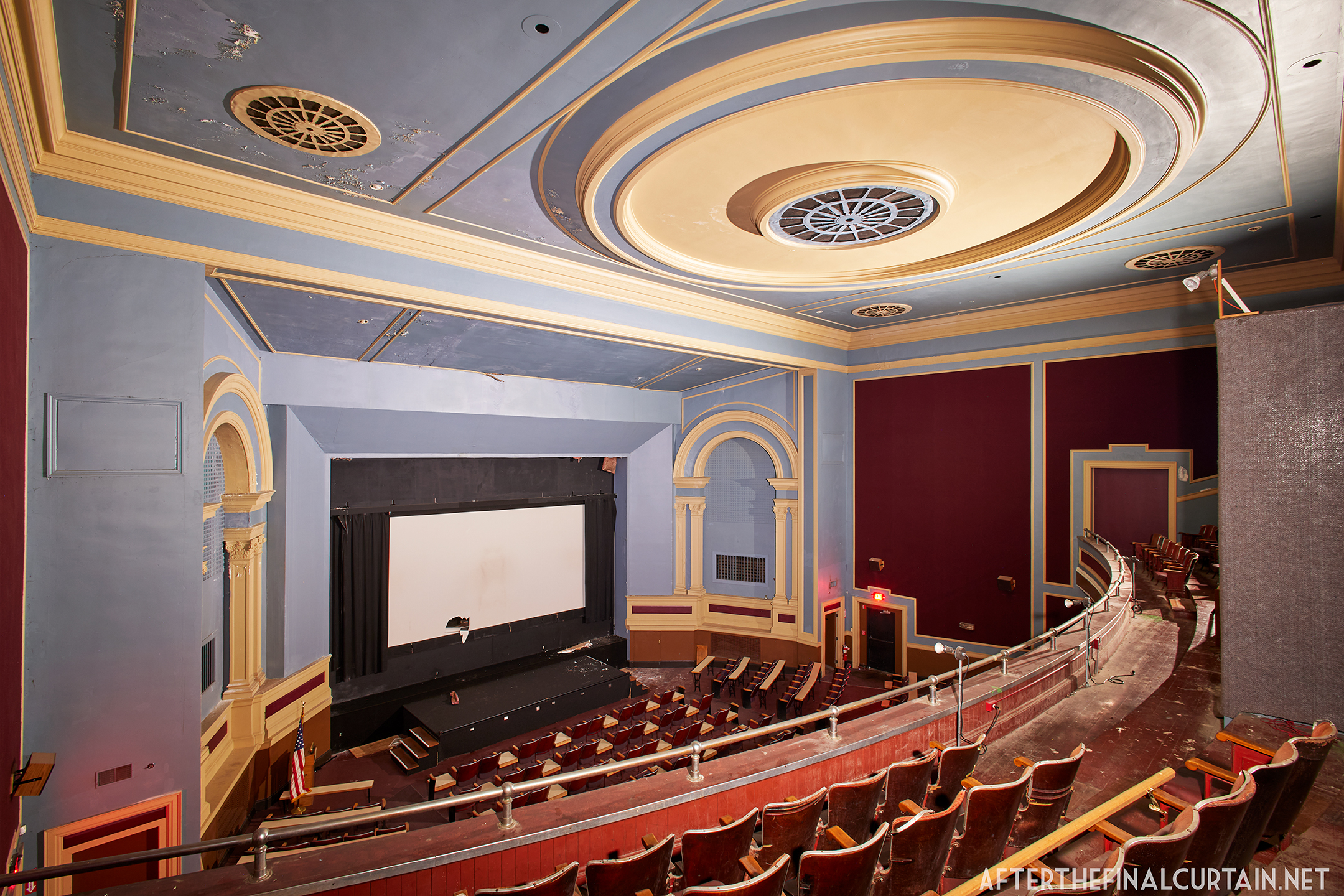
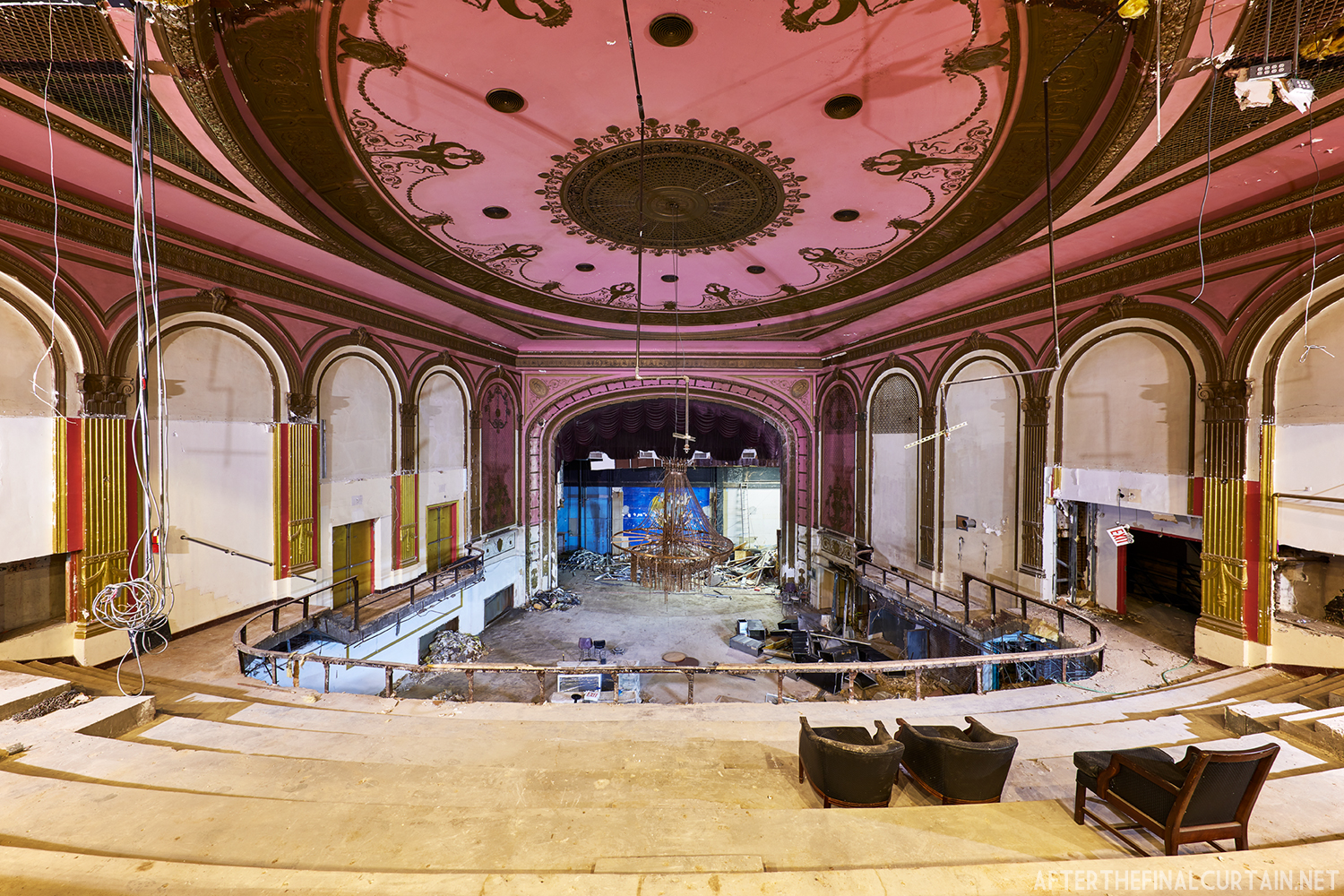
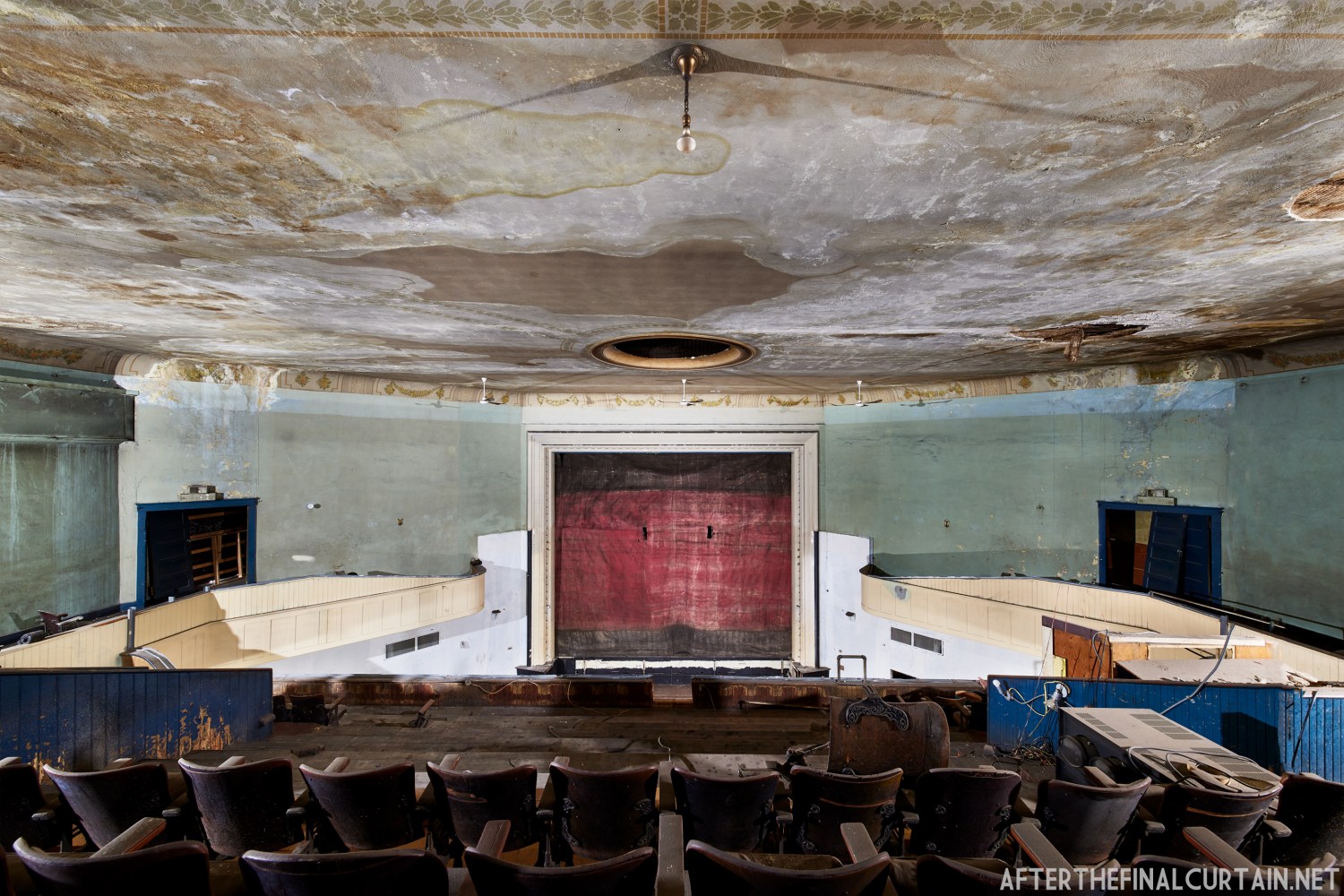
View of the auditorium from the side of the balcony.

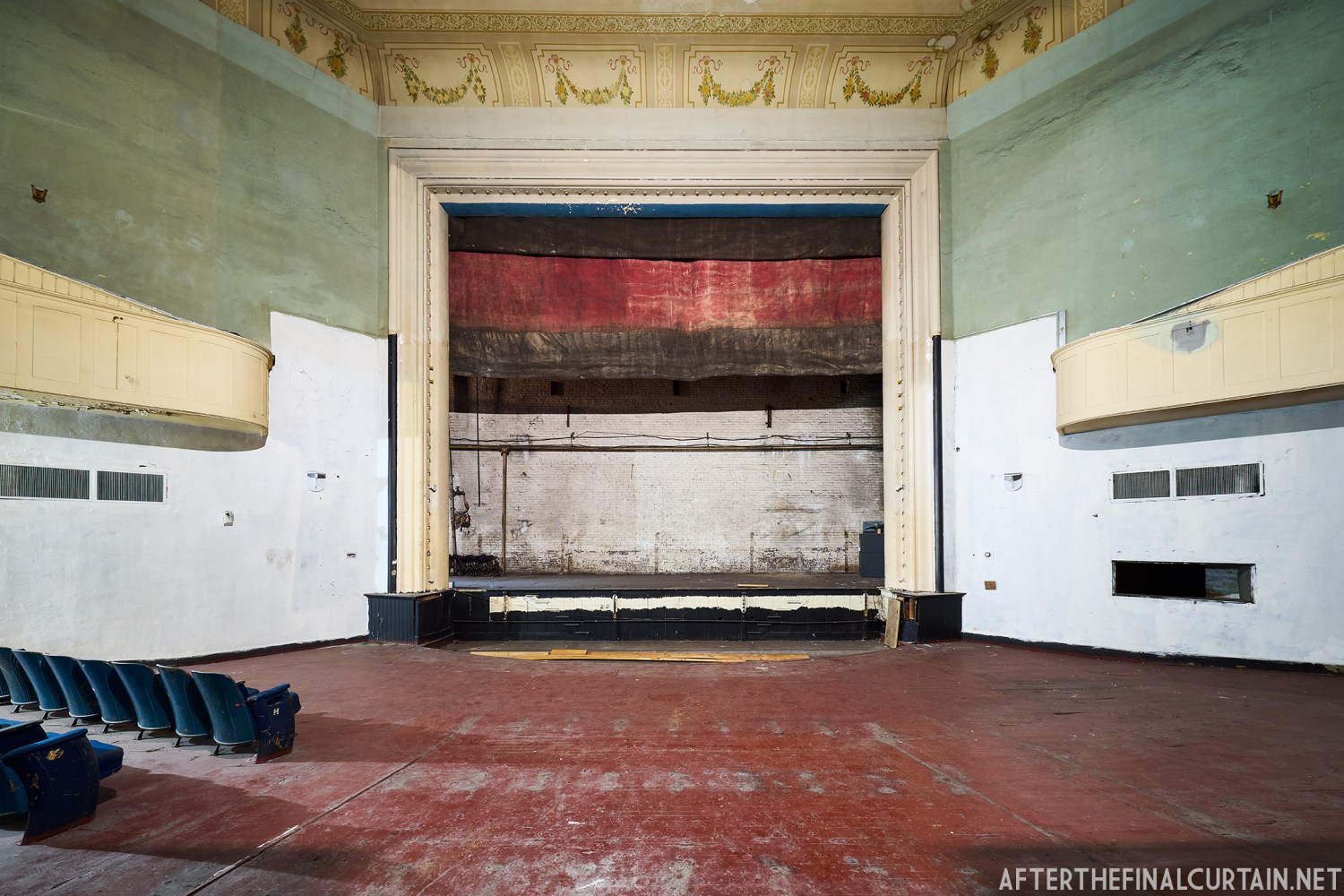
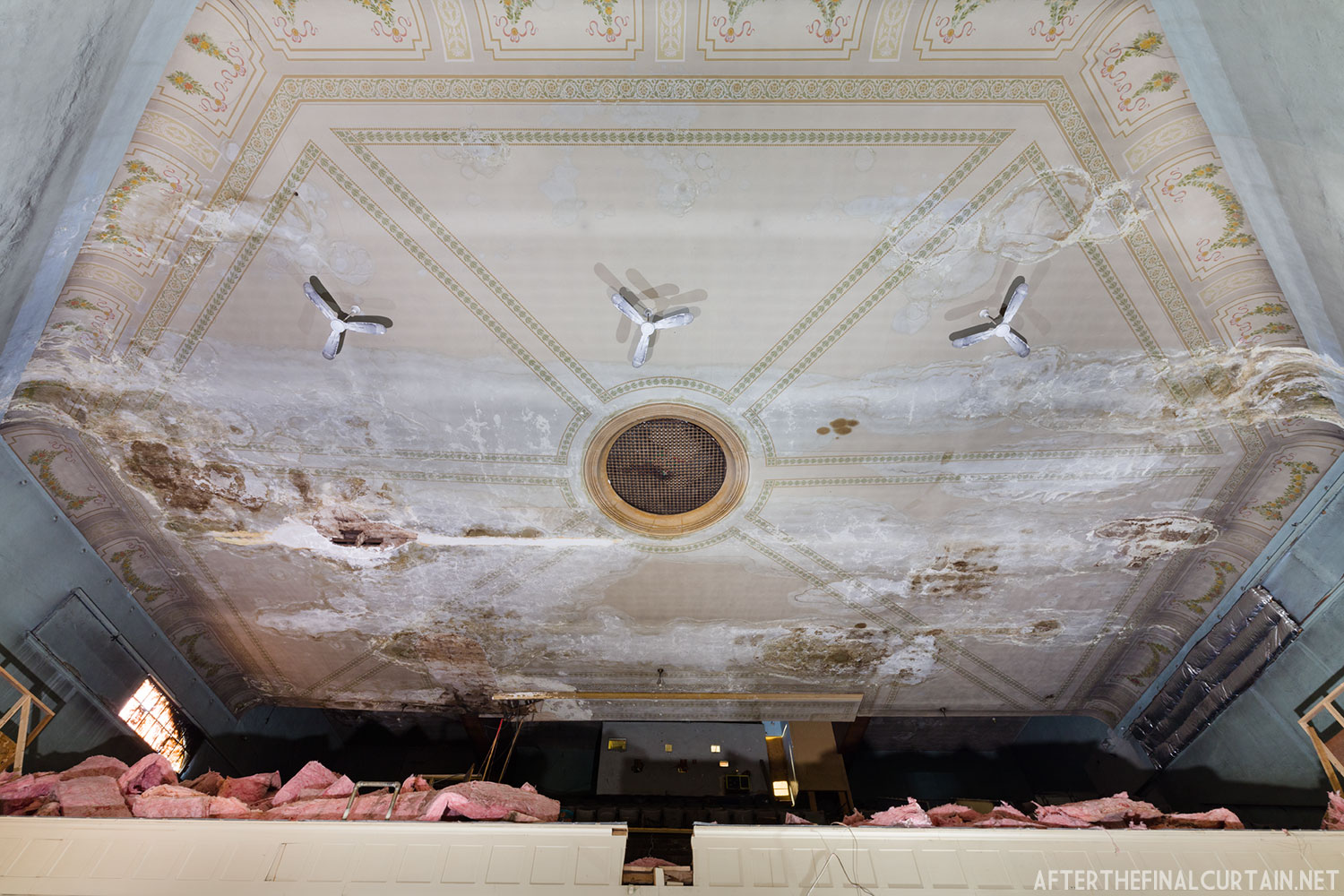
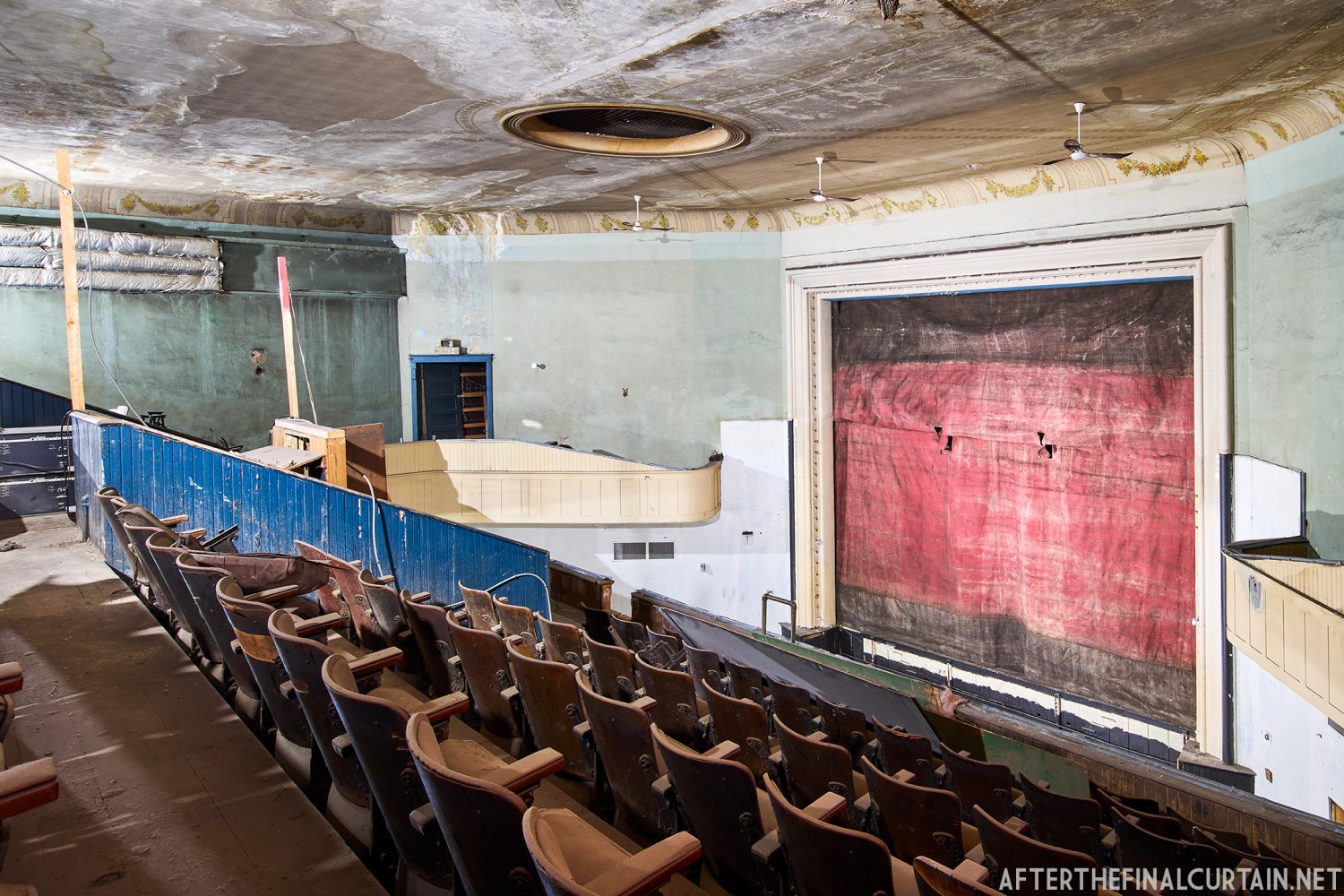
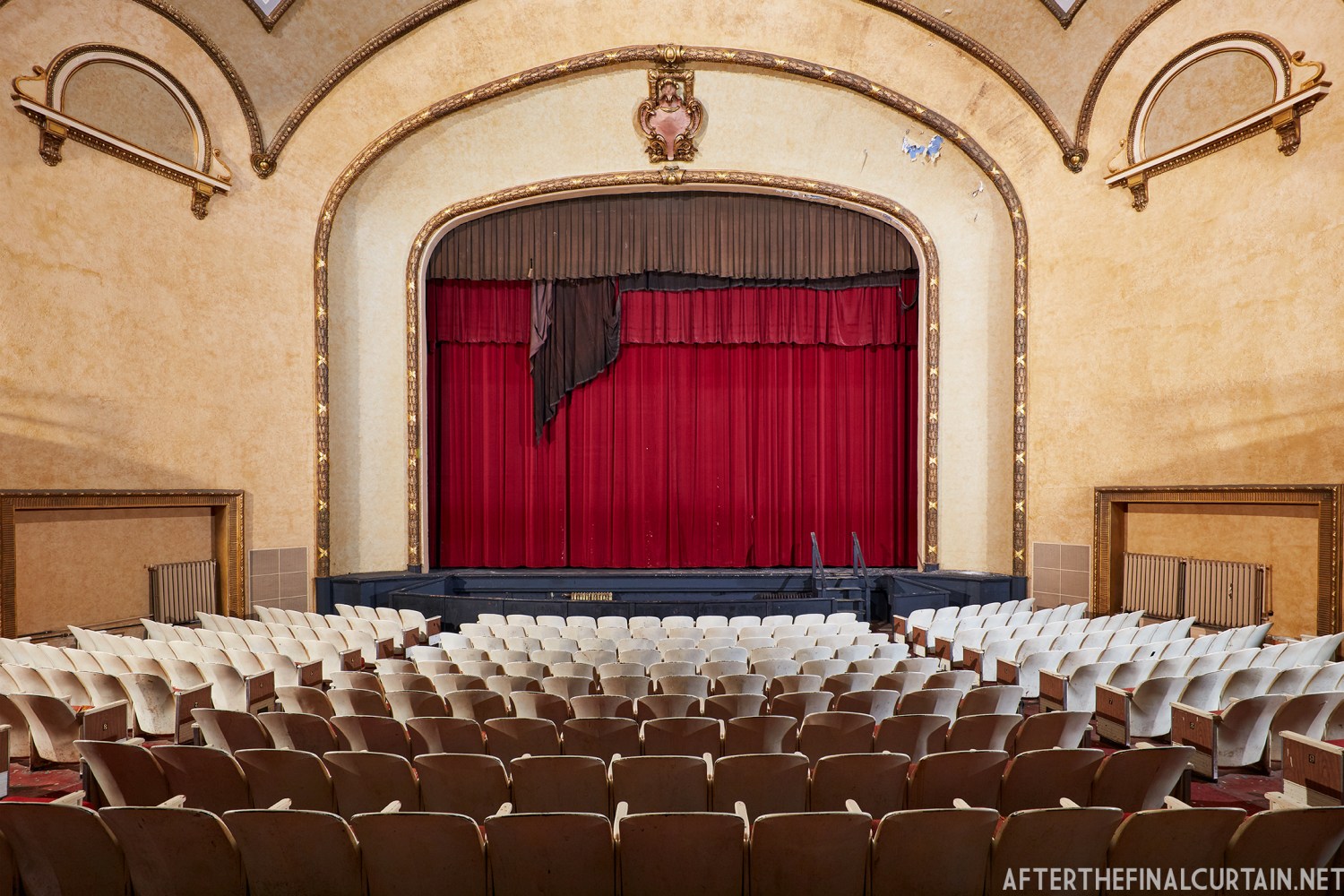
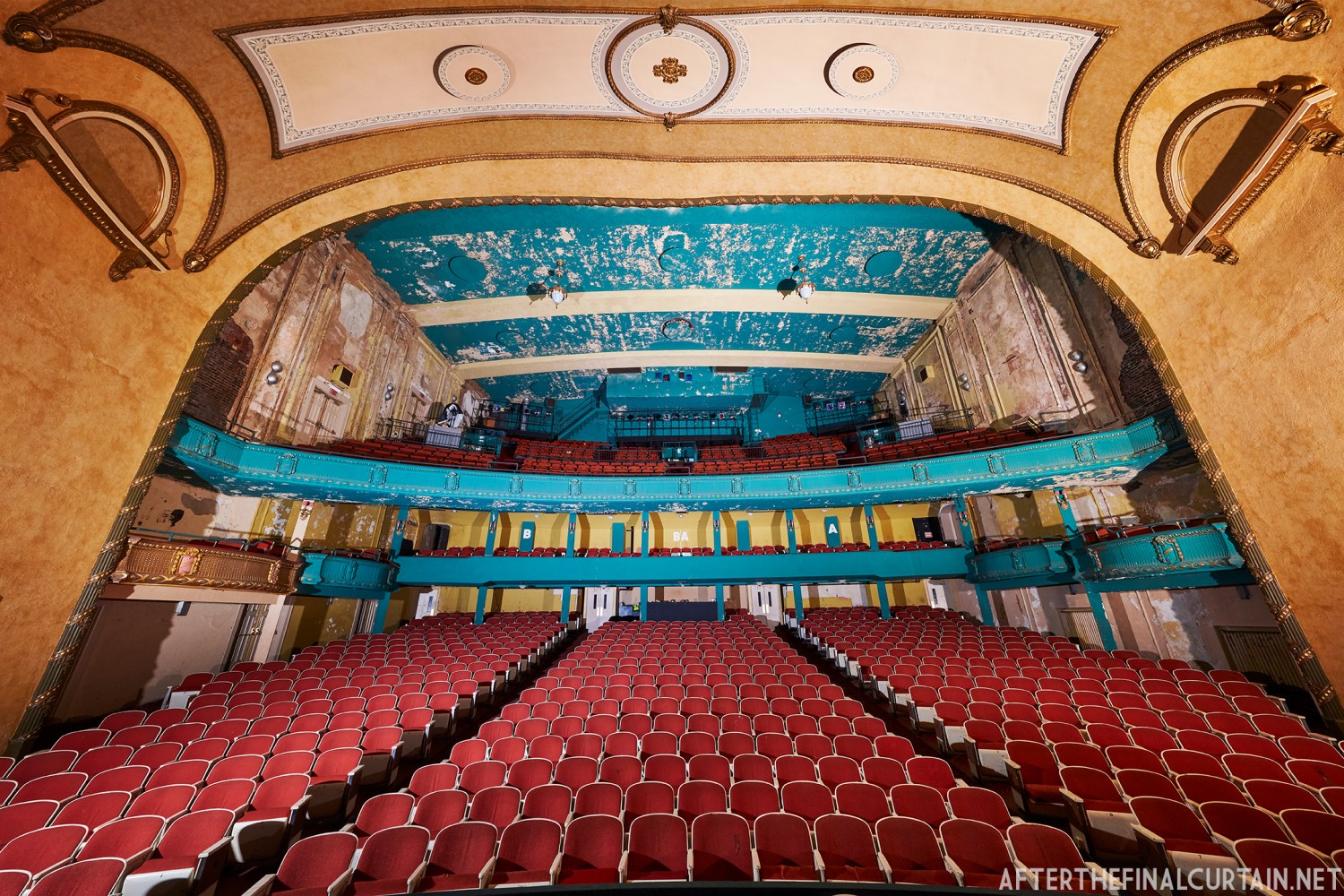
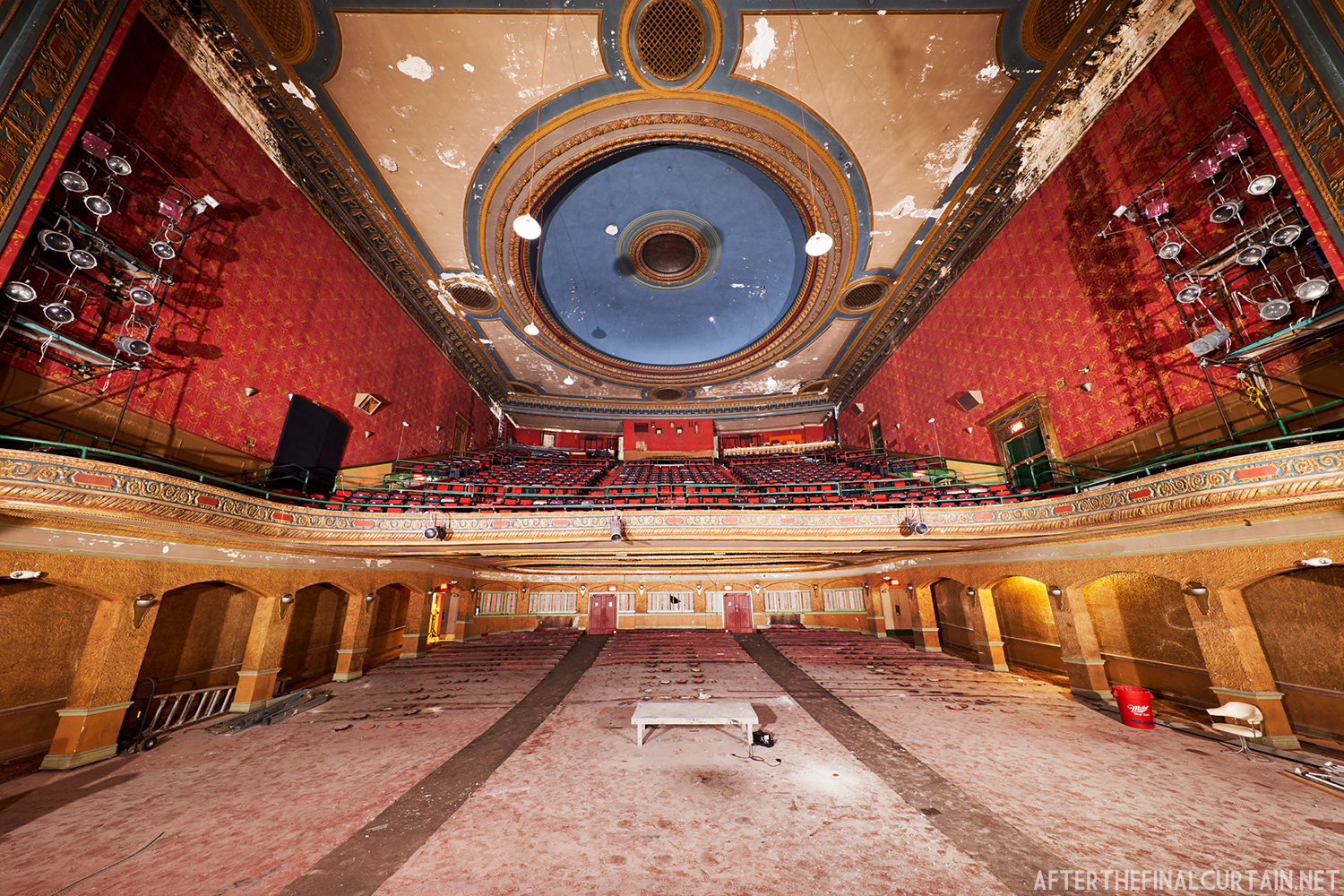
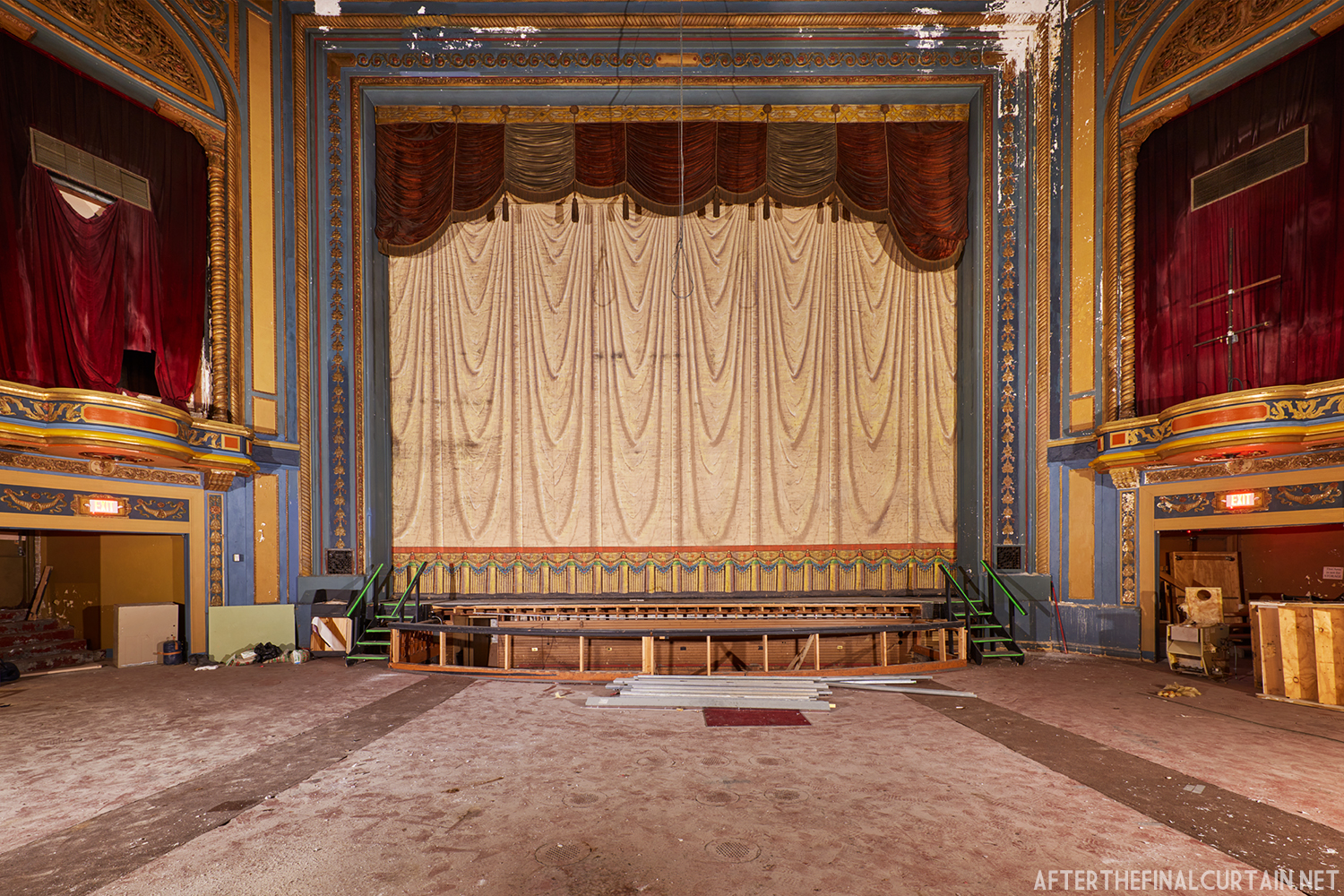
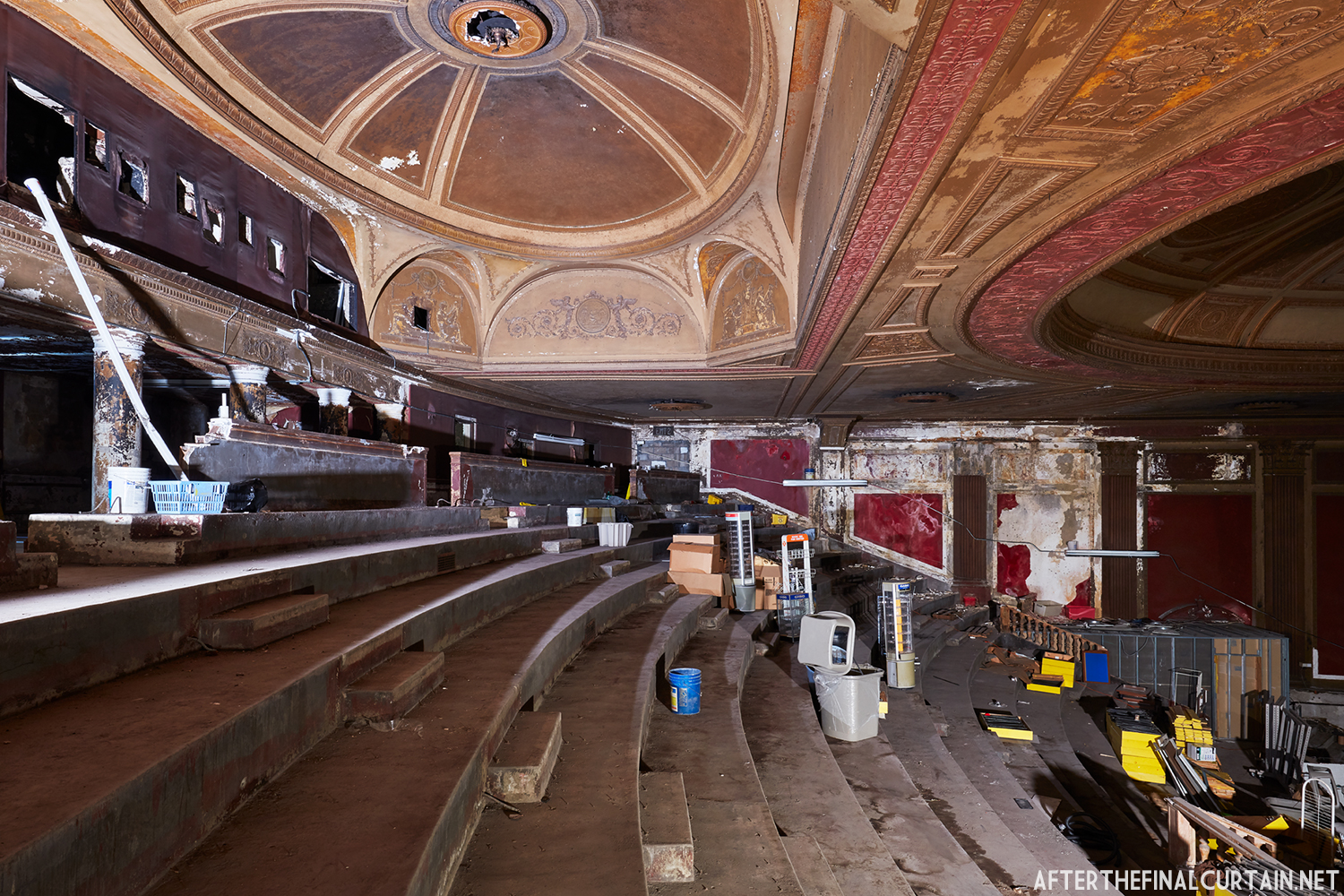
On October 31, 1916, the Lincoln Square Theatre in Decatur, Illinois opened its doors. Designed by the local architectural firm of Charles J. Aschauer and Arthur M. Waggoner, it featured the Art Nouveau and Beaux Arts styles, which were popular at the time. The theater was considered fireproof, constructed of steel, concrete, and fireproof brick. It originally seated nearly 1,400 people and was equipped with a Barton theatre organ, featuring two 3-manual consoles. The public got its first glimpse of the theater during an event in early October 1916, with its formal grand opening occurring on October 27, 1916. The first performance featured George M. Cohan’s stage comedy “Hit-The-Trail-Holliday” starring Frank Otto and “My HomeTown Girl” starring John Hyams and Leila McIntyre.

In February 1926, the theater hired a 12-member orchestra to accompany stage productions and silent films. By June 1929, the theater “talkies” arrived in Decatur, first at the Empress Theater. The Lincoln began showing talkies 14 months later, marking the end of its vaudeville days.

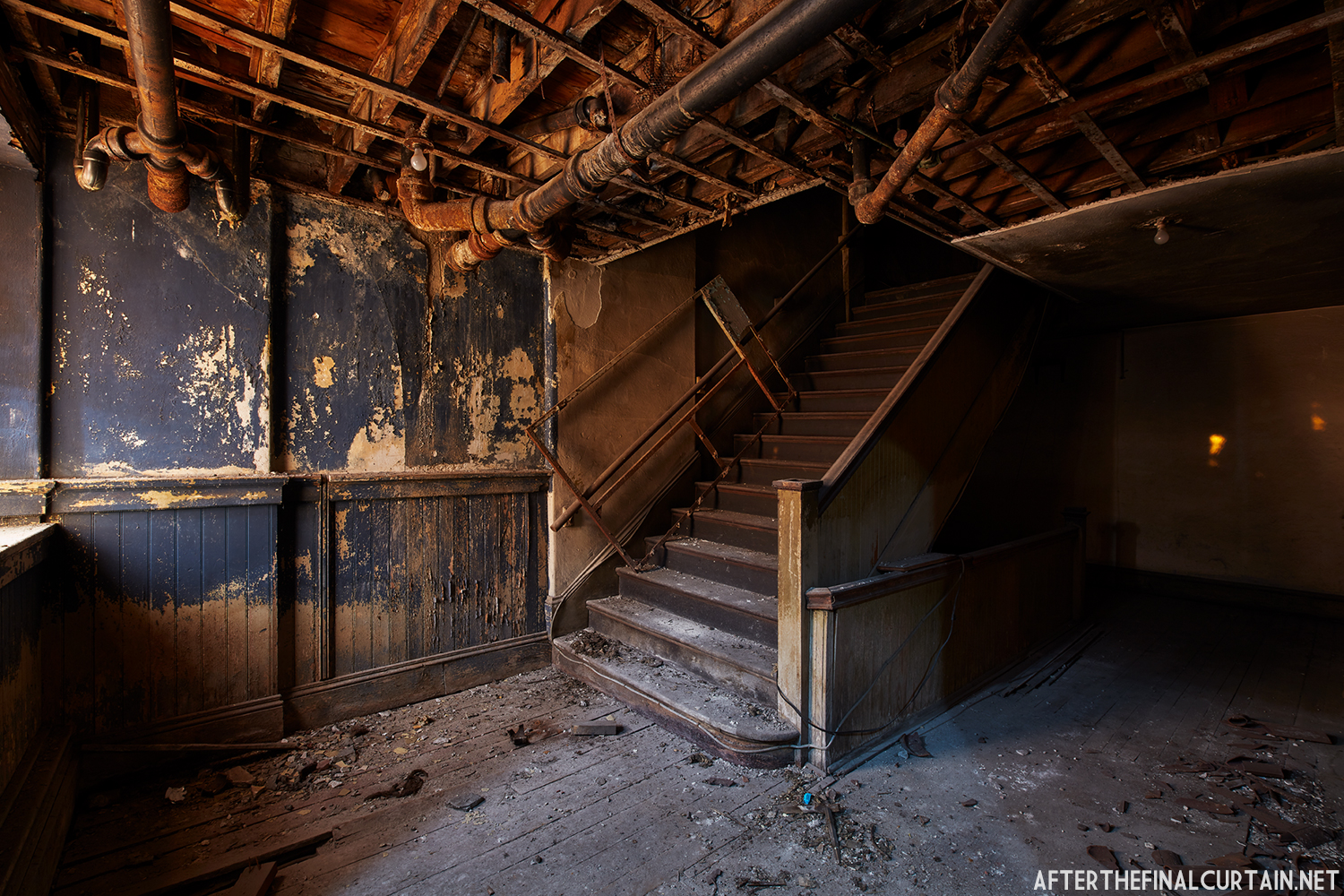
Harry Blackstone, a famous magician, performed at the theater in September 1942. During his performance, a fire broke out at a neighboring drugstore. Blackstone cleverly and calmly evacuated the theater, convincing the audience of schoolchildren that they were part of a magic trick. No injuries were reported. Over the years, many famous performers graced the stage of the Lincoln Square Theatre, including Ethel Barrymore, and Bob Hope. Houdini was rumored to have performed at the Lincoln, but there’s no evidence to back that up. In March 1960, a fire heavily damaged the lobby, which was rebuilt a few months later.

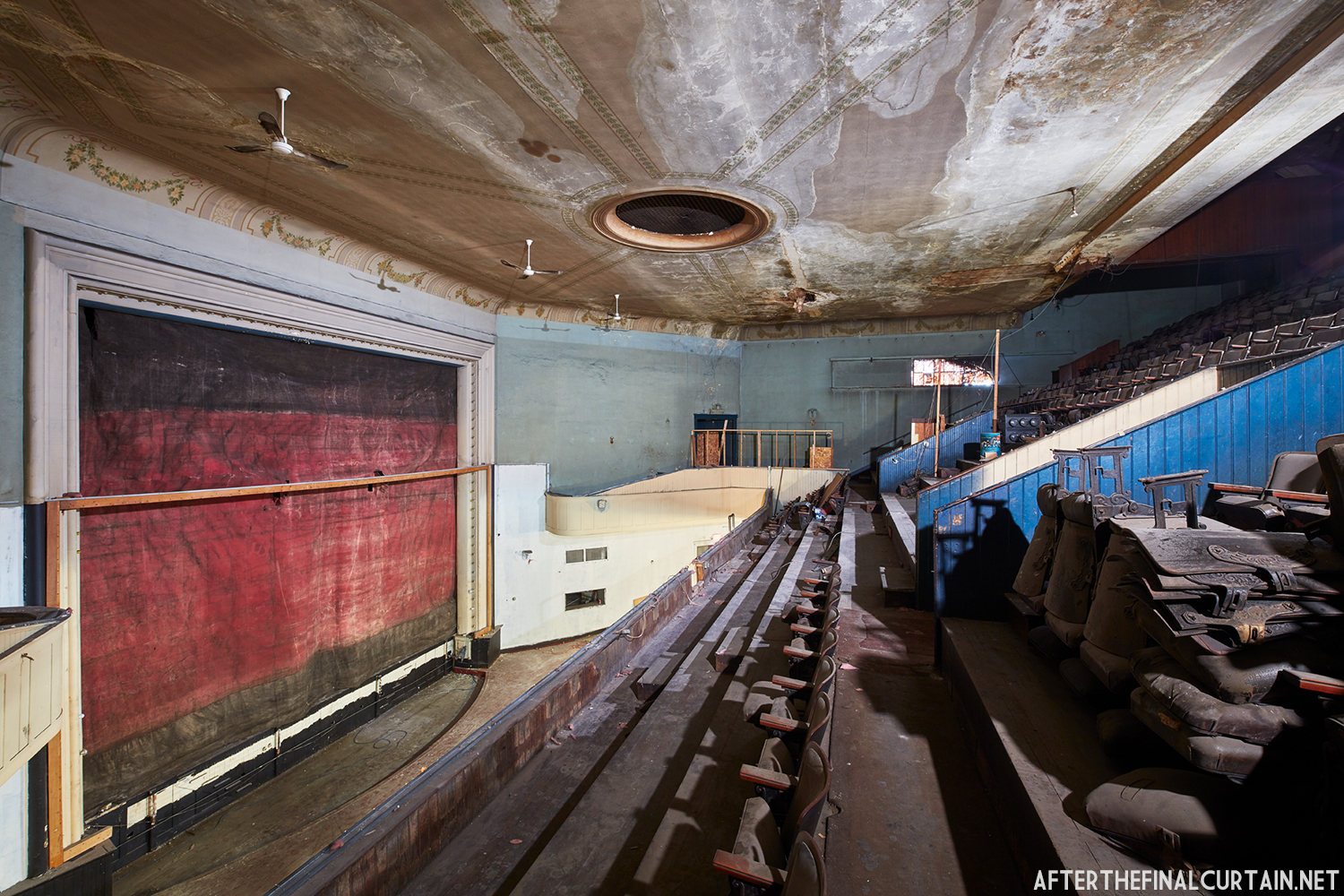
View of the auditorium from the center of the balcony.

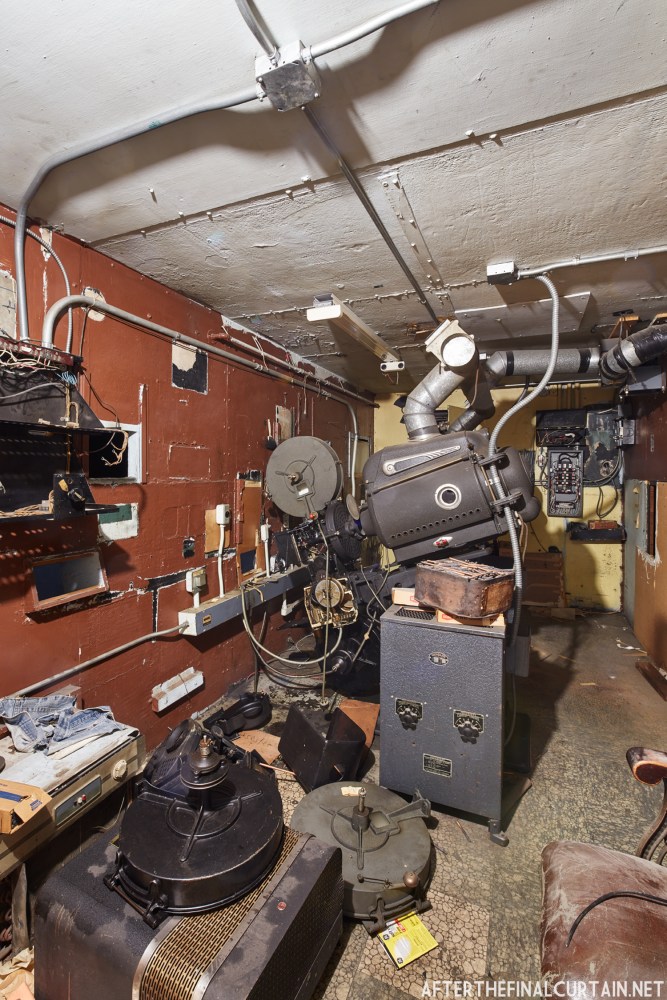
The theater was sold in 1974 to Plitt Theaters Inc., and later passed to the Kerasotes chain. The Kerasotes chain leased the building on a month-to-month basis until 1980, when their lease was terminated. Before leaving, Kerasotes removed much of the theater’s valuable equipment, leaving the projectors and speakers in disrepair.

Travel Channel’s Most Terrifying Places in America filmed an episode at the theater, dubbing it one of the most haunted theaters in the United States.

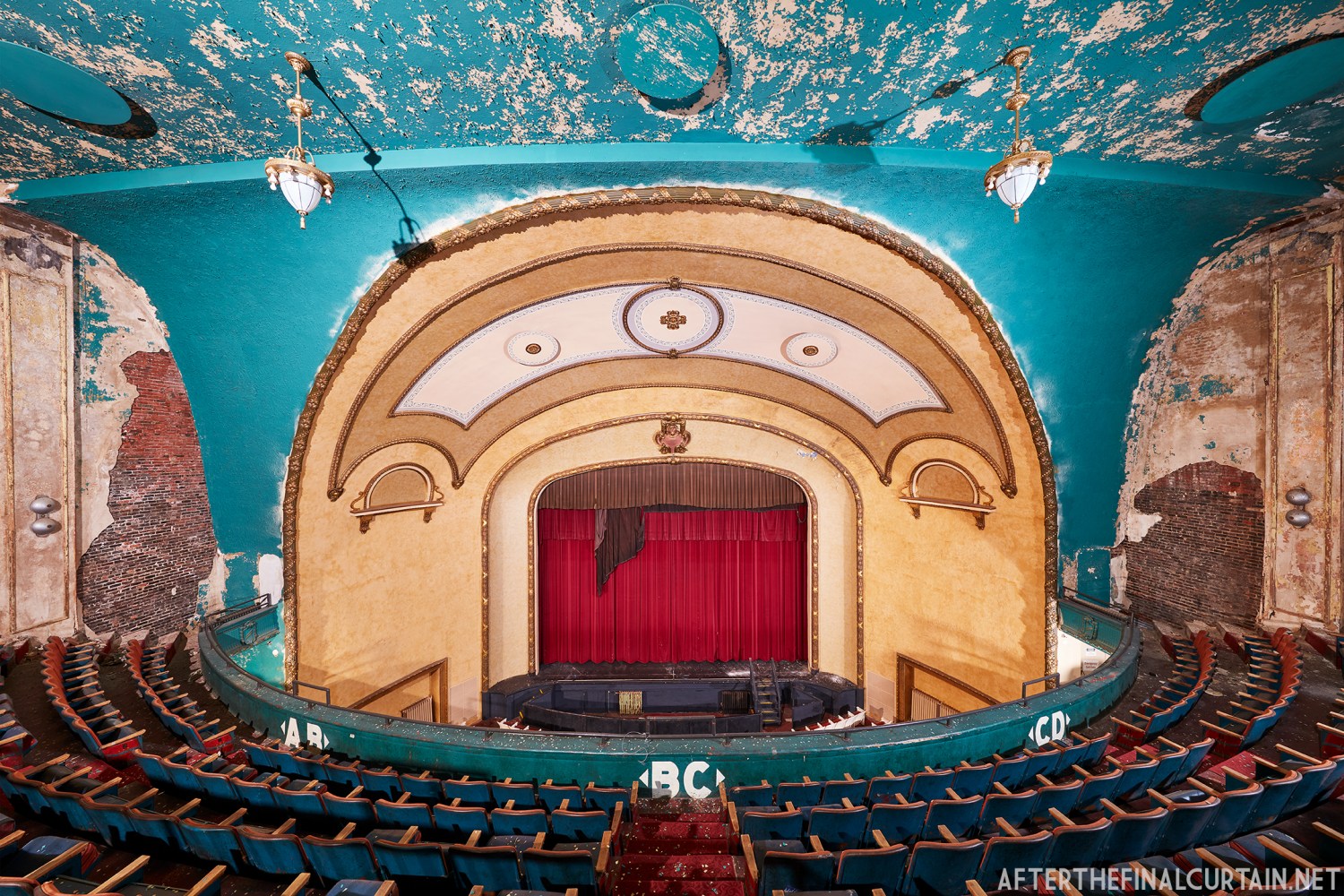
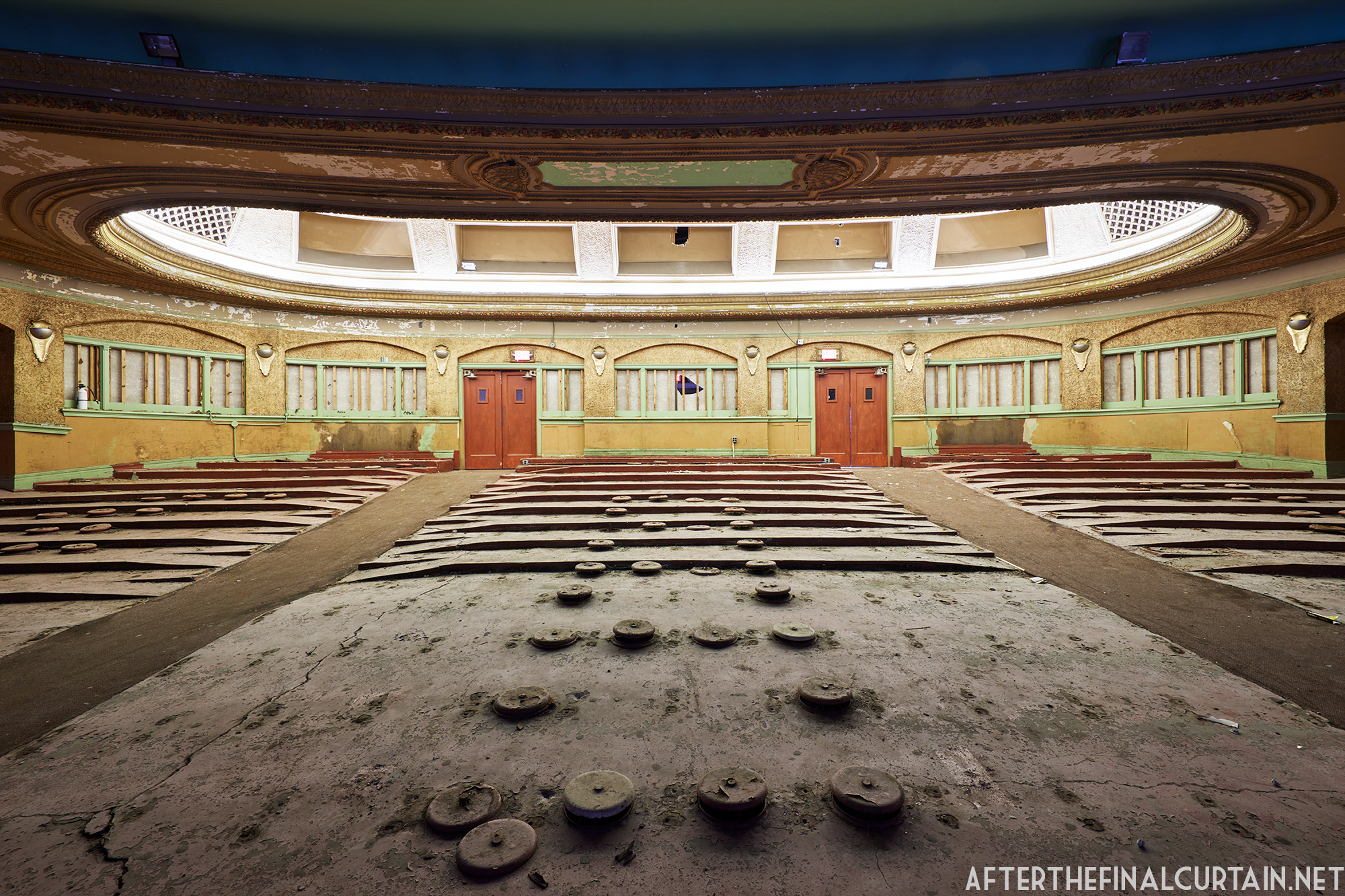
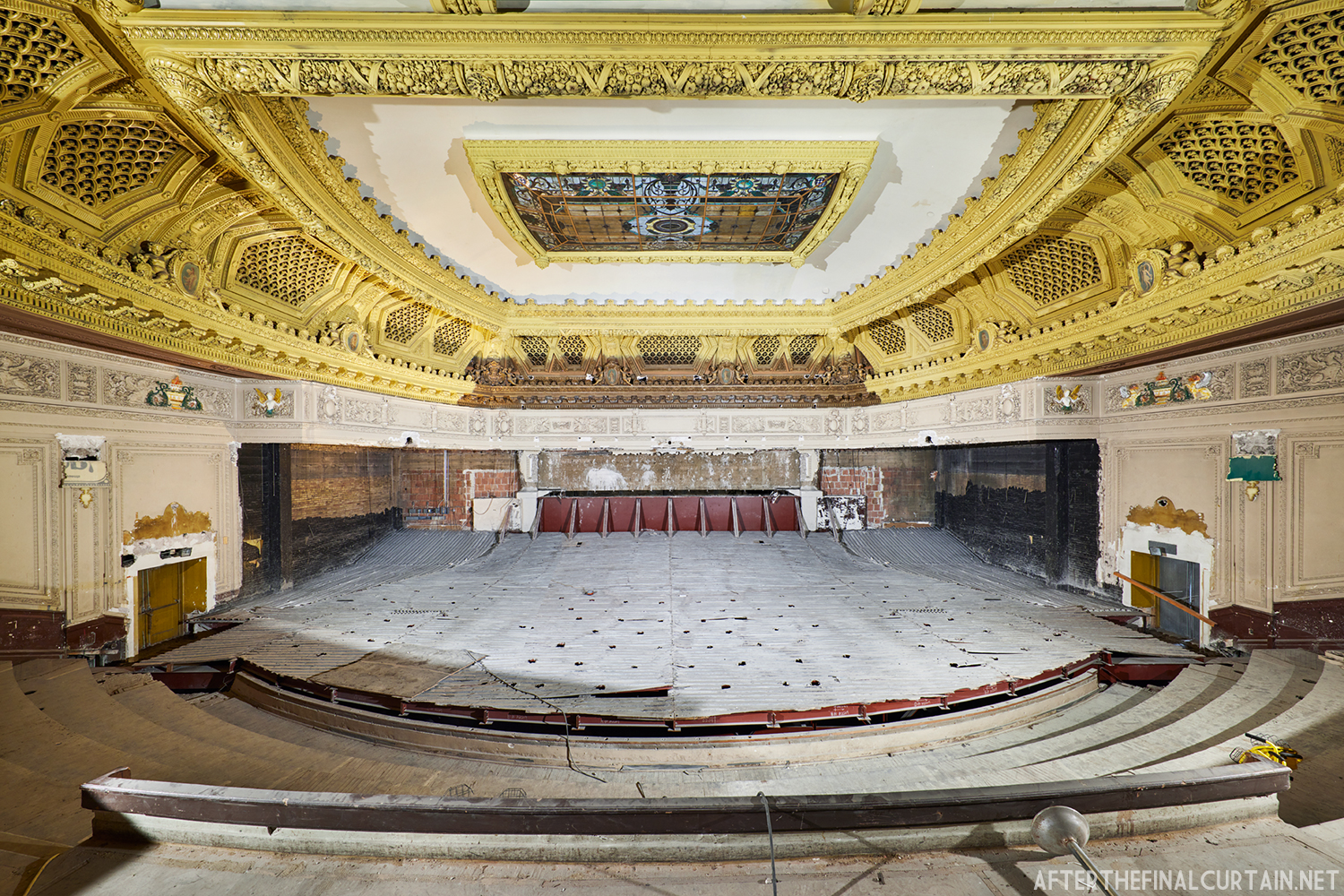
Throughout the 1990 and 2000s, efforts to restore the Lincoln Square Theatre began. It reopened for a few years but the theater closed in May 2017, unable to complete full restoration. However, in 2021, a nonprofit group called “Friends of the Lincoln Square Theater” (FotLSQ) took over the project. The theater reopened as a concert venue in 2022. The FotLSQ has repainted much of the theater, replaced the curtains, and the seating on the main level.

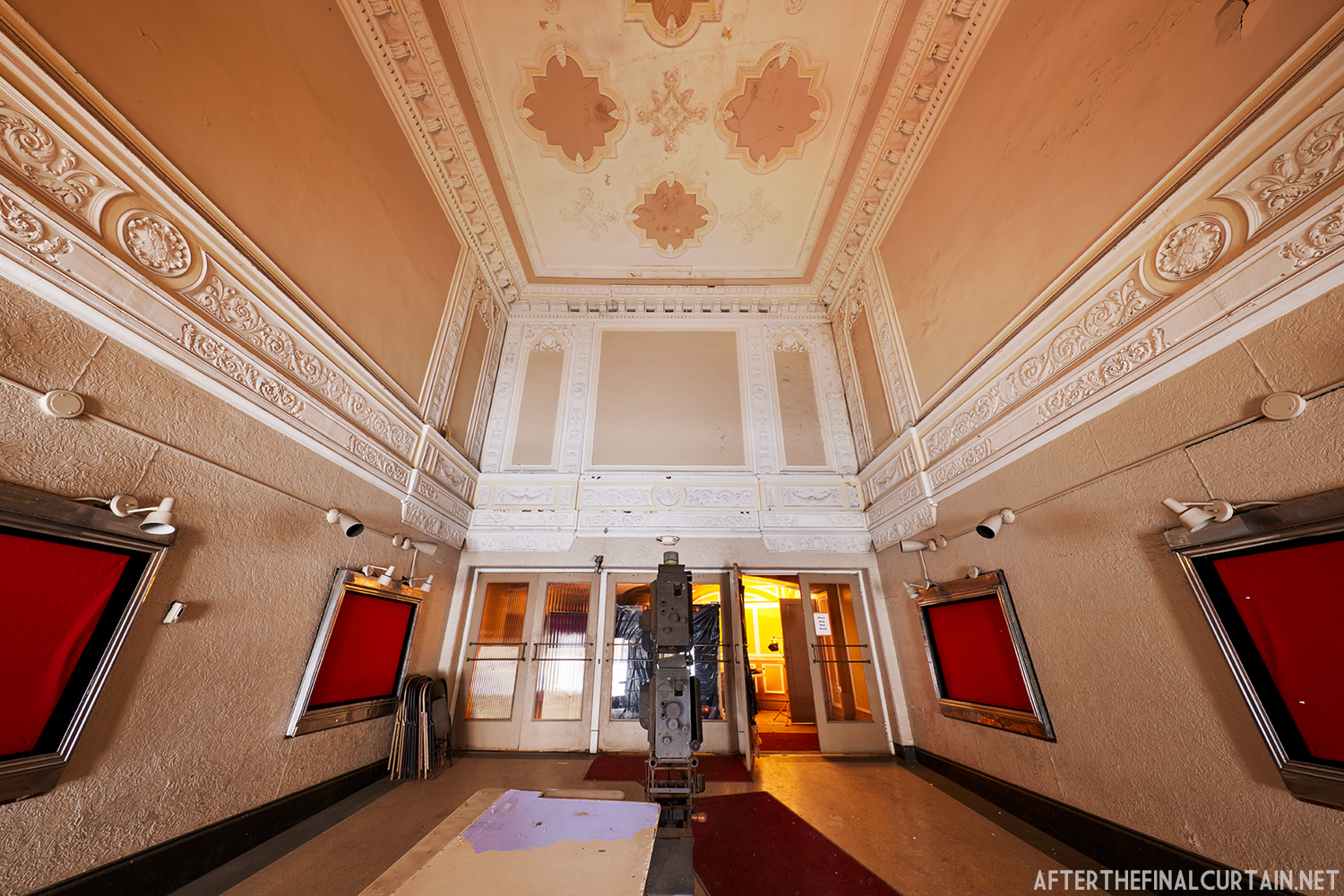
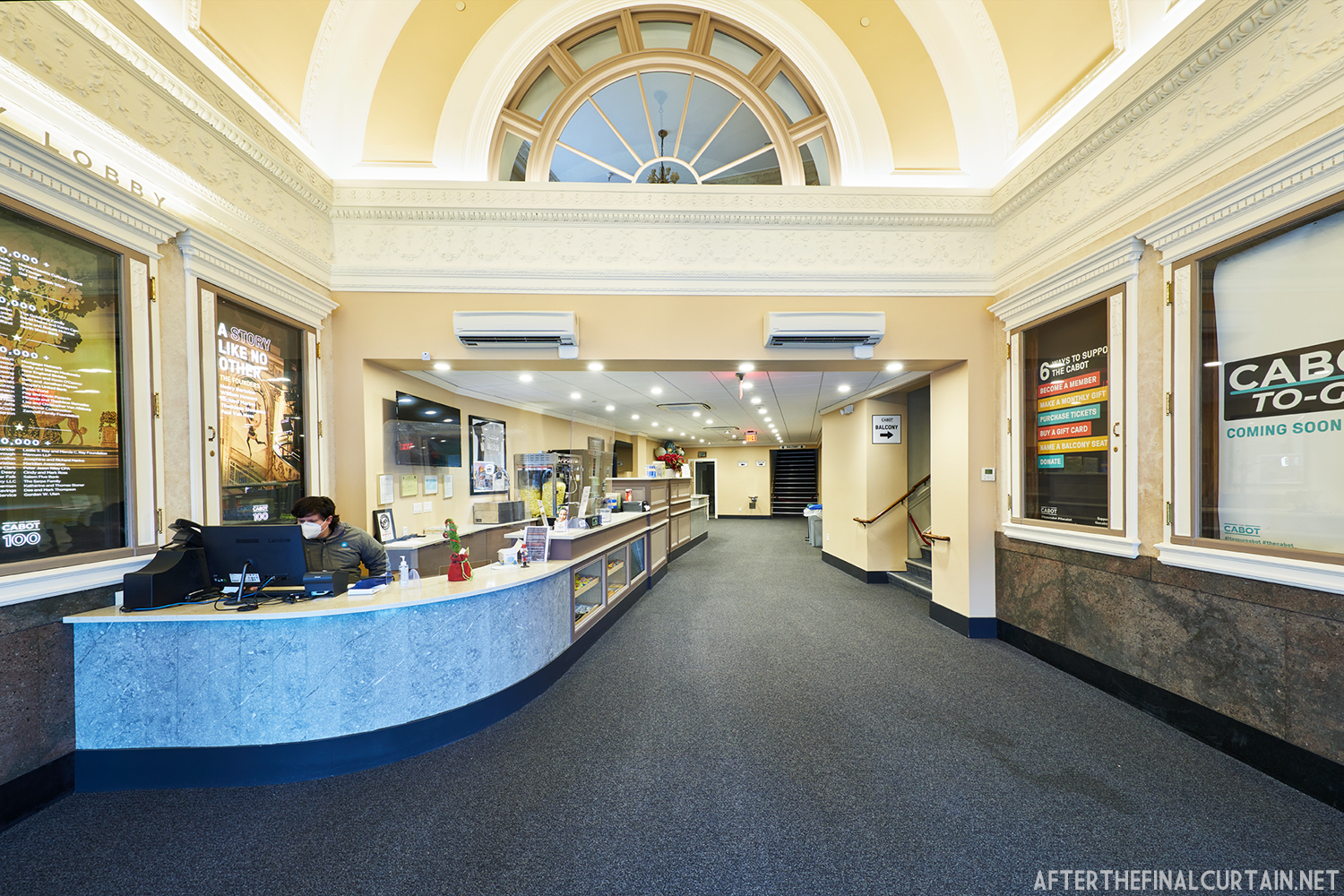
*I didn’t photograph the lobby as the original was destroyed, and the new one was not interesting.

Modjeska Theatre – Milwaukee, WI

This was originally posted on After the Final Curtain’s Patreon in December 2023. For expanded early posts, as well as video walkthroughs and other exclusive content, you can become a patron at: https://www.patreon.com/afterthefinalcurtain

Modjeska Theatre auditorium as seen from the balcony.

View of the auditorium from the balcony.

The original Modjeska Theatre in Milwaukee, Wisconsin, opened its doors in 1910. It was named in honor of Madame Helena Modjeska, a celebrated stage actress who had passed away in 1909. In 1920, Saxe Theatres, a Wisconsin theater chain founded by John and Thomas Saxe, purchased the theater. They ran it for a few years before demolishing it to make way for a neighborhood movie palace.

View of the auditorium from the stage.

Saxe enlisted the renowned architectural firm Rapp & Rapp, known for their work on theaters such as the Kings Theatre in Brooklyn, NY, the Uptown Theatre in Chicago, IL, and the Loew’s Jersey in Jersey City, NJ, to design a new 2,500-seat neighborhood movie palace. The new Modjeska Theatre, opened on August 2, 1924, was more modestly designed compared to other Rapp & Rapp theaters, but still featured a full stage-house suitable for vaudeville performances. It also featured a Golden Voiced Barton Theater Pipe Organ, 3/10. 

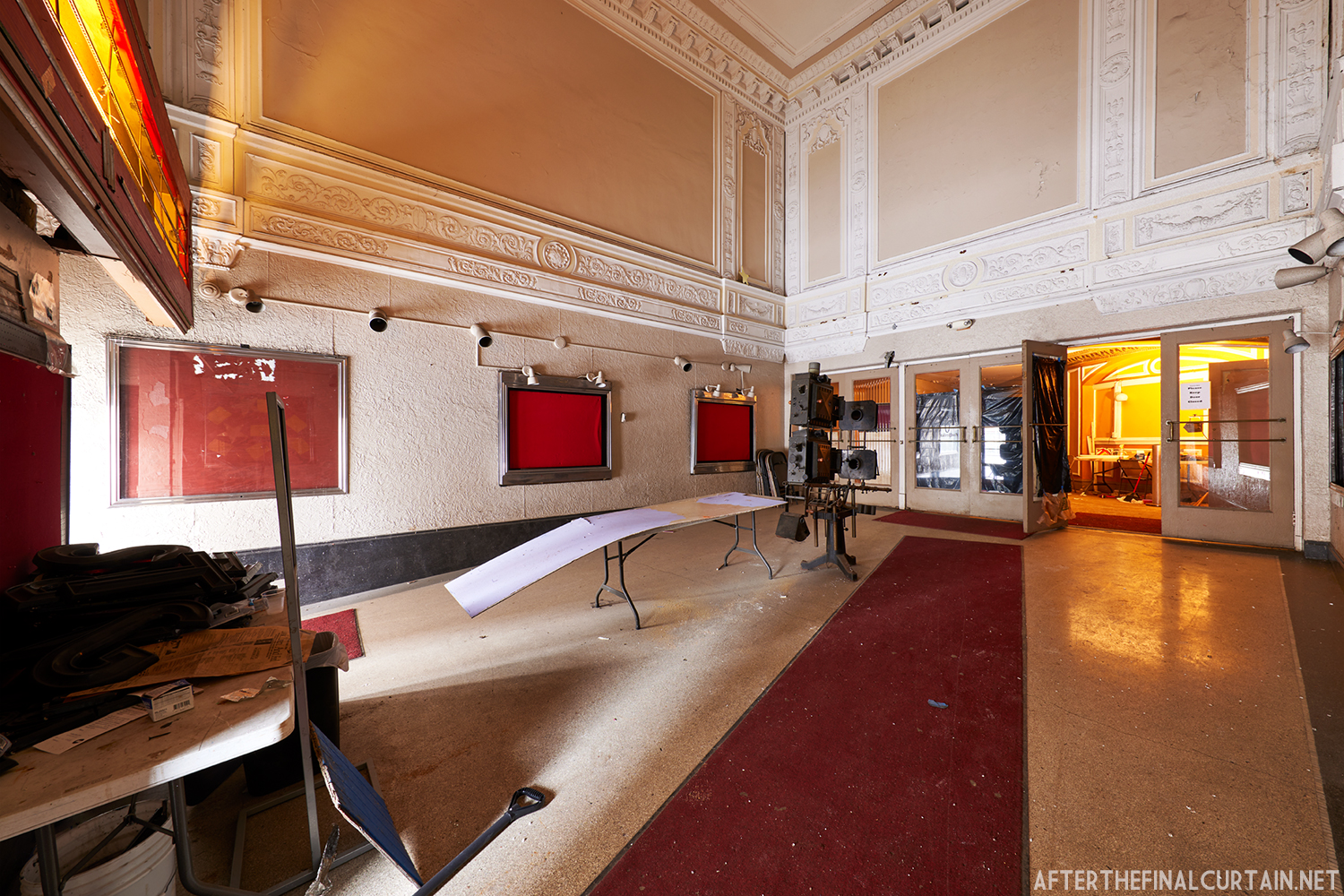
The Lobby of the theater.

The theater underwent various changes over the years, including the removal of the organ and pipes in the 1950s. The organ chambers were repurposed to install air conditioning units. It continued showing films until 1989. In 1991, the building was purchased by Stewart Johnson, and transformed into a live venue. 

The seats on the lower level were removed in preperation for a restoration that never happened.

During this time, many famous acts performed at theater including; David Byrne, Alice in Chains, Gregg Allman, Rob Zombie, and They Might Be Giants. In 1993, Johnson received a Certificate of Appreciation from the Milwaukee Historic Preservation Commission for his efforts in revitalizing and preserving the theater.

Projection Booth - Modjeska Theatre Milwaukee, WI

The projection booth still has some equipment in it.

In December 2006, the Johnsons sold the theater for $450,000 to Modjeska Theater Project, a partnership between a nonprofit youth theater company and Mitchell Street DOC. However, the youth theater company folded in April 2010, leaving Mitchell Street DOC with the building.


The theater closed its doors in May 2010, but renovations began in 2014, with an expected completion date of March 2016. Unfortunately, those plans fell through, and the theater remained dormant until June 2023 when new plans were announced to convert it into the Modjeska Arena and Gaming Institute.

Fire Curtain - Modjeska Theatre Milwaukee, WI

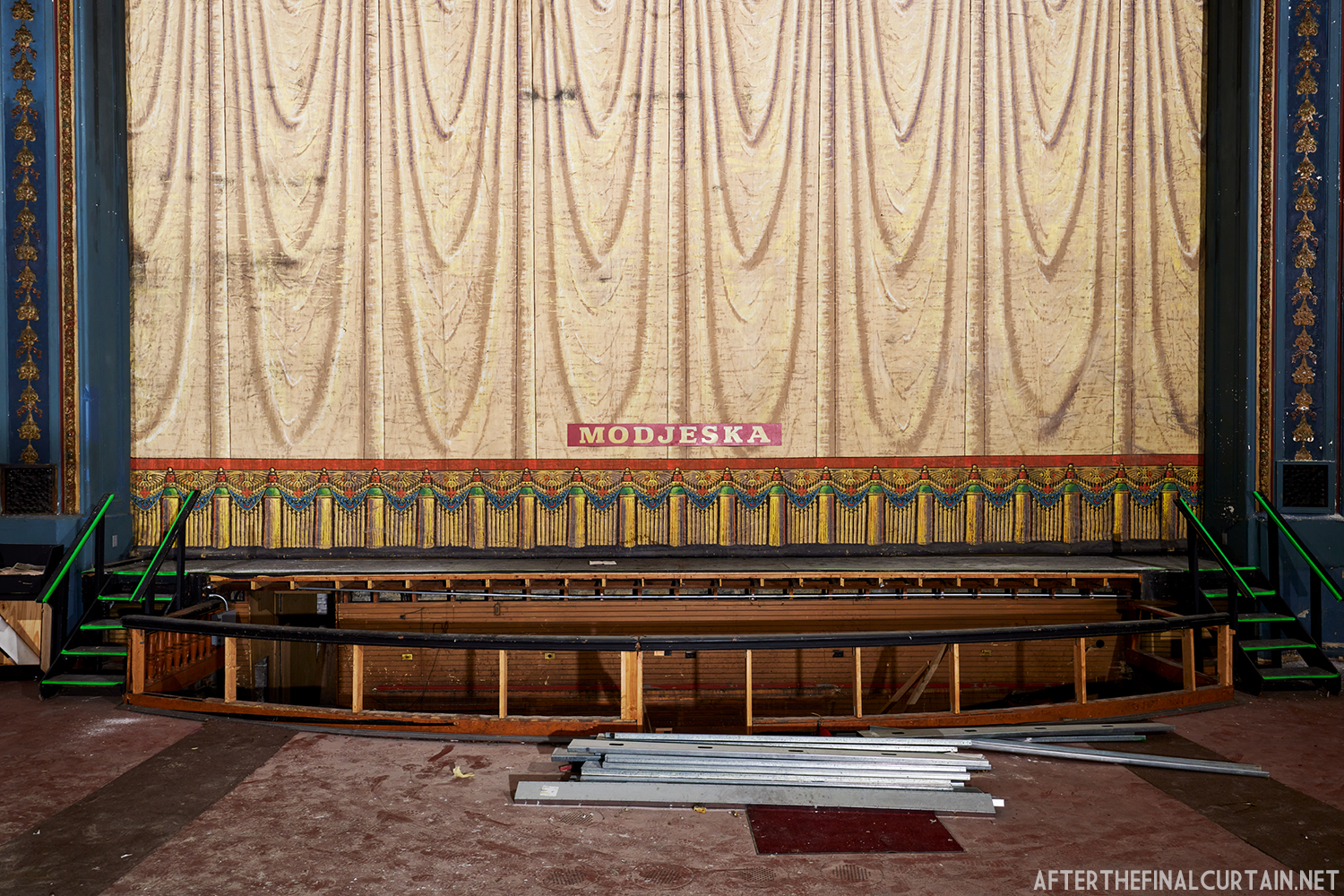
A close up of the fire curtain.

Real estate investor Justin Smith reached a preliminary agreement to purchase the property, envisioning a world-class esports arena as the main attraction, along with hosting local events. The proposed esports arena aims to be a strong anchor for the Mitchell Street Business Improvement District’s western end. Smith, a first-time developer, is working to secure investors and financing for the project, with hopes of completing the purchase by October 2023. 

View of the auditorium from the rear of the balcony.

Spring and Summer Photo Workshops 2024

Fox West Theatre in Trinidad, Colorado

I’m excited to finally announce the first round of Photography Workshops for 2024. As I’ve said elsewhere – this will be my last year doing workshops in their current form.


Strand Theatre – Clinton, MA

Strand Theatre

Location: Clinton, MA

Date: April 27, 2024

The Theatre: The Strand Theatre opened in 1924, in Clinton, Massachusetts. It closed in 2021 after years as a dinner theater.

Cost: $80.00

Tickets: https://www.mlambrosphotography.com/workshops/strand-theatre-workshop-clinton

Olympia Theatre Worcester, MA

Olympia (Art) Theatre

Location: Worcester, MA

Date/Time:
May 11, 2024

The Theatre: The Art Theatre opened in 1891 as Lothrop’s Opera House and is the oldest surviving theater in Worcester, MA. It went through a number of names including; The Olympia Theater, Lynch’s Pleasant Theater, Fine Arts Theater, and finally the New Art Cinema. It closed in 2006.

Cost: $80.00

Tickets: https://www.mlambrosphotography.com/workshops/arttheatreworkshop2024

Fox West Theatre

Location: Trinidad, Colorado

Date: June 22, 2024

The Theatre: The Fox Theatre in Trinidad, Colorado made its grand debut on March 16, 1908, showcasing the stage play “The Bondman.” Over the years, it served as a versatile venue for a variety of performances including stage shows, vaudeville acts, opera, and silent films. It closed in 2013, making it one of the longest running single screen theaters in the country.

Cost: $160.00

Tickets: https://www.mlambrosphotography.com/workshops/foxwestworkshop1021

Opera House, Hotel and Tunnels Workshop

Location: Trinidad, Colorado

Date/Time: June 23, 2024

The Opera House:
In 1882, Trinidad’s inaugural opera house emerged amidst much celebration courtesy of the Jaffa brothers—Sam, Sol, and Henry. For twenty-four years, it resonated with the melodies of plays, brass bands, and the rhetoric of public speakers before its curtains closed in 1906. Responding to the town’s pragmatic ethos, the auditorium morphed into an office block and an extension of the neighboring Wight Hotel.

Resilience characterized its trajectory as the edifice endured a 5.3-magnitude earthquake in 2011, sustaining significant damage. Despite expert voices advocating for its demise, the community united in a bid to salvage and restore their historic gem.

We will also have access to an old hotel building downtown as well as some tunnels that run underneath the city.

Cost: $120.00

Tickets: https://www.mlambrosphotography.com/workshops/trinidadoperahouse

Strand Theatre

Location: Boston, MA

Date/Time: June 30, 2024

The Theatre: The Strand Theatre opened on November 11, 1918, in the Dorchester neighborhood of Boston, Massachusetts. It was designed by Boston architectural firm Funk and Wilcox, who also designed the nearby Franklin Park Theatre. It is currently used for live events.

Cost: $75.00

Tickets: https://www.mlambrosphotography.com/workshops/strand-theatre-workshop-boston-ma826

As always – I have some other workshops planned for later this year. If there are any you’d like me to revisit or suggested locations – let me know!

The Boulevard Theatre – Queens, NY

This was originally posted on After the Final Curtain’s Patreon in July 2023. For expanded early posts, as well as video walkthroughs and other exclusive content, you can become a patron at: https://www.patreon.com/afterthefinalcurtain

View of the auditorium from the balcony.

Located in the Jackson Heights neighborhood of Queens, NY, the Boulevard Theatre has a rich history that spans nearly a century. It first opened its doors on September 10, 1926, as one of three theaters built in Queens by the Grob & Knobel circuit with Herbert J. Krapp as architect. The other two were the Jackson Theatre and the Sunnyside Theatre.  It was the only one of the three that had large enough stage facilities to handle a musical or Broadway style play.

View of the auditorium from the stage during demolition.

The theater, with 1,839 seats, was designed to showcase shows that had recently closed on Broadway or were on trial before their official run. This made it a popular place for theater enthusiasts. In 1928, William Fox acquired the Grob & Knobel theaters, and Louis Werba managed the Boulevard Theatre. But due to the Depression, both Fox and Werba faced bankruptcy. As a result, the Boulevard Theatre became a double-feature movie house under Fox’s successor, Skouras Theatres. Skouras also took control of the Jackson Theatre and Sunnyside Theatre, which were later sold to Century Theatres.

After years as a live theater venue, the Boulevard switched formats and became a movie theater. In the 1960s, it was a first run movie theater.  A special screening of “Yours, Mine and Ours” starring Lucille Ball and Henry Fonda was shown at the theater in 1968 before its wide release.

Triplexed in the 1970s, the Boulevard Theatre encountered difficulties because it was located in a residential area on Northern Boulevard, far from the 82nd Street shopping district around Roosevelt Avenue. This, combined with a decline in the neighborhood, led to the theater closing in the 1980s and its owner planned on demolishing it. However, this did not happen partially because of the community’s disapproval of his plan.

Eventually, the Boulevard Theatre was sold and transformed into the successful Natives Restaurant-Theatre, catering to Queens’ Hispanic community. The entrance was converted into a restaurant-bar, and the three auditoriums were used for various events. However, by 2016, it had turned into a restaurant/nightclub, which closed during the Covid-19 Pandemic. In early 2021, it was demolished, putting an end to its rich and storied history.

The remains of one of the stairways leading to the balcony.

RKO Madison Theatre – Queens, NY

This was originally posted on After the Final Curtain’s Patreon in May 2023. For expanded early posts, as well as video walkthroughs and other exclusive content, you can become a patron at: https://www.patreon.com/afterthefinalcurtain

View from the balcony of the RKO Madison Theatre.

It’s not uncommon to see buildings in New York City with a mismatched facade, especially in neighborhoods where space is at a premium. But if you’re like me, and you’re interested in the history of the city, you might wonder what that building used to be. And in the case of this particular building, it has quite a history. The building at the corner of Myrtle and Wykoff Avenue used to be the RKO Madison Theatre, which opened on November 24, 1927.

The Madison Theatre, as it was originally known, is situated on the border of Brooklyn and Queens, was constructed by B.S. Moss, a subsidiary of Keith-Albee. Moss’s original plan was to name the theater Beacon, but he was eventually persuaded to change the name to Madison, as a tribute to James Madison, the fourth President of the United States, and Madison Street, which was situated nearby. The architect in charge of the design was Eugene DeRosa, who had previously worked on the Colony Theatre in Manhattan. DeRosa employed an Italian Renaissance style, with a classical Greek facade made of white marble. The theater’s slogan around the time of its opening was “Bringing Broadway to Brooklyn.”

A close up of the theater’s dome.

It boasted a seating capacity of 2,760, which was significantly larger than Moss’ earlier venture, the Colony. The Grand Foyer spanned two stories and was accentuated with a vaulted ceiling that sported crystal chandeliers. The walls of the foyer were crafted from colored marble, with bronze borders that added a touch of class. A white marble staircase led patrons to the mezzanine promenade, which featured a lounge area and restrooms. The auditorium was large and included a balcony with a loge section at the front. Its ceiling, from the center of the dome, featured a three-tiered crystal chandelier, and the colored lights within the dome’s cove allowed for an ever-changing ambiance. The orchestra pit was situated at the front of the stage and had three separate elevators, one each for the orchestra, piano, and Wurlitzer organ, which was an unprecedented luxury for a neighborhood theatre. Much of the Madison’s grandeur was due to Moss’ intention to outdo the competition of the nearby Fox Ridgewood, which had been the area’s dominant theatre since 1913.

Much of the theater’s lobby still exists, but it has been completely walled off.

Houdini’s brother, Theo Hardeen, had his stage show at the Madison Theatre on May 30th, 1945. Thirteen days later, on June 12, 1945, Theo Hardeen passed away at the age of 69 from esophagus cancer. The RKO Madison Theatre was a popular venue in Ridgewood for decades. However, it became a Grindhouse, which was a theater that mostly showed b-grade horror or exploitation films, in the 1970s and eventually closed right after Halloween in 1977. The last film it showed was a twin-bill horror flick. The building was then converted for retail use in 1978 and has since housed several stores, including Consumers, Busy Bee, Odd Lot, and now Liberty Department Store.

The projection booth has been stripped bare of all equipment.

The Cabot Theatre – Beverly, MA

This was originally posted on After the Final Curtain’s Patreon in March 2022. For expanded early posts, as well as video walkthroughs and other exclusive content, you can become a patron at: https://www.patreon.com/afterthefinalcurtain

The Cabot is an active theater, but it’s one of my favorite local ones so I wanted to post it here.

The Cabot Theatre in Beverly, MA, originally opened on December 8, 1920 as the Ware Theatre. Early advertisements hailed the theater as “the most impressive auditorium of its size east of New York” and “The Golden Theatre Beautiful.” Harris and Glover Ware, who also operated the nearby Larcom Theater, built the theater. They hired Funk and Wilcox, who also designed the nearby Strand Theatre and Franklin Park Theatres, both in Boston, to design it.

The lobby was restored while the theater was closed due to the Covid-19 pandemic.

The 1200 seat theater opened as a vaudeville and silent movie house, before transitioning to “talkies” or modern motion pictures in the late 1920s. It was leased to the E.M. Loew’s theater chain in 1944 and was purchased by them in 1962. Loew’s held a grand reopening on October 15, 1965 and renamed the theater to the Cabot Street Cinema.

The seats in the balcony were replaced in between my visits to the theater.

Loew’s operated the theater until 1976, when it was purchased by Le Grand David and His Own Spectacular Magic Company. Le Grand David performed his magic show at the theater until 2013. Cesareo Pelaez, the founder of Le Grand David, passed away, and the theater was put up for sale.

The murals in the auditorium resemble the ones in the Loew’s Majestic and Palace Theaters, but I haven’t been able to find documentation that states who painted these.

A consortium of five Beverly business people, Henry Bertolon, Bill Howard, Rich Marino, Thad Siemasko, and Paul Van Ness (who operates CinemaSalem) purchased it. The Cabot became a performing arts center, and in October 2015, hired an Executive Director, J. Casey Soward. In 2016, a multi-year, multi-million dollar renovation began at the Cabot. The renovation was to modernize the building and restore much of it to its original grandeur. It began by replacing all the seats, restoring the box seats, installing new HVAC and sound systems, and restoring the original lobby ceiling. It currently seats 850 people.

Because of the COVID-19 pandemic, the Cabot was forced to hold a virtual 100th anniversary celebration. Over 22,000 people viewed the performances from James Taylor, Grace Potter, Fantastic Negrito, and more. For more on the Cabot visit their website at https://thecabot.org/ 

I told you it was one of my favorite local theaters.


The Utah Pantages Theatre – Salt Lake City, Utah

View of the auditorium post twinning.

On December 1, 1920, the Pantages Theatre opened in Salt Lake City, and was called “Utah’s most ornate theater” in an early advertisement. Designed by Benjamin Marcus Priteca, the official architect of the Pantages circuit, the theater could accommodate 2,300 guests. Priteca had designed more than 20 theaters for the company, making him the preferred architect of Alexander Pantages. The theater cost a staggering $2 million, equivalent to $34 million in present-day terms. Priteca, famous for his work with Pantages, decorated the interior in the Italian Renaissance style, a popular choice in Pantages theaters that became known as “Pantages Greek.”

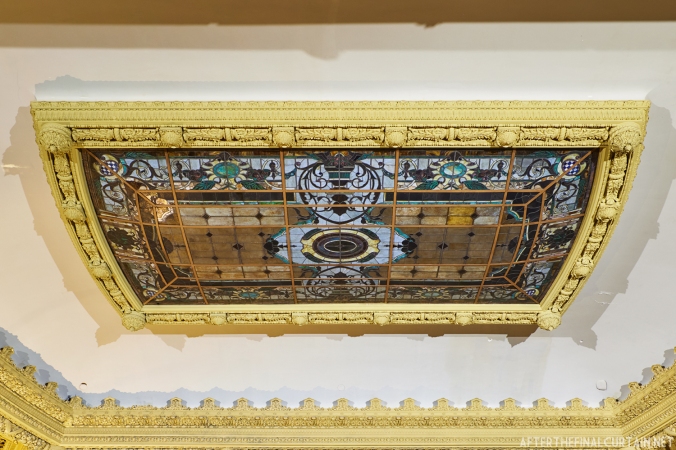
A closer look at the skylight of the Utah Pantages Theatre.
A close up of the tiffany skylight.

The grand opening of the theater featured the silent film “Polyanna,” starring Mary Pickford as well as some vaudeville performances. On September 11, 1929, it was renamed the RKO Orpheum Theatre and renamed again on September 29, 1937, as the Utah Theatre. The Utah Theatre reopened with a stage review and the film “The Girl Said No,” starring Robert Armstrong.

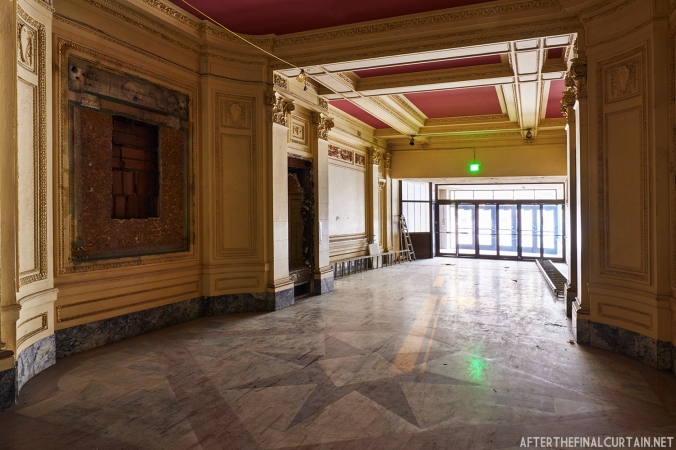
View of the lobby from the mezzanine level.

In 1938, the Utah Pantages Theatre underwent significant changes, which included the removal of its third story and the application of Art Moderne style to its facade. A new marquee was also installed in the same style. Over the years, the theater hosted many famous performances from celebrities such as Babe Ruth, Abbott and Costello, and Will Rogers.

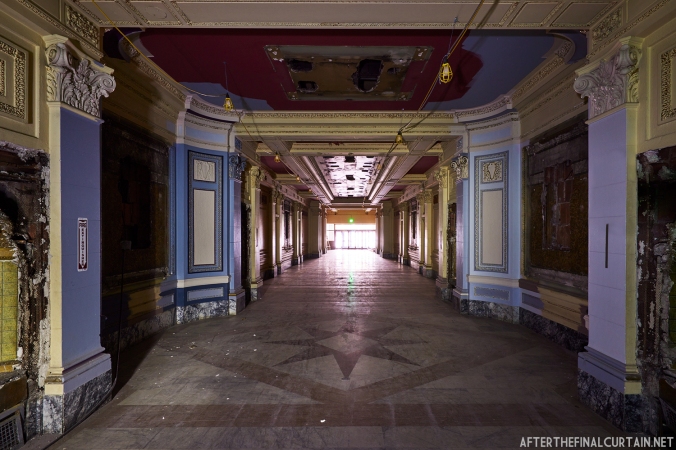
Entrance hallway to the Utah Pantages Theatre in Salt Lake City, Utah.
The theater had a long entrance hallway leading to the lobby.

The center section of the facade and marquee were replaced yet again in 1968, this time with a simpler design featuring a smaller projecting roof. The interior also underwent major renovations during this time, resulting in the creation of a twin-plex layout and the removal of original interior finishes in the lower auditorium to accommodate the renovation.

It ceased to operate as a movie theater in 1988 and was later used by a local dance company until 1992, when it was sold to new owners. Following a series of changes in ownership, the vacant building was eventually acquired by the Salt Lake City Redevelopment Agency (RDA) in 2009.

View of the auditorium from the side of the balcony.

Hines, a privately owned real estate development firm, signed an agreement with Salt Lake City in 2019 to purchase the Utah Theatre property. The agreement required the future residential development to include at least 10% of affordable housing units and to maintain a green space with public access. The developers acquired the property for $0 from the RDA under these conditions. However, the proposed 31-story, 400-unit apartment tower at the site, which would involve the demolition of the Utah Theatre, was met with controversy. There have been efforts to save the theatre from demolition as supporters of this initiative dispute the city’s renovation cost estimates of $60-$80 million.

Some of the ornate plasterwork that remained in the theater prior to demolition.

The demolition of the historic theater, despite efforts by preservationists, and concerned citizens, began on April 19, 2022. Michael Valentine, a filmmaker and one of the founders of the group “Save the Historic Utah Pantages Theatre”, watched the demolition from a distance, streaming the event online. He lamented the loss of the beloved theater, describing it as a “hard to watch” and “sad day for Utah,” adding that it was “Utah’s greatest theater.” Multiple legal attempts to save the building proved unsuccessful, while the developers were unyielding in their pursuit of their construction schedule, citing financial losses for any delays.

After the theater’s demolition, Hines requested a one-year extension for finalizing their designs, citing unforeseen challenges discovered through soil samples. However, the loss of a key equity partner due to market changes has created significant financial difficulties for the Texas-based firm, causing them to miss their legal deadline for commencing construction.

The developer, though affirming their commitment to the success of the upscale tower, has not provided any timelines or estimates for when the delays might end. This has left many wondering about the future of the site and its impact on the surrounding community.

Elks Lodge – Pawtucket, RI

This was originally posted on After the Final Curtain’s Patreon in November 2022. For expanded early posts, as well as video walkthroughs and other exclusive content, you can become a patron at: https://www.patreon.com/afterthefinalcurtain

View of the auditorium from the orchestra level.

The Pawtucket Elks Lodge Building is located in the central business district of Pawtucket, Rhode Island. It was designed in the Mission/Spanish Revival architectural style by the O’Malley-Fitzsimmons Company. Its first floor was made for commercial tenants, which is unusual for an Elks lodge.

Looking back at the auditorium from the stage.

On June 10, 1904, the Pawtucket Lodge of Elks #920 was founded with 64 members. They rented halls for their meetings before purchasing a permanent home on School Street in 1914. However, membership skyrocketed, and they announced plans to build a new lodge building in 1924. Construction was complete by 1926 and they moved in. During the Great Depression, the Pawtucket Elks could survive because of the income they received from the commercial tenants in the building.

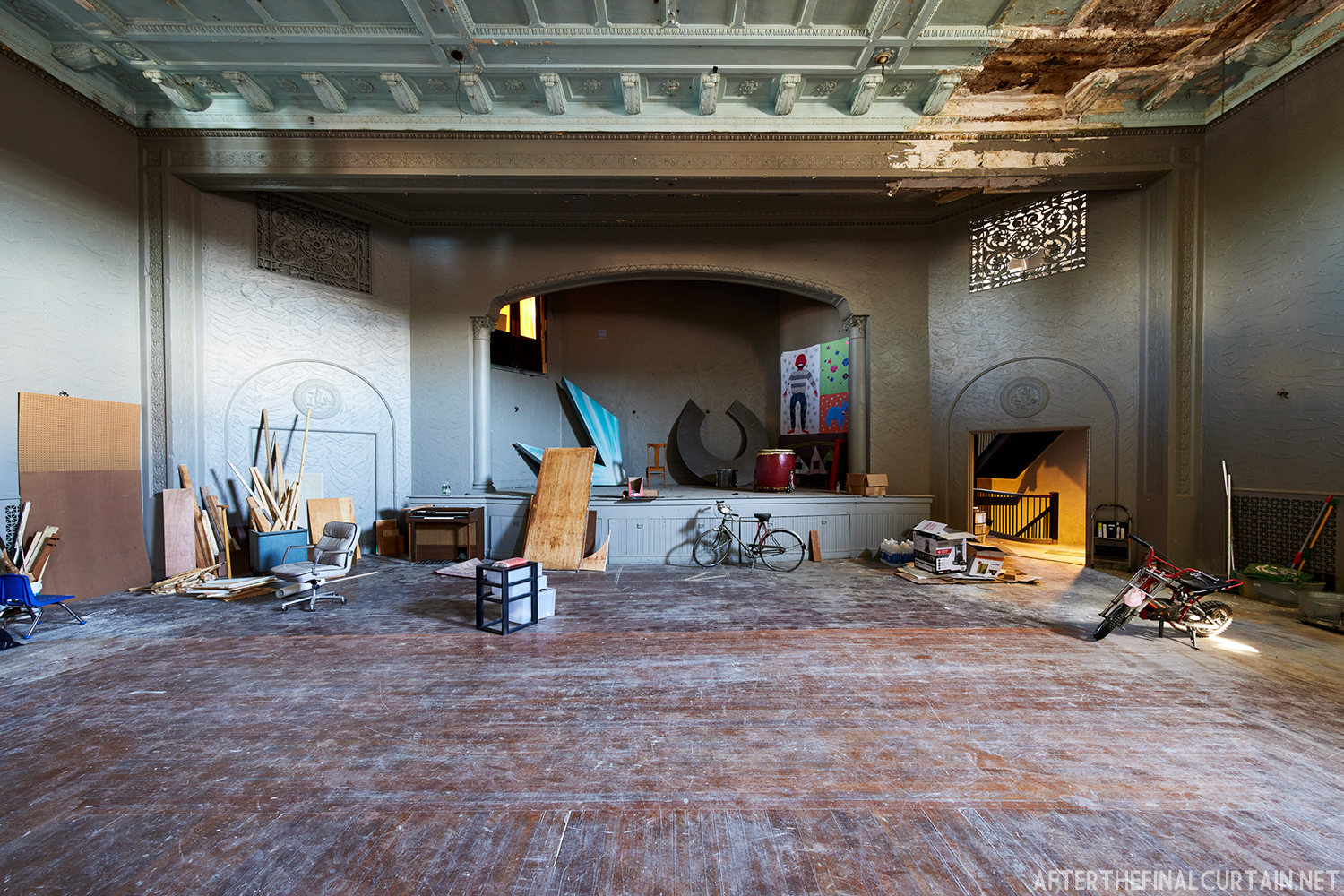
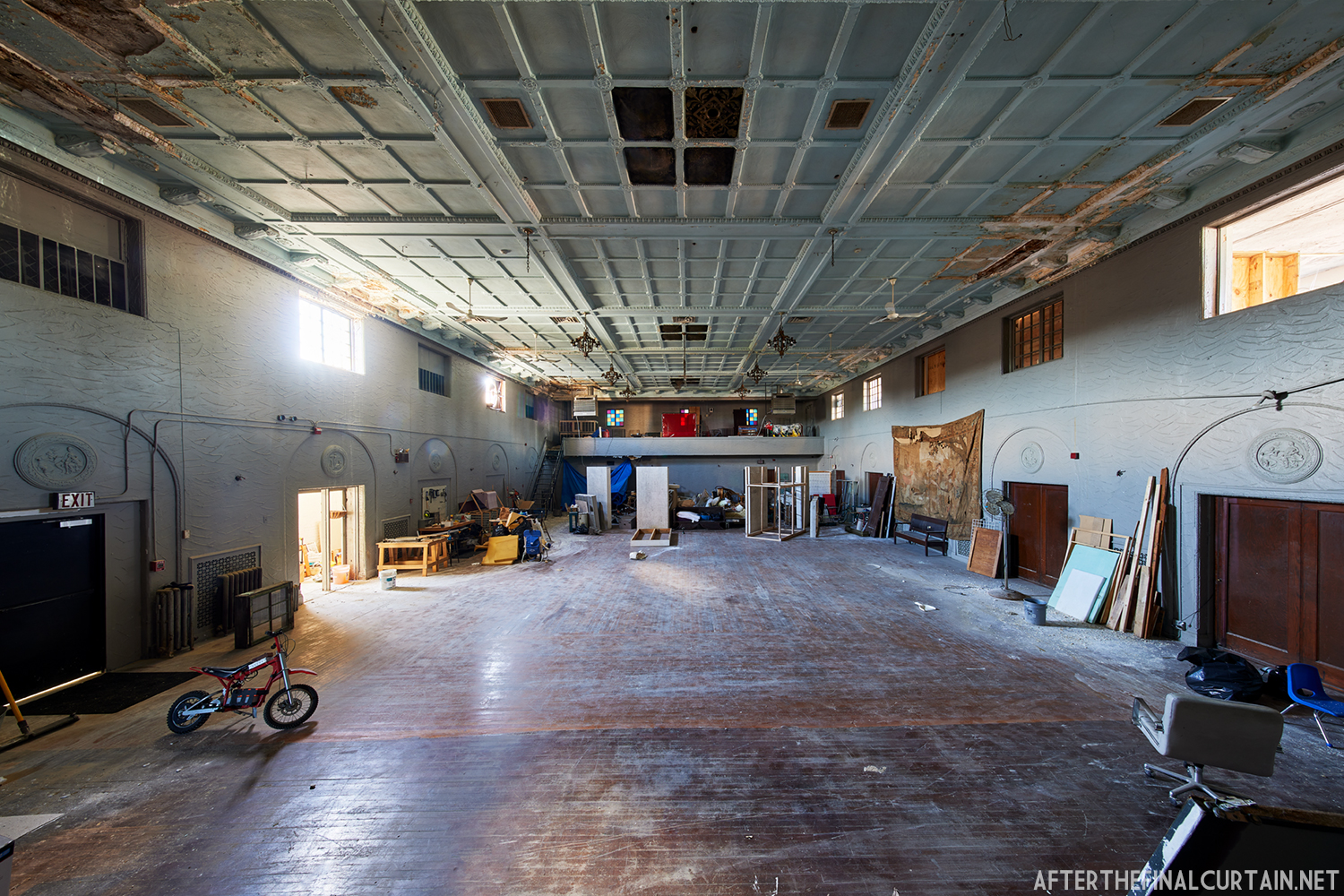
The building was listed on the National Register of Historic Places on November 18, 1983. The Elks moved out of the building in the late 20th century, and the building fell into disrepair. It’s currently home to an artists collective who live and work in the building.

The exterior of the building.

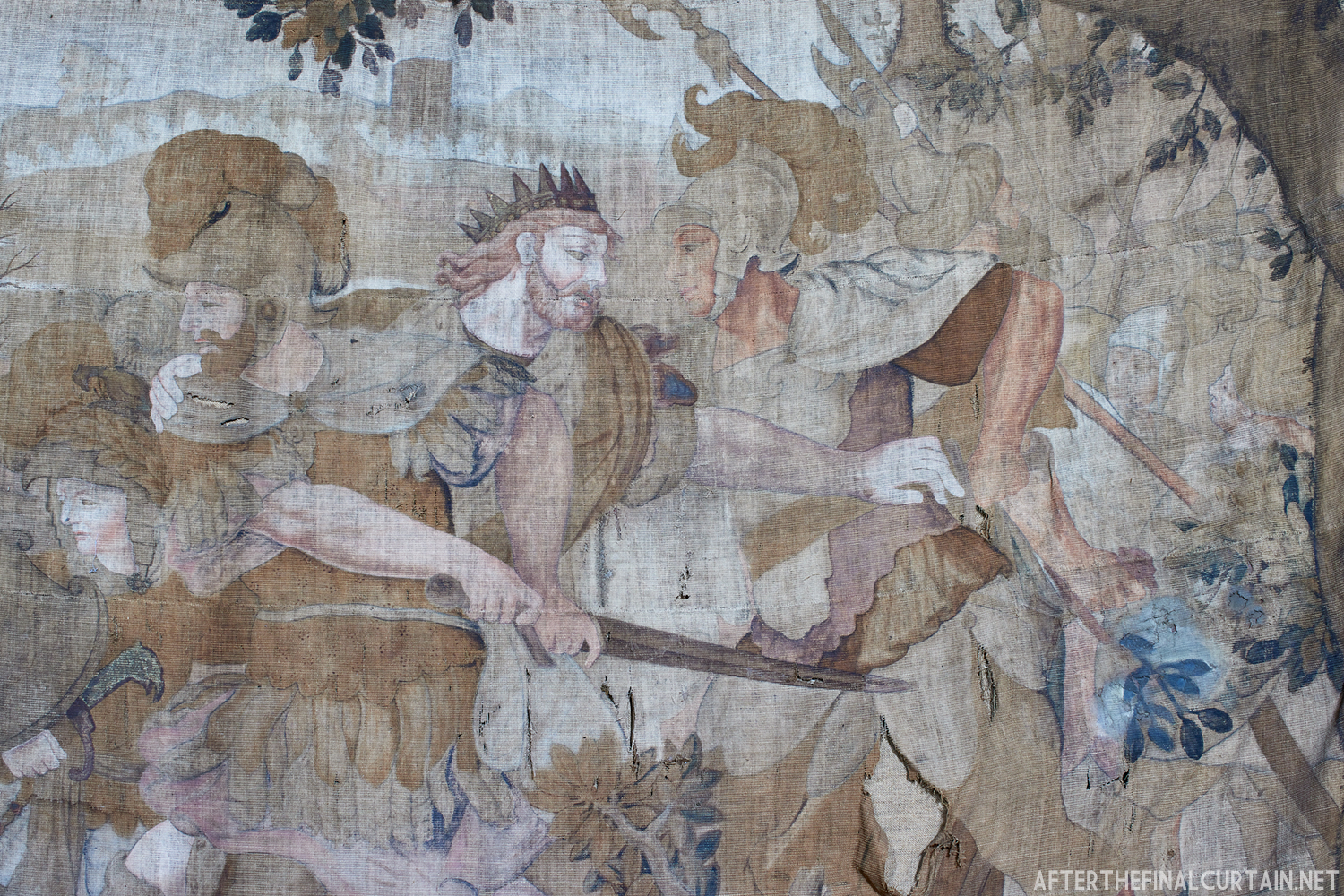
A tapestry that was definitely not original to the building.

Empire Gardens (The Globe, Loew’s Center Theatre) – Boston, MA

The Empire Garden was originally posted on After the Final Curtain’s Patreon in December 2022. For expanded early posts, as well as video walkthroughs and other exclusive content, you can become a patron at: https://www.patreon.com/afterthefinalcurtain

The exterior of the theater.

The Empire Garden restaurant in Boston, Massachusetts was originally the Globe Theatre, a historic movie theater that was built in 1903. The theater was designed in the French Renaissance style by architect Athur Vinal and was a popular entertainment venue in Boston for many years.

It was taken over by E.M Loew’s and renamed the Loew’s Center Theatre in 1947. It has the distinction of being run by both Loew’s Incorporated, and the E.M. Loew’s circuits. Over the years, the Loew’s Center Theatre played host to a variety of films, stage productions, and other events. It was a popular destination for both locals and tourists.

The area the theater was in became known as “The Combat Zone” in the late 1960s, and in 1974, the Boston Redevelopment Authority rezoned the area as a red-light district. The Center started showing soft-core pornography and blaxploitation films.

In the late 1980s, the theater was renamed to the Pagoda, and switched formats to show Hong Kong action films. However, it struggled financially and closed in 1995. It was later converted into the Empire Garden restaurant, which has been in operation at the same location ever since. While the exterior of the building has been preserved, much of the interior has been renovated to accommodate the restaurant. The ground floor has been completely gutted to make way for retail space, but the balcony survives and is now the dining room for the restaurant.

Summer and Fall Photo Workshops 2023

I’m excited to announce that I’ll be hosting a photography workshop at the Fox West Theatre in Trinidad, Colorado, on October 21, 2023. Here’s a bit about the theater –

The Fox Theatre in Trinidad, Colorado, made its grand debut on March 16, 1908, showcasing the stage play “The Bondman.” Over the years, it served as a versatile venue for a variety of performances, including stage shows, vaudeville acts, opera, and silent films. It closed in 2013, making it one of the longest running single screen theaters in the country.

I spent around 8 hours photographing the place, and it wasn’t enough. There’s just too much to see.

For more info and to sign up visit:

https://www.mlambrosphotography.com/workshops/foxwestworkshop1021


View from the upper balcony of the Sorg Opera House.

Another new addition is the Sorg Opera House in Middletown, Ohio on September 30, 2023. This workshop was originally going to happen before the pandemic, and I’m happy it’s finally taking place.

It originally opened in the 1890s. The Sorg began showing early forms of motion pictures in 1901 and switched to films full time in the late 1920s. It is currently owned by the SORG (Sorg Opera Revitalization Group), who have performed much needed renovations on parts of the theater.

For more on the theater check out my post from 2018: https://afterthefinalcurtain.net/2018/10/25/sorg-opera-house-middletown-ohio/

To sign up for the workshop visit:

https://www.mlambrosphotography.com/workshops/sorgoperahouseworkshop

Finally, by popular demand – there will be another workshop at the Paramount Theatre in Springfield, MA on July 29, 2023.  It’s one of my favorite workshop locations, and I’m glad it’s back in the rotation.

To sign up visit: https://www.mlambrosphotography.com/workshops/paramountworkshop72023

For the rest of the 2023 workshop schedule check out:

https://www.mlambrosphotography.com/workshops