This was originally posted on After the Final Curtain’s Patreon. For expanded early posts, as well as video walkthroughs and other exclusive content, you can become a patron at: https://www.patreon.com/afterthefinalcurtain
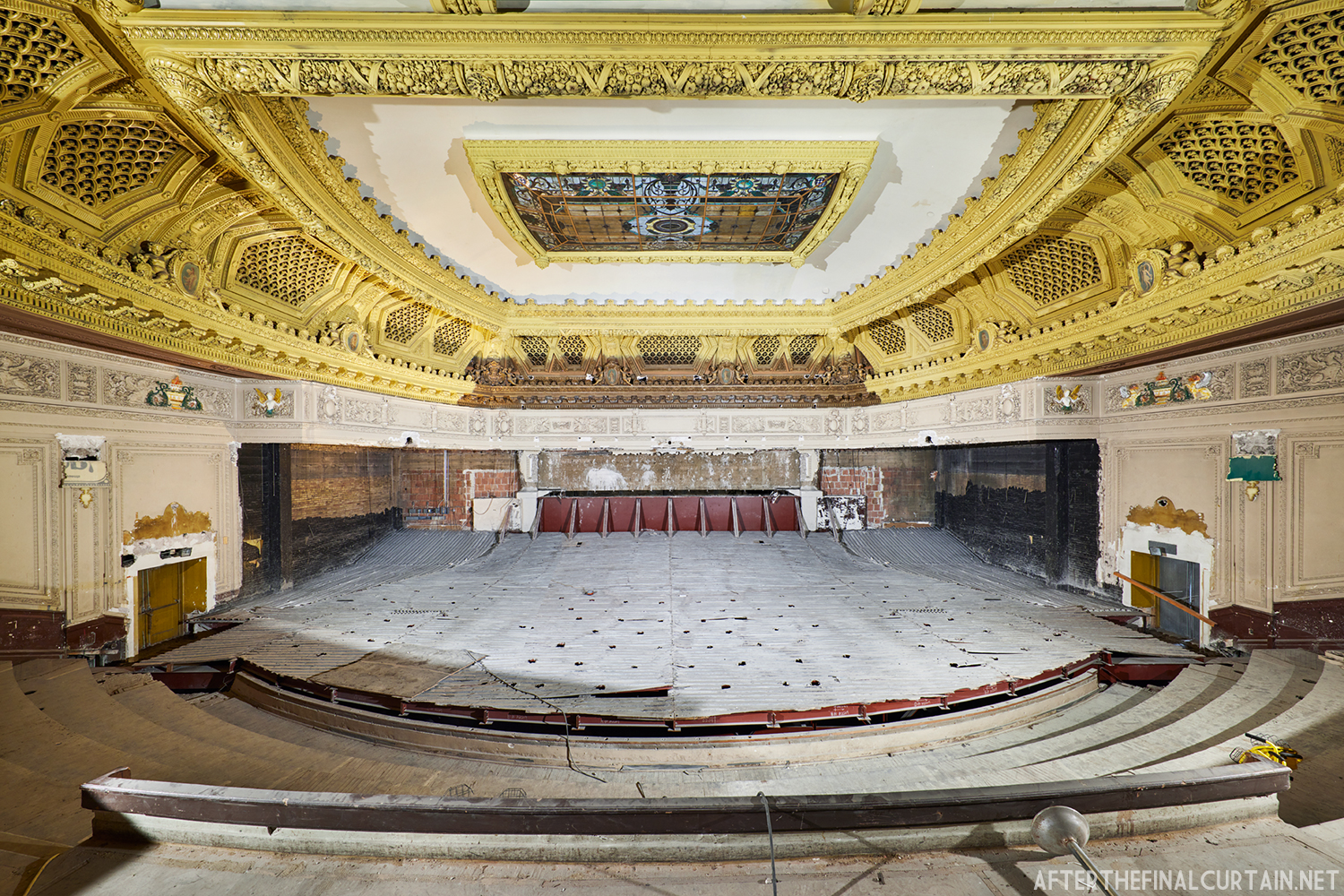
On December 1, 1920, the Pantages Theatre opened in Salt Lake City, and was called “Utah’s most ornate theater” in an early advertisement. Designed by Benjamin Marcus Priteca, the official architect of the Pantages circuit, the theater could accommodate 2,300 guests. Priteca had designed more than 20 theaters for the company, making him the preferred architect of Alexander Pantages. The theater cost a staggering $2 million, equivalent to $34 million in present-day terms. Priteca, famous for his work with Pantages, decorated the interior in the Italian Renaissance style, a popular choice in Pantages theaters that became known as “Pantages Greek.”
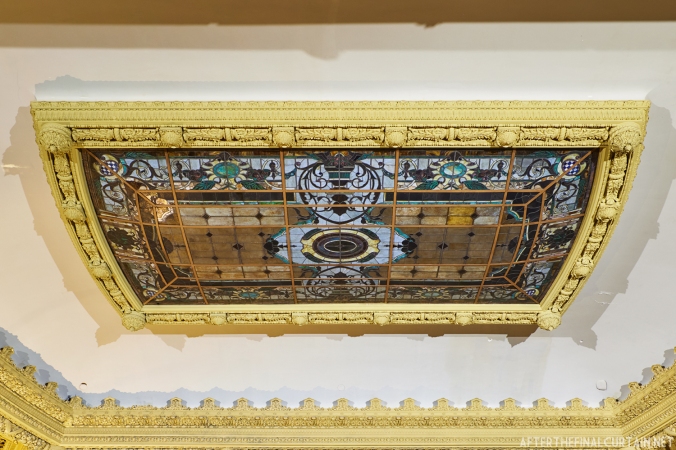
The grand opening of the theater featured the silent film “Polyanna,” starring Mary Pickford as well as some vaudeville performances. On September 11, 1929, it was renamed the RKO Orpheum Theatre and renamed again on September 29, 1937, as the Utah Theatre. The Utah Theatre reopened with a stage review and the film “The Girl Said No,” starring Robert Armstrong.

In 1938, the Utah Pantages Theatre underwent significant changes, which included the removal of its third story and the application of Art Moderne style to its facade. A new marquee was also installed in the same style. Over the years, the theater hosted many famous performances from celebrities such as Babe Ruth, Abbott and Costello, and Will Rogers.
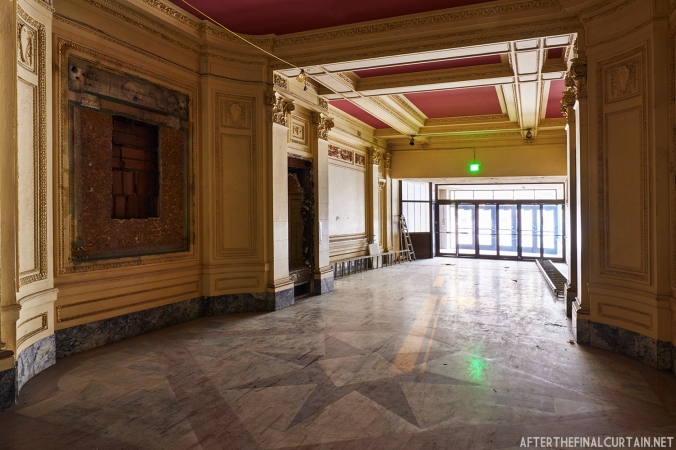
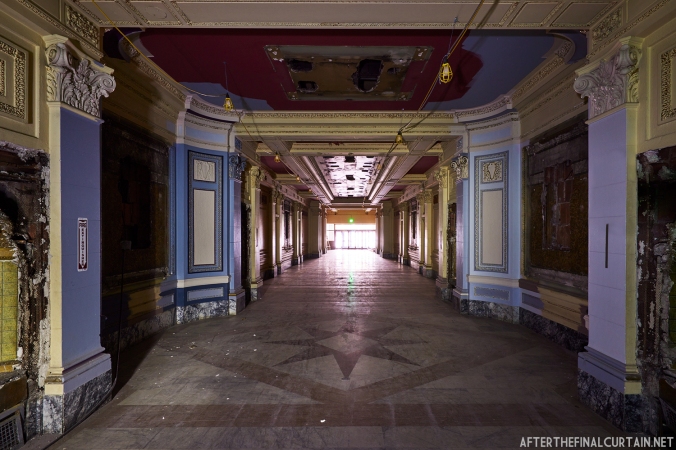
The center section of the facade and marquee were replaced yet again in 1968, this time with a simpler design featuring a smaller projecting roof. The interior also underwent major renovations during this time, resulting in the creation of a twin-plex layout and the removal of original interior finishes in the lower auditorium to accommodate the renovation.

It ceased to operate as a movie theater in 1988 and was later used by a local dance company until 1992, when it was sold to new owners. Following a series of changes in ownership, the vacant building was eventually acquired by the Salt Lake City Redevelopment Agency (RDA) in 2009.

Hines, a privately owned real estate development firm, signed an agreement with Salt Lake City in 2019 to purchase the Utah Theatre property. The agreement required the future residential development to include at least 10% of affordable housing units and to maintain a green space with public access. The developers acquired the property for $0 from the RDA under these conditions. However, the proposed 31-story, 400-unit apartment tower at the site, which would involve the demolition of the Utah Theatre, was met with controversy. There have been efforts to save the theatre from demolition as supporters of this initiative dispute the city’s renovation cost estimates of $60-$80 million.

The demolition of the historic theater, despite efforts by preservationists, and concerned citizens, began on April 19, 2022. Michael Valentine, a filmmaker and one of the founders of the group “Save the Historic Utah Pantages Theatre”, watched the demolition from a distance, streaming the event online. He lamented the loss of the beloved theater, describing it as a “hard to watch” and “sad day for Utah,” adding that it was “Utah’s greatest theater.” Multiple legal attempts to save the building proved unsuccessful, while the developers were unyielding in their pursuit of their construction schedule, citing financial losses for any delays.

After the theater’s demolition, Hines requested a one-year extension for finalizing their designs, citing unforeseen challenges discovered through soil samples. However, the loss of a key equity partner due to market changes has created significant financial difficulties for the Texas-based firm, causing them to miss their legal deadline for commencing construction.
The developer, though affirming their commitment to the success of the upscale tower, has not provided any timelines or estimates for when the delays might end. This has left many wondering about the future of the site and its impact on the surrounding community.
 After the Final Curtain