Orpheum Theatre – St. Louis, Missouri

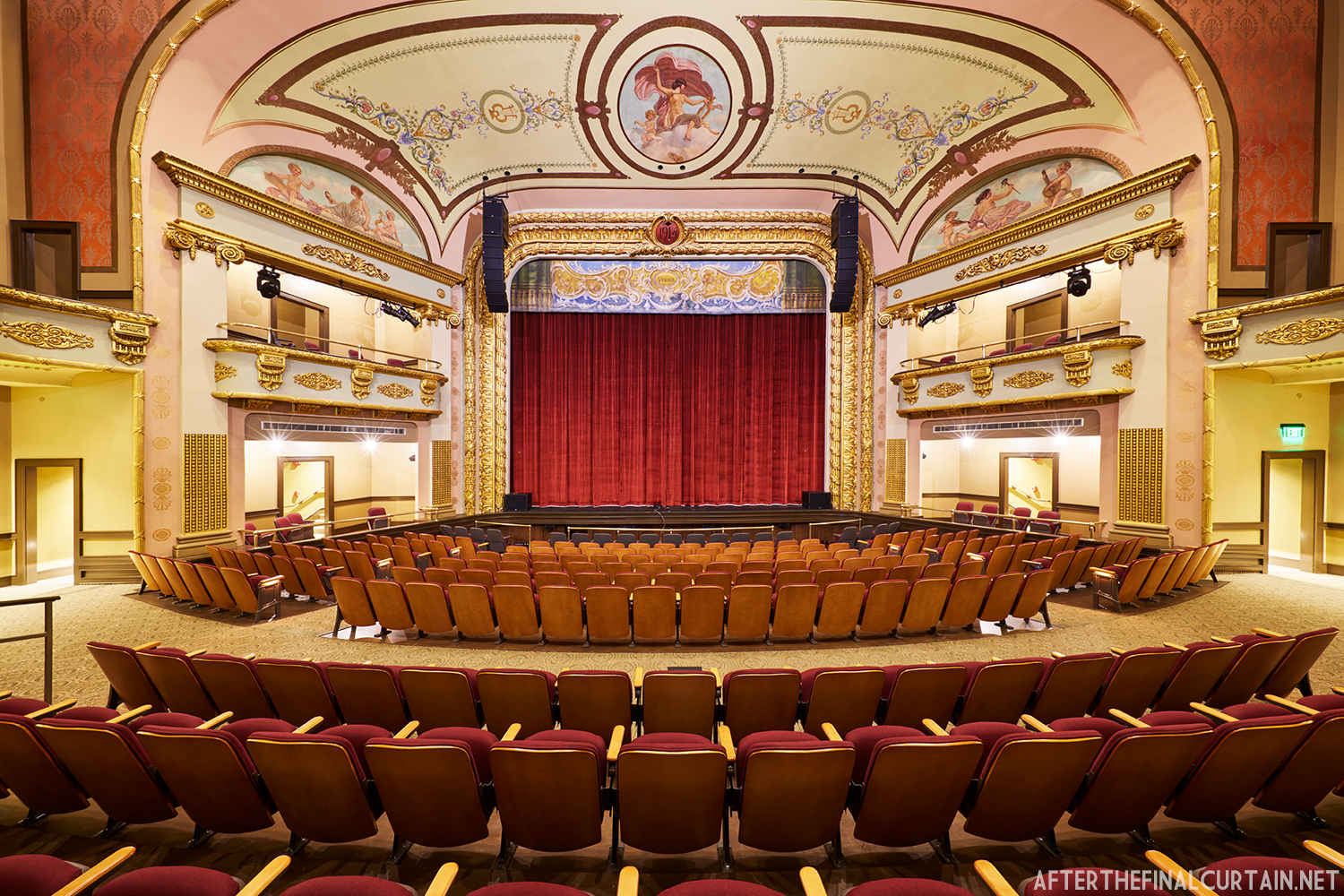
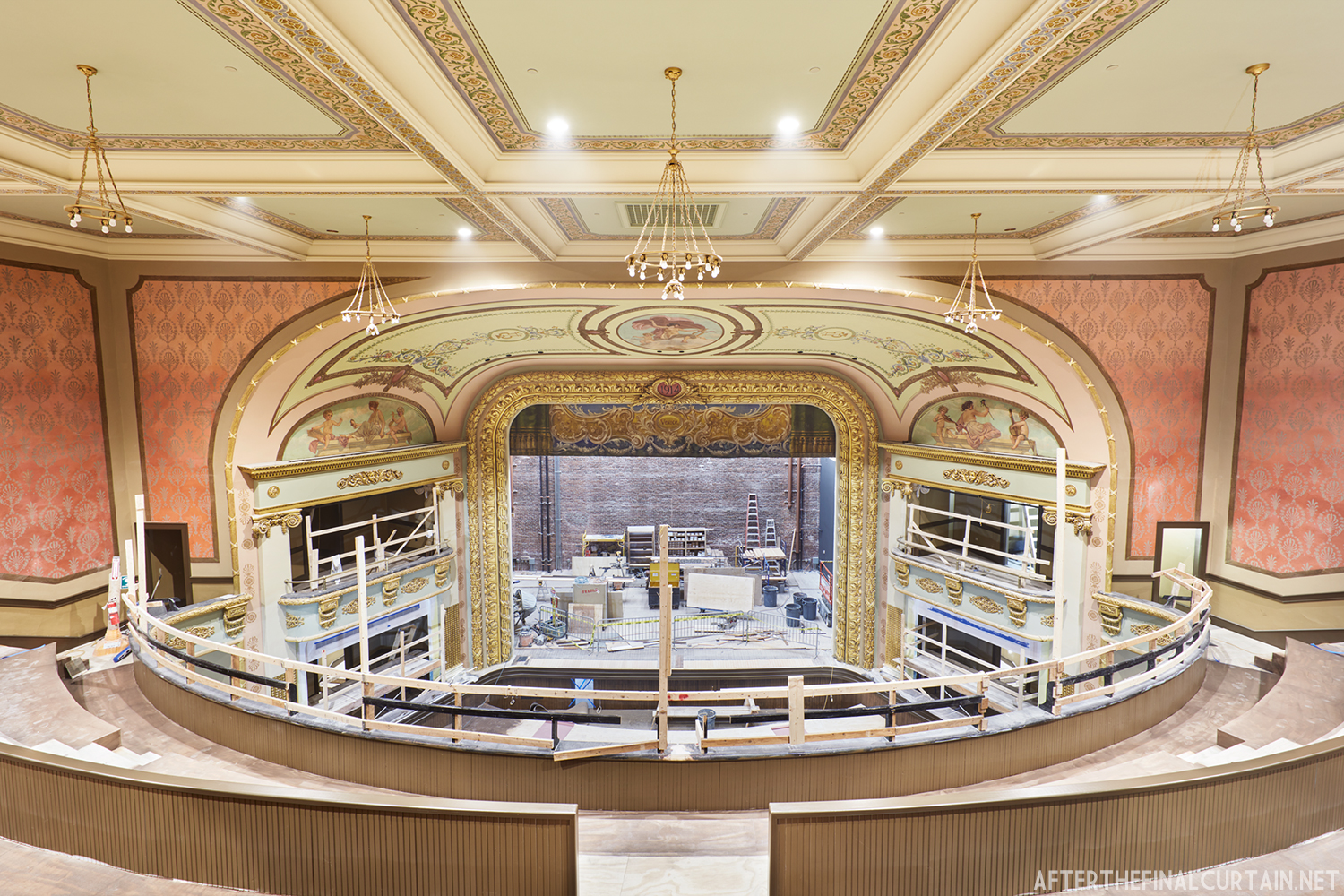
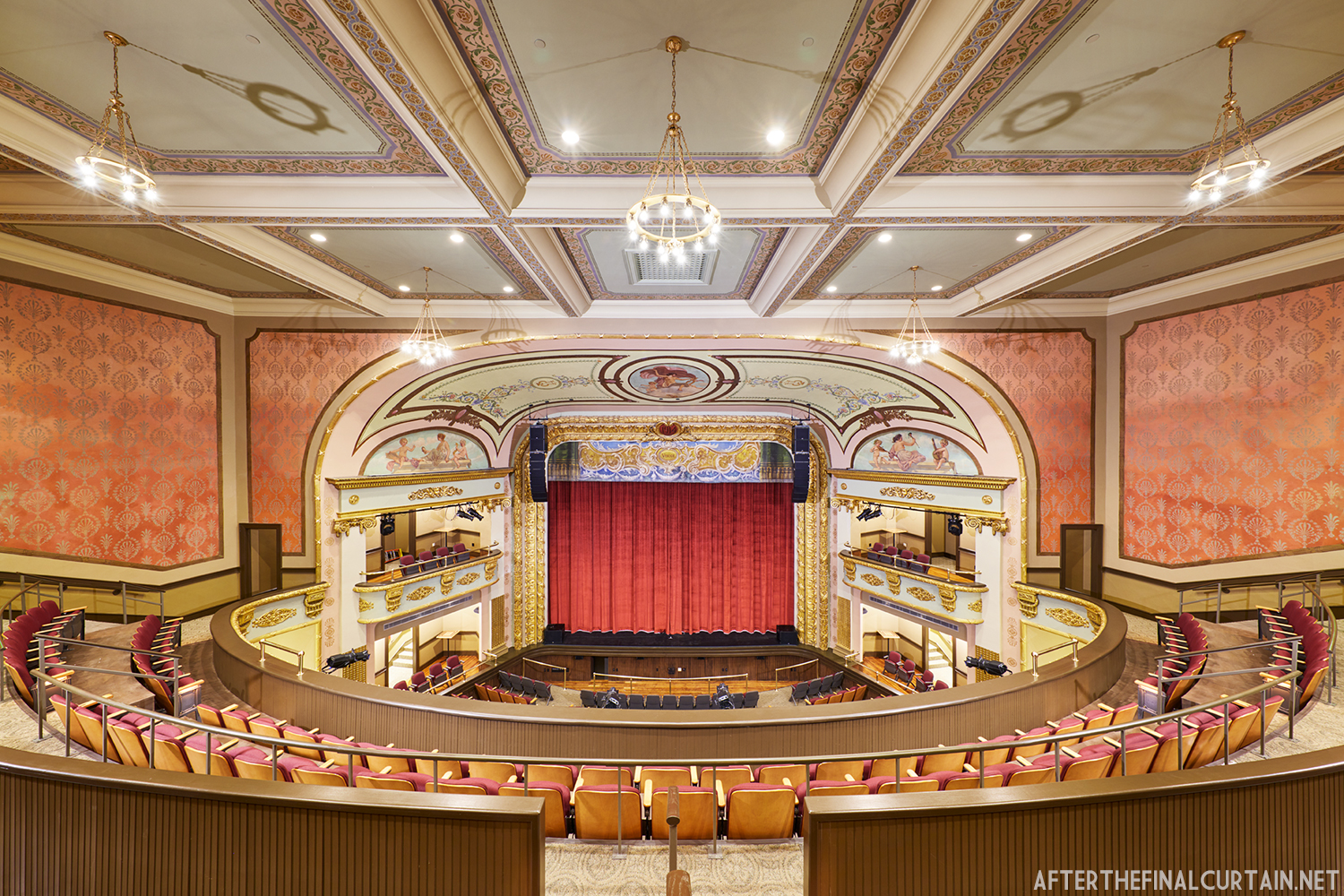
View of the auditorium from the mezzanine.

The Orpheum Theatre in St. Louis, Missouri opened on September 3, 1917. The Southern Real Estate and Financial Company hired G. Albert Lansberg to design the building. Lansberg designed many theaters for the San Francisco-based Orpheum Theatre Circuit. The 2,300-seat Beaux arts theater cost $500,000 ($9.6 million with inflation) to build. Unlike many other theaters, the Orpheum did not have a formal opening with special guests and speeches. Opening day was a straight vaudeville ticket with two strongmen, a contortionist, two comedians, and a singer.

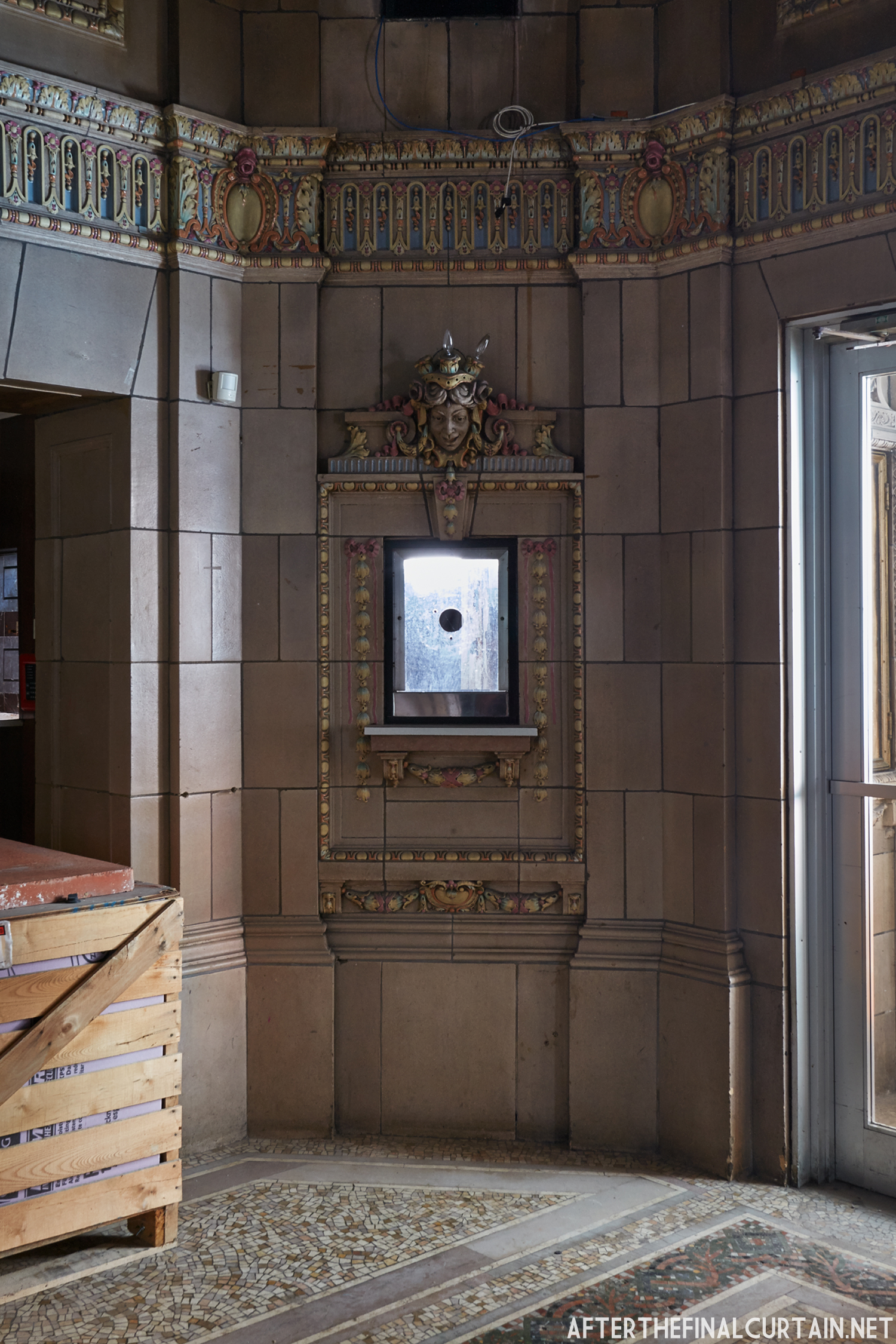
The lobby of the Orpheum.

Many famous vaudeville acts performed at the Orpheum over the years, including Sophie Tucker, Eddie Foy, Fannie Ward, and Lee Morse. Harry Houdini, the famous illusionist and escape artist, performed at the Orpheum for a week on three separate occasions: the first began on February 13, 1922; the second on January 14, 1923; and the last on December 22, 1923. When vaudeville declined in the late 1920s, the theater switched formats and became a playhouse. It opened on Christmas Day 1929 with a production of David Belasco’s The Bachelor Father.
Warner Bros took the Orpheum over in 1934 and changed formats again, this time to motion pictures. A new screen, projectors, and a W.W. Kimball 2 manual organ were installed in the theater. It reopened on September 15, 1934, with a showing of “British Agent” starring Kay Francis and Leslie Howard. Warner Bros operated the theater until 1941, when the theater closed. It reopened two years later, as the Loew’s Orpheum Theatre on January 28, 1943, with a war bond event and a screening of “The War Against Mrs. Hadley” starring Edward Arnold and Fay Bainter.
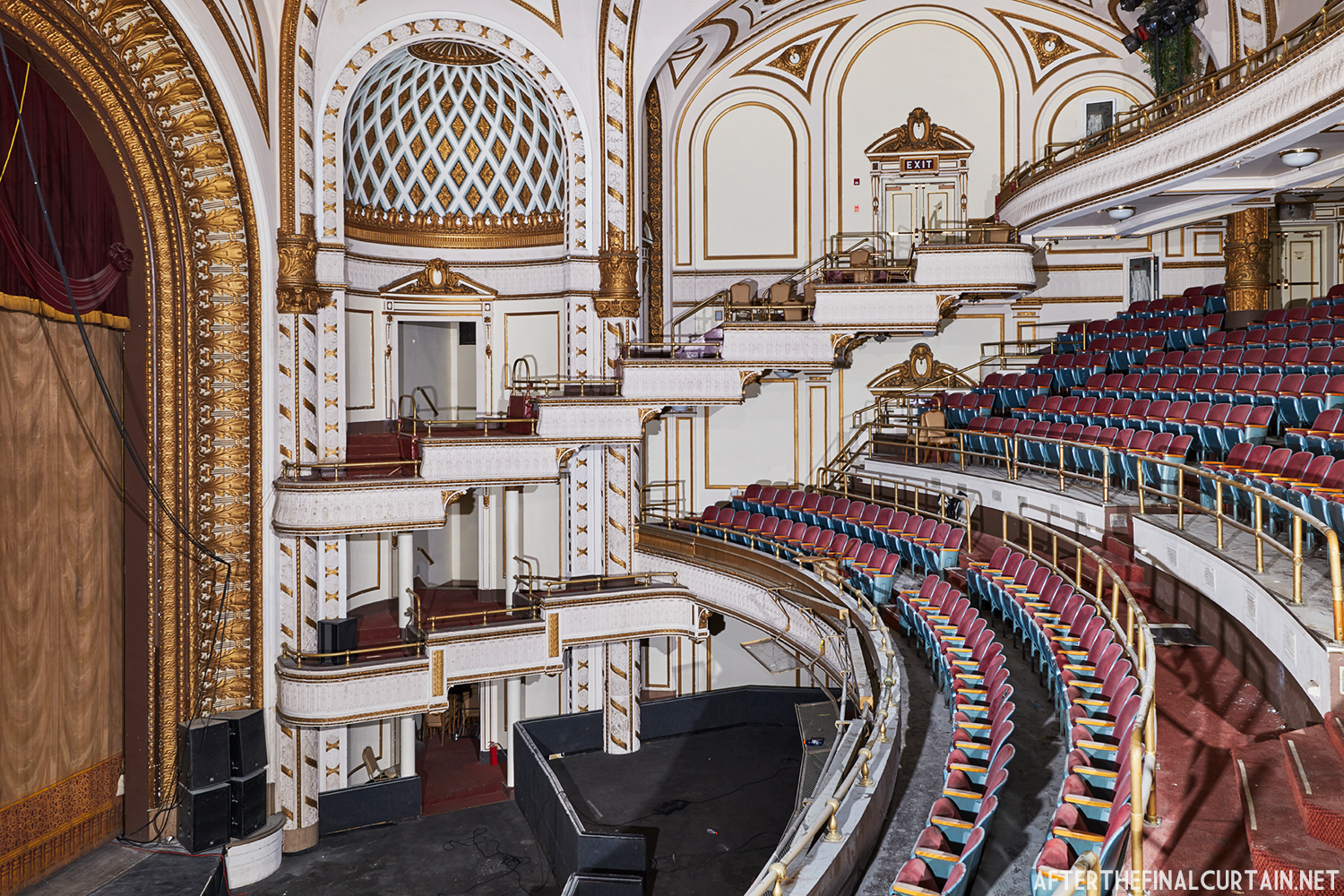
On February 28, 1960, Loew’s Theatres Inc. announced that they wanted to move their operations to the nearby American Theater (a playhouse) since they could not easily install a 70mm screen at the Orpheum because of its balconies. They could convert the American Theatre at a much lower cost. Both theaters were owned by Southern Real Estate and Financial Company, which were in favor of the switch. However, because of the ruling of the landmark antitrust case, United States v. Paramount Pictures, Inc., which said that movie studios could no longer own the theaters in which their films played; Loew’s needed the permission of the Department of Justice to sign a new lease; the Department of Justice signed in March 1960. After a $300,000 renovation, the Orpheum reopened as the American Theatre on October 10, 1960, with a performance of The Music Man.
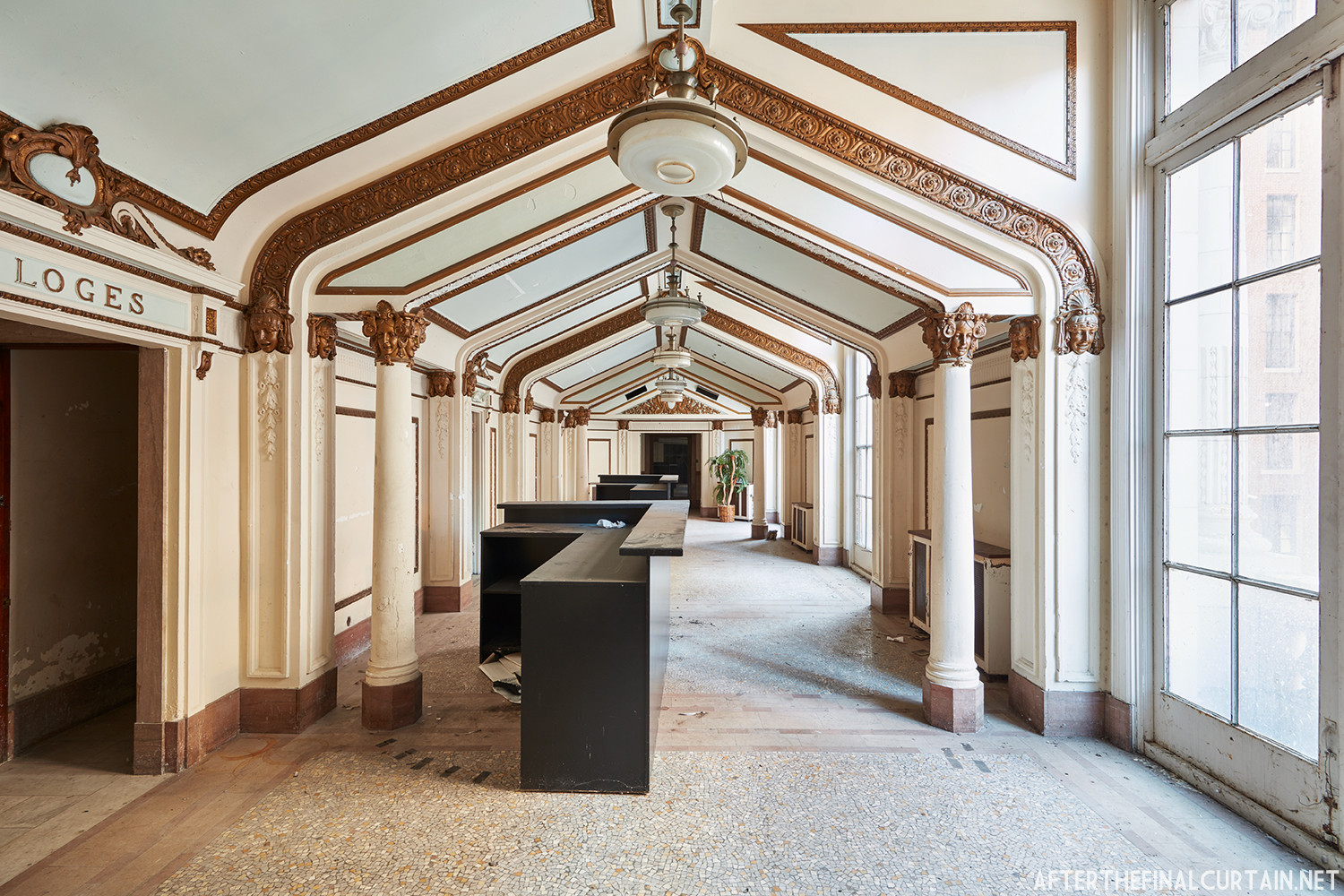
Local entrepreneurs Steve and Michael Roberts purchased the theater for $1.5 million in 2003. It underwent a two-year renovation and upgrade before reopening on April 10, 2005, as the Roberts Orpheum Theater. The first musical act to perform at the reopened theater was the Backstreet Boys. In 2012, Steve and Michael Roberts went bankrupt and were forced to close the theater. Jubilee World Inc., a music-oriented Christian ministry, bought the theater in late 2016, intending to reopen it as a performing arts center. However, no reopening date has been announced.
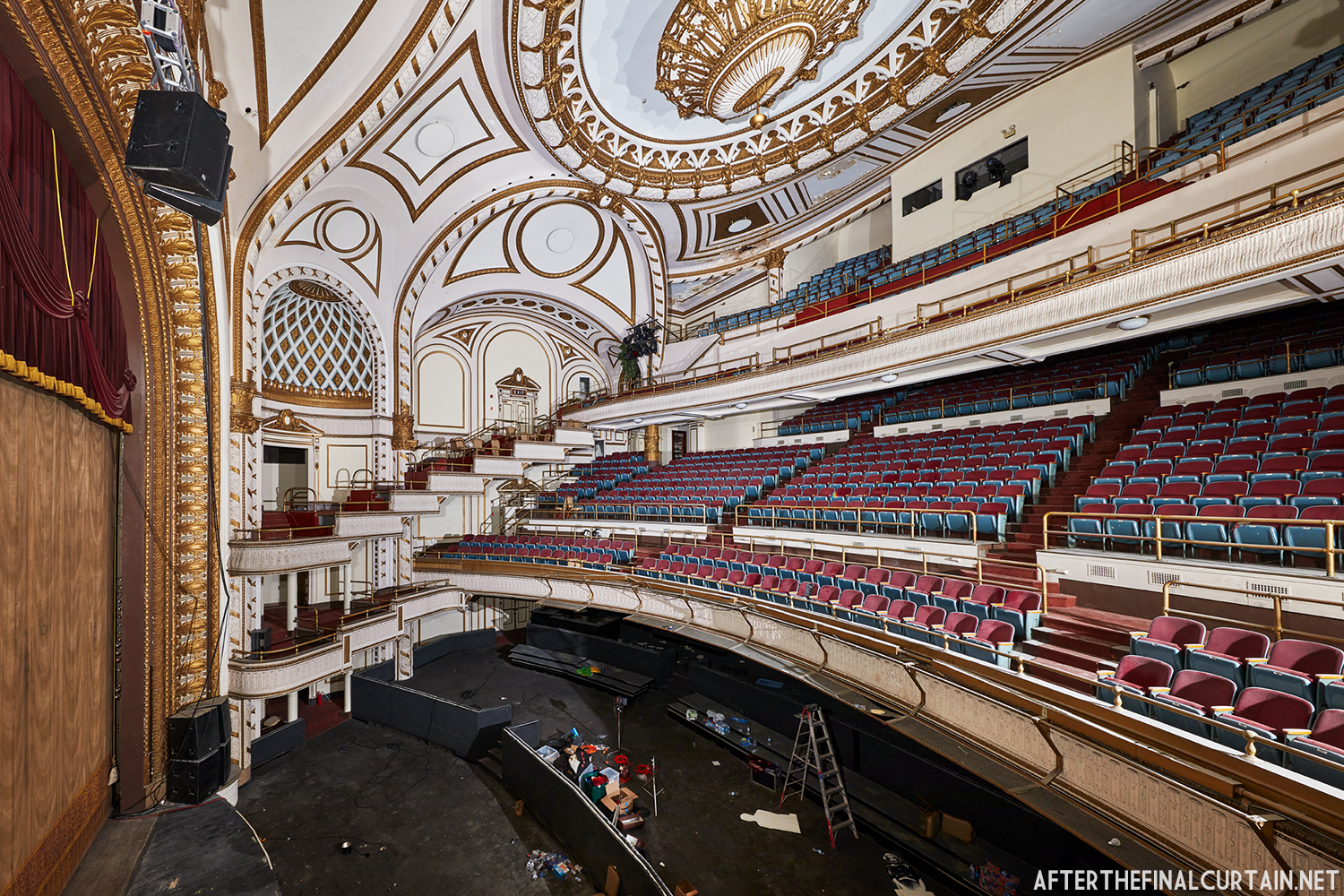
View of the auditorium from the box seats.
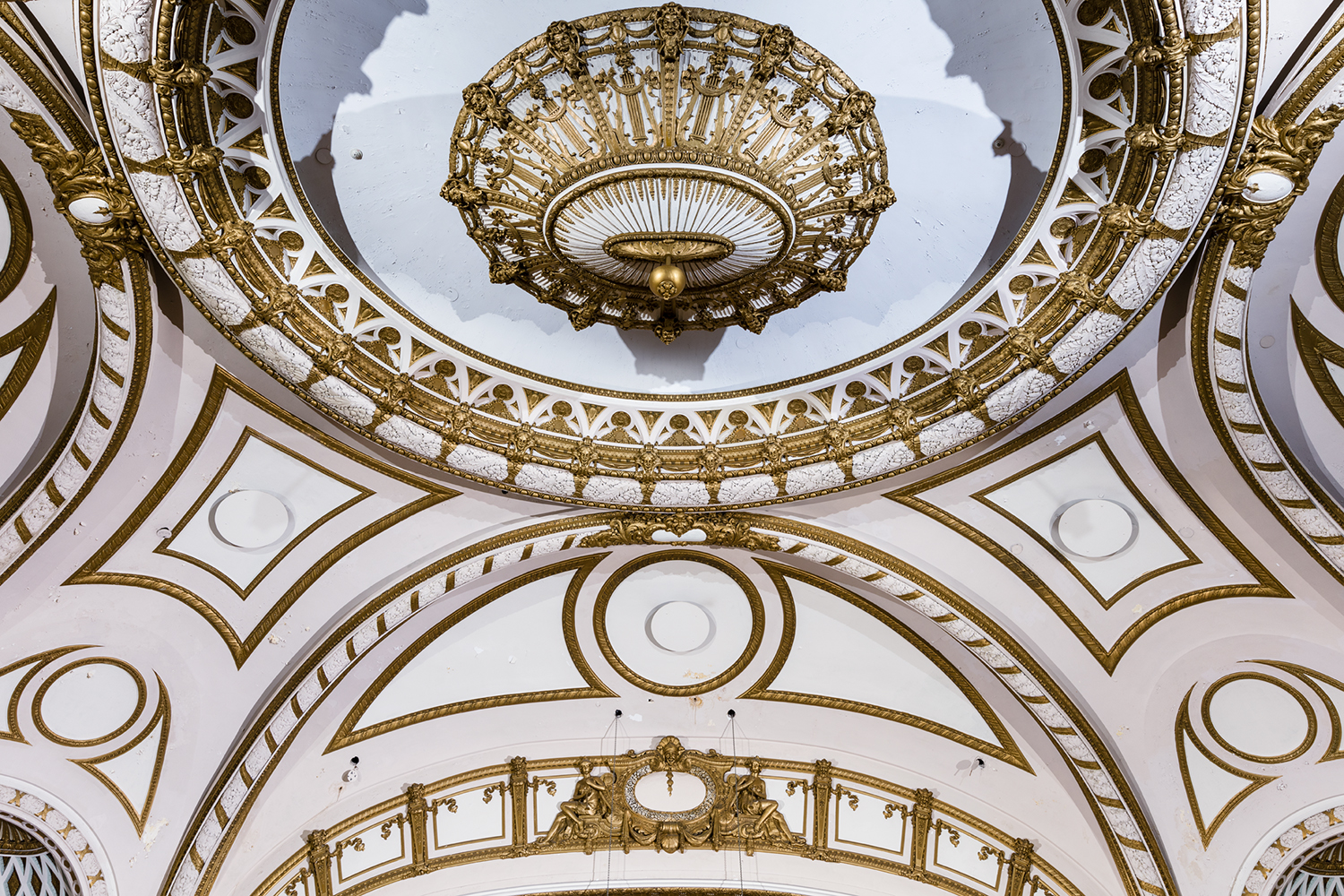
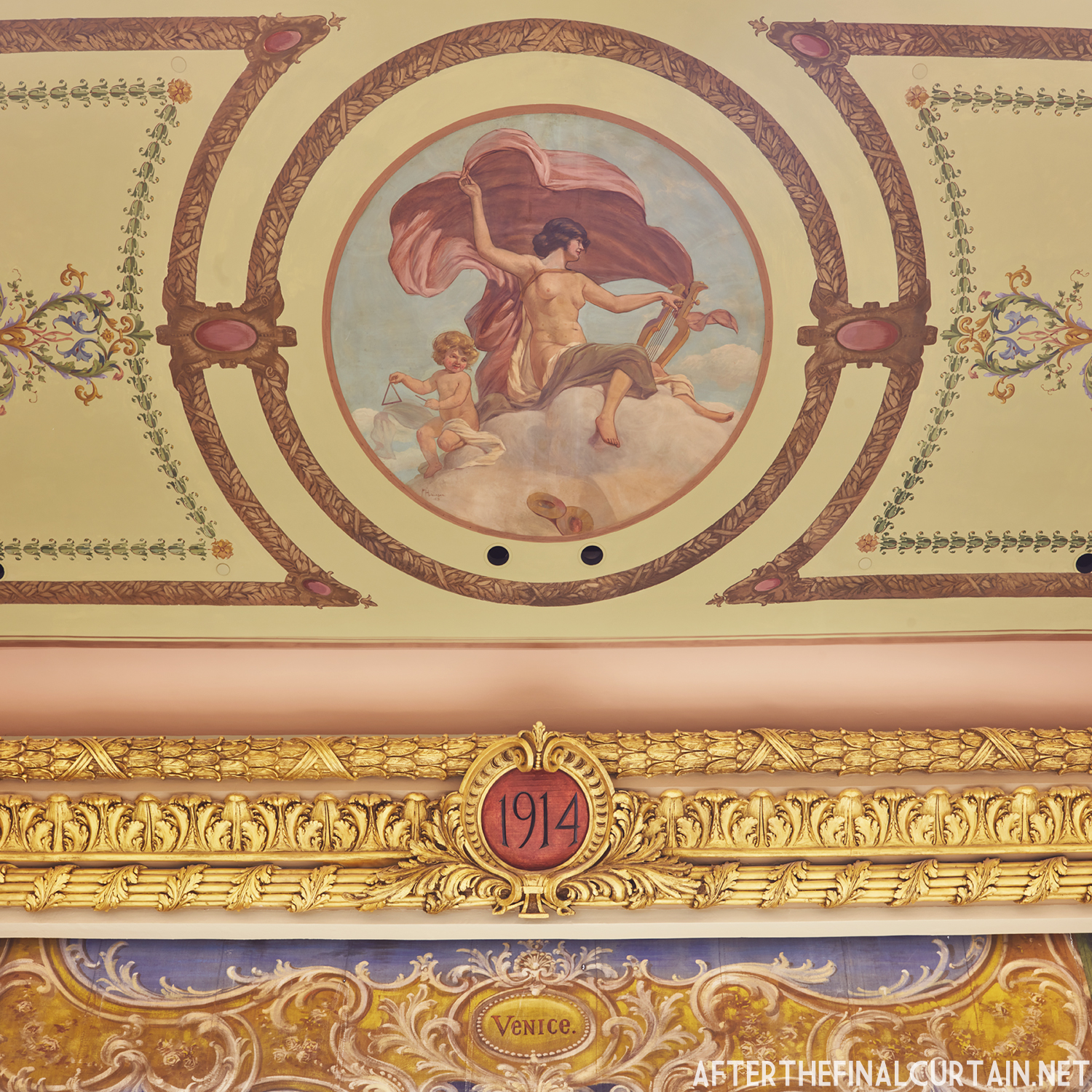
The auditorium chandelier and procenium arch.
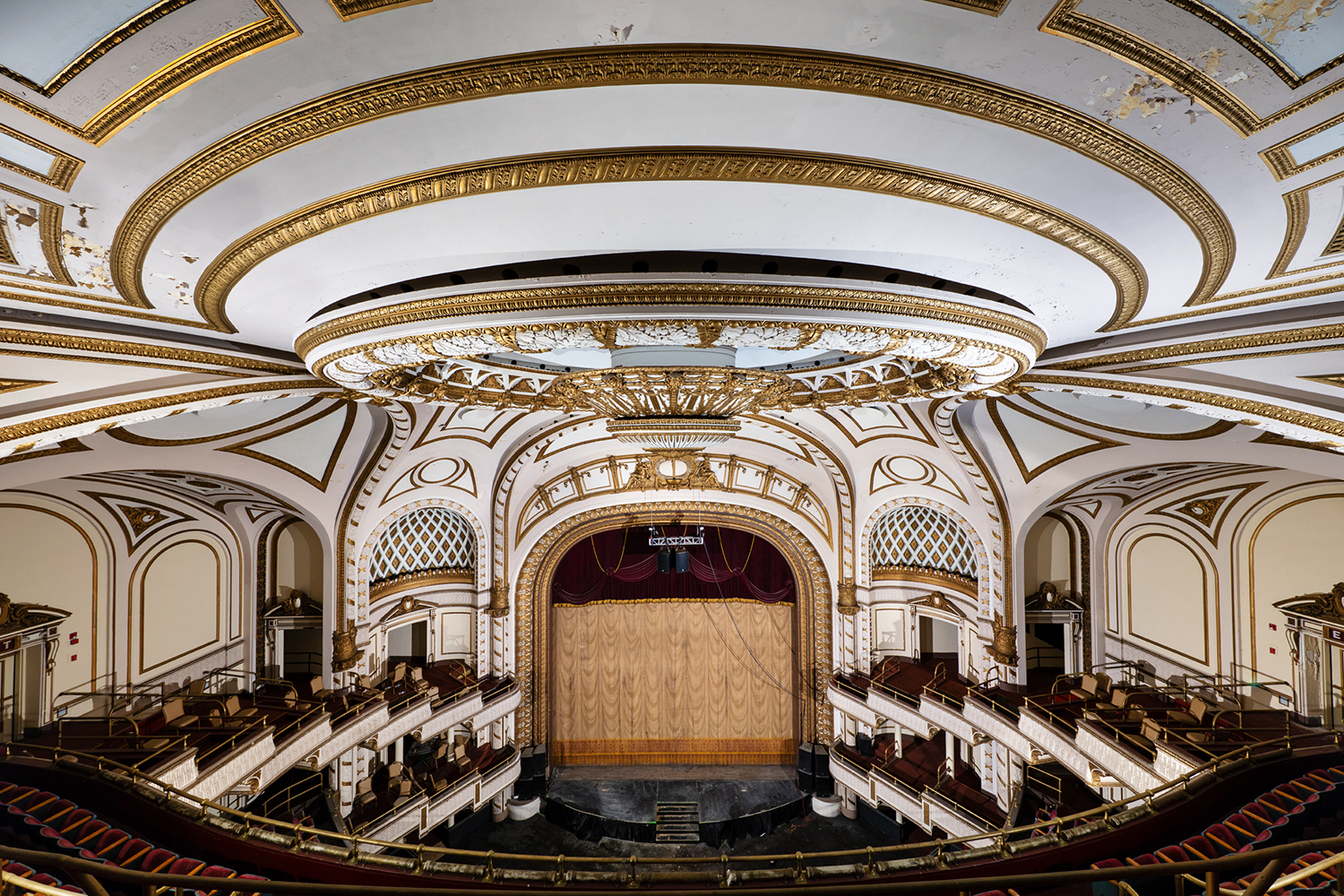
View of the auditorium from the upper balcony.
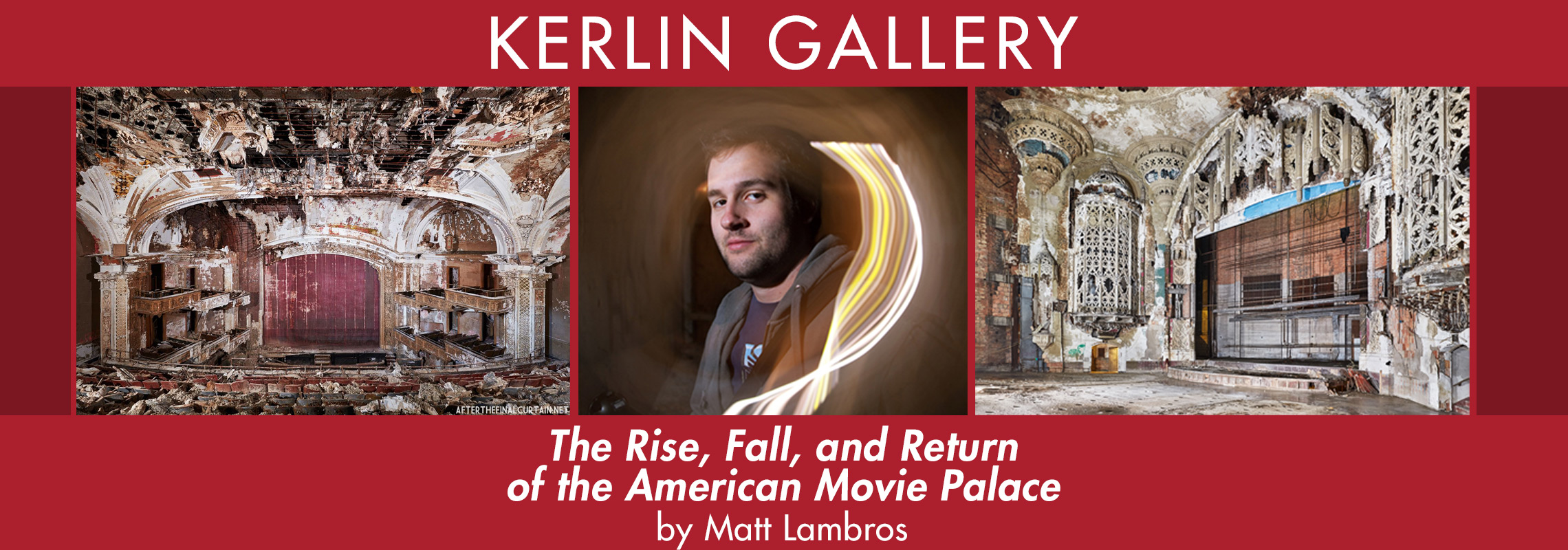
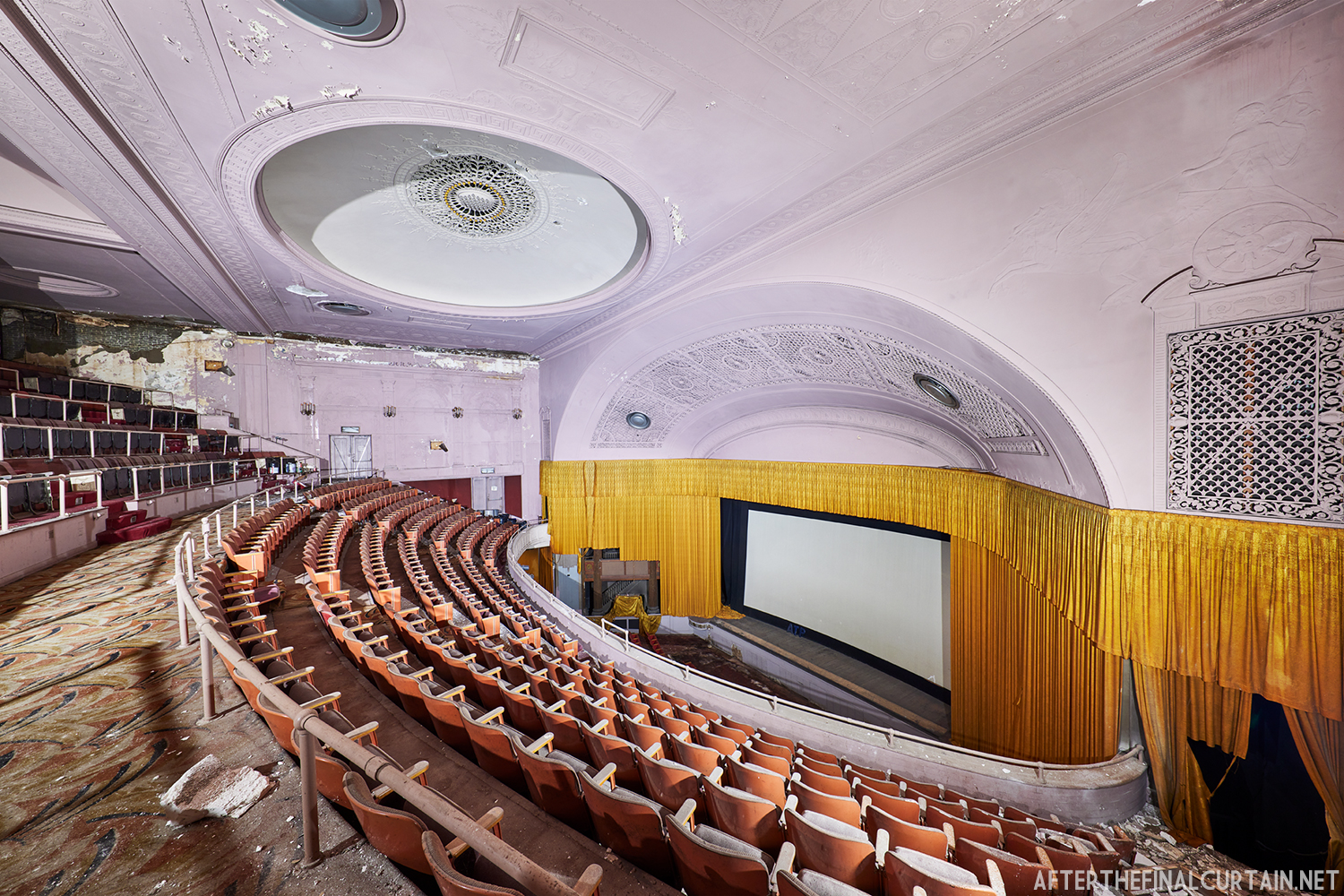
Exhibition at The Kerlin Gallery in York, PA

The Kerlin Gallery, one of the Creative York galleries in York, PA is currently exhibiting 16 pieces of my work.  They range from 30×20 prints on aluminum to smaller framed prints.

The exhibition runs from Thursday, January 27 to Thursday, February 17, 2022. The opening reception is Thursday, January 27 from 6 to 8pm.

I will be at Creative York on Thursday, February 17 at 5pm for the closing reception. Following this reception, I’ll be speaking at the nearby Capitol Theatre at 7pm.

Hope to see some of you there!

The Library Opera House – Marathon, NY (Lucky Number 200!)

I knew I wanted to do something a little different for the 200th theater I photographed. I was speaking with a friend who went to school in upstate (real upstate, not just slightly north of NYC) and he asked “have you been to the one above the library in Marathon?” I hadn’t heard of it and was immediately intrigued. I found a few recent photos online and knew this would be perfect. Plus, it’s now the oldest theater I’ve photographed in the United States. As with most of my posts – it was originally posted on Patreon in August 2021.  For expanded early posts, as well as video walkthroughs and other exclusive content you can become a patron at: https://www.patreon.com/afterthefinalcurtain

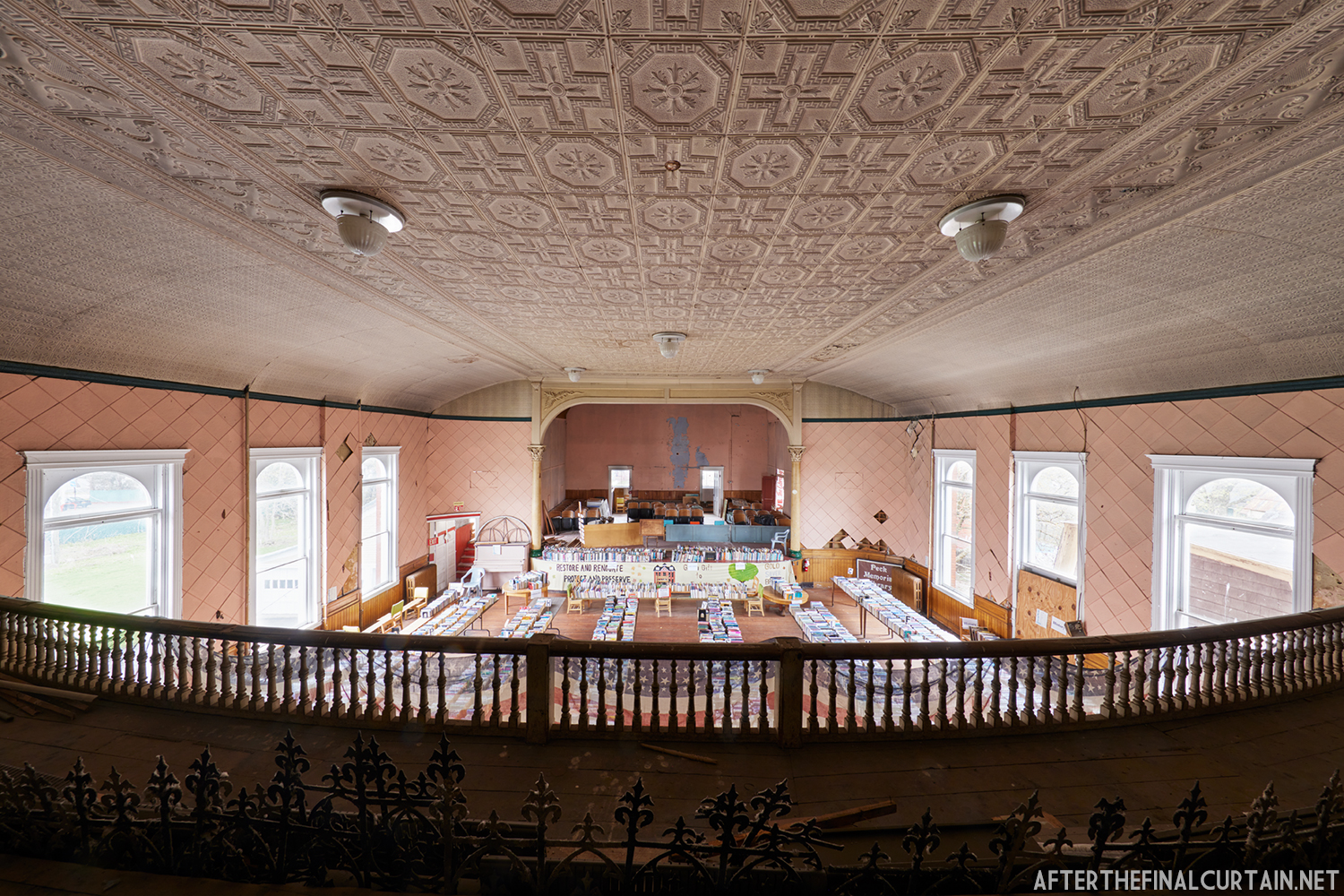
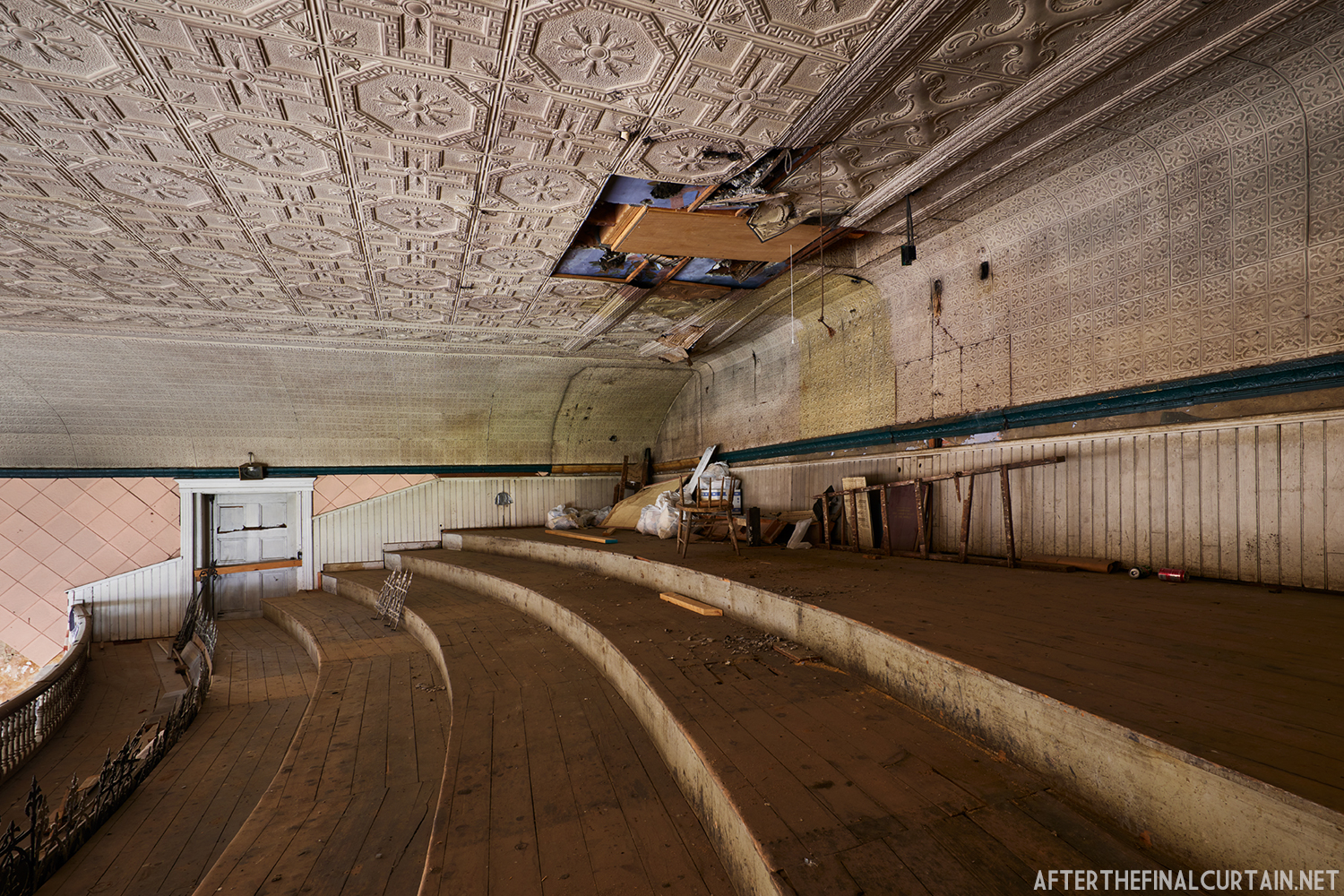
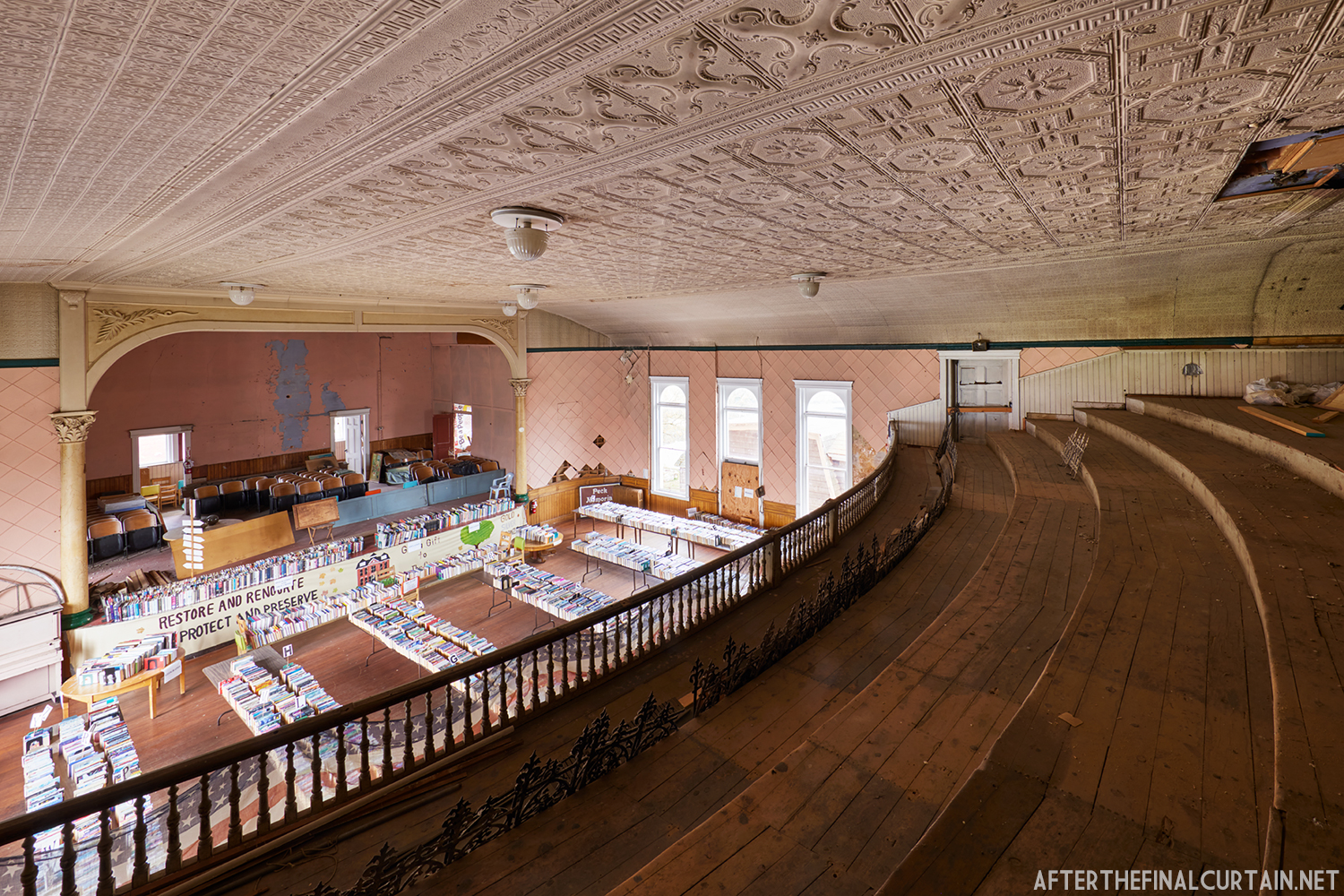
View of the auditorium from the balcony.

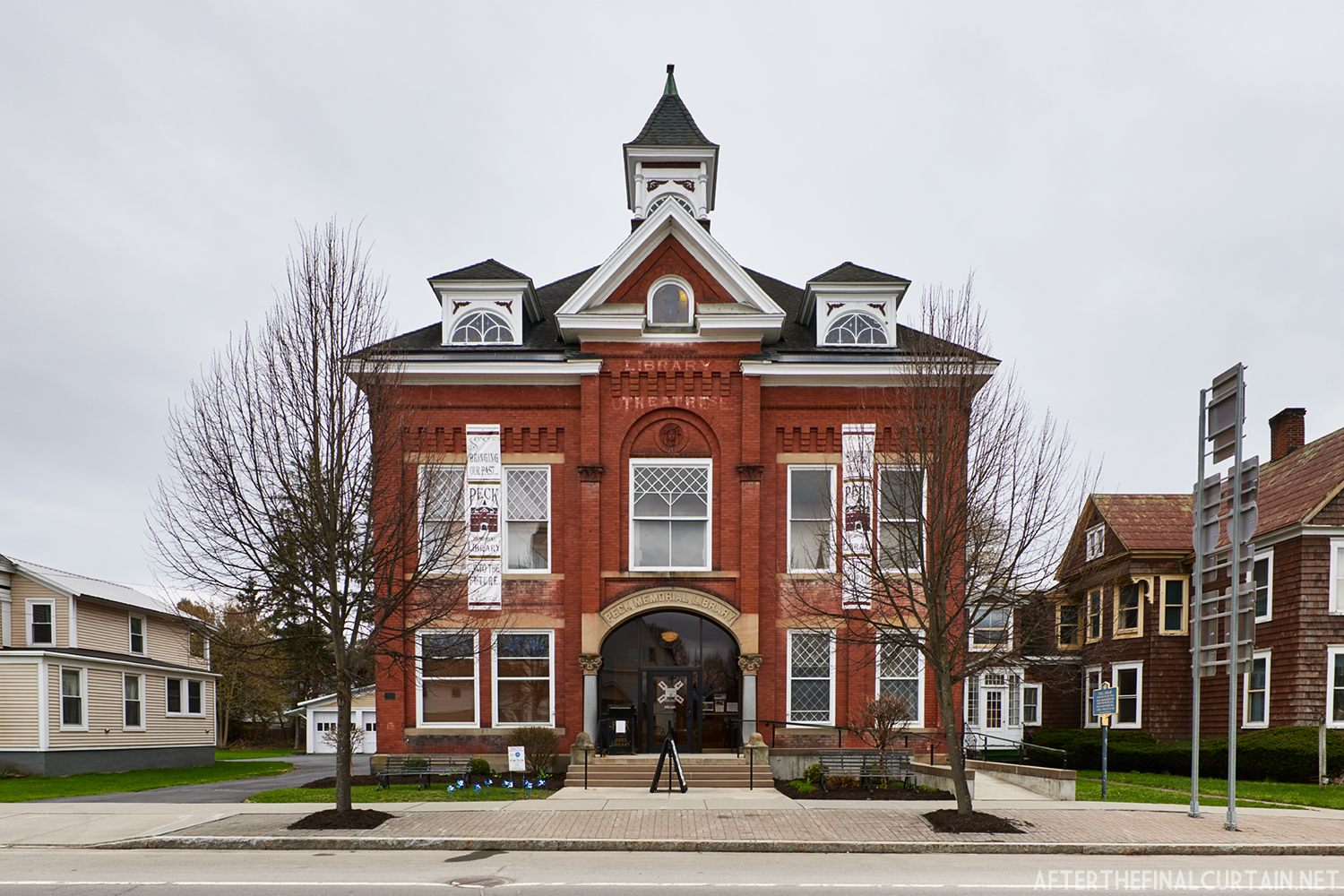
In January 1891, Mersena Peck, a native of Marathon, New York died. She left $20,000 ($584,217 when adjusted for inflation) in trust for the creation of a public library in Marathon and named three town residents as trustees. They began working to carry out her wishes and were well underway by 1893. However, before construction could start, a group of 125 citizens petitioned that the building include a space for public entertainment. Architect Miles F. Howe adjusted the blueprints to add a 600 seat opera house on the second floor of the building.

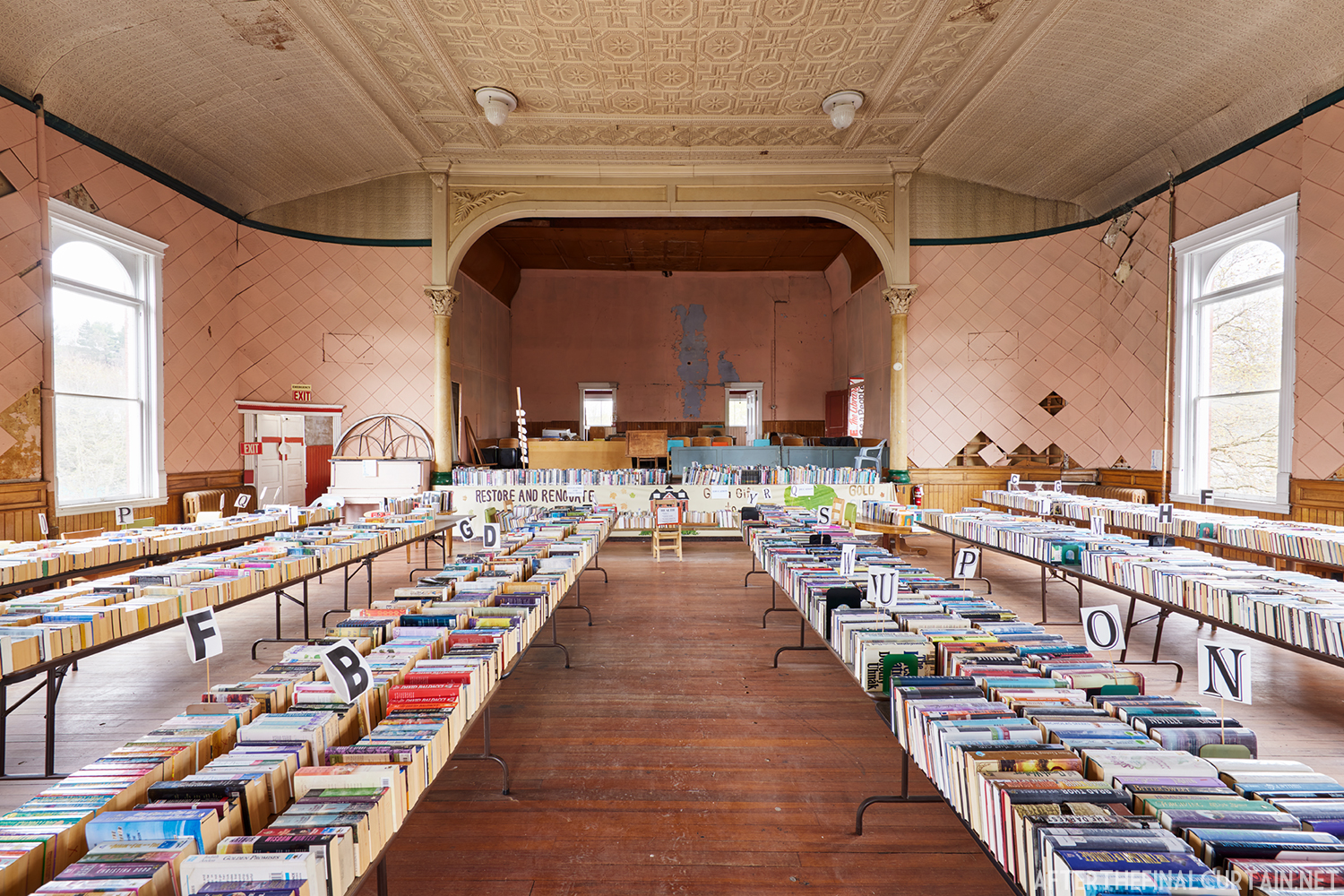
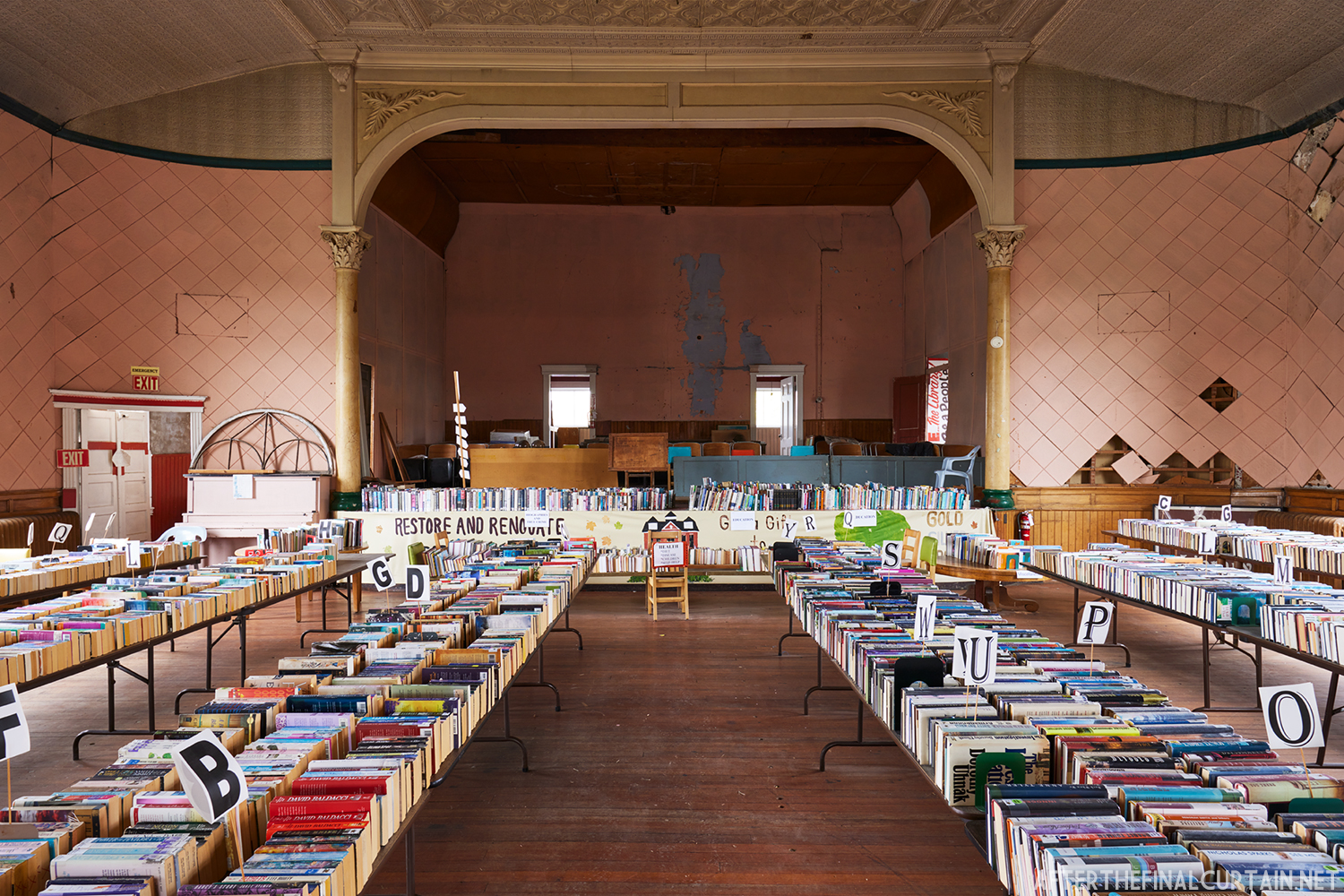
The Marathon Library and Opera House opened on January 1, 1896. It began as a live performance space, hosting traveling performers before transitioning over to films in the early 1930s. The Library Opera House was renamed the Park Theatre and lasted as a movie theater until 1953. The auditorium is currently only used a few times a year to host a used book fair.

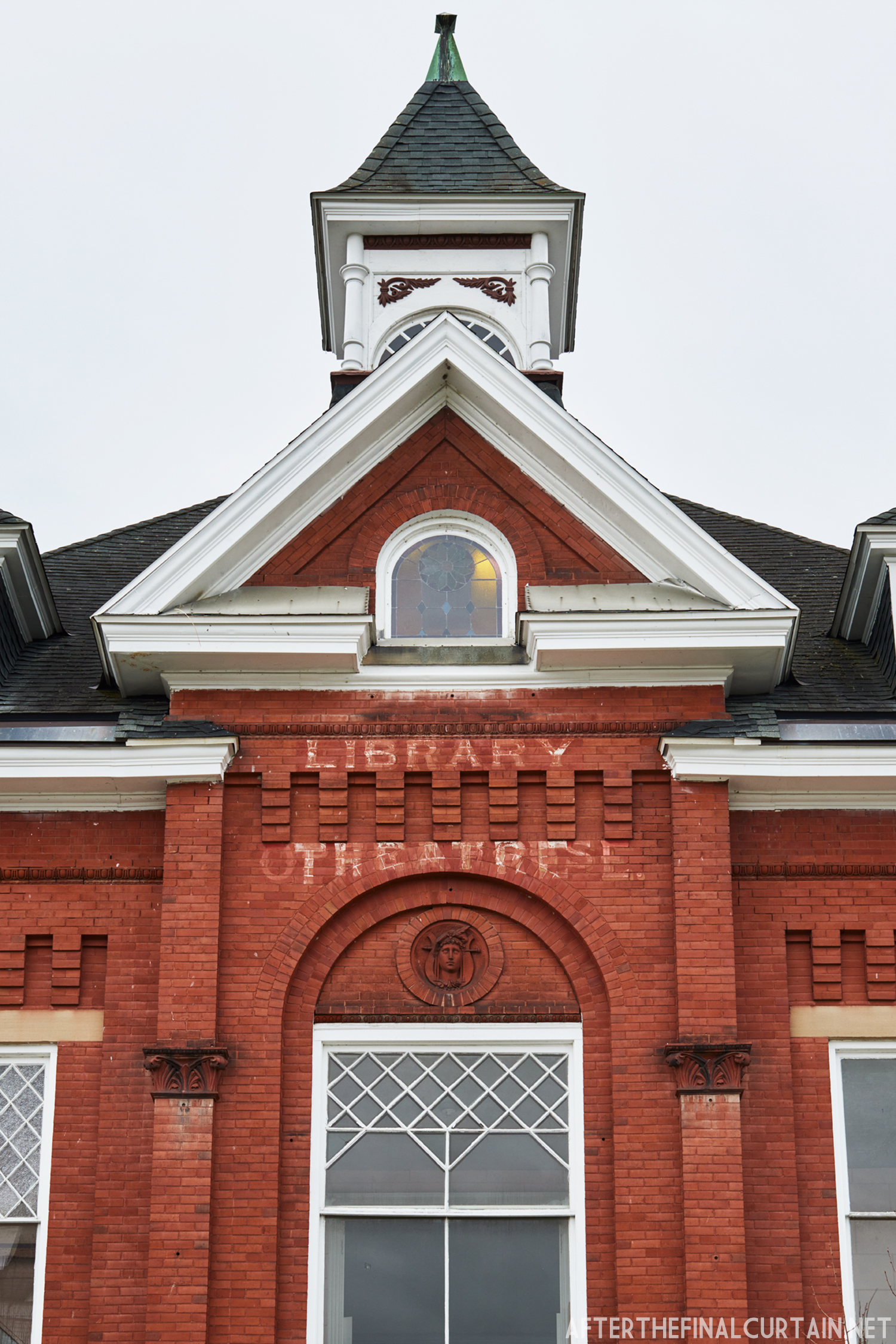
The exterior of the Marathon Library/Opera House.

In early 2020, the Marathon Public Library announced that the building needs close to $1 million in renovations. They’ve received $50,000 through their capital campaign but far from enough to be able to make the renovations needed to reopen the opera house.

The orchestra level of the auditorium is used as a book fair.

The Restoration of the Colonial Theatre in Laconia, NH

This post was originally posted on After the Final Curtain’s Patreon in September 2021.  For expanded early posts, as well as video walkthroughs and other exclusive content you can become a patron at: https://www.patreon.com/afterthefinalcurtain

View from the balcony before restoration.

Colonial Theatre Laconia, NH

View from the balcony after restoration.

I’ve been photographing theaters for long enough that many have been completely restored and reopened since I first visited them. The Colonial Theatre in Laconia, NH, is one of those I have documented before, during, and after restoration.

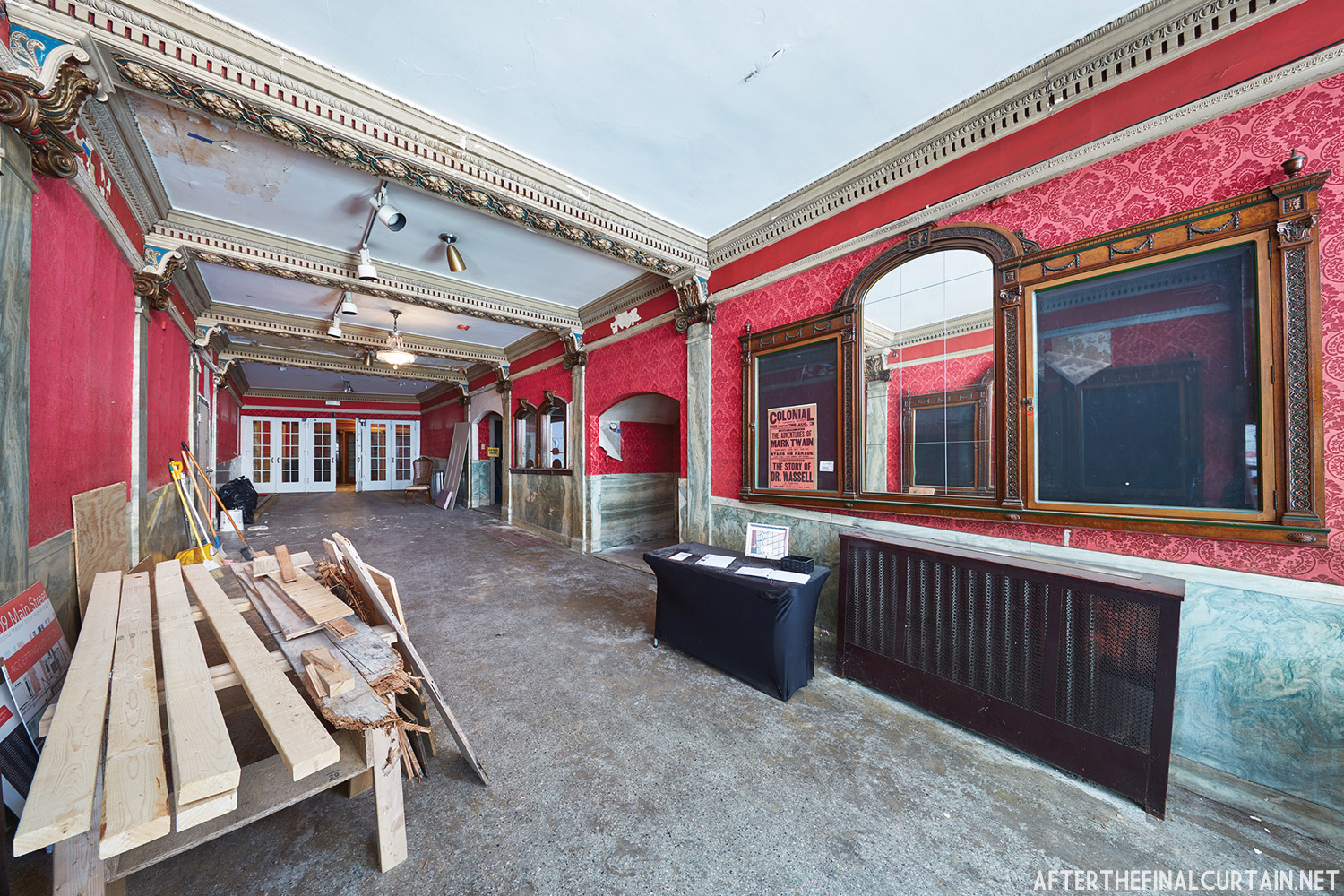
The lobby when I first visited the theater in early 2019.

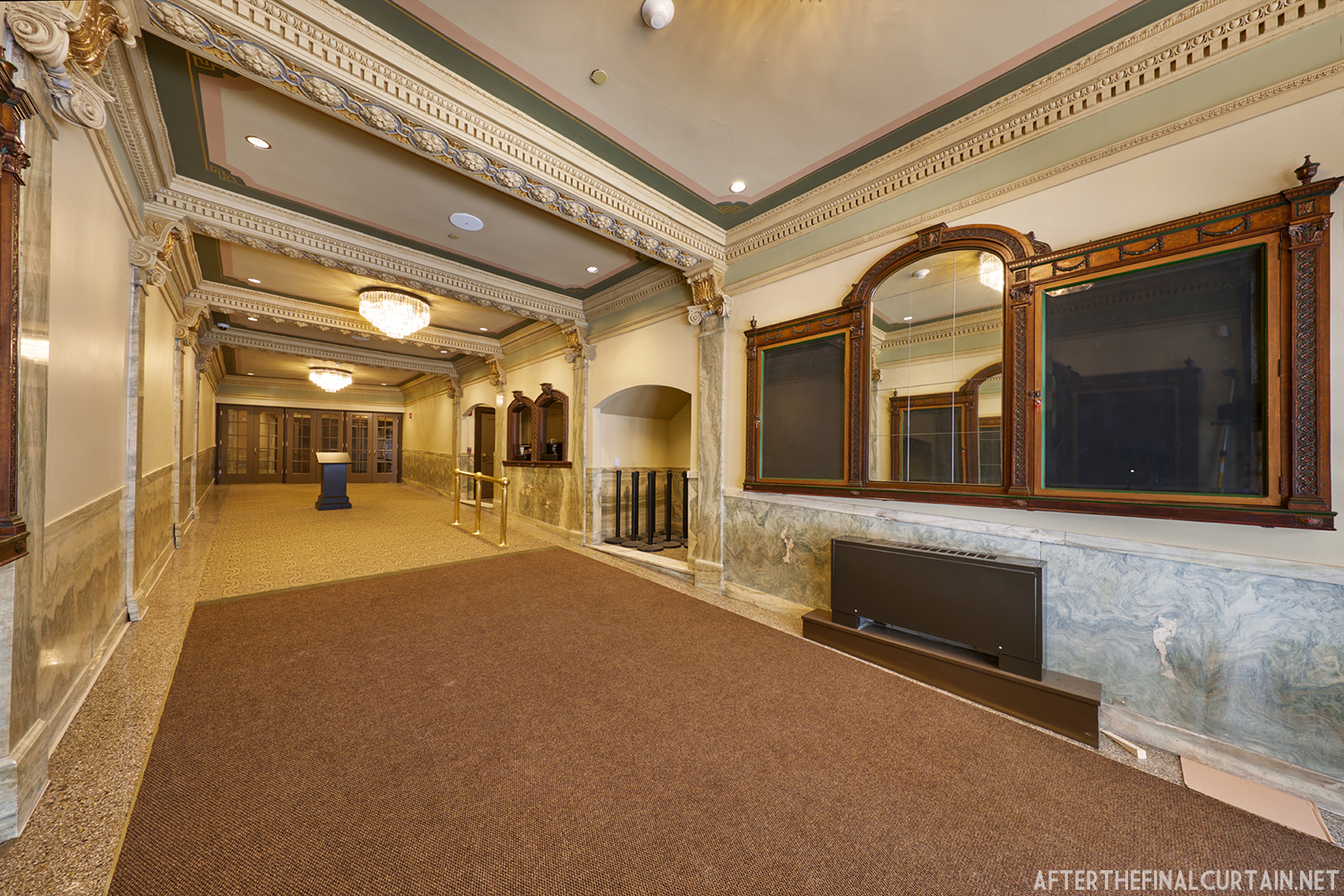
Here’s the same shot that was taken in May 2021. I was told that these are close to the original colors of the theater.

Work began in March 2016, when the partitions divided the auditorium into four screens were removed. Fortunately, those who did this work left much of the original plasterwork intact behind the new walls. Belknap EDC brought in Evergreene Architectural Arts to restore the plasterwork and recreate some of the details that had been destroyed or deteriorated over the years. For example, the original fire curtain remains intact but needs some work before it can be used.

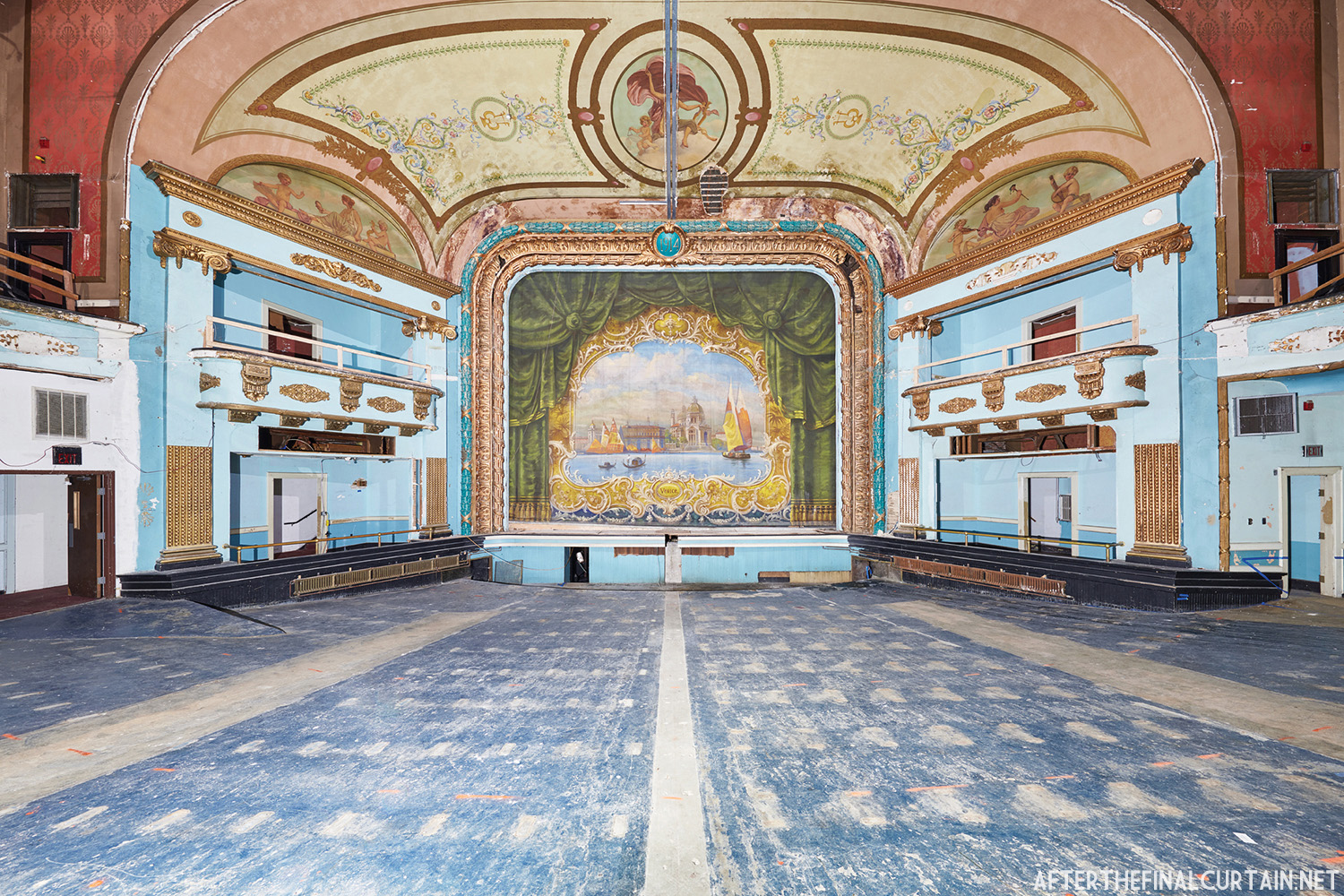
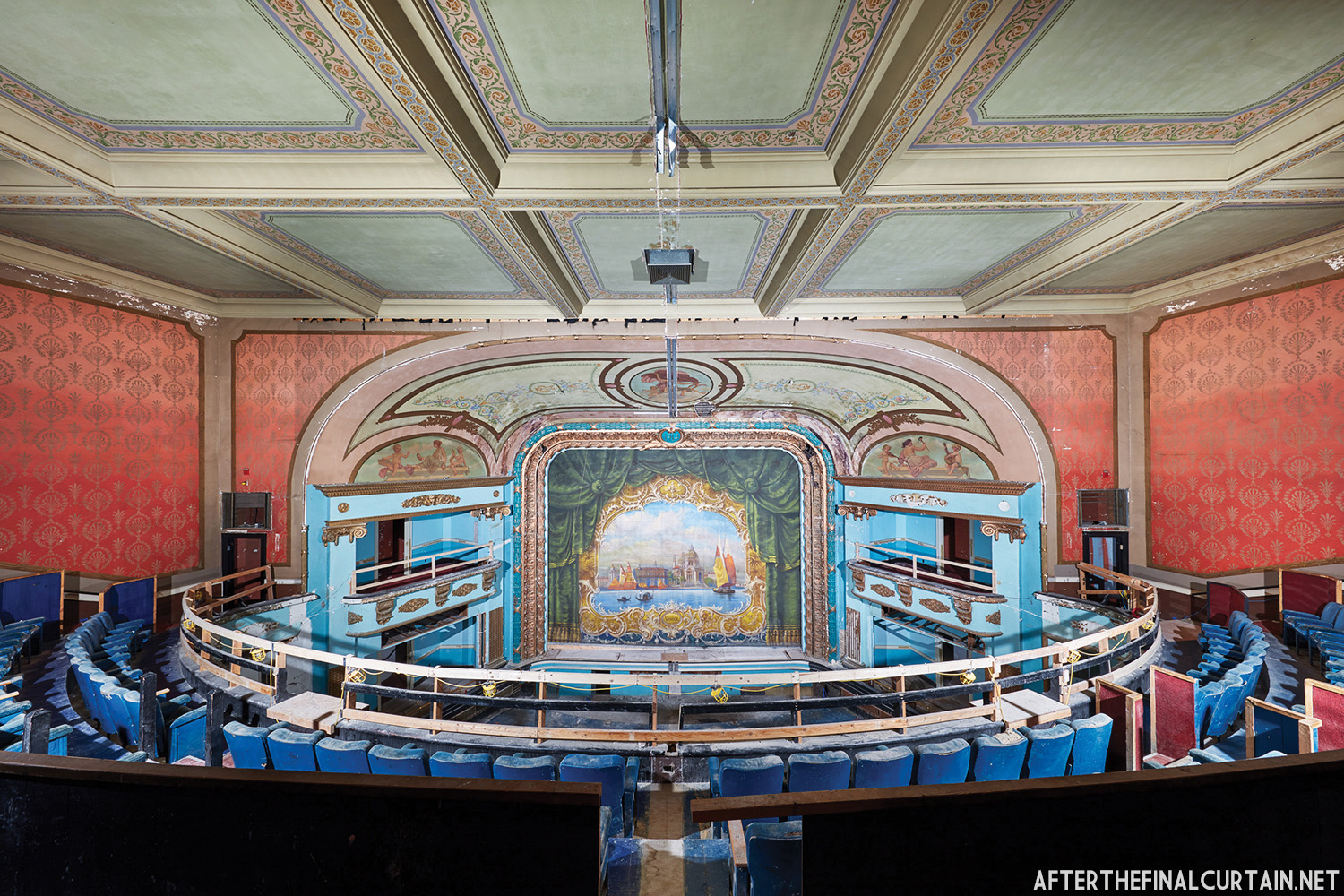
Orchestra Level (with my favorite fire curtain of all time) from early 2019.

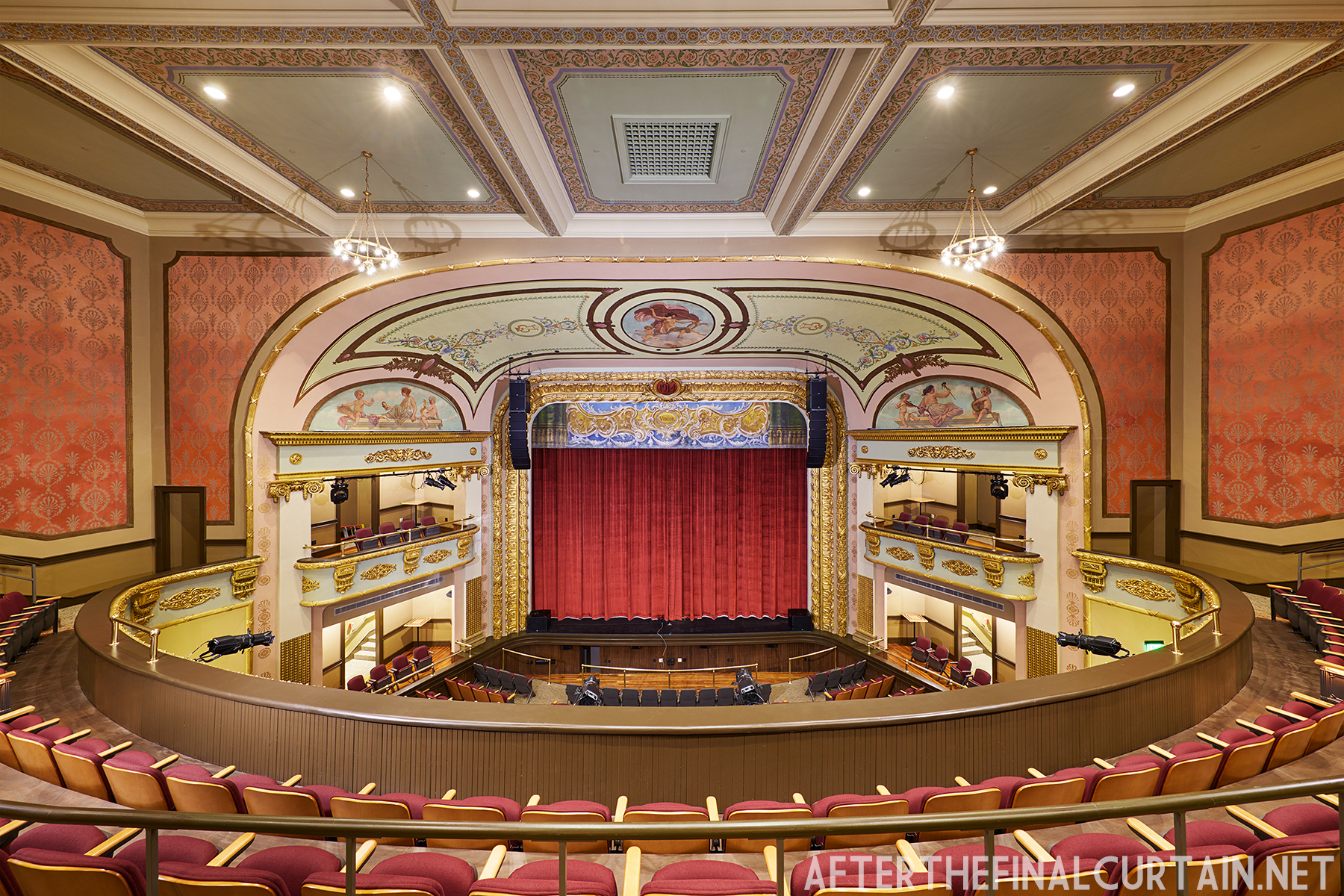
A similar shot of the auditorium from May 2021.

The total restoration cost was $14.4 million, and the finished theater will seat 750 people, with 450 in the orchestra and 300 on the balcony. Spectacle Management of Lexington, Massachusetts, has been contracted to manage the theater. The official grand opening and ribbon cutting took place on August 27, 2021. In addition to bookings from Spectacle, the Colonial will be open to weddings, dance groups, meetings, and community productions.

Ticket Booth, Colonial Theatre Laconia, NH

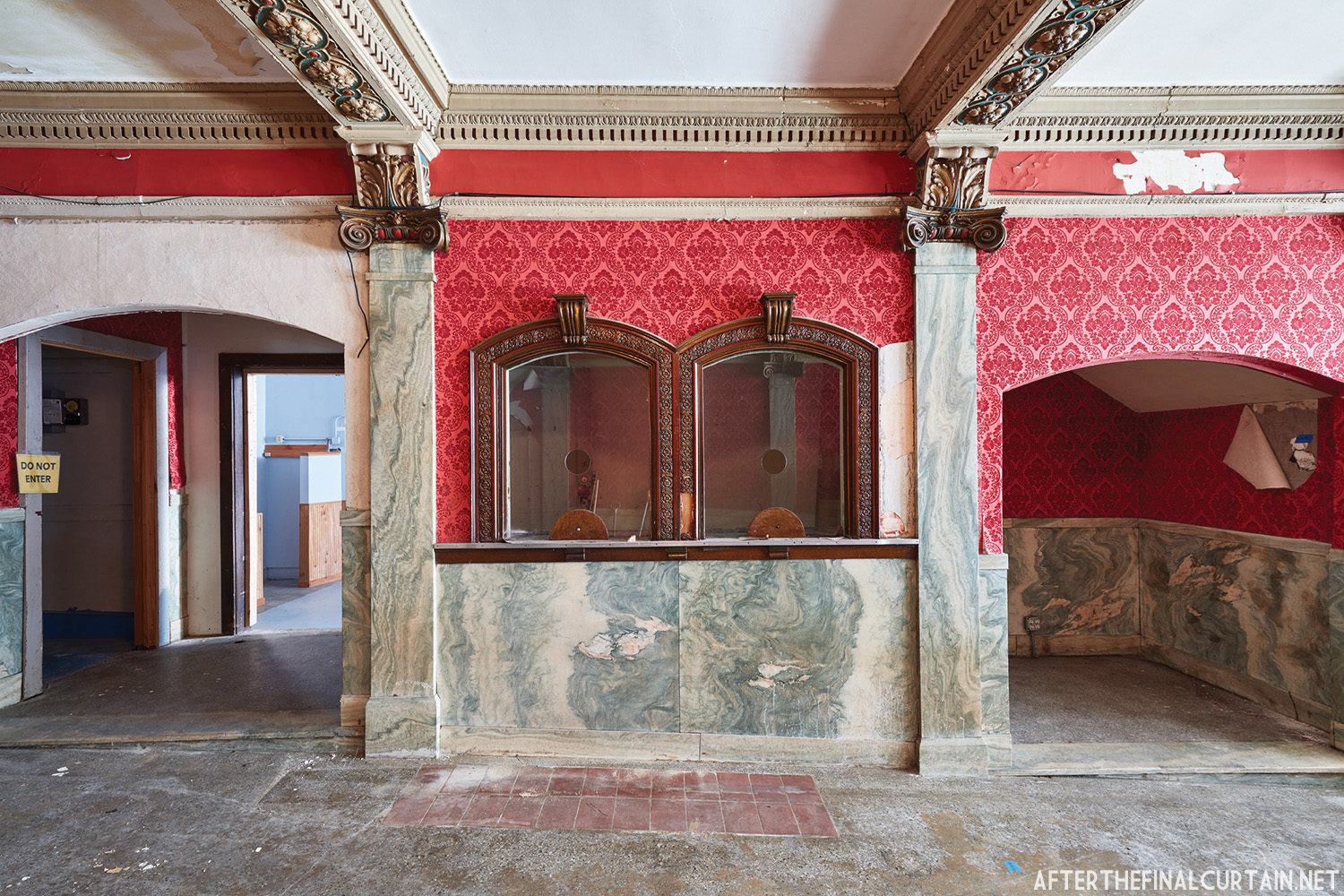
The ticket booth in early 2019.

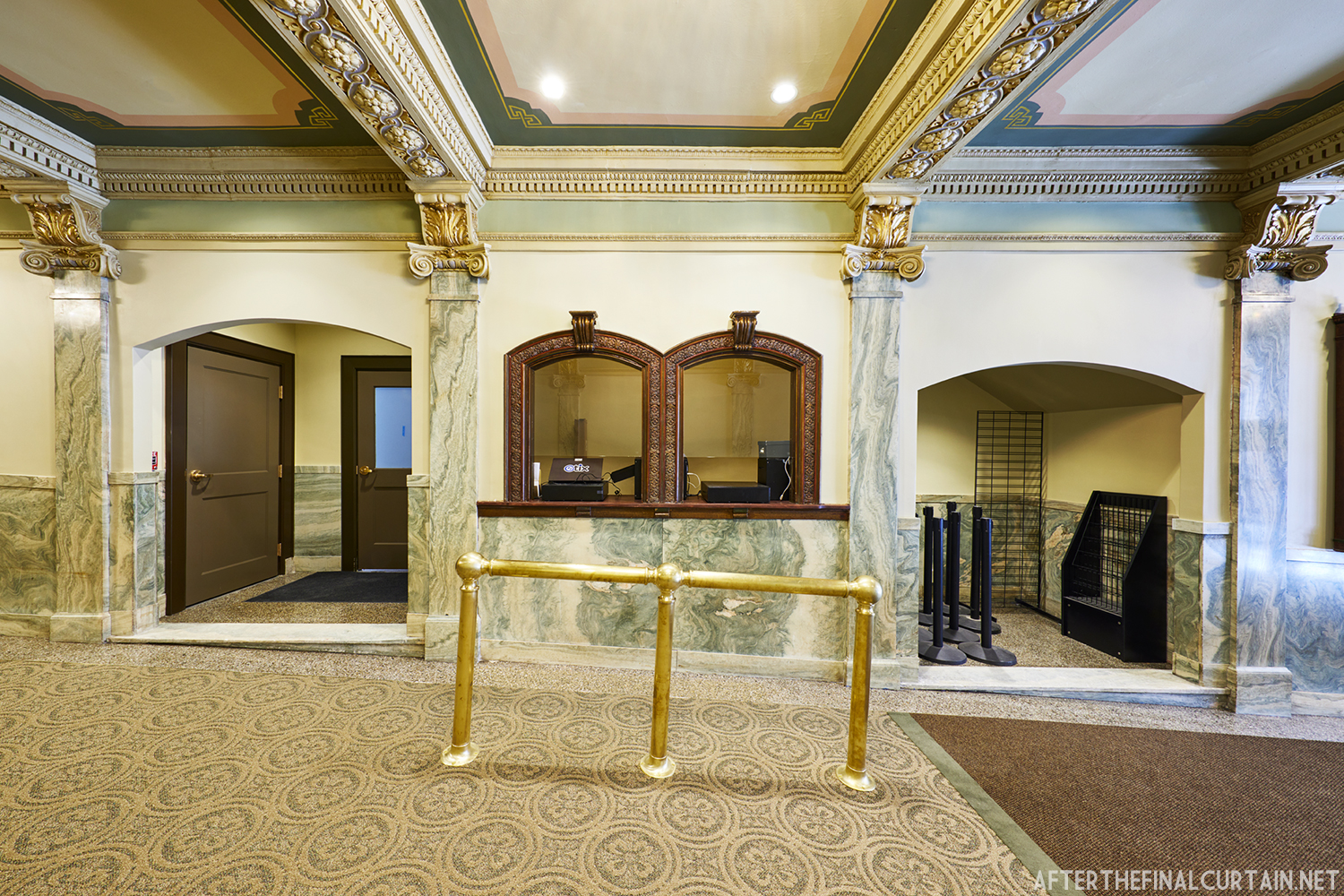
Ticket booth post-restoration.

The Colonial Theatre Building was added to the National Register of Historic Places in 2020. Tickets to upcoming shows can be purchased at https://coloniallaconia.com/