Photo Workshops 2019 Part 2

Photograph of the Strand Theatre Auditorium in Boston, MA

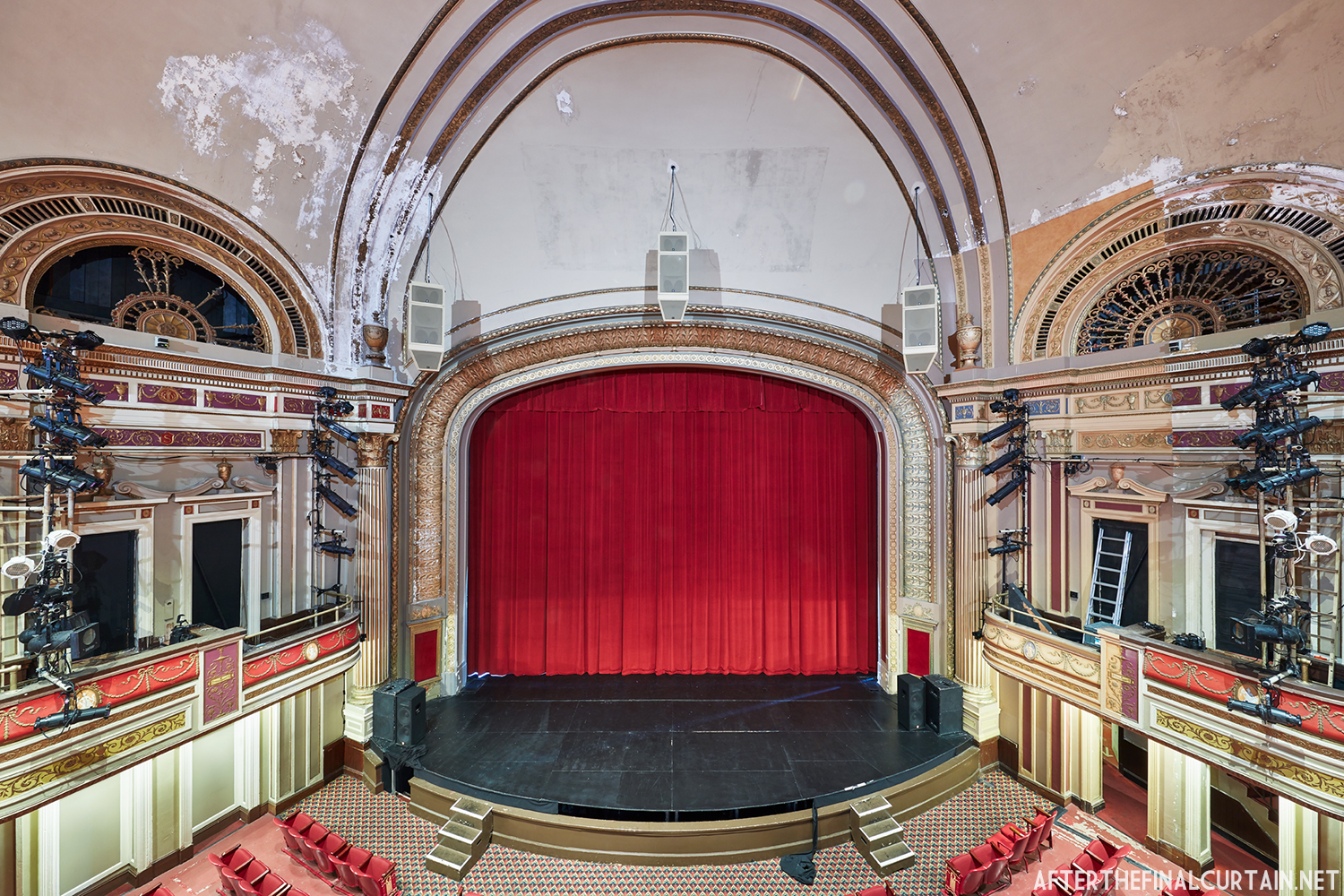
View from the balcony, Strand Theatre – Boston, MA

I’ll be hosting my first Photo workshop at an active theater on August 17, 2019 at the Strand Theatre in Boston, MA. The Strand originally opened on November 11, 1918, and is currently used as a performing arts center.  For more information and to sign up visit: http://www.mlambrosphotography.com/workshops/strand-theatre-workshop-boston-ma

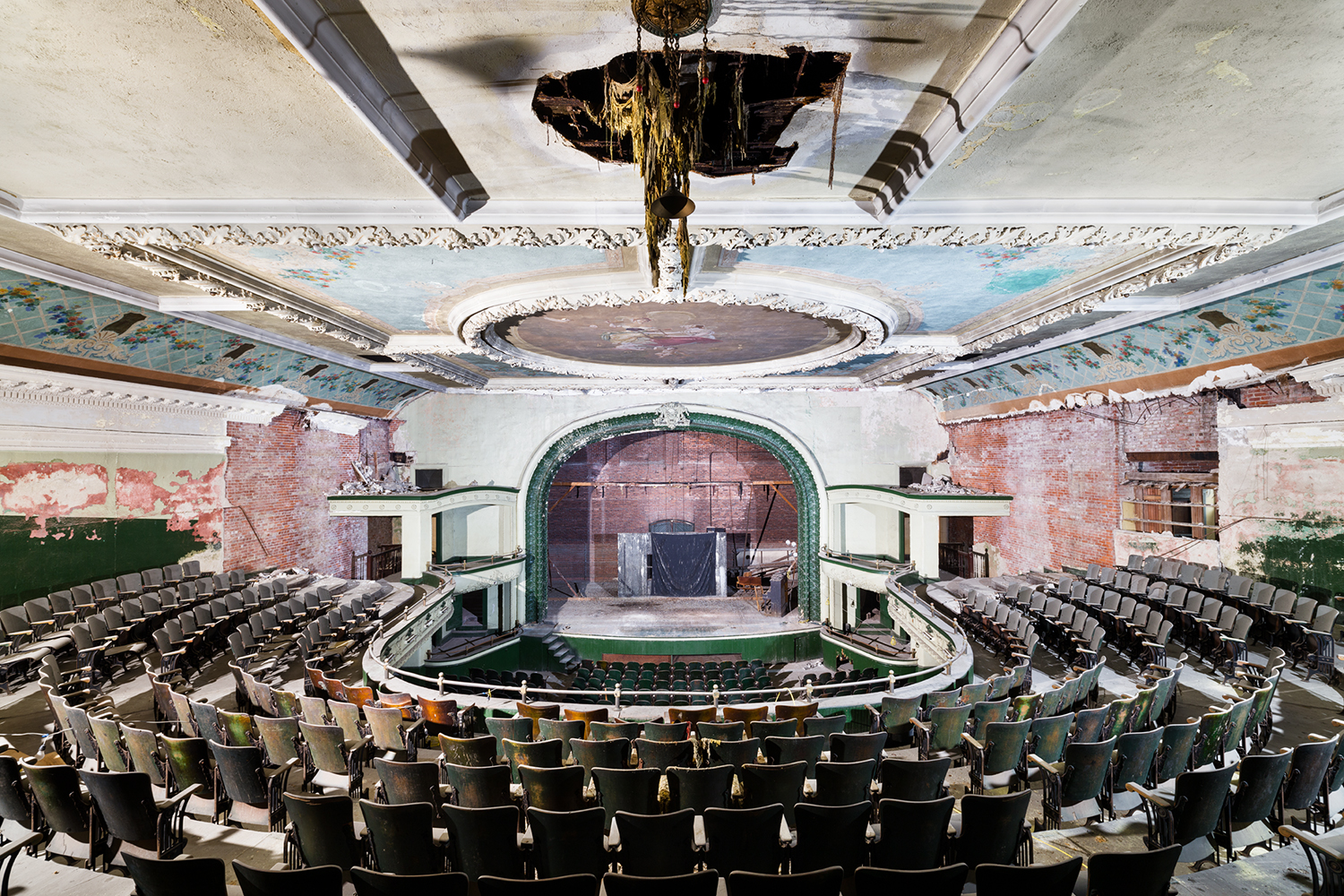
Auditorium, Orpheum Theatre – New Bedford, MA

Next is a return to the Orpheum Theatre in New Bedford, MA on September 7, 2019. This is one of my favorite locations to shoot and attendees will be able to photograph the auditorium, ballroom and shooting range.

http://www.mlambrosphotography.com/workshops/orpheum-theatre-workshop

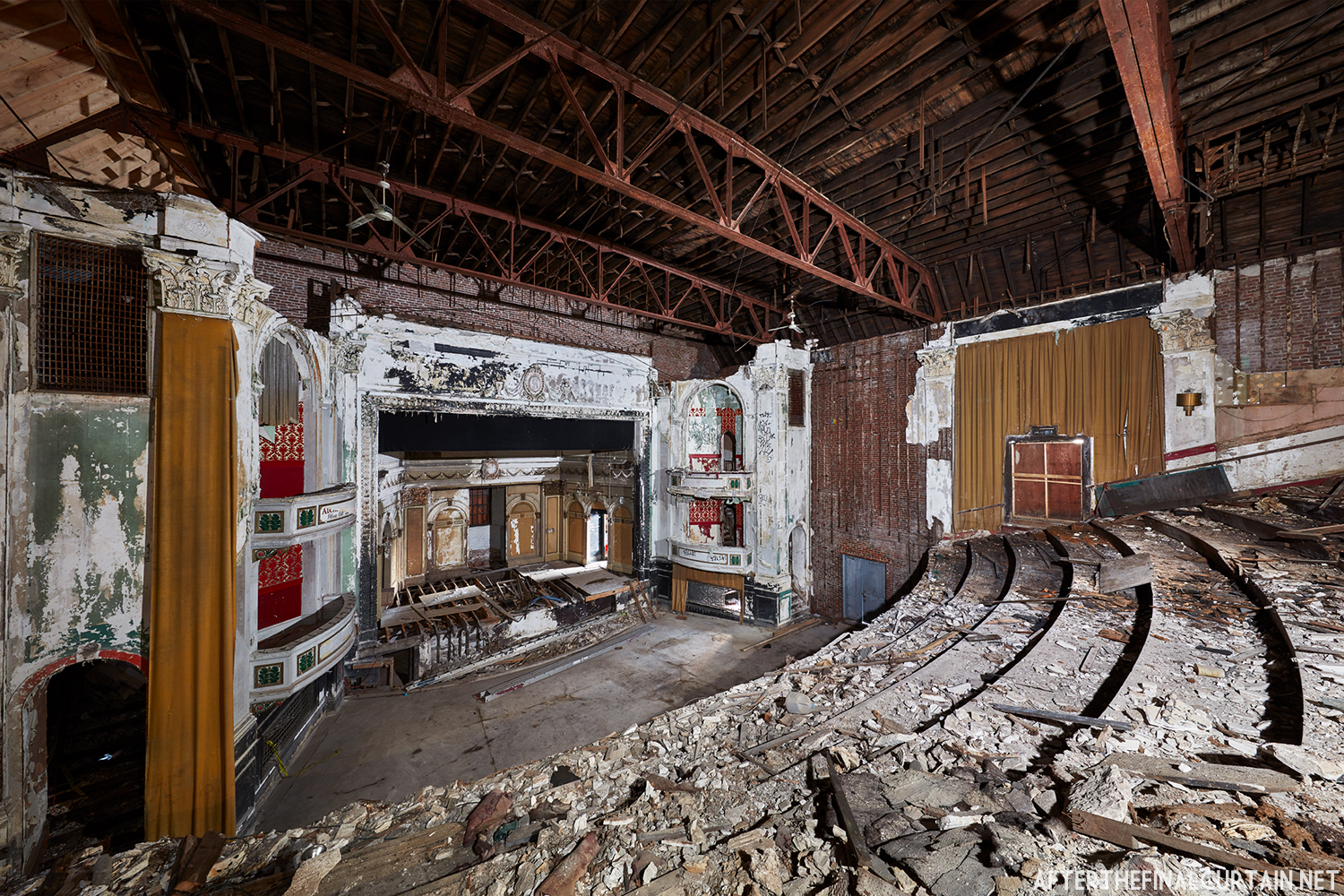
Auditorium, Everett Square Theatre – Boston, MA.

Then on September 21, 2019 a return to the Everett Square Theatre in Boston, MA. The Everett opened in 1915 in the Hyde Park neighborhood of Boston, Massachusetts. It was designed by Boston architect Harry M. Ramsay for the Littlefield Trust, the original owner of the theater. It’s a great workshop for beginners. To sign up visit: http://www.mlambrosphotography.com/workshops/everett-square-theatre-workshop

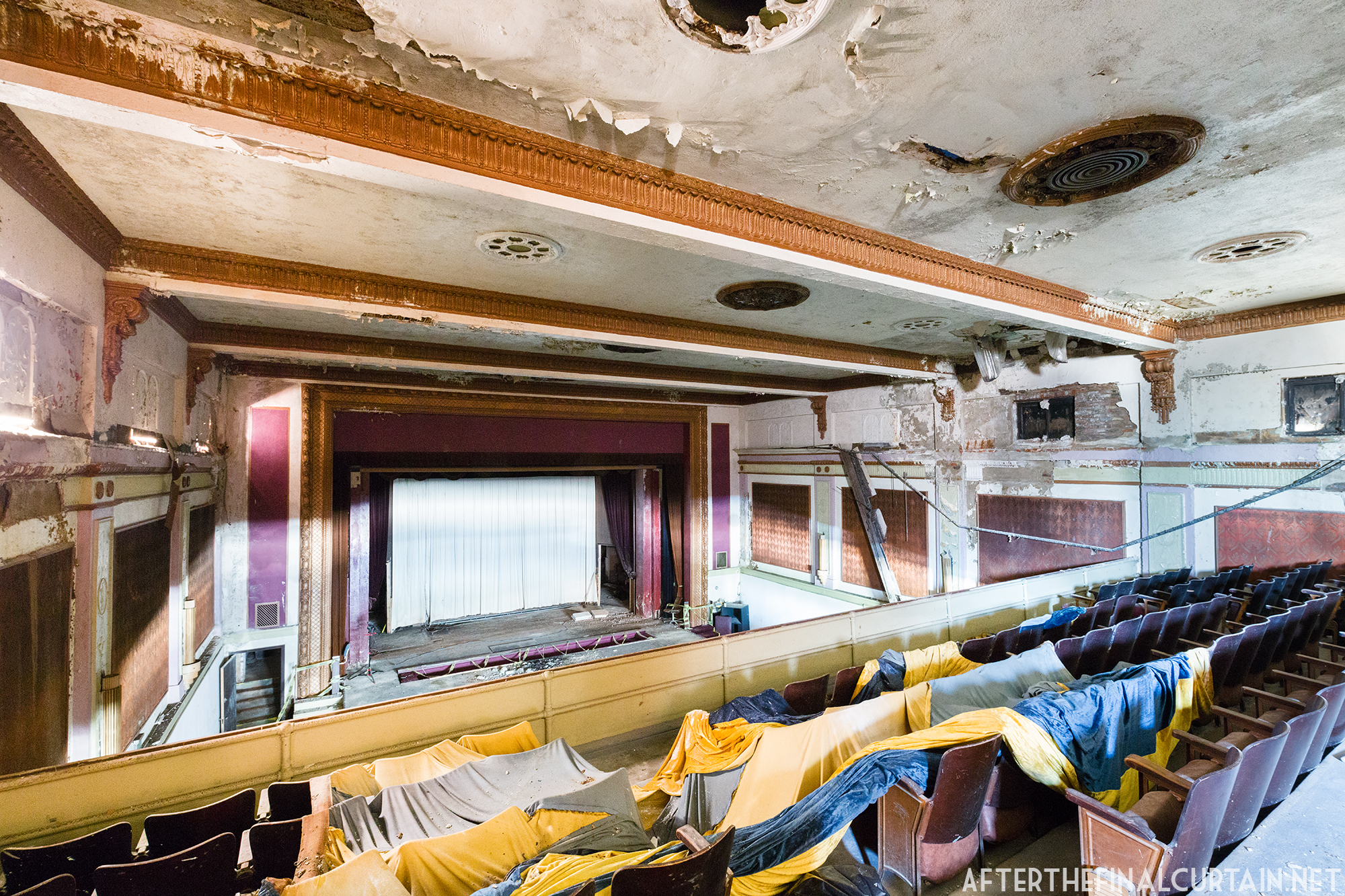
Auditorium, Imperial Theatre – Cincinnati, Ohio

The final workshop for 2019 (don’t hold me to that, I have a few others in the works) will be at the Imperial Theatre in Cincinnati, Ohio on October 19, 2019. The Imperial is a 700 seat theater that opened in 1913. it closed in the 70s and was used as a mattress store for until the late 2000s. The current owner is looking to restore and reopen it. To sign up visit: http://www.mlambrosphotography.com/workshops/imperialtheatreworkshop

State Theatre – South Bend, Indiana

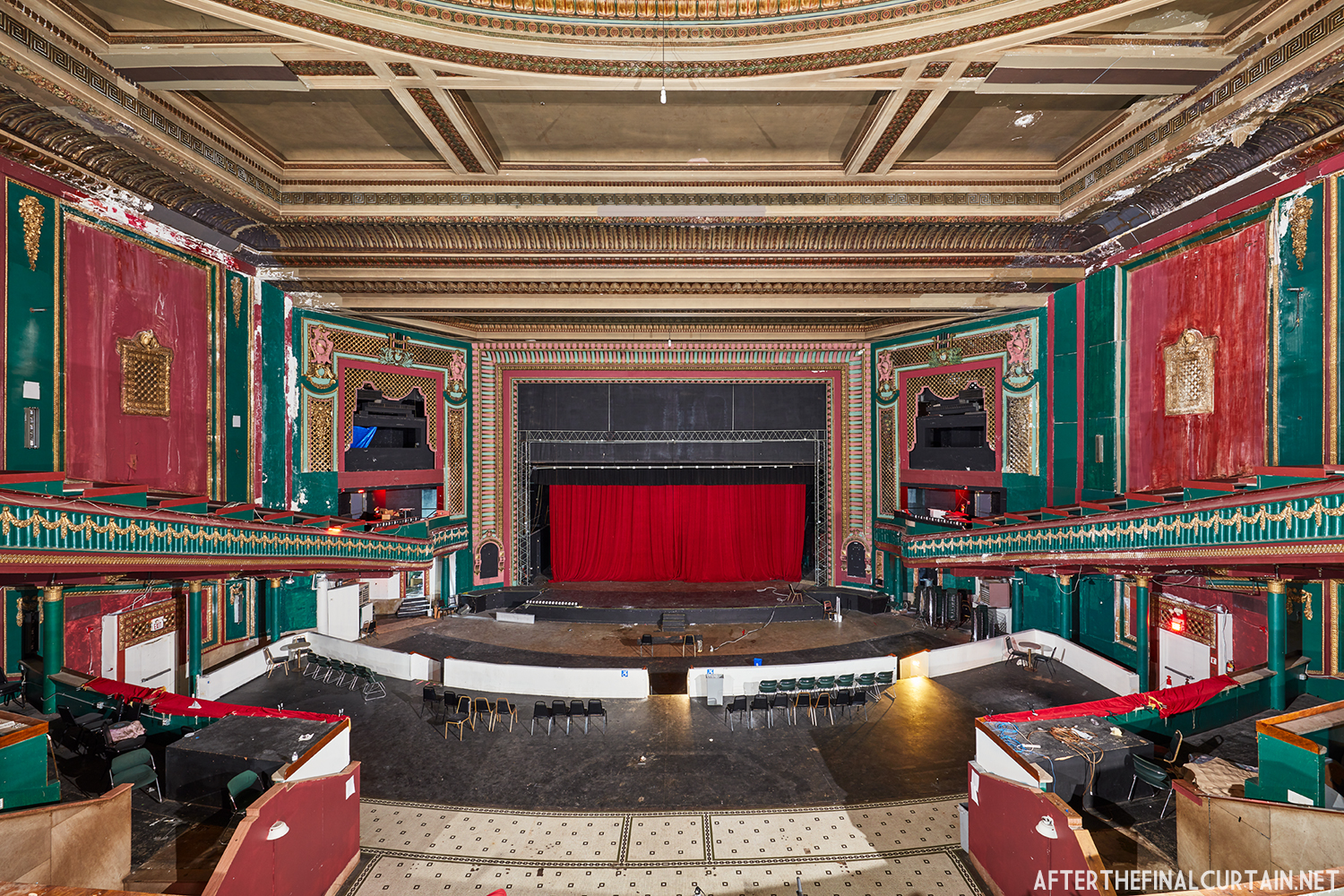
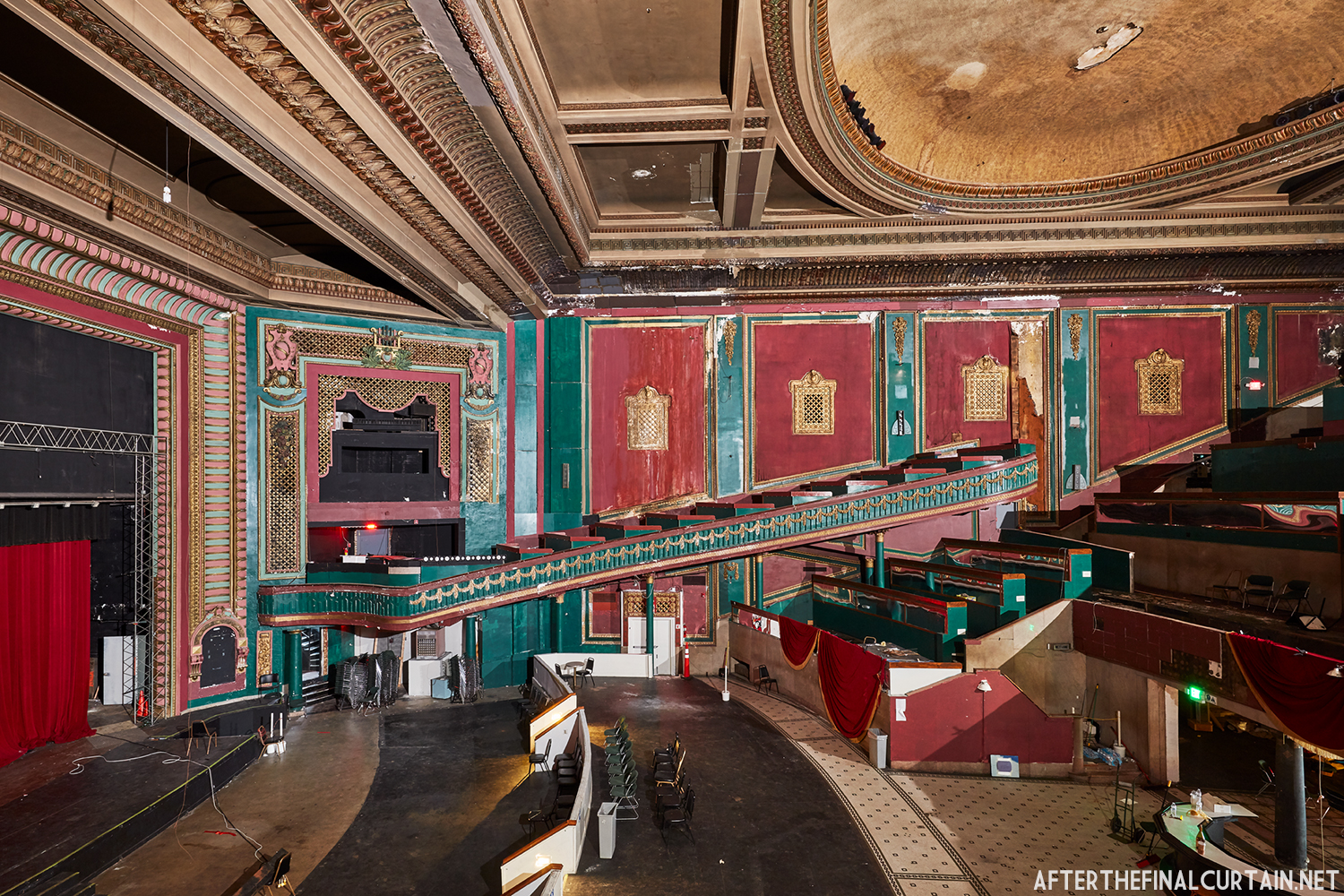
Auditorium, State Theatre in South Bend, Indiana

The seats were removed from the auditorium when it was converted into a nightclub.

Billed in early newspaper advertisements as “The Pride of South Bend,” the 2,500 seat State Theatre in South Bend, Indiana opened on January 29, 1921 as the Blackstone Theatre. Construction lasted for 16 months and cost $500,000 ($6.7 million when adjusted for inflation). Henry L. Newhouse — an architect known for many theaters in the Chicago area — designed the building with a neoclassical exterior and a beaux-arts interior. Unlike many other theaters built during this time, the State did not have one traditional balcony; instead, it had tiered seating in the rear of the auditorium, and two small balconies on either side, beginning at the organ chamber and ending over the third tier seating section. Designed for silent motion pictures and vaudeville shows, the opening day feature was the silent film “Once to Every Woman,” starring Dorothy Phillips and a then-unknown Rudolph Valentino.
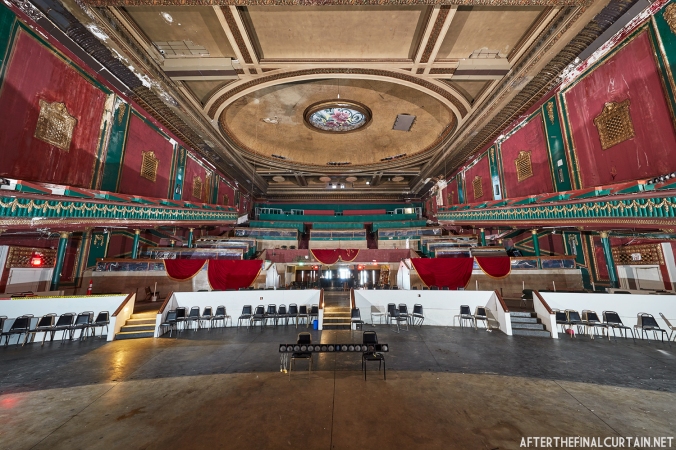
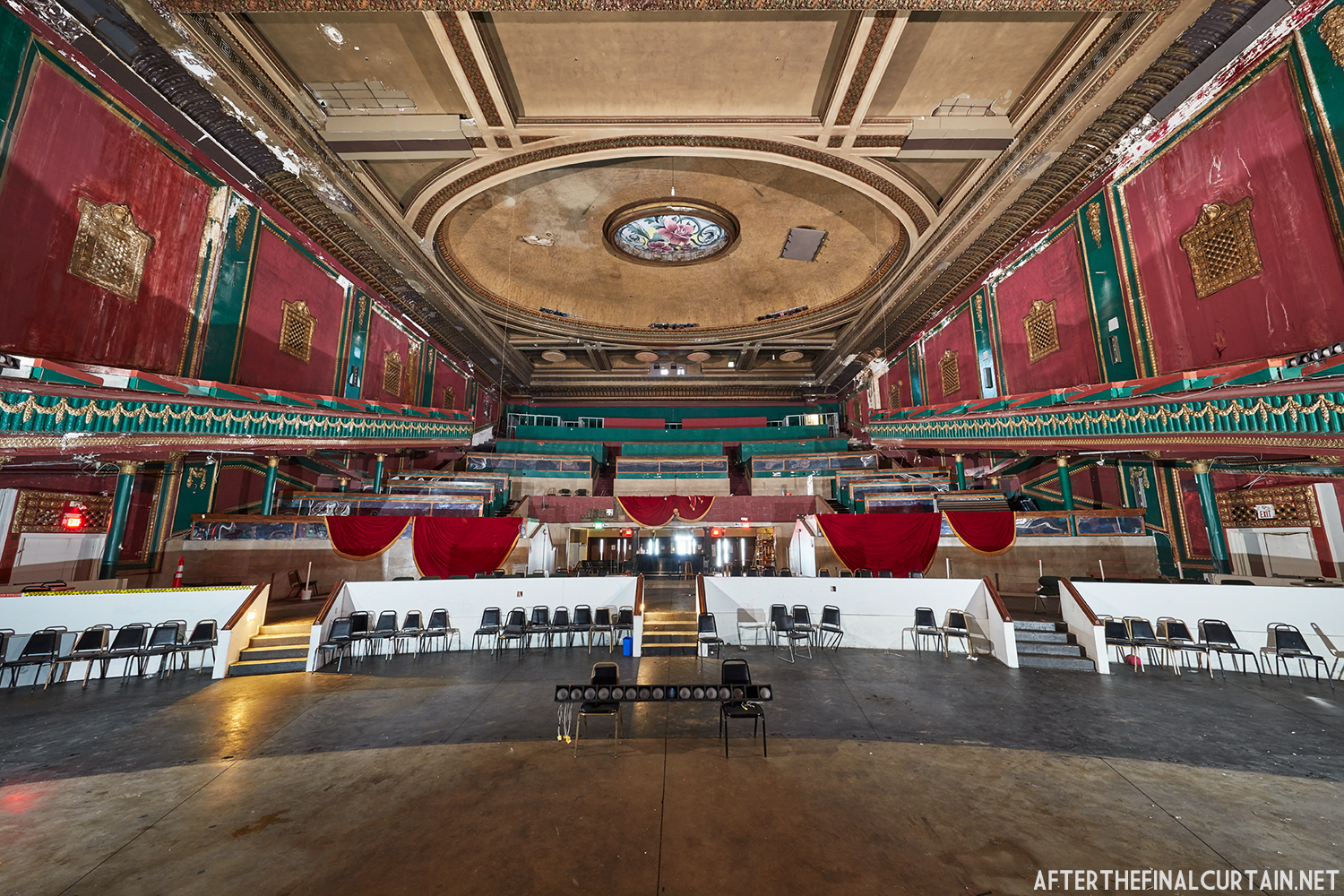
Auditorium as seen from the stage of the State Theatre in South Bend, Indiana

View of the auditorium from the stage.

The Blackstone began to fall behind the times after the Colfax and Granda Theatres opened in 1927 and 1928, which both offered talking pictures. Rather than also show talking pictures and compete with the new theaters, the Blackstone Theatre stopped showing films and changed to burlesque. This was likely due to the cost of purchasing and installing the equipment required to show talking pictures. However, the City Government didn’t approve of burlesque shows, and Chester P. Montgomery, the Mayor of South Bend at the time, ordered the theater closed in early October 1929. It was taken over by the Publix (Paramount) chain who repainted the interior, reupholstered the seats, and reopened it on Christmas Day 1929 as the State Theatre. 
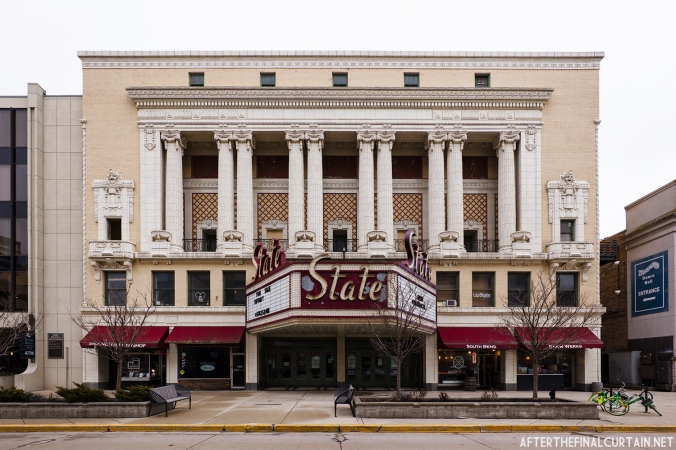
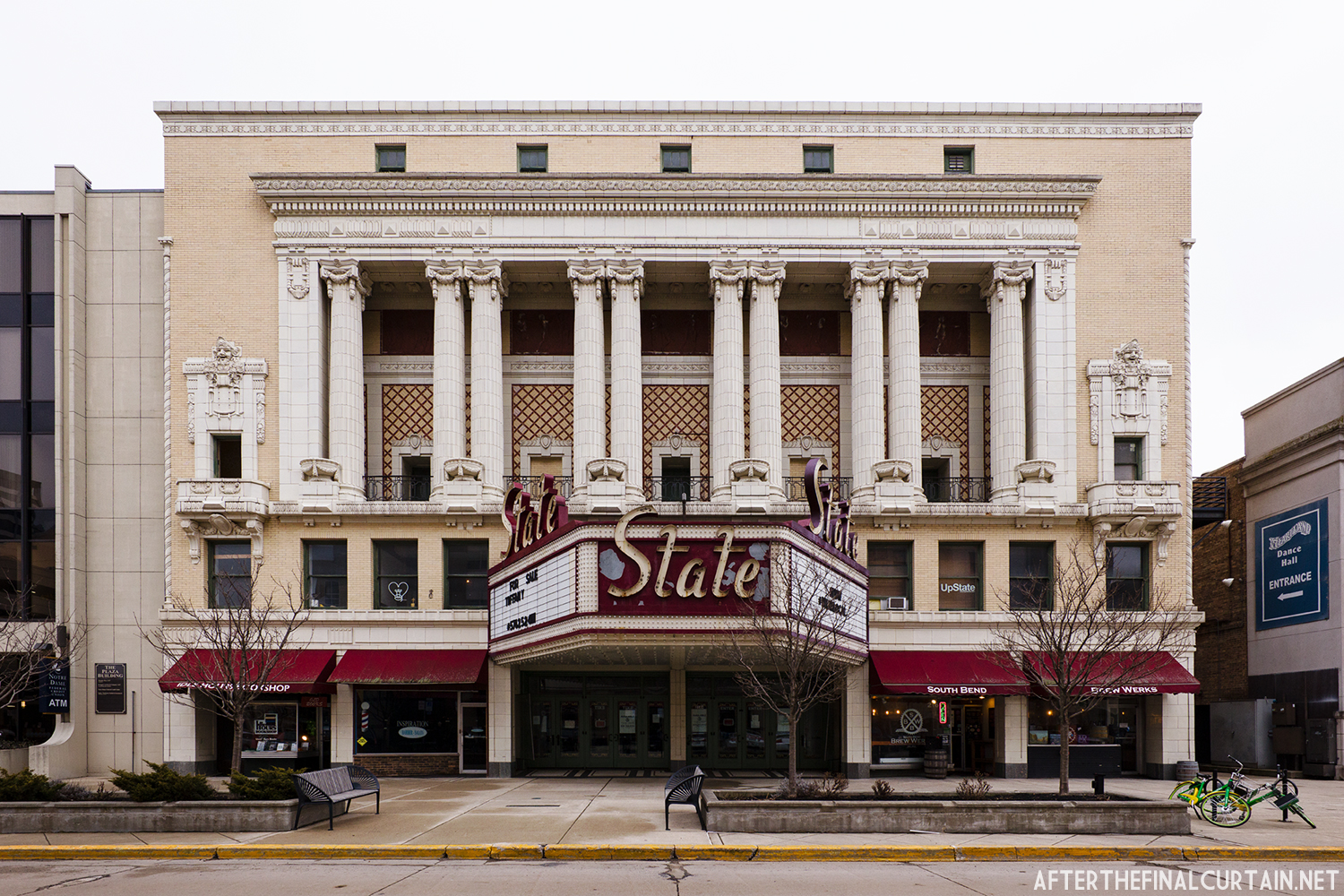
Exterior of the State Theatre in South Bend, Indiana

The exterior of the State was designed in the neoclassical architecture style. A shootout between the police and John Dillinger in 1934 allegedly left bullet holes on the theater’s marquee and terra cotta facade.

Like many other theaters, the State was used for a range of events other than showing films including; school graduations, closed circuit telecasts and beauty pageants. The State closed again on November 3, 1977 due to declining attendance. In 1980, a crew from the Victorian Supply Company of Little Rock, Arkansas removed the 17-panel stained glass dome from the auditorium. The stained glass was taken back to Arkansas and refurbished for a prospective buyer — a restaurant owner from Dallas, Texas.
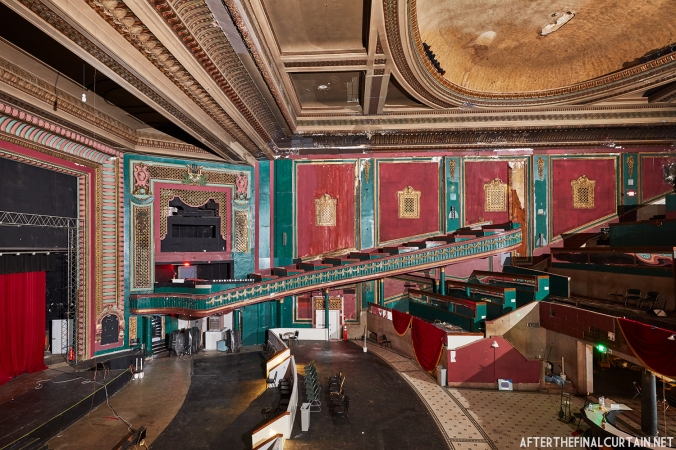
Auditorium as seen from one of the small balconies.

View of the auditorium from one of the small balconies.

The building passed through a number of owners in the 1980s and 1990s before it was purchased for $20,000 by the Watseka Theatre Corp. Watseka made $500,000 in repairs to the building, and reopened it as a second run movie theater on March 25, 1993. However, it couldn’t compete with local multiplexes and in October 1996, it changed formats and became a live music venue and nightclub. It closed again in 2005. The State was purchased by Banko Capitol, a real estate investment firm, and reopened as a performing arts center and cultural center in the Spring of 2013. After operating infrequently it closed again in September 2016 after the theater was sold at a county auction due to unpaid taxes. A grassroots organization called “Save the State Theatre SB” was formed by an Indiana University South Bend student in early 2019 to try and raise the funds to purchase and reopen the theater.
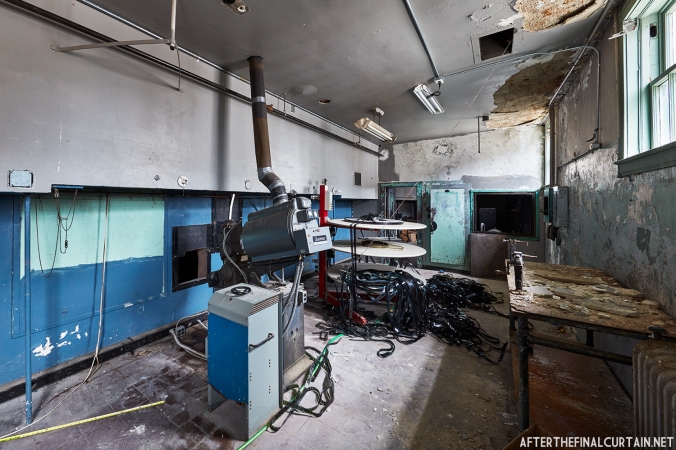
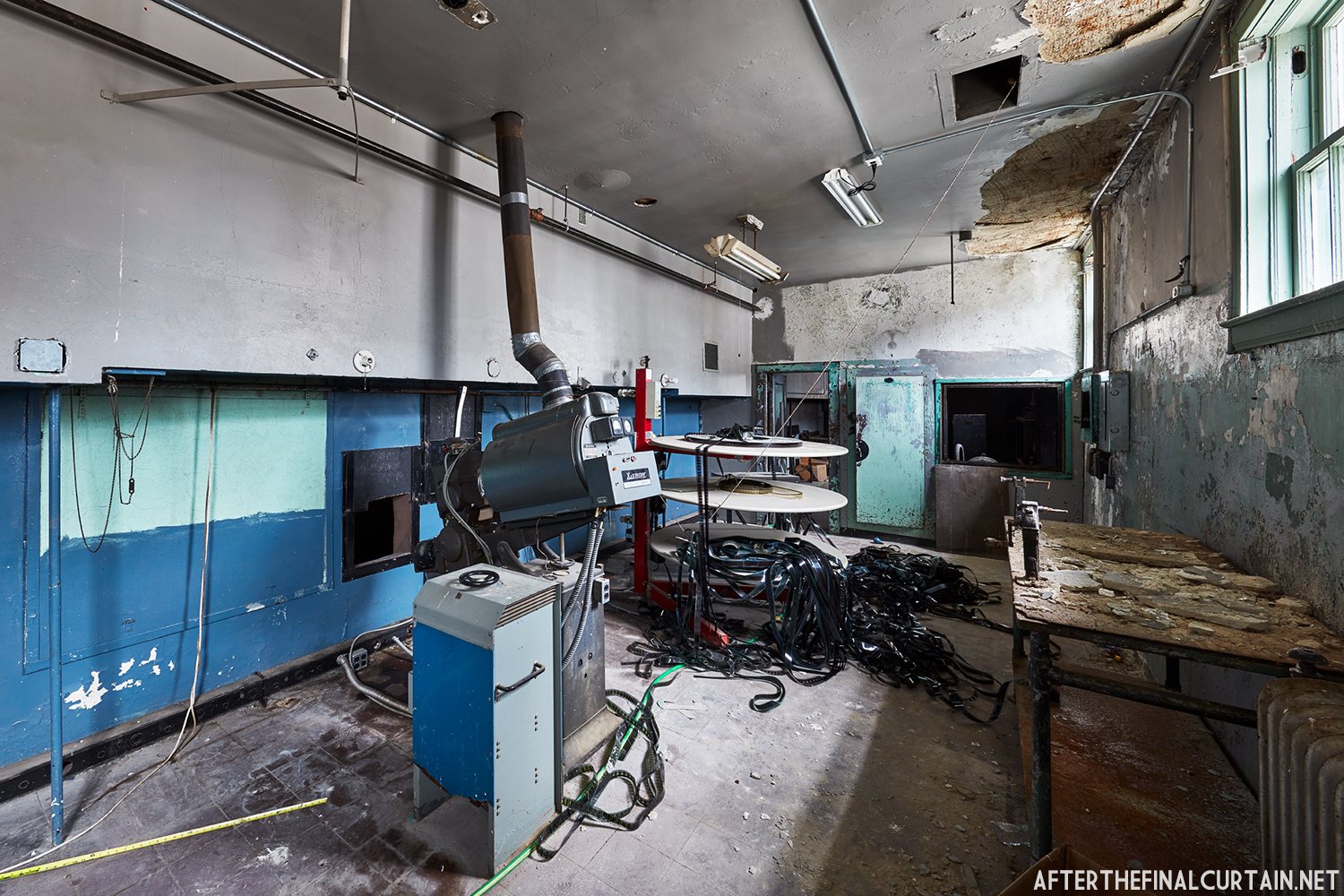
The Projection room of the State Theatre in South Bend, Indiana

The projection room is full of equipment that was likely installed during the theaters stint as a second run movie theater in the 1990s. The film on the platform was 1997’s Starship Troopers.
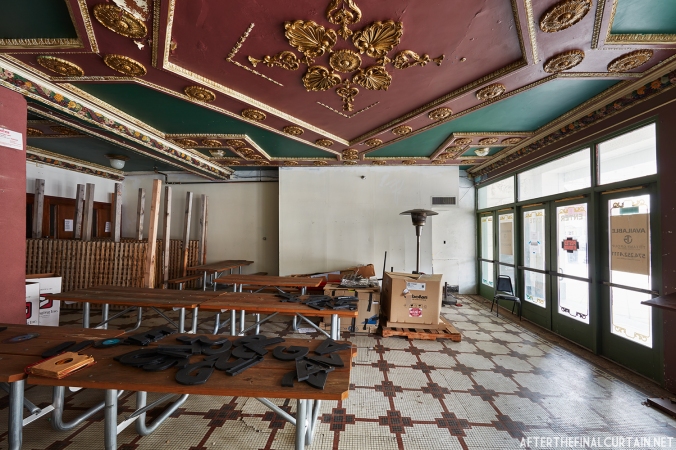
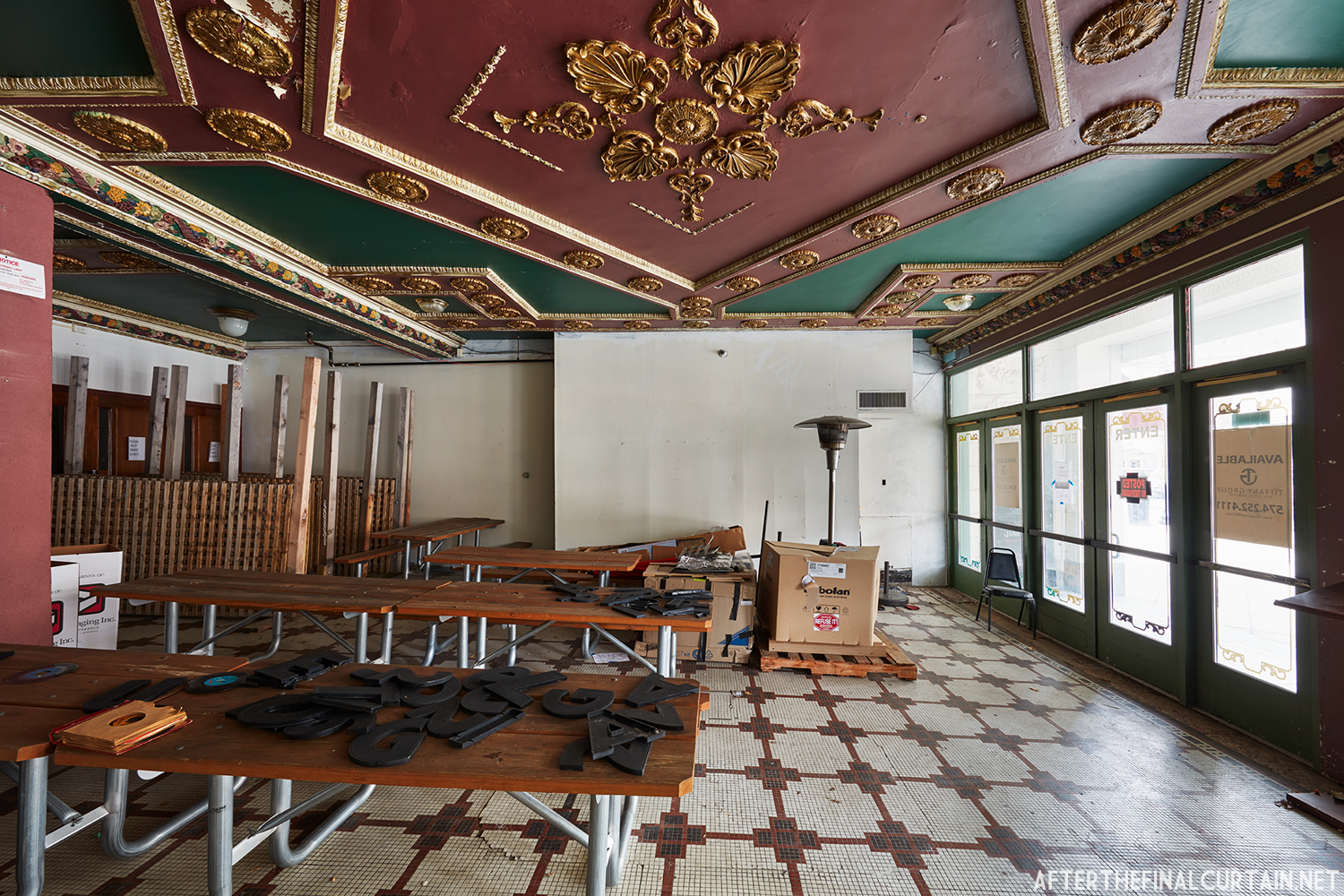
The lobby of the State Theatre in South Bend, Indiana

Like many large theaters of the era, the State had its own orchestra, the 17-piece Blackstone Symphony Orchestra, which was led by 21-year-old Angelo Vitale, one of the youngest band leaders in America at the time.
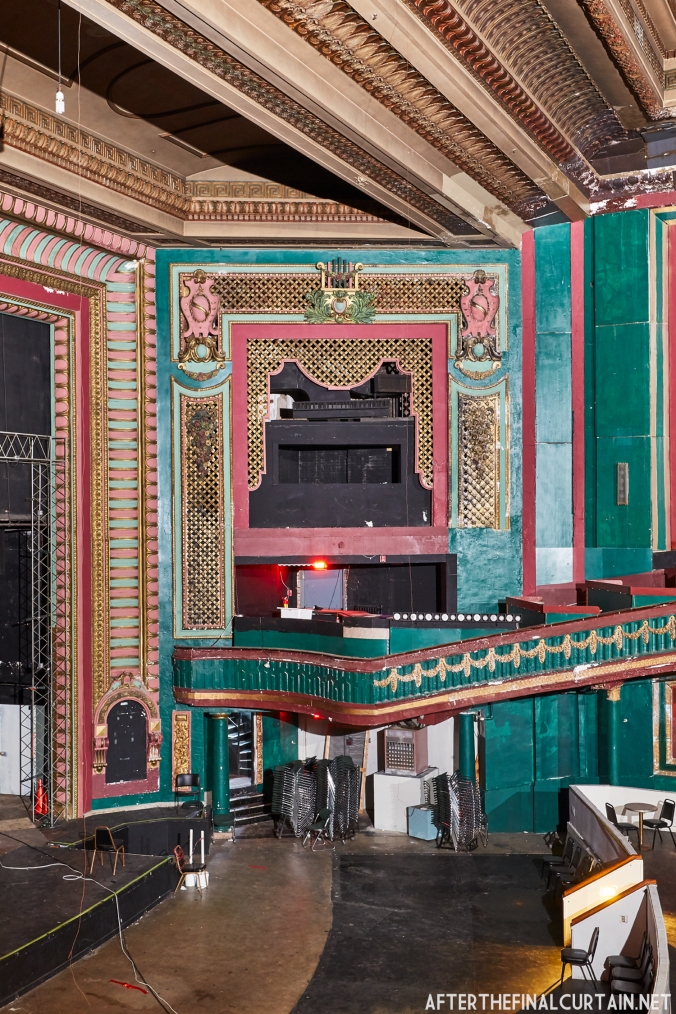
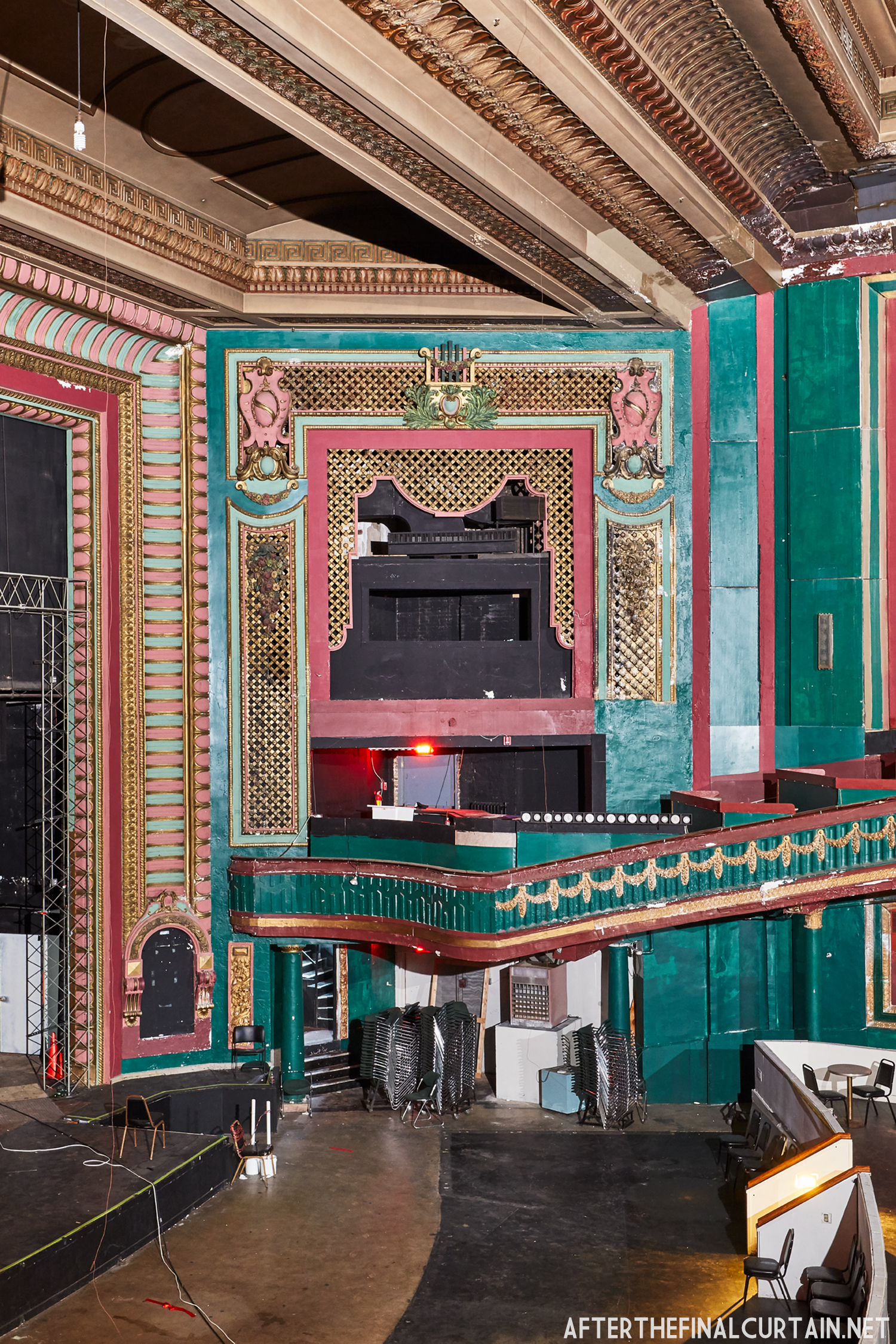
Organ Chamber in the auditorium of the State Theatre in South Bend, Indiana

The organ chamber, which once held pipes for the theater’s Kimball organ, is now filled with a large speaker.

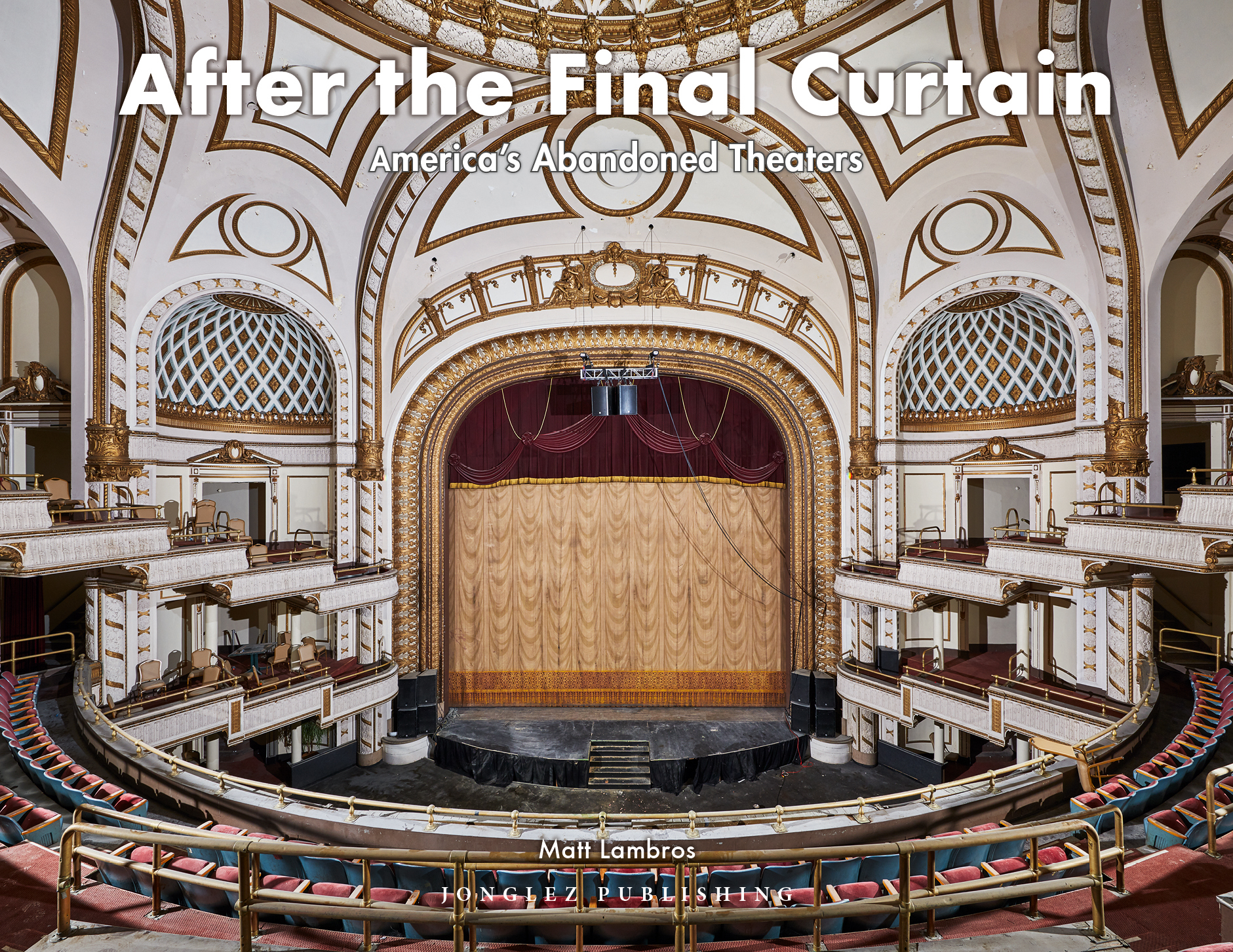
After the Final Curtain: America’s Abandoned Theaters

Cover of After the Final Curtain: America’s Abandoned Theaters.

I took a bit of a hiatus from the site to finish this up, but now that I’m completely done I’m excited to announce that my third book is coming out this November!

“After the Final Curtain: America’s Abandoned Theaters” will feature 20 different theaters across the United States, including six exclusive ones, and a foreword written by Tim League, the founder of the Alamo Drafthouse Cinema chain.

If you pre-order it via my site you will get a signed copy with a ticket stub and a 5×7 print of one of the theaters in the book. It should ship around the first week in November.

Pre-Order Link

The streets of small towns and cities across America were filled with the lights and sounds of movie theaters in the early 20th CenturyThe most opulent were known as “movie palaces,” which were designed to make their patrons feel like royalty; people would dress up to visit. But as time went on, it became harder and harder to fill the 2,000+ seat theaters, and many were forced to close.

Today, these palaces are illuminated only by the flicker of dying lights, and the sound of water dripping from holes in the ceiling echoes through the auditoriums. In “After the Final Curtain: America’s Abandoned Theaters,” internationally-renowned photographer Matt Lambros continues his travels across the United States, documenting these once-elegant buildings. From the supposedly haunted Pacific Warner Theatre in Los Angeles to the Orpheum Theatre in New Bedford, MA, which opened the same day the Titanic sank, Lambros pulls back the curtain to reveal what is left, giving these palaces a chance to shine again.

It’s also available to order on AmazonBarnes and Noble, Indiebound or your local bookstore.

I’m in the beginning stages of planning a book/lecture tour to promote the new book, so if you want me to visit your area let me know!

Here’s a sneak peek at some of the theaters that will be in the the new book:

View from the side of the balcony at the Emery Theatre in Cincinnati, Ohio

The auditorium of the United Artists Theatre in Detroit, MI

View from the balcony of the Majestic Theatre in East St. Louis, IL.