This was originally posted on After the Final Curtain’s Patreon in March 2022. For expanded early posts, as well as video walkthroughs and other exclusive content, you can become a patron at: https://www.patreon.com/afterthefinalcurtain
The Cabot is an active theater, but it’s one of my favorite local ones so I wanted to post it here.
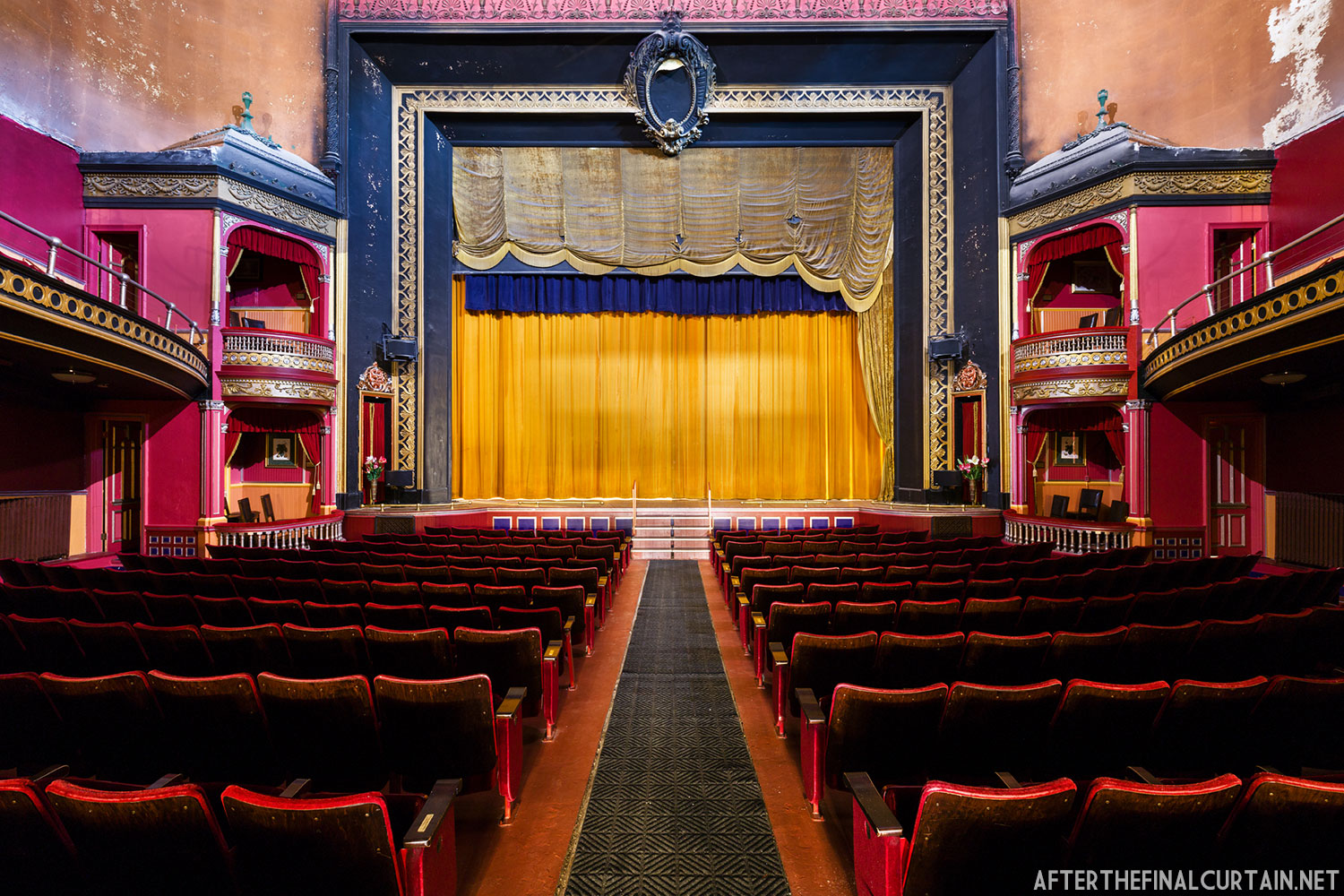
The Cabot Theatre in Beverly, MA, originally opened on December 8, 1920 as the Ware Theatre. Early advertisements hailed the theater as “the most impressive auditorium of its size east of New York” and “The Golden Theatre Beautiful.” Harris and Glover Ware, who also operated the nearby Larcom Theater, built the theater. They hired Funk and Wilcox, who also designed the nearby Strand Theatre and Franklin Park Theatres, both in Boston, to design it.
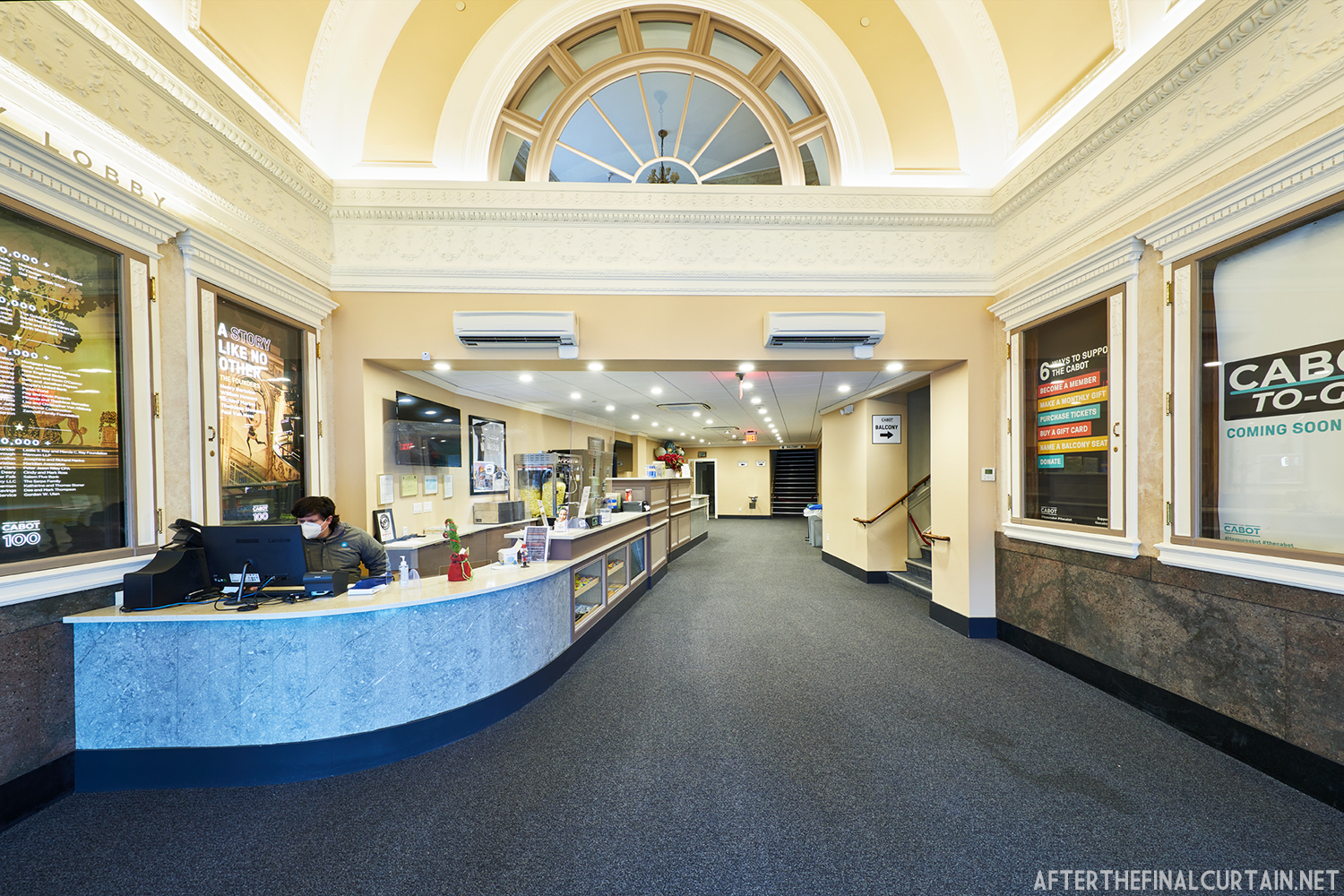
The lobby was restored while the theater was closed due to the Covid-19 pandemic.
The 1200 seat theater opened as a vaudeville and silent movie house, before transitioning to “talkies” or modern motion pictures in the late 1920s. It was leased to the E.M. Loew’s theater chain in 1944 and was purchased by them in 1962. Loew’s held a grand reopening on October 15, 1965 and renamed the theater to the Cabot Street Cinema.
The seats in the balcony were replaced in between my visits to the theater.
Loew’s operated the theater until 1976, when it was purchased by Le Grand David and His Own Spectacular Magic Company. Le Grand David performed his magic show at the theater until 2013. Cesareo Pelaez, the founder of Le Grand David, passed away, and the theater was put up for sale.
The murals in the auditorium resemble the ones in the Loew’s Majestic and Palace Theaters, but I haven’t been able to find documentation that states who painted these.
A consortium of five Beverly business people, Henry Bertolon, Bill Howard, Rich Marino, Thad Siemasko, and Paul Van Ness (who operates CinemaSalem) purchased it. The Cabot became a performing arts center, and in October 2015, hired an Executive Director, J. Casey Soward. In 2016, a multi-year, multi-million dollar renovation began at the Cabot. The renovation was to modernize the building and restore much of it to its original grandeur. It began by replacing all the seats, restoring the box seats, installing new HVAC and sound systems, and restoring the original lobby ceiling. It currently seats 850 people.
Because of the COVID-19 pandemic, the Cabot was forced to hold a virtual 100th anniversary celebration. Over 22,000 people viewed the performances from James Taylor, Grace Potter, Fantastic Negrito, and more. For more on the Cabot visit their website at https://thecabot.org/
I told you it was one of my favorite local theaters.
The Sorg Opera House in Middletown, Ohio originally opened on September 12, 1891. Paul J. Sorg, an esteemed entrepreneur and Middletown’s first multi-millionaire, commissioned the opera house as a gift to the city. To bring his vision to life, Sorg engaged the services of Samuel Hannaford, the architect responsible for designing the Cincinnati Music Hall. Hannaford designed a 1,200-seat opera house, characterized by its opulent interior and exquisite details.
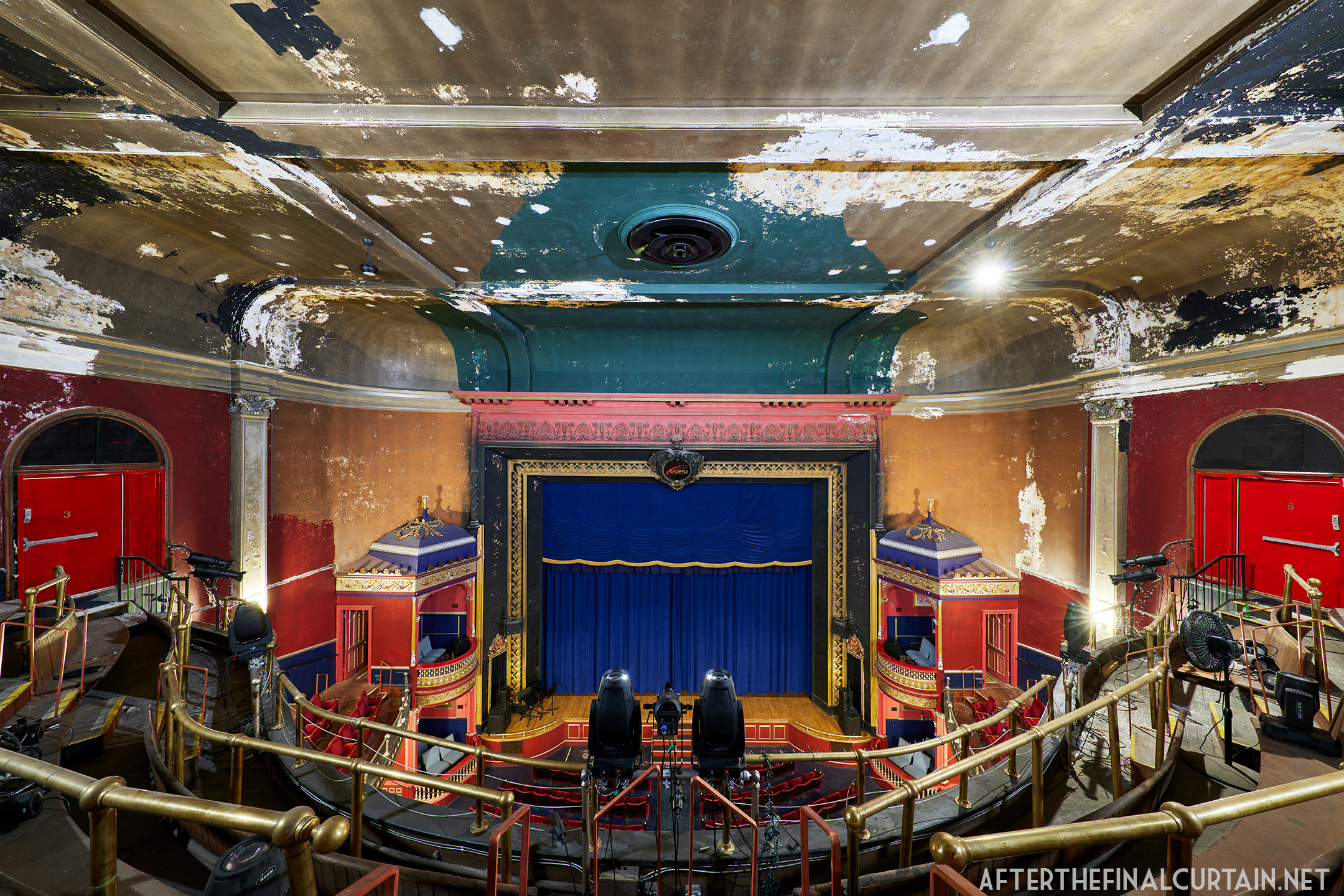
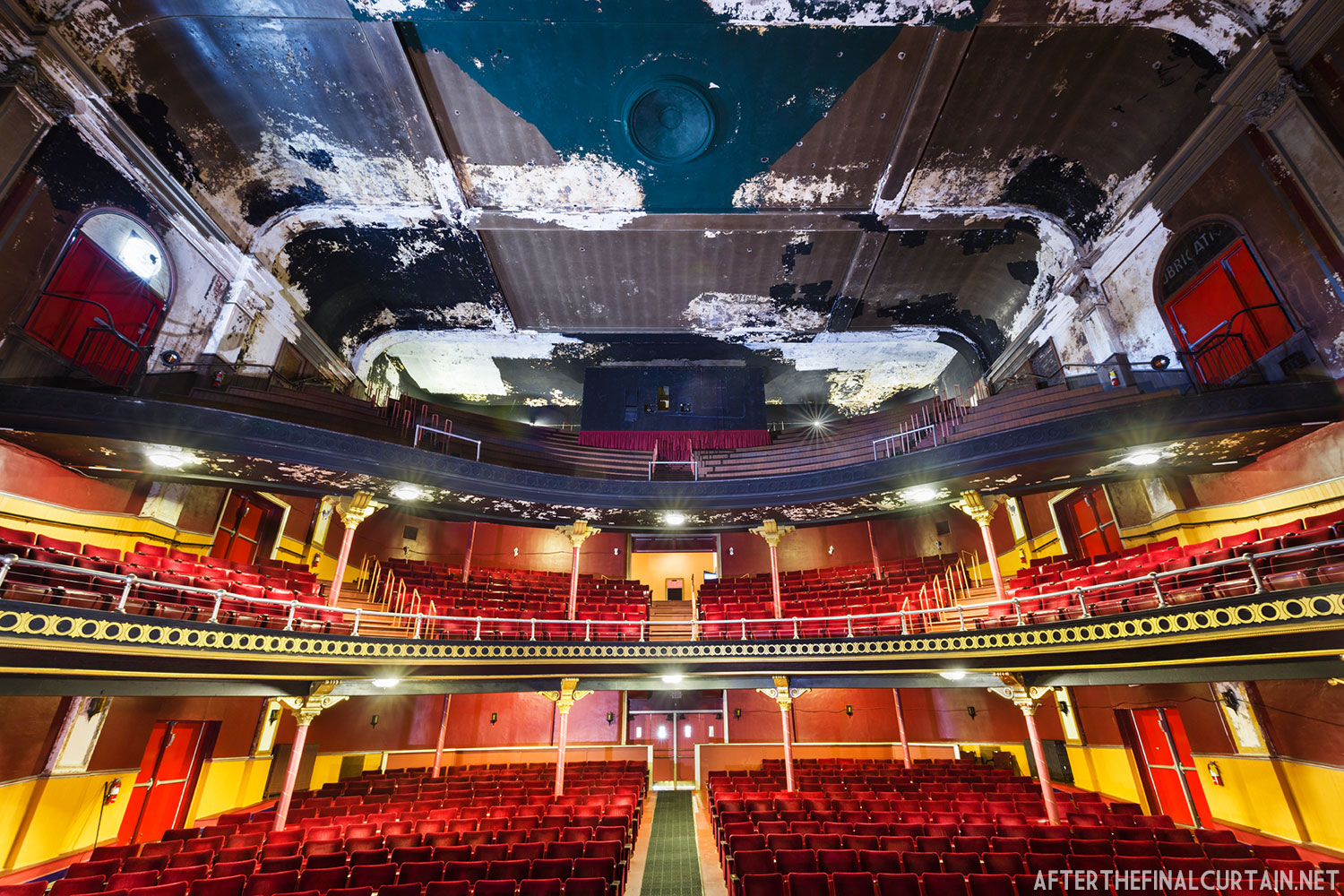
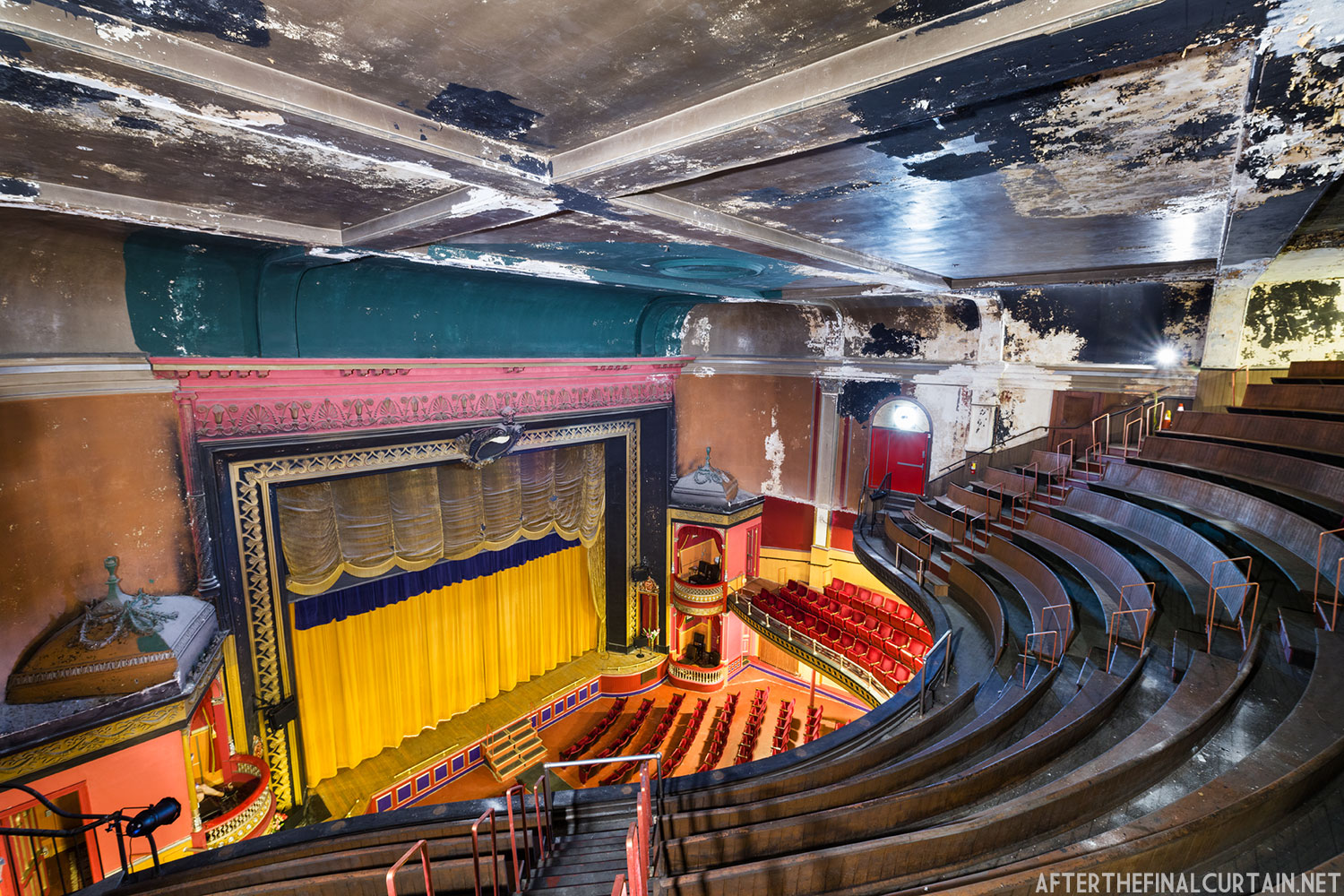
View from the balcony in 2023.
On its opening day, the Sorg Opera House treated attendees to a performance of the opera “The Little Tycoon,” composed by Willard Spenser. The event was made even more memorable by a speech delivered by the Ohio Governor James E. Campbell.
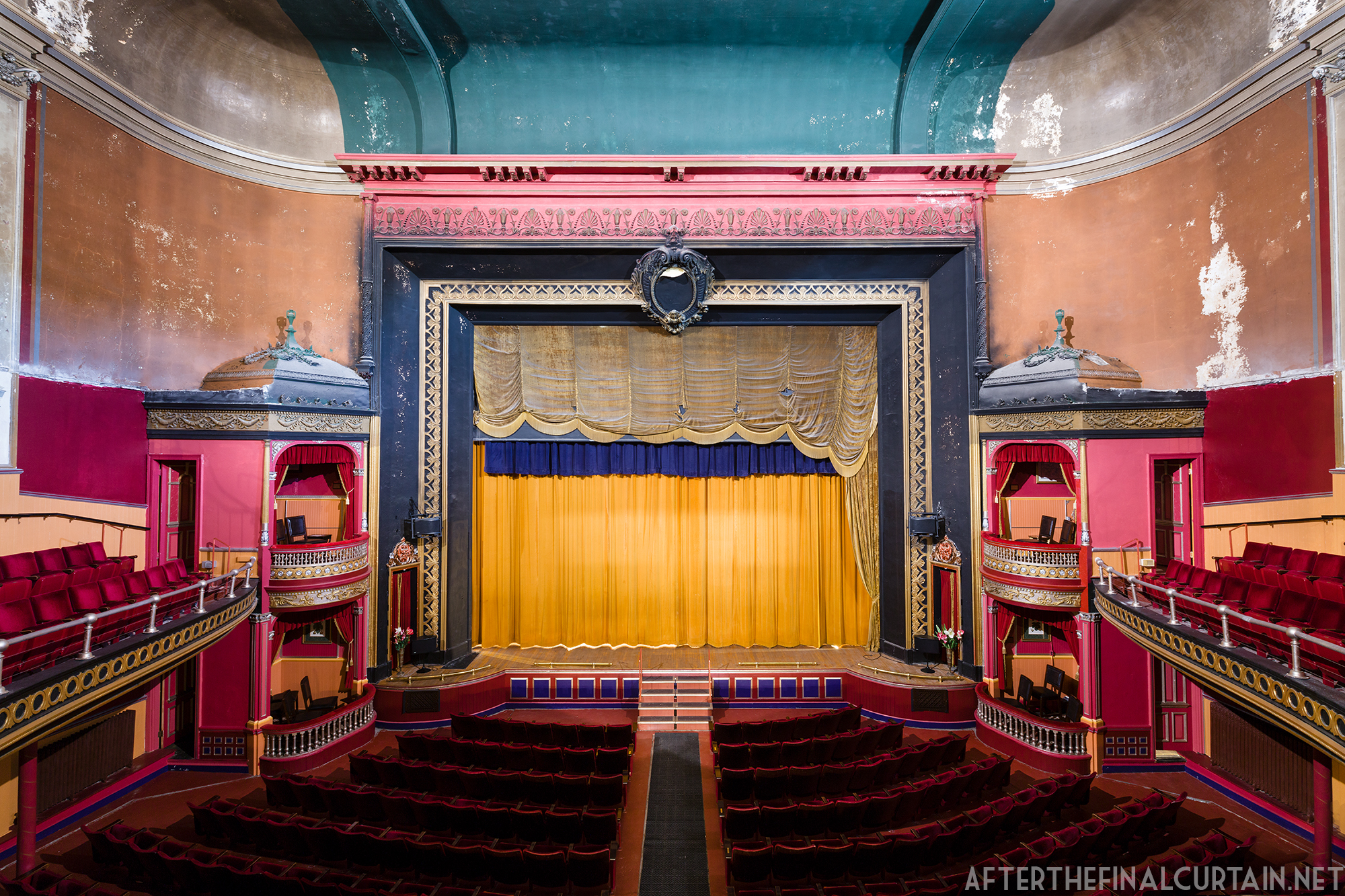
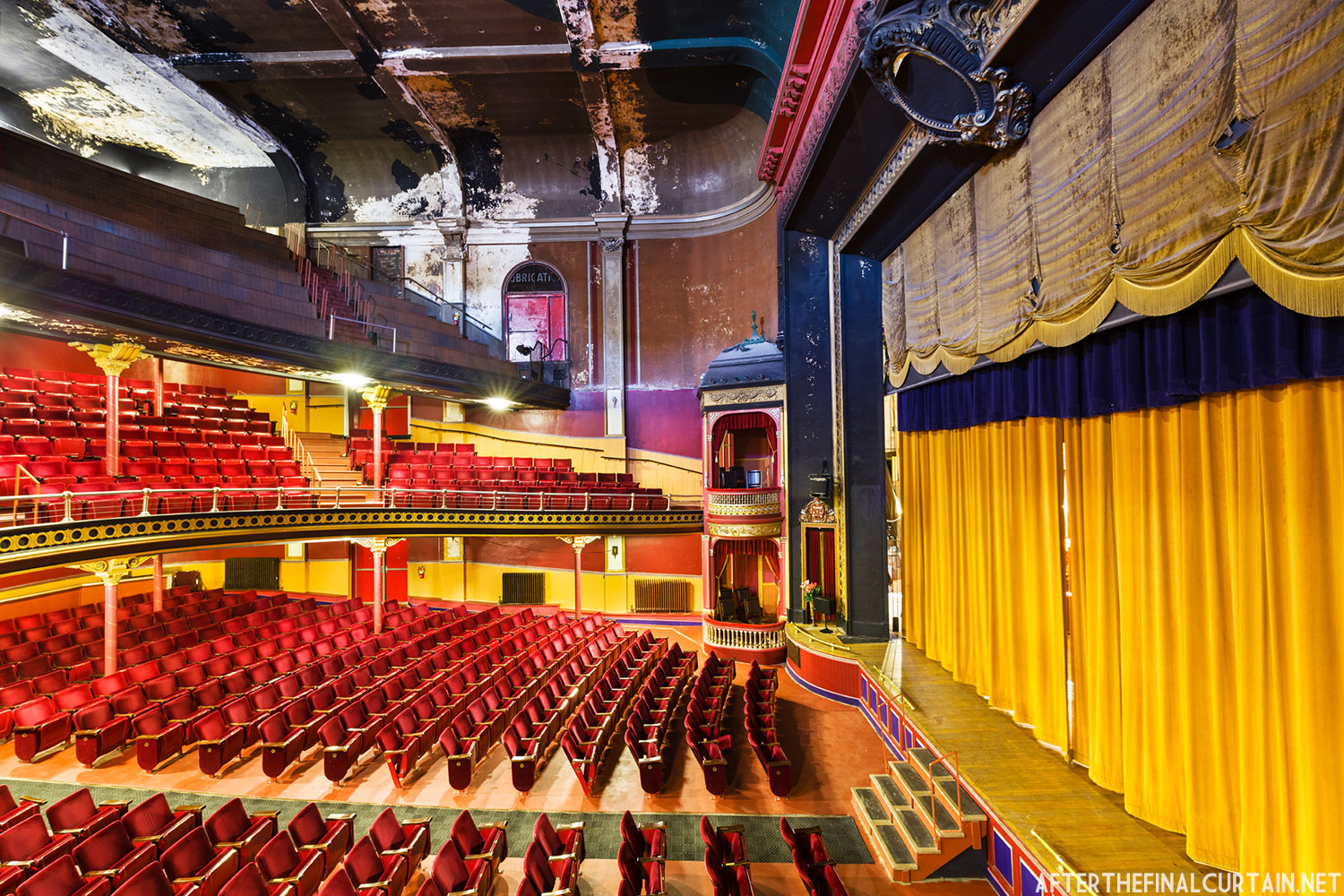
View of the auditorium from the stage.
In 1901, the Sorg Opera House expanded its repertoire to include early forms of motion pictures, such as photo plays, alongside its opera performances. Vaudeville acts also became a regular feature, entertaining the audience before the operas took the stage. Over the years, the opera house hosted numerous talented vaudeville performers who would later achieve fame, including Marie Dressler, Will Rogers, Al Jolson, Bob Hope, and Sophie Tucker.
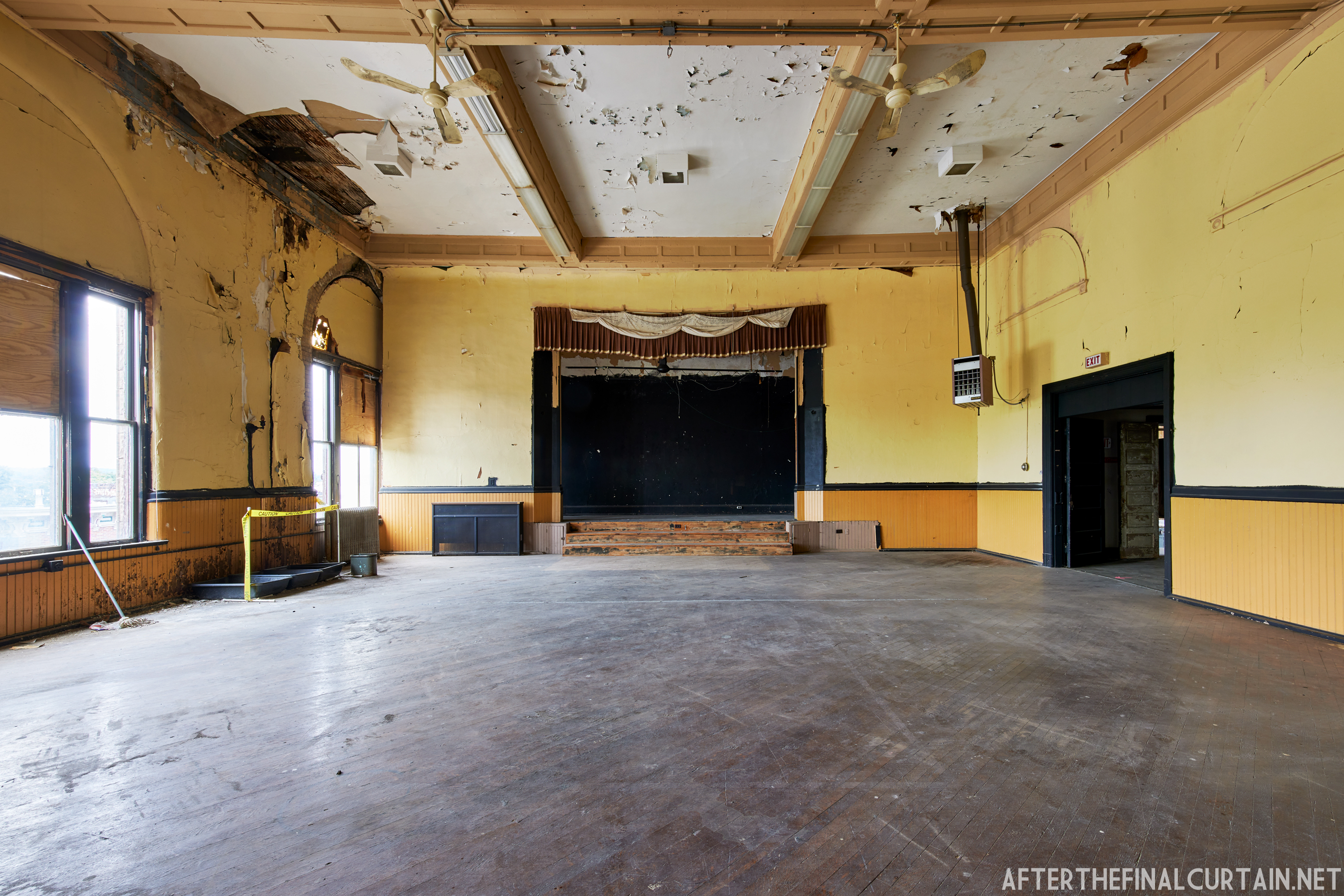
The ballroom in the building next to the Sorg will eventually become an event space for the Opera House.
As time went on, the popularity of live shows began to wane, leading to their discontinuation in the late 1920s. However, recognizing the emerging trend in the film industry, the Sorg Opera House underwent a transformation. In the summer of 1929, a sound system was installed, marking a pivotal turning point as the opera house transitioned into a full-time movie theater. This adaptation allowed the venue to continue entertaining the community while embracing the evolving medium of cinema.
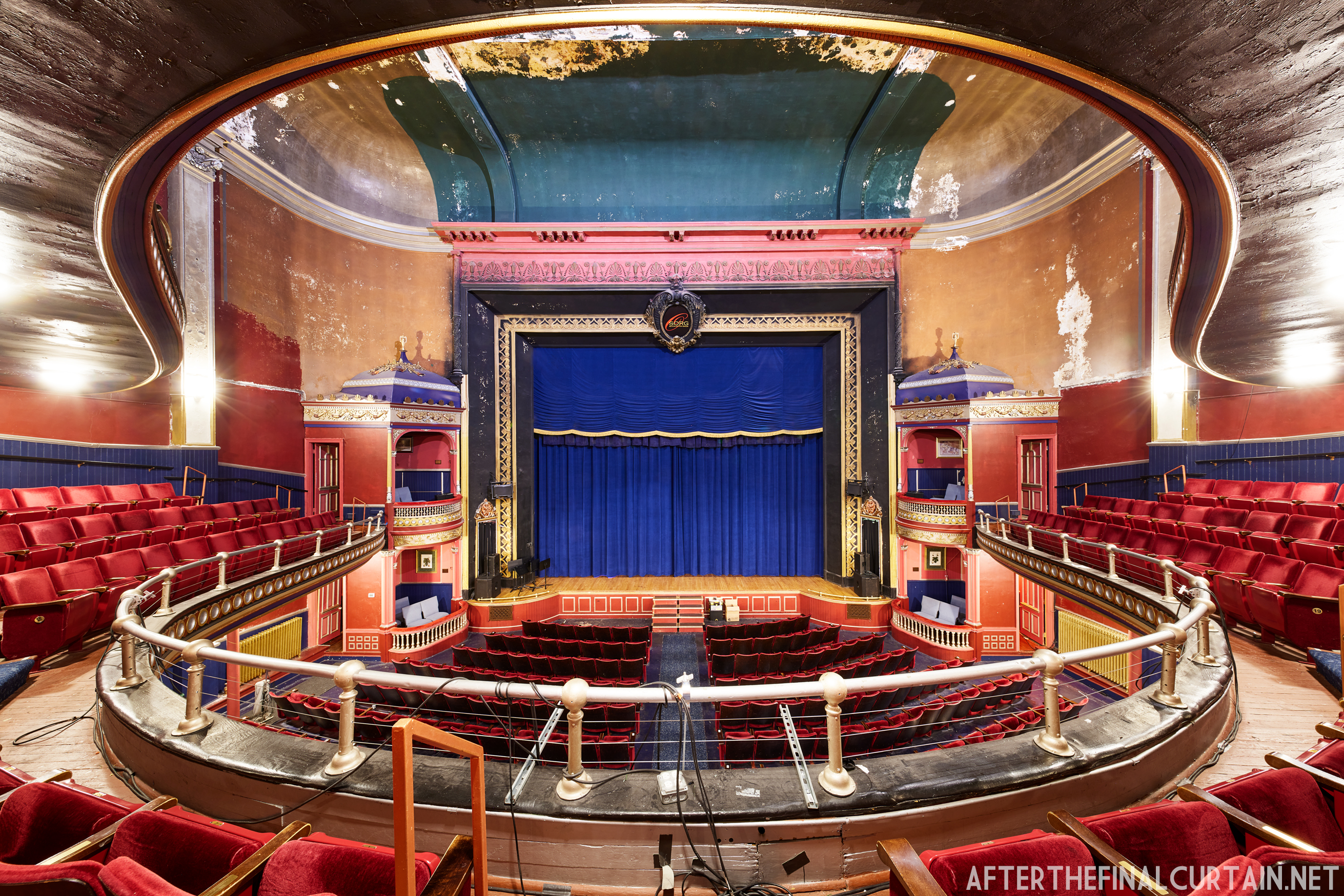
The orchestra and mezzanine levels have been restored, but the upper balcony and ceiling remain in a state of disrepair.
On January 17, 1935, a fire broke out in the backstage area of the Sorg Opera House, resulting in substantial damage amounting to $10,000 at the time (equivalent to approximately $185,298 in today’s currency, adjusted for inflation). The severity of the fire forced the opera house to close its doors for several months. However, in April 1935, the Gordon Theatre Company stepped in and secured a long-term lease on the theater, taking charge of the necessary repairs.
The orchestra level in 2023.
After undergoing extensive renovations, the Sorg Opera House triumphantly reopened its doors on September 22, 1935, showcasing a combination of films and stage shows. In the late 1940s, the Sorg Opera House temporarily closed once again, this time for a remodeling project. One notable change during this period was the addition of a false ceiling, which effectively separated the upper balcony from the rest of the theater. This modification was implemented to enhance the acoustics and improve the overall sound quality, ensuring an enhanced auditory experience for the audience.
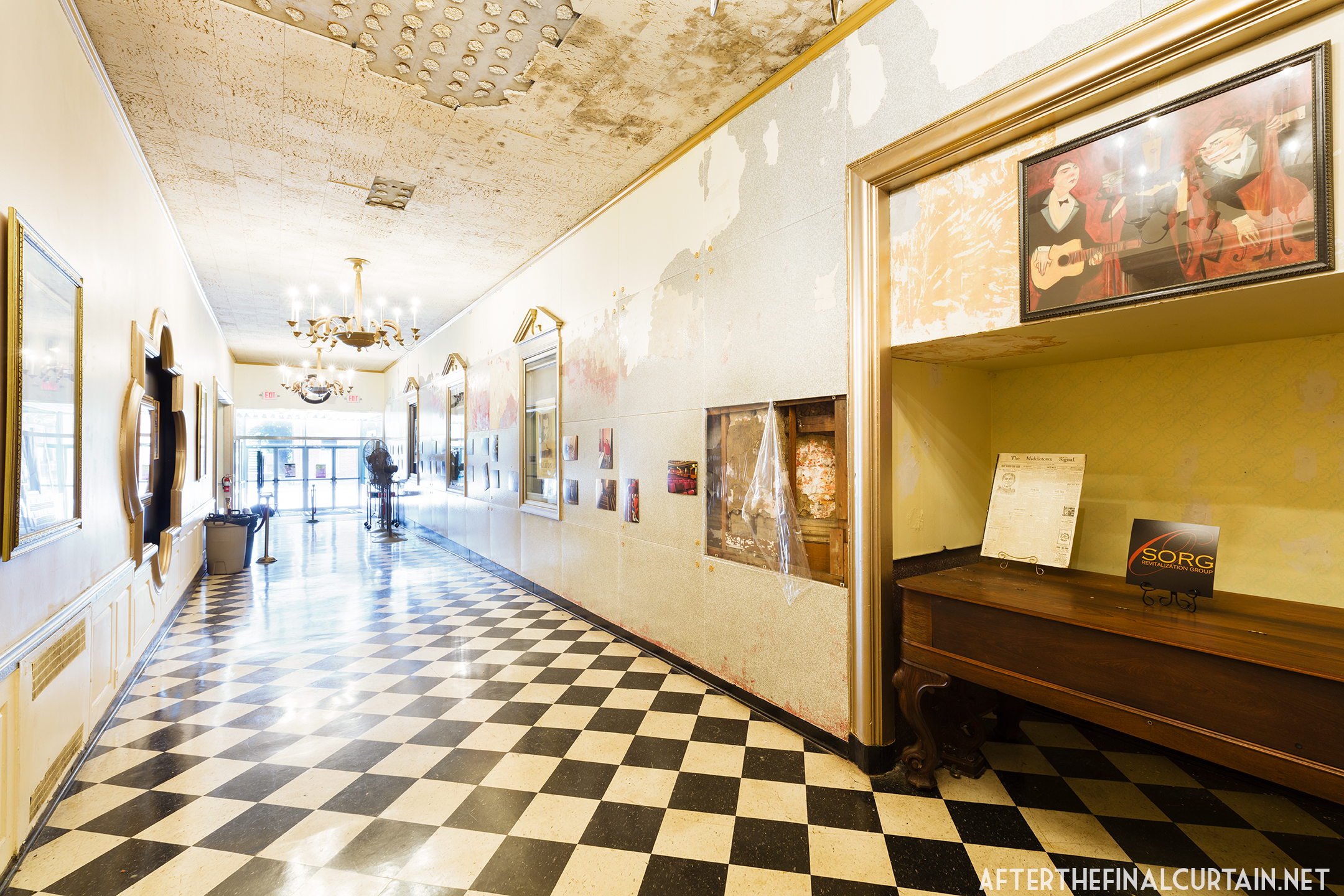
The original walls of the lobby were covered up during the remodel in the 1940s.
After operating as a movie theater for several decades, the Sorg Opera House closed in the late 1970s. However, the formation of the Friends of the Sorg group brought new hope and a renewed purpose for the historic venue. Their vision was to reopen the theater as a live performance venue, and their efforts were successful. The Friends of the Sorg ran the theater until 2010 when a water main break forced its closure once again.
In 2012, a new group called the Sorg Opera Revitalization Group (SORG) was established with the goal of purchasing and reopening the building. Their dedication and determination led to the acquisition of the theater in August 2012, with a purchase price of $32,000. Since then, SORG has made significant improvements to the building, gradually restoring its grandeur. Some notable changes include the removal of the partition between the upper balcony and the main auditorium, the replacement of seats with those donated from the Cincinnati Music Hall, repairs to the public restrooms, and the re-hanging of the house curtains.
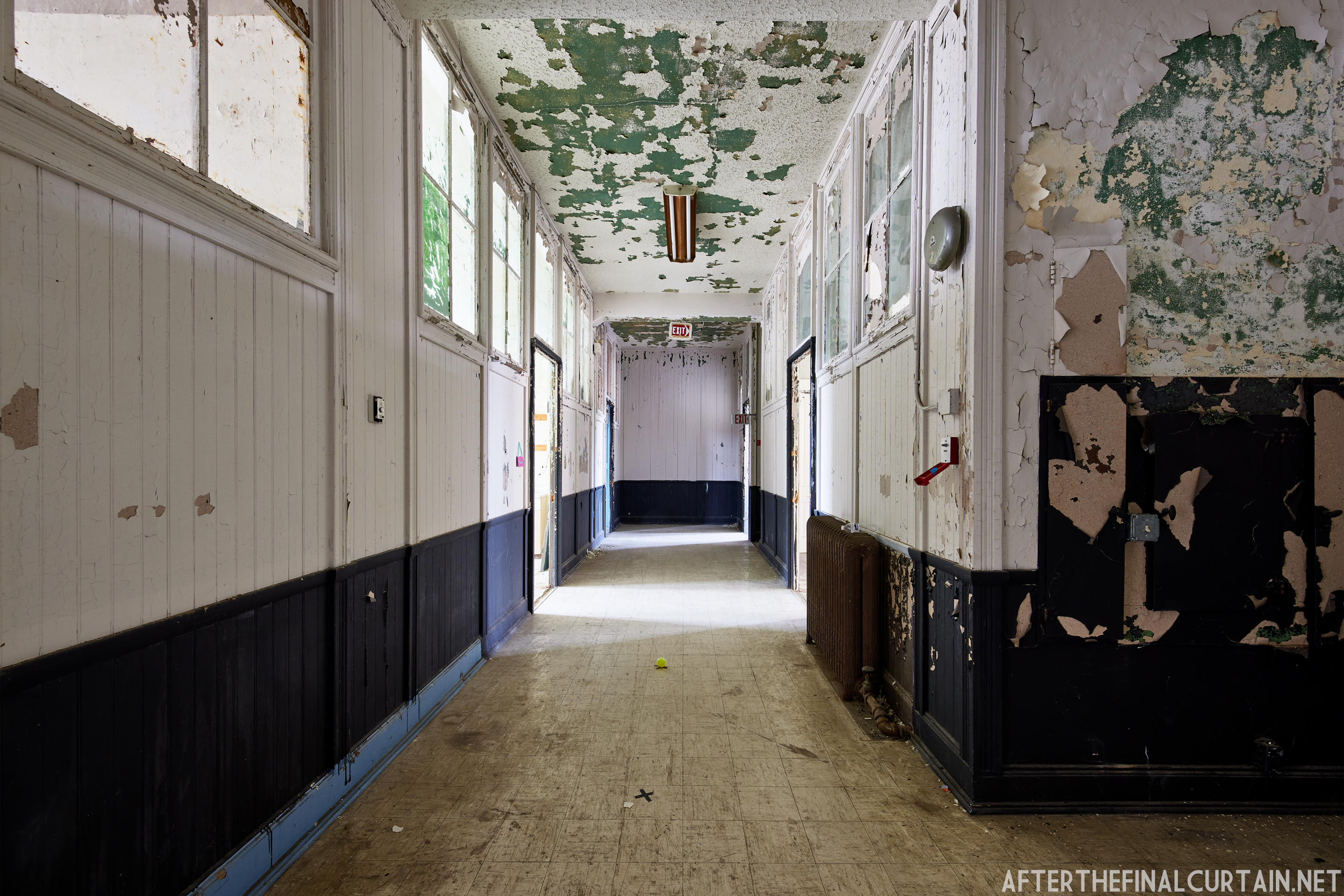
A hallway in the building next to the Sorg, which is planned to become part of the opera house after renovations.
While substantial progress has been made, a full restoration of the Sorg Opera House is estimated to require an investment ranging from $9 million to $11 million. Despite the ongoing restoration efforts, the theater reopened its doors in late 2017 with a special performance titled “Celebrate the Sorg,” featuring the Butler Philharmonic Orchestra. This reopening marked a significant milestone in the theater’s journey toward revival, reaffirming its role as a cultural hub for the community.
Like many theaters at the time, the Sorg was segregated. It had a separate entrance, ticket booth and balcony for its non-white patrons.
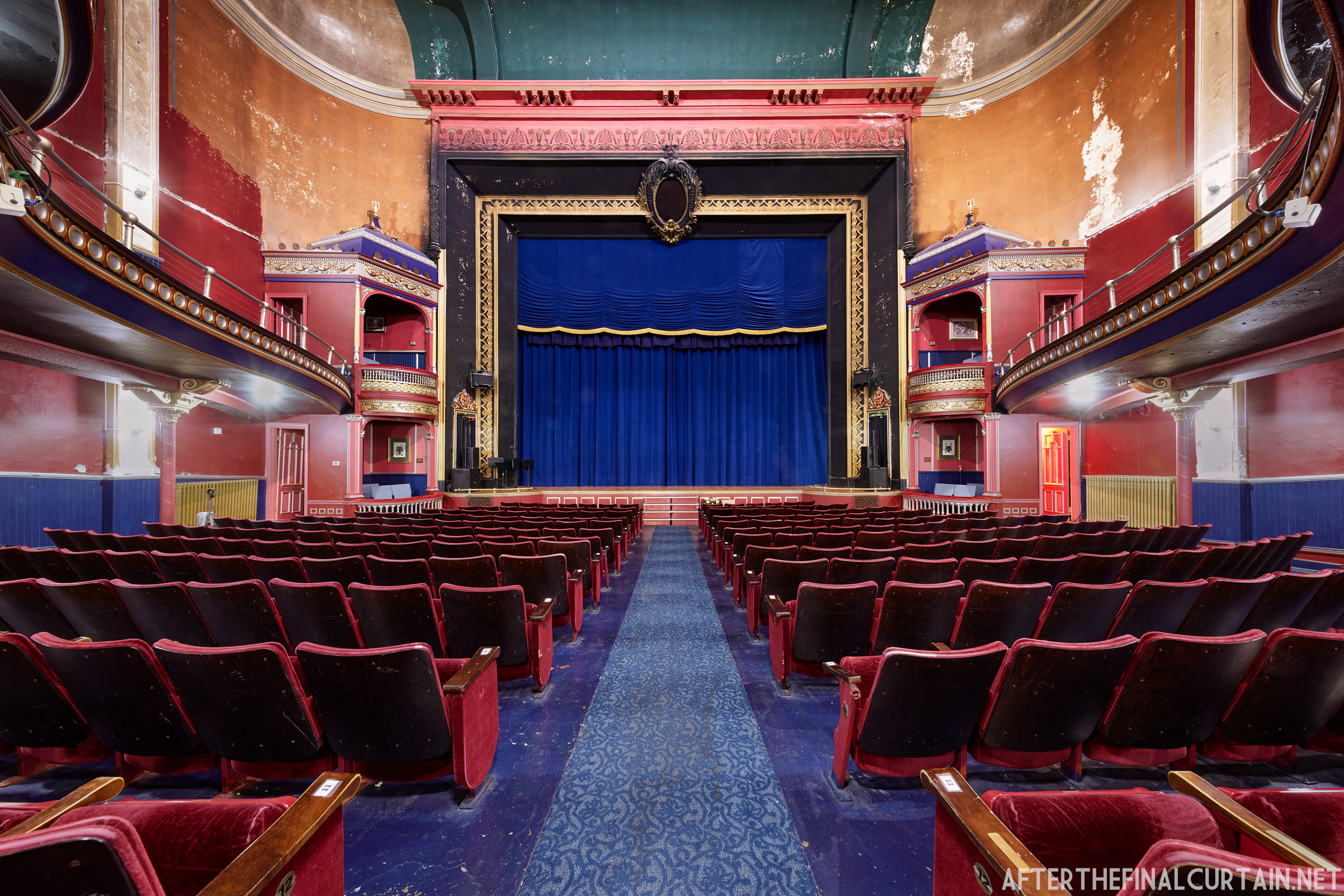
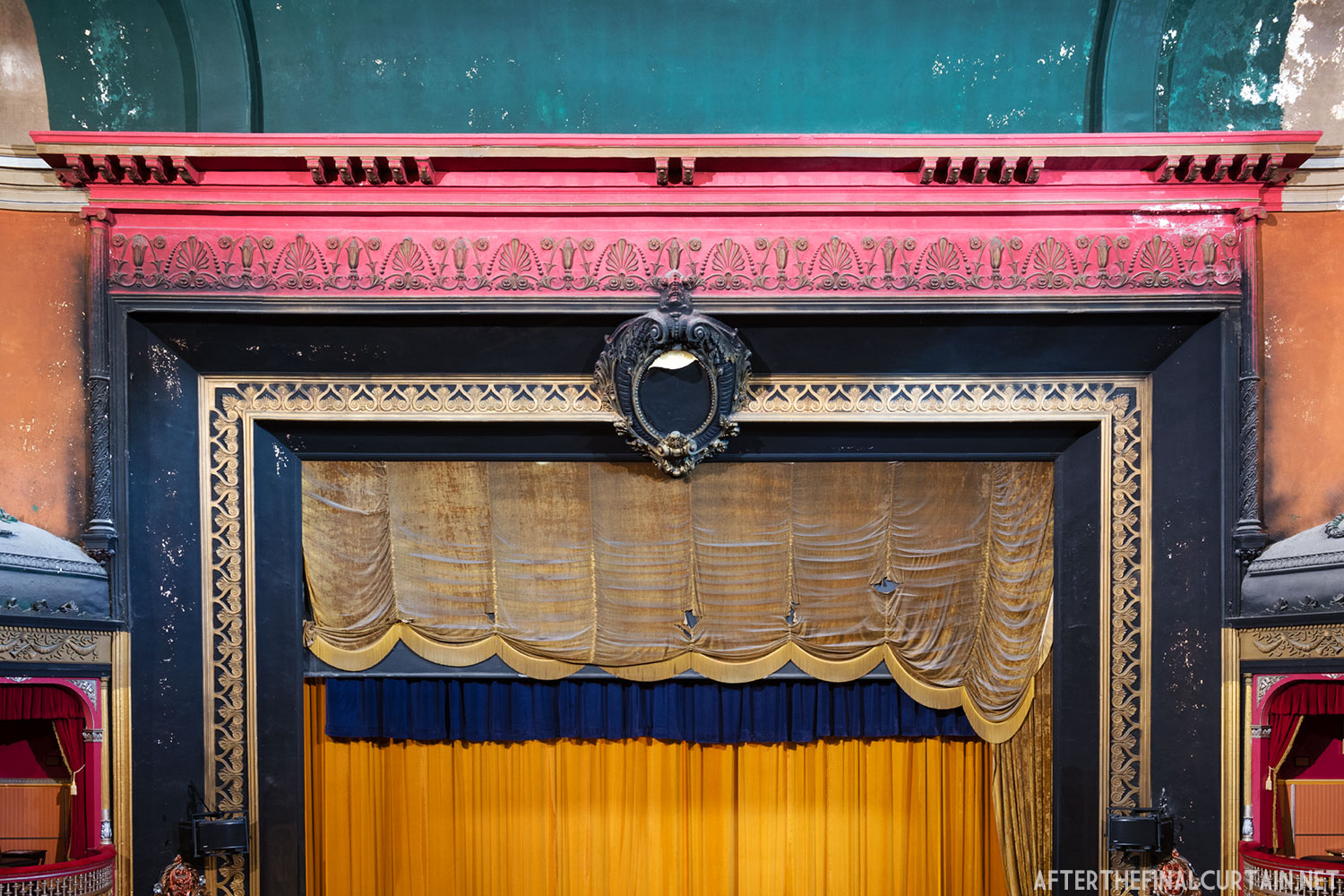
The much of the proscenium arch was covered up during the remodel in the late 1940s.View of the auditorium from the main level.
The Kenosha is one of the 22 theaters in my new book “After the Final Curtain: The Fall of the American Movie Theater.” Find out more here.
View of the auditorium from the side of the balcony.
The Kenosha Theatre opened on September 1st, 1927. It was designed by Larry P. Larson, an architect from the mid-western United States. The theater cost $750,000 ($10,220,301 when adjusted for inflation) and was financed by United Studios of Chicago. It was commissioned by Carl Laemmle, a Wisconsin native and one of the founders of Universal Studios. The 2300-seat theater was built to resemble the Alcazar castle in Segovia, Spain, which is rumored to be the inspiration behind Cinderella’s Castle at Walt Disney World.
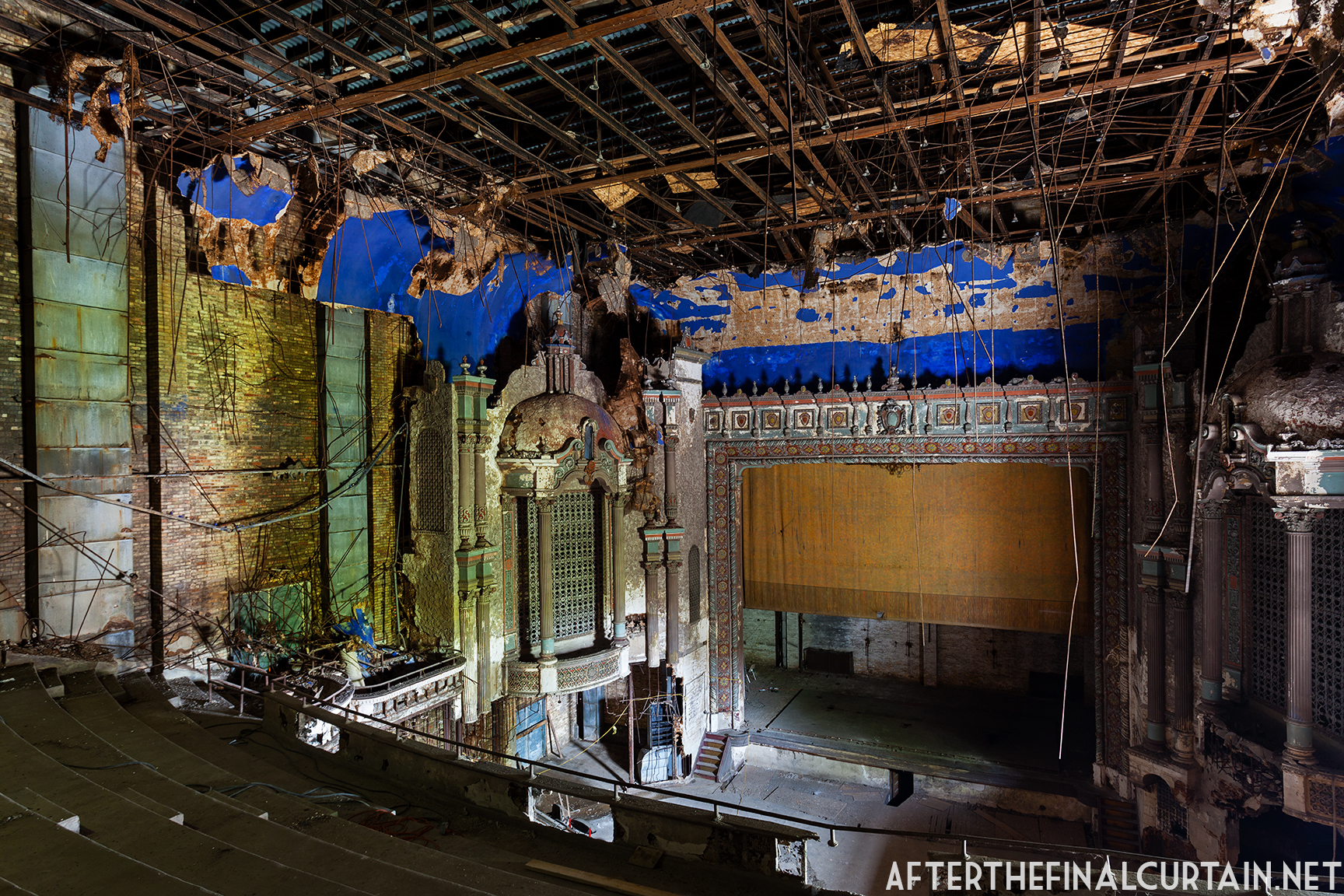
Much of the blue ceiling was destroyed when the roof was replaced in the mid-1990s.
An atmospheric theater, the auditorium ceiling was painted a dark navy blue and covered with lights that were meant to look like stars. This gave patrons the illusion that they were sitting in a courtyard under the night sky while watching a film. Larson took it a step further than most of his contemporaries when it came to the layout of the ‘stars’ and arranged them with data from the department of astronomy at the University of Wisconsin.
Lobby staircase leading to the balcony.
Like many early 20th century theaters, the Kenosha opened as a vaudeville and silent film house. The opening program included a vaudeville act called “Dear Little Rebel” and a silent film, “The Irresistible Lover”. The Kenosha began showing ‘talking pictures’ when a Vitaphone system was installed in February 1927. Vitaphone was the only commercially successful sound-on-disc system for showing motion pictures with sound. The sound was on phonograph or vinyl records and was synced to the film by special turntables attached to the projectors. Like other theaters of this era, the Kenosha often held contests and giveaways to encourage customers to return. In July of 1928 the theater offered free airplane flights to its patrons. You could sign up to take a free flight with a licensed pilot as long as you saw a film at the theater.
Some fallen pieces of plaster are being stored in the theater’s lobby so they can be used in the eventual restoration.
On December 18, 1928 eight men broke into the Kenosha Theatre, tied up the night watchman and cracked open the safe in the office, stealing $1,022 in cash and $720 in gift-ticket books. Alexander Dotz, the night watchman, confessed the following day that the robbery was an ‘inside job’ and that he planned the heist with his co-conspirators at a roadhouse the day before took place. He also revealed that his brother, a police officer, who had watched the robbery from the balcony, was planning on arresting the men but chickened out at the last minute. Both brothers testified in court that they had been forced to participate in the robbery due to repeated threats from the ringleader, Angelo Tarello. The Dotz Brothers were each sentenced to 16-20 years in the Green Bay Reformatory.
View of the auditorium from the rear of the balcony.
Warner Bros, who took over the theater in 1929, closed the Kenosha Theatre in March of 1933 along with six other theaters in the area. Sol J. Hankin, general manager for Warner Bros is quoted as saying, “We may keep the theaters closed for a year, maybe less, maybe more, maybe forever. General economic conditions are the chief cause for their closing, but I can say that we do not believe there was the proper amount of cooperation from union labor”. Hankin cited that motion picture operators refused a reduction in salary that other theater employees had received. The Kenosha was reopened the following year after it was acquired by Standard Theatres, Inc.
A close up of the theater’s proscenium arch.
Many Hollywood stars performed live at the Kenosha, including Frank Sinatra, Bing Crosby, Nat King Cole, Lawrence Welk and the Three Stooges. It closed on April 21, 1963, 36 years after it opened. Standard Theatres Inc. sold the theater with a stipulation in the deed that it could not be used as a theater for 30 years. Standard also owned the Lake Theatre in Kenosha and did not want competition. It was later used as a warehouse and a flea market before being closed permanently. Due to years of neglect, the roof leaked badly and much of the interior was damaged by the water exposure.
In 1983 the theater was purchased by Kenosha Theatre Development. The group repaired the storefronts and the apartments attached to the building to help generate funds towards restoration of the theater. In the mid-1990s a new roof was installed. This had the unfortunate effect of destroying most of the ‘starlit’ ceiling, but it was necessary to prevent further water damage. Debris from the roof covered the main floor and it took volunteers three years to remove it all. It’s estimated that the theater will cost $24 million to restore.





 After the Final Curtain