I knew I wanted to do something a little different for the 200th theater I photographed. I was speaking with a friend who went to school in upstate (real upstate, not just slightly north of NYC) and he asked “have you been to the one above the library in Marathon?” I hadn’t heard of it and was immediately intrigued. I found a few recent photos online and knew this would be perfect. Plus, it’s now the oldest theater I’ve photographed in the United States. As with most of my posts – it was originally posted on Patreon in August 2021. For expanded early posts, as well as video walkthroughs and other exclusive content you can become a patron at: https://www.patreon.com/afterthefinalcurtain
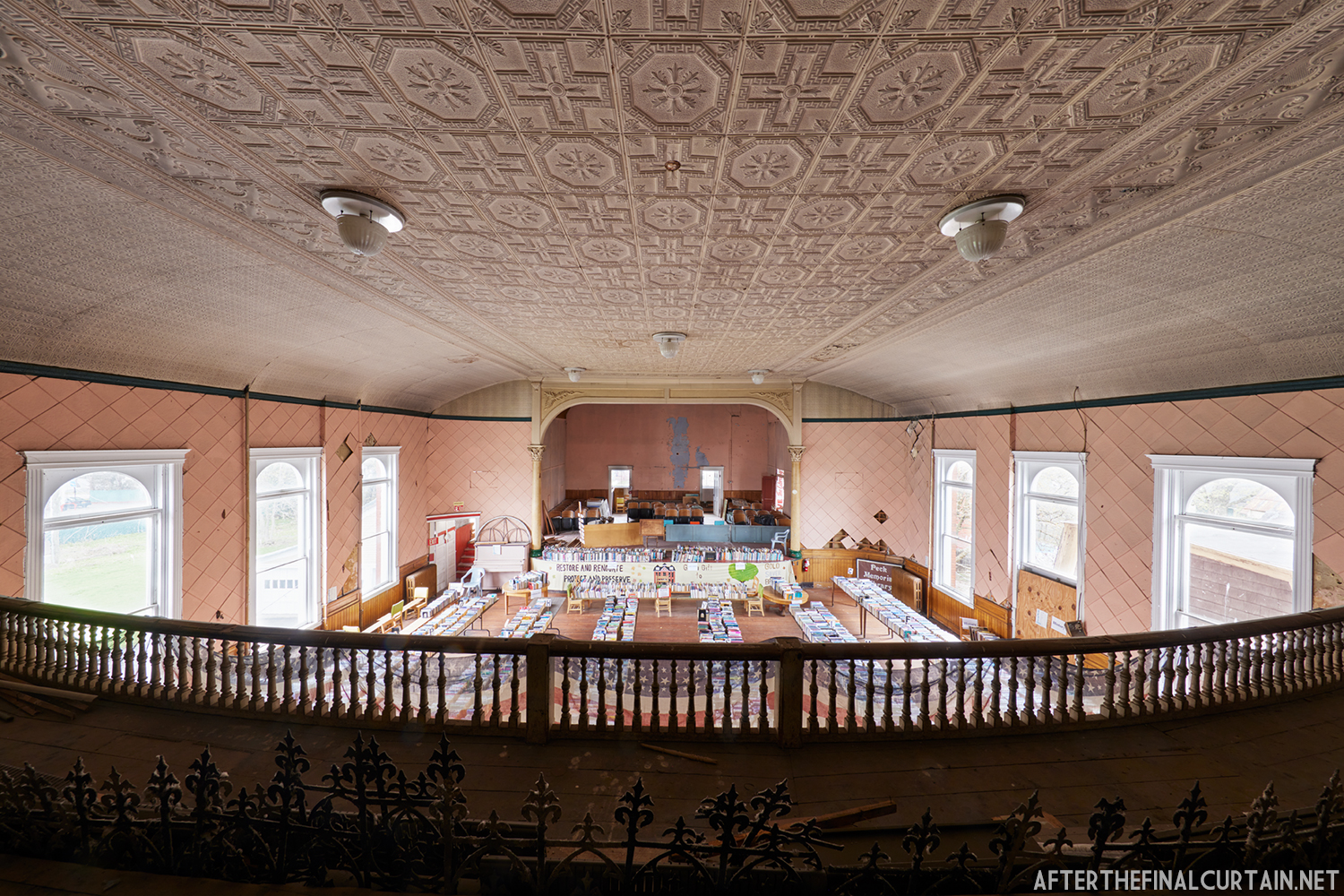
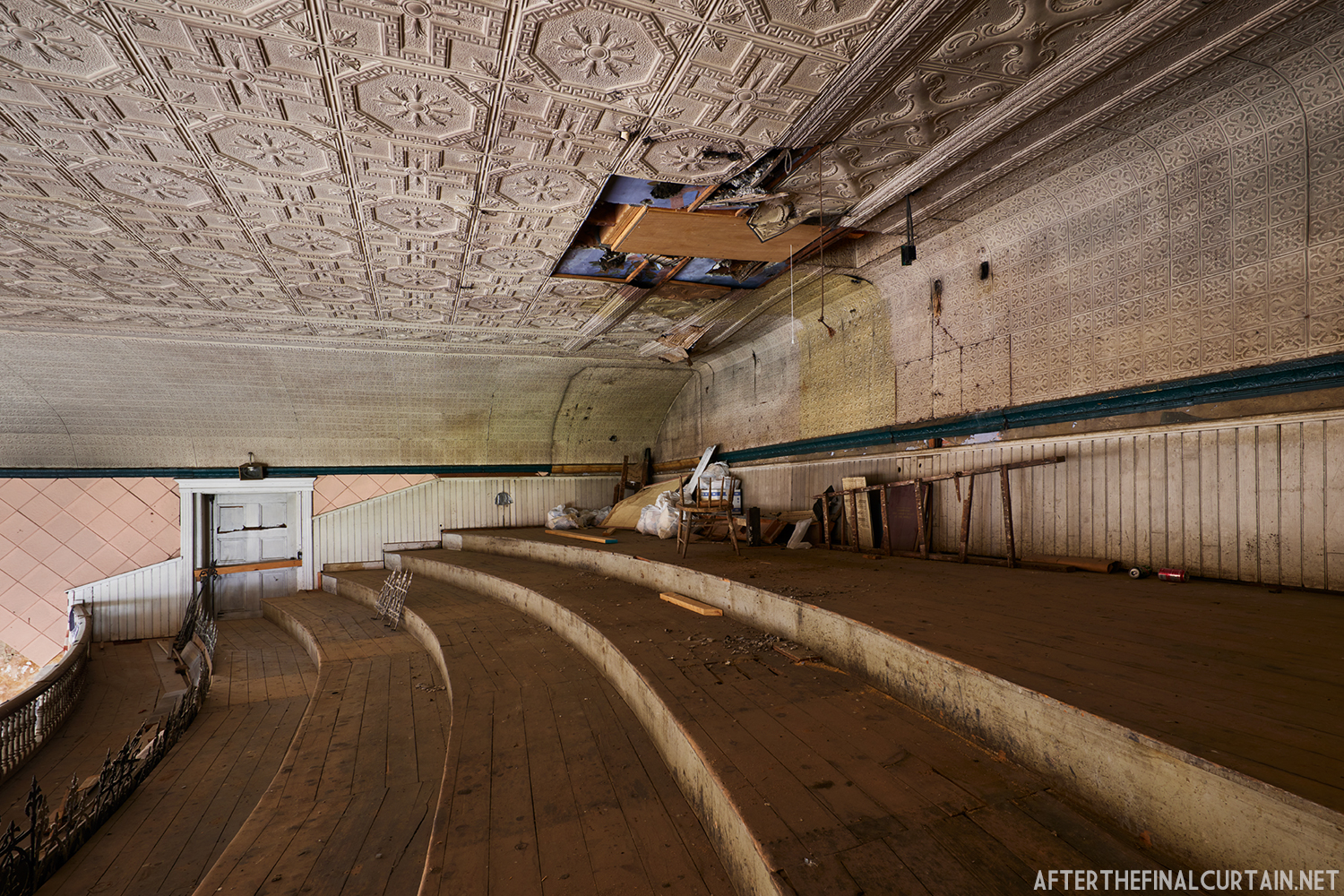
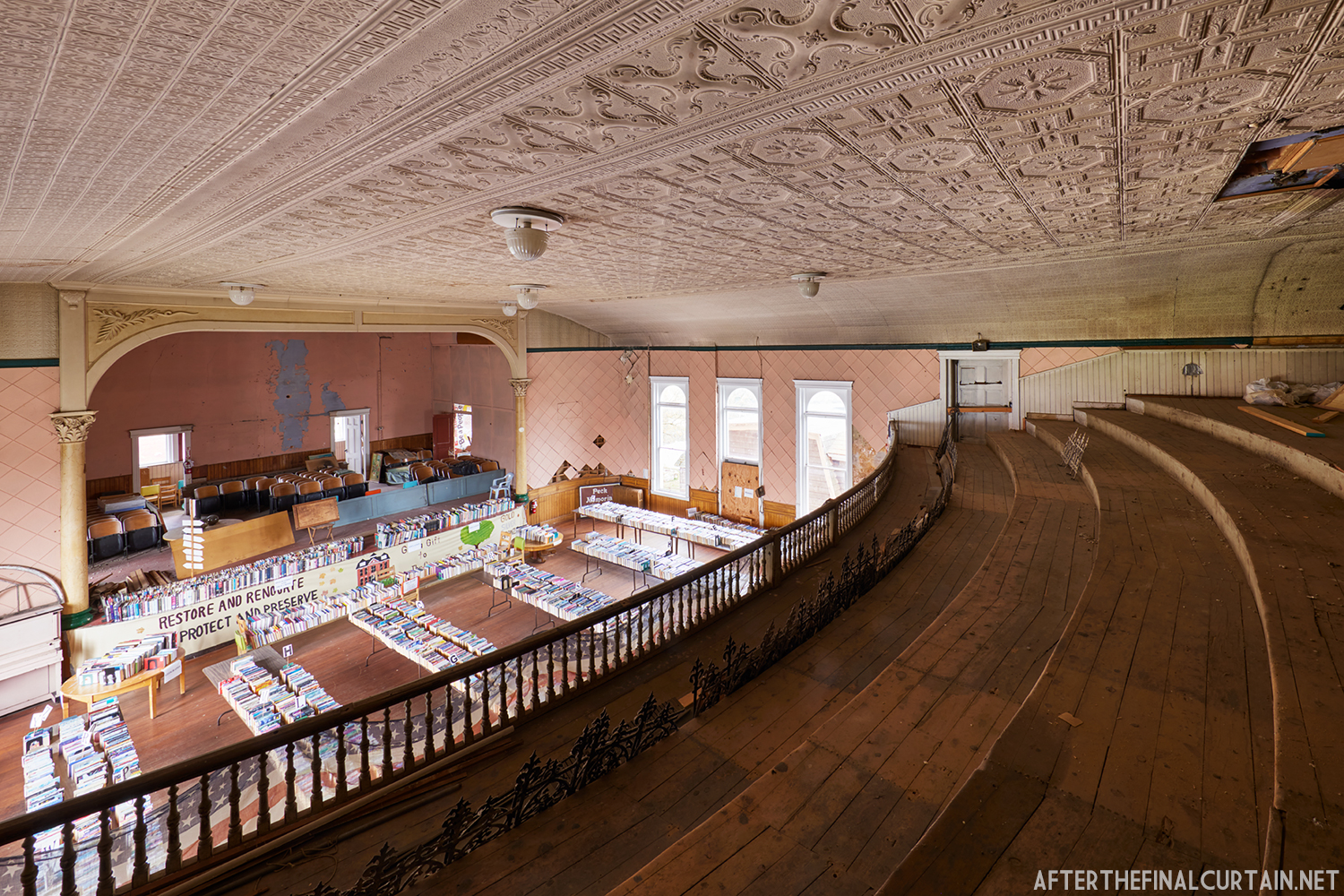
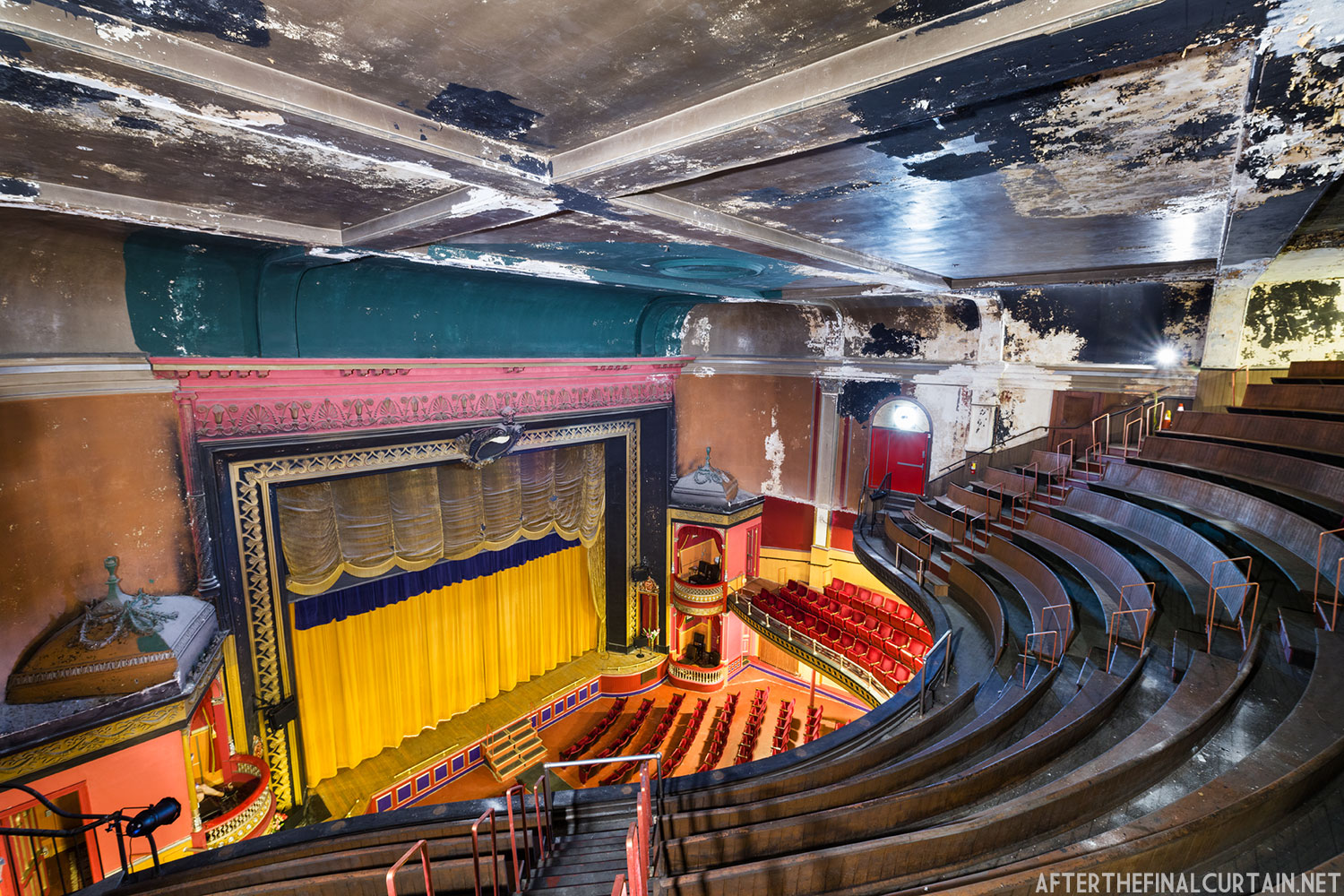
View of the auditorium from the balcony.
In January 1891, Mersena Peck, a native of Marathon, New York died. She left $20,000 ($584,217 when adjusted for inflation) in trust for the creation of a public library in Marathon and named three town residents as trustees. They began working to carry out her wishes and were well underway by 1893. However, before construction could start, a group of 125 citizens petitioned that the building include a space for public entertainment. Architect Miles F. Howe adjusted the blueprints to add a 600 seat opera house on the second floor of the building.
The Marathon Library and Opera House opened on January 1, 1896. It began as a live performance space, hosting traveling performers before transitioning over to films in the early 1930s. The Library Opera House was renamed the Park Theatre and lasted as a movie theater until 1953. The auditorium is currently only used a few times a year to host a used book fair.
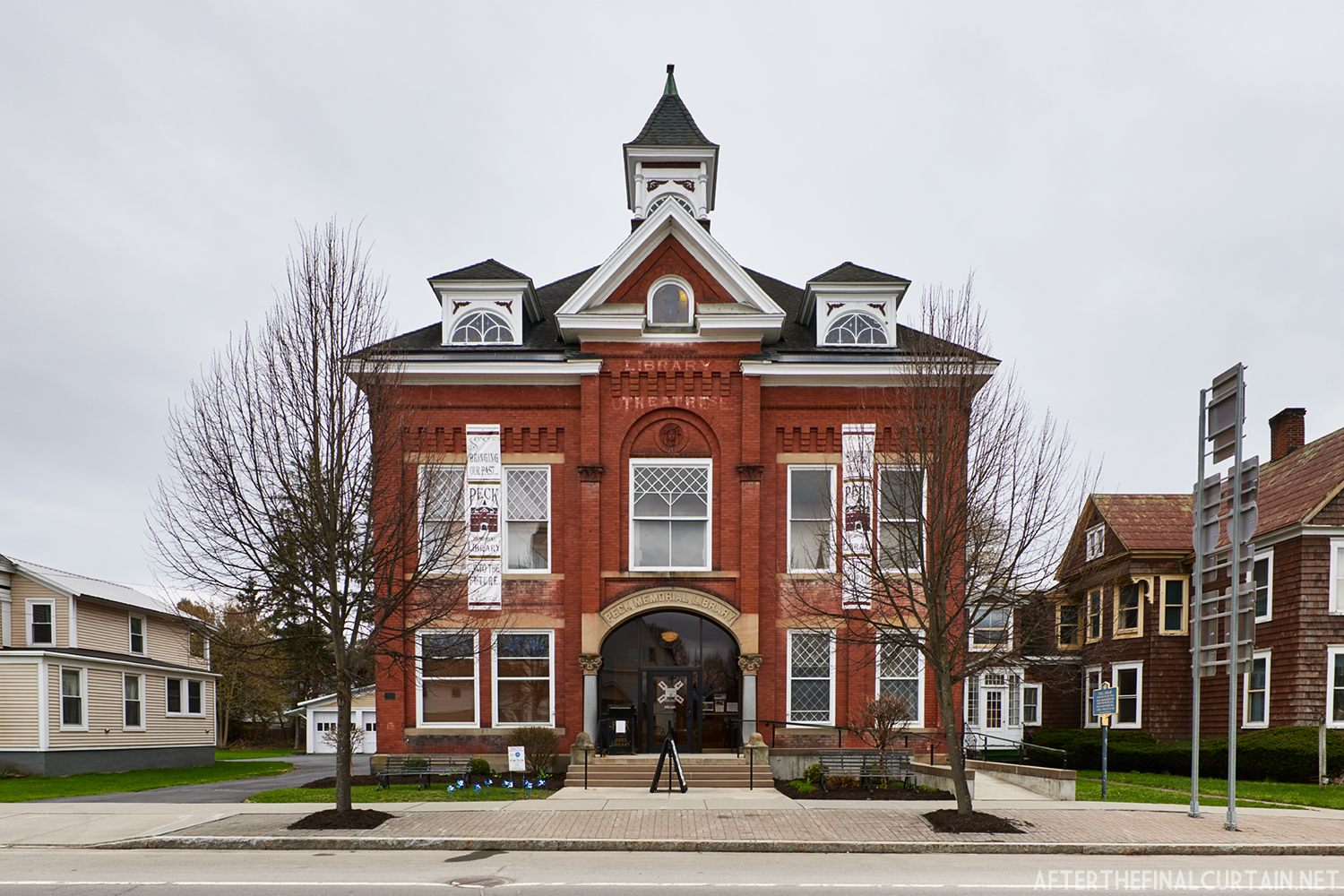
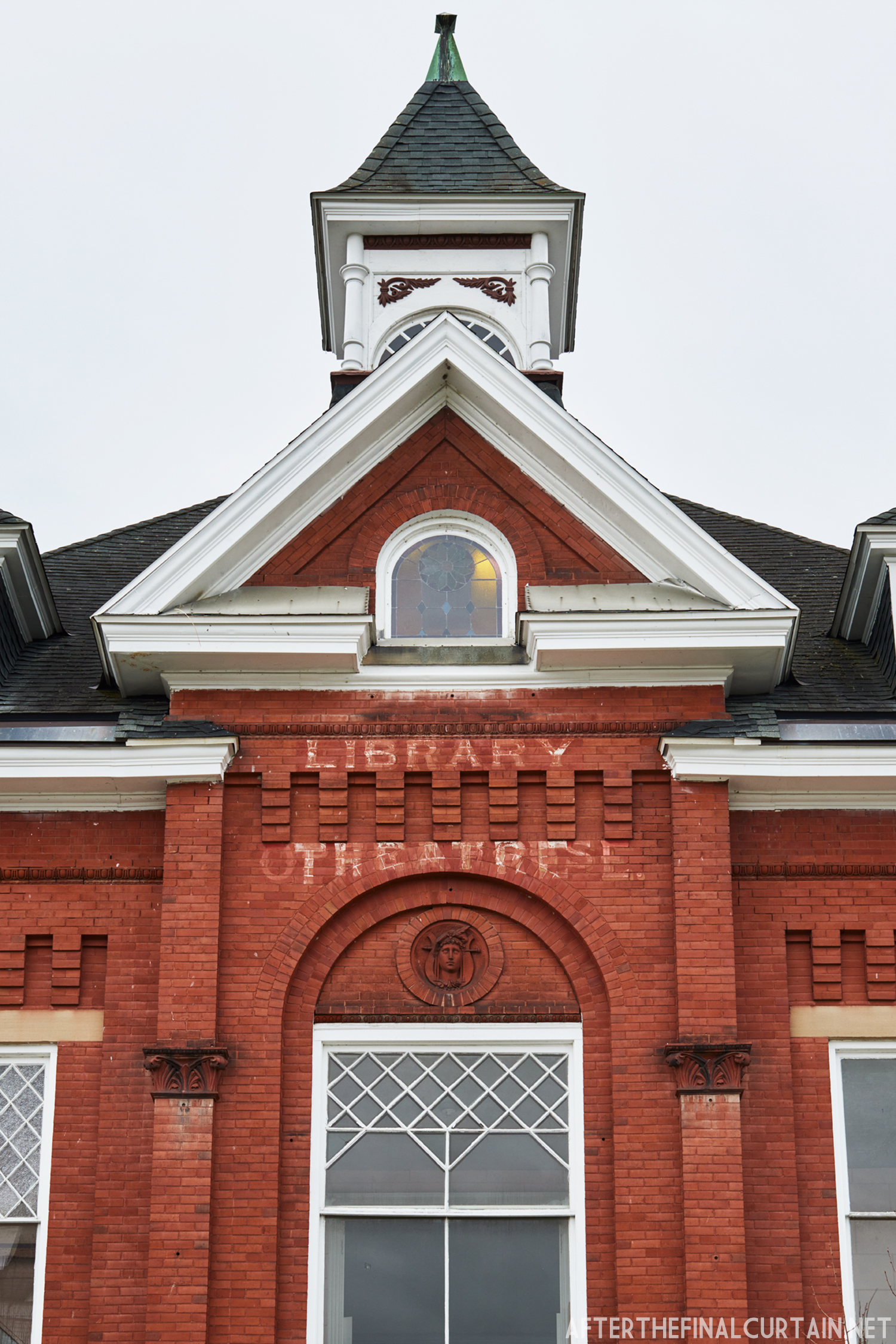
The exterior of the Marathon Library/Opera House.
In early 2020, the Marathon Public Library announced that the building needs close to $1 million in renovations. They’ve received $50,000 through their capital campaign but far from enough to be able to make the renovations needed to reopen the opera house.
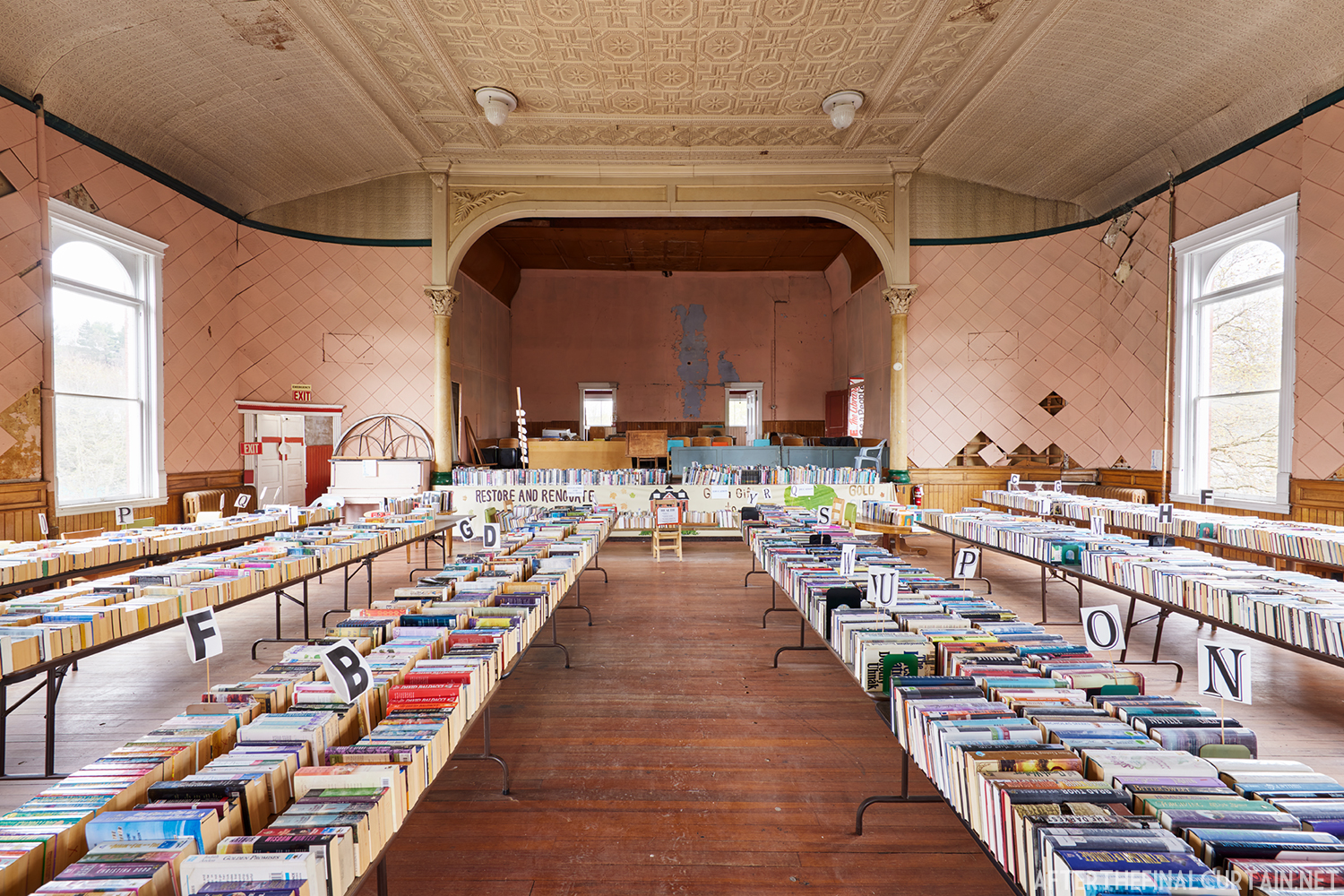
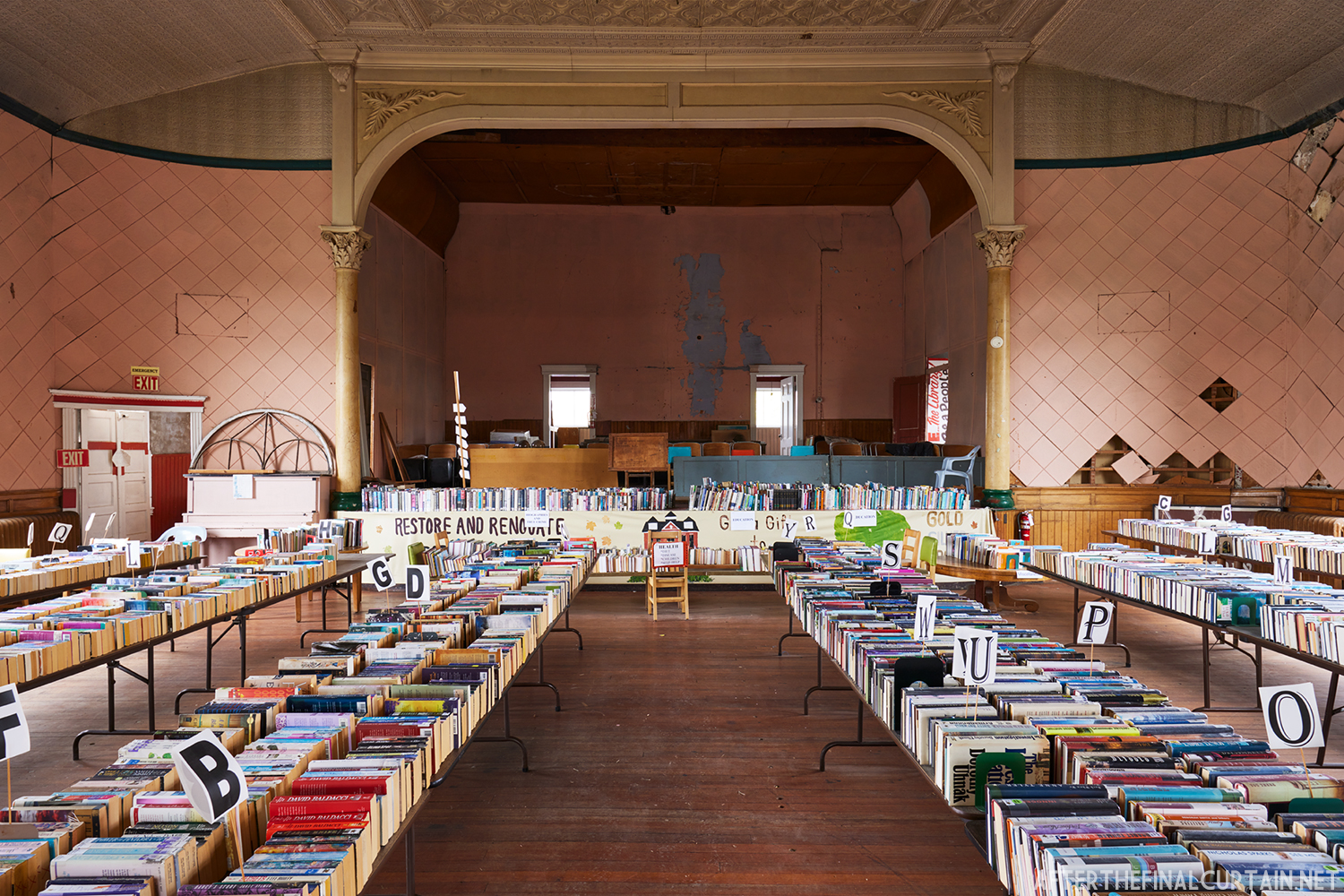
The orchestra level of the auditorium is used as a book fair.
The Sorg Opera House in Middletown, Ohio originally opened on September 12, 1891. Paul J. Sorg, an esteemed entrepreneur and Middletown’s first multi-millionaire, commissioned the opera house as a gift to the city. To bring his vision to life, Sorg engaged the services of Samuel Hannaford, the architect responsible for designing the Cincinnati Music Hall. Hannaford designed a 1,200-seat opera house, characterized by its opulent interior and exquisite details.
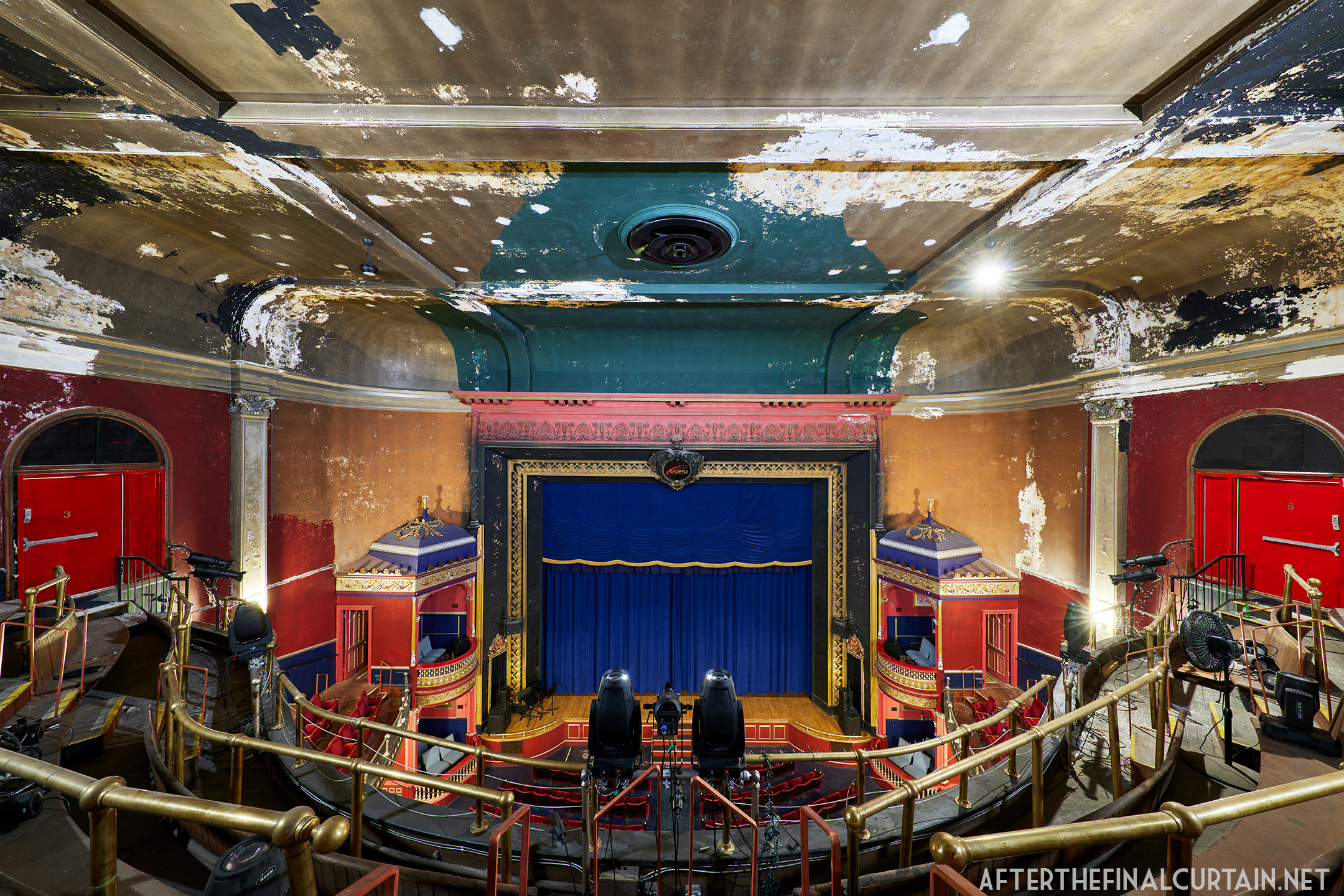
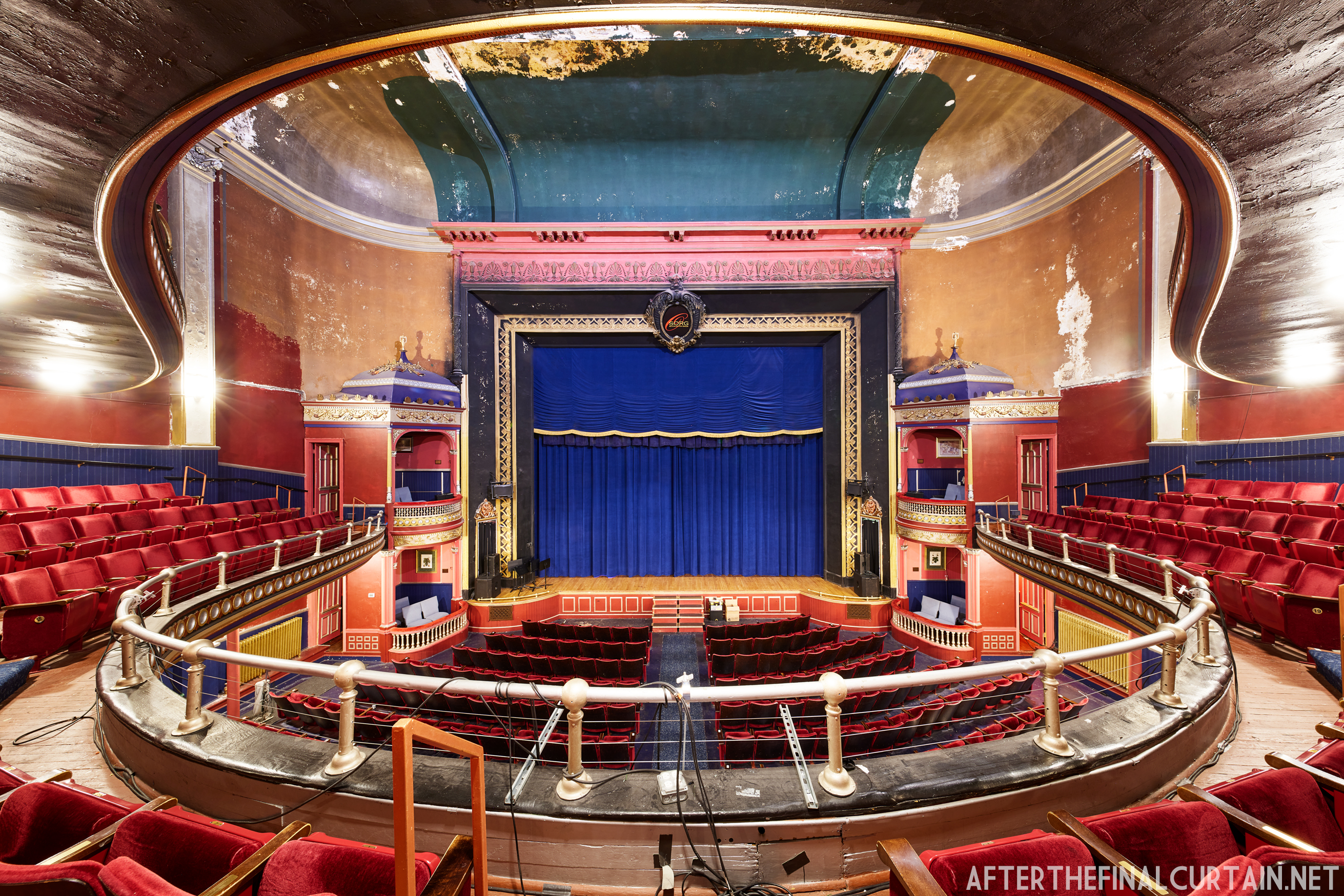
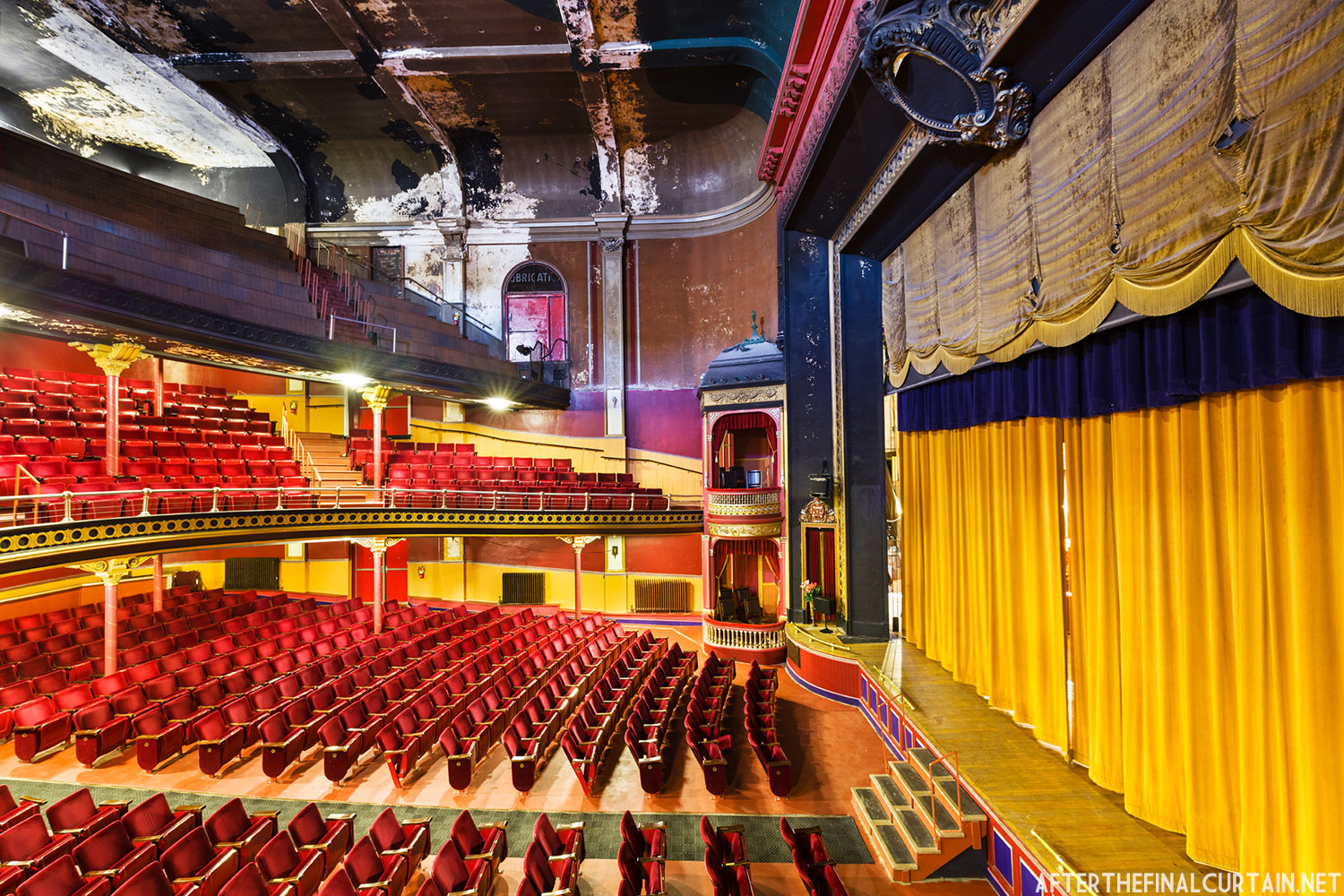
View from the balcony in 2023.
On its opening day, the Sorg Opera House treated attendees to a performance of the opera “The Little Tycoon,” composed by Willard Spenser. The event was made even more memorable by a speech delivered by the Ohio Governor James E. Campbell.
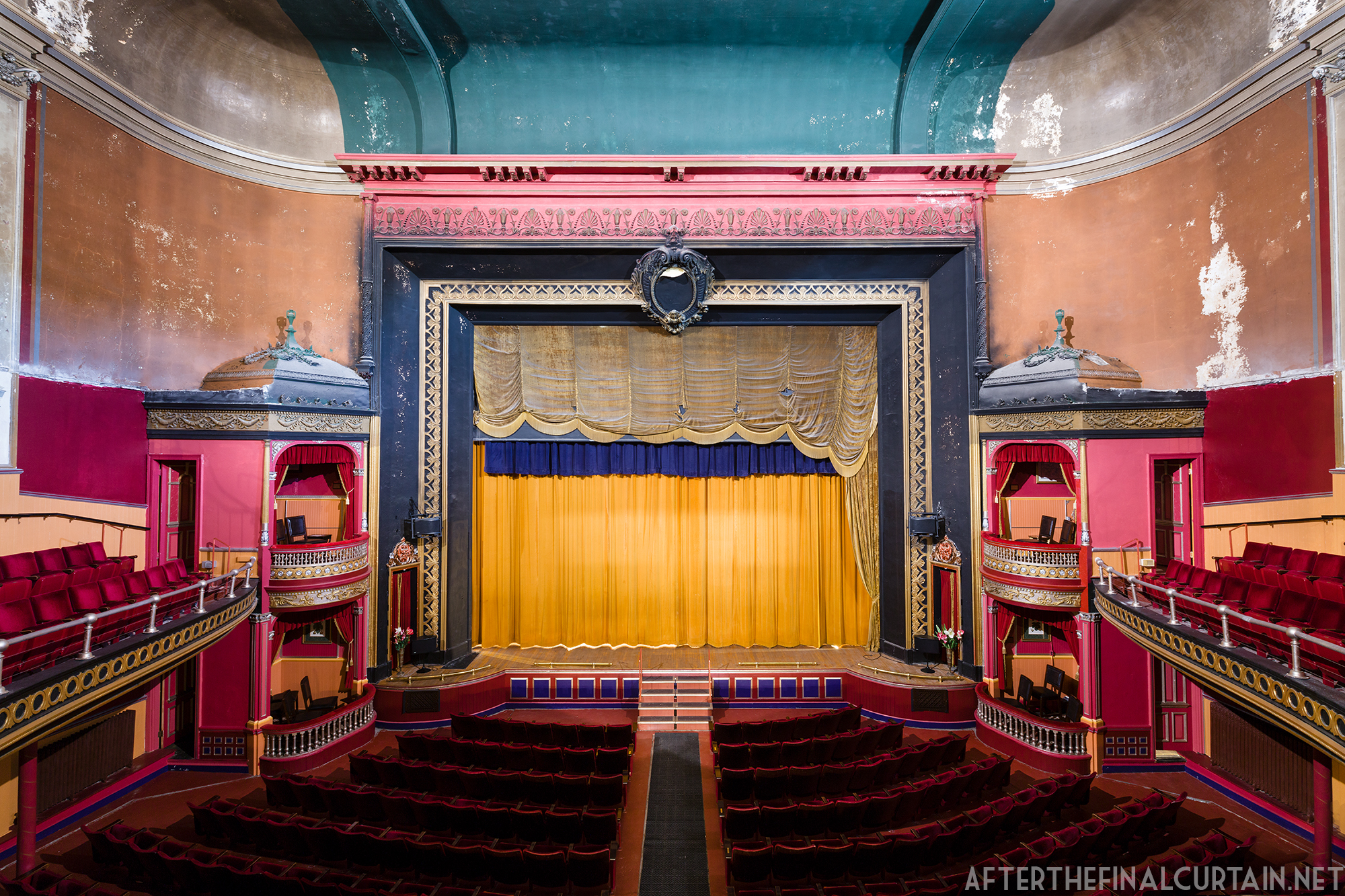
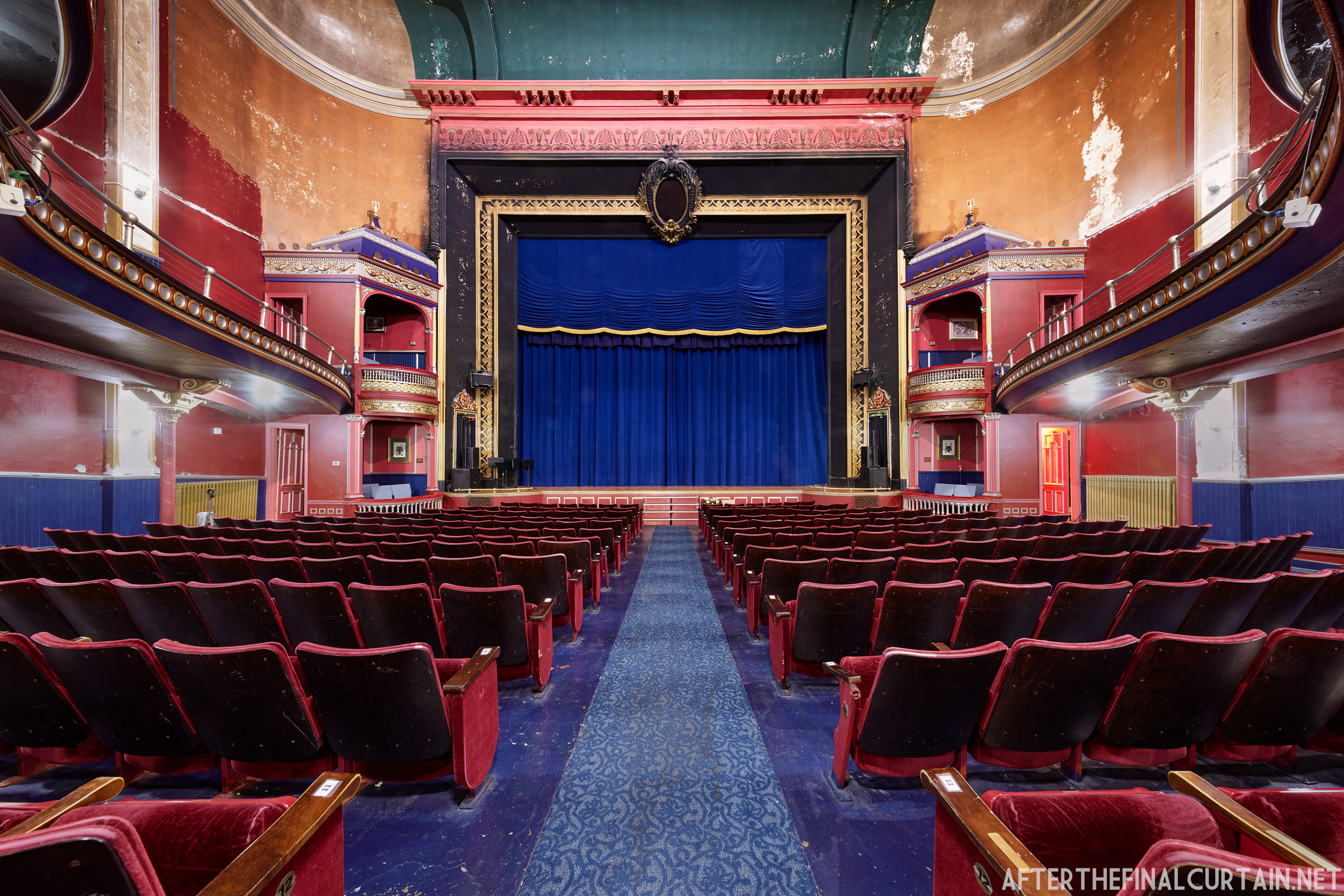
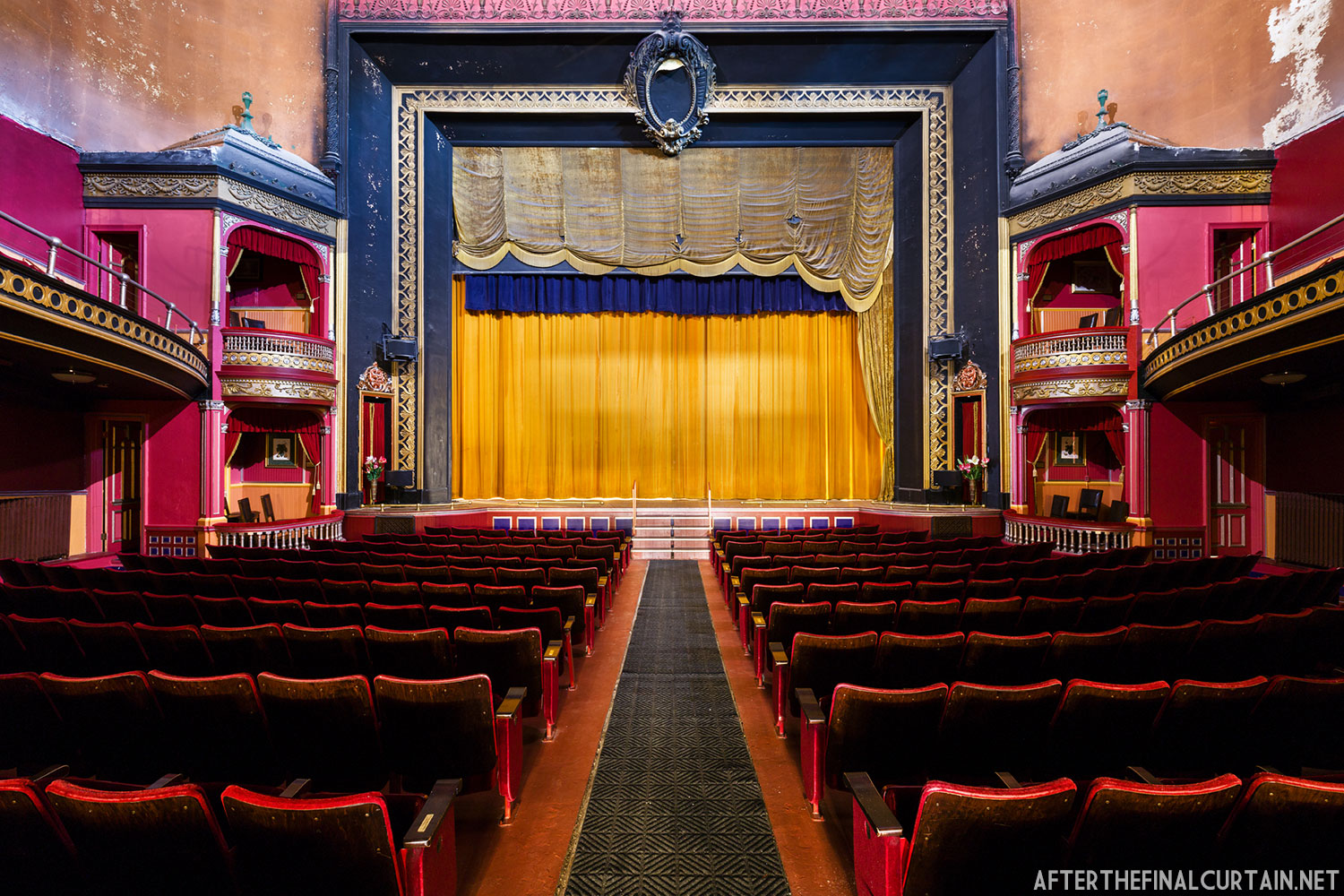
View of the auditorium from the stage.
In 1901, the Sorg Opera House expanded its repertoire to include early forms of motion pictures, such as photo plays, alongside its opera performances. Vaudeville acts also became a regular feature, entertaining the audience before the operas took the stage. Over the years, the opera house hosted numerous talented vaudeville performers who would later achieve fame, including Marie Dressler, Will Rogers, Al Jolson, Bob Hope, and Sophie Tucker.
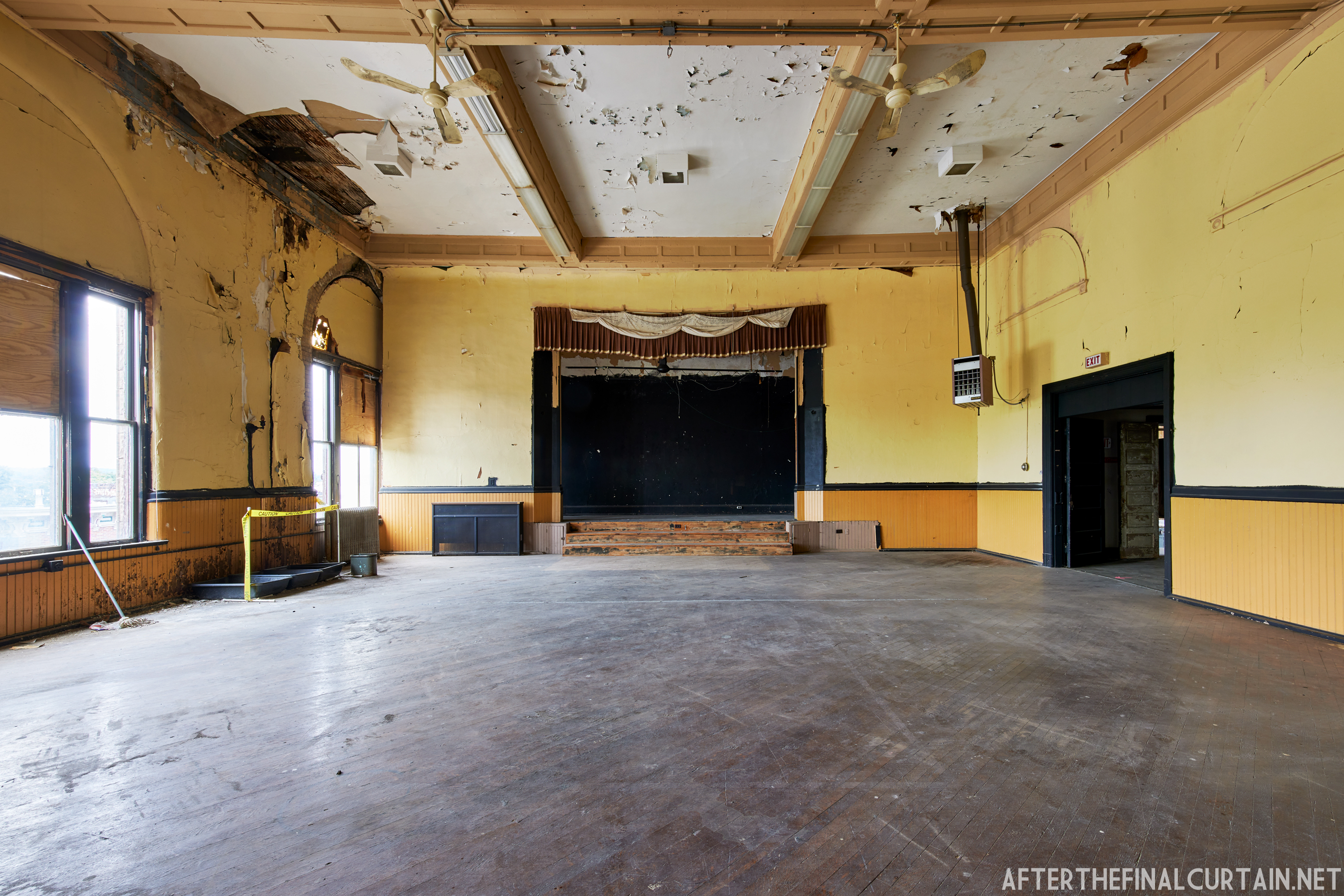
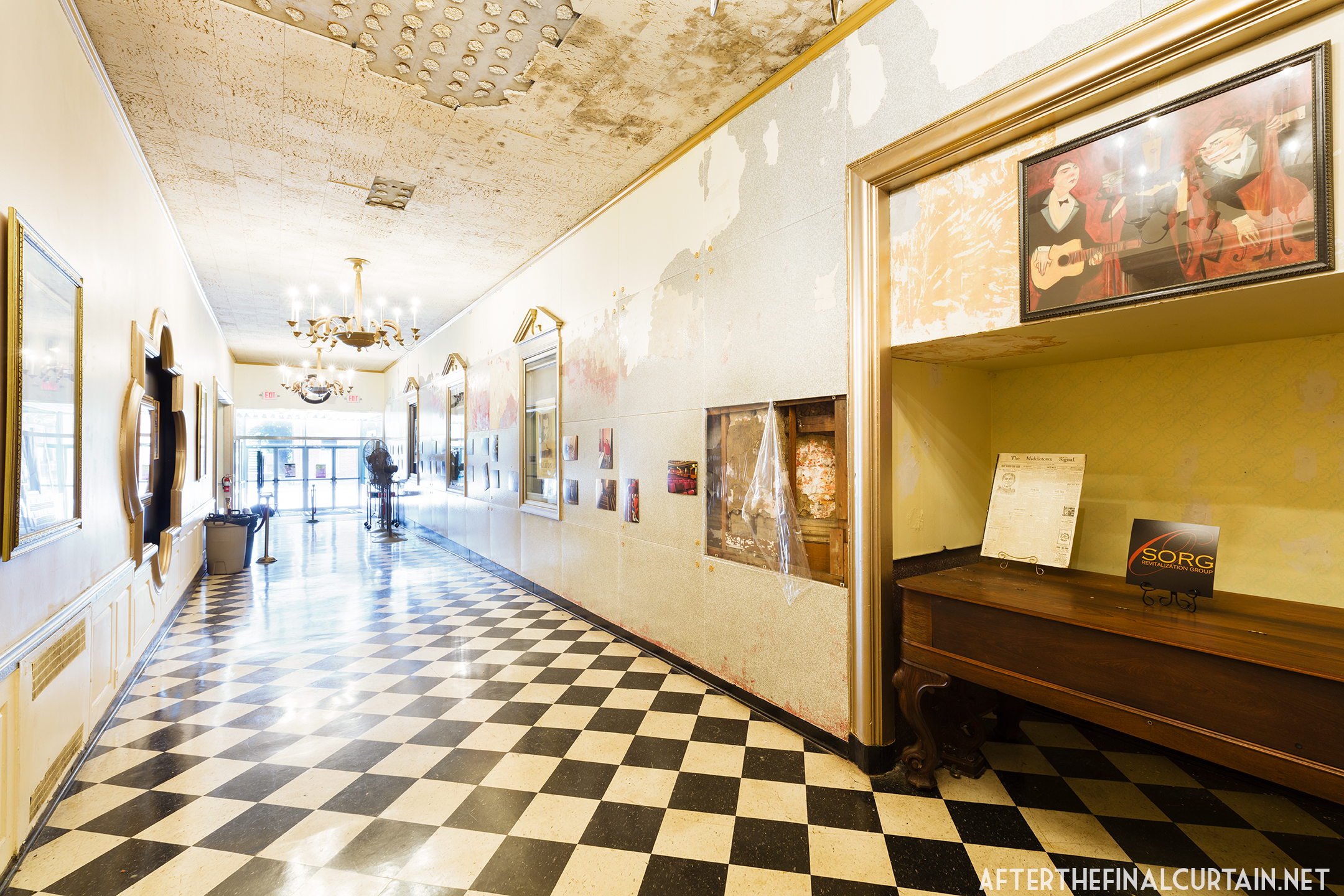
The ballroom in the building next to the Sorg will eventually become an event space for the Opera House.
As time went on, the popularity of live shows began to wane, leading to their discontinuation in the late 1920s. However, recognizing the emerging trend in the film industry, the Sorg Opera House underwent a transformation. In the summer of 1929, a sound system was installed, marking a pivotal turning point as the opera house transitioned into a full-time movie theater. This adaptation allowed the venue to continue entertaining the community while embracing the evolving medium of cinema.
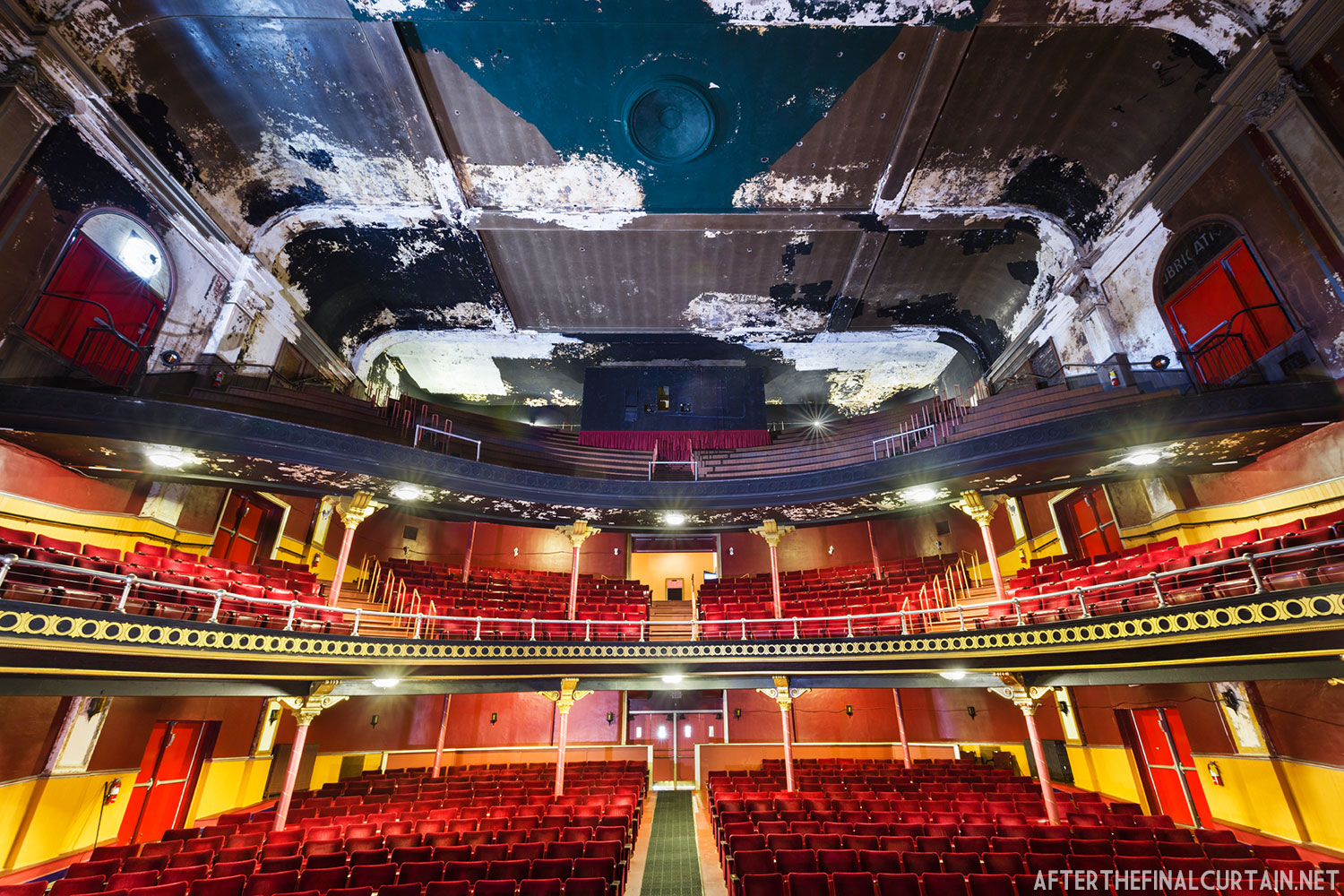
The orchestra and mezzanine levels have been restored, but the upper balcony and ceiling remain in a state of disrepair.
On January 17, 1935, a fire broke out in the backstage area of the Sorg Opera House, resulting in substantial damage amounting to $10,000 at the time (equivalent to approximately $185,298 in today’s currency, adjusted for inflation). The severity of the fire forced the opera house to close its doors for several months. However, in April 1935, the Gordon Theatre Company stepped in and secured a long-term lease on the theater, taking charge of the necessary repairs.
The orchestra level in 2023.
After undergoing extensive renovations, the Sorg Opera House triumphantly reopened its doors on September 22, 1935, showcasing a combination of films and stage shows. In the late 1940s, the Sorg Opera House temporarily closed once again, this time for a remodeling project. One notable change during this period was the addition of a false ceiling, which effectively separated the upper balcony from the rest of the theater. This modification was implemented to enhance the acoustics and improve the overall sound quality, ensuring an enhanced auditory experience for the audience.
The original walls of the lobby were covered up during the remodel in the 1940s.
After operating as a movie theater for several decades, the Sorg Opera House closed in the late 1970s. However, the formation of the Friends of the Sorg group brought new hope and a renewed purpose for the historic venue. Their vision was to reopen the theater as a live performance venue, and their efforts were successful. The Friends of the Sorg ran the theater until 2010 when a water main break forced its closure once again.
In 2012, a new group called the Sorg Opera Revitalization Group (SORG) was established with the goal of purchasing and reopening the building. Their dedication and determination led to the acquisition of the theater in August 2012, with a purchase price of $32,000. Since then, SORG has made significant improvements to the building, gradually restoring its grandeur. Some notable changes include the removal of the partition between the upper balcony and the main auditorium, the replacement of seats with those donated from the Cincinnati Music Hall, repairs to the public restrooms, and the re-hanging of the house curtains.
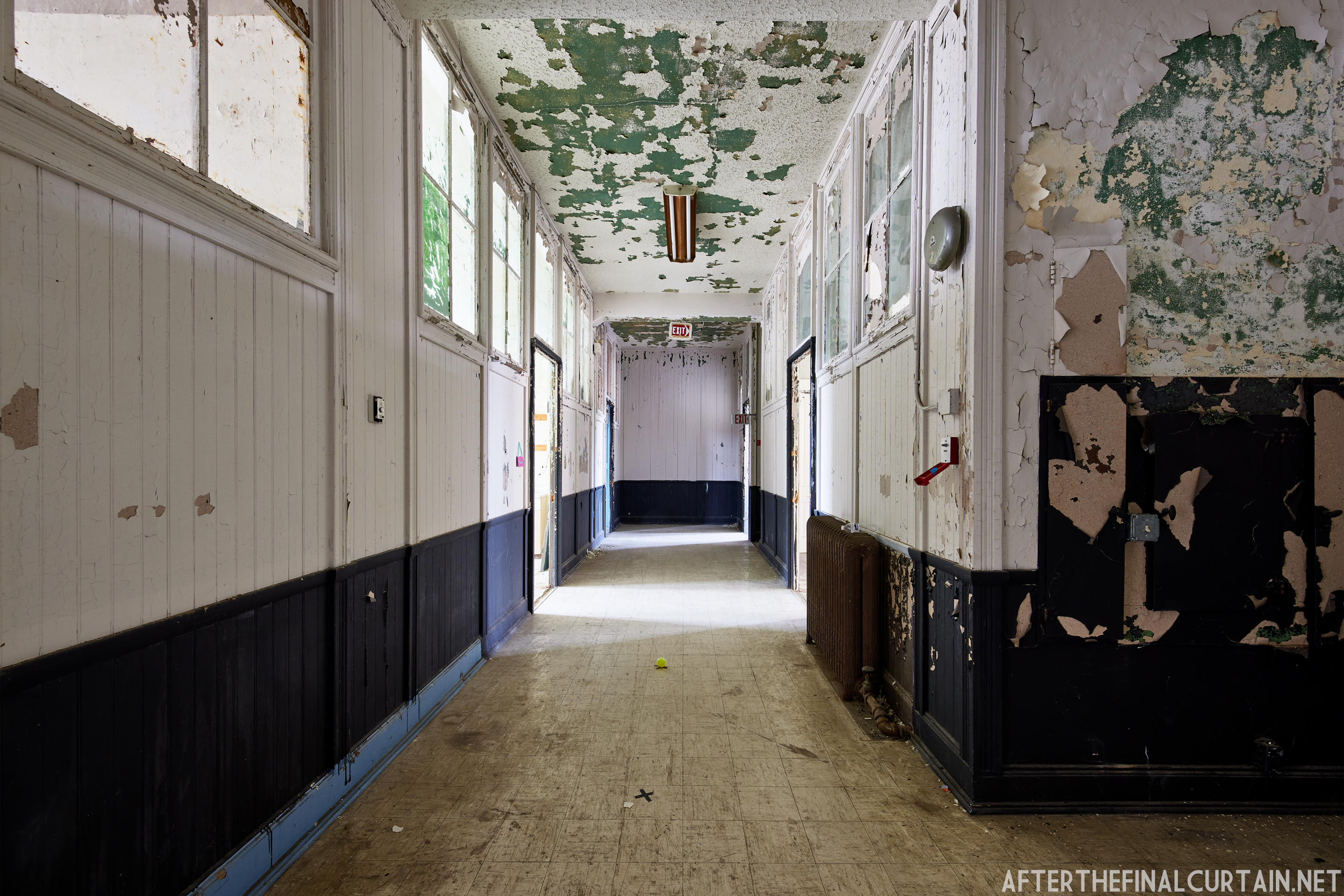
A hallway in the building next to the Sorg, which is planned to become part of the opera house after renovations.
While substantial progress has been made, a full restoration of the Sorg Opera House is estimated to require an investment ranging from $9 million to $11 million. Despite the ongoing restoration efforts, the theater reopened its doors in late 2017 with a special performance titled “Celebrate the Sorg,” featuring the Butler Philharmonic Orchestra. This reopening marked a significant milestone in the theater’s journey toward revival, reaffirming its role as a cultural hub for the community.
Like many theaters at the time, the Sorg was segregated. It had a separate entrance, ticket booth and balcony for its non-white patrons.
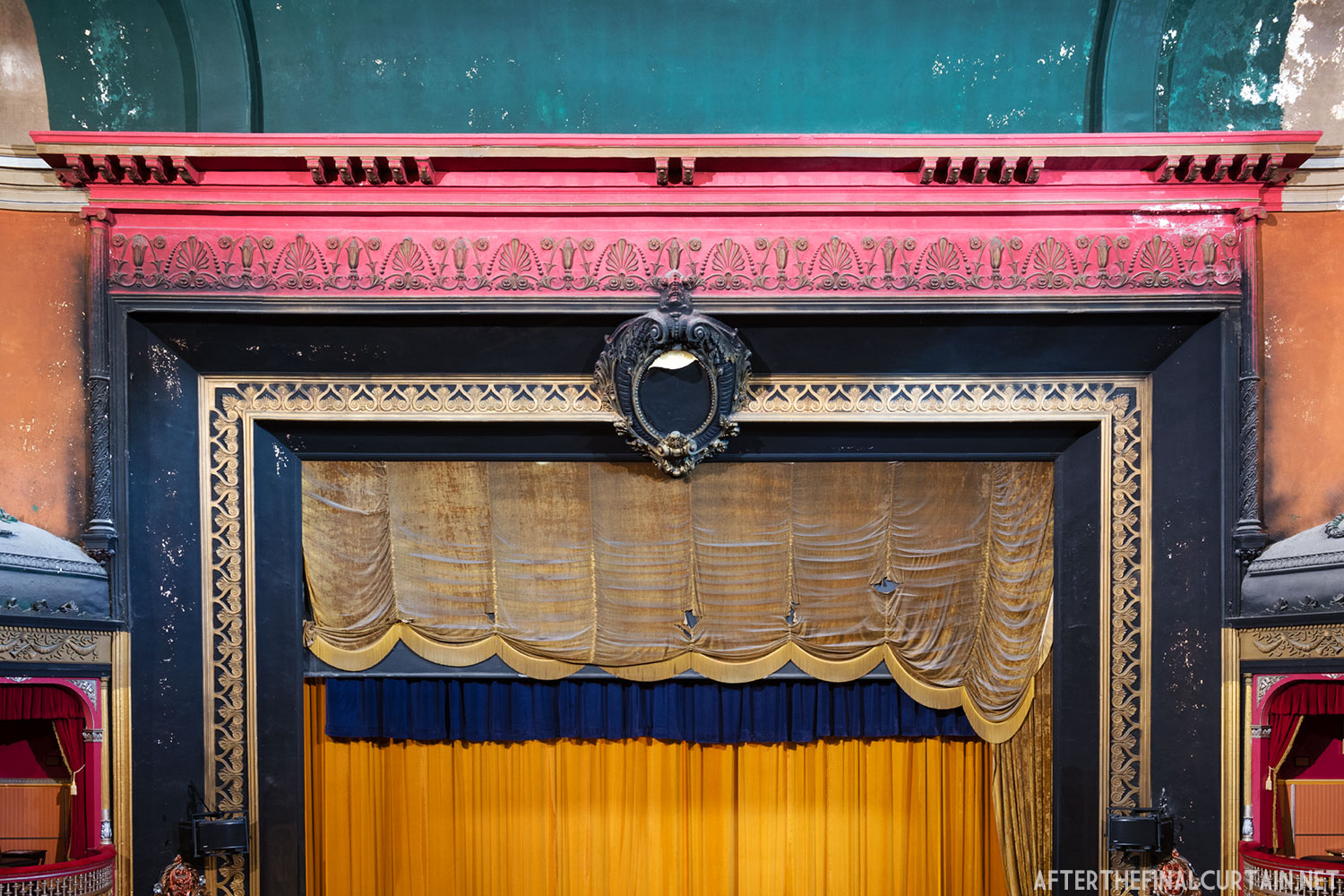
The much of the proscenium arch was covered up during the remodel in the late 1940s.View of the auditorium from the main level.
 After the Final Curtain