Bell’s Opera House – Hillsboro, Ohio

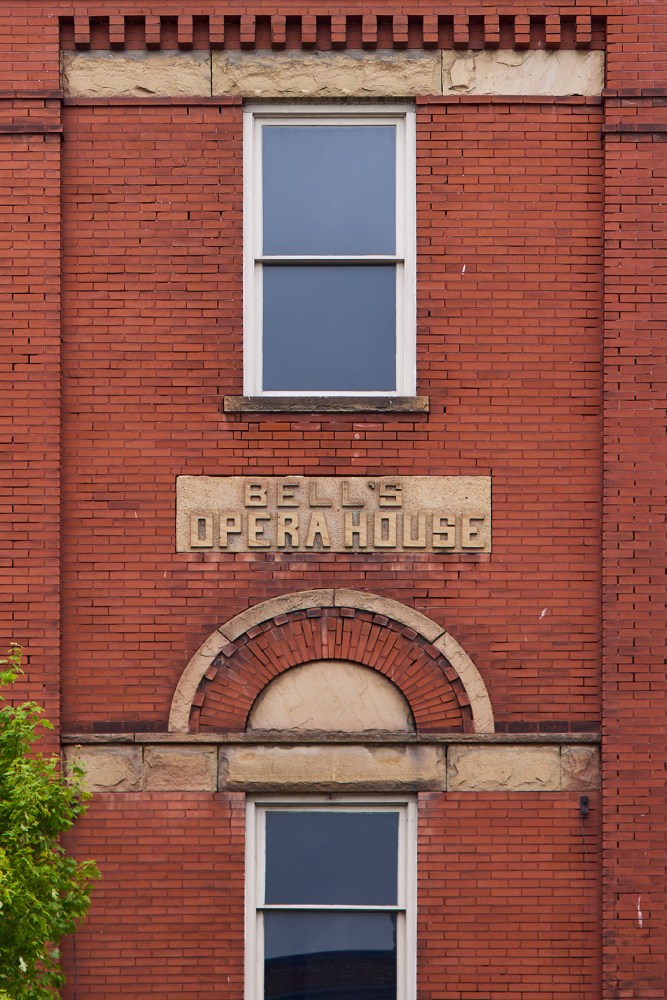
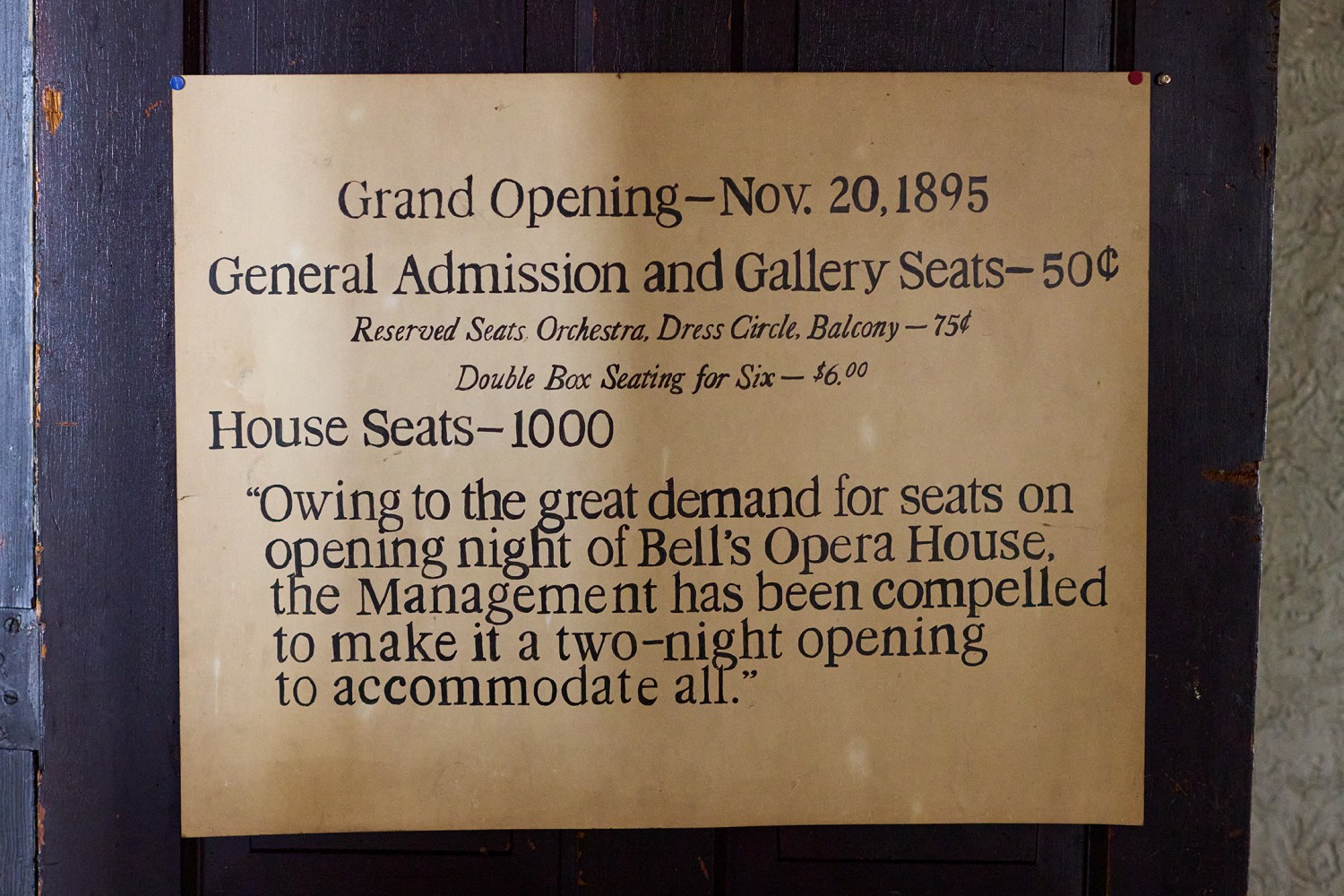
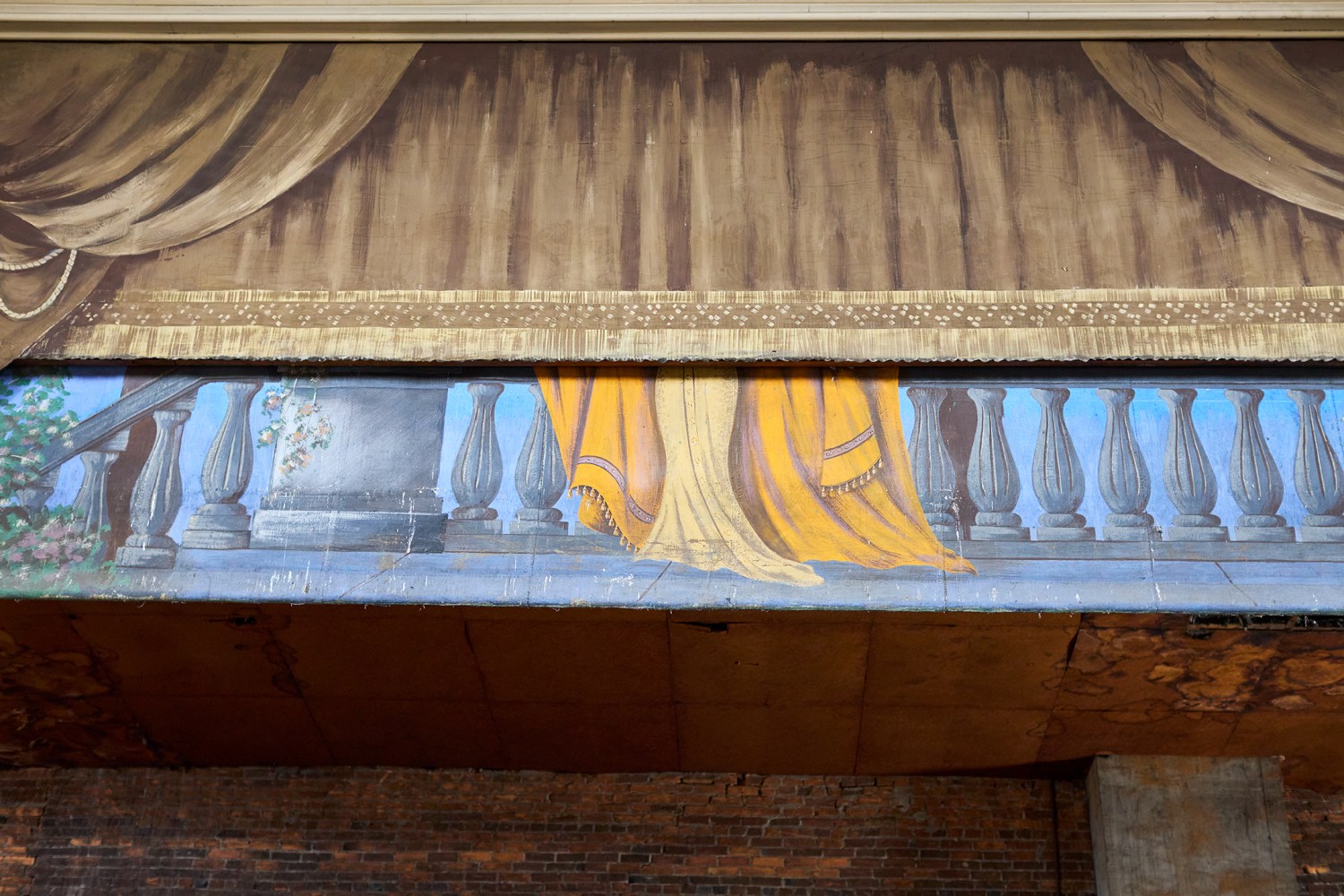
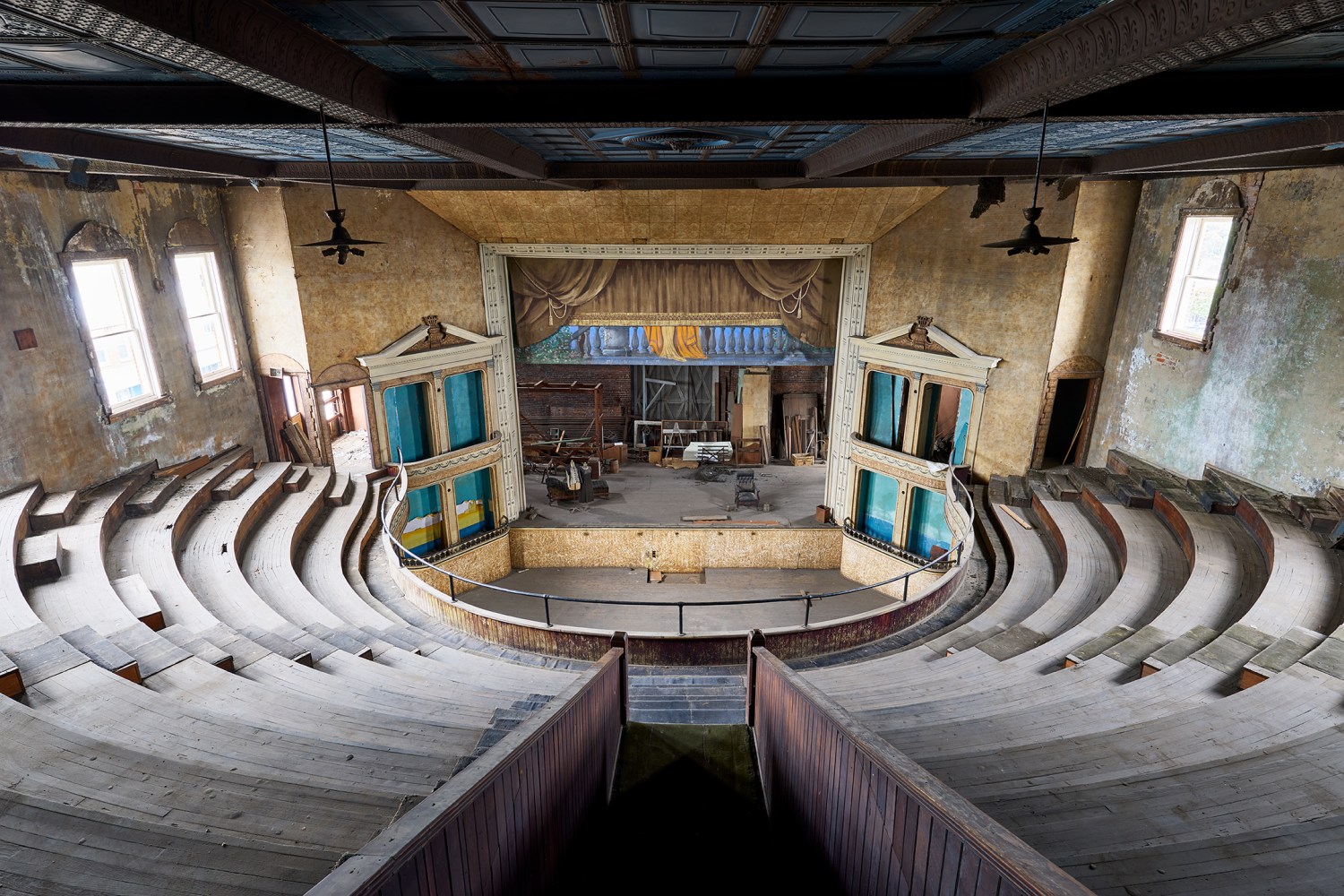
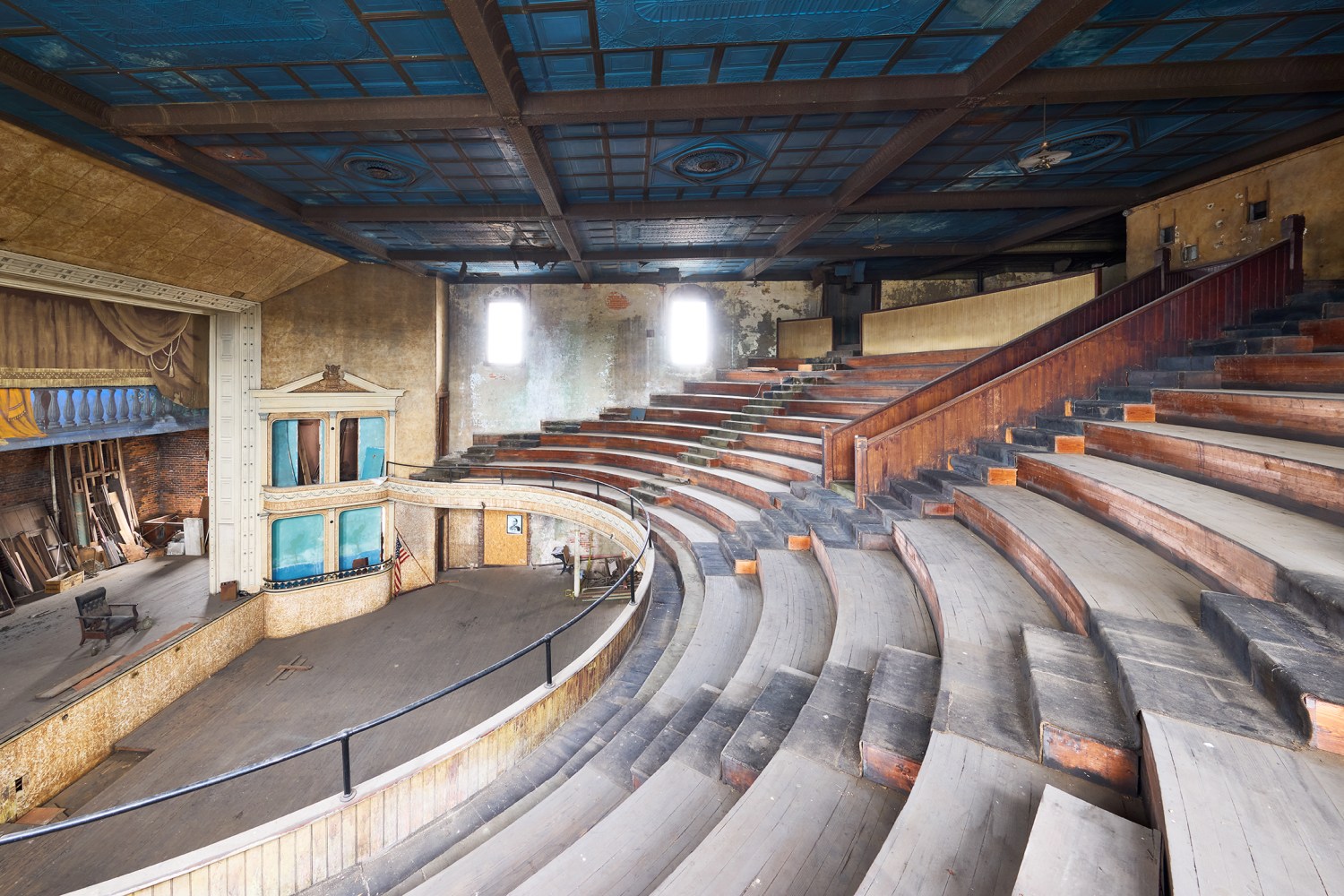
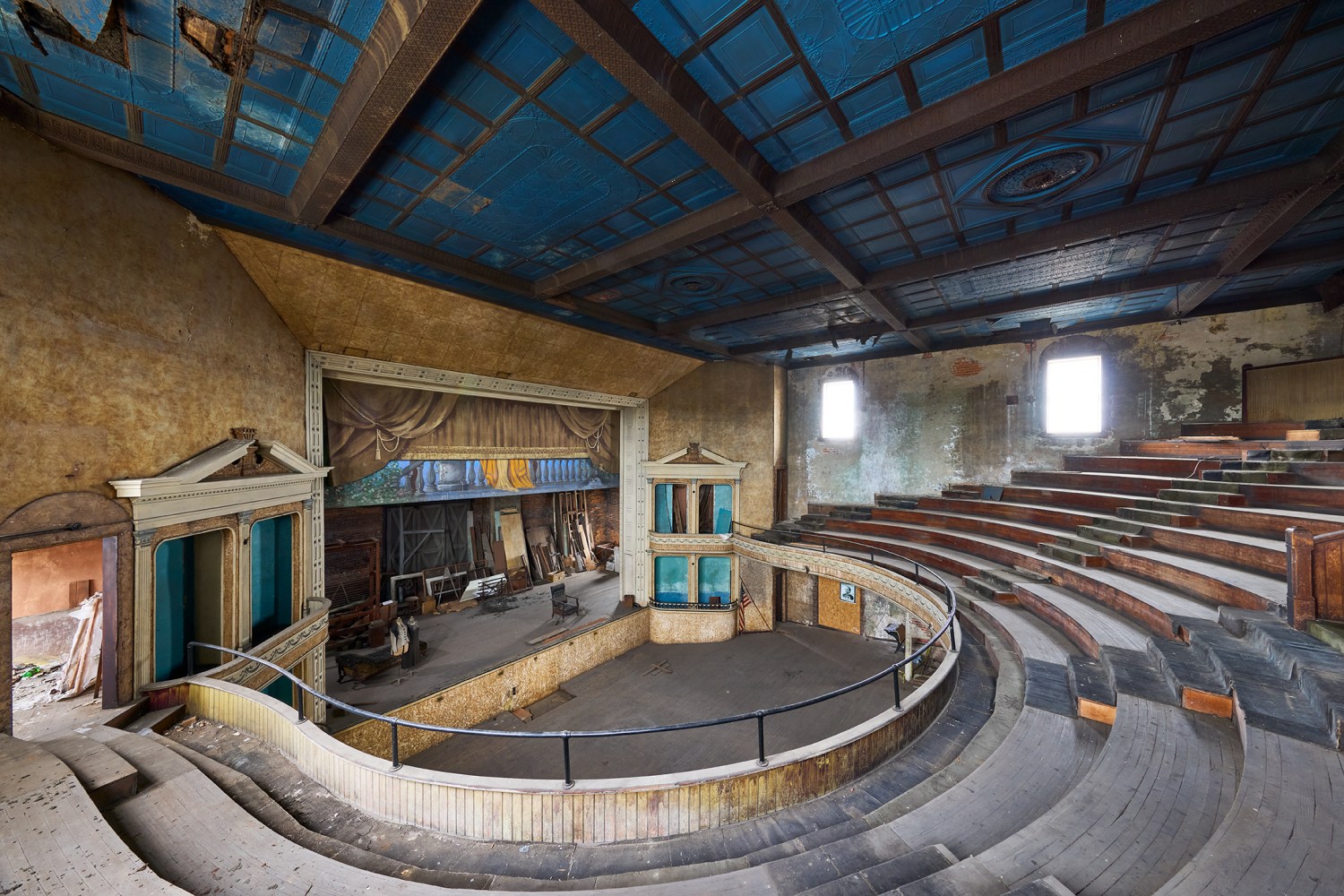
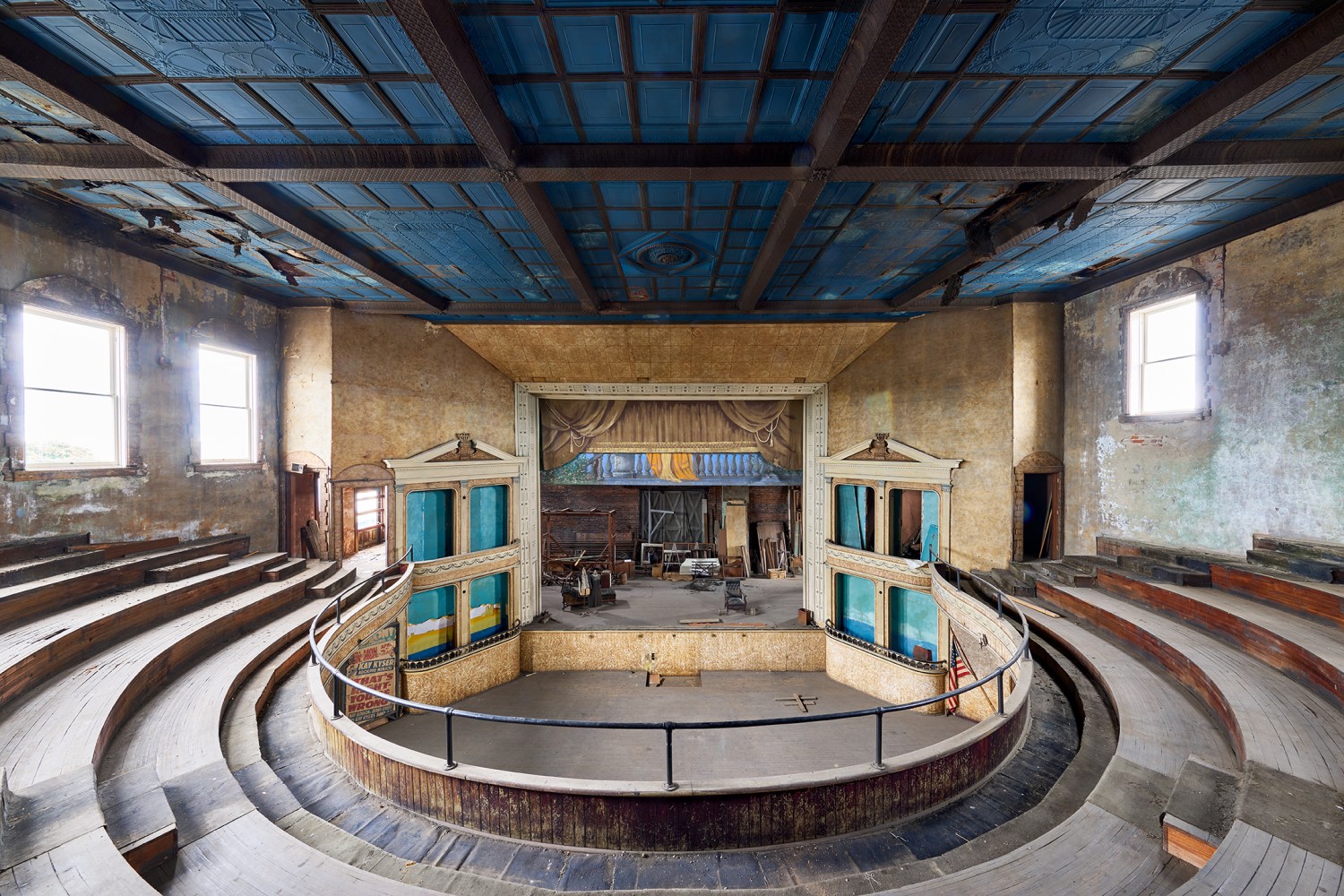
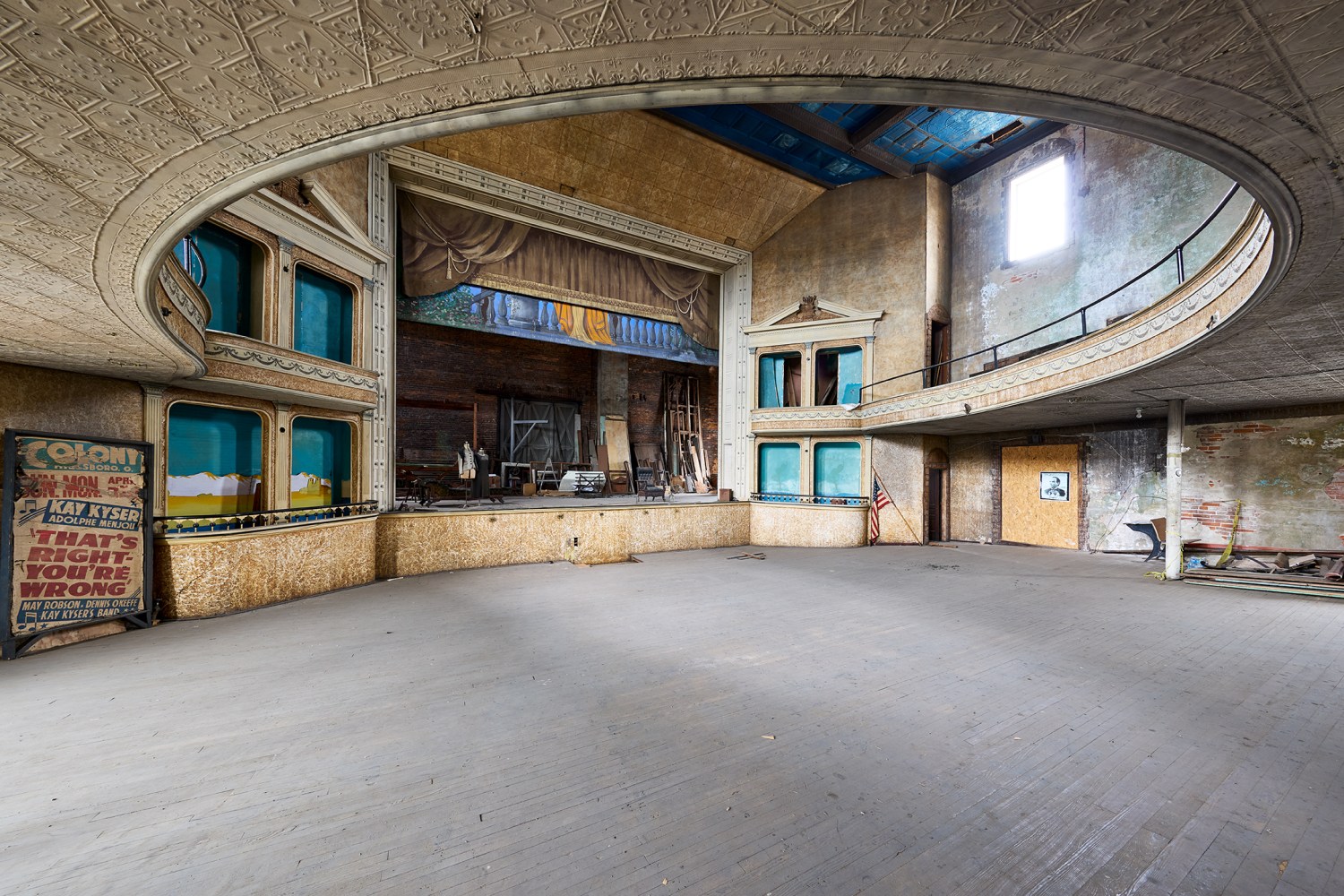
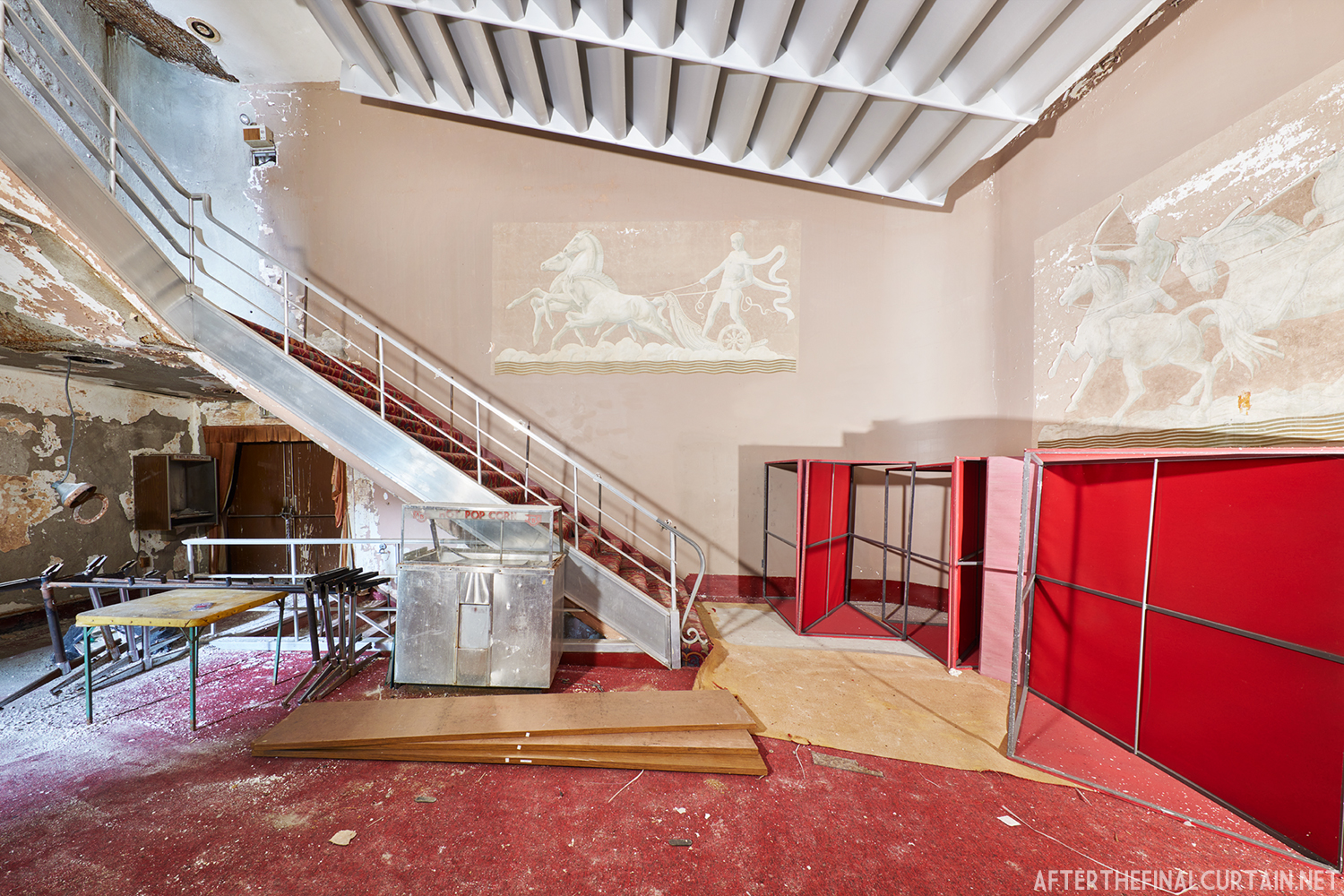
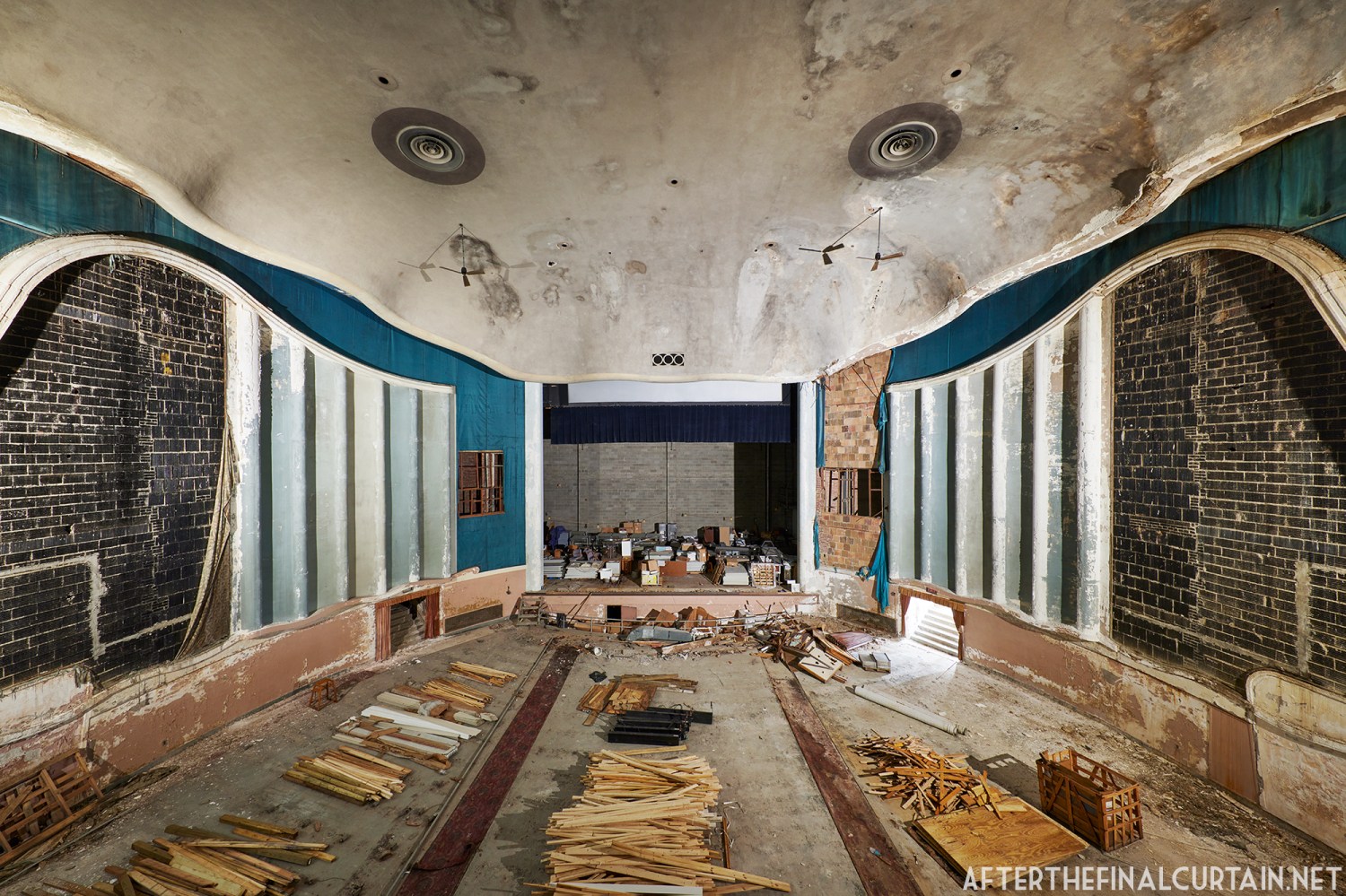
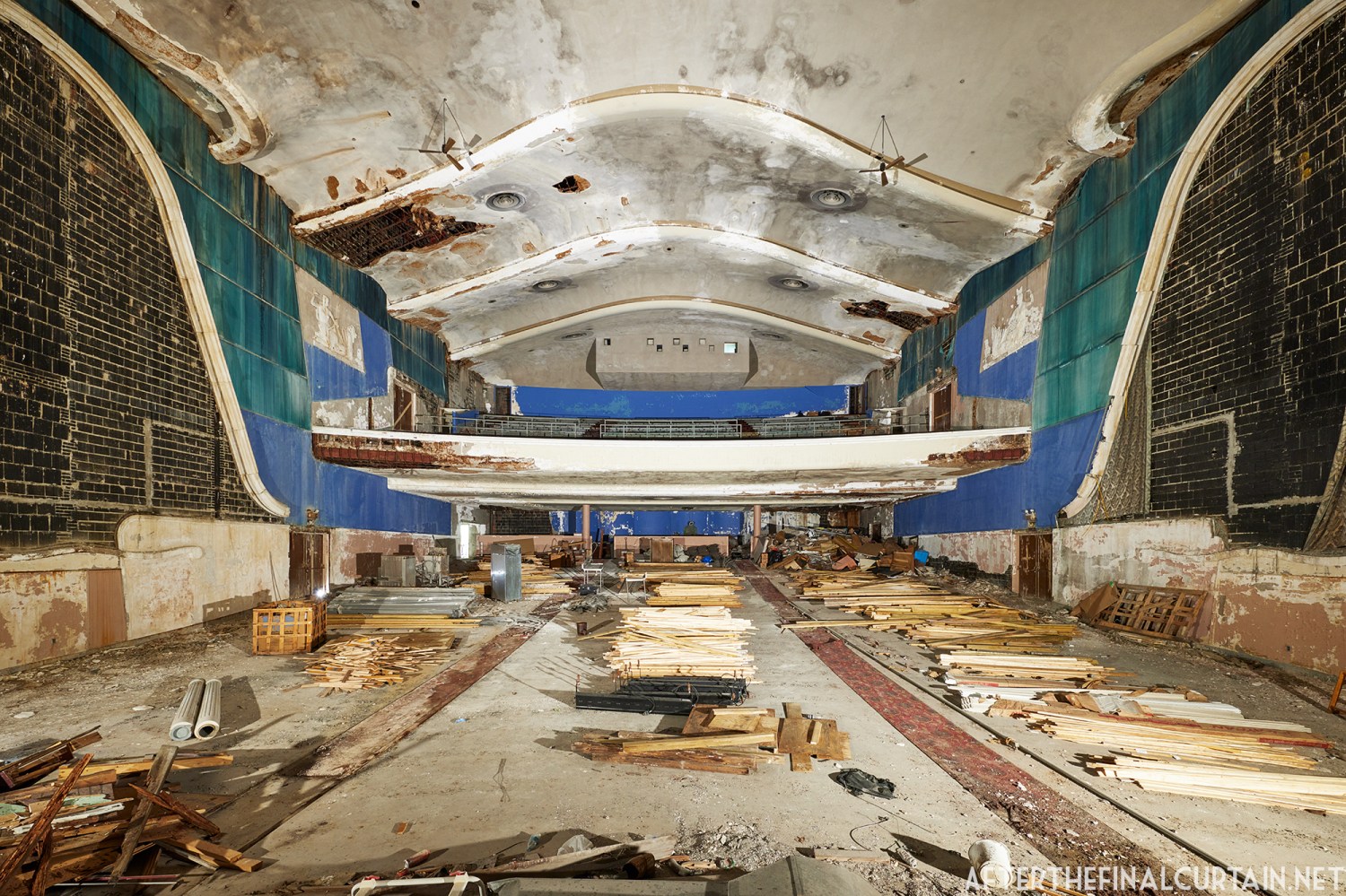
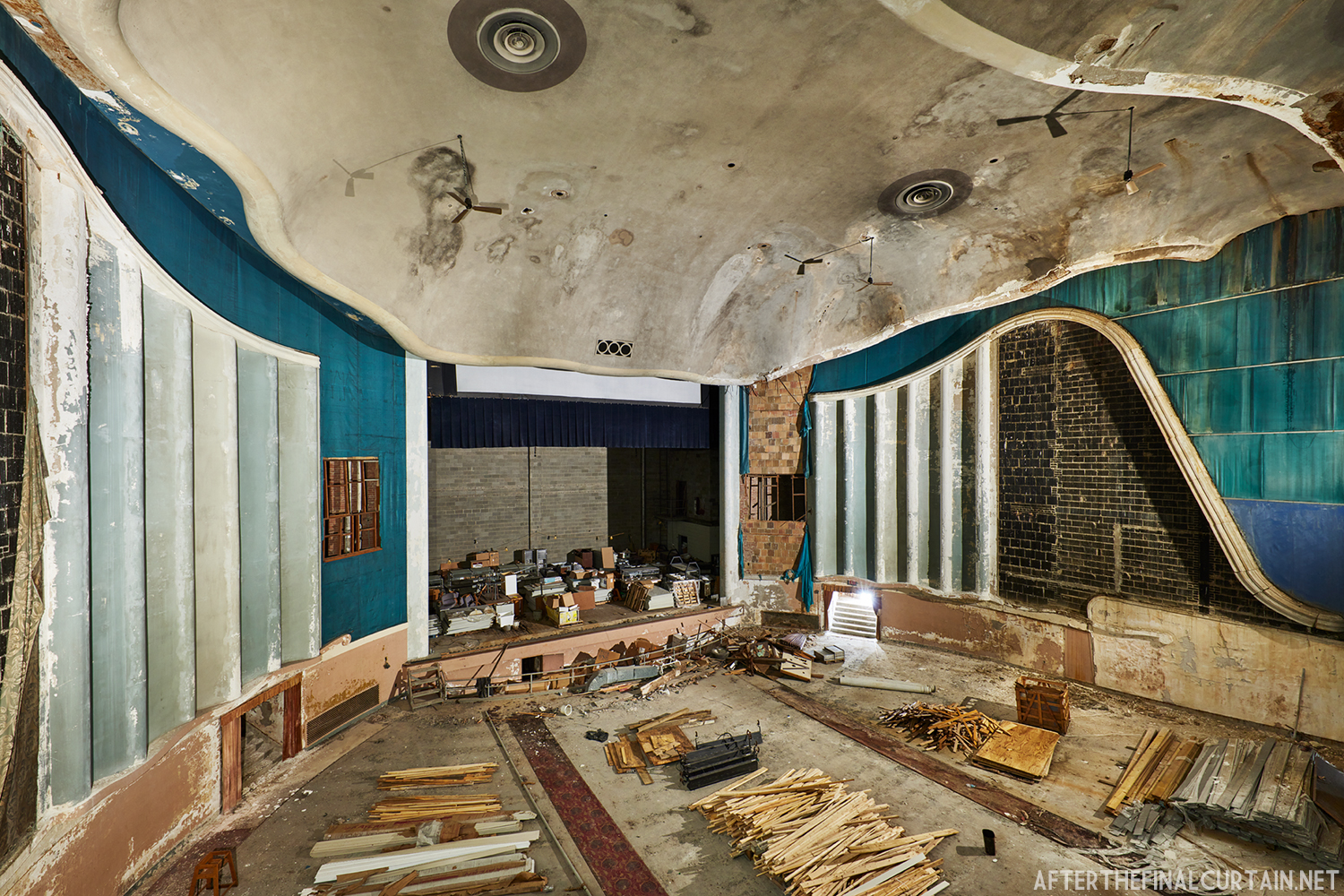
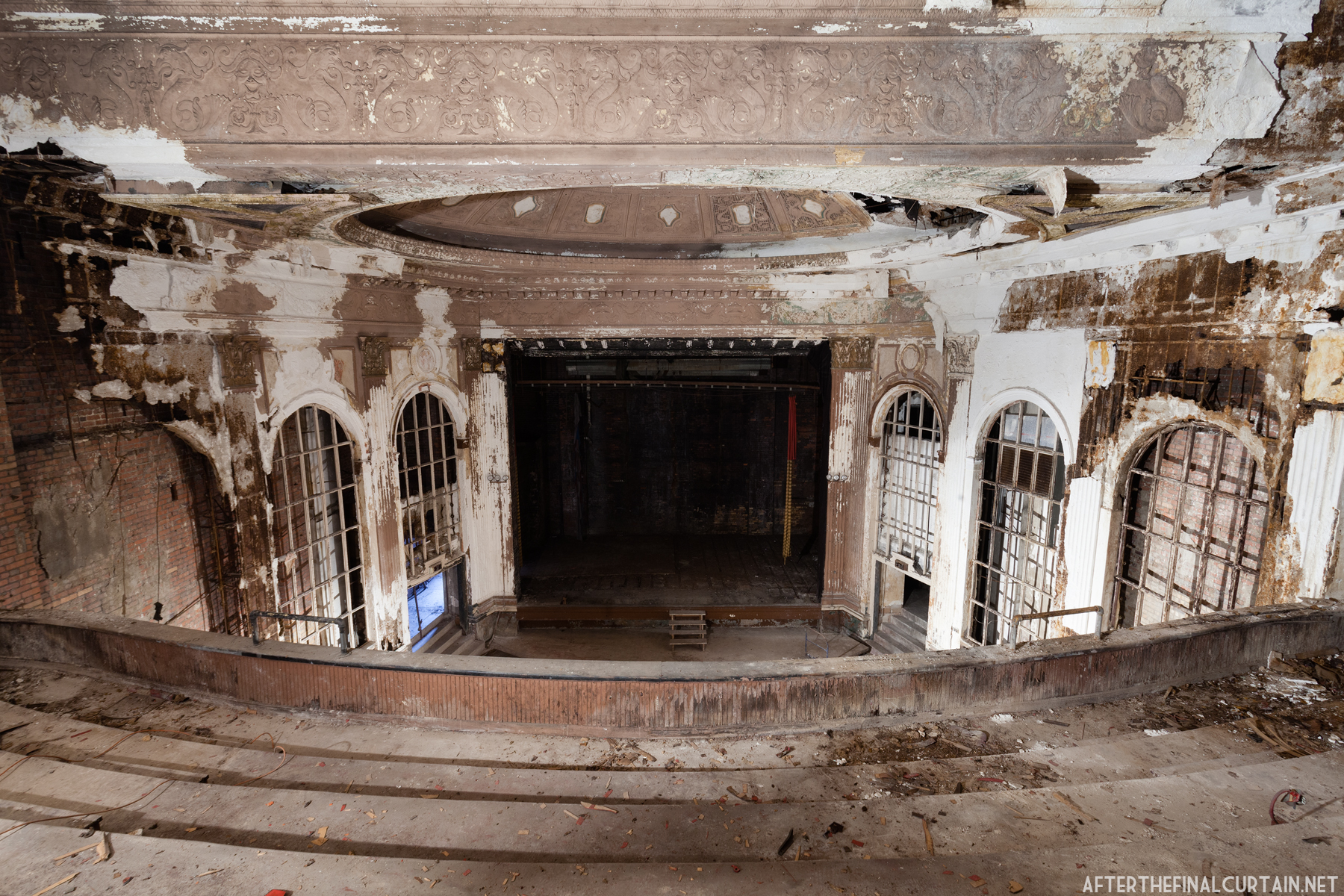
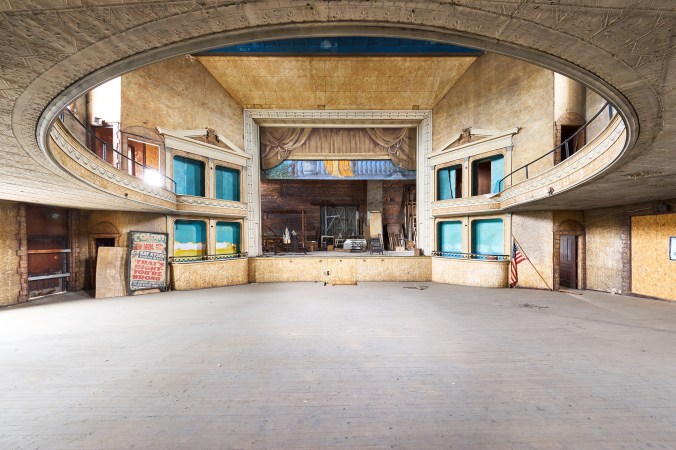
Bell’s Opera House officially opened on November 20, 1895, after just seven months of construction in Hillsboro, Ohio. It was built on South High Street, on a site once known as Rats’ Row, with a nearly 1,000-seat second-floor auditorium. The total construction cost came in at $40,000—about $1.5 million in today’s dollars—funded primarily by local manufacturer and philanthropist C.S. Bell.
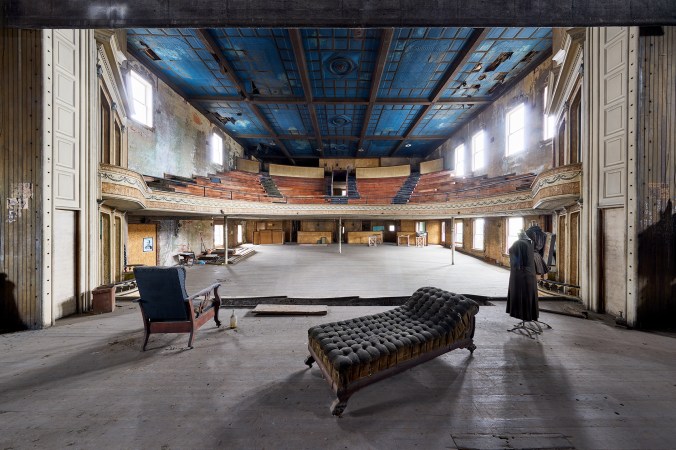
Bell agreed to cover most of the cost if Hillsboro residents could raise $3,000 toward the project. Once the money was secured, work began in April 1895. The opening celebration stretched across two nights due to ticket demand, with performances of Friends by Edwin Milton Royle and a four-act romantic drama titled Mexico.
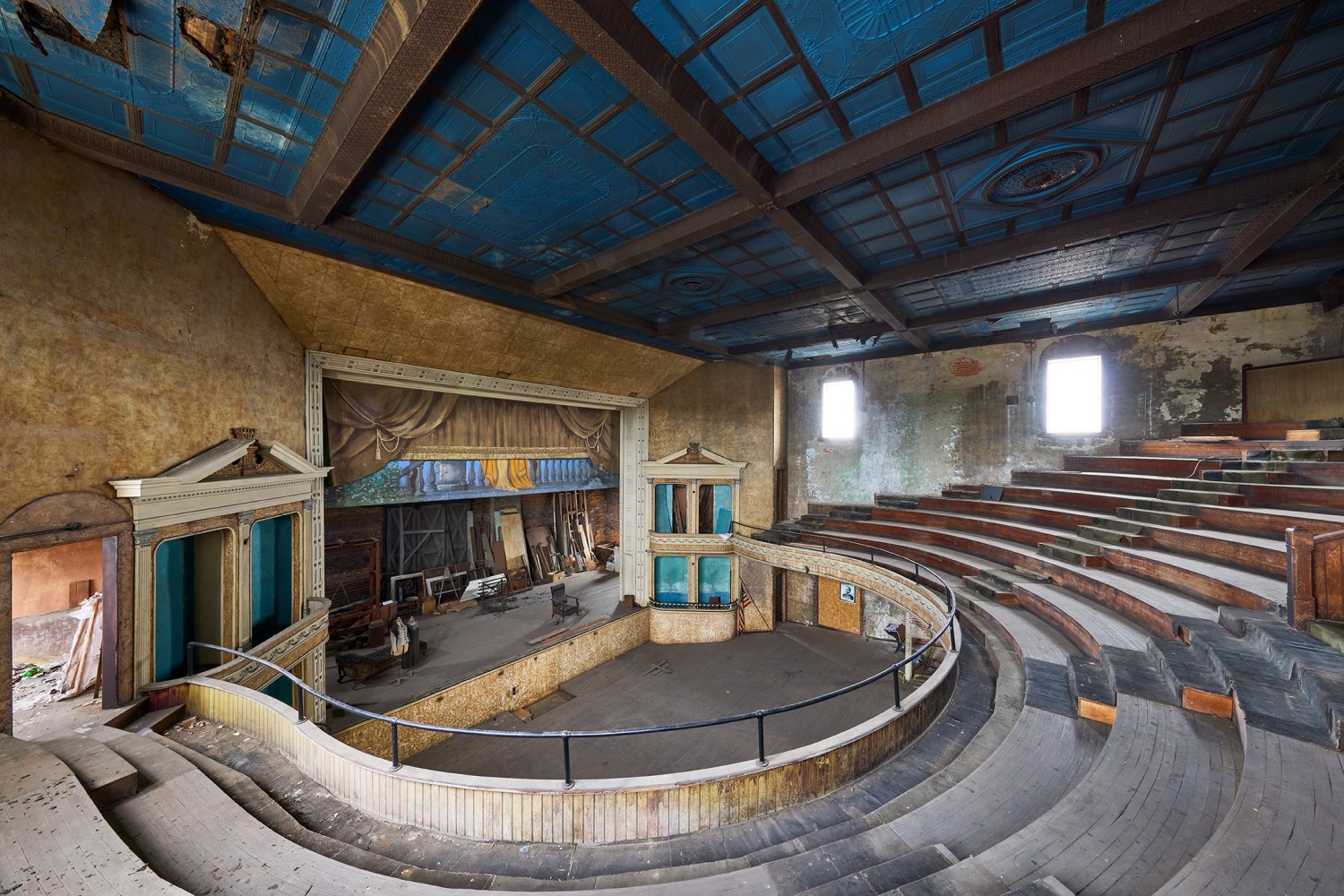
The Opera House began showing silent films in 1903, starting with The Great Train Robbery. In the 1920s, it was converted into a sound-equipped movie house and rebranded as Bell’s Theatre. Ownership passed to Chakeres Theatres in 1939, but the venue closed just a few years later in 1942.
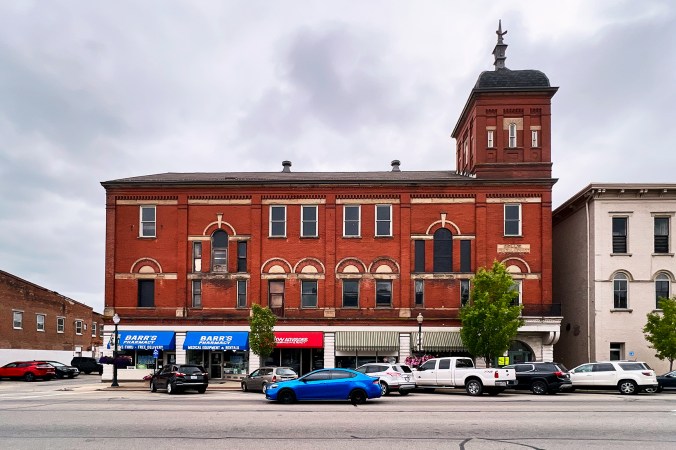
While there were brief revivals—including a return to live theater in 1957 for Ohio’s sesquicentennial—the building mostly sat dark for the second half of the 20th century. Its doors opened occasionally for festivals and local events through the 1990s.

Many of the theater’s original metal-frame seats were removed and sold for scrap during World War II. Others were reused in local schools or theaters. By the 2000s, Bell’s Opera House was largely forgotten, its interior aging but still structurally sound.
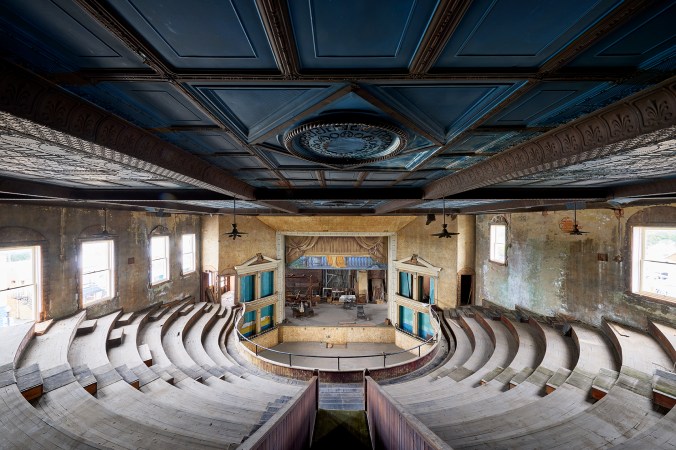
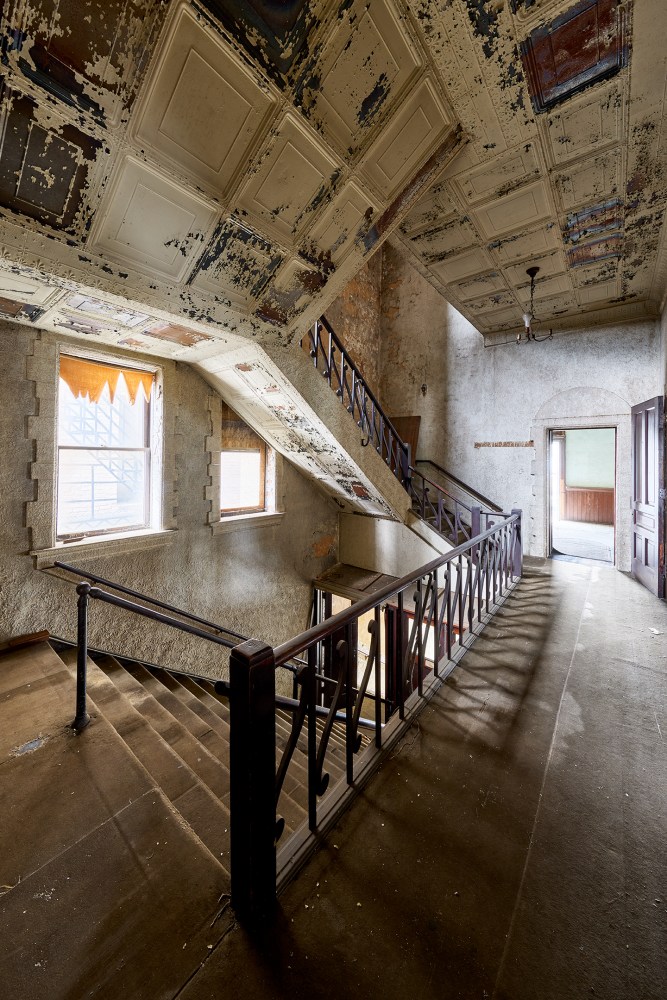
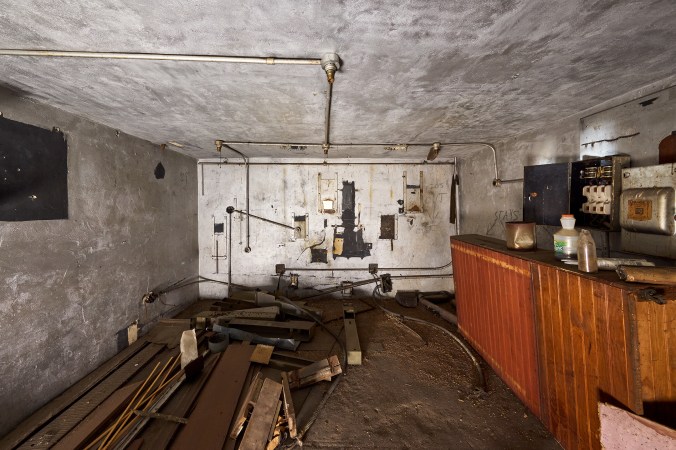
In 2006, comedian and former mayor Drew Hastings purchased the building and began light restoration work in 2010–11. While stabilized, the building still needs significant investment to return it to public use. Hastings has said he hopes to sell it to a nonprofit that can complete the work and bring it back to life.
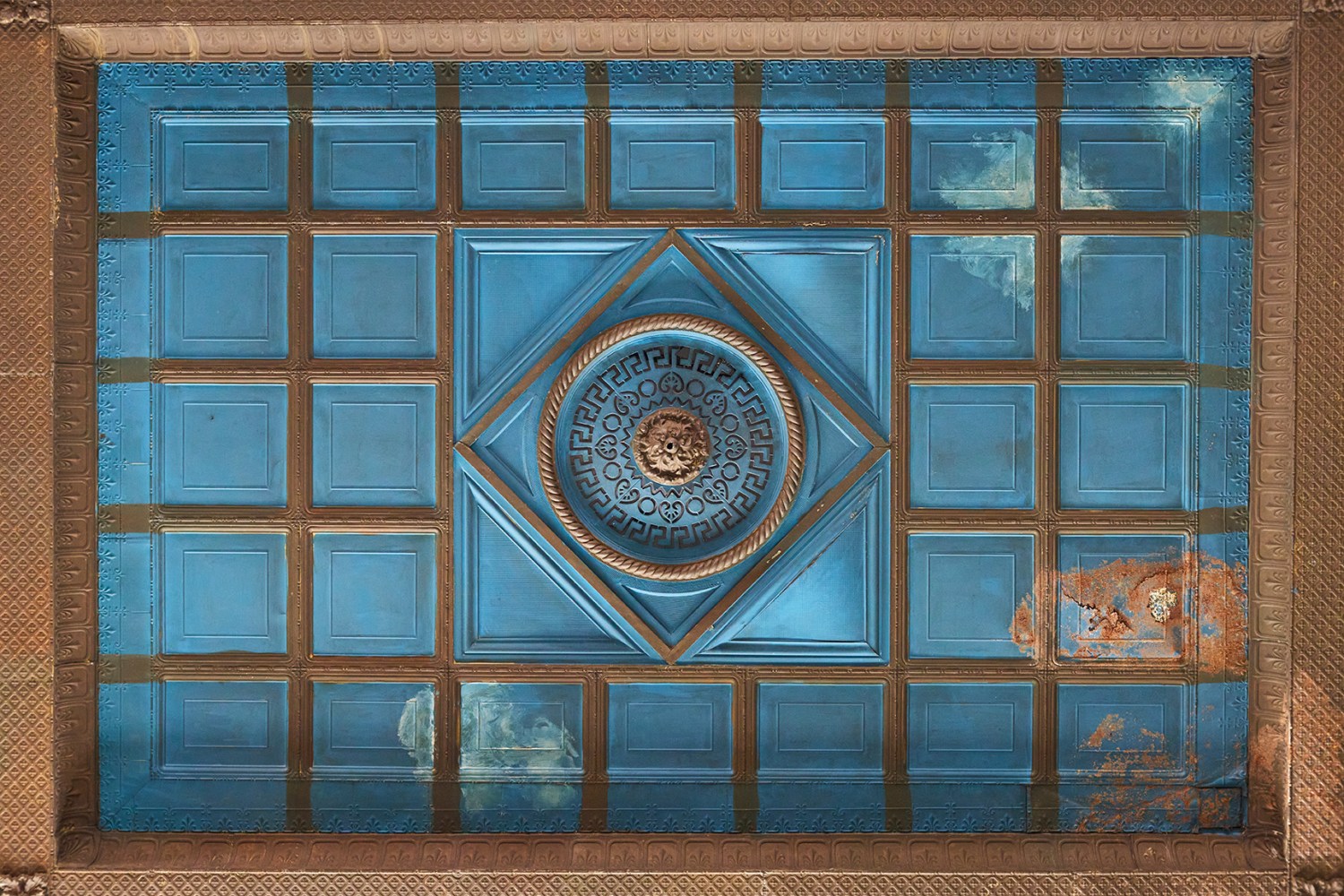
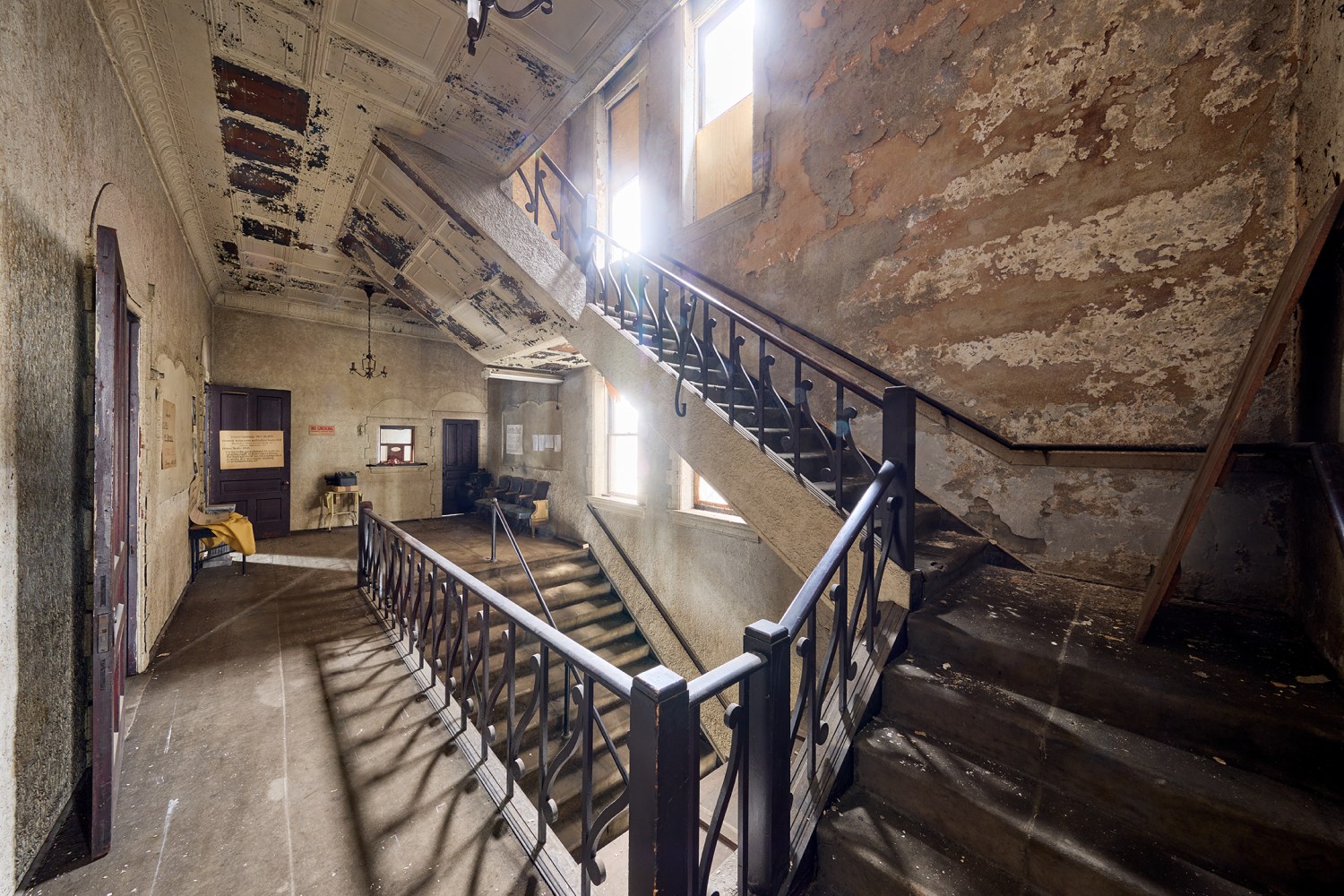
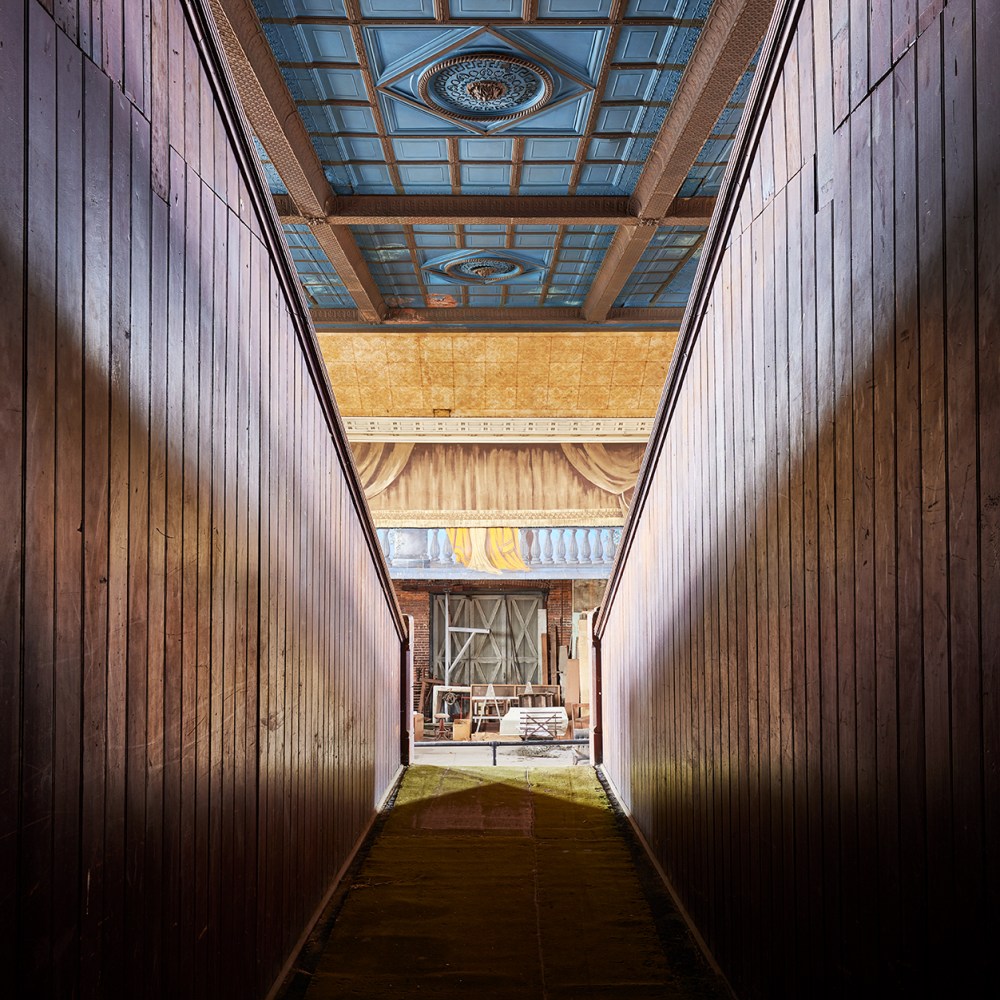
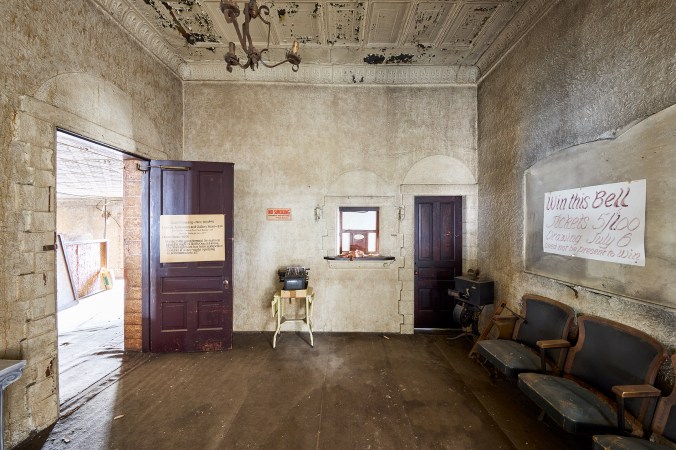
Kirsten Falke-Boyd, a classically trained singer and the great-granddaughter-in-law of C.S. Bell, visited the Opera House in 2023. Falke-Boyd was part of Bobby McFerrin’s Voicestra and has performed across the world. She described the space as both fragile and hauntingly beautiful, with its pressed tin ceiling, private box seats, and faded wallpaper still intact For her, it was more than a building—it was family history.
Shea’s Theatre – Ashtabula, Ohio

This was originally posted on After the Final Curtain’s Patreon in January 2025. For expanded early posts, as well as video walkthroughs and other exclusive content, you can become a patron at: https://www.patreon.com/afterthefinalcurtain

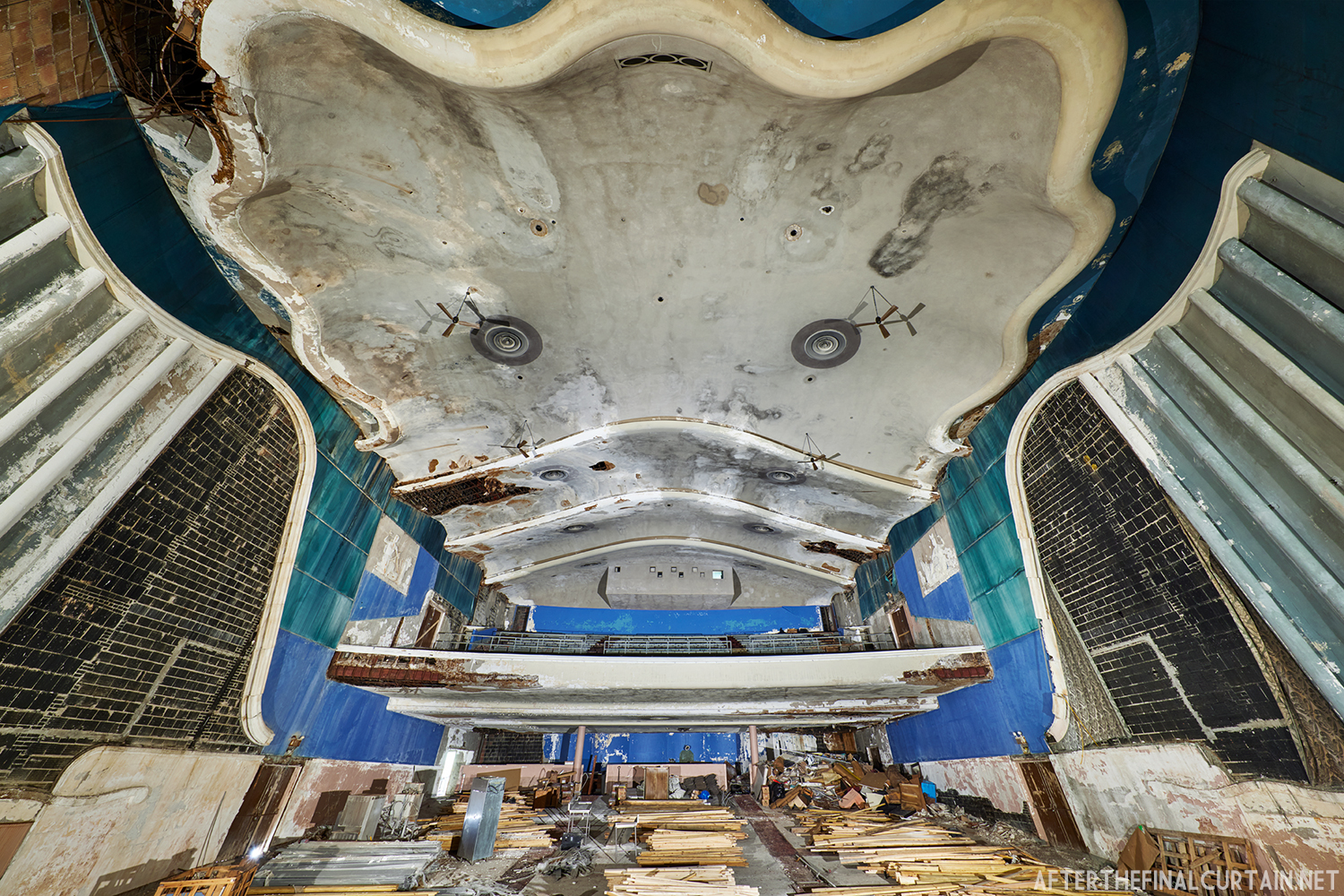
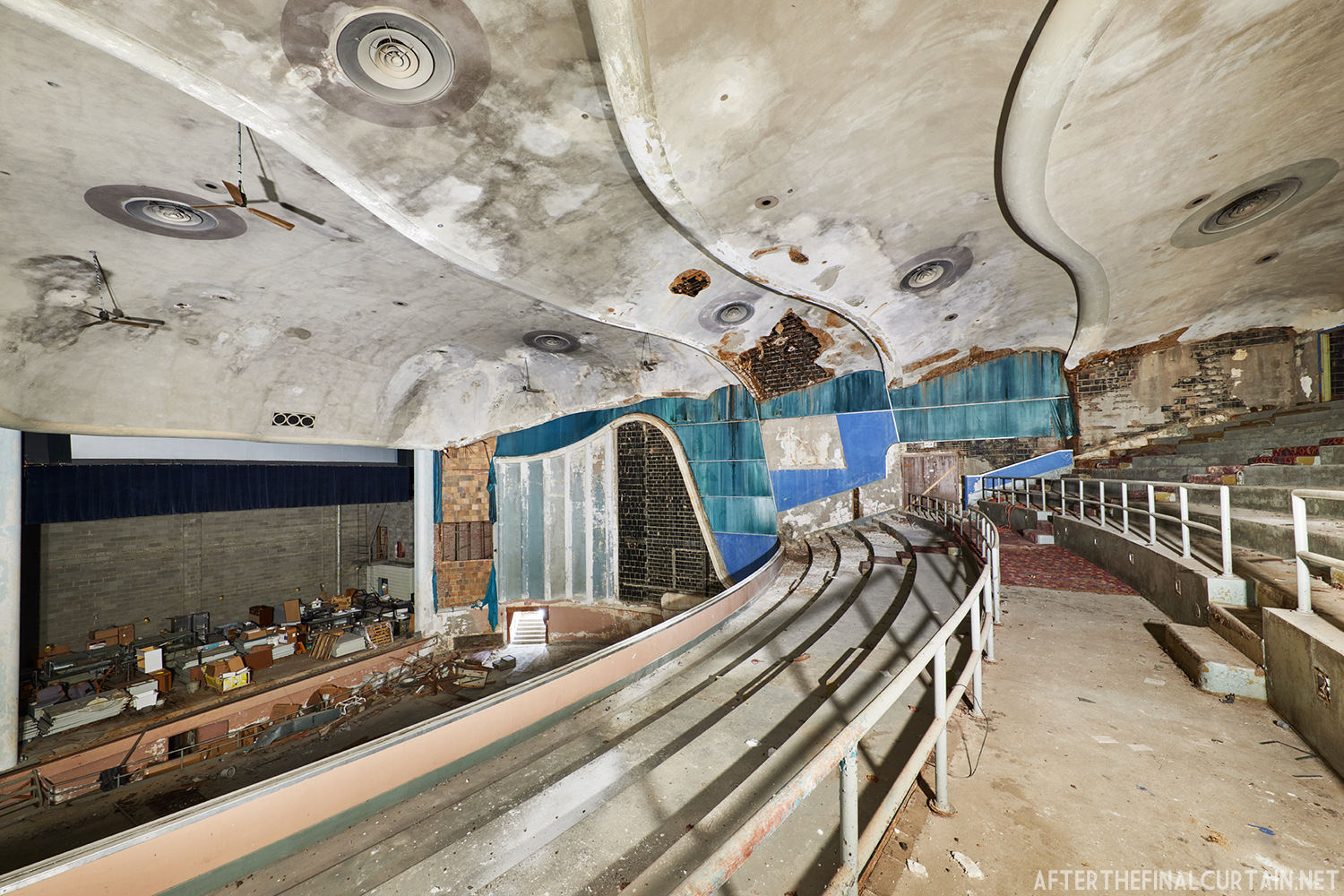
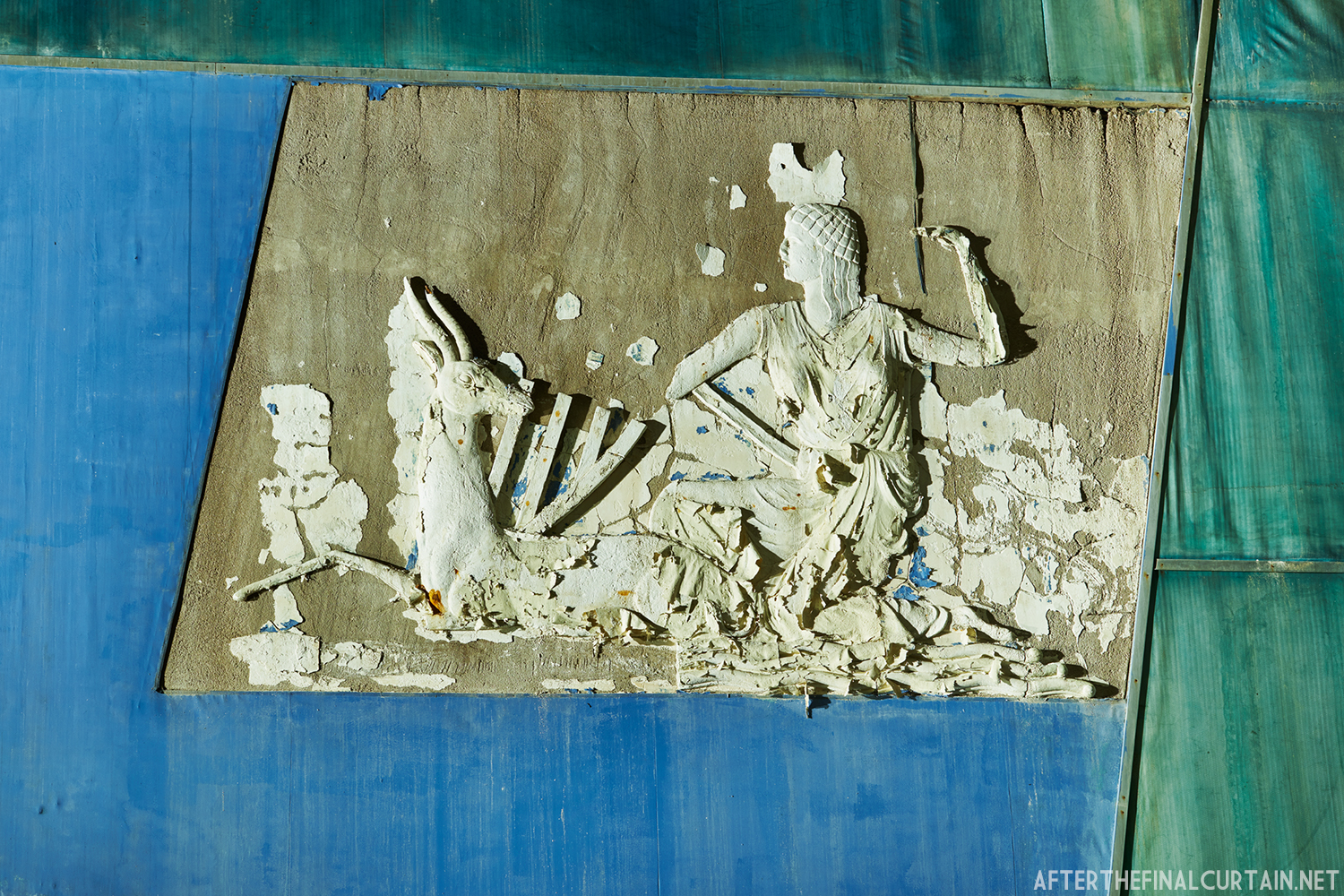
Shea’s Theater, located in the heart of Downtown Ashtabula, Ohio, opened its doors in 1949 during the height of the city’s industrial boom. Designed by Michael J. DeAngelis in the Streamline Moderne style, the theater was a $1 million investment by M.A. Shea with seating for 1,530 guests.

The theater’s heyday coincided with Ashtabula’s economic peak in the 1950s, when the city thrived as a bustling port town along the Great Lakes. Iconic stars like Judy Garland, Mickey Rooney, and Clark Gable graced its screen, while live performances by artists like “Polka King” Frank Yankovic drew record-breaking crowds of nearly 1,700 people.

Despite its initial success, Shea’s began to struggle by the 1970s. Newer theaters in Saybrook Township provided stiff competition, and declining attendance, coupled with financial woes, forced the theater to close in 1973. At the time, the corporation owed significant back taxes and rent, signaling the difficulties of maintaining such a large venue. Efforts to revive Shea’s were made throughout the late 1970s, with the building reopening as a public auditorium in 1977. It briefly hosted live theater, concerts, and community events, but poor attendance and insufficient funding led to its final closure in 1982.

Though its auditorium went dark, Shea’s remained a part of Ashtabula’s community in a limited capacity. A portion of the building became the Ashtabula Senior Center, while the theater’s iconic seats were refurbished and repurposed for the Ashtabula Arts Center. Behind a makeshift wall, the grand main hall sat untouched, a reminder of the theater’s former glory.

The current owner of the theater plans to revive the building in phases beginning with the restoration of its façade and marquee. The hope is to create excitement and community engagement by hosting smaller events in the revamped space while generating momentum for a full-scale restoration. It was recently given a a $500,000 grant from Ohio’s capital budget Although significant funding is still needed, local leaders believe the revitalization of the Shea’s could serve as a catalyst for bringing new energy to Downtown Ashtabula. Work has begun restoring the entryway and lobby of the theater.

Emery Theatre – Cincinnati, Ohio

This post was originally posted on After the Final Curtain’s Patreon in Jan 2021. You can become a patron at: https://www.patreon.com/afterthefinalcurtain

Want to see the Emery for yourself? It’s one of the new photography workshop locations for 2023. Find out more at: https://www.mlambrosphotography.com/workshops

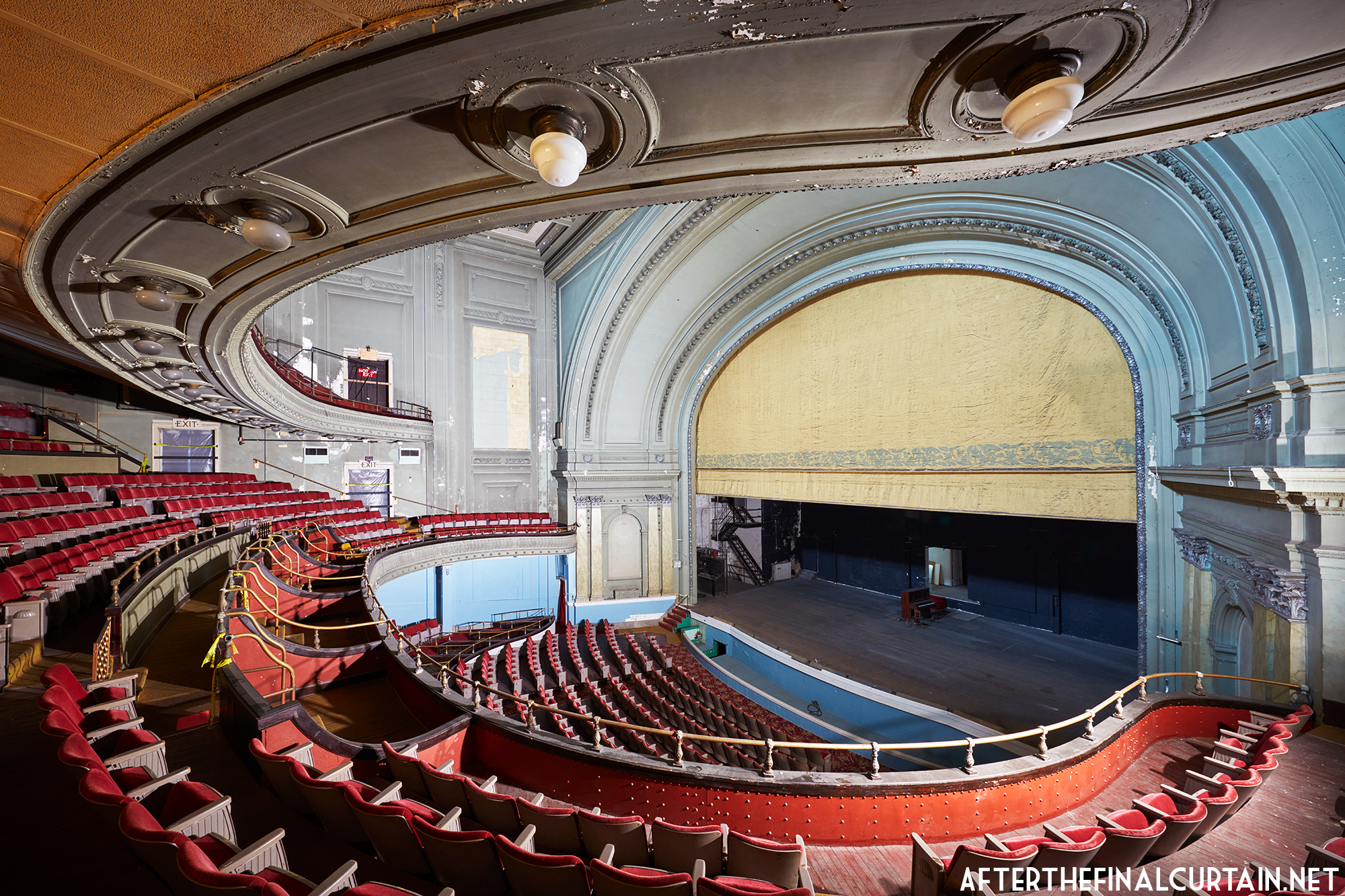
View of the auditorium from the middle balcony.

Built as part of the Ohio Mechanics Institute, the Emery Theatre in Cincinnati, Ohio opened on January 6, 1912 as the Emery Auditorium. It was funded by an endowment of $656,737 ($17.1 million with inflation) from Mary Emery, whose husband, Thomas J. Emery had planned on building a similar school in the city. Emery stipulated as part of the endowment that the auditorium must be open to the public and have at least 1,800 seats. The 2,200-seat theater was designed by Harvey Hannaford of the architectural firm of Samuel Hannaford & Sons. It was one of four “acoustically perfect” concert halls whose design was inspired by the Auditorium Theatre in Chicago, IL. The other three were the Orchestra Hall, also in Chicago, Carnegie Hall in New York, and the Orchestra Hall in Detroit, MI.

View of the auditorium from the stage.

The Cincinnati Symphony Orchestra held an inaugural concert at the theater on January 6, 1912. In 1924, George Gershwin performed his classic composition Rhapsody in Blue at the theater. On April 25, 1936, the Cincinnati Symphony Orchestra held its final concert at the Emery; it moved to the Cincinnati Music Hall, a space with more seats and more parking. Beginning in 1935 and ending in 1939, the Federal Theatre Project, a program established during the Great Depression as part of the New Deal to fund live entertainment programs, began to use the Emery. From 1938 to 1948, the theater was the home of The Boone County Jamboree, an American Country Radio Program. A 500,000-watt transmitter was used by station WLW so that millions of people around the country could listen to the program.

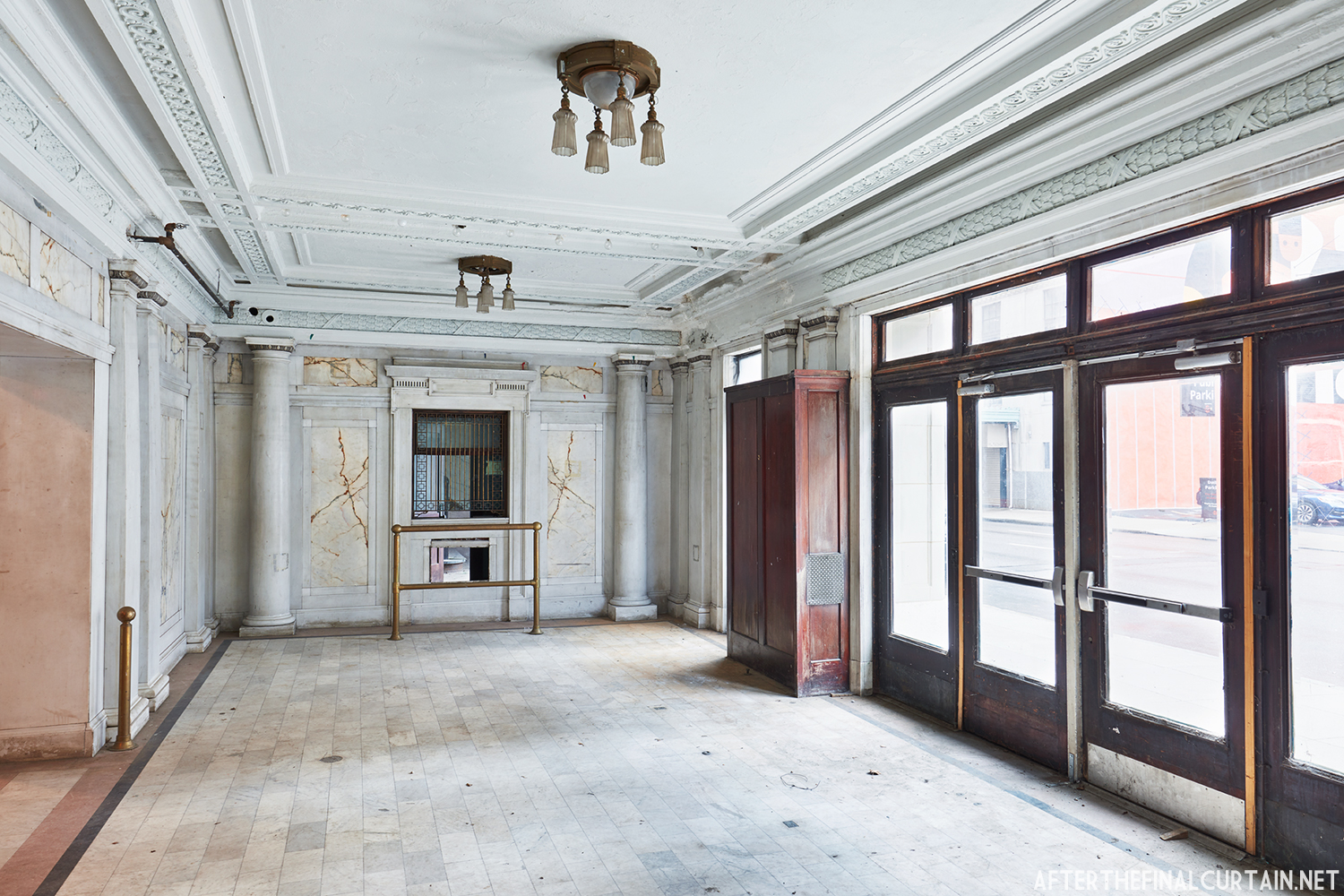
The Emery has a very small lobby when compared to many other theaters built around the same time.

The Reverend Martin Luther King Jr. spoke at the Emery on June 16, 1959 while he was campaigning for Ted Berry during Berry’s run for Cincinnati City Council. The University of Cincinnati (UC) took ownership of the Emery building in 1969, when the Ohio Mechanics Institute was incorporated into the university. A Wurlitzer Opus 1680 organ moved to the Emery from the nearby Keith’s Theater the same year, but was not completely installed until 1977. That same year, the Ohio Valley Chapter of the American Theater Organ Society began programming shows on the weekends. They held organ concerts, showed silent, talking, and 3D films, and reduced the seating by closing the upper balcony. The final organ concert was held on October 24, 1999, after which the Wurlitzer was removed to be restored. It would never return to the Emery, and was installed in the Cincinnati Music Hall’s ballroom in 2004.

Most of the seats on the upper balcony have been removed.

Beginning in November 2011, the Requiem Project, a non-profit group formed in late 2008 to restore the theater, held concerts, film festivals and recording sessions at the Emery. The National, Dirty Projectors, Carrie Rodriguez, Ralph Stanley and others performed at the theater during this time. The Requiem Project hired John Senhauser Architects and Westlake Reed Leskosky, two architecture firms, to create the restoration plans for the Emery. However, the Emery Center Corporation, who subleased the theater from Emery Center

Apartments Limited Partnership (ECALP), who in turn leased it from UC, shut down all programming in 2013. According to Kathy Schwab, head of the Emery Center Corp in 2013, programming was stopped due to the theater’s dilapidated state and because everything had to be approved by UC. The Requiem Project sued to try to continue their renovation efforts at the theater, but eventually settled in March 2016. On April 23, 2019, the UC board of trustees voted to sell the Emery; according to them, it is beyond repair. It was sold for $8.55 million to local developers who intend to restore the building. The restoration costs are estimated at around $30 million and will take about three years to complete.

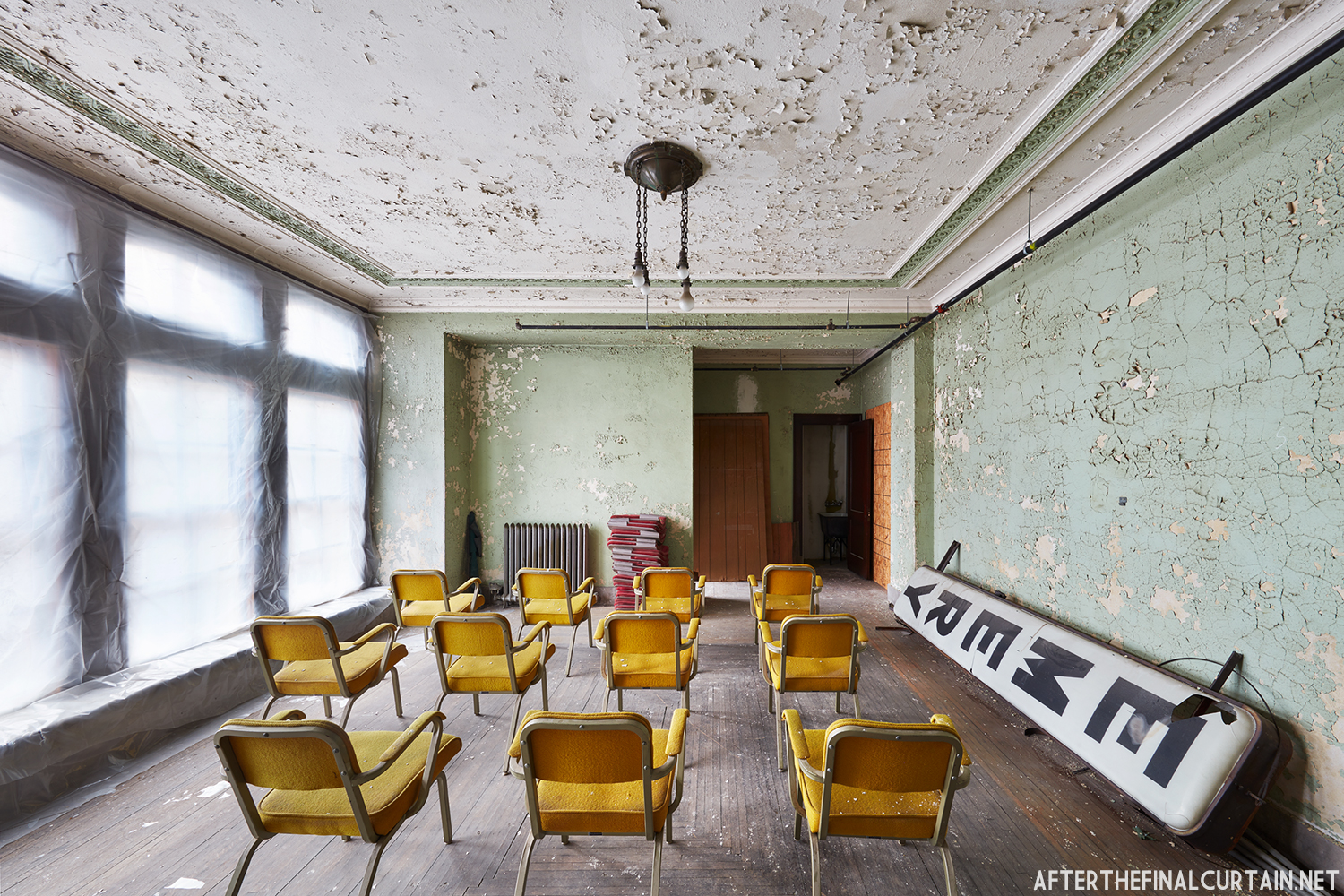
The theater’s vertical sign is stored in one of the former offices in the building.

View of the auditorium from the orchestra level.

Robins Theatre Video

The Robins Theatre in Warren, Ohio is currently being restored and is scheduled to reopen in 2020. I’ve been documenting the progress and put together a short video tour. Look for an in depth post on the Robins soon!

Grand Theatre Steubenville, Ohio

The Grand is one of the 22 theaters in my new book “After the Final Curtain: The Fall of the American Movie Theater.” Find out more here.

All of the seats have been recently removed due to the upcoming restoration.

All of the seats have been recently removed due to the upcoming restoration.

The Grand Theatre building was built in 1885 by German immigrant Jacob Griesinger, Sr. in Steubenville, Ohio.  It originally housed a saloon, restaurant and livery stables. In 1924, the building was taken over by Charles, Edward, Howard and William Biggio. The four brothers had the stables torn down and constructed the Grand Theatre auditorium in its place.

Continue reading