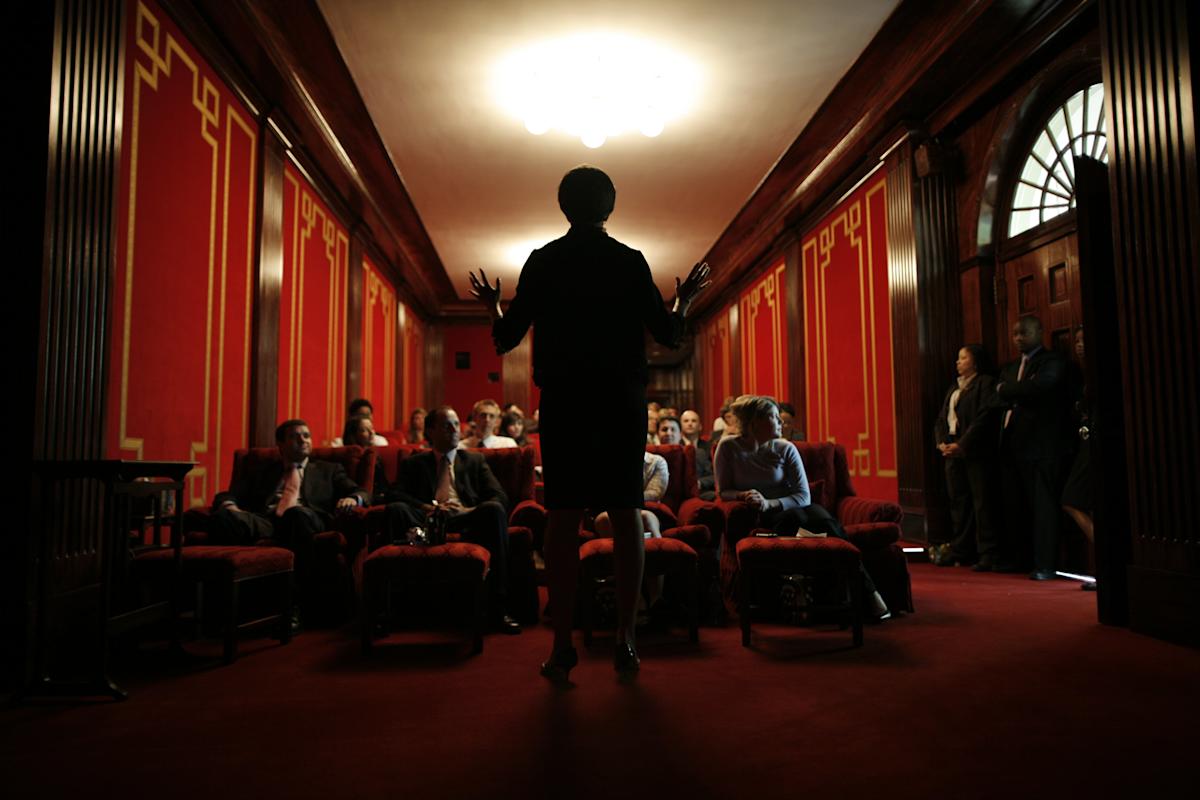
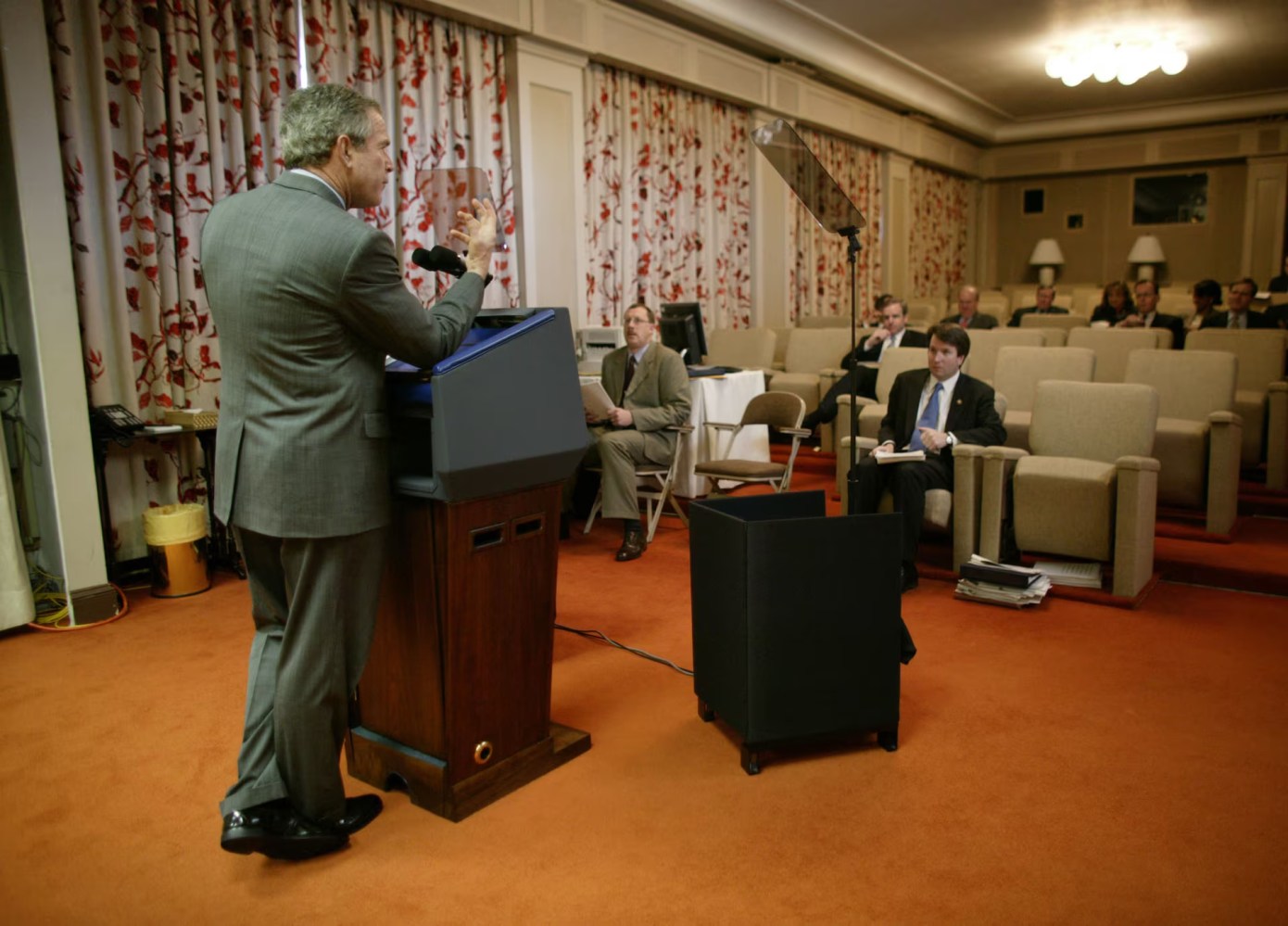
When I first photographed historic theaters, I learned that much of their power comes from what we don’t see — the rooms behind the walls, the quiet rituals that make them more than just places to sit and watch a screen. The White House Family Theater was one of those spaces.
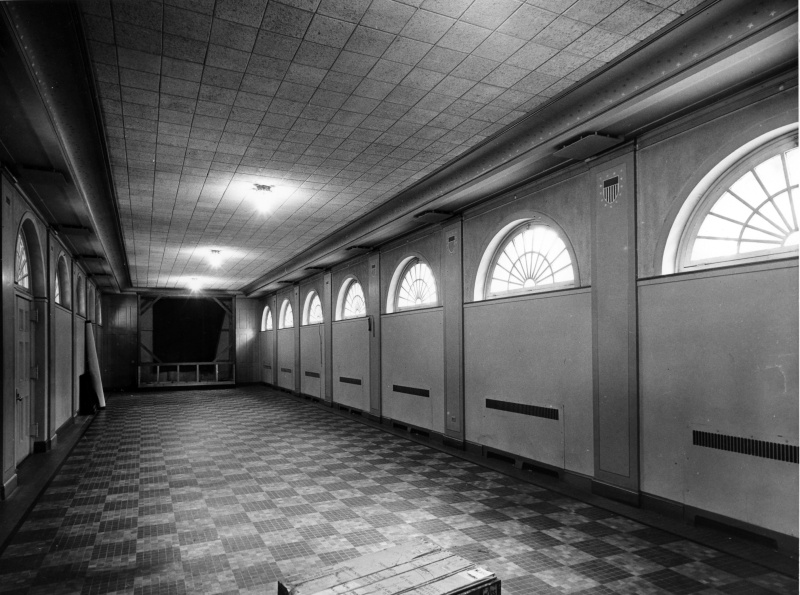
In 1942, Franklin Roosevelt converted a small cloakroom in the East Wing into a private 42-seat movie theater. Every president since has used it in some way. It’s where they watched films with their families, hosted private screenings, and sometimes even practiced speeches. John F. Kennedy watched From Russia With Love there the night before his assassination — the last movie he ever saw. The design evolved through the decades, but its purpose stayed the same: a private, personal corner of the presidency. Earlier this month, that space was demolished without public notice as part of a renovation project.
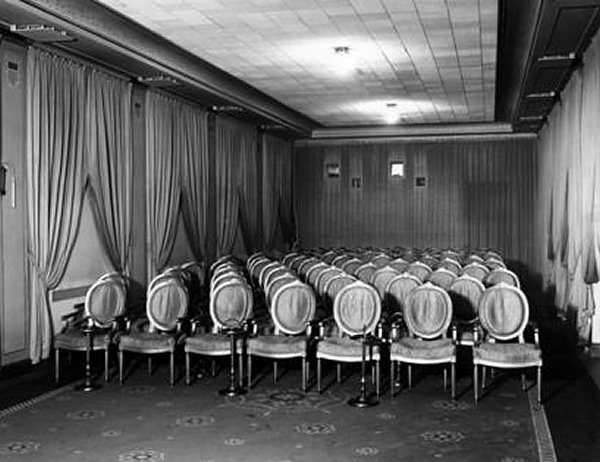
I’ve been interviewed twice about the theater and its demolition — once for Fast Company (read here) and again for NPR (read here). In both, I spoke about how the space reflected not just changing design trends, but also the way film quietly became part of the presidency itself.
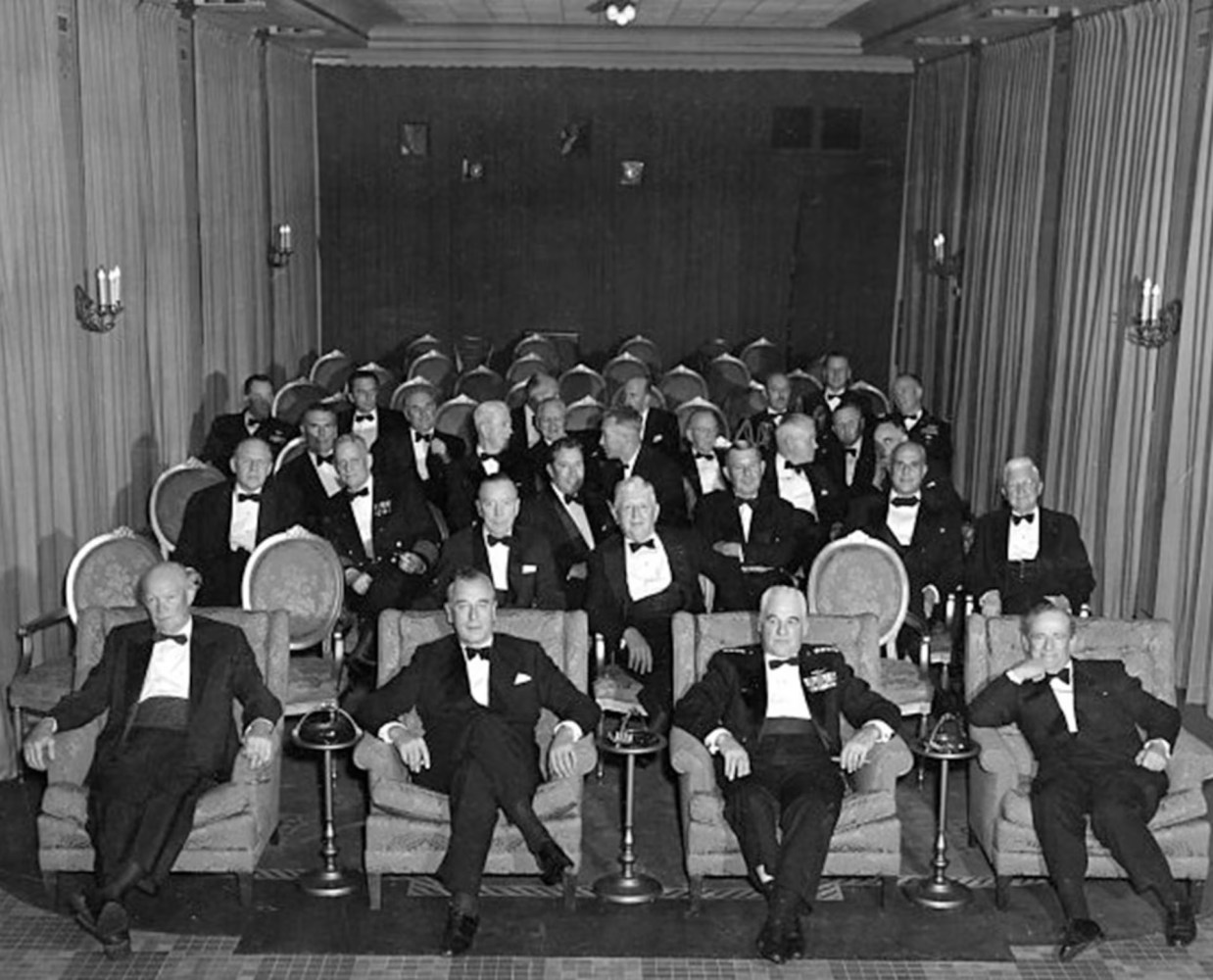
For those of us who care about the cultural side of history, its loss matters. The White House Family Theater wasn’t open to the public, but it was part of the story of how film became woven into American life — even at the highest level. I’ve written a longer piece on its history and significance, along with my own reflections, on Patreon. You can read it here.
 After the Final Curtain
What a shame that this has been lost…