Logan Theatre – Philadelphia, PA

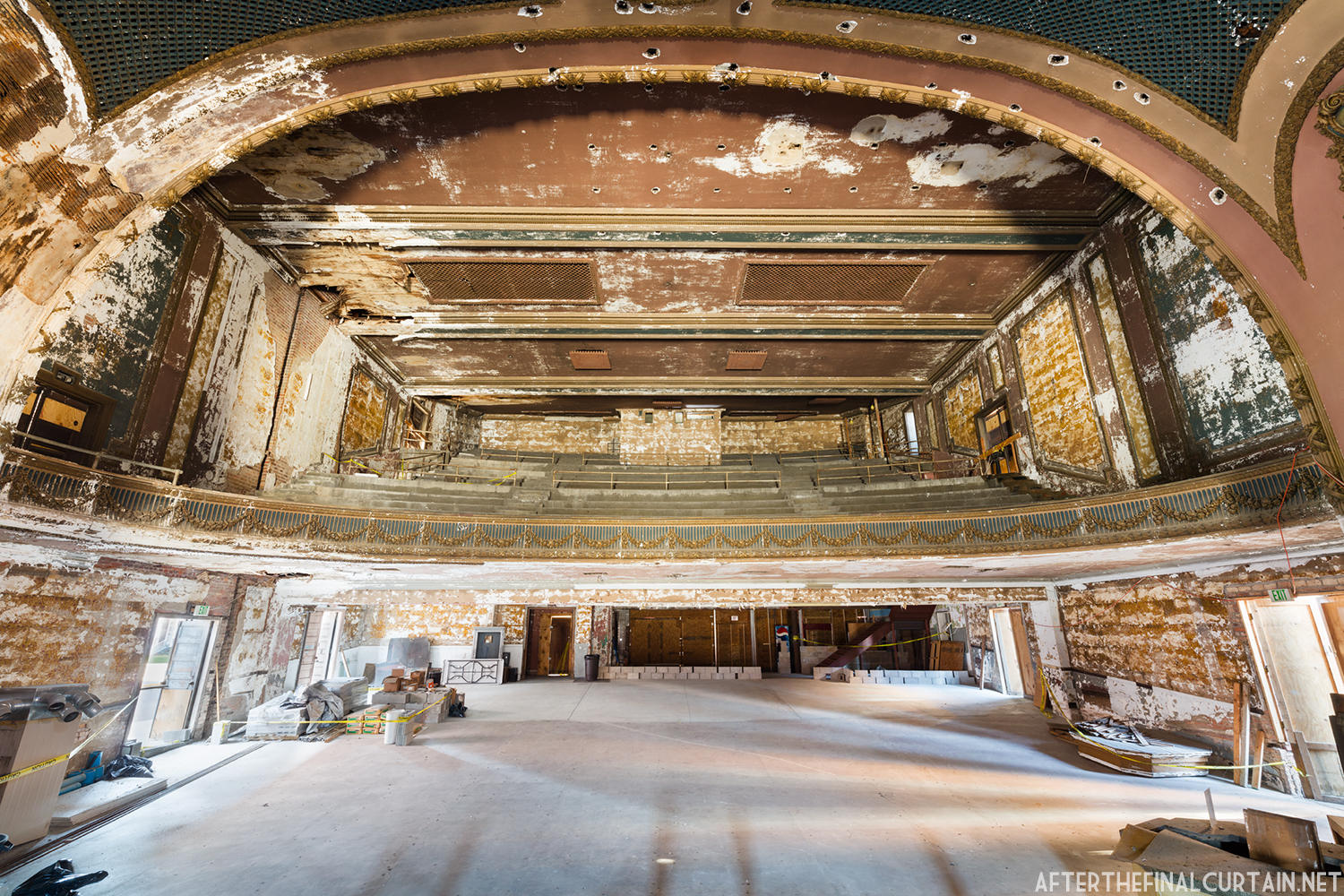
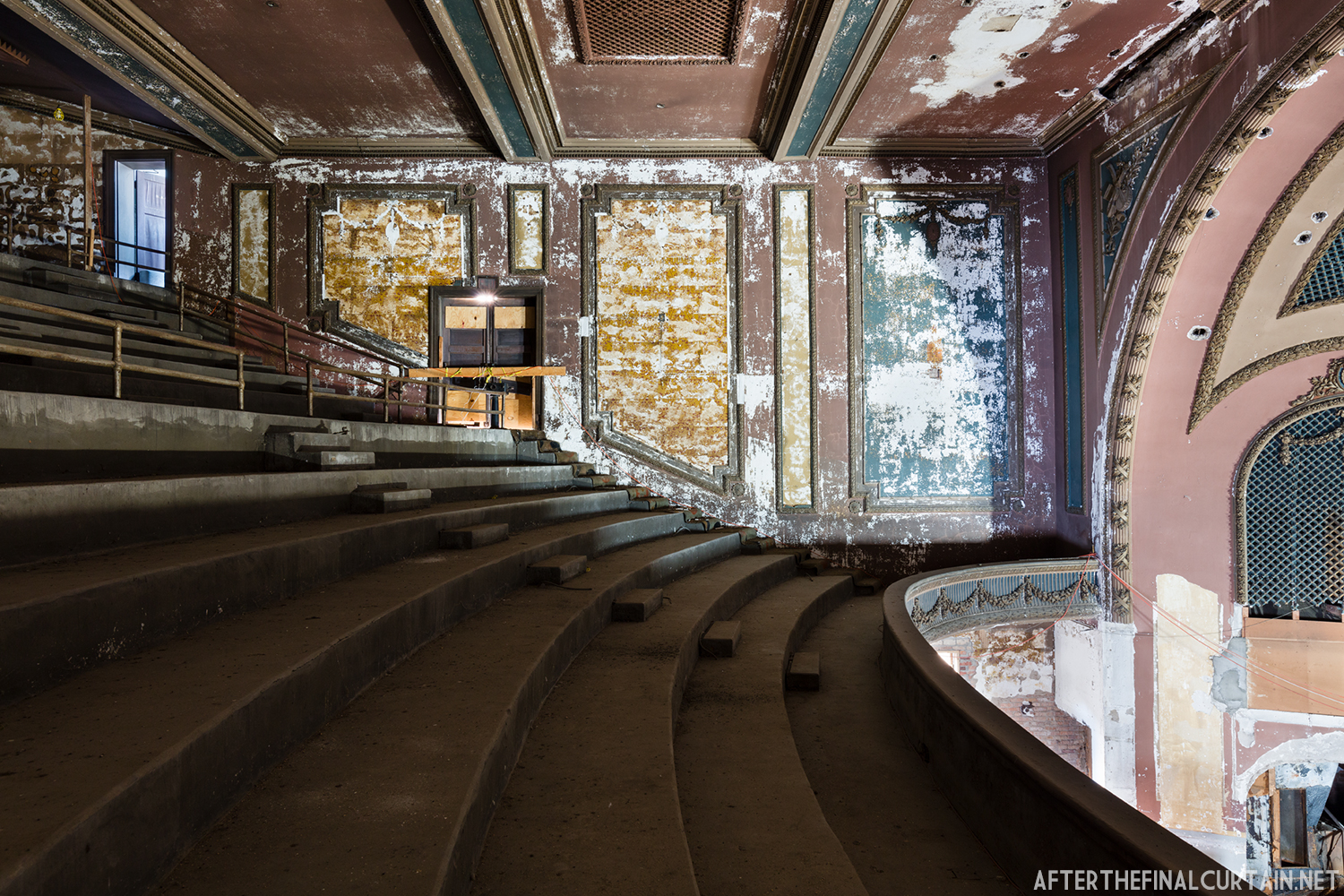
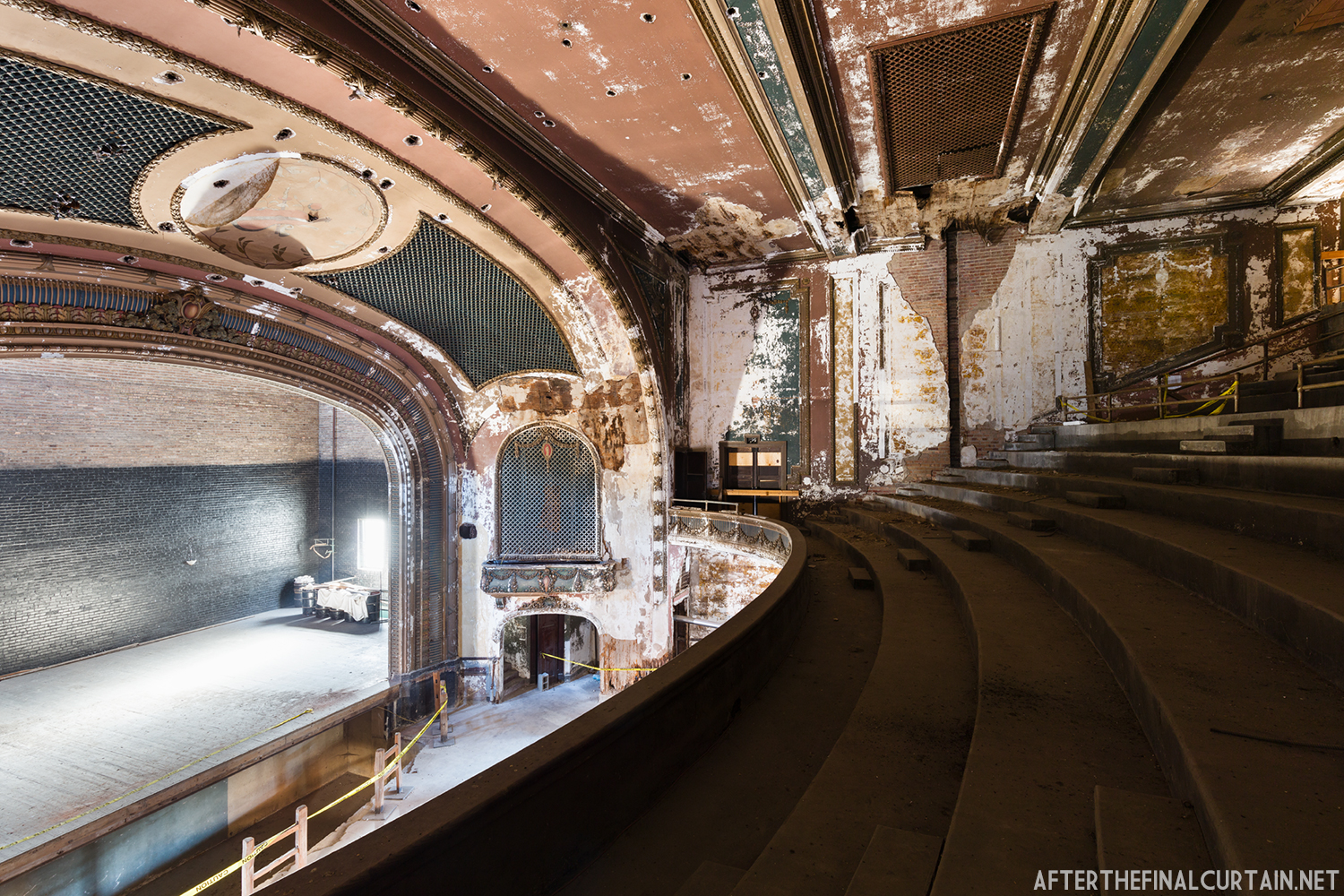
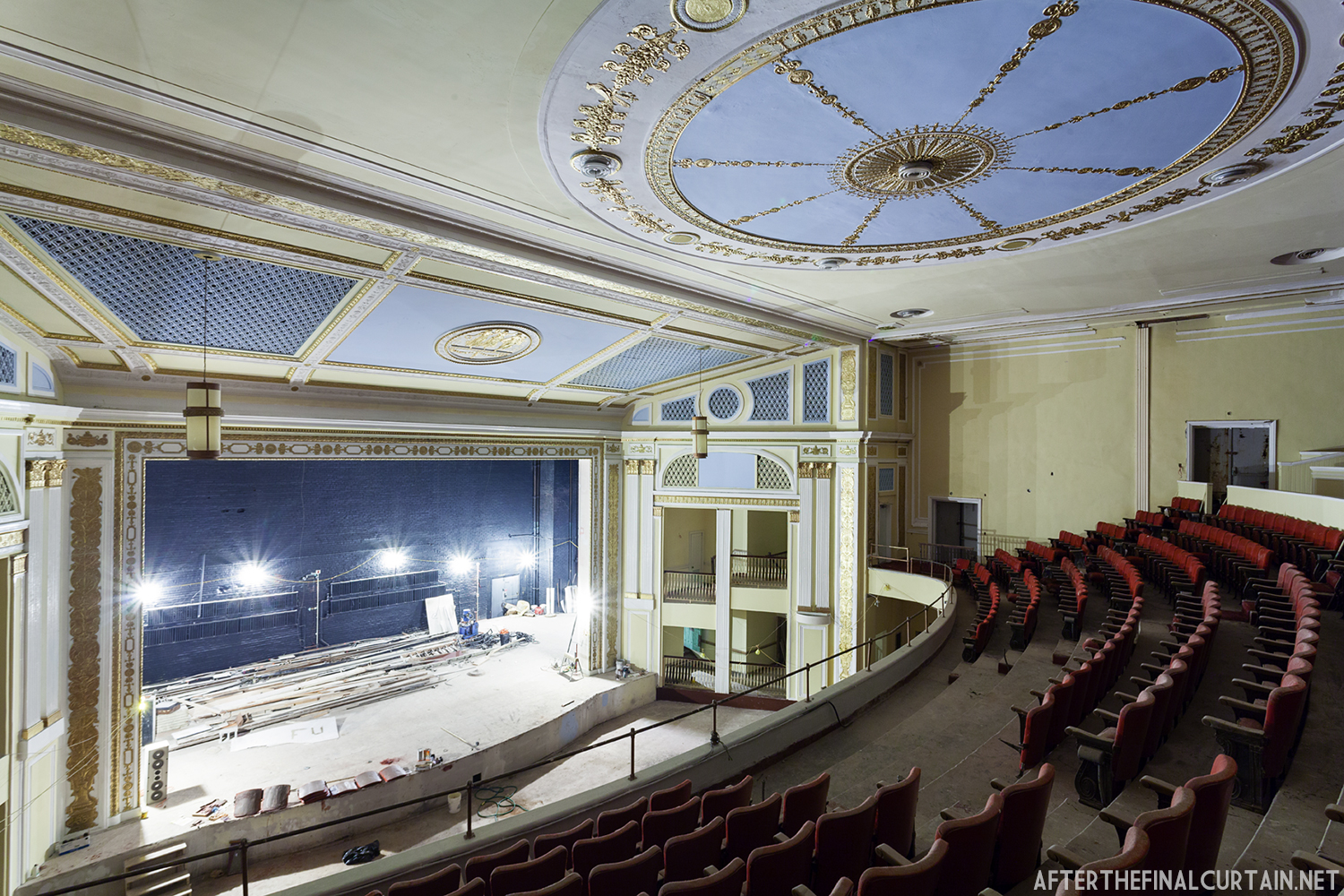
View of the auditorium from the side of the balcony.

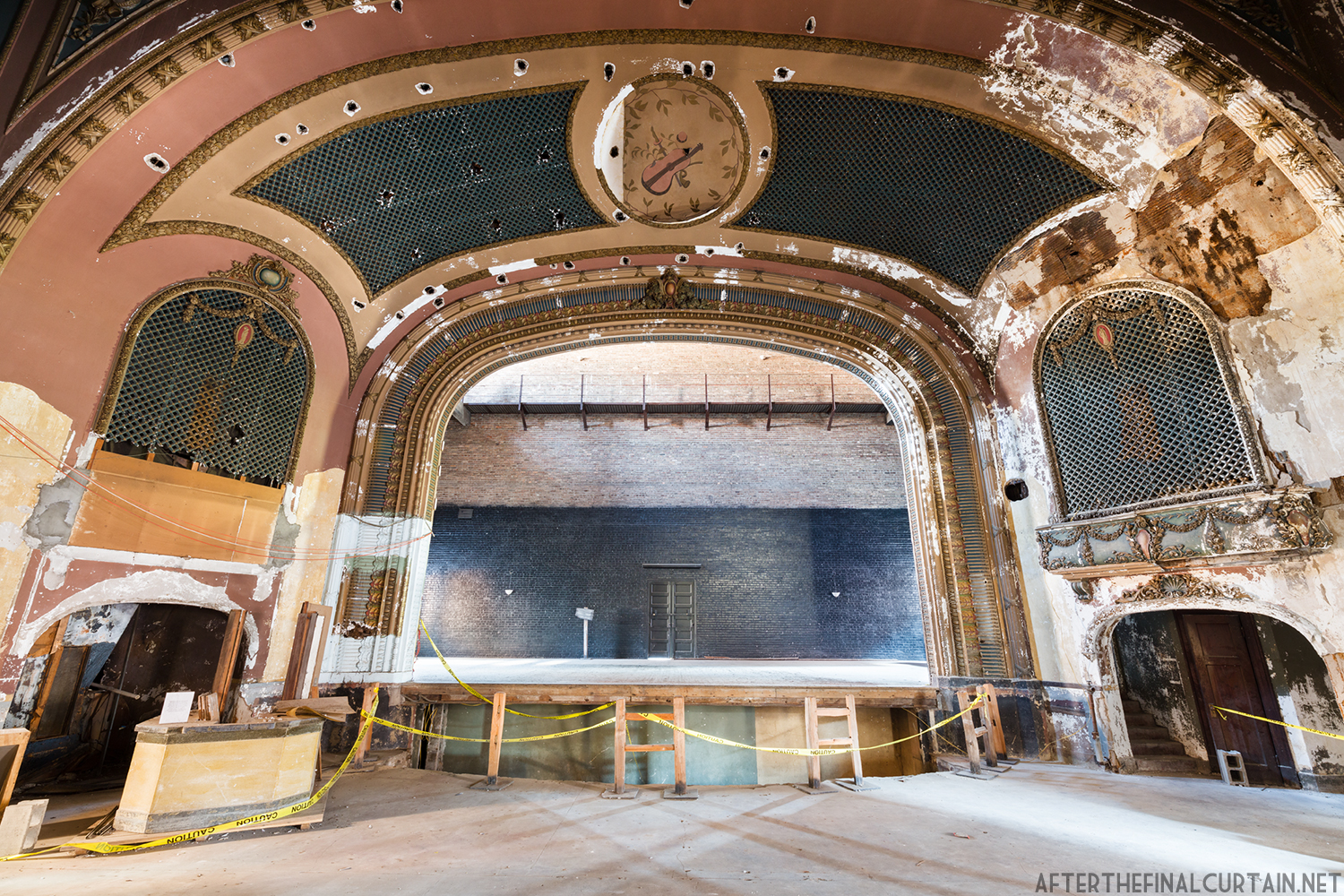
The Logan Theatre in Philadelphia, PA opened on January 24, 1924. It was built by the Stanley Company of America for $1.1 million, or $15.5 million when adjusted for inflation. The 1894-seat theater was designed by the architectural firm of Hoffman and Henon, who also designed the now mostly demolished Boyd Theatre in downtown Philadelphia. Designed in the Adamesque style, the plasterwork in the auditorium featured mythological creatures, and there was a fresco of a sailing ship in the lobby. The building also had a large ballroom on the second floor, known as the “Waltz Studio.”

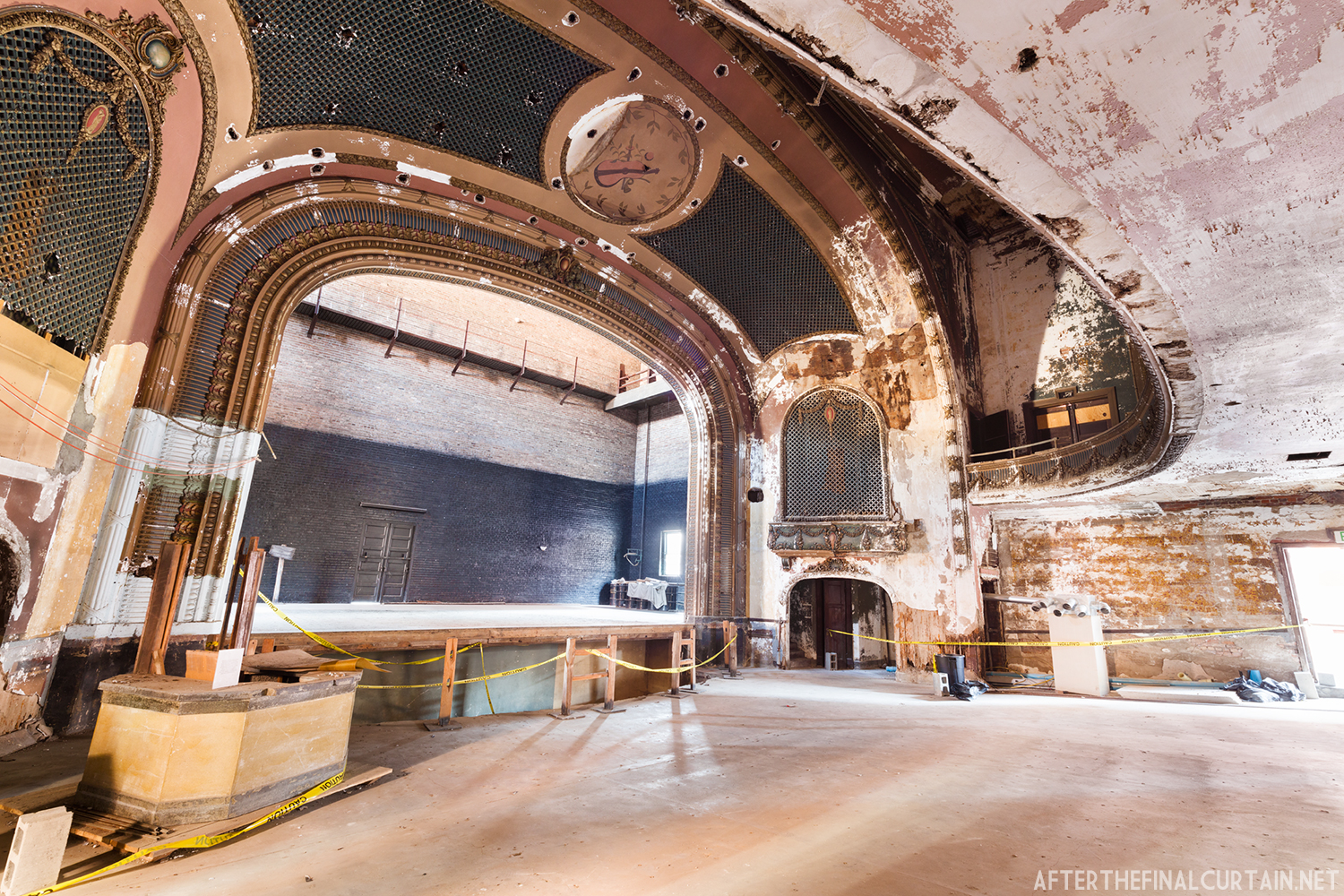
View of the auditorium from the stage.

Originally a silent film theater, the opening day celebration included a showing of
“The Common Law,” starring Corinne Griffith and Conway Tearle. The film was accompanied by music from the Kimball organ, and the house orchestra, which was known as “The Loganians.” Then-mayor of Philadelphia W. Freeland Kendrick and Jules E. Mastbaum, the president of the Stanley Company, spoke at the opening. Like most of its contemporaries, the Logan eventually switched over from silent films to “talkies,” or motion pictures with sound.

The former “Waltz Ballroom” space.

The Logan was closed in 1972, and in May of 1973 the building was sold by RKO Stanley Warner for $350,000 to the Deliverance Evangelist Church (DEC), one of the largest congregations in the area at the time. DEC made some alterations to the theater, including adding a closed circuit television system, as the theater was often filled to capacity. This allowed people to watch the three-hour-long services from the former Waltz Studio ballroom. DEC moved out of the Logan in 1992, and the theater was abandoned. Soon after, the roof began to leak, causing major water damage.

The lobby of the Logan Theatre.

Dr. Owen Williamson purchased the Logan in 2005, and began to restore it as a memorial to his late wife, Claretilda. Since purchasing the building he has repaired the roof, repainted the interior and updated some of the wiring. Dr. Williamson plans to reopen the theater as a live music venue with a restaurant named “Claretildaville,” However, the building remains closed to this day.

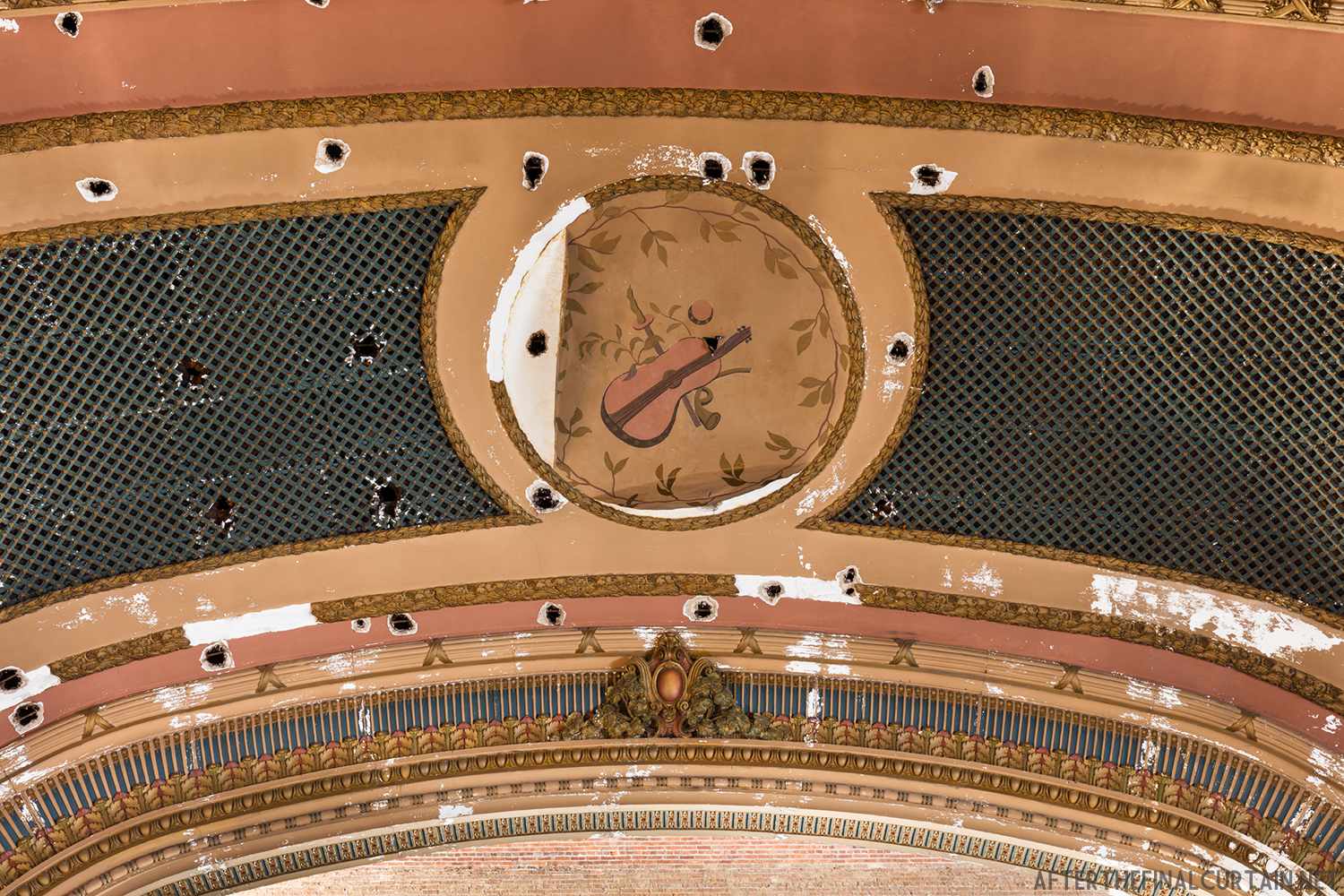
The Logan has a relatively plain interior when compared to other theaters built around the same time.

During the years the Logan was a church a baptismal font was on the stage.

When the theater opened, afternoon matinees cost fifteen cents, evening shows a quarter or thirty cents.

Gold spray paint was used to repaint the gold in the auditorium.

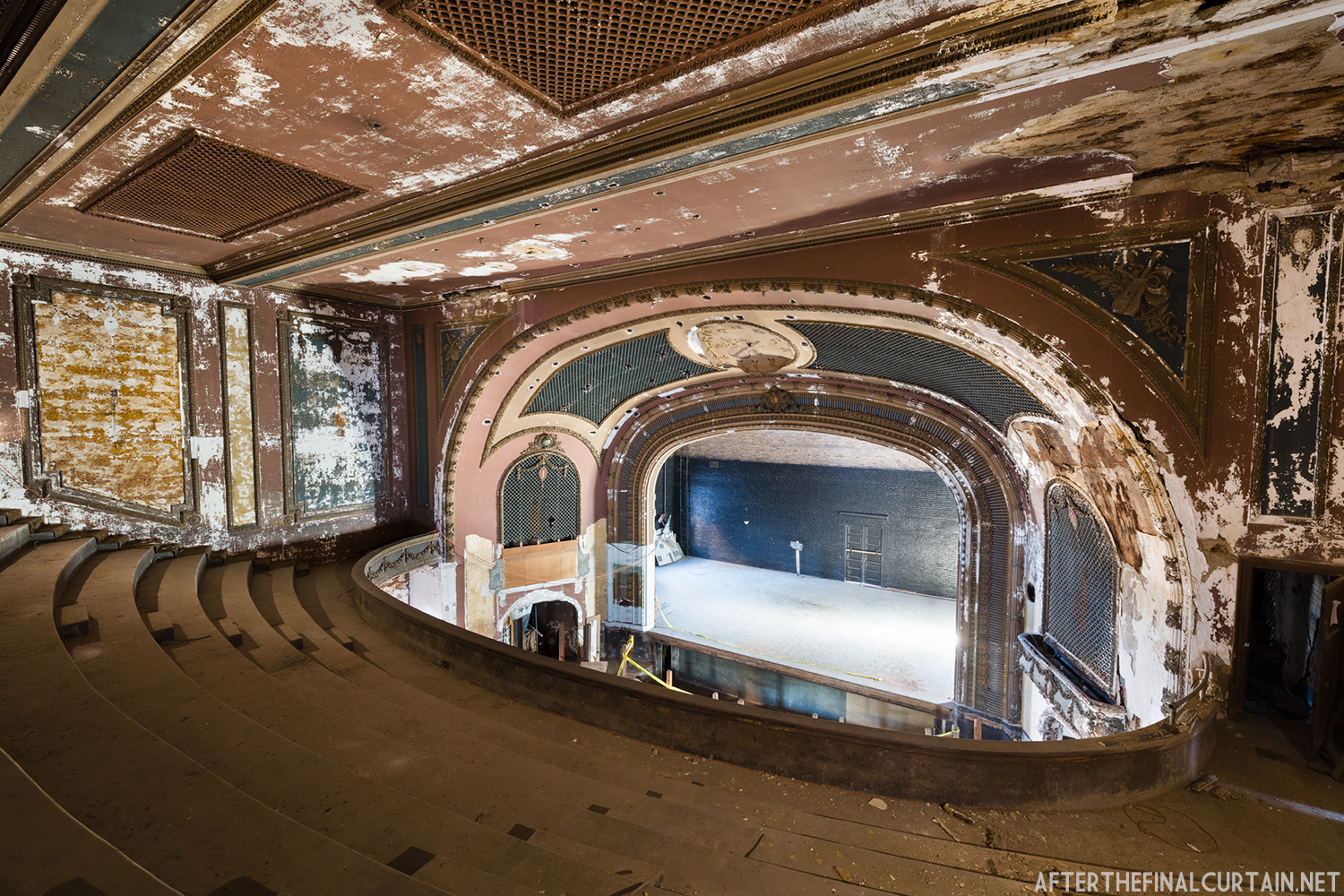
View from the center of the balcony.
Los Angeles Lost Theatre Tour

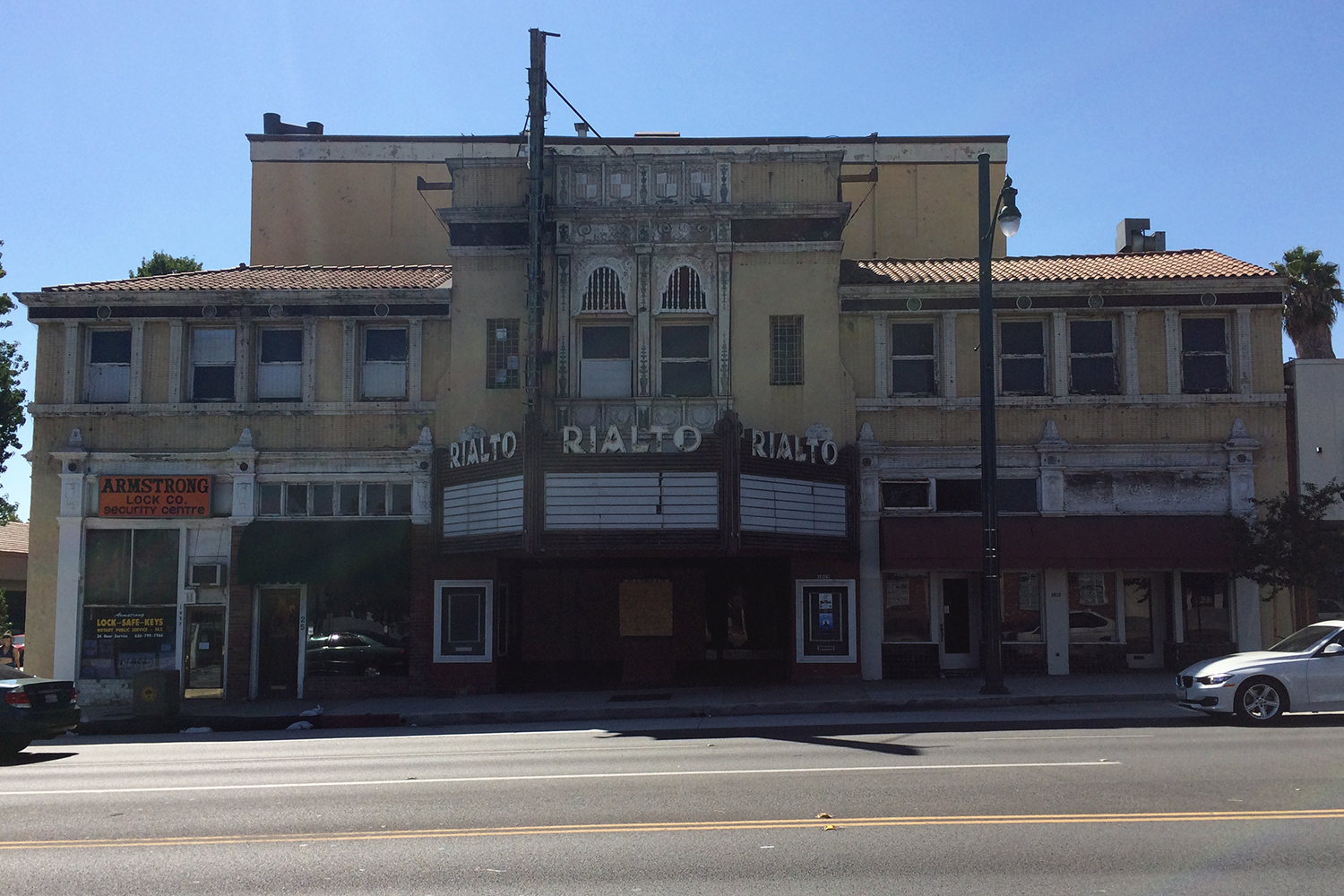
The exterior of the Rialto Theatre in Pasadena, CA

Hi Everyone,

On Saturday July 1, I’ll be co-leading tours through seven of Los Angeles’s Lost Theatres as part of the Afterglow event at the Theatre Historical Society of America’s 2017 Conclave.

Starting at 10AM, we’ll be going to The Variety Arts, the Leimert/Vision, the Rialto, the Raymond, the Uptown and the Westlake.* Photography is allowed, and I’ll be conducting short demonstrations and answering any questions you may have about architectural photography.

Coaches will depart from the Omni Hotel at 9AM, and lunch will be provided in Old Town Pasadena.

If you use the coupon code “ATFC2017” you’ll get $25 dollars off the price and a one year Theatre Historical Society membership (valued at $60).

Tickets are $175 ($150 with the discount) and can be purchased at the THS Conclave site.

If you’d like to attend more than just the Afterglow you’ll also get a discount using the same coupon code:

For the full Conclave (four days of theatre tours) you’ll get $70 off and a complimentary one-year THS membership (valued at $60).

For the two-day downtown LA theater tour you’ll get $60 off and a complimentary one-year THS membership (valued at $60).

Hope to see some of you there!

* Schedule may change. I’ll post an update when it is finalized.

Pantheon Theatre – Vincennes, Indiana

View of the auditorium from the balcony.

The Pantheon Theatre in Vincennes, Indiana opened on May 15, 1921. John Bayard, a local architect designed the theater for owners Louis A. Wilkerson and A.M. Lyons. It cost $225,000 to build, or roughly $3.2 million when adjusted for inflation. The 1,500 seat theater had a Typhoon air cooling and ventilating system, a precursor to air conditioning, which was powered by three very large fans in the ceiling. The opening of the theater was originally supposed to take place on March 15, 1921, but it was delayed two months due to some plaster falling from the underside of the balcony.

View of the auditorium from the stage.

In 1923, Wilkerson-Lyons Enterprises sold the Pantheon Theatre to the Consolidated Realty and Theatres Company (CRTC), which owned and operated theaters in several cities in Indiana, for $225,000. However, CRTC could not afford to pay, and it reverted back to the original owners two months after it was sold. Red Skelton, an American entertainer and Vincennes native who performed at the Pantheon in his youth later unsuccessfully tried to purchase the theater. The Marx Brothers, Spike Jones and Duke Ellington, Will Rogers, Roy Rogers, Hank Williams and Gene Autry also performed at the theater.

A Wurlitzer-Hope Jones pipe organ was installed shortly before opening day.

In 1961, the Pantheon closed and was converted to retail space. The orchestra level was leveled with concrete and a suspended ceiling was added to close off the balcony. A Sears department store was the first to move into the newly created space. In 2006, the building was purchased by Travis Tarrants, who planned on reopening the theater as a performing arts center. Tarrants formed a non-profit organization, the Pantheon Theatre Company (PTC), and began work on the theater. The suspended ceiling was removed, and the auditorium floor was de-leveled. However, PTC relied on donations to fund the restoration of the Pantheon, and those dried up due to the recession of 2008. PTC was unable to pay the thousands of dollars in back taxes owed, and the theater was sold at a tax auction in October 2012.

On August 21, 1928 the theater was broken into and 1,200 dollars was stolen from the safe. Local police suspected that it was a disgruntled employee.

The Vincennes Business and Arts Initiative (INVin), purchased the theater in December 2014. INVin made repairs to the theater, including replacing the roof, to minimize damage to the theater during the winter. In March 2016, they announced plans for the theater to become a shared work space, which would allow business owners and entrepreneurs a place to network and share resources. Steve Miller, INVin’s founder, envisions the space including training and conference facilities.

The first film shown after CRTC took over was “Circus Days,” starring Jackie Coogan.


The Pantheon was the first theater to show talking motion pictures in Vincennes.


View from the side of the balcony.


The original ticket booth was saved and may be reinstalled in the future.


Close up of the proscenium arch.


The last retail space to occupy the theater was a baseball card store.